The UN LGBTQ Vote That Shocked the World
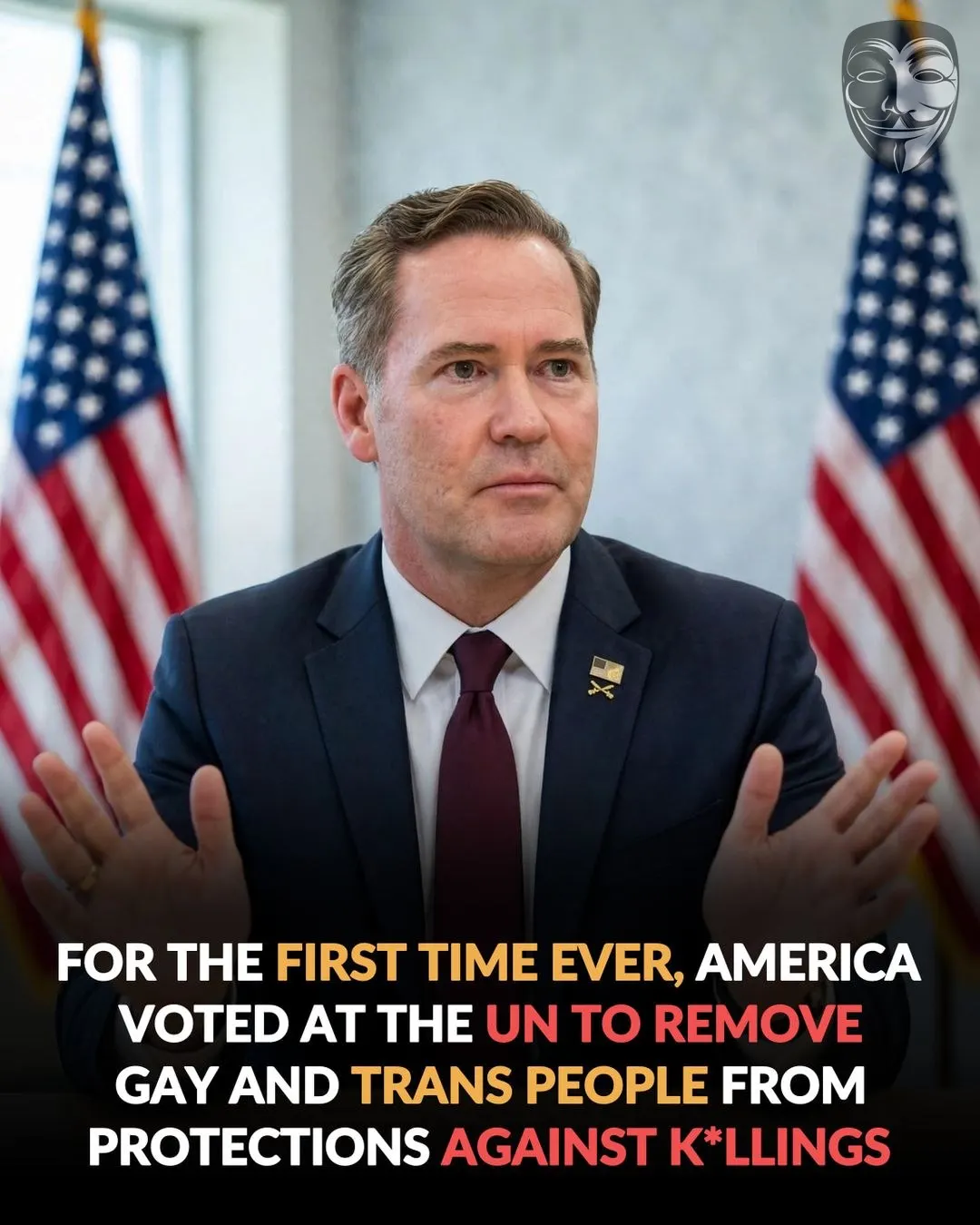
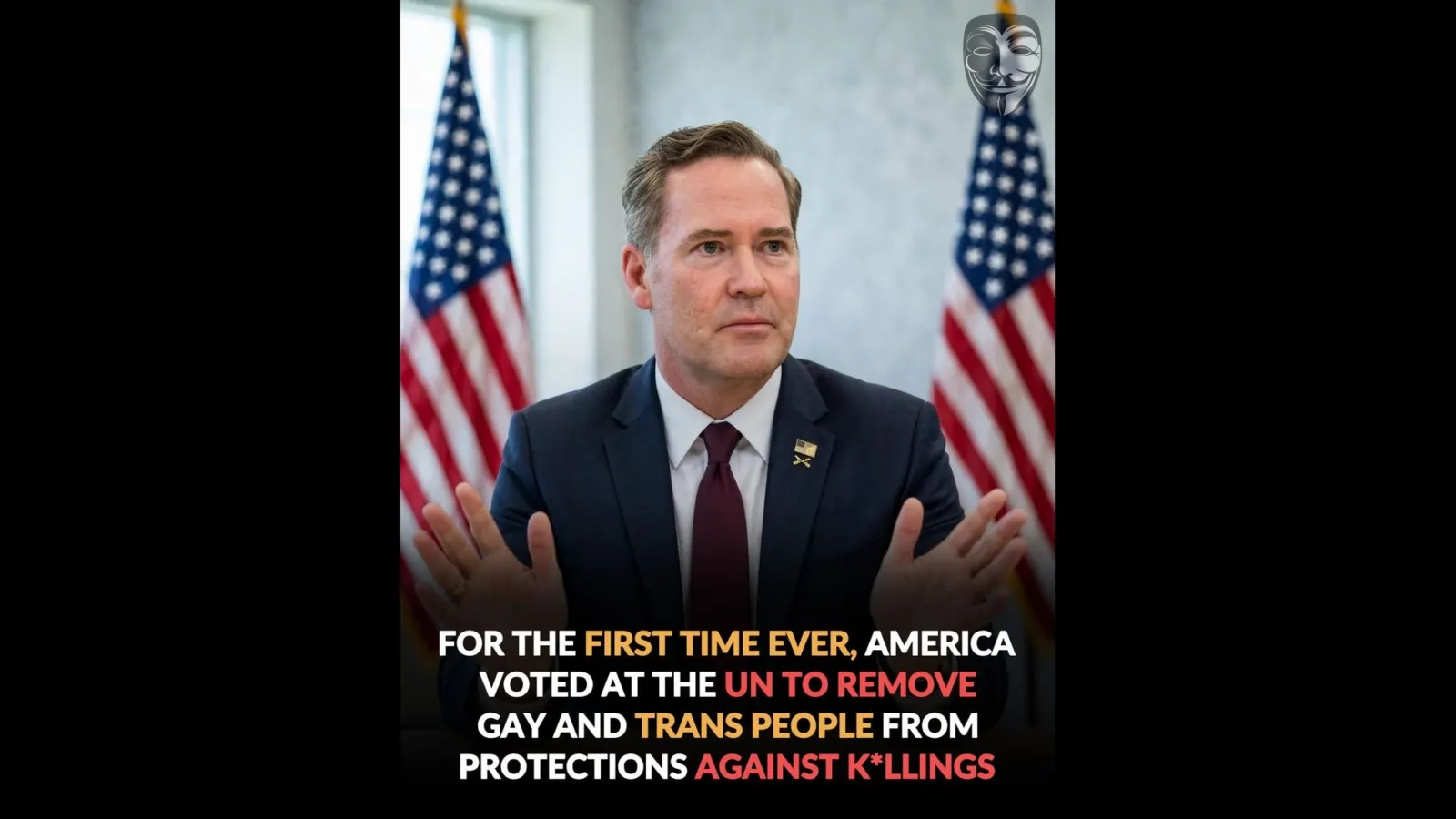
The UN LGBTQ vote on November 13 marked the first time the United States ever backed removing gay and trans people from a United Nations protection list. Egypt proposed cutting the words sexual orientation or gender identity from a resolution on extrajudicial killings, and the American delegation voted yes. The resolution has named people killed for their sexual orientation since 2002 and for their gender identity since 2012. No American administration had ever supported deleting that language before. The vote drew swift attention around the world, much like another UN vote that split the room.
In the slides ahead we look at how the vote unfolded, who stood where, and why a few words in a UN text matter so much. The amendment failed by only five votes, and the margin was far tighter than it was two years ago. Outright International has documented more than 230 targeted killings of LGBTQ people since January 2020, including 18 children. Those numbers give the debate its weight. For more on how Washington handles tense moments abroad, read our report on a sharp rebuke from Poland.
References:
PinkNews: US joins Egypt in bid to remove LGBTQ rights language from UN resolution
Chronicle 19: LGBTQ References at the UN Face Another Vote in 2026
76 Crimes: US joins Iran and Uganda in bid to block resolution against killing LGBTQ people
Gay Water: US Backs Removing LGBTQ Language From UN Killings Resolution
What Happened on November 13
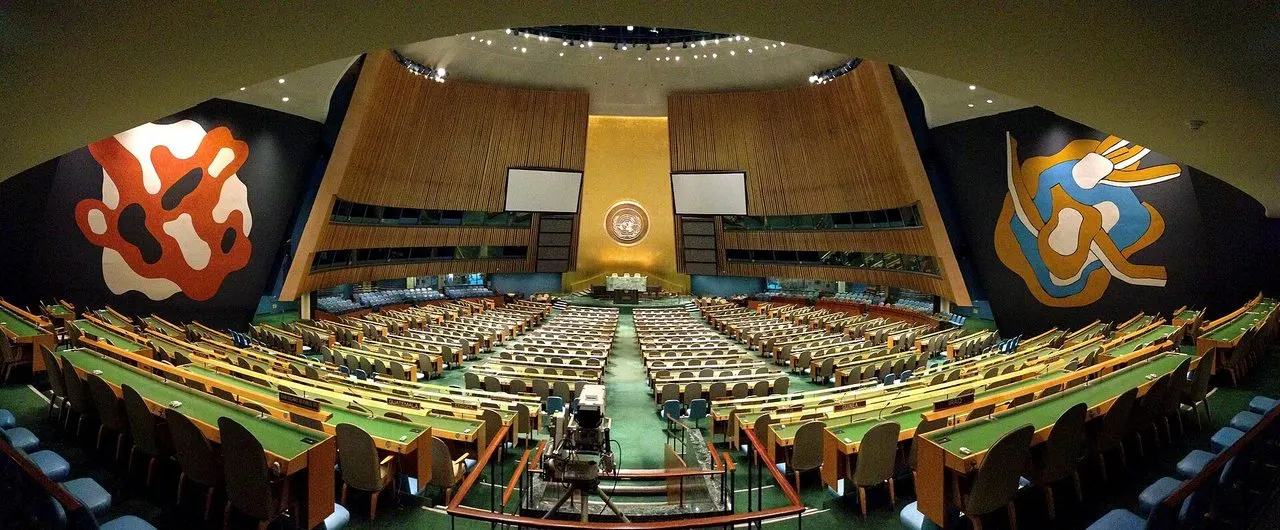
Egypt, speaking for most of the Organization of Islamic Cooperation, moved to cut the words sexual orientation or gender identity from the UN resolution on extrajudicial, summary or arbitrary executions. The proposed replacement was any other considerations that put someone at heightened risk. The United States voted yes, joined by China, Nigeria, Uganda and Ghana. It was the first time America had backed deleting that language. The move stunned diplomats who had watched the United States defend the wording for years, and it set off a wider debate about American power abroad that reached all the way to Congress.
A Protection List That Dates Back to 2002
The resolution has named people killed for their sexual orientation since 2002 and for their gender identity since 2012. That wording tells governments and investigators exactly who is at risk. Without those words, victims can be counted in general terms and their stories can be lost. The list has guided reports, debates and pressure on countries where LGBTQ people face violence. Keeping the language in place has been a quiet, steady part of UN human rights work for years, even as leaders argue over American influence abroad. Read how one mayor is testing a very different kind of promise.
The UN LGBTQ Vote Failed by Only Five Votes
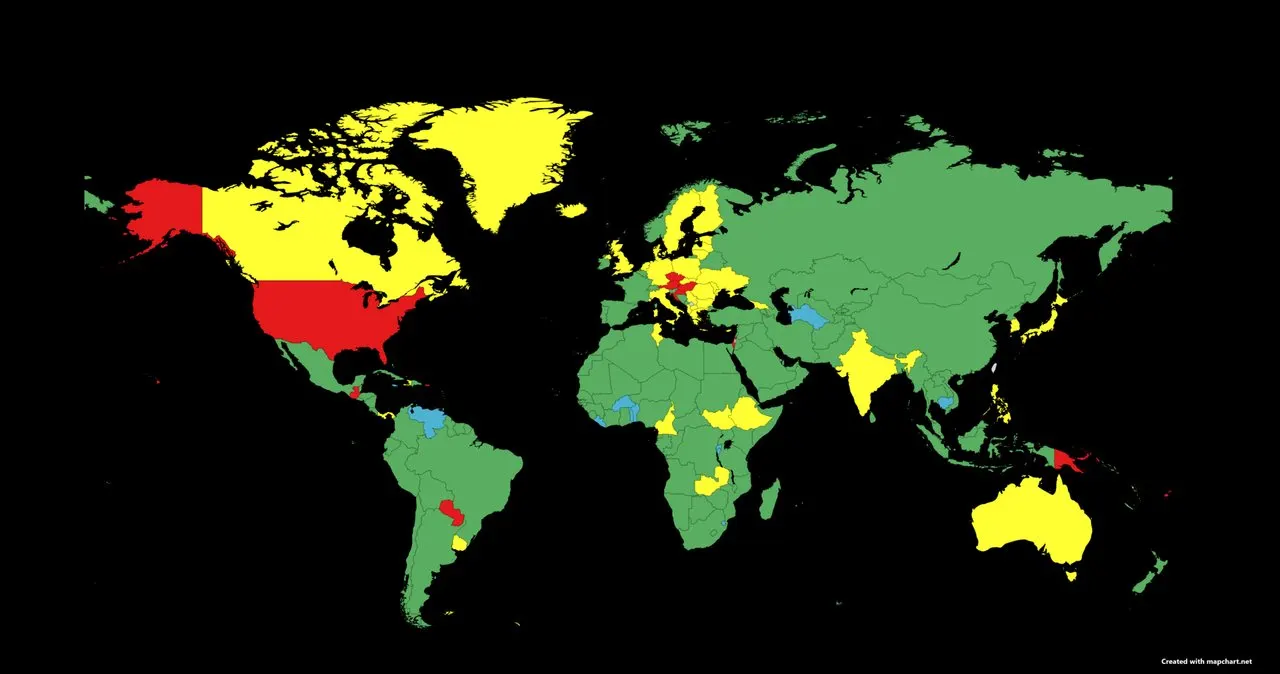
The amendment failed 74 to 69, a margin of only five votes. Two years ago, a similar attempt failed 78 to 47, a gap of 31 votes. The shrinking margin shows how much support for the language has slipped in a short time. Diplomats and advocates read the numbers as a warning sign. If the trend continues, a future vote could go the other way. The close result is one reason the vote drew so much attention, and why a new voice in House leadership is watching closely. It also shows how trade and diplomacy now mix in Asia.
The UN LGBTQ Vote and the 230 Lives Behind It
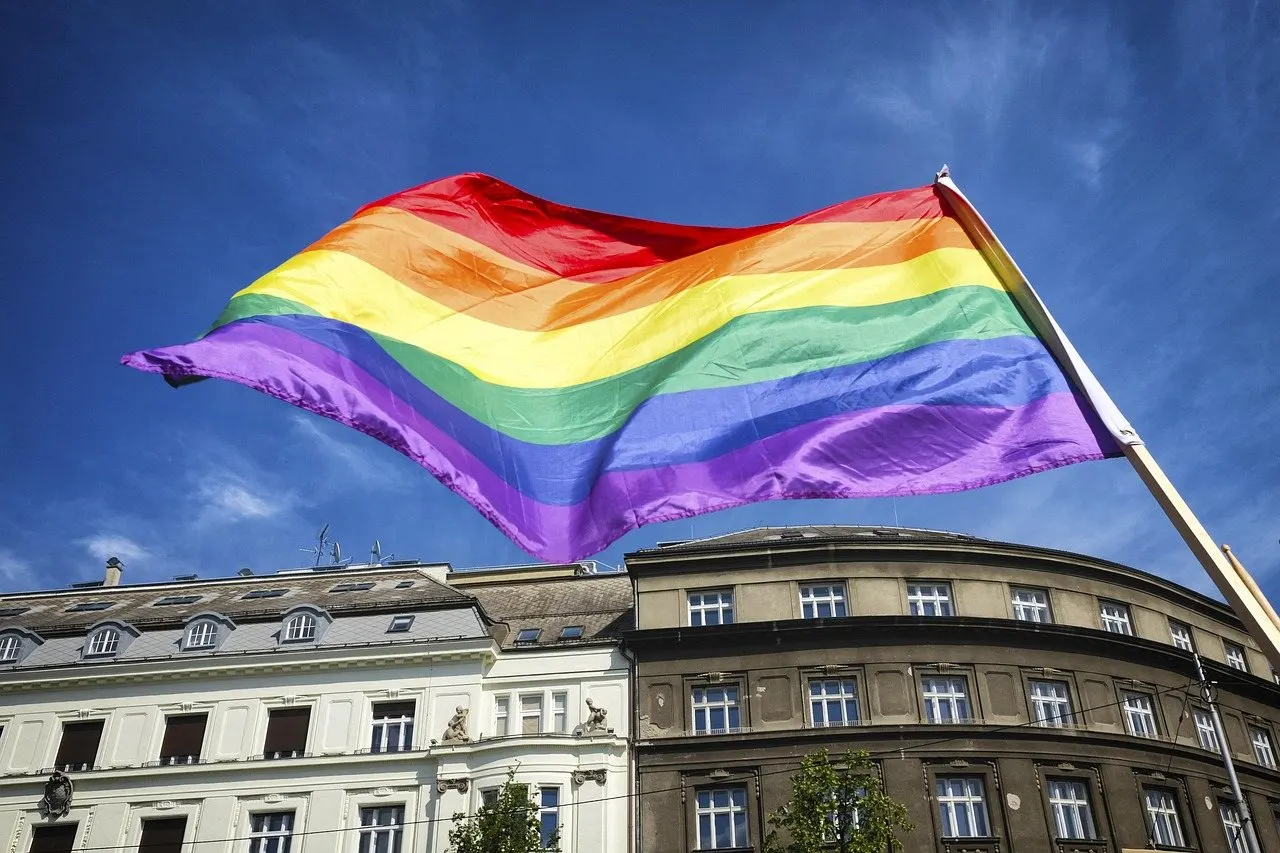
Outright International documented more than 230 targeted killings of LGBTQ people between January 2020 and July 2026. Eighteen of the victims were children. Those numbers come from cases the group could verify, and researchers say the true total is likely higher because many killings go unreported. Each number stands for a person whose life ended because of who they were. The data gives weight to the words the resolution protects, and it explains why a greeting between leaders drew such anger. It also recalls a summit moment nobody saw coming.
In 2010, America Fought to Put the Words Back
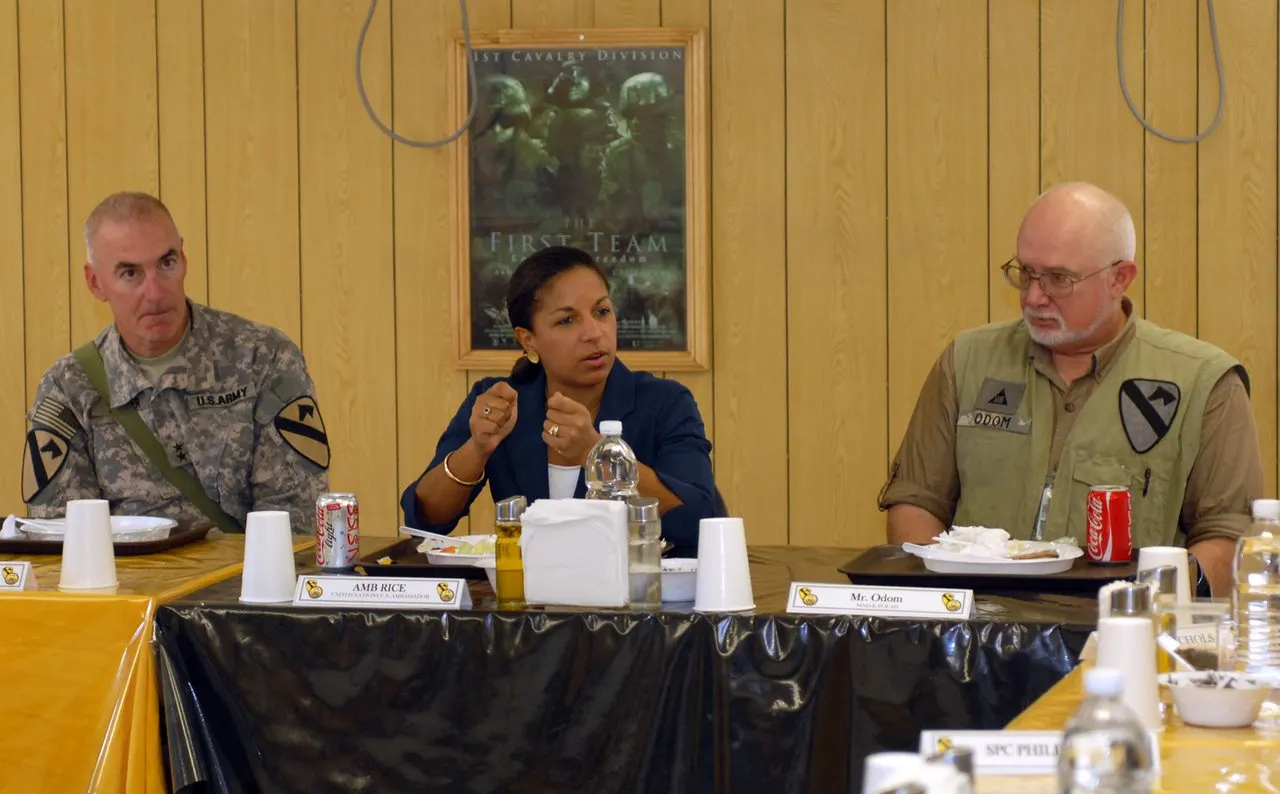
This is not the first time the wording has been under threat. In 2010, the same committee stripped sexual orientation from the text. The United States, under then-ambassador Susan Rice, led the fight to put it back. That effort succeeded, and the language stayed in place through later votes. The contrast with today is sharp. The country that once defended the words now voted to remove them, a turn that has health experts worried about another reversal. It is also a reminder of how fast a family’s life can change.
The Man in the American Seat Today
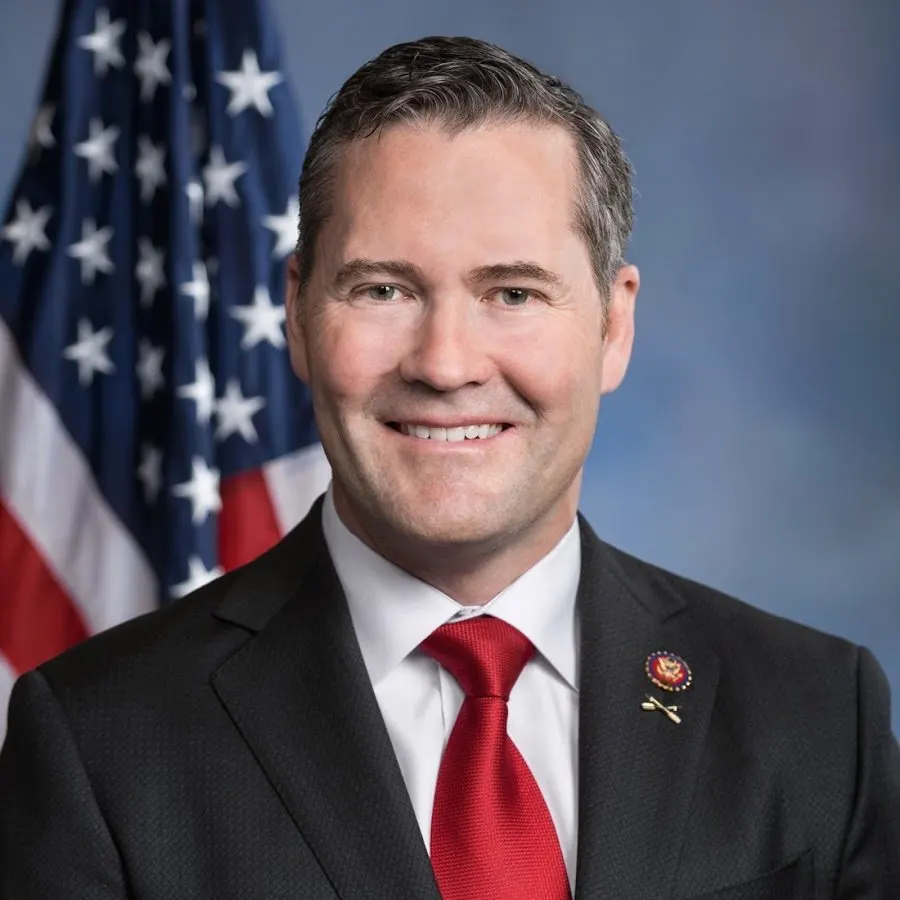
Today the United States seat belongs to Mike Waltz. As a congressman, he voted against the Equality Act, a bill that would have added broad protections against discrimination. His record gave advocates little hope that he would defend the UN language. The vote confirmed those fears. For many observers, the change in the American seat explains the change in the American vote, much like another UN vote that exposed a split. The pattern is also visible in the fight over Congress and foreign wars.
Why the UN LGBTQ Vote Makes Victims Invisible
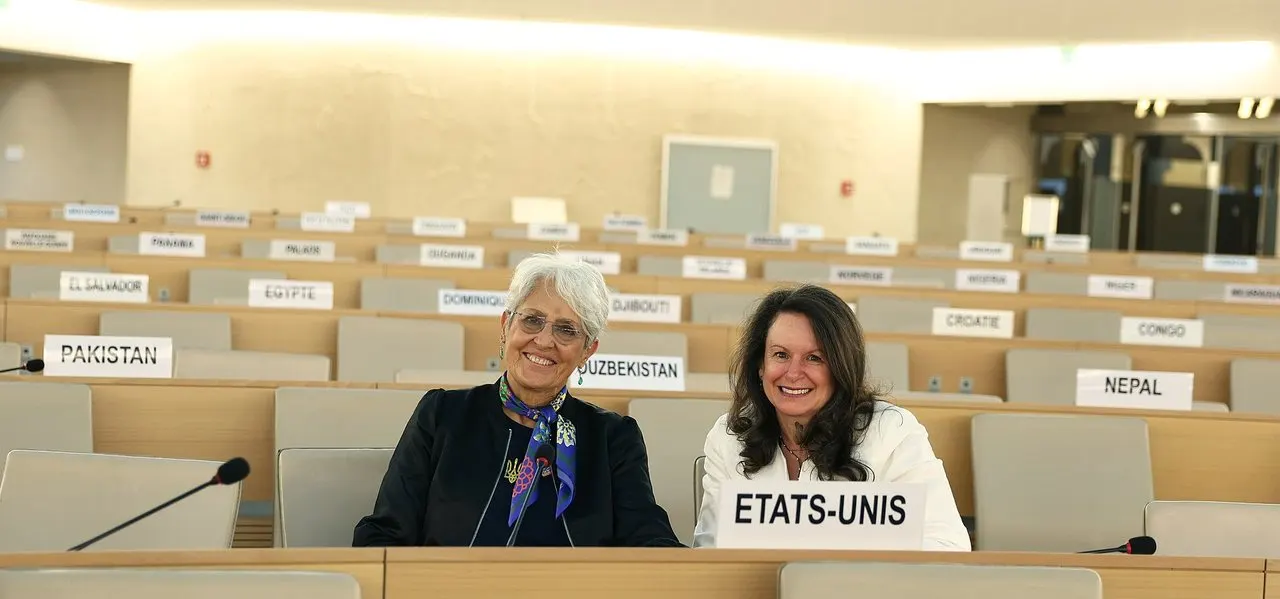
Replacing sexual orientation or gender identity with any other considerations makes these victims invisible, said Ohotuowo Ogbeche, a researcher at Outright International. General words can cover anyone, which sounds fair, but they hide the reason people were targeted. When the reason is hidden, governments face less pressure to act. The quote captures why advocates fought so hard to keep the exact words. It is the heart of the dispute, and it echoes a public rebuke that crossed party lines. Lawmakers are now asking what it would take to remove a president.
The Countries That Voted the Same Way
The United States was not alone in voting yes. China, Nigeria, Uganda and Ghana voted the same way. Each of those countries has its own record on LGBTQ rights, and several have laws that punish same-sex relationships. Their support for the amendment was expected. What surprised the room was the American yes, because the United States had long stood on the other side of this question. The lineup says much about how America is viewed by its partners today. It also recalls a nurse who ran for Congress on principle.
What Extrajudicial Killings Mean
The resolution deals with extrajudicial, summary or arbitrary executions. Those are killings carried out without a fair trial or any legal process. They include killings by state forces and killings that governments fail to stop or punish. The resolution names groups at heightened risk so that investigators look for patterns. It is a promise that the world is watching, even when politics gets in the way. The same tension shapes a mayor’s bold first moves in New York and a major deal struck in the Philippines.
The UN LGBTQ Vote Passed Its First Test 131 to 0
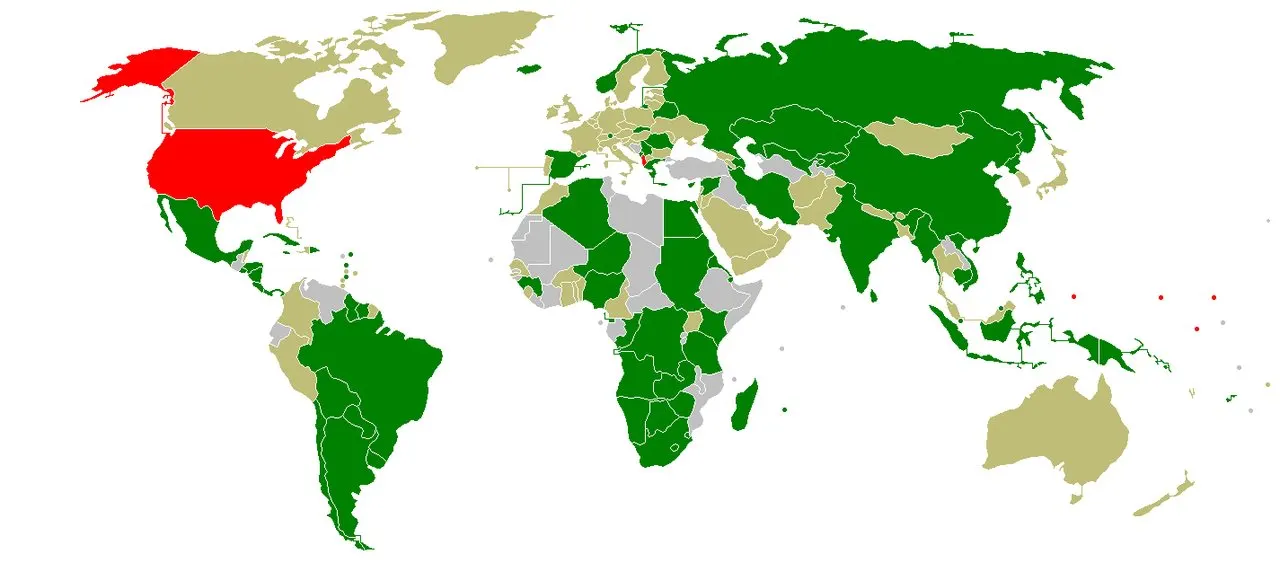
After the amendment failed, the resolution itself passed the committee 131 to 0 with the language intact. Not a single country voted against the full text. That result shows the resolution still commands broad support. The fight was about a few words, not about the whole document. The committee sent it on to the full General Assembly, where it faces a final vote in December. The outcome surprised many, much like a warm greeting that stunned critics. It also follows a public health debate that divided the country.
What Happens in December
The full General Assembly will take up the resolution in December. That vote is the final step in this round. Advocates will spend the weeks before it pressing governments that wavered. The close committee vote means the December result is not certain. Every delegation that voted yes on the amendment will be watched closely. The language that survived November must survive December too, a point driven home by a summit moment caught on camera. Families watching from home have their own reason to follow the news.
The UN LGBTQ Vote Fits a Wider Pattern
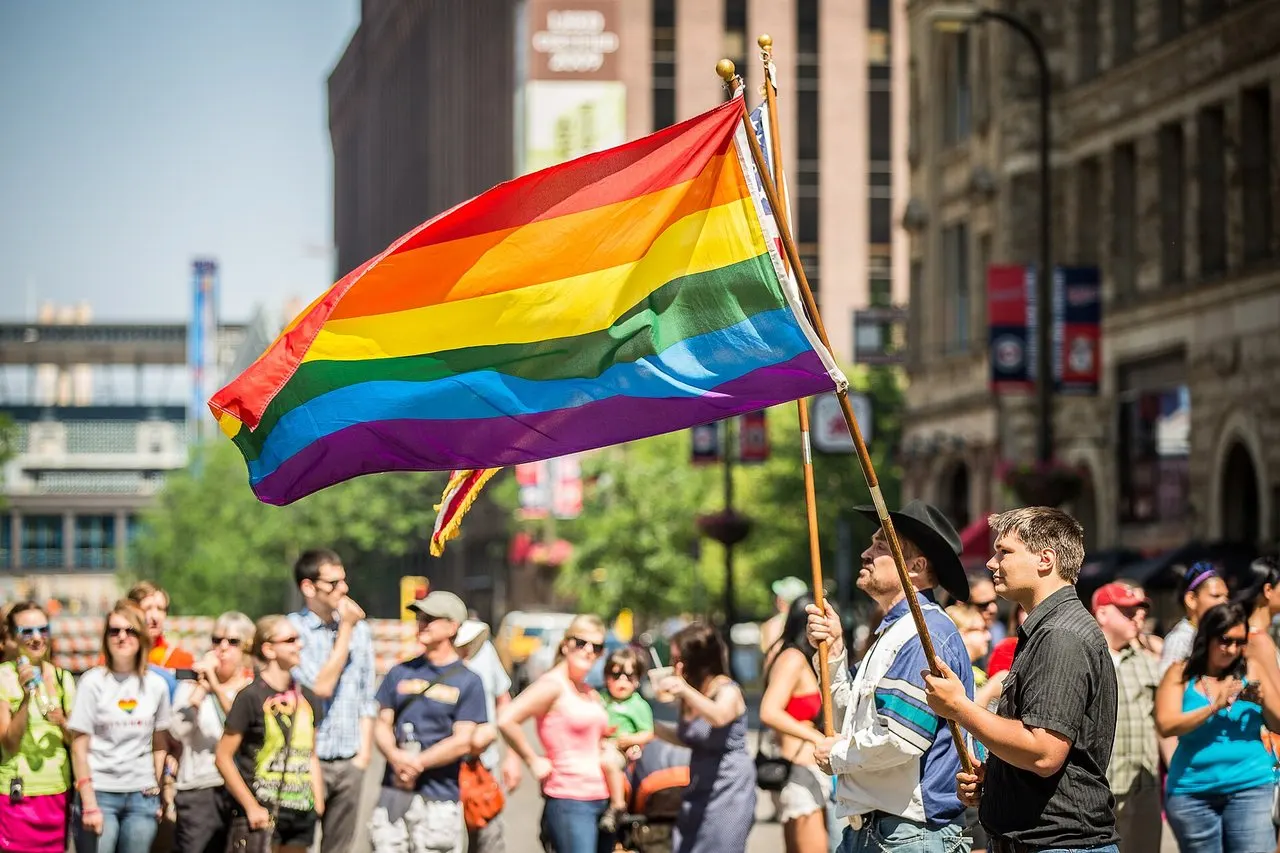
The vote did not happen in isolation. Governments around the world have been testing how far they can roll back LGBTQ protections at the United Nations. Each vote becomes a measure of where countries stand. The margin in this vote tells advocates that support is slipping. It also tells opponents that their campaign is gaining ground. The pattern is what worries human rights groups most, and it matches another UN vote that split the room. The same drift shows in how America handles faraway conflicts.
How the Margin Shrank in Two Years
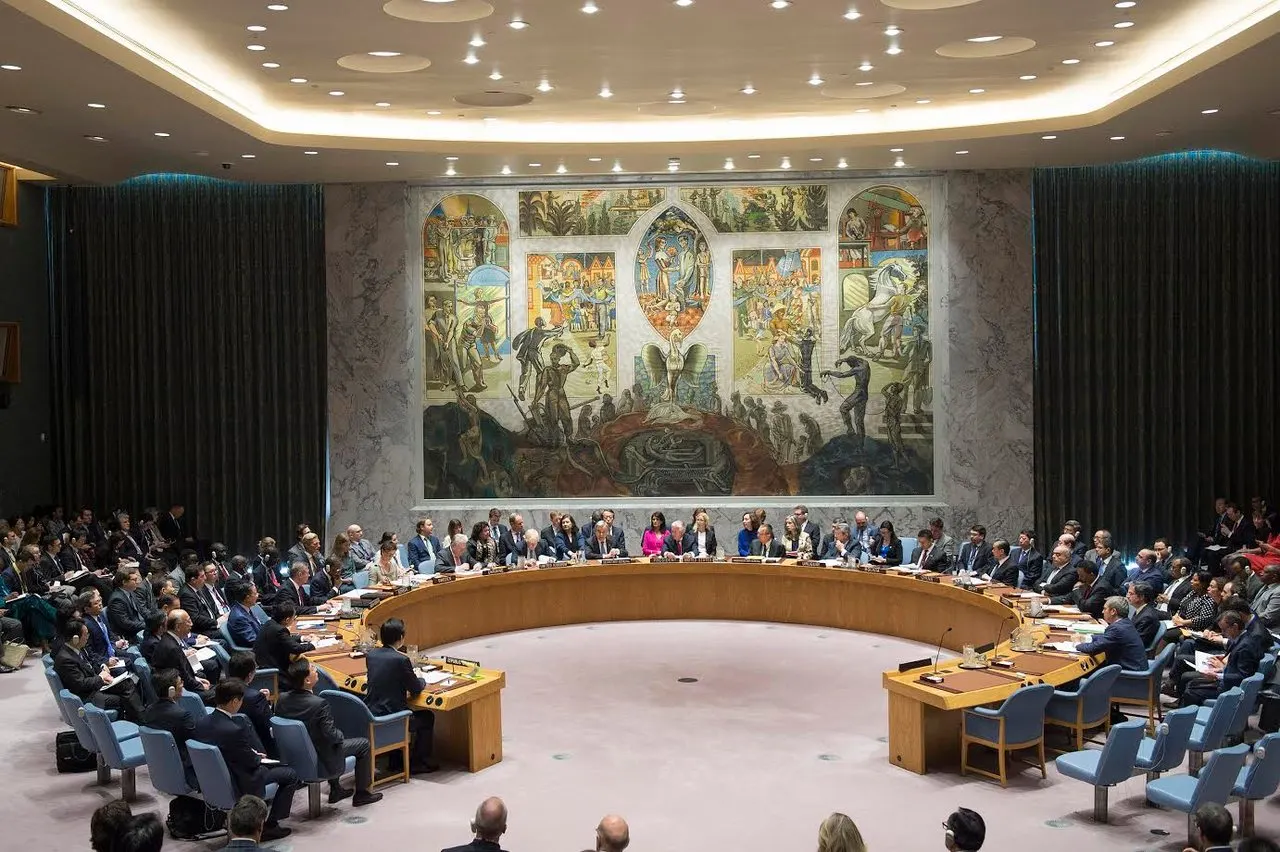
Two years ago, a similar attempt failed 78 to 47. This time it failed 74 to 69. The gap fell from 31 votes to five. That shift came from countries changing sides and from others staying silent. Analysts say the change reflects wider political currents, including governments that now question UN human rights language. The numbers show a debate that is far from settled, a point underlined by a blunt answer from Poland’s leader. Voters back home are weighing a promise of frozen rent and free childcare.
The Group Behind the Proposal
Egypt spoke for most of the Organization of Islamic Cooperation when it proposed the change. The group represents dozens of Muslim-majority countries. Its members have pushed similar amendments before. They argue that the resolution should use general language that covers everyone. Supporters of the current wording say general language hides the people most at risk. The disagreement runs deep, and it mirrors the fight over war powers in Washington. It also echoes a nurse who entered House leadership.
The UN LGBTQ Vote Echoes Another UN Split
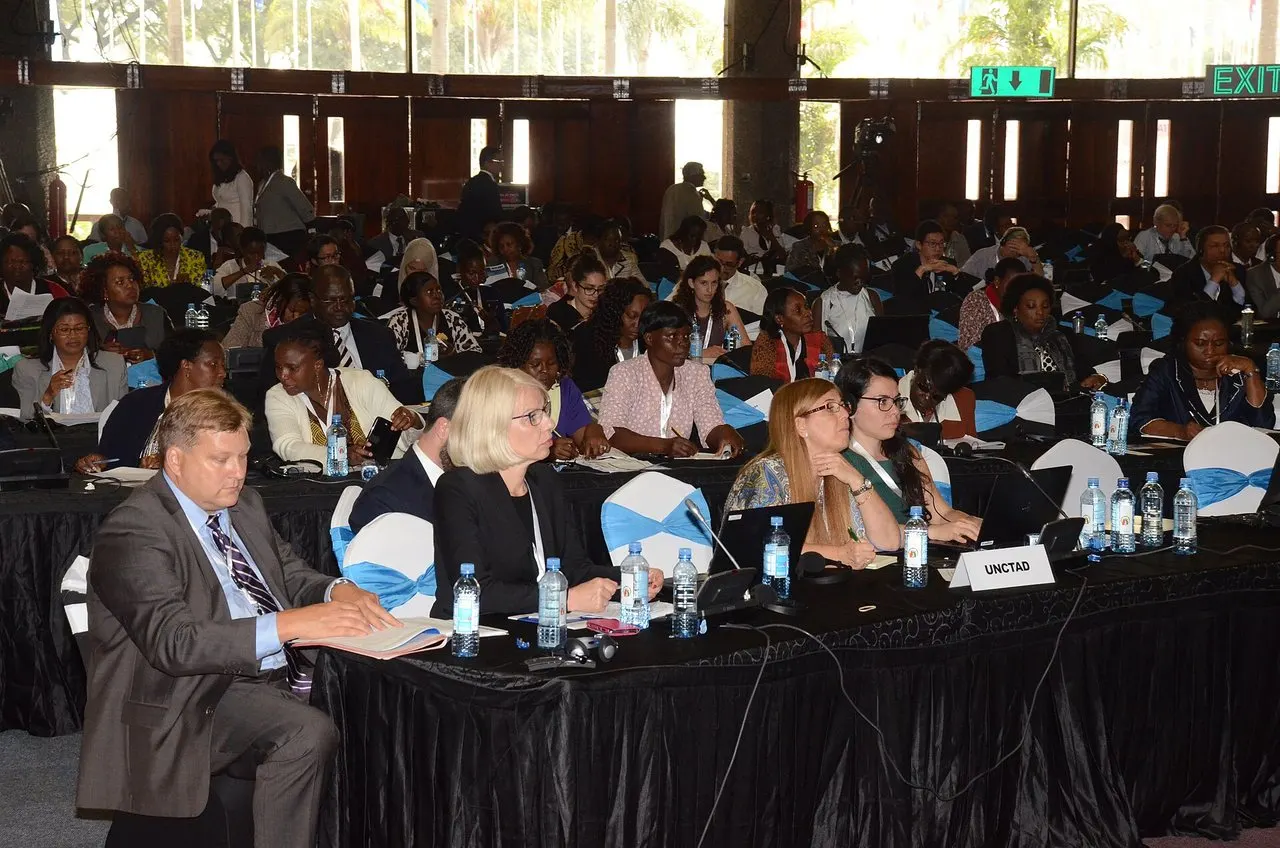
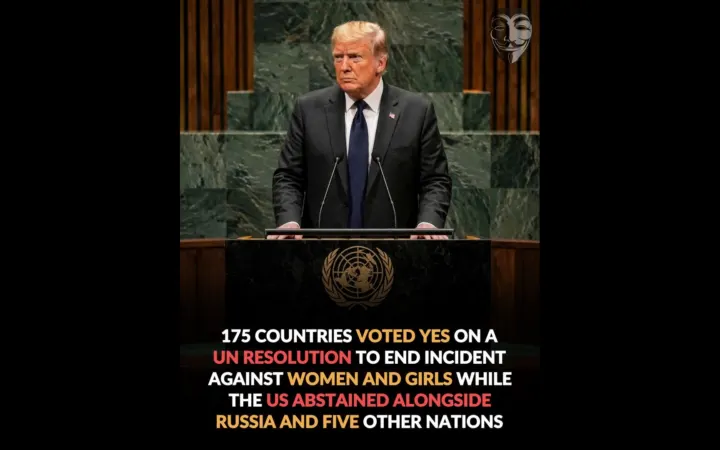
The split is not the only recent divide at the United Nations. In another vote, 175 countries backed a resolution to end harm against women and girls while the United States abstained alongside Russia. That vote also showed how far American positions have moved. Diplomats now watch each UN vote for signs of where Washington stands. The pattern is becoming hard to miss, and it feeds a debate about removing a president from office. It also shapes a major trade and defense deal.
What Advocates Will Do Next
Human rights groups will now lobby capitals before the December vote. They will share the Outright International data with delegations that may be undecided. They will remind governments that the resolution passed 131 to 0 with the words intact. Their message is simple. The words protect real people, and removing them puts lives at risk. The weeks ahead will test that message, just as a summit greeting tested old alliances. The stakes recall a leader who fell asleep at the table.
What Do You Think Should Happen Next?
The words stayed in the resolution this time, but only by five votes. December will decide whether they stay for good. Advocates say the fight is about real people, not just language on a page. The 230 lives documented by Outright International give that claim its force. Now it is your turn to weigh in. What do you think should happen next, and what would you say to the delegations that voted yes? Share your thoughts in the comments, and keep reading our report on a measles debate that split the country and a family’s long road home.