CE-25A Electric Plane Carries Its First Crew
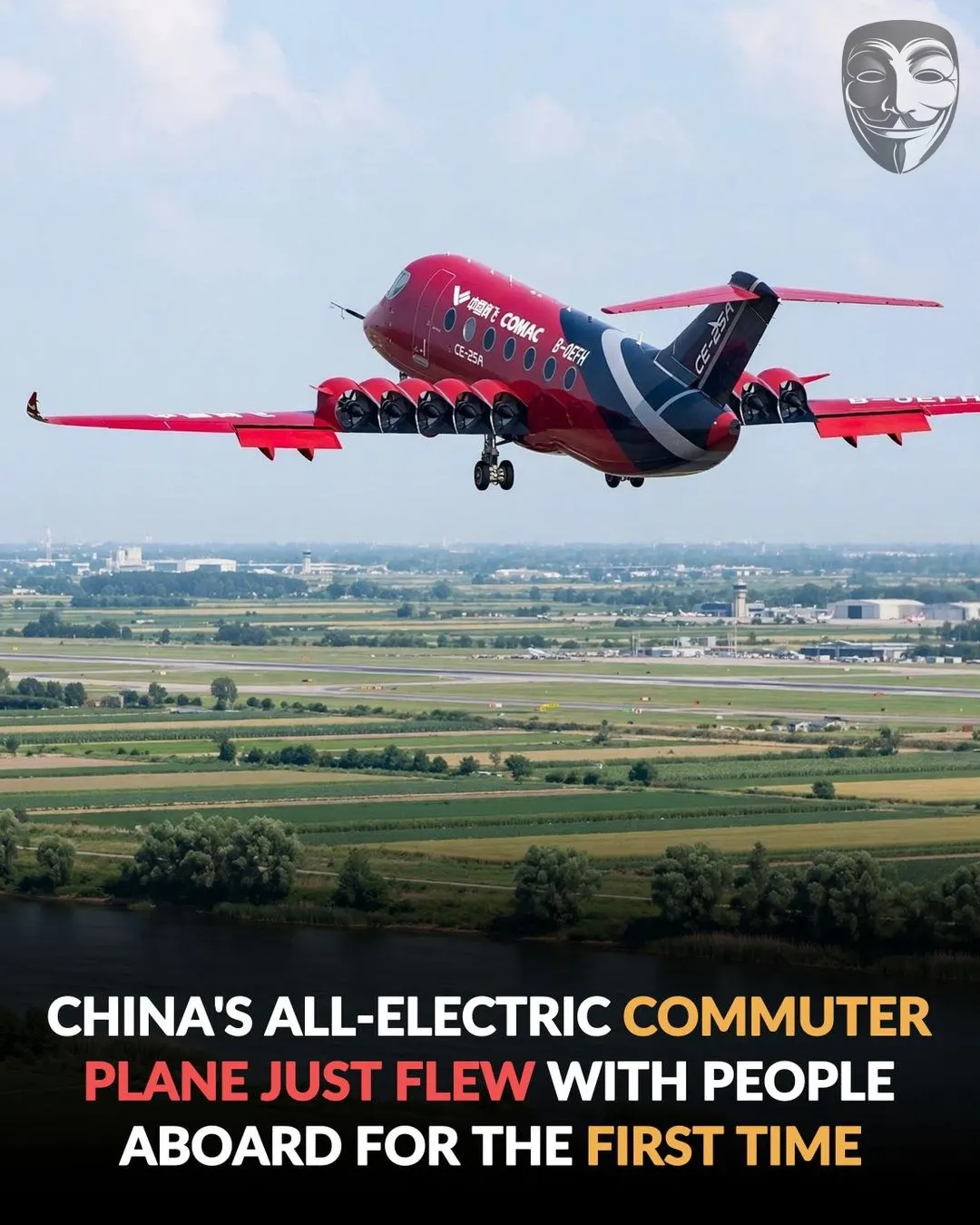
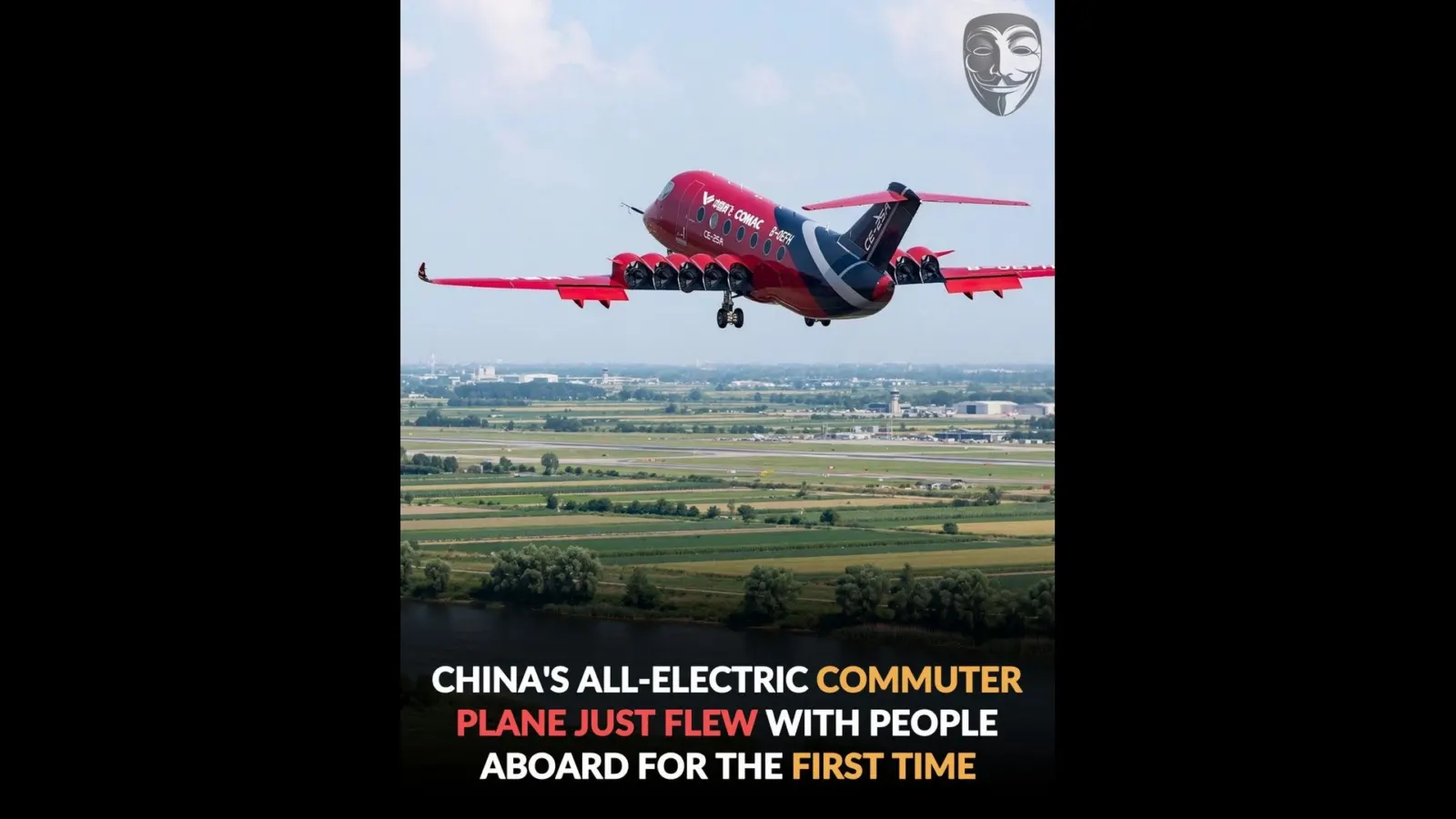
CE-25A electric plane history was made on November 14, when the battery powered aircraft built by China’s state planemaker COMAC took off from Binzhou in Shandong province with two pilots and a flight test engineer aboard. The flight lasted 16 minutes and 38 seconds and covered about 60 kilometers, and COMAC said every system worked normally. It was the first time the plane had carried people, and it marked a big step for electric flight in China and around the world.
In the slides ahead we look at the ten electric ducted fans that push the plane along, the 19 seat cabin, and the road to certification that now lies ahead. The roughly 10 tonne demonstrator can cruise at about 300 kilometers per hour with a range of around 400 kilometers, which makes it a strong fit for short regional hops with no jet fuel at all. For more on big leaps in travel and technology, read our report on the Voyager 1 journey and the questions about the air traffic system.
References:
Electrek: China’s electric airliner era starts with a 19-seat plane and 400 km of range
Aviation Week: China’s Comac CE-25A Electric Aircraft Completes First Crewed Flight
Airways Magazine: COMAC’s 19-Seat CE-25A Completes First Crewed Test Flight
New Atlas: COMAC CE-25A Electric Plane Completes First Crewed Flight
The Morning the CE-25A Electric Plane Took Off
The morning of the flight, the plane stood ready on the runway at Binzhou, a city in Shandong province. Engineers had checked every system, and the crew climbed aboard for a hop that would test the plane with people for the first time. The takeoff went as planned, and the aircraft rose into the sky over the farmland around the city. It was a quiet moment for the team on the ground, who had waited years for it. Read about another unusual flight in our story on the Air Force One trip and the APEC summit moment.
Two Pilots and a Flight Test Engineer
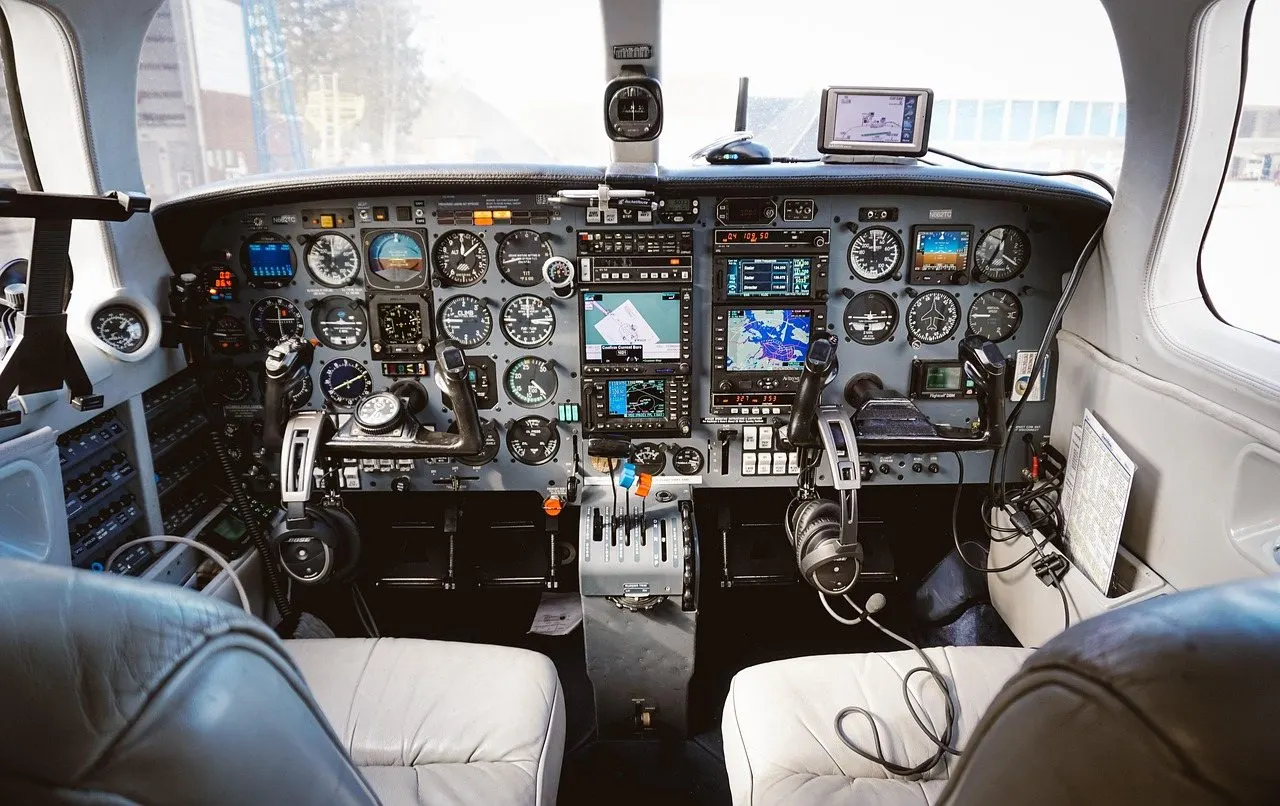
Two pilots and a flight test engineer made up the crew for the first crewed flight, and each of them had a clear job on board. The pilots flew the plane and watched the controls, while the engineer checked the battery systems and the ten electric fans during the short trip. Flying a new kind of aircraft takes trust in the machine and in the team that built it. Their safe landing closed the first chapter of the test program. For more on teamwork under pressure, see the Shenzhen meeting and Neuralink and its work on vision.
Sixteen Minutes That Made History

The flight lasted 16 minutes and 38 seconds, and in that time the plane covered about 60 kilometers, or 37 miles. That may sound short, but a first crewed flight is about proving the basics, and COMAC said every system worked normally from takeoff to landing. The crew kept the plane steady, the batteries held up, and the fans did their job. It was a careful first step, not a race, and that is how new aircraft earn their wings. Learn more in the deportation flights story and the Medicare expansion plan.
Ten Electric Fans Instead of Propellers
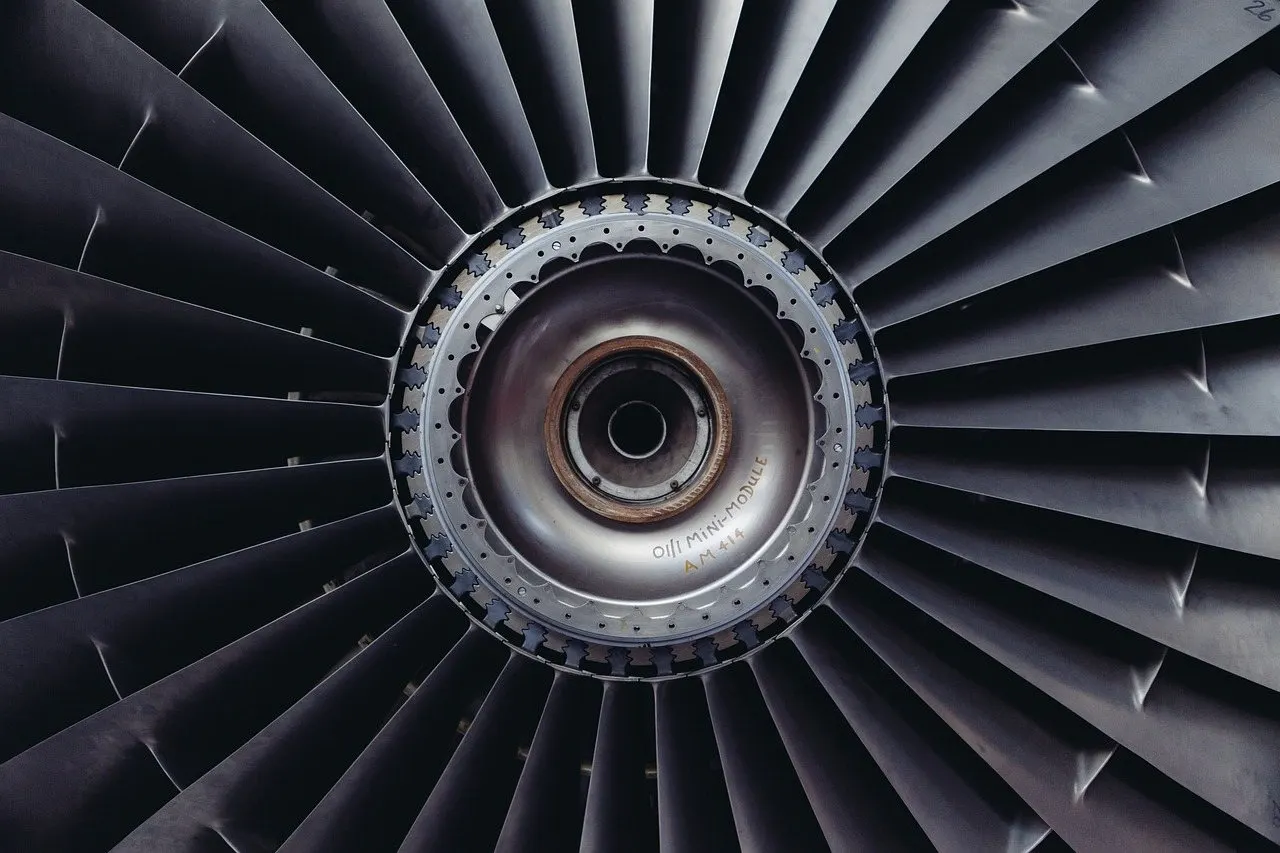
Instead of propellers, the plane is pushed along by ten electric ducted fans, five on each wing. Each fan sits inside a ring that guides the air, which helps the plane fly smoothly and quietly. Batteries feed power to the fans, so the aircraft burns no jet fuel at all. The design is a big change from the piston and jet engines that have powered planes for a century. It shows how far battery power has come. Read about bold new ideas in Elon Musk at 17 and the rent freeze in New York.
A 19-Seat Design for Short Trips
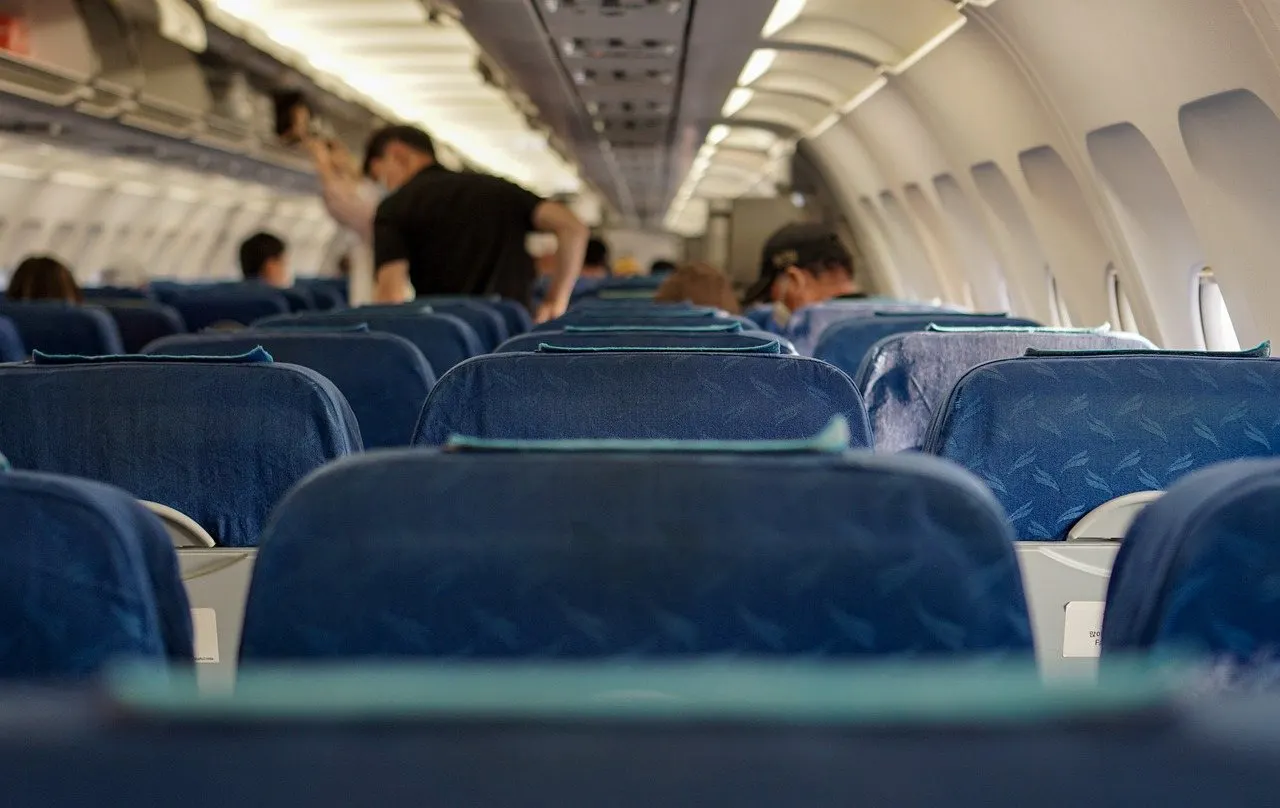
The design seats 19 people, which puts it in the commuter class, the small planes that link towns and cities too close for big jets and too far for an easy drive. Short hops like these are where electric flight makes the most sense today, because the trips are brief and the planes can recharge between flights. For people in smaller cities, that could mean cleaner and quieter trips. Read more in the cash debate and a warm greeting between leaders.
How Fast and How Far the CE-25A Electric Plane Can Fly
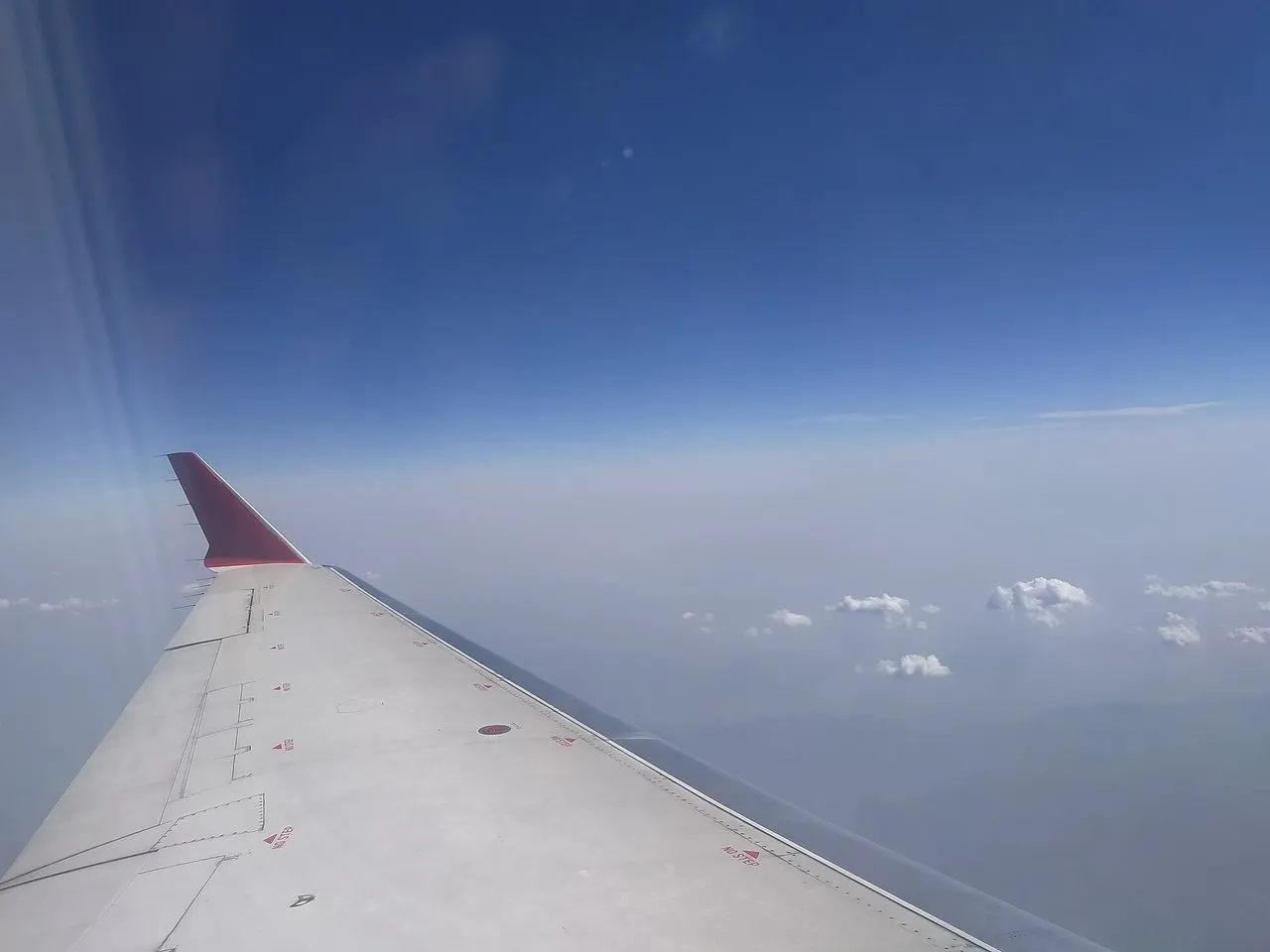
COMAC says the plane can cruise at about 300 kilometers per hour with a range of around 400 kilometers, or 250 miles. That pace is slower than a jet, but it is plenty for short regional routes, where most of the trip is spent climbing and landing. A 400 kilometer range covers many city pairs in China and elsewhere. As batteries improve, those numbers should grow, and so will the list of routes. Read how far Voyager 1 has traveled and the Air Force One phones story.
Nineteen Flights With Nobody Aboard
Before this flight, the plane had already flown 19 times with nobody on board. Those uncrewed flights let engineers test the airframe, the fans and the batteries without risking a crew. Each flight added data, and each landing gave the team more confidence. By the time the pilots climbed in, the plane was a known machine, not a gamble. That careful pace is normal in aviation, where safety comes first. See the recent flight chaos and a leader caught napping at a summit.
Why Battery Planes Are Still Rare
Battery planes have mostly been small trainers and prototypes so far, and a 19 seat commuter is a much bigger step. Small planes need less power, so they were the natural place to start. Scaling up to carry passengers means bigger batteries, stronger motors and careful weight limits. That is why this flight matters, because it shows the technology can grow beyond tiny test craft. Read the trilateral meeting in Shenzhen and planes that vanished from trackers.
The Race for Electric Flight
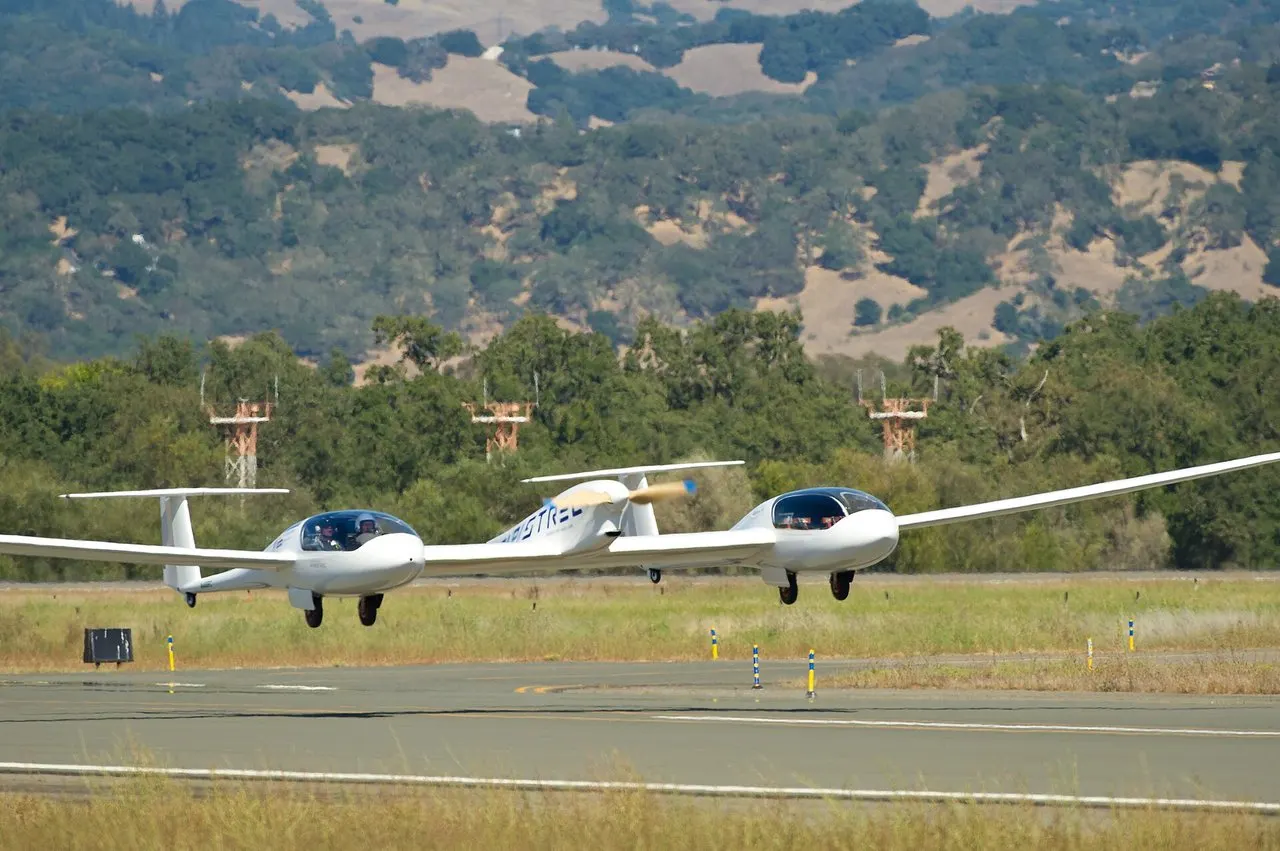
China is not alone in the race. Heart Aerospace flew its X1 demonstrator in New York in August, and Eviation flew its nine passenger Alice back in 2022, though it laid off most of its staff last year. Each company is chasing the same prize, a clean and quiet plane for short trips. Some will succeed and some will not, but the contest is pushing the whole field forward fast. See a brain chip aimed at restoring sight and a four year plan for health coverage.
What Certification Means for the CE-25A Electric Plane
China’s aviation regulator is already reviewing COMAC’s application to certify the CE-25A electric plane, which means the next milestones could come quickly. Certification is the long process where officials check every part of a plane before it can carry paying passengers. It takes time, and it is meant to, because the rules are written in lessons from past accidents. A green light would open the door to real service. Read his early years in Canada and why young people miss cash.
COMAC, the Company Behind the CE-25A Electric Plane
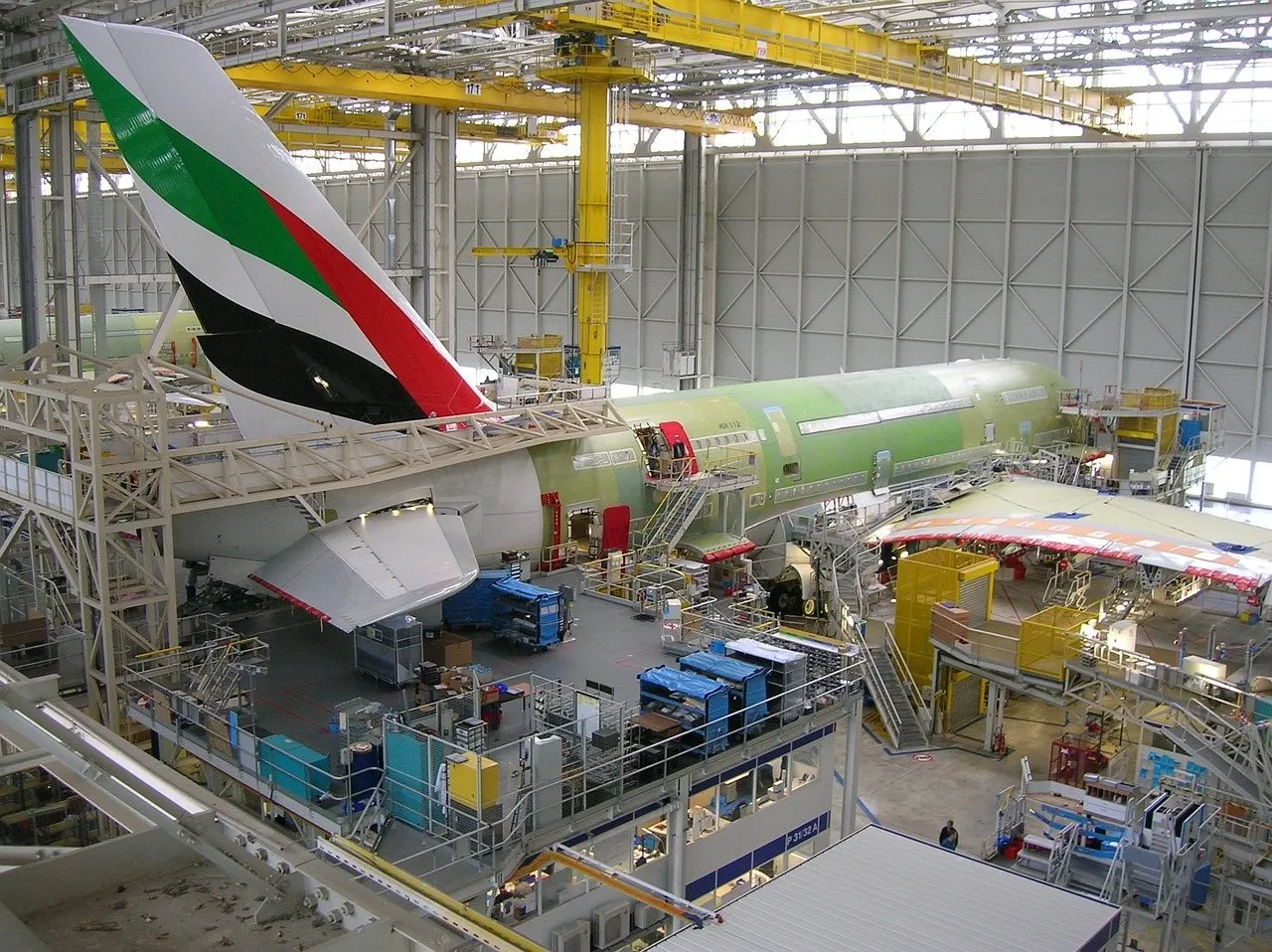
COMAC is China’s state planemaker, the company behind the plane and the country’s push to build its own large aircraft. For years China bought most of its jets from abroad, and COMAC was set up to change that. Building a battery powered commuter is a new kind of challenge for the firm, and it puts the company at the front of electric flight. Read promises kept in New York City and the greeting in Shenzhen.
Binzhou, the City Where It Flew

Binzhou sits in Shandong province, a coastal region in eastern China known for its farms, ports and growing cities. The city gave the test team a runway and open skies for the first flight, far from crowded airspace. Test flights often happen in places like this, where engineers can work without disturbing busy routes. The flight has now put Binzhou on the map for aviation watchers. Read a spacecraft that just crossed a huge milestone and the leaders meeting in Shenzhen.
Electric Flight and the Climate Question
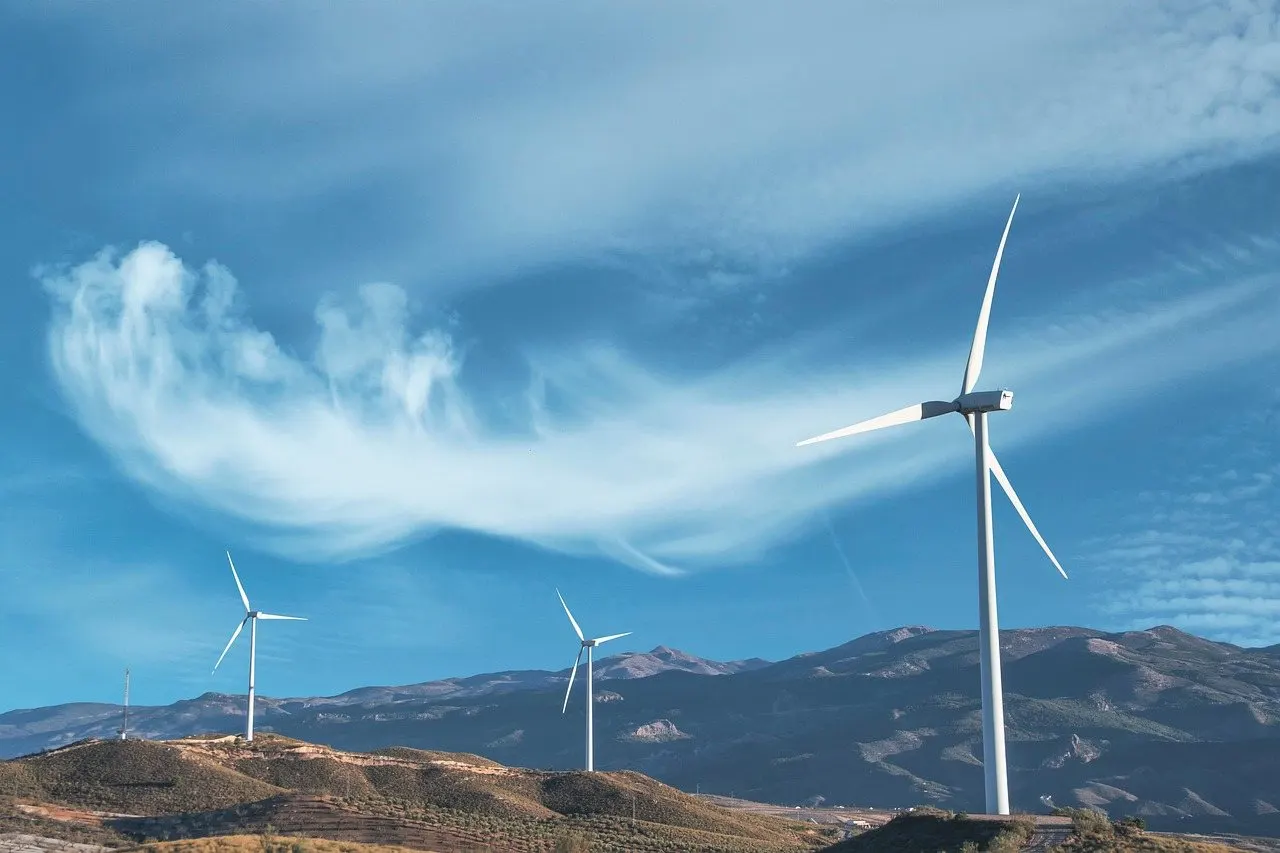
Electric planes burn no jet fuel, so they make no exhaust in the air and far less noise over towns near airports. That matters because aviation is a hard part of the climate puzzle, and short flights are a good place to start cutting fuel use. Batteries still hold less energy than fuel, which limits range, but for short hops the trade works. Cleaner skies start with small steps like this one. Read the air traffic control debate and the brain chip trials.
What Comes Next for the CE-25A Electric Plane
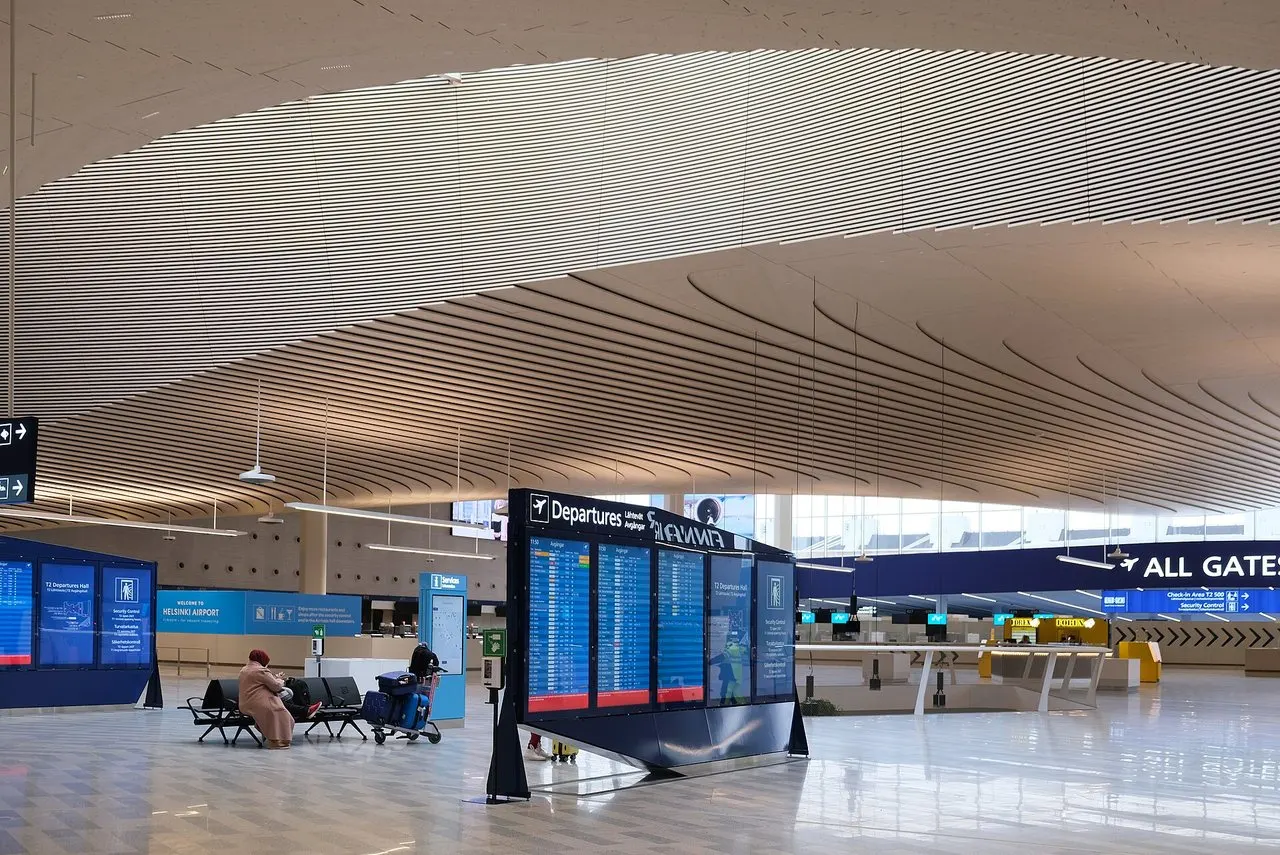
The next milestones for the CE-25A electric plane could come quickly now that the first crewed flight is done. More test flights will follow, and the regulator will keep checking the design as COMAC gathers data. If all goes well, the plane could one day carry passengers on short routes across China. For now, the team will study every number from this flight before the next one. Read the phones taken aboard Air Force One and the flights that vanished from trackers.
How a Ducted Fan Works
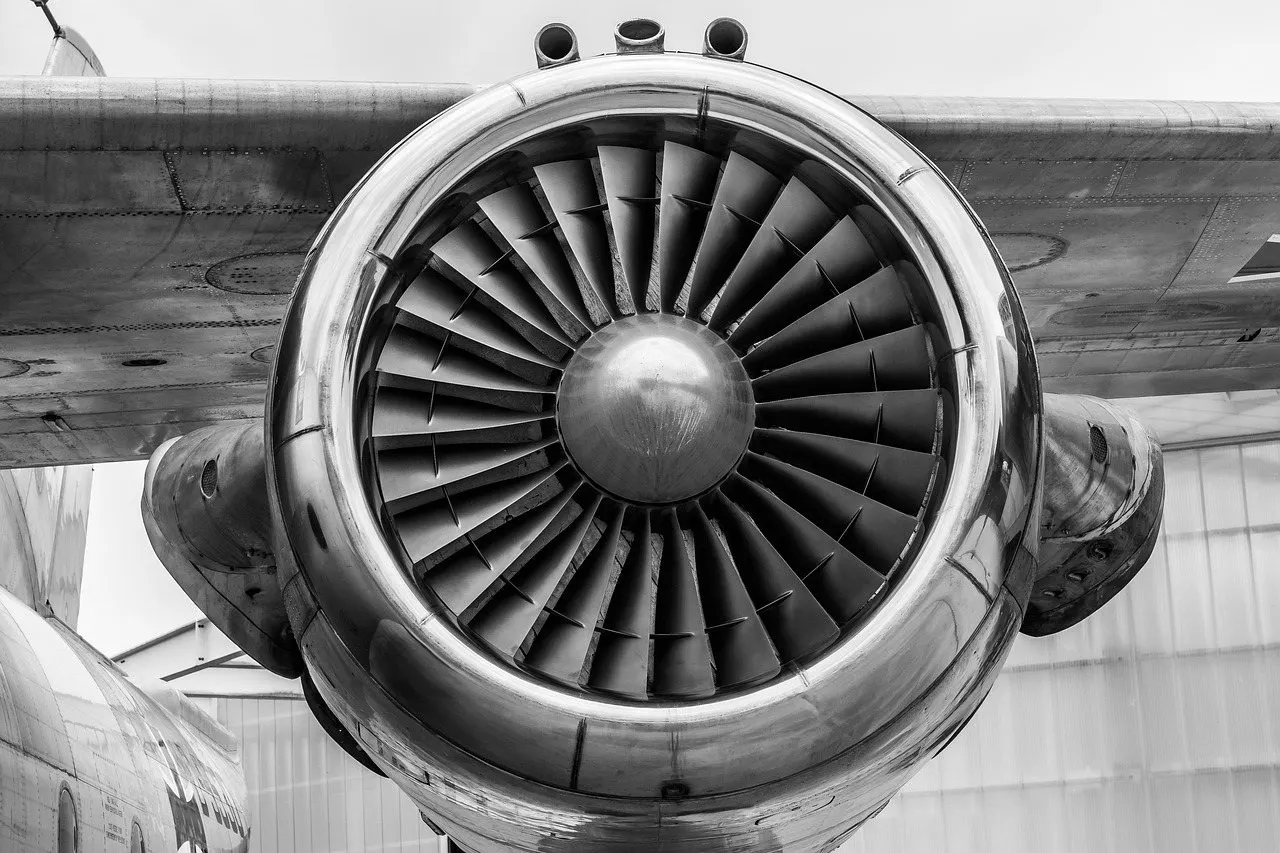
A ducted fan works like a propeller inside a ring. The ring, called a duct, guides the air and keeps the blades safe, and it can make the fan more efficient at low speeds. Electric motors spin the fans, and they can change speed in an instant, which gives pilots fine control. The idea is old, but cheap batteries and strong motors have made it practical for real aircraft. Read a summit moment in China and the plan to expand Medicare.
The Future of Short Regional Flights
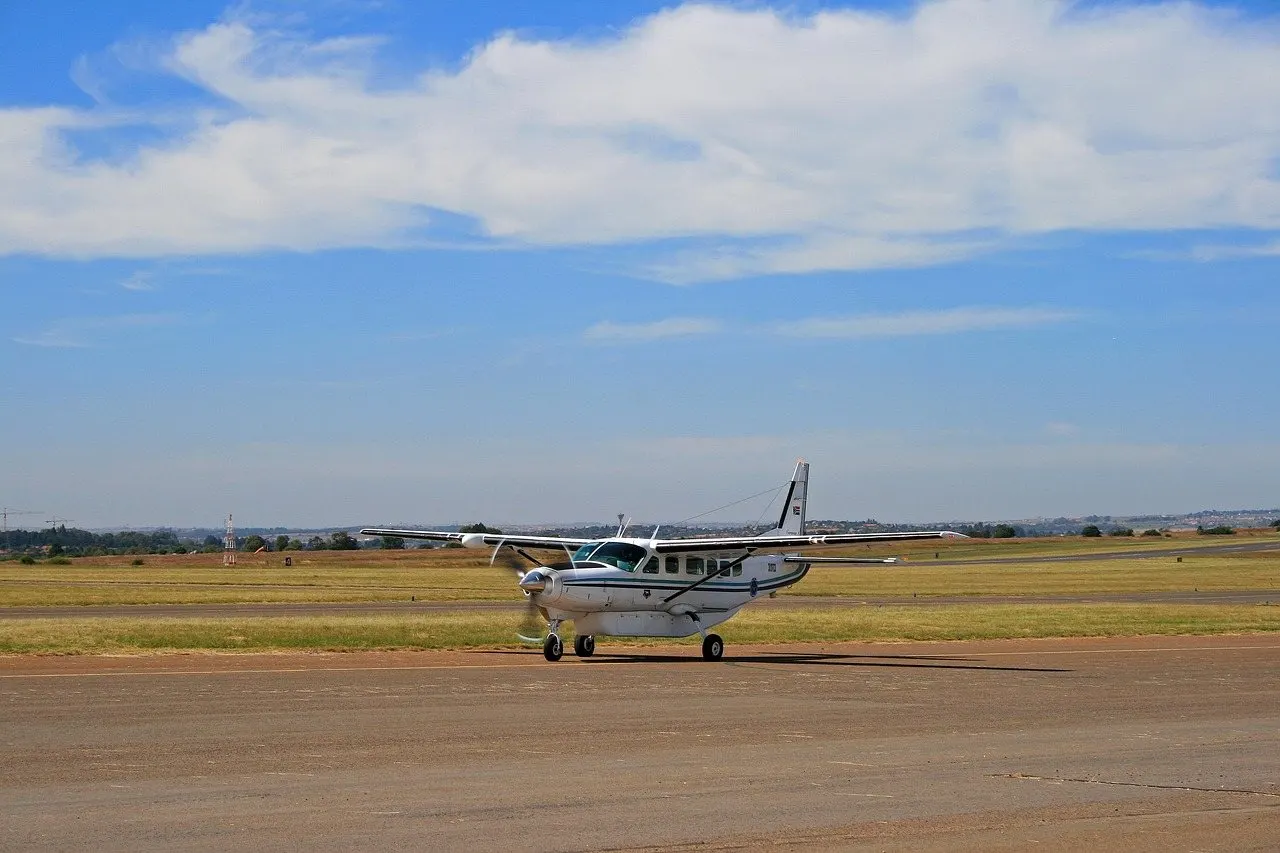
Short regional flights are the most likely home for electric planes in the coming years. Routes of an hour or less connect smaller cities that big jets skip, and electric planes can serve them quietly and cheaply. Airports would need chargers, and airlines would need new routines, but the basics are in place. If the CE-25A succeeds, others will follow. Read his farm and boiler jobs at 17 and the promises kept in New York.
Would You Fly on a CE-25A Electric Plane?
Would you fly on an electric plane? The CE-25A has now carried its first crew, and the road to passenger flights is open, but it will take more tests and a green light from the regulator. Some people will love the quiet ride and the clean air, while others will want to wait and see. Tell us in the comments what you think, and whether you would book a seat. Read why Gen Z wishes for cash and the friend greeting at the summit.