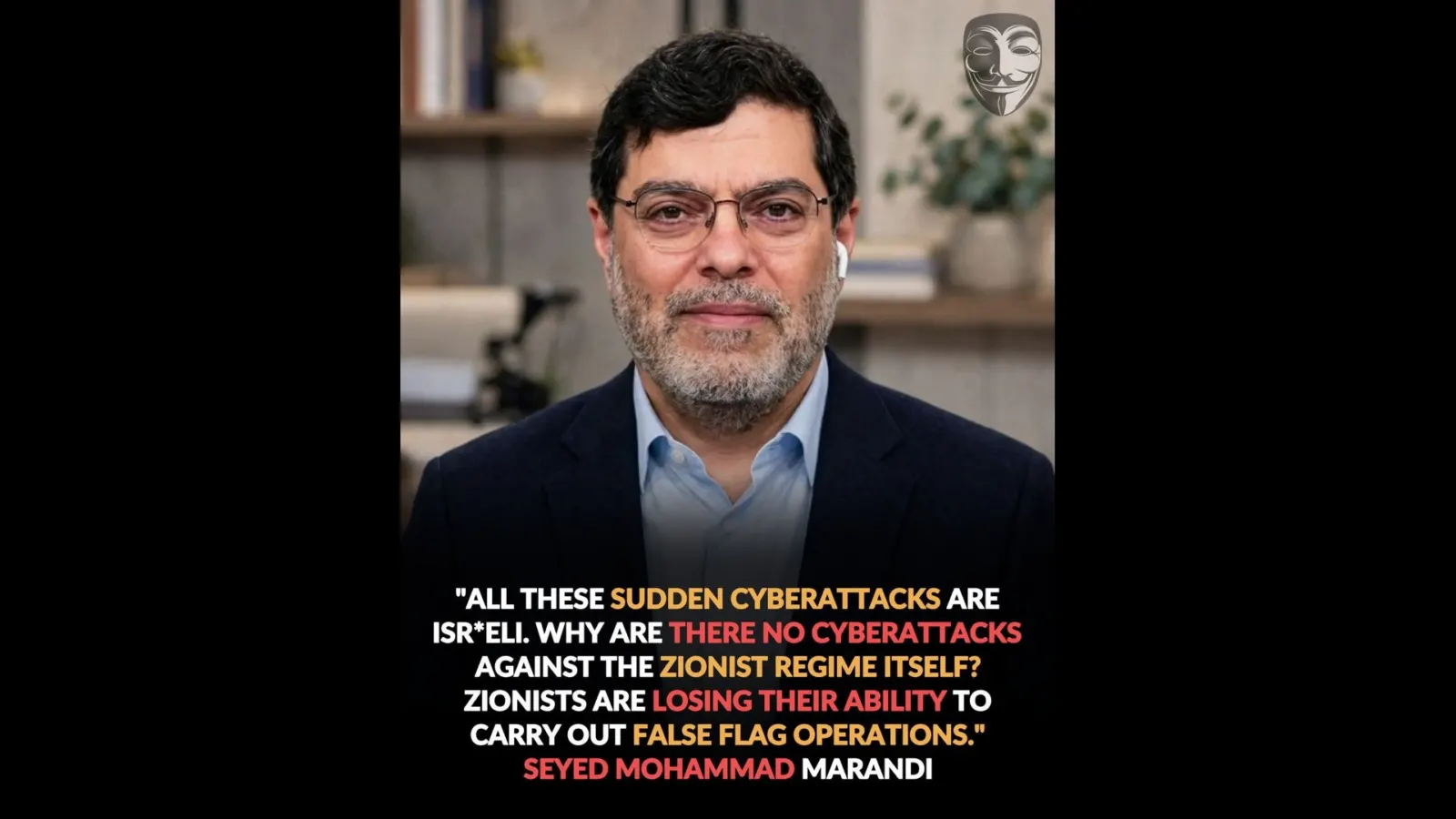
Marandi Cyber Claims Put the Blame on Israel
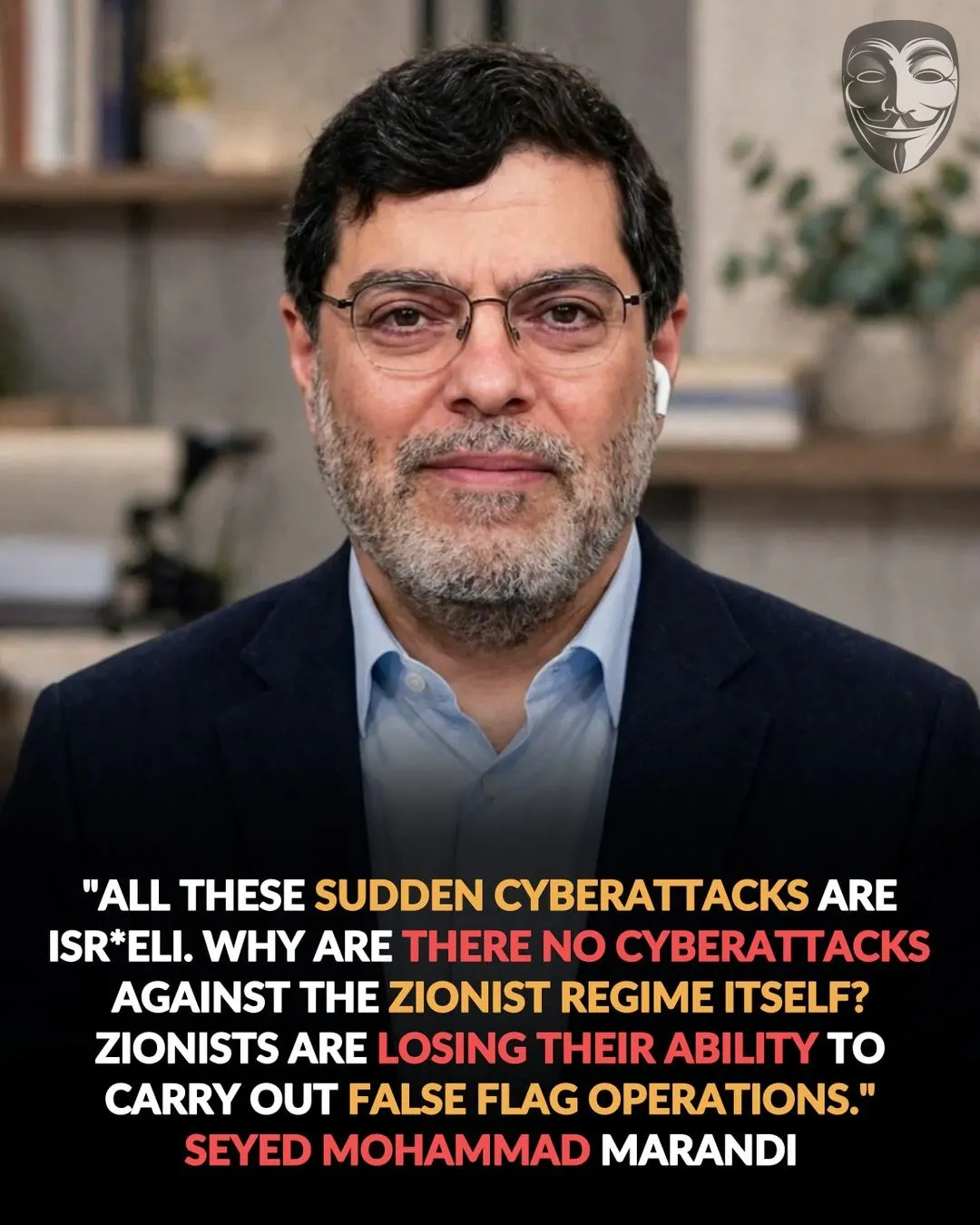
Marandi cyber claims began with a short post on X that accused Israel of carrying out a sudden wave of cyberattacks. Iranian political commentator Seyed Mohammad Marandi wrote that all the sudden cyberattacks were Israeli operations, and he asked why no similar attacks had targeted Israel itself. Marandi is a geopolitical analyst at the University of Tehran, and his words traveled quickly across social media. In the slides ahead we look at what he said, what a false flag operation means, and why experts worry about cyber conflict in the region.
Marandi also claimed that those behind the attacks were losing their ability to carry out false flag operations, but he gave no evidence for his claims. His remarks come as concern grows about cyberwarfare and rising tensions involving Israel and its regional adversaries. The story shows how fast a single post can shape a wider debate, much like the way internet access over Iran became a global talking point, and how new technology keeps changing the news itself.
References:
Reuters: Cyberattacks raise fears of wider conflict in the Middle East
Al Jazeera: Iran and Isr*el trade blame over cyberattacks
BBC News: Cyberwarfare becomes a new front in Middle East tensions
The Guardian: Experts warn cyberattacks could escalate regional conflict
The Analyst Behind the Marandi Cyber Claims
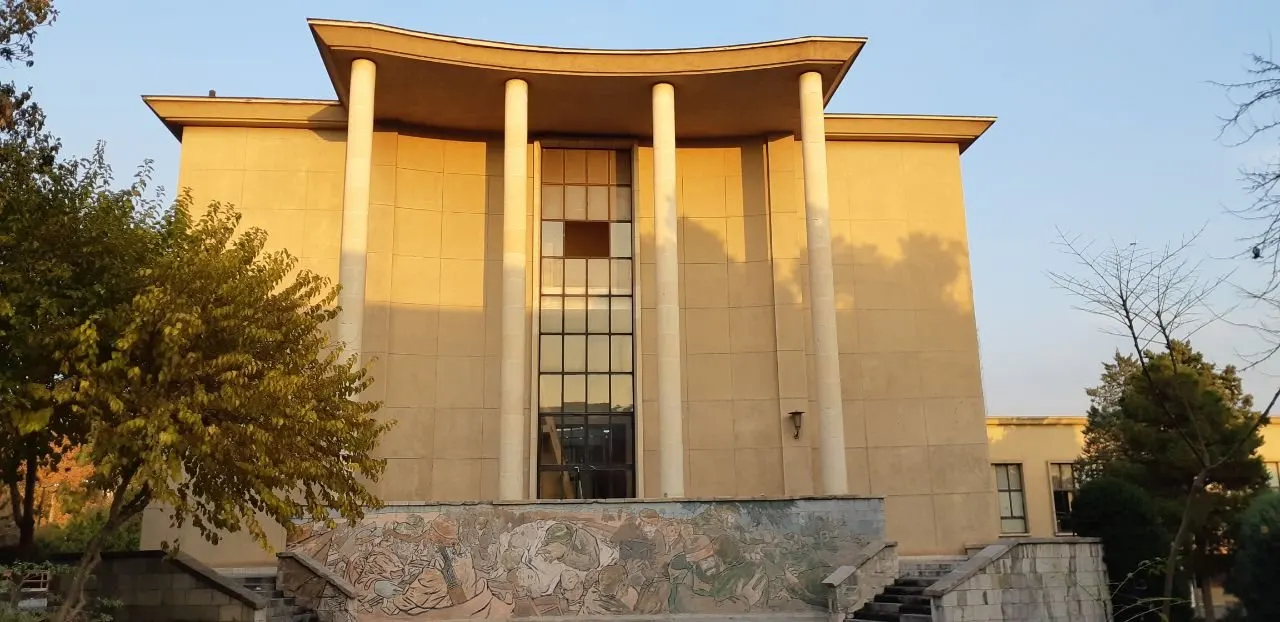
Seyed Mohammad Marandi is an Iranian political commentator and a geopolitical analyst at the University of Tehran. He appears often on television and on social media, where he comments on Iran, Israel and the wider Middle East. His posts reach a large audience, and his views are widely shared by people who follow regional politics. The Marandi cyber claims fit a pattern in his public comments, which often challenge Western and Israeli accounts of events. Read our report on the FAA meltdown and the fight over billions and the deal that reshaped Arctic security.
A Short Post on X That Traveled Fast

Marandi shared his claim in a post on X, the social network once known as Twitter, where short messages can reach millions of people in minutes. The post accused Israel of carrying out the sudden cyberattacks and asked why Israel itself had escaped them. Within hours, screenshots of his words spread to other platforms, including Facebook and Instagram, where news pages picked up the story. The speed of the spread shows how one post can set the agenda. See why so many data centers are being built and a deal worth billions for American jobs in our coverage.
What a False Flag Operation Means

A false flag operation is a secret act carried out in a way that makes it look like someone else did it. The phrase comes from naval history, when ships flew the flag of another country to hide who they really were. In modern talk, the term is often used for attacks or cyber incidents blamed on one side while another side is said to be responsible. Marandi used the phrase to claim that Israel stages such operations and then blames others. Read about the FAA meltdown and the demands for answers and the Philippines deal and its Boeing jets.
Marandi Cyber Claims Land in a Cyberwar Debate
The Marandi cyber claims arrived at a time when cyberwarfare has become a real worry for governments across the Middle East. Power grids, banks, hospitals and water systems all depend on computers, so a cyber incident can cause real harm without a single shot being fired. Reports in recent months have described suspected cyber incidents in several countries, and each side has blamed the other. That is the wider fear behind the headlines. Read how Starlink reached Iran during an internet blackout and the bill that would stop a president pardoning himself.
Tehran and Tel Aviv Trade Blame

Iran and Israel have blamed each other for cyber incidents for years, and neither side usually shows public proof. Each government says the other side runs secret cyber teams, and each denies carrying out the incidents it is accused of. The pattern repeats after almost every major incident in the region, with officials trading claims in the press and on social media. Marandi’s post fits that pattern, but it drew extra notice because of its blunt language. See the Greenland deal approved by 109 votes to none and the loyal dog who saved her owner in the woods.
Why the Marandi Cyber Claims Ask About Israel Itself

The heart of the Marandi cyber claims is a simple question. If a wave of sudden cyber incidents struck the region, why did none of them hit Israel? Marandi argues that the absence of incidents inside Israel points to Israel as the source. Israel, for its part, is known for strong cyber defenses and a large technology sector, and its supporters say that strength explains why it is rarely hit. The question has no settled answer. Read the Philippines deal and its Boeing jets and the foxes saved from the floodwaters.
The Ice Cream Line That Raised Eyebrows

In the same post, Marandi also asked what benefit Iran would gain from melting French ice cream. The odd line referred to reports of fridge and freezer outages in France that some had linked to a cyber incident. Marandi used the example to argue that Iran had nothing to gain from such a small and strange target. The line quickly became one of the most quoted parts of his post, because it mixed a serious charge with an everyday image. See the bill that would stop a president pardoning himself and what it would take to remove a president.
A Region Already Worried About Cyber Conflict
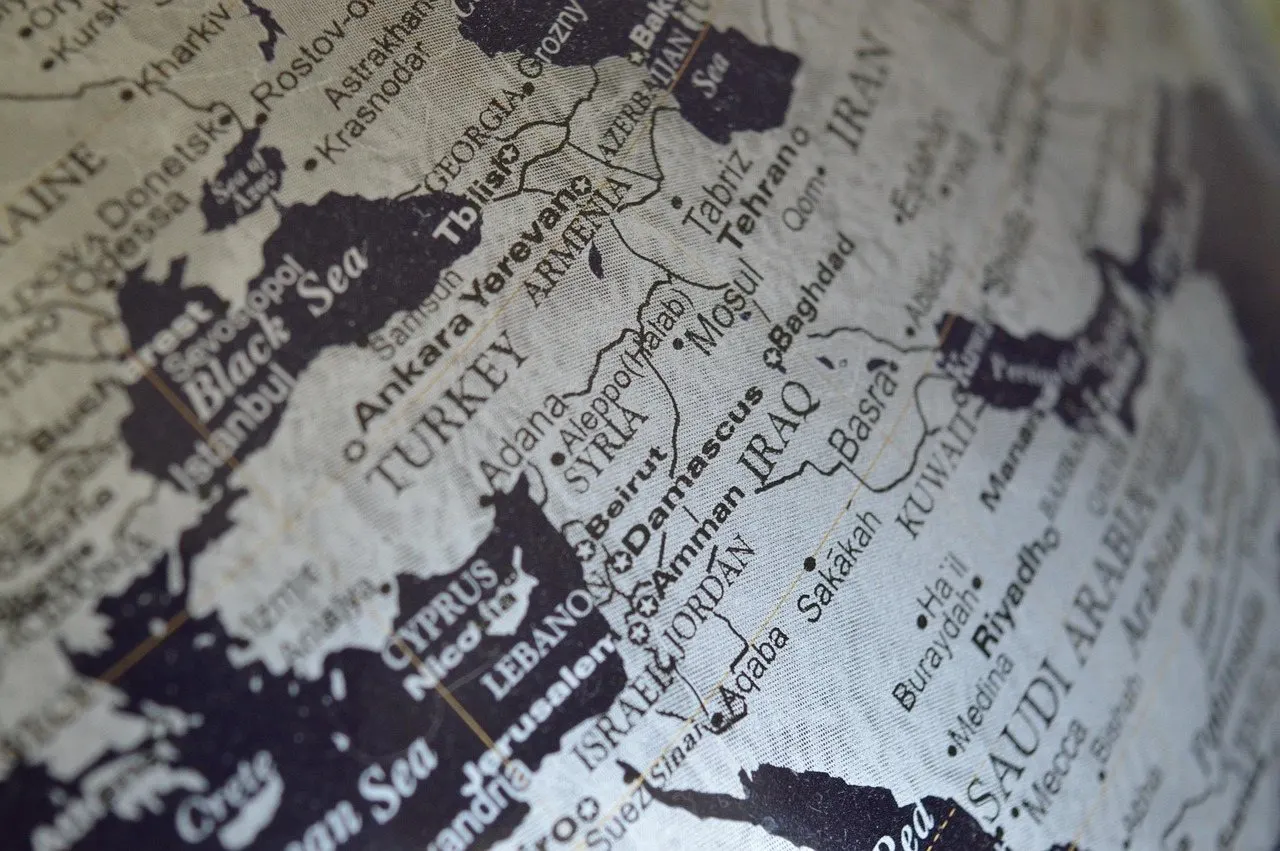
Concern about cyber conflict in the Middle East has grown as more of daily life moves online. Governments there have invested in cyber defenses, and security firms track suspected incidents almost every week. A single incident can shut down a port, a bank or a power plant, so officials treat cyber threats as seriously as other kinds of attack. That worry is why reports like the ones cited here draw so much attention. Read the loyal dog who saved her owner in the woods and the Willis family plan to donate a brain to science.
What Experts Say as the Claims Spread

Experts warn that cyber incidents can escalate a regional conflict, because blame is hard to prove and tempers run high. A cyber incident can look like an act of war to one side and a routine probe to the other, and that gap can lead to a sharp response. Analysts say that clear proof, open channels between governments and calm public language all help keep a tense moment from getting worse. The Marandi cyber claims show how fast that calm can slip. See the foxes saved from the floodwaters and the five cent chocolate bar coming back for a day.
How Attribution Works After a Cyber Incident
Attribution is the hard work of tracing a cyber incident back to the people who carried it out. Investigators look at code, server logs, timing and the choice of target, then compare those clues with what is known about past incidents. Even so, a skilled team can plant false clues, and a rush to blame can get the answer wrong. That is why officials and experts often urge patience before naming a culprit in public. Read what it would take to remove a president and the song that greeted Marcos at a gala dinner.
Satellites, Blackouts and the Starlink Question

When Iran restricted internet access during earlier strikes, many Iranians looked to the sky for a way back online. Elon Musk said his Starlink satellite service was active over Iran, and the news gave people hope that they could still reach the outside world. Satellites cannot fix a cyber incident, but they show how much modern life depends on links that cross borders. The episode is now part of the wider story. See the Willis family plan to donate a brain to science and an app where strangers post their bills.
Everyday Cyber Fears Behind the Headlines

The Marandi cyber claims also touch a worry that reaches far beyond the Middle East. Ordinary people now keep their money, photos and work on devices that connect to the internet, and a cyber incident can lock them out of their own lives. Strong passwords, updates and a healthy doubt about strange links are the simple steps experts repeat most often. Big headlines about state level incidents remind us why those small habits matter. Read the five cent chocolate bar coming back for a day and what a credit freeze does and does not stop.
What Diplomats Say When Blame Flies

Diplomats in the region have long said that public blame makes quiet talks harder. When a charge is made on social media, governments feel pressure to answer in kind, and each answer can raise the temperature a little more. Private channels, careful wording and a focus on facts give leaders more room to step back. That is why many observers watch the language around a claim as closely as the claim itself. See the song that greeted Marcos at a gala dinner and why so many data centers are being built.
How to Read a Claim With No Evidence

A claim with no evidence asks readers to do extra work. The first step is to separate what was said from what was shown, and to ask who benefits if the claim is believed. The second step is to look for independent reports, named sources and records that can be checked. Marandi gave no evidence for his claims, and the reports cited in this article note that gap plainly. A careful reader keeps that gap in mind. Read an app where strangers post their bills and the FAA meltdown and the demands for answers.
Do the Marandi Cyber Claims Change Your Mind

The Marandi cyber claims leave readers with a sharp question and no easy answer. Was Marandi pointing at a real pattern, or was he turning a mystery into a simple story? The reports cited here show real fear about cyber conflict, but they do not settle who carried out the sudden incidents. That gap is where the debate will live. What do you think? Share your view in the comments and tell us what proof would convince you either way. Read what a credit freeze does and does not stop and the Greenland deal approved by 109 votes to none.