Hakeem Jeffries Speaker Nomination Divides the Democrats
The Hakeem Jeffries speaker nomination has split Democrats into two camps, and the argument is playing out in public for everyone to see. On November 18, House Democrats picked Jeffries to be the next speaker in a closed door vote of 251 to 11, with no one running against him. The vote should have been a formality, but eleven Democrats voted no, and the reasons they gave have opened a wider debate about the direction of the party. In the slides ahead we look at what happened, who objected, and why so many voters feel torn.
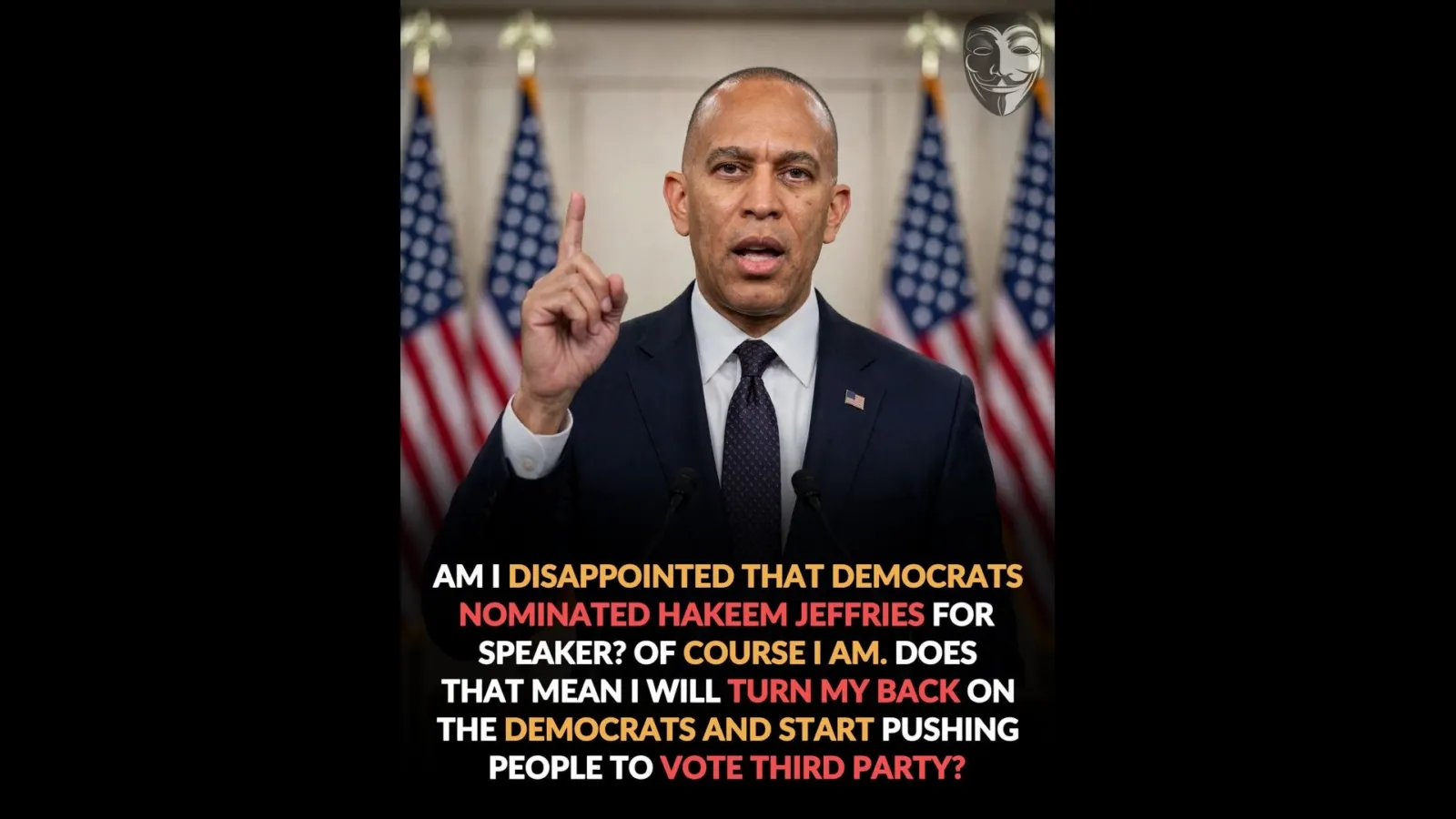
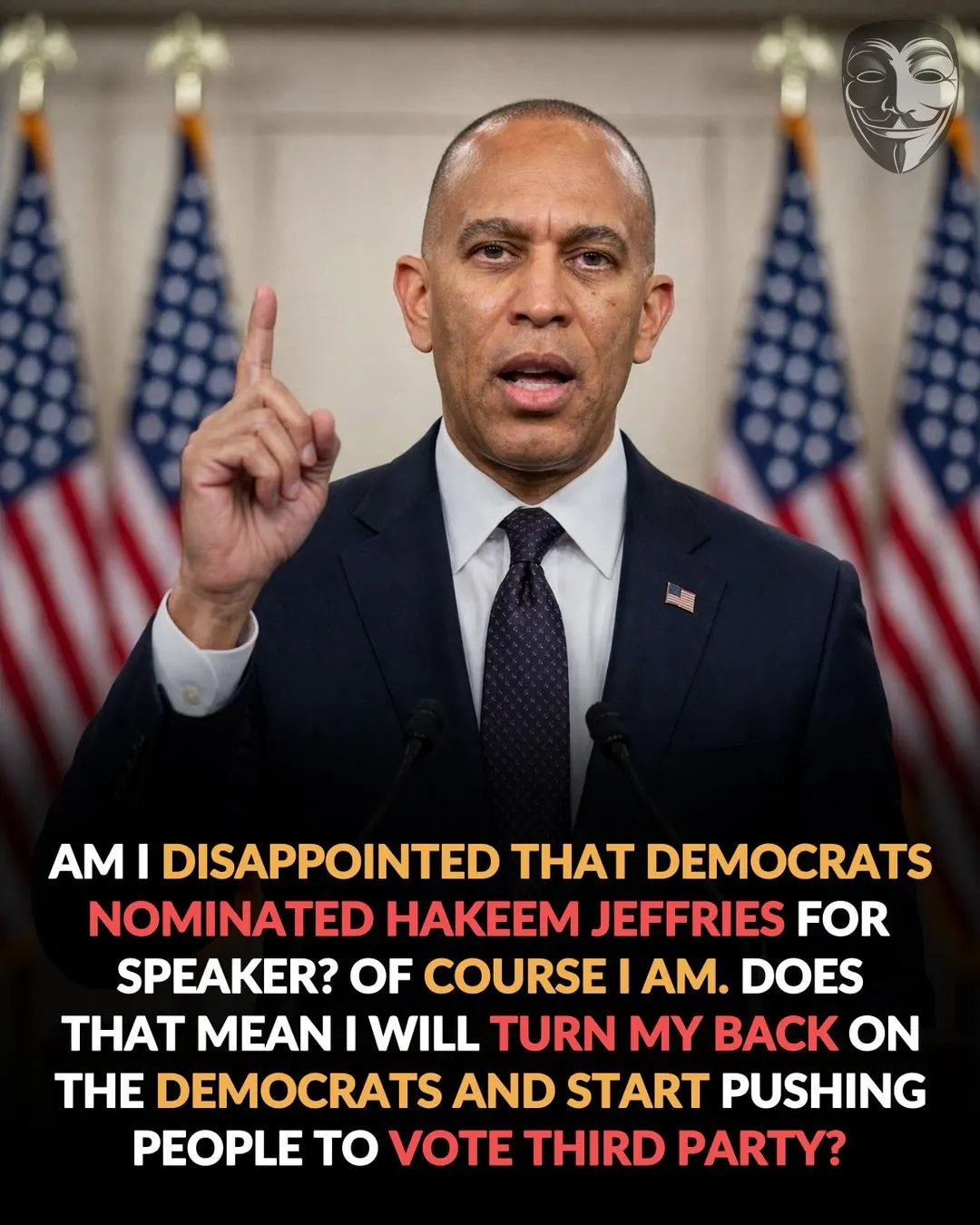
The post at the center of this story uses a viral meme format to speak for Democrats who feel let down by the choice but say they are not walking away from the party or backing a third party candidate. It captures a question that is dividing the base right now, whether to stay and fight inside the party or look somewhere else entirely. The comments under the post show just how heated that debate has become. Read our story on Karine Jean-Pierre leaving the Democratic Party and our report on the bill Democrats introduced to stop self pardons.
References:
Wall Street Journal: Democrats Back Hakeem Jeffries for Speaker Amid Left-Wing Objections
CounterPunch: The United States of Forced removal Empty Promises After the Big Blue Wave
Clearview Politics: Hakeem Jeffries Nominated as House Speaker Amidst Party Divisions and Investigative Promises
FlashPoint Television Network: Democrats Nominate Hakeem Jeffries for House Speaker, but Progressive Opposition Exposes Party Divisions
The Hakeem Jeffries Speaker Vote: 251 to 11

The Hakeem Jeffries speaker nomination came in a closed door vote on November 18, when House Democrats picked their leader to be the next speaker. The count was 251 to 11, with no one running against him, and the size of the win showed that most of the caucus stands behind him. Still, the eleven no votes mattered, because they came from members who want stronger commitments from their leaders. The full House will vote in January. Read about another party clash in our story on Mamdani challenging Trump to a debate and JD Vance criticizing Senate Democrats.
Eleven No Votes in the Hakeem Jeffries Speaker Nomination
Eleven Democrats voted no, and their reasons tell the story of a party arguing with itself. The no votes included incoming progressives who want stronger commitments on health care, Gaza and campaign finance reform. They did not run a rival candidate, but they used their votes to send a message. Leaders heard that message, and the debate over what the party should stand for is still going on. See how other Democrats have pushed back in our report on Stephen King predicting Trump supporters will deny backing him and the Trump Greenland deal approved 109 to 0.
Who Is Hakeem Jeffries?

Hakeem Jeffries is the leader of House Democrats, and he comes from Brooklyn, New York, where he built his career in state politics before moving to Washington. He took over as the top Democrat in the House after years in Congress, and his colleagues see him as a calm and disciplined voice for the party. If the full House elects him in January, he would become the first Black speaker in American history. Learn more about big political deals in our story on the Trump Philippines deal worth 17 billion and the House bill on wrongful detention by ICE.
How the Speaker Vote Works in January
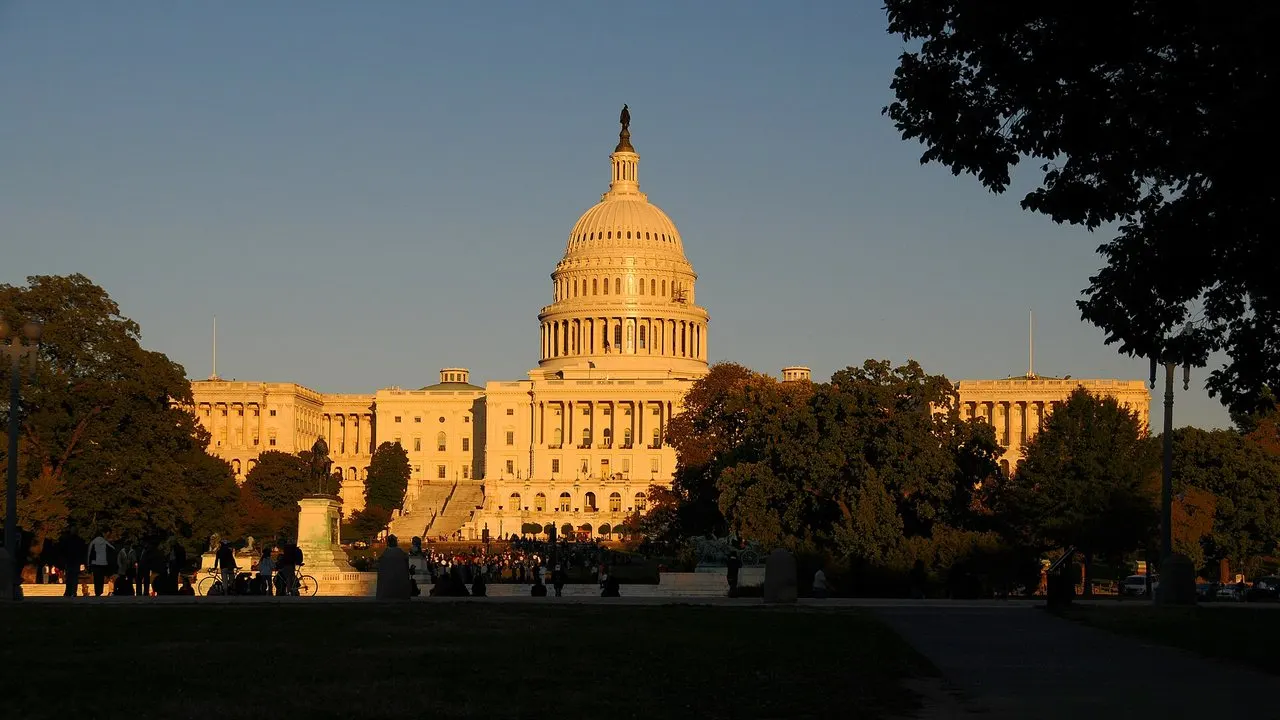
The full House of Representatives will vote for speaker in January, when the new Congress meets for the first time. Every member casts a vote, and the winner needs a majority of those voting to take the gavel. Because Democrats nominated Jeffries without opposition inside their own caucus, the January vote is the last step before he can lead the chamber. The timing gives both parties weeks to prepare. Read about heated hearings in our report on RFK Jr. defending CDC firings and the backlash to the flag burning order.
What the Hakeem Jeffries Speaker Job Actually Involves
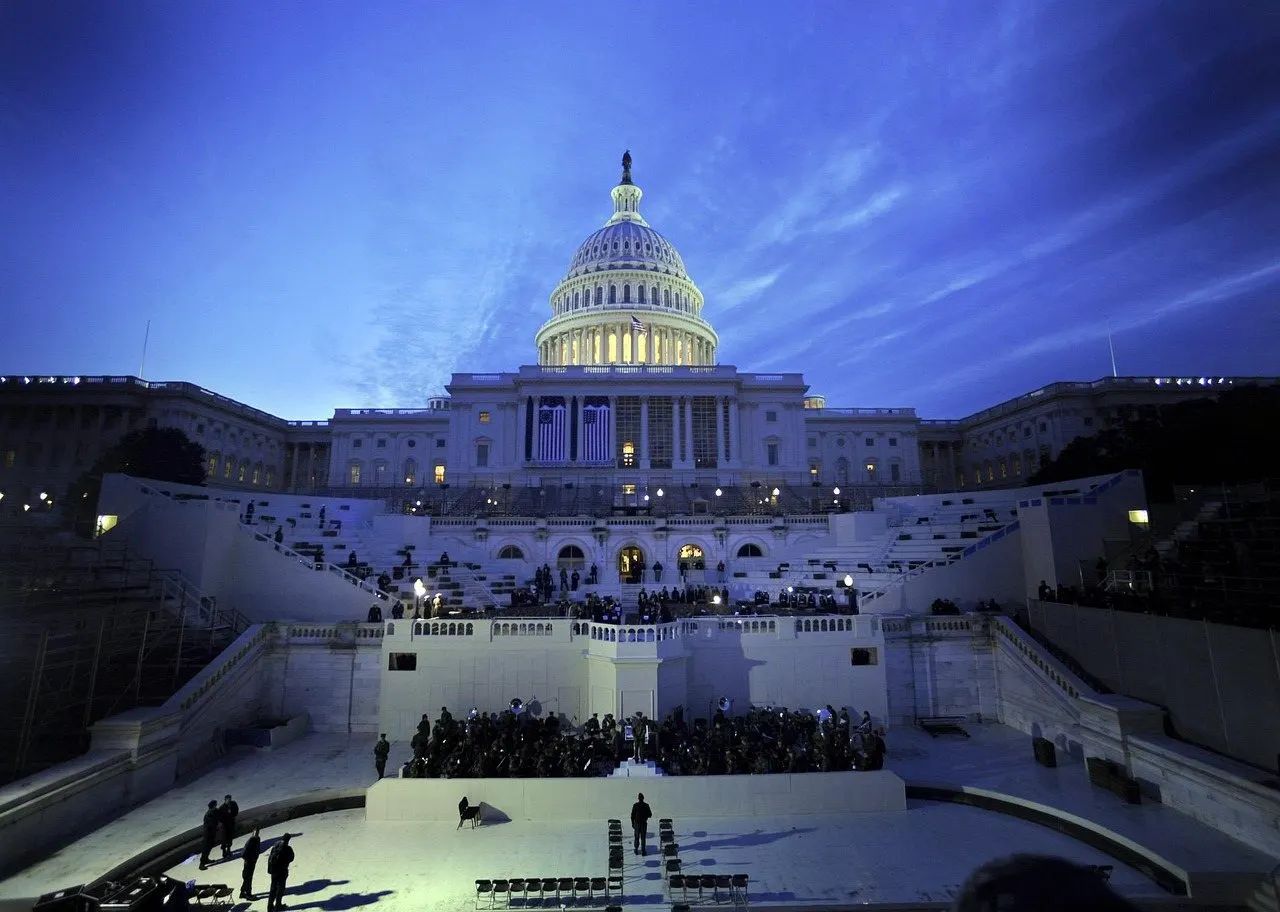
The speaker of the House runs the chamber, sets the schedule for votes, and decides which bills reach the floor. The job is one of the most powerful in Washington, and the speaker stands second in line to the presidency after the vice president. A speaker must keep a divided caucus together while facing the other party across the aisle. That balancing act is why the choice of speaker matters so much. See how leaders handle pressure in our story on Trump patrolling D.C. with police and troops and the census order that would exclude immigrants.
The Viral Meme That Spoke for Disappointed Democrats
A post making the rounds uses a viral meme format to speak for Democrats who feel let down by the choice but say they are not walking away from the party. The format is simple, and that is why it spread so fast. People share it because it says what they feel but could not quite put into words. The meme has become a kind of shorthand for a whole argument. For more on party breaks, read our story on Karine Jean-Pierre leaving the Democratic Party and Mamdani challenging Trump to a debate.
Why Many Democrats Say Stay and Fight After the Hakeem Jeffries Speaker Vote

Many Democrats say the answer is to stay and fight inside the party, even when they are disappointed by a choice like this one. They argue that leaving only helps the other side, and that change comes from winning primaries, shaping the platform and pushing leaders from within. Walking away, in their view, gives up the only real power Democrats have. The fight is hard, they admit, but it is worth it. Read about another Democratic fight in our report on the bill Democrats introduced to stop self pardons and JD Vance criticizing Senate Democrats.
The Case for Looking Somewhere Else

Other voters hear the same news and reach the opposite conclusion, and they ask why they should keep voting for a party that keeps letting them down. Some say a third party is the only way to force real change, because the two big parties take their votes for granted. Others warn that a third party vote can split the vote and hand power to the other side. The argument has no easy answer. See the wider debate in our report on Stephen King predicting Trump supporters will deny backing him and the Trump Philippines deal worth 17 billion.
Why Health Care Sits at the Center of the Fight

Health care is one of the issues behind the eleven no votes, because incoming progressives want stronger commitments from party leaders. For many families, health care is not abstract, since it decides what treatment they can afford and what bills they face. Voters who feel the party has moved too slowly on this issue see the speaker vote as a chance to demand more. Their message is simple, and it is loud. Learn about other policy fights in our story on the Trump Greenland deal approved 109 to 0 and the House bill on wrongful detention by ICE.
Gaza and the Divide Inside the Party

Gaza is another issue driving the divide, and it has split Democrats in a way few topics can. Some members want the party to take a firmer stand, while others say the leadership is handling a hard problem as best it can. The disagreement shows up in votes, in speeches and in the comments under posts like this one. It is one of the deepest cracks in the party right now. Read about heated hearings in our report on RFK Jr. defending CDC firings and Trump patrolling D.C. with police and troops.
Campaign Money and the Progressive Ask
Campaign finance reform is the third demand behind the no votes, and it speaks to how money shapes politics. Progressives argue that big donors have too much power over who runs and who wins, and they want leaders to commit to changing the rules. Reformers say small donors and ordinary voters should matter more than wealthy backers. It is an old fight, but the speaker vote gave it fresh energy. See the pushback in our story on the backlash to the flag burning order and the census order that would exclude immigrants.
What the Comments Under the Post Show

The comments under the original post show just how heated this debate has become, with supporters of both sides arguing in long threads. Some praise the post for saying what they feel, while others call it naive or disloyal. The tone is raw, and the disagreements are personal, because people are arguing about a party they care about. The post has become a meeting place for a fight that was already happening. Read more on party splits in our story on Karine Jean-Pierre leaving the Democratic Party and Stephen King predicting Trump supporters will deny backing him.
A Party Split Between Two Paths
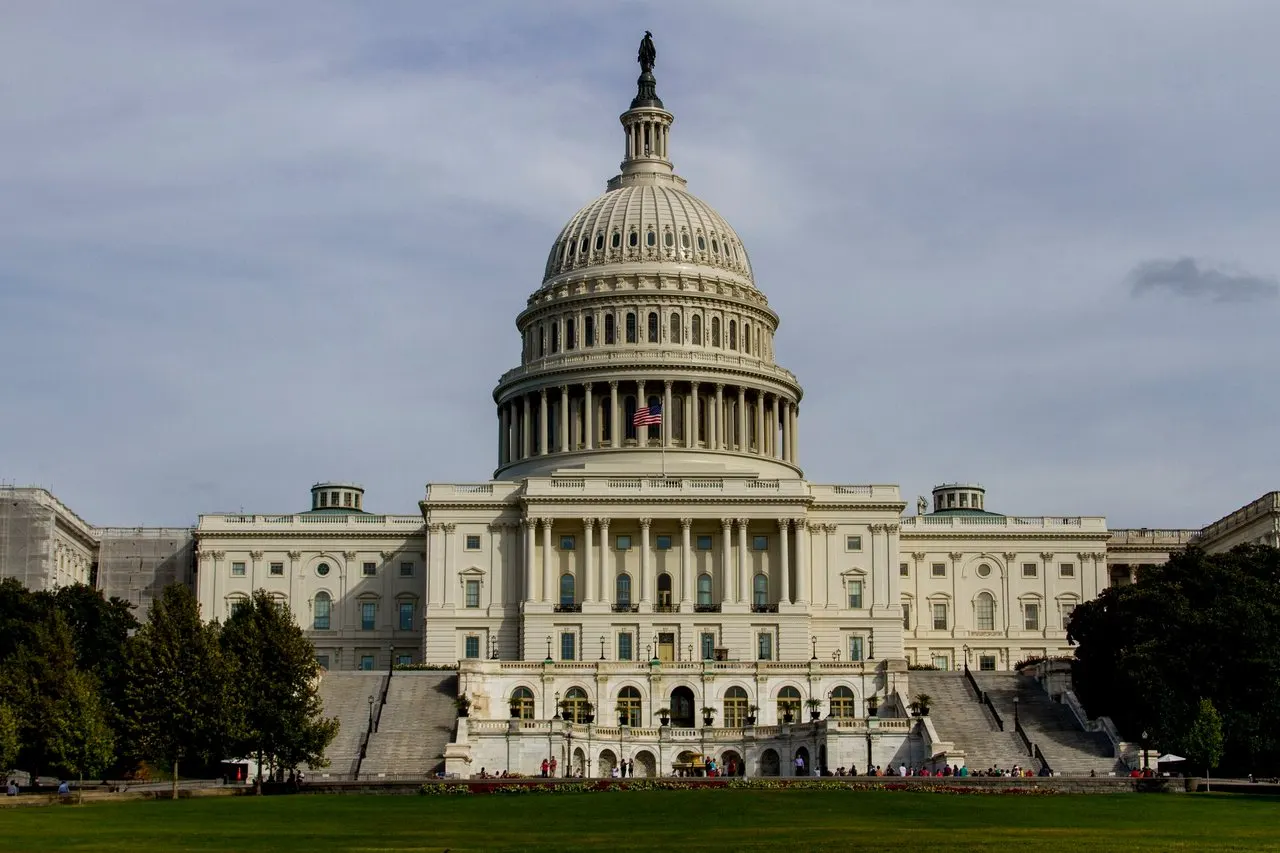
At its heart, this is a story of a party split between two paths, and both sides believe they are saving it. One side says unity matters most, and that public fights only help the other party. The other side says unity without change is empty, and that the party must earn its votes. Both sides have a point, which is why the argument keeps going. The speaker vote did not settle it. For more on these fights, read our report on the bill Democrats introduced to stop self pardons and the Trump Greenland deal approved 109 to 0.
What Happens Before the Hakeem Jeffries Speaker Vote in January
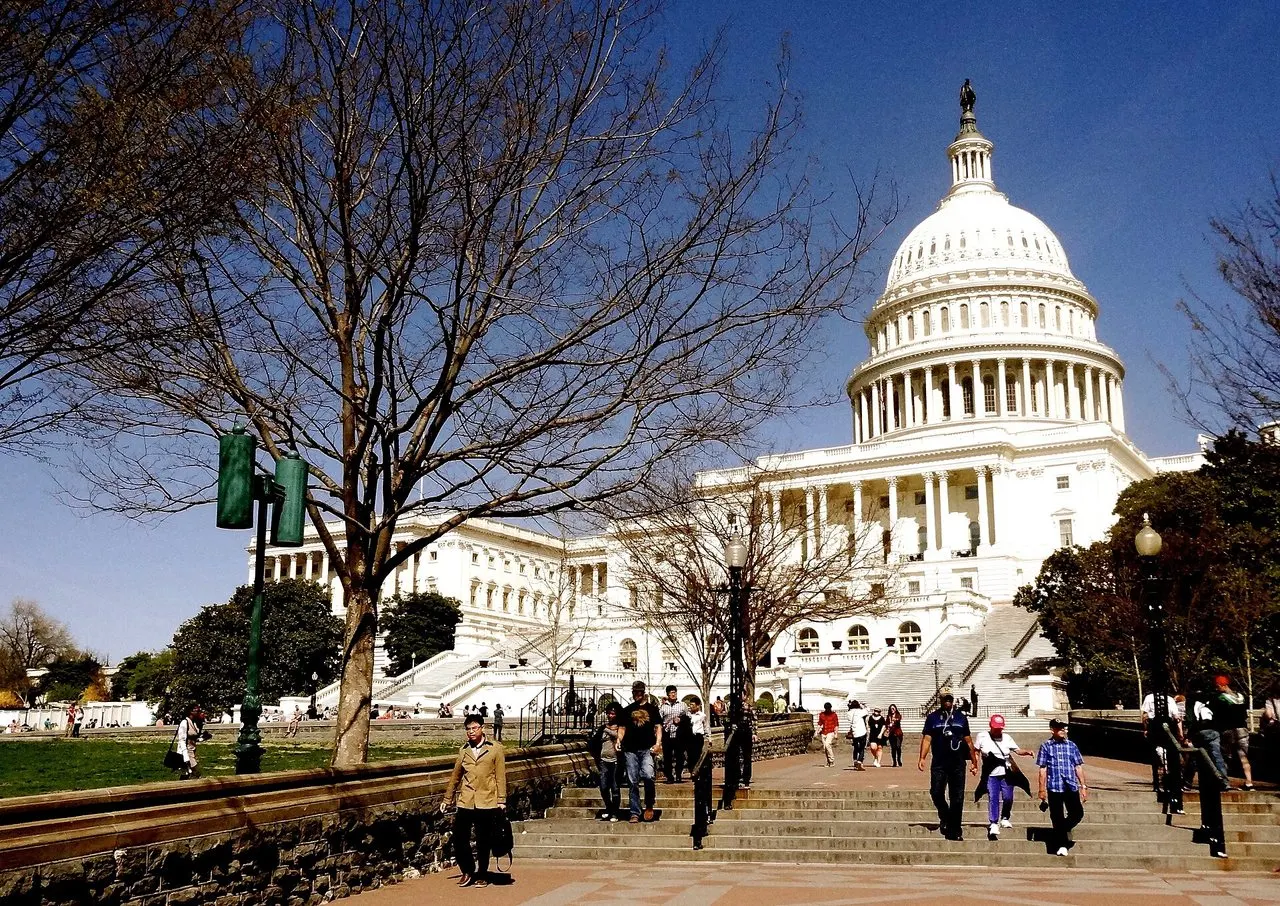
Between now and January, the new speaker will prepare to take the gavel, and the members who voted no will watch closely to see what changes. The weeks ahead will show whether the party can find common ground or whether the cracks will grow wider. Leaders will meet, plans will take shape, and the public debate will go on. January will come fast, and the vote will be here before anyone feels ready. See what else is moving in politics in our story on Mamdani challenging Trump to a debate and the Trump Philippines deal worth 17 billion.
A Hakeem Jeffries Speaker Win Would Make History

If Jeffries wins the full House vote in January, he would become the first Black speaker in the history of the United States. That milestone matters to many Americans, who see it as a sign of how far the country has come. It also matters because the speaker is one of the most powerful jobs in the government. History will remember the moment, whatever else happens next. Read about other historic moments in our story on JD Vance criticizing Senate Democrats and the House bill on wrongful detention by ICE.
Why the Hakeem Jeffries Speaker Choice Matters to Voters

For voters, the nomination matters because the speaker shapes what the House can do, from health care to the budget to oversight of the White House. A speaker who listens to the whole caucus can move bills that help ordinary families, while a speaker who ignores part of the party can leave those families waiting. That is why so many people are watching this vote so closely. It is about more than one job. Learn about other votes that matter in our report on RFK Jr. defending CDC firings and the backlash to the flag burning order.
Would You Stay or Walk Away?

So here is the question at the heart of this story, and we want to hear what you think. If you were disappointed by the nomination, would you stay and fight inside the party, or would you walk away and look somewhere else? There is no single right answer, and the comments under this article are open for a real debate. Share your thoughts below, and tell us what you think the party should do next. Read more in our story on Trump patrolling D.C. with police and troops and the census order that would exclude immigrants.