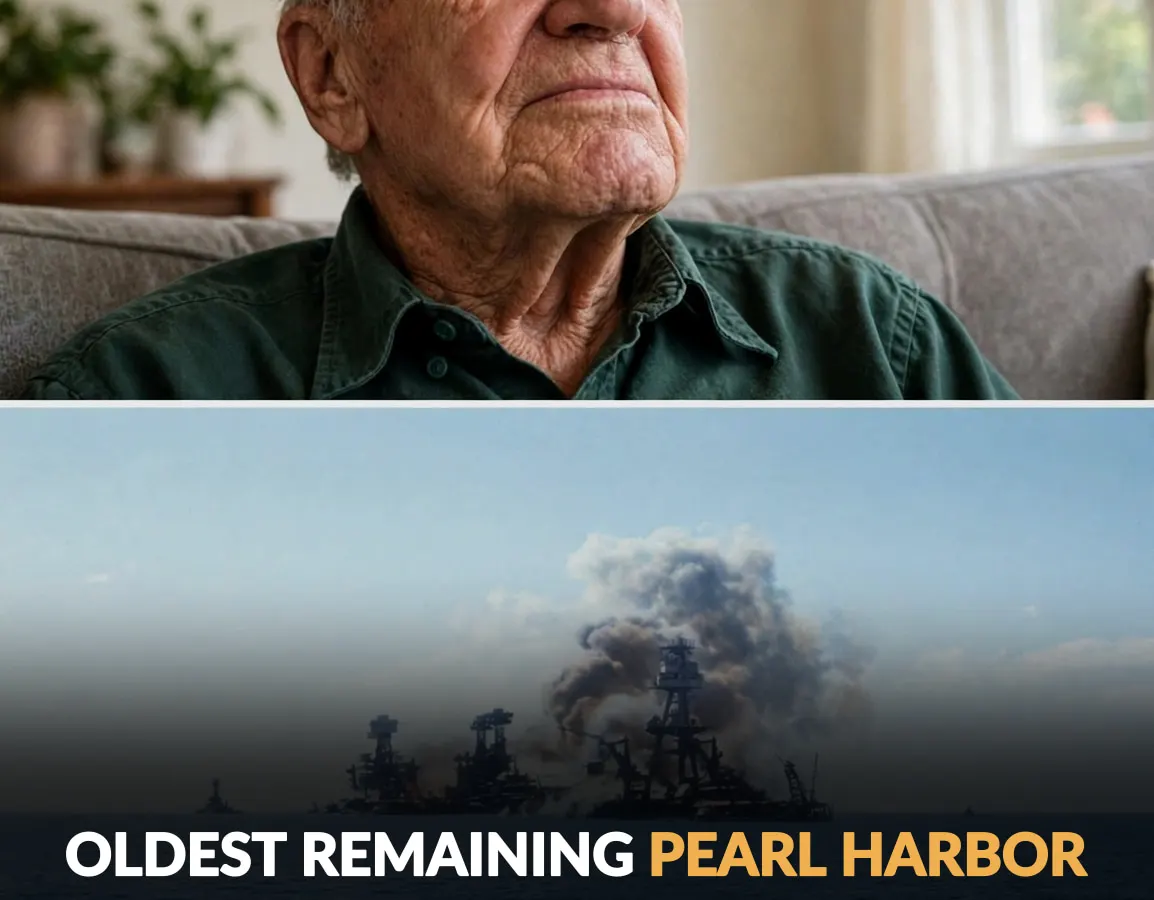
Pearl Harbor Survivor Freeman Johnson Has Died at 106
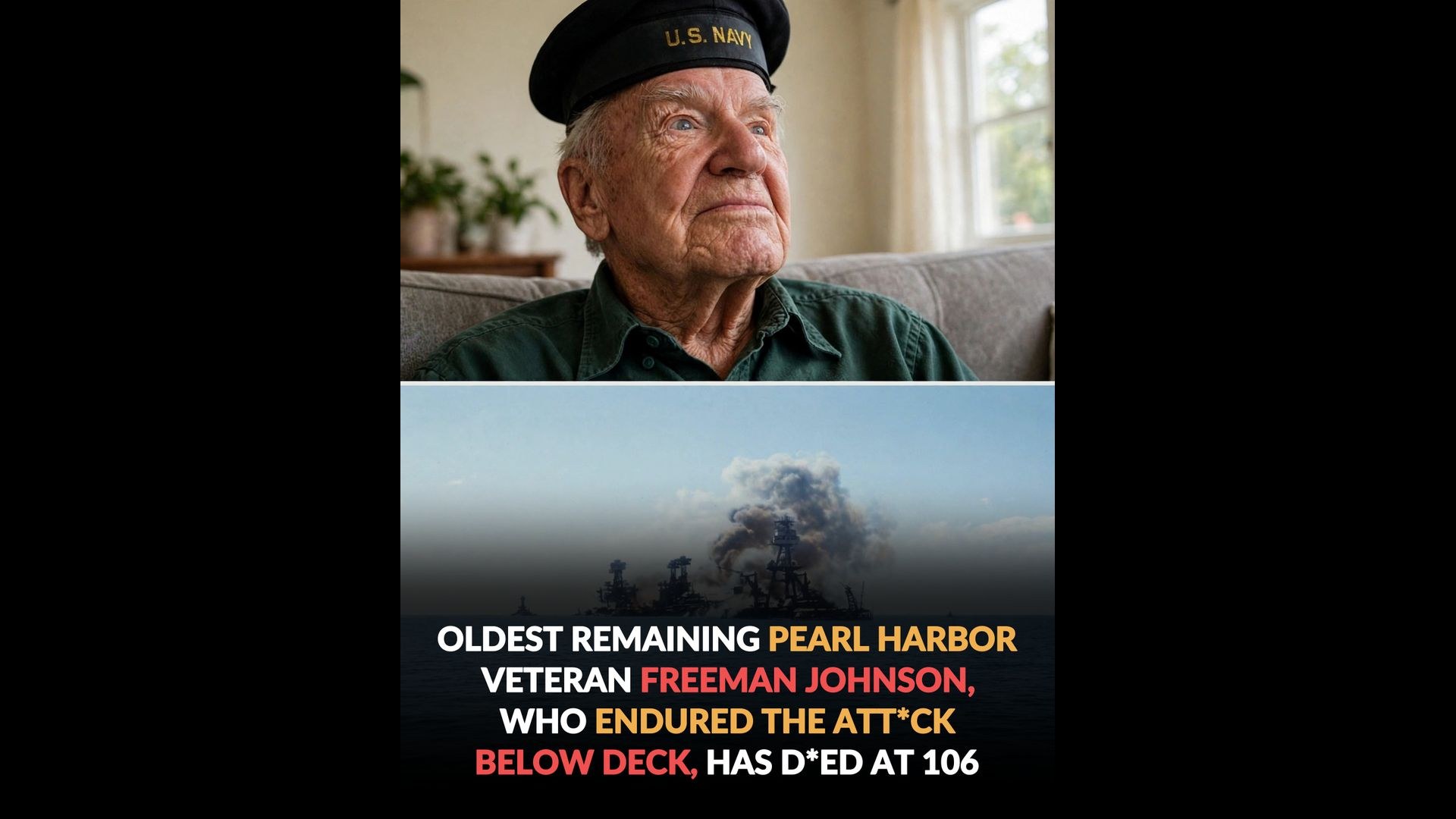
Pearl Harbor survivor Freeman Johnson died on Saturday, November 14, at his home in Centerville, Massachusetts, at the age of 106. His daughter, Diane Johnson, confirmed the news. He was believed to be the oldest known survivor of the attack on Pearl Harbor, and he was only 21 years old when Japanese planes struck the base on the morning of December 7, 1941. His passing closes one more chapter on a generation that is now almost gone, and it reminds us how few living voices remain from that day.
Johnson spent his life quietly carrying the memory of that morning, and he lived long enough to see the attack become a story most Americans only know from books. In the slides ahead we look back at the young sailor below deck, the ship that made a run for open water, and the long, active life that followed. For more stories about the people who shaped American history, read our report on the last surviving U.S. World War II ace and our piece on how Americans view the presidents who led them.
References:
Associated Press: Freeman Johnson, the oldest of the dwindling number of Pearl Harbor survivors, dies at 106
USA Today: Freeman Johnson, oldest known Pearl Harbor survivor, dies at 106
CNN: Oldest known Pearl Harbor survivor dies at 106
The Boston Globe: Freeman Johnson, oldest Pearl Harbor survivor, dies at 106 in Centerville
A 21-Year-Old Sailor on a Quiet Sunday Morning
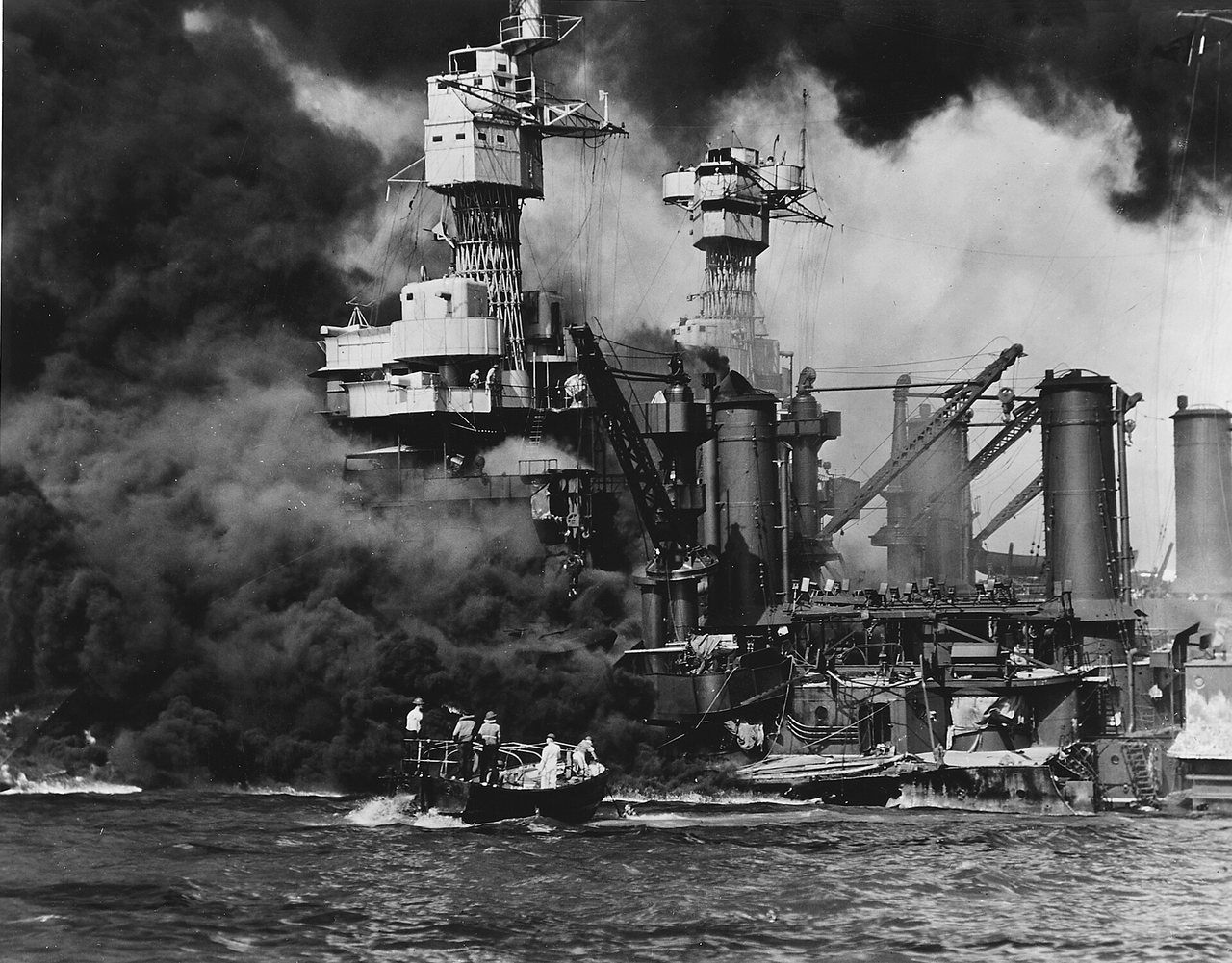
On December 7, 1941, the future Pearl Harbor survivor Freeman Johnson was a 21-year-old Navy machinist, one of thousands of young Americans stationed at Pearl Harbor on the island of Oahu in Hawaii. Sunday mornings at the base were usually slow, with many sailors off duty and ships tied up close together. Nobody on board expected that the peaceful harbor was about to become a battlefield. Like many men his age, Johnson had joined the Navy to see the world and learn a trade. You can read about another life of service in our story on the last U.S. World War II ace, and about how veterans are honored today.
Working Below Deck on the USS St. Louis
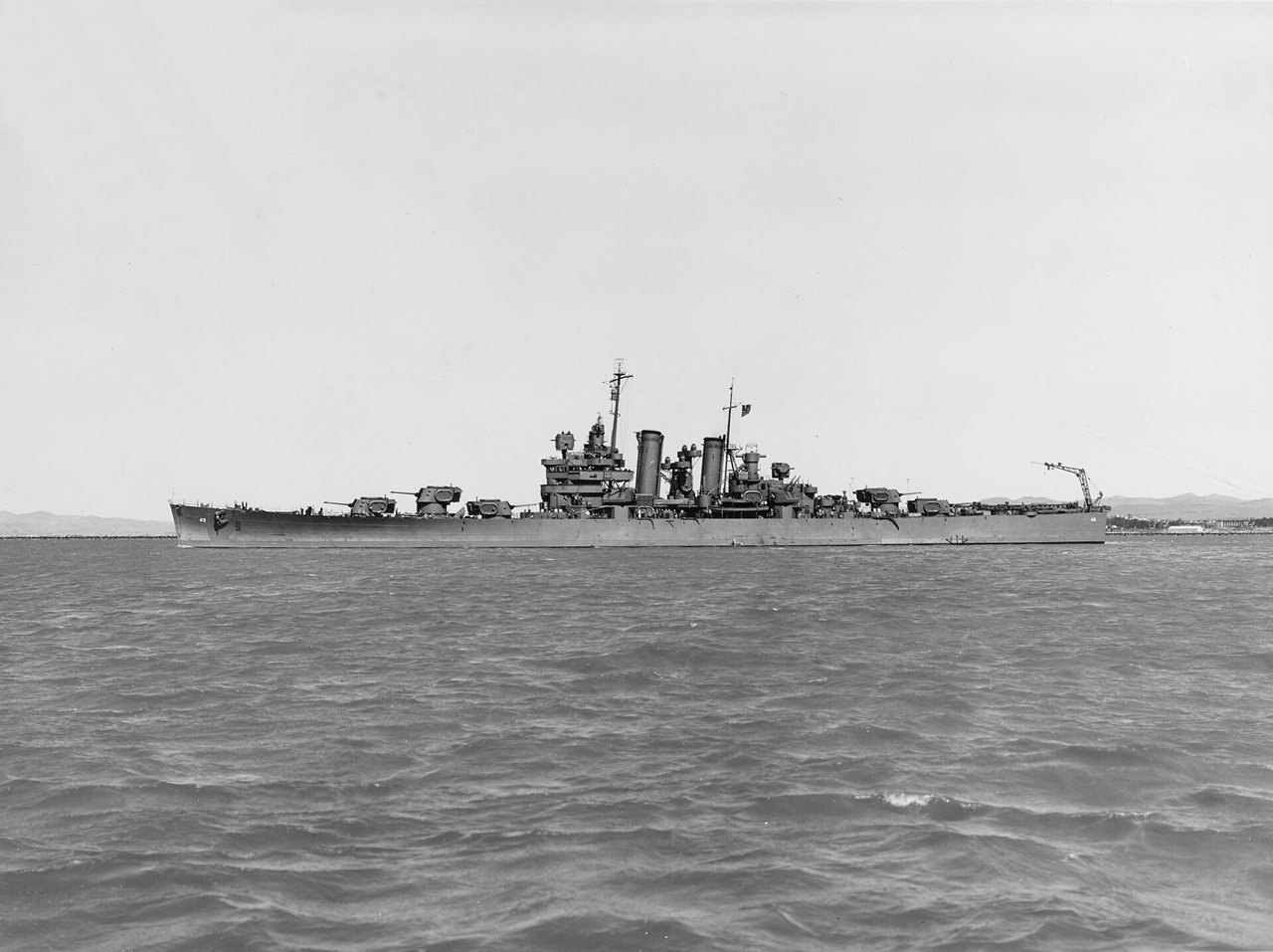
The Pearl Harbor survivor was serving aboard the light cruiser USS St. Louis, which was waiting for repairs when the attack began. He was working below deck on one of the ship’s boilers, deep inside the hull where the noise of the engines filled the air. From down there, he could not see the sky, only feel the ship shake as the first bombs and torpedoes hit the harbor around him. Men below deck had to keep working and trust the crew above. Read more about the heroes of that era in our tribute to Donald McPherson and this look at American leadership.
The Attack That Changed America Overnight
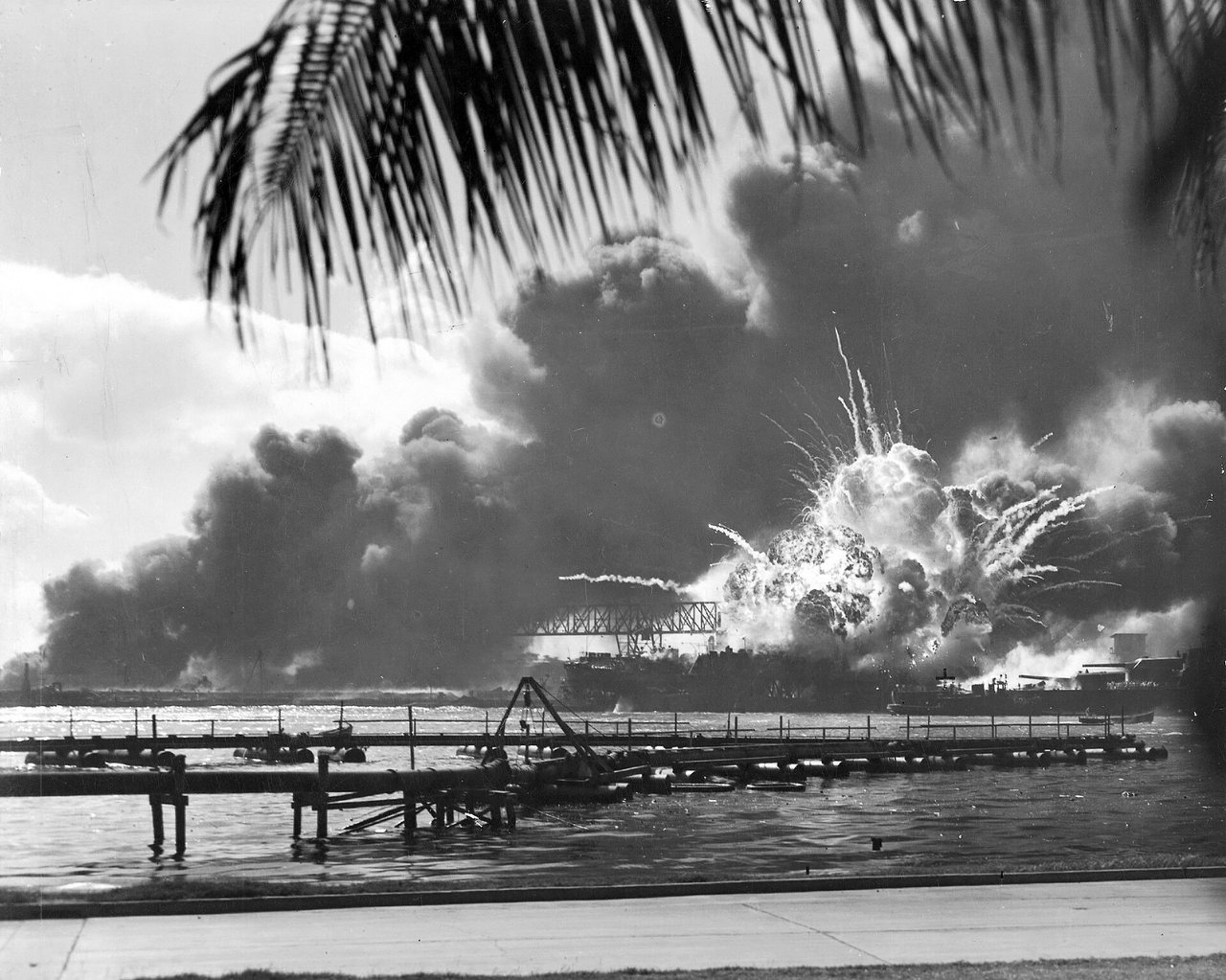
The surprise attack came in two waves of Japanese aircraft and lasted less than two hours. In that short time, more than 2,400 Americans were killed, and battleships that had been the pride of the Pacific Fleet were sunk or badly damaged. The scale of the loss shocked the country. Families who had never heard of Pearl Harbor suddenly knew its name, and young men lined up to enlist in the days that followed. Our coverage of the final years of World War II veterans and how the country remembers its leaders adds more context.
The Pearl Harbor Survivor’s Ship Made a Run for Open Water
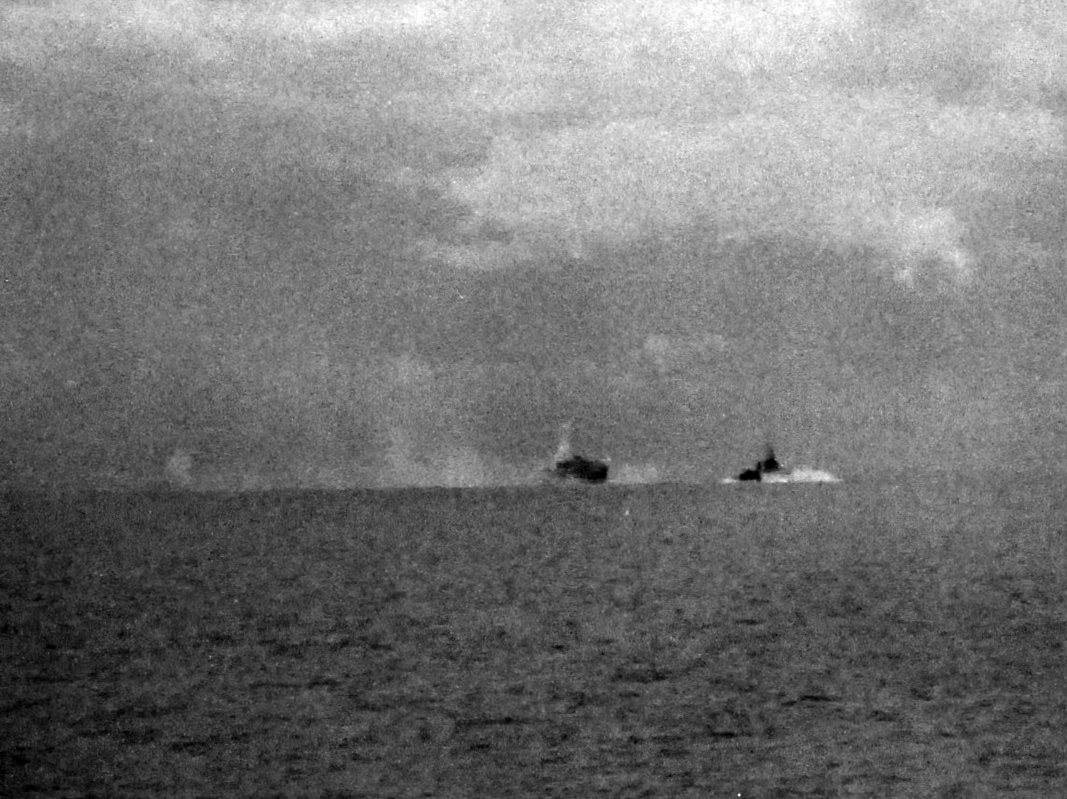
The USS St. Louis is remembered as one of the few large ships that managed to get underway and steam out of the harbor during the attack. While other vessels burned around her, the crew pushed the cruiser toward the channel and the open sea. For a Pearl Harbor survivor like Johnson, being part of that escape was a memory he carried for the rest of his life. It showed how fast the crew reacted under fire. Read about more acts of courage in our World War II ace story and in our report on a Black Hawk rescue crew.
A Date Which Will Live in Infamy
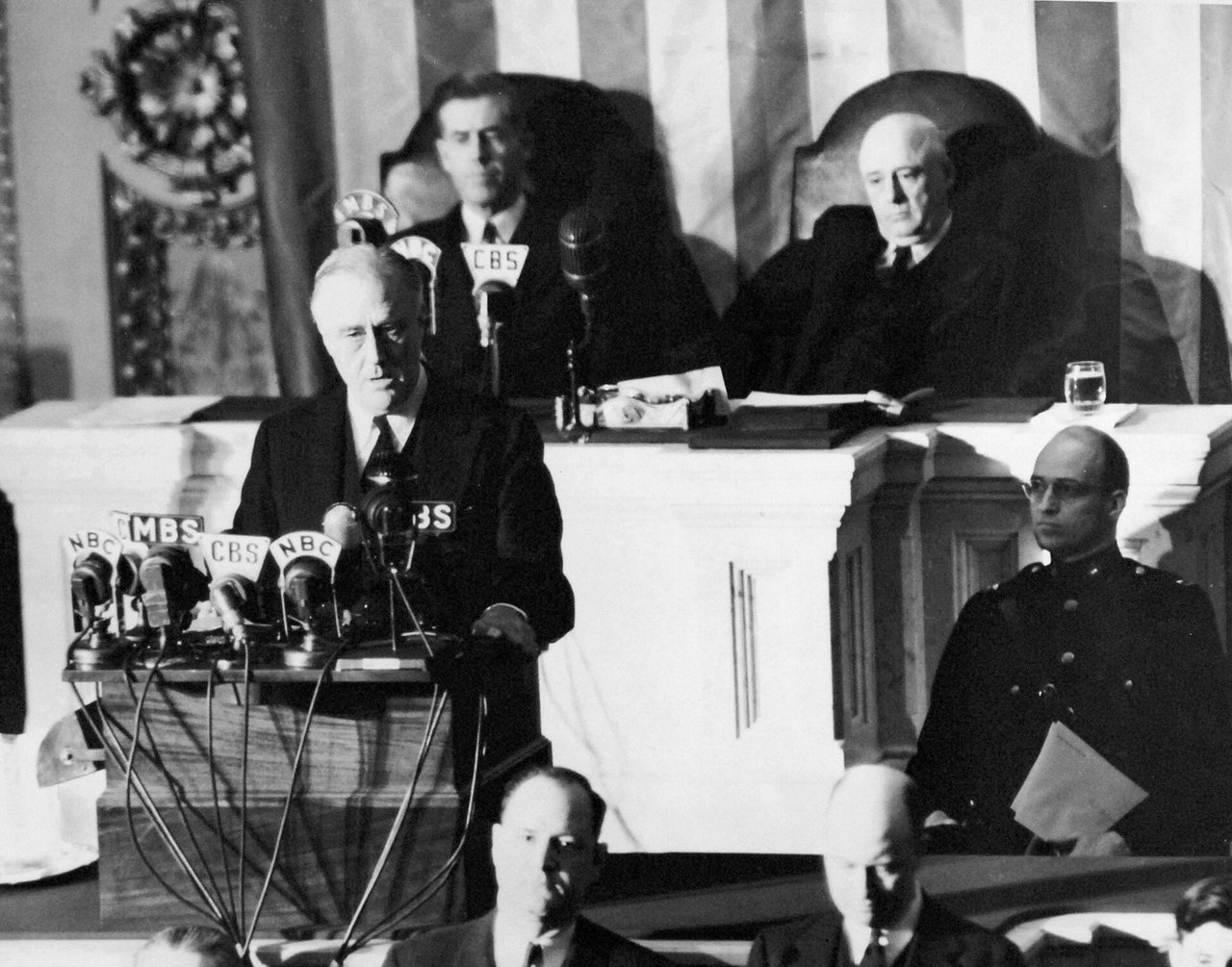
The next day, President Franklin D. Roosevelt stood before Congress and called December 7, 1941, a date which will live in infamy. Within hours, the United States declared war on Japan, and the country entered World War II. For sailors like Johnson, the war had already started the moment the first planes appeared, but the speech turned their personal shock into a national mission. Those words are still taught in schools today. See how Americans judge their presidents in this CNN poll story and read our report on a former president’s warning.
Serving Through the War in the Pacific
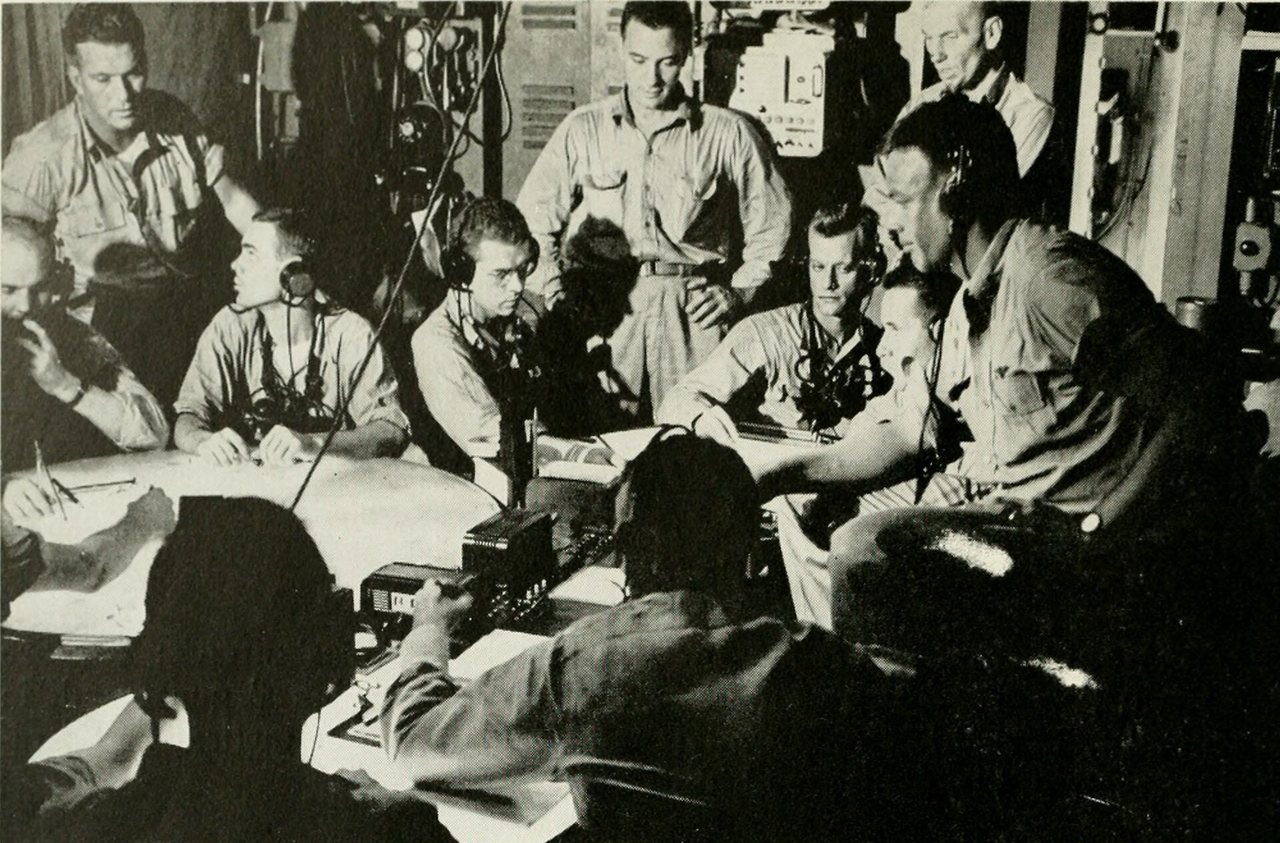
This Pearl Harbor survivor did not leave the Navy after Pearl Harbor. He went on to serve through the long war in the Pacific, a fight that moved from island to island across thousands of miles of ocean. Sailors faced storms, air attacks and long months away from home. Many of the young men who survived that first morning did not live to see the end of the war, which made every survivor’s story even more precious. Read about another man who flew through that war in our story on Donald McPherson and see why veterans still ask for more recognition.
Watching Japan Surrender From the USS Iowa
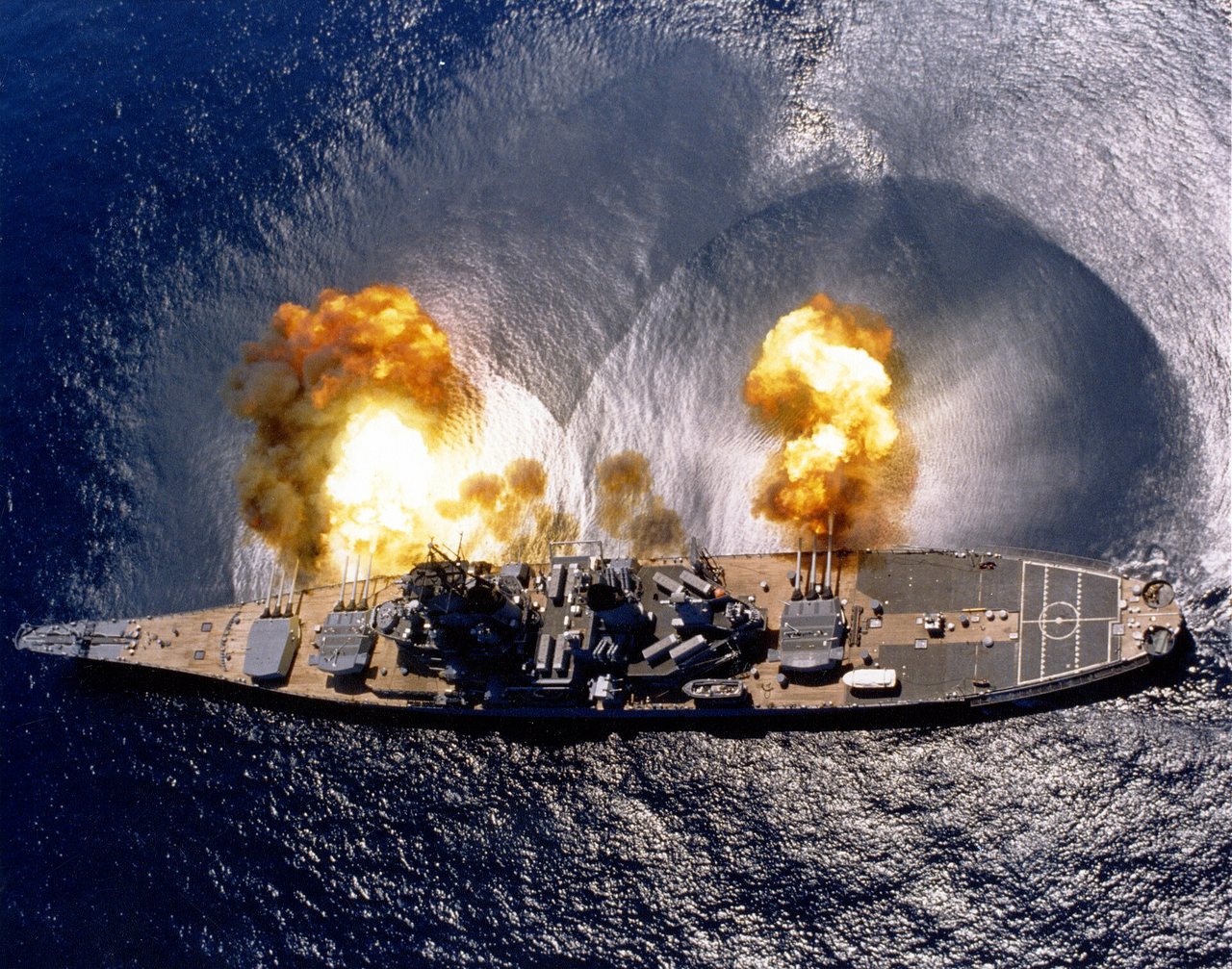
In 1945, Johnson watched the Japanese surrender from the mast of the battleship USS Iowa, anchored in Tokyo Bay. The formal ceremony took place on September 2, 1945, aboard the nearby USS Missouri. The young man who had been below deck when the war began was now high above the water as it ended. It is rare for one sailor to witness both the first and the last chapter of a war in person, and this Pearl Harbor survivor did exactly that. Read more history in our World War II ace story and in our look at the nation’s most admired president.
Coming Home to a Quiet Life in Massachusetts
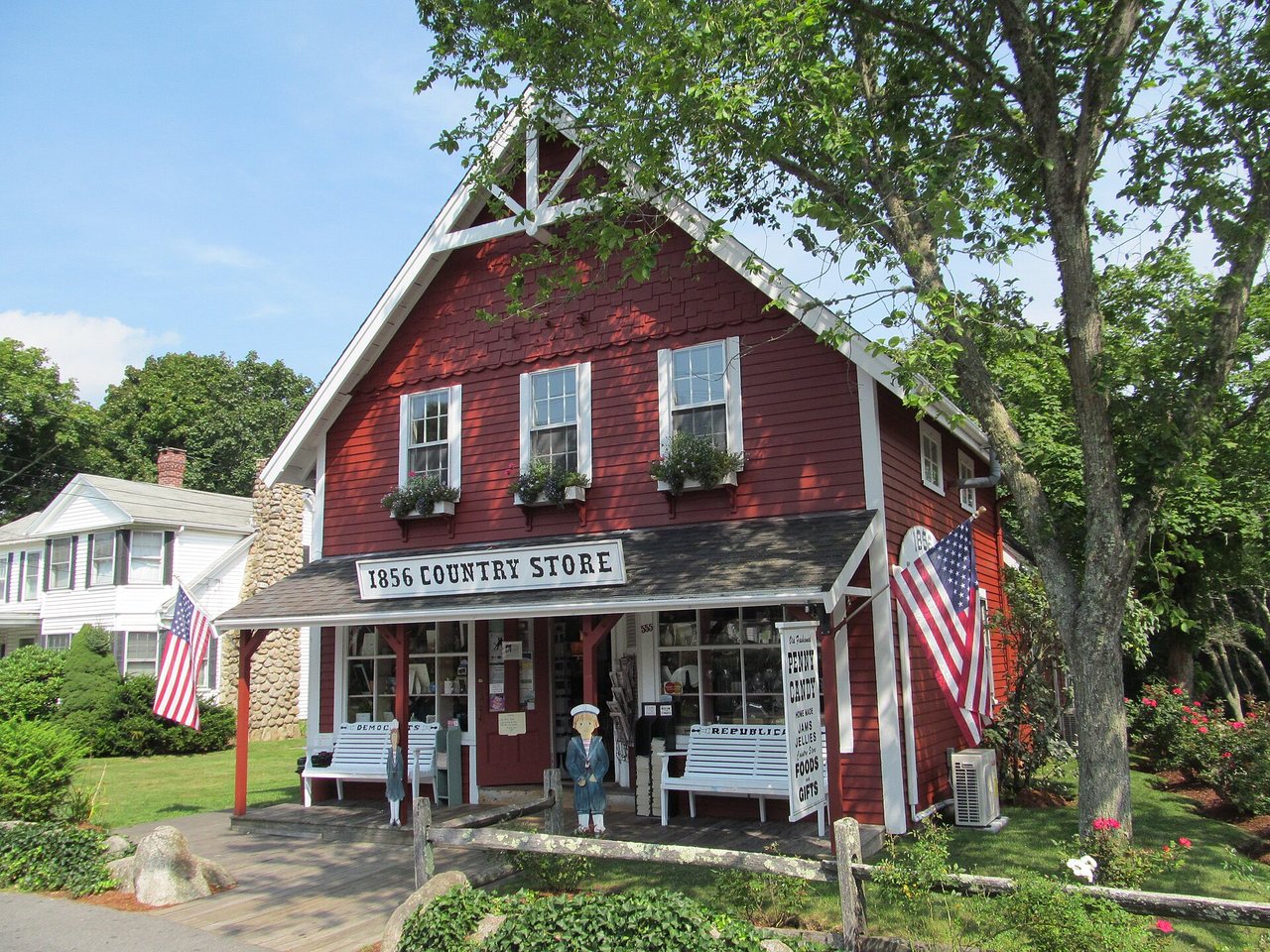
After the war, the Pearl Harbor survivor returned to civilian life and later made his home in Centerville, a village on Cape Cod in Massachusetts. Like many veterans of his generation, he built a family and a quiet routine, and he did not seek attention for what he had lived through. Neighbors knew him as a familiar face long before reporters began calling him one of the last witnesses of December 7. His story only became famous late in life. Read about other remarkable lives in our tribute to Jerry Adler and our story on Senator Alan Simpson.
Walking Two Miles a Day Until Age 102
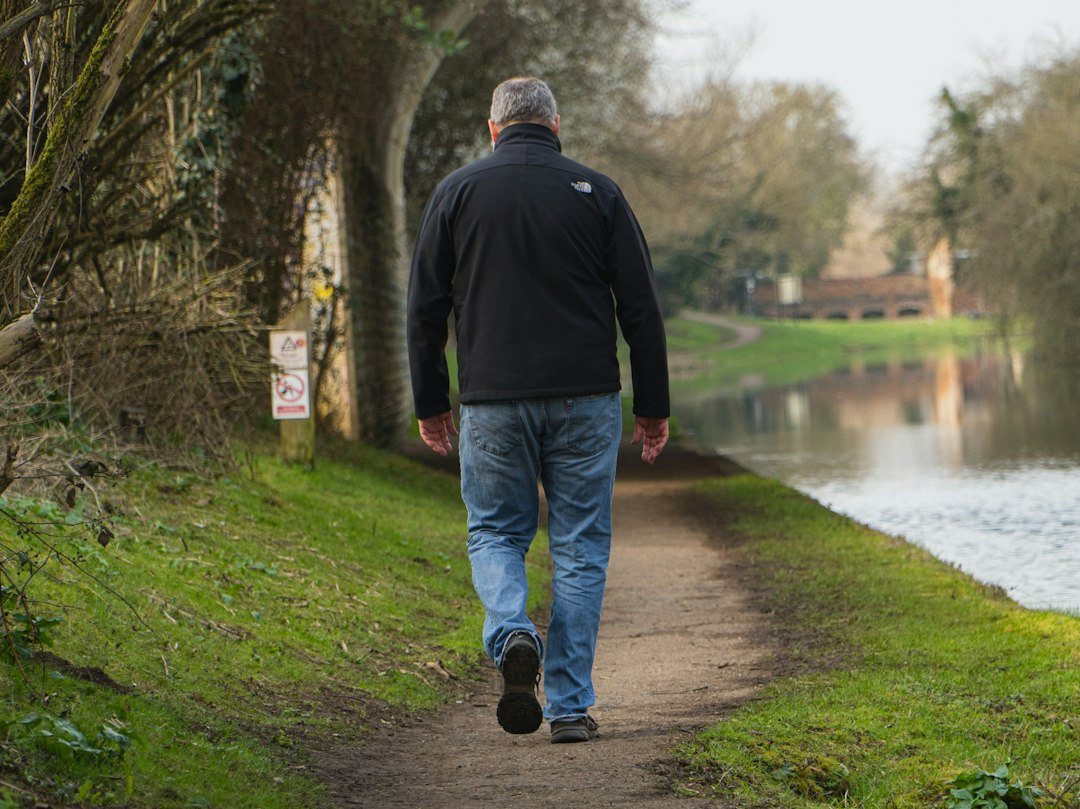
Johnson stayed remarkably active late in life. He walked two miles a day until he was 102, a habit that amazed people who met him. Doctors often say that staying on your feet and keeping a daily routine helps older adults stay strong and independent for longer. For this Pearl Harbor survivor, those walks were also a chance to stay connected to his town and the people around him. His routine became part of his legend. Read about another long life in our story on Senator Alan Simpson and about the oldest Sopranos star.
Why Every Pearl Harbor Survivor Story Matters
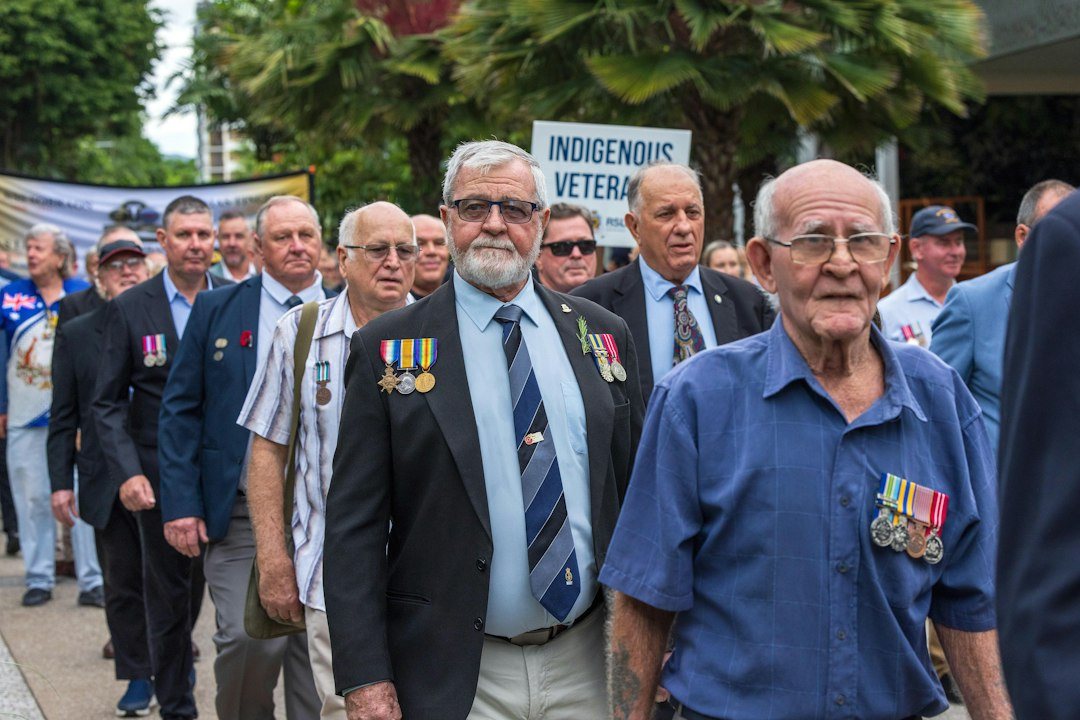
Each year, fewer people who were at Pearl Harbor are still alive to share what they saw. Historians say firsthand accounts give details that no textbook can capture, from the sounds below deck to the fear in the minutes after the first explosion. That is why the death of a Pearl Harbor survivor like Johnson matters to more than his family. It marks the slow end of living memory of that morning. Read more about fading generations in our World War II ace report and our tribute to Robert Redford.
The USS Arizona Memorial Still Draws Visitors
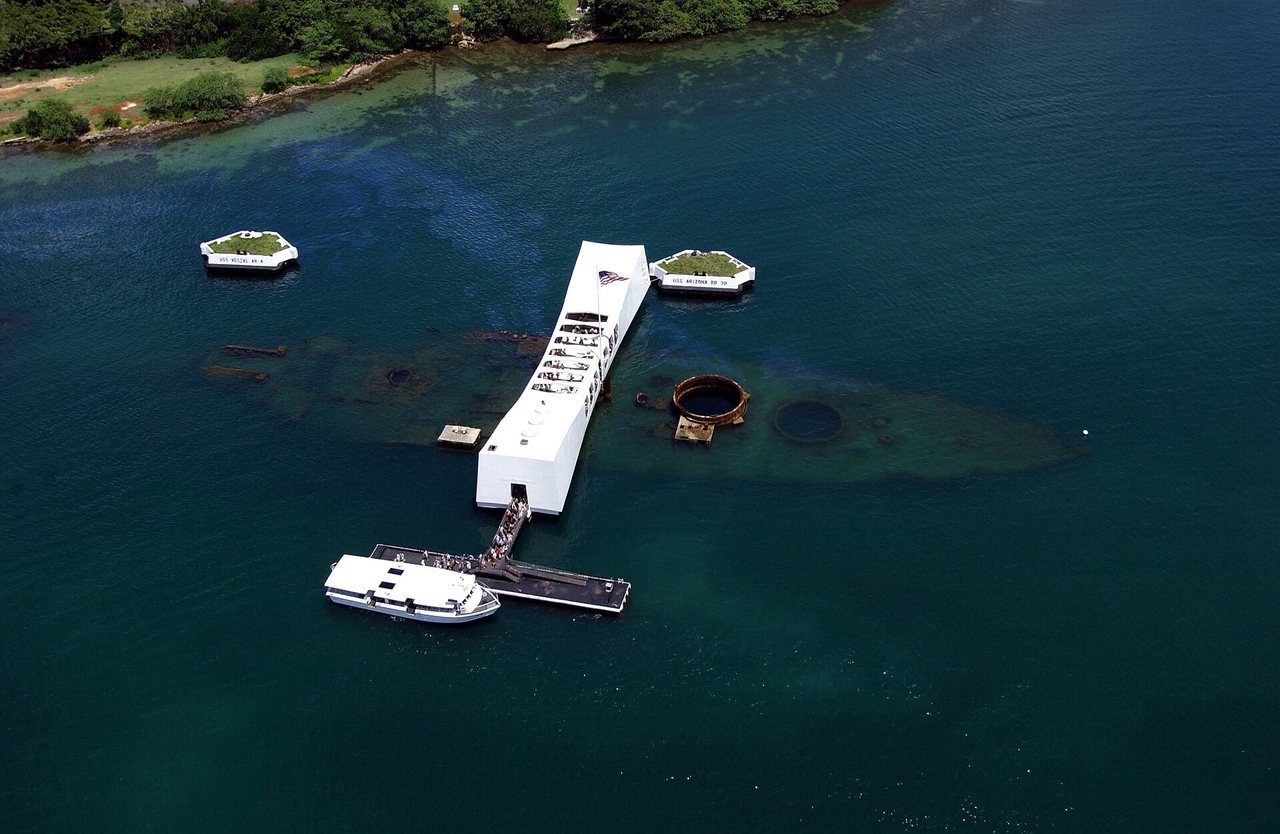
Today, visitors from around the world travel to Pearl Harbor to see the USS Arizona Memorial, built over the sunken battleship where more than 1,100 sailors and Marines lost their lives. Many people say the quiet of the place is what stays with them. Oil still slowly rises from the wreck, a small reminder that history is not as far away as it seems. Survivors like Johnson often returned for anniversaries over the years. Read about how Americans remember their past in our presidential poll story and our report on a famous senator’s legacy.
December 7 Is Still Marked Every Year
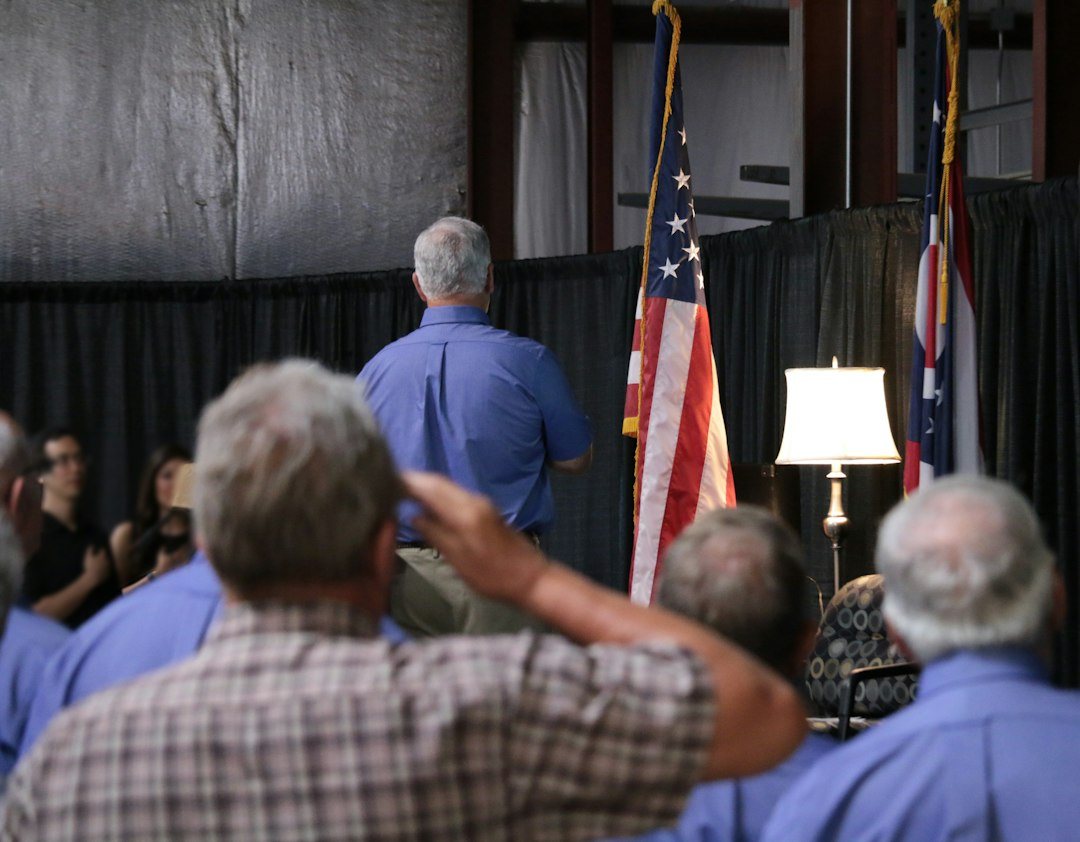
Every December 7, the United States marks National Pearl Harbor Remembrance Day. Flags fly at half-staff, ceremonies are held in Hawaii and across the country, and a moment of silence is observed at the time the attack began. For years, the guests of honor at these events were the men who lived through it. As each Pearl Harbor survivor passes away, families and younger veterans carry the tradition forward. Read about how the nation honors service in this story on veterans’ recognition and our tribute to Donald McPherson.
Every Pearl Harbor Survivor Belongs to a Generation Almost Gone
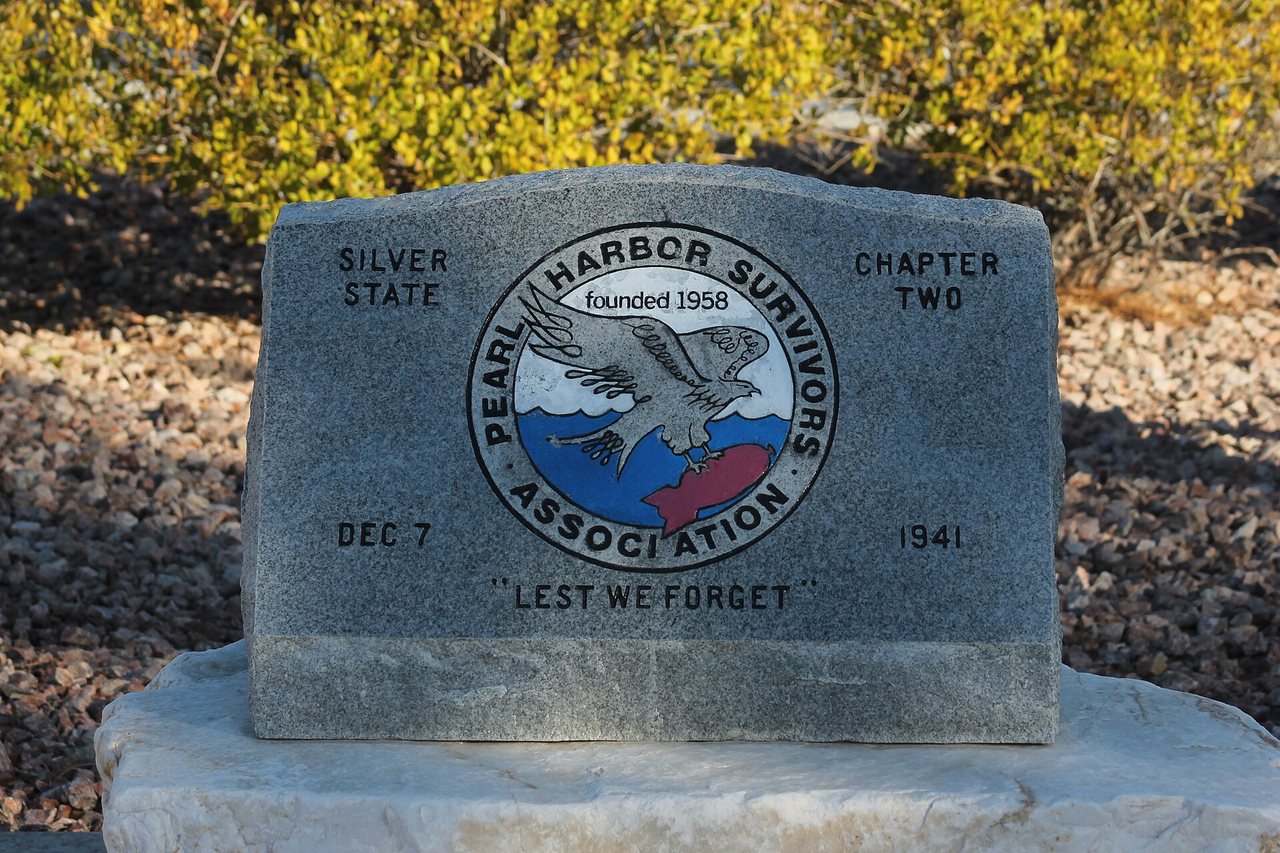
Millions of Americans served in World War II, but the number still living grows smaller every year. Most surviving veterans are now close to or over 100 years old. Their stories of sacrifice, ration books and letters from home are slowly moving from memory into history. This Pearl Harbor survivor’s long life gave his family and community more years to hear those stories directly. Many families are now recording interviews before it is too late. Read more in our report on the last U.S. World War II ace and our story on the passing of Frank Caprio.
How Families Can Preserve Veterans’ Stories

Historians encourage families to record conversations with older relatives who served, whether in World War II or later conflicts. A simple phone recording, a box of old letters or a labeled photo album can preserve details that would otherwise be lost. Programs such as the Library of Congress Veterans History Project collect these accounts so future generations can learn from them. A Pearl Harbor survivor’s memories are a gift to everyone. Read about other lives worth remembering in our tribute to Jerry Adler and our report on Robert Redford.
What Would You Ask a Pearl Harbor Survivor?
Freeman Johnson lived through one of the darkest mornings in American history and then lived more than eight more decades after it. If you had the chance to sit down with a Pearl Harbor survivor, what would you ask first? Would you want to know what he heard below deck, or how he felt watching the surrender in 1945? Share your thoughts in the comments and keep reading our story on the last World War II ace and our look at America’s most admired president.