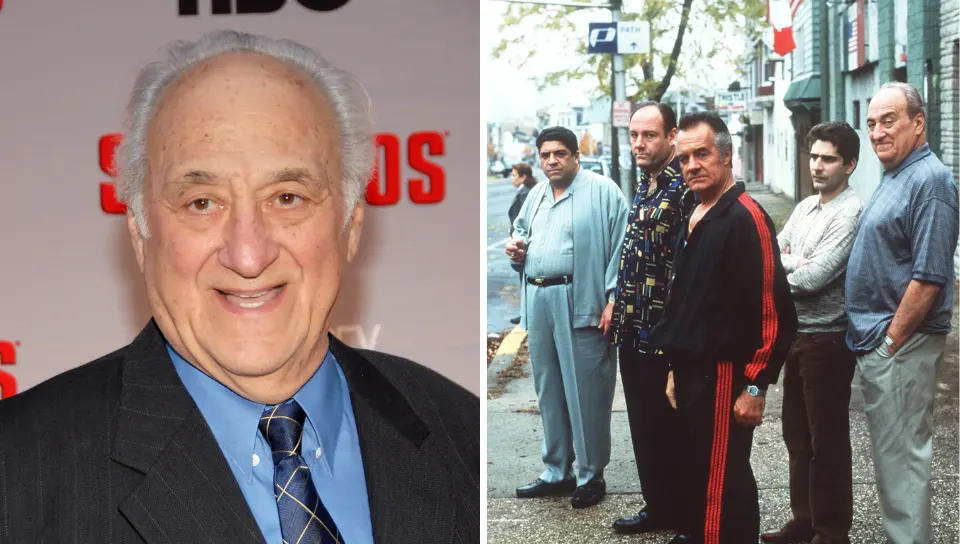
Sopranos star Jerry Adler, the veteran character actor beloved as Hesh, died on August 23, 2025, in New York City at 96, his family said. A proud Brooklyn-born New Yorker, he became a fixture of prestige TV drama in his 60s and 70s after a Broadway career.
Jerry Adler, ‘Sopranos’ Mainstay and New York Original, Dies at 96
Jerry Adlerthe veteran character actor beloved as “Hesh” on The Sopranosdied on Saturday, Aug. 23, 2025, in New York City, his family said. He was 96. Statements shared with multiple outlets described him as a proud Brooklyn-born New Yorker who passed “peacefully in his sleep,” surrounded by loved ones.
Adler’s passing marks the loss of a late-blooming TV presence who became a fixture of prestige drama in his 60s and 70s while never shedding his Broadway roots. Survivors include his wife, Joan Laxman, and his four daughters.
‘Hesh’ Rabkin: The Adviser Who Helped Define The Sopranos
Adler’s signature turn was Herman “Hesh” Rabkin, the savvy Jewish consigliere and music-biz veteran who counseled Tony Soprano. He appeared in 28 episodes across the show’s six seasons, from the 1999 pilot through later arcs that leaned on Hesh’s history and blunt wisdom.
Hesh wasn’t a capo or hitman; he was the world-builder, the friend with stories, the warning voice, the reminder that debts come due. Adler’s dry line readings and old-New York cadence became part of the show’s sound.
Beyond HBO: The Good Wife, Rescue Me, and a Late-Career Second Act
Adler scored another long-running role as Howard Lyman on The Good Wife (and later The Good Fight). What began as a one-off became a recurring part thanks to his comedic timing and offbeat warmth.
On FX’s Rescue Me, he played Sidney Feinberg, an FDNY chief who pops into the firehouse universe with equal parts authority and mischief. Guest turns on series from Mad About You to Transparent rounded out a résumé packed with late-life highlights.
From Backstage to Spotlight: The Broadway Foundation
Before television, Adler spent decades behind the scenes on Broadway as a stage manager, producer, and director, including the original My Fair Lady. That backstage schooling gave him a metronome for timing and an instinct for letting the text lead.
Colleagues often noted that he treated every set like a stage: hit your mark, serve the scene, and go home humming the show. That craftsman’s ethic outlasted trends.
Brooklyn Roots, Adler Lineage
Born in Brooklyn on Feb. 4, 1929, Jerry Adler came from a family steeped in theater. He was a cousin of legendary acting teacher Stella Adler, and he absorbed the city’s artistic currents from childhood onward.
That lineage never turned him into a lecturer. On sets, he was known less for pedagogy than for kindness, a quick bit of wit, and a pro’s sense of when to punch a line and when to let silence work.
The Film Moments: Allen, Kaufman, and More
Screen credits sprinkled through the years: Manhattan Murder Mystery, Synecdoche, New York, In Her Shoes, and appearances in New York–shot indies. He had a knack for stealing scenes with a look or a shrug.
These weren’t star turns so much as texturethe lived-in faces that make a city believable. Casting directors knew he could land a beat without gilding it.
A Late Start, by His Own Design
Adler’s on-screen break came in his 60s, a reminder that not every career follows a straight line. Early TV appearances (including Brooklyn Bridge) led to the roles that would define him a decade later.
He once joked about “becoming famous at the age when people retire.” The punch line only worked because the credits kept coming.
What Colleagues Saw: Timing, Warmth, and the Long Game
Showrunners and co-stars routinely praised Adler’s timing and the way he shaped a scene by doing less, not more. Tributes poured in from friends and industry peers after news of his passing, recalling an actor who raised everyone’s game.
It was the kind of respect that can’t be demanded. He earned it by showing up prepared and leaving the room a little better than he found it.
Why ‘Hesh’ Endures: The Character as Memory Keeper
The Sopranos won attention for violence and therapy, but it also ran on memory. Hesh connected eras, old rackets to new schemes, vinyl to streaming, and brought Tony back to first principles when the plot spiraled.
Adler’s underplayed approach made Hesh a human archive rather than a museum piece. That’s why fans still quote his quiet warnings.
Family and the City He Loved
Obituaries list Adler’s wife, Joan Laxman, and four daughters among survivors. The family’s statement emphasized the simple fact that meant the world to him: “Jerry was a resident of New York, New York.”
For an actor who personified the city’s energy without shouting about it, the line reads like a perfect epitaph.
What Comes Next: Memorial Plans and Tributes
As of Sunday, public memorial details had not been announced. Expect tributes from HBO, theater organizations, and the shows that benefited from his steady hand, along with fan-organized remembrances online.
If you revisit his work this week, start with early Sopranos episodes where Hesh sizes up the room, says three words, and changes the temperature.
How to Remember Sopranos Star Jerry Adler
Honor him by supporting the institutions that shaped him: New York’s stages, acting schools, and the shows that treat character actors like anchors, not extras. Share a scene, a line, or a quiet moment that stuck with you.
The measure of Adler’s career isn’t fame; it’s familiarity. He made television feel like a neighborhood where you know the shopkeepers by name.
The Character Builder: How Adler Made “Hesh” Feel Lived-In
Adler’s hallmark was economya side-eye, a beat of silence, a shrug that carried years of backstory. “Hesh” arrived on screen fully formed: an old friend with a long memory and a quiet ledger of debts and favors.
The result was a character who didn’t need exposition to feel real. Viewers recognized the cadence of a New Yorker who’d seen it all and still answered the phone.
The Antihero Era and the Value of a Steady Hand
Prestige TV popularized the antihero, but shows like The Sopranos depended on ballast, characters who grounded scenes and told hard truths. Adler supplied that ballast without blunt force.
His presence let louder arcs breathe. By holding the center, he made the chaos legible and gave audiences a compass when plots turned murky.
Stagecraft on Set: The Stage Manager’s Edge
Years in Broadway trenches gave Adler a producer’s brain: hit the cue, honor the rhythm, serve the scene. That craft traveled with him to camera, marks were hit, partners supported, and time was respected.
Directors value actors who make days shorter and takes cleaner. Adler’s stage-born discipline made him a quiet engine for efficiency.
New York in the Voice: Cadence as Character
Adler’s Brooklyn roots weren’t a gimmick; they were texture. The clipped consonants, the gentle sandpaper of a well-worn accent, it all telegraphed place and time the instant he spoke.
That authenticity mattered on shows built around region. He sounded like the city, not a postcard of it.
Jewish Representation Without Caricature
As “Hesh,” Adler embodied a Jewish consigliere who carried business savvy and history without slipping into stereotype. He played knowledge and kinship, not a punchline.
That restraint aged well. The role remains a reference point for grounded representation in mainstream drama.
The Art of Listening on Camera
Adler’s reaction shots were master classes in listening. He let other actors’ energy land, then answered with restraint, a look that said don’t kid yourself more powerfully than any speech.
In drama, response is story. His gift was making that response feel earned, never ornamental.
Music, Memory, and the Business of Favor Banks
“Hesh” came with a past in the music businessa perfect fit for Adler’s understated authority. Scenes about royalties, rights, and old deals felt credible because he wore history without announcing it.
Those threads gave the show a texture of contracts and consequences beyond street corners and capo charts.
From Broadway to the Writers’ Room: Trust in the Text
Stage veterans tend to protect the script. Adler did, honoring punctuation, pacing, and the air between lines. Writers notice who can land a comma like a punch.
That fidelity paid off in ensembles where every beat carried plot and subtext at once.
Character Actor, Center Stage
Adler proved the term “character actor” is not a demotion, it’s a lane. He didn’t chase stardom; he built durability, the kind that keeps shows honest and scenes balanced.
In the long run, that lane outlasts trends. Craft finds work. Audiences find craft.
Lessons for Working Actors: What Adler Modeled
Show up prepared, know the scene partner’s beats, respect the crew’s clock, and leave ego at the door. Adler’s career reads like a checklist for staying hired.
His late-career run proves that opportunities meet readinesseven after many would have retired.
Why Some Performances Age Well
Trends fade; truthful behavior doesn’t. Adler’s choices weren’t fashionable, they were human. That’s why revisiting his work feels contemporary, not nostalgic.
He aimed for the small, repeatable truths that survive rewatching and new formats.
Keeping the Memory: How Audiences Can Honor the Work
Revisit the episodes, introduce a younger viewer, support a local stage, or donate to a program that trains the next generation of technicians and actors. Adler valued the infrastructure of storytelling as much as the spotlight.
That’s a fitting tribute: build the conditions where the next Jerry Adler can flourish.
Conclusion: A New York Life, Cut to the Essential
Jerry Adler’s legacy isn’t just a list of credits; it’s a template for durable artistry: craft over noise, truth over flash, presence over push. He made fictional rooms feel real and left real rooms better than he found them.
In a city that prizes volume, he proved that the quietest choice can carry the farthest. That’s how a New York actor becomes part of New York’s story.
Source: Variety