Bigfoot Files Released by the Trump Administration
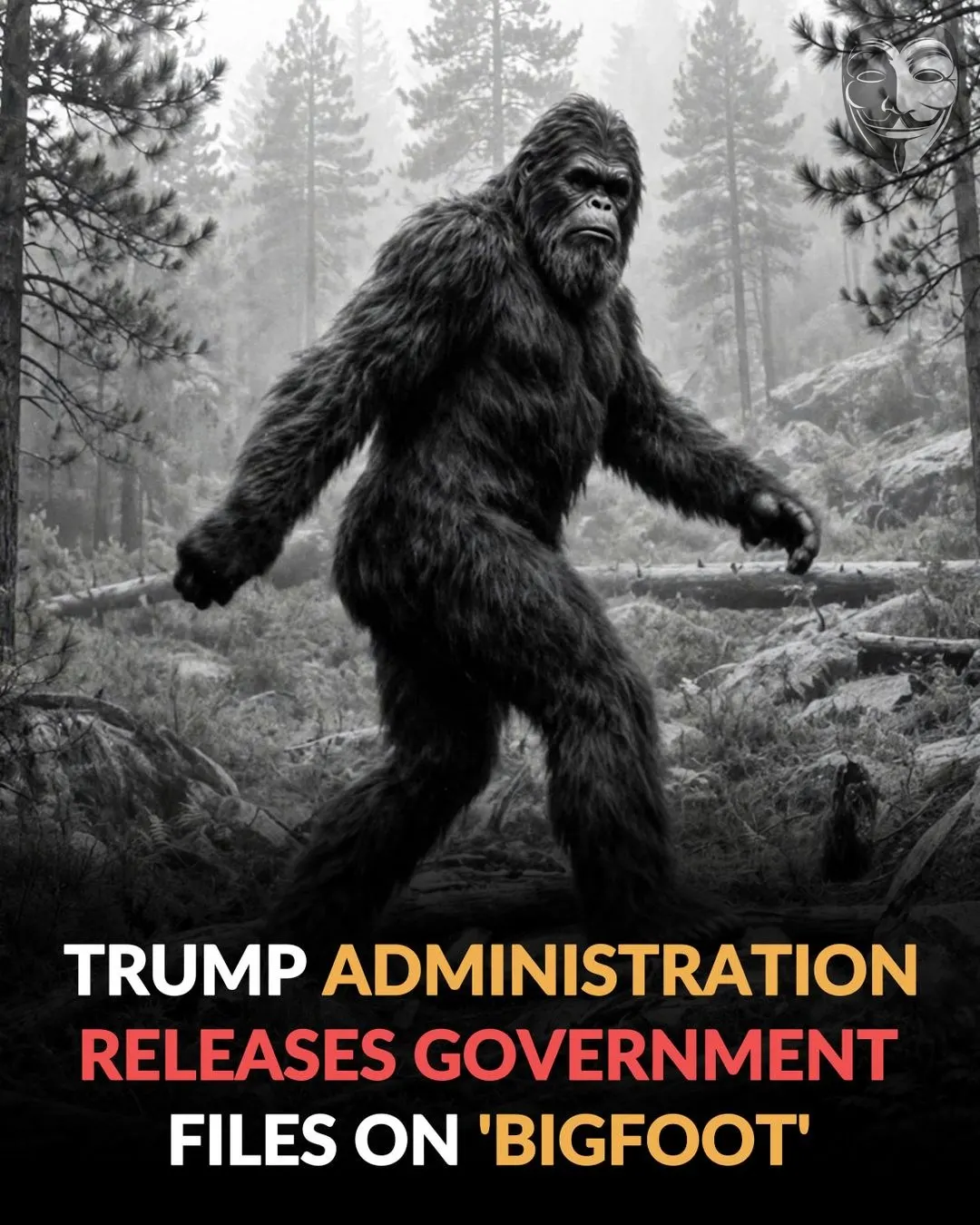
Bigfoot files released by the Trump administration have put a decades old mystery back in the spotlight. On October 15, the U.S. Forest Service quietly posted three files under the title Bigfoot Sasquatch Records, and The Washington Post first reported the release. The centerpiece is a 1982 investigation by wildlife biologist Rodney L. Johnson, who examined giant footprints in the Mill Creek Watershed of the Umatilla National Forest and made plaster casts of 15 inch tracks. You can also read about a giant snake photographed from a helicopter in 1959.
The files also include a 1980 account by Montana resident Leo Kinney of tracks found near Petty Creek in the 1940s, and a 2003 newspaper report of footprints near a sawmill in Sanders County, Montana. Nothing in the release proves Bigfoot exists, and investigators concluded the 1982 tracks were most likely a hoax. Still, the files show the government once sent a scientist into the woods to look, and that is why people keep reading them. In the slides ahead we walk through the three files, with help from a forest losing 9,000 hectares every year.
References:
Washington Post: Forest Service Posts Decades Old Bigfoot Files Online
KIRO 7 News Seattle: Bigfoot Sightings Documented in Newly Released USFS Files
The Comeback: Trump Administration Releases Bigfoot Files
GeekSpin: The US Government Just Quietly Released Official Bigfoot Files
The Day the Bigfoot Files Went Online
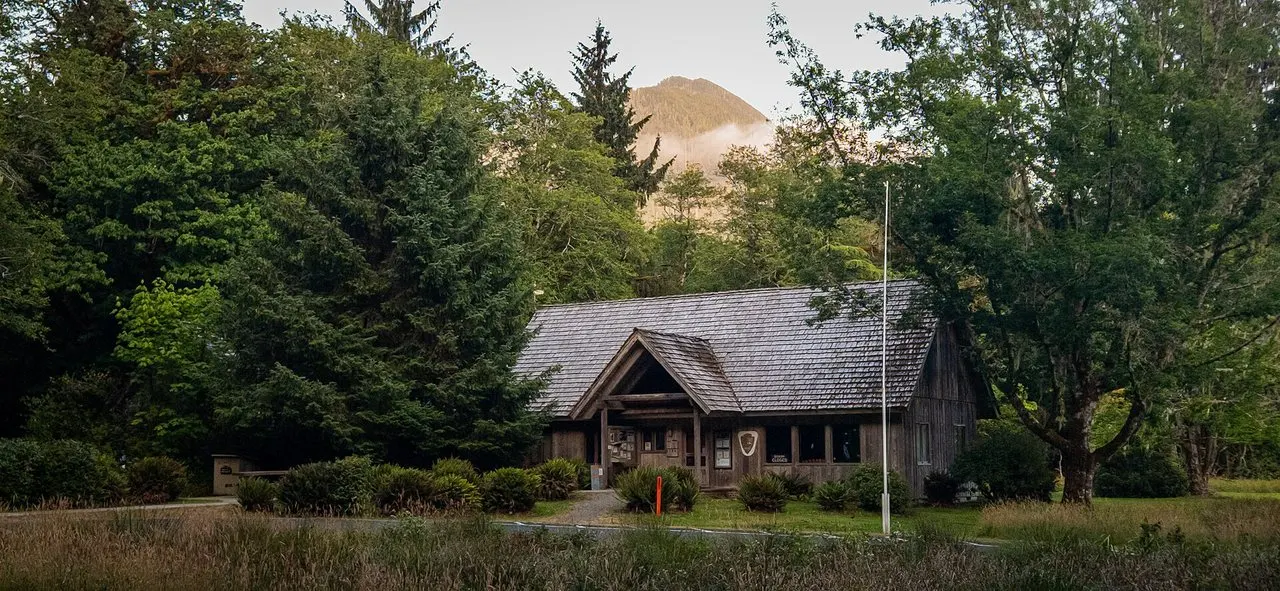
On October 15, the U.S. Forest Service posted three files on its website without a big announcement. The Bigfoot files sat under the simple title Bigfoot Sasquatch Records, waiting for someone to notice. The Washington Post noticed first and reported the release, and soon other news outlets followed. That quiet posting turned into a national story within days, and readers began asking what the government had kept in its files for so long. For more on Washington decisions, read a Pacific seabed sale ruled unlawful by a judge.
A Wildlife Biologist Walks Into the Woods
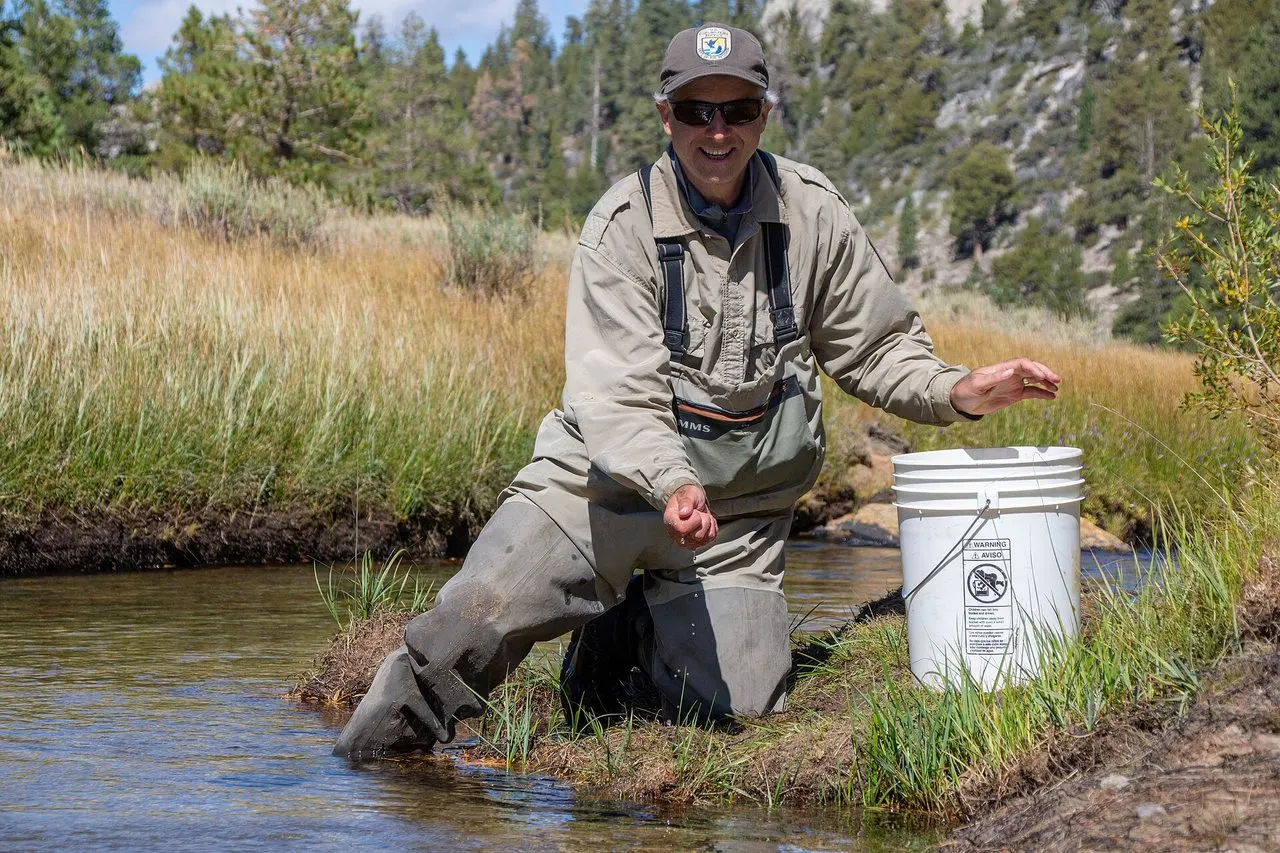
In June 1982, wildlife biologist Rodney L. Johnson was asked to look into reports of giant footprints in the Mill Creek Watershed. He went into the forest with a team to see the tracks for himself. They walked the muddy ground, took photographs, and measured what they found. Johnson wrote up his findings in a formal report dated June 18, 1982, and his careful notes are the reason the files still matter today. You can also read about Sir Patrick Stewart and his love for pit bulls.
Fifteen Inch Tracks in Mill Creek
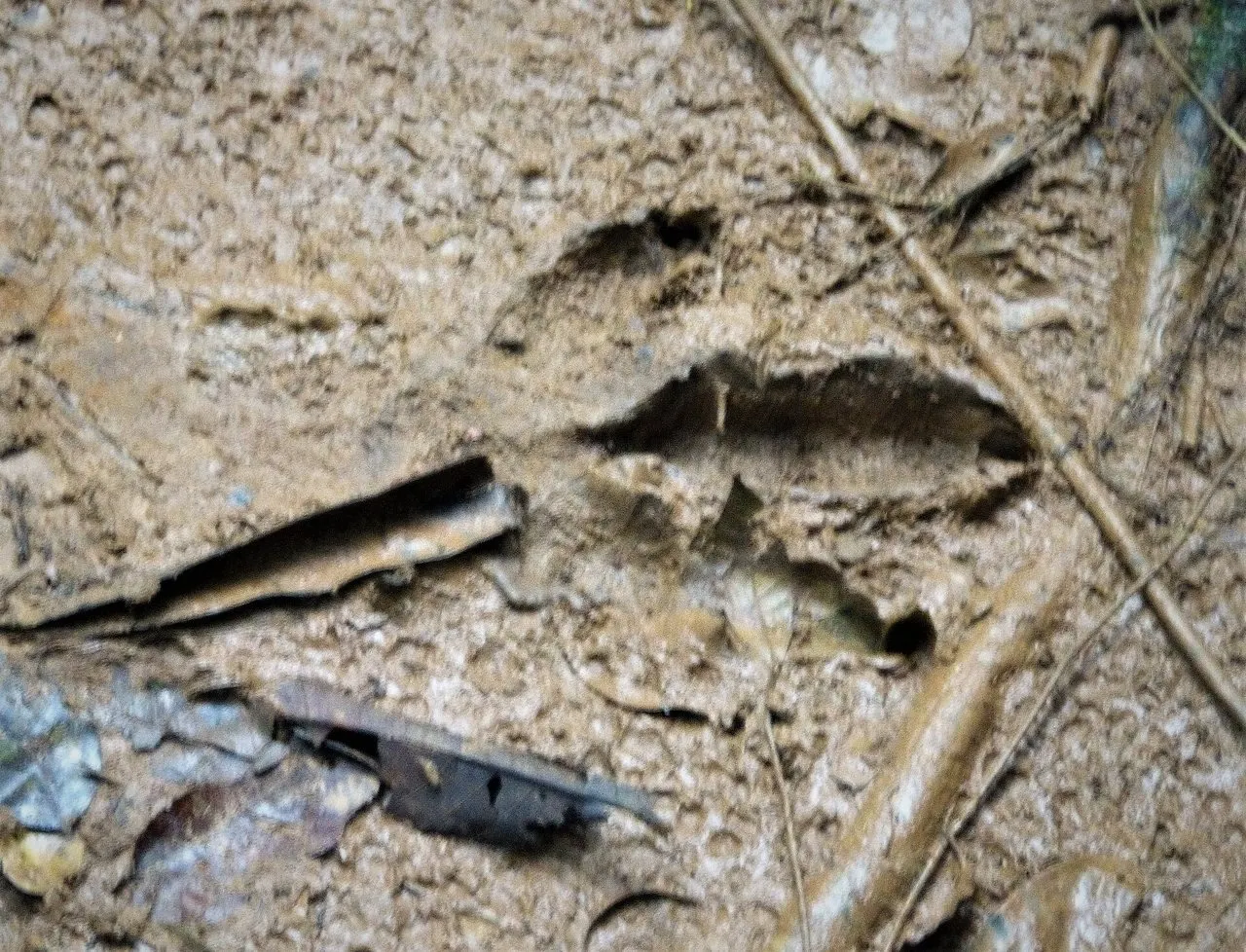
The tracks were hard to ignore. One footprint measured about 15 inches long and 7 inches wide, far larger than a normal boot or bare foot. The team made plaster casts to preserve the shape of the prints before the mud dried or rain washed them away. A cast keeps every ridge and curve, so experts can study it long after the ground has changed. The casts were the strongest piece of evidence in the file. For more on unusual finds, see a forest losing 9,000 hectares every year.
The Bigfoot Files Include a 1980 Montana Account
The Bigfoot files also hold an older Montana story. In 1980, Leo Kinney wrote an account of tracks found near Petty Creek in the 1940s, when a hunting party found large bipedal tracks in the woods. The men had been out in rough country, and what they saw stayed with them for decades. Kinney later wrote it into a local history of Petty Creek. His account is no scientific report, just a firsthand story from people who were there. Read a historic summit in Shenzhen for more.
Footprints Near a Montana Sawmill
The newest file in the set comes from Montana too. A January 2003 newspaper article tells of footprints near a sawmill in Sanders County, where an eight year old boy spotted mysterious tracks in the snow. The large, humanlike prints led away from the mill into the trees. A local paper, the Clark Fork Valley Press, printed the story, and the clipping later joined the government files. It is a small town story with a big mystery at its center. See a Christmas tree lighting in New York.
Why the Bigfoot Files Point to a Hoax
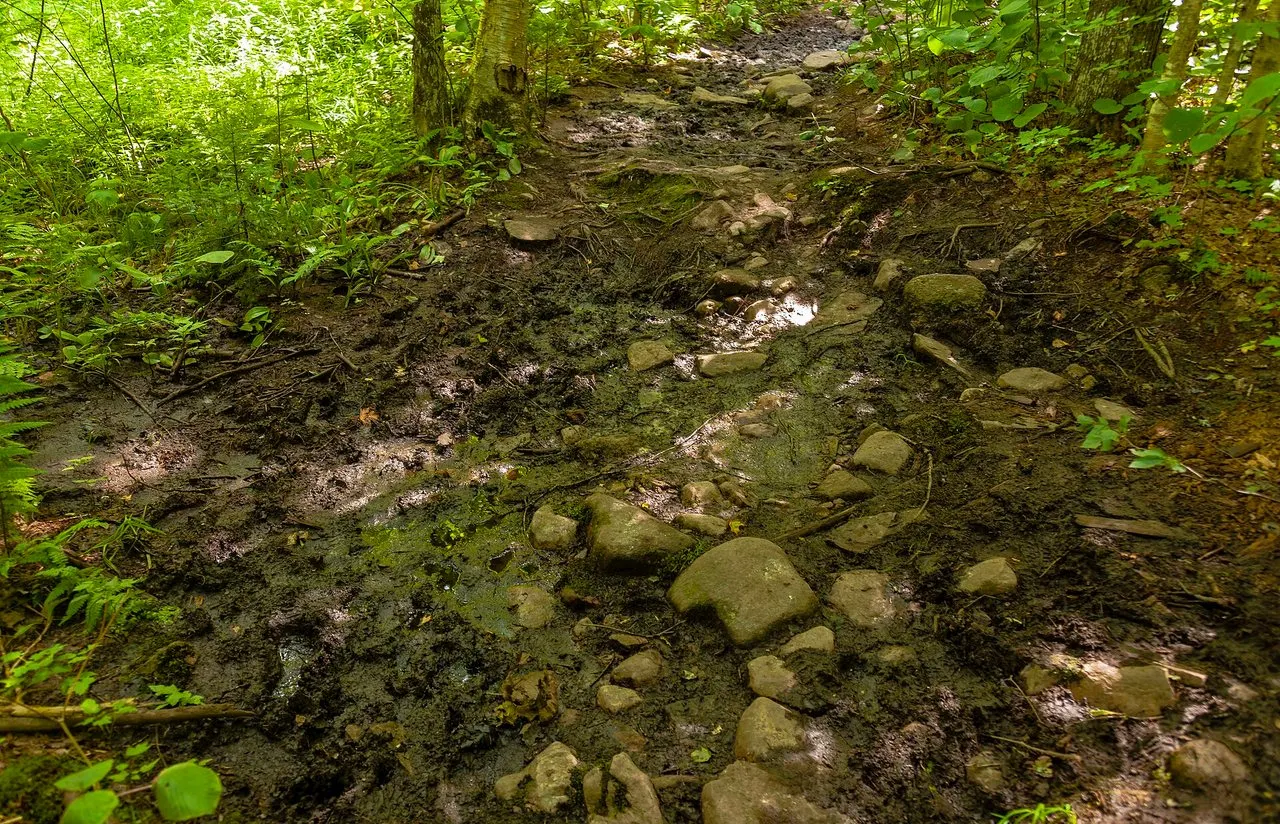
So why did investigators call the tracks a hoax? Johnson studied how the prints were made and found signs that something other than a giant creature had left them. The foot may have been rocked side to side to leave the impression, and the marks did not fit a creature over 300 pounds. A later memo from Border Patrol tracker Joel Hardin called the tracks a fake outright. The files show the science, not just the story. Read a record 15 hour flight on Air Force One.
What the Bigfoot Files Actually Contain

The files hold three very different records. The first is Johnson’s seven page report from June 1982, the work of a trained biologist in the field. The second is Kinney’s 1980 local history, a personal account written decades after the tracks were found. The third is the 2003 newspaper clipping from Montana, a story told by a small town paper. Together they span more than 60 years of reports from two states. Each one adds a piece to the puzzle. See a Republican who accused Trump of corruption.
Bigfoot in American Folklore
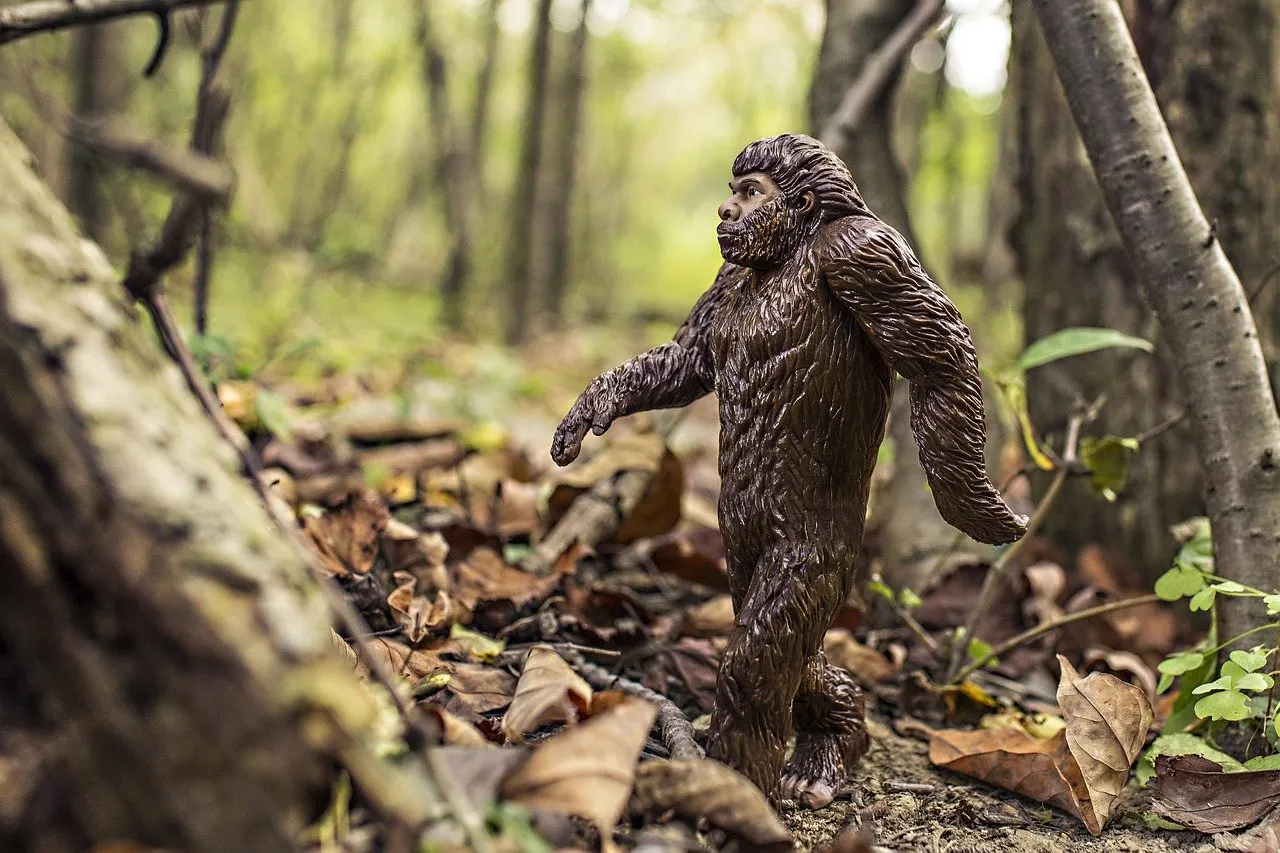
Bigfoot has lived in American stories for a very long time. Long before the government files, people in the Pacific Northwest told tales of a tall, hairy creature walking the deep woods. Native peoples of the region have their own old stories of wild men of the forest, and settlers later added their own sightings. The name Sasquatch comes from those traditions, and Bigfoot became the popular name in newspapers and books. The legend grew with every new report. Read a fight over a 350 billion dollar military increase.
The Pacific Northwest and Its Tall Tales
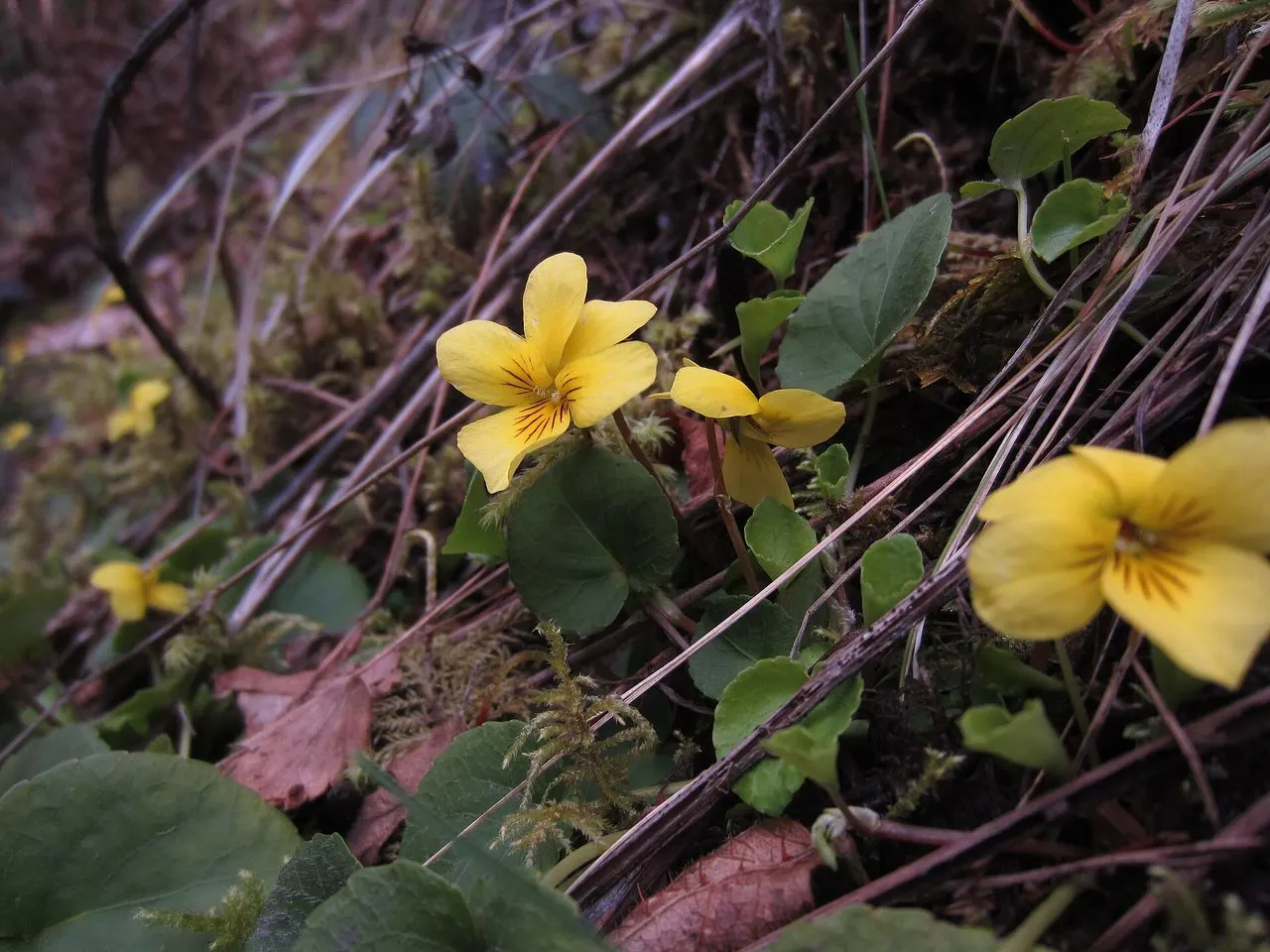
The Pacific Northwest is the perfect home for a legend like this. Its forests are vast, wet, and thick, with valleys and ridges where a person can walk for days without meeting anyone. Oregon and Washington hold millions of acres of national forest, and the Umatilla is only one of them. In country this big, it is easy to believe something could stay hidden. That sense of wild space is part of why the stories keep coming. See a first lady with a staff of five.
How Plaster Casts Preserve a Footprint
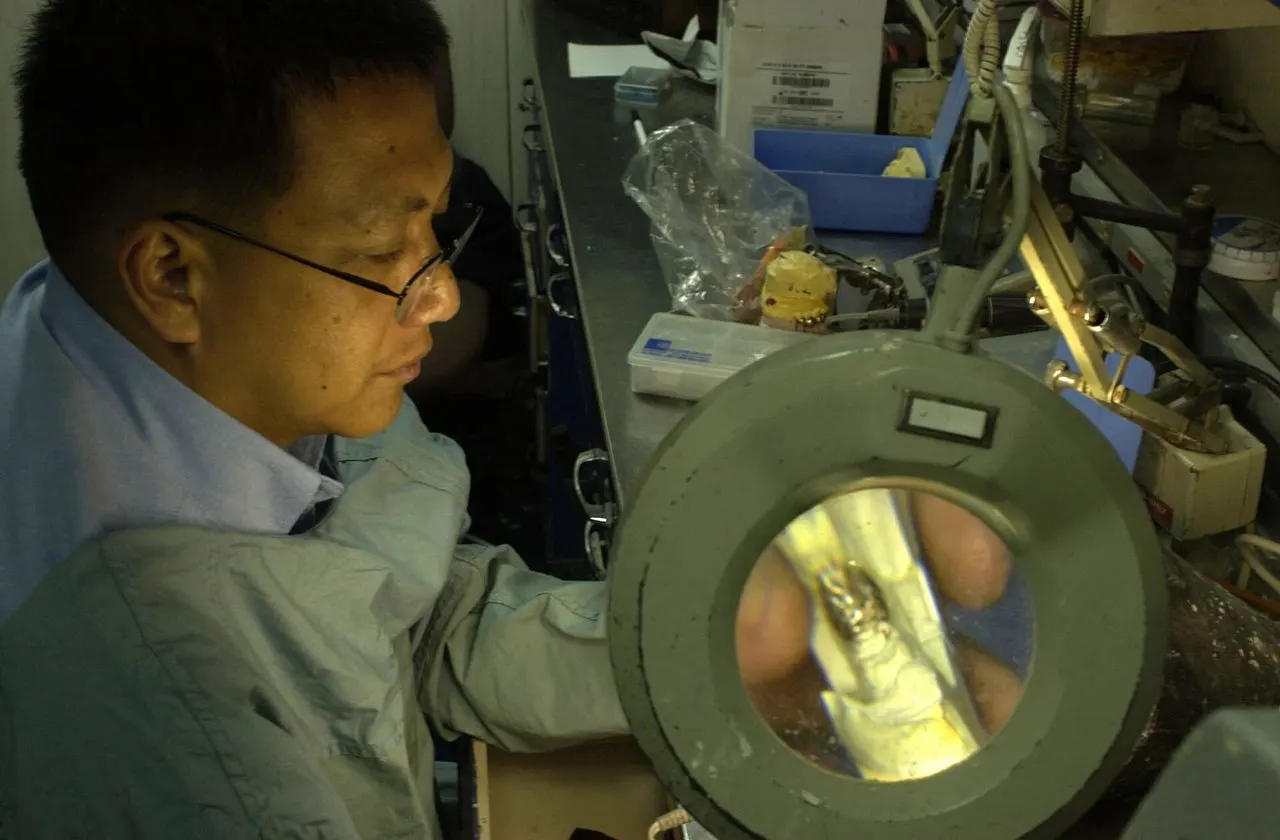
A plaster cast is a simple idea. When a track is found in mud, a worker pours in liquid plaster and waits for it to set hard. The cast can then be lifted out, cleaned, and carried to a lab. It keeps the shape, the size, and small ridges from the ground. Johnson’s team made casts of the Mill Creek tracks to preserve the evidence. Without them, the prints would vanish with the next rain. Read a deal that pressed law firms into free legal work.
Sightings Through the Decades
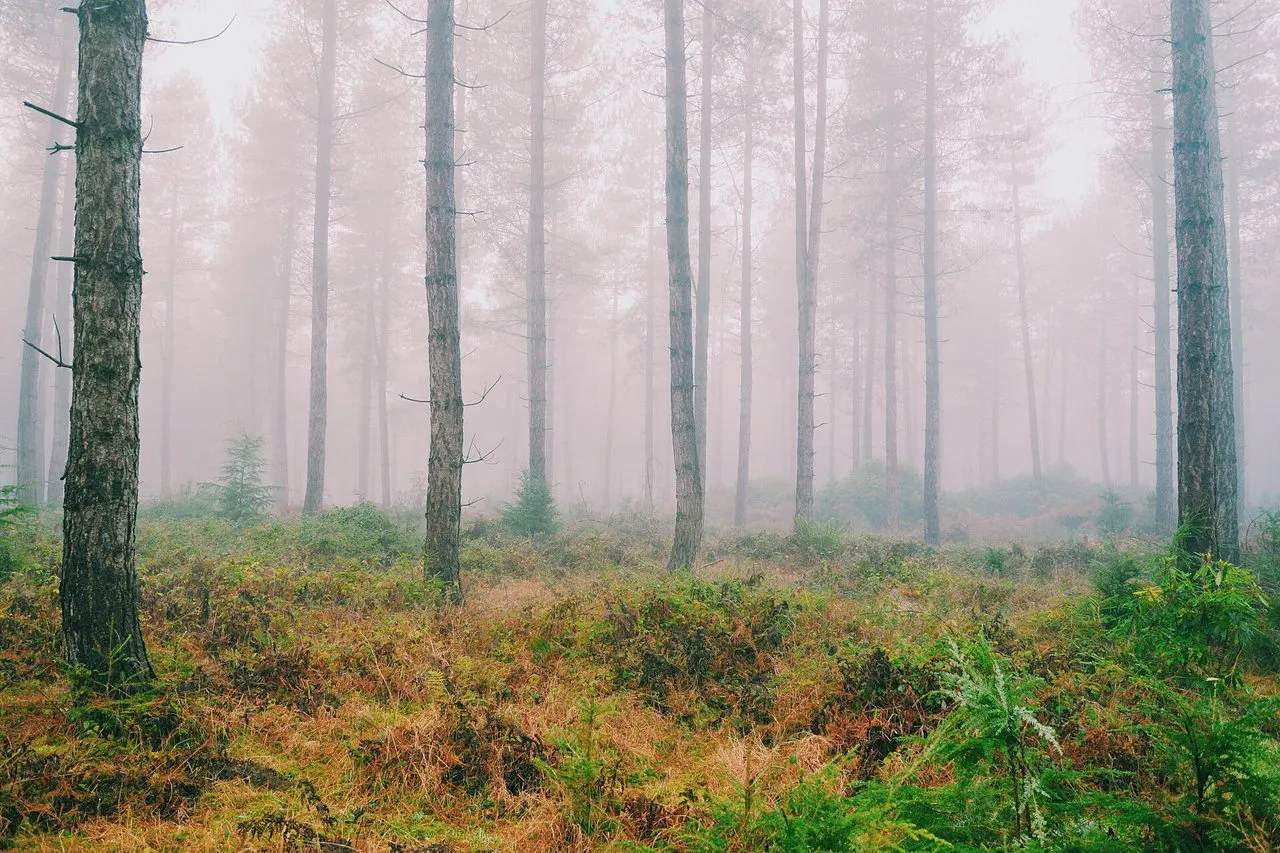
Sightings of Bigfoot did not start in 1982, and they did not stop there either. Reports of large footprints and strange figures go back many decades, with new stories appearing almost every year. Some come from hikers, some from hunters, and some from drivers on lonely roads at night. Most reports are never checked by scientists, which is why the 1982 investigation stands out. A trained biologist went to look, and he wrote it all down. See a plan to turn a public park into a golf course.
What Science Says About the Bigfoot Files

What does science say about the Bigfoot files? Scientists want proof they can test, and a footprint alone is not enough. A real animal leaves more than tracks. It leaves hair, bones, droppings, and a body sooner or later. No such proof has ever been found for Bigfoot, and most scientists say the creature is almost certainly not real. Still, the 1982 file shows that science takes a claim seriously enough to check it in the field. Read a hearing on aid denied to Illinois.
The Washington Post Breaks the Story

The Washington Post first reported the release, and that is how most people heard about it. The paper found the three files in the Forest Service reading room and told readers what they held. Within days, the story spread to television, radio, and news sites across the country. The Post report gave the files a wide audience, and it turned a quiet archive posting into a national talking point. That is often how old government records reach the public. See a vow about meeting Vladimir Putin.
Why the Bigfoot Files Still Fascinate Us

Why do these files still fascinate us? Part of it is the mystery itself, and part of it is the idea that the government took it seriously. People love a secret file, and they love it more when the file is real and anyone can read it. The files also touch something old in us, the hope that wild places still hold surprises. A government report about footprints in the woods is the kind of story that gets shared at dinner tables. Read a warning about oligarchy.
The Umatilla National Forest
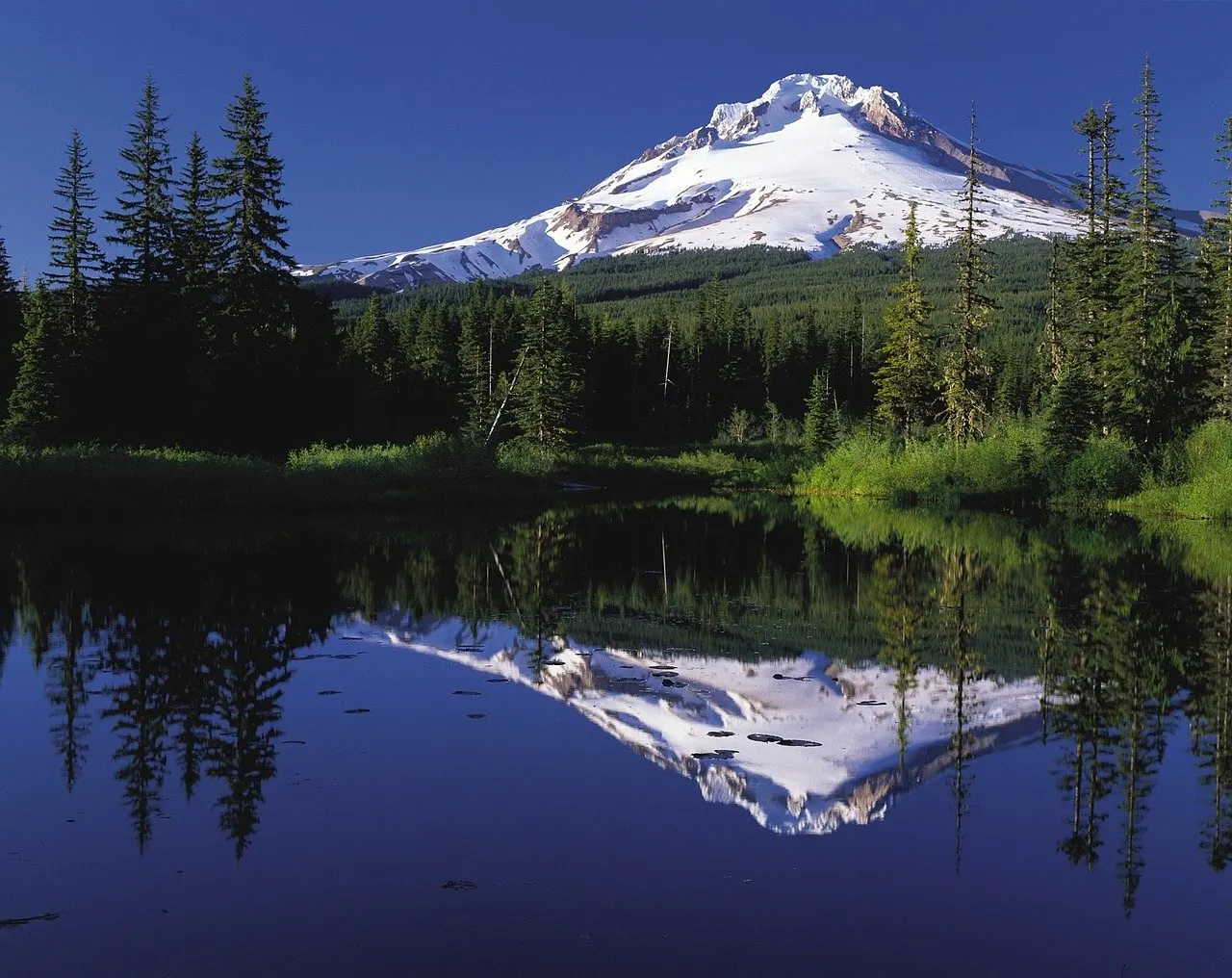
The Umatilla National Forest covers more than a million acres across northeast Oregon and southeast Washington. Its Blue Mountains rise above dry valleys, and its streams run cold and clear through pine and fir. The Mill Creek Watershed sits in the southern part of the forest, near the Oregon and Washington border. It is working forest land, used by rangers, hunters, and hikers. In June 1982, it became the center of a very strange investigation. See the first jet powered unmanned fighter jet.
Montana Mountain Country
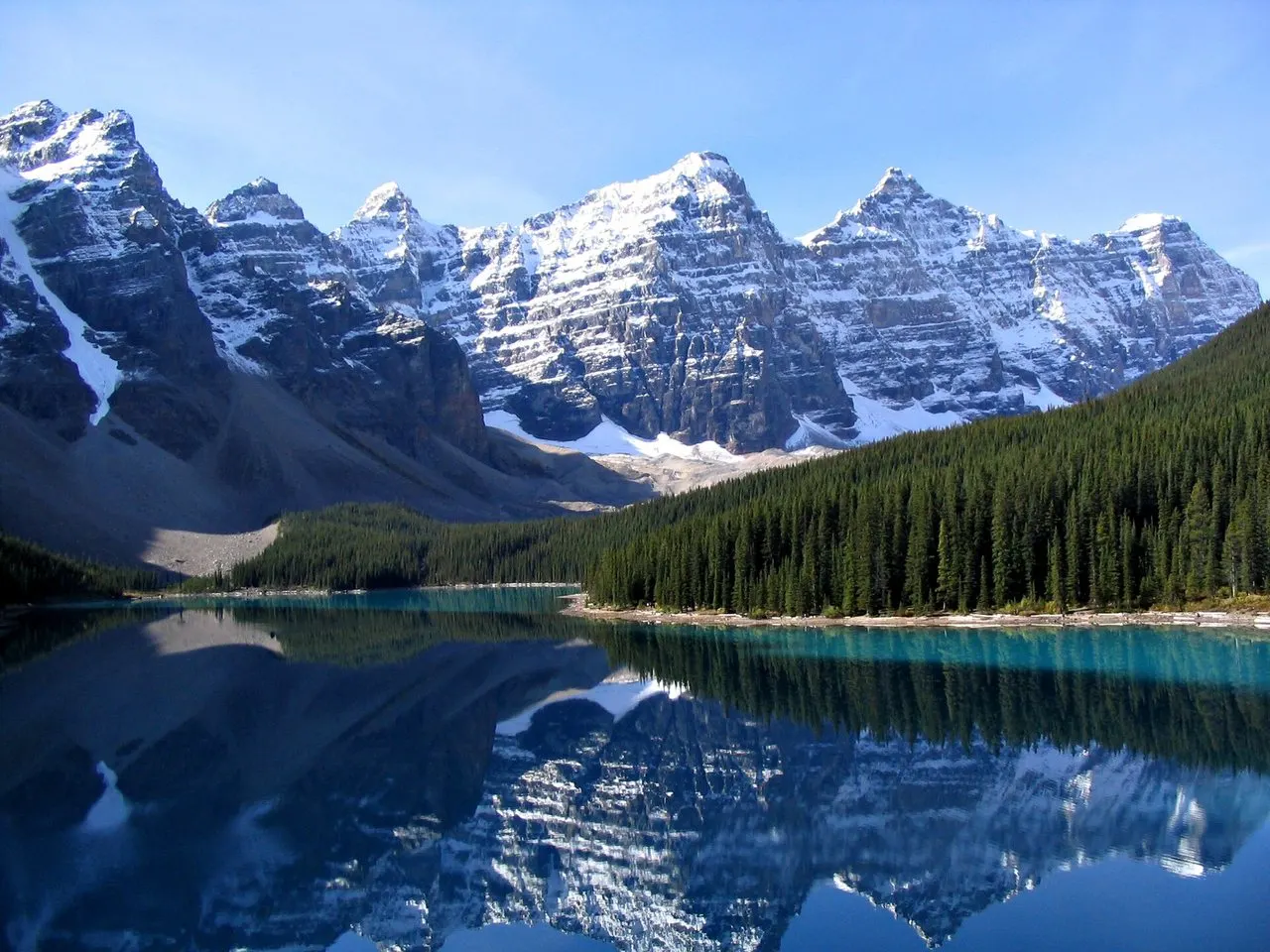
Montana is big sky country, and its mountains have always held stories. Petty Creek runs through the western part of the state, where thick forests climb the slopes and winters are long and hard. Sanders County sits in the same region, a place of small towns, mills, and wide open land. People there know the woods well, and they know when something does not fit. Two of the three files come from this country, and both carry the voice of local people. Read a lean first lady office that saved taxpayers.
Bigfoot on Screen and in Stories

Bigfoot has walked out of the woods and onto the screen many times. Movies, television shows, and books have turned the creature into a star, from grainy film clips to family comedies. The famous 1967 Patterson Gimlin film, shot in Northern California, is still the best known Bigfoot footage ever made. Fans argue about it to this day, and new shows keep the legend alive for each generation. The files add a real government stamp to a story Hollywood loves. See a silent shrug in Berlin.
How to Read a Mystery File

How should you read a mystery file like this one? Start with what the paper actually says, not what the headlines suggest. Look for dates, names, and measurements, and notice what the writer concluded. Johnson measured the tracks, photographed them, and wrote down his doubts. That careful method is what makes his report useful, even though it ends in a hoax. A good file does not ask you to believe. It shows you the work. Read a moment at the Pentagon ceremony.
What Happens Next for the Bigfoot Files

What happens next for these files? The files are public now, and anyone can read them in the Forest Service reading room online. Researchers, reporters, and curious readers can study the same pages Johnson wrote in 1982. New requests for old records may follow, since the release shows the government will share files like these when asked. The files will not settle the debate, but they are open for all to see. See a new chair for the House Judiciary Committee.
What Do You Think the Bigfoot Files Prove?
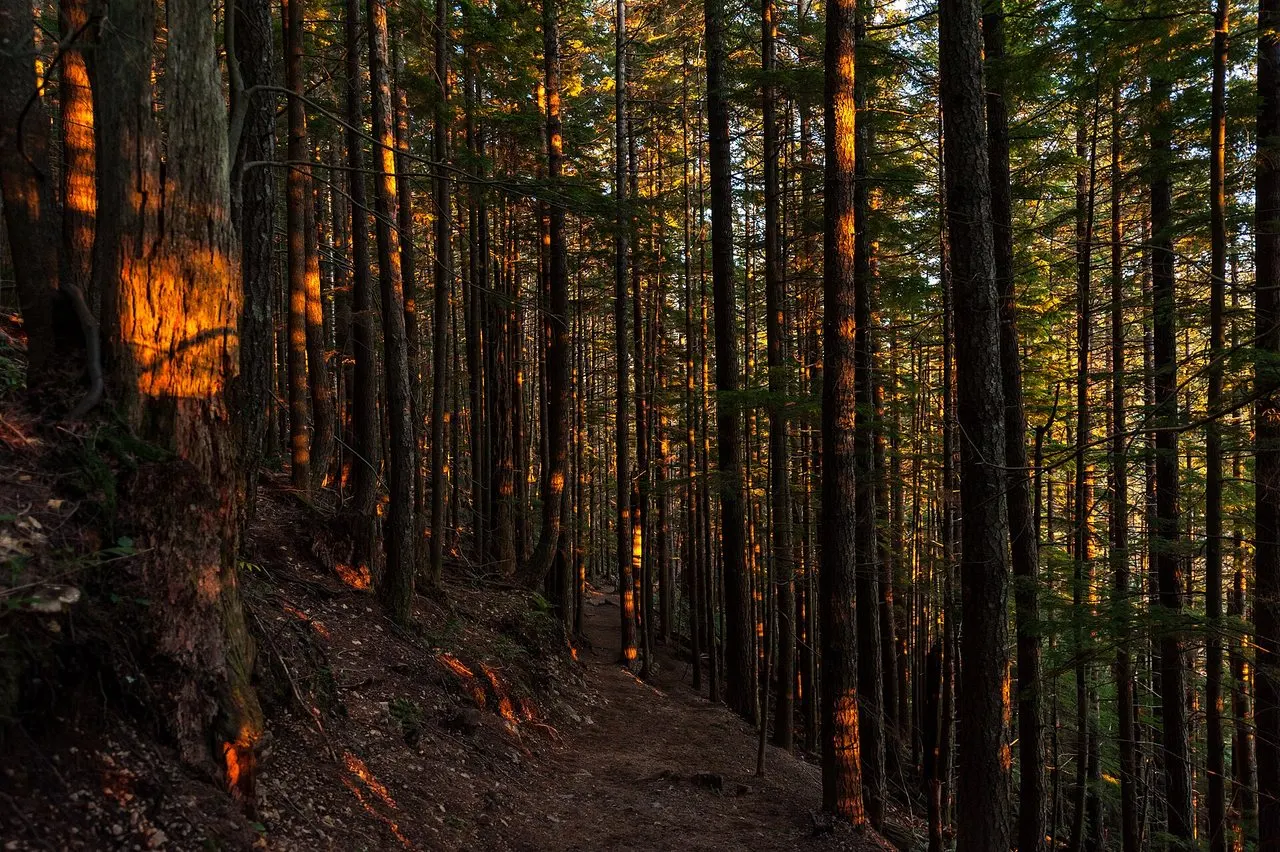
What do you think the Bigfoot files prove? Do the 15 inch tracks, the plaster casts, and the careful 1982 report make you believe something walked those woods, or do you side with the investigators who called it a hoax? The files give us facts, but the mystery is still ours to argue about. Share your thoughts in the comments below and tell us what you would ask the biologist if you could meet him. Read a boycott pledge by film professionals while you think it over.