Dilley Detention Center: Ms. Rachel and Gina Hinojosa Call for Closure
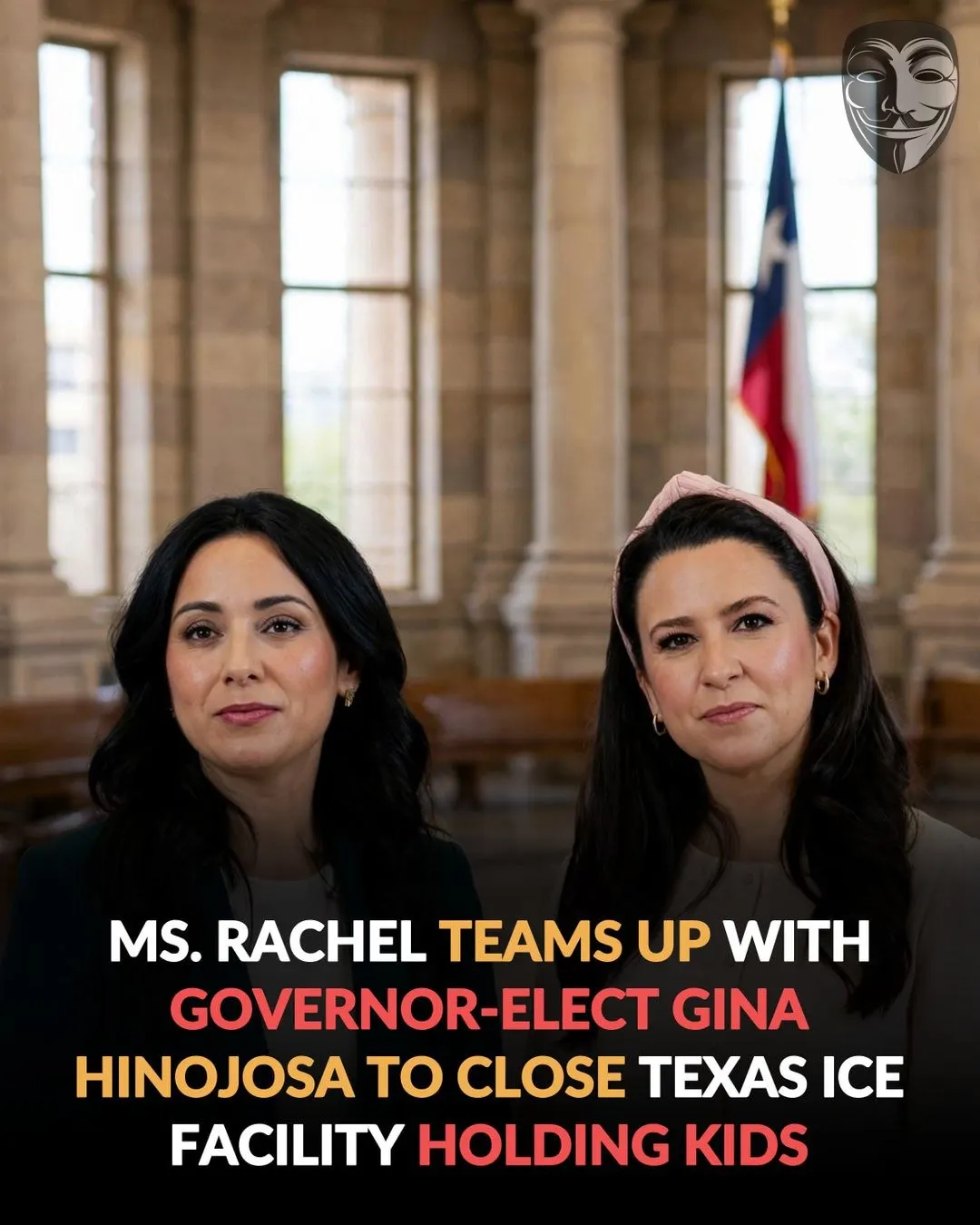
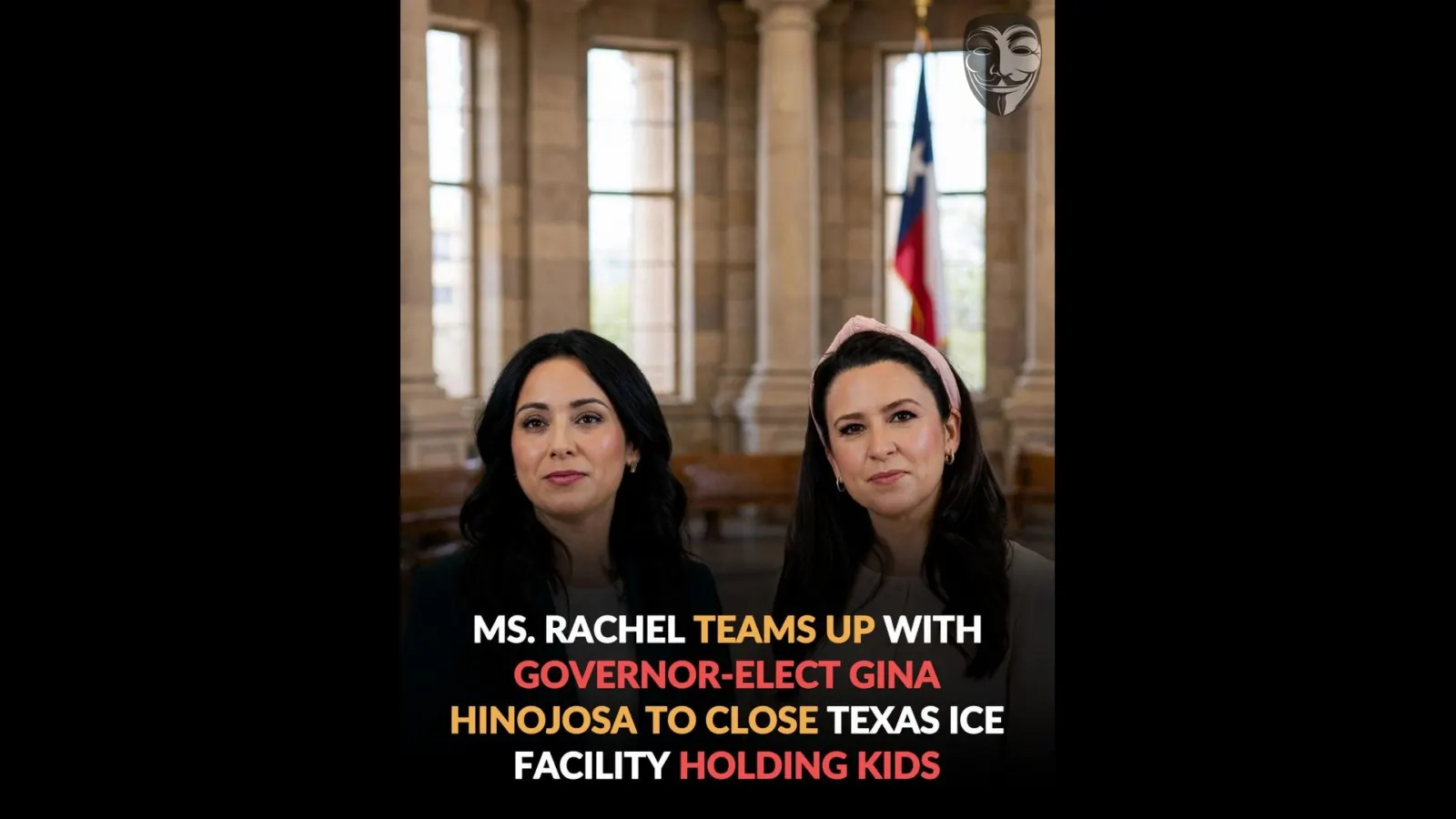
The Dilley detention center is at the heart of a new call for closure from Ms. Rachel and Texas governor elect Gina Hinojosa. The two recorded a joint video on November 19 and asked for the family detention center in Texas to close. Ms. Rachel thanked Hinojosa for pledging to protect children regardless of immigration status. Hinojosa said most Texans do not support what is happening there and that it needs to stop. Their message reached many people fast.
The site south of San Antonio is run by CoreCivic and reopened in April 2025 under President Trump after closing under President Biden. Families held there have described contaminated food, poor medical care and long stays in court filings, claims CoreCivic disputes. Hinojosa says she will use state licensing power to bar private operators from holding children, though it is unclear if that can close a federal site. Ahead we look at the video, the people and the plan. Read more in the Texas governor elect and immigration enforcement.
References:
Newsweek: Ms Rachel and Texas Governor Elect Gina Hinojosa Call for Closing Dilley Family Detention Center
KNEWZ: Ms Rachel and Gina Hinojosa Join Growing Campaign to End Family Detention at Dilley
The New York Times: Hinojosa Says She Will Use State Licensing Power Against Private Pr*son Operators Holding Children
The Texas Tribune: Hinojosa and Trump Want a Secure Border but Differ on Methods for Detained Families
A Joint Video Recorded on November 19

Ms. Rachel and Gina Hinojosa spoke together in a video that was recorded on November 19. The format was simple, with the two women talking straight to the camera about children held far from home. Ms. Rachel thanked Hinojosa for her pledge to protect children no matter their immigration status. Hinojosa spoke in plain words about what she believes Texans want. The video gave the campaign a clear voice. Read more in a senator who refused to back a shutdown deal.
Who Is Ms. Rachel

Ms. Rachel is known to millions of families as a warm and trusted voice for young children. Her songs and lessons help toddlers learn words, sounds and simple routines at home. Parents often say her calm style makes learning feel safe and fun. That trust is why her words carry weight when she speaks about children in a detention setting. She used her platform to thank Hinojosa and to ask for action, not just sympathy, for the families waiting inside. Read more in the debate over data center water use.
Who Is Gina Hinojosa

Gina Hinojosa won election as governor of Texas and she will take office in January. She served in public life in Austin, working on schools and public services. Voters chose her at a time when immigration and border policy were at the top of the news. Her win gave her a new platform to talk about children and state power. The joint video was one of her first big public steps as governor elect. Read more in a father who raised his son with Down syndrome.
Taking Office in January

Hinojosa takes office in January, and that date matters for her plan. A new governor can set priorities, pick agency leaders and push for new rules. She says she will use the licensing power of the state to stop private operators from holding children. The months before she is sworn in give her time to prepare. For families inside the center, January feels both close and far away, because each week of waiting is long. Read more in a court case after a fire in Buenos Aires.
Dilley Detention Center Sits South of San Antonio

Dilley is a small town in Texas, south of San Antonio, and the center there sits far from the big city lights. The site holds families, including children, while their immigration cases move forward. Its location means that visits, legal help and news coverage take extra effort to reach. For the families inside, the distance can make each day feel even more cut off from the outside world. Read more in a late night host and a summit roast.
What a Family Detention Center Holds
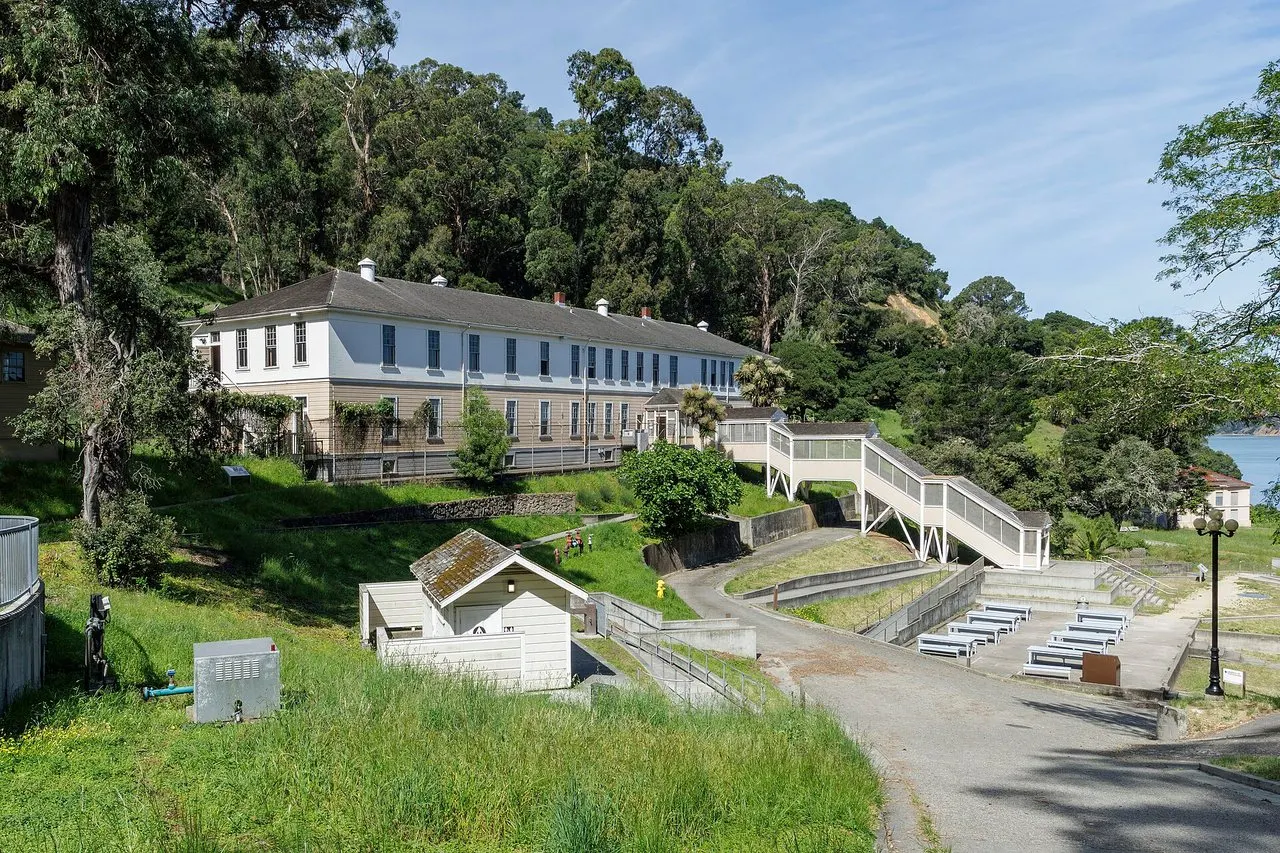
A family detention center is a place where parents and children are held together while officials decide their cases. The idea is to keep families united, but critics say the setting is still a locked facility, not a home. Children need school, play, fresh air and steady care, and a detention site struggles to give them all of that. Supporters of closure say a child should not grow up behind fences. That belief sits at the center of this campaign. Read more in an actor and the faith that carried him.
CoreCivic Runs the Facility
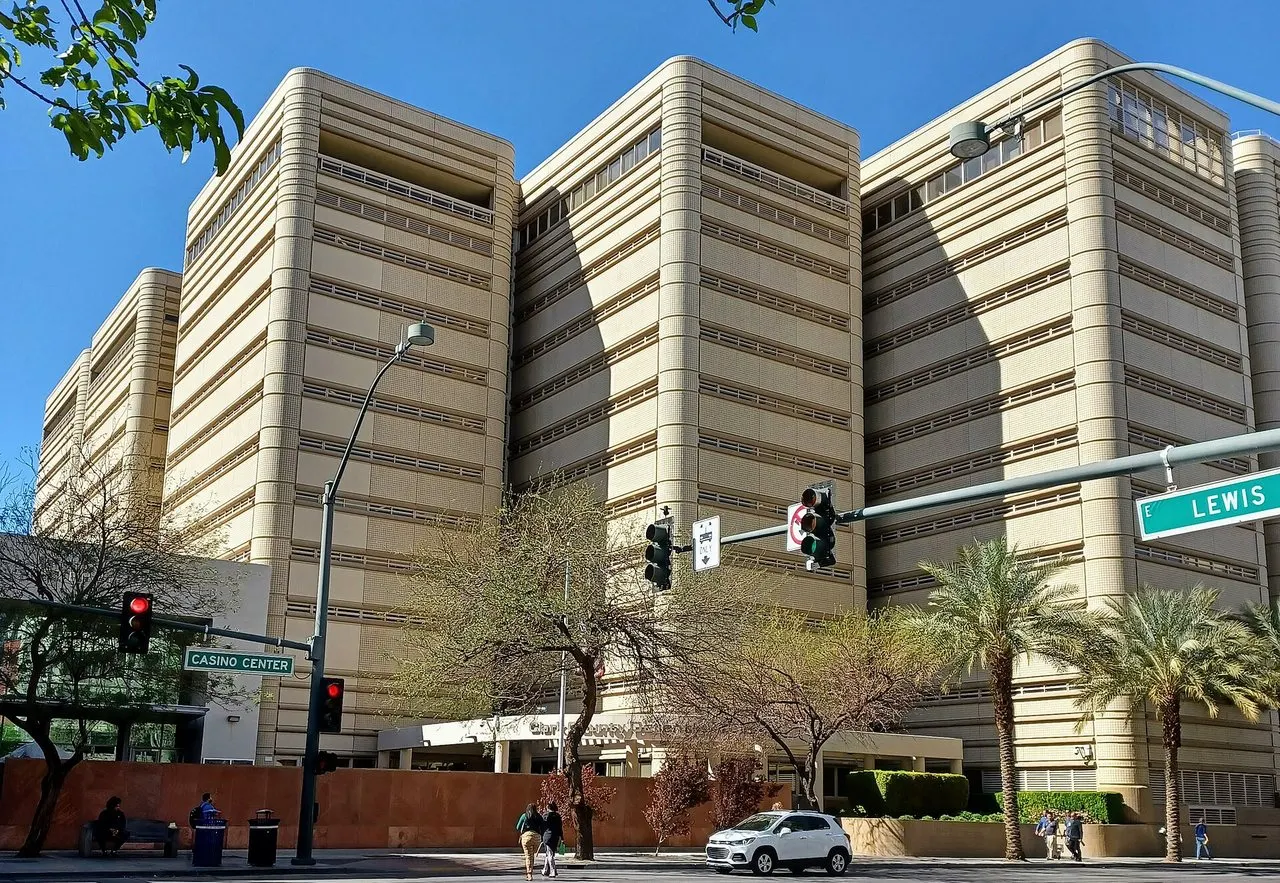
CoreCivic is a private company that runs detention sites under contract with the federal government. The company says it follows the rules set by its contracts and by federal officials. Critics say a private firm should not profit from holding families. The Dilley site is one of the places where that debate is sharpest, because children are involved. The company disputes the claims made about food and care, and it says it meets its duties. Read more in a push to ban toxic pesticides in food.
Dilley Detention Center Reopened in April 2025
The Dilley site reopened in April 2025 under President Trump, after it had closed under President Biden. The change showed how fast policy can swing when a new president takes office. A site that was quiet one year can fill again the next, and families feel that shift first. The reopening brought the center back into the news and back into the lives of the people held there. It also set the stage for the new call to close it for good. Read more in a Polish leader on border safety.
It Closed Under President Biden
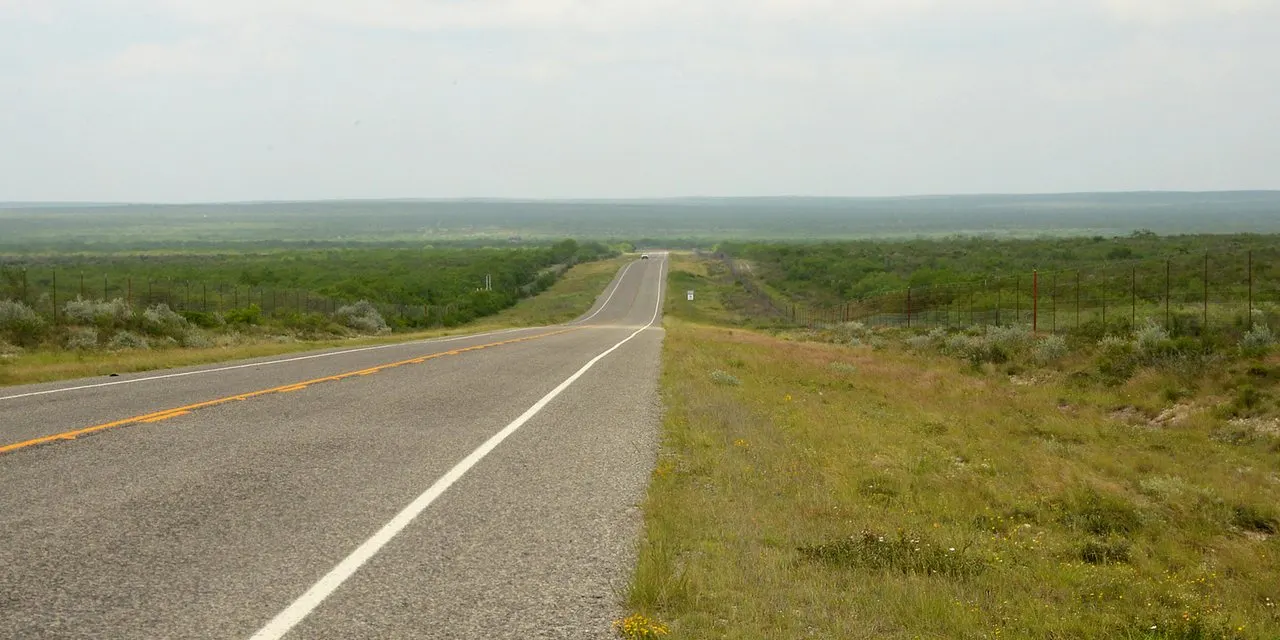
Under President Biden the Dilley site had closed, a step that supporters of family unity welcomed at the time. The closure showed that a president can choose not to use family detention. When the site reopened later, that choice was reversed, and the debate started again. Each change in Washington reaches Texas quickly, and each one changes daily life for the families inside. The history of the site is a story of opening and closing, and of promises made and unmade. Read more in a premiere night at Lincoln Center.
Families Describe Contaminated Food

Families held at Dilley have described food that was contaminated, and that claim is now part of federal court filings. Good food matters most for growing children, who need clean meals and safe water every day. Parents worry when they cannot check what their child eats or drink clean water with confidence. The filings put those worries on the public record, where a judge can see them. CoreCivic disputes the claims, so the facts are still being tested in court. Read more in the Texas governor elect and immigration enforcement.
Poor Medical Care at the Dilley Detention Center
Families have also described medical care that was not enough for their needs, and those claims appear in the same court filings. A child who is sick needs a doctor quickly, and a parent needs to trust that help will come. In a closed site, a delay can feel frightening. The filings ask the court to look closely at how care is given. CoreCivic disputes the claims, and the court process will weigh the evidence from both sides. Read more in a senator who refused to back a shutdown deal.
Long Stays Inside the Center
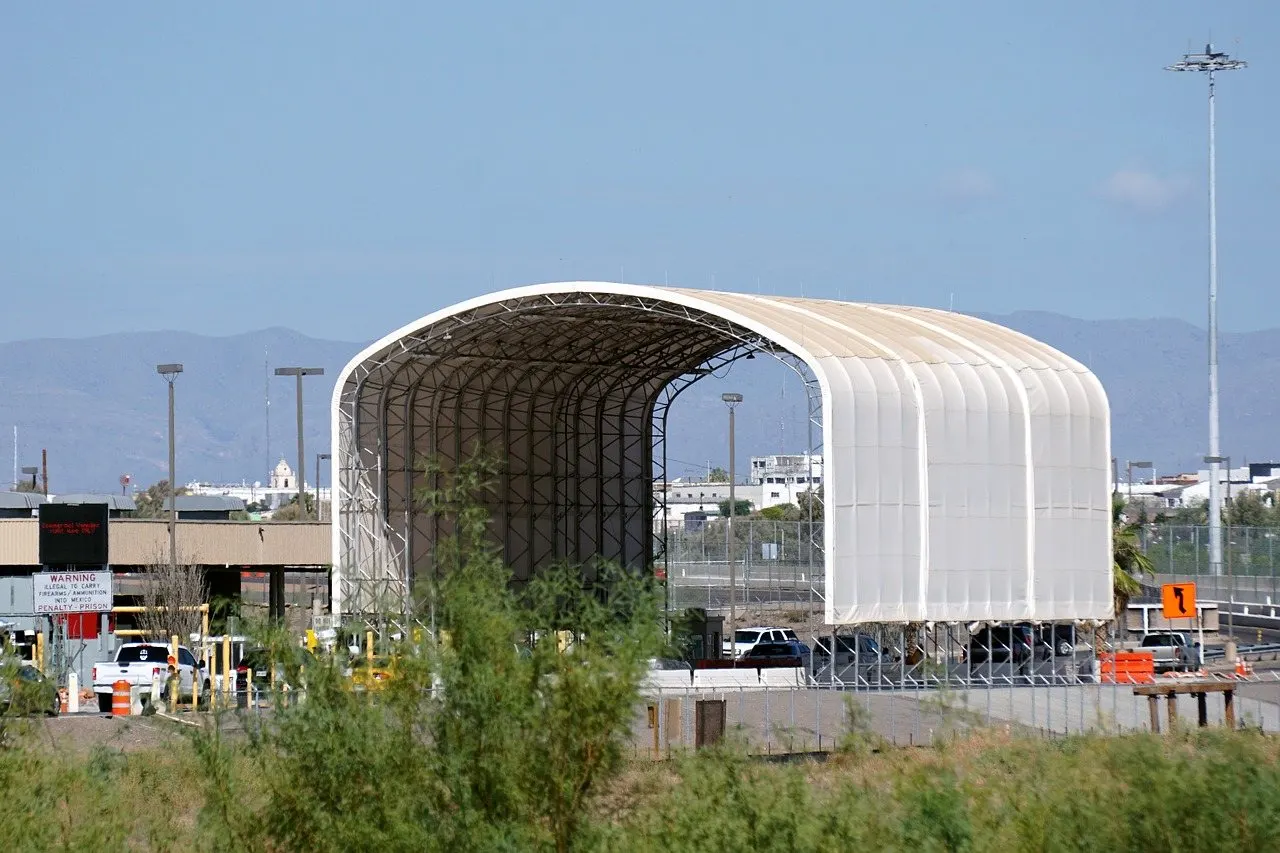
Long stays are another concern raised by families at Dilley, who say confinement drags on for weeks. A child measures time in days, not in case numbers, and a long stay can feel endless. School, play and family routines are hard to keep in a locked setting. Lawyers and advocates say long detention harms children, even when families stay together. The filings describe that harm in plain terms, and they ask for relief from the court. Read more in the debate over data center water use.
Claims Filed in Federal Court
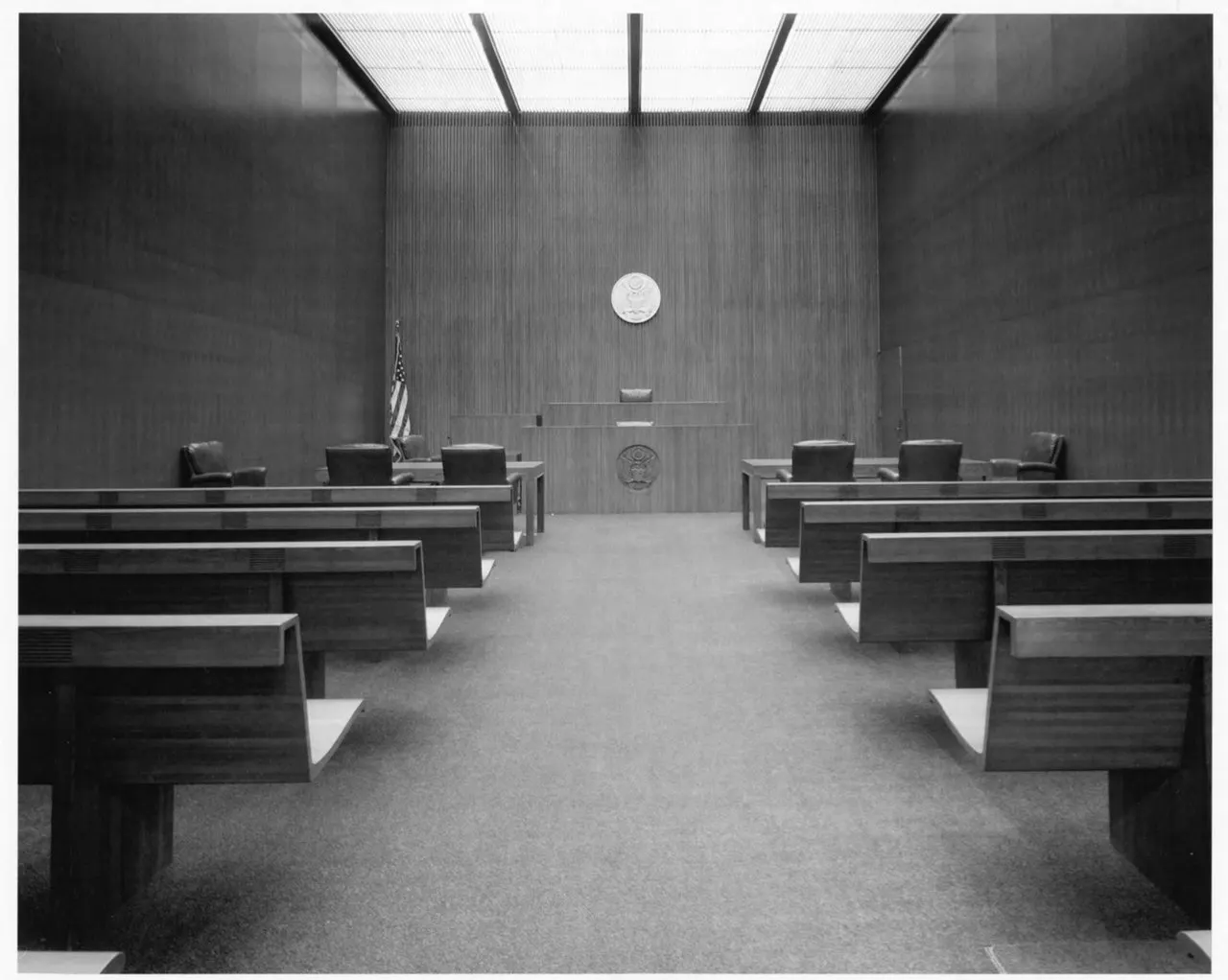
The claims about Dilley are not just posts on social media, because they appear in federal court filings. A court filing is a formal record, and it carries weight with judges and with the public. Families and their lawyers put their accounts in writing, with dates and details. The company has a chance to answer, and the court can ask for more proof. That process is slow, but it is how serious claims about a detention site get tested. Read more in a father who raised his son with Down syndrome.
CoreCivic Disputes Claims About the Dilley Detention Center

CoreCivic disputes the claims made by families, and that dispute is part of the story too. The company says it meets the standards in its contract and that it cares for the people in its sites. When both sides disagree, the public must wait for the court. News reports note both sides for readers. The dispute does not end the debate, and it does not stop the call for closure. Read more in a court case after a fire in Buenos Aires.
The Power of State Licensing
State licensing is the tool Hinojosa says she will use, and it is a power every state holds over care sites. A license sets the rules for safety, staffing and health, and a state can refuse a license to a site that fails those rules. Hinojosa says she will use that power to bar private operators from holding children. The plan is bold, and its legal reach is still an open question. Read more in a late night host and a summit roast.
A Plan to Bar Private Operators From the Dilley Detention Center
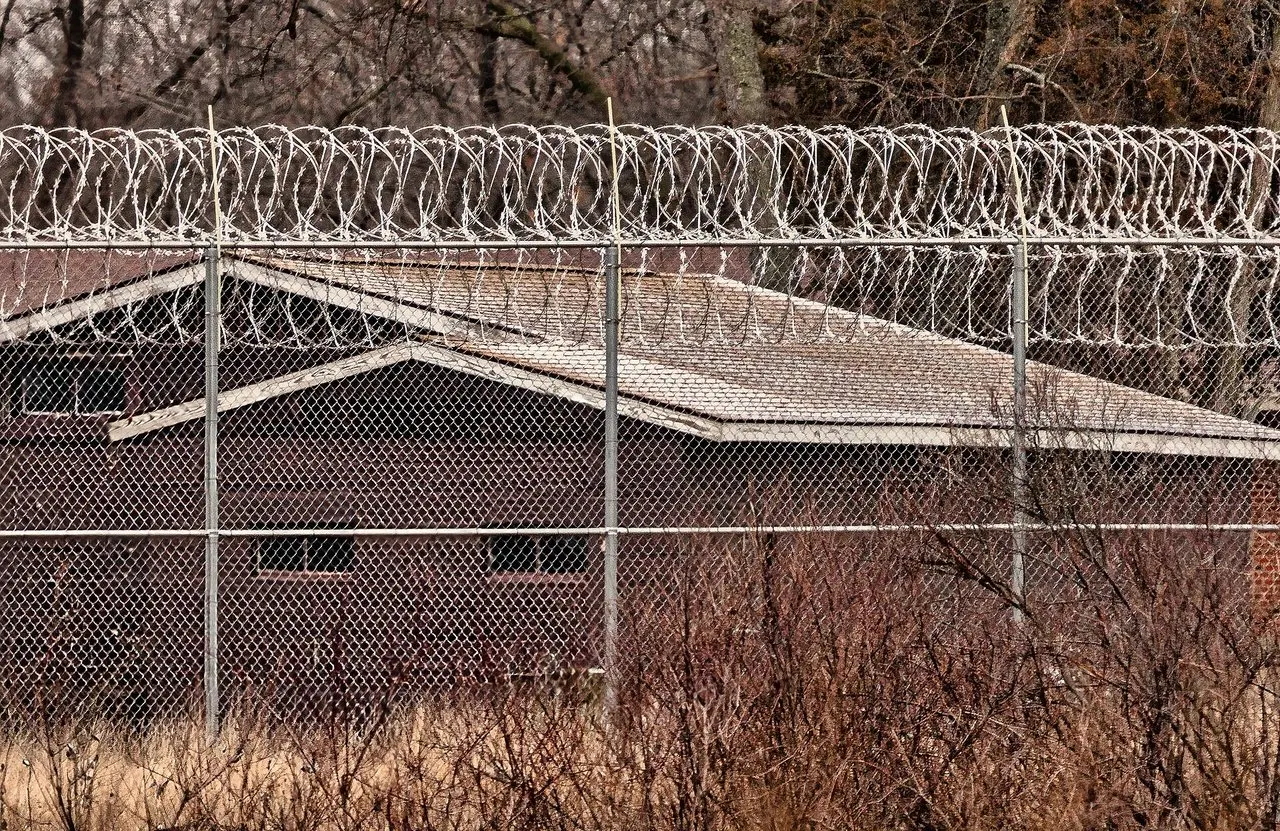
The plan targets private operators, the companies paid to run detention sites for the government. Hinojosa says those firms should not hold children in Texas, even under a federal contract. Supporters say the state should not lend its name to a practice it opposes. Critics ask whether a state can stop a federal program. The answer will likely come from lawyers and courts, not from speeches alone. Still, the pledge has given the campaign a clear and simple goal. Read more in an actor and the faith that carried him.
Can a State Close a Federal Facility

It is unclear whether a state can close a federally contracted site, and that doubt is honest. Federal contracts and state licenses live in different legal worlds, and they can clash. A state may control a license, while the federal government controls its own contract. Courts often have to settle that kind of clash, and the result is hard to predict. Hinojosa says she will try, and her critics say she will face a tough fight in court. Read more in a push to ban toxic pesticides in food.
Most Texans Do Not Support What Is Happening

Hinojosa said most Texans do not support what is happening at Dilley, and that claim speaks to public opinion. Texas is a big and varied state, and its people hold many views on immigration. Yet many Texans agree that children should be treated with care, no matter their status. That shared value is the ground where Hinojosa hopes to stand. Whether most Texans agree with her plan will be tested in the months ahead, as the debate grows. Read more in a Polish leader on border safety.
Protecting Children at the Dilley Detention Center
Ms. Rachel thanked Hinojosa for pledging to protect children regardless of immigration status. That pledge puts children first and sets status aside. A child does not choose where she is born or why her family moved, and her needs are the same as any child. Food, care, safety and love do not depend on papers. That simple idea is easy to say and hard to practice in a detention system. It is the heart of the message in the joint video. Read more in a premiere night at Lincoln Center.
A Secure Border, Different Methods

Hinojosa and Trump both want a secure border, but they differ on methods for detained families. That contrast matters, because it shows the debate is not about whether to enforce the law. It is about how to treat families while the law is enforced. One side favors detention, while the other favors limits on holding children. The Texas Tribune noted that split, and it frames the fight ahead. Voters will watch which method Texas chooses in the new year. Read more in the Texas governor elect and immigration enforcement.
A Growing Campaign to End the Dilley Detention Center
The campaign to end family detention at Dilley has grown beyond one video, and more voices have joined it. Advocates, lawyers and faith groups have raised the same call for years, and new allies bring new reach. A singer and a governor elect can draw wide attention. Each new voice adds pressure on officials to act. The campaign now has a clear name, a clear place and a clear ask, which is to close the site. Read more in a senator who refused to back a shutdown deal.
How News Outlets Covered the Call

News outlets covered the joint video, and each one told the story in its own way. Newsweek reported the call for closure, while other outlets looked at the legal plan and the history of the site. Coverage helps the public learn what is happening inside a place few people can visit. It also keeps the story alive after the video fades from feeds. For families inside, that attention can feel like a small sign that they have not been forgotten. Read more in the debate over data center water use.
What January Could Bring for the Dilley Detention Center

January will bring a new governor to Texas, and with her a new test of state power. Hinojosa will be sworn in, and her team will start work on the licensing plan. The first weeks of a new term often set the tone for the years that follow. Supporters will watch for action, and critics will watch for legal trouble. The center in Dilley will still be there, and the question of its future will still be open. Read more in a father who raised his son with Down syndrome.
Children Come First in the Message
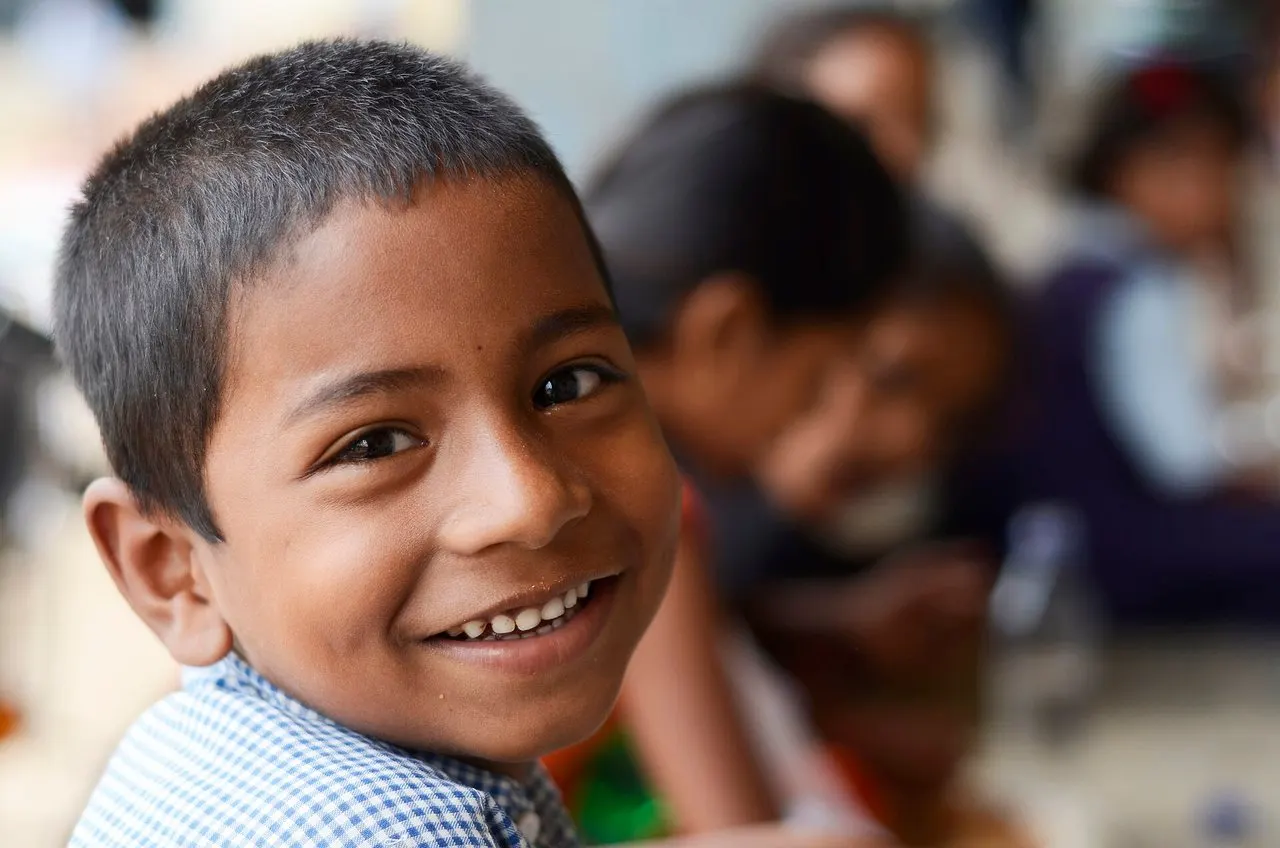
Children are the reason this story touches so many people, and their needs are simple to name. A child needs a safe bed, a full meal, a doctor when sick, and time to play and learn. A detention site is still a locked place. Ms. Rachel reminds us to see the child first. That is why her message in the video felt so personal to so many parents. Read more in a court case after a fire in Buenos Aires.
Families Wait as the Dilley Detention Center Stays Open

Families inside Dilley wait for news, and each day brings the same routine of meals, checks and waiting. Parents try to keep hope alive for their children, even when they do not know what comes next. A phone call, a visit or a court date can change everything. The campaign outside the gates gives those families a reason to hope. They wait to learn whether the promises made in a video will turn into real change. Read more in a late night host and a summit roast.
Why Licensing Matters
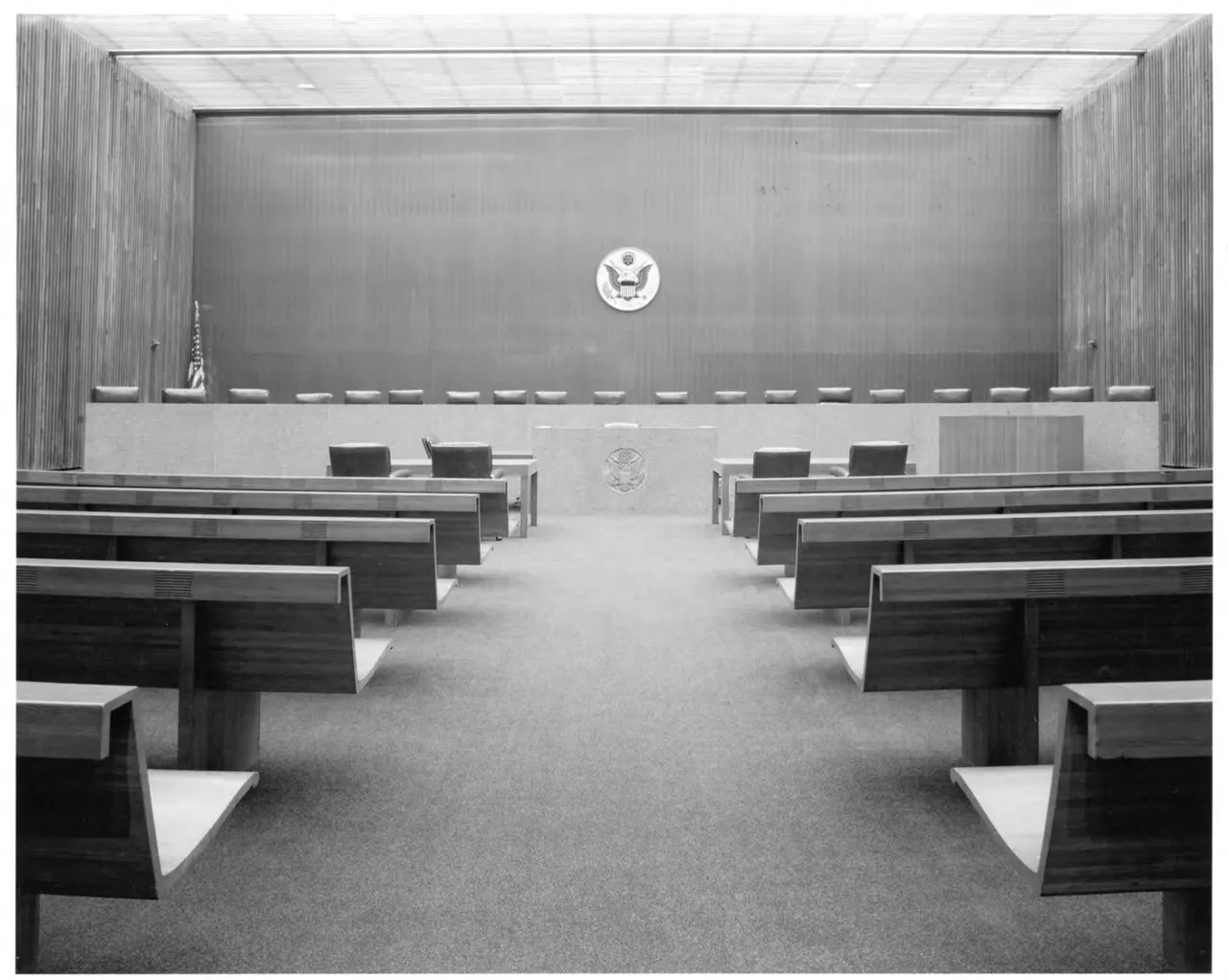
Licensing matters because it is a tool a state can use without waiting for Congress. A license can set rules for health, safety and care, and it can be pulled when those rules are broken. That power is quiet, but it is real, and it shapes how care sites run every day. Hinojosa wants to use it to protect children in Texas. Whether the courts agree will decide how far that tool can reach. Read more in an actor and the faith that carried him.
What Do You Think Should Happen at the Dilley Detention Center

The story of Ms. Rachel and Gina Hinojosa now rests with the public, and the next step belongs to readers. Do you think a state should use licensing power to close a family detention site, or should that choice stay with the federal government? What would you do if a child you loved was held far from home? Share your thoughts in the comments below, and tell us what you think should happen next for the families at Dilley. Read more in a push to ban toxic pesticides in food.