Missy’s Law: The Story of a 5-Year-Old That Changed Florida
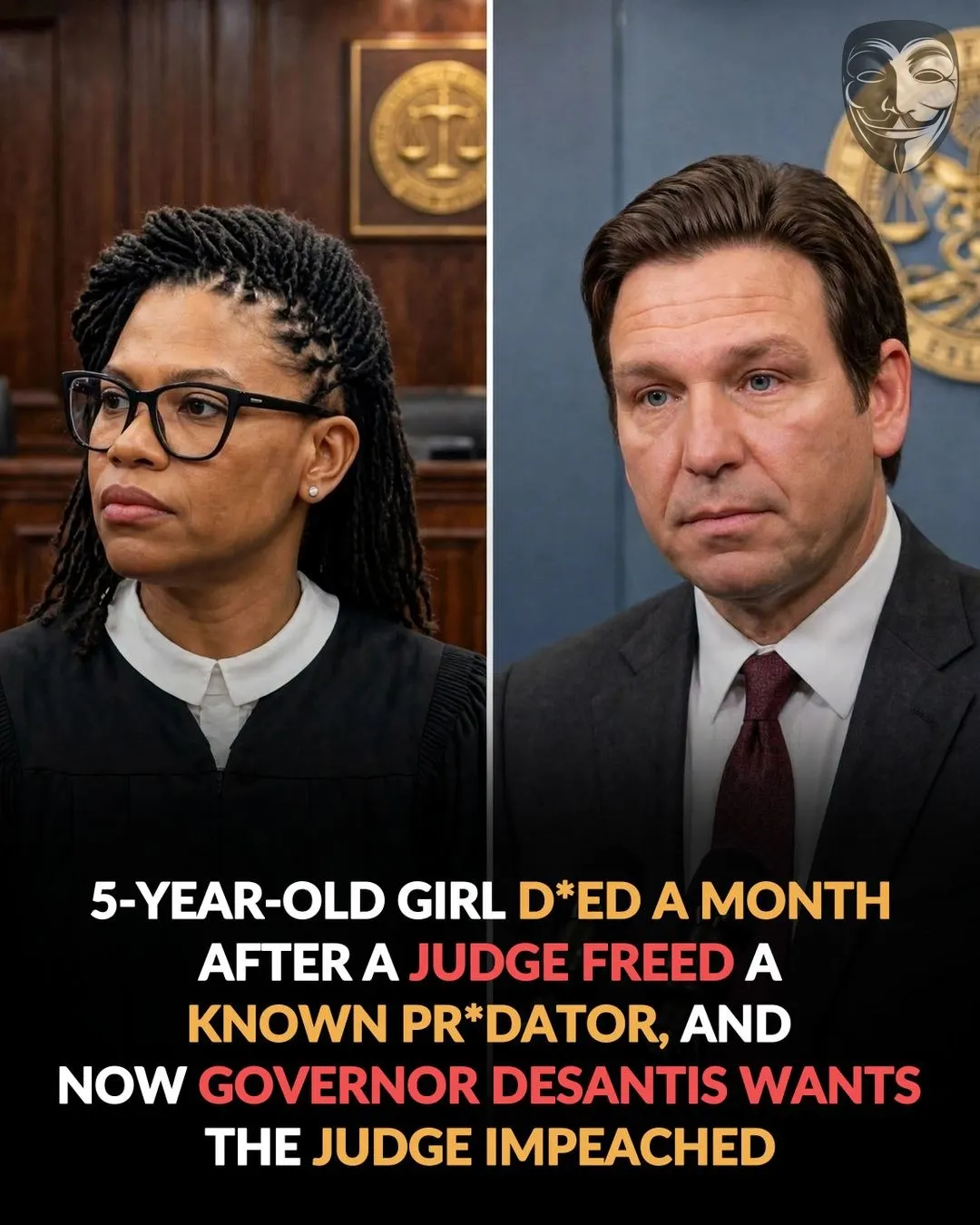
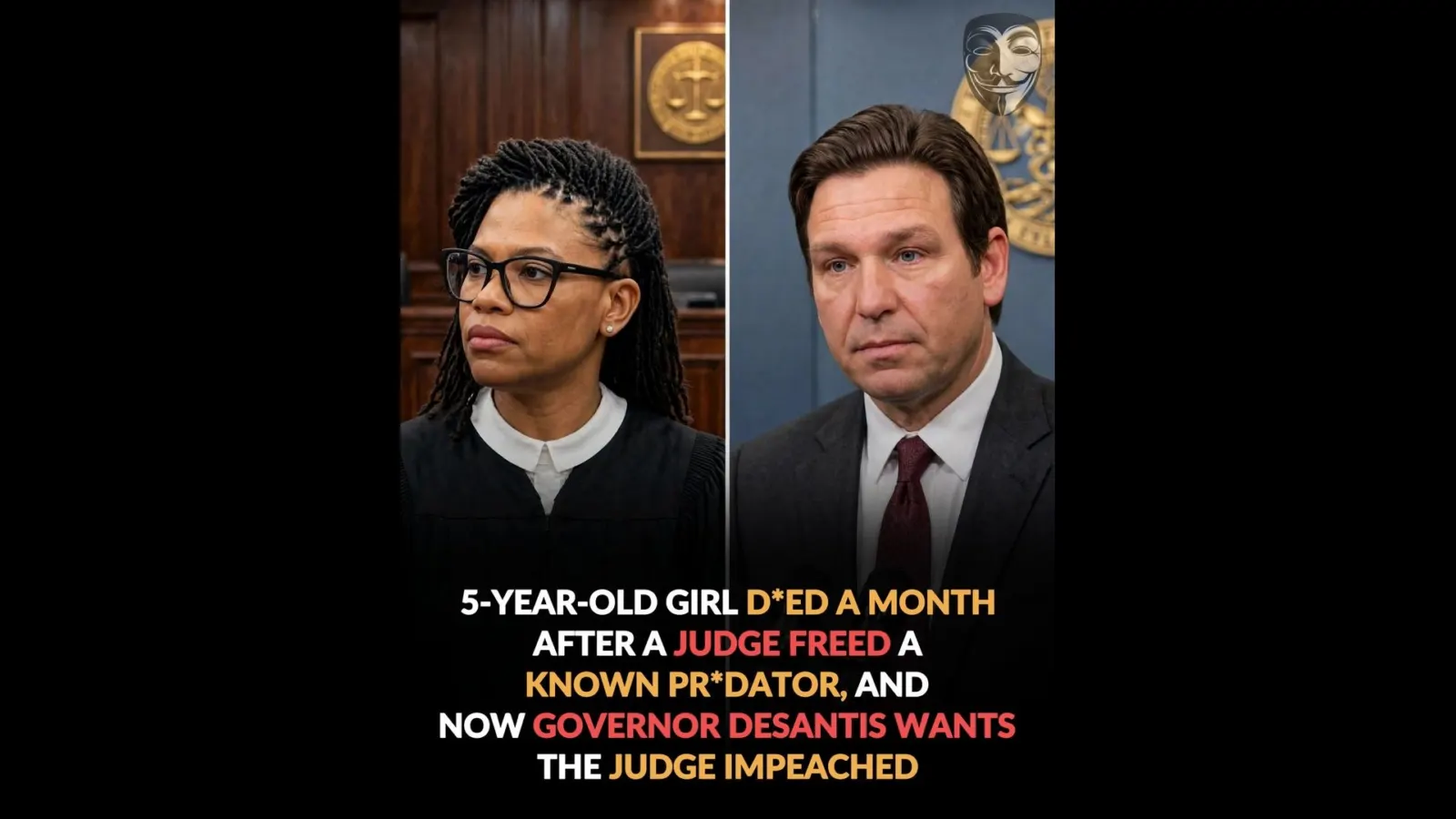
Missy’s Law is the new Florida law named for 5-year-old Missy Mogle of Tallahassee. In April 2025, Daniel Spencer, 35, was convicted of traveling to meet a minor for sex, but Leon County Judge Tiffany Baker-Carper declined to hold him in custody before sentencing. Prosecutors warned that Spencer was a danger, yet he walked out of court a free man. About a month later, authorities say, Spencer and his wife Chloe killed the little girl. For another case that shook a community, read our report on the FedEx driver sentenced in the Athena Strand case.
On March 31, 2026, Governor Ron DeSantis signed Missy’s Law, which keeps people convicted of dangerous crimes in custody before sentencing. At a Tampa press conference, DeSantis called the judge’s decision an outrage and a dereliction of judicial duty, and he called on the Florida House to impeach Judge Baker-Carper. Attorney General James Uthmeier has asked House Speaker Danny Perez to begin impeachment proceedings immediately. In the slides ahead, we trace the conviction, the release, the loss of a child, and the law bearing her name. For more on a family torn apart, see the Plant City family tragedy.
References:
News Space: Judge Impeachment Imminent After Sickening Release Of Predator
Republican Journal: Judge FREED Sex Predator, Child Dead 30 Days Later
News Ranger: Judge Impeachment Imminent After Sickening Release Of Predator
CBS12: Florida Governor Ron DeSantis, Attorney General James Uthmeier Call for Impeachment of Judge
The April 2025 Conviction

In April 2025, Daniel Spencer, 35, was convicted of traveling to meet a minor for sex. The charge grew out of an underage sex sting, and the conviction meant a court had found him guilty of a serious crime against a child. A conviction is the moment when a case moves from accusation to a formal finding of guilt, and it usually leads to sentencing. Spencer now faced a sentence for what he had done. For more, read our story on the FedEx driver sentenced in the Athena Strand case and our report on the Plant City family tragedy.
A Judge Decided to Let Him Walk Free

After the conviction, Leon County Judge Tiffany Baker-Carper had to decide whether Spencer would stay in custody until sentencing. She declined to hold him, reportedly because he had spent a year out of jail without violations and had no violent history. That choice meant Spencer walked out of court a free man, even though he had just been convicted. Judges weigh many factors in such decisions, and this one would soon be judged by the whole state. Read about another judge in our report on the second judge who blocked the triumphal arch.
Prosecutors Warned He Was a Danger

Prosecutors did not agree with the decision to free Spencer. They warned the court that he was a danger, and they asked that he be held in custody before sentencing. A prosecutor’s warning carries weight because prosecutors see the evidence up close and know the risks a defendant may pose. In this case, the warning was set aside, and the judge’s view won out. The choice would haunt the case within weeks, and it is now at the center of the debate. For more, see Don Bacon’s warning at the National Press Club.
The Month That Led to Missy’s Law

About a month after Spencer walked free, authorities say he and his wife Chloe killed his 5-year-old stepdaughter Missy Mogle in May 2025. The girl died by asphyxiation, a loss that stunned Tallahassee and the wider state. Both Spencer and his wife were charged with second-degree murder. A single month separated a courtroom release from a child’s death, and that short span is at the heart of the public anger. Read about another family torn apart in our report on the Plant City family tragedy.
Missy’s Law: What the New Law Does

Missy’s Law is a new Florida law that keeps people convicted of dangerous crimes in custody before sentencing. The change is simple and direct. Once a court finds a person guilty of a dangerous crime, that person stays behind bars while awaiting sentence. The law closes the gap that let Spencer leave court after his conviction. Lawmakers often name new laws for victims, and this one carries the name of a 5-year-old girl from Tallahassee. See how other laws changed after public pressure in the New York City horse carriage ban.
DeSantis Signed Missy’s Law on March 31, 2026
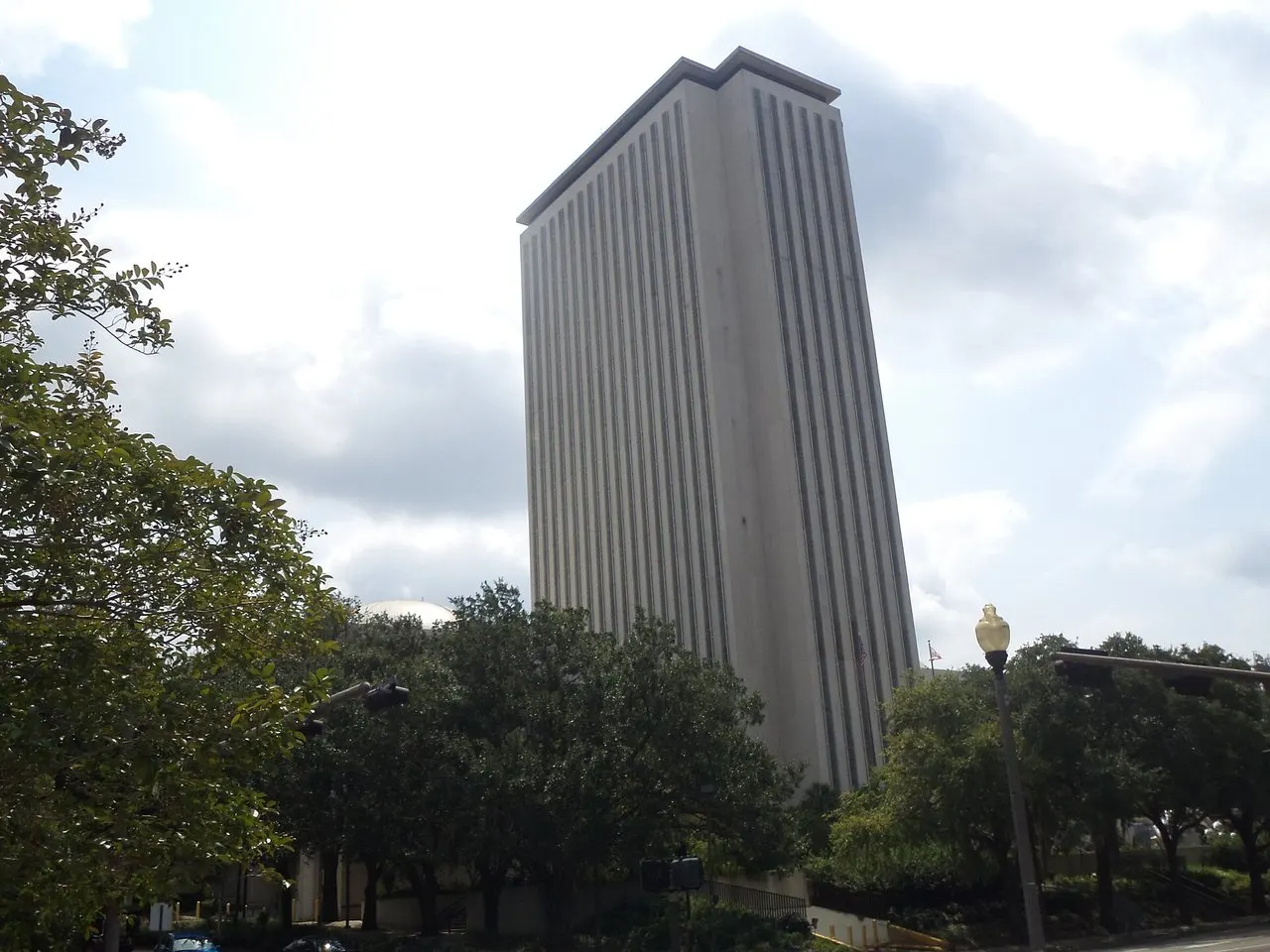
On March 31, 2026, Governor Ron DeSantis signed Missy’s Law, about eleven months after Missy Mogle died. A bill signing turns a proposal into law, and this one came with a message. DeSantis used the moment to press his case against the judge who had freed Spencer, saying her decision was an outrage. The signing made the new custody rule official across Florida, and it put the governor’s demand for impeachment in the spotlight. For more on DeSantis in Florida, read the Florida flood rescue.
The Outrage That Led to Missy’s Law
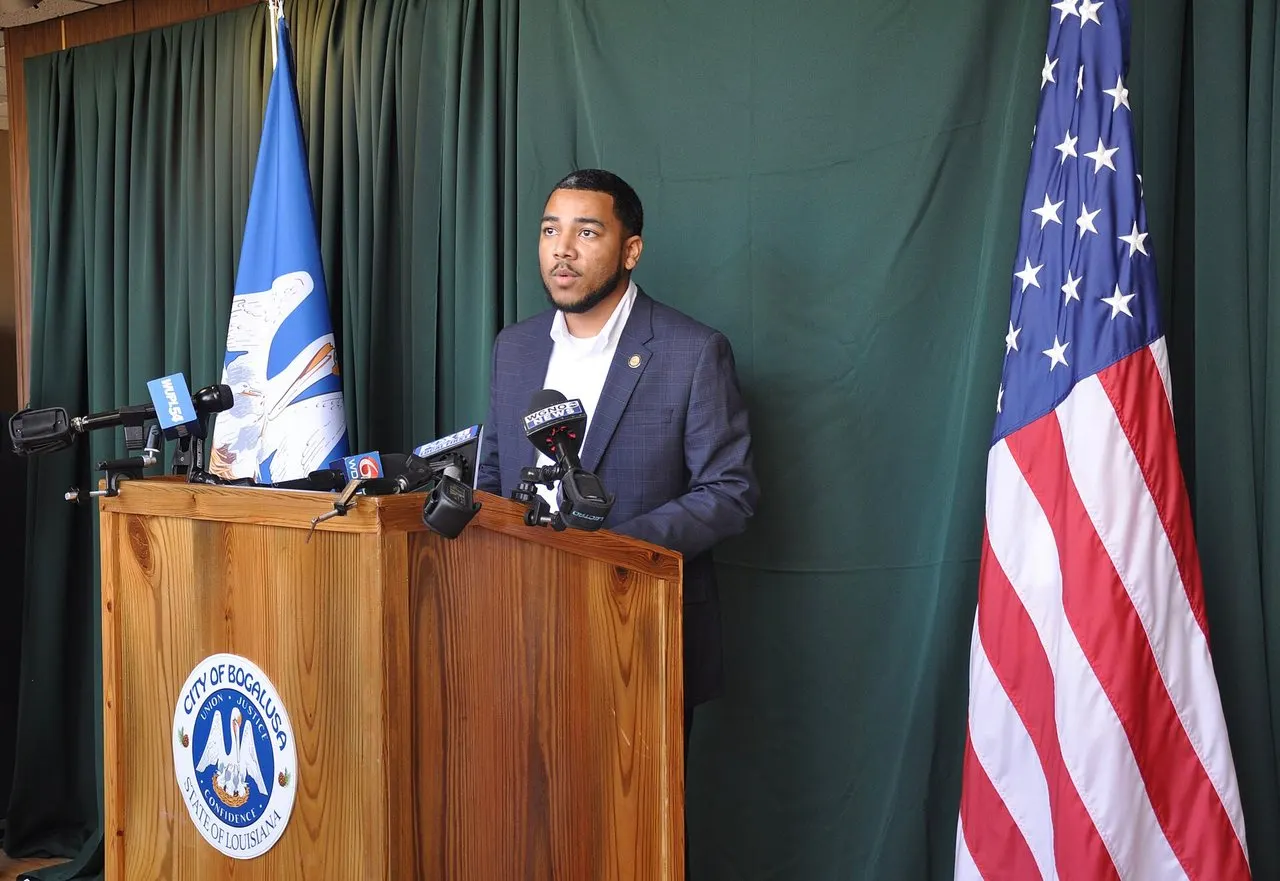
At a Tampa press conference, DeSantis called the judge’s decision an outrage and a dereliction of judicial duty. Those are strong words from a governor about a sitting judge, and they set the tone for everything that followed. A dereliction of duty means a failure to do the job the office requires, and DeSantis said the release of Spencer was exactly that. The press conference turned a local case into a statewide debate. Read about other blunt public moments in Don Bacon’s warning at the National Press Club.
The Attorney General Asked for Impeachment Now

Florida Attorney General James Uthmeier has asked House Speaker Danny Perez to begin impeachment proceedings immediately. The attorney general is the state’s top lawyer, and his request added weight to the governor’s call. Impeachment is the formal process for removing a public official from office, and it starts in the House. Uthmeier’s ask meant the push was no longer just talk at a press conference. For more on legal fights, see the call to subpoena Melania Trump.
How Impeachment of a Judge Works in Florida
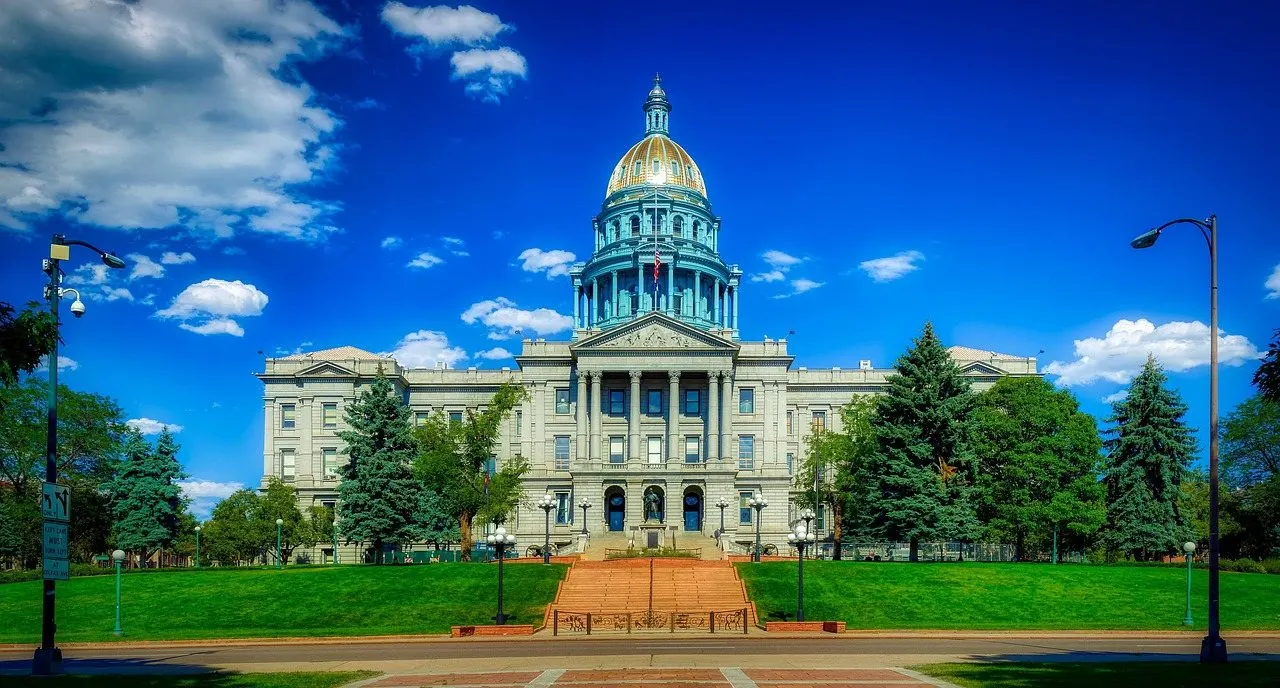
Impeachment in Florida follows a clear path. The House of Representatives investigates and votes on whether to bring charges against a judge, and the Senate then holds a trial. A judge can only be removed if the Senate agrees after hearing the case. The process is rare and slow by design, because judges are meant to be independent of politics. That is why calls for impeachment draw so much attention when they happen. Learn about other rare rulings in the second judge who blocked the triumphal arch.
Tallahassee, Where the Case Began

Tallahassee is the capital of Florida and the home of Leon County, where the case began. The city sits in the Florida Panhandle and hosts the state government, Florida State University, and Florida A and M University. It is a city of lawmakers, students, and families, and a courtroom there made a decision that would echo across the state. The case started in an ordinary courtroom in an ordinary state capital. Read about another Florida story in the Florida flood rescue.
What a Circuit Judge Does
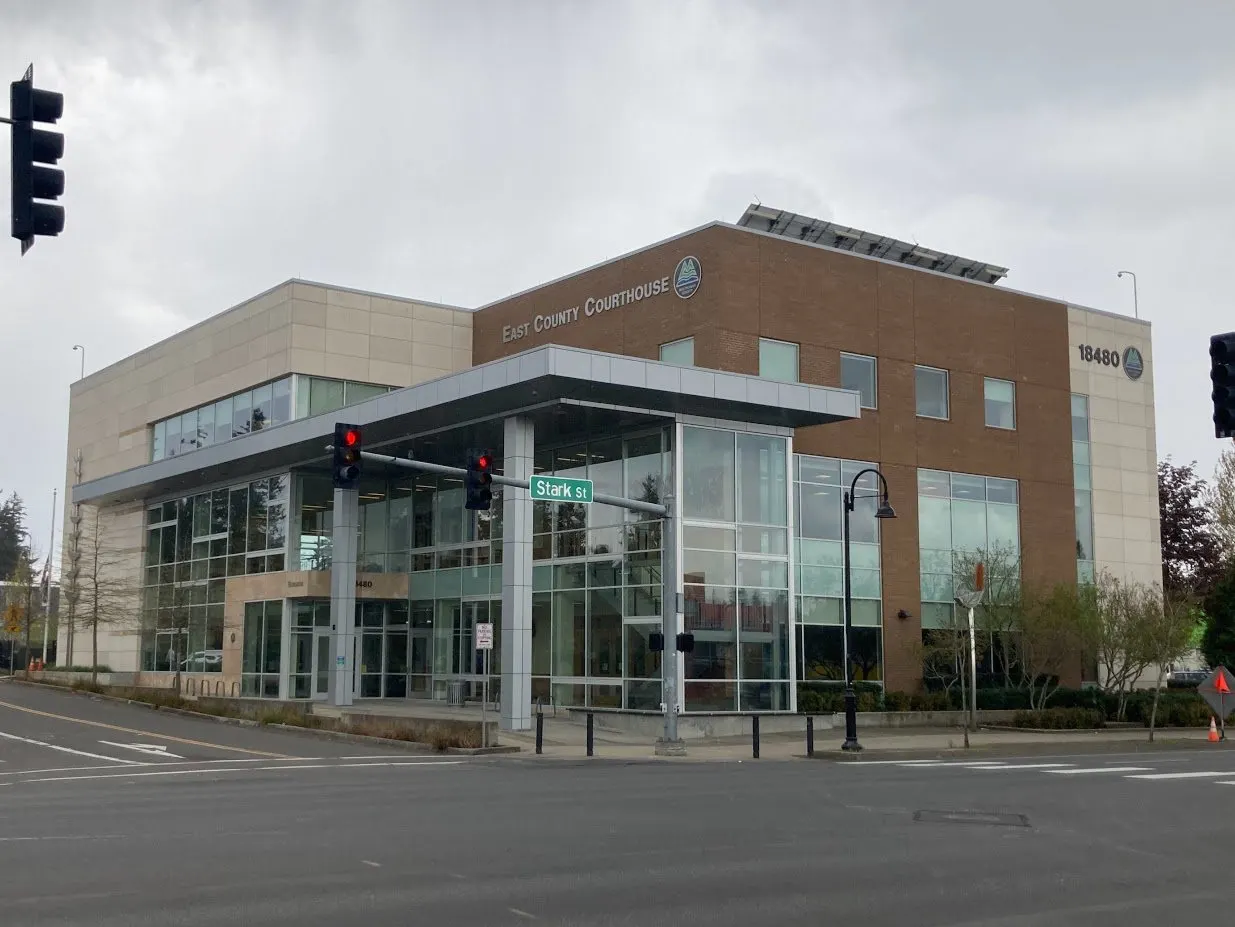
A circuit judge in Florida hears serious cases, including felonies, family disputes, and civil trials. The judge runs the courtroom, rules on evidence, and decides key questions like custody before sentencing. Circuit judges are elected in Florida, and they serve six-year terms. Their choices shape lives, which is why the public watches their rulings closely. Judge Baker-Carper sits on the Leon County circuit bench. For more on courts, see the Bardstown police officer case.
Custody Before Sentencing, Explained

Custody before sentencing means a convicted person stays in jail while waiting for the judge to set the punishment. The time between conviction and sentencing can stretch for weeks or months, and the law asks whether the person should be free during that wait. Judges consider flight risk, danger to others, and past behavior. The new Florida law changes that balance for people convicted of dangerous crimes. Read about another jail sentence in Paul Pelosi’s 36-minute jail stay.
Missy’s Law and Custody Before Sentencing
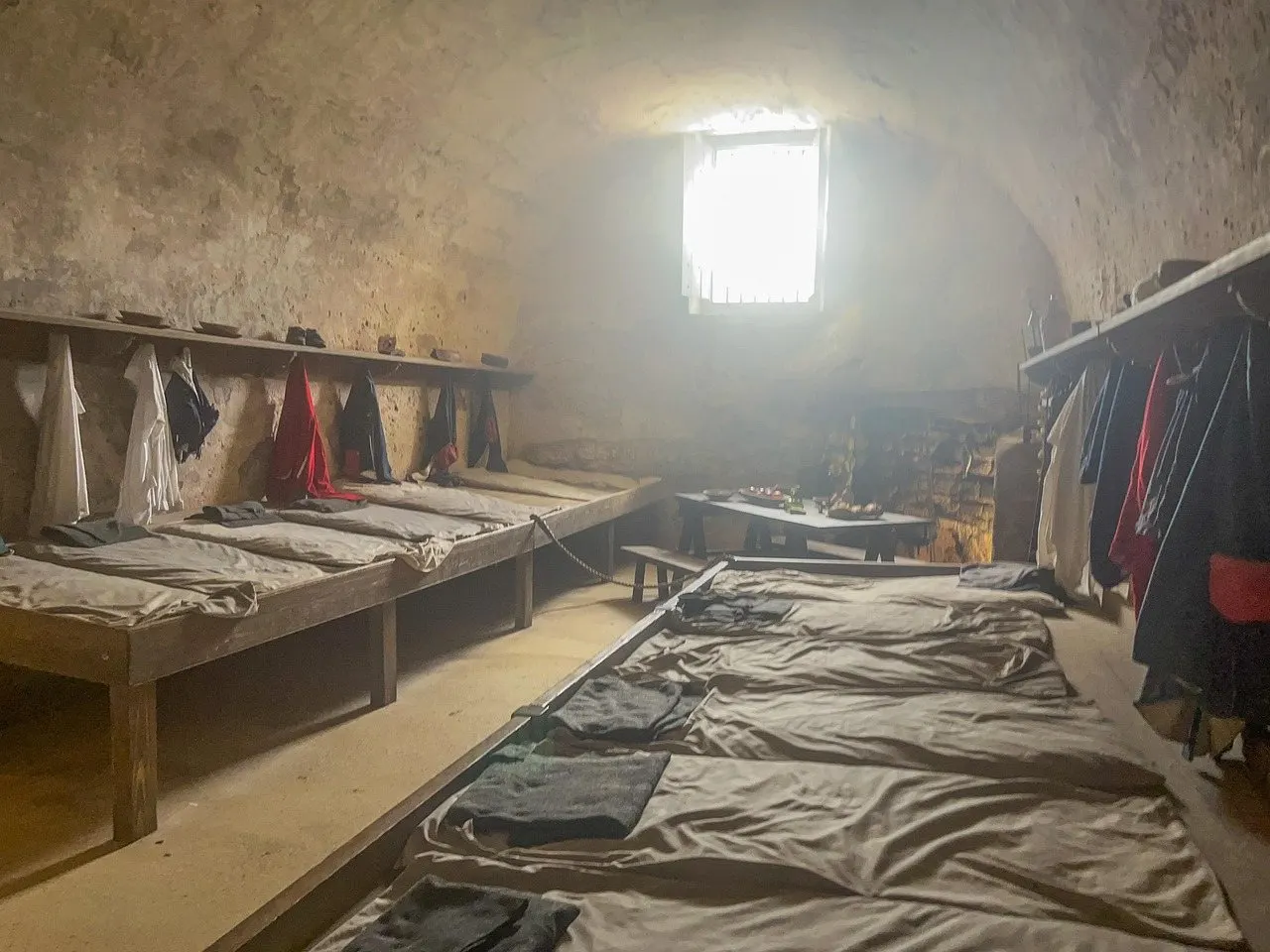
Missy’s Law targets one moment in a criminal case, the wait between conviction and sentencing. Before the law, a judge could free a person convicted of a dangerous crime during that wait, as happened with Spencer. Now the law keeps such people in custody, so the risk they pose is contained. Supporters say the change is common sense, while critics of such rules worry about fairness. The debate will follow the law as it takes hold. See the repeal of the dog breed ban for other laws that changed after public pressure.
The Decision Missy’s Law Was Written to Prevent

Judge Baker-Carper declined to hold Spencer in custody, reportedly because he had spent a year out of jail without violations and had no violent history. A clean year can matter to a judge, since it suggests a person can follow rules while free. But a clean year does not erase a conviction, and prosecutors argued the danger remained. The decision shows how much turns on a single ruling from the bench. For more on hard calls, read the single dad who raised his son with Down syndrome.
Why Prosecutors Objected in Court

Prosecutors warned that Spencer was a danger, and they wanted him held before sentencing. Their job is to protect the public and to argue for custody when the facts point to risk. A warning from prosecutors is not a verdict, but it is a professional judgment built on evidence the public never sees. When a judge overrules that warning, the responsibility for the outcome rests with the bench. Read about other prosecutors in the news in Don Bacon’s warning at the National Press Club.
The Tampa Press Conference

DeSantis made his case at a press conference in Tampa, a major city on Florida’s Gulf Coast. Tampa sits across the bay from St. Petersburg and is one of the largest cities in the state, with a skyline that looks out over the water. Governors often choose big cities for major announcements, because the cameras and crowds are there. The Tampa setting gave the call for impeachment a wide audience. For more Florida news, see the Florida flood rescue.
Speaker Danny Perez and the Florida House
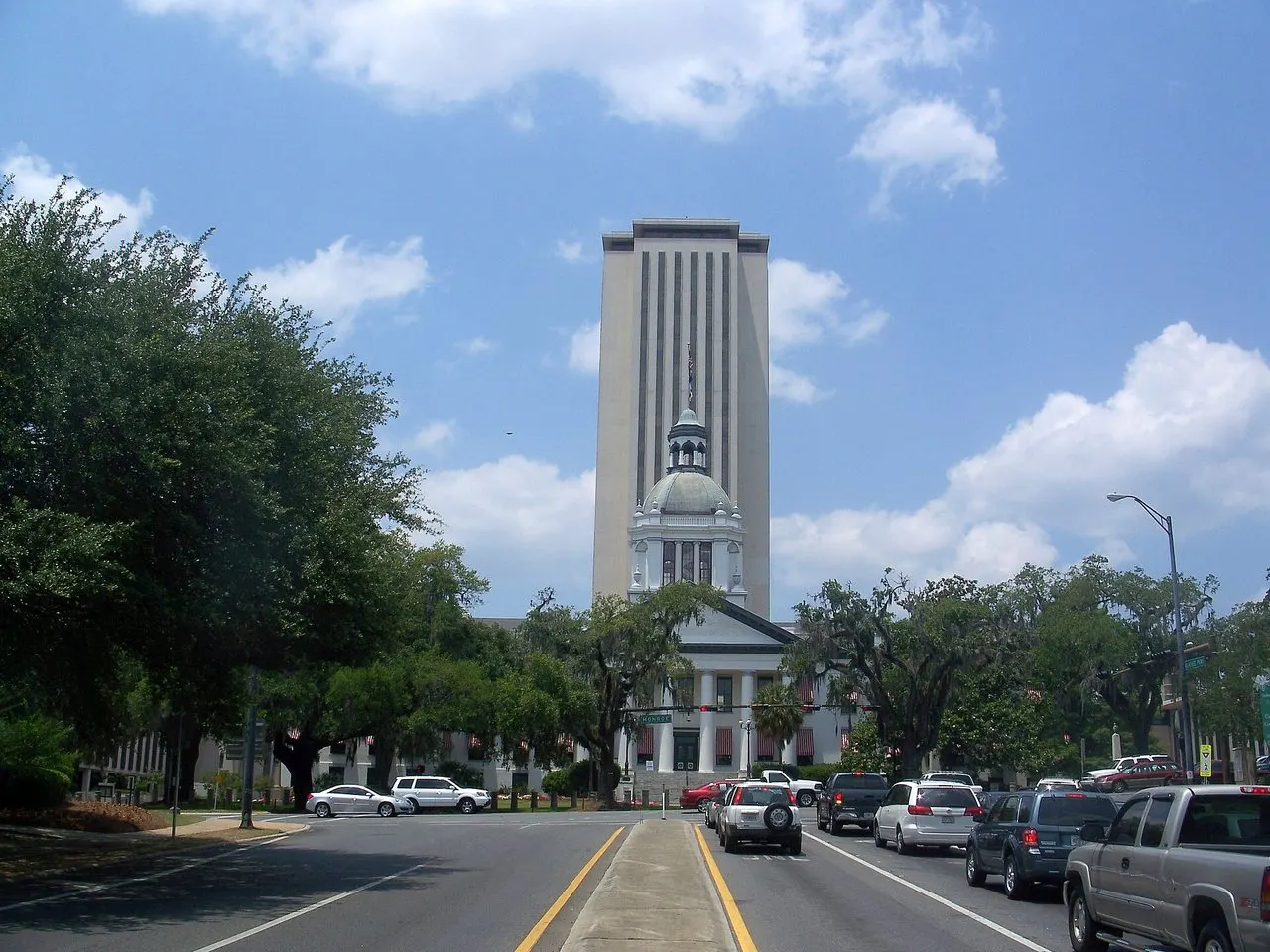
House Speaker Danny Perez leads the Florida House of Representatives, the chamber where impeachment begins. The speaker sets the agenda and guides which issues get a hearing and a vote. Uthmeier asked Perez to begin impeachment proceedings immediately, which puts the next move in the speaker’s hands. Whether the House acts, and how fast, is now a question for Tallahassee. Read about other House fights in the Texas decision to end cooperation with ICE.
Missy’s Law: Named for a 5-Year-Old

Laws named for victims carry a name that reminds everyone why the law exists. Missy Mogle was five years old, a child from Tallahassee whose death came a month after a judge freed the man accused of killing her. Naming the custody law for her keeps her story at the center of the debate. It also gives her family and community a lasting mark of her short life. For stories of families who endured loss, read the story of Geeta and her shelter in Pakistan.
How Sentencing Usually Works After a Conviction

After a conviction, the court sets a sentencing date, and the judge hears from both sides before choosing a punishment. Prosecutors argue for a firm sentence, and the defense argues for leniency. The judge then weighs the crime, the person’s history, and the law. Sentencing is the final step in a trial, and it can bring prison time, fines, or probation. Spencer never reached that step as a free man, and his case took a darker turn first. See Paul Pelosi’s 36-minute jail stay for other sentencing stories.
What Second-Degree Murder Means

Second-degree murder is the charge both Spencer and his wife now face. In general terms, it means an unlawful killing that was not planned in advance, unlike first-degree murder, which involves premeditation. The exact definition varies by state, and Florida law sets out what prosecutors must prove. A charge is not a conviction, and the case must still be tried in court. Read about other murder cases in the Bardstown police officer case.
The Role of the Attorney General
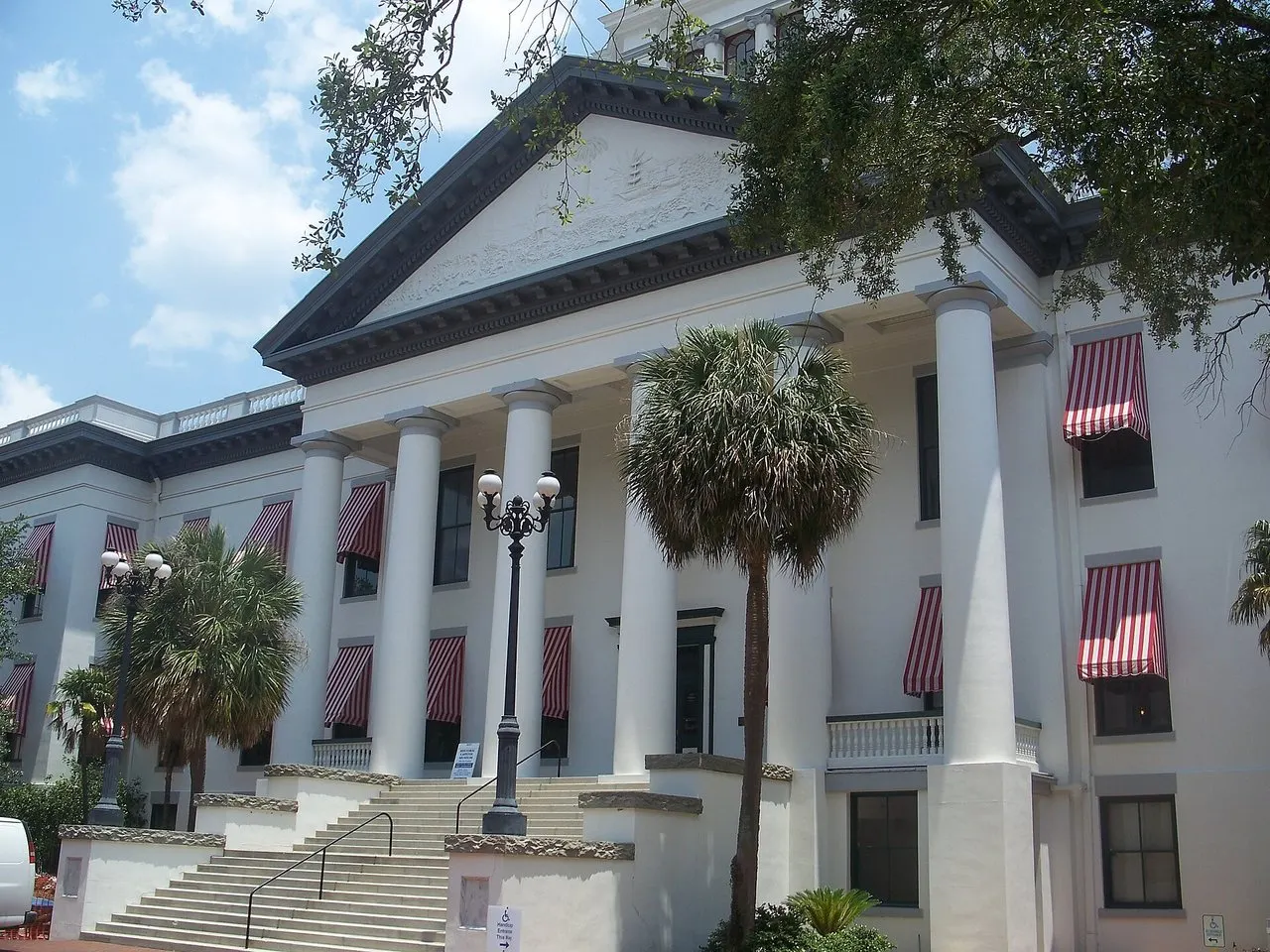
The attorney general is a state’s chief legal officer, advising the governor and leading the state’s legal work. In Florida, the attorney general speaks for the state in court and can push for action on matters of public safety. James Uthmeier stepped into that role when he asked the House speaker to start impeachment proceedings. His voice added legal weight to a political demand. For more on top officials, see the story that exposed Scott Bessent’s home.
Why the Case Drew National Attention

The case has three elements that draw national eyes. A young child died, a convicted man had been freed by a judge, and a governor demanded that judge’s removal. Each part alone would be news, and together they form a story that travels far beyond Florida. News outlets across the country picked it up, and the debate reached social media within hours. Read about other stories that spread fast in the silent shrug in Berlin.
Missy’s Law: What Happens Next in the Case

Two tracks now run side by side. In court, Spencer and his wife face second-degree murder charges for the death of Missy Mogle, and that case must work its way through trial. In Tallahassee, the call to impeach Judge Baker-Carper waits on the Florida House and Speaker Danny Perez. The new custody law is now on the books, changing the rules for future cases. For stories still unfolding, read the Pacific seabed auction near American Samoa.
Judicial Accountability and Public Trust

Judges need independence to rule without fear, and they also need accountability when their rulings cause harm. Impeachment is the strongest tool for holding a judge to account, and it is used rarely. The public trusts courts when judges explain their choices and follow the law, and trust frays when a ruling looks careless. The Baker-Carper case tests that balance in full view. Read about other trust tests in the poll naming Obama America’s most admired president.
Custody Rules Missy’s Law Changed

Before the new law, Florida judges had room to free a person convicted of a dangerous crime while awaiting sentence. Other states handle the same question in different ways, with some holding serious offenders automatically and others leaving it to the judge. The new law moves Florida toward the stricter end of that range. Whether other states follow will depend on how the law works in practice. See the repeal of the dog breed ban for how laws spread after one state acts.
A Community Grieves After Missy’s Law

When a child dies in a small community, the loss touches schools, neighbors, and families who never met her. People leave flowers, light candles, and gather to remember a life that ended too soon. Tallahassee is a city of neighborhoods, and a tragedy in one of them is felt across the rest. Grief does not end when a law is signed, and the community carries it forward. For stories of community and care, read Ton Soriano’s first month of marriage.
Missy’s Law: A Legacy Written in a Child’s Name
The new law is now part of Florida law, and it will shape custody decisions long after the headlines fade. A legacy is what remains when the news cycle moves on, and this law is the mark Missy Mogle left on her state. Her name will appear in courtrooms whenever a judge weighs custody before sentencing. That is a heavy legacy for a five-year-old, and it is the one her story created. Read about other lasting legacies in Patrick Stewart’s farewell at 86.
What Do You Think Should Happen Next

What do you think should happen next? Should the Florida House impeach Judge Baker-Carper, or should voters decide her future at the ballot box? Should the new custody law go further, or is it enough as written? Your voice matters in this debate, and the comments are open for readers who want to weigh in. Tell us whether you think the judge should face impeachment, whether the law protects children, or whether the system needs a different fix. For more reading, see the silent shrug in Berlin.