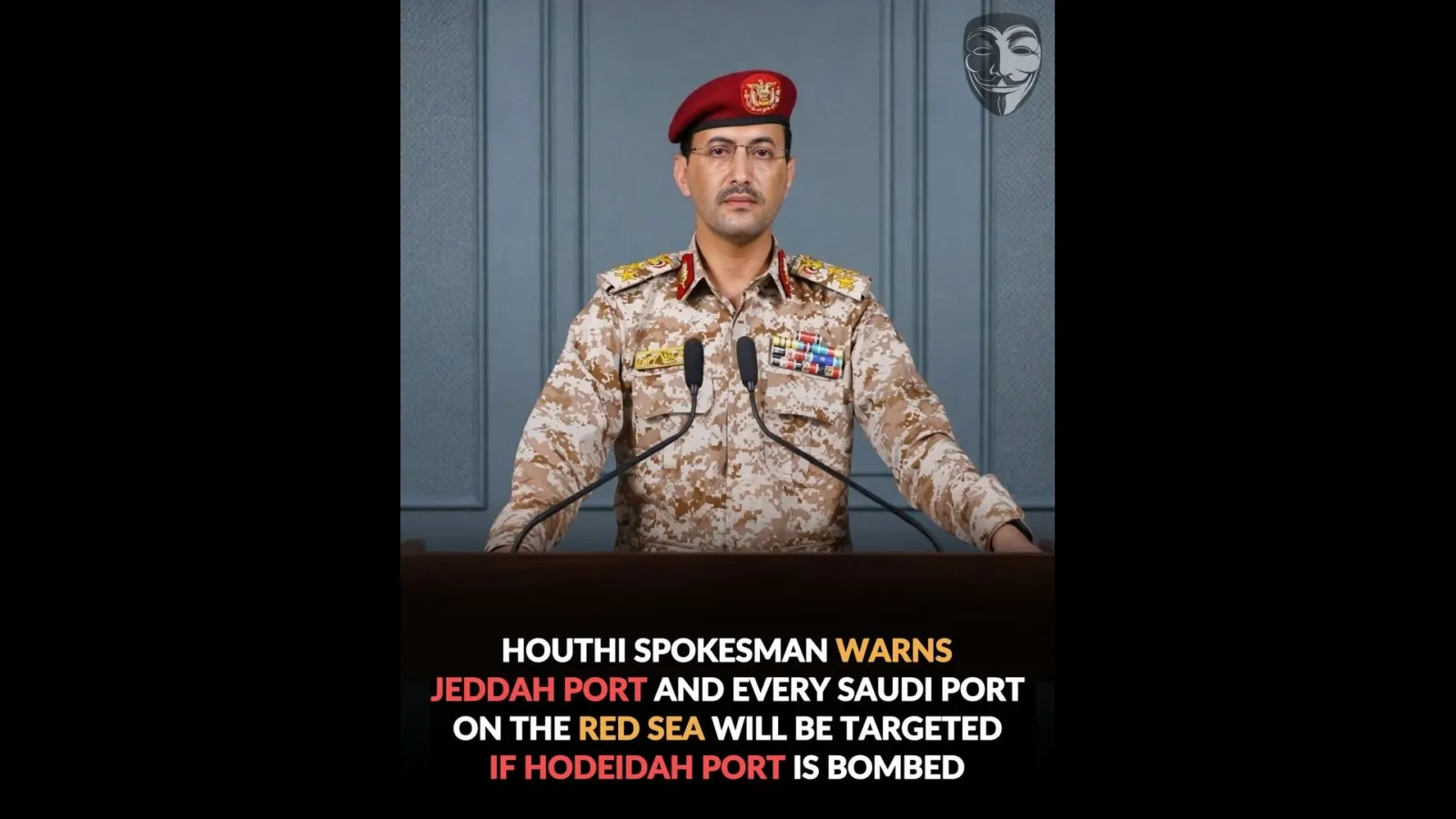
The Jeddah Port Warning That Put the Red Sea on Alert
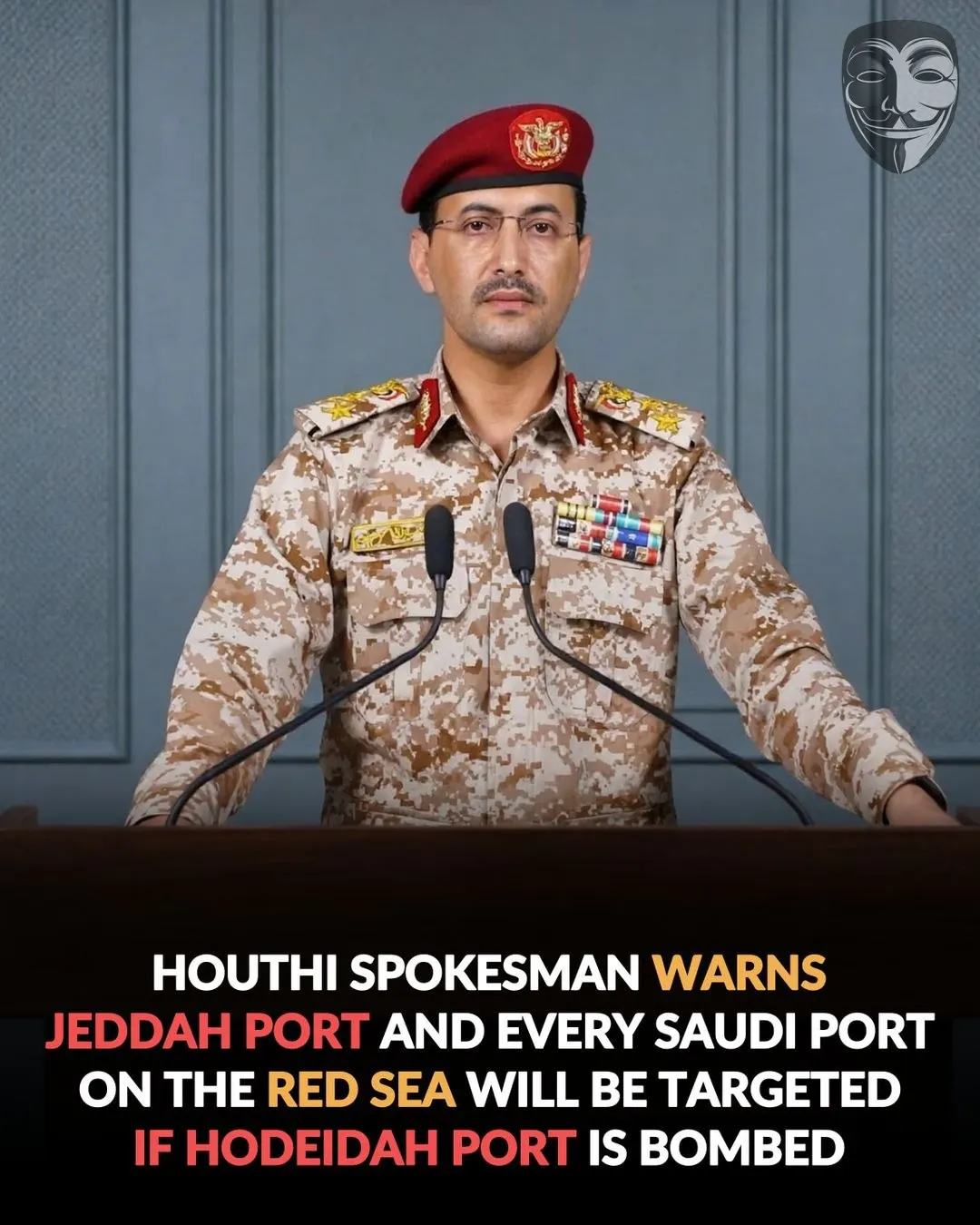
Jeddah port warning is the message that Yemen’s Houthi military spokesman Yahya Saree delivered when he said Jeddah port and every Saudi port on the Red Sea coast would become targets if the Saudi led coalition carries out its threat to bomb Hodeidah port. Saree urged port workers and nearby residents to leave the area, and he called on shipping companies to pull their vessels out of the Saudi ports. The warning puts shipping across the region on alert, and it raises the stakes for everyone who moves goods through the Red Sea.
The warning came after the coalition told civilians to evacuate Hodeidah port, and it later said it had struck facilities there that it said were used for smuggling tools. Hodeidah is the main entry point for food, fuel and aid into northern Yemen, so any wider exchange of port strikes could put shipping and supplies across the Red Sea at risk. The slides ahead tell the full story. Read more in our report on Liz Cheney warning her Republican colleagues and in our report on the call to European leaders about Ukraine.
References:
Reuters: Yemens Houthis Threaten To Target Jeddah And Other Saudi Red Sea Ports
Al Jazeera: Saudi Coalition And Houthis Exchange Thr*ats To Projectile Key Ports
Terror Monitor: Houthis Threaten To Strike Jeddah And Other Saudi Ports After Coalition Orders Evacuation Of Yemens Hodeidah Port
The Hourly News: Houthis Threaten Jeddah And All Saudi Red Sea Ports As Coalition Strikes Hodeidah
Who Is Yahya Saree, the Voice Behind the Warning

Yahya Saree is the military spokesman for the Houthi movement in Yemen, and his words carry weight because he speaks for the armed forces that control Sanaa and much of northern Yemen. When Saree issues a warning, shipping firms, port workers and governments listen, because his movement has acted in the Red Sea before. He named Jeddah port and every Saudi port on the coast in plain terms. Read more in our report on the plan to close Rikers Island by 2032 and in our report on the outrage over Marco Rubio remarks.
Hodeidah Port and the Jeddah Port Warning
Hodeidah port sits on the Red Sea coast of Yemen, and it is the main entry point for food, fuel and aid into northern Yemen. The coalition told civilians to evacuate the port for their safety, and it later said it had struck facilities there that it said were used for smuggling tools. Any wider exchange of port strikes would put shipping and supplies across the Red Sea at risk. Read more in our report on the delivery fee warning for New York shoppers and in our report on the legal fees question facing Fani Willis.
Jeddah Port, the Saudi Hub Named First
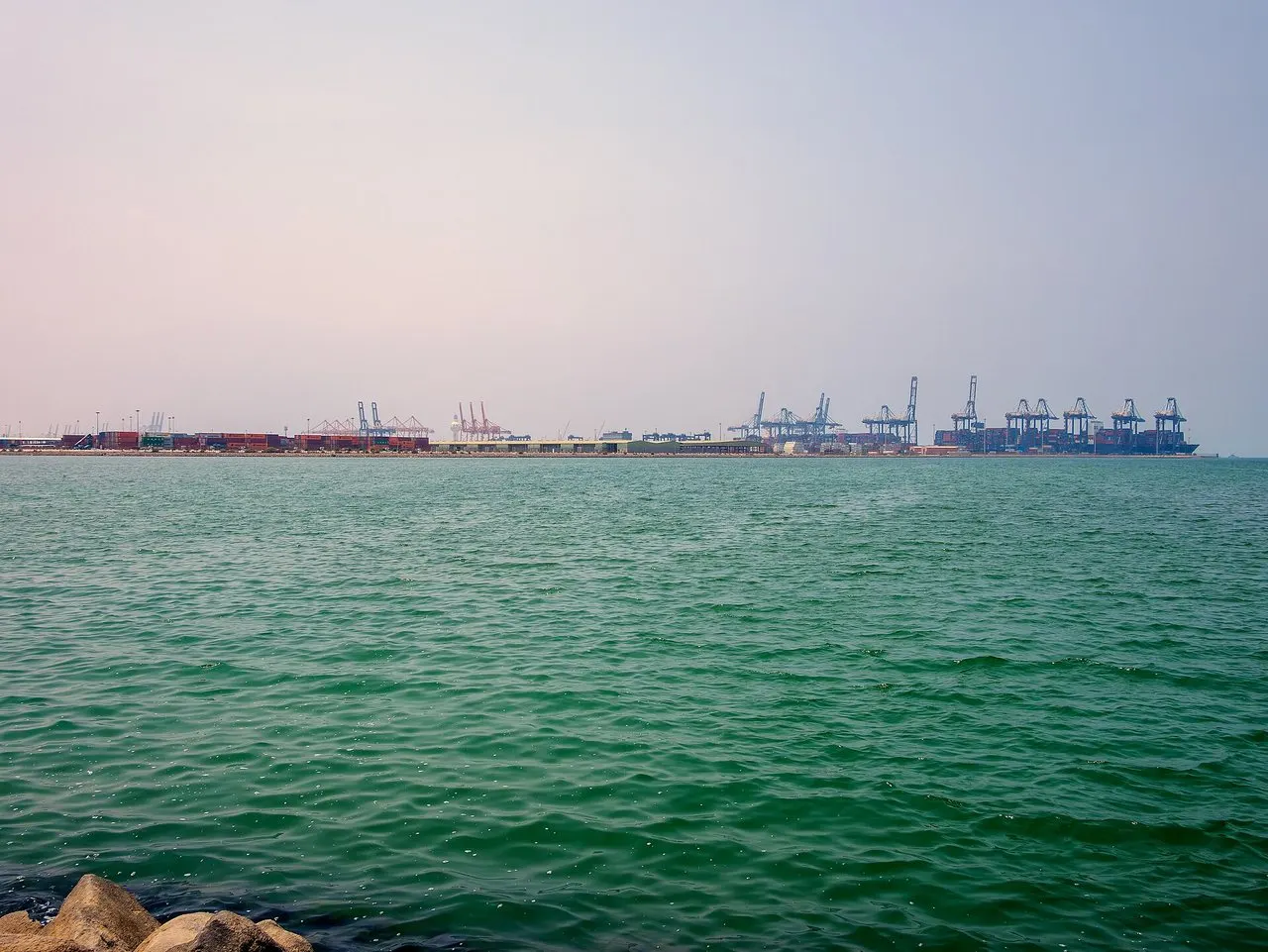
Jeddah port is the largest port on the Red Sea coast of Saudi Arabia, and it handles a huge share of the goods that flow in and out of the kingdom. Ships call at Jeddah, and the port links Saudi Arabia to trade routes that run through the Suez Canal and across the Indian Ocean. A threat against Jeddah is a threat against one of the busiest gateways in the region. Read more in our report on the Pentagon audit and the student loans debate and in our report on the canned M1911 pistols sealed like soup.
Every Saudi Red Sea Port and the Jeddah Port Warning
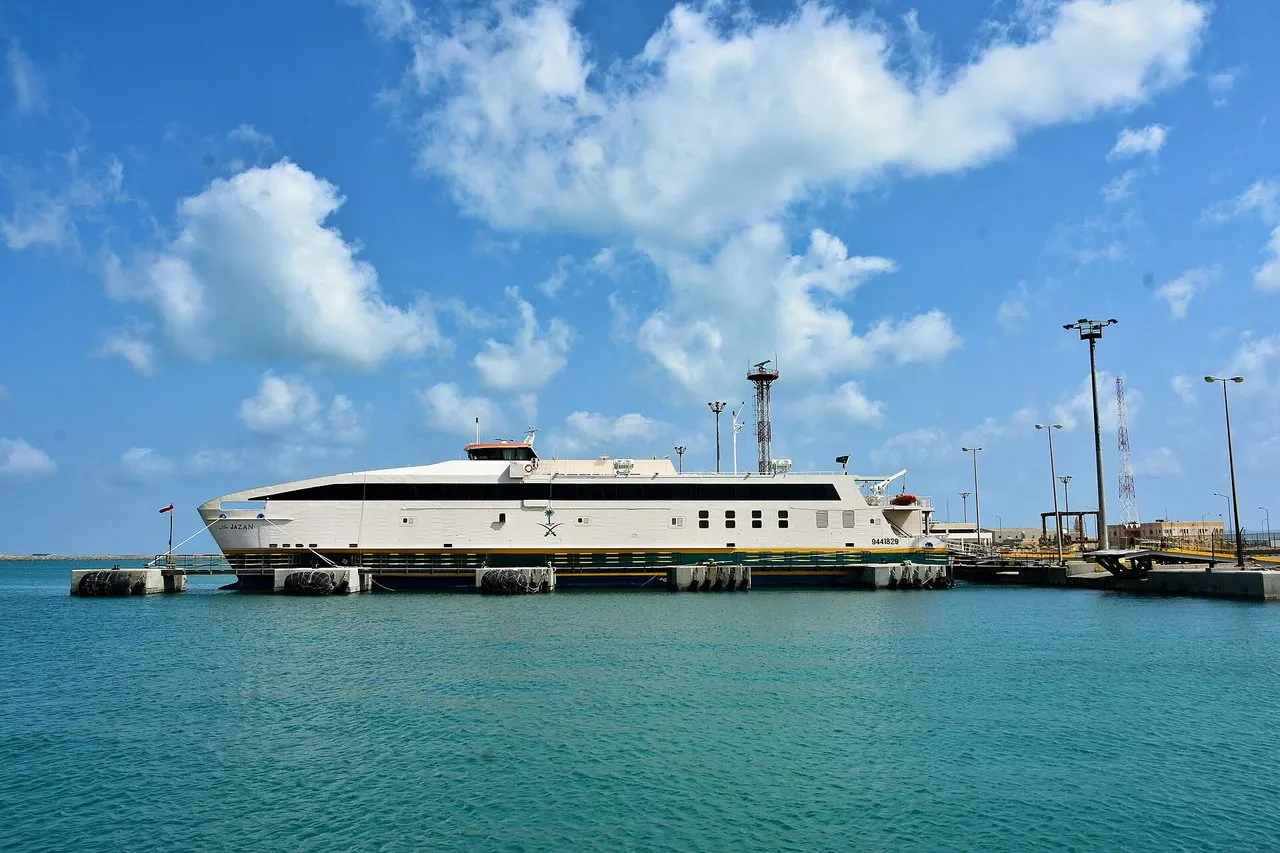
The warning did not stop at Jeddah. Saree said every Saudi port on the Red Sea coast would become a target if Hodeidah port is bombed, and that widened the warning to the whole Saudi Red Sea shoreline. Ports such as Yanbu and the smaller harbours along the coast move oil, cargo and passengers every day. For the crews and workers at those ports, the message was clear. They were told to leave the area at once. Read more in our report on the intelligence shared with Iran and in our report on the Rohingya warning from Mohamad Safa.
The Jeddah Port Warning Tells Workers to Leave
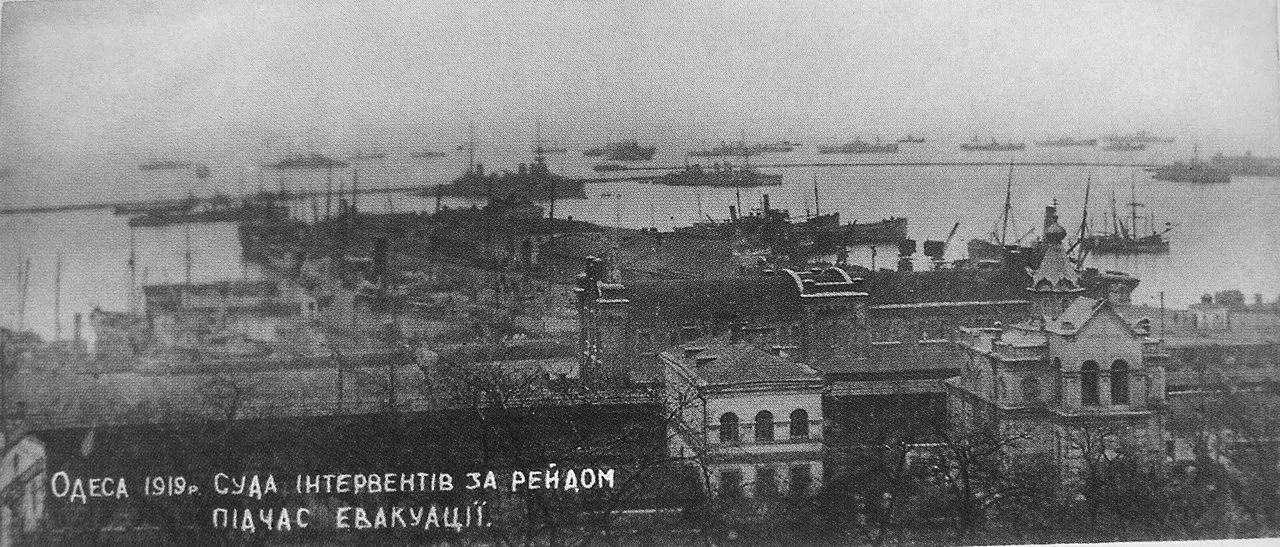
Saree urged port workers and nearby residents to leave the area at once, and that part of the message was aimed at ordinary people. Port workers load and unload ships, drive cranes and keep the docks running around the clock. Many of them live close to the water, in homes that sit within sight of the cranes. An evacuation call like this turns a distant warning into a personal choice for every family. Read more in our report on the briefing after the long flight from China and in our report on the joke about daily Washington spending.
The Coalition Order to Clear Hodeidah Port
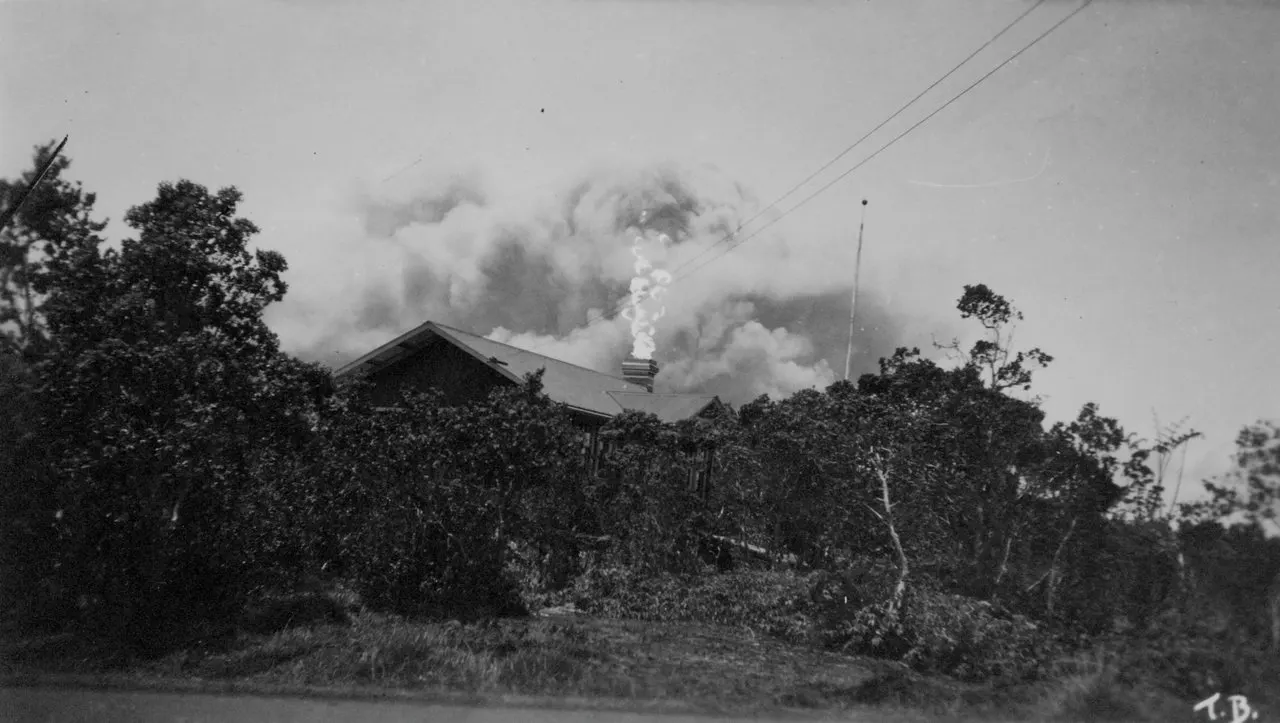
Before the warning, the Saudi led coalition told civilians to evacuate Hodeidah port for their safety. Evacuation orders are rare for a working port, because a port is a place where hundreds of people earn their living and where food and fuel arrive every day. When the coalition later said it had struck facilities at Hodeidah, the warning from Saree followed. The two sides were now trading threats over the same stretch of water. Read more in our report on the FAA briefing and the debate that followed and in our report on the speech PLO Lumumba gave in Lagos.
Port Workers Told to Leave at Once
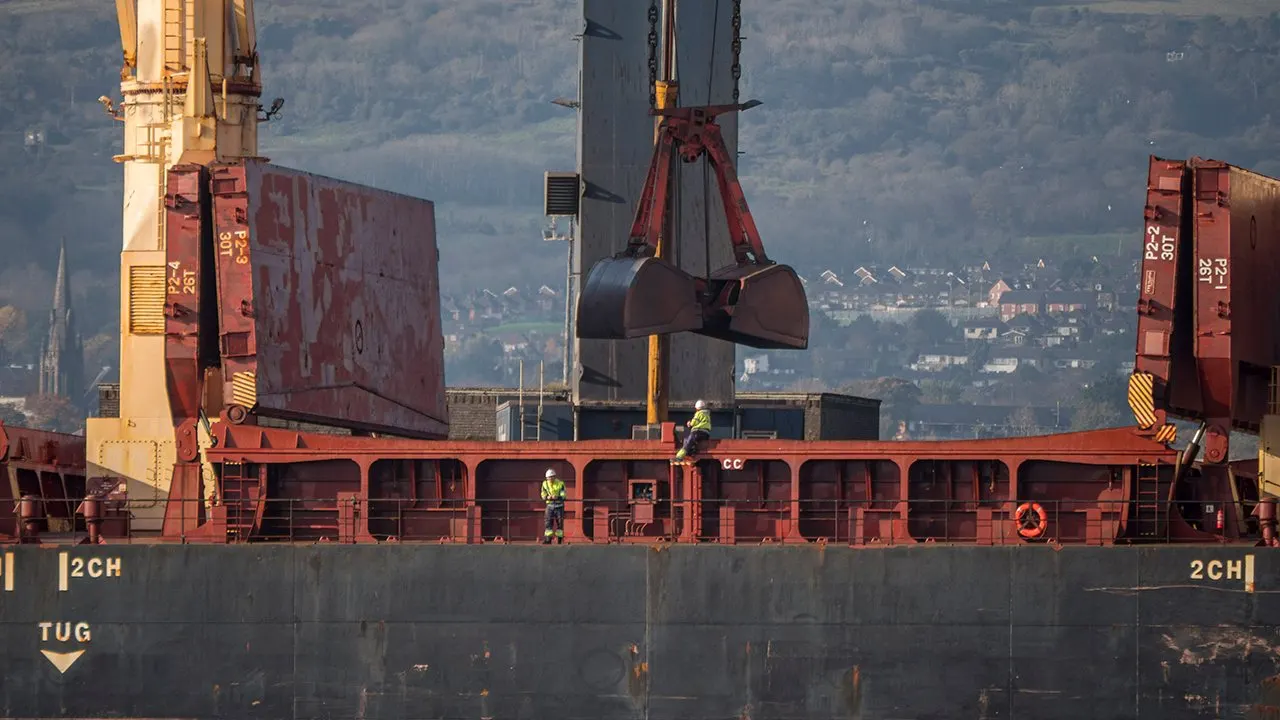
Dock workers are the people who keep a port moving, and they are the first to feel a warning like this one. They guide ships into berths, tie up ropes, drive forklifts and stack containers. When they are told to leave at once, the whole rhythm of the port stops. Cranes stand still, ships wait and cargo sits in the yard. For workers who are paid by the day, leaving also means losing income. Read more in our report on the China trip and the trade deals and in our report on the stalled Ohio child marriage bill.
The Jeddah Port Warning Tells Ships to Leave Saudi Ports
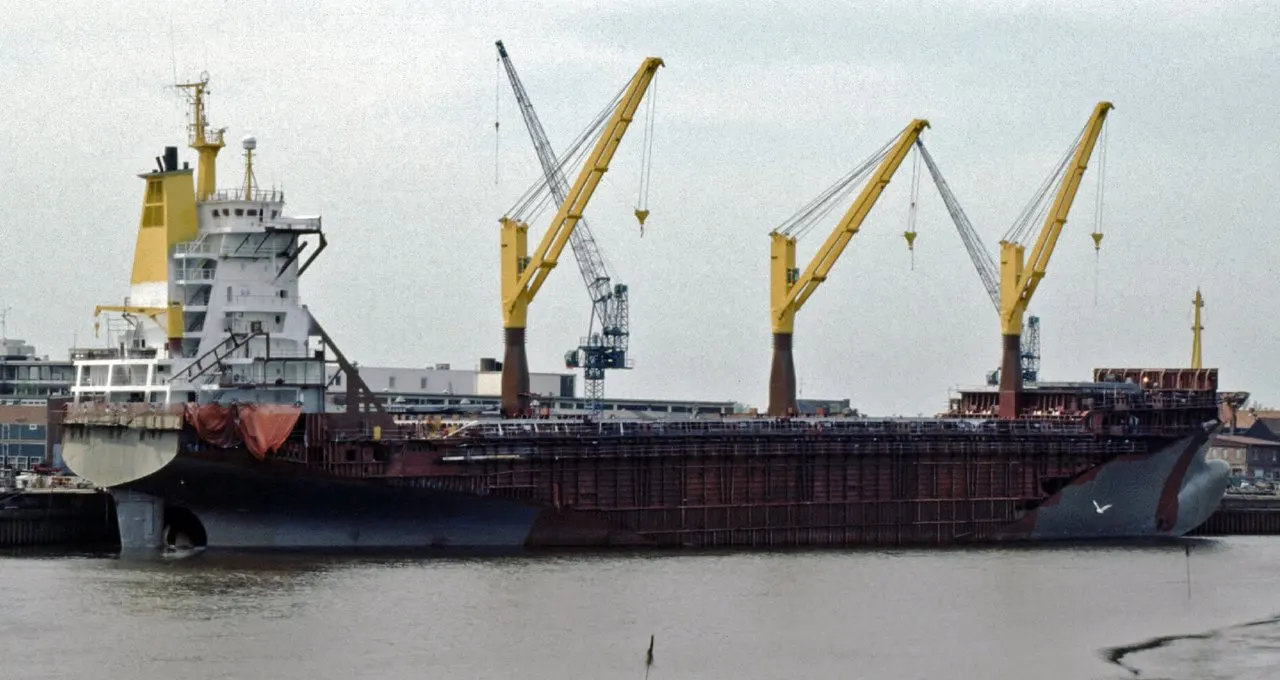
Saree also called on shipping companies to pull their vessels out of the Saudi ports, and that call reached far beyond the docks. A container ship is a floating warehouse, and moving one takes planning and fuel. Companies must weigh the cost of leaving against the risk of staying, and they must tell crews, customers and insurers what they plan to do. When ships leave a port, berths sit empty and cargo waits. Read more in our report on the bill to ban toxic pesticides from food and in our report on the city owned grocery store plan.
The Red Sea Coast After the Jeddah Port Warning
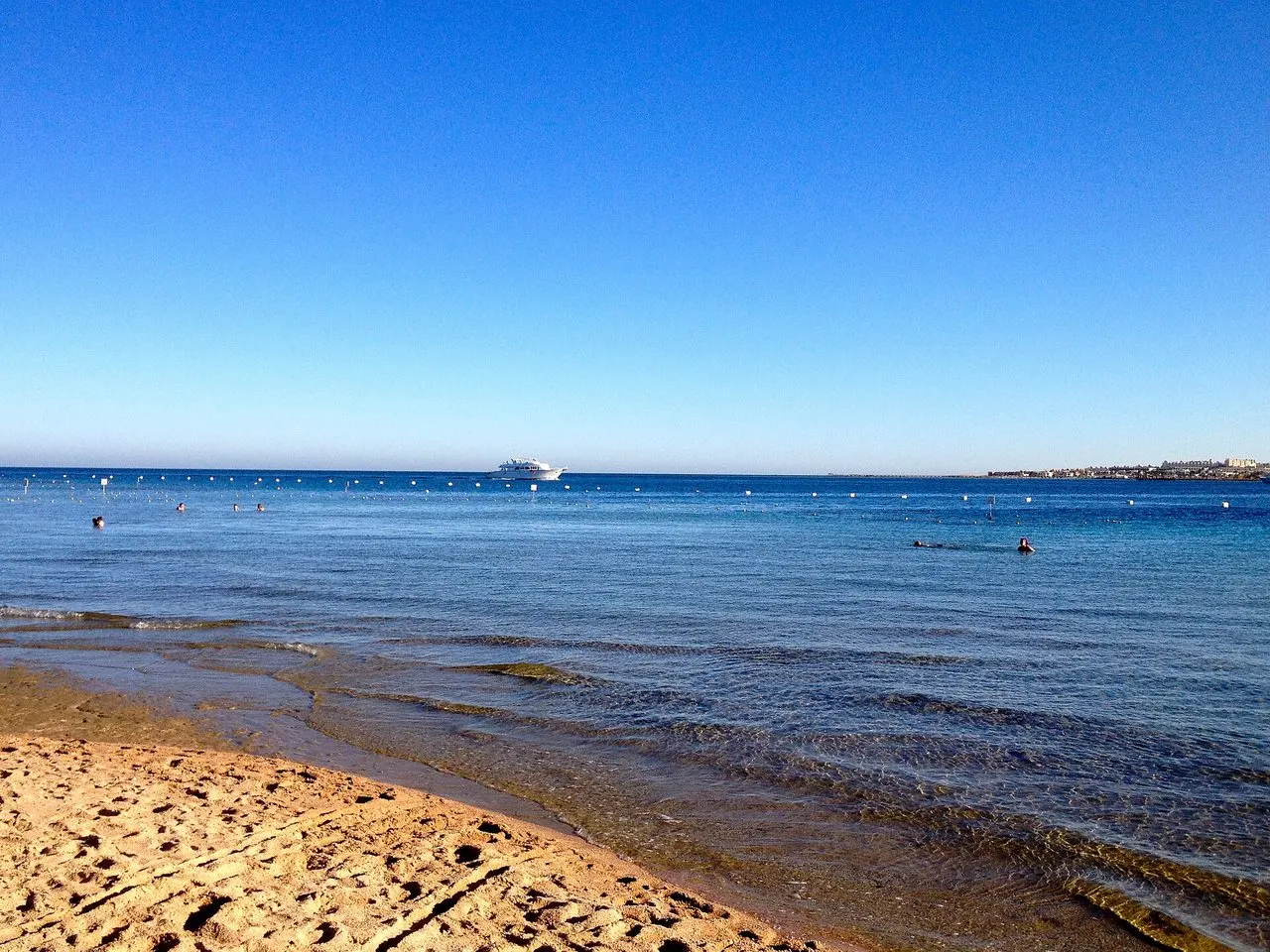
The Red Sea coast is a narrow strip of water that links the Mediterranean to the Indian Ocean, and its ports serve millions of people on both shores. On the Saudi side sit Jeddah and Yanbu, and on the Yemeni side sits Hodeidah. Fishing boats, ferries, cargo ships and tankers share the same lanes every day. A warning that covers every Saudi port on this coast is a warning about the whole waterway. Read more in our report on Liz Cheney warning her Republican colleagues and in our report on the call to European leaders about Ukraine.
Container Ships Carry the Region Trade
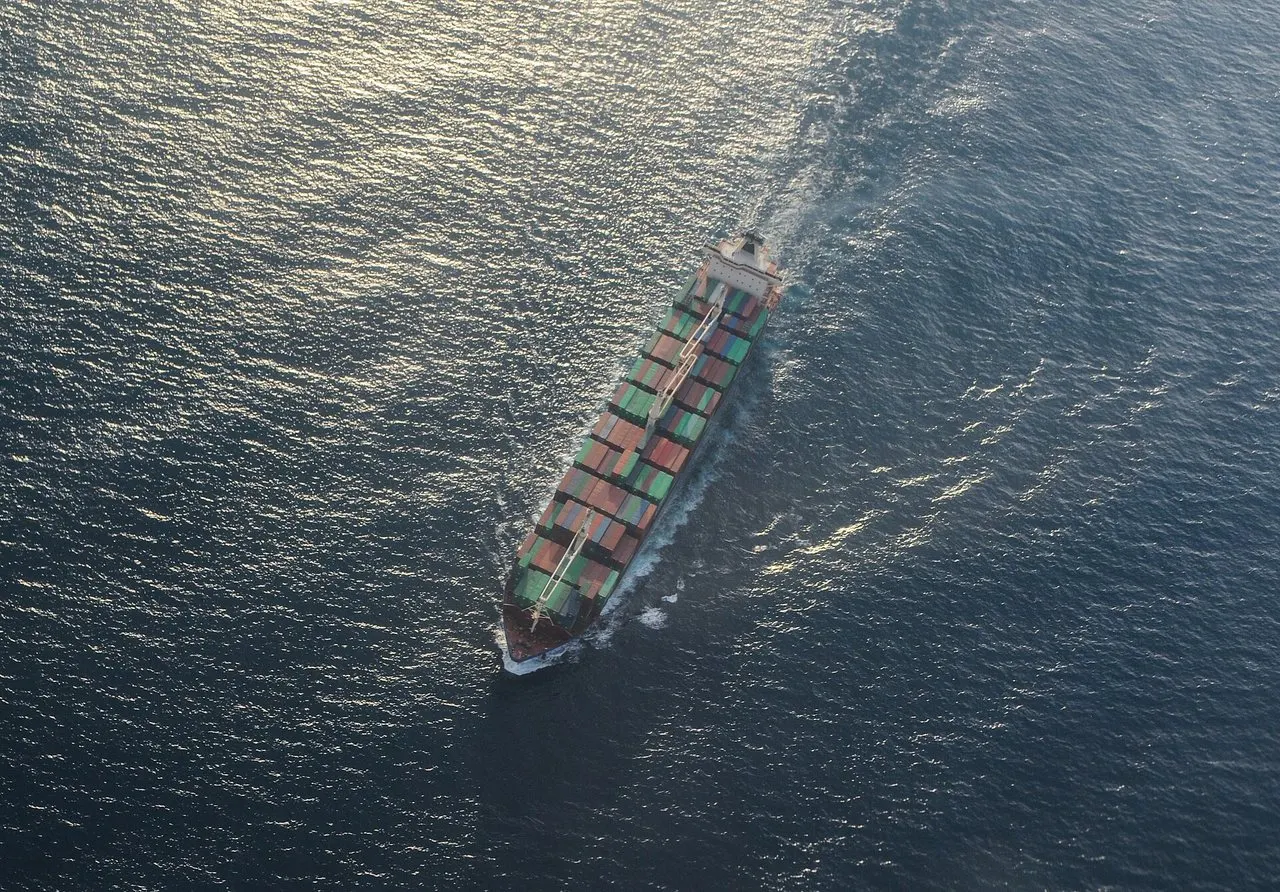
Container ships are the workhorses of world trade, and the Red Sea is one of their busiest routes. A single large ship can carry thousands of steel boxes filled with food, clothes, machines and medicine. When a port is threatened, those boxes do not move, and the delay ripples out to shops and factories far away. Shipping firms watch warnings like this one closely, because a single incident can close a lane for days. Read more in our report on the plan to close Rikers Island by 2032 and in our report on the outrage over Marco Rubio remarks.
Food and Aid After the Jeddah Port Warning

Hodeidah is the main entry point for food, fuel and aid into northern Yemen. Millions of people in Yemen depend on supplies that arrive through the port, from sacks of grain to boxes of medicine. Aid workers sort and hand out those supplies in towns and villages. If the port is hit or closed, the flow slows and prices rise. Families who already struggle to buy food would feel it first. Read more in our report on the delivery fee warning for New York shoppers and in our report on the legal fees question facing Fani Willis.
Fuel Tankers and the Oil Lifeline
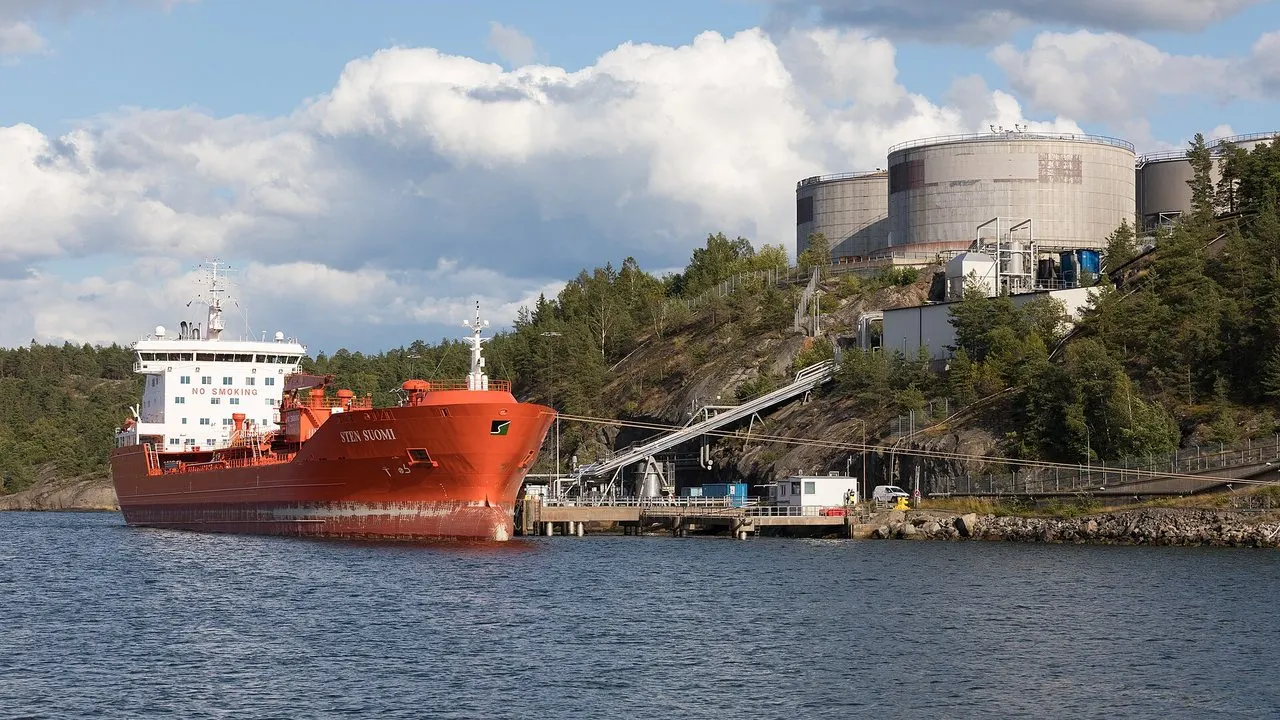
Fuel is the other lifeline that runs through these ports. Tankers carry oil and fuel across the Red Sea, and the fuel keeps power plants running, trucks moving and hospitals lit. Hodeidah is a key entry point for fuel into northern Yemen, and Saudi ports on the far shore load and unload tankers of their own. A threat that covers ports on both sides of the water puts that fuel trade in doubt. Read more in our report on the Pentagon audit and the student loans debate and in our report on the canned M1911 pistols sealed like soup.
Sanaa, the Capital Behind the Headlines
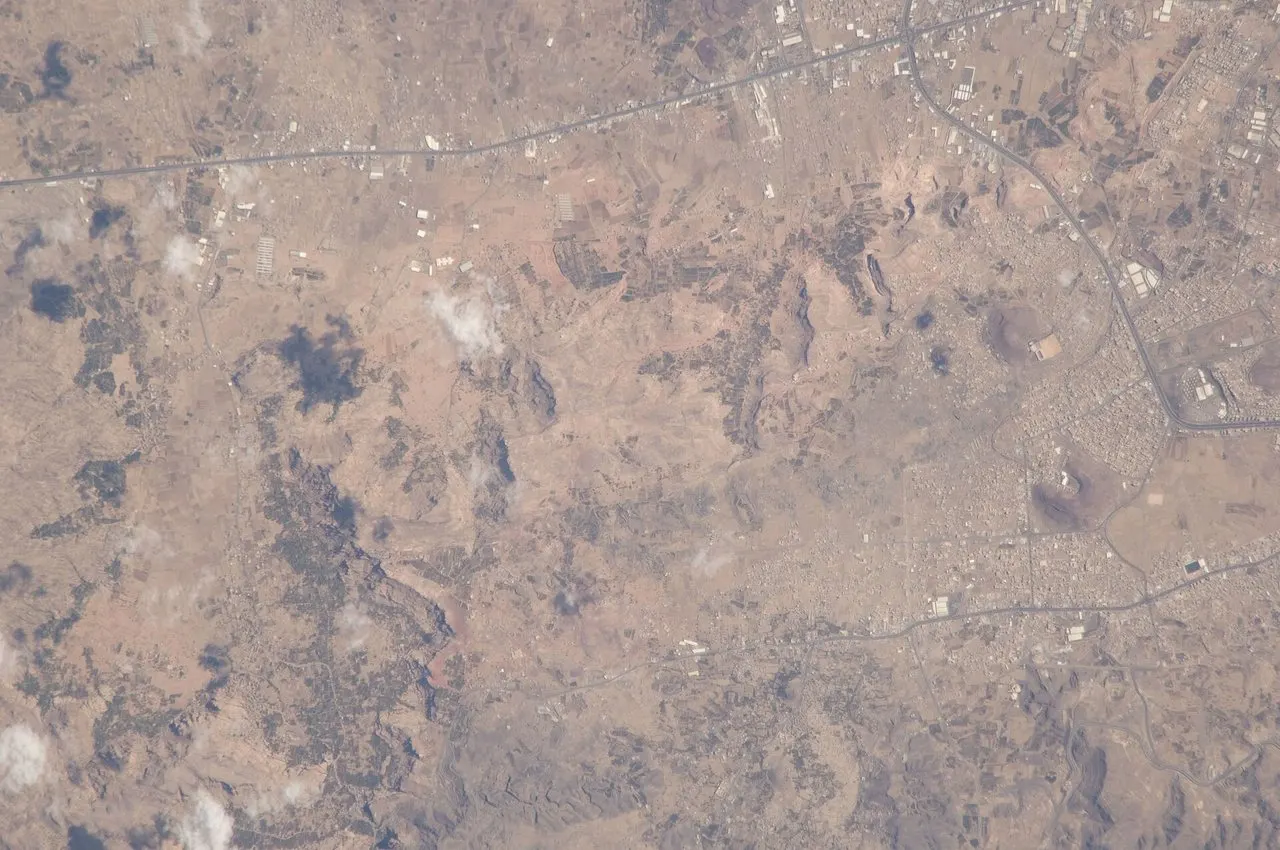
Sanaa is the capital of Yemen, and it is the city where the Houthi movement holds power. Its old city is famous for tower houses built of stone and brick, and its markets have traded goods for centuries. When Saree speaks, he speaks from Sanaa, and his words reflect the position of the movement that runs the capital and the north. Life in Sanaa goes on through warnings and strikes, with shops opening and families making do. Read more in our report on the intelligence shared with Iran and in our report on the Rohingya warning from Mohamad Safa.
Warships Patrol a Busy Stretch of Water
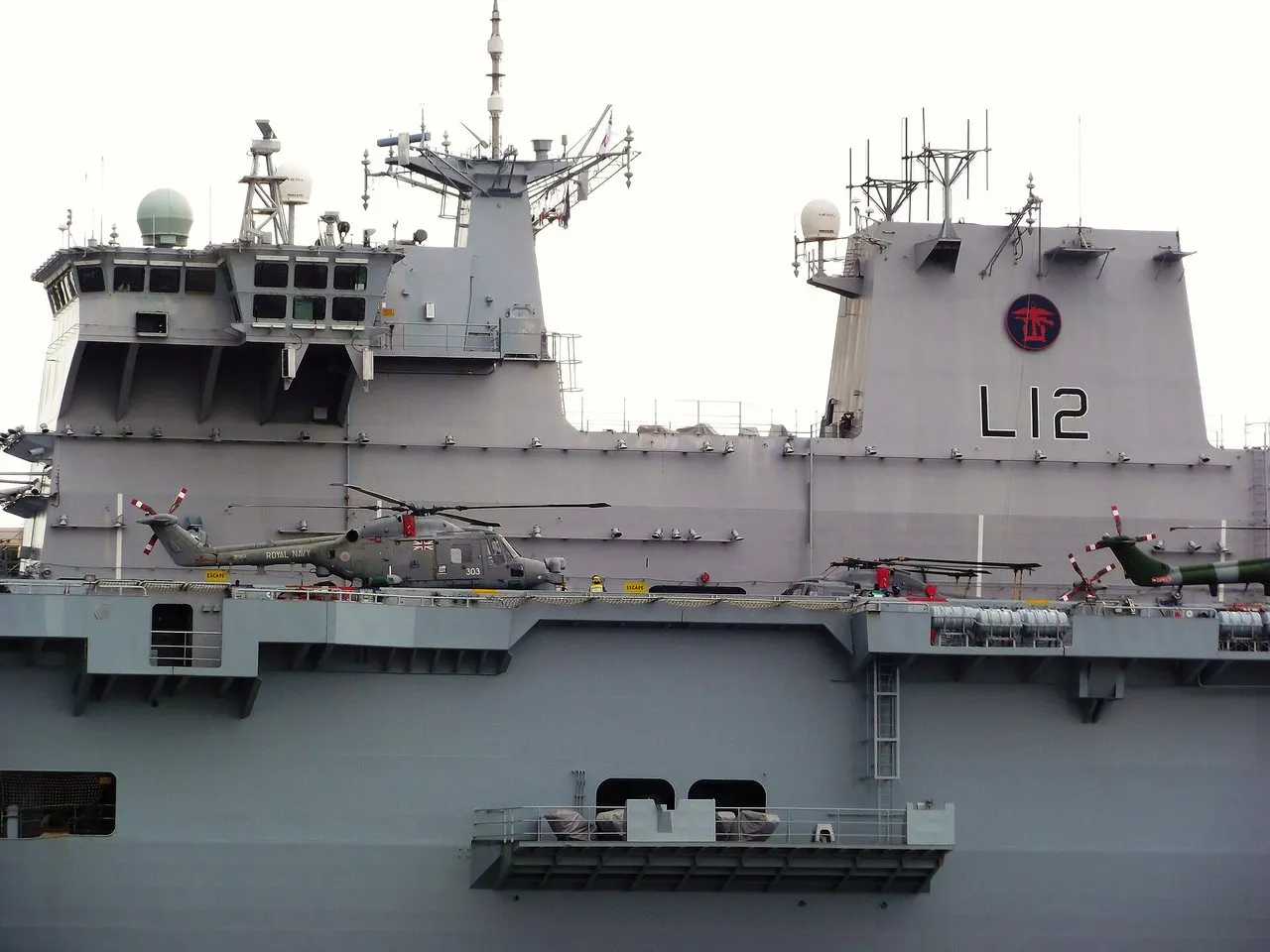
Warships from many nations patrol the Red Sea, because the waterway is too important to leave unguarded. They escort merchant ships, watch for threats and respond when trouble starts. The Red Sea has seen attacks on shipping before, and navies have learned to stay close to the lanes that matter most. A warning that names ports on the Saudi coast adds to the work of every captain on patrol. Read more in our report on the briefing after the long flight from China and in our report on the joke about daily Washington spending.
Riyadh Watches the Jeddah Port Warning

Riyadh is the capital of Saudi Arabia, and it is where the decisions about the coalition are made. The city is far from the Red Sea coast, but its leaders follow every warning about Jeddah and the other Saudi ports closely. Saudi Arabia has invested in its ports, and Jeddah is a source of pride and trade. A threat against the ports is a threat against the economy of the whole kingdom. Read more in our report on the FAA briefing and the debate that followed and in our report on the speech PLO Lumumba gave in Lagos.
Daily Life in the Streets and Markets of Yemen

Away from the ports and the warnings, daily life in Yemen goes on. Markets open in the morning, traders lay out fruit, bread and cloth, and families buy what they can afford. Many people in Yemen live with little, and the price of food and fuel shapes every day. A warning about the ports reaches these markets quickly, because traders know that a closed port means higher prices. Yet people still gather, talk and trade. Read more in our report on the China trip and the trade deals and in our report on the stalled Ohio child marriage bill.
Cranes Keep Moving Boxes at the Terminal
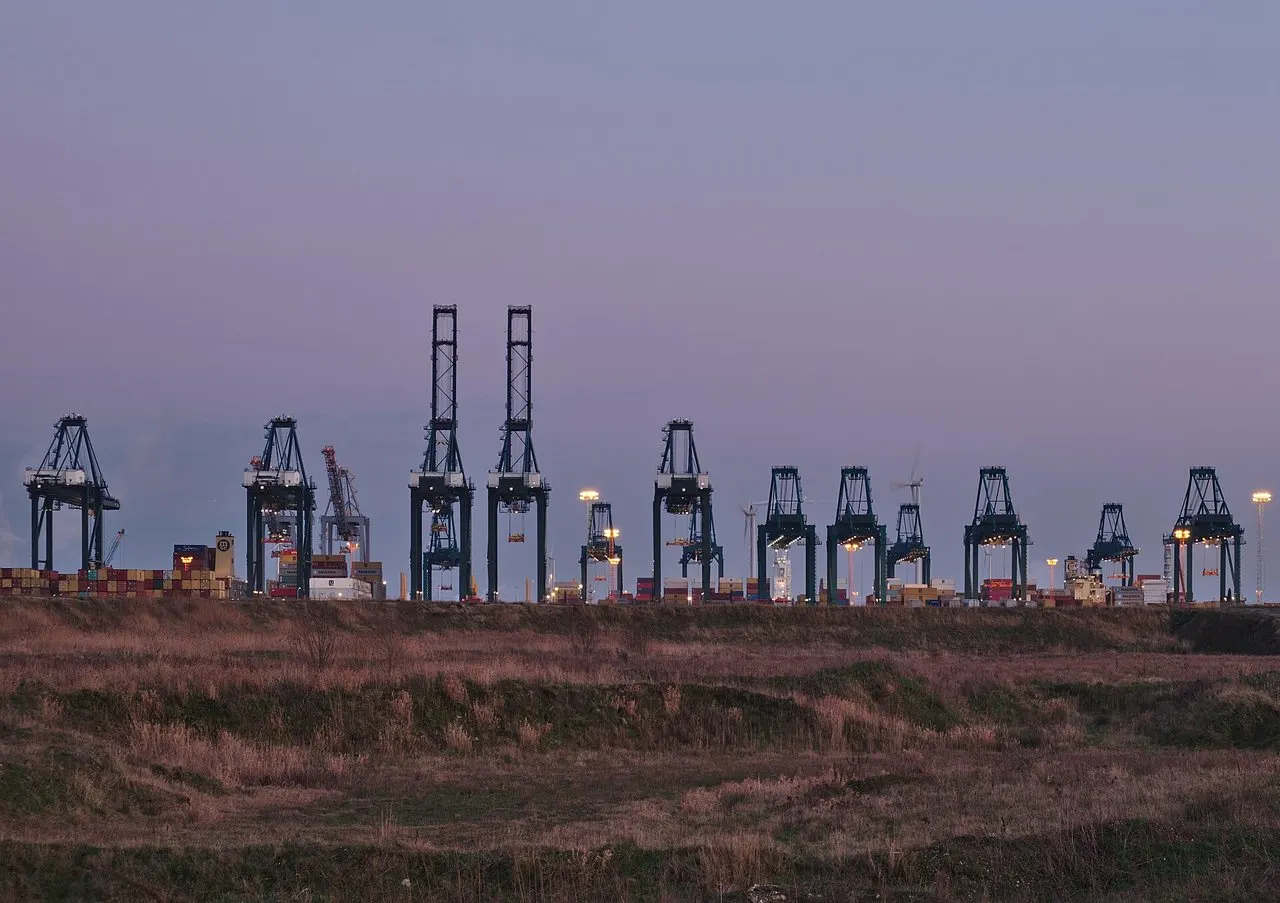
A container terminal is a forest of cranes, and each crane lifts steel boxes from ship to shore and back again. The work never really stops, because ships arrive on tight schedules and cargo must keep moving. Terminal workers plan every lift in advance, and a single delay can push a whole queue of ships behind schedule. When warnings hang over a port, terminal managers watch the news between shifts and keep their crews safe. Read more in our report on the bill to ban toxic pesticides from food and in our report on the city owned grocery store plan.
Oil Tankers Cross Open Water Every Day
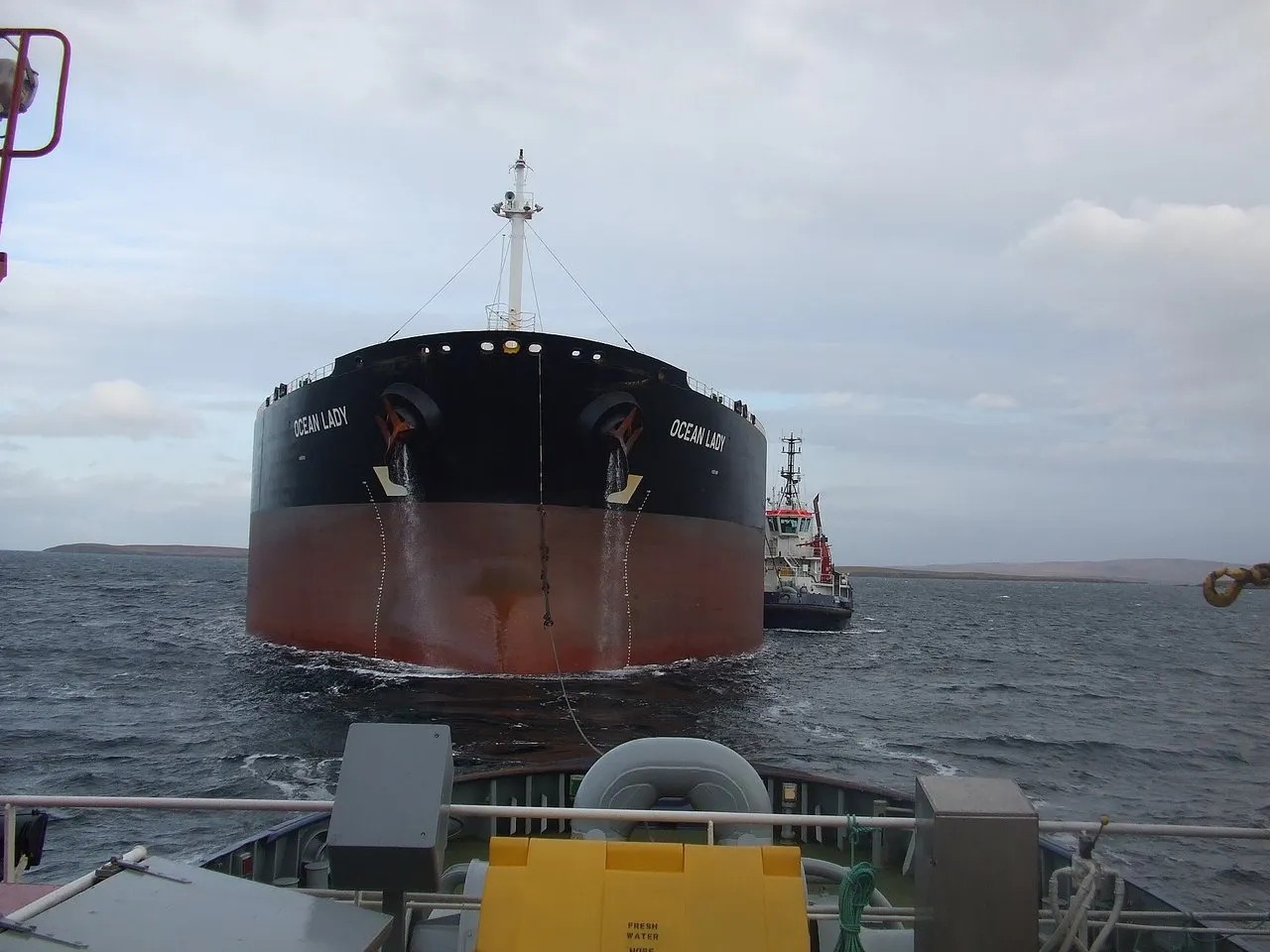
Oil tankers are some of the largest ships on the sea, and they cross open water every day. A tanker moves slowly, and it carries a cargo that the whole world needs. Crews on these ships spend weeks at sea, far from home, and they depend on safe ports at each end of the journey. When a warning names the ports on a tanker route, owners and crews pay close attention. Read more in our report on Liz Cheney warning her Republican colleagues and in our report on the call to European leaders about Ukraine.
The Suez Canal and the Jeddah Port Warning
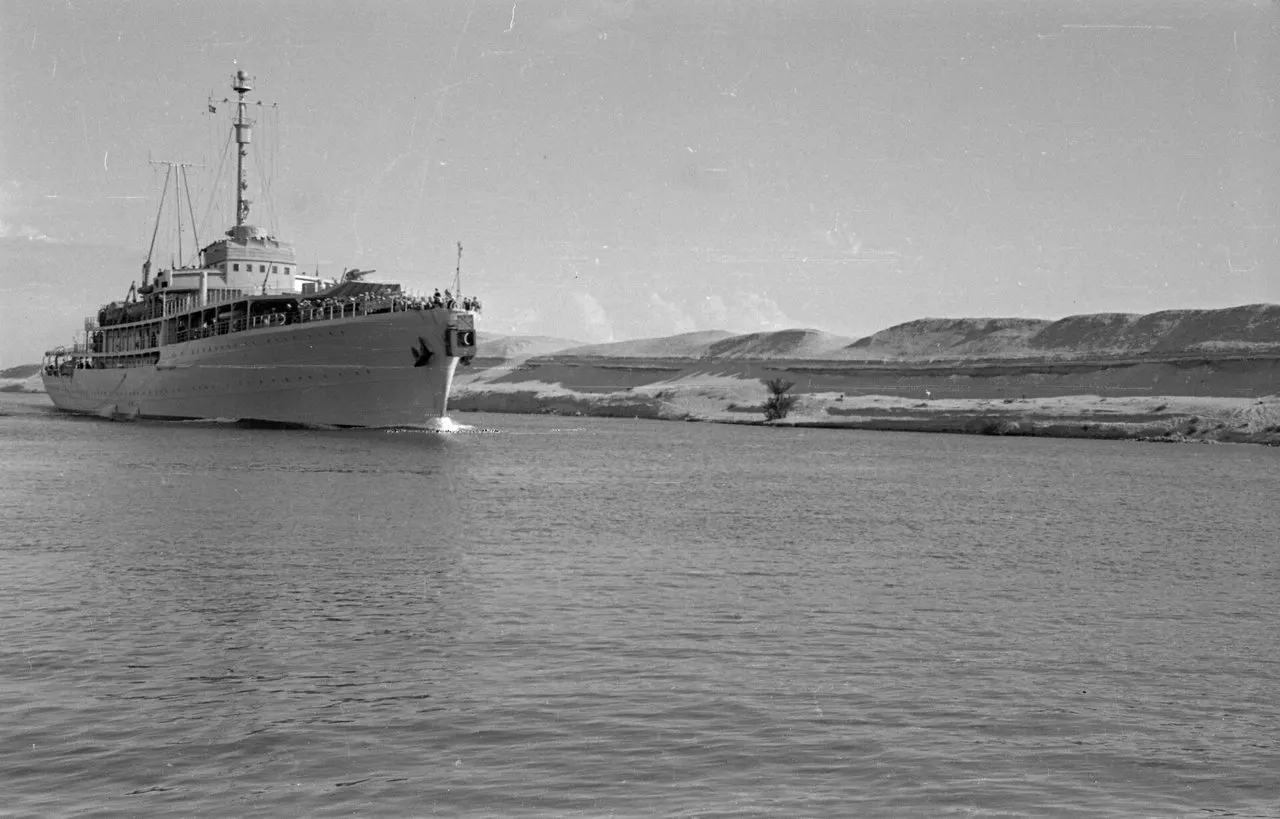
The Suez Canal is the narrow waterway that links the Red Sea to the Mediterranean, and it is one of the most important shipping lanes. Ships that pass Jeddah often head for the canal, and ships that leave the canal often call at Jeddah next. A warning about Saudi Red Sea ports touches the canal trade as well. Canal pilots, tug crews and port staff watch the same news. Read more in our report on the plan to close Rikers Island by 2032 and in our report on the outrage over Marco Rubio remarks.
Empty Berths When Ships Stay Away
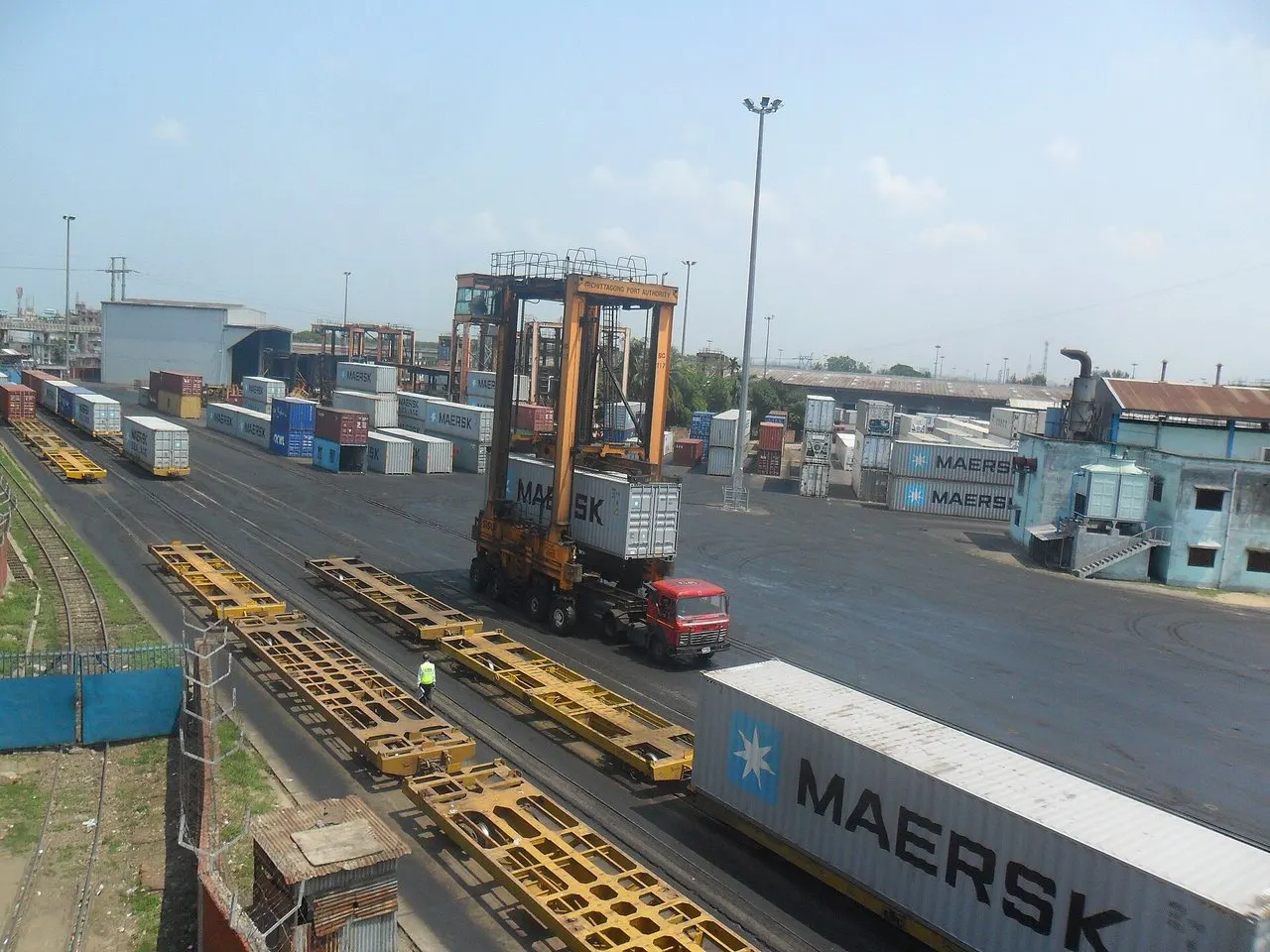
A port with no ships is a strange sight. Berths sit empty, the yard fills with boxes that have nowhere to go. Port workers wait for news, truck drivers wait for loads and shop owners wait for goods. When shipping firms pull their vessels out, the empty berths are the first sign that a warning is being taken seriously. Ports can recover once ships return, but every quiet day costs money and jobs. Read more in our report on the delivery fee warning for New York shoppers and in our report on the legal fees question facing Fani Willis.
Aid Workers Move Boxes of Relief Supplies
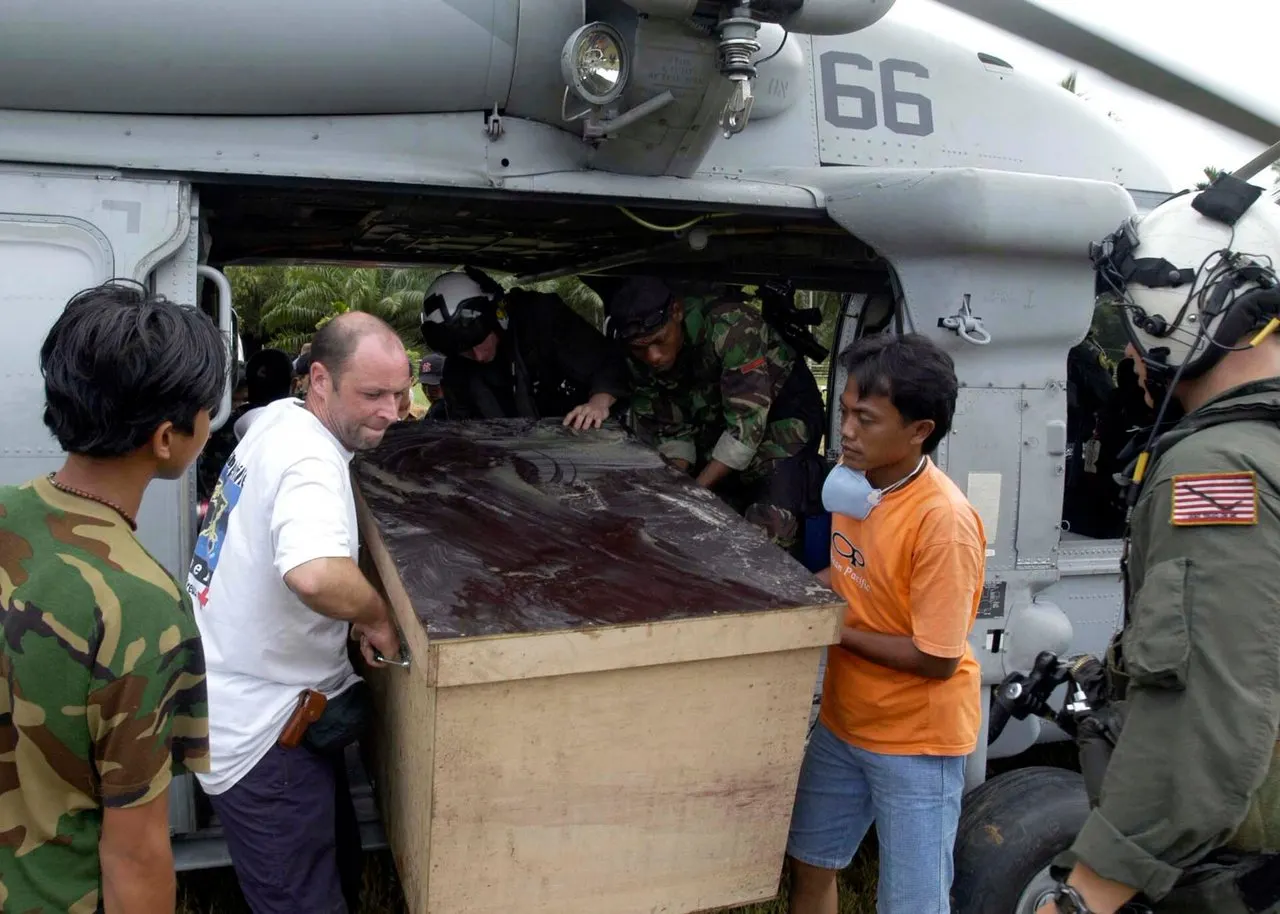
Aid workers are the people who turn port deliveries into help for families. They unload boxes from trucks and helicopters, sort food and medicine, and carry supplies to villages that trucks cannot reach. In Yemen, aid workers have kept going through years of hardship, and they know the roads and the needs of each town. When a port warning puts supplies at risk, aid groups plan for delays and look for other routes. Read more in our report on the Pentagon audit and the student loans debate and in our report on the canned M1911 pistols sealed like soup.
How the News of the Warning Spread

News of the warning spread fast, carried by wire services and news channels around the world. Reuters reported the threat to Jeddah and the other Saudi Red Sea ports, and Al Jazeera covered the exchange of threats over the key ports. Other outlets followed, each adding detail about the evacuation orders and the strikes at Hodeidah. For readers, the lesson is to check more than one source before forming a view. Read more in our report on the intelligence shared with Iran and in our report on the Rohingya warning from Mohamad Safa.
A Map of the Ports in the Jeddah Port Warning
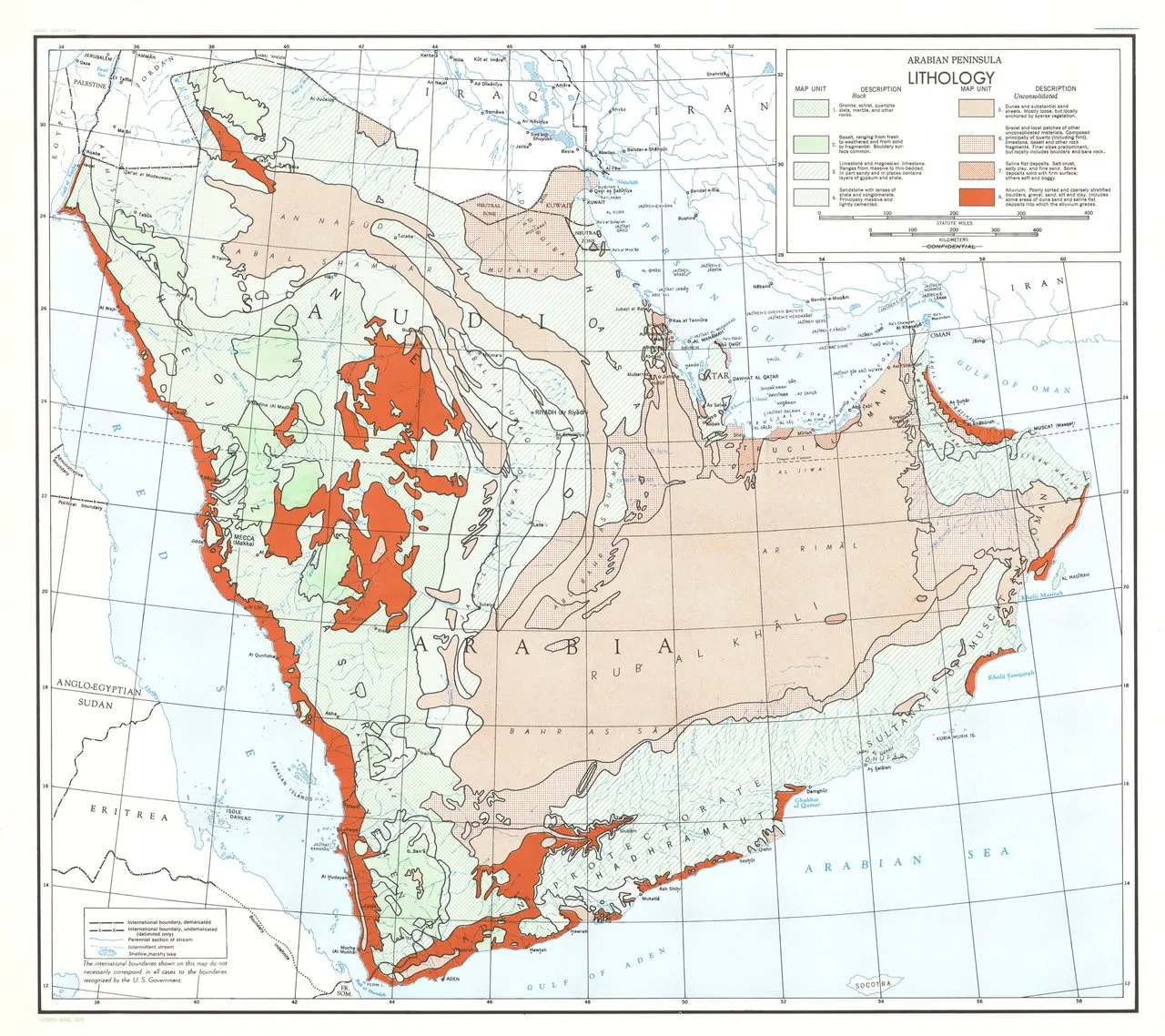
Hodeidah sits on the Yemeni shore of the southern Red Sea, while Jeddah and Yanbu sit across the water on the Saudi shore. The sea between them is narrow, and a ship can cross it in a day. To the north lies the Suez Canal, and to the south lies the Bab el Mandeb strait, the narrow gate to the Indian Ocean. Every port on this map matters to trade. Read more in our report on the briefing after the long flight from China and in our report on the joke about daily Washington spending.
Life on the Bridge of a Container Ship
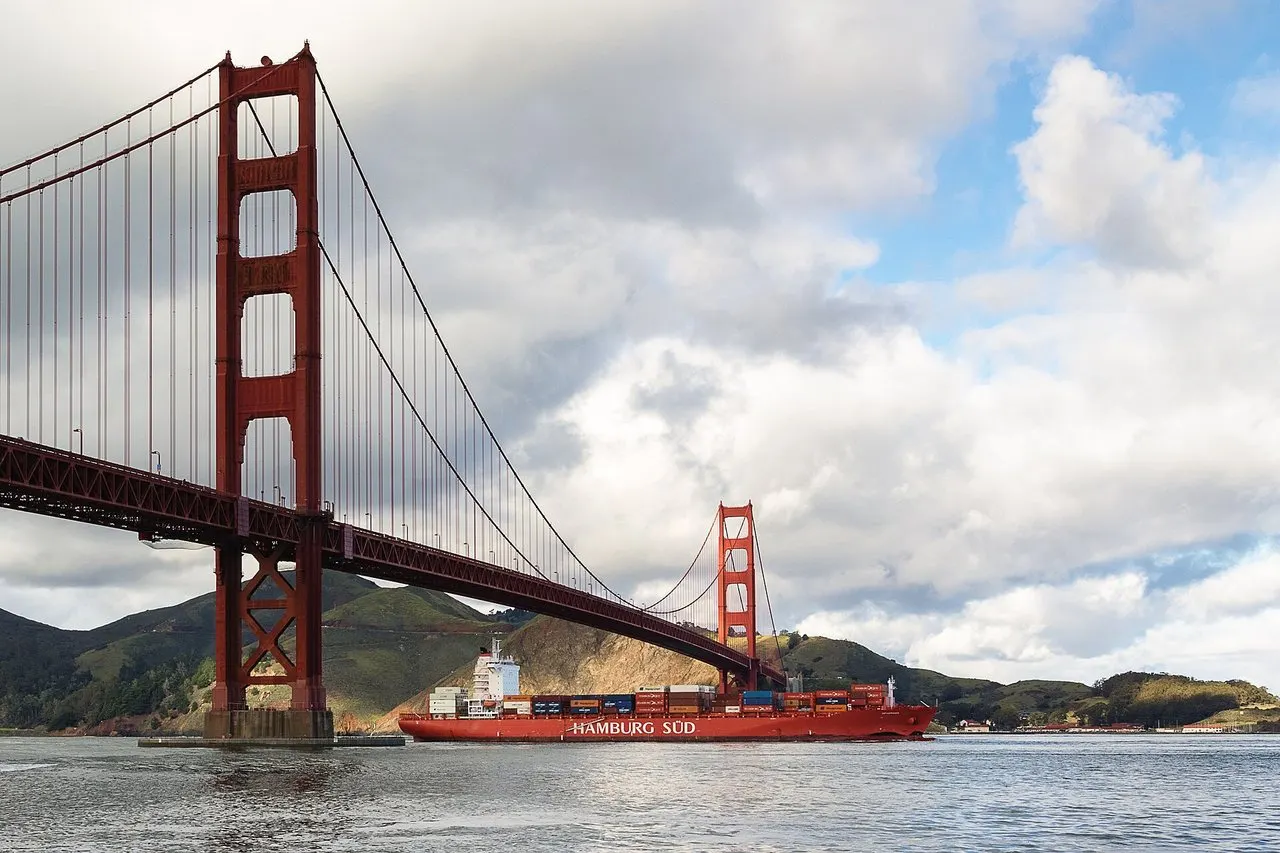
The bridge of a container ship is where the captain and the crew steer the vessel and watch the sea ahead. Radar screens, charts and radios fill the room, and the crew keeps watch around the clock. When a warning names the ports on their route, the bridge becomes the place where hard choices are made. The captain must decide whether to sail on, wait at anchor or change course. Read more in our report on the FAA briefing and the debate that followed and in our report on the speech PLO Lumumba gave in Lagos.
A Red Sea Sunset and Calmer Waters

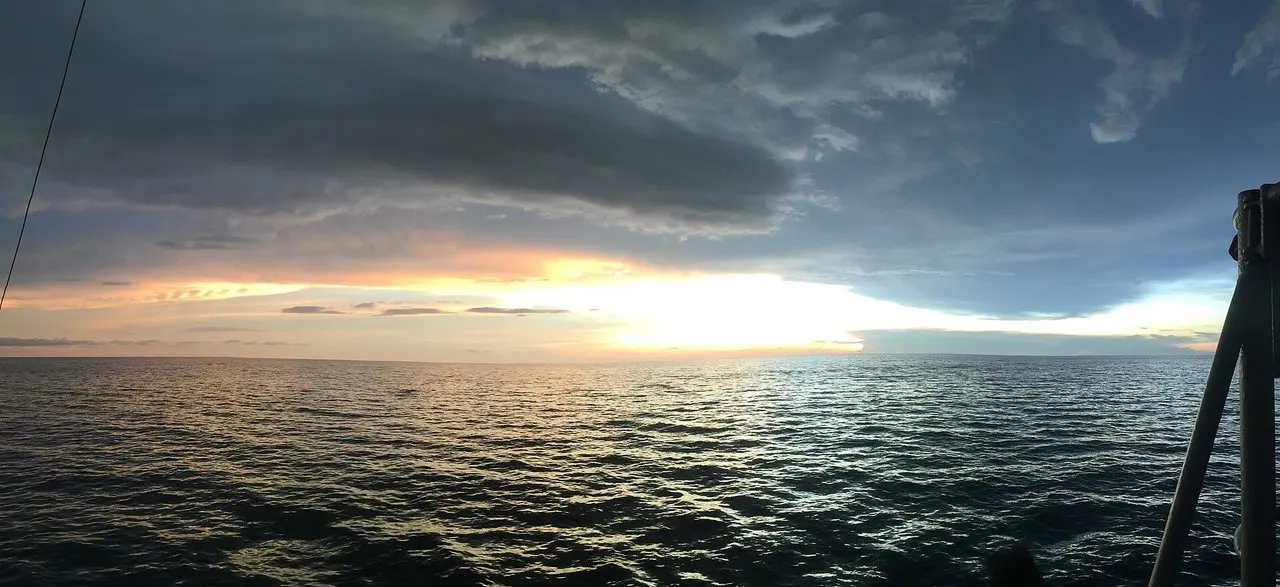
At sunset the Red Sea turns gold and pink, and the water calms. Fishing boats head home, and the ports light up along the shore. It is easy to forget, in that quiet light, that the same water carries warnings and warships. Yet the sunset is also a reminder that the sea belongs to everyone who lives beside it. Fishermen, traders and families on both shores share the same tides and the same sky. Read more in our report on the China trip and the trade deals and in our report on the stalled Ohio child marriage bill.
What Do You Think of the Jeddah Port Warning
We have looked at the ports, the people and the ships caught in the middle of this warning. The facts are clear, but what happens next is not. Will shipping firms keep their vessels away from the Saudi ports, or will trade return to normal in a few days? Will the warnings fade, or will they grow into something more serious? Tell us what you think in the comments. Read more in our report on the bill to ban toxic pesticides from food and in our report on the city owned grocery store plan.