Karoline Leavitt Babies Remark Followed a New Pew Study
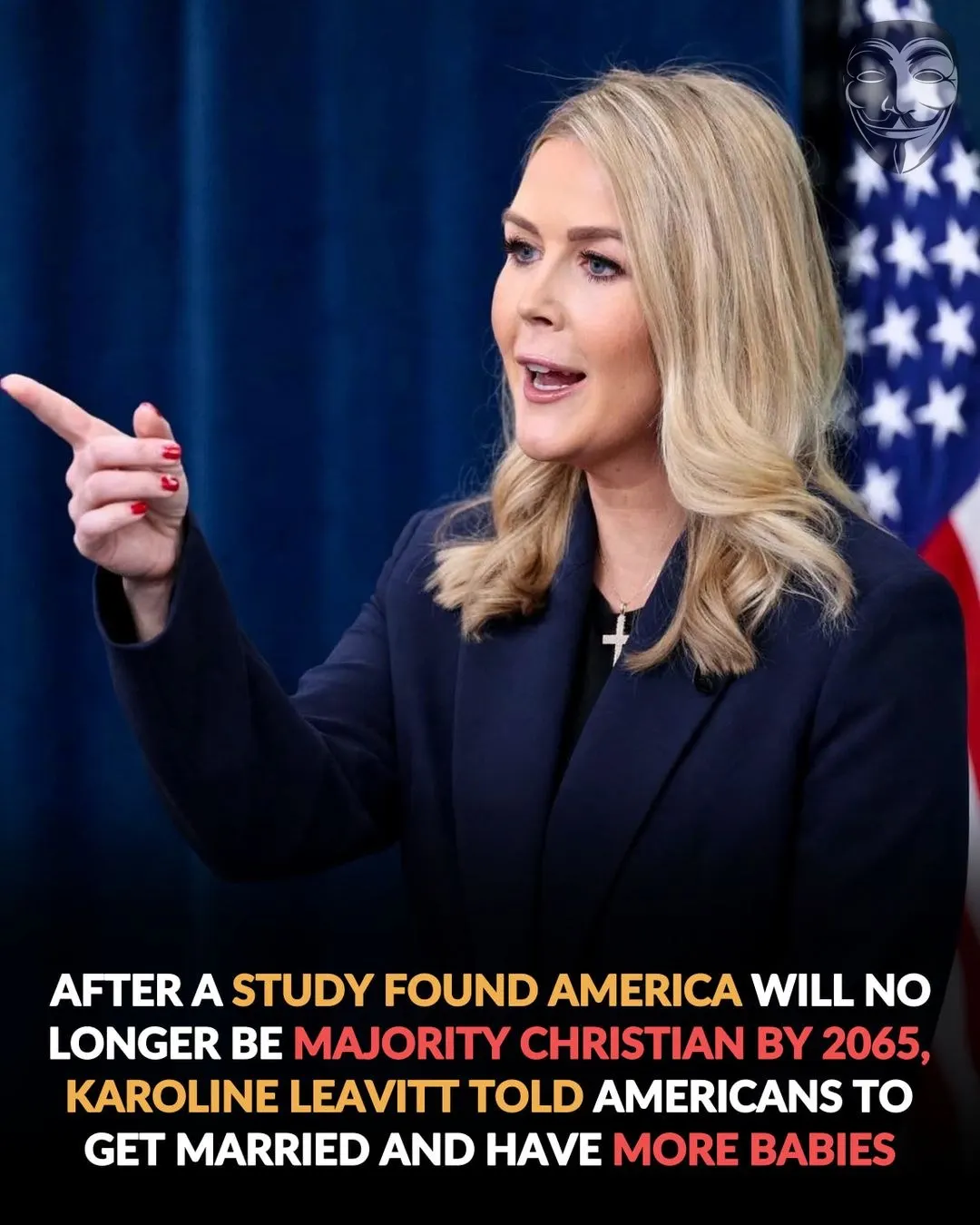
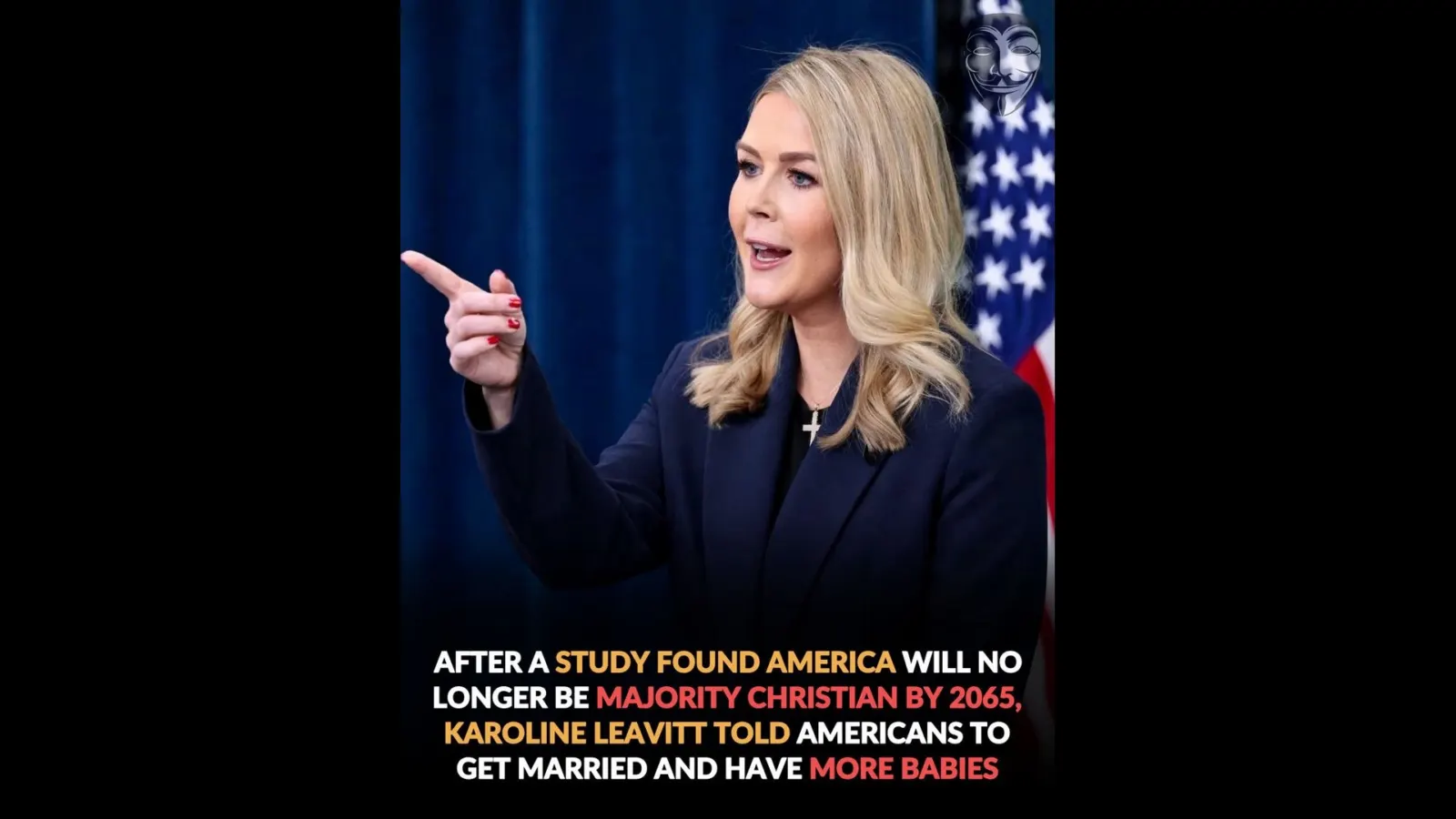
Karoline Leavitt babies advice came right after a new Pew Research Center report on the future of faith in America. On November 19, 2026, the former White House press secretary urged Americans to marry, have more children and raise them in church. Pew projects that Christians in the United States will fall from 64 percent in 2020 to 48 percent by 2070. The same study says Christians will lose their majority around 2065, a date that soon filled the news. For more on how faith shapes young minds, read our report on a study of children and belief.
The post drew a sharp response within hours. Critics pointed out that Pew says the American decline comes mostly from people leaving the church, not from birth rates. That detail matters, because it changes the whole debate about what should be done. In the slides ahead we look at what the study really says, what Leavitt said, and why her answer struck a nerve. You can also read our look at the global shift in faith for the wider picture.
References:
Pew Research Center: The Future of Belief group in North America
American Bazaar Online: Karoline Leavitt urges Americans to have more babies after Muslim belief group projections
Washington Post: Muslims to outnumber Christians worldwide by 2035, study finds
IQNA: Conservative Politicians, Groups in US React to Pew Muslim Population Forecast
What the Pew Study Actually Found

Pew Research Center looked at how faith groups in North America may change in the decades ahead. Its report says Christians in the United States will drop from 64 percent of the population in 2020 to 48 percent by 2070. That is a large fall over fifty years, and it means Christians would no longer form a majority. The study also looks at the rest of the world, where the picture is different. Read our report on the Pew finding for 2035 for more detail.
Karoline Leavitt Babies Call: Marry and Have More Children
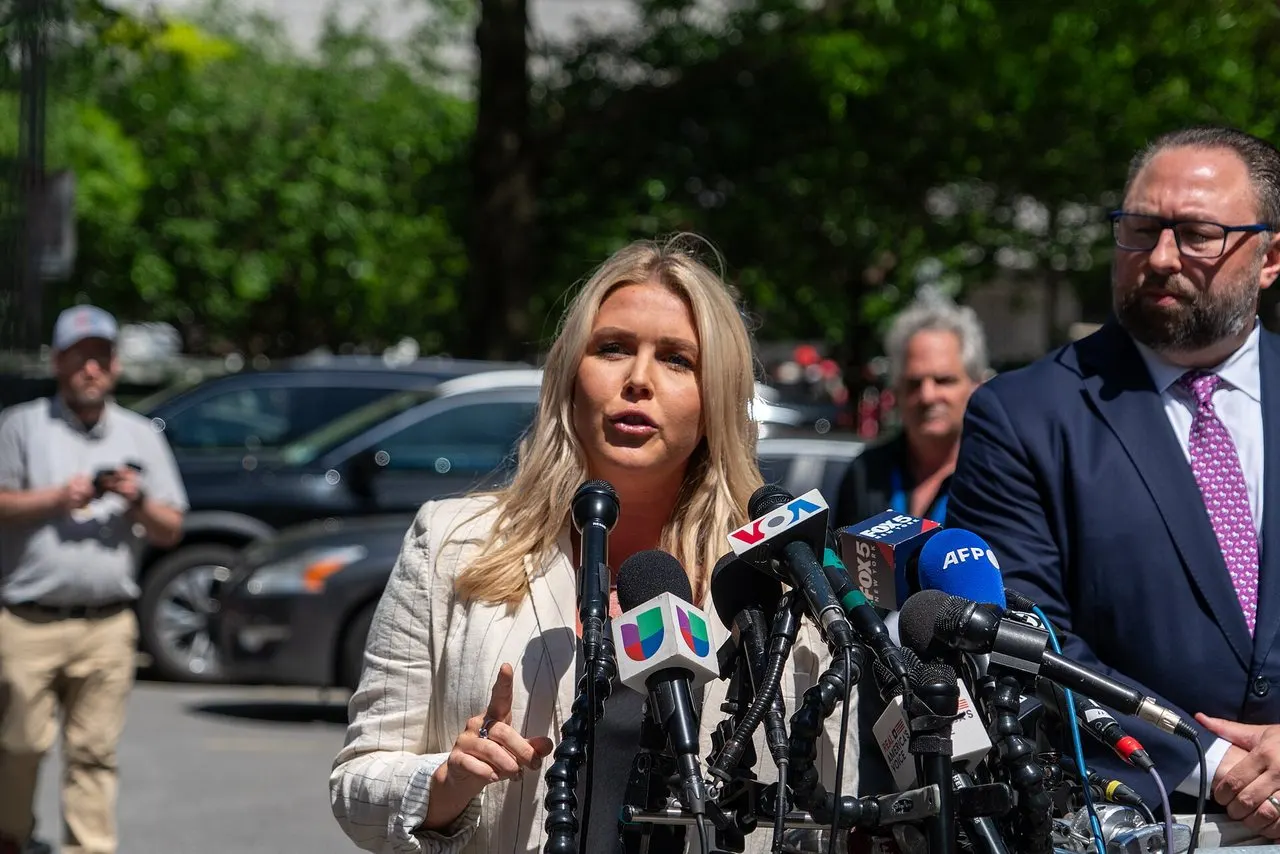
Leavitt answered the study with a direct call to action. She told Americans to get married and have more babies, and to raise those children in church. Her message tied the future of faith to family life in a simple way. It was short, plain and easy to share, which is why it spread so fast. The post reached a wide audience within hours of going up. For the wider numbers behind her words, see the Pew projection for 2035.
Why the Year 2065 Matters So Much

The year 2065 is the point when Pew expects Christians to lose their majority in the United States. That date is less than forty years away, close enough that many people alive today will see it. It does not mean Christianity disappears. Pew says Christians will still be the largest belief group in the country. But the change from majority to plurality is a big one. Learn more in our report on the 2035 shift.
Muslims Will Outnumber Christians Worldwide by 2035

The global picture in the Pew study is just as striking. Pew projects that Muslims will outnumber Christians worldwide by 2035, less than ten years from now. By 2070, Muslims are expected to reach about 3.6 billion people around the world. These numbers come from birth rates, age profiles and switching between faiths. They describe a slow and steady change, not a sudden event. Read the full finding on the largest faith.
Karoline Leavitt Babies Advice Missed the Real Cause

The sharpest reply to Leavitt came from people who read the study closely. Pew says the American decline is driven mostly by people leaving the church, not by birth rates. That means more babies alone would not fix the trend. Adults who grew up Christian are choosing to leave, and fewer young people are joining. The caption on the post made this point in plain terms. See our report on children and belief.
Have More Babies Is Not a Plan, Critics Say

The original caption put it bluntly. It said that telling women to have more babies is not a plan but a deflection. The post asked who the message was aimed at, and answered its own question. Women, as always. That line struck a nerve because it framed the advice as a demand placed on women rather than a choice. The debate then moved beyond the numbers. Read our story on fatherhood and time with kids.
Karoline Leavitt Babies Advice and the Women It Targets

Much of the response focused on who bears the cost of the advice. Having and raising children takes years of work, money and care, and in most homes that work still falls on mothers. Critics said the call to have more babies ignored that reality. They also noted that the same movement often backs cuts to programs that help families. That contrast became a central theme in the replies. See our look at a bill to protect children.
Karoline Leavitt Babies Post Says Faith Is Personal
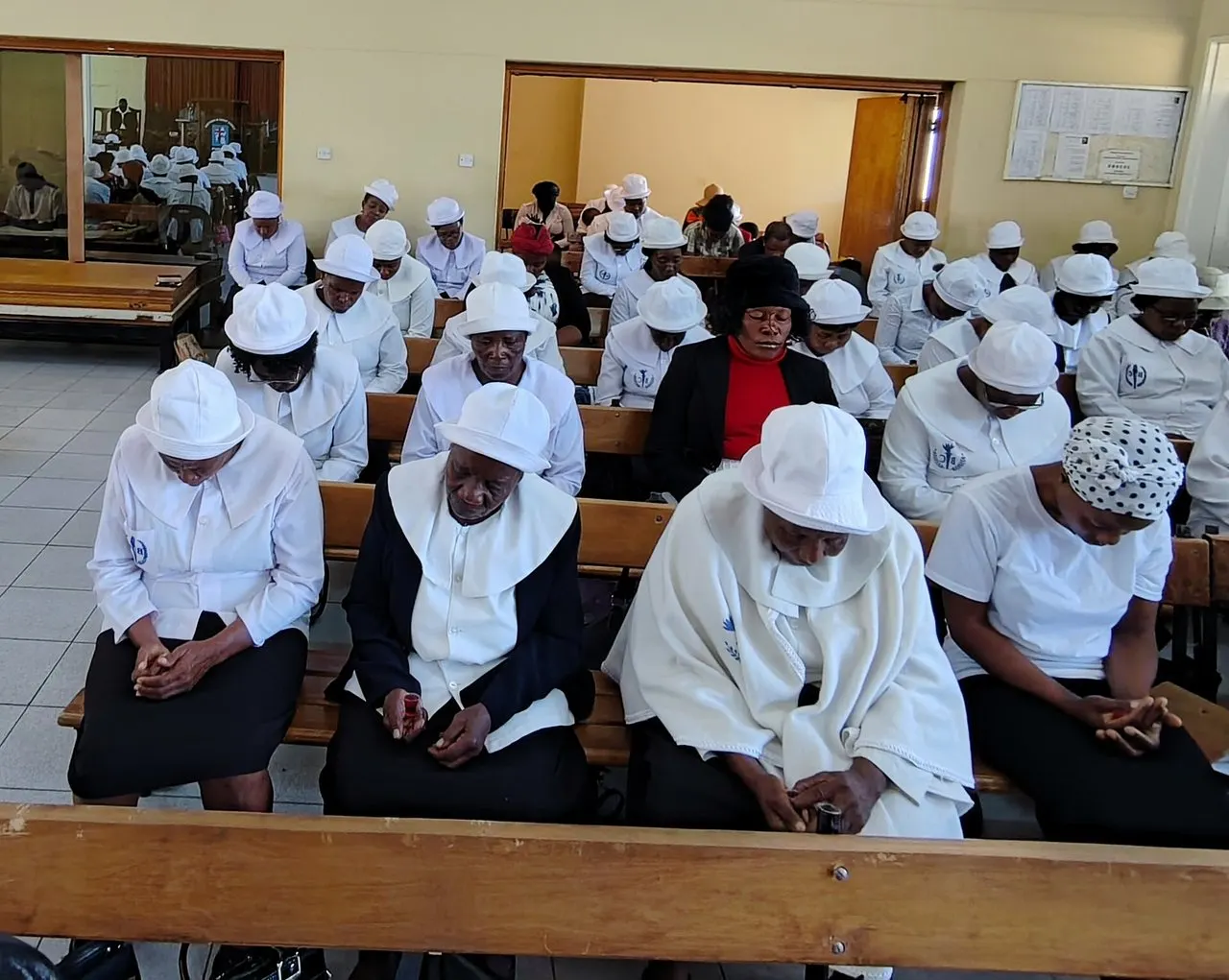
The caption also drew a line between faith and politics. It said faith is personal, and that plenty of people were raised in it and still hold it close. The problem, in the words of the post, is when faith is used as a tool for fear and campaigning. People know the difference between a church and a campaign rally, the post said. That idea ran through many of the replies. Read our report on a study of children and belief.
A Church Is Not a Campaign Rally

The post argued that the loudest champions of the church in politics have hurt the faith they claim to defend. It pointed to a press secretary who stands at a podium and says things that are not true. It pointed to a movement that preaches family values while cutting the programs families depend on. For many readers, that contrast explained why people walk away. Learn more in our story on a TV timeout for a secretary.
The Jury Finding the Post Brought Up
The caption went further and named the president directly. It noted that a jury found him liable for sexual abuse, and that the judge later clarified this means he did in fact rape E. Jean Carroll, as many people commonly understand the word. The jury, the judge wrote, found that Mr. Trump in fact did exactly that. The post used this to ask why people would trust such champions. See our report on a peace deal at the White House.
Karoline Leavitt Babies Message Reaches a Wide Audience

The post itself spread quickly because the topic touches so many lives. Faith, family and the future of the country are things almost everyone has a view on. A short post with a clear claim can travel far in a day. The image headline summed up the story in one line, and the caption gave readers the facts behind it. That mix is why the post drew thousands of replies. Read our story on his arrival in the Philippines.
Marriage Rates Are Falling Across America

Leavitt tied her answer to marriage, but marriage itself is changing in America. Fewer young adults are marrying, and those who do are marrying later in life. Money, housing costs and student debt all play a part in that choice. For many couples, waiting feels like the practical thing to do. A call to marry says little about those pressures. You may also like our story on Kevin Hart and fatherhood.
Raising Children in Church Takes More Than Words

Raising children in a faith takes time, community and steady habits. Families need churches that welcome them, friends who share their values and time in a busy week. A call from a podium does not build those things. Churches themselves know this, and many work hard to keep young families close. The post suggested the answer lies in trust, not in slogans. Read our report on the old law on Muslims in office.
Switching Faiths Drives the Change Behind the Karoline Leavitt Babies Debate

Pew tracks more than birth rates. It also tracks how many people switch faiths during their lives. In the United States, more people leave Christianity than join it, and that gap drives much of the decline. Young adults are the most likely to leave, and many of them do not return later. This pattern has held for years. It is the main reason the majority is set to end. Learn more in the Pew projection for 2035.
Karoline Leavitt Babies Remark in the Press Room

Leavitt is known for her time as White House press secretary, where she spoke for the president at the podium each day. Her words carried weight because they came from that role. When she speaks now, people still listen as if she speaks for the same team. That is why a short post from her can set off a national debate. Read our story on his long flight from China.
How the Numbers Were Calculated

Pew builds its projections from census data, surveys and birth records across many countries. It looks at how old each faith group is, how many children families have and how often people switch faiths. Projections are not promises, and Pew says the future can change. But the broad direction has been steady across many studies. That is why the report drew so much attention. See our look at Islam becoming the largest faith.
Christians Will Still Be the Largest Group

Even as the majority ends, Pew says Christians will remain the largest belief group in the United States. At 48 percent in 2070, they will still outnumber every other group by a wide margin. The change is about a majority becoming a plurality, not about a faith vanishing. That point was lost in much of the online debate. It matters because it keeps the story honest. Read our report on the old law on Muslims in office.
The Global Story Behind the American Numbers

The American story is only one part of a bigger change. Around the world, the share of Christians is also falling as other faith groups grow faster. Islam is growing through higher birth rates and a younger age profile. By 2070, Muslims are expected to reach about 3.6 billion people. These global numbers shape how Americans see their own future. Learn more in our report on his trip across Asia.
Karoline Leavitt Babies Call and the Cost of Raising Kids

Raising a child in America costs a great deal of money. Housing, food, health care and child care add up fast, and many families say they cannot afford a larger family. Critics of the post asked how a call for more babies helps families who already struggle. They pointed to programs that help with food, health and housing. That question stayed open. Read our look at the fight over Medicare for All.
Why Young People Walk Away From Church

Young adults give many reasons for leaving church. Some say they disagree with church teaching on social issues. Some say they had a bad experience with a church or a leader. Others say they simply drifted away as life got busy. Pew has tracked this drift for years, and the numbers keep moving the same way. Churches are still looking for answers. You may also like our report on supporters stepping away.
What Supporters of the Message Say

Not everyone who saw the post disagreed with it. Many Americans value marriage, large families and raising children in faith. For them, the call to marry and have more children sounds like common sense. They see strong families as the base of a strong country. That view is real and widely held, even if the post itself focused on the critics. You may also like our story on Melania Trump and peace.
Karoline Leavitt Babies Debate Reaches the News

News outlets picked up the story within a day. American Bazaar Online reported on her call for more babies after the Muslim faith group projections. The Washington Post covered the finding that Muslims will outnumber Christians worldwide by 2035. IQNA reported on how conservative politicians and groups reacted to the Pew forecast. Each outlet added its own angle. Read our report on his handshake with Putin.
The 2070 Picture: A More Mixed America
By 2070, Pew expects America to look more mixed in faith than it does today. Christians will be the largest group, but nearly half the country will hold other beliefs or none at all. That change will shape politics, schools and daily life in ways we can only guess at now. It is a slow change, but it is a real one. Learn more in our story on his long flight from China.
What Churches Can Do to Keep Families Close

Churches that keep young families often do a few simple things well. They welcome newcomers, offer help to parents and give young people a real voice. They also speak plainly about the issues that matter to families. Trust grows when words match actions, and the post argued that trust is exactly what has been lost. That is a challenge for every church. Read our story on two teens found safe in Georgia.
Karoline Leavitt Babies Story and the Bigger Debate
In the end, the post was about more than one study or one remark. It was about who gets to speak for faith in America, and what faith asks of ordinary people. The numbers will keep moving, and the debate will keep going. What matters most is whether the conversation stays honest about the facts. That is the test the post set for everyone. See our look at the 2028 race.
What Do You Think the Study Really Says?

We have looked at the Pew numbers, the call to marry and have more babies, and the sharp response that followed. Now we want to hear from you. Do you think birth rates are the answer, or is the real story about people leaving the church? What would bring young families back, if anything can? Share your thoughts in the comments below, and keep the talk kind. You may also like our story on Elon Musk and his politics.