Histotripsy Cancer Treatment Destroys Tumors With Sound Waves
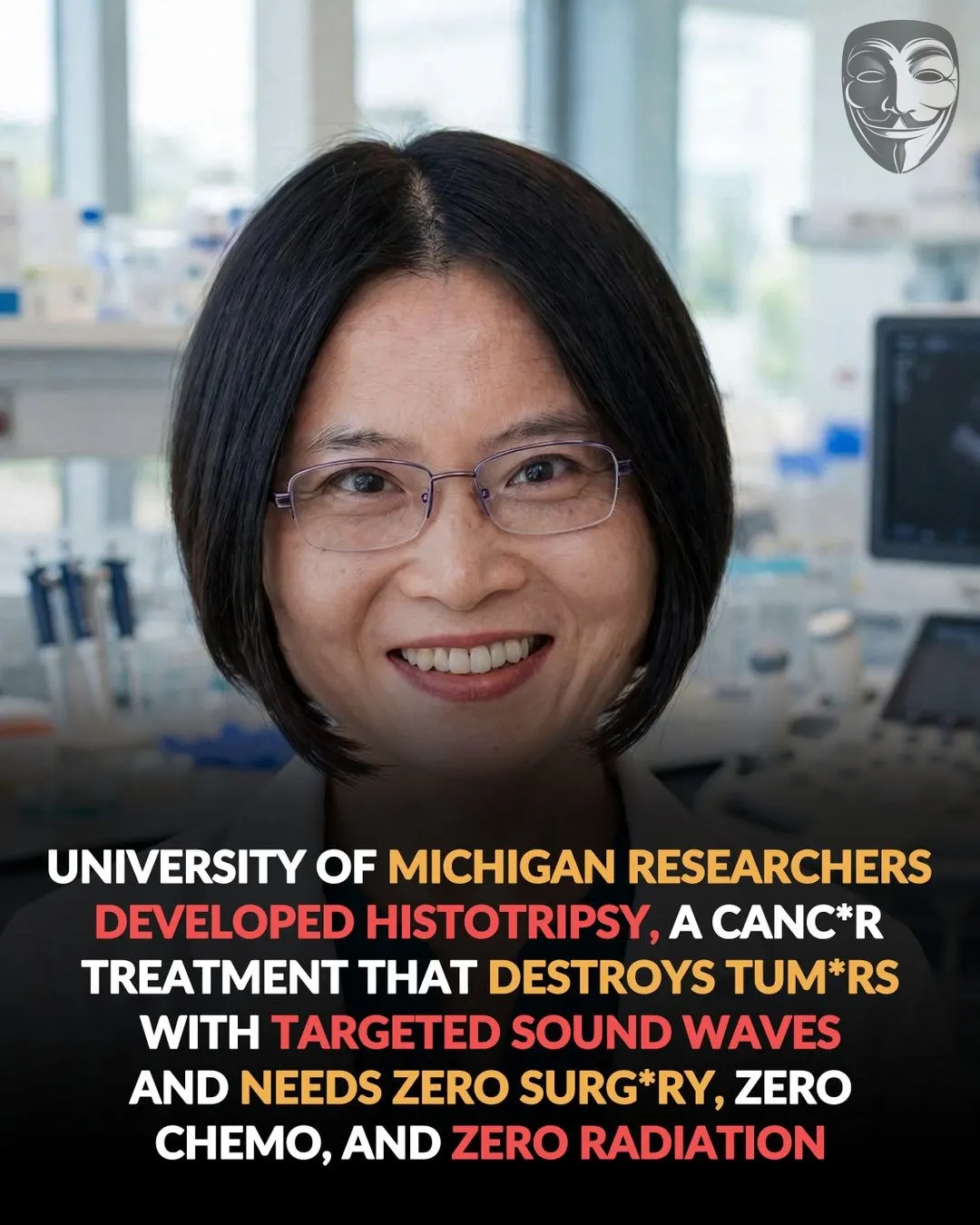
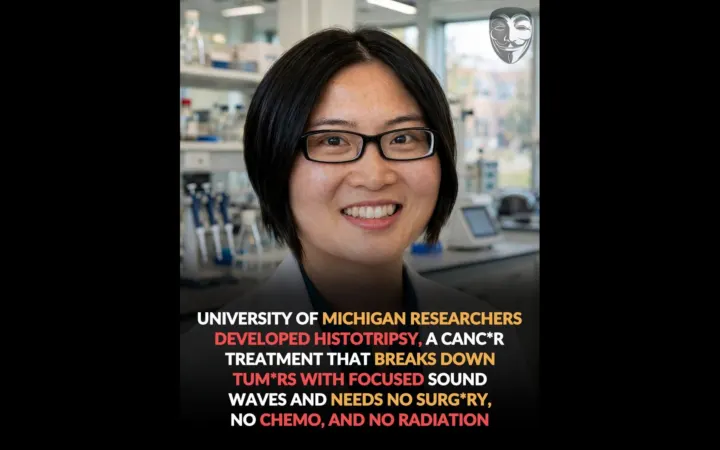
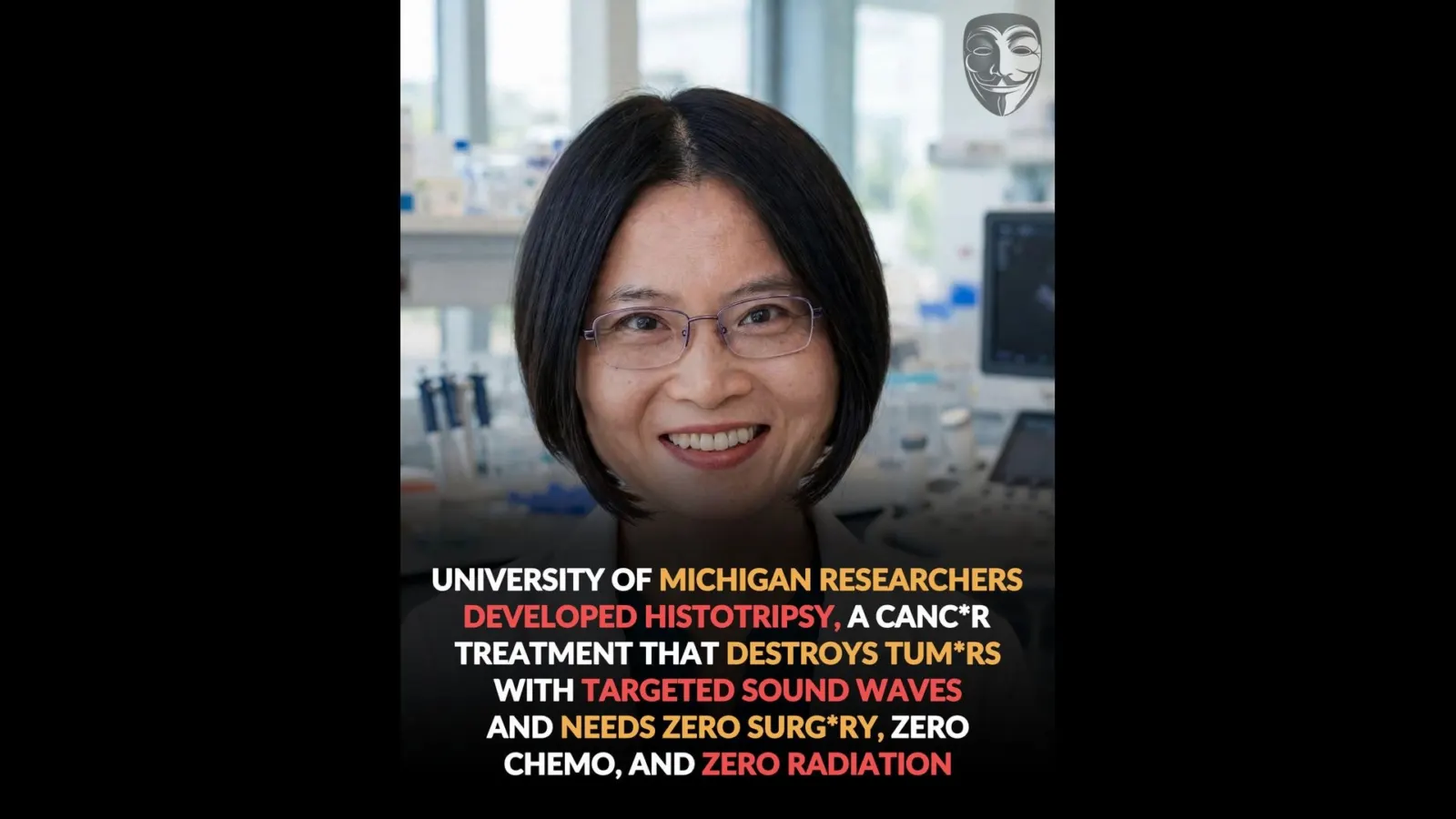
Histotripsy cancer treatment is a new way to fight liver tumors that uses focused sound waves instead of a scalpel. Researchers at the University of Michigan, led by biomedical engineer Dr. Zhen Xu, developed the method after decades of laboratory work and clinical trials. The treatment aims focused ultrasound pulses at a tumor to create tiny bubbles inside it. As the bubbles expand and collapse, they break the cancer cells apart without heat, radiation, or a single incision. It is a bold idea that is now helping real patients in real hospitals.
The therapy is already FDA cleared for liver tumors through the HistoSonics Edison system, now in use at more than 130 medical centers around the world. A 2026 review of 972 patients confirmed how it performs in real hospitals. In September 2026, the University of Michigan opened a dedicated Histotripsy Center to bring the same sound wave approach to other cancers. The slides ahead tell the full story. For more on medical progress, read our report on a miniature pancreas grown from living cells and our story on a $50 billion plan to transform rural health.
References:
U of M Health: Histotripsy Research Center Launches to Advance Sound Wave Based Cancer Treatment
Michigan Engineering News: 10M Histotripsy Research Center Launches to Advance Sound Wave Based Cancer Treatment
Medical Xpress: Tumor Destroying Sound Waves Receive FDA Approval for Liver Treatment in Humans
Focused Ultrasound Foundation: 10 Million Histotripsy Center Opens at University of Michigan
Dr. Zhen Xu Led the Michigan Team
Dr. Zhen Xu, a biomedical engineer at the University of Michigan, led the team that discovered and developed histotripsy. Biomedical engineers build tools that solve medical problems, and Xu spent years turning a laboratory idea into a treatment doctors can use. The work took patience, because a new cancer therapy must be tested again and again before it reaches patients. The team kept going through long years of research and careful trials. Read about another medical breakthrough in our story on a miniature pancreas grown from living cells and about the high cost of running American health care.
Decades of Laboratory Work Came First
The road to histotripsy was long. The Michigan team worked in the laboratory for decades, testing the idea in small steps before trying it in people. Laboratory work lets scientists learn how sound waves behave inside tissue without putting patients at risk. Clinical trials came next, with careful checks at each stage to make sure the method was safe. That slow and steady path is normal for a new cancer treatment. Learn how rural hospitals could change under a $50 billion plan and why health care costs so much in the United States.
How Histotripsy Cancer Treatment Aims Sound Waves at Tumors
Histotripsy cancer treatment starts with ultrasound, the same kind of sound wave doctors have used for scans for many years. The pulses are aimed from outside the body and focused on one small spot, much like a lens focuses light. Nothing enters the body, and there is no cut to heal. The energy stays aimed at the tumor, which is what makes the method so precise. Read about how a lab grown pancreas could change diabetes care.
Histotripsy Cancer Treatment Uses Tiny Bubbles to Break Tumors Apart
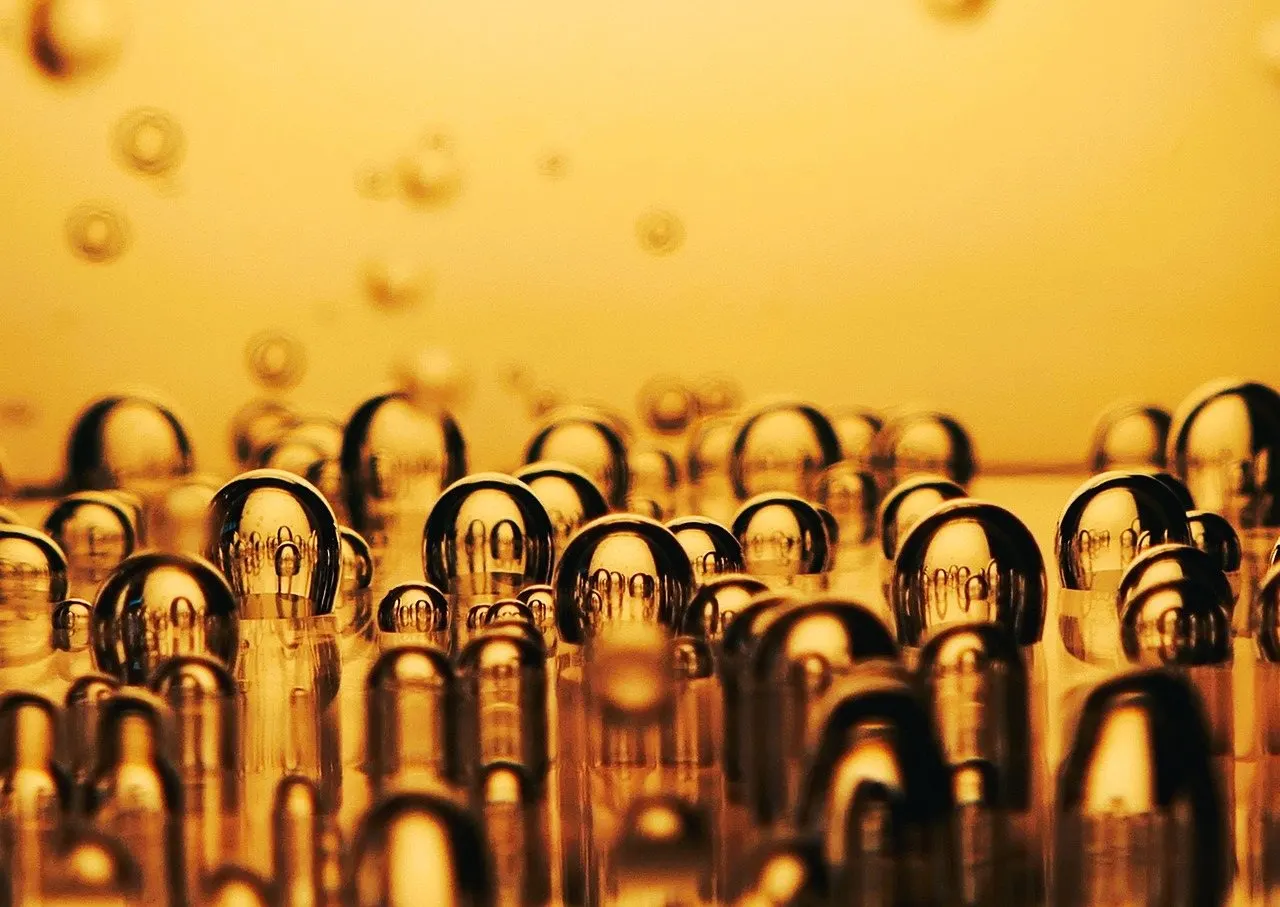
Inside the tumor, the focused pulses create microscopic gas bubbles in a process called acoustic cavitation. The bubbles expand and collapse in a fraction of a second, and that rapid motion mechanically breaks the cancer cells apart. The cells are liquefied into harmless debris that the body can clear away. No heat is used, so the effect comes from motion alone. It is a simple idea with a powerful result. See our report on a lab study that blocked melanoma cells.
Zero Surgery, Zero Chemo, Zero Radiation
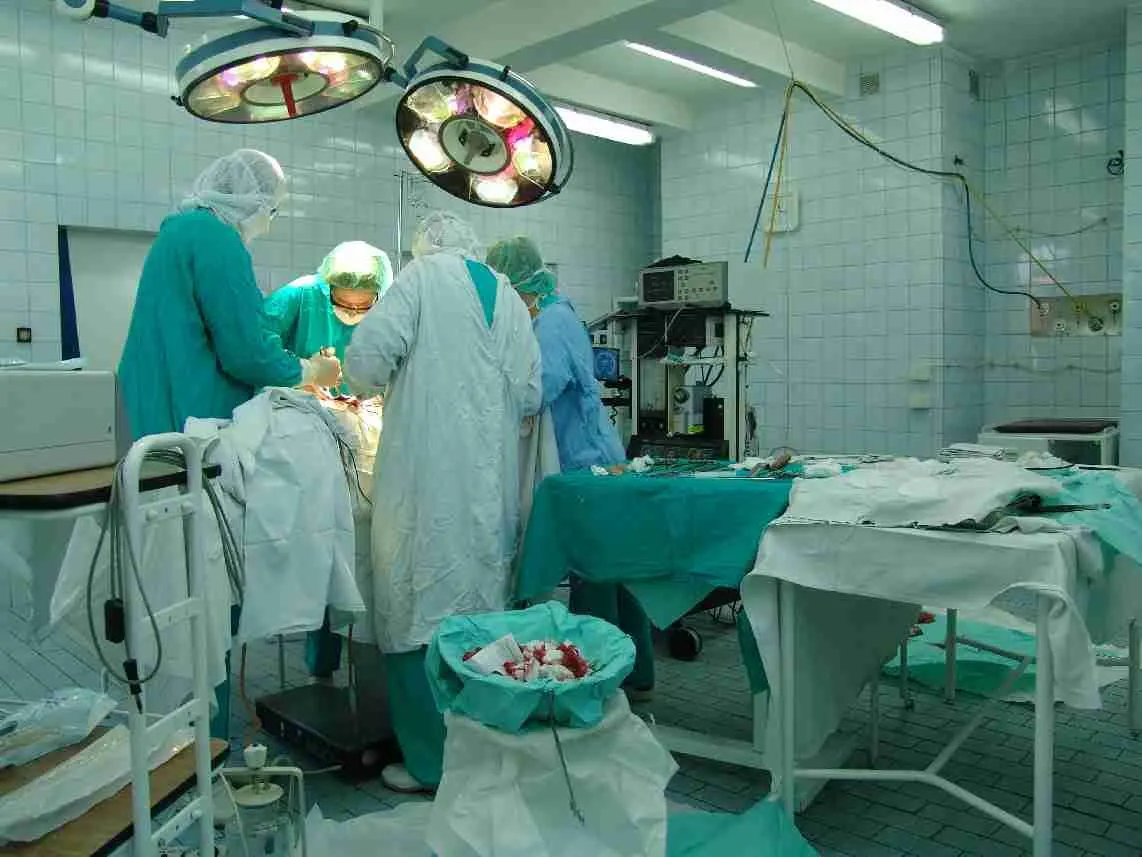
Surgery, chemotherapy, and radiation are the standard tools against cancer, and each one can be hard on the body. Surgery cuts tissue, chemotherapy uses strong drugs, and radiation uses energy that can harm healthy cells nearby. Histotripsy needs none of those things. It uses only focused sound waves, with zero surgery, zero chemo, and zero radiation. That is why doctors call it noninvasive. Read our story on a teenager facing cancer treatment with family far away.
Healthy Tissue Around the Tumor Is Spared
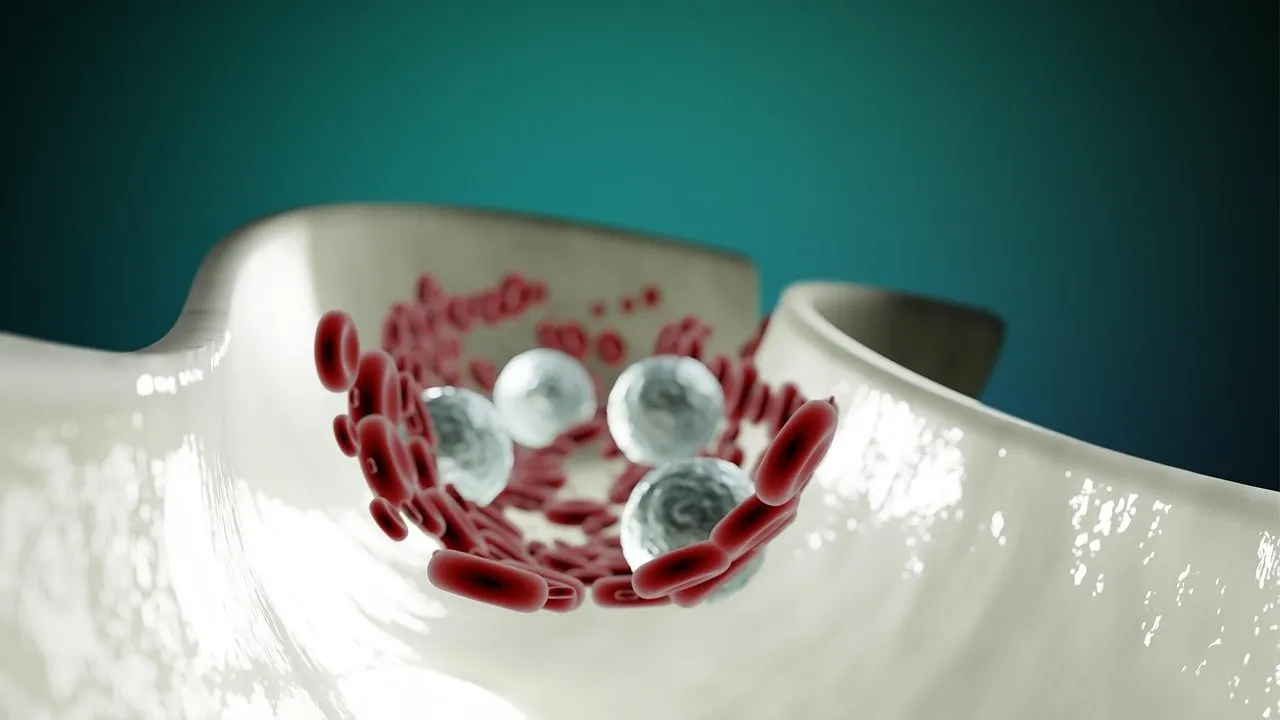
Precision matters when the target sits inside the liver. The liver holds many blood vessels and bile ducts, the small tubes that carry bile away from the liver. Histotripsy is nonthermal, which means it does not burn tissue, and its precision spares those healthy vessels and ducts while it breaks apart the tumor. Doctors value that care, because damage to nearby tissue can cause serious problems. Learn what a lab study found about frankincense oil and melanoma.
The Treatment May Help Alert the Immune System
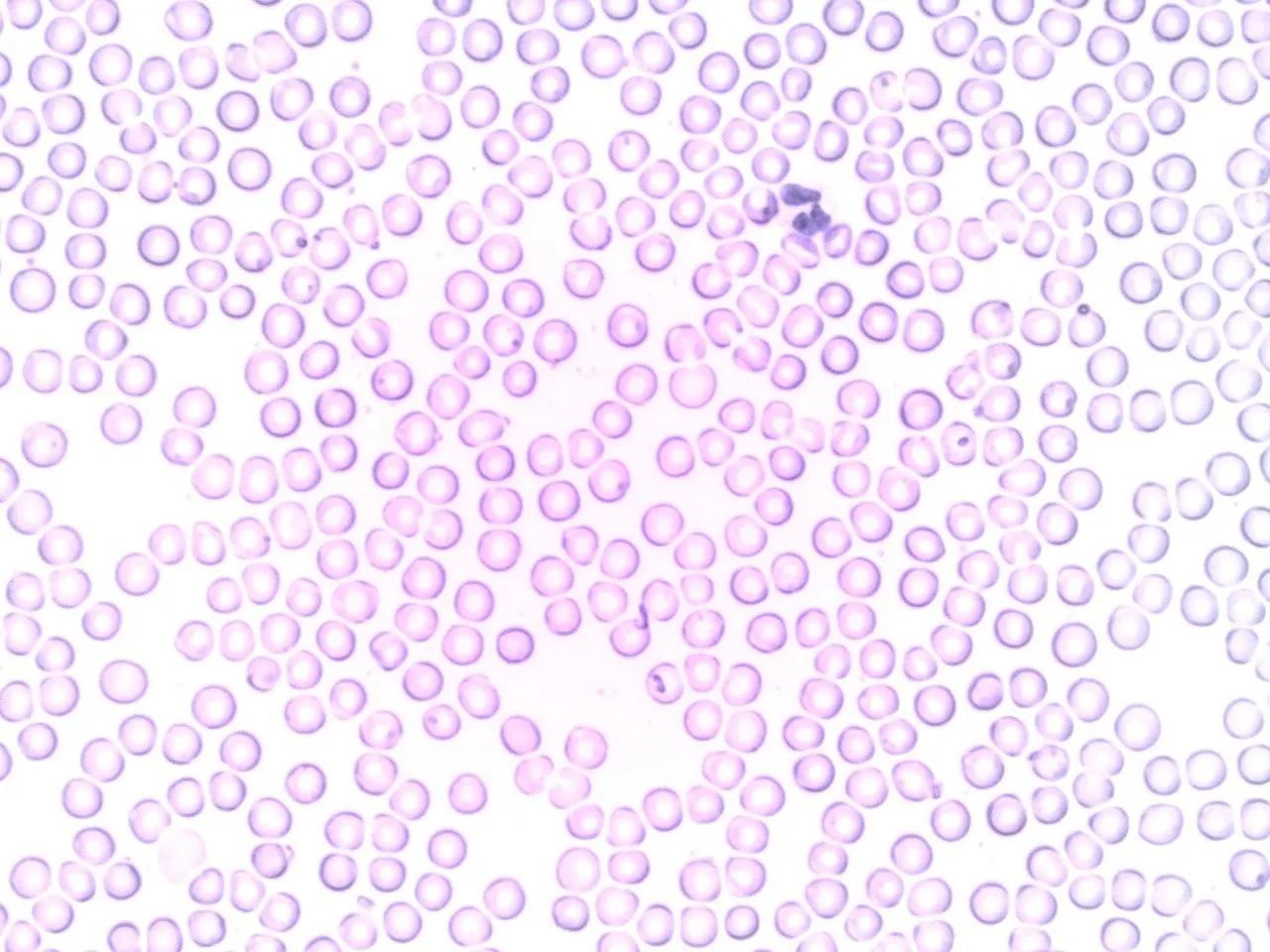
When the bubbles break cancer cells apart, tiny fragments of the tumor are left behind. The Michigan team says those fragments may help alert the patient’s immune system, the body’s own defense force against disease. The immune system learns to spot threats and attack them, and a warning from tumor fragments could help it notice the cancer. Scientists are still studying this effect, but it is one of the most hopeful parts of the story. See our study on frankincense oil and melanoma cells and our report on a nurse who spent years in intensive care.
Histotripsy Cancer Treatment Won FDA Clearance for Liver Tumors

The Food and Drug Administration has cleared histotripsy for primary and metastatic liver tumors. That clearance means the agency reviewed the evidence and found the treatment safe and effective for that use. It is a major step for any new therapy, because FDA clearance opens the door to real hospitals and real patients. Liver tumors were the first target, and the team hopes more will follow. Read our story on teenagers supporting their mom through cancer treatment.
The HistoSonics Edison System Delivers the Therapy
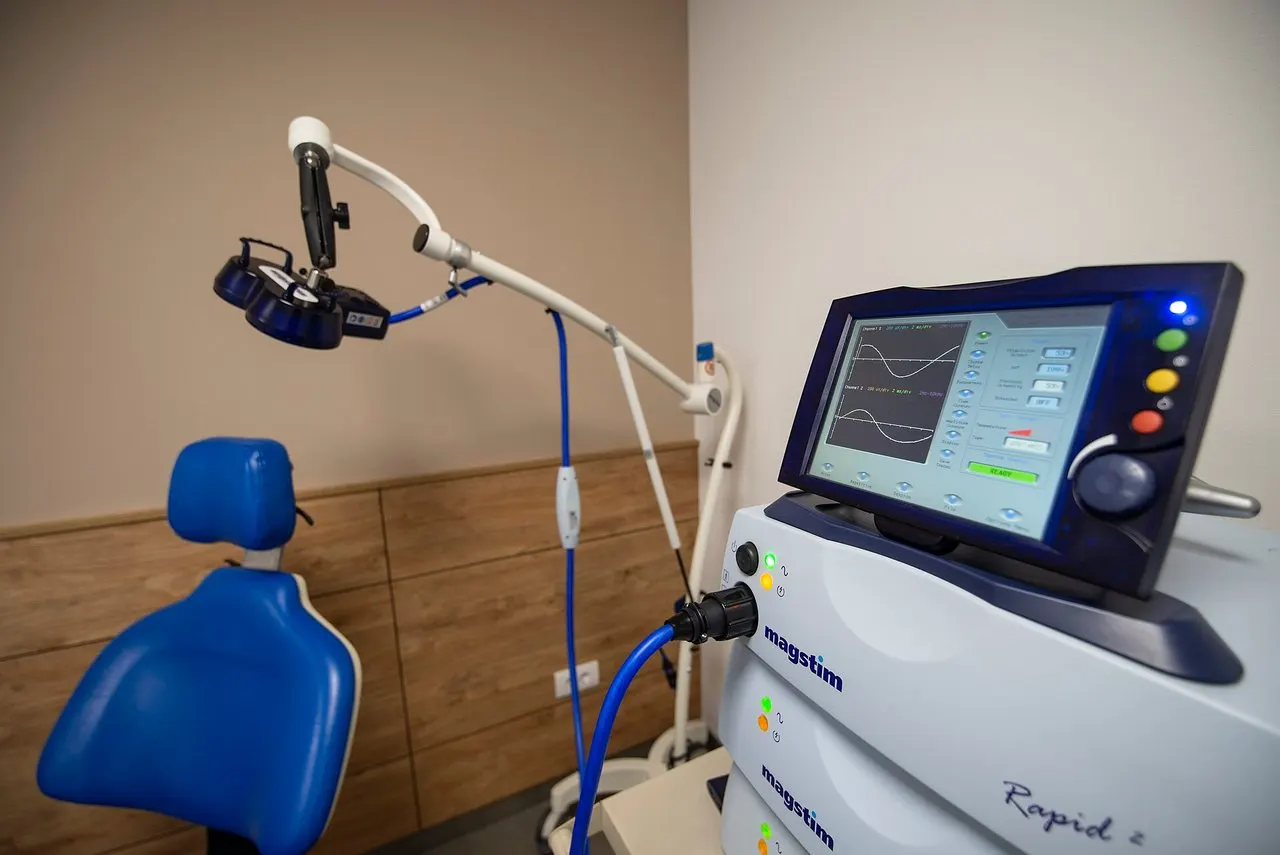
The treatment is delivered through the HistoSonics Edison system, a machine built to aim focused ultrasound with great care. A doctor guides the system from outside the body, watching as the pulses reach the tumor. The Edison system is the tool that turns the Michigan team’s research into a therapy hospitals can offer every day. It is already in use around the world. Learn why rest matters in a healthy workplace.
Histotripsy Cancer Treatment Is Now Offered at More Than 130 Centers

More than 130 medical centers around the world now use the Edison system to treat liver tumors. That number shows how fast the treatment has spread since its FDA clearance. A therapy that once existed only in a Michigan laboratory is now available in hospitals on several continents. For patients with liver tumors, that reach can make all the difference. See our story on rest and a healthy workplace.
Histotripsy Cancer Treatment Proved Itself in a Review of 972 Patients
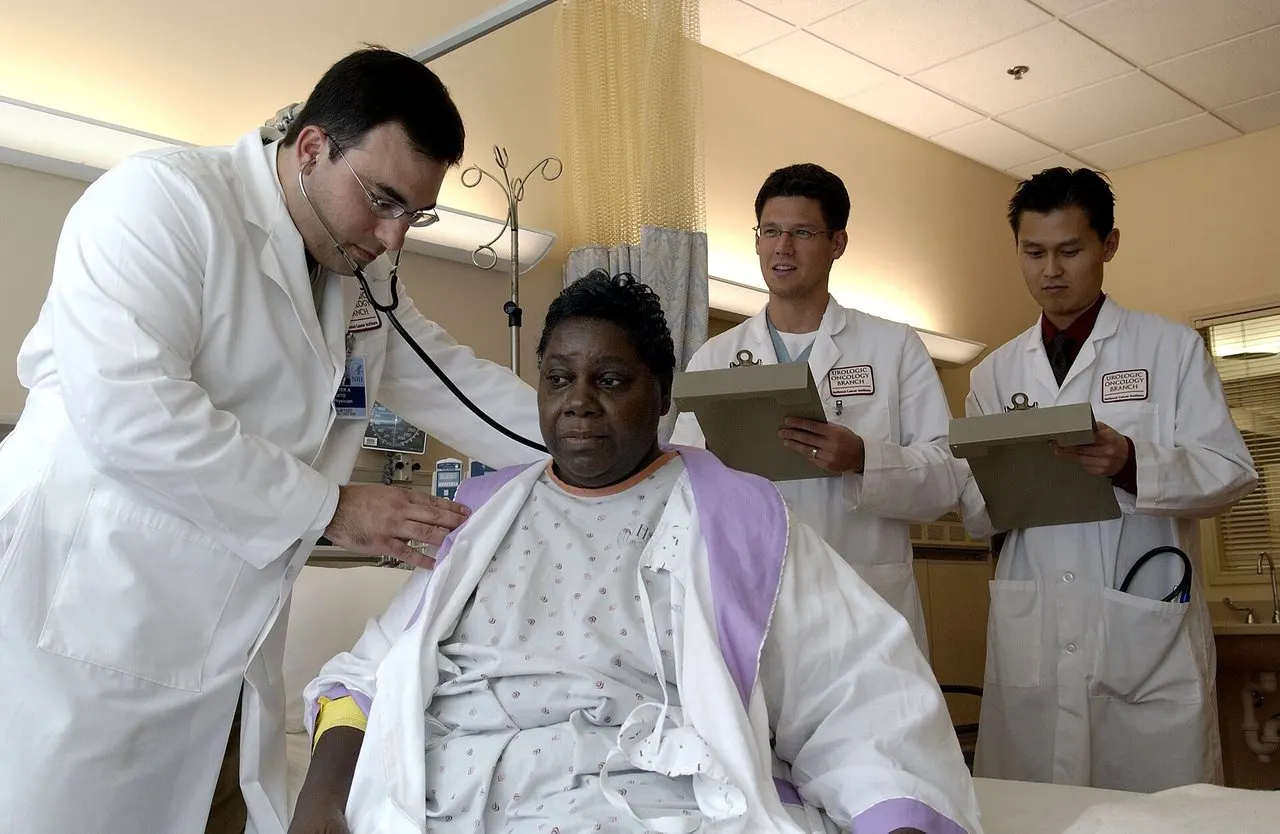
Numbers from one hospital can be hopeful, but doctors want to know how a treatment works in many places at once. A 2026 review of 972 patients, carried out by UVA Health, looked at how histotripsy performed in real world hospitals. The review confirmed what the trials had shown, and it gave doctors confidence that the results hold up outside a single study. Real world proof matters. Read our story on a former president’s decades of public service and our report on a leader’s wish for peace around the world.
Early Funding Came From Federal Research Grants
Big ideas need early support, and histotripsy got it from the National Institutes of Health and the Department of Defense. The NIH is the main federal agency for medical research in the United States, and the Defense Department funds science that can help service members and the public. Their early funding helped the Michigan team keep working through the long years before the treatment reached patients. See our report on $3 trillion of federal education spending and our story on a former president’s decades of public service.
Histotripsy Cancer Treatment Has a New Home at the University of Michigan
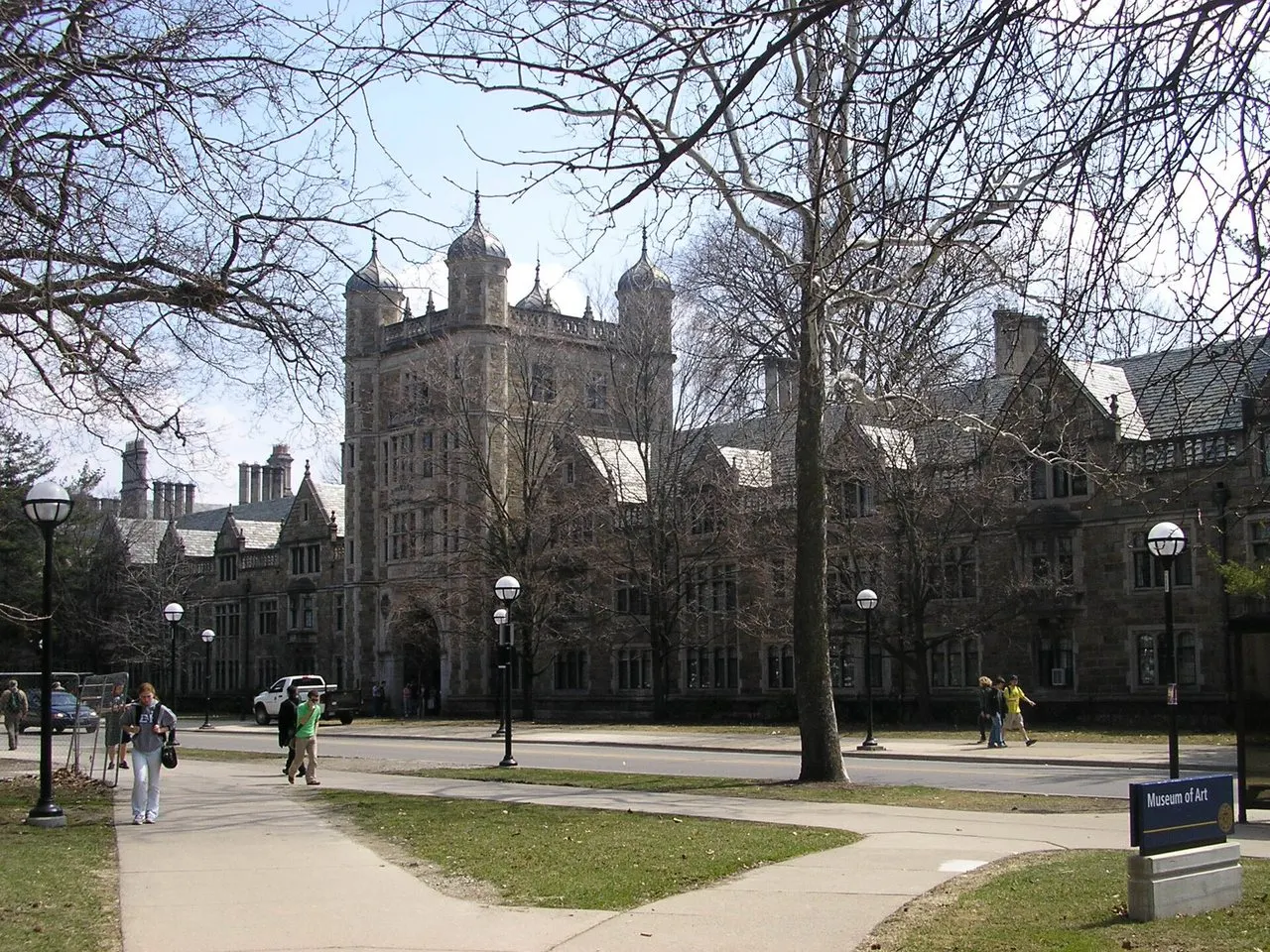
In September 2026, the University of Michigan opened a dedicated Histotripsy Center. A center like this brings researchers, doctors, and patients together in one place, so new ideas can move faster from the laboratory to the clinic. The goal is to bring the same sound wave approach to other cancers, not just liver tumors. It is a sign that the university believes in the work. Learn how a father puts time with his kids first.
Histotripsy Cancer Treatment Gets a $10 Million Research Home

The new center carries a $10 million investment, a sign of how seriously the university takes this research. Ten million dollars can fund laboratories, equipment, and the people who run the studies that turn an idea into a treatment. The center will advance sound wave based cancer treatment and train the next group of researchers to carry it forward. Big funding follows big promise. Read our story on a former first lady’s view of a mature president and our report on a clash over billionaire campaign spending.
Other Cancers Must Wait for Now
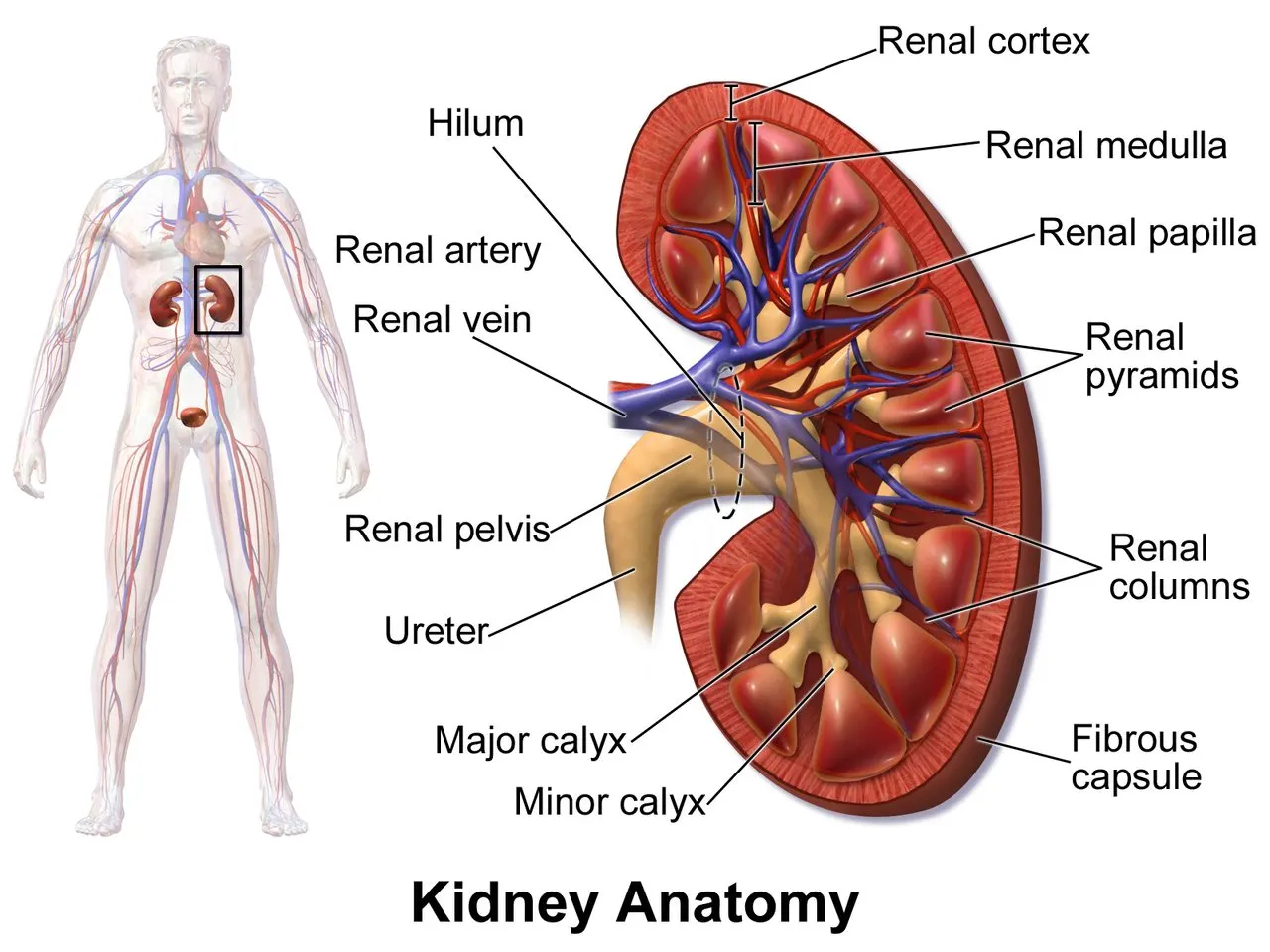
For now, the FDA clearance covers only primary and metastatic liver tumors. Patients with kidney, pancreatic, or bile duct tumors cannot yet receive the treatment outside of a clinical trial. That limit may feel hard for families waiting for new options, but it is how new therapies grow, one careful approval at a time. The science must prove itself for each cancer. See our story on a former first lady on what made a president special and our report on a father who puts his kids first.
Clinical Trials Like CODAH Open the Door Wider
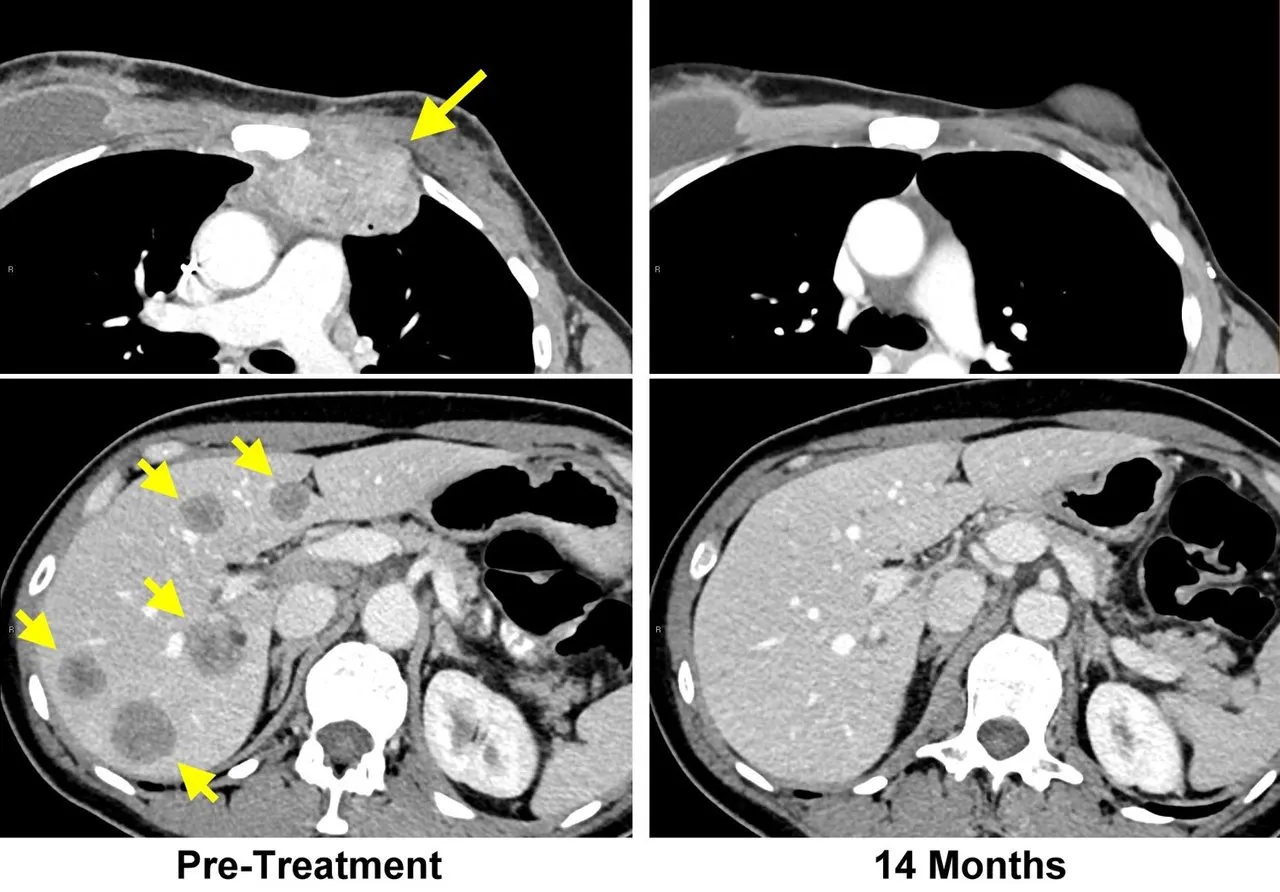
Clinical trials are studies that test a new treatment in volunteers to learn if it is safe and if it works. The CODAH trial is one active trial giving patients with other cancers a way to access histotripsy while researchers gather evidence. Trials are the bridge between a promising laboratory result and a treatment any hospital can offer. Ask a doctor about trials that may fit. Learn how a basketball star remembered his friend and teammate.
Histotripsy Cancer Treatment Offers Fast Outpatient Recovery
One of the clearest advantages is how fast patients bounce back. With zero incisions, the body has no surgical wound to heal, and side effects are minimal. Treatment is done on an outpatient basis, which means patients can often go home the same day instead of staying in a hospital bed. For many families, that fast return home matters as much as the treatment itself. Read our story on a teammate’s tribute to a friend who died suddenly.
What Doctors Say About the Limits
Doctors are open about the limits. Histotripsy is not an option for every patient or every tumor, and it is cleared only for liver tumors today. A tumor’s size and place in the body can affect whether sound waves can reach it safely. That is why a personal talk with your own doctor matters more than any article, including this one. See our story on a basketball star who lost a close friend and our report on a father’s time with his kids.
What Families Should Ask Their Doctor
If this story speaks to your family, bring it up with your doctor. Ask whether histotripsy is an option for your case, where the nearest center is, and whether a clinical trial could fit. Bring a family member to the visit, write down the answers, and take time to think before you decide. Good care starts with good questions. Learn what a president reported after a 15 hour flight from China.
Would You Choose Histotripsy Cancer Treatment Over Surgery?

Sound waves that can break apart a tumor without a single cut still sound like science fiction, yet doctors are using them today. The Michigan team spent decades getting here, and the new center may carry the idea to many more cancers. If your doctor said this treatment was an option for you or someone you love, would you choose it? Share your thoughts in the comments below. Read our report on a president’s trip to China and meeting with Xi and Putin and our story on a former president’s 84th birthday.