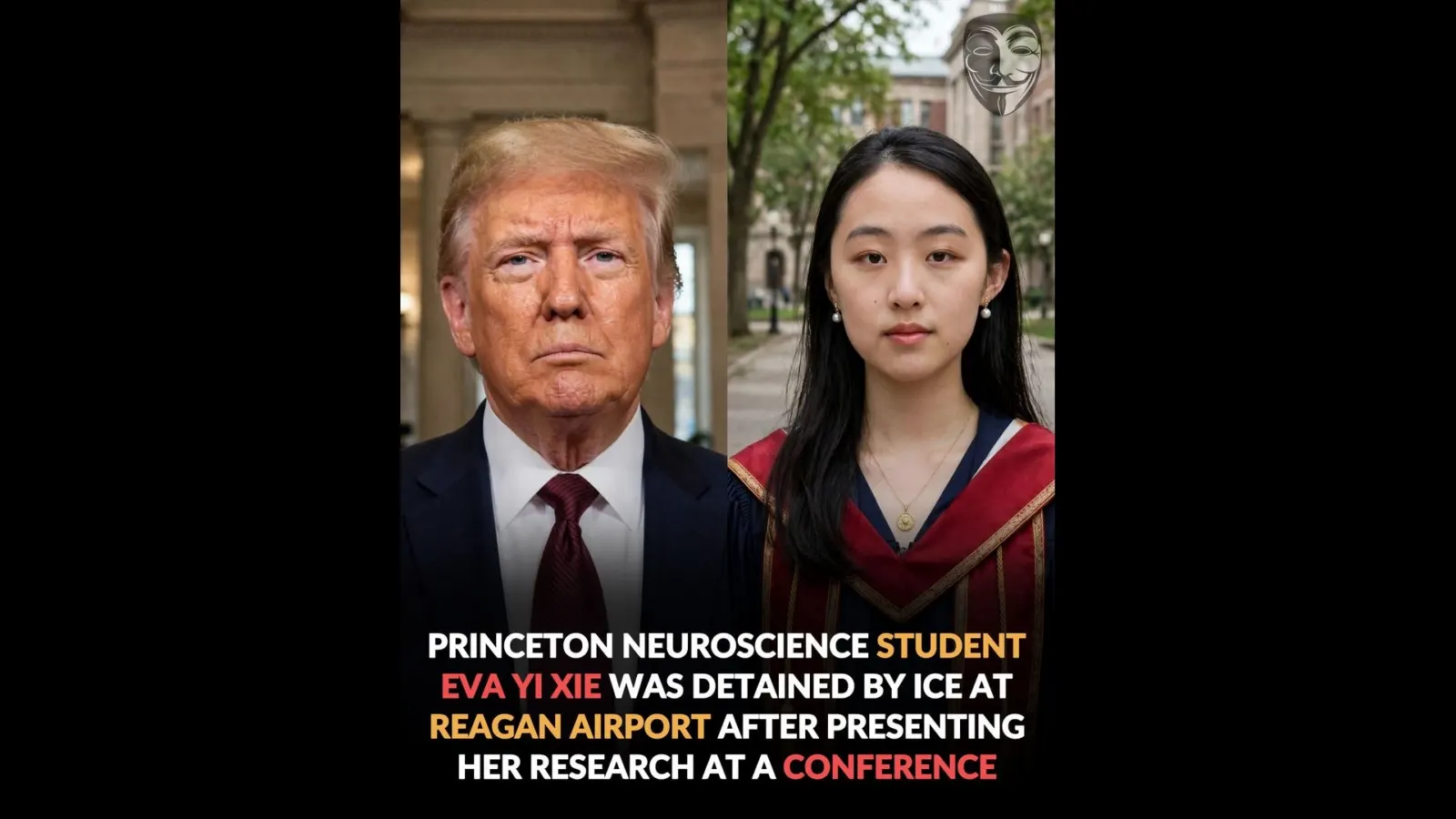
Eva Xie Detention Shocks Princeton and the Science World

Eva Xie detention at Reagan Airport began on November 19, 2026, when ICE officers took the Princeton neuroscience student into custody after she presented her research at the Society for Neuroscience conference in Washington. The third year doctoral student was on her way home from the meeting when she was stopped at Ronald Reagan Washington National Airport. She managed to send a message to her lab mates asking for help before she was taken away.
Next, we look at her first hours in a facility in Chantilly, Virginia, her move to the Caroline Detention Facility and the court fight over her case. Her lawyer says she came to the United States from China with her parents in 2016 at age 14, has an asylum application pending and a court date in January 2028, and argues the detention has no legal basis. For more on a student freed after ICE detention, read our story about a student released by ICE and home with her mom.
References:
Princeton Alumni Weekly: Hundreds of Friends and Colleagues Rally for Detained Doctoral Student Eva Xie
The Scientist: US Immigration Officials Detained a Graduate Student
North Jersey: Scientists call for release of Princeton grad student arr*sted by ICE
The Tech: Eva Xie ’24, Princeton PhD candidate, detained by ICE
A Conference Trip That Ended at the Airport

Eva Yi Xie traveled to Washington to present her research at the annual meeting of the Society for Neuroscience, a large gathering of brain researchers. She gave her talk, met colleagues and then headed to Ronald Reagan Washington National Airport for her trip home. Instead of boarding a flight, she was stopped by ICE officers at the airport on November 19, 2026. The sudden arrest left her lab in shock, and you can read about a deal that could give Trump time on Iran in our other coverage.
A Message to Her Lab Mates Asking for Help

After she was stopped, Xie was able to send a message to her lab mates asking for help, and it set off fast calls among her colleagues at Princeton. Her fellow graduate student Wynne Stagnaro shared the news with the lab and with friends, and word spread quickly through the neuroscience community. The message was short and urgent, and it told the people closest to her that something had gone wrong at the airport. Read more in our report on a tense exchange between officials and a journalist.
The Eva Xie Detention Began on November 19
The date at the center of this story is November 19, 2026. Xie had spent the day at the Society for Neuroscience conference in Washington, where researchers share new work on the brain, and she was heading home when ICE officers detained her at Reagan Airport. The timing stunned her colleagues, because she had done nothing more than attend a scientific meeting and present her work. Her arrest turned a normal conference trip into a crisis, as our stories on what a healthy workplace feels like show in very different settings.
A Third Year Student at the Princeton Neuroscience Institute
Xie is a third year doctoral student at the Princeton Neuroscience Institute, where she studies how the brain works. She had already become a valued part of her lab. Her work covers both computational and experimental systems neuroscience, which means she builds models of brain activity and tests them with real experiments. Her colleagues say she is a mentor and a friend as well as a researcher, and you can read about a CEO asked to return after a failed replacement search in our coverage.
From MIT to Princeton, a Path Built on Hard Work

Before Princeton, Xie studied at the Massachusetts Institute of Technology, where she graduated in 2024. She earned double majors in computer science and mathematics, with a concentration in economics, a demanding course of study. MIT is known around the world for science and engineering, and her record there helped her win a place in a leading doctoral program. Her path shows years of steady work, and our stories on a briefing that proved a point about DEI cover other people who built their lives through hard work.
What the Eva Xie Detention Means for Her Lab

A research lab is a small team, and losing a member without warning shakes everyone in it. Xie’s lab mates at Princeton lost a colleague who helped with experiments, shared ideas and mentored younger students. Wynne Stagnaro, a fellow graduate student, wrote that the lab is privileged that Xie chose it for her thesis research. The lab now waits for news while her case moves through the courts, and our reports on an actor who passed away at 66 look at other teams facing sudden change.
Her Lawyer Says the Detention Has No Legal Basis

Xie’s lawyer says the detention has no legal basis and is fighting it in court. The lawyer points to her pending asylum application and her court date in January 2028, and argues that a student with a case already before the courts should not be held in a detention center. Lawyers ask a judge to decide whether the government has a lawful reason to hold a person. You can read about a new Congress view of Russia and Canada in our other reports on the law and politics.
The Government Points to an Overstayed Visa
The Department of Homeland Security says Xie overstayed a visa from 2016, the year she came to the United States from China with her parents at age 14. The government uses that claim as its reason for holding her, while her lawyer says the claim does not justify detention when her asylum case is still open. The two sides now disagree in court, and a judge will weigh their arguments. Our stories on a player benched after a comment about Baltimore cover other clashes between officials and the public.
A Judge Steps In on the Eva Xie Detention

A federal judge has ordered the government to respond to Xie’s habeas petition, a legal filing that asks a court to decide whether a person is being held lawfully. The judge also barred ICE from moving her out of Virginia while the case is heard, which keeps her close to her lawyers and supporters. The order gives her legal team time to make its case. Read about a hearing where a judge pick stumbled on the 22nd Amendment in our coverage of courts and hearings.
Held First in Chantilly, Then Moved to Caroline

After her arrest, Xie was held at a facility in Chantilly, Virginia, before being moved to the Caroline Detention Facility. Her colleagues say the move added to their worry, because each transfer makes it harder for family and lawyers to reach a person in custody. Detention centers are often far from cities, and visits take hours of travel. The move raised questions about where she would stay while her case continues, and our stories on a historic trip to China with major trade deals cover other long journeys and hard news.
What People Held in Chantilly Say About Conditions

The facility in Chantilly, Virginia, is known for harsh conditions, according to people who have been held there. They say they received just one meal a day, a single burrito, and that 40 to 90 people were crammed into one room with no beds. Some detainees were held as long as seven days with no ability to bathe. These accounts paint a grim picture of daily life inside, and our reports on a first meeting of America, Russia and China look at other places where conditions drew public concern.
Hundreds Rally as the Eva Xie Detention Continues

Hundreds of friends and colleagues have rallied for Xie since her arrest, according to Princeton Alumni Weekly. Students, scientists and supporters have spoken up for a young researcher they know as a colleague, mentor and friend. Rallies give a detained person a public voice and put pressure on officials to act. The support has come from Princeton and far beyond it, and you can read about a consequential China trip and a noon news conference in our other stories about people standing together.
Scientists Call for Her Release

Scientists have called for Xie’s release, saying a young researcher should be back in her lab, not in a detention center. The call has been echoed in news reports and by colleagues who know her work. For many researchers, the case raises questions about whether talented people from other countries can study and work here. The science community has a long habit of speaking up for its own, and our stories on a visit to the Philippines and a warm welcome cover other public calls for action.
A Young Scientist Who Came to America at 14

Xie came to the United States from China with her parents in 2016, when she was just 14 years old. She grew up here, went to school here and built her academic life here, from MIT to Princeton. Her story is familiar to many immigrant families. Ten years after her arrival, she was detained at an airport on her way home from a conference, and our reports on a petition forcing a vote on the Epstein files look at other lives shaped by travel and borders.
The Eva Xie Detention and Her Asylum Case
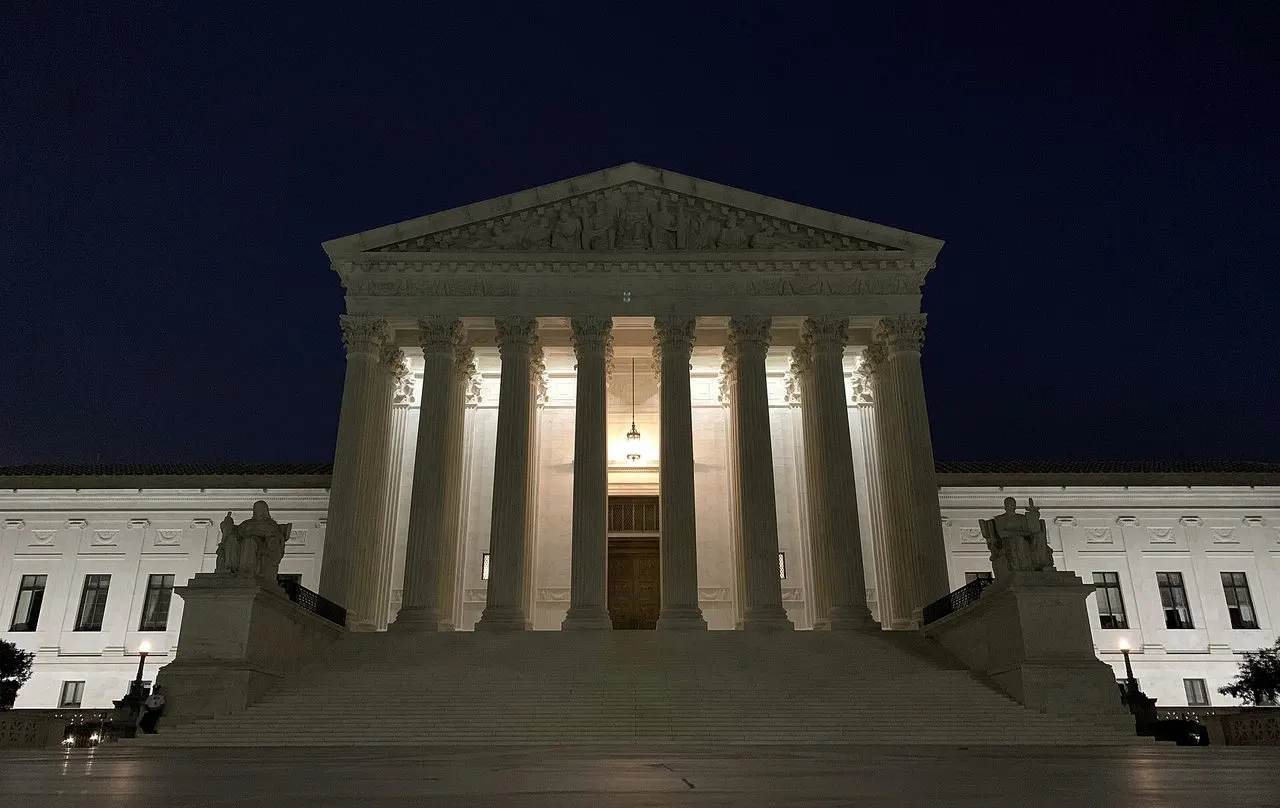
Xie has an asylum application pending, which means she has asked the United States for protection and is waiting for a decision. Asylum cases can take years, and applicants often live, study and work while they wait. Her lawyer argues that a pending case like hers should protect her from detention, not lead to it. Her case now sits at the center of a legal fight, as our stories on a student released by ICE and home with her mom show in other disputes.
A Court Date Set for January 2028

Xie’s court date is set for January 2028, more than a year after her arrest. That long wait is common in immigration courts, where cases pile up and hearings are booked far ahead. Until then, her lawyer will argue that she should be free while her asylum application is pending, not held in a detention facility in Virginia. The date gives her supporters a clear point to work toward, and our reports on a tense exchange between officials and a journalist cover other long waits for a decision.
What a Habeas Petition Asks a Court to Do

A habeas petition is one of the oldest legal tools in American law. It asks a judge to order the government to show a lawful reason for holding a detained person. If the judge finds no good reason, the person must be released. Xie’s lawyers filed such a petition, and the judge has ordered the government to respond. The filing is now the key step in her fight for freedom, and our stories on a sharp warning before a meeting with Xi and Putin look at other legal battles.
The Eva Xie Detention Reaches the News

News of Xie’s arrest spread quickly, carried by Princeton Alumni Weekly, The Scientist, North Jersey and The Tech, the four outlets cited in this article. Each report added detail, from her MIT degree to the judge’s order barring her transfer out of Virginia. The coverage turned a single airport arrest into a story that scientists and students across the country were talking about. Public attention can matter in detention cases, and our stories on what a healthy workplace feels like cover other moments that drew a crowd.
Why Her Colleagues Call Her Brilliant
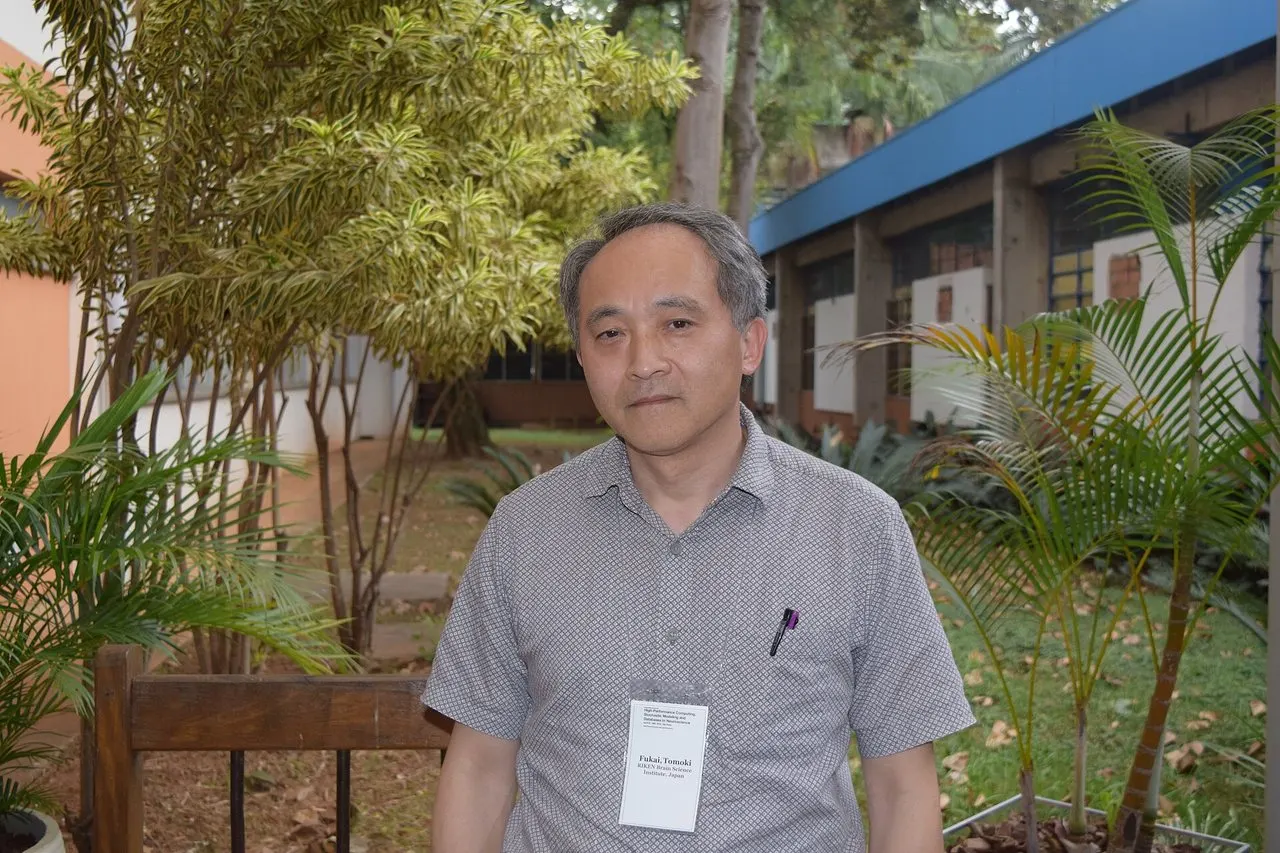
Wynne Stagnaro, a fellow graduate student, called Xie a brilliant computational and experimental systems neuroscientist, a valued colleague, mentor and friend. Those words carry weight, because lab mates see each other’s work up close every day. Stagnaro also wrote that the lab is privileged that Xie chose it for her thesis research. The praise shows a researcher who gives as much as she takes, and our reports on a CEO asked to return after a failed replacement search cover other people praised by those who know them best.
The Society for Neuroscience Meeting in Washington
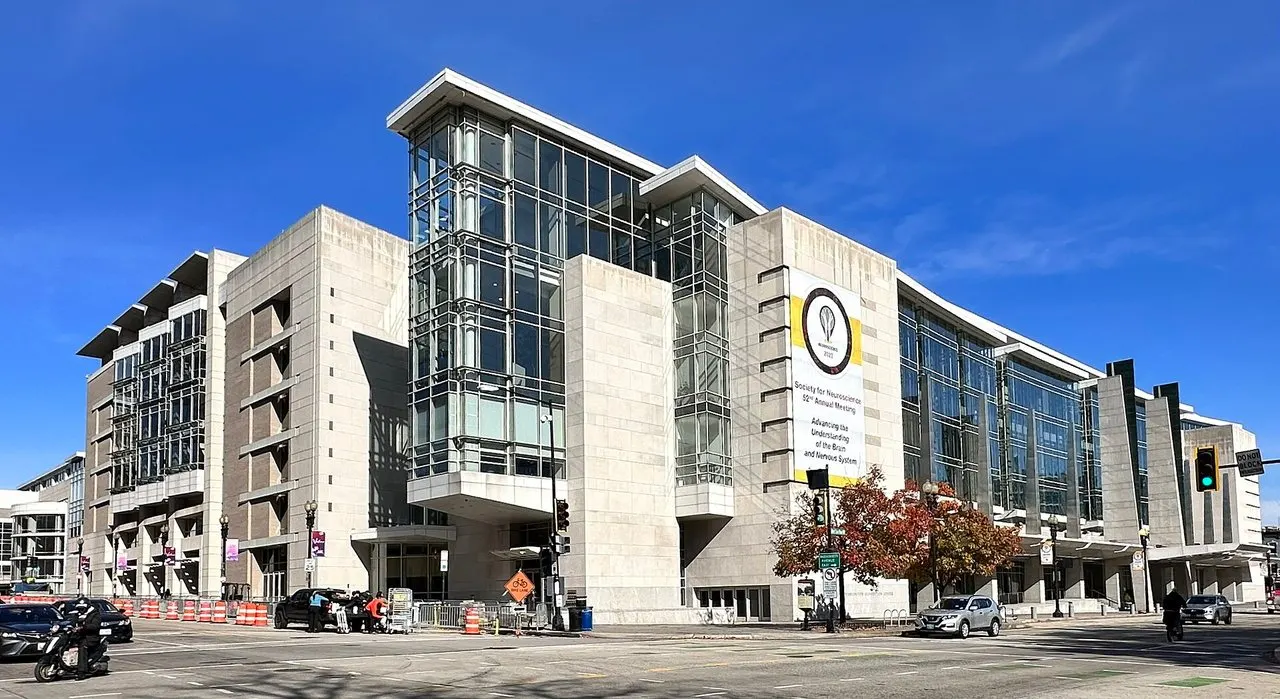
The Society for Neuroscience holds one of the biggest science meetings in the world each year, drawing tens of thousands of researchers to share new work on the brain. Xie traveled to Washington to present her research there, a normal step for a doctoral student. Presenting at a major meeting is a mark of progress, and it is also a chance to meet future collaborators. She did her job well, and our stories on a briefing that proved a point about DEI cover other big gatherings and bold ideas.
The Eva Xie Detention After a Routine Trip

Travel after a conference should be routine for a graduate student. Pack a bag, give a talk, catch a flight home and get back to the lab the next day. That is the rhythm of academic life for students across the country. For Xie, the routine broke at the airport, when officers stopped her instead of waving her through. The break in routine is what shocked her colleagues most, and our reports on an actor who passed away at 66 look at other ordinary days that turned strange.
Princeton Stands Behind Its Doctoral Student
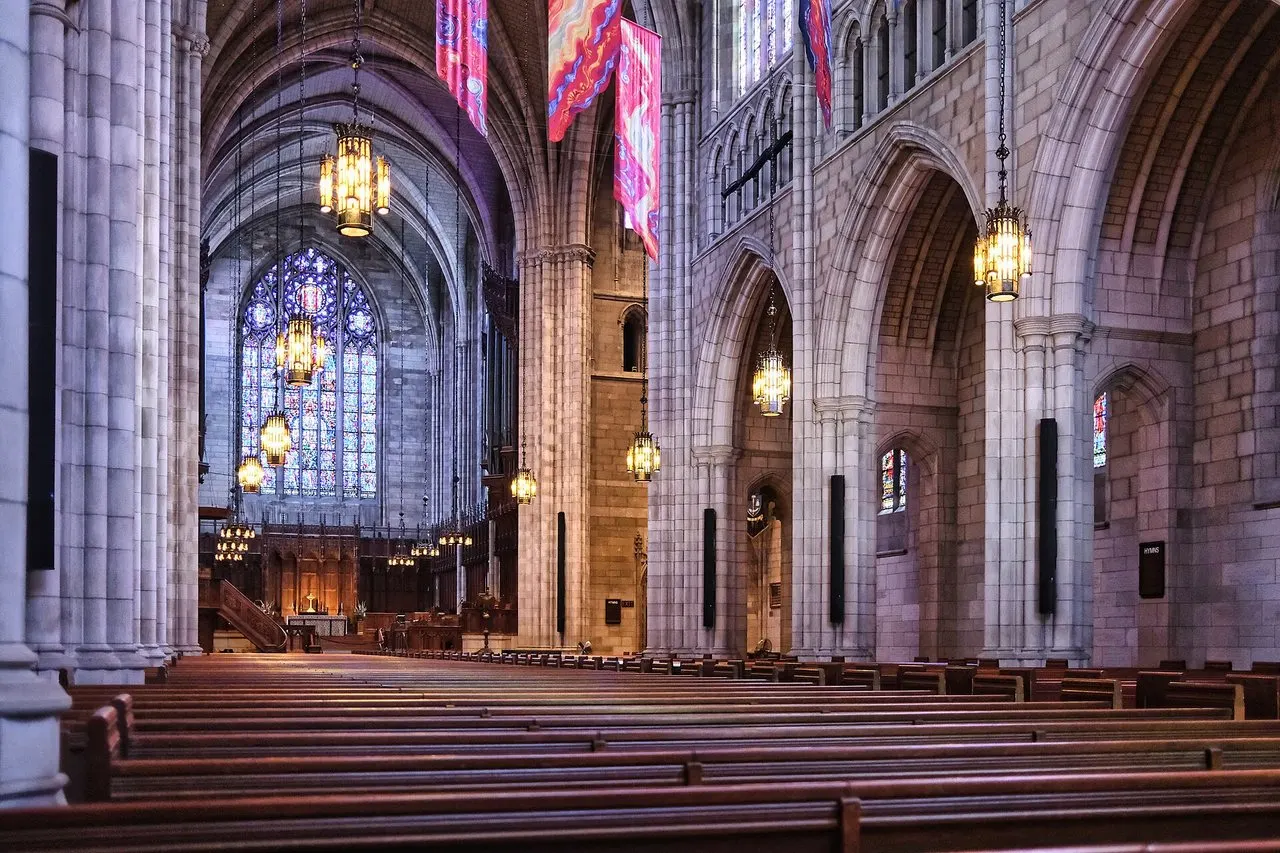
Princeton is home to one of the strongest neuroscience programs in the country, and its students come from around the world to study there. When one of its doctoral students was detained, the university community responded with rallies and public support. Friends and colleagues have spoken about Xie’s work and her character, and they have asked for her release. A university is more than buildings and classes, and our stories on a new Congress view of Russia and Canada cover other communities that stood by their own.
What Happens Inside a Detention Facility

Life inside a detention facility is cut off from the outside world. People sleep in shared rooms, eat meals on a fixed schedule and wait for news about their cases. Phones and visits are limited. For a doctoral student used to a lab, a library and long walks across campus, the change is total. Her supporters say she should be home, not behind a fence, and our reports on a player benched after a comment about Baltimore look at other closed doors and hard choices.
The Eva Xie Detention and the Wider Debate
Xie’s case has landed in the middle of a wider debate about immigration enforcement in the United States. Supporters say detaining a Princeton doctoral student with a pending asylum case shows the system has gone too far. Others point to visa rules and say the law must be enforced. The debate is loud and often angry, but at its center is a young scientist waiting in Virginia. Our stories on a hearing where a judge pick stumbled on the 22nd Amendment cover other debates that split the country.
How Friends Are Keeping Her Story Alive

While Xie waits in detention, her friends are keeping her story alive. They share updates, organize rallies and talk to reporters, so the public does not forget a student held far from her lab. Her supporters have kept it in the news day after day since November 19. Their message is simple, and it is the same one her lab mate wrote, that she should be home. Read about a historic trip to China with major trade deals in our other stories about people who refuse to give up.
The Long Road of an Asylum Application

An asylum application is a long road. A person asks the United States for protection, files papers, waits for interviews and hearings, and often waits years for a final answer. During that wait, most applicants build lives, study, work and pay taxes. Xie’s application is still pending, with a court date in January 2028. Her lawyer says that pending case is exactly why she should not be detained, and our reports on a first meeting of America, Russia and China cover other long roads and first steps.
What Her Lab Misses While She Is Gone

A lab without Xie is missing more than a pair of hands. It is missing her ideas in meetings, her help with experiments and her guidance for younger students. Research moves slowly when a team member is gone. Her colleagues have said they feel the gap every day, and they have asked for her release so the work can go on. Science depends on people, and our stories on a consequential China trip and a noon news conference look at other teams carrying on without a key member.
A Community Waits for News From Virginia

In Virginia, Xie waits for the next step in her case, while her community waits for news. The judge has barred ICE from moving her out of the state, so her lawyers and supporters know where she is. Each court filing brings a small update, and each update is shared quickly among her friends at Princeton. The wait is hard, but the support has not faded. Our reports on a visit to the Philippines and a warm welcome cover other communities waiting for word about someone they love.
What Do You Think Should Happen Next

Xie went to a conference to present her work, and now she is in a detention center, her lab mate wrote, adding that she should be home. Her case will be decided in court, with a hearing set for January 2028. But the public debate goes on, and readers have strong views. What do you think should happen next for this young scientist. Share your thoughts in the comments and read our stories on a petition forcing a vote on the Epstein files.