Voting Logs Will Be Checked After the Election, Mullin Says
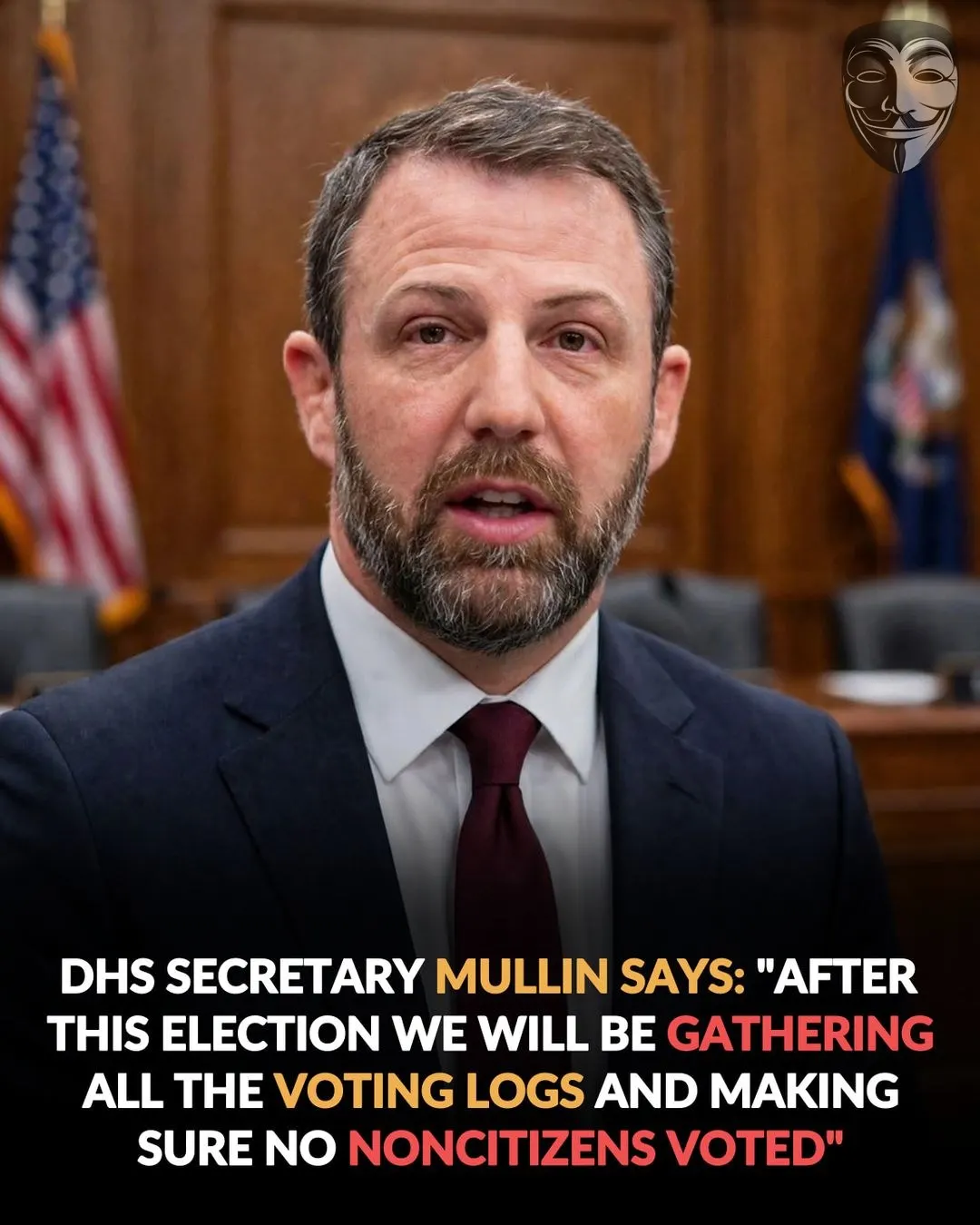
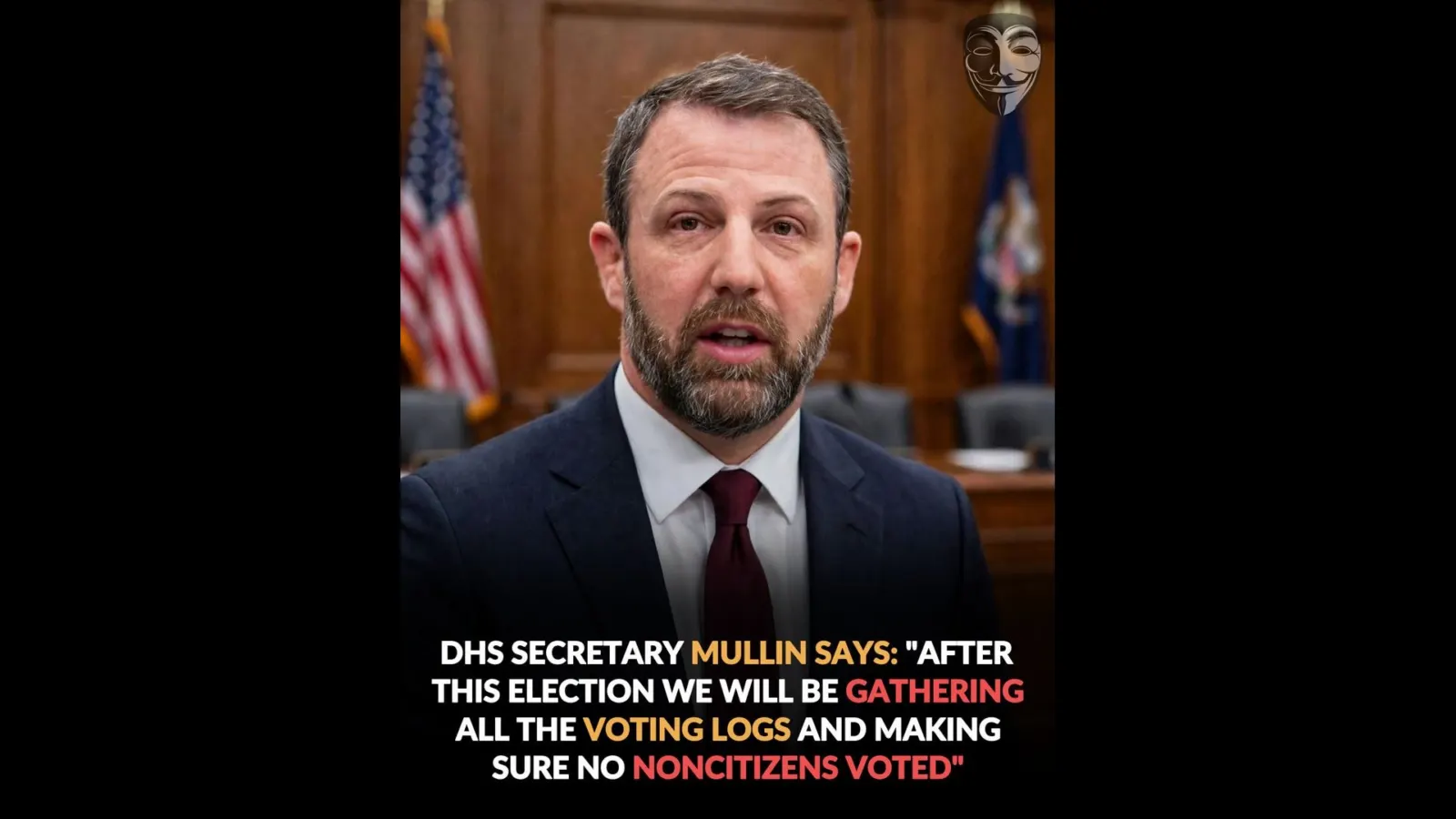
Voting logs will be at the center of a new federal review after the election, Homeland Security Secretary Markwayne Mullin said in a Fox News interview on Election Day, November 3, 2026. He said the Department of Homeland Security would gather the logs and check voter registers to make sure only people legally allowed to vote had voted. He did not say how the department would get state records, or what legal tools it would use. The plan drew fast reactions from both sides. Read more about the night Mullin was pulled off TV.
Noncitizen voting in federal elections is already a federal offense, but studies cited by critics show it is extremely rare and has never decided a United States election. The plan has also drawn court fights and a watchdog lawsuit over records, as states guard control of voter data and the administration presses for access. In the slides ahead, we walk through what Mullin said, what the records show, what the courts are doing, and what comes next for voters. Read more about the Alaska Senate race.
References:
Democracy Docket: Mullin says Trump admin will comb voting logs to hunt for noncitizens after election
Democracy Docket: Watchdog sues DHS for records on secretive hunt for noncitizen voters after midterms
Conservative Brief: DHS Chief Mullin Reveals Staggering Number of Non-Citizens On Voter Rolls
Profilo Politics: DHS Secretary Markwayne Mullin Moves Full Force Against Texas Election Fraud as Five Non-Citizens Are Charged With Unlawfully Voting in Federal Elections
The Fox News Interview That Put Voting Logs in the Spotlight
Mullin made the announcement during a Fox News interview on Election Day, November 3, 2026, while voters were still casting ballots across the country. He told the interviewer that after the election, his department would gather all the voting logs and go through them to make sure no noncitizens voted. The remark was short, but it landed hard, because it put a federal agency at the center of a job that states have long handled themselves. Read more about the Texas decision on ICE.
Who Is the Man Behind the Voting Logs Plan
Markwayne Mullin is the Secretary of the Department of Homeland Security, the federal department that handles border security, immigration enforcement, and protection of the nation. Before leading the department, he served in Congress, where he built a name as a plain-spoken conservative from Oklahoma. His new role puts him in charge of a large agency with broad powers, and his words on election night carried weight far beyond one interview. Read more about the Senate vote on war powers.
What Voting Logs Actually Record
A voting log is a record of what happened at the polls, from ballots cast to the checks that confirm each vote. Voting logs can show when a ballot was cast, how it was counted, and whether the voter was listed on the rolls. Election officials keep these records so results can be checked later if questions arise. The logs do not decide who won on their own, but they give officials a paper trail to follow. Read more about the clash over midterm spending.
How Voting Logs and Voter Rolls Work Together
Voter rolls are the lists of people who are registered to vote in each state, and they sit at the heart of this story. Local officials build the rolls from registration forms, and they update them when people move, change names, or pass away. The rolls tell poll workers who may cast a ballot, and they are checked again when votes are counted. Keeping them accurate is a constant job for every state. Read more about the old vow about Putin.
Noncitizen Voting Is Already Against the Law
Voting in a federal election as a noncitizen is already a federal offense, and it carries serious penalties, including fines, prison time, and removal from the country. The law has been on the books for years, and prosecutors have brought cases against people who broke it. Supporters of the plan say the current law is not enforced hard enough, while critics say the real problem is far smaller than the debate suggests. Read more about the claim about Putin and Iran.
How Rare Is the Problem Voting Logs Would Chase
Studies cited by critics show that noncitizen voting is extremely rare, and it has never decided a United States election. Researchers who have studied voter rolls and election results say the number of cases is tiny next to the tens of millions of ballots cast in a federal election. Election officials in many states say their own checks find the same pattern year after year. The gap between the fear and the figures drives much of the argument. Read more about the climate warning at the Field Museum.
Five People Charged in Texas
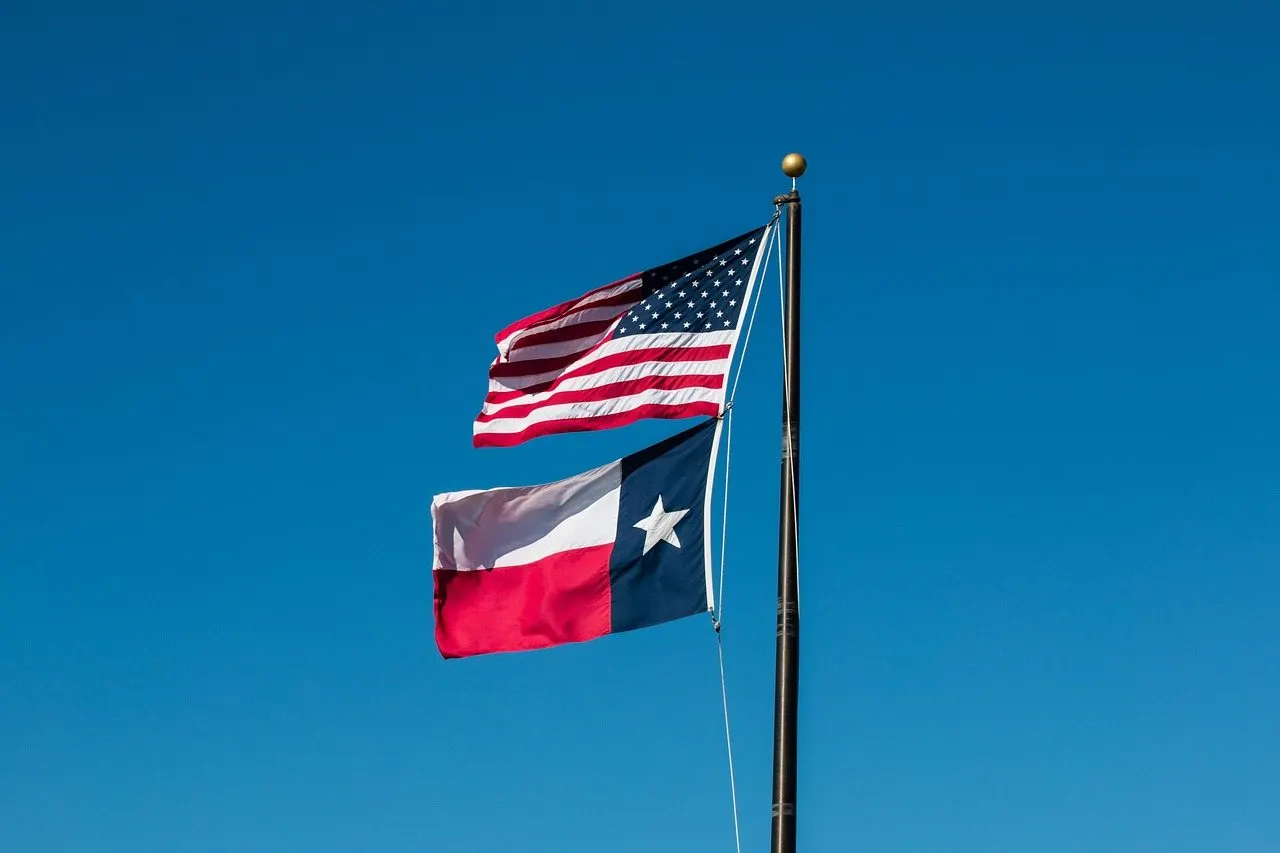
In Texas, five noncitizens were charged with unlawfully voting in federal elections, a case that supporters of the plan point to as proof that the problem is real. The charges drew wide attention, because they showed that federal prosecutors are willing to bring such cases. Critics answer that five cases in a state with millions of voters show how rare the offense is, not how common it has become. Read more about the warning over SpaceX funding.
The Staggering Number Behind the Voting Logs Plan
The Conservative Brief reported that the DHS chief revealed a staggering number of noncitizens on voter rolls, a claim that fueled the debate. The administration has pointed to large figures before, including a claim of 250,000 noncitizens on the rolls across four states. State officials and independent experts have pushed back, saying the figures are disputed and the methods behind them are unclear. The numbers remain a central point of dispute. Read more about the plan to end horse carriages.
A Watchdog Sues for the Voting Logs Records
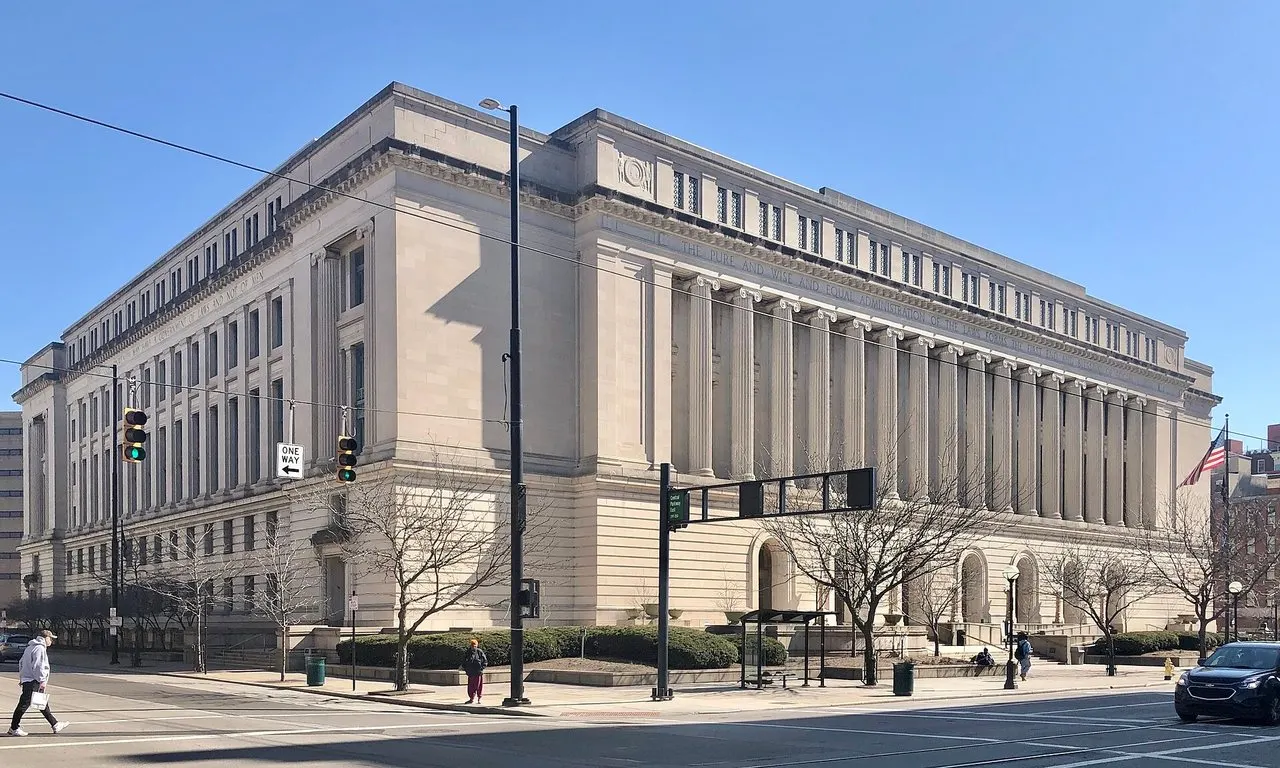
A watchdog group has sued the Department of Homeland Security for records on its secretive hunt for noncitizen voters after the midterms. The suit asks a court to force the department to hand over documents about how it collects voter data and whom it targets. Supporters of the suit say the public has a right to know what a federal agency is doing with election records. The department has not yet made its full case in court. Read more about the night Mullin was pulled off TV.
Court Fights Over Voter Data
The plan has drawn court fights, as judges are asked to decide how far a federal agency may go in seeking state voter data. In October, a federal judge issued a preliminary injunction that barred the department from field operations in nine states, including California, Nevada, and New York. The Justice Department has also sued more than twenty states to force the release of voter rolls. Each ruling shapes what the department can do next. Read more about the Texas decision on ICE.
States Guard the Data Behind the Voting Logs
States have long run their own elections, and they guard control of voter data closely. State officials say the rolls belong to the states, and they worry about handing over names, addresses, and birth dates to a federal agency. They also warn that mistakes in federal lists could sweep up citizens by error. The tension between state control and federal power runs through the whole story. Read more about the Senate vote on war powers.
How Voting Logs Would Reach Federal Hands
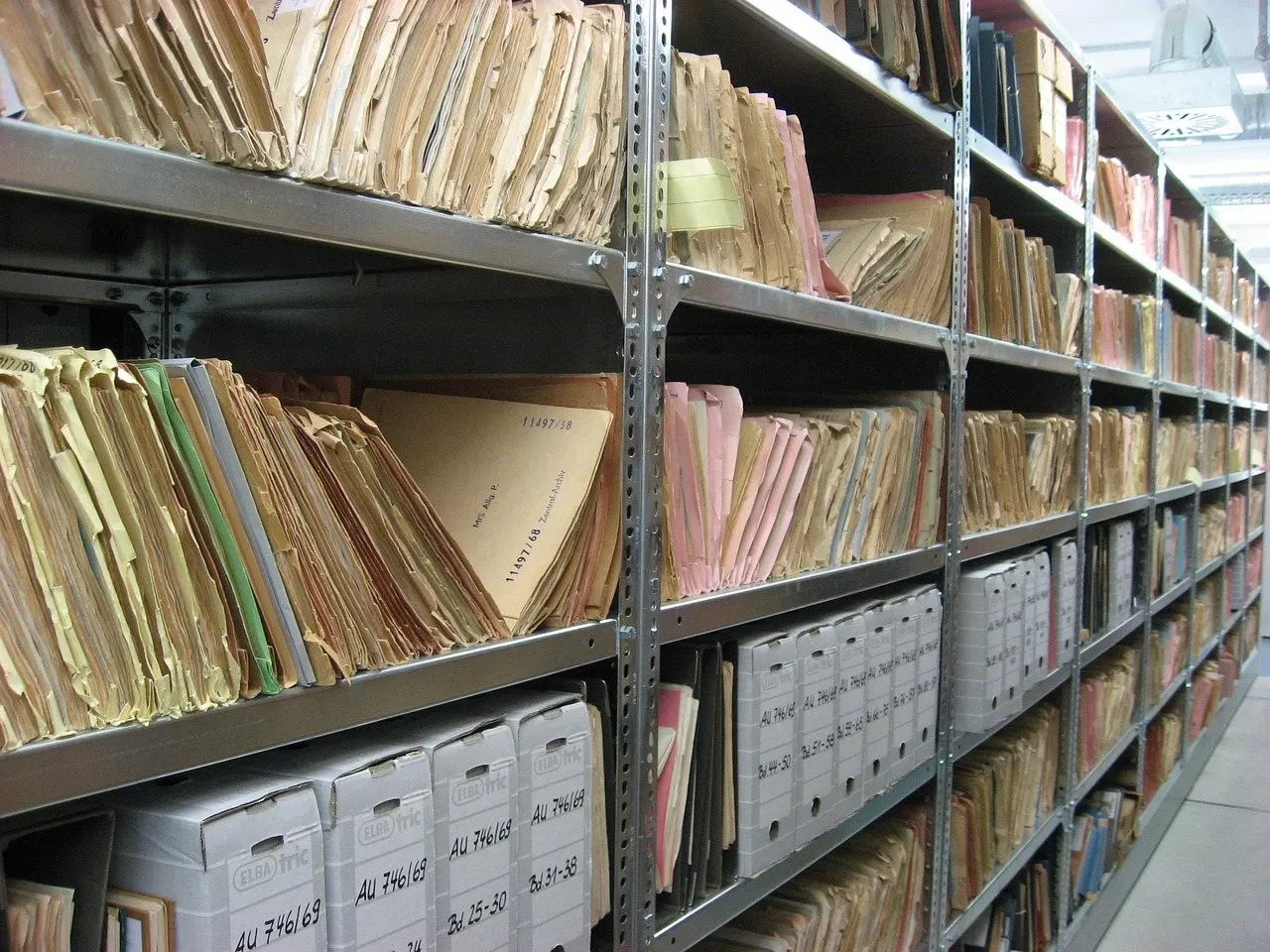
The biggest open question is how the department would get the records at all. Voting logs and voter rolls are held by state and local officials, not by Washington, and Mullin did not explain the path from a state office to a federal review. He did not say whether the department would ask states to hand the data over, seek court orders, or use another tool. Until that path is clear, the plan remains a promise without a map. Read more about the clash over midterm spending.
The Legal Tools DHS Might Use

Lawyers say the department has a few possible tools, but each one has limits. It could ask states to share data by agreement, it could seek court orders in specific cases, or it could use existing federal powers to request records. Each route would face legal challenges, and courts have already pushed back on some of the administration’s requests. The choice of tool will shape how fast the review can move, if it moves at all. Read more about the old vow about Putin.
Election Day 2026 and the Midterm Vote
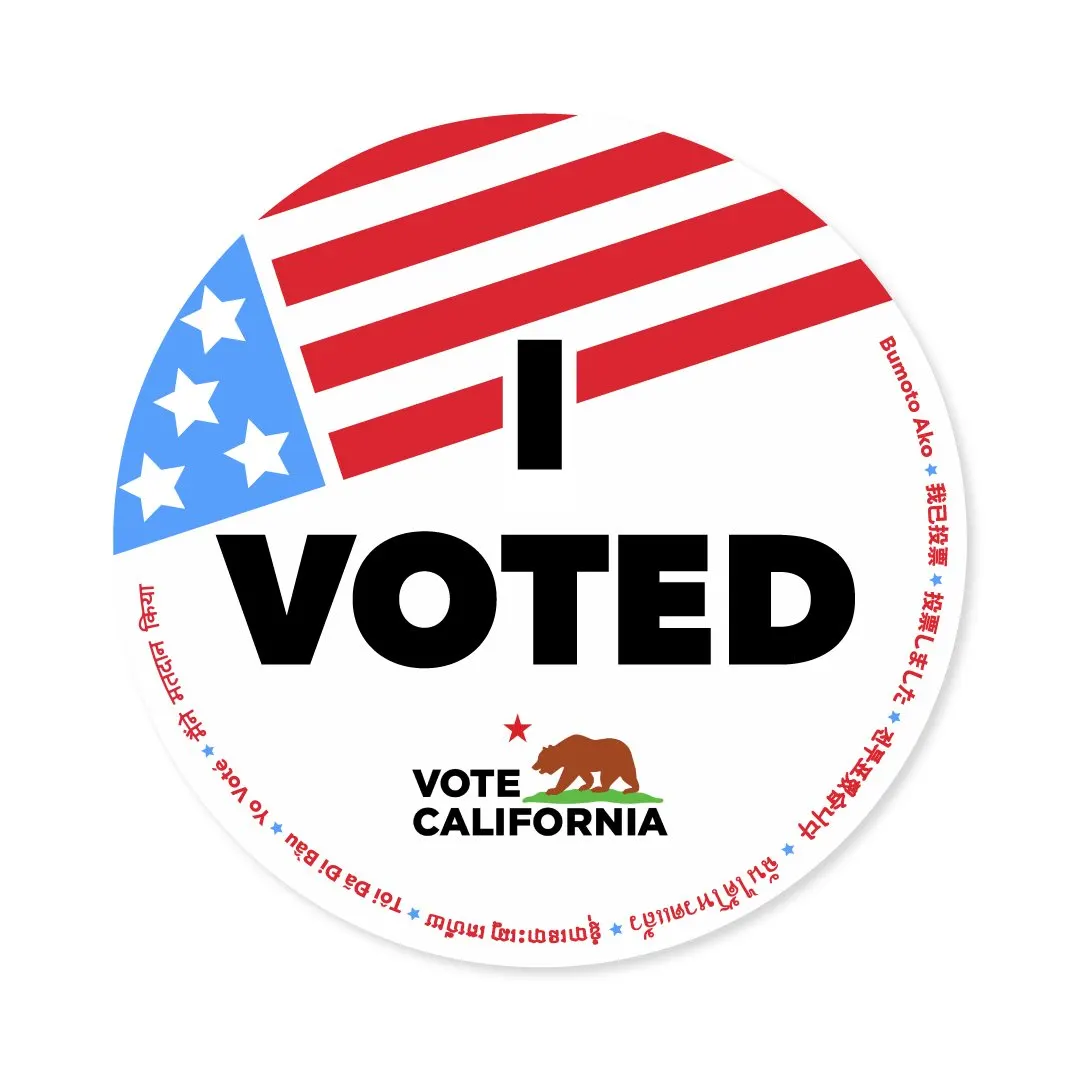
Election Day fell on November 3, 2026, and voters across the country cast ballots in the midterm elections. The midterms decide control of Congress and many state offices, so they draw heavy attention from both parties. Mullin chose that day to make his announcement, a moment when the whole country was thinking about voting. The timing made sure his words would be heard far beyond one television studio. Read more about the claim about Putin and Iran.
What Happens to Voting Logs After the Election
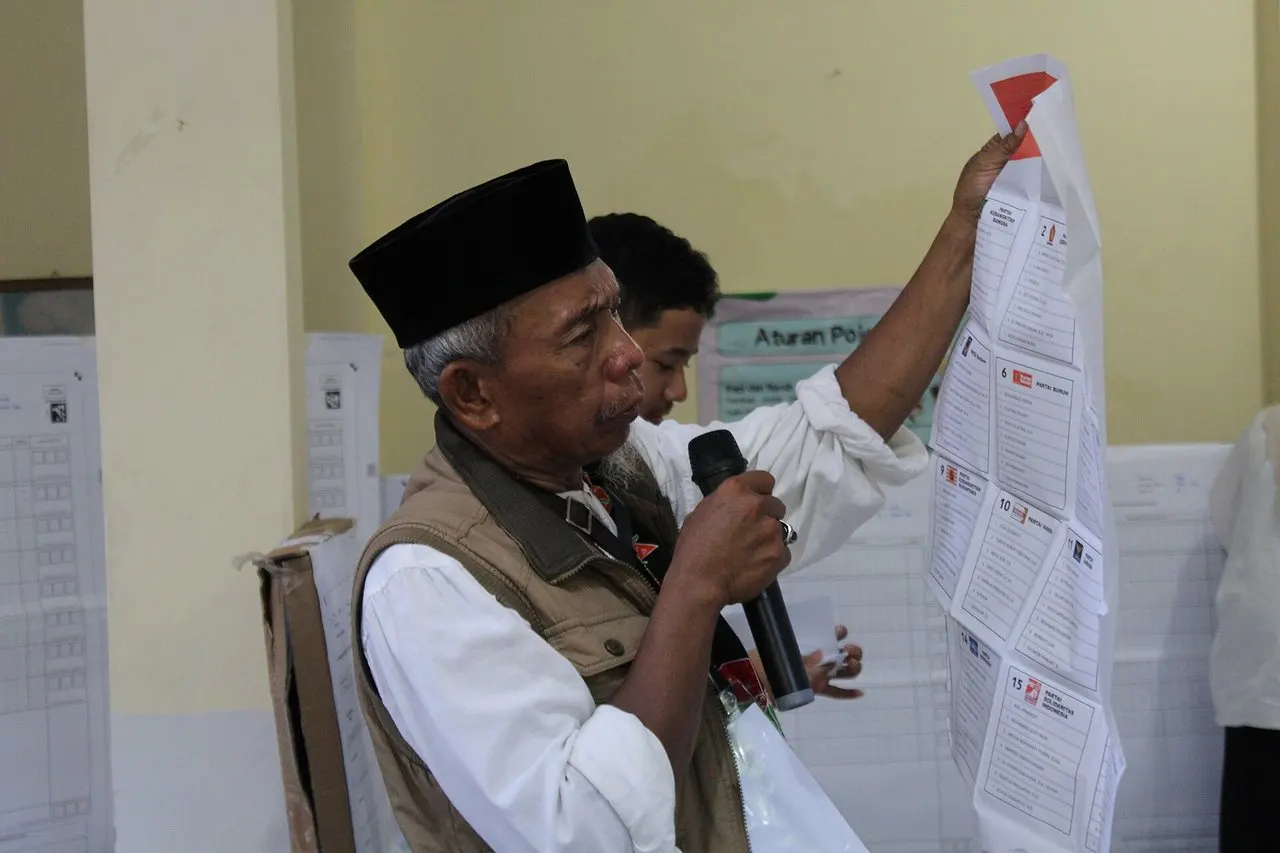
After the election, the work of counting and checking begins, and that is when Mullin says his department will step in. Local officials first count the ballots and certify the results, a process that can take days or weeks. Only then would a federal review of the logs begin, if the department can get the records. The wait between the vote and the review leaves room for claims, rumors, and court filings. Read more about the climate warning at the Field Museum.
Why Critics Are Worried
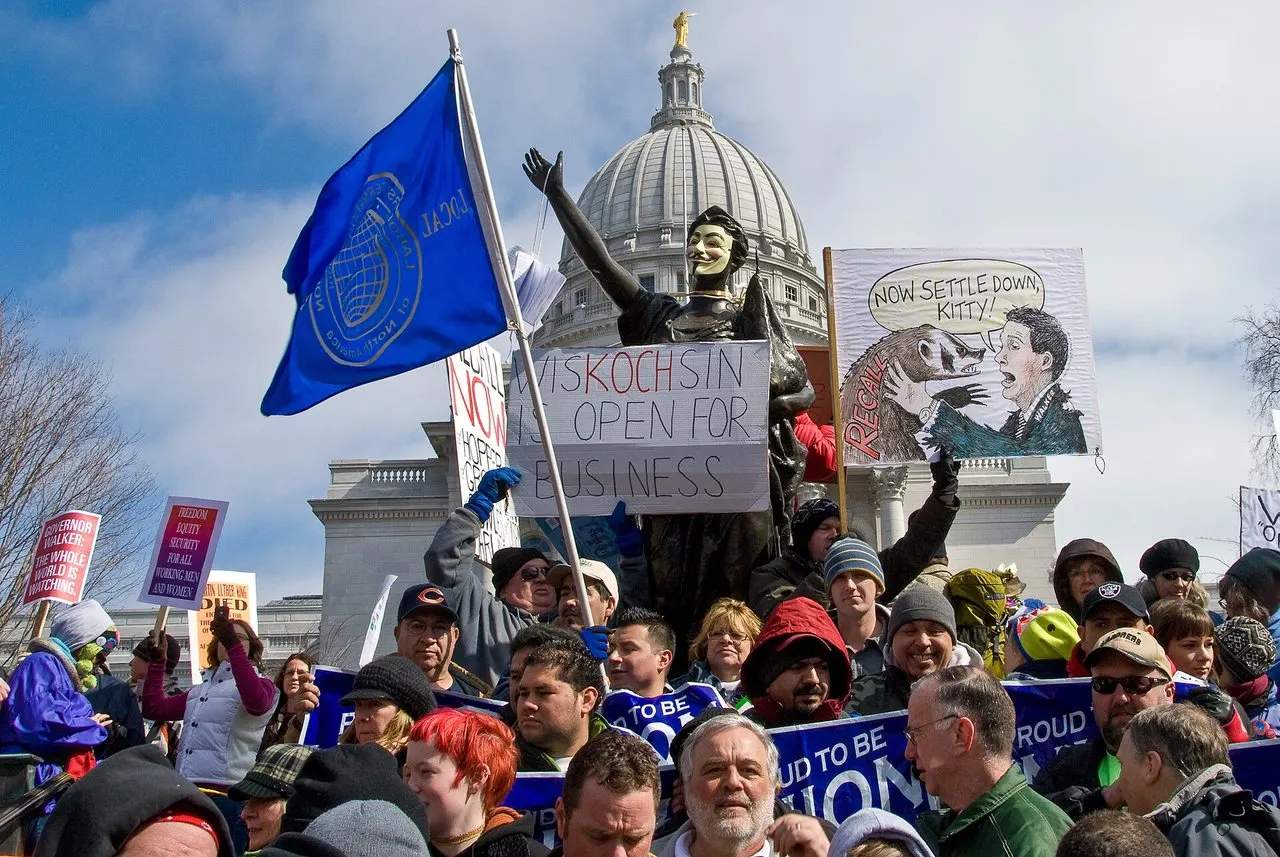
Critics worry that a federal review of voter data could sweep up citizens by mistake and chill lawful voting. They point to past cases where lists flagged people who turned out to be citizens, including 185 people flagged in Nevada who state reviews found were citizens. They also warn that armed visits by federal agents to ask residents about their citizenship have already frightened communities. For critics, the risk is not only error, but fear. Read more about the warning over SpaceX funding.
Why Supporters Back the Plan
Supporters say the review is long overdue and the only way to restore trust in elections. They argue that states cannot be trusted to police their own rolls, and that only a federal check can find people who should not be on them. They point to the Texas charges and the large numbers cited by the administration as proof that the problem is real. For them, the plan is a promise kept, not a power grab. Read more about the plan to end horse carriages.
A Look Back at Past Voter Roll Checks
This is not the first time voter rolls have been checked after an election, and past reviews offer a guide to what may come. States have long run audits that compare ballots cast with names on the rolls, and they publish the results for the public to see. Those audits usually find a small number of errors and no sign of a stolen outcome. The new plan would add a federal layer to a job states already do. Read more about the night Mullin was pulled off TV.
How Voter Registration Works in America
Registering to vote in America starts with a form, and each state sets its own rules for who may sign up. Most people register through a motor vehicle office, by mail, or online, and they must swear that they are citizens and residents of the state. Local officials then check the form against other records before adding the name to the rolls. The system is built on trust, backed by checks after the fact. Read more about the Texas decision on ICE.
What a Voting Log Shows, Step by Step
A voting log shows the trail of a single ballot, from the moment it is cast to the moment it is counted. It can record the polling place, the time of the vote, and the checks that matched the voter to the rolls. When officials look for problems, they compare the logs with the registration lists to find names that should not be there. The work is slow, detailed, and easy to get wrong without care. Read more about the Senate vote on war powers.
The Role of Homeland Security in Elections
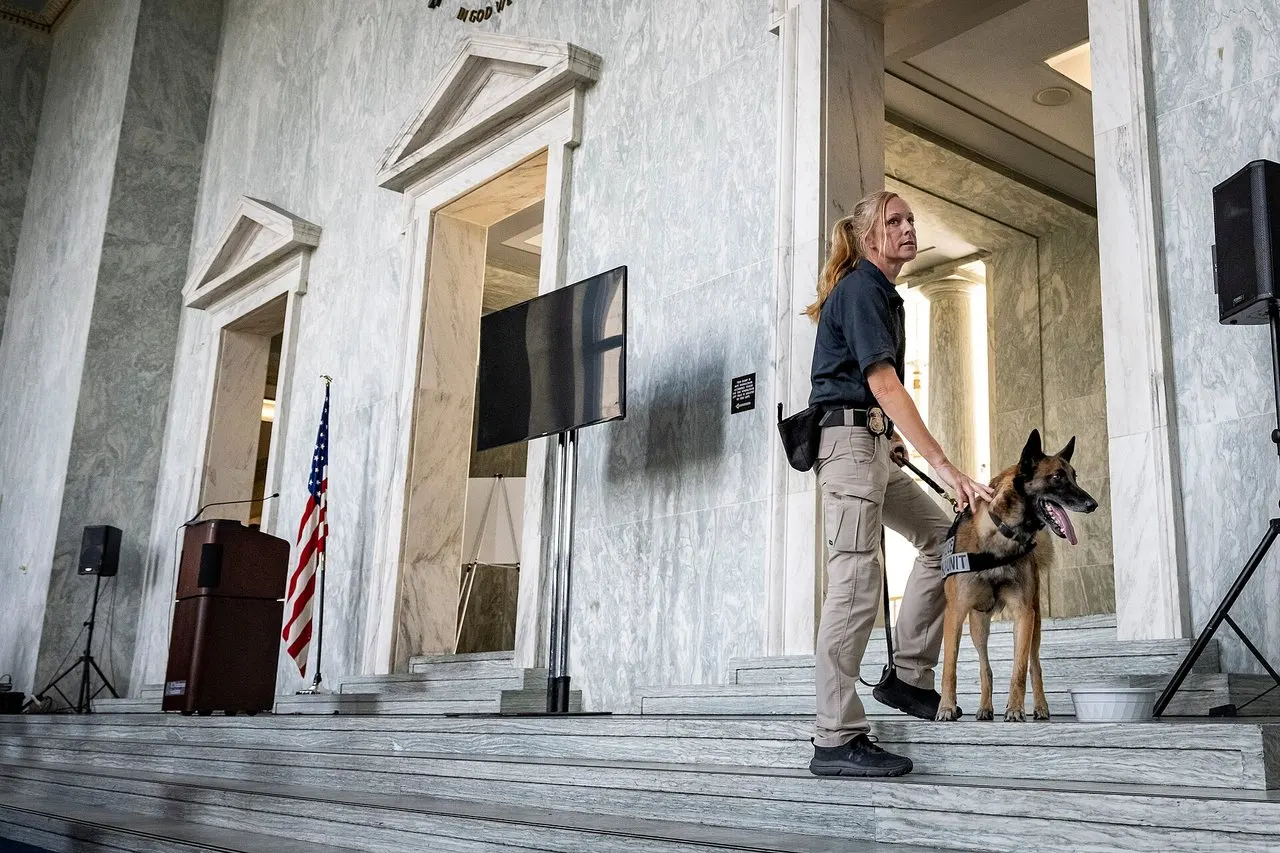
The Department of Homeland Security was created to protect the nation from threats, and its work covers borders, airports, and disaster response. Elections were not its main job for most of its history, and that is why the new plan surprises many experts. The department does help states protect voting systems from cyber threats, but checking who voted is a new step. The shift raises questions about the right role for a security agency. Read more about the clash over midterm spending.
Election Night Interviews and Instant Claims
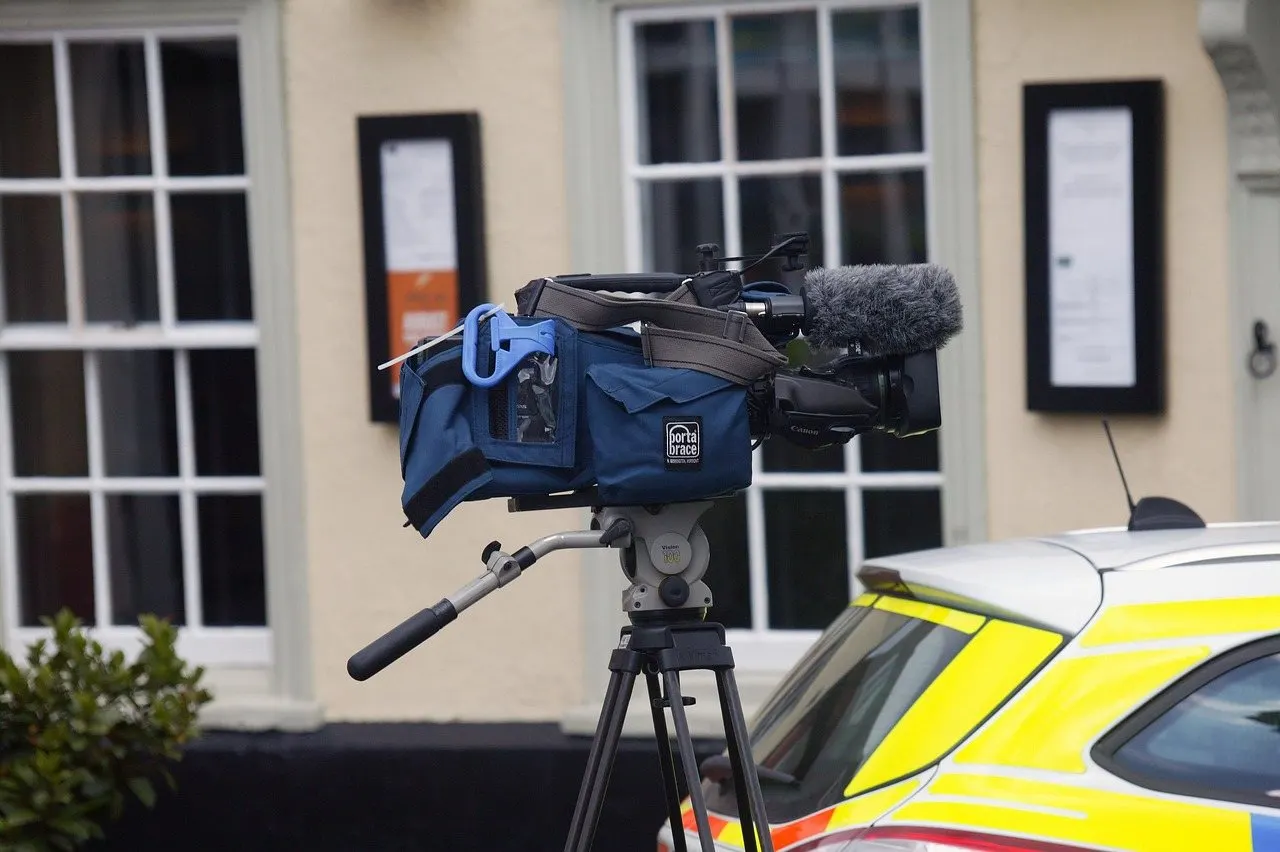
Election night interviews are where many big claims are born, because candidates and officials speak while results are still coming in. A single line on television can travel fast, and it can shape what millions of people believe before the facts are checked. Mullin used that moment to make his promise about the logs, and the clip spread quickly online. The interview shows how much of the debate now happens on live television. Read more about the old vow about Putin.
What Happens If a Noncitizen Is Found on the Rolls
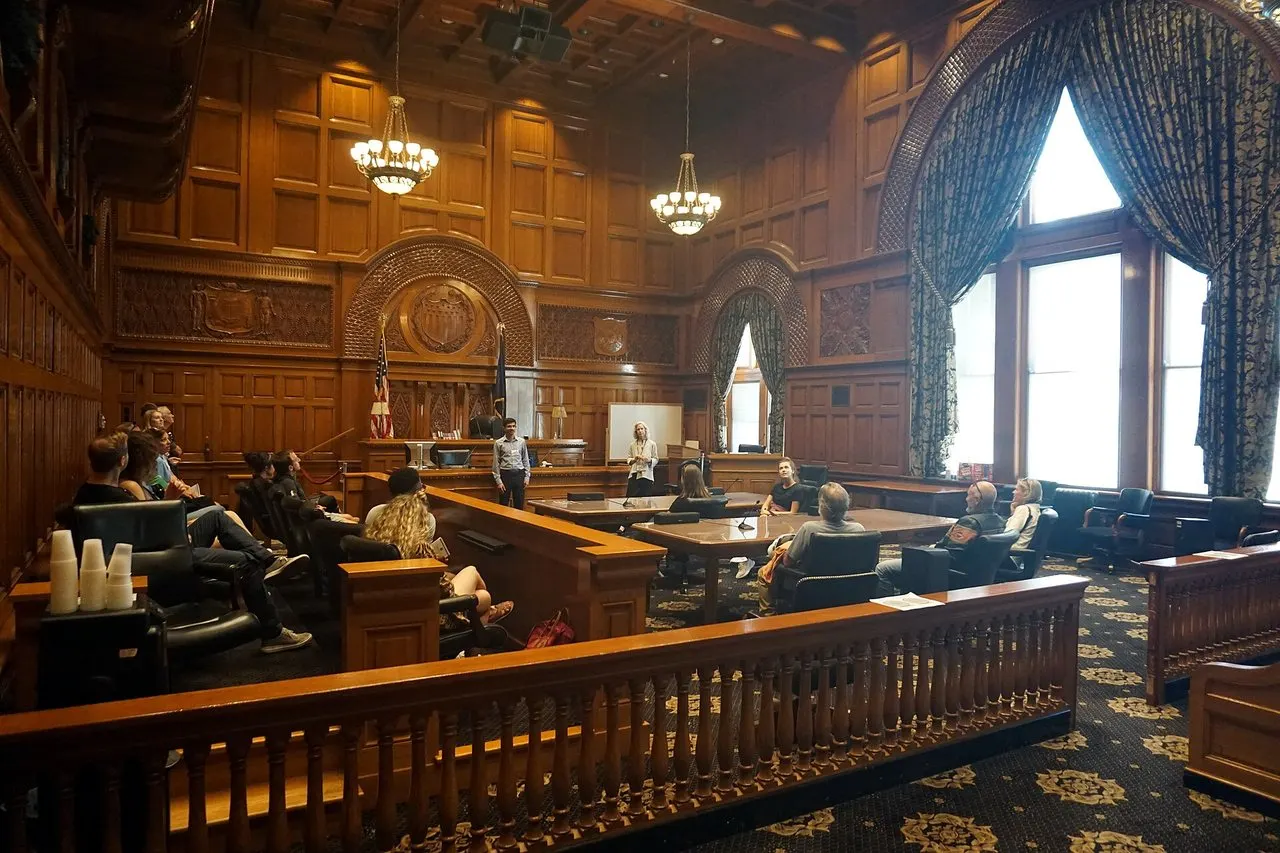
If a noncitizen is found on the voter rolls, the case can lead to criminal charges, fines, prison time, and removal from the country. Prosecutors must prove that the person knew they were not allowed to vote, which is not always simple. In some cases, the person may have been added to the rolls by a clerical error, as happened in New Jersey, where a software error put more than 6,000 noncitizens on the rolls. The facts of each case matter a great deal. Read more about the claim about Putin and Iran.
The Bigger Debate Over Voting Logs and Election Integrity
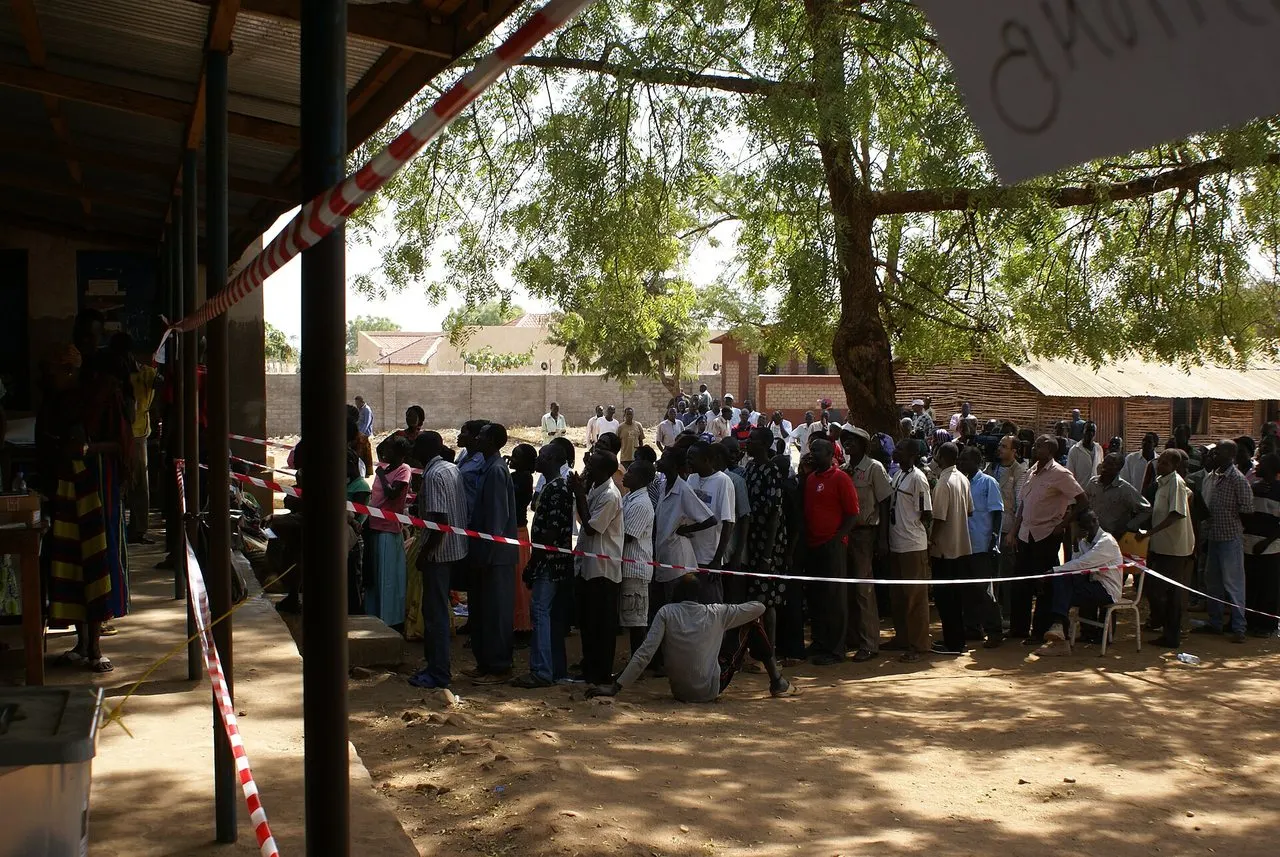
The debate over election integrity goes far beyond one interview, and it touches how Americans trust their democracy. One side says strict checks are the only way to keep elections clean, while the other side says the checks themselves can do harm. Both sides point to the same numbers and read them in different ways. The argument will not end with one review, no matter what the logs show. Read more about the climate warning at the Field Museum.
What to Watch Next in the Voting Logs Fight

In the weeks ahead, watch for court rulings, state responses, and the first signs of how the review will work. Judges will decide whether the department can get the records it wants, and states will decide whether to hand them over or fight. The department may also face questions in Congress about its methods and its budget. Each step will tell us whether the plan is real or only a promise. Read more about the warning over SpaceX funding.
What Do You Think Should Happen Next
If you could ask Secretary Mullin one question about the review, what would it be? Would you ask how he plans to get the records, or what happens to people who are flagged by mistake? The answers matter to every voter, because trust in elections belongs to all of us. Share your thoughts in the comments below, and tell us what you think should happen next. Read more about the plan to end horse carriages.