
Cohen Impeachment Articles Take Aim at President Trump

Cohen impeachment articles filed by Rep. Steve Cohen of Tennessee put President Donald Trump back in the spotlight on September 24, when the senior Democrat introduced 26 articles accusing the president of abuses of power and violations of his oath of office. Cohen, a senior member of the House Judiciary Committee, said Trump is the most impeachable president the country has ever had and called his continued time in office a danger to democracy. The filing opened a fresh chapter in the long fight between congressional Democrats and the Trump administration.
In the slides ahead we look at what the 26 articles cover, from immigration policy and military action without Congress to tariffs, pardons and alleged personal financial benefit from the presidency. Introducing the articles did not impeach the president, since the House would still have to vote, and Cohen admitted the resolution is unlikely to advance in the Republican controlled House. For more on the wider fight, read our report on the silent shrug in Berlin.
References:
Congressman Steve Cohen: Congressman Cohen Introduces Comprehensive Articles of Imp*achment Against President Donald Trump
Memphis Flyer: Cohen Files for Trump Imp*achment
American Almanac: Tennessee Democrat dumps 26 imp*achment articles on Trump in doomed House bid
North Jersey: Could Trump be removed after the midterms? What Democrats are saying
The Cohen Impeachment Articles Land on September 24

On September 24, Rep. Steve Cohen of Tennessee introduced 26 articles of impeachment against President Donald Trump, accusing him of abuses of power, violations of his oath of office and other misconduct. The move came shortly after the House rejected an impeachment effort led by Rep. Al Green, and it put the spotlight on the president and his critics in Congress. Cohen has served in the House for many years as a senior member of the Judiciary Committee. For more on the wider fight, read about the UN vote on women and children.
Twenty Six Articles Cover a Wide Range

The 26 articles cover a wide range of allegations, including immigration policy, the use of military authority, federal spending, tariffs, presidential pardons, the treatment of federal employees, and actions involving universities, law firms and the media. The resolution also raised accusations involving alleged personal financial benefit from the presidency. Together the articles paint a broad picture of the case Cohen wants to make against Trump. Read more in our reports on the push for a third impeachment try.
Immigration Policy Leads the List

Immigration policy sits near the front of the case Cohen laid out, and it has long been one of the sharpest dividing lines between the president and his critics in Congress. The articles point to the way the administration has carried out immigration enforcement and the choices it has made at the border. Supporters of the president say strong enforcement keeps the country safe, while critics say the methods go too far. Our coverage of Don Bacon and his warning adds more context.
Cohen Impeachment Articles Question Military Action

The articles also raise the use of military action without Congress, a question that has stirred debate for many presidents, not just this one. The Constitution gives Congress the power to declare war, yet presidents have often ordered strikes and deployments on their own authority. Lawmakers argue over where that line sits, and the courts have rarely settled it. For more on the debate, read about Trump and his call to European leaders.
Tariffs and Federal Spending Draw Fire

Tariffs and federal spending are also part of the 26 articles, two subjects that touch the daily lives of millions of Americans. Tariffs are taxes on goods brought in from other countries, and they can raise prices at home even as they aim to protect jobs. Federal spending shapes everything from roads to aid programs. Cohen argues the president has misused his power over both. Read more about the Armenia and Azerbaijan peace deal.
Pardons and Federal Workers in the Mix

Presidential pardons and the treatment of federal employees appear in the articles too, and both go to the heart of how a president uses the power of the office. A pardon can wipe away a federal conviction, and presidents have long used that power in ways that draw praise or anger. Federal workers carry out the laws Congress passes, and how they are treated says much about a presidency. See Sanders and his clash with Musk for more.
Cohen Impeachment Articles Raise Money Questions

The resolution also raised accusations involving alleged personal financial benefit from the presidency, a charge that has followed Trump since he first took office. Critics say a president should be fully cut off from business interests while in the White House, while supporters say his business past is no secret to voters. The articles ask whether the line between public office and private gain was crossed. Read the YMCA dance in China for more on the wider fight.
Universities, Law Firms and the Media

Actions involving universities, law firms and the media are named in the articles as well, three parts of American life that have often clashed with this president. Universities train the next generation and guard open debate, law firms defend clients of every kind, and a free press reports what the powerful do. Cohen argues that pressure on these institutions threatens the checks that keep a democracy healthy. Our reports on the Kentucky liberal and his posts add context.
A Senior Voice on the Judiciary Committee

Cohen is a senior member of the House Judiciary Committee, the panel that handles questions of law, the courts and impeachment. That seat gives his voice weight when he talks about the Constitution and the limits on a president. Committee members spend their days in hearings and markups, weighing evidence and law. His long service on the panel shapes the way he frames this case. Read about Vance and Rubio at the briefing.
Cohen Impeachment Articles Follow the Al Green Vote
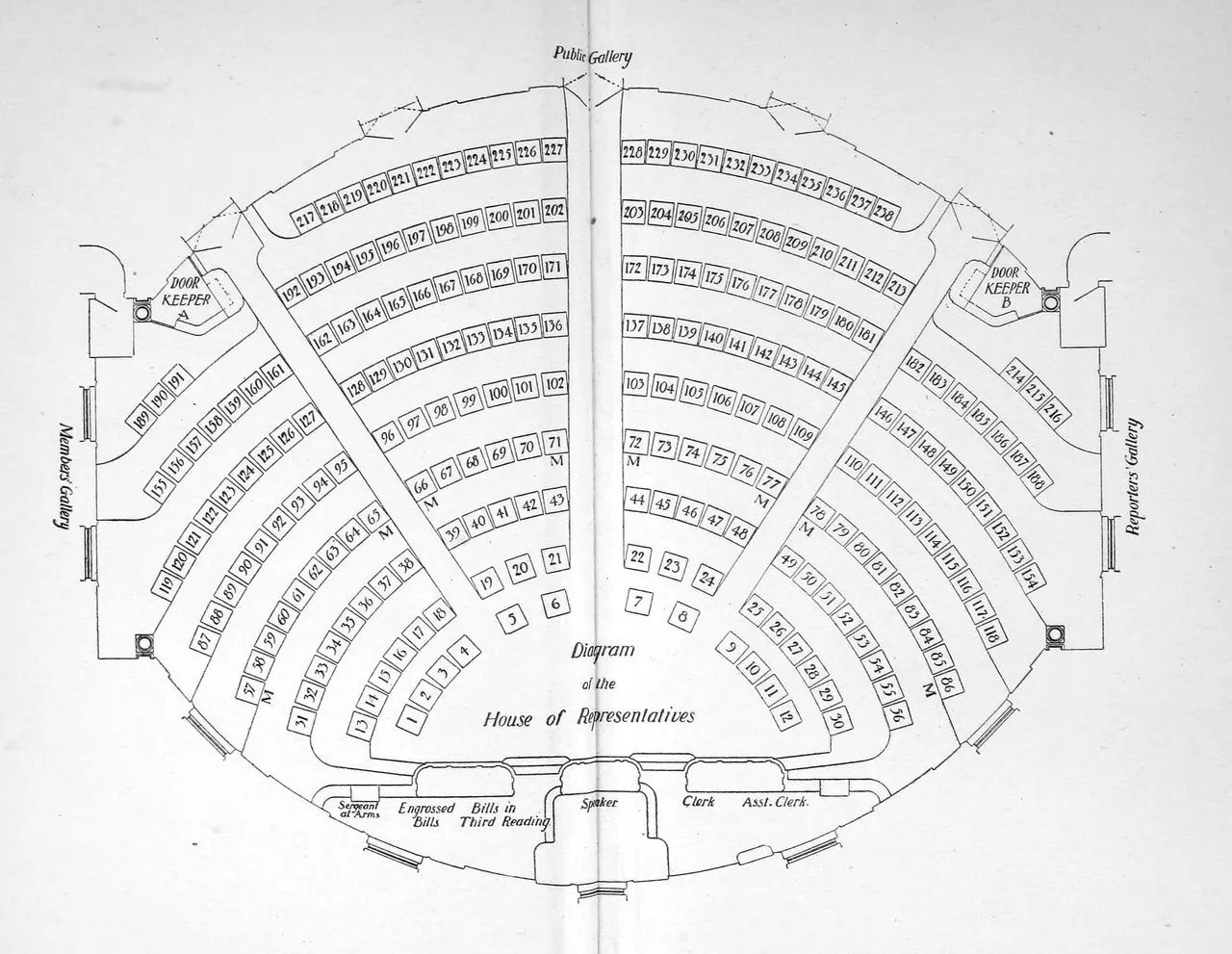
Cohen introduced his resolution shortly after the House rejected a separate impeachment effort led by Rep. Al Green, and the timing matters. Green had pressed his own case against the president, but the House turned it aside, showing how hard it is to move impeachment in this Congress. Cohen went ahead anyway, filing a far broader set of articles. For more, read the Thanksgiving turkey vote.
Why Filing Is Not the Same as Impeachment

Introducing articles of impeachment did not mean Trump had been impeached, and that point is easy to miss in the headlines. A filing is only the start of a process, and the proposal would need to advance through the House before lawmakers could vote on impeachment itself. Until that vote happens, the president remains in office and the articles are a charge, not a verdict. See Stella Immanuel and her call for more.
The Long Road Through the House
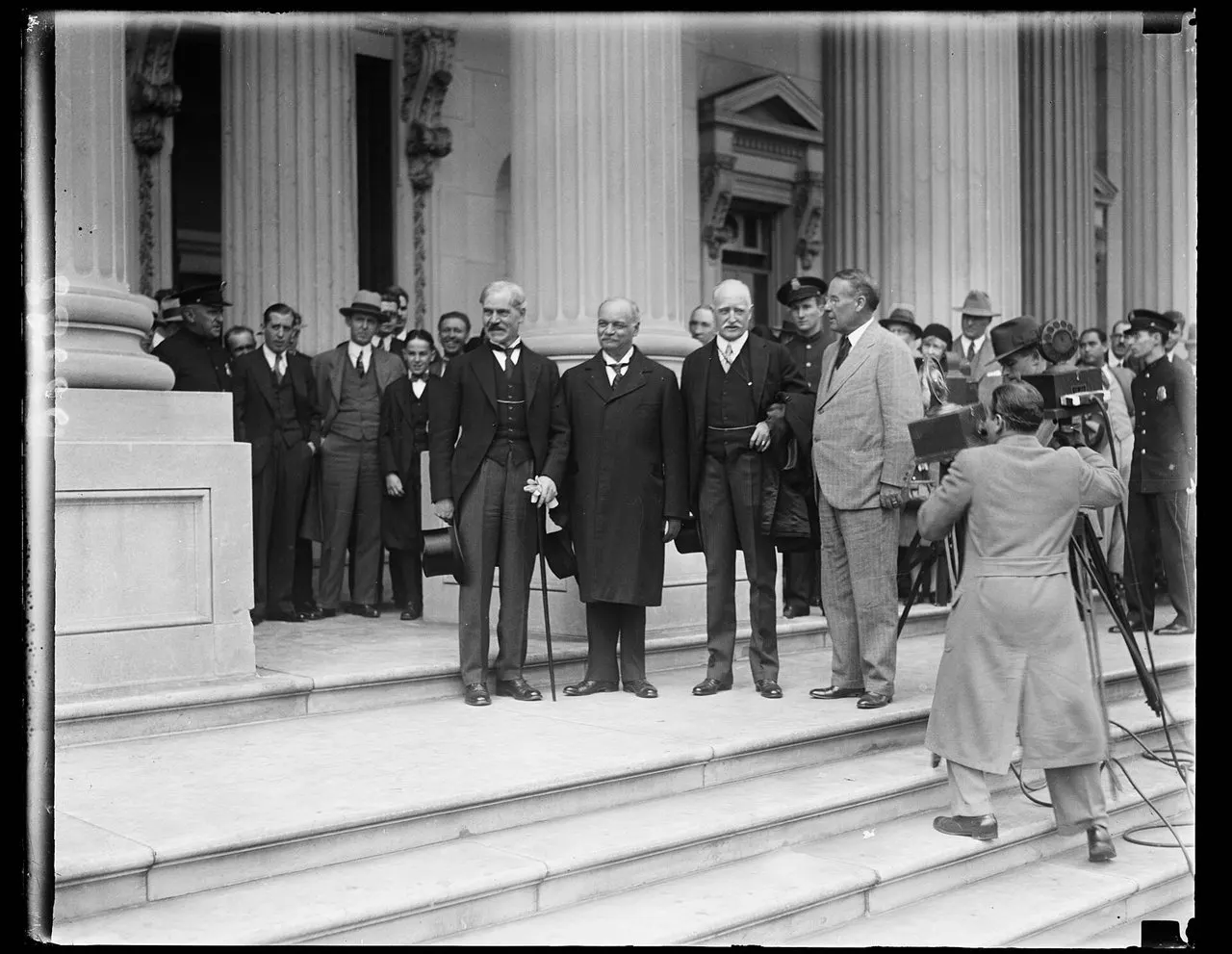
The proposal would need to advance through the House process before lawmakers could vote, and that road has many steps. A resolution is sent to a committee, where members can hold hearings, debate the charges and decide whether to send it to the full House. At each step, the majority party holds the power to move it forward or let it sit. That is why timing and control of the House matter so much. Read the Senate vote on war powers.
Cohen Impeachment Articles Face a Republican House

Cohen admitted the resolution is unlikely to advance in the Republican controlled House, and that admission tells its own story. The majority party sets the schedule, and it has little reason to bring up a case against a president from its own side. Cohen filed anyway, saying the record matters even when the votes are not there. For more on the politics, read Raskin and the Judiciary Committee.
What Happens If the House Votes

If the House ever did vote, a simple majority would be enough to impeach a president, and the case would then move to the Senate for a trial. Senators would hear the evidence and vote on whether to convict and remove the president from office, and that step needs two thirds of the Senate. No president has ever been removed that way, which shows how high the bar truly is. Read more in De Niro and his view of the country.
The Oath of Office at the Center

Violations of the oath of office sit at the center of the articles, and that oath is the promise every president makes on Inauguration Day. The president swears to preserve, protect and defend the Constitution, words that have bound every president since George Washington. Cohen argues that Trump broke that promise again and again, a charge that goes beyond any single policy fight. Our reports on Trump and his joke about dictators add more.
Cohen Impeachment Articles Call Trump a Danger

Cohen said the president is the most impeachable president the country has ever had and called his continued time in office a danger to democracy. Those are strong words from a senior lawmaker, and they show how seriously he views the case. For Cohen, the filing is not only about past acts but about what he fears could come next if no one speaks up. Read Alex Pretti and his memory for more on the debate.
A Most Impeachable President, Cohen Says

Calling a president the most impeachable the country has ever had is a claim that invites a hard look at history. Other presidents have faced impeachment, and two were impeached by the House in the past, yet none was removed from office. Cohen argues that the scale and range of his 26 articles set this case apart. Whether voters agree is a question that will play out in public debate. See Harrison Ford and his warning.
Standing Up for Tennessee Constituents

Cohen said he intended to continue standing up for his constituents and democratic principles, and that promise speaks to the voters back home in Tennessee. A member of Congress answers to the people of one district, and Cohen has long said his job is to speak for them even when the fight looks hard to win. The filing is his way of keeping that promise in public. Read more about Himes and his warning on SpaceX.
Cohen Impeachment Articles Add a New Chapter

The resolution added another chapter to the ongoing political conflict between congressional Democrats and the Trump administration, a fight that has run through court cases, hearings and elections. Each side accuses the other of overreach, and each new filing gives both sides fresh ground to argue on. For the public, the chapters can blur together, yet each one shapes the record. Our reports on Clinton and her claim about Putin follow the story.
Democrats and Trump Keep Clashing
The clash between congressional Democrats and the Trump administration did not start with this filing, and it will not end with it. From the first days of the administration, Democrats have challenged the president in court and in Congress, while the White House has pushed back just as hard. The 26 articles are the latest move in a struggle over the direction of the country. Read the Pacific seabed auction for more.
How Impeachment Has Worked Before
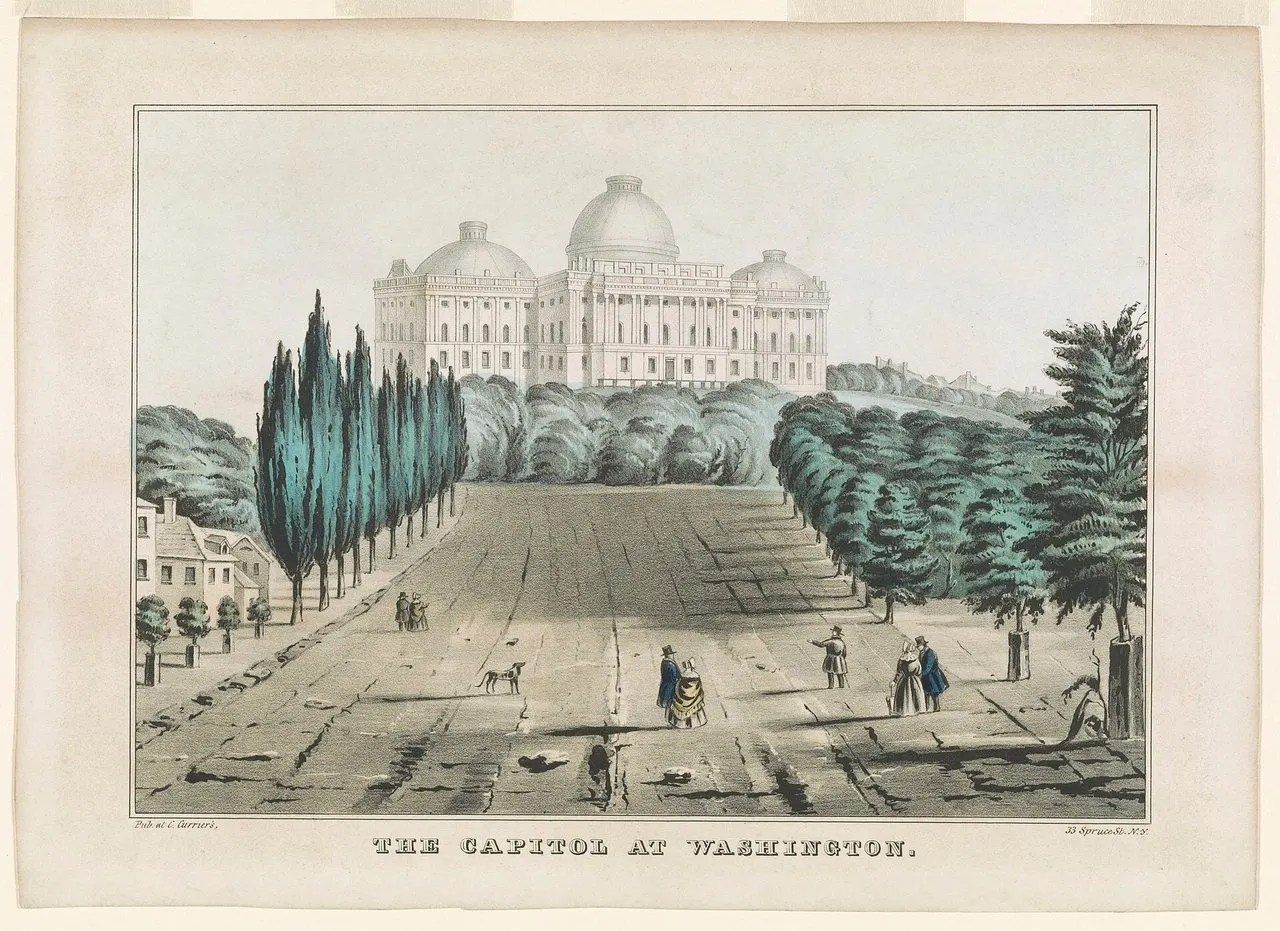
Impeachment has been used only a few times in American history, and the process is slow by design. The House acts as the accuser, voting on articles that lay out the charges, and the Senate acts as the court, hearing the case and voting on removal. Presidents Andrew Johnson and Bill Clinton were both impeached by the House and acquitted by the Senate. Trump himself was impeached twice and acquitted twice. See Sanders and the defense budget fight.
Cohen Impeachment Articles and the Midterm Question

One of the references for this story asks whether Trump could be removed after the midterms, and what Democrats are saying about that chance. Control of the House after the next election could change everything about the fate of these articles, since a new majority could bring them up for a vote. For now that question hangs over the filing like a cloud. Read more in Prince Harry and his army vow.
What Cohen Hopes the Filing Achieves

Even a filing that is unlikely to advance can achieve something, and Cohen seems to know it. It puts 26 charges on the public record, gives his party a clear statement of its case, and forces the debate into the open. For a lawmaker who says democracy itself is at stake, silence would be worse than a losing vote. His filing is a stand, win or lose. Our reports on the silent shrug in Berlin add context.
The Politics Behind the Resolution

Every impeachment filing is political as well as legal, and this one is no different. Democrats want voters to see a president who abused his power, while Republicans call the effort a stunt that wastes the time of the House. The truth of the charges and the politics around them will be argued in public for months. For more on the divide, read the UN vote on women and children.
A Doomed Bid, by Cohen’s Own Admission
One reference for this story calls the filing a doomed House bid, and Cohen himself admits the resolution is unlikely to advance. That honesty is striking, because most lawmakers prefer to talk about winning. Cohen says the point is to stand up for his constituents and for democratic principles, even when the votes are not there. It is a filing built on principle, not on odds. Read the push for a third impeachment try.
Why the Filing Still Matters

A filing that goes nowhere can still matter, because it becomes part of the public record and part of history. Future lawmakers, historians and voters will be able to read the 26 articles and judge for themselves whether the case was fair. That is why members file charges they know will fail, and why Cohen says he will keep standing up. See Don Bacon and his warning for more on the story.
The Next Steps for the Resolution

For now the resolution sits in the House process, waiting to see whether any committee takes it up. It could be sent to the Judiciary Committee, where Cohen himself serves, or it could simply sit untouched while other business takes priority. Either way, the filing has already done its first job, which is to make the case in public. Read more in Trump and his call to European leaders.
What Comes Next in Washington

Washington now waits to see what comes next, both for these articles and for the wider fight over the presidency. Democrats will keep pressing their case in hearings and in public, while the White House will keep pushing back. The midterm elections loom over it all, since control of Congress could change the fate of every open question. Our reports on the Armenia and Azerbaijan peace deal follow the latest.
What Do You Think of the Filing?

Cohen filed 26 articles against the president, called him the most impeachable president the country has ever had, and admitted the case is unlikely to advance in this House. That mix of bold charges and honest odds leaves plenty to argue about, and the debate belongs to all of us. What do you think of the filing? Should the House take it up, or should it move on? Share your thoughts in the comments below, and read Sanders and his clash with Musk for more.