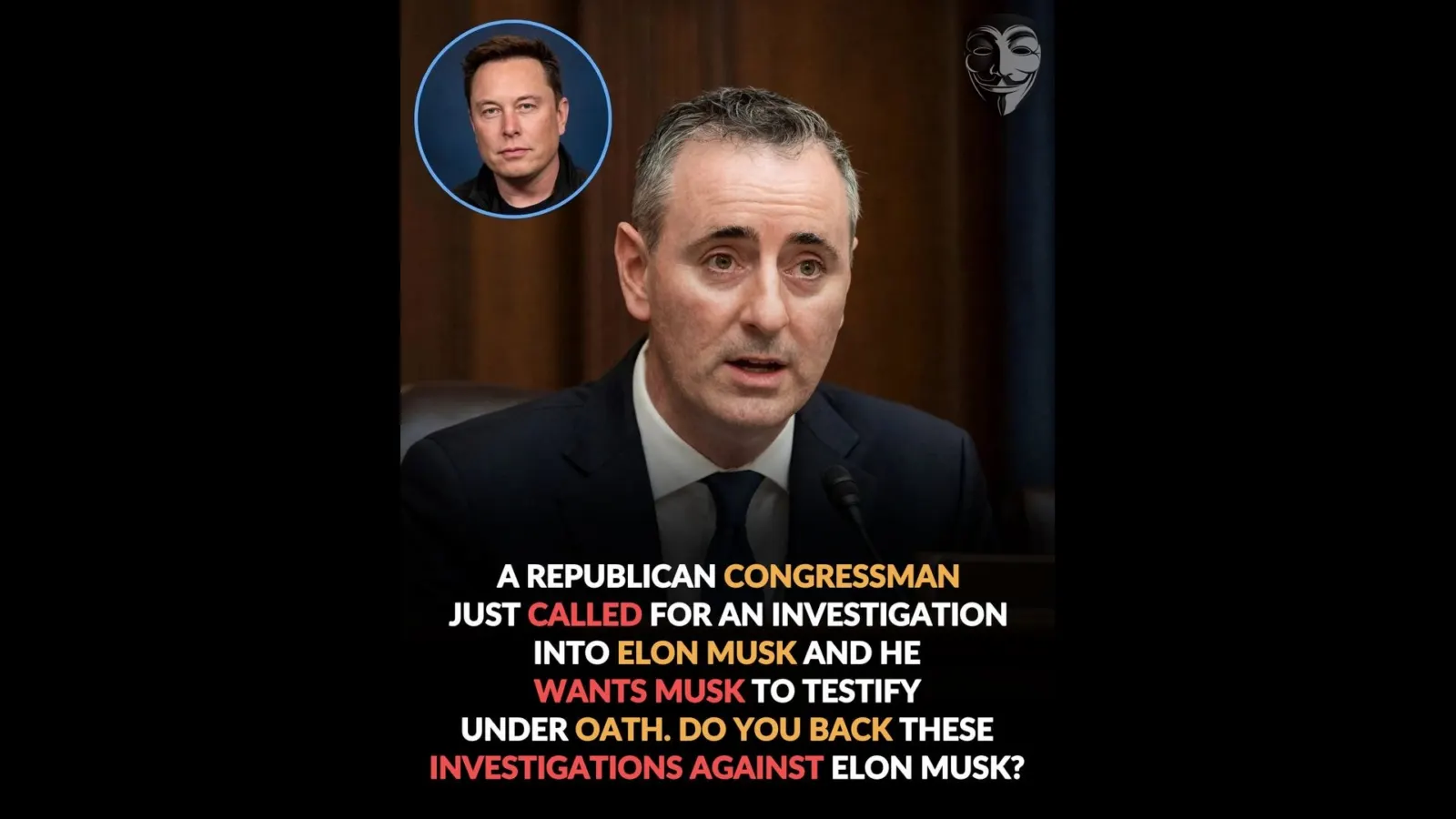
Musk Starshield Investigation: Fitzpatrick Wants Musk Under Oath
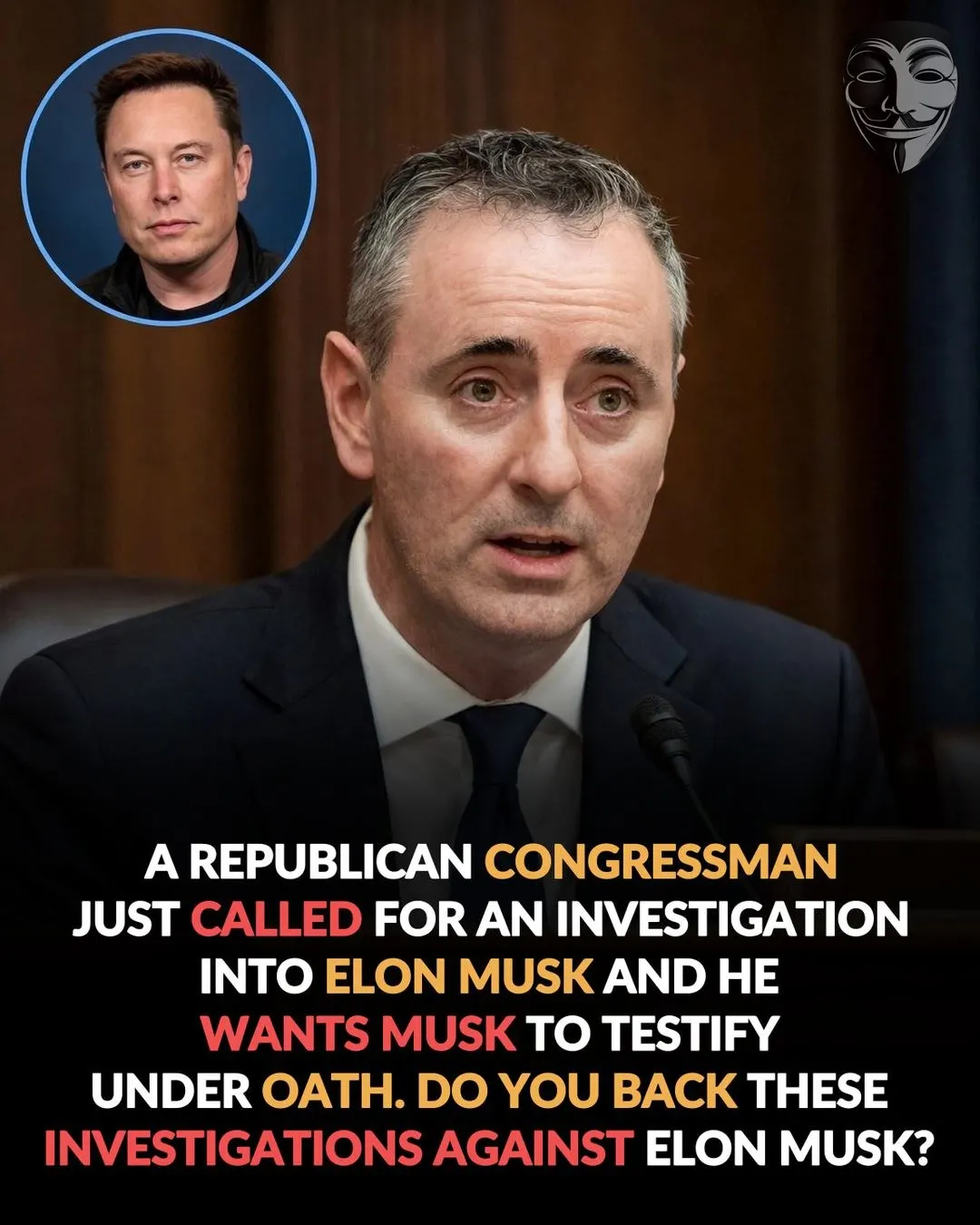
The Musk Starshield investigation began when Republican Representative Brian Fitzpatrick of Pennsylvania called for Congress to look into Elon Musk and the military satellite network used by Ukraine. Speaking on CNN on October 20, 2026, Fitzpatrick said lawmakers must call the witnesses, put them under oath and get to the bottom of the matter. The call followed a Wall Street Journal report that Musk ordered a slowdown of Starshield, the military grade satellite service that supports Ukraine and its forces.
Fitzpatrick drew a sharp line between Starlink, the civilian product, and Starshield, a military grade security tool. He argued that no single civilian should decide how such a system is used, and Congress could block funding for any agency or official found to have played a role in the slowdown. Senator Adam Schiff of California also called for a Senate investigation and for Musk to testify under oath. The slides ahead explain what happened and what may come next. For more on Musk, read our report on Starlink over Iran and our story about his trillion dollar pay package.
References:
Wall Street Journal: Democrats Order Musk to Preserve Records Over Ukraine Starlink Access
The Telegraph: Musk disputes Zelensky’s account of Starshield access restrictions
The Telegraph: US lawmaker Fitzpatrick threatens accountability over restrictions on Ukraine’s StarShield use
Wall Street Journal: Why Amazon’s Rival to Starlink Is Struggling to Catch Up With SpaceX
The CNN Interview That Started It All
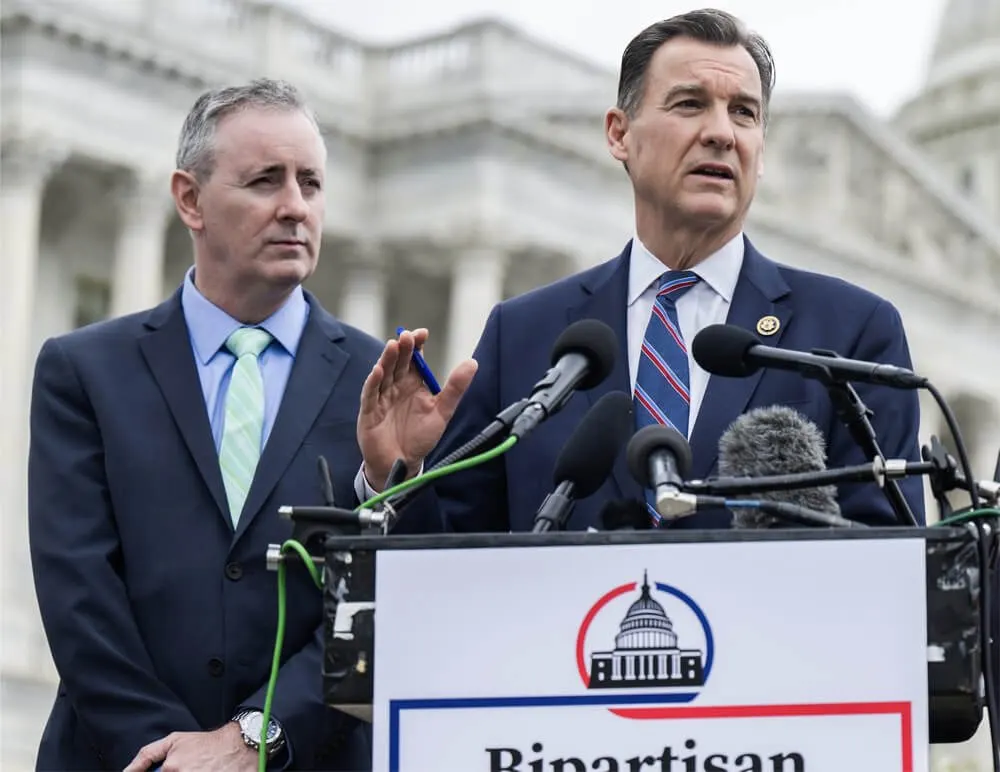
Fitzpatrick made his call on The Source with Kaitlan Collins, the CNN program where he spoke on October 20, 2026. He told Collins that Congress must call the witnesses, put them under oath and get to the bottom of it, because the matter is very serious. His words set off a fast debate in Washington, and Senator Adam Schiff soon added his voice from the Senate. The investigation had begun in public. For more on tense hearings, read our story on the Vance clash over the RFK Jr. hearing and the heated CDC hearing.
What the Wall Street Journal Reported

The Wall Street Journal reported that Musk ordered a slowdown of Starshield, the military grade satellite network used by the military of Ukraine. The report said the limits slowed the service, which Ukrainian forces rely on for their work on the ground. Fitzpatrick pointed to that report when he spoke on CNN, and he said the claims must be checked with care. News reports can raise hard questions, and lawmakers often use them as a starting point for formal inquiries. For more on big stories in Washington, read our report on the Alaska summit and the Greenland deal.
The Musk Starshield Investigation Turns on Two Networks

Starlink is the civilian commercial product that gives internet service to homes, businesses and travelers around the world. Starshield is a separate military grade system built for government and defense use, and Ukraine uses it for its military. The case turns on that difference, because Fitzpatrick says Musk has decision making authority over the first but not the second. He argues that a private citizen should not control a national security tool. For more on Musk and space, read our story about his trillion dollar pay package and his Neuralink work.
No Single Civilian Should Decide, Fitzpatrick Says
Fitzpatrick put his case in plain terms on CNN. He said Musk has authority over Starlink, the civilian commercial product, but not over Starshield, which is a military grade national security tool. In his view, no individual civilian should have decision making power over how such a system is deployed. That claim is now at the heart of the debate in Congress, where members are asking who should control tools that the armed forces depend on. For more on Congress and power, read our report on the Supreme Court term limits plan and the tariffs case.
His Reply to the Musk Starshield Investigation
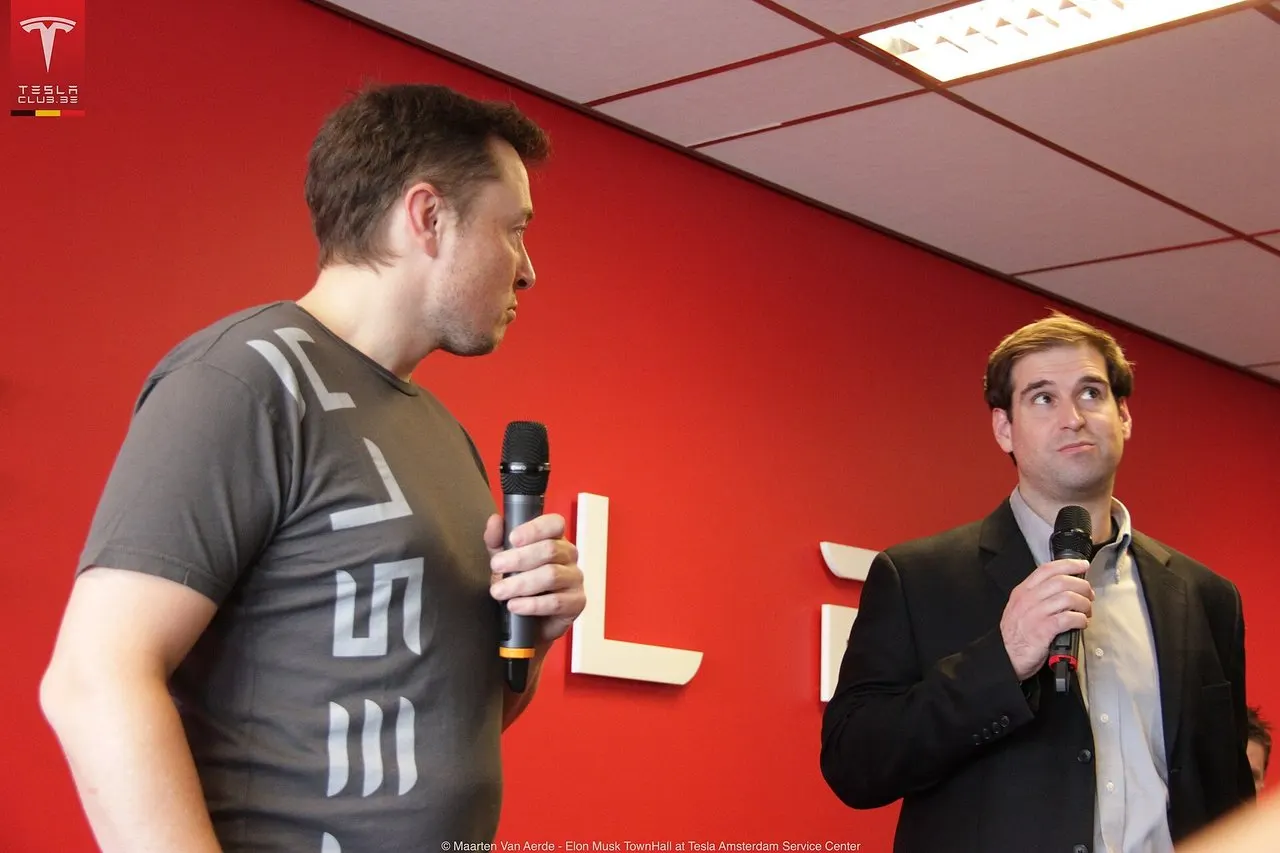
Musk denied that he ordered any slowdown of the service. He said the limits are set by the United States military, not by him or his company. He also warned lawmakers that such tactics cut both ways, a sharp reply to those who want him called before Congress. His denial sets up a direct clash of accounts, and the inquiry will have to sort out who gave the order and who set the limits. For more on Musk, read our story about his app idea and his donation with Andrew Tate.
Schiff Joins the Call From the Senate
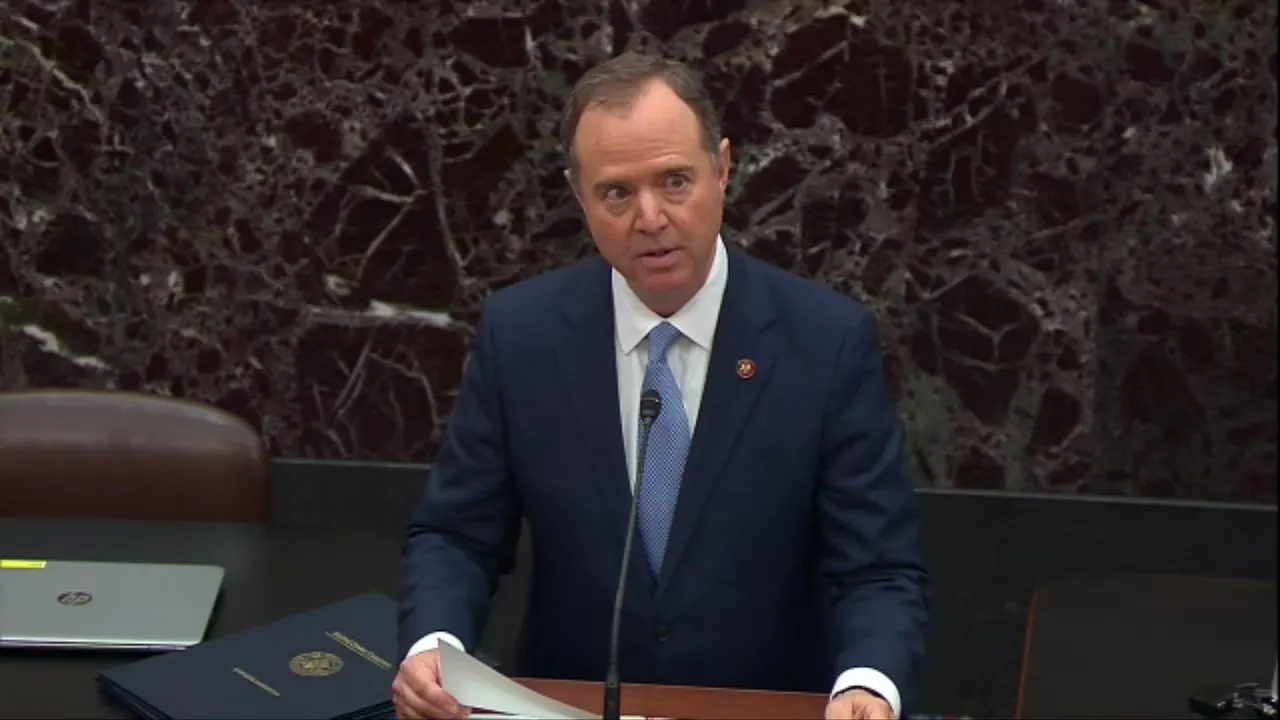
Senator Adam Schiff of California joined the call for scrutiny. He asked for a Senate investigation and said Musk should testify under oath, and he shared his view in a post on X. Schiff argued that national security choices should not rest in private hands, a point that echoes Fitzpatrick and his case. When a Republican in the House and a Democrat in the Senate push in the same direction, the issue gains weight in Washington. For more on Senate action, read our report on the National Guard plan and the self pardon bill.
Testifying Under Oath in the Musk Starshield Investigation
To testify under oath means a witness swears to tell the truth before a committee, and lying under oath can bring criminal charges. Congress uses sworn testimony to pin down facts, because witnesses must answer on the record and face the law if they mislead lawmakers. That is why Fitzpatrick wants Musk and other witnesses brought in under oath in this inquiry. A hearing room is a formal place, and every word there counts. For more on high stakes testimony, read our story on the heated CDC hearing and the Vance clash over the RFK Jr. hearing.
How a Congressional Investigation Works
A congressional investigation usually starts with letters, requests for records and a hearing. A committee can call witnesses, ask for documents and, if needed, issue a subpoena that compels a person to appear. Lawmakers then weigh the evidence and may write a report or propose new laws. The process can take weeks or months, and it often plays out in public. That slow pace frustrates some voters, but it is how Congress checks power. For more on how Washington works, read our report on the Supreme Court term limits plan and the tariffs case.
Why Ukraine Needs the Satellite Link

Ukraine uses satellite links to keep its forces connected on the ground, and this inquiry is about whether those links were slowed on purpose. A fast and steady connection helps troops share information, guide operations and stay in touch with commanders. When the link slows, work on the ground gets harder and the risks grow. That is why lawmakers treat the reported slowdown as a serious matter and not a small technical glitch. For more on Ukraine, read our report on security guarantees for Ukraine and the Alaska summit.
The Musk Starshield Investigation and National Security
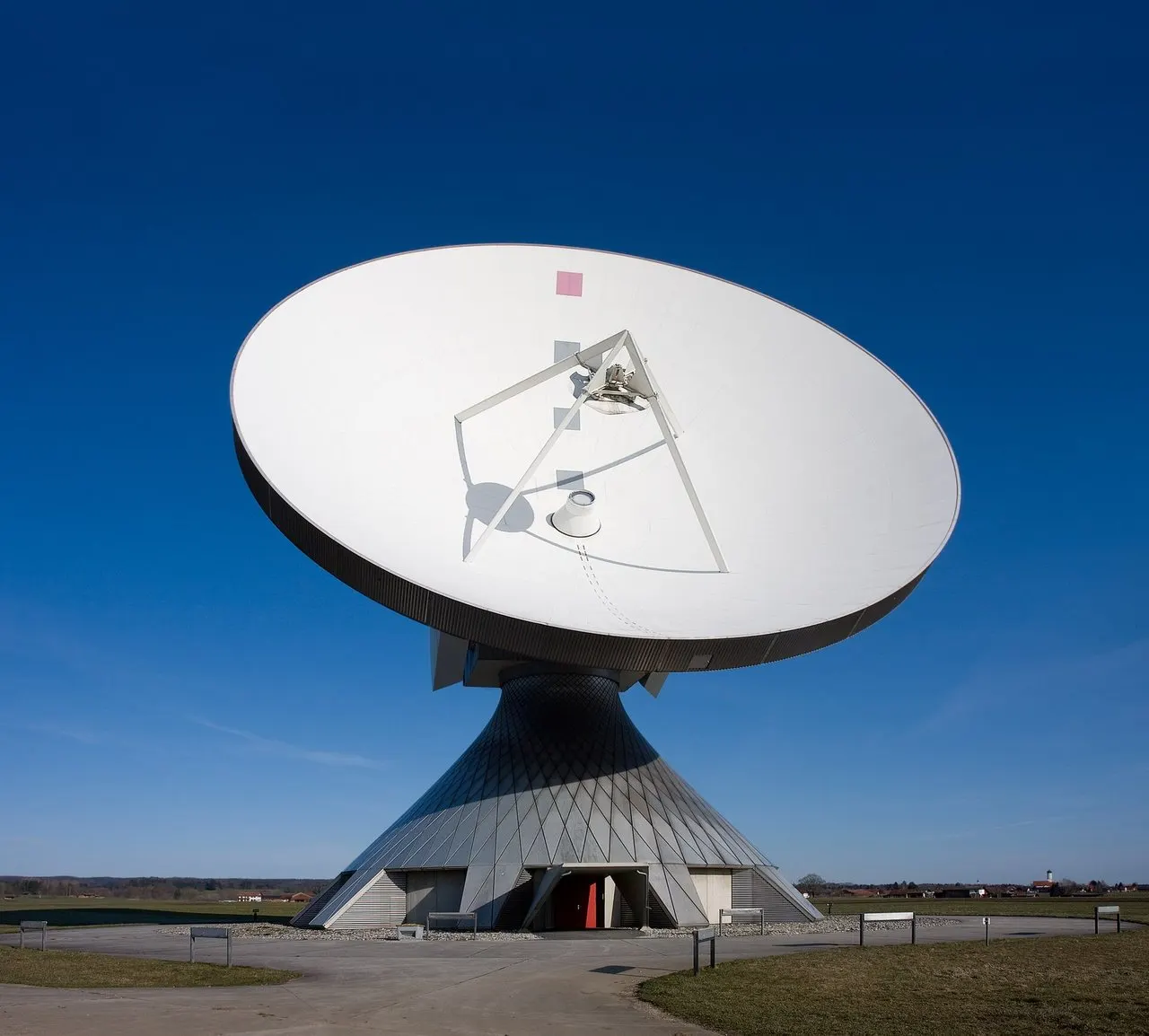
Starshield matters because it is a military grade tool, not a home internet service. It carries the kind of traffic that armed forces depend on, and its limits can shape what happens on the ground. The inquiry asks a plain question about who controls that tool and who answers when it slows down. Fitzpatrick says the answer should never rest with one private citizen. That claim raises big questions about private firms and public power. For more on defense and technology, read our report on Starlink over Iran and his Neuralink work.
Congress Holds the Power of the Purse
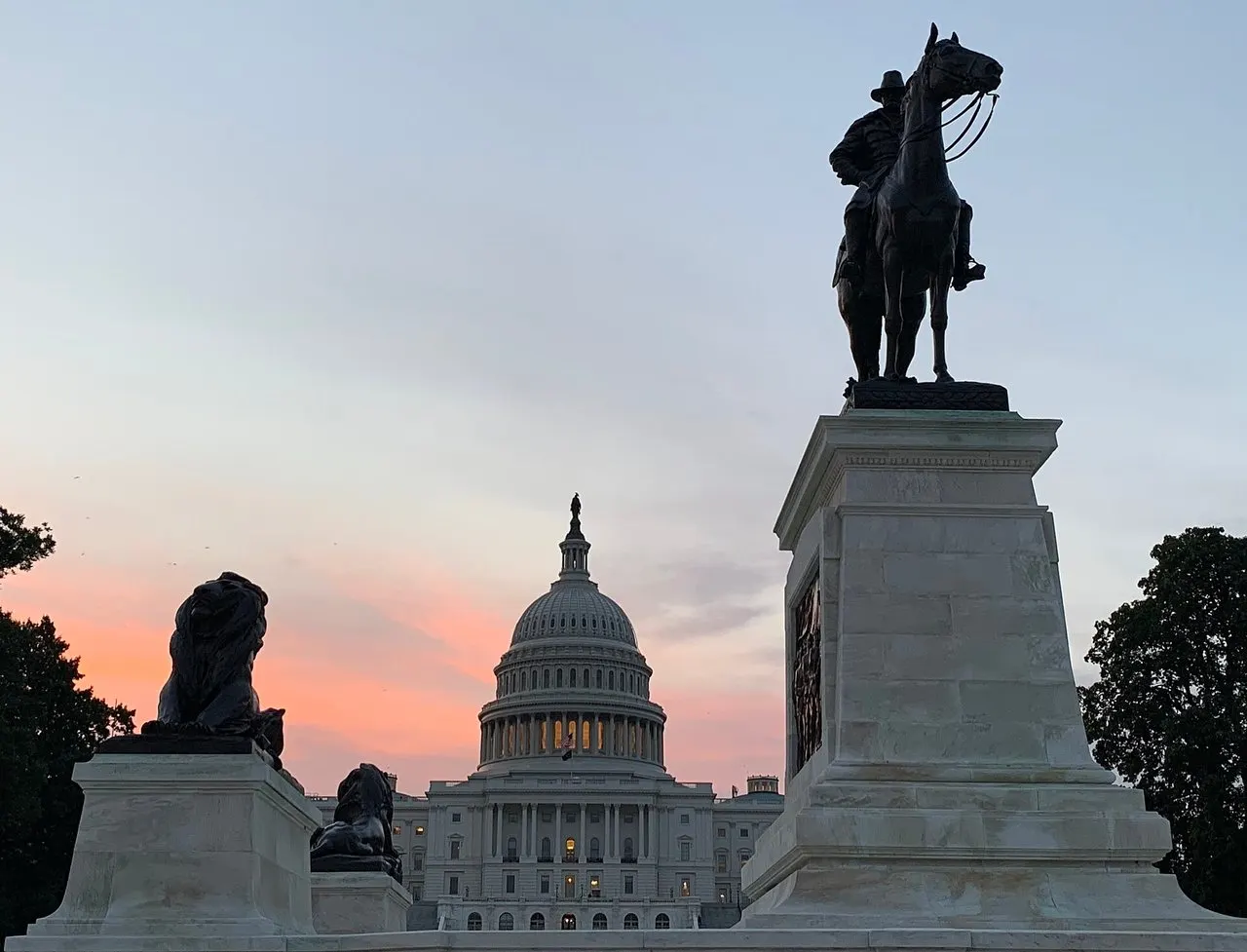
Fitzpatrick said Congress could move to block funding for any federal agency or official found to have played a role in the slowdown. That threat matters because Congress controls the money, and agencies need that money to run their programs. A funding freeze is one of the strongest tools lawmakers hold, and it often forces quick answers. Whether Congress will use it here is still open, but the warning alone has drawn attention. For more on funding fights, read our report on the Philippines deal and the Greenland deal.
The Road to the Musk Starshield Investigation
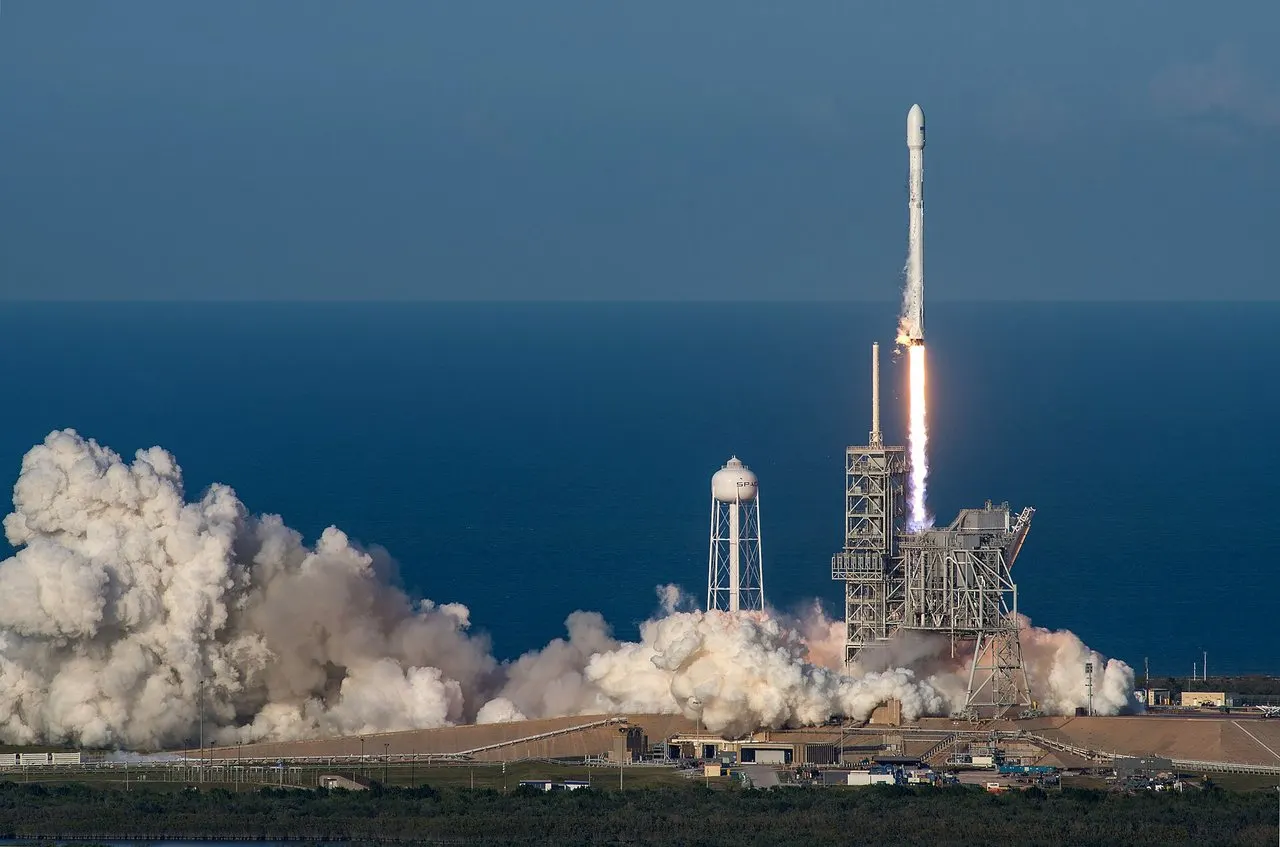
Musk has clashed with Washington before, and his firms sit at the center of many policy fights. His Starlink network has been praised for keeping people online in a crisis, and his critics say one firm holds too much power over vital links. The road to this inquiry runs through those older fights, and each side now points to them to make its case. The story is as much about power as it is about satellites. For more on Musk, read our story about his app idea and his donation with Andrew Tate.
What Happens Next on Capitol Hill
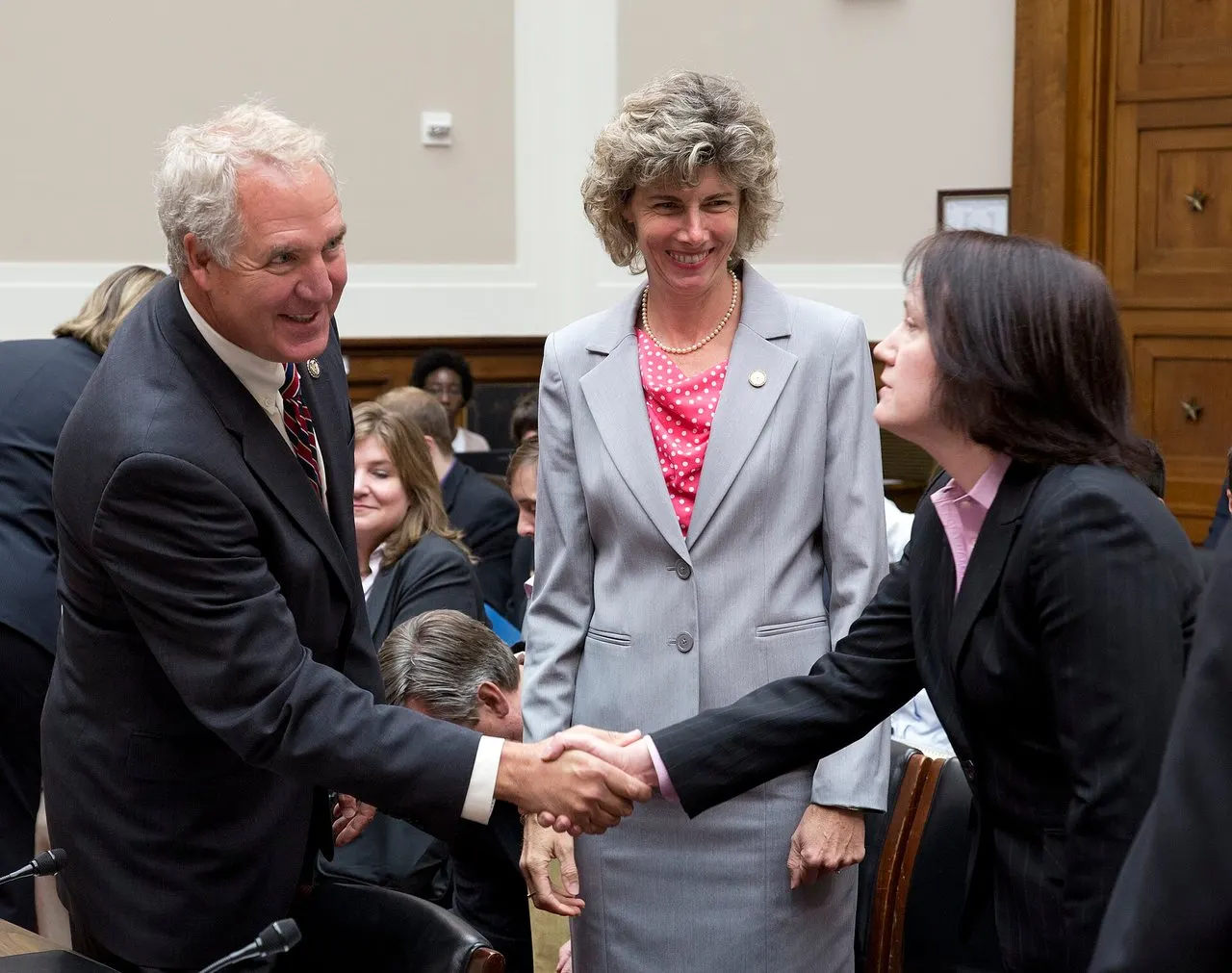
The next step is likely to be letters and requests for records, followed by a hearing if the committee presses ahead. Lawmakers will want to know who ordered the slowdown, when it happened and who knew about it. Musk may be asked to appear, and other witnesses could follow. The answers will shape whether the inquiry grows or fades, and both parties will watch the hearings with care. For more on what comes next in Washington, read our report on the impeachment question and the self pardon bill.
A Rare Moment of Agreement Across Party Lines

One striking part of this story is that a Republican and a Democrat agree. Fitzpatrick sits in the House, Schiff sits in the Senate, and both want Musk to testify under oath. Such agreement is rare in a divided Congress, and it gives the inquiry more force than a one party push. When both sides ask the same questions, witnesses find it harder to brush them off. For more on rare agreement in Washington, read our report on the National Guard plan and security guarantees for Ukraine.
The Musk Starshield Investigation and the Stakes for Ukraine

For Ukraine, the stakes are high and the timing is hard. Its forces face heavy pressure, and a slow satellite link can make a hard job harder. Lawmakers in Washington know that, and it is one reason Fitzpatrick called the matter very serious. The debate in Congress may feel far from the front lines, but its outcome could shape the tools that Ukrainian troops use each day. For more on Ukraine, read our report on security guarantees for Ukraine and the Alaska summit.
Starlink Has Been in Conflict Zones Before
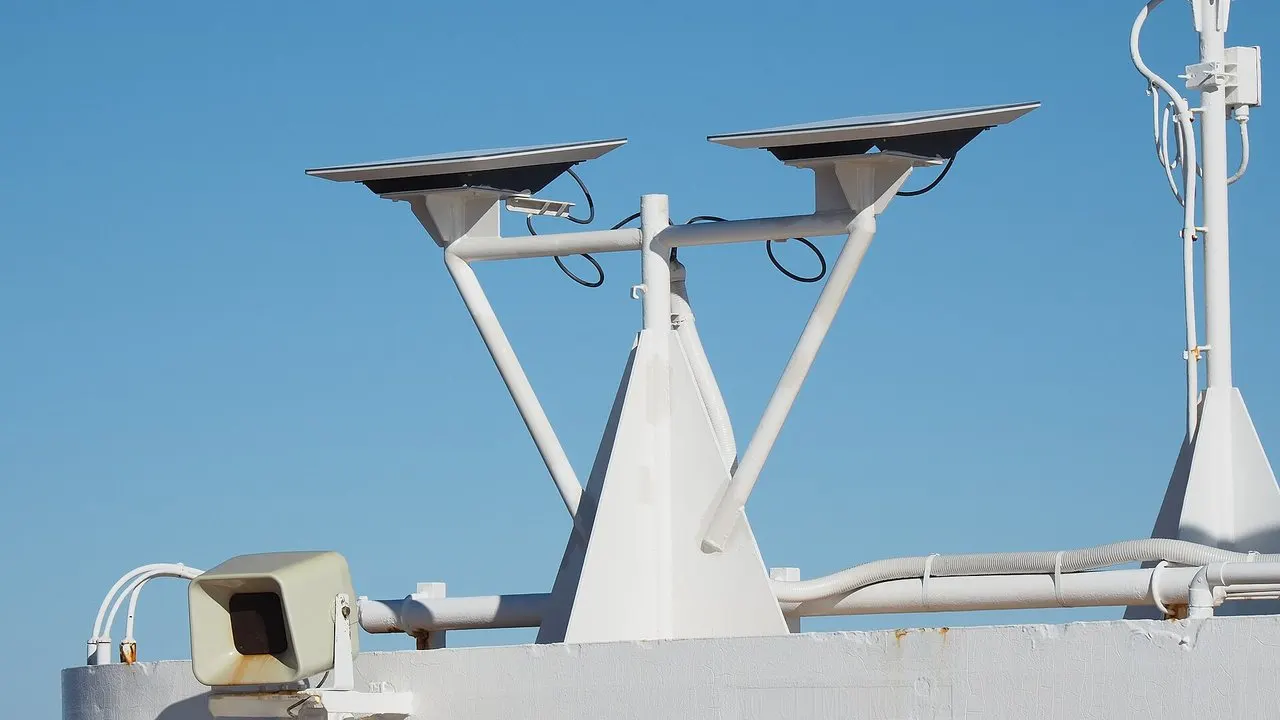
Starlink has been in conflict zones before, and Musk has made big calls about where it works. In 2025, he said Starlink was active over Iran after Tehran restricted internet access during strikes by Israel, a move that drew praise and criticism in equal measure. That history shapes how people read the current claims, because Musk has shown he will act fast on his own. For more on Starlink in a crisis, read our report on Starlink over Iran and our story about his trillion dollar pay package.
Do You Back the Investigation?

The investigation is only beginning, and the key facts are still in dispute. Fitzpatrick and Schiff want sworn answers, Musk says the military sets the limits, and Congress must now decide how far to press the case. What do you think should happen next? Should Musk testify under oath, or should lawmakers look elsewhere for answers? Share your view in the comments and keep reading our coverage. For more on Musk, read our story about his Neuralink work and his app idea.