The DeSantis Jefferson Quran Moment That Set Off a Firestorm
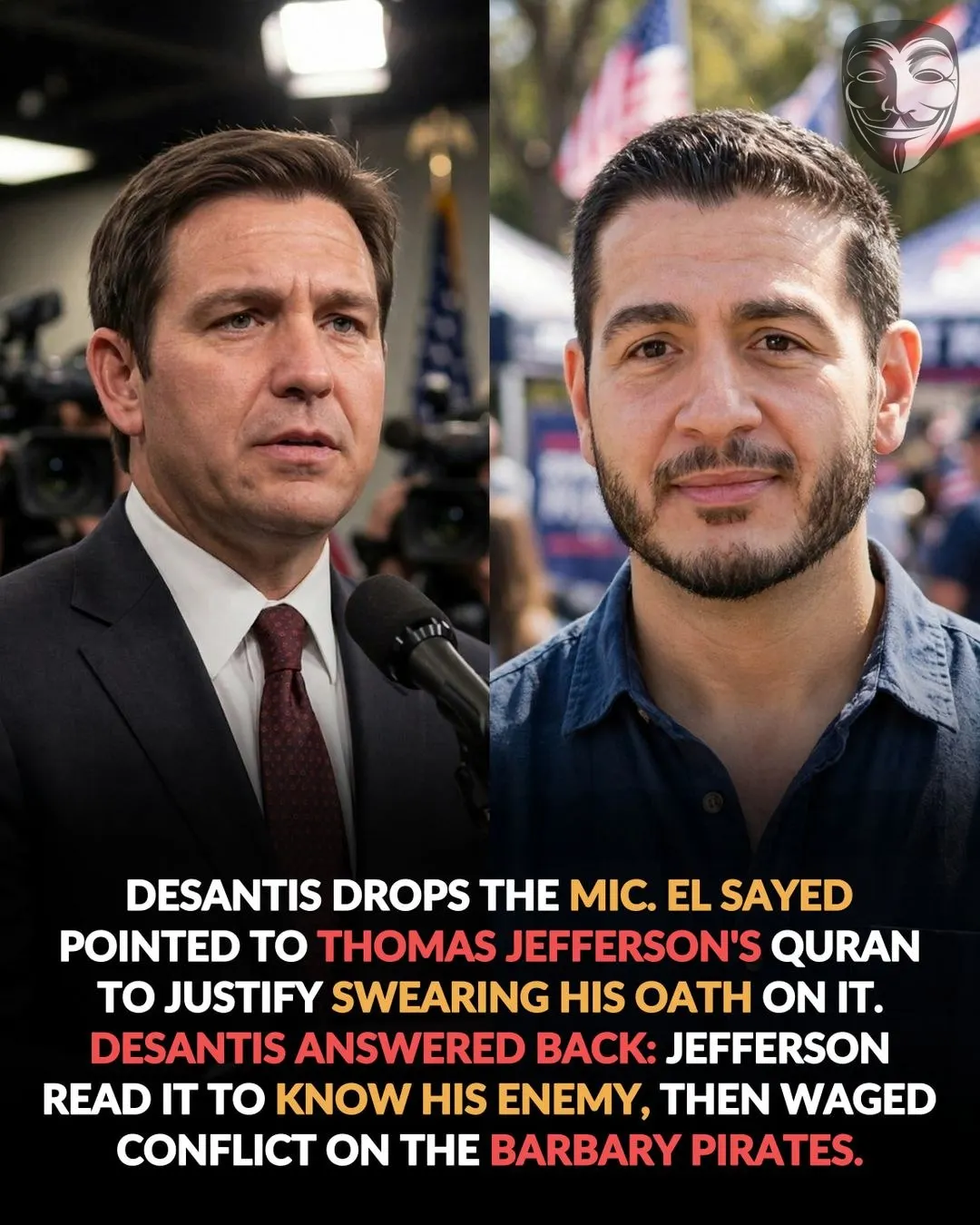
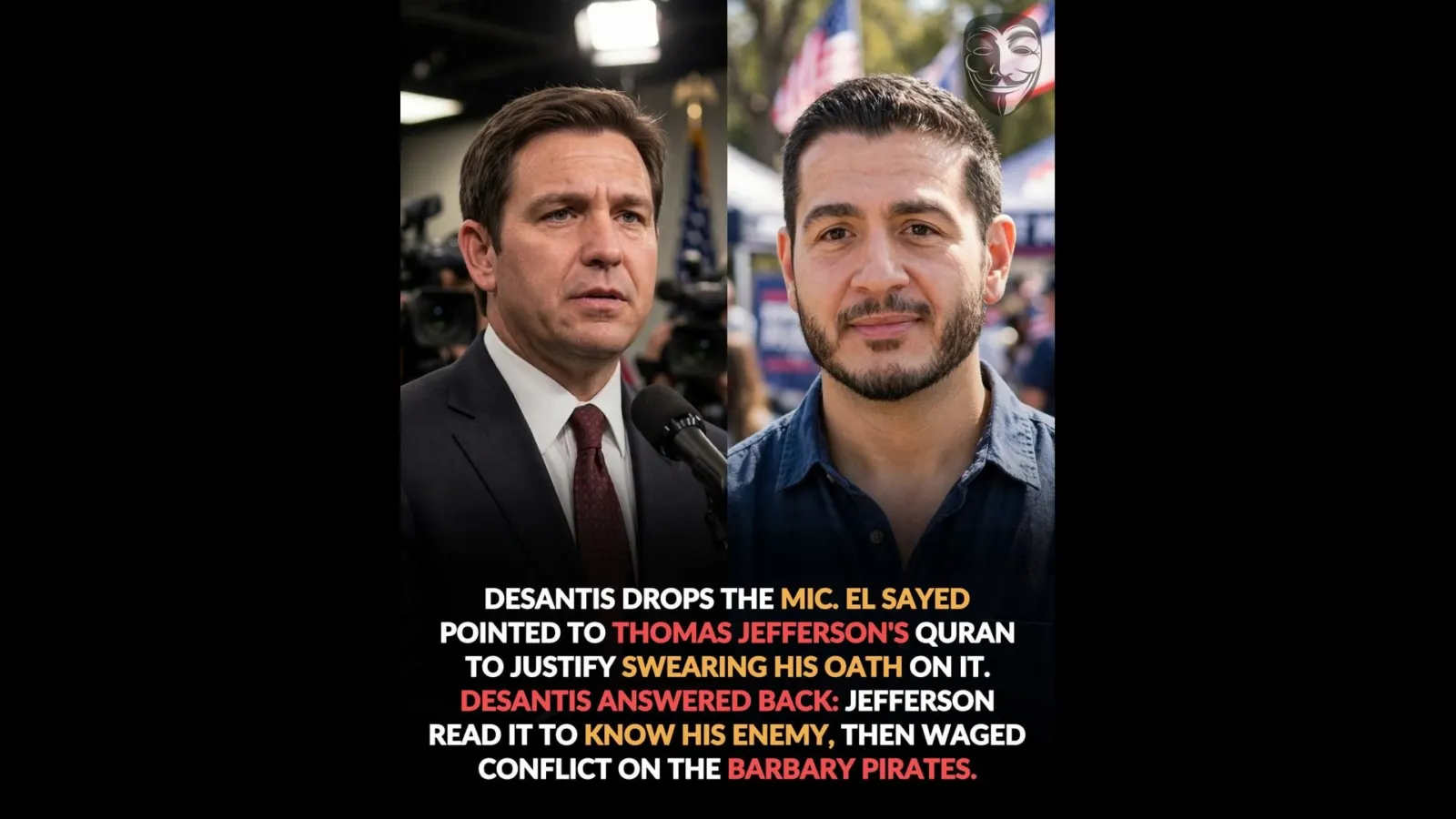
The DeSantis Jefferson Quran exchange began when Michigan Senator-elect Abdul El Sayed told NPR he will likely swear his Senate oath on a Quran, pointing to Thomas Jefferson, who owned a copy of the book. El Sayed said he is still choosing between Jefferson’s copy, which Keith Ellison used for his 2007 House swearing in, and an old Quran held by the University of Michigan. His words set off a fast and public debate about history, faith and what an oath of office means in America today.
Governor Ron DeSantis answered with the history El Sayed left out, and his reply quickly spread across social media. He quoted the 1786 letter in which Jefferson and John Adams asked the Tripoli ambassador why his nation attacked countries that had done it no harm, and the ambassador answered from the laws of his prophet. In the slides ahead we tell the whole story, from Jefferson’s law school days to the Barbary pirates. Read about a Senate seat win that made history in Alaska and a governor who made history in Florida.
References:
Breitbart: Ron DeSantis Gives Abdul El-Sayed History Lesson After Muslim Politician Suggests Taking Oath of Office on Thomas Jefferson’s Quran
Breitbart: Abdul El-Sayed Reveals Plan for His Oath of Office: ‘I’ll Swear on the Quran’
The American Spectator: No American Senator Should Swear on a Quran, and No Oaths on a Quran Should Be Accepted
Sylhet Mirror: First Muslim US senator-elect plans to take oath on Quran
El Sayed Says He Will Swear on a Quran
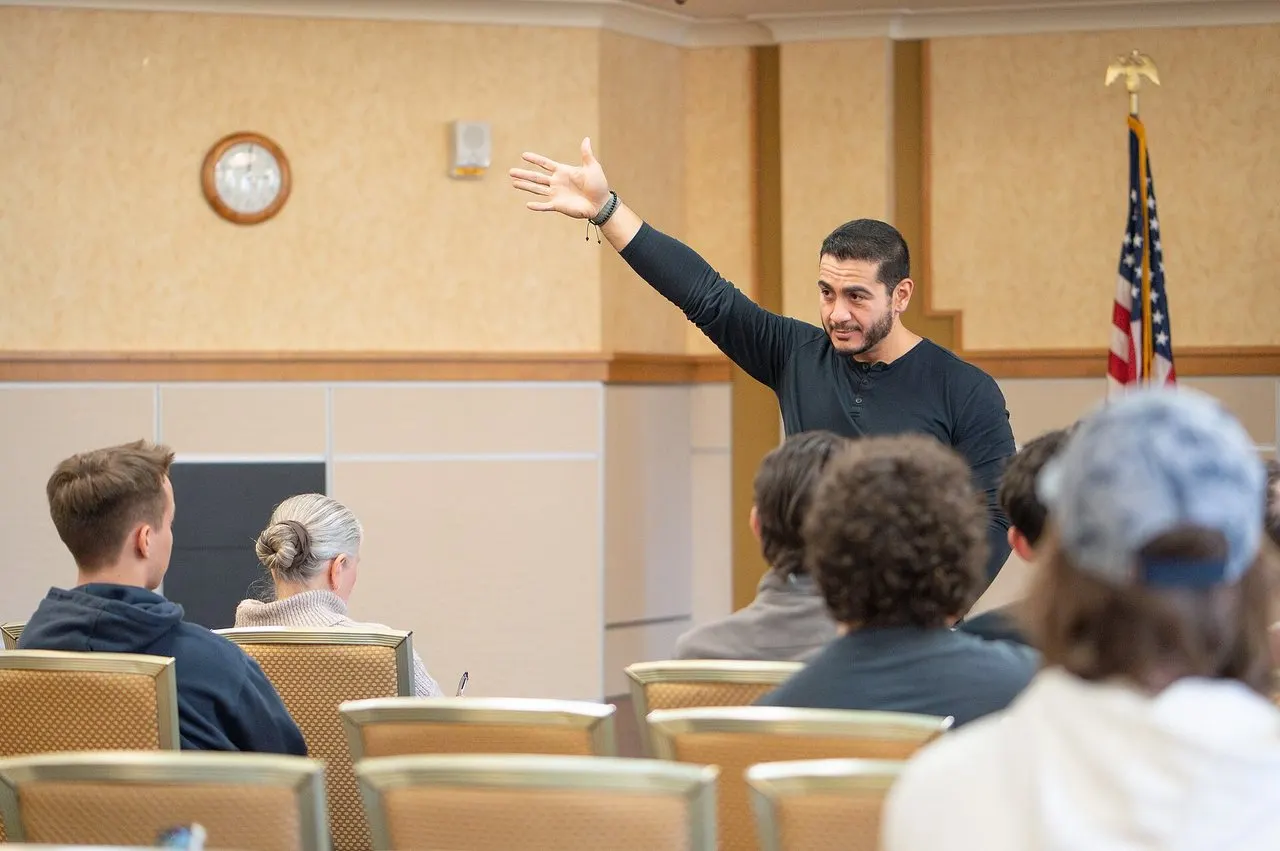
Michigan Senator-elect Abdul El Sayed told NPR he will likely take his Senate oath on a Quran, and he pointed to Thomas Jefferson as his reason. Jefferson owned a copy of the Quran, and El Sayed said that fact supports his choice. The announcement drew wide attention because it touches history, faith and office all at once. El Sayed is set to become the first Muslim senator from Michigan, and his choice of book has become a talking point. Read about a Senate seat win that made history in Alaska and a senator who made history in Mississippi.
The DeSantis Jefferson Quran Story Begins With a Book Jefferson Owned
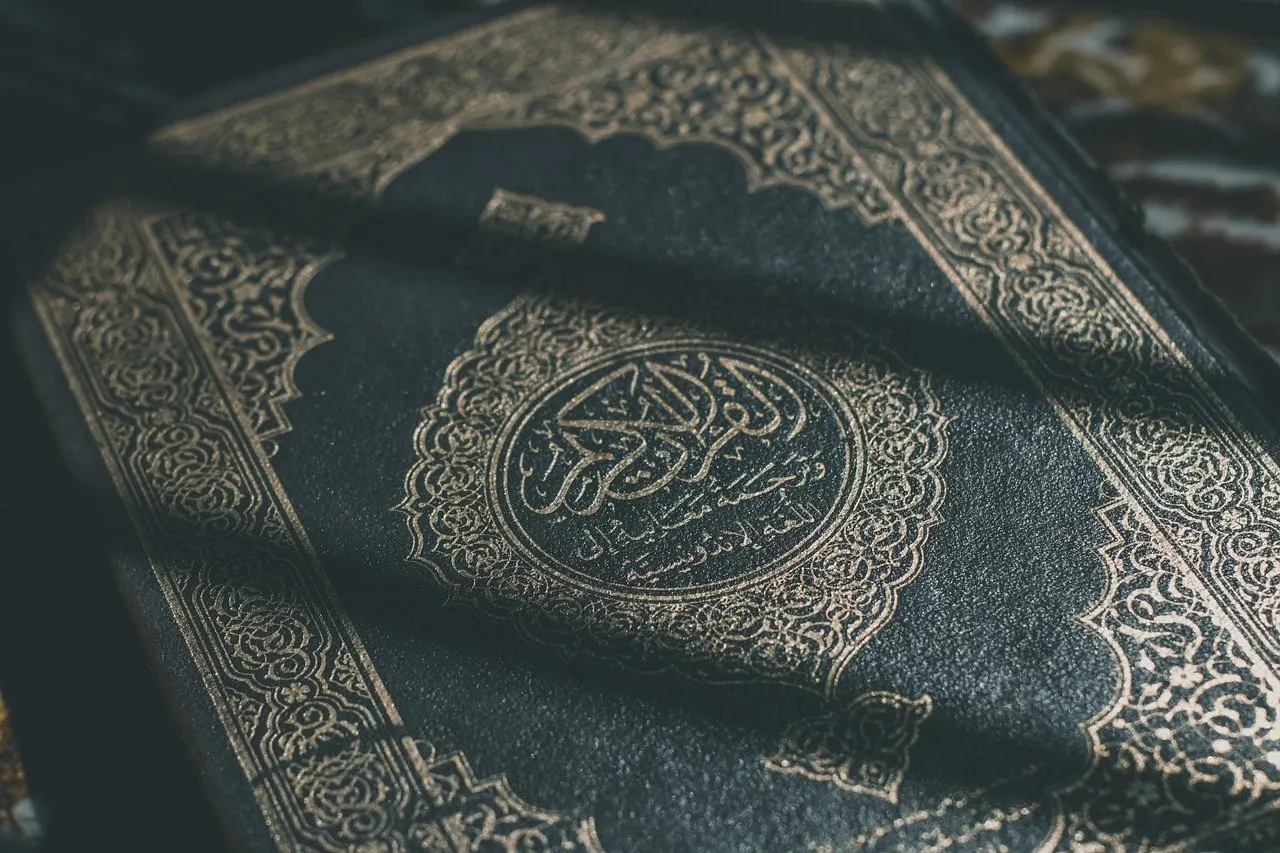
Thomas Jefferson owned a copy of the Quran, and that fact sits at the center of this story. El Sayed pointed to Jefferson’s copy as he explained his oath plan. Jefferson bought the book as a law student, before he became president, because he wanted to understand the laws and customs of the people America was dealing with. The book later became famous when Keith Ellison used Jefferson’s copy for his 2007 House swearing in. Read about a governor who made history in Florida and a senator who blocked a judge pick on the Senate floor.
Two Qurans to Choose From in Michigan
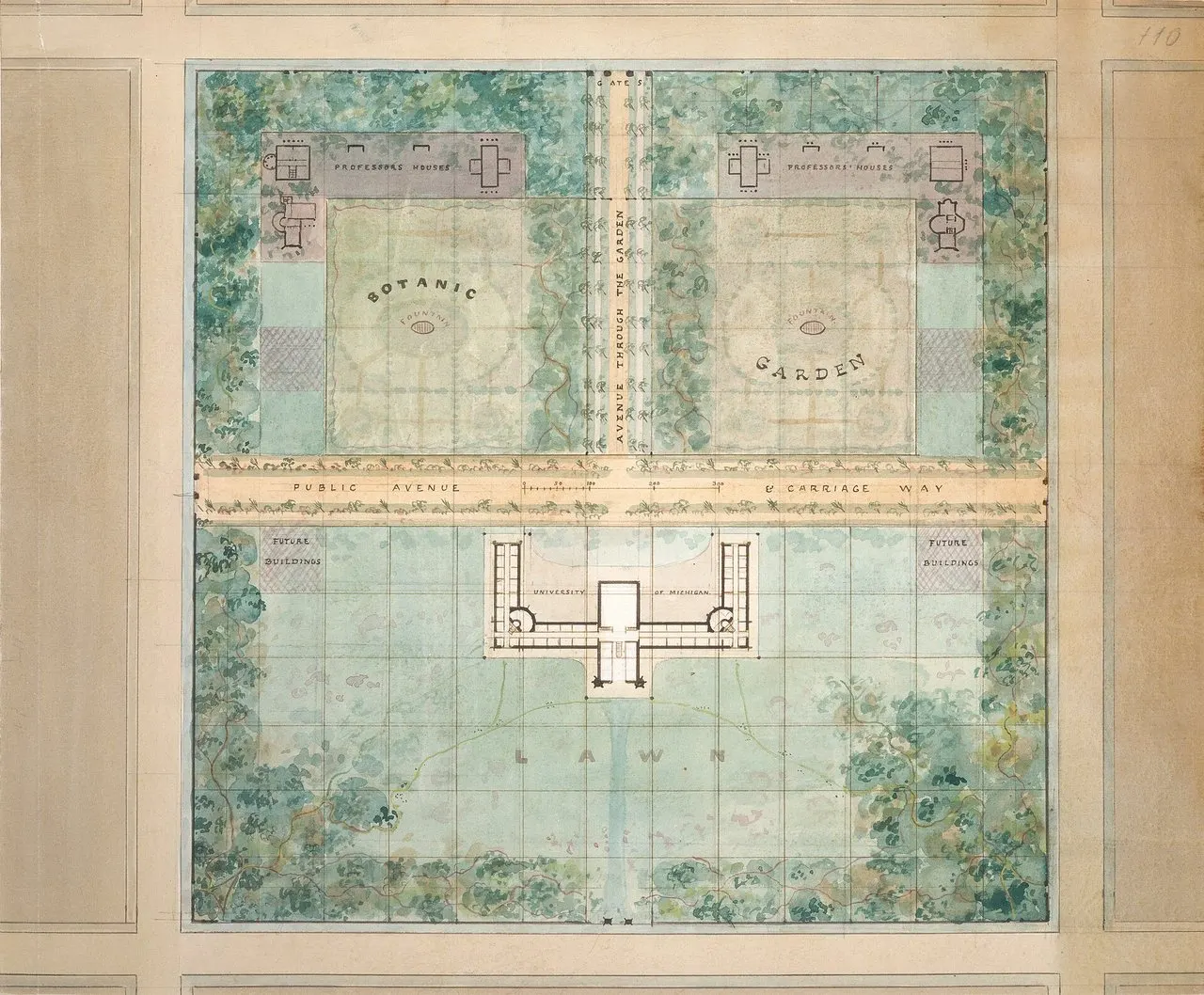
El Sayed said he is still choosing between two Qurans for his oath. One is Jefferson’s copy, the same book Keith Ellison used when he was sworn into the House in 2007. The other is an old Quran held by the University of Michigan. Both choices carry deep meaning, and each one ties his oath to a different piece of history. The university copy links the moment to his home state, while Jefferson’s copy links it to a founding father. Read about a student who came home after being released and a governor unveiling her transition team in Georgia.
A DeSantis Jefferson Quran History Lesson for the Senate
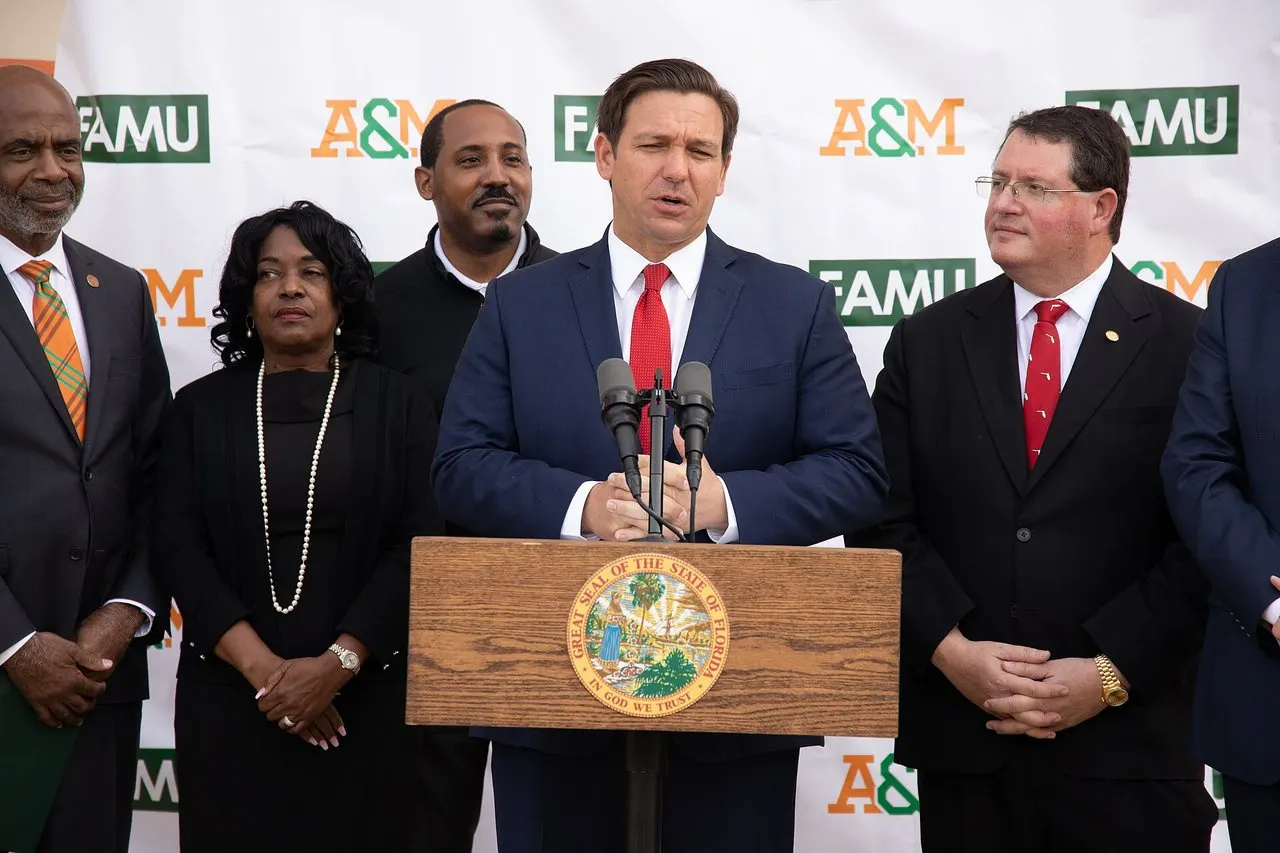
Governor Ron DeSantis fired back at El Sayed with history he said was left out. He said Jefferson did not buy the Quran as a sign of shared faith. He bought it as a law student to understand the laws of the people America was facing. DeSantis said Jefferson read the book to know his enemy, and as president, he waged war on the Barbary pirates. The reply turned a quiet announcement into a loud national debate. Read about a senator who refused to back down after a threatening letter and a shouting match on the Senate floor.
The 1786 Letter From Jefferson and Adams
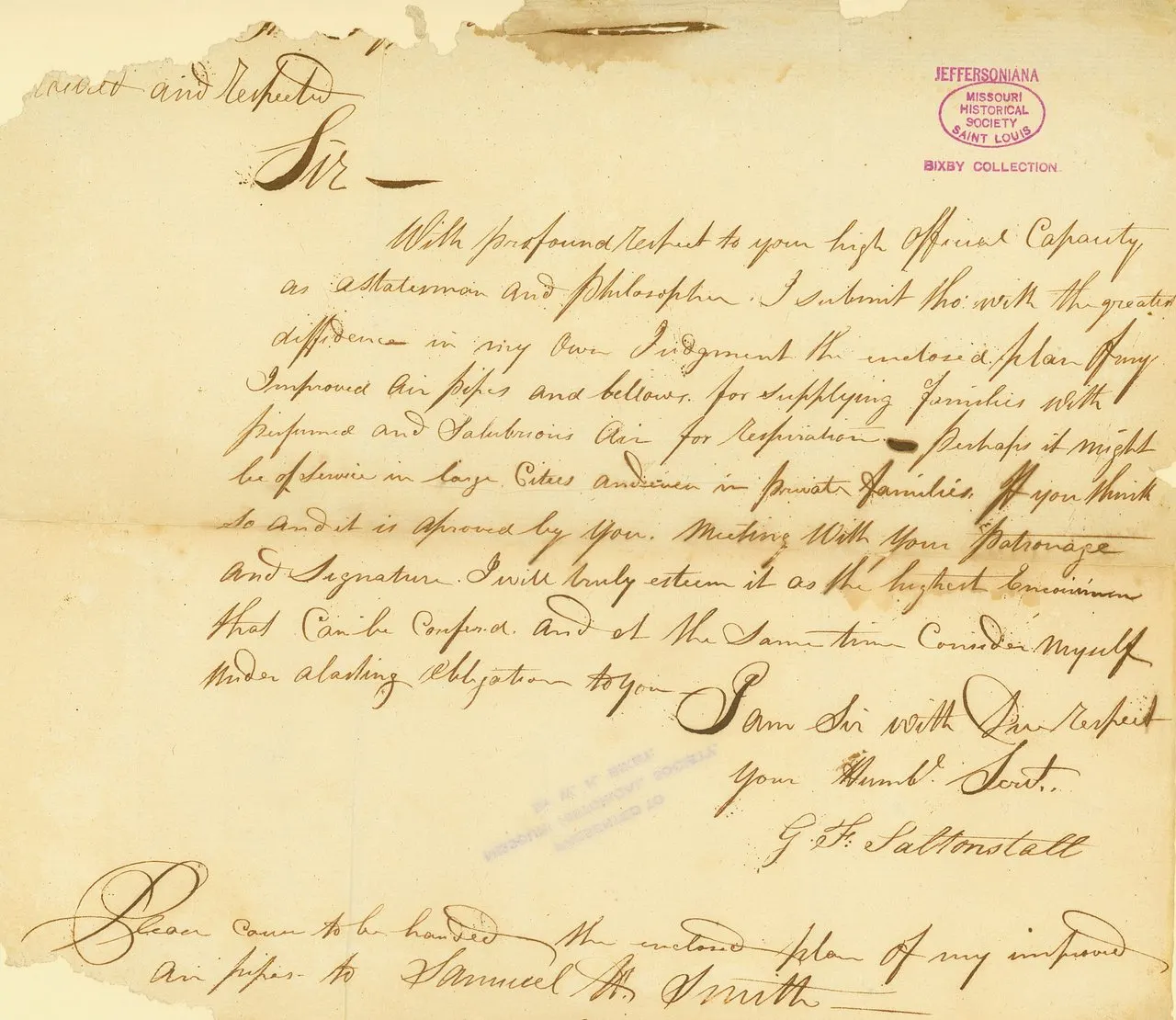
DeSantis quoted a letter from 1786, when Jefferson and John Adams met the ambassador from Tripoli. The two Americans asked the ambassador why his nation attacked countries that had done it no harm. The question was simple and direct, and it came from men who were trying to protect American ships and sailors. The ambassador gave an answer that Jefferson wrote down and kept. That letter is now the heart of DeSantis’s reply to El Sayed. Read about a hearing where a judge pick stumbled on the Constitution and a Senate leader facing a challenge from his own party.
The DeSantis Jefferson Quran Link Goes Back to Law School

Jefferson bought his copy of the Quran while he was still a law student, years before the American Revolution. He wanted to understand the laws and customs of Muslim nations because America traded and sailed in waters where those laws mattered. A young lawyer studies the rules of the people his clients and his country must deal with, and Jefferson did exactly that. His copy was a tool for learning, not a statement of belief. Read about a speaker nomination that split Democrats and promises kept in New York City.
Jefferson and Adams Asked a Simple Question
Jefferson and John Adams sat down with the ambassador from Tripoli in 1786 and asked him a plain question. They wanted to know why his nation attacked countries that had done it no harm. American ships were being seized, and American sailors were being taken, so the two envoys needed an answer. The meeting was part of their job to protect American trade and lives at sea. What the ambassador said next became a key part of American history. Read about a town meeting over a new Islamic center and a debate over money in politics.
The DeSantis Jefferson Quran Clash Turns on One Answer
The ambassador answered from the laws of his prophet, as Jefferson recorded it. His answer said his faith gave him the right to make war on nations that did not share it. Jefferson wrote the words down, and they shaped how he saw the threat America faced. DeSantis pointed to that answer as proof that Jefferson read the Quran to understand a rival, not to honor its teachings. The quote is the core of his reply. Read about a historic trip to Asia with billions in deals and a summit that brought three leaders together.
Jefferson Read the Book to Know What America Faced
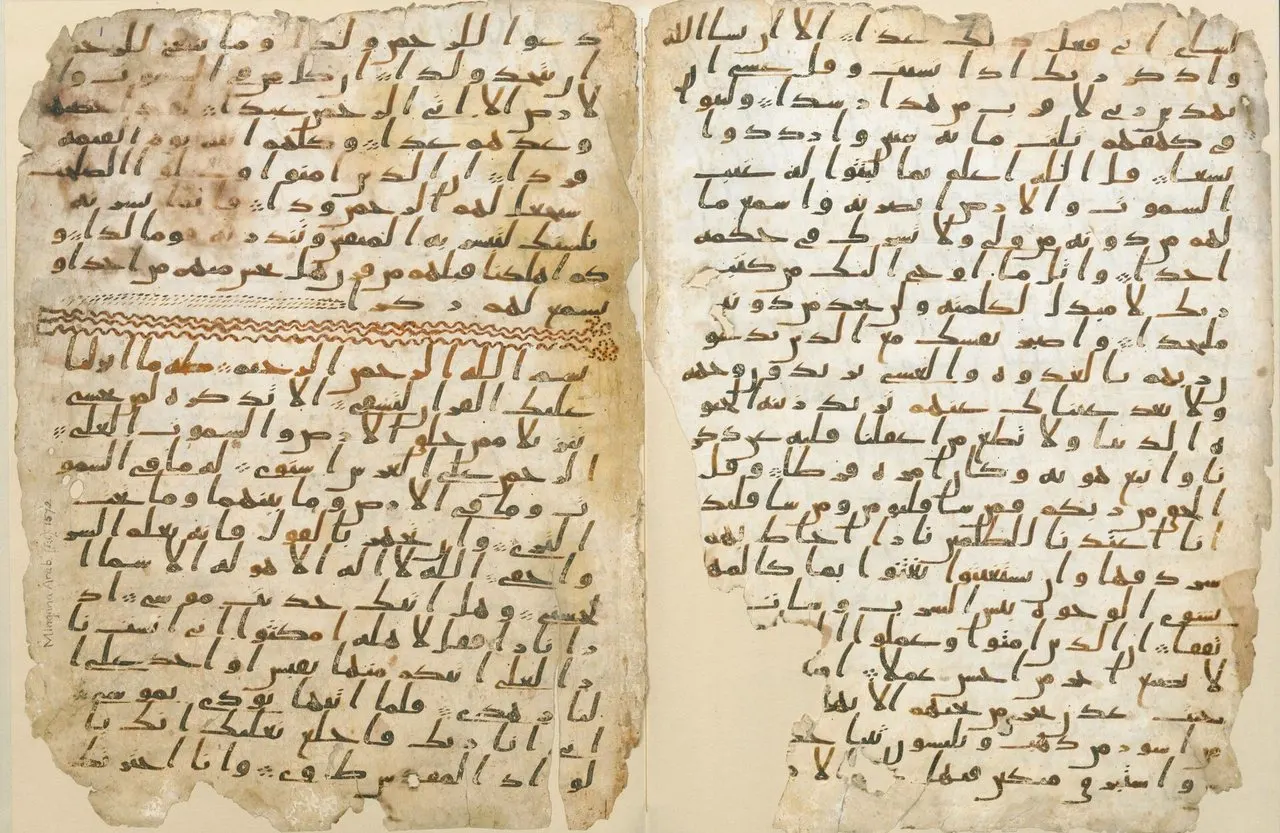
Jefferson got the book as a law student to understand the laws and customs of people America dealt with. He studied it the way a lawyer studies the rules of the other side. Knowing the other side can help a nation protect itself, and Jefferson took that idea seriously. DeSantis used this point to say El Sayed left out the real reason Jefferson owned the book. The lesson is about reading to learn, not reading to agree. Read about what one movement promises and what it delivers and a historic trip to Asia with billions in deals.
The DeSantis Jefferson Quran Story Reaches the Barbary Pirates
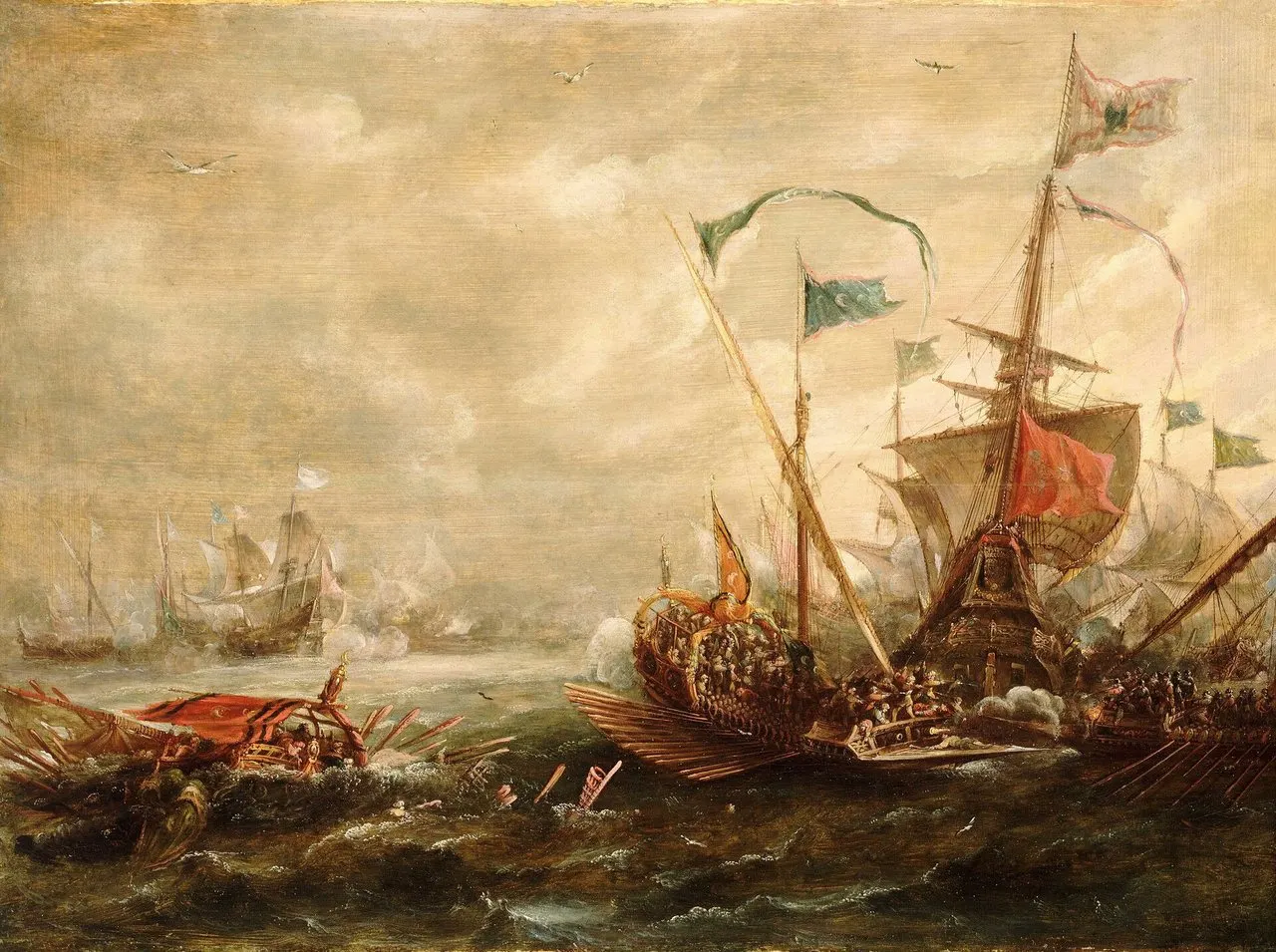
The Barbary pirates sailed from North African ports and seized ships in the Mediterranean Sea. They took cargo and held sailors for ransom, and the young United States paid tribute for years to keep its ships safe. Jefferson knew this threat well because he had read the laws behind it and heard the ambassador explain it in person. The pirate raids were a daily danger for American trade. Read about a hearing where a judge pick stumbled on the Constitution and a Senate leader facing a challenge from his own party.
President Jefferson Took the Fight to the Pirates
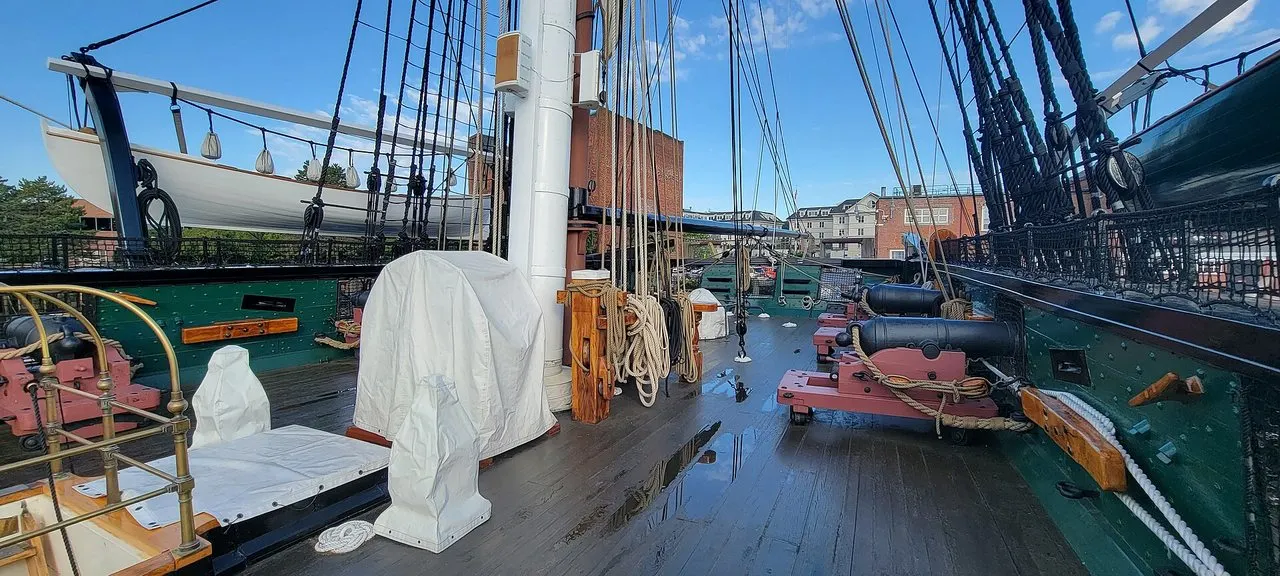
As president, Jefferson stopped paying tribute and sent American warships to the Mediterranean instead. The young Navy fought the Barbary pirates in a conflict that lasted for years. Jefferson had read the Quran to know what America faced, and he acted on what he had learned. DeSantis said this is the part El Sayed left out. The fight showed that Jefferson saw the pirates as an enemy to defeat. Read about a senator who blocked a judge pick on the Senate floor and a senator who refused to back down after a threatening letter.
The DeSantis Jefferson Quran Debate Is Really About the Oath
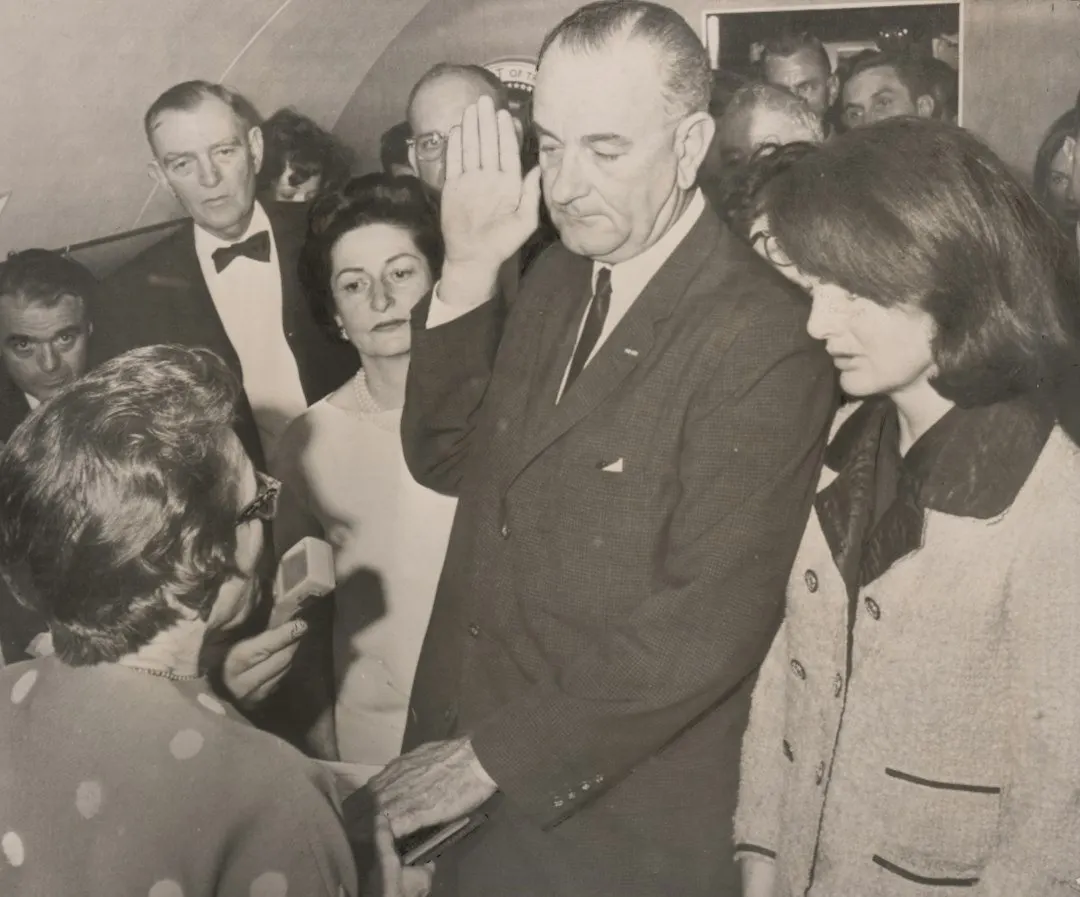
At its heart, this debate is about the oath of office and what book a senator swears on. El Sayed says Jefferson’s Quran makes his choice part of American history. DeSantis says Jefferson’s story shows the opposite, because Jefferson read the book to know an enemy. Both men agree the oath matters, and both claim Jefferson for their side. The question now is which version of history the public will accept. Read about a senator who made history in Mississippi and a speaker nomination that split Democrats.
A First for the Senate and for Michigan
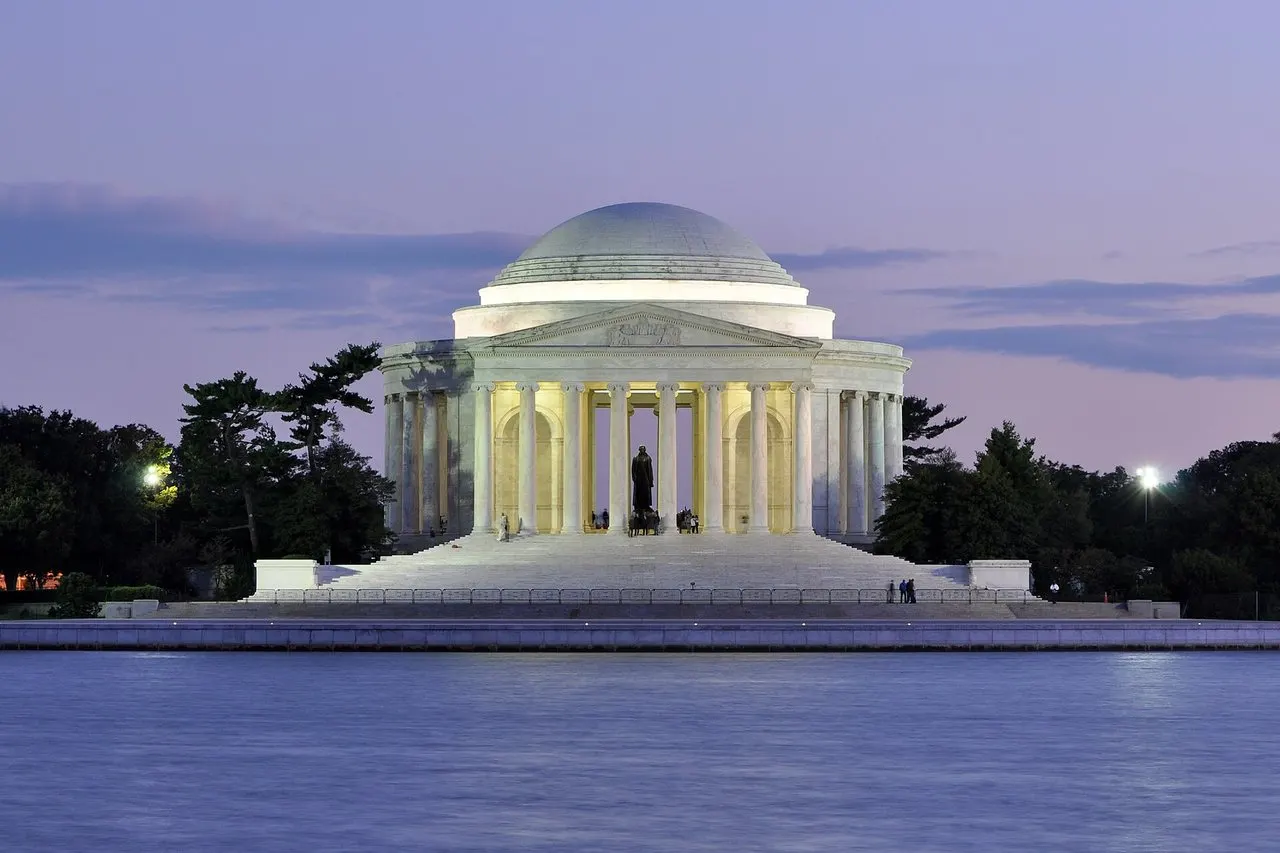
El Sayed is set to become the first Muslim senator-elect in American history, and his oath will be watched closely. Michigan voters chose him to represent them in the Senate, and his choice of book has become part of his first big moment in office. Supporters say his oath shows that America keeps its promise of religious freedom. Critics say the Senate oath should rest on the Bible, as it has for most of American history. Read about a student who came home after being released and a governor unveiling her transition team in Georgia.
How the DeSantis Jefferson Quran Exchange Spread Online
The exchange spread fast online after Breitbart covered both sides of the story. One report covered El Sayed’s plan to swear on the Quran, and another covered DeSantis’s history lesson in reply. Readers shared the posts, and the debate grew far beyond Michigan and Florida. Social media turned a Senate oath into a national argument about history and faith. The speed of the spread shows how fast one quote can travel today. Read about a debate over money in politics and a town meeting over a new Islamic center.
What Critics Say About an Oath on a Quran
The American Spectator argued that no American senator should swear on a Quran and that no oaths on a Quran should be accepted. The Sylhet Mirror reported that El Sayed plans to take his oath on a Quran as the first Muslim senator-elect. Critics say the oath of office should honor the traditions of the country, while supporters say the Constitution protects every faith equally. The two views show how much one oath can mean to different people. Read about promises kept in New York City and what one movement promises and what it delivers.
Why Jefferson’s Library Still Matters Today
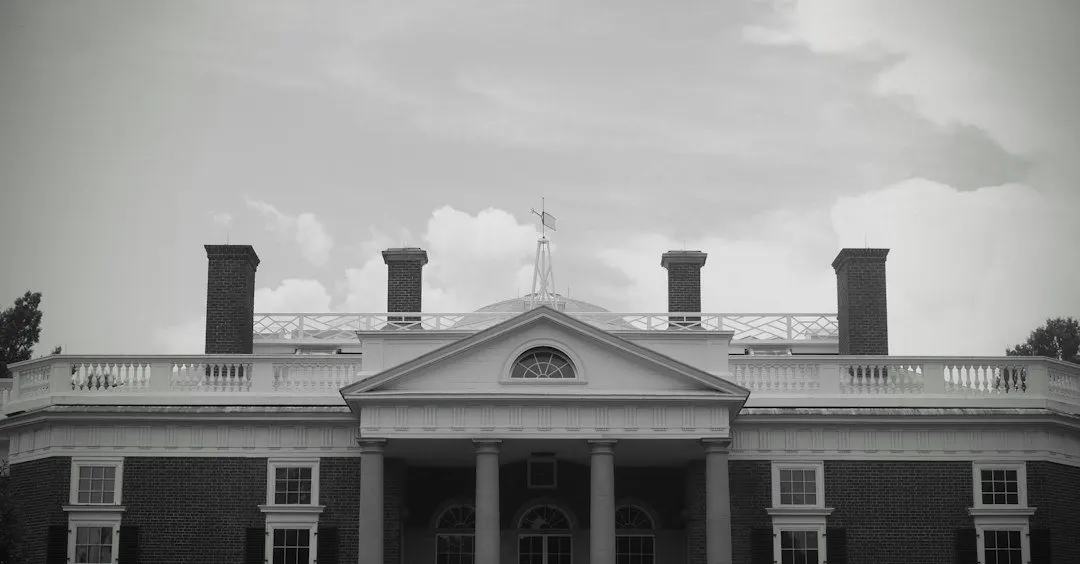
Jefferson’s library at Monticello held thousands of books, and his Quran was one of many works he read to understand the world. He collected books on law, history, science and religion because he believed a leader must study widely. His home in Virginia still draws visitors who want to see where he read and wrote. The books he left behind keep teaching us how he thought. His Quran remains one of the most talked about volumes he owned. Read about a shouting match on the Senate floor and a historic trip to Asia with billions in deals.
What Do You Think of the DeSantis Jefferson Quran Exchange?
The DeSantis Jefferson Quran exchange has put history, faith and the Senate oath in the same spotlight. El Sayed will swear his oath soon, and DeSantis has made sure the story of Jefferson and the Barbary pirates is part of the debate. Now we want to hear from you. Do you think El Sayed should swear on Jefferson’s Quran, or do you side with DeSantis and the history he shared? Share your thoughts in the comments below. Read about a Senate leader facing a challenge from his own party and a speaker nomination that split Democrats.