A Mother Cheetah Gives Her Cub a Big Lick
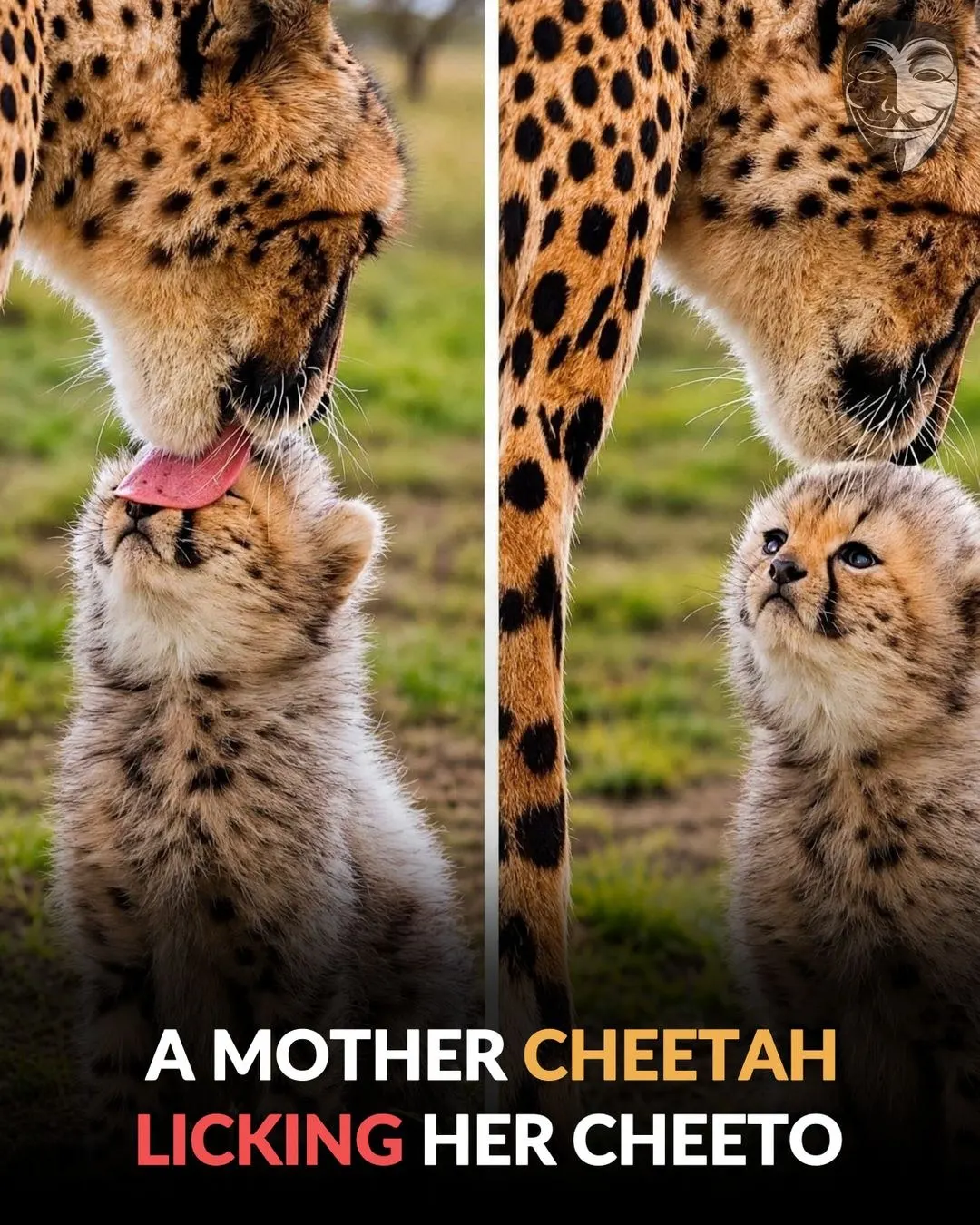
Mother cheetah love looks a lot like snack time in this photo, and the little cub seems happy to play along. A cheetah mother licking her cub looks just like she is tasting a Cheeto, and the joke has made people smile all over the world. The cub sits still with its eyes half closed while its mother gives its head a lick. Cheetah mothers groom their cubs from birth, cleaning them and keeping them warm while purring softly beside them. It is a small moment of care that tells a bigger story about life on the savanna.
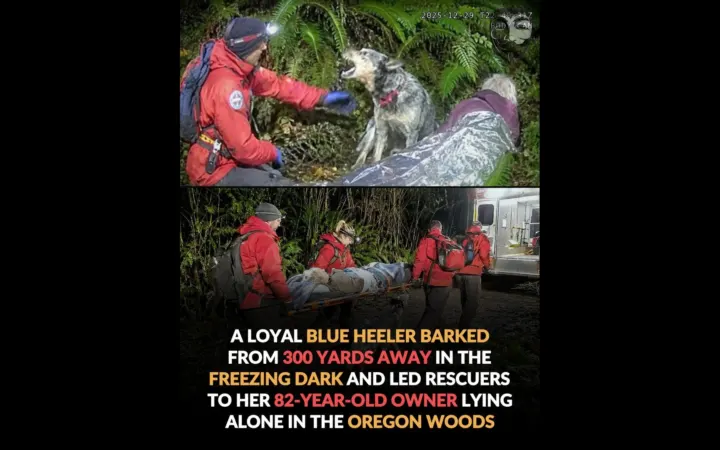
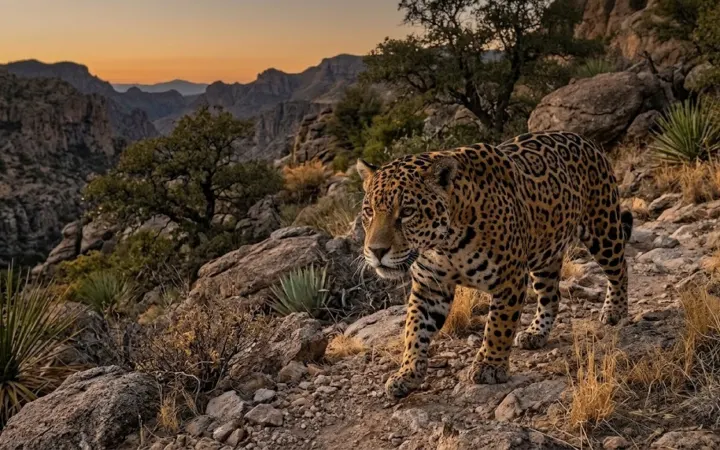
Cubs are born tiny, weighing 8.5 to 15 ounces, blind and helpless, and they stay hidden in the grass for the first six to eight weeks while their mother moves them from den to den. She raises them alone for 18 months, teaching them to hunt before they set off on their own. In the slides we look at the dens, the hunting lessons and the road to life on their own. Read about a loyal dog who saved her owner and a jaguar who keeps returning to Arizona.
References:
Cheetah Conservation Fund: About Cheetahs Cheetah Facts
Storyteller Travel: 14 Cute Baby Cheetah Facts Diet Cub Sounds Photos
Leo Zoo: 11 Adorable Baby Cheetah Facts
Londolozi Blog: The Success of a Mother Cheetah
The Cub Who Looks Like a Cheeto
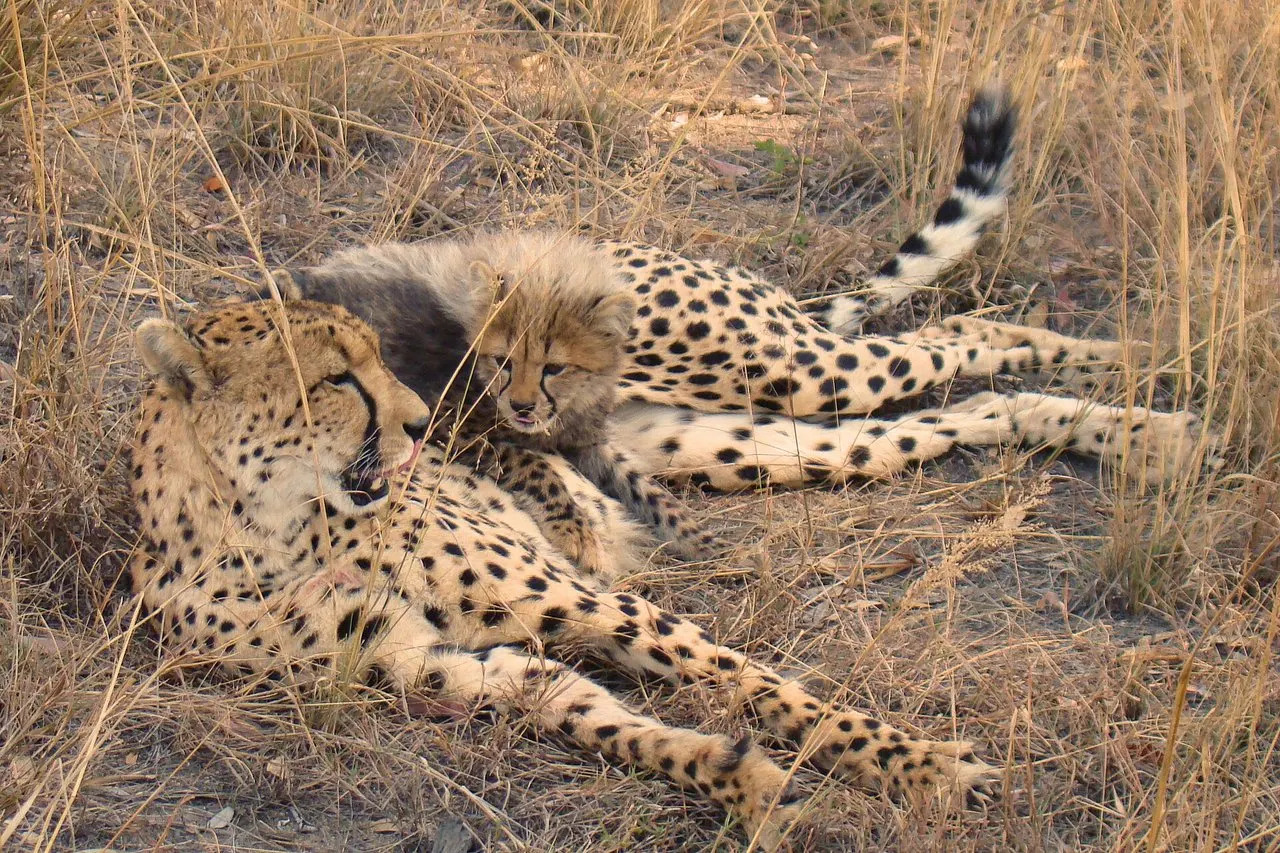
The joke is clear, and it starts with the orange fur of the little cub. A cheetah cub has a tawny spotted coat, and in good light its head looks like a cheese snack. The mother does not know the joke, and she is only doing what cheetah mothers do each day. She licks her cub to clean it, warm it and show it love. The cub closes its eyes, trusting her. Read about a rescue that warmed hearts in the flood and a baby who was born twice.
Tiny Cubs Are Born Small and Blind
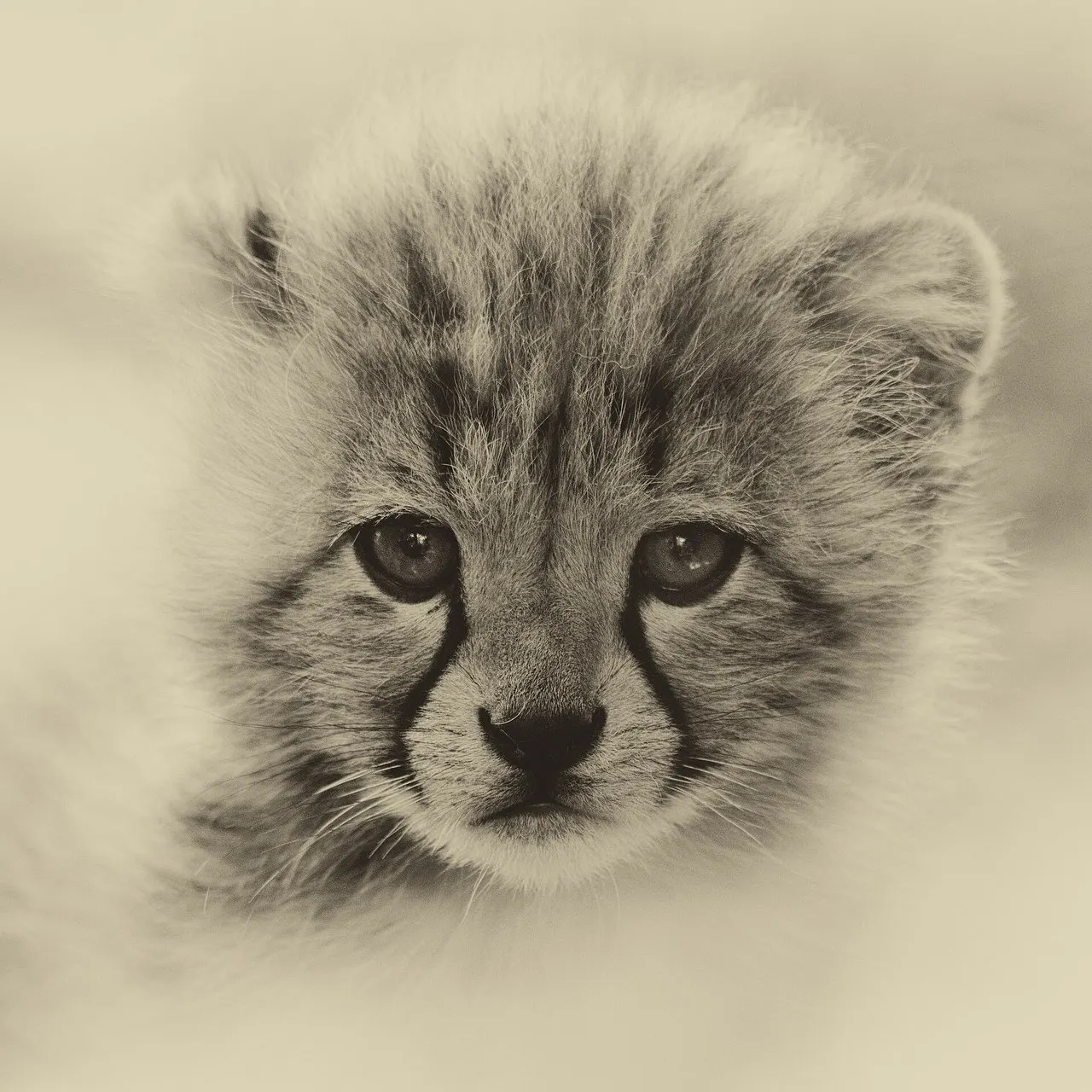
Cubs are born tiny, weighing only 8.5 to 15 ounces, less than a small bag of flour. They are born blind and helpless, and they cannot walk or see around them. For the first weeks they depend on their mother for warmth, milk and safety. She keeps them close and checks on them often. Their eyes open after a week or so, and they start to notice the grass, the sky and each other. Read about an app idea for paying bills and pride month versus veterans day.
Born Blind in the Tall Grass
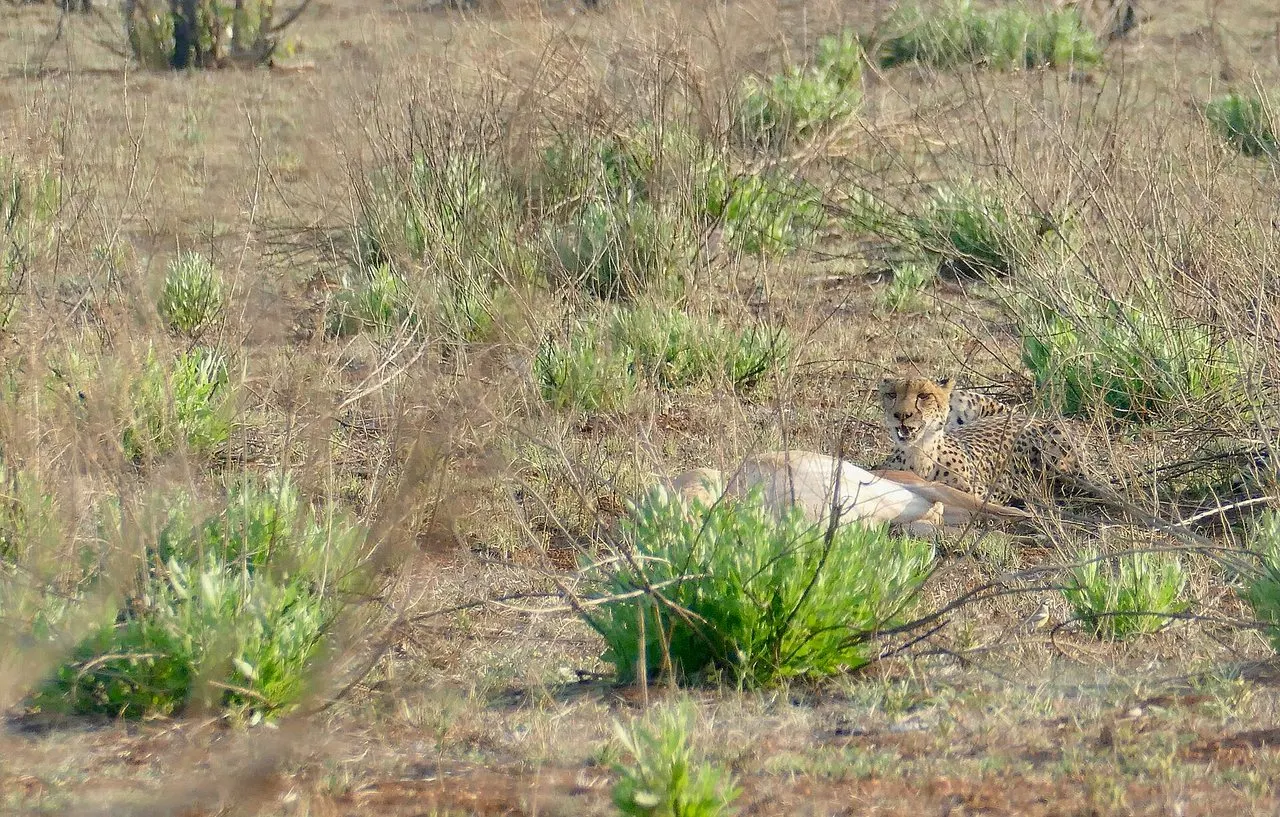
Cubs stay hidden in the grass for the first six to eight weeks while their mother moves them from den to den. Tall grass hides them from lions, hyenas and other dangers. The mother picks a new den when she senses risk, and she carries each cub gently by the scruff of its neck. The cubs learn to stay quiet and still. It is a risky time, and many cubs do not survive. Read about a bright bowl made for sharing and a five cent chocolate bar.
A Mother Cheetah Keeps Her Cubs Warm
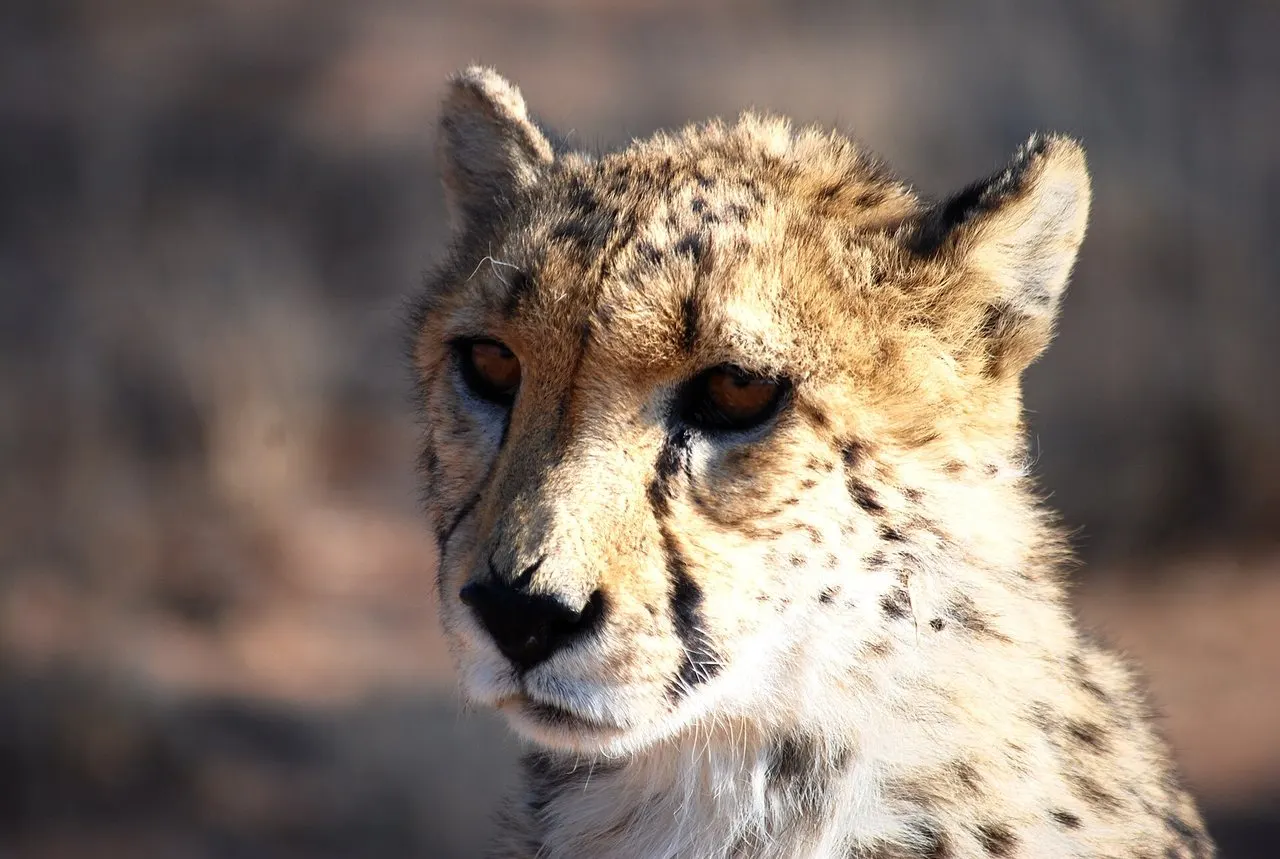
A cheetah mother keeps her cubs warm by lying close beside them and purring softly through the night. Her body heat shields them from the cold air of the savanna after dark. She licks them clean, which also wakes their blood flow and keeps them calm. Grooming is more than cleaning, and it is how she bonds with each cub. The cubs press against her belly and drift off to sleep. Read about a big night in country music and a veteran who lived to 106.
The Tear Lines on a Cheetah Face
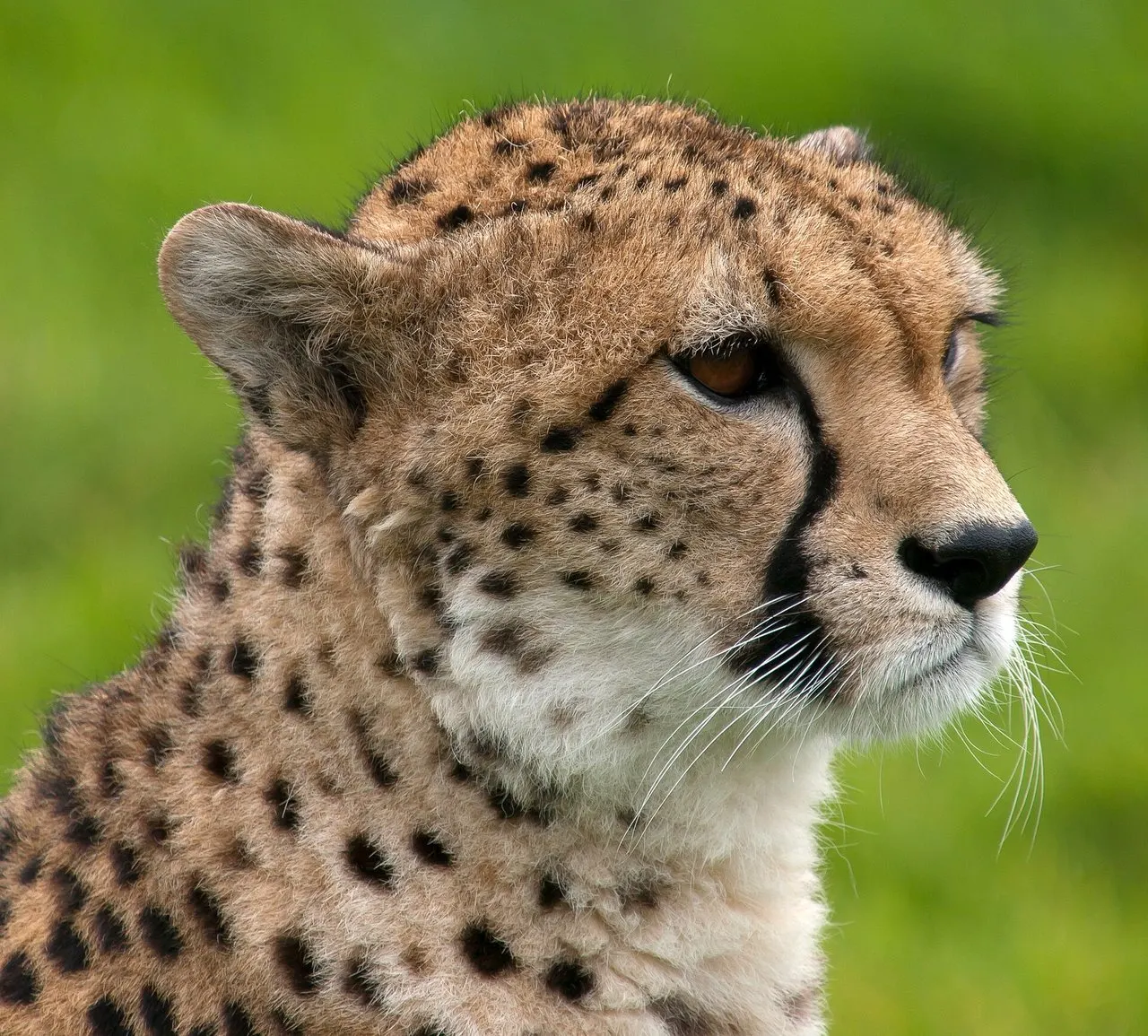
Every cheetah wears two dark tear lines that run from the inner corner of each eye to its mouth. These marks cut the glare of the bright sun, much like the black marks some athletes wear on game day. They also help the cheetah focus while it scans the grass for prey. No two cheetahs share the same spot pattern, and the tear lines help make each face easy to know. Read about why so many data centers are being built and a big trade deal from the Philippines.
A Mother Cheetah Raises Her Cubs Alone
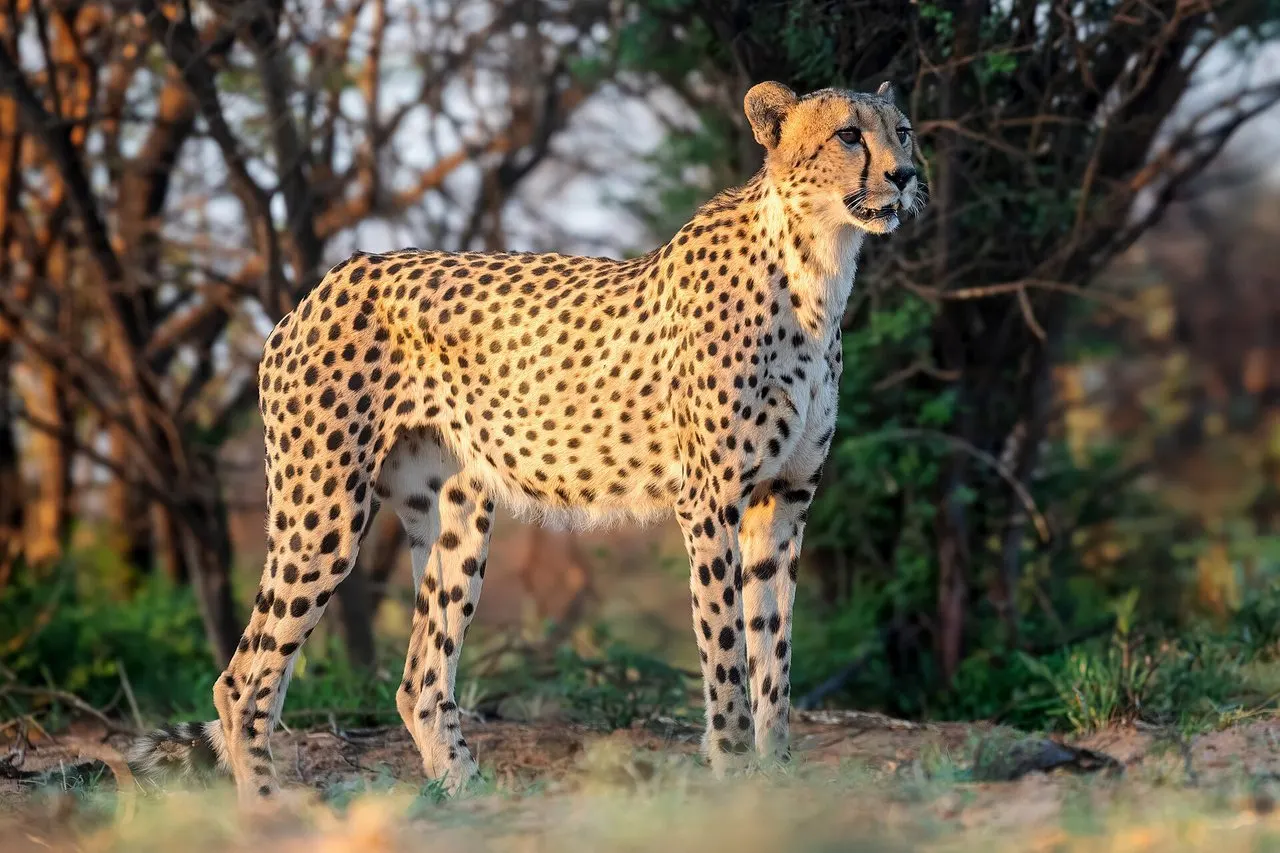
A cheetah mother raises her cubs alone, with no help from the father. The male leaves after mating, and the female takes on every job by herself. She hunts, she guards the den, she moves the cubs and she teaches them to survive. It is a hard life, and she must eat enough to feed herself and make milk for her litter. Her courage keeps the family going through dry months. Read about a rescue that warmed hearts in the flood and a loyal dog who saved her owner.
Watching for Danger While Cubs Play
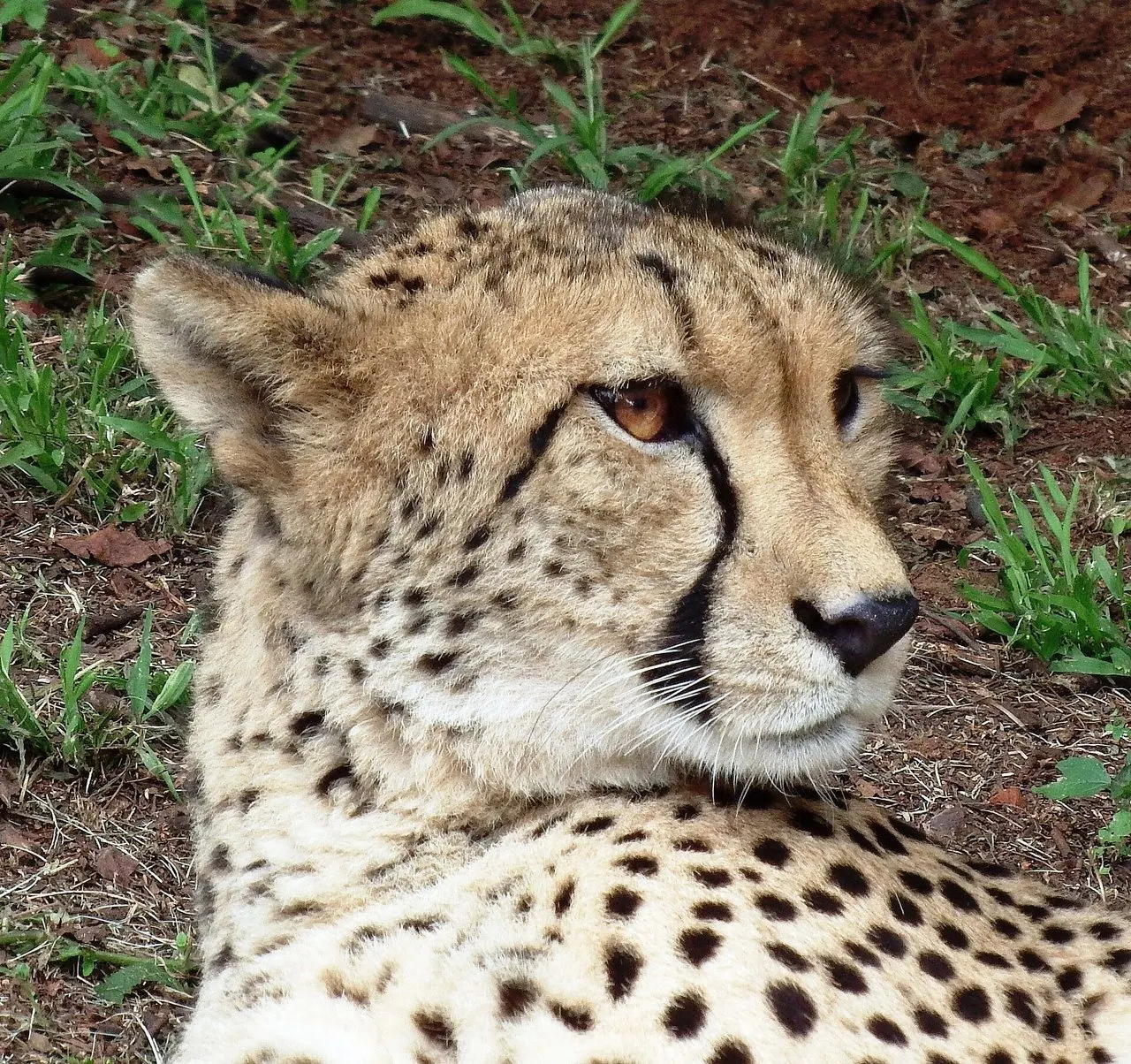
While the cubs play, their mother stays alert and scans the grass for lions, hyenas and eagles. She sits tall, turns her ears and watches every movement on the plain. A single warning call from her can send the cubs flat into the grass in seconds. Play is still vital, since wrestling and chasing teach the cubs balance and speed. The mother lets them play, but she never stops watching. Read about a jaguar who keeps returning to Arizona and a baby who was born twice.
A Mother Cheetah Calls the Savanna Home
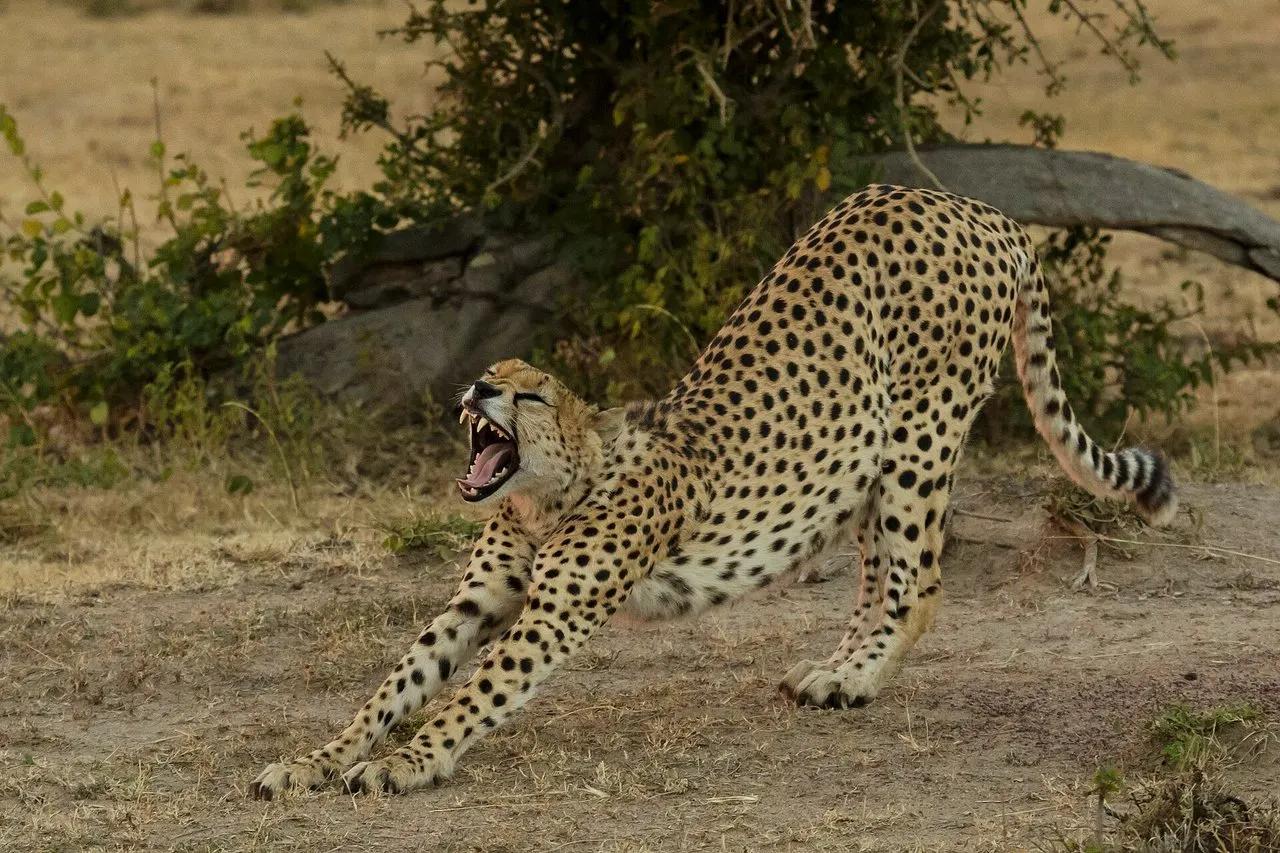
A cheetah mother calls the wide open savanna home, where tall grass and flat plains stretch to the horizon. The open land suits her speed, and she can spot prey from far away. She needs room to run, and the savanna gives her that space. Water holes, acacia trees and herds of grazing animals shape her days. Her cubs grow up learning the smells, sounds and paths of this land. Read about an app idea for paying strangers bills and a debate about pride month and veterans day.
The Fastest Runner on the Savanna
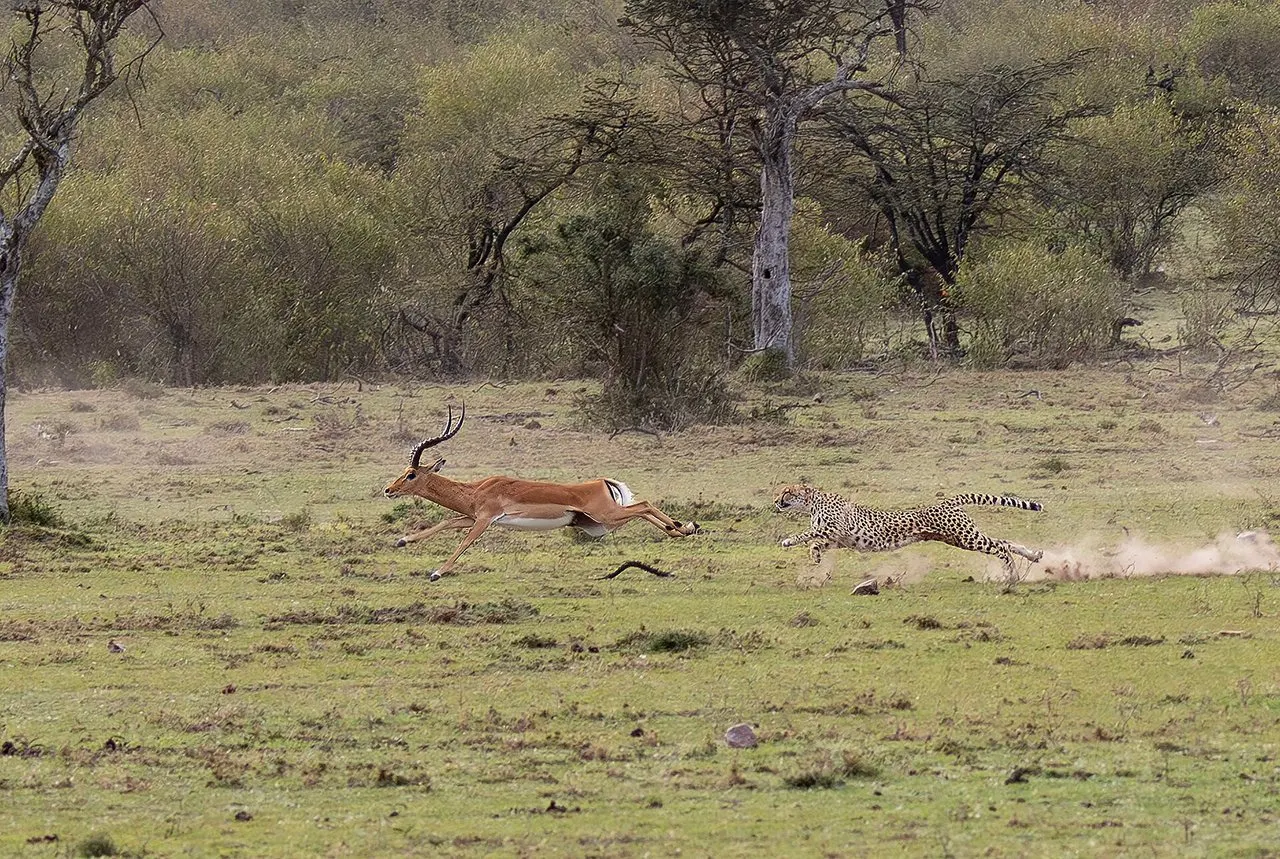
The cheetah is the fastest land animal on Earth, and it can reach about 60 miles per hour in a short sprint. Its long legs, deep chest and flexible spine work like a spring with each stride. A single bound can cover about seven meters of ground. The sprint lasts only 20 to 30 seconds, so the cheetah must get close before it runs. After a chase it needs a long rest to cool down. Read about a bright bowl made for sharing and a five cent chocolate bar.
A Mother Cheetah Hunts to Feed Her Cubs
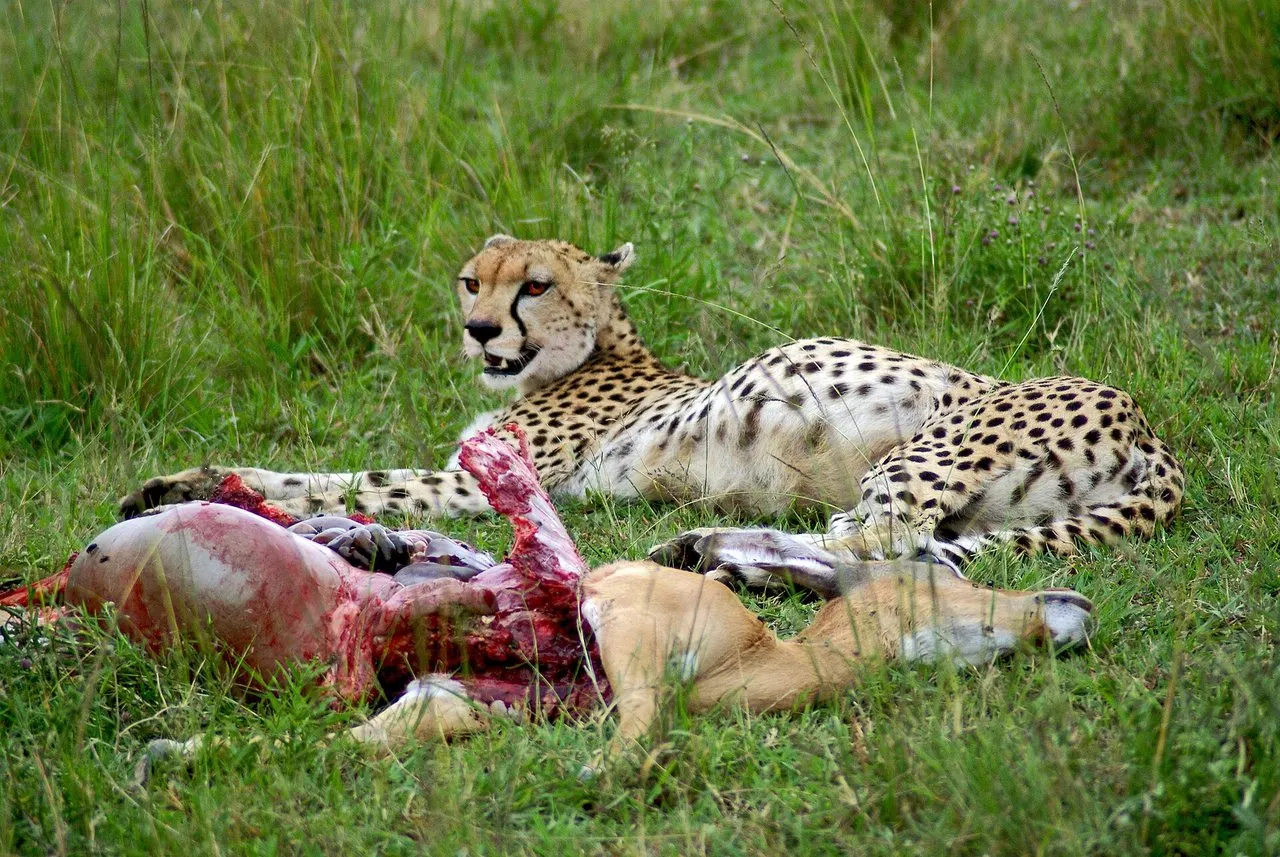
A cheetah mother hunts in the early morning or late evening, when the light is soft and prey is active. She stalks low through the grass until she is close, then bursts into a sprint and trips her prey with a quick paw. She kills with a bite to the throat, then drags the meal to a safe spot. Her cubs rush in to eat, and she lets them feed first. Read about a big night in country music and a veteran who lived to 106.
Hunting Lessons in the Long Grass
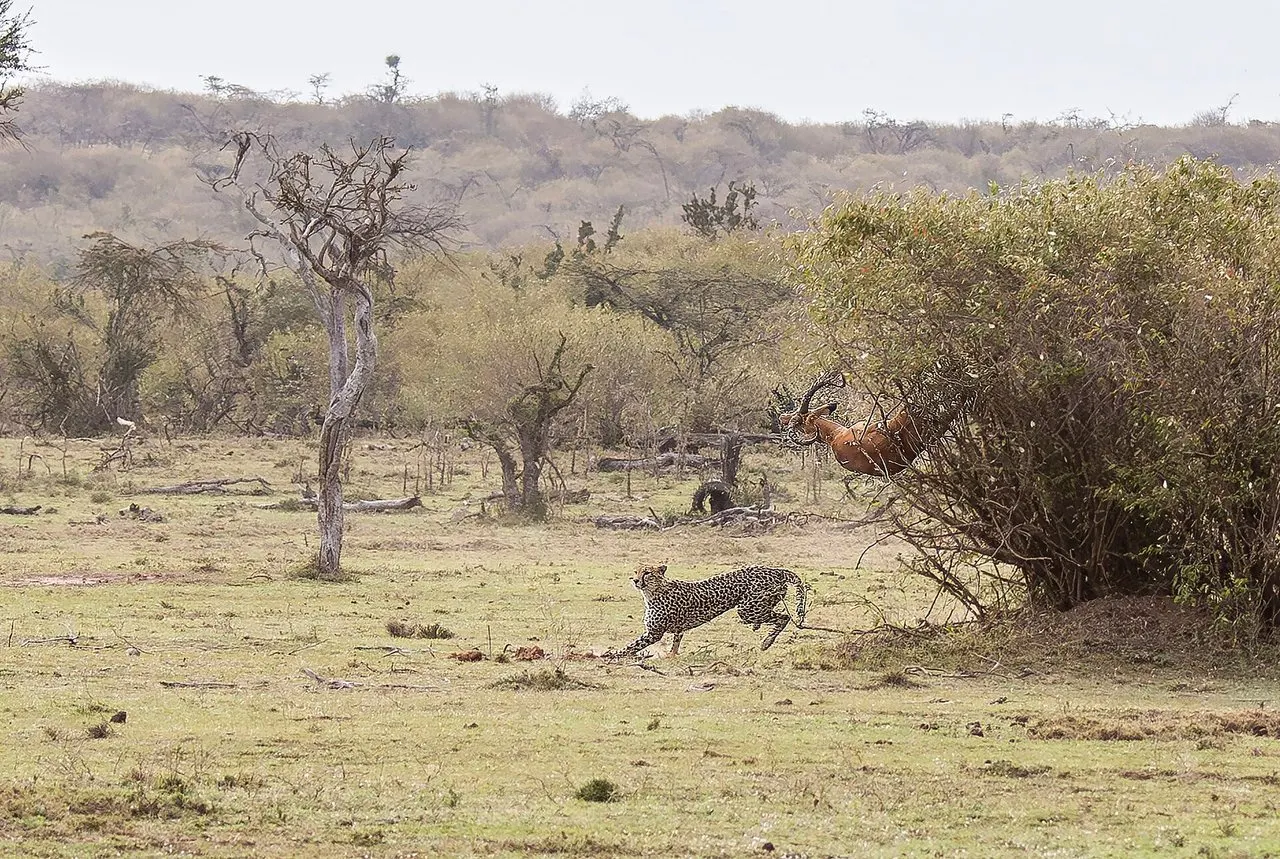
Young cubs learn to hunt by watching their mother and by playing with each other. The mother brings back small prey so the cubs can practice the chase and the pounce. They stalk, they trip and they tumble in the grass as they learn. These games build the muscles and timing they will need as adults. By the time they are a year old, they can join real hunts. Read about why so many data centers are being built and a big trade deal from the Philippines.
Resting in the Heat of the Day
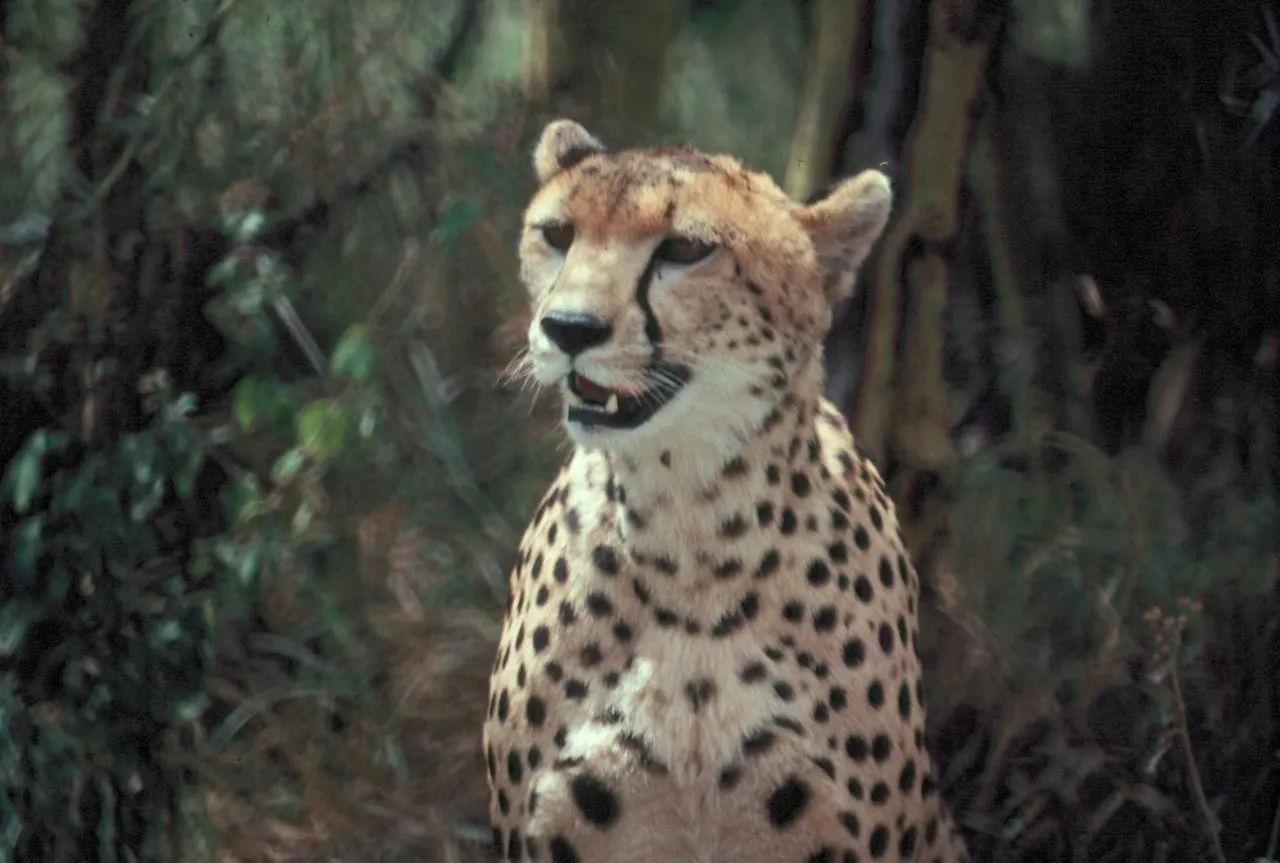
Cheetahs rest through the heat of the day, when the African sun is strongest. The mother finds a patch of shade under a tree or a rock and stretches out with her cubs close by. Rest saves energy for the hunts at dawn and dusk. The cubs nap in a pile, and their spotted coats blend into the dry grass. Even at rest, the mother keeps one ear open for trouble. Read about a rescue that warmed hearts in the flood and a jaguar who keeps returning to Arizona.
Cheetahs Have Hunted This Way for Ages
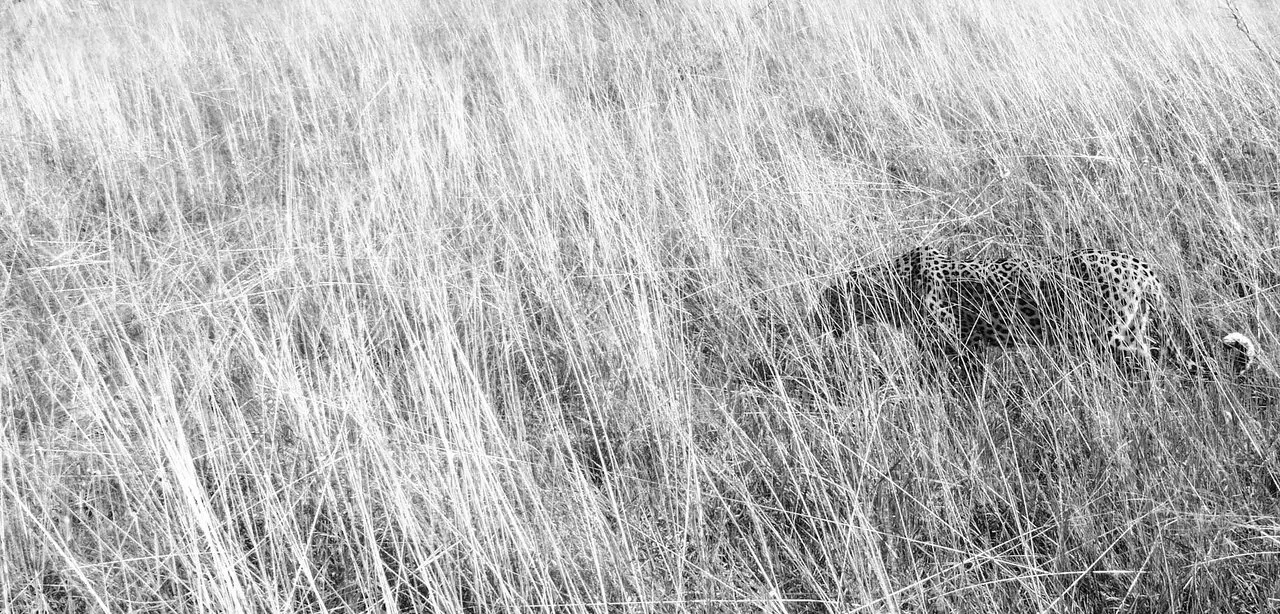
Cheetahs have hunted on the African plains for thousands of years, using speed instead of strength. Long ago, hunters in Asia even trained cheetahs to help catch game, and the cats were prized for their grace. Today cheetahs still use the same moves their ancestors used, the low stalk, the sudden sprint and the quick trip. Their bodies are built for this life, and little about their hunting style has changed. Read about a loyal dog who saved her owner and a baby who was born twice.
Stalking Practice Starts Young
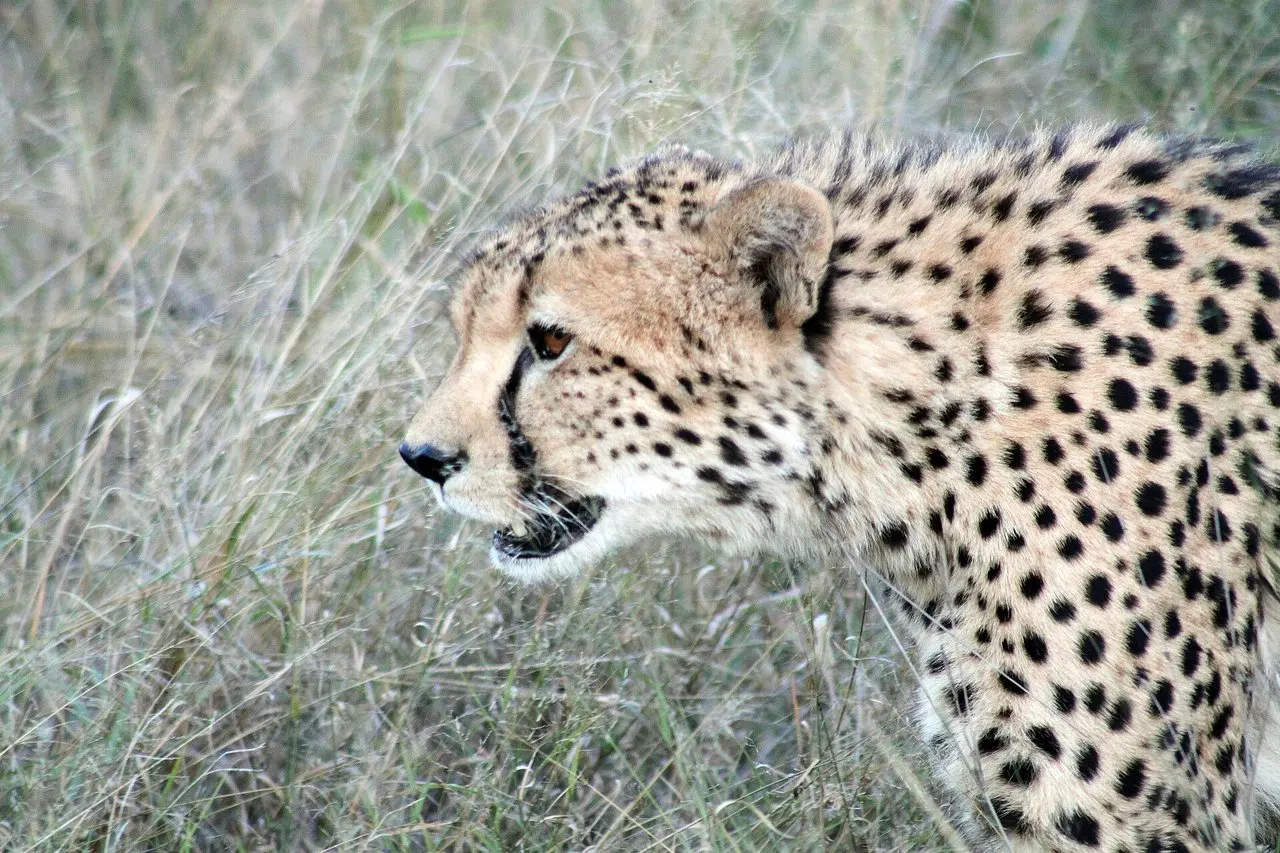
A young cub learns to stalk by creeping low through the grass with its belly close to the ground. It freezes, it watches and then it pounces on a sibling or a tuft of grass. The mother watches these games with care, and she steps in only when play gets too rough. Each pounce teaches timing, balance and patience. Without these lessons, a young cheetah could not catch its own food. Read about an app idea for paying strangers bills and a bright bowl made for sharing.
Running Lessons From a Mother Cheetah
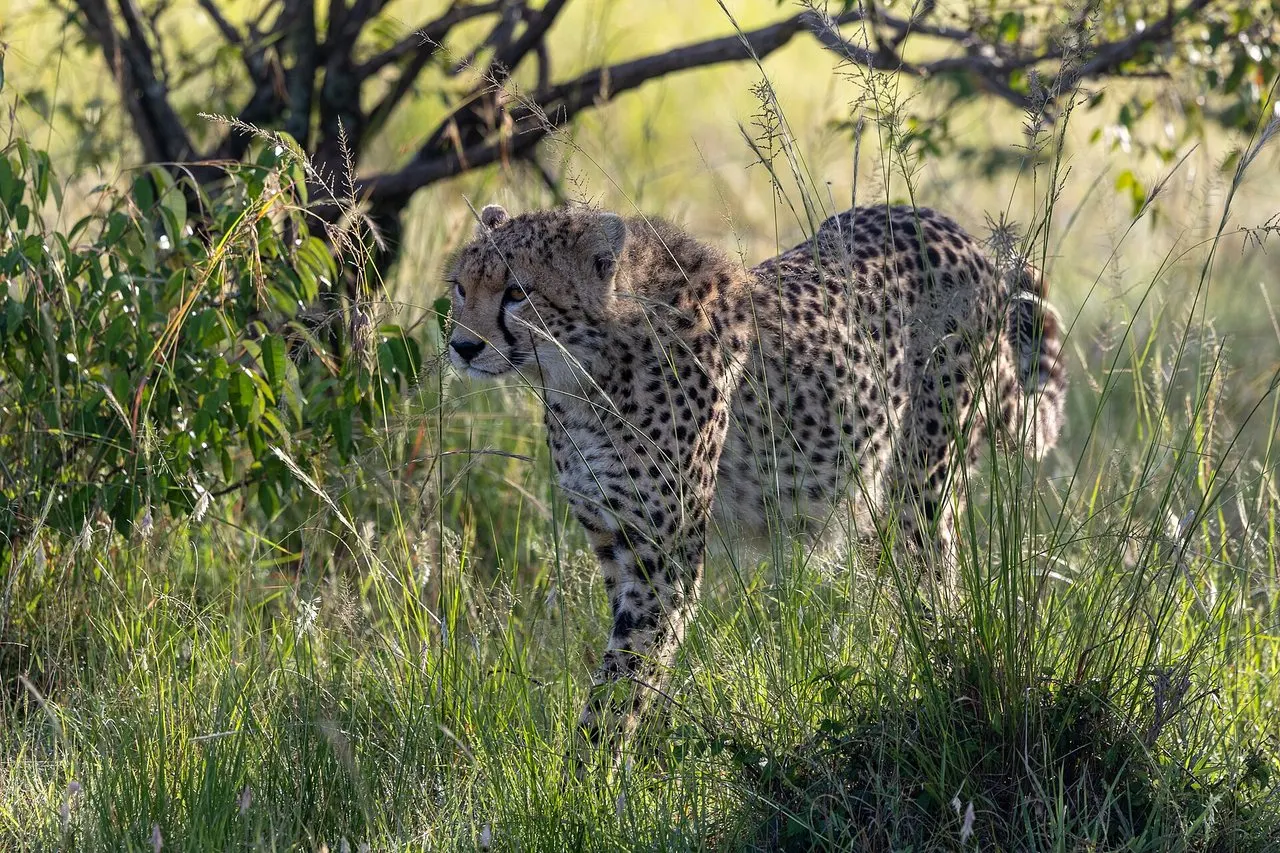
Running lessons from a cheetah mother start with short chases across open ground. She sets a pace the cubs can follow, and they run behind her with their tails streaming out. The cubs build speed and stamina with each week that passes. Their long legs grow stronger, and their strides grow longer. By 18 months they can run fast enough to hunt on their own. Read about a debate about pride month and veterans day and a five cent chocolate bar.
People Are Working to Protect Cheetahs
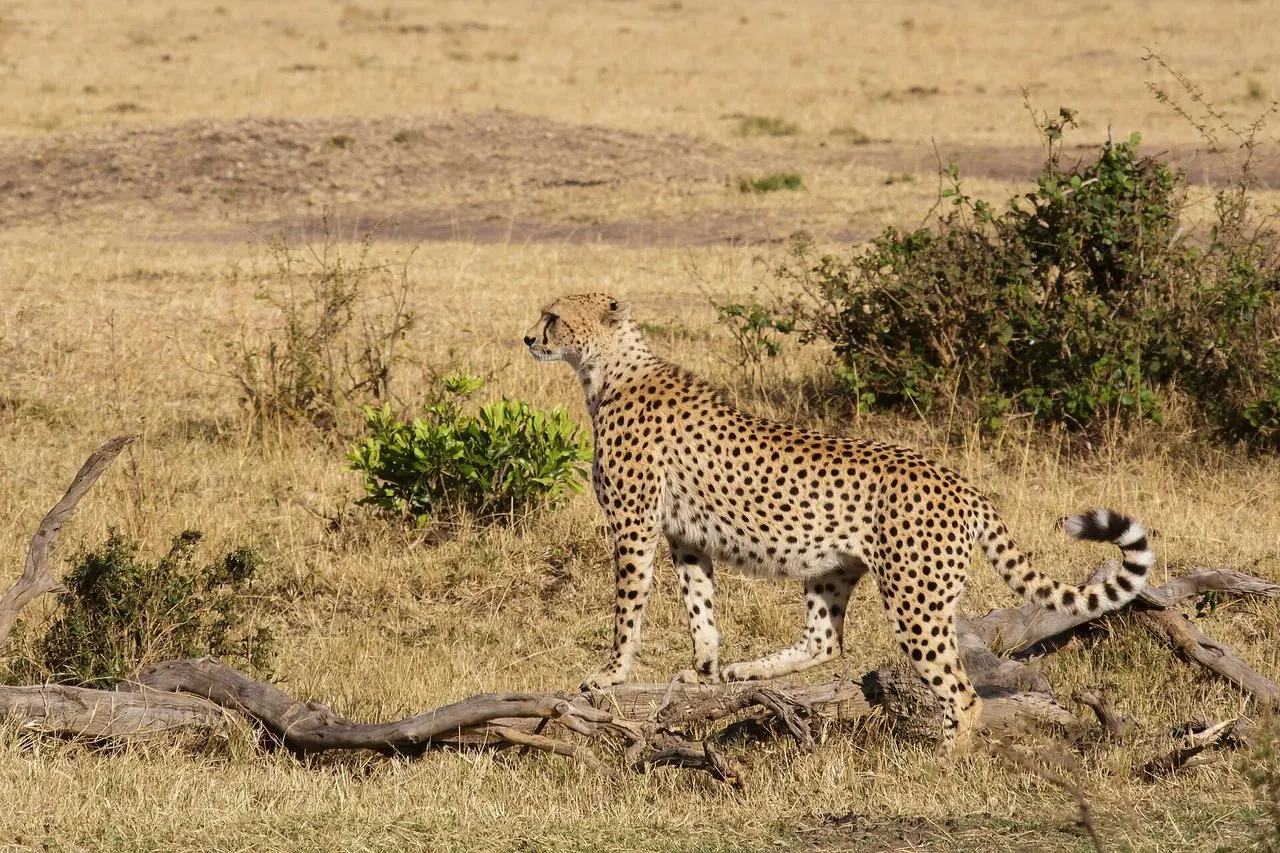
Groups like the Cheetah Conservation Fund work to protect cheetahs and the land they need to survive. They teach farmers how to guard livestock without harming wild cats, and they raise orphaned cubs for release back into the wild. Cheetahs face threats from lost habitat, conflict with people and the illegal pet trade. Fewer than 7,000 adult cheetahs may remain in the wild today. Read about a big night in country music and why so many data centers are being built.
What Would You Ask a Mother Cheetah
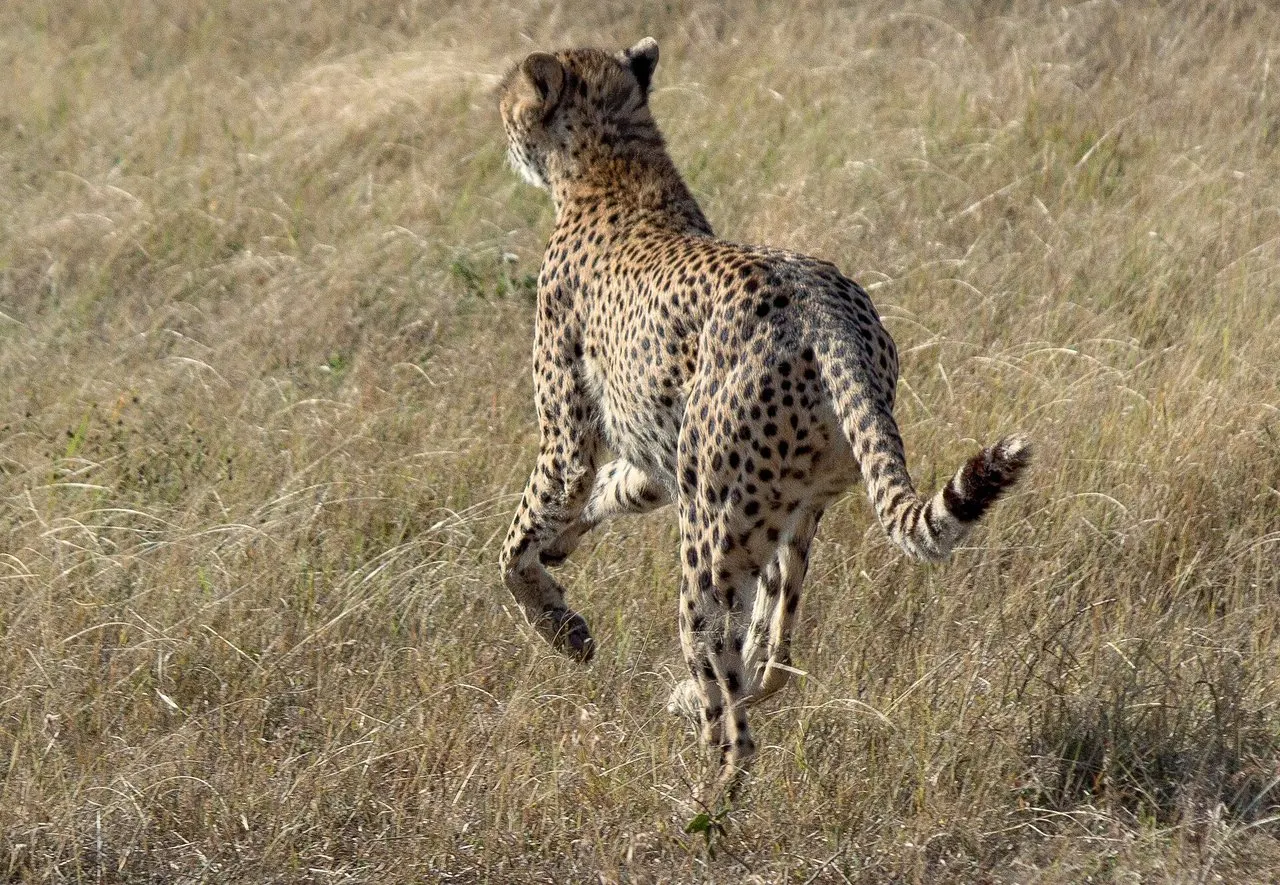
What would you ask this cheetah mother if you could sit beside her on the savanna for one day? Would you ask how she finds her cubs in the tall grass, or how she stays so calm when danger is near? Would you ask what it feels like to run faster than any animal on land? Share your questions in the comments, and tell us which moment in this gallery made you smile. Read about a veteran who lived to 106 and a big trade deal from the Philippines.