AI Power Bills Are Climbing While Families Ask for Cheaper Groceries
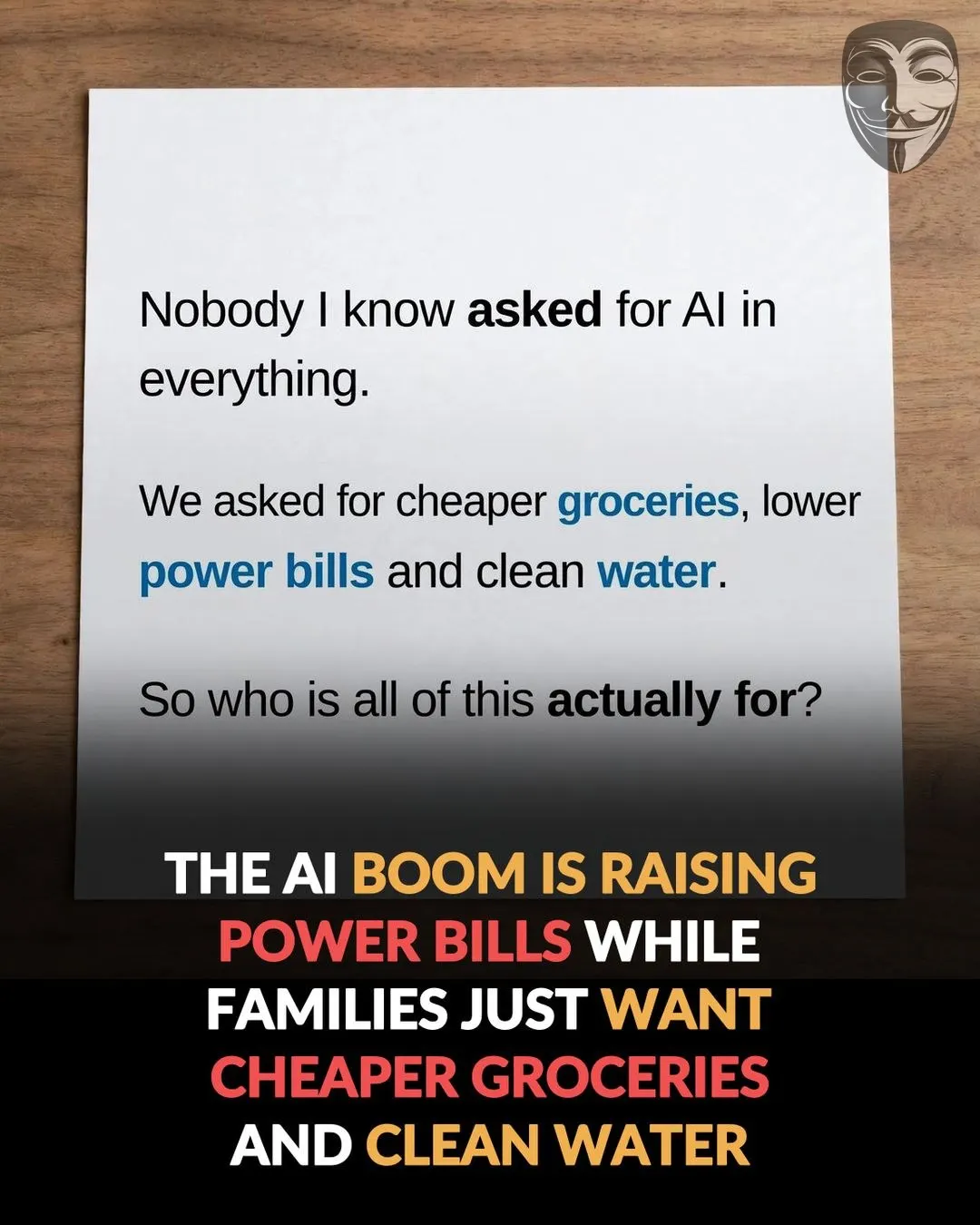
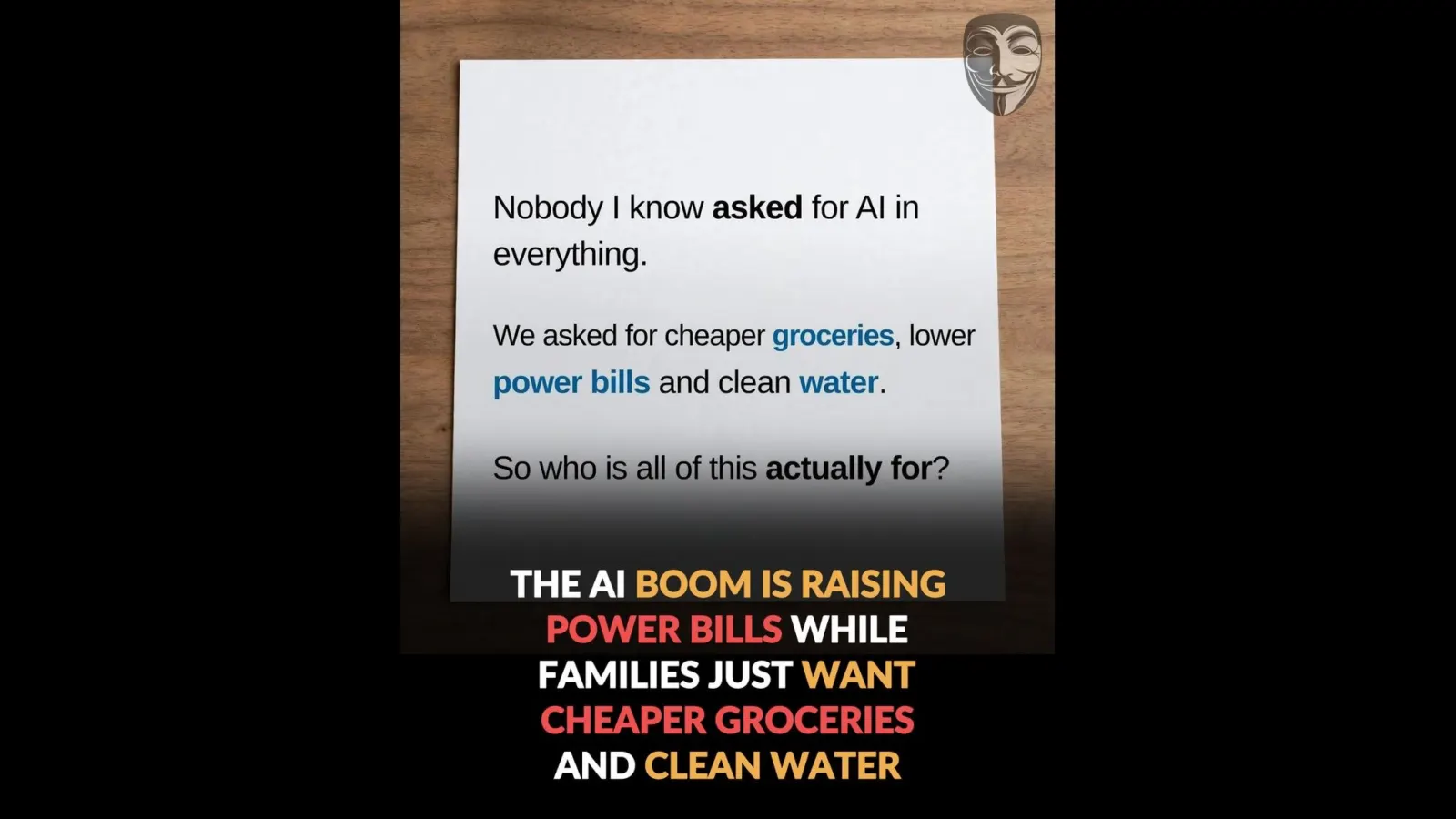
AI power bills are climbing at home, and families are asking a simple question about who pays for the AI boom. Every week brings a new AI button on a phone, in an email inbox, on a search bar, in a fridge or in a car, yet nobody around here asked for any of it. What people actually talk about is the price of groceries, an electricity bill that keeps climbing, and whether the tap water is safe and will still be there next summer. See our report on data center water use for the numbers behind the worry.
Meanwhile huge data centers are being built to run all this AI, using enormous amounts of electricity and water, and in some places the cost of the new power lines and plants ends up on every household bill. According to PJM’s independent market monitor, data centers drove about 9.3 billion dollars in added capacity costs in 2025, while companies like OpenAI say they will cover their own energy costs so families are not left paying. Read our story on the Tesla Optimus robot for a look at another big tech promise.
References:
WalletInvestor: Do Data Centers Raise Your Utility Bills? What the Data Says
Spio: Why Are People Upset About AI Data Centers Like Stargate?
Brave New Coin: OpenAI CFO Defends AI Data Centers After Midterm Backlash, Promises No Higher Electricity Bills
Run on Climate: Powering AI Responsibly
AI Buttons Everywhere and the AI Power Bills They Bring

Open your phone and there is an AI button waiting. Open your email and there is another one. Search bars, fridges and cars now carry the same promise, as if every part of daily life needed a chatbot built in. The tools arrived fast, without asking the people who use them. Most of us never requested a smarter fridge or a search bar. We asked for lower bills and calmer mornings instead. Read the mystery of the giant rock art for two very different stories about things people never asked for.
Nobody Around Here Asked for It

Nobody around here asked for any of it, and that line says a lot. At kitchen tables the talk is not about chatbots or smart fridges. It is about the price of bread and milk, the light bill, and whether the water from the tap is safe to drink. People know what they need, and they say it plainly. Technology can be welcome when it helps, but a new button on everything is not help. Read Warren Buffett’s big gift for two stories about money and what it is spent on.
The Price of Groceries Comes First
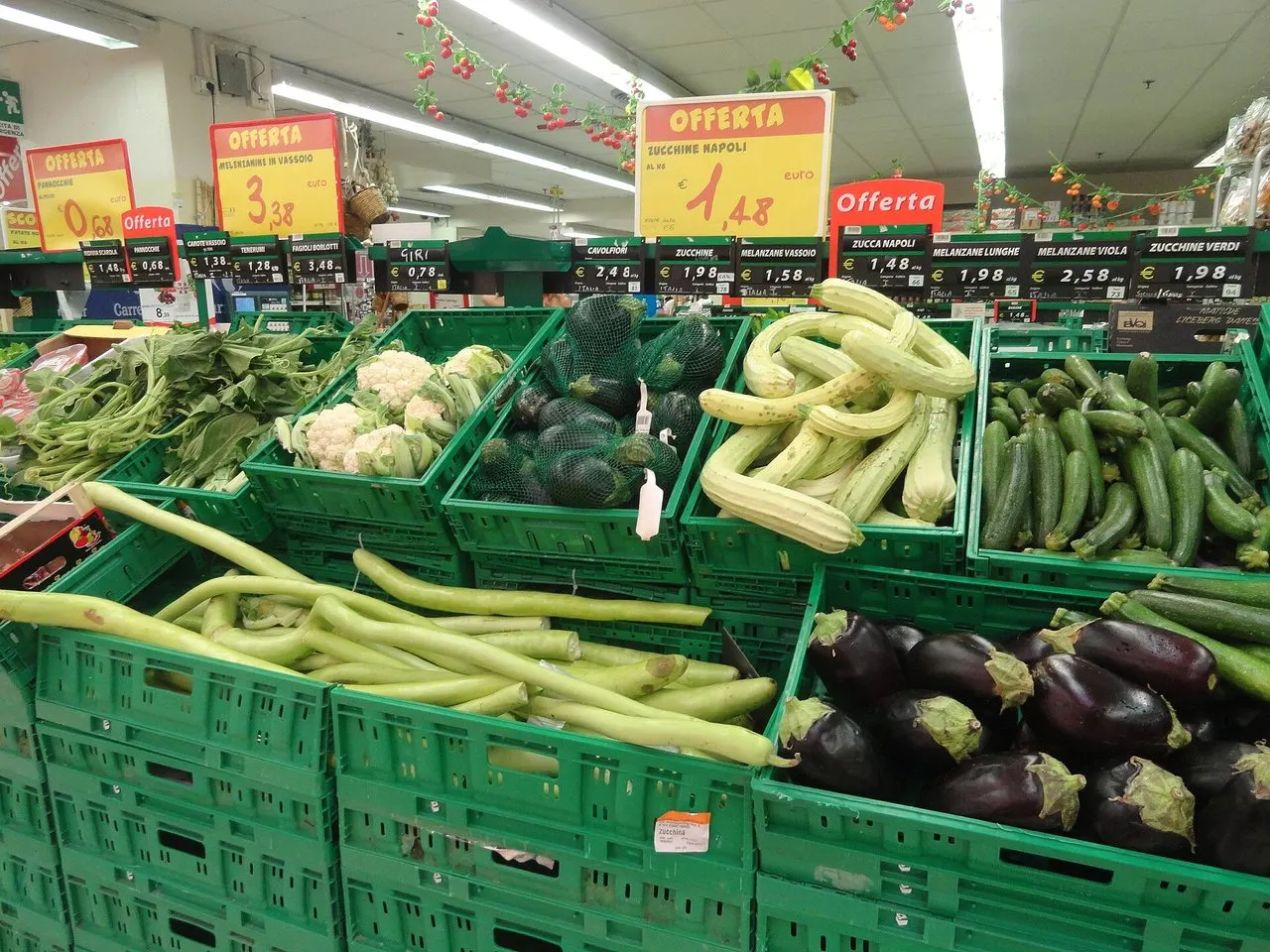
Grocery prices are the first thing most families feel, because the shop comes every week and the total never hides. A basket that cost one amount last year costs more now, and the same money buys less food for the same family. Parents swap brands, skip extras and plan meals around what is on offer, and still the receipt grows. That is the daily math behind the post. A cheaper weekly shop would change real lives faster than any new app. Read the fuel price rollback for two stories about prices and promises.
The Envelope on the Table Holds Rising AI Power Bills

The electricity bill is the second shock, because it arrives every month and it keeps climbing. Families open the envelope and see a number that is higher than the month before, even when nothing at home has changed. Lights, heating and cooking cost what they cost, and there is no cheaper version of keeping a home warm. When the bill grows, something else has to shrink, and too often that something is the food shop. Read the oil price rollback for two stories about household costs and family life.
Is the Tap Water Safe

Tap water is the third worry. People want to know the water from the kitchen tap is safe to drink and that there will be enough of it next summer. A glass of water should be the simplest thing in a home, not a source of doubt. When big users draw heavily, families start to ask fair questions about who gets what. Clean water is not a luxury. It is the base of daily life. Read the claim about Putin and Trump for two stories about trust and public promises.
Huge Data Centers Rise and AI Power Bills Follow
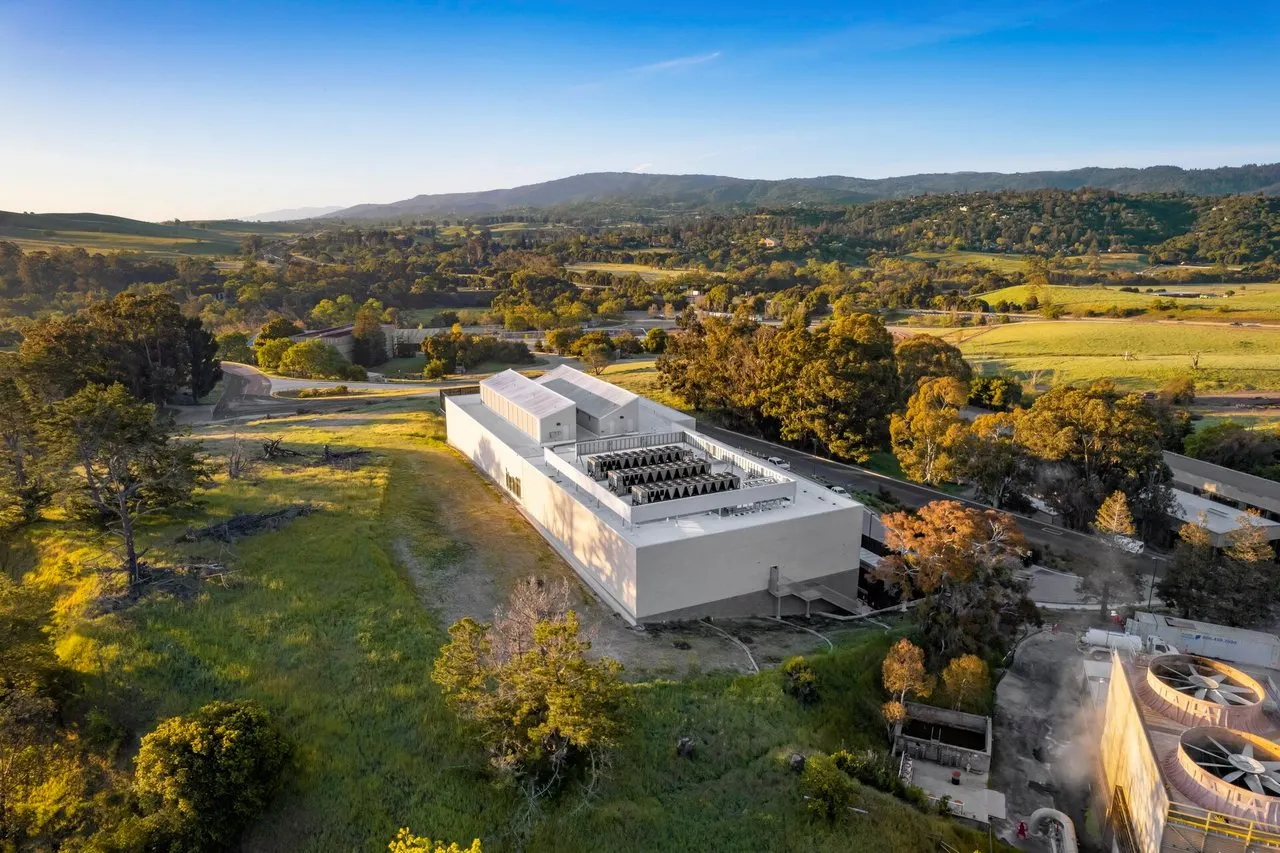
Meanwhile huge data centers are going up to run all this AI, and they are hard to miss once you know what to look for. Big plain buildings rise on the edge of towns, full of servers that never sleep. They need land, power lines and water, and they need them in large amounts. The buildings themselves are quiet, but the demand they place on the grid is loud. A town that hosts one can feel the change in its bills. Read the Thanksgiving turkey vote for two stories about big decisions and old puzzles.
How Much Water Does AI Drink
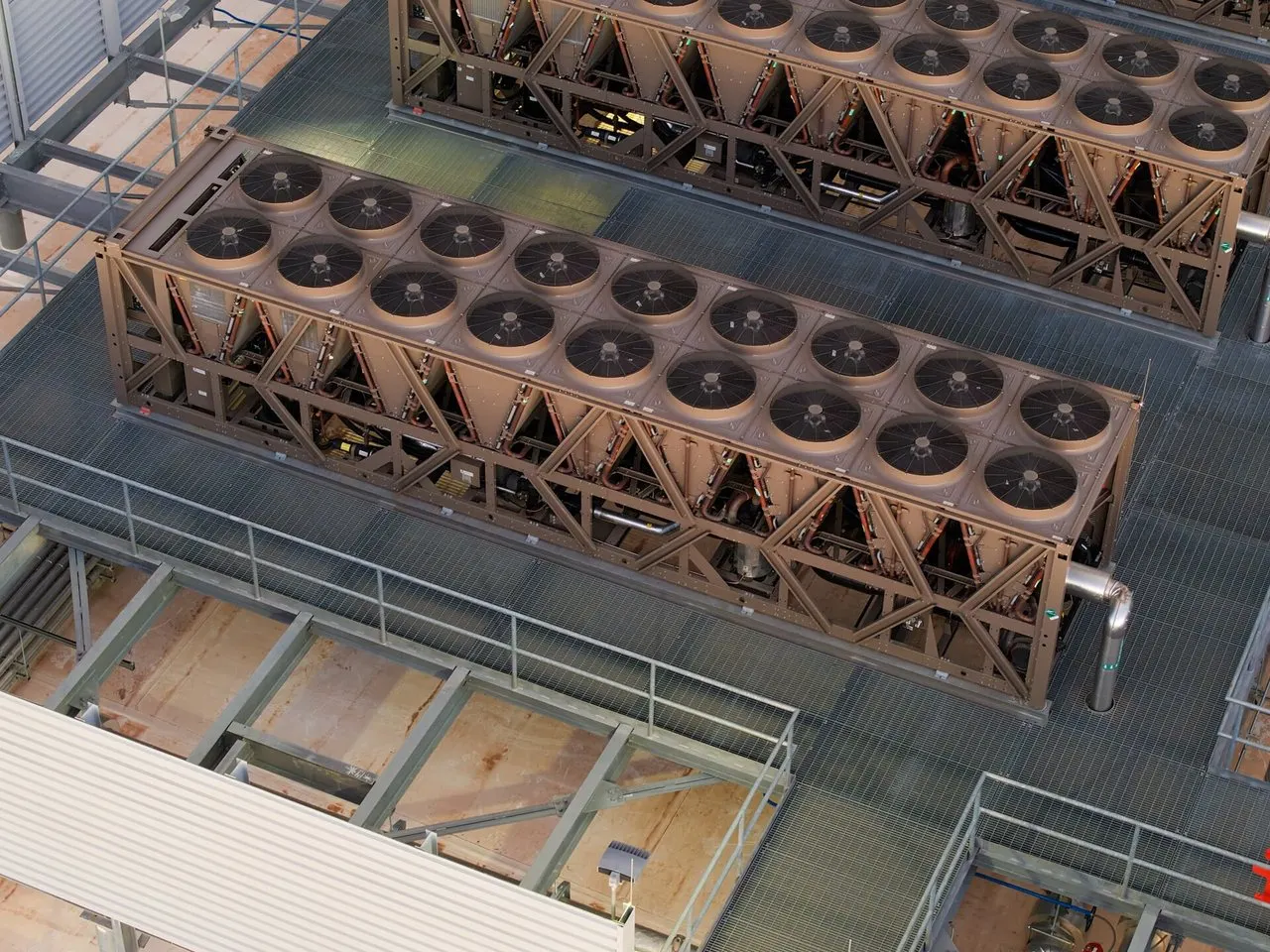
A data center is a thirsty neighbour. The servers inside run hot, and cooling them takes water on a scale most homes never see. Fans, chillers and cooling towers move heat out of the building day and night, and in dry places that water comes from the same rivers and aquifers families rely on. The post asks a fair question here. If AI needs this much water, who makes sure there is enough left for the taps at home? Read Melania Trump’s small staff for two stories about using less and sharing more.
AI Power Bills and the 9.3 Billion Dollar Number
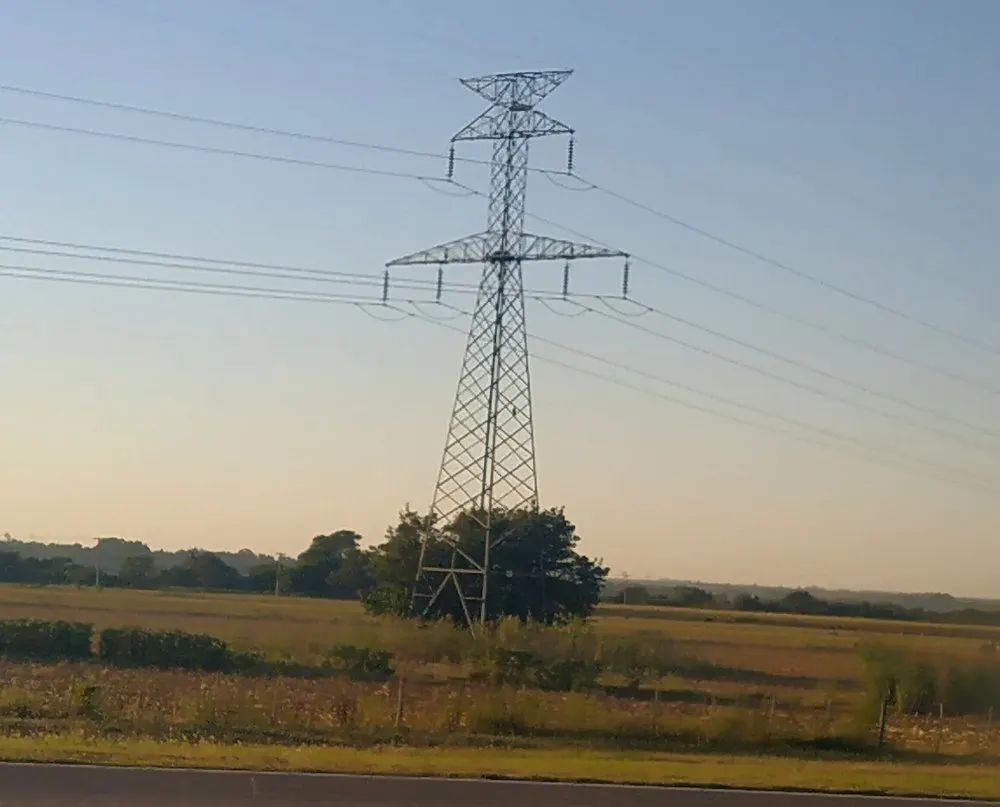
The number at the heart of this story is 9.3 billion dollars. According to PJM’s independent market monitor, data centers drove about 9.3 billion dollars in added capacity costs in 2025. Capacity is the price of keeping enough power ready for the busiest days, and when data centers add huge new demand, that price rises. In some places the cost of the new power lines and plants ends up on every household bill, which is how AI power bills reach the kitchen table. Read Errol Musk’s faith for two stories about very large numbers.
How AI Power Bills Reach Your Home
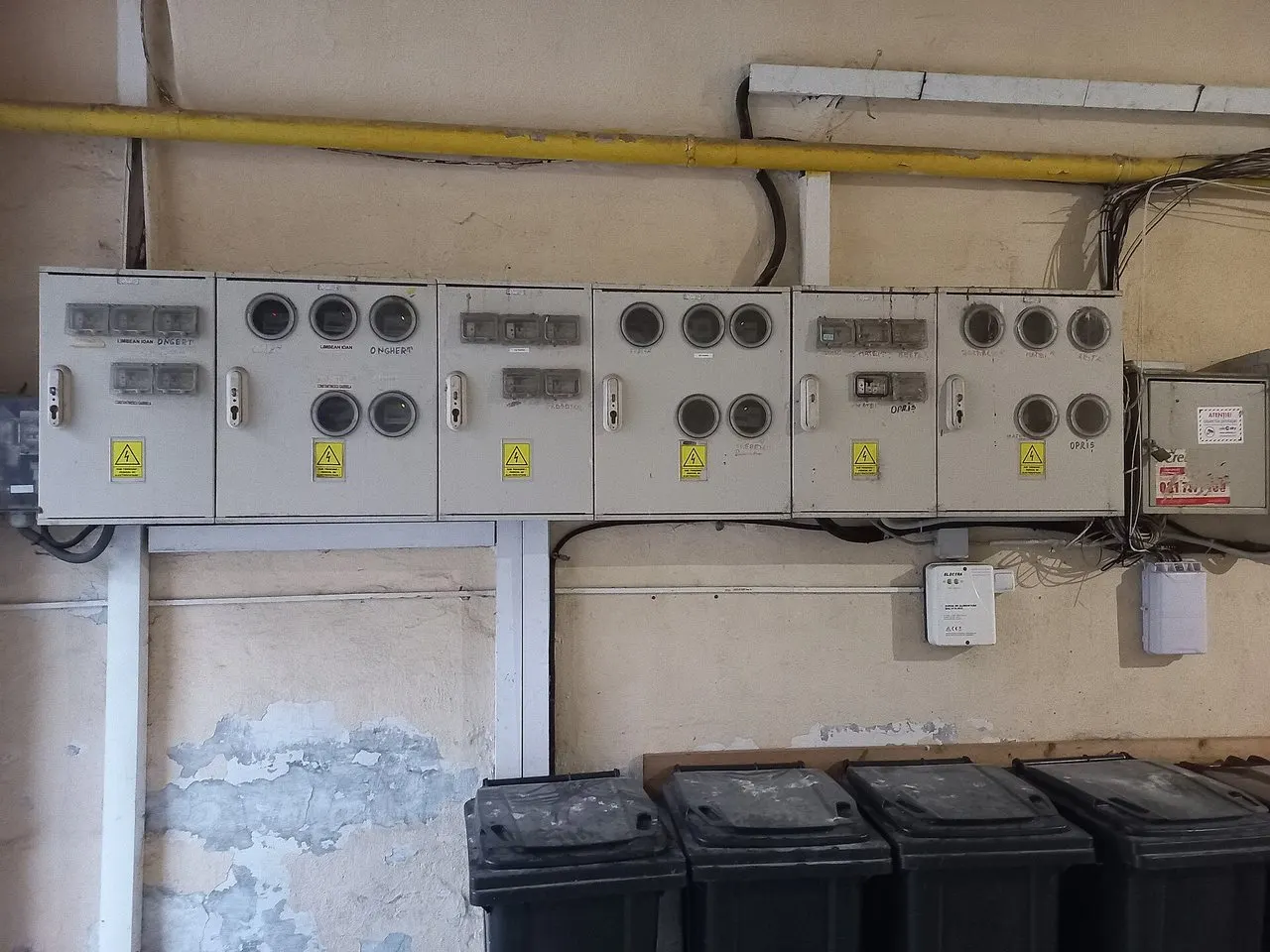
How does a data center charge end up on a family bill? The grid works like a shared system, and the cost of building for peak demand is spread across the people who use it. When a new data center connects, the grid may need new lines, new substations and more capacity, and those costs can flow through to households. The path from a server farm to a monthly statement is real. Read Dr. Stella Immanuel’s call for two stories about systems and the people inside them.
OpenAI Says It Will Cover Its Own Costs

OpenAI says it will cover its own energy costs so families are not left paying, and that promise matters. The company’s chief financial officer has defended data centers after public backlash and promised no higher electricity bills for households. Promises like this are easy to make and hard to keep, because energy costs move through a shared grid. Families will judge the promise by the numbers on their own bills, month after month. Read the story of Baby T for two stories about promises and the people who hold them to account.
New Power Lines, New Plants and Higher AI Power Bills
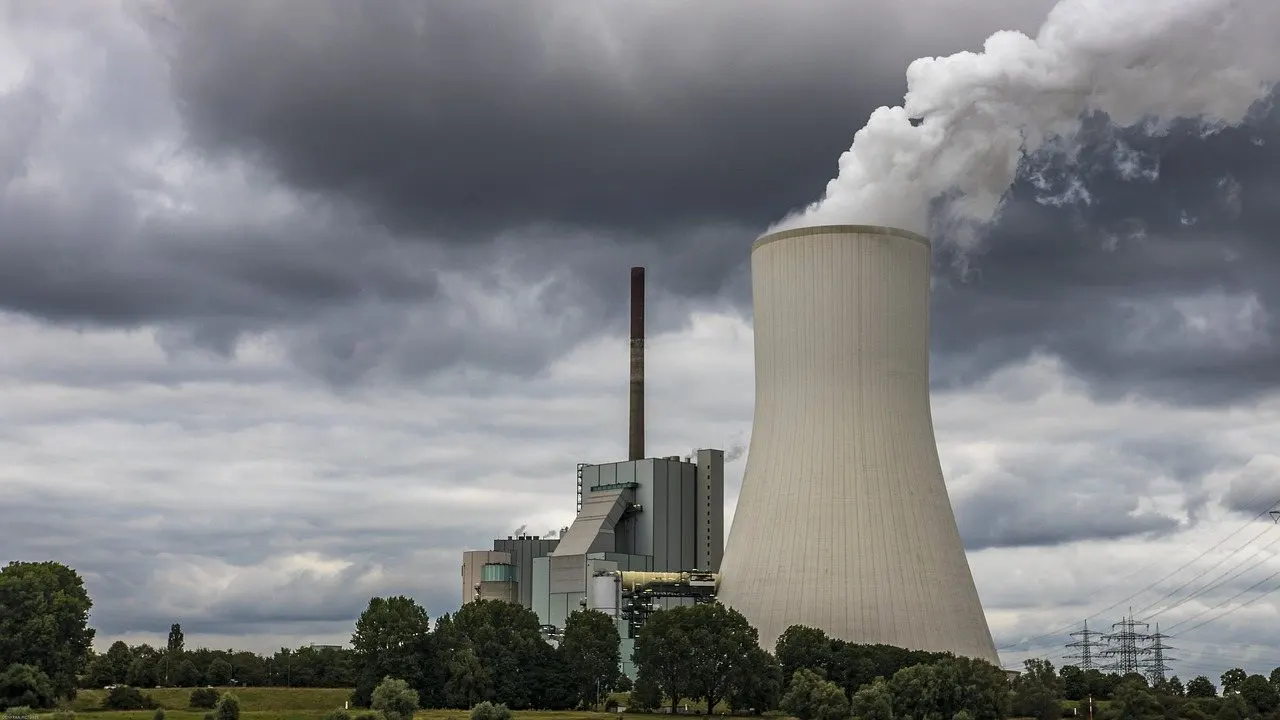
New power lines and new plants are the visible cost of the AI boom. When demand grows fast, the grid must grow with it, and building takes steel, workers and years. Someone pays for every mile of line and every new plant, and in some places that someone is every household on the network. This is the part of the AI story that rarely appears in launch videos. It appears on bills instead. Read Rubio’s vow about Putin for two stories about building and rebuilding.
Why People Are Upset About Stargate
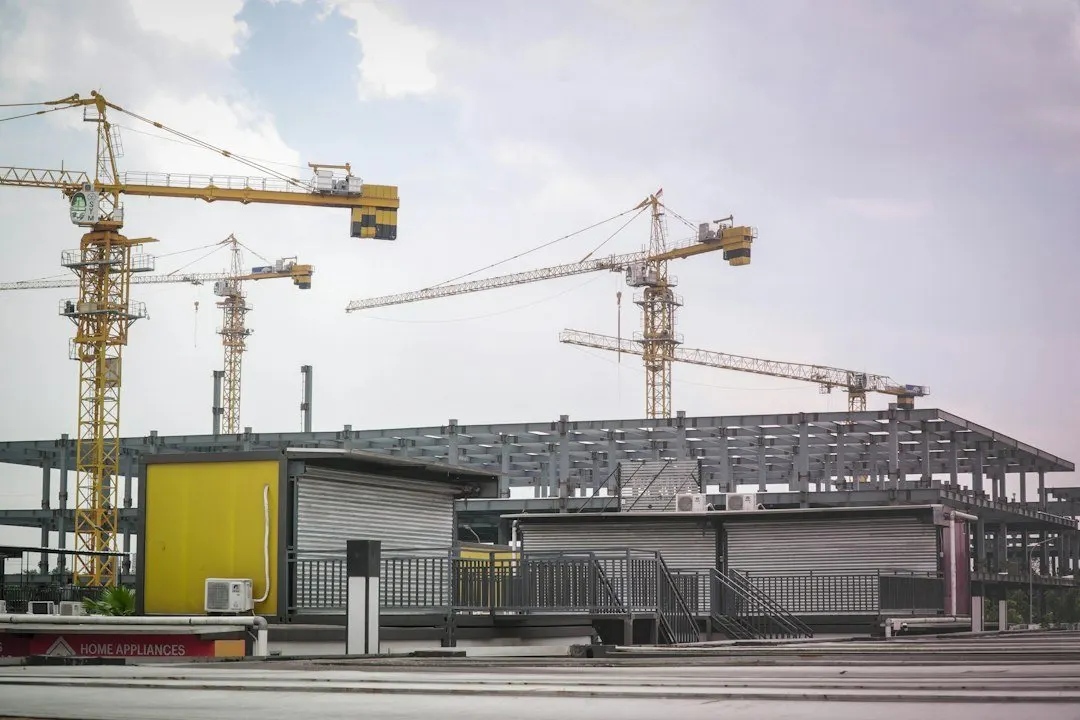
People are upset about AI data centers like Stargate, and one of the references for this article asks why. The answer is not fear of technology itself. It is the sense that huge projects arrive with big promises and leave local people with the costs. Water, power and land are local things, and when a giant facility takes a large share, neighbours notice. The debate is about fairness, not about being against progress. Read Fetterman’s vow in the Senate for two stories about standing up and being heard.
What a Data Center Actually Does
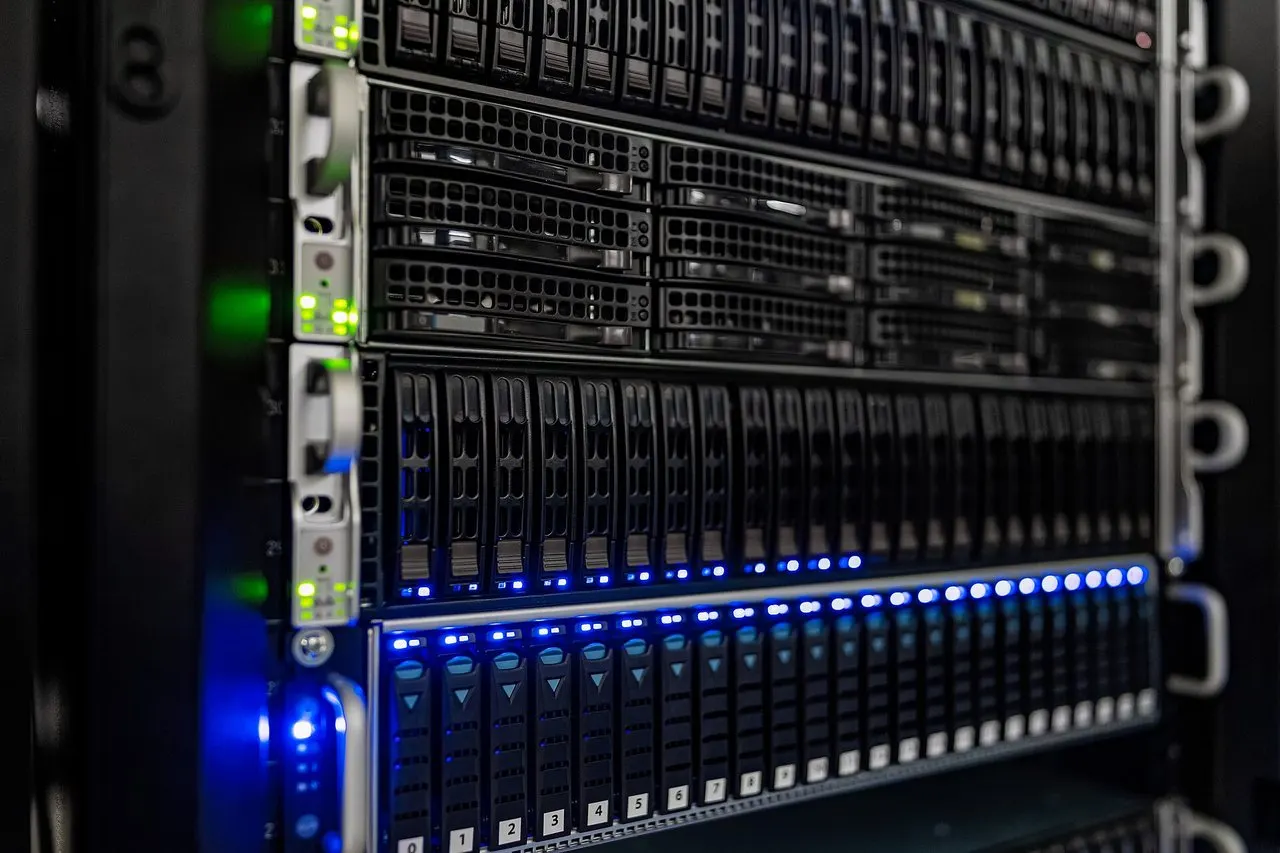
A data center is a warehouse full of computers, and its job is to store data and run programs around the clock. Rows of servers answer requests, train AI models and keep apps running. The work is invisible, but the power draw is not. A single large site can use as much electricity as a small town, which is why the grid feels it. Knowing what happens inside the building helps explain the bill outside it. Read Dave Bautista’s words on women’s rights for two stories about quiet work and loud voices.
Why AI Needs So Much Power

AI needs so much power because training and running large models means doing an enormous number of calculations. The chips that do this work run hot and draw heavy current, and the bigger the model, the more chips it takes. A single question to a chatbot can trigger work across many machines at once. Multiply that by millions of users and the demand becomes huge. This is why power, not just clever code, is the real limit on AI. Read the Trump and Putin greeting for two stories about scale and surprise.
Cooling the Machines Takes Water Too
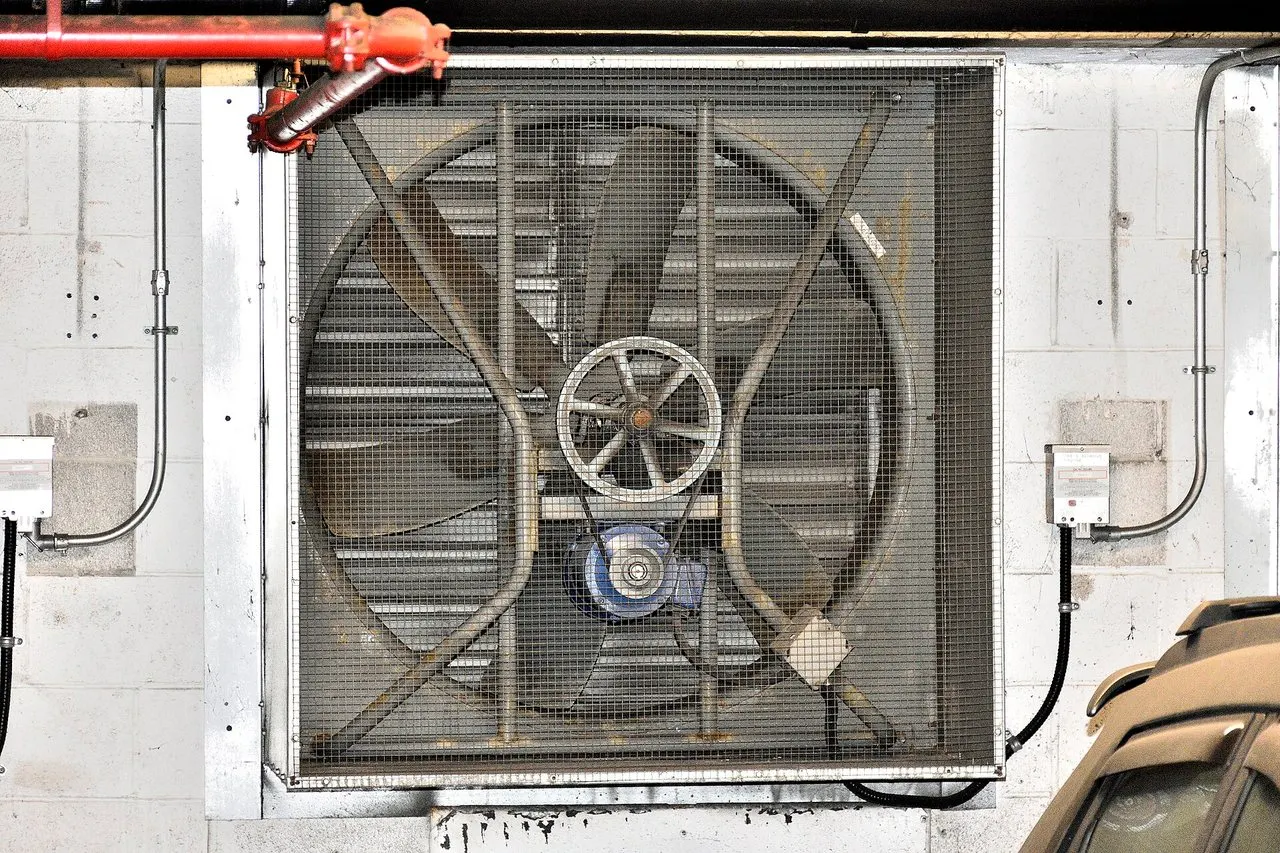
Cooling the machines takes water too, and it takes a lot of it. Servers turn most of their electricity into heat, and that heat has to go somewhere. Air cooling, liquid cooling and cooling towers move heat out of the building, and many systems use fresh water to do it. In a hot summer, a data center and a town can draw from the same limited supply. That is why water use has become part of the bill debate. Read the facts on data center water use for the numbers and another big tech promise.
Bills or Groceries as AI Power Bills Grow

Bills or groceries is the choice no family should have to make, but it is the choice rising costs force. When the electricity bill grows, the food budget is often the first thing cut, because the power company does not wait. Parents buy less meat, fewer fresh vegetables and more of whatever is cheap and filling. The health cost of that trade shows up later, quietly. A fair energy system would not make families choose. Read our piece on ancient rock art for two stories about hard choices.
Small Towns Host Big Data Centers
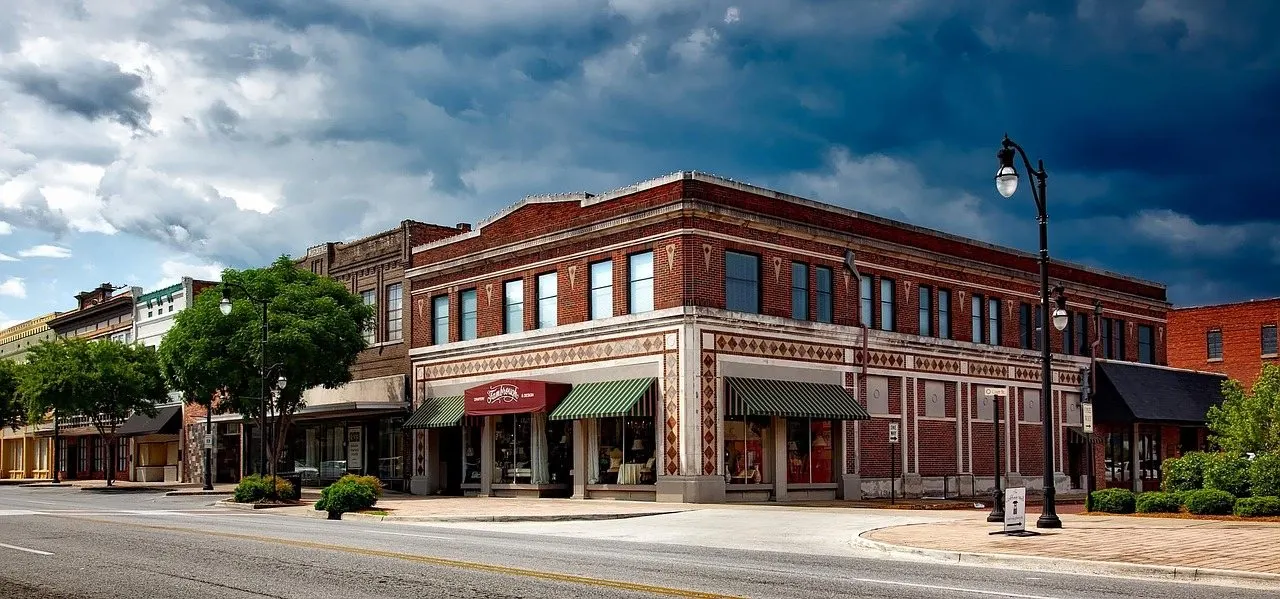
Small towns host big data centers, and the deal is rarely simple. A new facility can bring construction work, a few permanent jobs and tax money for the town. It can also bring heavier demand on water and power, more traffic and higher bills for the people who already live there. Town meetings get loud when residents feel the trade is uneven. The promise of growth has to be weighed against the cost of living there. Read our story on Buffett’s donation for two stories about money arriving and money leaving.
Jobs Versus Bills in Data Center Towns
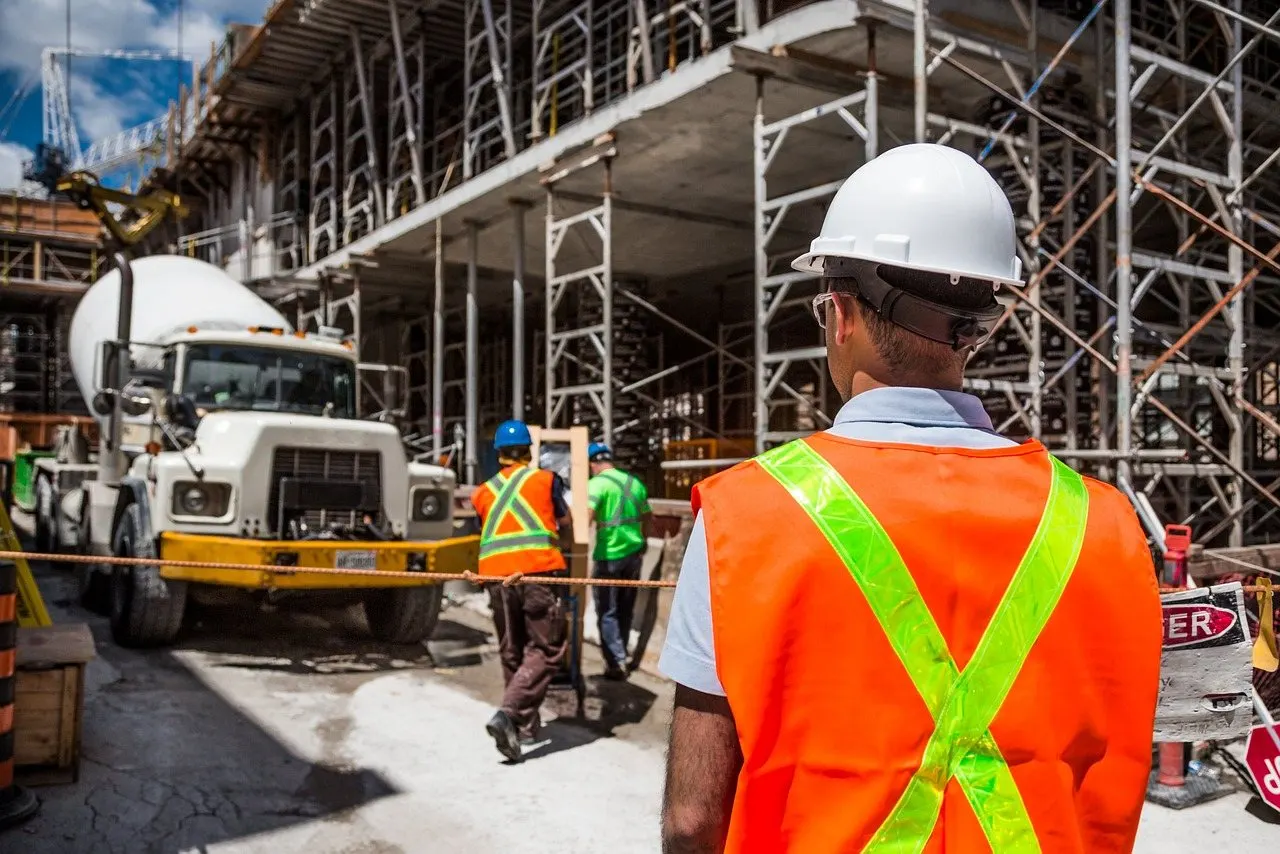
Jobs versus bills is the argument data center builders make most often. They point to construction crews, guards, technicians and the local shops that serve them. Those jobs are real, and for a small town they matter. But a few dozen jobs do not balance a higher bill for every household in the area. The question is not whether the jobs exist. It is whether the whole town gains or only a few do. Read our story on cheaper fuel for two stories about who benefits when prices change.
The Strained Grid Behind Rising AI Power Bills
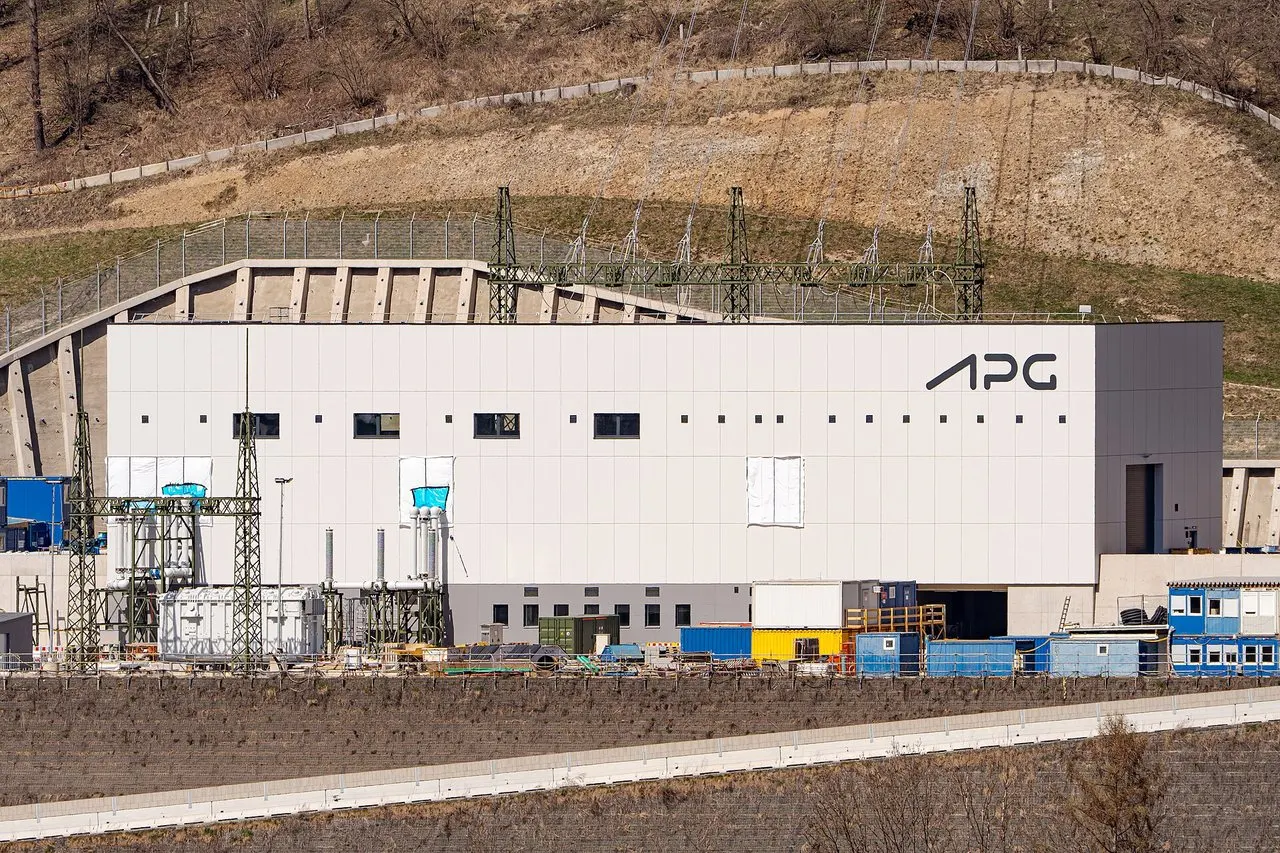
The power grid feels the strain when demand jumps faster than supply. Lines, transformers and substations were built for a slower world, and a sudden wave of data centers can push them hard. Grid operators plan years ahead, but AI demand has grown faster than most plans expected. When the grid is tight, prices rise and the risk of strain grows. Keeping the lights on for everyone is the job that matters most. Read our story on oil prices for two stories about pressure and the people under it.
Counting the Cost of AI Power Bills
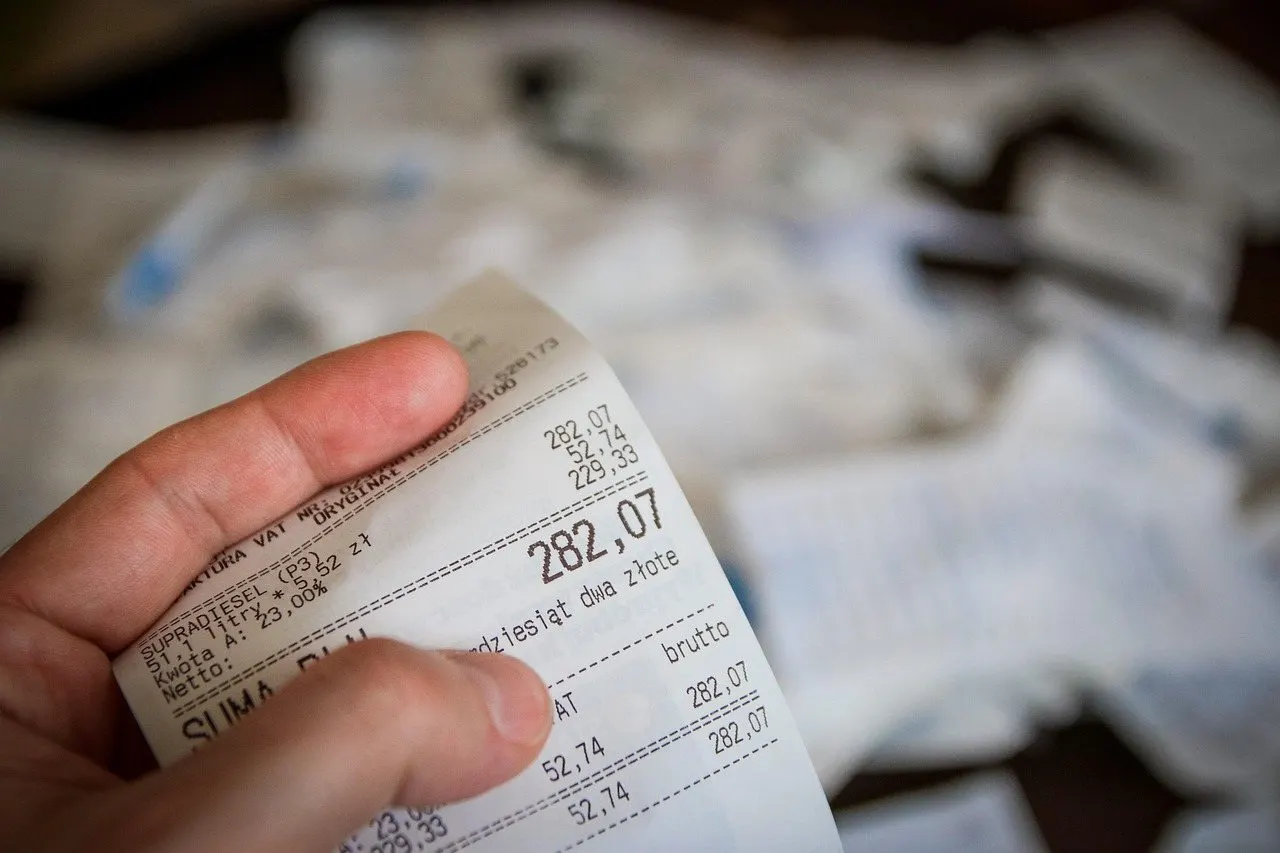
Counting the cost is the job of market monitors like the one at PJM, and their numbers are the ones this article leans on. They watch auctions, track capacity prices and report who pays what. Their finding that data centers drove about 9.3 billion dollars in added capacity costs in 2025 is not an opinion. It is a measure of a shared system under new demand. Numbers like that turn a feeling about bills into a fact. Read our report on the Clinton claim for two stories about counting and accountability.
What the Companies Promise
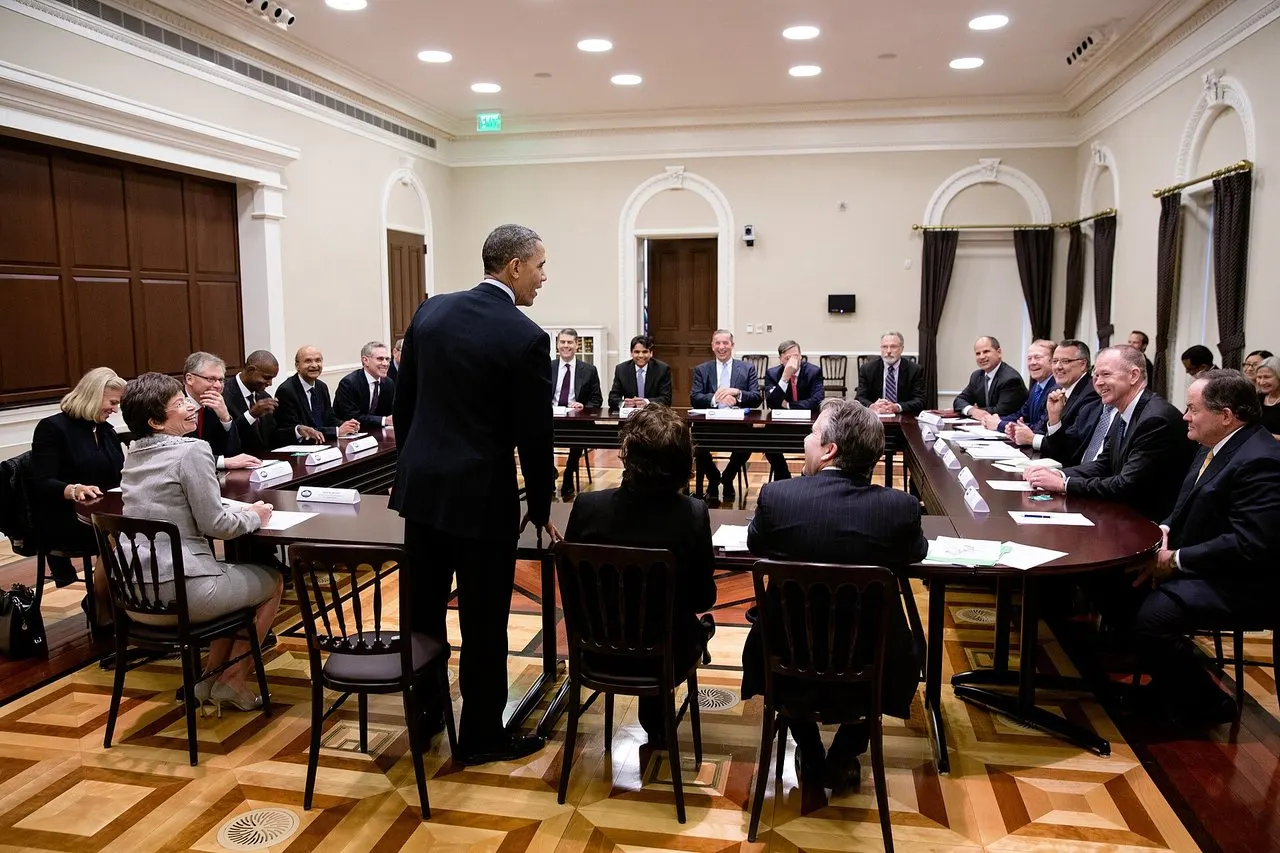
What the companies promise is simple to say and hard to prove. Tech firms say their data centers will pay their own way, use clean power and bring jobs. Some of those promises are kept, and some fade once the building is up. The test is not the press release. It is the water meter, the power bill and the local hiring record a year later. Families have learned to watch the results, not the words. Read our piece on the turkey vote for two stories about promises and proof.
Powering AI Responsibly
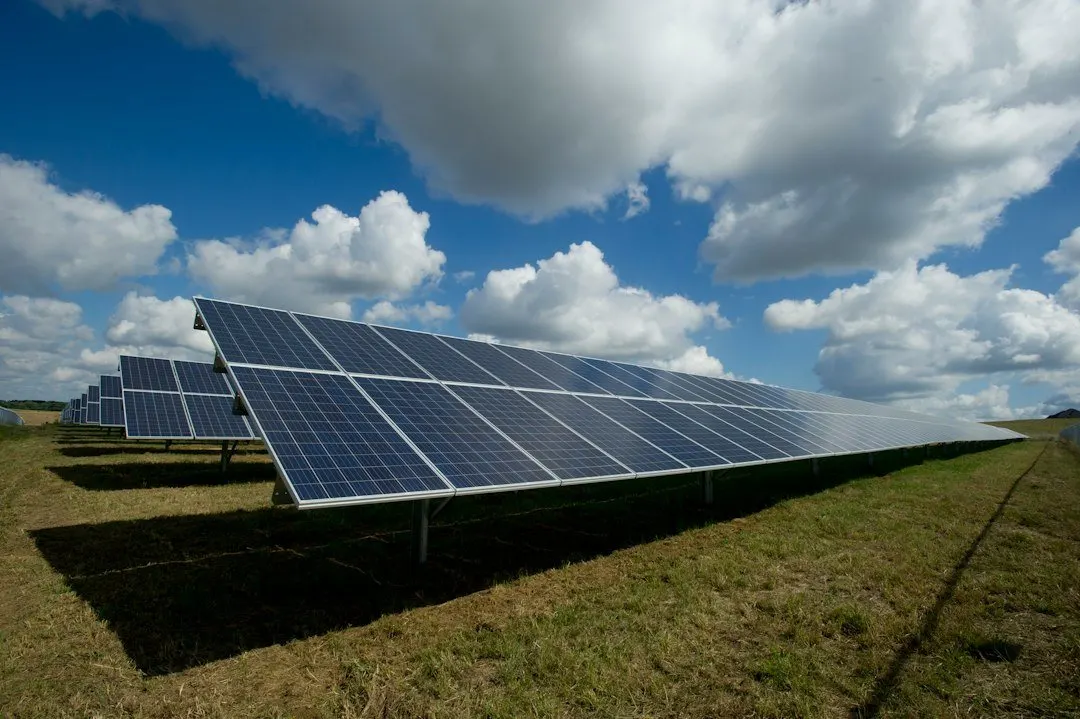
Powering AI responsibly is the title of one of the references for this article, and it points to the better path. Clean energy, honest water reporting and fair cost sharing would let AI grow without pushing bills onto families. Solar and wind can help, but only if the power is really there when the servers need it. Responsibility is not a slogan. It is a set of choices about who pays, who uses and who checks. Read our report on Melania’s staff for two stories about doing more with less.
Clean Water for Next Summer

Clean water for next summer is the worry that stays with families. A river that runs low in August is a problem no app can fix. Data centers, farms and homes all draw from the same sources, and a dry year makes every share smaller. Planning for water means thinking about the driest month, not the average one. The post asks whether the tap will still run, and that question deserves a straight answer. Read our story on Errol Musk for two stories about the future and what it costs.
Tech Money, Family Budgets and AI Power Bills

Tech money and family budgets live in different worlds, and the gap between them is the heart of this story. Big tech firms spend billions on chips, buildings and power, while families count every dollar at the till. Both sides are real, but only one side feels the cost of the other. A fair system would let the boom pay for itself instead of passing the bill down the line. That is the simple test families apply. Read our piece on Stella Immanuel for two stories about money and belief.
What Families Actually Want

What families actually want is not complicated, and the original post says it plainly. Cheaper groceries, a power bill that stops climbing, and clean water they can trust. No one is asking for a world without technology. People are asking for technology that solves the problems they actually have. A fridge that stays cold matters more than a fridge that talks. Read our report on Baby T for two stories about what people hold dear.
Reading Your Bill to Track AI Power Bills
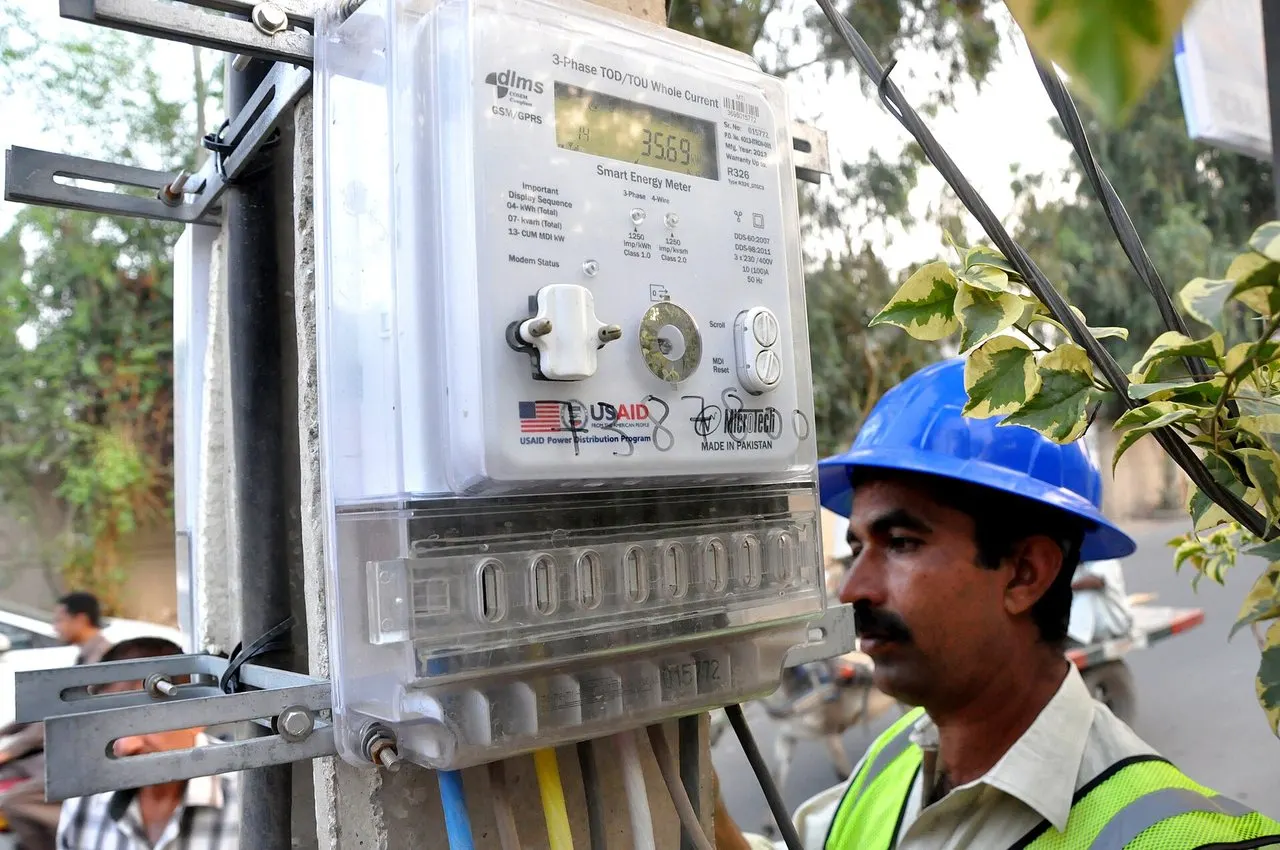
Reading your bill is the best way to track what the AI boom costs your home. Look for the supply charge, the delivery charge and any capacity or grid fee, and compare the total with the same month last year. A steady climb with no change in how you live is worth asking about. Call your supplier, ask what changed, and keep the old bills so you can show the pattern. Knowledge is the first step to a fairer bill. Read our report on Rubio for two stories about asking hard questions.
What to Watch Next

What to watch next is the capacity market, the water reports and the promises. PJM publishes its numbers, data center firms publish water use figures, and local councils publish planning decisions. Watch whether bills flatten or keep climbing, and whether companies keep the promises they made at the start. The story is not over. It is being written in monthly statements and council minutes. Read our second report on Fetterman for two stories about watching and waiting.
Technology Should Solve Real Problems

Technology should solve real problems, and that is the line the original post ends on. The writer is not against technology. The point is that clever tools should help with groceries, bills and clean water before they help with anything else. A world that can build giant data centers can also build fairer bills and safer taps. The question is where the effort goes, and who it serves. Read our story on Bautista for two stories about using strength for others.
What Do You Think About the AI Boom

What do you think about the AI boom, and who should pay for it? Is a smarter fridge worth a higher power bill, or should tech firms cover the full cost of the energy and water they use? Would you welcome a data center near your town if it brought jobs, or would the bills and the water worry you more? Share your view in the comments below. Read our report on the summit greeting for two stories to think about while you decide.