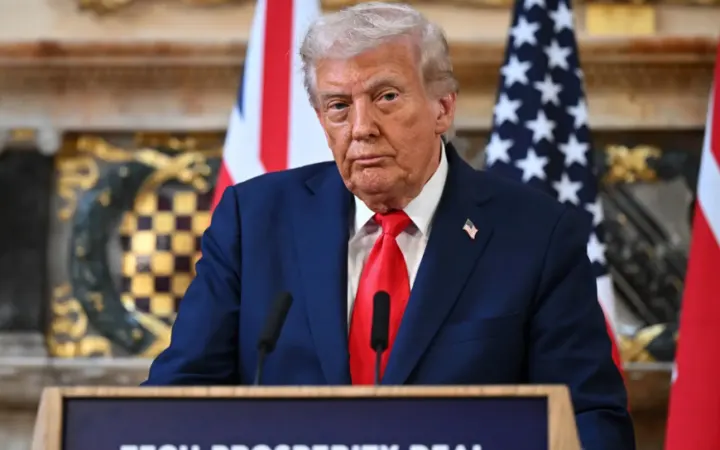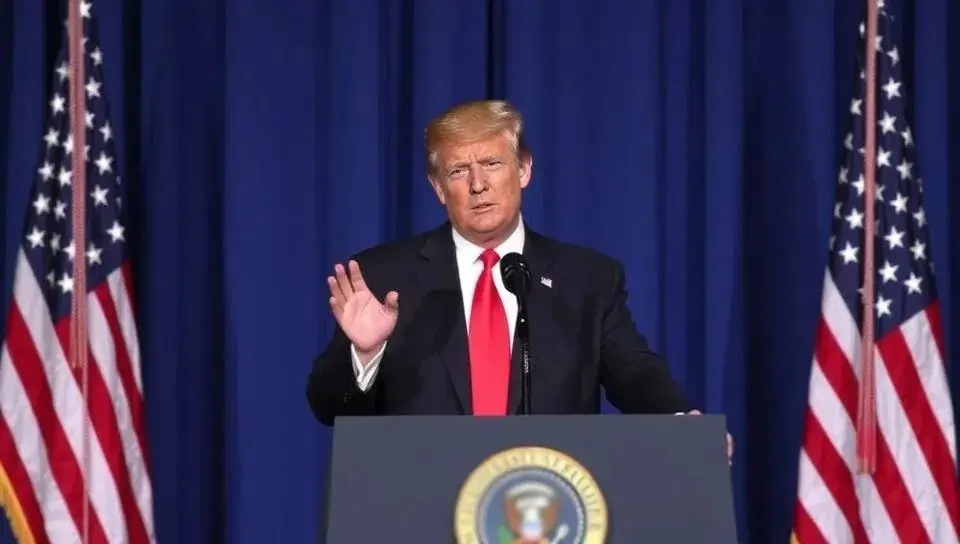
In his first weeks back in office, President Trump’s administration carried out large-scale federal layoffs, announced shifting tariffs and promoted Tesla at the White House. Some laid-off workers were later rehired, and polls show Americans divided over his approach.
President Donald Trump has made sweeping changes in the weeks since returning to office, cutting federal jobs, imposing and adjusting tariffs and making high-profile public gestures, including a White House showcase of Tesla vehicles.
Supporters describe his approach as decisive and necessary. Critics say it has created confusion and instability for workers, businesses and markets.
Layoffs followed by rehiring
The administration began the second term by cutting tens of thousands of federal jobs. Some agencies later brought back workers whose roles turned out to be essential, including staff at the agency that manages the country’s nuclear weapons stockpile.
Critics say the rehiring shows a lack of planning. Supporters argue the cuts are part of a needed effort to reduce waste in government. A federal judge in California later ordered several agencies to reinstate fired probationary workers, ruling that the firings were carried out unlawfully.
Markets react to tariff changes
Sudden announcements of new tariffs on imports, followed by delays, reversals and new threats, have unsettled financial markets. U.S. stocks rose on Friday but still posted a fourth straight week of losses.
Republican leaders, including House Speaker Mike Johnson, have urged patience, saying the president’s policies need time to take effect. Democrats argue the changes are hurting working families and small businesses.
Trump promotes Tesla
Trump has said his policies will lead to strong economic growth. He made the case while showcasing Tesla vehicles on the White House lawn in a show of support for Elon Musk, whom he put in charge of the Department of Government Efficiency’s effort to cut federal spending and staff.
Views on trade and jobs
Some economists have described the administration’s approach as unusually unpredictable, while Republican strategists say the fast pace has kept opponents off balance.
A Reuters/Ipsos poll found that 57% of Americans think Trump is being too unpredictable in his efforts to shape the economy. Many economists warn that higher tariffs could raise prices on everyday goods.
White House responds to criticism
White House spokesman Kush Desai said the economy would rebound, pointing to job growth during Trump’s first term.
A Quinnipiac University poll put Trump’s approval rating at 42%, with 53% disapproving.
Foreign policy questions
Trump’s foreign policy has also drawn attention. Ukraine agreed to a U.S.-proposed 30-day ceasefire with Russia, but Moscow did not accept it, and Russian President Vladimir Putin agreed only to a limited pause on strikes against energy facilities after a call with Trump. Critics say Trump’s earlier criticism of Ukrainian President Volodymyr Zelenskyy raised questions about U.S. support for Ukraine.
Many Republicans say Trump is doing what he promised voters during the campaign.
Tesla and clean air rules
Trump’s promotion of Tesla came as his administration moved to roll back clean air rules designed to encourage electric vehicle sales.
Protests have taken place at Tesla dealerships, and the company’s stock has fallen. Trump said violence against Tesla would be treated as a serious crime.
Reaction to Trump’s approach
Americans remain split over Trump’s approach. His move to cut the Department of Education’s workforce by about half raised questions about how the agency will carry out its duties. Conservative groups such as Moms for Liberty have welcomed the changes as long-sought reforms.
What’s next
Trump’s supporters say his policies will bring long-term benefits, while critics warn they could cause lasting harm. The White House has said more changes are coming.
Source: FOX 11 Los Angeles