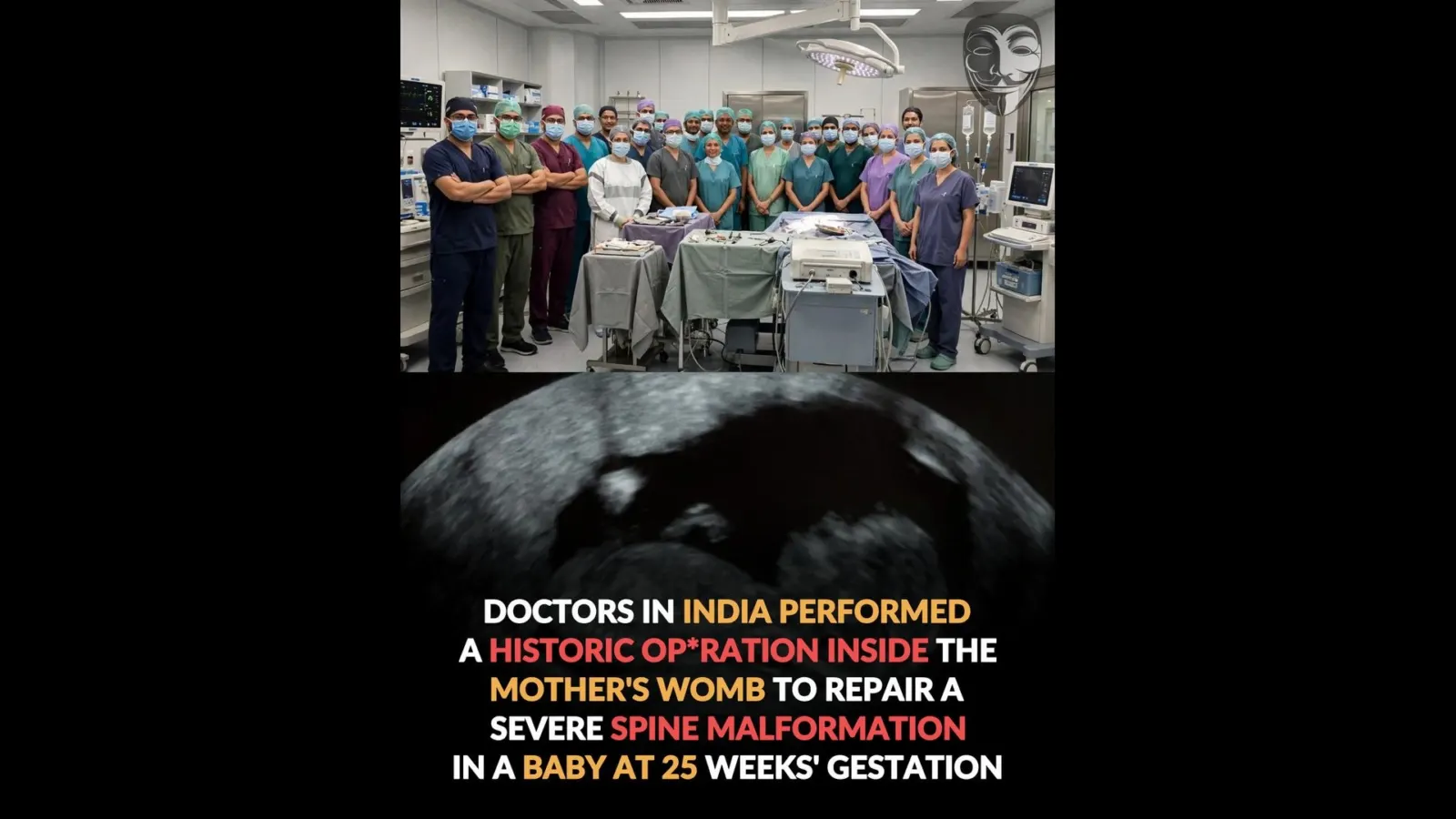
Fetal Spine Surgery Before Birth at AIIMS New Delhi
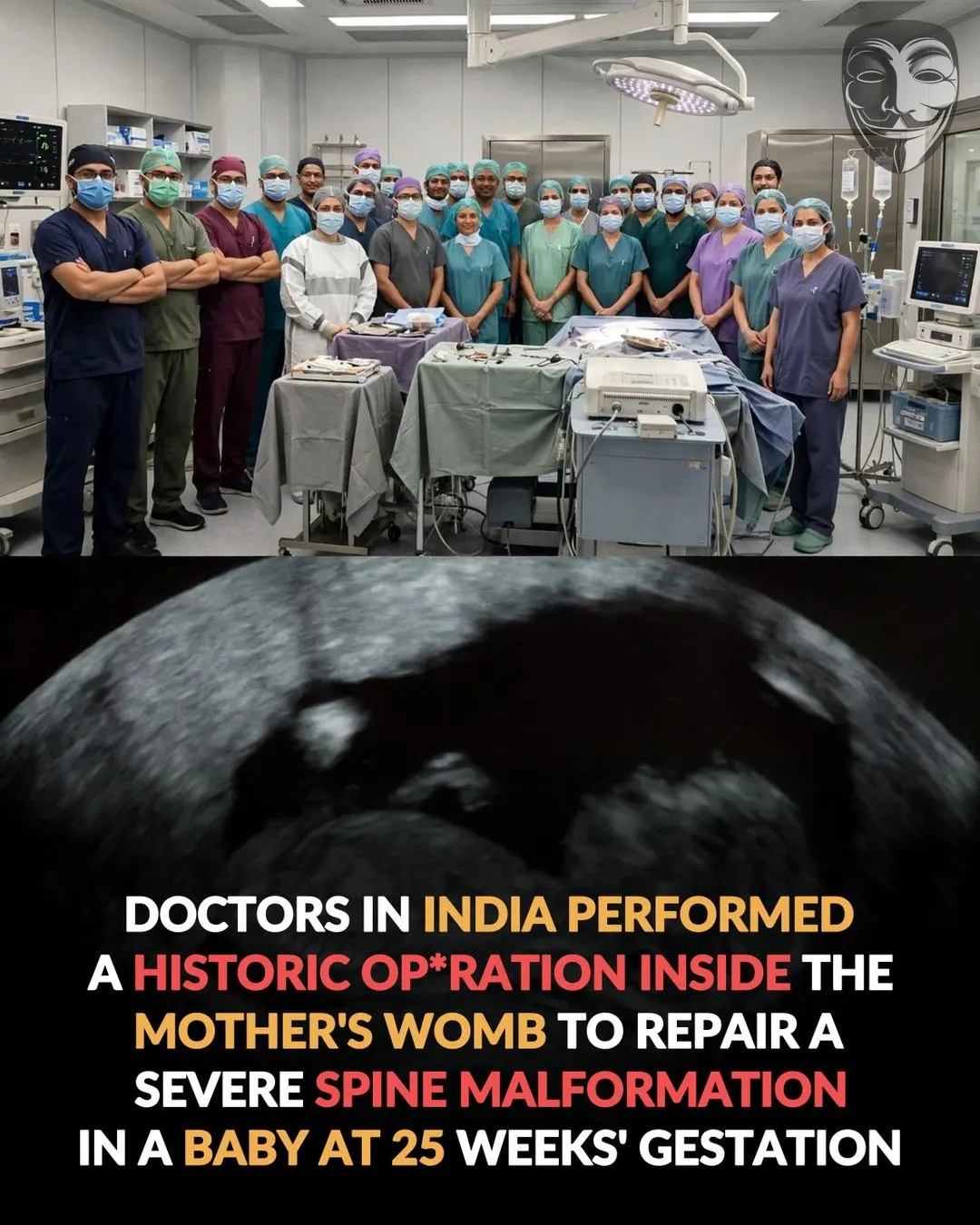
Fetal spine surgery gave a family in India new hope on November 12, 2026, when doctors at AIIMS in New Delhi operated on a baby at 25 weeks of gestation while the baby was still inside the mother’s womb. The baby had lumbosacral myelomeningocele, one of the most severe forms of spina bifida, in which the spinal cord and its coverings push through an opening in the spine. That opening can cause paralysis, so the team planned with care. Readers who love medical miracles may also enjoy the story of a baby born twice after a womb operation.
After more than five weeks of preparation, a team of over 30 professionals carried out a six-hour procedure using advanced microscopy and continuous ultrasound scans. The hospital said it was the first open fetal repair of its kind in India, and it was completely free for the family under a public health program. Both mother and baby remained stable and will stay under medical supervision during the pregnancy and after birth. The slides ahead explain the condition and the team, and you can also read how one family sought justice after a hospital birth went wrong.
References:
Medical Dialogues: India’s First: AIIMS Delhi performs 6-hour open foetal surgery to repair spinal defect
Medindia: AIIMS Performs India’s First Fetal Spine Surgery on Unborn Baby
Health and Me: AIIMS Delhi Performs India’s First Open Fetal Surgery To Repair Spina Bifida
Navjeevan Express: AIIMS breaks the womb-to-world barrier: India’s first open foetal surgery repairs unborn baby’s spinal defect
A Baby at 25 Weeks

At 25 weeks of gestation, a baby is still small and growing fast, and every week inside the womb helps the lungs, brain, and body get stronger. Doctors count this stage as the point when a baby born early has a real chance with skilled care, yet the risks stay high. Here the baby stayed inside the mother while doctors worked. Families facing hard news may find comfort in the honour walk planned for a little boy before organ donation and in the baby who was born twice after surgeons removed a tumor.
How Fetal Spine Surgery Helps With Spina Bifida
Spina bifida is a condition in which the spine does not close fully as a baby grows before birth, and in its severe form the spinal cord can push through the opening. Doctors call this baby’s form lumbosacral myelomeningocele, and it sits in the lower back where nerves serve the legs and bladder. The problem can cause weakness and trouble walking, which is why early treatment matters so much. Learning the name is often the first step, and readers can learn more from the Utah ruling on a mishandled hospital birth and the debate over measles and the MMR vaccine.
Five Weeks of Careful Preparation
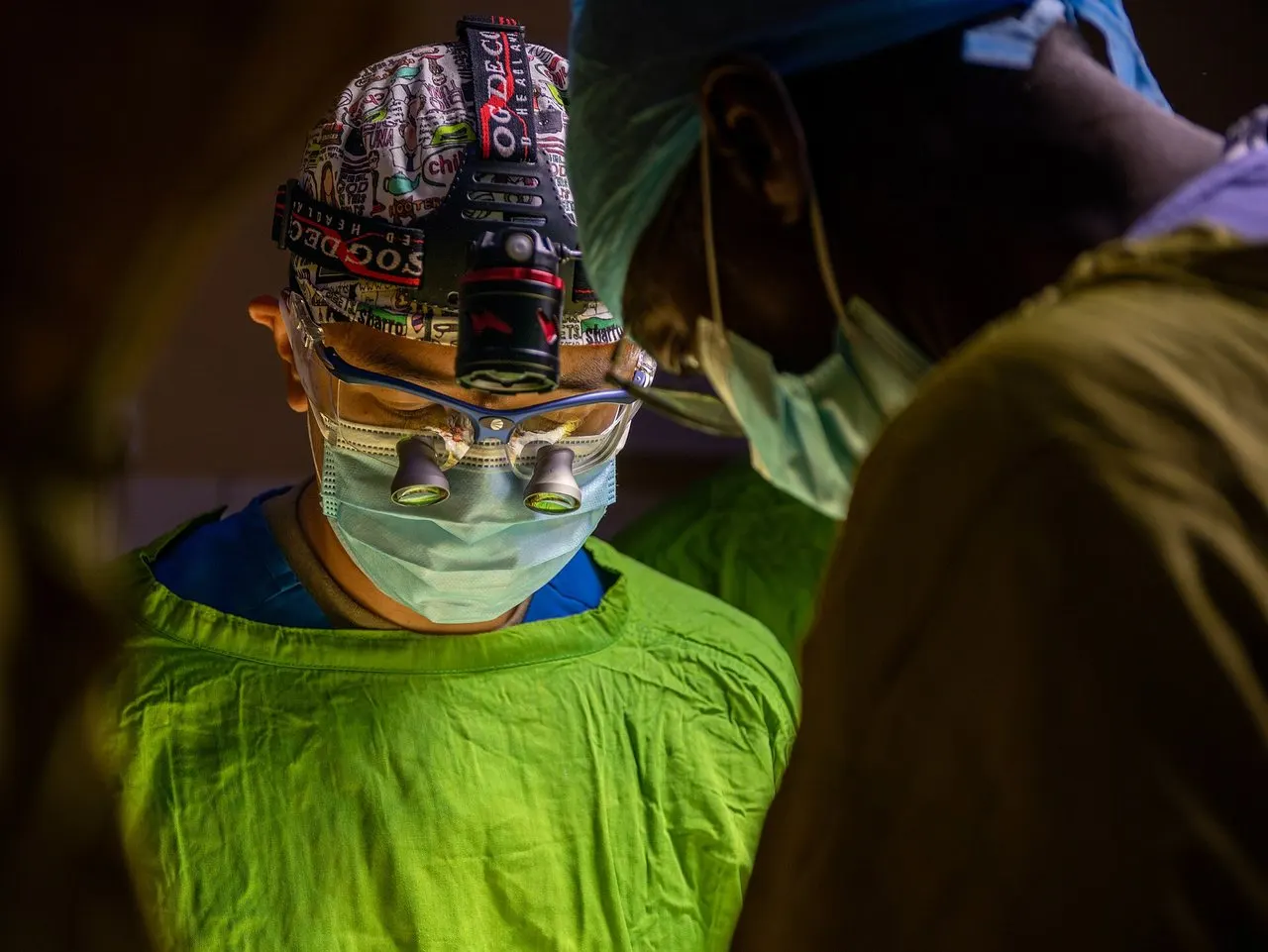
The team spent more than five weeks getting ready, and that time mattered as much as the six hours in the room. Doctors studied scans, talked through each step, and made sure the mother was strong enough for the long procedure. They also planned how to watch the baby with ultrasound from start to finish. Good planning turns a bold idea into a safe one, and you can read about the measles outbreak that left more than 1500 people sick in Pennsylvania and the honour walk for a two-year-old boy for more on care under pressure.
Fetal Spine Surgery by a Team of More Than 30
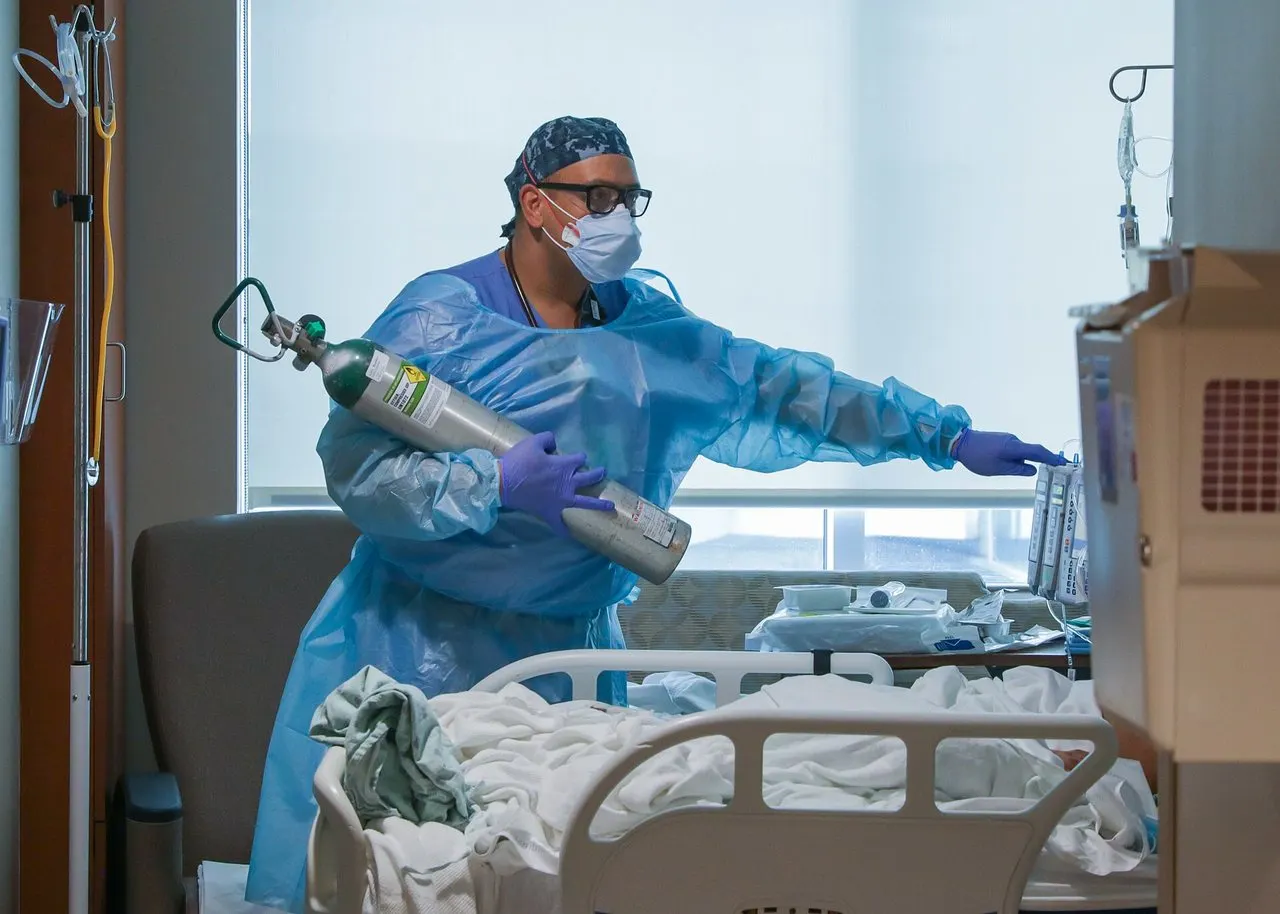
More than 30 professionals took part in the procedure, and each person had a clear job to do. Surgeons, anesthetists, nurses, and imaging staff worked side by side in one room, while others watched the mother and the baby. A team that large needs calm leaders and clear talk, because one small mix-up can cost precious time. The size of the group shows how much skill this care takes, and readers may also like the case for measles vaccine freedom after the US lost elimination status and the baby born twice after a tumor was removed in the womb.
Six Hours in the Operating Room
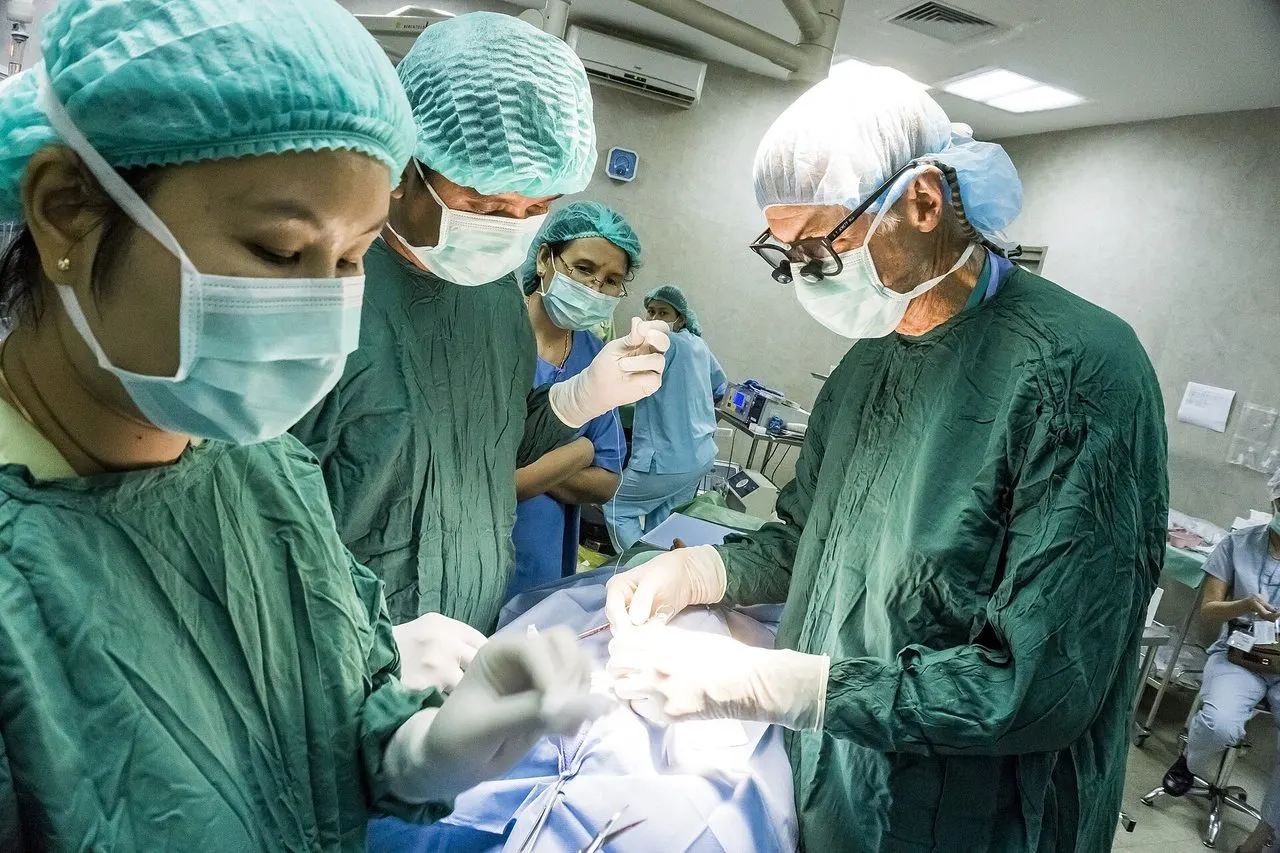
The operation lasted six hours, a long time for any patient and a very long time for a mother carrying a baby. The team worked slowly and with care, using advanced microscopy to see tiny structures the eye alone could not follow. They kept the baby safe inside the womb while they closed the opening in the spine. Long operations test focus and stamina, and you can read about the four-year plan to expand Medicare step by step and the Utah hospital birth ruling for more on big decisions in health care.
Microscopy and Ultrasound Guided the Repair
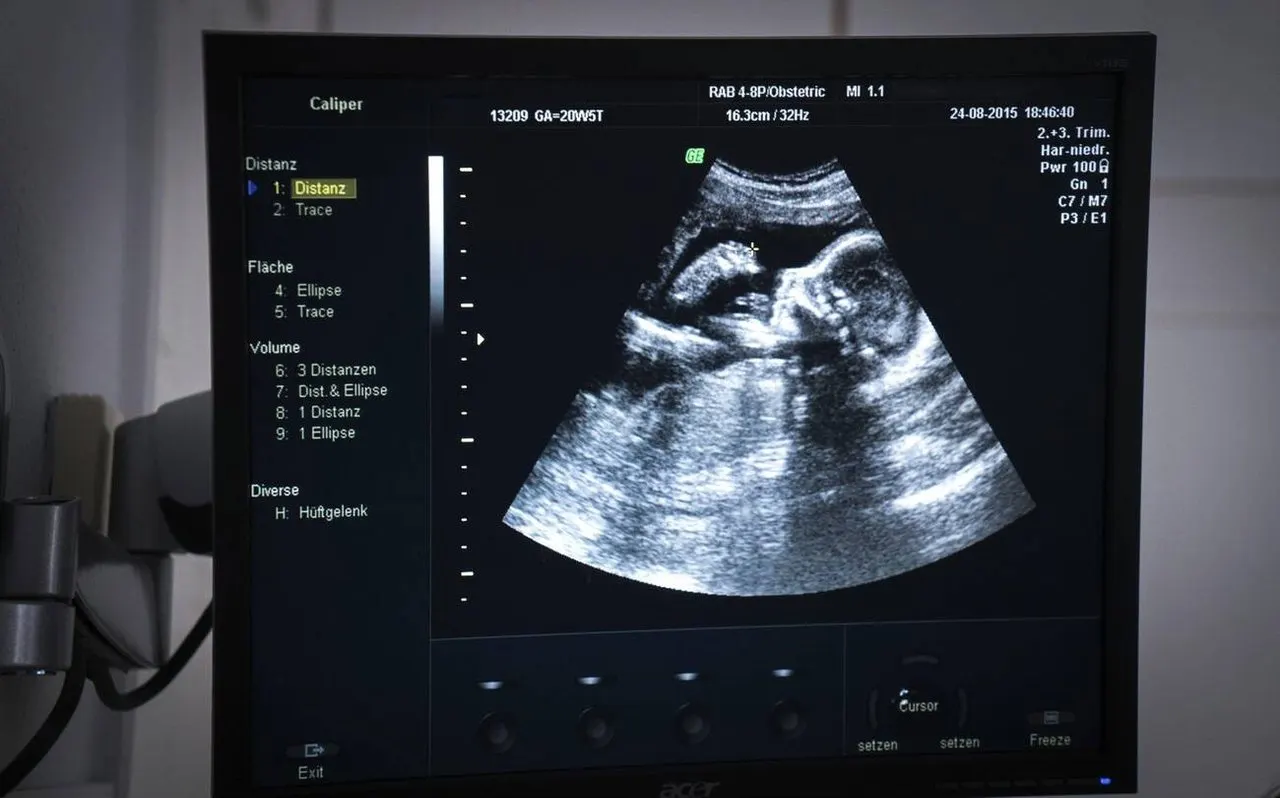
Advanced microscopy gave the surgeons a close view of the tiny spine, while continuous ultrasound scans let them watch the baby through the whole procedure. Ultrasound uses sound waves to build a live picture, so the team could see movement and blood flow without any cut to the baby. Together, the two tools helped the team place each stitch with care. Modern medicine often pairs old skill with new sight, and readers can explore the Medicare cost fight between Emmer and Khanna and the call to impeach RFK Jr after the measles setback for more health news.
Fetal Spine Surgery: India’s First Open Repair

The hospital said this was the first open fetal repair of its kind in India, and that first matters for more than one family. A first shows other hospitals what is possible, and it gives doctors a path they can study and teach. Open repair means the womb is opened so surgeons can reach the baby. The news will give hope to parents across the country, and you can read about the triplets detained while supporting their mom through cancer treatment and the Pennsylvania measles outbreak for more stories of families in hard times.
Free Care for the Family

The operation was completely free for the family under a public health program, which removed a worry that can weigh as much as the illness itself. Serious care often brings big bills, travel, and time away from work, and those costs can push a family to delay help. A public program that covers the full cost lets doctors and parents focus on the baby instead of the bill. Readers may also like the zoo update on Fiona the hippo and the measles vaccine freedom debate for more on care and choice.
Mother and Baby Remained Stable

After the procedure, both mother and baby remained stable, which was the first good news the family had waited to hear. Stable means the heart, breathing, and other vital signs stayed steady, and doctors could move from rescue to watchful care. The pair will stay under medical supervision during the pregnancy and after birth. Calm after a long day is a gift in itself, and you can read about the boy who earned a PhD in quantum physics at only 15 and the Medicare plan to expand coverage over four years for more hopeful news.
After Fetal Spine Surgery, Care Continues

The hospital said mother and baby will stay under medical supervision during the pregnancy and after birth, and that follow-up is a key part of the story. Doctors will watch the baby’s growth, movement, and spine as the weeks pass, and they will check the mother as she recovers from a major operation. Care does not end when the team leaves the room, because healing takes time and questions keep coming. Readers can learn about how Keanu Reeves helped Octavia Spencer after her car broke down and the Medicare cost debate while they wait for updates.
What Myelomeningocele Means for a Baby
Lumbosacral myelomeningocele is a mouthful, yet the idea is simple: the lower back is where the spine failed to close fully. Nerves that serve the legs and bladder pass through that spot, so damage there can affect walking and bladder control for life. That is why doctors acted before birth. Parents who hear this word need plain facts and kind care, and you can read about the triplets who stood by their mom through cancer treatment and Fiona the hippo and the hat she swallowed for more on young lives in care.
A Major Step Forward for Prenatal Care

The hospital called the procedure a major step forward in the prenatal treatment of congenital malformations in India, and that claim points beyond one baby. Congenital means a condition present at birth, and prenatal care treats the baby before birth rather than waiting for the first breath. Each success teaches teams how to plan better, train more staff, and reach families sooner. Progress in medicine often arrives one brave case at a time, and readers may enjoy the story of a 15-year-old physics prodigy and the rescue that began with a broken-down car for more on lives changed by help.
How Fetal Spine Surgery Repairs a Spine Before Birth

In an open repair, surgeons reach the baby through the womb and close the opening in the spine so the cord and its coverings sit safe inside. Closing the gap early may protect nerves from the fluid around the baby, which can harm exposed tissue over time. The team used microscopy to work on tiny parts and ultrasound to watch the baby. The method is bold, yet its goal is simple, and you can read about the debate over measles and freedom and the brothers detained by ICE while their mom faced cancer for more on tough choices.
Hope for Families Facing a Diagnosis
A diagnosis of spina bifida can turn a happy pregnancy into weeks of fear, scans, and hard talks, and parents often feel alone. A story like this gives those families a real example of what skilled care can do, even if every case is different and no result is promised. Hope grows when doctors share facts in plain words. No family should face such news without support, and you can read about the Pennsylvania measles outbreak and the governor’s response and the young man who earned a doctorate at 15 for more on hope and hard work.
Why Early Repair Can Matter
Repairing the spine before birth may give nerves a better chance, because the cord spends less time exposed to the fluid inside the womb. Doctors believe early closure can lower the risk of further harm, though each baby is different and results vary. The baby in this story will still need checks as growth continues. Early care is not a promise, yet it is a real chance, and readers can explore the measles vaccine freedom argument and the car rescue that helped Octavia Spencer for more on choices that shape lives.
What Comes Next After Fetal Spine Surgery
The baby’s progress will still need to be assessed, and that honest note matters as much as the good news. Doctors will follow the pregnancy week by week, then watch the baby after birth for movement and growth. The mother will also need rest and checkups as she heals, and the family will need time to take in all that has happened. A breakthrough is a beginning, not an ending, and you can read about the Medicare expansion plan from Bernie Sanders and the hippo who swallowed a hat at the zoo for more on care that continues.
What Do You Think About This Breakthrough?
This story began with a baby at 25 weeks, a team of more than 30 people, six long hours, and a first for India, and it ends with a question for you. What part of this operation gives you the most hope, and what would you want doctors to explain to families facing the same diagnosis? Share your thoughts in the comments below, and tell us how you would support a parent waiting for news like this. You can also read the Medicare cost fight and the honour walk for a two-year-old boy while you think it over.