The Shenzhen Peace Declaration in 18 Facts
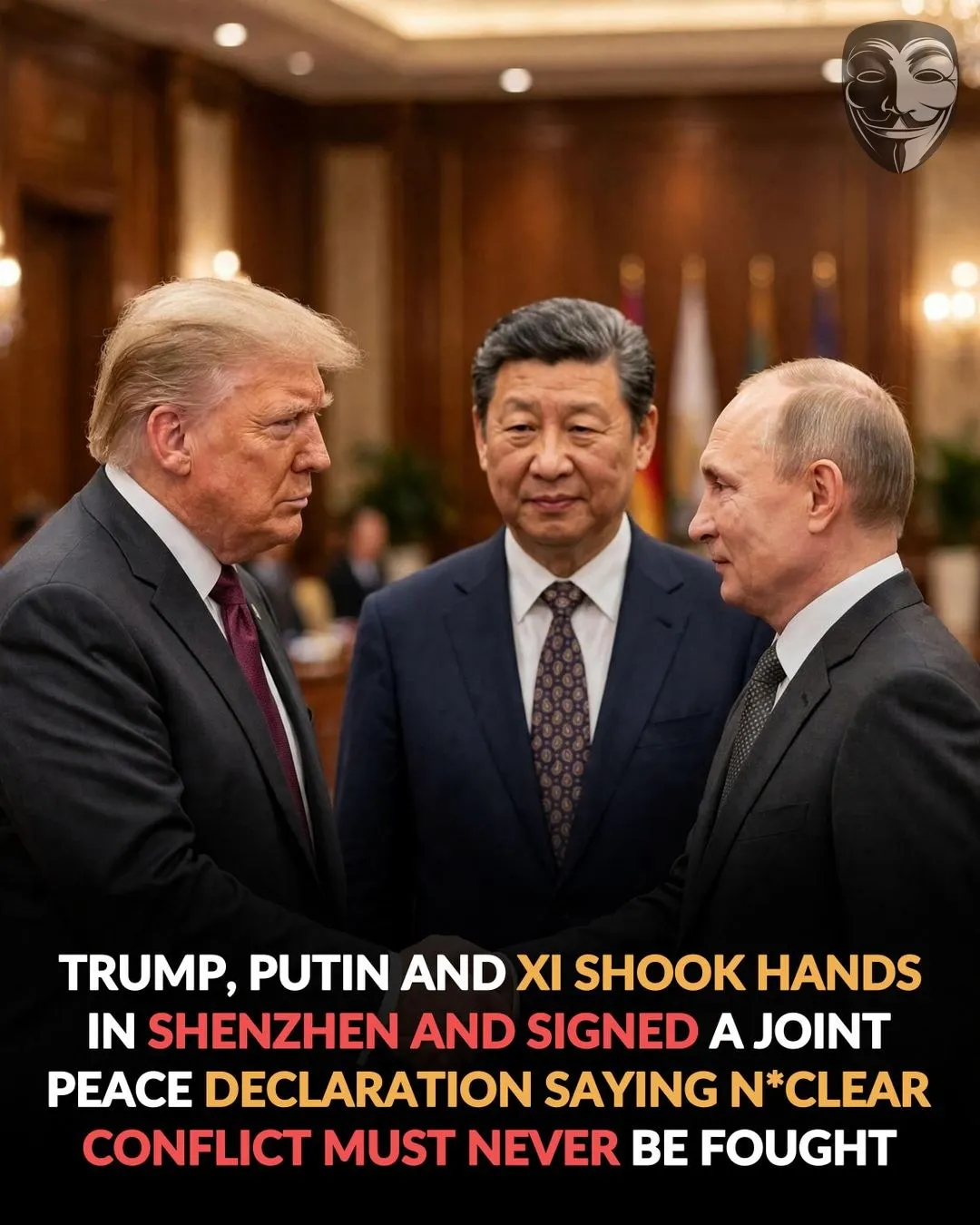
The Shenzhen peace declaration was signed on November 19, 2026, after President Donald Trump, Russian President Vladimir Putin and Chinese President Xi Jinping sat down together in Shenzhen for the first ever trilateral meeting of the three leaders. The meeting took place on the sidelines of the APEC summit and lasted about 90 minutes. After the talks, the White House released their joint Declaration toward Peace, a short four point statement the three governments published the same evening. The photo of the handshake traveled around the world within hours.
In the slides ahead, we walk through the four points the leaders agreed on, the place where they met, and the questions the paper leaves open. The declaration says a nuclear war cannot be won and must never be fought, and it promises a dialogue on reducing nuclear risks. It does not mention Ukraine or Iran, and it sets no date for arms control talks. For the full story of the day, read our report on the handshake that opened the meeting and our look at the four points behind the summit.
References:
BBC: Trump, Putin, and Xi issue ‘joint declaration on peace’ after 90-minute talks in China
The Factum: US, China and Russia hold first trilateral summit in Shenzhen, Europe is left out
BRICS24: Shenzhen declaration: Xi, Putin, Trump agree four points
Xinhua: Why China-Russia-US Summit Hailed Historic for World Stability, Peace
A Handshake That Opened the Meeting
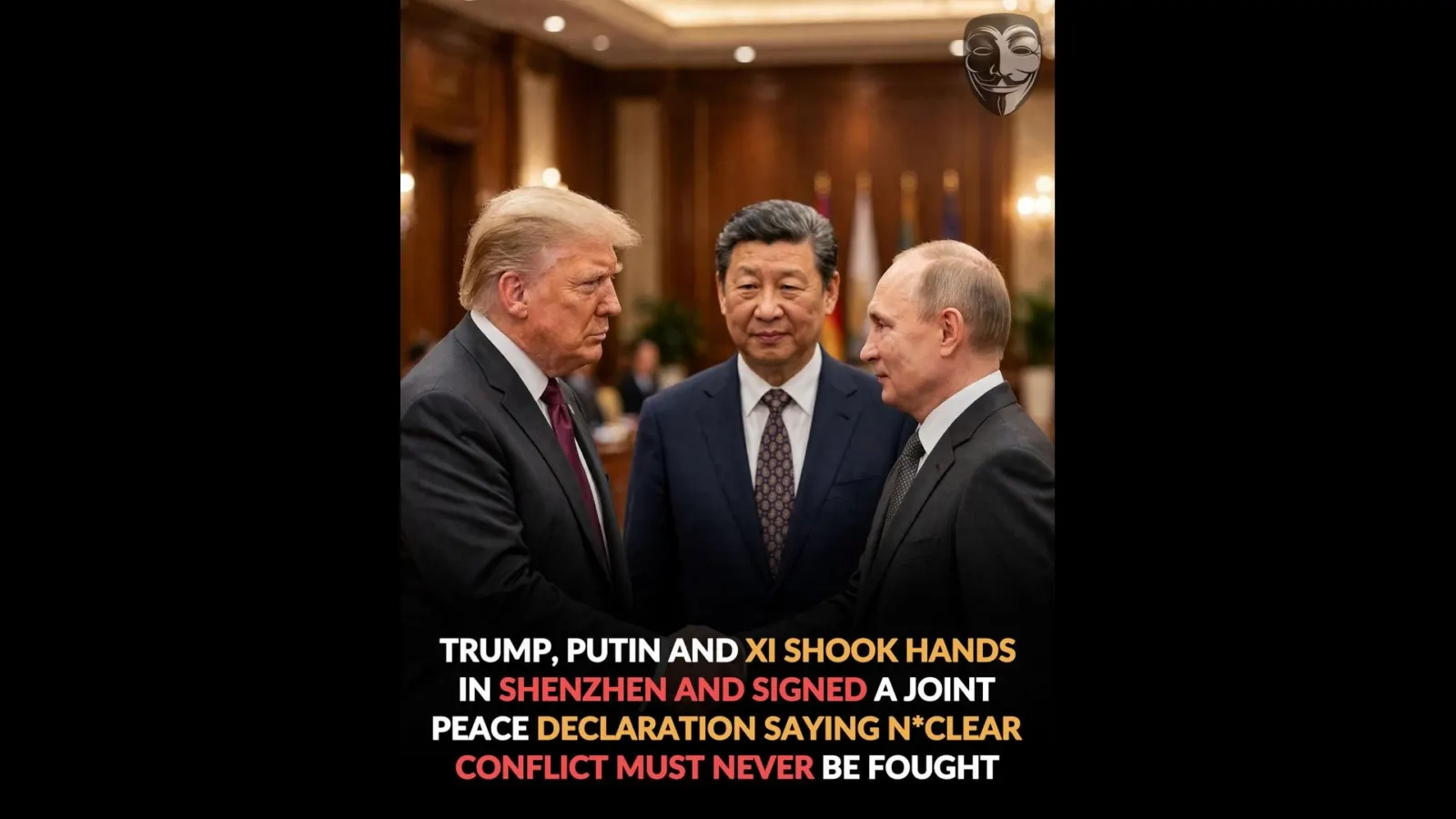
The photo says it all before a single word of the declaration is read. Donald Trump reaches out with both hands as Vladimir Putin takes his hand, and Xi Jinping stands just behind them, smiling as the host. The handshake came at the start of the first ever meeting of the three leaders, and cameras caught the moment from every angle. Trump greeted Putin warmly and called him his friend, a greeting that drew praise from supporters and sharp words from critics. Read the story of the warm greeting in Shenzhen and how the meeting began.
The First Trilateral Meeting of Its Kind
No three leaders like these had ever sat down together before. The United States, Russia and China are the three largest nuclear powers in the world, and their leaders had met in pairs many times, but never all three at one table. That changed on November 19, 2026, in Shenzhen, when Trump, Putin and Xi met on the sidelines of the APEC summit. The first ever trilateral meeting lasted about 90 minutes and ended with a joint paper. See our report on the first ever face to face meeting and how the three leaders stood together in Shenzhen.
Kylin Villa, the Meeting Place
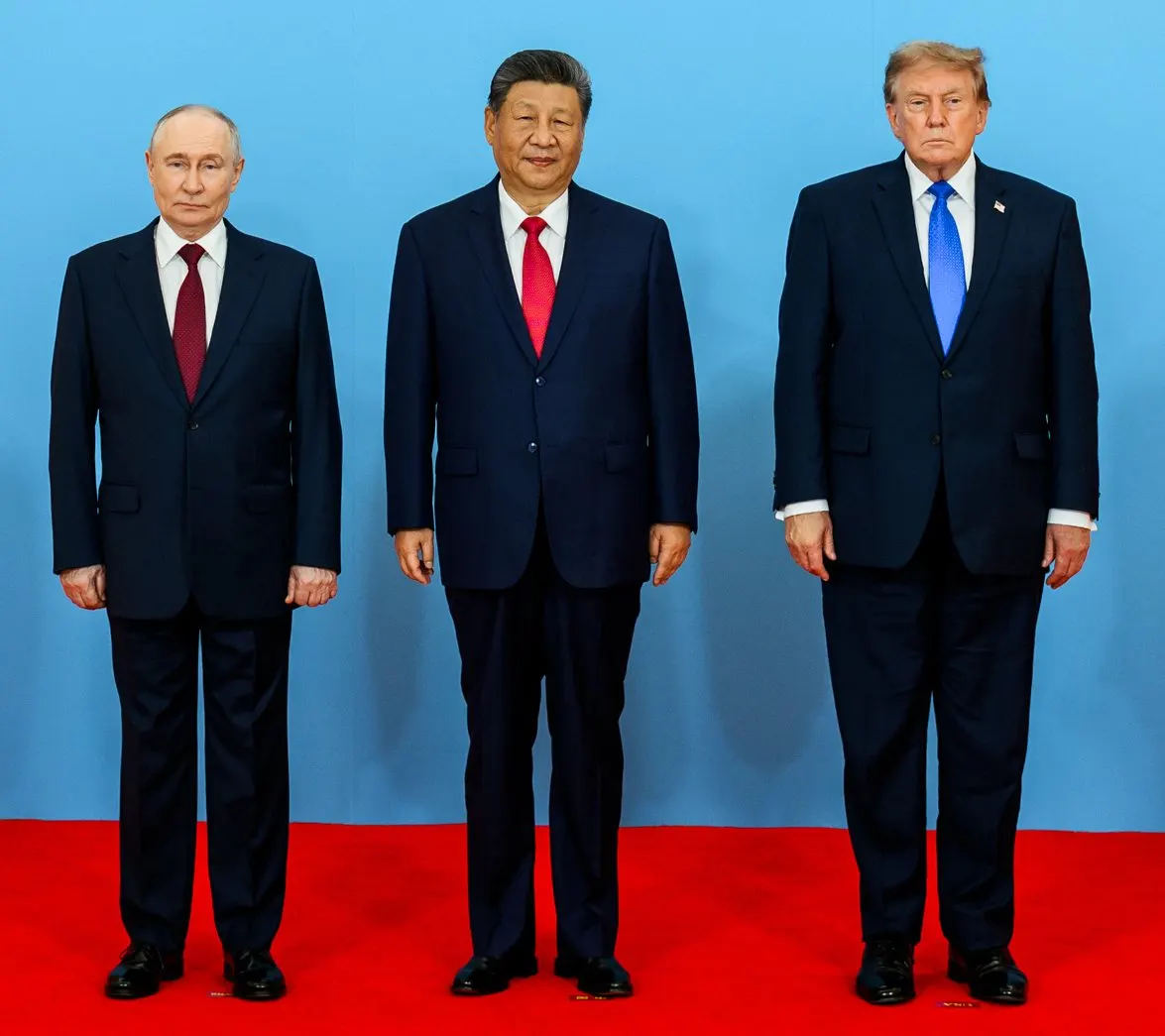
The meeting took place at Kylin Villa, the Chinese leader’s state residence in Shenzhen, a villa chosen for a private talk. Xi Jinping sat at the center of a large round table as host, with Putin on one side and Trump on the other, and the three men talked for about 90 minutes. A round table has no head, and that choice sent its own message about equals sitting down together. The villa setting kept the meeting private. Read how the leaders stood shoulder to shoulder at the summit and our report on the first ever meeting.
Ninety Minutes at a Round Table
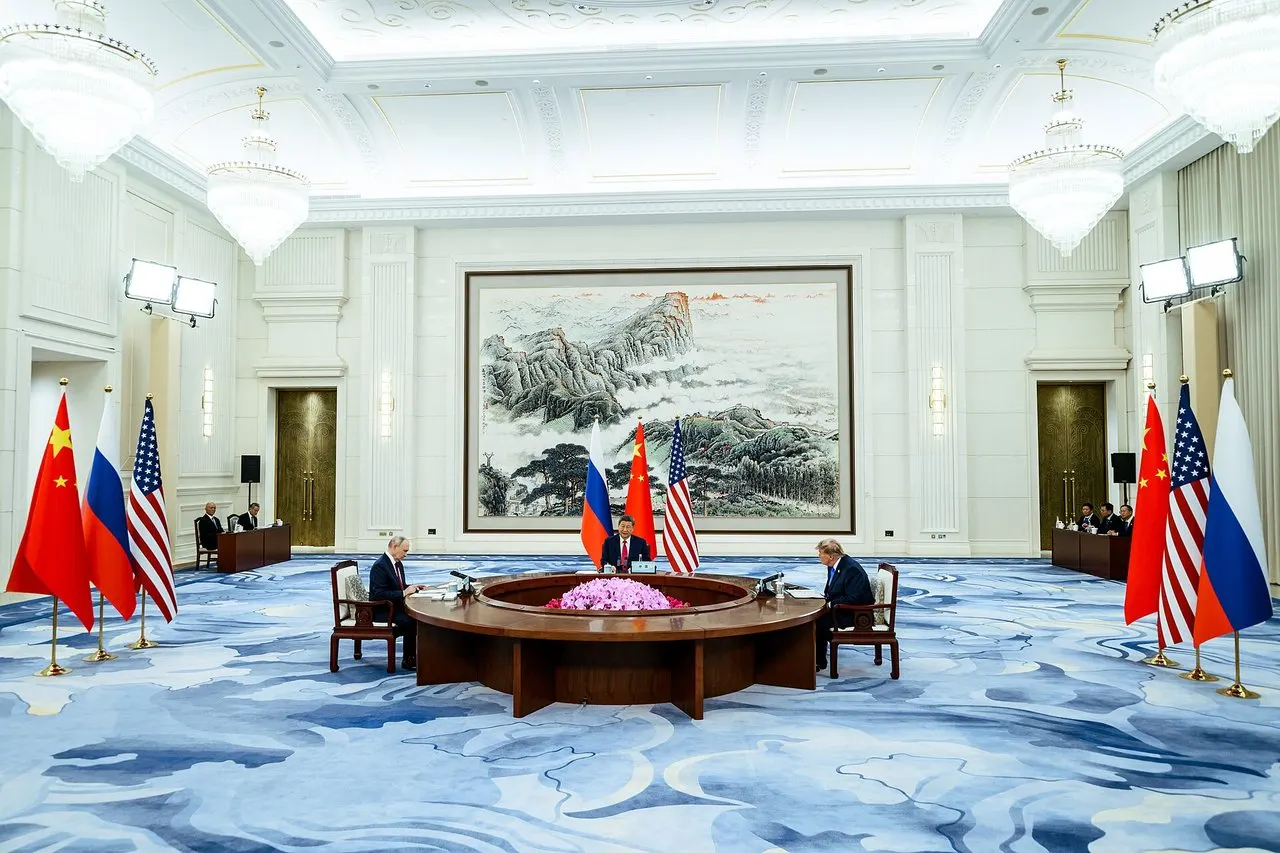
The three leaders talked for about 90 minutes, a short time for such a meeting. In that time they covered the state of the world, the wars that burn, and the future of the ties between their three countries. When the talks ended, the White House released the joint Declaration toward Peace the same evening, and the Kremlin published the same text. The leaders agreed to keep talking, and the paper promises more dialogue to come. Read why the president says peace is never forged by declining dialogue and our report on what the three leaders agreed in Shenzhen.
Point One of the Shenzhen Peace Declaration: Reform the United Nations
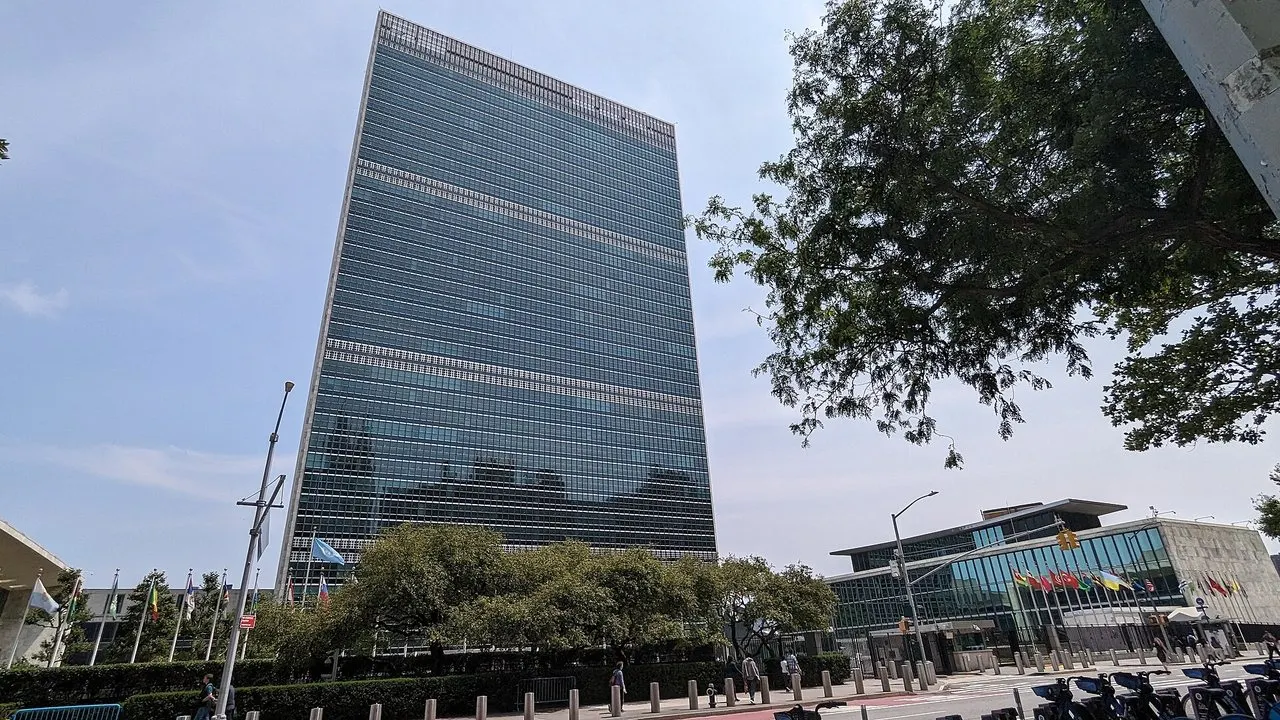
The first point of the Shenzhen peace declaration says the three countries will work to reform the United Nations. As permanent members of the Security Council, the United States, Russia and China say the UN must respond more effectively to global challenges and stay true to its mission of international peace and security. The paper gives no detail on what reform would look like or when it would happen. It is a promise of intent, not a plan. Read our report on the UN reform pledge and the other points and how pressure on Russia has shaped the debate.
Point Two: More Fuel for the World
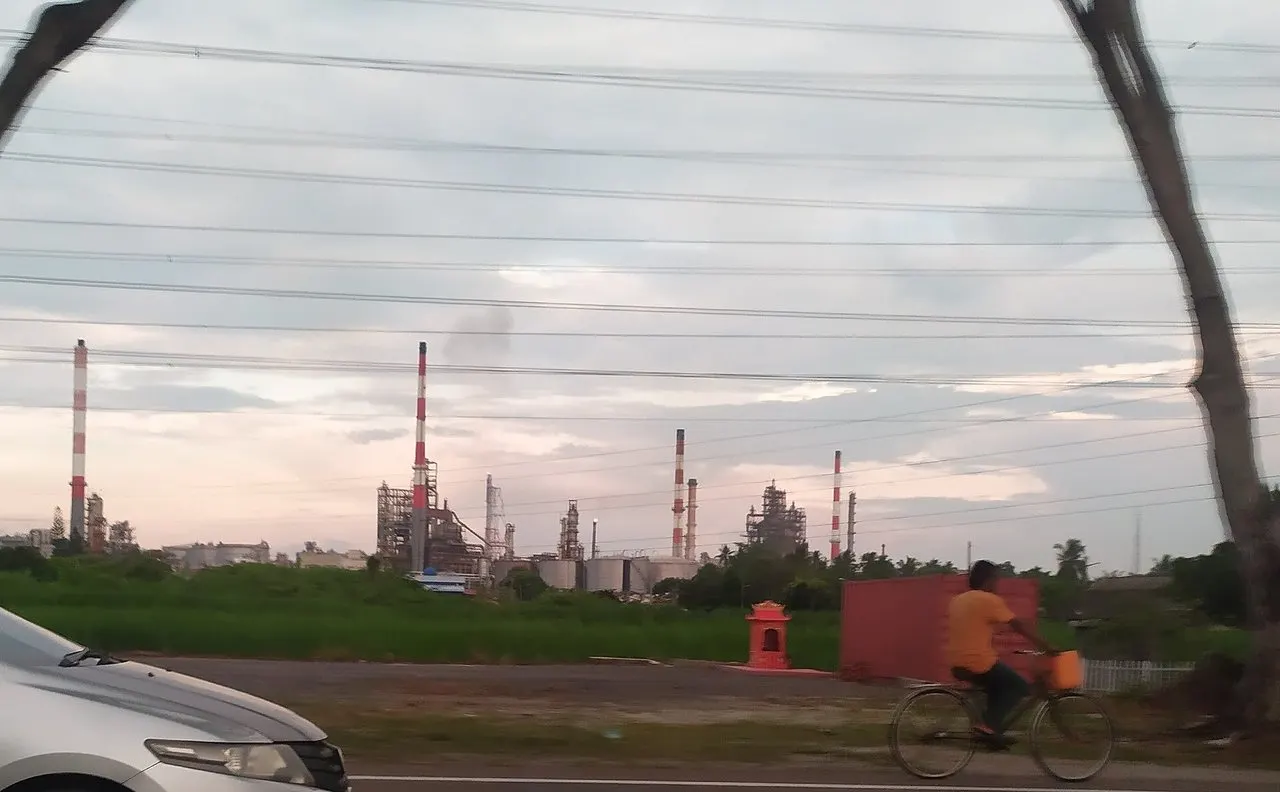
The second point is about energy. The three countries agreed to increase the production and supply of refined petroleum products for the benefit of all nations, and they reaffirmed the importance of stable energy flows. Fuel prices touch every home and every business, so a pledge to keep supplies steady matters far beyond the meeting room. The paper does not say how much output will rise or which countries will pump more. Read how the three leaders stayed neutral on the Iran conflict and the unusual flight home after the summit.
Point Three: State Consent and the Courts
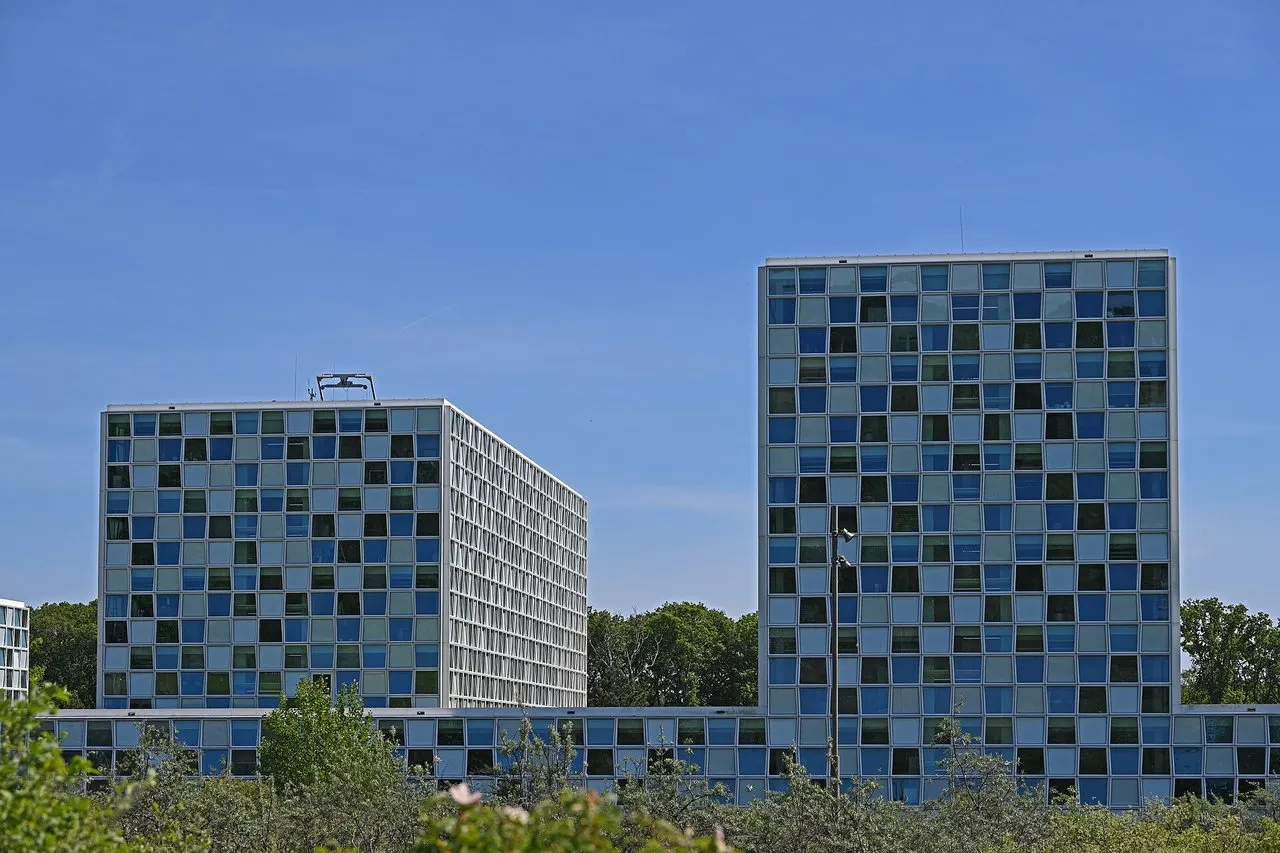
The third point deals with the courts. The leaders said the principle of state consent and respect for the immunities of state officials are of paramount importance. They agreed that the International Criminal Court and other similar bodies must not abuse their jurisdiction. The line matters a great deal to Putin, who faces an ICC warrant, and it puts all three leaders on the same side of a long argument about who judges heads of state. Read how the warning on Russia and the courts has grown and the warning Hillary Clinton gave before the meeting.
Point Four of the Shenzhen Peace Declaration: Nuclear Conflict Must Never Be Fought

The fourth point of the Shenzhen peace declaration is the one the world quoted most. The leaders reaffirmed that a nuclear war cannot be won and must never be fought, words first agreed by the five nuclear powers in January 2022. They promised a dialogue on reducing nuclear risks and preventing the spread of nuclear weapons. The paper sets no date for those talks and no plan for arms control. It is a pledge to keep talking. Read our report on the call to end nuclear weapons and why the president says peace needs dialogue.
What the Shenzhen Peace Declaration Left Out
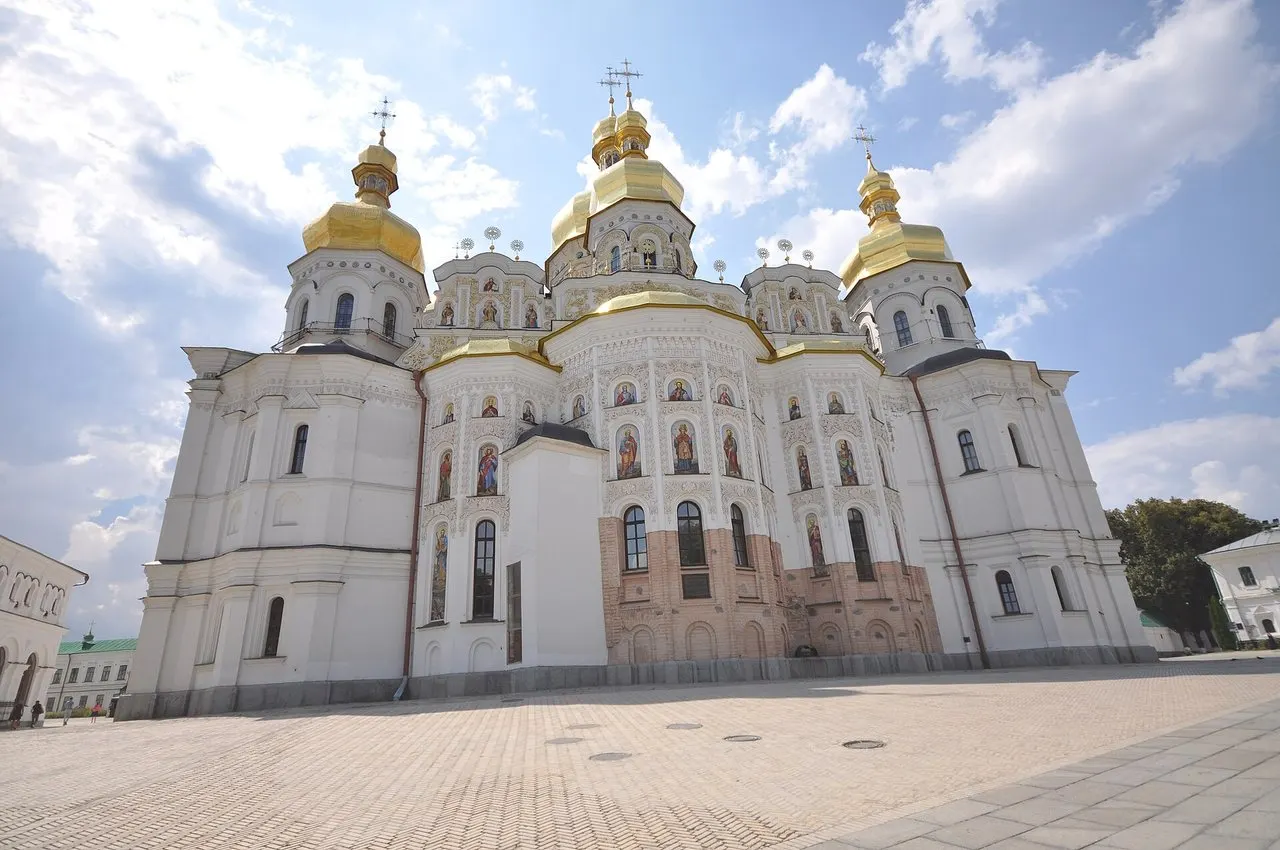
The paper says nothing about Ukraine or Iran, the two conflicts that filled the news before the meeting. Trump had named Ukraine as the focus of the talks, yet the text never mentions it, and Iran is absent too. The declaration sets no timetable for arms control talks, according to Reuters, and it offers no plan to end any war now being fought. What the leaders left out may matter as much as what they signed. Read how the three leaders stayed out of the Iran conflict and the warning about Russia and American security.
Europe Watched From the Sidelines
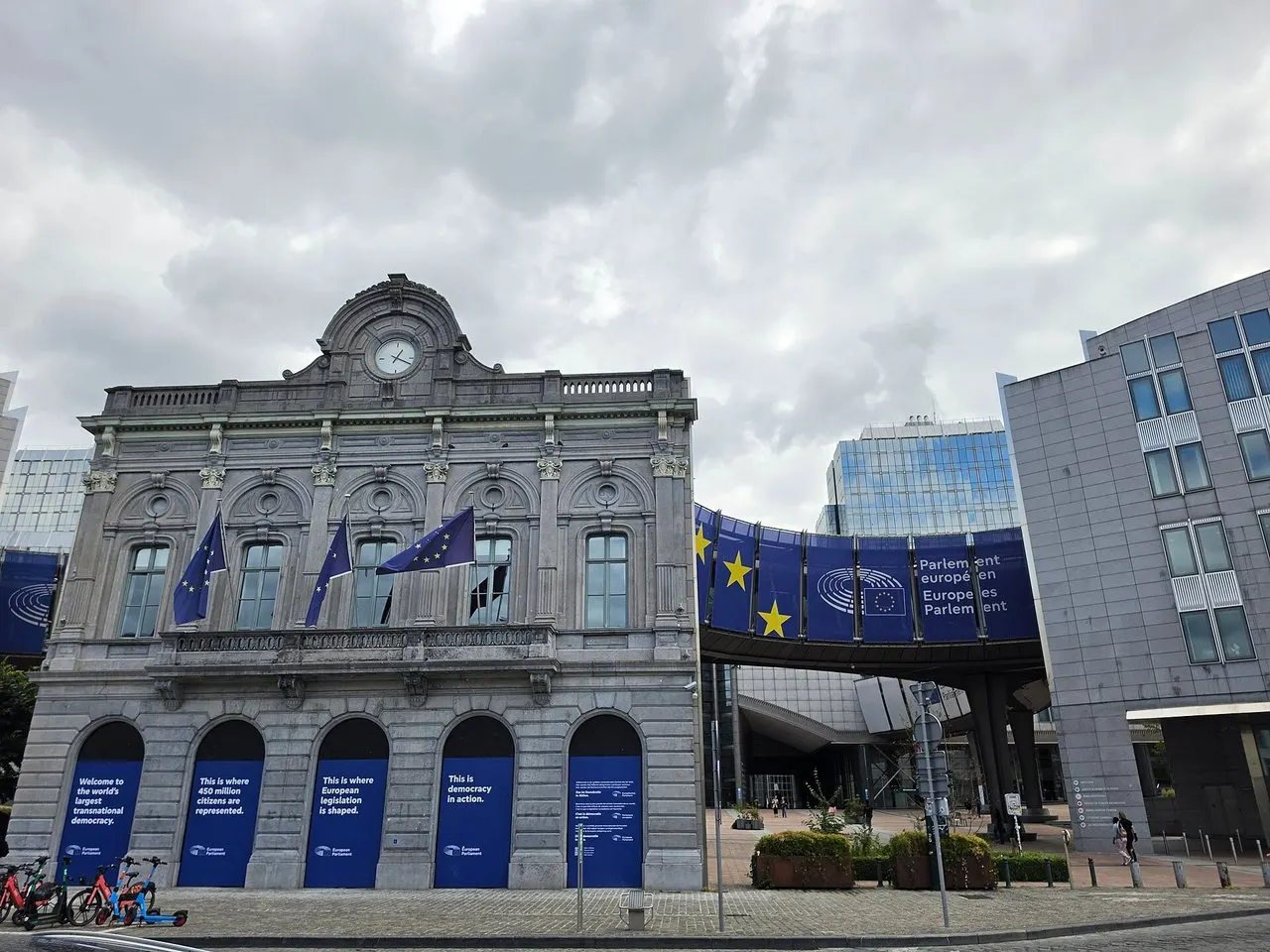
Europe was not at the table, and that fact did not go unnoticed. The Factum headline said Europe is left out, and leaders in European capitals watched three of the world’s most powerful men agree on the shape of peace without them. The meeting of the United States, Russia and China in Shenzhen raised questions in Brussels, London and Paris about where Europe stands when the big powers talk alone. Read the warning given before the meeting in China and what happened on the flight home.
The Shenzhen Peace Declaration and the APEC Summit Around It
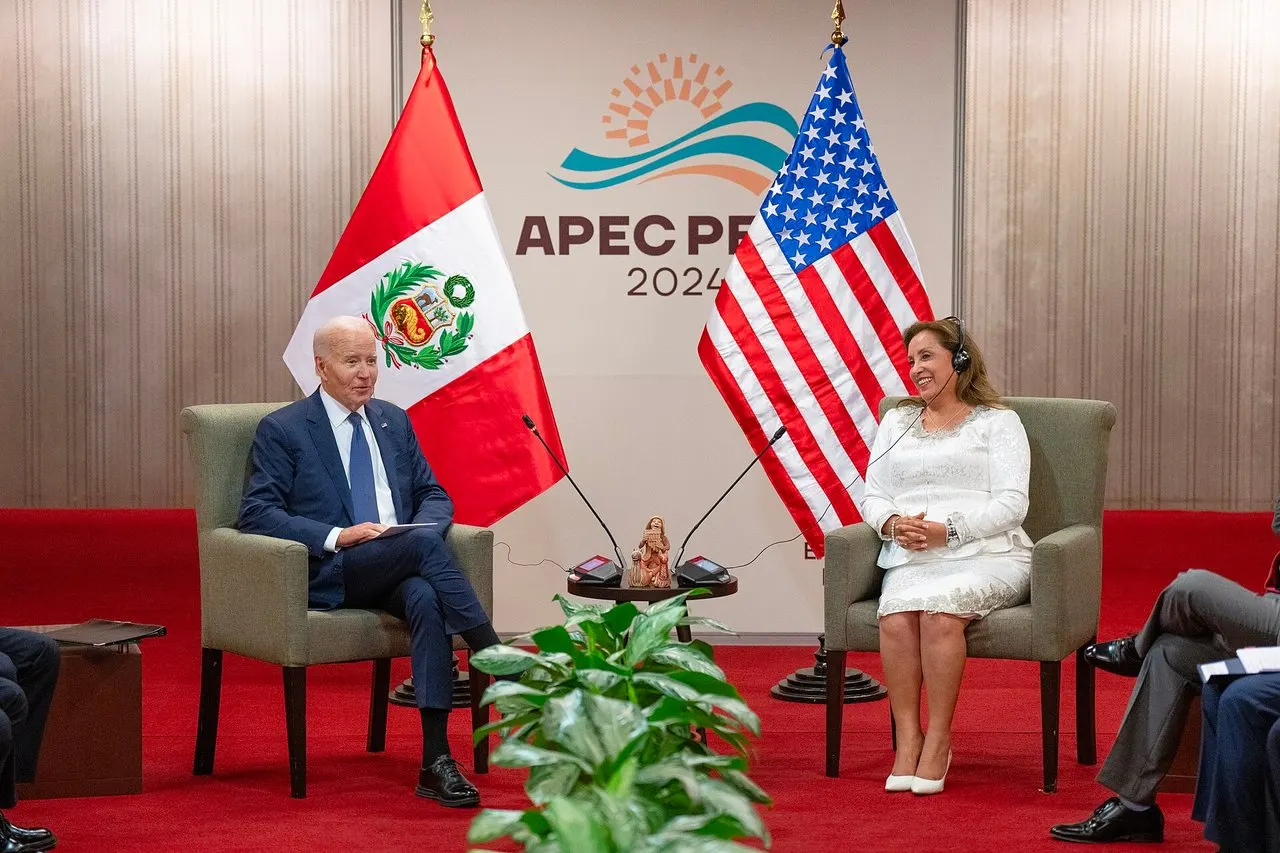
The trilateral meeting took place on the sidelines of the APEC summit, the gathering of 21 Pacific economies that met in Shenzhen in November 2026. While the three leaders talked in private, the wider summit adopted its own final paper, the Shenzhen Outlook 2026, and leaders posed for the group photos that mark every APEC meeting. The trilateral talks stole the show, and the declaration became the story of the week. Read how Elon Musk joined the president in Shenzhen and the moment at the APEC table that drew cameras.
Trump Called Putin My Friend
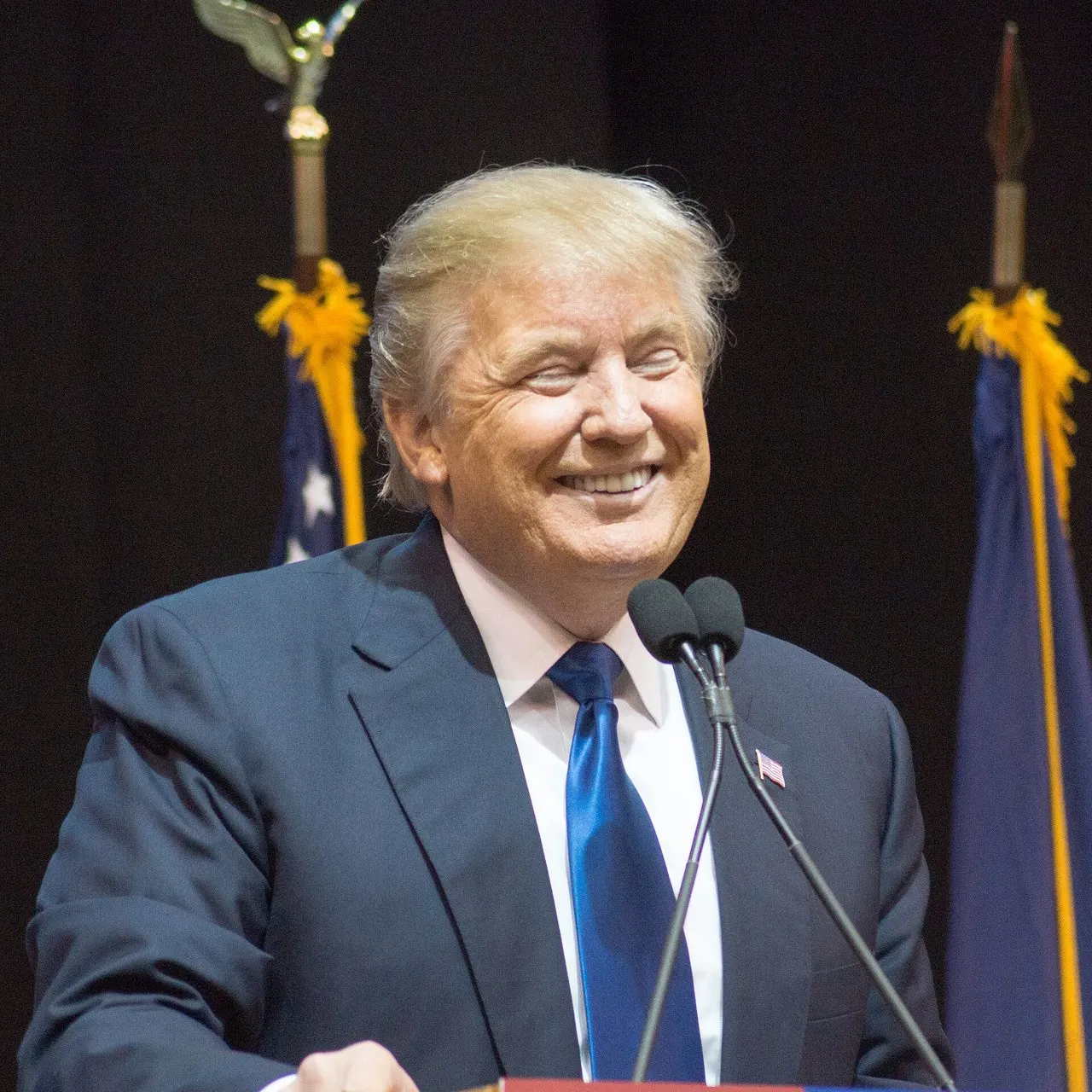
Before the three leaders sat down, Trump greeted Putin warmly and called him my friend, words that set the tone for the day. The greeting pleased those who want the two men to talk, and it angered critics who say Putin should not be welcomed as a friend while the war in Ukraine goes on. The phrase became one of the most repeated lines of the summit, quoted in headlines around the world. Read how critics called the greeting beyond nauseating and how the meeting began in Shenzhen.
Xi at the Center as Host
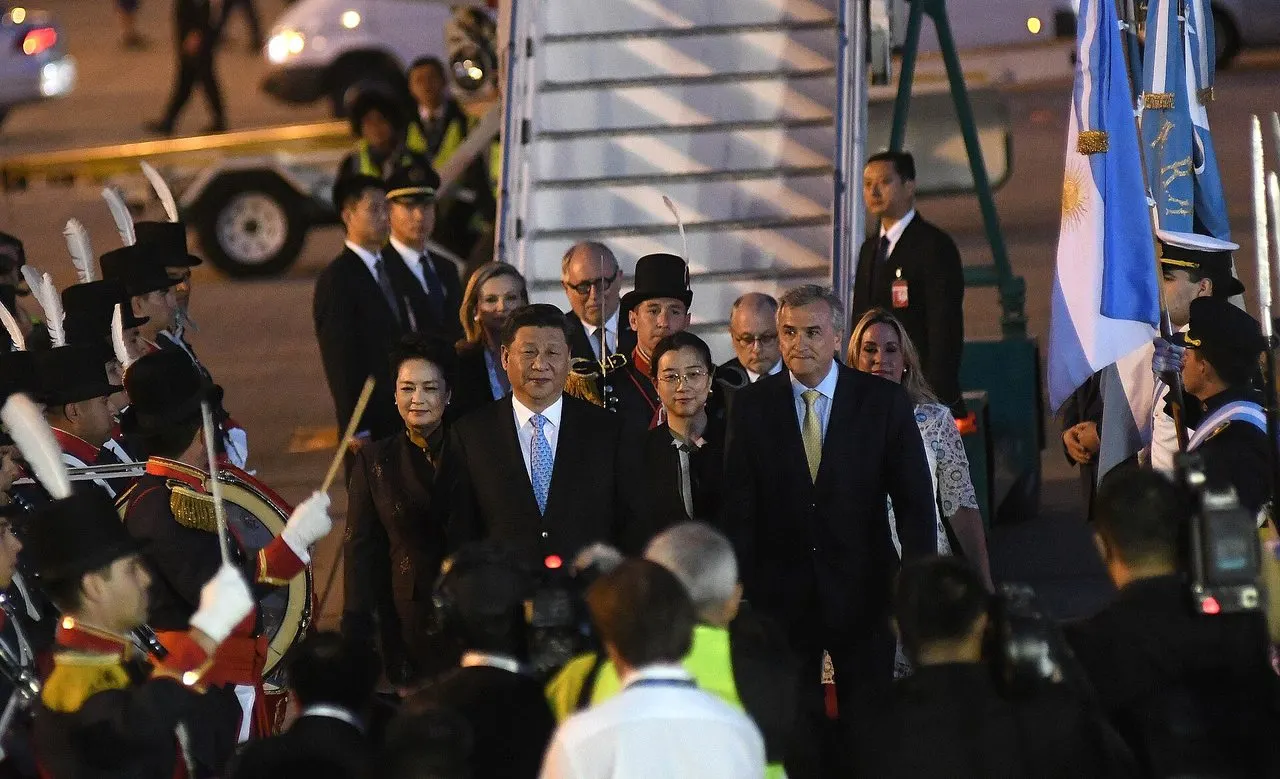
Xi Jinping sat at the center of the table as host, and that seat told its own story. China chose the villa, set the theme of the talks, and welcomed the other two leaders to Shenzhen, the city where the APEC summit was held. For Xi, bringing Trump and Putin together was a show of standing on the world stage, and the host spoke first before the other two men had their say. Read our report on the first face to face meeting and the leaders standing shoulder to shoulder.
Putin Back at the Big Table
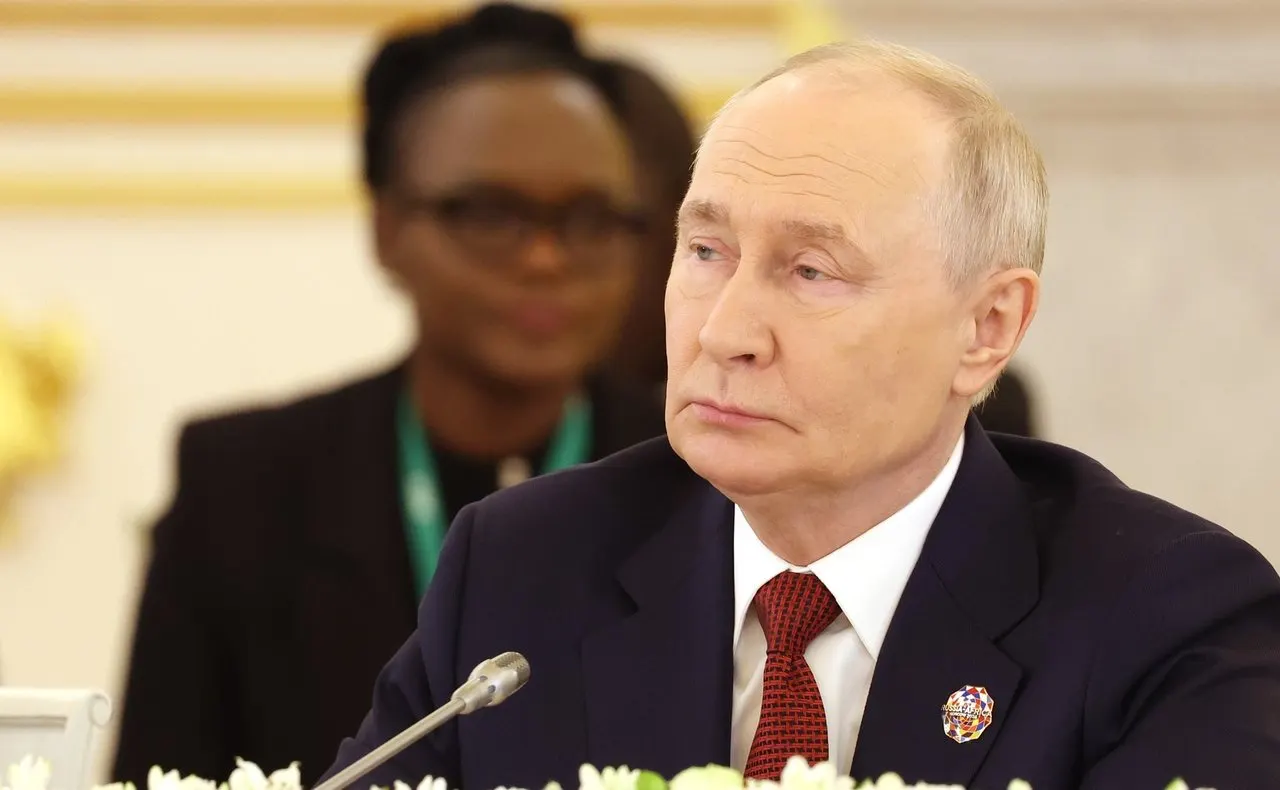
For Putin, the Shenzhen meeting was a return to the center of world diplomacy. Western leaders have kept their distance since the war in Ukraine began, yet here he sat as an equal beside the presidents of the United States and China, shaking hands for the cameras. The declaration’s line on the courts suited him well, and the photo of the three men together ended any claim that Russia stands alone. Read how the Alaska talks with Putin went before this meeting and the warm greeting that opened the day.
Why the Photo Traveled the World
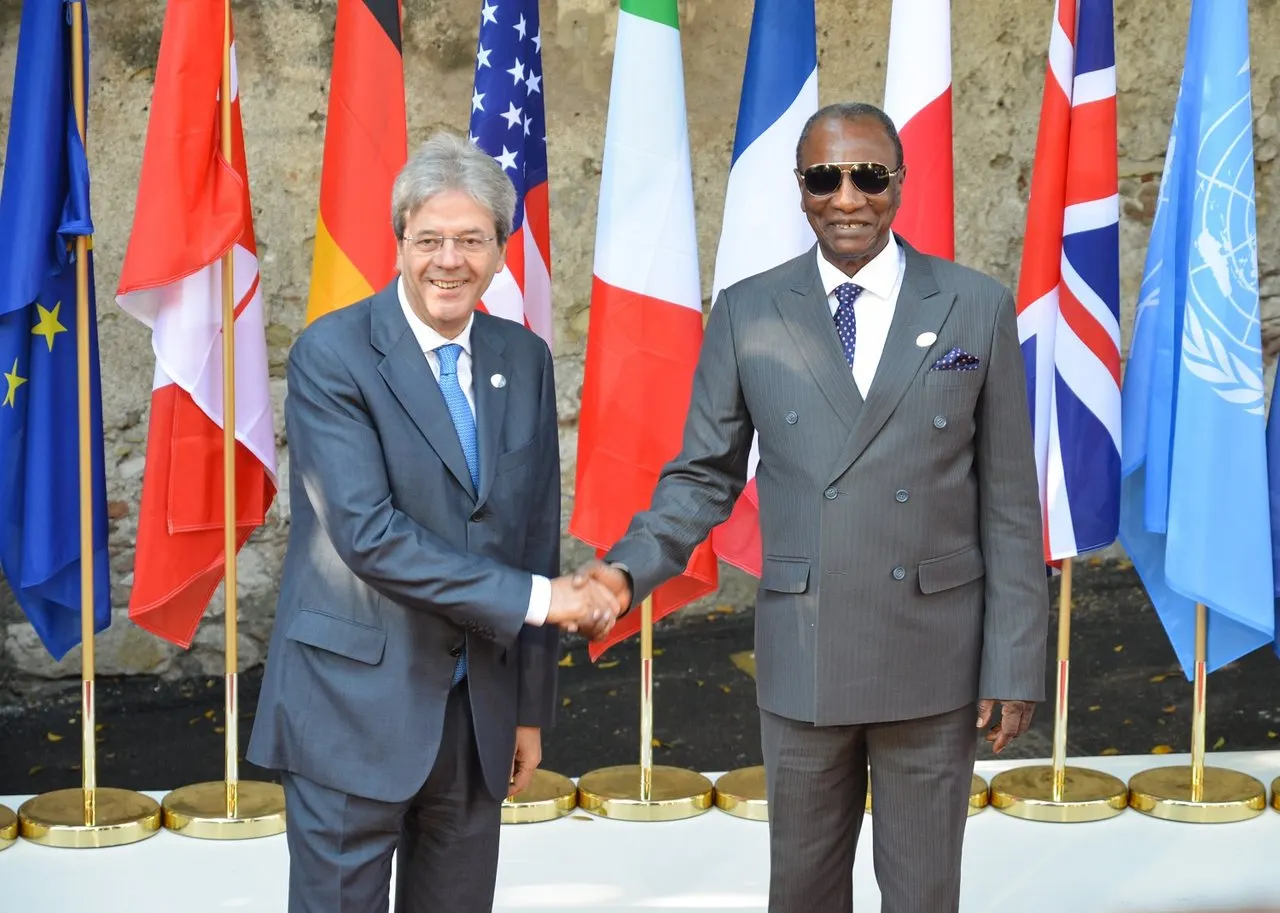
The handshake photo spread fast because it showed something the world had never seen. Three leaders who are often cast as rivals stood close together, smiling and shaking hands, in a single frame. News sites, social feeds and front pages carried the image within hours, and the picture became the symbol of the Shenzhen meeting even before the words of the declaration were read. Read the moment at the APEC table that drew cameras and the quiet moment during the APEC speeches.
What Comes Next After the Shenzhen Peace Declaration
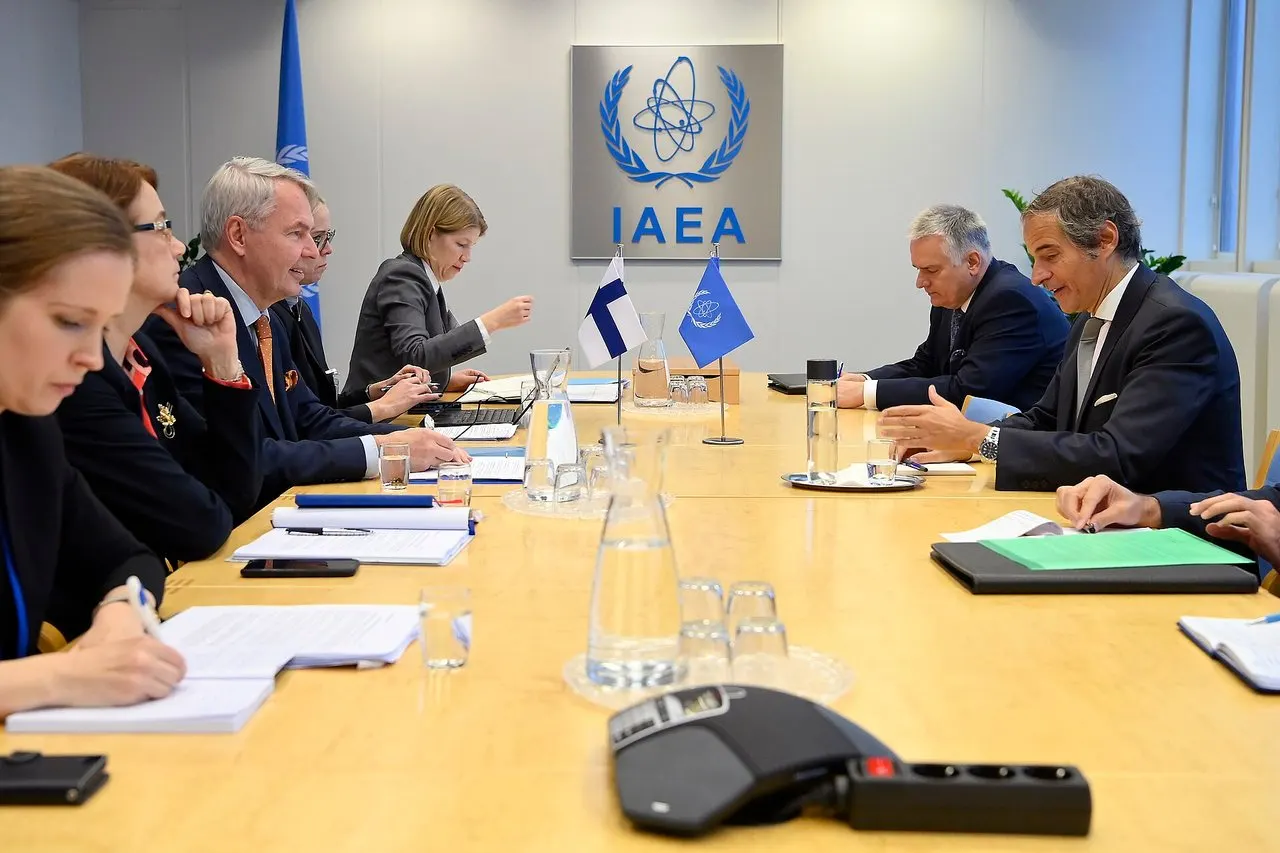
The declaration promises a dialogue on reducing nuclear risks, but it sets no date, no venue and no list of who will take part. The three governments must now turn a short paper into real talks, and the world will watch to see if the words lead to action. The next step belongs to diplomats, and the test will be whether the three capitals keep meeting after the cameras leave. Read the summit’s call to end nuclear weapons and the case for engagement and dialogue.
What Do You Think of the Shenzhen Peace Declaration?
Trump, Putin and Xi shook hands in Shenzhen and signed a paper that says nuclear conflict must never be fought, and now the question passes to the rest of us. Was this the start of real dialogue between the great powers, or a photo that will fade when the news moves on? Tell us what you think in the comments, and tell us what you would ask the three leaders if you had the chance. Read the video from the APEC summit that drew eyes and the moment during the speeches that drew cameras.