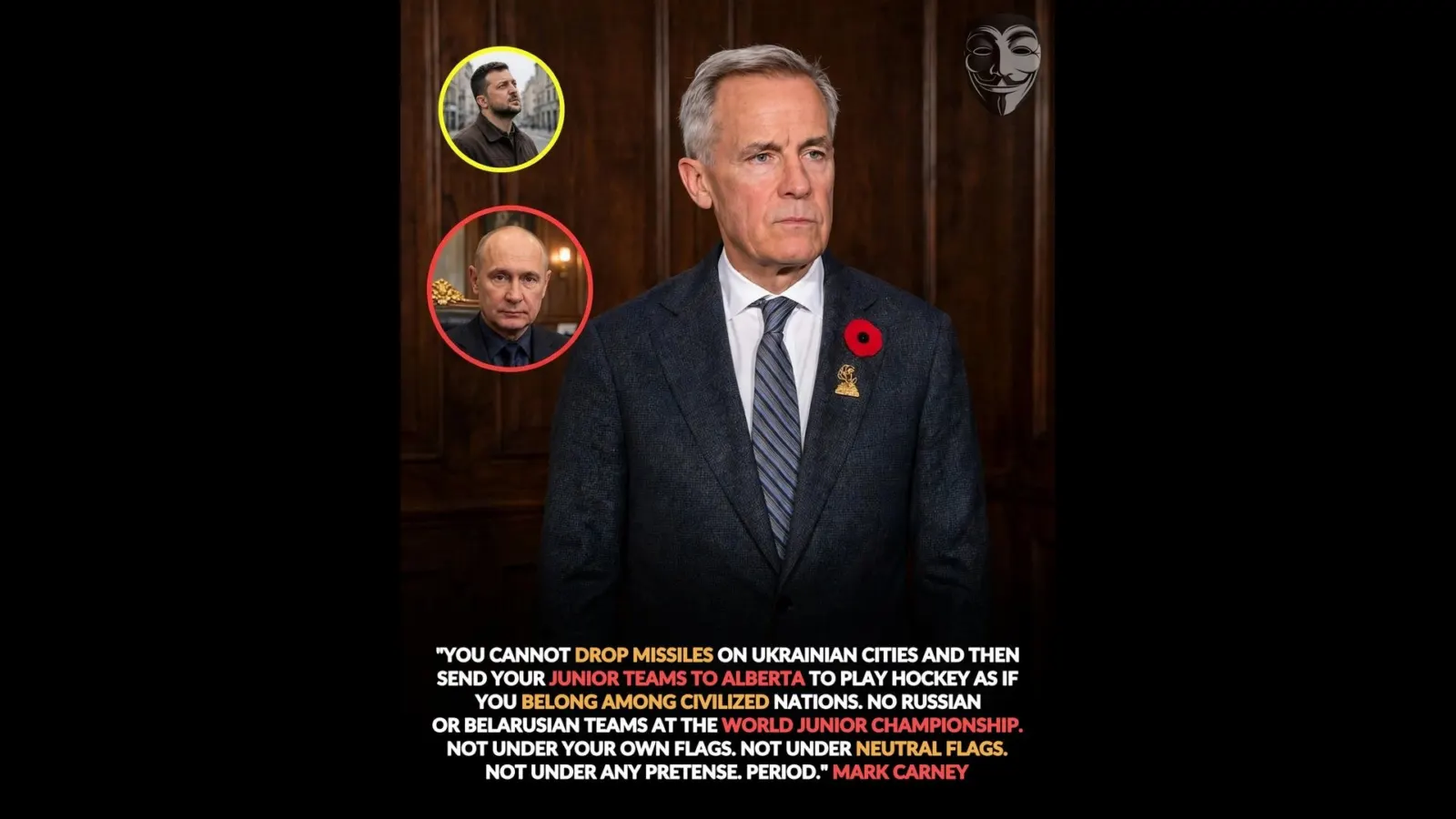
The World Junior Ban That Put Canada In The Spotlight
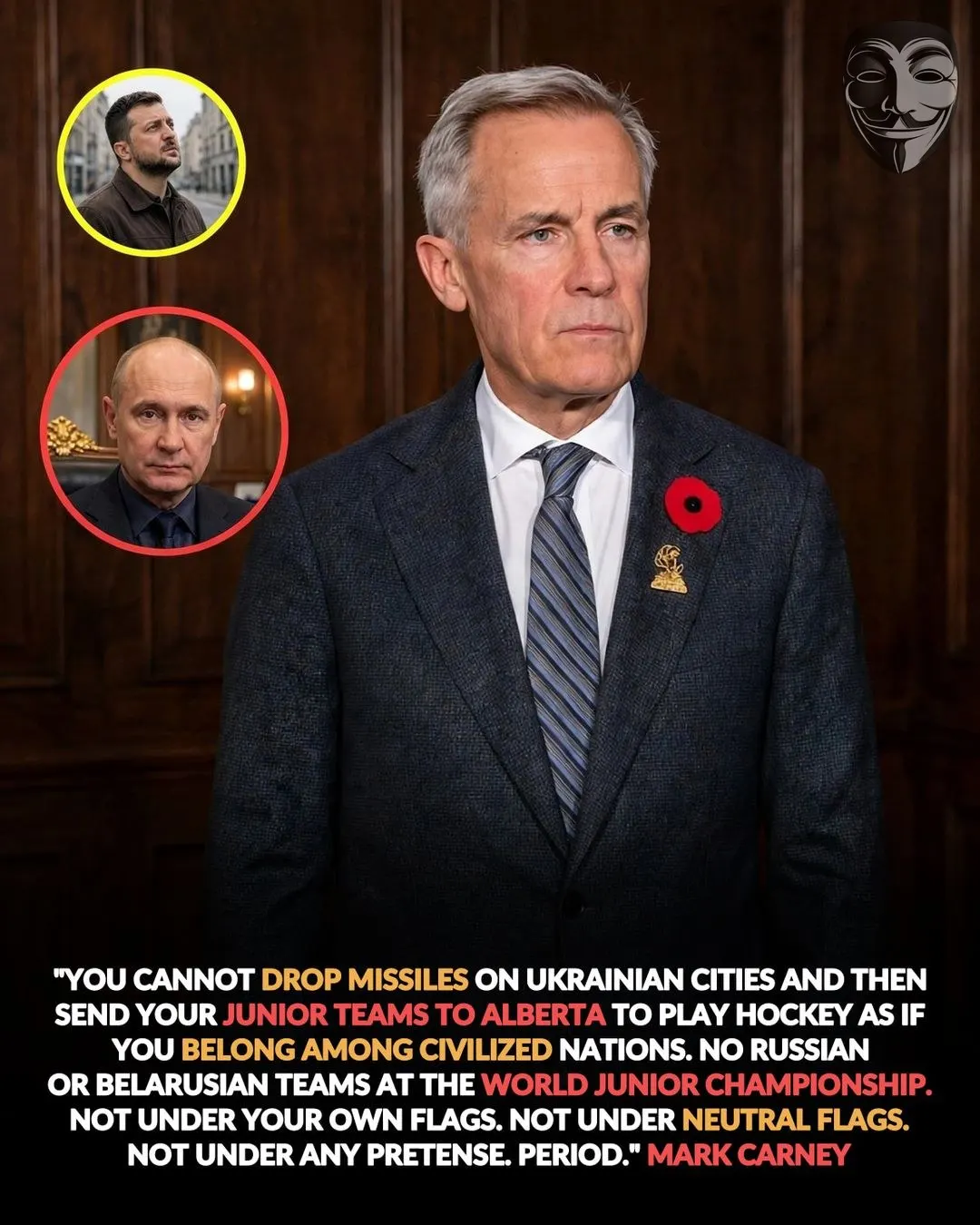
The World Junior ban began with a blunt message from Canadian Prime Minister Mark Carney, who said Russian and Belarusian teams should not play at the 2027 World Junior Championship in Edmonton and Red Deer, Alberta, while Russia continues its war in Ukraine. Canada has formally restricted entry for Russian and Belarusian athletes and officials for the tournament, which runs from December 26, 2026, to January 5, 2027. His words set off a debate about sport, politics and who gets to play. For a wider look at how leaders talk about Russia, read a warning about national security.
On November 15, the International Ice Hockey Federation confirmed that Russia’s under-20 team could not take part because of Canada’s restrictions, and Belarus was also excluded. The move followed an October 30 ruling from the Court of Arbitration for Sport, which said Russian teams should return to several IIHF competitions. That clash between a sporting court and a host country is at the heart of this story, and the slides ahead explain how it happened and what it means for the players caught in the middle. You can also read about an attack on a factory in western Ukraine.
References:
NewsGuard: How Mark Carney’s Russian Hockey Ban Tests the Global Rule Book
Ice Hockey World Juniors: CAS Ruling Clears Russia to Return Impact on the 2027 World Juniors
IceHockeyMan: Russia Out of 2027 World Juniors Despite CAS Ruling Canada Blocks Participation, Norway Returns
Ethics Cases Sport: Ordered Back, Kept Out CAS, the IIHF and Russia’s Return to Hockey
Mark Carney And The Message That Started It All
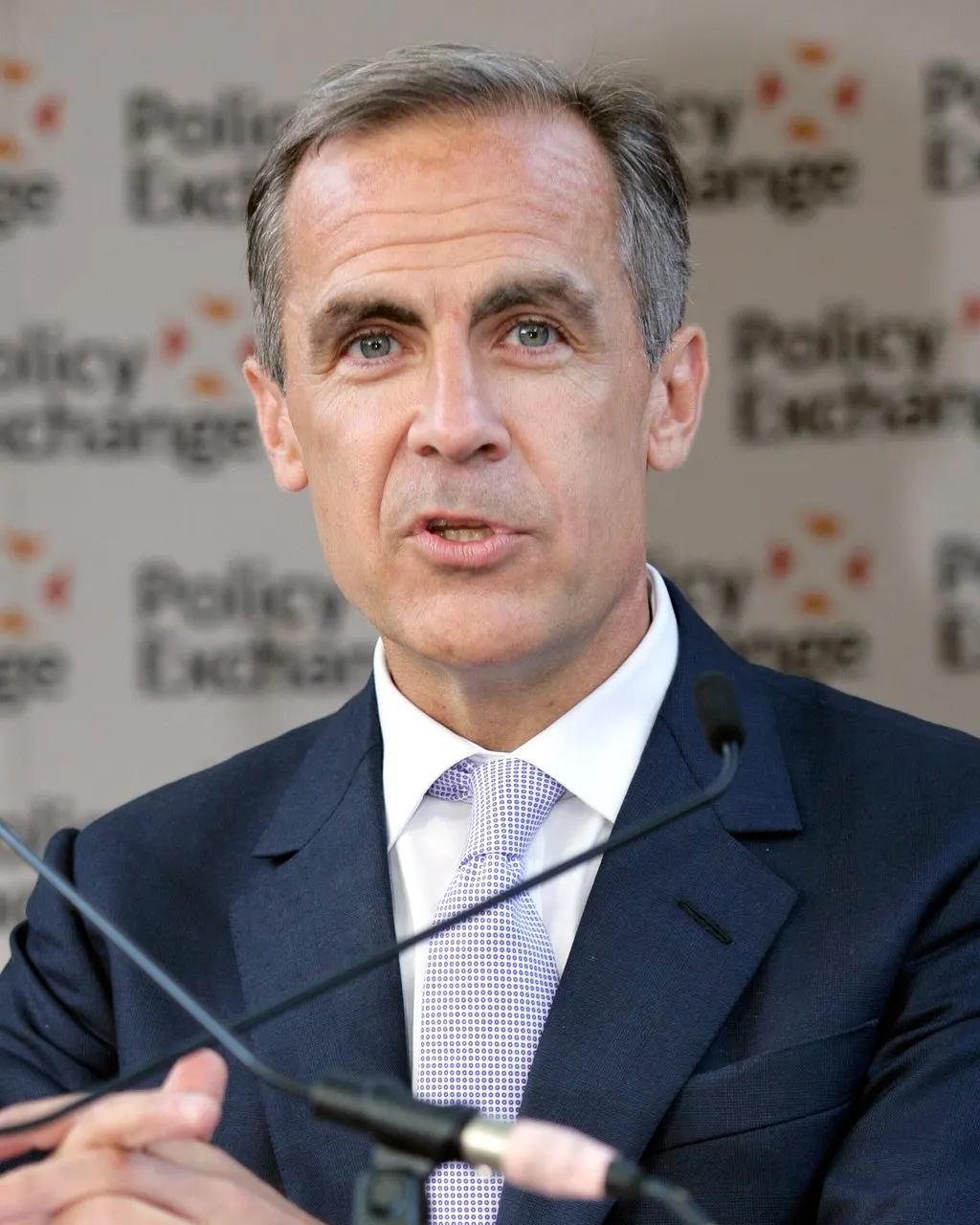
Prime Minister Mark Carney was plain: a country cannot drop missiles on Ukrainian cities and then send its junior teams to Alberta to play hockey as if nothing had happened. He made it clear that no Russian or Belarusian teams would be welcome at the World Junior Championship, not under their own flags, not under neutral flags, not under any pretense. The message was firm, and it left no room for a middle ground. For more on the wider fallout, see a strike far from the front line and a global vote on protecting women and girls.
Rogers Place And The World Junior Ban

Rogers Place in downtown Edmonton is one of the two arenas that will host the tournament, and it is the home of the Edmonton Oilers. The modern arena opened in 2016 and has hosted big hockey nights, concerts and playoff games in front of loud crowds. For the World Juniors, the building will welcome young players from around the world and fans who travel to Alberta for the holiday tournament. The stage is set for fast hockey in a city that loves the game. Read about a Supreme Court case on trade and how one country guarded its border.
Edmonton Welcomes The World Every Winter
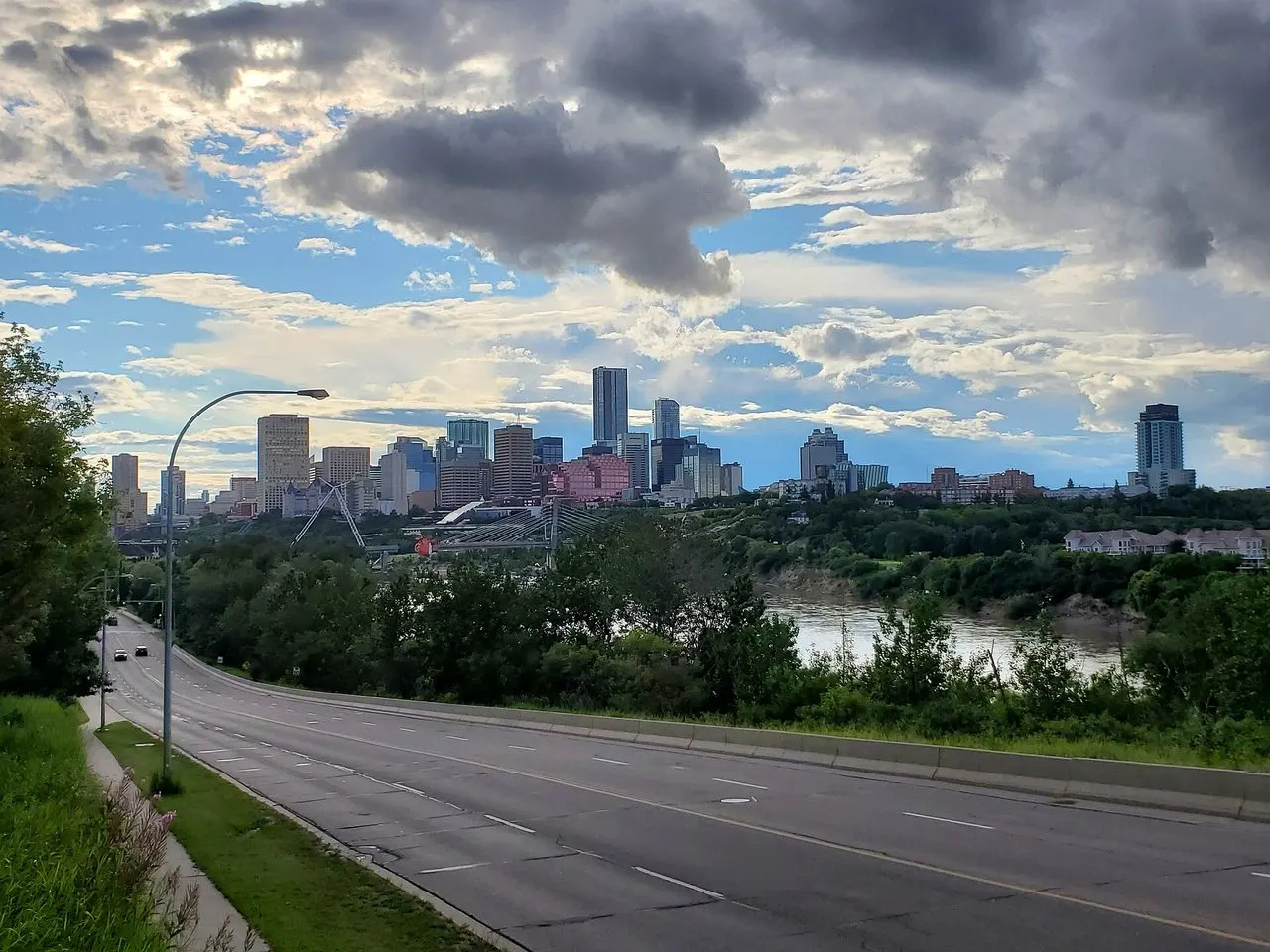
Edmonton is the capital of Alberta and a city where winter hockey is part of daily life. The city has hosted the World Junior Championship before, and it knows how to fill an arena in late December. Fans from across Canada and beyond travel north for the games, and the streets around the rink buzz with team colours and flags. For the players, skating in Edmonton means playing in one of the sport’s most loyal hockey cities. See a stand at a guarded border and a fight over the National Guard.
Red Deer Shares The Stage With Edmonton
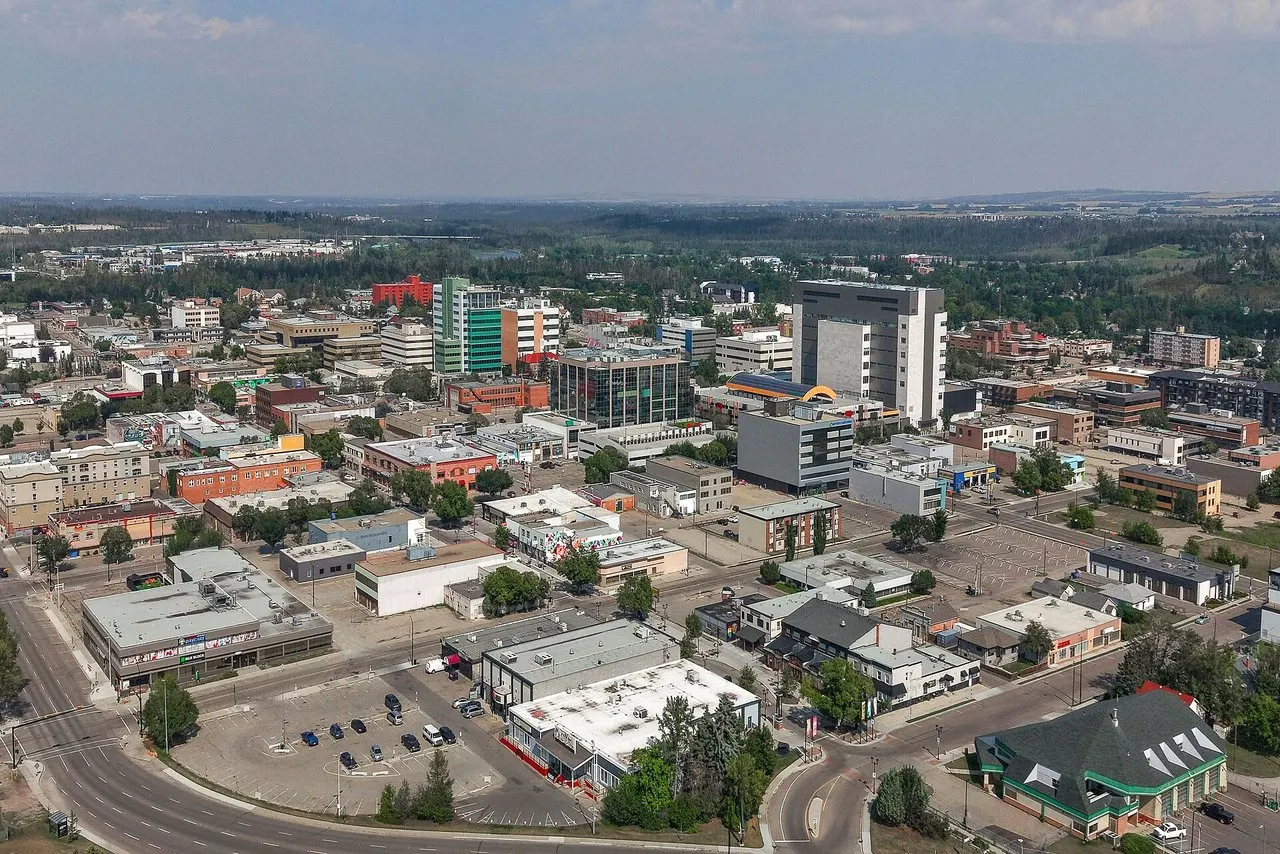
Red Deer is a city in central Alberta, sitting between Edmonton and Calgary, and it will share hosting duties for the tournament. The smaller host city gives the event a community feel, with local fans close to the ice and young players welcomed like hometown heroes. Red Deer has hosted big junior hockey before, and its arena will be packed for the games it stages. The two-city plan spreads the tournament across Alberta. Read a court ruling on Myanmar and a diplomatic expulsion in London.
What The World Junior Ban Means For The Tournament
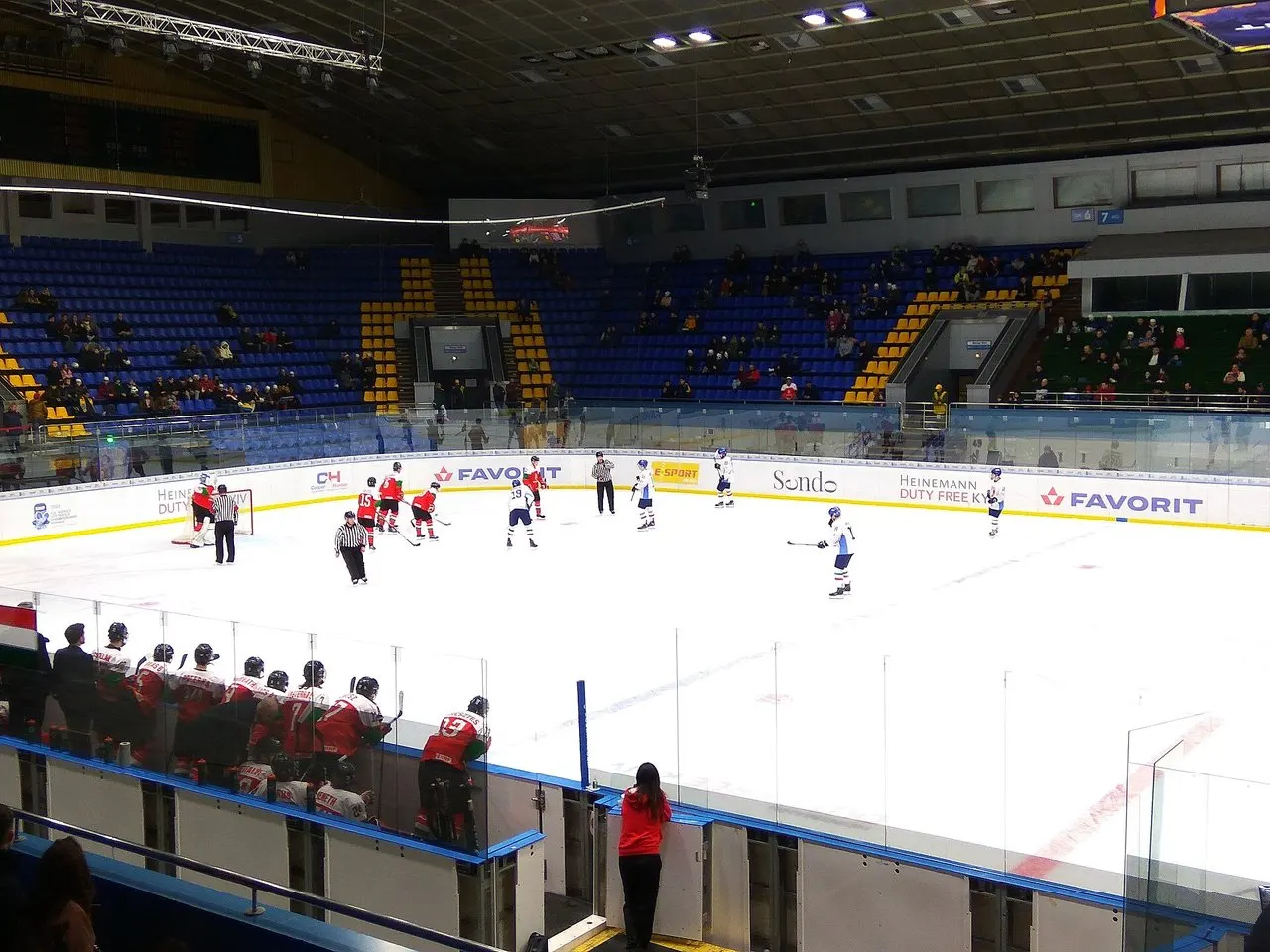
The World Junior ban means the tournament will go ahead without two usual nations, since the IIHF confirmed on November 15 that Russia’s under-20 team cannot take part and Belarus is also out. The rest of the field will still compete for the gold medal, and Norway returns to the top level, which gives the event a fresh face. For the young players from the excluded teams, the decision is hard, and for the fans it changes the shape of the draw. Learn more from a debate over sanctions and Russia and a warning from 1945 about proof.
The Court Ruling That Said Russia Could Return
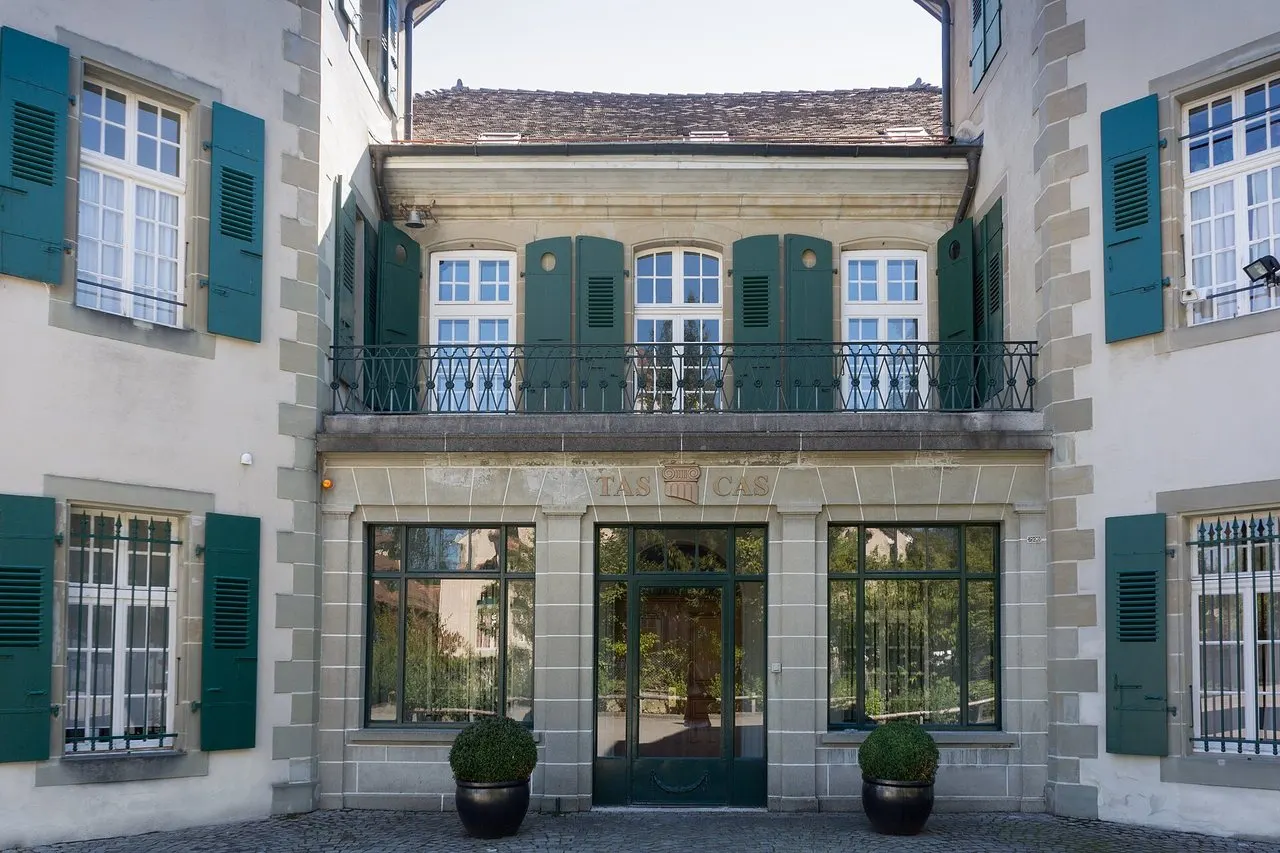
On October 30, the Court of Arbitration for Sport ruled that Russian teams should be allowed back into several IIHF competitions. The court sits in Lausanne, Switzerland, and it is the top body for settling disputes in world sport. Its ruling set up a direct clash with Canada, because the host country kept its own entry restrictions in place even after the court spoke. The result is a rare standoff between a sporting court and a national government. See a lesson from the spring of 1945 and a ruling that tariffs were illegal.
Canada Drew A Line On Who May Enter
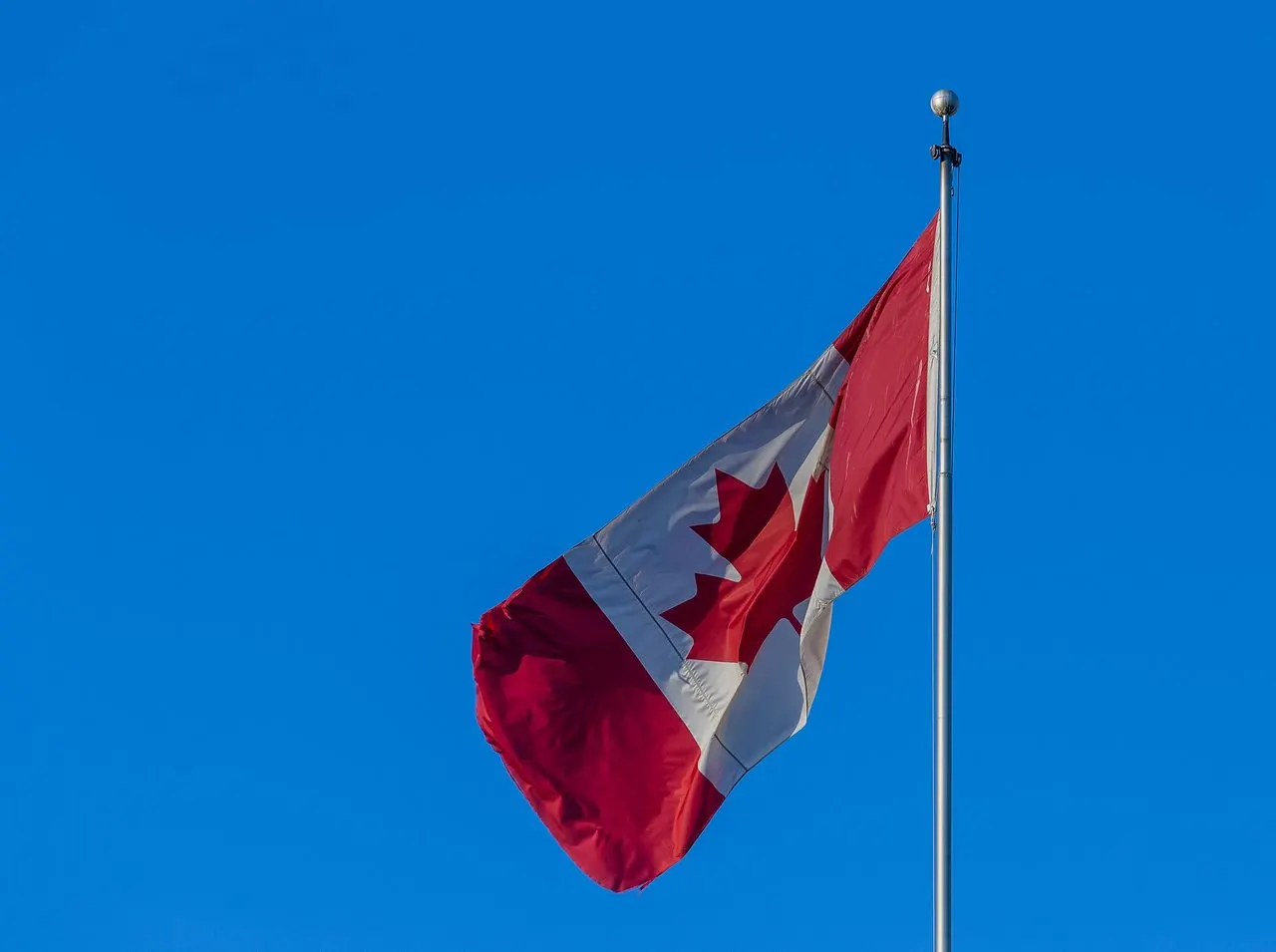
Canada formally communicated restrictions that prevent Russian and Belarusian athletes and officials from entering the country for the tournament. The decision rests on the host country’s control over its own borders and on its national security position while the war in Ukraine goes on. It is not a ruling about hockey skill or about the young players themselves, but about who may cross the border to play. That line is what the IIHF had to accept in November. Read how countries lined up in a major vote and a debate over term limits.
The World Junior Ban And The Dates To Know
The tournament runs from December 26, 2026, to January 5, 2027, which gives fans eleven days of hockey over the holiday season. The World Junior Championship has long started on Boxing Day, and the medal games in early January are often the most watched games of the year. Families plan their holidays around the schedule, and the final weekend draws huge television audiences across Canada. The dates are now fixed, even as the field has changed. See a long Senate career coming to an end and talk of another run for office.
Young Players Dream Of This Stage
For under-20 players, the World Juniors are the biggest stage of their young careers, and many future stars first made their names at this tournament. Scouts watch every shift, fans learn new names overnight, and a strong week can change a young player’s future. The players skate with pride for their countries, and the pace is fast because every team knows the games matter. That dream is what makes the missing teams so hard to watch from the outside. Read a look at the 2028 debate and a clash over the House.
How The World Junior Ban Reached Ottawa
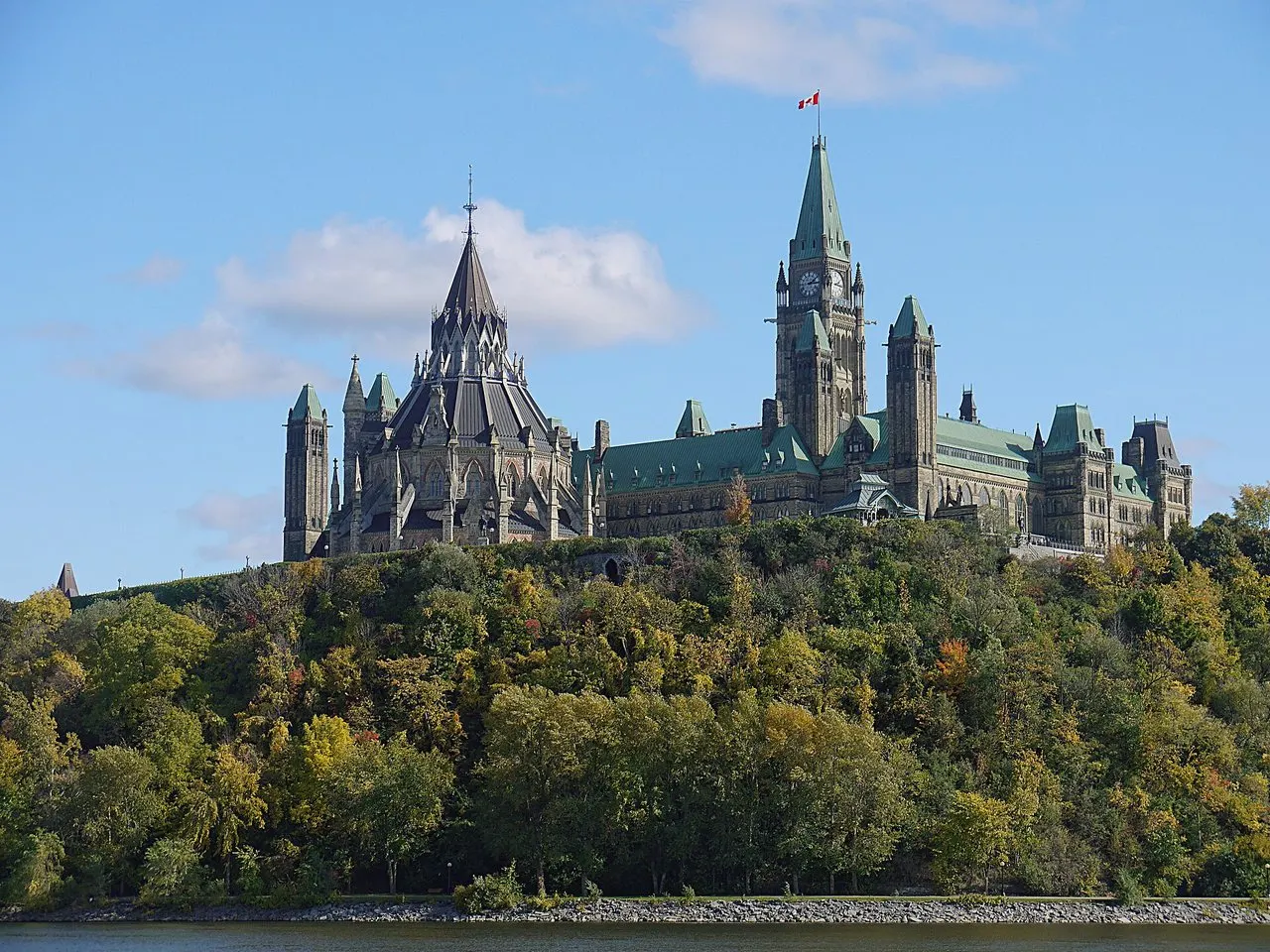
The decision travelled from the prime minister’s office in Ottawa to the IIHF, and the formal word came through official channels before the federation confirmed it on November 15. Parliament Hill is where Canada’s government sets the rules on who may enter the country, and the hockey decision was made as a matter of national policy, not by the sport itself. That is why the ruling from the sports court in Lausanne could not change it. The World Junior ban now stands as government policy. See a promise of tough questions and an international court decision.
The Trophy Waiting At The End
At the end of the tournament, one team will lift the trophy and take home the gold medal, the prize every player dreams about. Canada has won the World Junior title more times than any other country, and the home crowd will expect a strong run from its own team. The gold medal game is often decided by a single goal, and the final minutes can turn unknown teenagers into national heroes. The trophy is waiting, and the race for it is wide open. Read a call for a Security Council meeting and questions about ties to Russia.
Hockey Runs Deep In Alberta
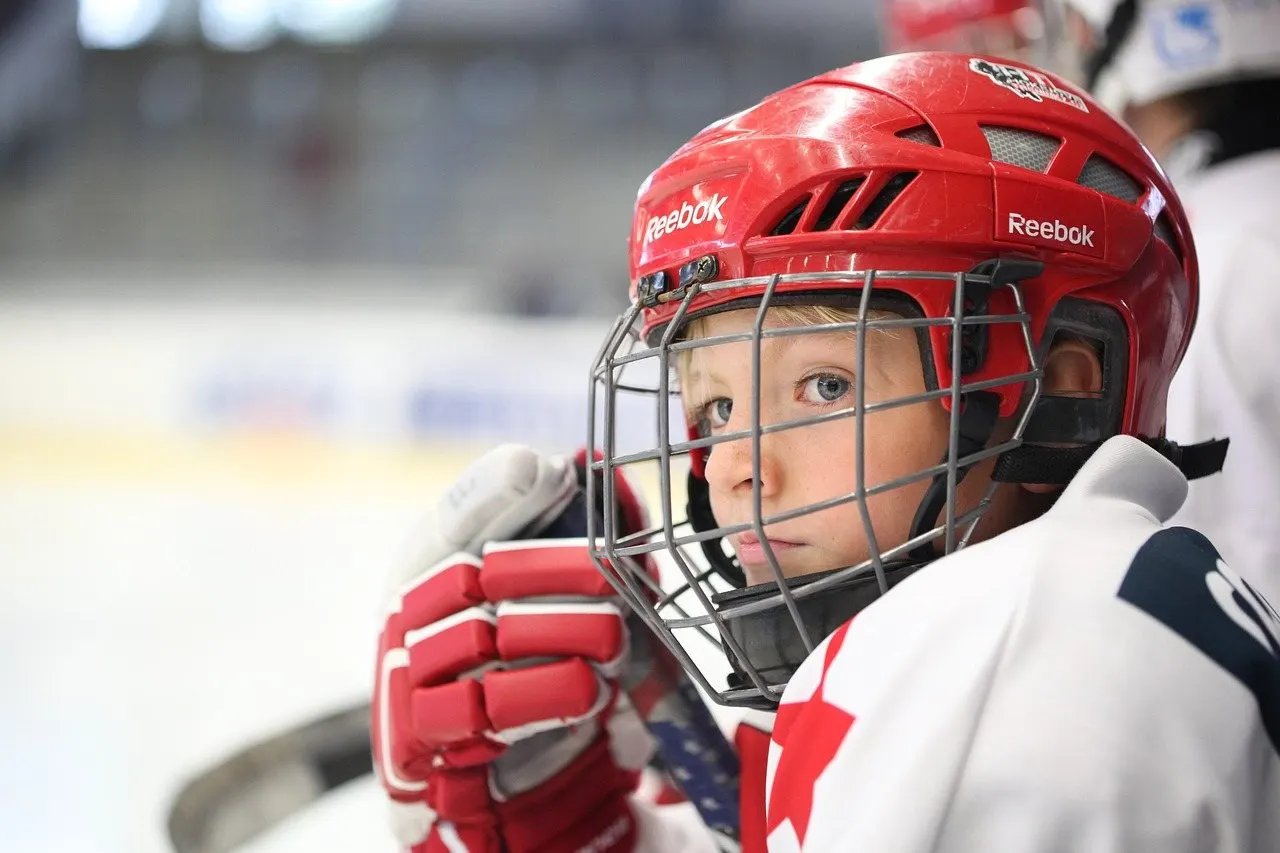
In Alberta, hockey is played on frozen ponds, backyard rinks and community arenas all winter long, and children learn to skate almost as soon as they can walk. The cold months bring neighbours together around outdoor games, and the province has produced many fine players over the years. That deep love for the game is why the World Juniors feel at home in Edmonton and Red Deer, and why the local crowds will be loud from the first puck drop. See a clash between parties over troops and a vote that split the world.
Canada And The World Junior Ban At Home
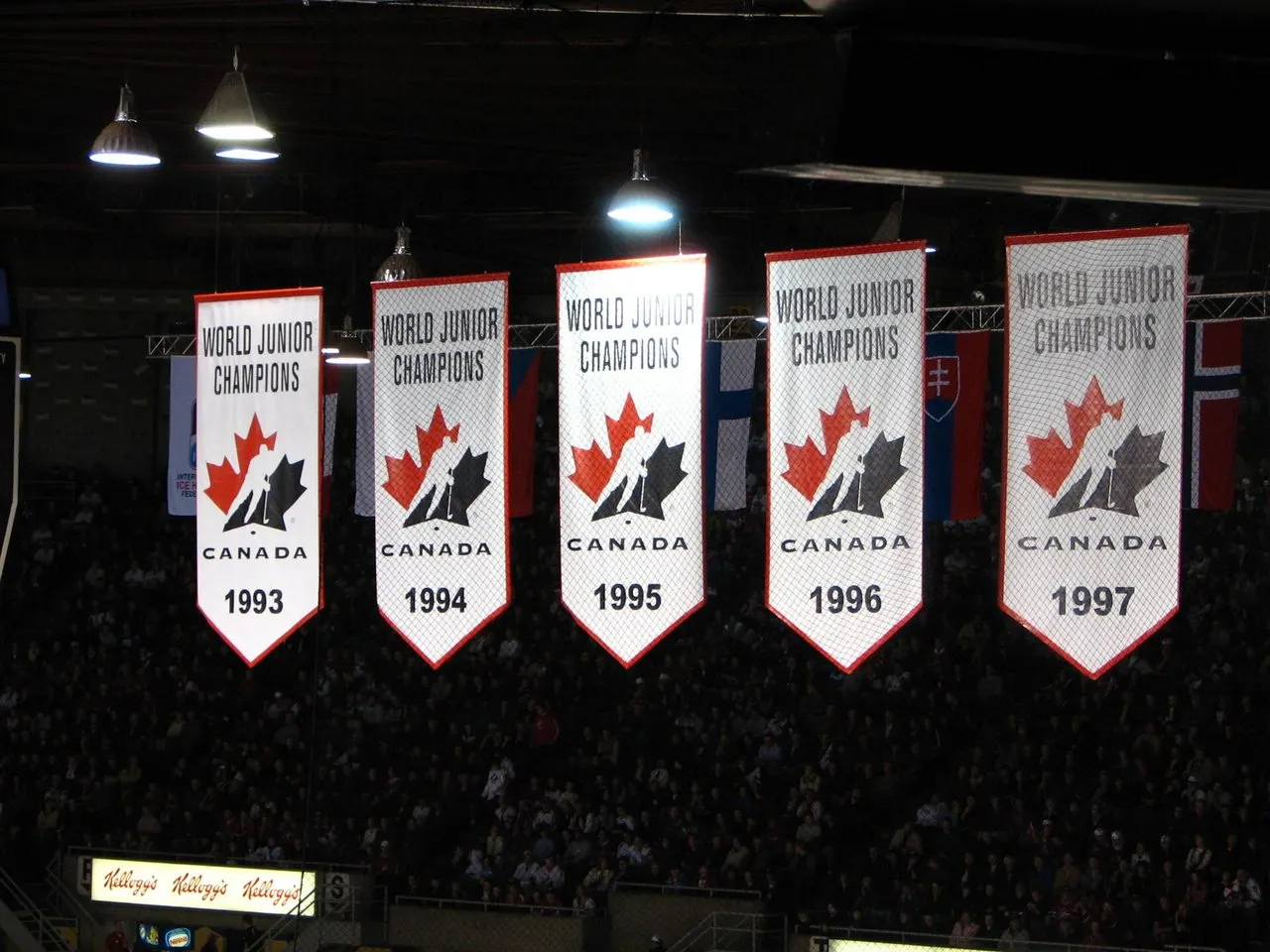
Playing at home brings pride and pressure in equal measure, and Canada’s junior team will feel both in Edmonton. The home crowd expects a medal, and the young players will hear the cheers from the first game to the last. Canada has a long record at this tournament, and its banners tell the story of past wins and famous teams. The World Junior ban adds one more twist to a home tournament that already carries high hopes. Read a border that held firm and missiles striking a plant in Ukraine.
The Fans Who Fill The Arenas
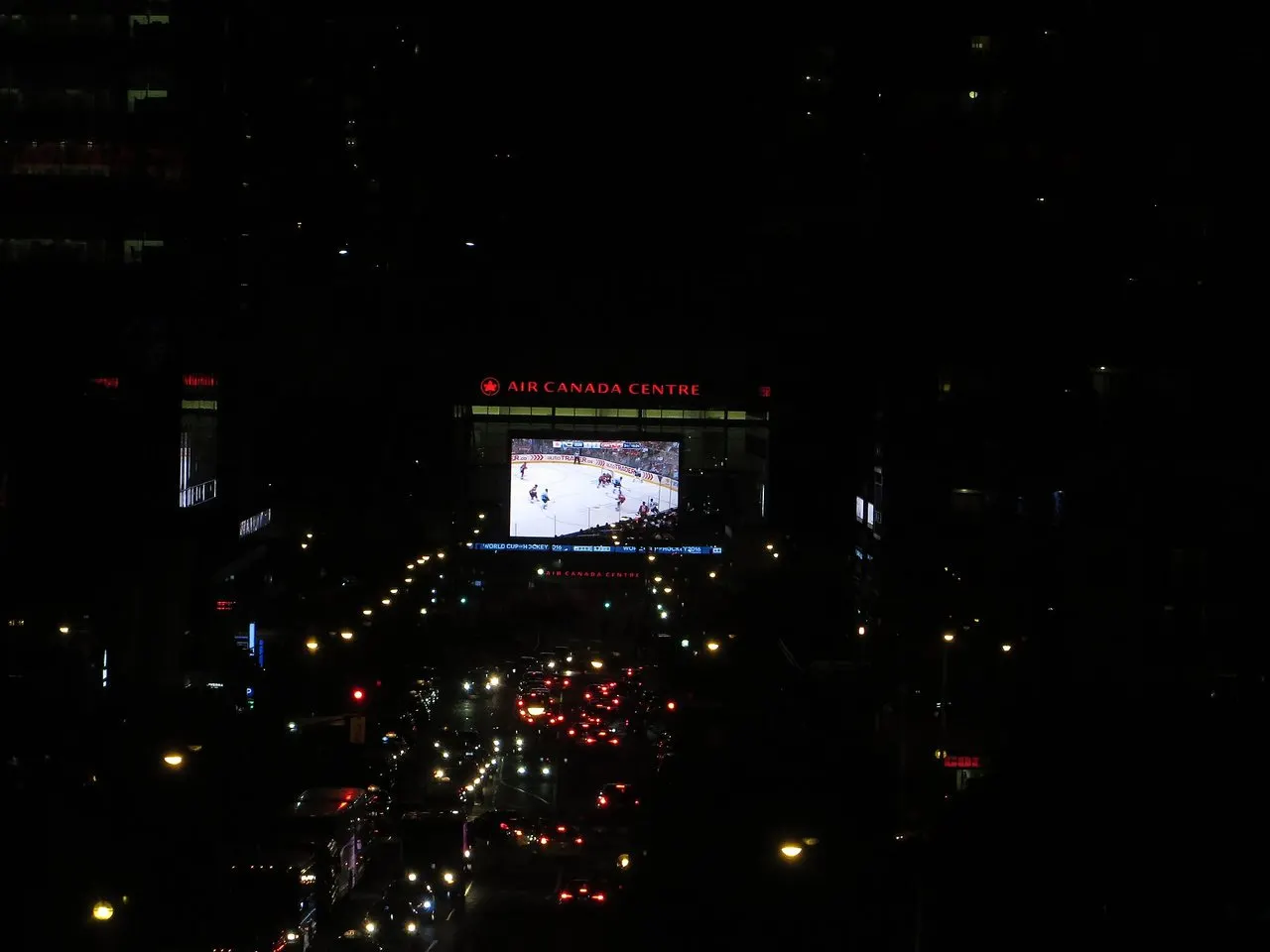
The fans are a huge part of the World Juniors, and the arenas in Edmonton and Red Deer will be full of families, students and supporters in team colours. Many fans travel across the country for the holiday games, and the chants and songs make the tournament feel like a festival. For young players, hearing a full arena roar is a memory that stays with them for life, and this year the crowds will be louder than ever. See Britain taking a firm line abroad and a farewell after four decades in the Senate.
Russian Hockey And A Long History
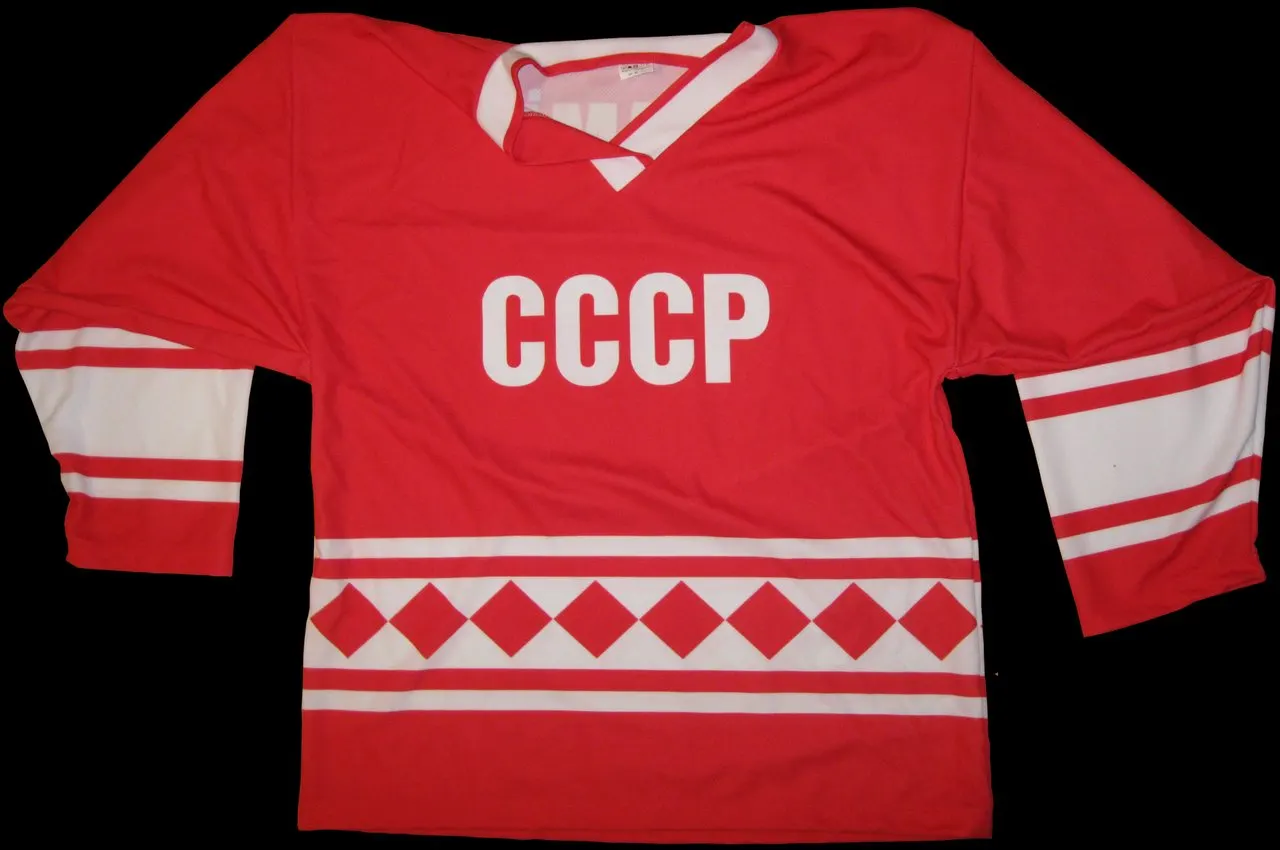
Russian hockey has a long and proud history, and Soviet teams once ruled the world game for decades with fast skating and clever passing. Many great players came from that system, and Russian teams have been a familiar sight at the World Juniors for years. Now those players must watch from home while the tournament goes on without them, and the history books will note this gap. The game itself, though, will go on in Alberta. Read a debate about a possible comeback and a court fight over tariffs.
The World Junior Ban And The Game Itself
Strip away the politics and the court rulings, and the heart of the story is still a stick, a puck and ice. The World Junior ban has changed who plays, but it has not changed the game, and the teams that do take part will skate just as hard for the gold medal. Norway returns to the top level, the hosts will chase a medal, and the fans will get eleven days of hockey. The tournament is bigger than any one dispute. See a plan to send troops into cities and a general who ordered the cameras to roll.
Should Sport And Politics Stay Apart
So here is the question that sits at the heart of this story. Should young players be kept out of a tournament because of the actions of their government, or should sport stay open to everyone, even in hard times? There is no easy answer, and fair people can disagree, so we want to hear what you think. Share your view in the comments below, and tell us whether Canada made the right call. Read a ruling on justice for the Rohingya and a warning ahead of January for more on how the world handles hard calls.