
Milwaukee Judge Arrest: The Day the FBI Came to the Courthouse

The Milwaukee judge arrest started on April 18, 2025, when federal immigration agents waited outside a Milwaukee courtroom to take Eduardo Flores-Ruiz into custody after his hearing. Judge Hannah Dugan learned the agents were there, spoke with them in the hallway, and sent them to talk with the chief judge instead. Then she led Flores-Ruiz and his lawyer out through a jury door, and agents caught the 30-year-old man after a short foot chase outside the building. The moment set off a national fight about judges, borders, and the rule of law.
In the slides ahead we follow the case from that hallway to the courtroom where a federal jury later found Dugan guilty of one felony count of obstructing federal agents. We look at what FBI Director Kash Patel said when he announced her arrest, why the case drew such wide debate, and what her resignation meant for the bench she left behind. For more on judges and court orders, read our report on a judge blocking a presidential project and our story about the Supreme Court tariffs case.
References:
Washington Post: Wisconsin judge arrested by FBI, charged with obstructing immigrant arrest
Tampa Bay Times: FBI arrests Milwaukee judge accused of helping man evade ICE
Reuters: FBI director says agents arrested Wisconsin judge for obstructing immigration operation
Bloomberg Tax: ICE Obstruction Case Against Wisconsin Judge Heads to Trial
The Morning the Milwaukee Judge Arrest Began
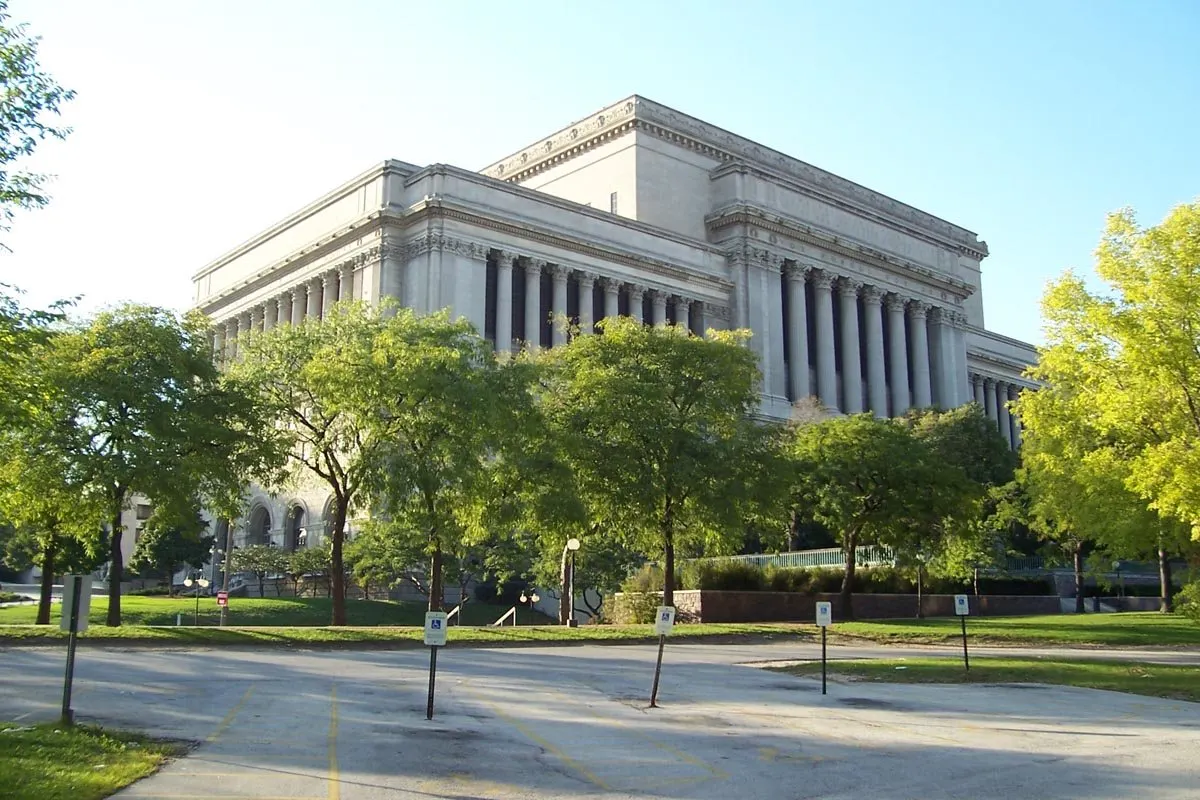
On the morning of April 18, 2025, the Milwaukee County Courthouse was busy with its usual hearings. Federal agents had come that day with a plan to take Eduardo Flores-Ruiz into custody after his court appearance. They waited near Judge Dugan’s courtroom, expecting a routine arrest after the hearing. Nobody in the building knew the morning would turn into one of the most talked about courtroom moments of the year. The case soon reached far beyond Milwaukee. Read how Poland guarded its border and the story of a student freed after ICE released her for more on border enforcement.
Who Is Judge Hannah Dugan

Hannah Dugan served as a judge on the Milwaukee County Circuit Court, hearing criminal cases and running her courtroom each day. Judges in that role rule on lawyer requests and keep order in the courtroom. Dugan was known in Milwaukee as a working judge with a full docket, not a national figure. That changed one morning in April 2025, when her name moved from local lists to national news. Her story shows how fast a local case grows, much like a warning to the MAGA movement and a senator leaving after four decades grew into national talking points.
The Man at the Center of the Case
Eduardo Flores-Ruiz was 30 years old and facing immigration agents after a court appearance in Milwaukee. He had come to court for a hearing, and federal agents waited outside to take him into custody. Court filings said he was the man Dugan helped leave through a side door, and agents caught him after a short foot chase. His name is now tied to a case about judges and immigration law that people still argue about. The human side of immigration cases also shows in a family reunited after an ICE release and a twist in a student visa story.
The Jury Door That Changed Everything
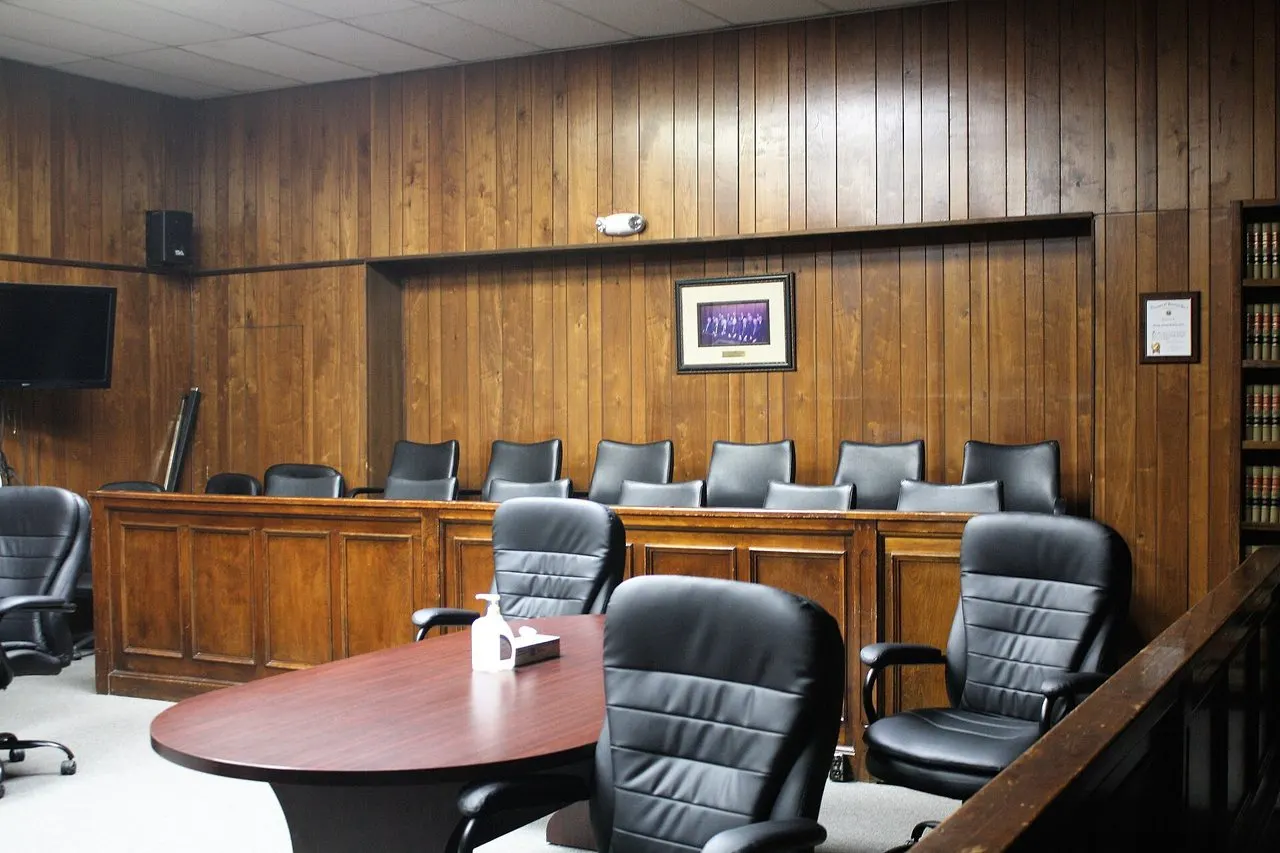
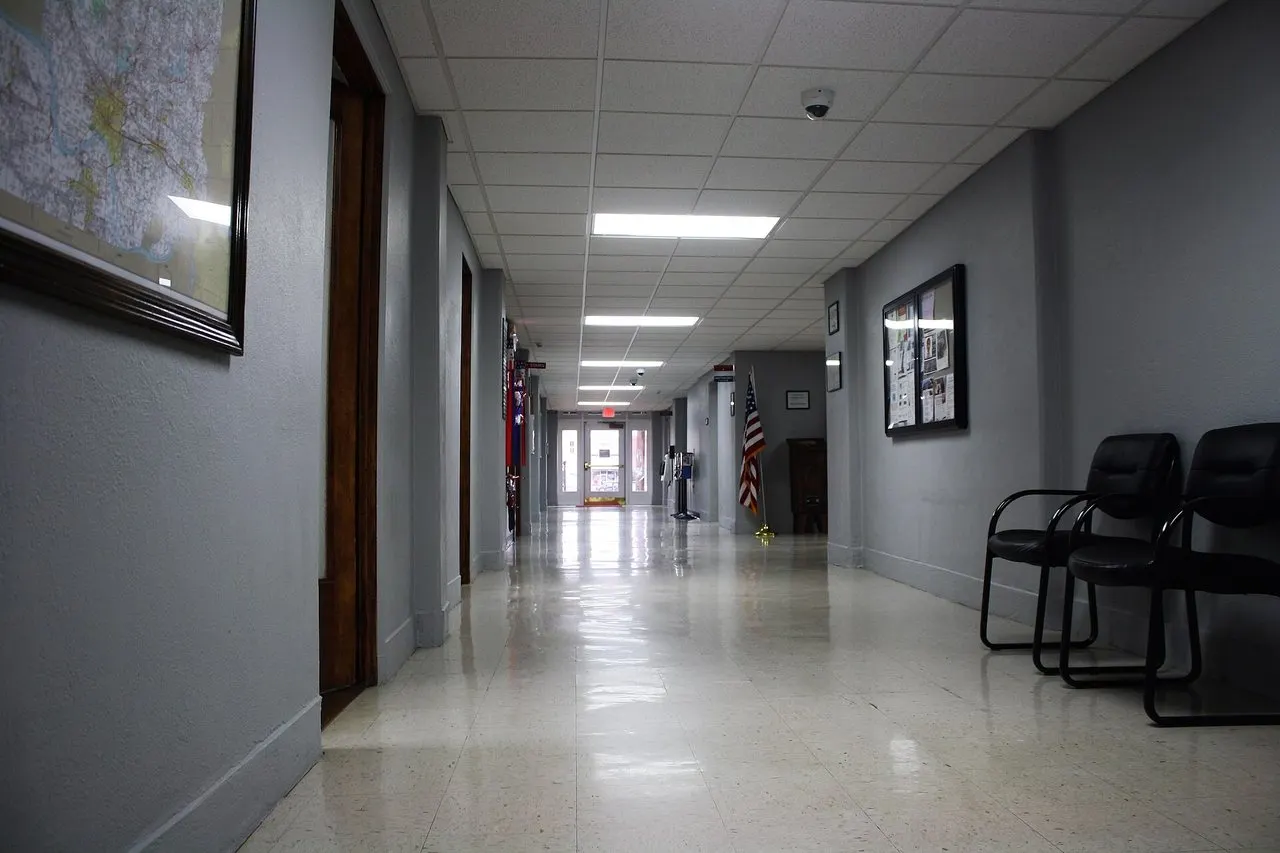
Court filings say Dugan sent the waiting agents to speak with the chief judge, then led Flores-Ruiz and his lawyer out through a jury door. A jury door is a side exit for jurors and court staff, not the main public door. That choice is at the heart of the case, because prosecutors said it kept the agents from doing their job. Agents found Flores-Ruiz in the hallway and caught him after a short chase outside. Small courtroom choices can carry large results, as shown in a clash over Social Security and a warning before a Trump meeting.
A Short Chase After the Milwaukee Judge Arrest

After Flores-Ruiz left through the jury door, agents moved fast to catch him before he got away. Court filings describe a short foot chase outside the courthouse, where agents took him into custody. The chase was brief, but it gave the case its most dramatic detail and became a key part of the court story. A chase outside a courthouse is rare, and it showed how quickly a quiet hearing can turn into a scene on the street. For more on tense standoffs, read about backlash over a Trump and Putin moment and a party that ended in violence.
Kash Patel Announced the Milwaukee Judge Arrest
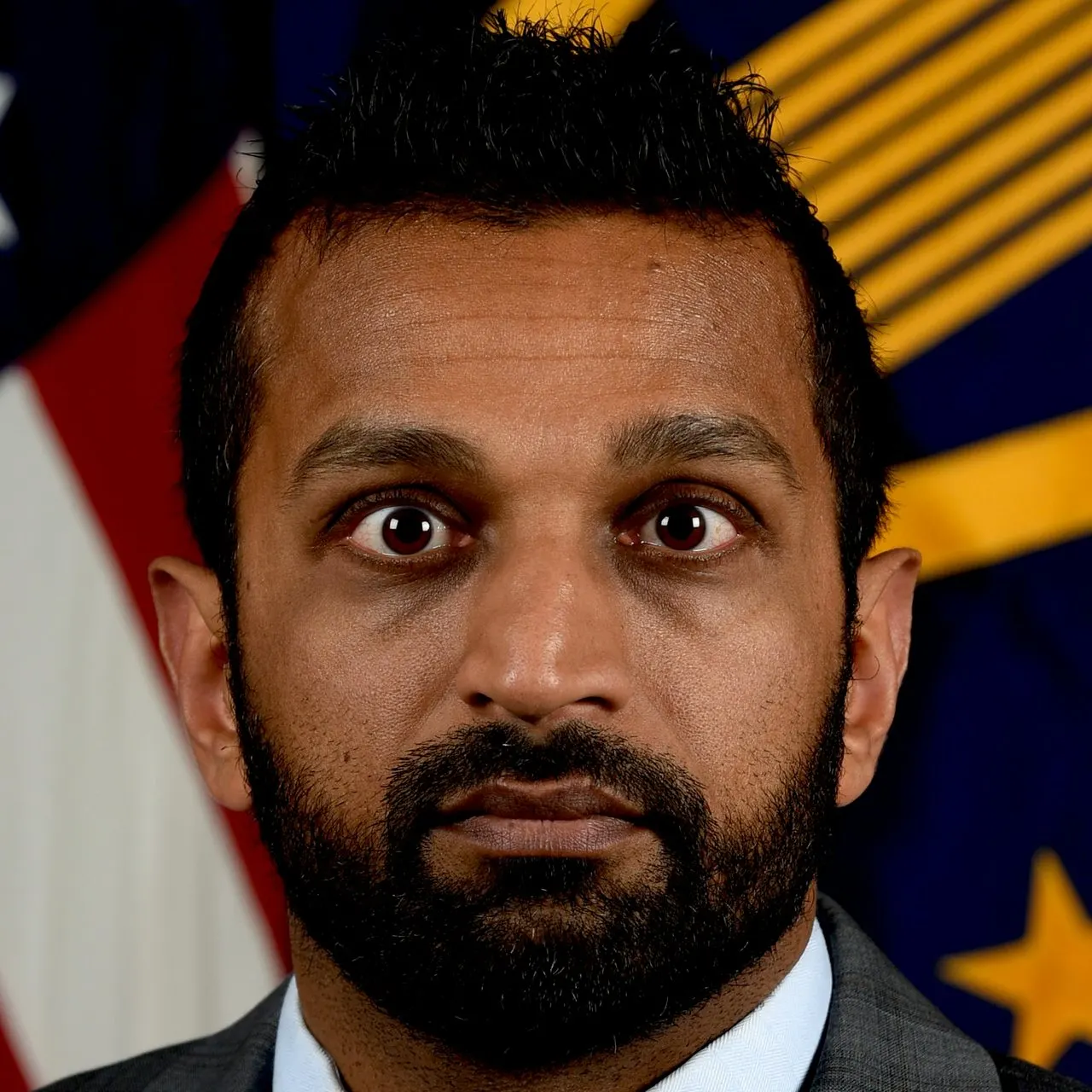
FBI Director Kash Patel announced the arrest on social media, saying Dugan had intentionally misdirected federal agents who were waiting to take Flores-Ruiz into custody. Patel leads the FBI, and his post put the case in front of millions of people within hours. His message framed the arrest as a stand for the rule of law and for agents doing their jobs. The announcement turned a local courtroom event into a national story overnight. Leaders speaking out quickly can shape a story, as seen in a former secretary of state tearing into Trump and a debate over older leaders.
The Charges Against the Judge

Federal prosecutors charged Dugan with obstructing federal agents, a felony that carries serious prison time. The Washington Post reported the charge as obstructing an immigrant arrest, and the case went to a federal court in Wisconsin. Prosecutors said her actions kept agents from carrying out a lawful arrest they had planned. The defense pushed back, and the case moved toward trial through 2025. Charges against a sitting judge are rare, which is why it drew so much attention. Read about a woman who escaped a killer in 1974 and a debate over campaign money for more courtroom drama.
The Trial and the Milwaukee Judge Arrest Verdict
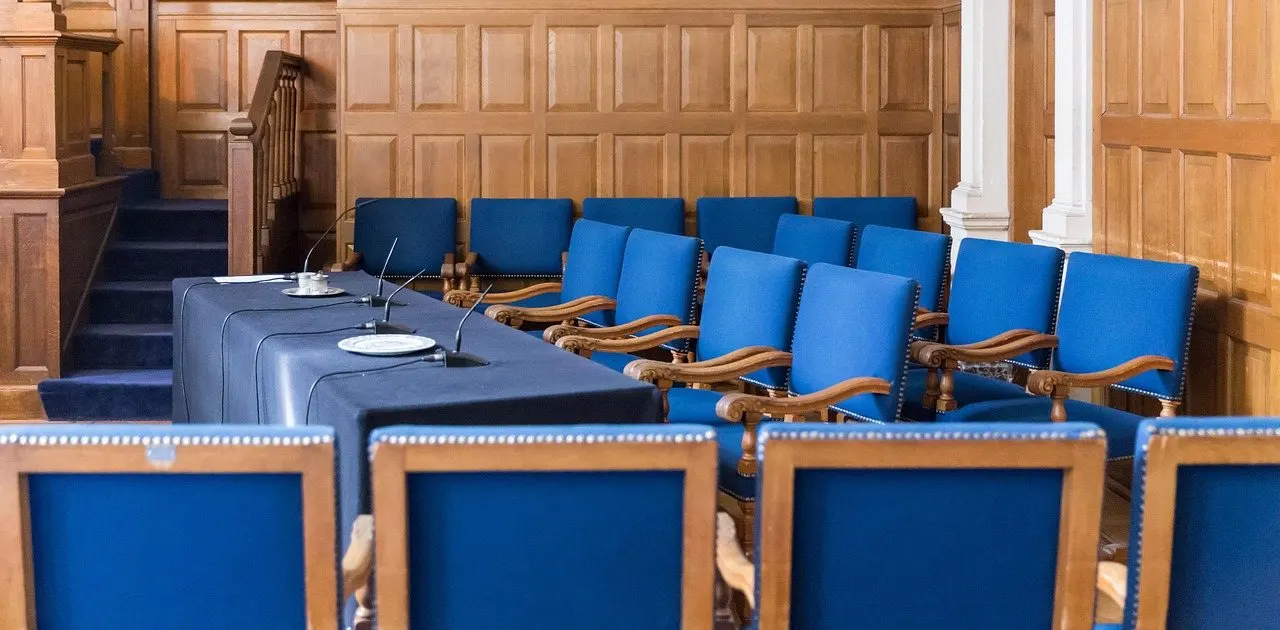
In December 2025, a federal jury heard the case against Dugan and found her guilty of one felony count of obstructing federal agents. The trial put the events of April 18 before twelve people, who weighed the filings, the testimony, and the law. A guilty verdict on a felony count is a heavy result for anyone, and it is even heavier for a judge. The verdict closed one chapter and opened another, about what should happen to a judge found guilty. Courtroom verdicts often divide opinion, as in friendships split by politics and a fierce debate over children.
A Judge Steps Down From the Bench
After the verdict, Dugan later resigned from the bench, ending her time as a Milwaukee County Circuit Court judge. A resignation after a conviction is a clear break, and it meant the court would need a new judge for her cases. Her exit closed a career built over years in Milwaukee courtrooms, and it left the city talking about trust in the courts. When a judge leaves under a cloud, the effects reach far past one courtroom. Public figures stepping down also feature in a senator leaving after four decades and fans thanking a player everywhere.
Why the Case Split the Country
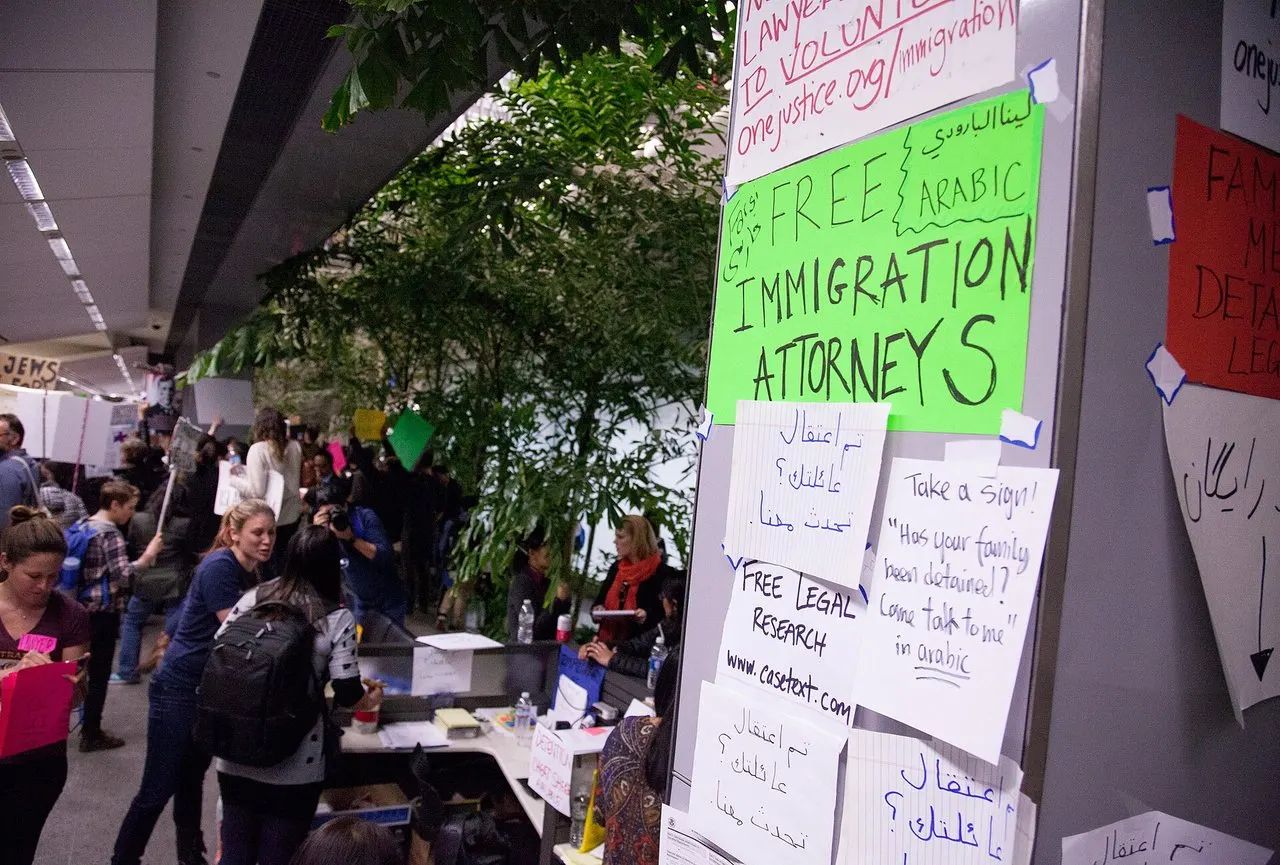
The case drew wide debate about immigration enforcement and judicial power, and people on both sides felt strongly. Supporters of the arrest said no judge should stand in the way of federal agents carrying out lawful arrests. Critics said the prosecution threatened the independence of judges and the courts. The argument is part of a larger fight over borders and who gets to enforce the law. Big public debates often start with one case, as seen in how Poland guarded its border and America losing its measles standing.
What the Law Says About Blocking Agents

Federal law makes it a crime to obstruct a federal agency proceeding, and that law was central to this case. The charge does not ask if a person agrees with an arrest. It asks whether they blocked agents from a job the law gave them. That question is why the jury looked closely at what Dugan did in the hallway and the jury door. The law draws a line between running a courtroom and blocking an arrest. Legal fights over money also show up in a debate over campaign money and a viral post about a student visa.
The FBI Director and the Milwaukee Judge Arrest
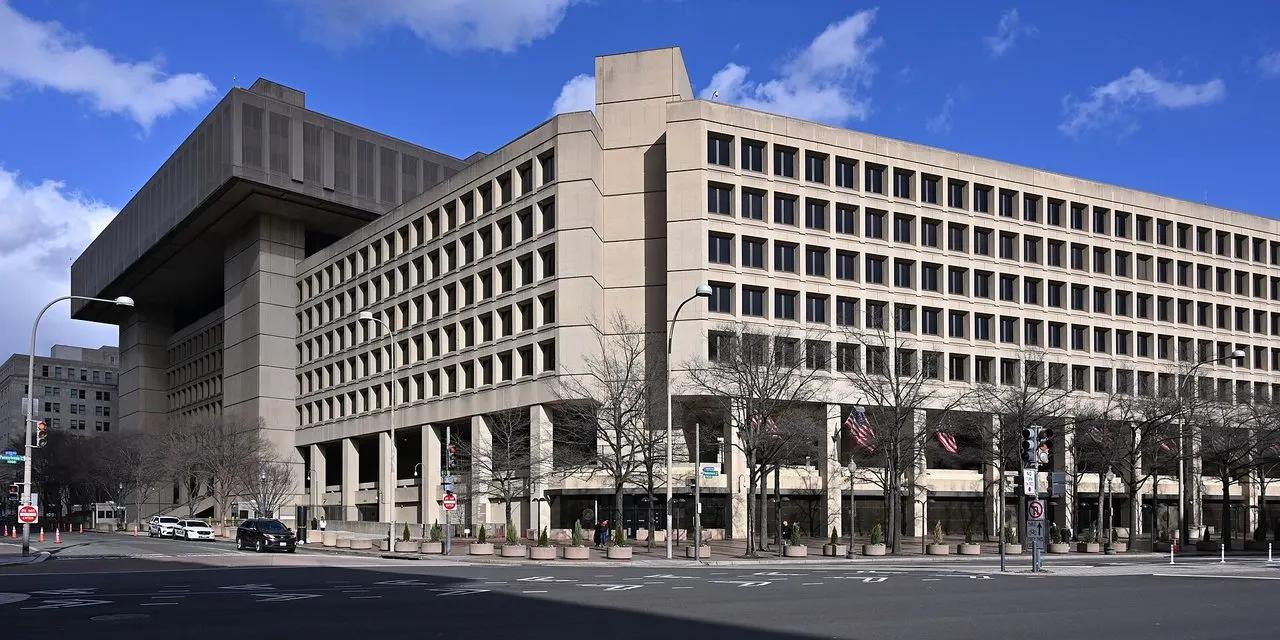
Kash Patel became FBI Director and quickly made immigration enforcement a visible part of his job. When he announced the Milwaukee arrest on social media, he used his platform to send a message to judges across the country. The post asked readers a direct question about standing with him to arrest judges who block immigration arrests. That style of public message is now common for top officials, who speak straight to the public. Strong public stands by leaders appear in a judge blocking a presidential project and a warning to the MAGA movement.
How Courthouse Arrests Usually Work

Immigration agents often wait near courthouses to take people into custody after hearings, because court dates are one of the few times a person can be found in a known place. The practice has long drawn criticism from lawyers who say it scares people away from court. Supporters say it is a lawful and practical way to carry out arrests. The Dugan case put that routine practice under a national spotlight. Court and border routines also feature in a clash over Social Security and a court ruling against presidential tariffs.
The Chief Judge and the Hallway Talk

Court filings say Dugan told the waiting agents to speak with the chief judge, the judge who leads the court and handles its daily business. A chief judge sets schedules, assigns cases, and deals with problems that come up in the building. Sending agents to the chief judge is a normal step when a question comes up in a courtroom. In this case, the step came just before the jury door moment that changed everything. Office work behind big cases also appears in a woman who escaped a killer in 1974 and a fierce debate over children.
What Comes Next After a Conviction
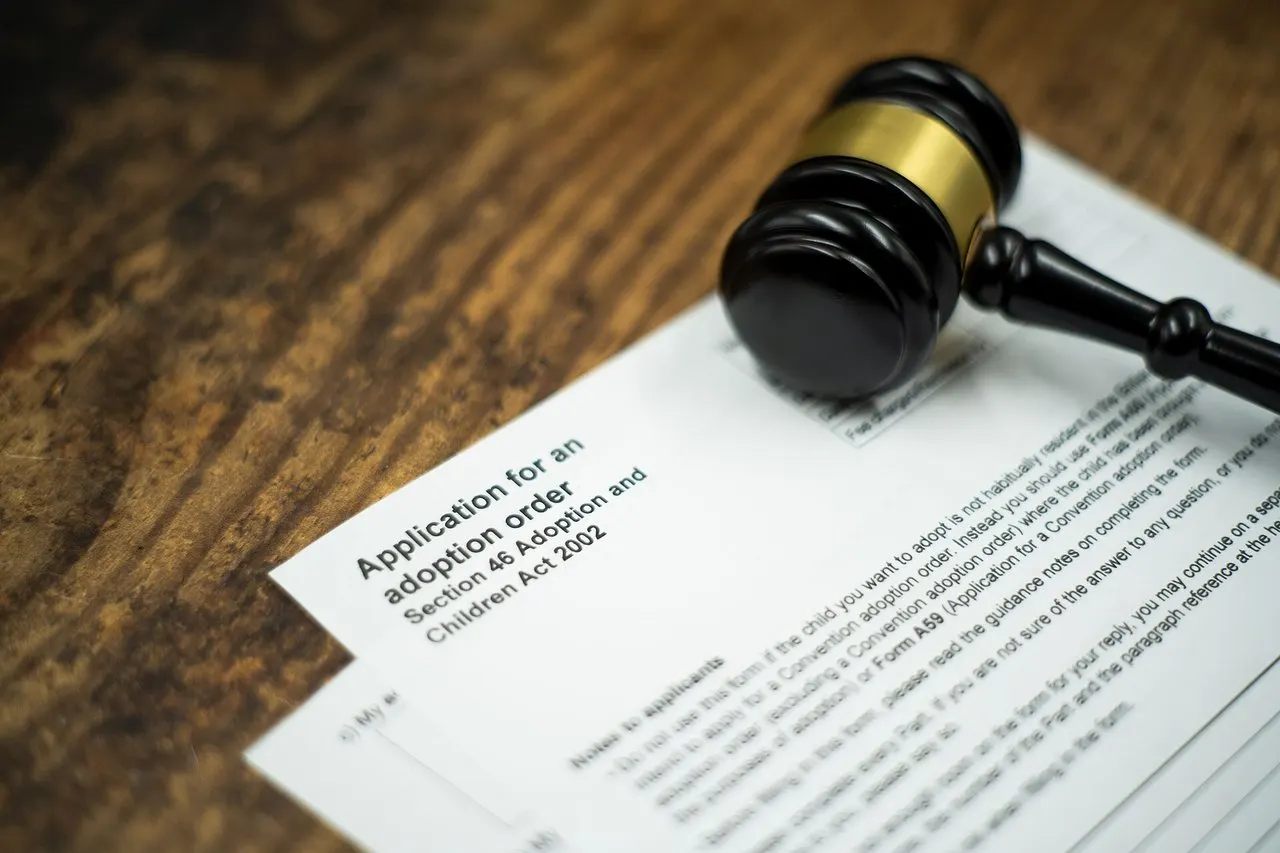
A felony conviction can bring prison time, fines, and the loss of a career, and it can bar a person from holding public office. For a judge, the effects are even sharper, because the job depends on public trust. Dugan faced up to five years in prison on the felony count, though sentencing would come later. Her resignation showed that the verdict had already ended her time on the bench. The fallout from one verdict can last for years, as seen in a party that ended in violence and friendships split by politics.
The Milwaukee Judge Arrest and the Rule of Law
The original post argued that immigration laws exist to protect citizens, secure the border, and maintain order. It said accountability must apply equally, whether the person wears a robe or not. That idea, that no one stands above the law, is at the heart of the rule of law. Supporters of the arrest say judges who block lawful operations rewrite the law to suit a political agenda. Critics say the case itself tests the limits of federal power. Strong views on both sides show up in a debate over older leaders and fans thanking a player everywhere.
Do You Stand With the Milwaukee Judge Arrest
Judge Hannah Dugan’s case started with a hallway talk and a jury door, and ended with a felony verdict and a resignation. It raised questions with no simple answer, about judges and borders and who enforces the law. The post asked readers if they stand with Kash Patel to arrest every judge who blocks immigration arrests. Now we ask you the same question. Do you think the arrest was right, or did it go too far? Share your view and read backlash over a Trump and Putin moment and an outbreak after 25 years for more stories that divide opinion.