Frankincense Oil Melanoma Study: What the Lab Found
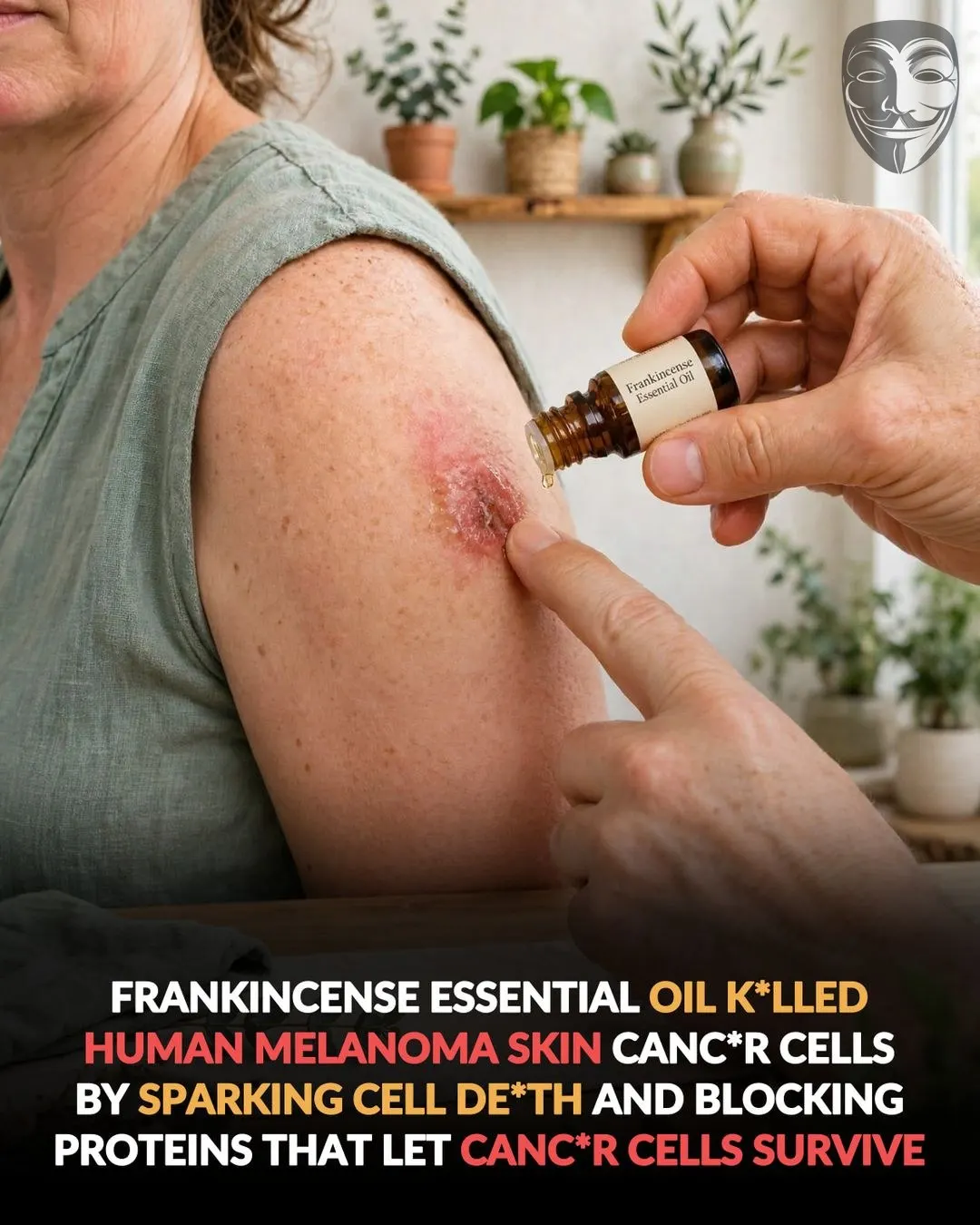
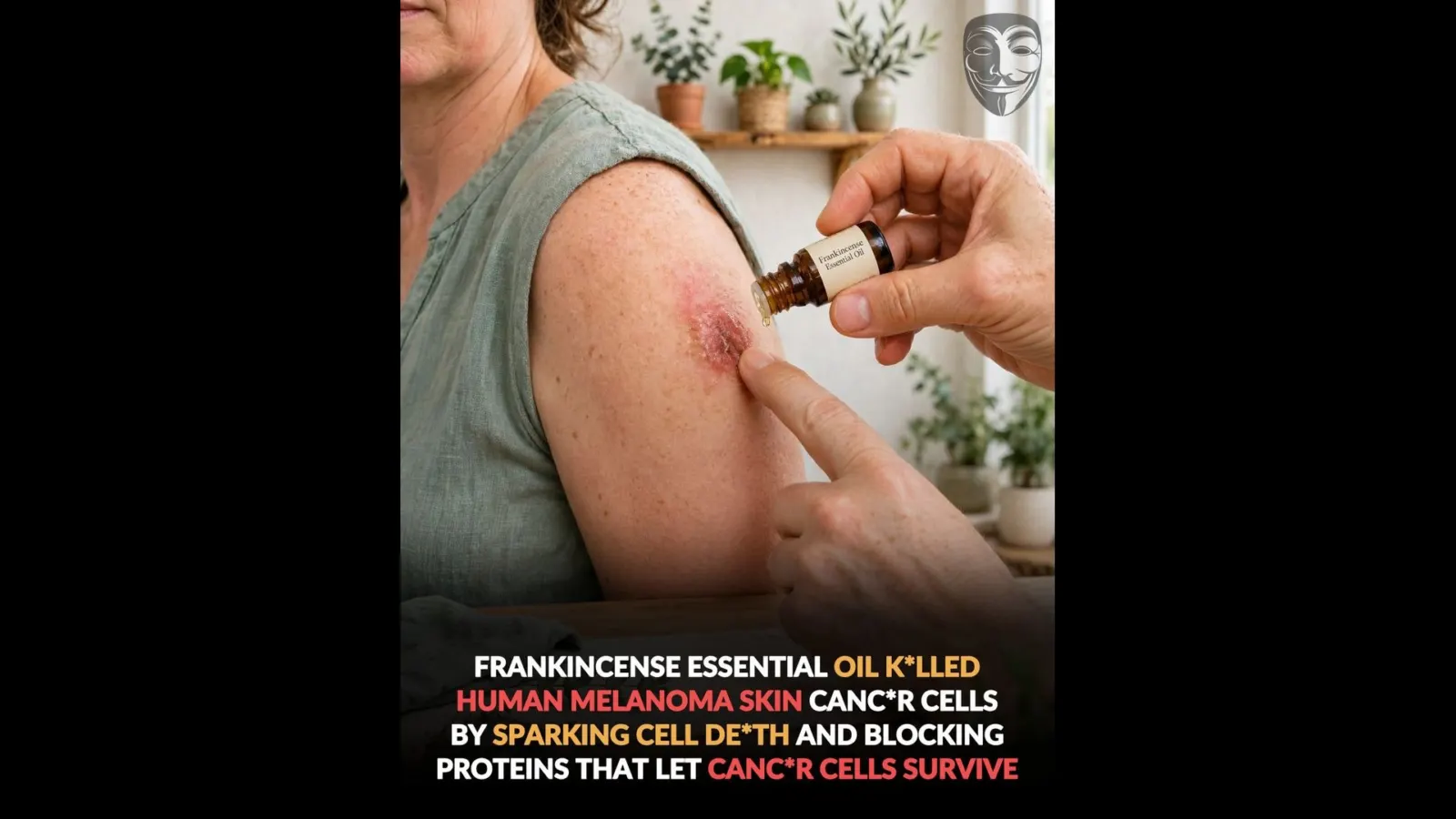
Frankincense oil melanoma research drew attention after a 2019 study found that the oil destroyed human melanoma cells in laboratory tests. Researchers published the work in Oncotarget, and they reported that the oil switched on enzymes tied to programmed cell death while lowering a protein that helps cancer cells survive. The treatment did not show the same harmful effect on healthy pigment cells, which made the finding stand out. It joins other lab work on everyday medicines, like another study that tested a common drug against brain cancer cells.
In mice with melanoma tumors, doses of 300 and 600 mg/kg significantly reduced tumor burden, and a separate four week toxicity test found no observable damage to the brain, heart, liver or kidneys. The researchers also reported protective effects against acetaminophen related liver injury in mice, but the work was done in cells and animals, so it does not show the oil treats melanoma in people. That limit matters, and it is why doctors urge care with bold health claims, as in the story of a young woman who shared her cancer fight with millions.
References:
Engineerine: How Frankincense Oil Triggered Cell De*th in Melanoma Lab Tests
Cancer Council Australia: Does frankincense oil have Canc*r fighting properties?
Natural Living Family: Frankincense Oil for Canc*r Research Uses and Safety
Frontiers in Pharmacology: In vitro anticancer effects of frankincense and its nanoemulsions for enhanced Canc*r cell targeting
The Frankincense Oil Melanoma Story Starts With a Tree
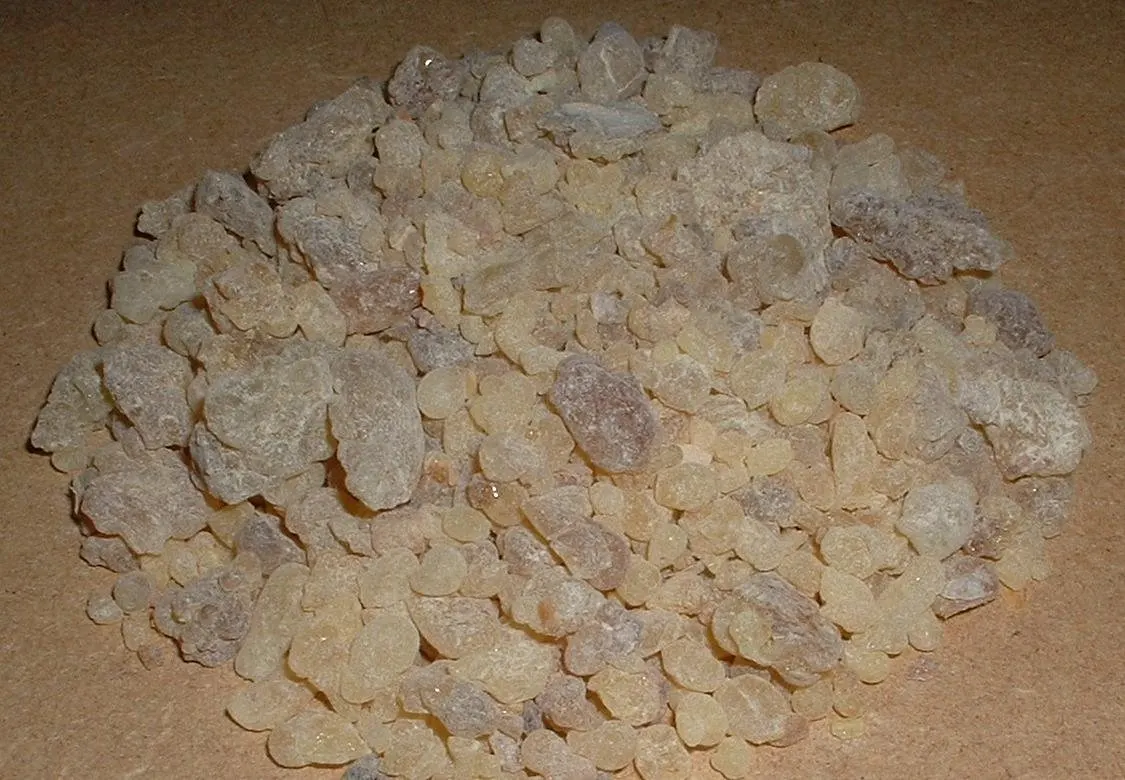
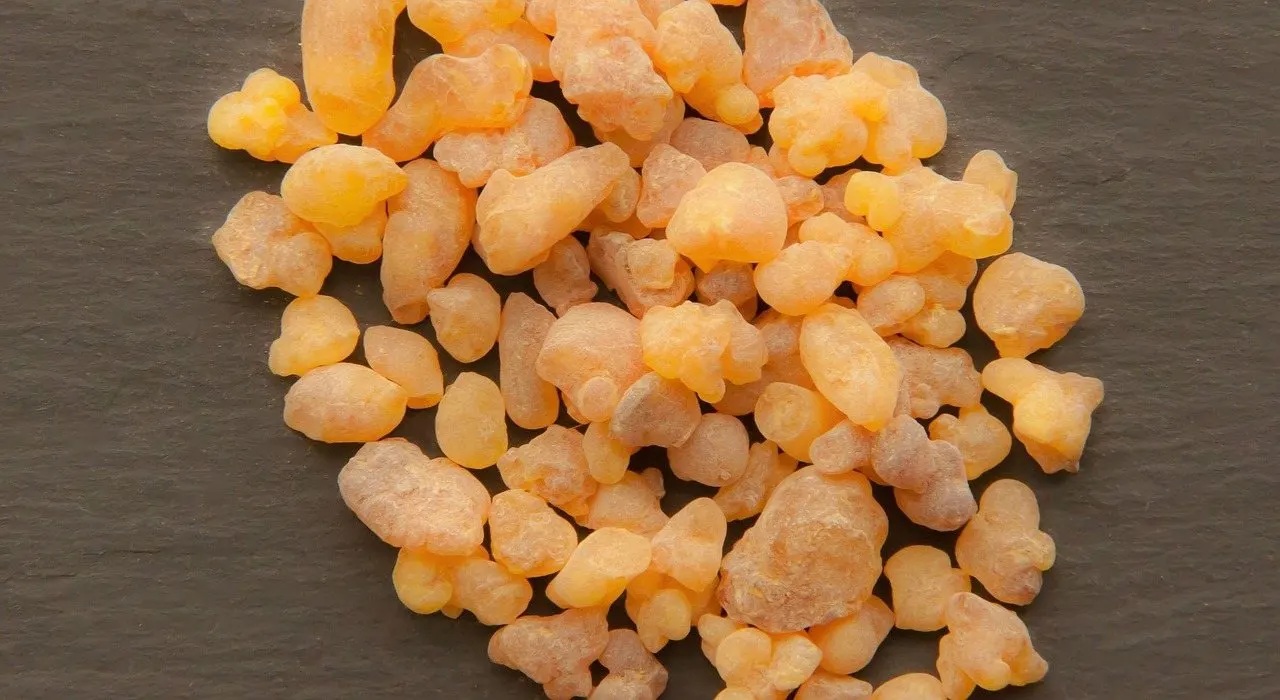
Frankincense essential oil comes from the resin of Boswellia trees, tapped for centuries for incense and traditional remedies. The oil carries naturally occurring compounds that researchers now test for possible anticancer properties. The 2019 study focused on melanoma, an aggressive skin cancer that starts in pigment producing cells. Melanoma can spread fast once it moves beyond the skin, so better treatments are always welcome. Families facing hard news lean on each other, like the brothers who stood by their mom through cancer treatment, and science keeps pushing, as in the trial that could help blind people see again.
A 2019 Study Published in Oncotarget

The study appeared in Oncotarget in 2019, and it tested frankincense essential oil on human FM94 and mouse B16-F10 melanoma cells. Lab tests let scientists watch how cells react to a substance before any animal work begins. The team measured cell survival, looked for signs of programmed cell death, and checked the proteins that decide whether a damaged cell lives or dies. That patience recalls the long wait of a deputy who needed a new kidney and the hope carried by a two year old boy and his family. The results gave the team reason to keep going.
Frankincense Oil Melanoma Tests on Human Skin Cancer Cells
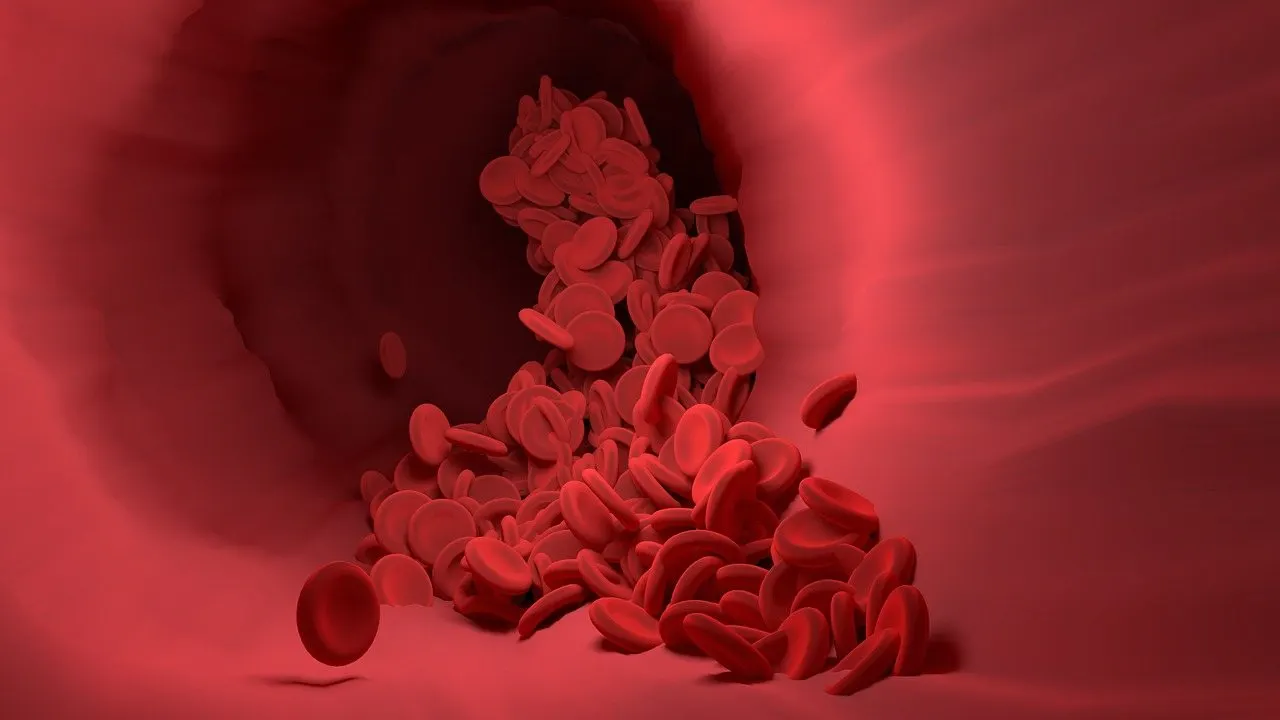
In the lab, the oil significantly reduced the viability of human melanoma cells, which means fewer of the cancer cells stayed alive and able to grow. The researchers used FM94 cells, a human melanoma line used in labs around the world. The team tracked the changes closely, and the picture was clear. Science often rewrites what we knew, as with a skull found in a Greek cave that fit no known species or a spacecraft that has flown farther than any human made object. The melanoma cells did not stand up well to the oil.
Caspase Enzymes and the Signal for Cell Death
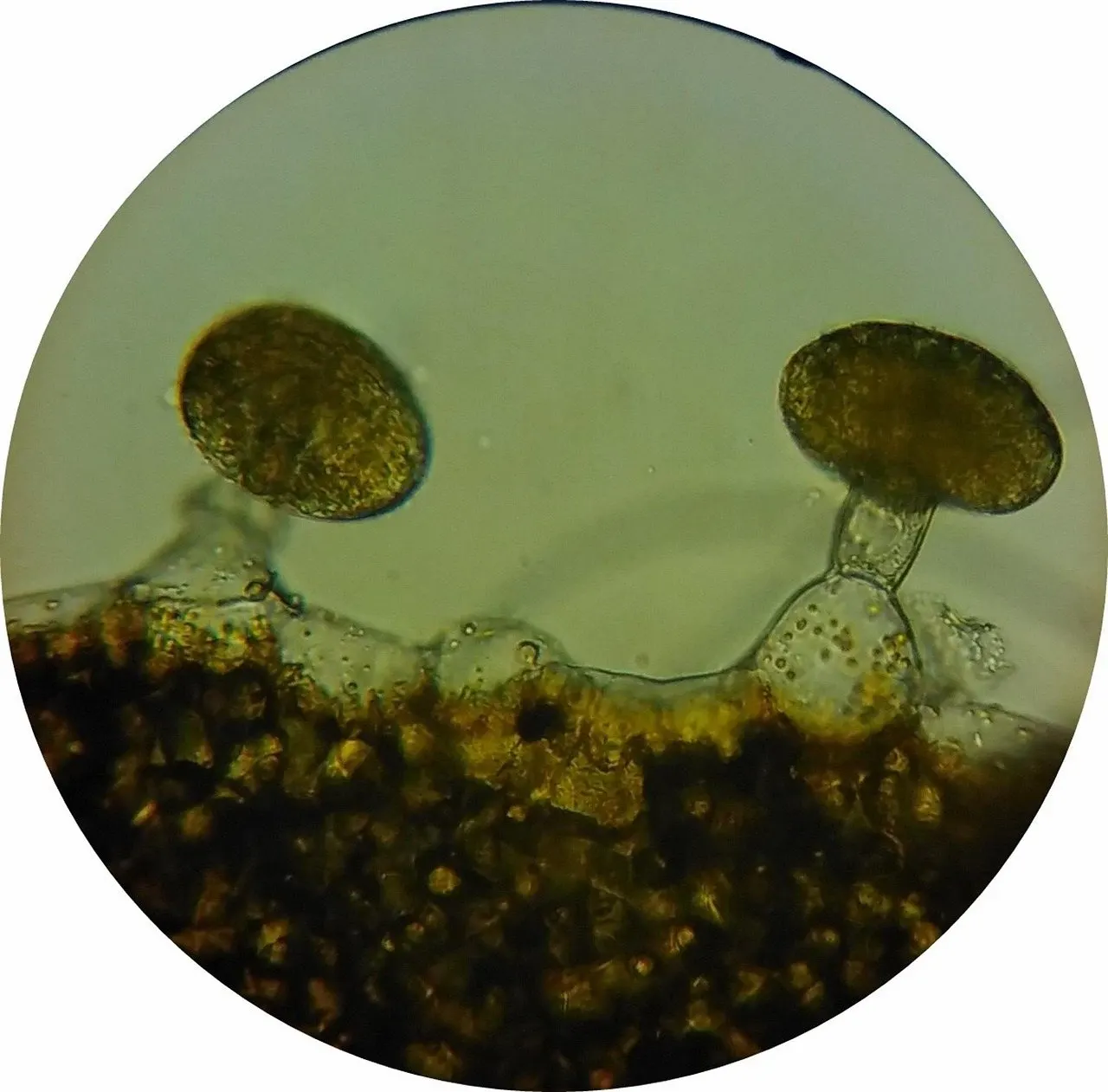
The study found that the oil activated caspase-3 and caspase-9, two enzymes that carry out programmed cell death, the tidy process by which the body removes damaged or unwanted cells. When caspases switch on, a cell dismantles itself in an orderly way. That orderly shutdown is one reason scientists study these enzymes so closely in cancer research. Choices puzzle us everywhere, from a study on children and belief to how young people think about money when banking goes down. In the melanoma cells, the caspase signal was clear.
MCL1: The Protein That Helps Cancer Cells Survive
The oil also lowered MCL1, a protein that helps cancer cells survive by blocking the death signals that would otherwise shut them down. Many cancers lean on proteins like MCL1 to stay alive, so finding a natural compound that lowers it caught the researchers attention. The result does not make the oil a treatment, but it points to a mechanism worth study. Big changes can start with small steps, as when a student returned home after months in detention or when tiny creatures survive the winter under ice. The protein shift was a clear finding.
Frankincense Oil Melanoma Tests Spared Healthy Pigment Cells

The most striking result was what did not happen. The oil did not show the same harmful effect on normal human melanocytes, the pigment producing cells found in healthy skin. Harming cancer cells while sparing healthy ones is the goal of much cancer research, since it could mean fewer side effects for patients. The gap gave the team confidence the effect was not just a general poison. Lab studies keep finding surprises in familiar medicines, like a common drug that destroyed brain cancer cells, and families keep hoping through hard times, like three brothers supporting their mom.
Mouse Melanoma Cells Faced the Same Oil
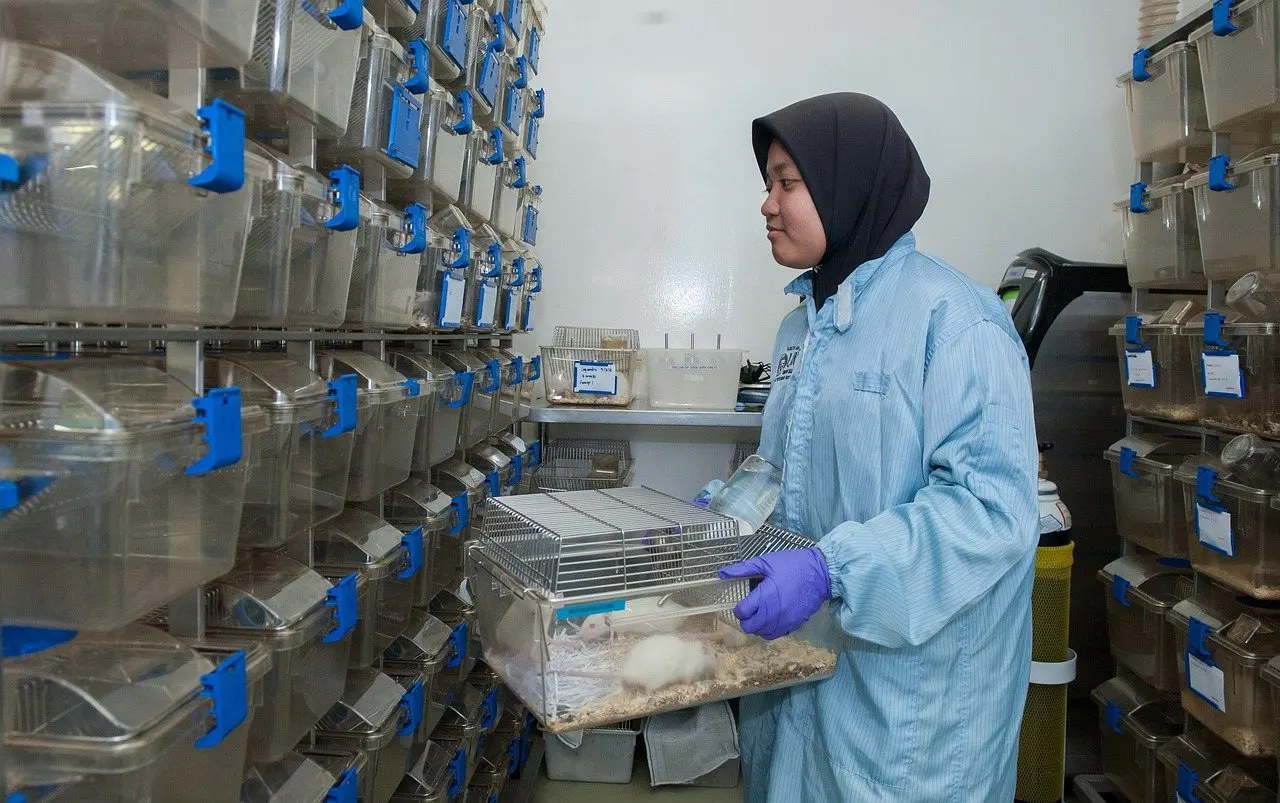
The team also tested the oil on B16-F10 cells, a mouse melanoma line used to study how skin cancer grows in animals. The mouse cells reacted in a similar way to the human cells, a key bridge between a lab dish and a living body. In these cells, the oil reduced Bcl-2 and increased Bax, two proteins that pull in opposite directions. The balance tipped toward cell death, which is exactly what the researchers hoped to see. Hope drives many stories, from a young influencer who shared her cancer fight openly to new technology that may restore vision.
Bcl-2 Fell and Bax Rose in Mouse Cells

Inside the mouse melanoma cells, the oil pushed two key proteins in opposite directions. Bcl-2, which protects cells from death, went down, while Bax, which promotes death, went up. Together, that shift moved the balance inside the cell toward programmed death instead of survival. Scientists read such shifts as clues about how a substance works. The body is full of such balances, and medicine often tries to tip them, as in the long wait for a kidney transplant or the mystery of an ancient skull. For the mouse cells, the numbers told a consistent story.
Frankincense Oil Melanoma Doses Tested in Mice With Tumors

The researchers then moved from dishes to living animals, testing the oil in mice with melanoma tumors. They used doses of 300 and 600 mg/kg, and both doses significantly reduced tumor burden, which means treated mice had smaller tumors. Animal tests show whether an effect holds inside a whole body, and that is why they follow lab dish work. The step from dish to animal is big, and families know big steps too, like a little boy whose family faced an organ donation decision or a spacecraft crossing into deep space. The oil passed this test.
Tumor Burden Fell in the Treated Mice
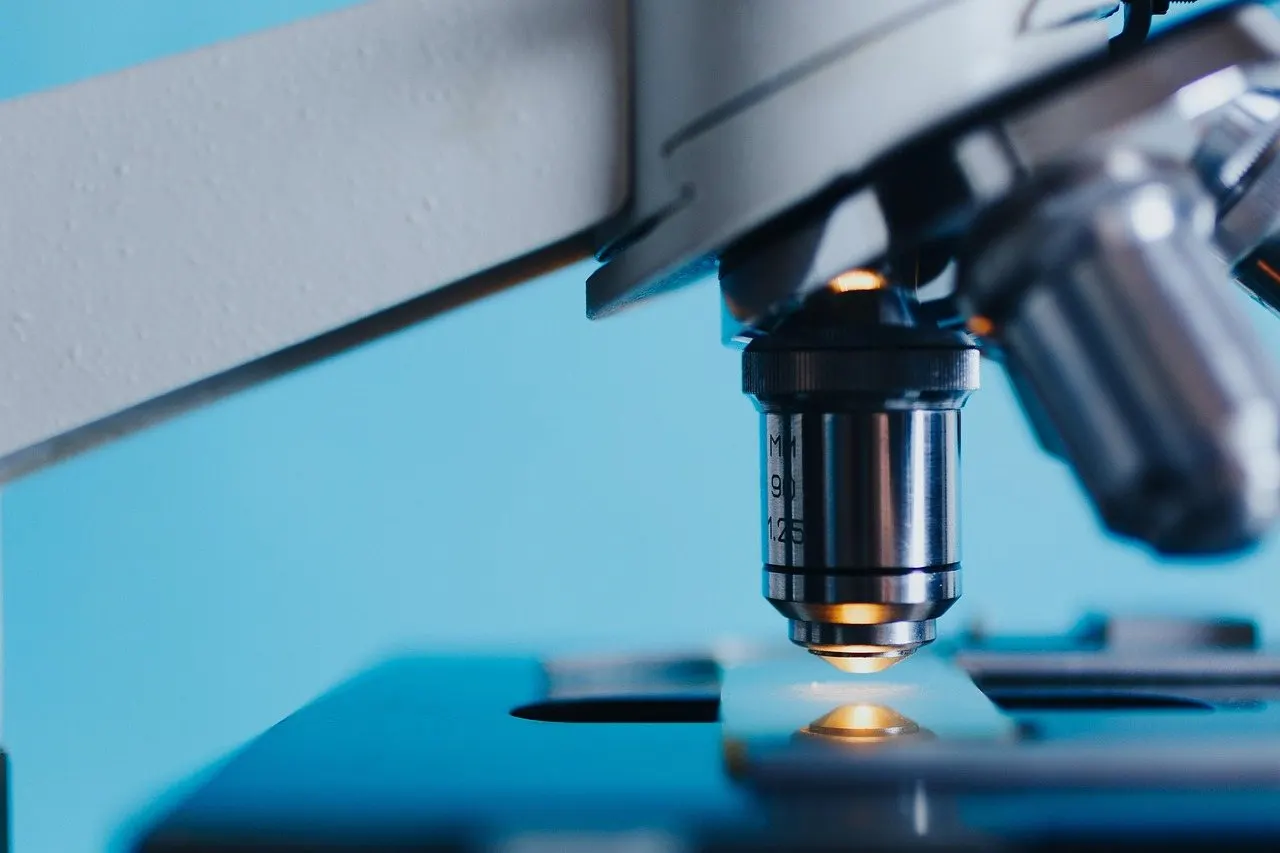
Tumor burden is a simple idea with a big meaning: it measures how much cancer is growing inside the body. When the treated mice showed a significantly lower burden, the team had evidence that the oil effect was not limited to cells in a dish. The result held at both the 300 and the 600 mg/kg doses, which gave the finding more weight. Finding the right dose is part of the work. People weigh choices every day, from how children learn to tell fact from fiction to a family reunited after detention. Here, both doses pointed the same way.
A Four Week Toxicity Test Looked for Harm
Before any substance can move toward wider use, researchers must check whether it harms the body, so the team ran a separate four week toxicity experiment. For four weeks, mice received the oil while the team watched for signs of damage or distress. Toxicity tests often end promising ideas that turn out to be unsafe. Safety checks protect people from rushed claims, much as a cash backup helps when banking goes down or nature finds ways to survive harsh winters. The oil safety check brought good news, as the next slide shows.
Frankincense Oil Melanoma Safety Checks Covered Four Organs
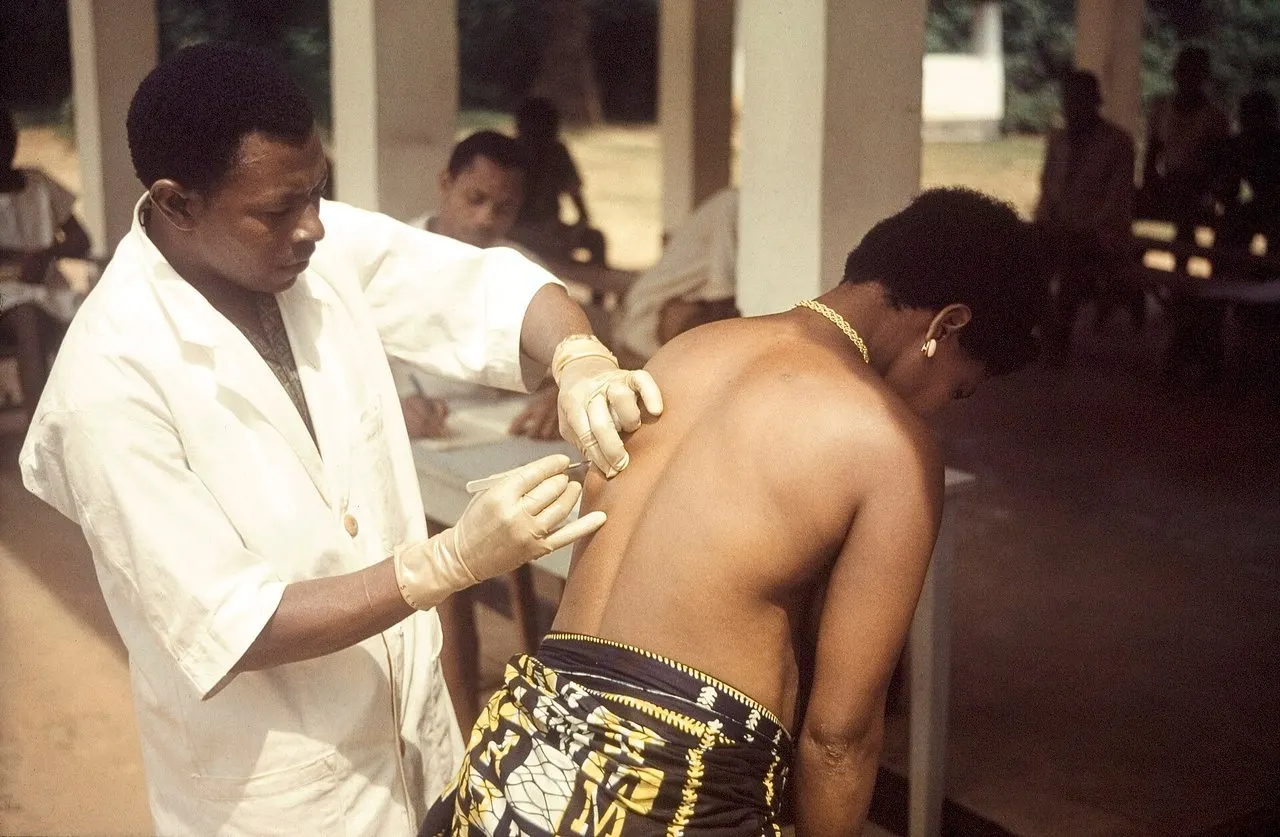
The four week test found no observable damage to the brain, heart, liver or kidneys, the four organs the team checked most closely. That matters, because a substance that fights cancer cells but damages vital organs would be hard to use. The team reported the clean safety result with the tumor findings, which is why the study drew attention. Clean safety data is rare, and it echoes other hopeful lab news, like a common medicine that destroyed brain cancer cells or a deputy who received a new kidney. Still, mice are not people.
The Oil Also Protected Mouse Livers From Acetaminophen

The study also reported a second finding: the oil protected against acetaminophen related liver injury in mice. Acetaminophen is a common pain reliever, and in high doses it can damage the liver, so a shield for the liver would be useful. The researchers saw improvements in liver enzymes, the blood markers doctors use to judge how well the liver is working. Liver health touches many lives, from a young woman who shared her cancer fight with millions to a little boy whose family faced an organ donation decision. The liver finding gives researchers one more reason to study this oil.
Frankincense Oil Melanoma Clues in Liver Enzymes
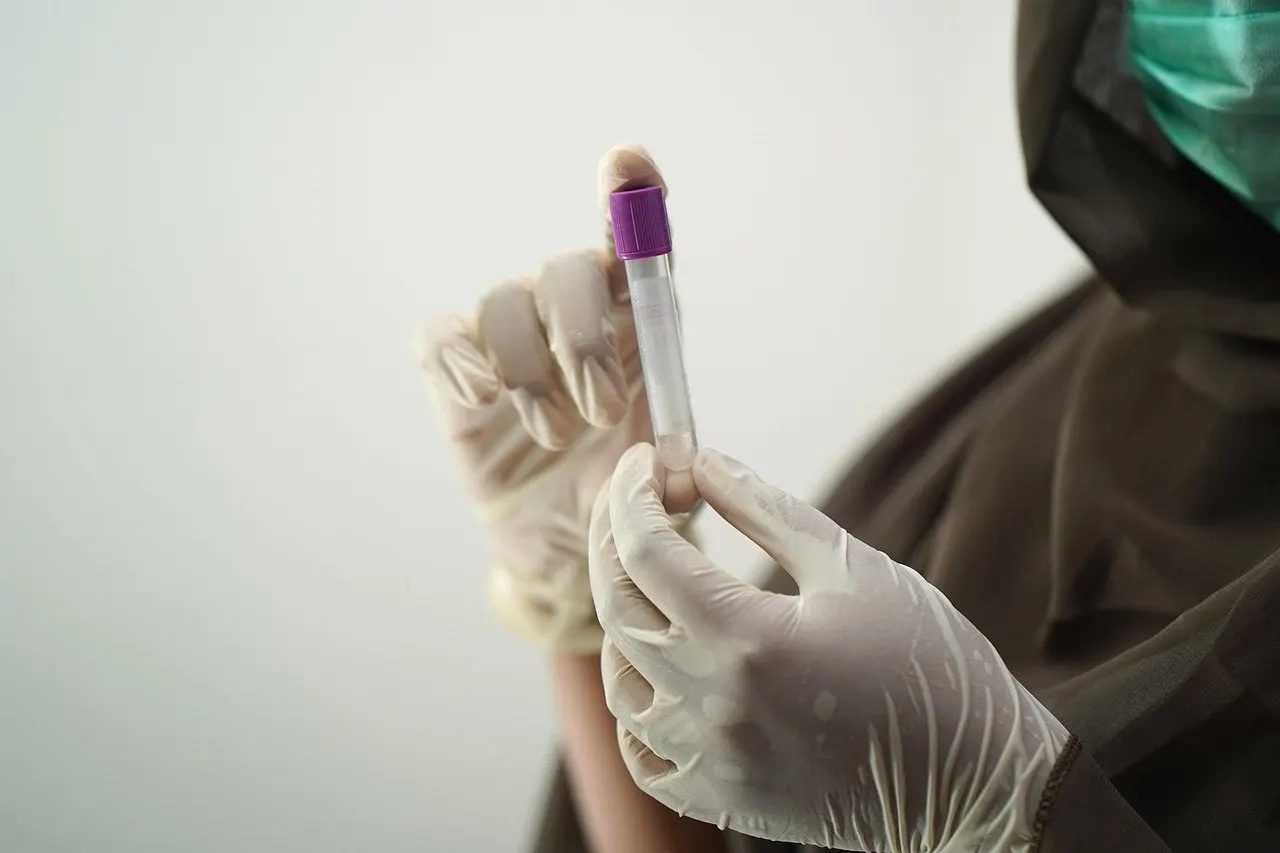
Liver enzymes are chemicals that spill into the blood when liver cells are hurt, so doctors read them as a warning sign. In the mice given acetaminophen, the frankincense oil group showed better enzyme levels, which suggests the liver took less damage. The result fits the clean toxicity test, and it paints a picture of an oil the body tolerates well in mice. Enzyme tests guide many decisions, as families know when three brothers stand by their mom or when science rewrites an old mystery. The liver data is one more piece of a careful puzzle.
What This Study Does Not Prove About People

The work was done in cells and animals, so it does not show that the oil treats melanoma in people. Lab dishes and mice are useful guides, but human bodies are more complex, and many lab results never become medicines. Nobody should use frankincense oil as a cancer treatment from this study, and anyone with melanoma should follow their doctor’s care. Honest limits are part of good science, just as new technology must still prove itself in human trials or a spacecraft milestone still leaves questions. The study opens a door, but it does not walk through it.
Frankincense Oil Research Uses and Safety Questions

Frankincense oil is already sold for aromatherapy and skin care, and writers have long listed its research uses and safety questions. The oil is generally used on the skin or breathed in, not taken as a medicine, and quality varies widely between bottles. Anyone curious about it should read reliable sources and talk to a health professional, especially when cancer is involved. Good information helps people make calm choices, whether the topic is how children learn fact from fiction or what to do when banking goes down. The science is young, and careful reading is the best response.
Frankincense Oil Melanoma News: What Do You Think?
Frankincense oil destroyed melanoma cells in a lab study, spared healthy pigment cells, shrank tumors in mice, and showed no organ damage in a four week test. Those are real results, and they are also early results, done in cells and animals rather than people. Would you want to see a human trial of frankincense oil, or do you think lab findings like this get too much hype? Share your thoughts in the comments below, and keep reading our health coverage, from a family reunited after months apart to tiny creatures that survive under ice.