
The Epstein Files Petition Reached 218 Signatures While the House Went Home

The Epstein files petition reached 218 signatures on November 11, and that number matters because it is enough to force a vote in the House. But the House is not in session, and under the rules the clock only runs on days when members actually meet. Speaker Mike Johnson sent lawmakers home early again on Friday, cutting the week short just as the petition was ready to move. The timing has drawn sharp criticism from survivors and their supporters, who say they have already waited far too long for the files to see daylight.
In the slides ahead, we walk through how the House schedule was cut, why ten of sixty legislative days were already gone by the end of May, and what the new bill would let survivors and state attorneys general do in court. We also look back at the last time Johnson urged Republicans not to sign, and how the bill still passed by 427 to 1. The story is still moving, and the next chapter depends on when the House comes back. Read our report on the push to release the Epstein files and the fight over the Speaker’s chair.
References:
ABC News: Speaker Johnson, in reversal, cancels House votes, leaving few days in session before midterms
Axios: Outgoing Trump foe Massie forces new Epstein files showdown
ABC News: Discharge petition on 2nd Epstein files bill secures 218 signatures, teeing up floor action
CBS News: House petition for new Epstein files bill gets enough support to force vote
A Friday Session Canceled, Again
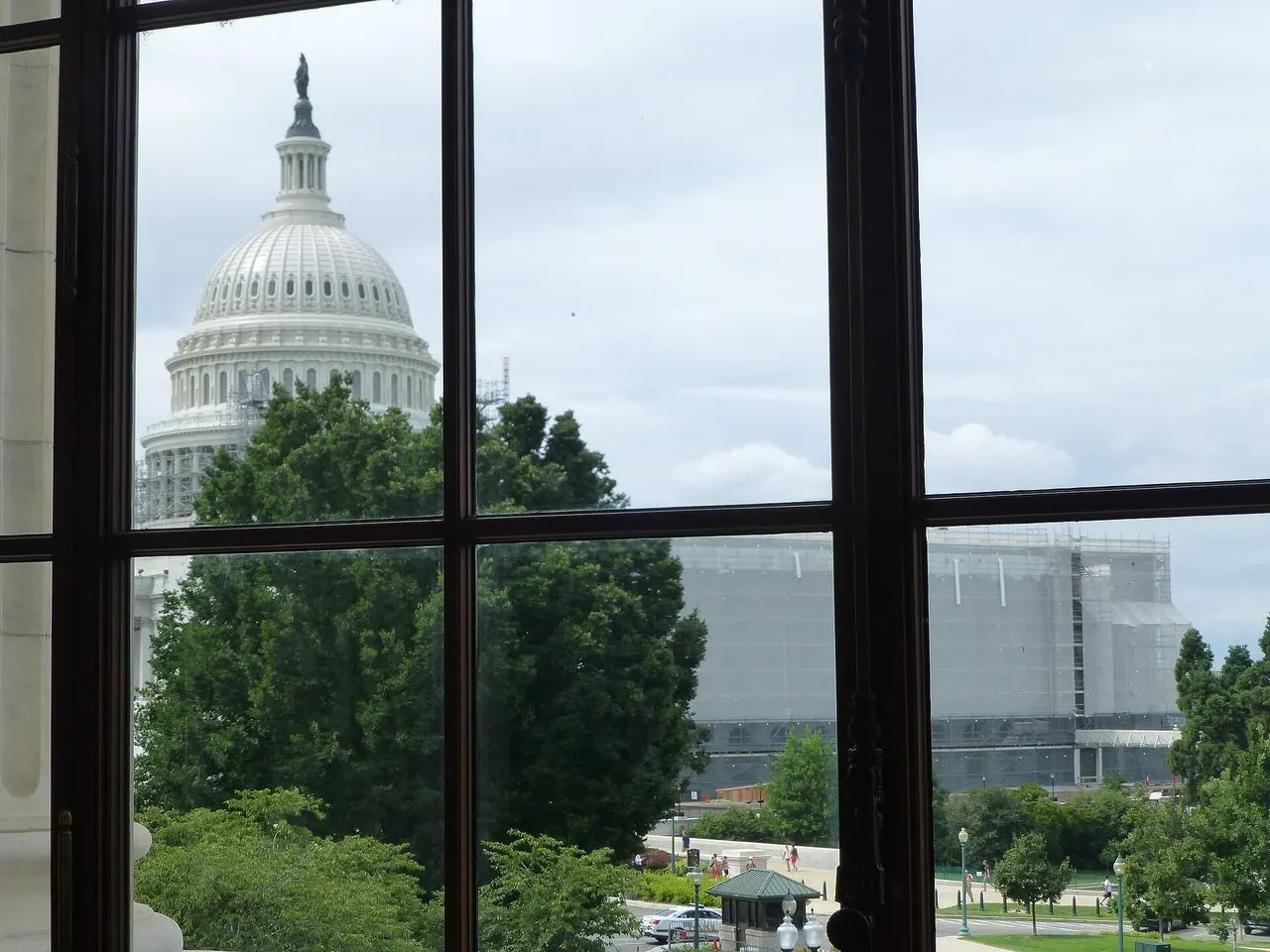
Most of us do not get to skip Friday because the week got inconvenient, yet that is what happened in the House this week. According to Bloomberg, House GOP leaders cut the schedule because Republicans who lost their seats are skipping votes, so leadership sent everyone home early. The decision came as the petition sat with 218 signatures, ready to force a vote. For survivors waiting on the files, the empty chamber was one more delay. Read about how the Senate handled pay during the shutdown and the debate over term limits.
Ten of Sixty Days Gone Before Summer
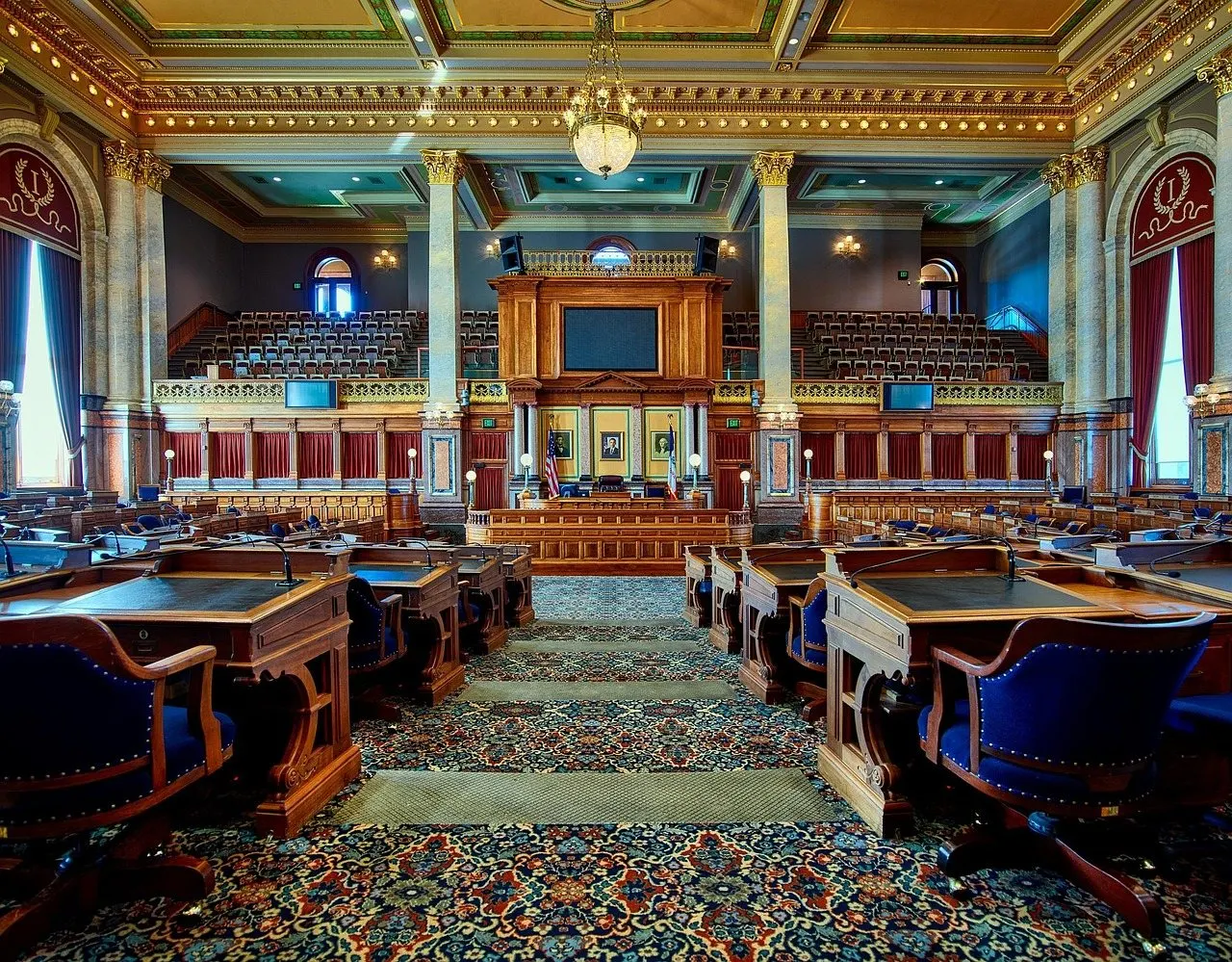
This was not a one-off. By the end of May, the House had already canceled 10 of its 60 scheduled legislative days this year, and Bloomberg called canceled voting days a staple of Johnson’s House. That means one in six working days simply vanished from the calendar before summer even began. Lawmakers are paid to show up and vote, yet the schedule kept shrinking while big questions waited. Read our story on the farewell of a Senate leader and the National Guard debate.
Two Weeks Scrapped Before the Midterms

In September, leadership scrapped two full weeks before the midterms and left a day early, on top of the days already lost. GOP leaders insisted the timing had nothing to do with the votes waiting on the floor. The pattern is hard to miss, because every time the calendar shrinks, a hard vote gets pushed further away. Voters sent these members to Washington to work, not to take long breaks. Read about the midterm exit polls and Clinton’s warning before the Trump meetings.
The Epstein Files Petition Waited as Another Vote Neared

The September break came just as a vote on impeaching Pete Hegseth was about to be forced, and the House left a day early. Now the petition faces the same kind of timing, with a new bill waiting for its day on the floor. It hit 218 signatures on November 11, but a petition alone cannot force a vote when no one is in the building. The House has to meet for the clock to run. Read our report on why some say the files could shake Washington and the push to impeach before Christmas.
The Epstein Files Petition Hit 218 Signatures
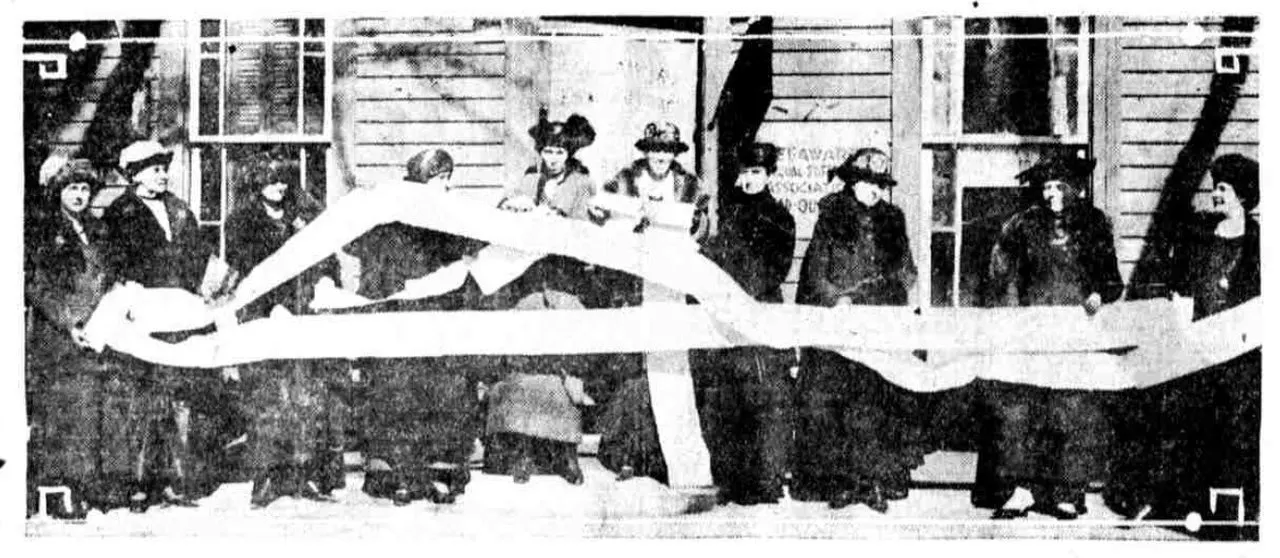
The number 218 is the magic line in the House, because it is a majority of the 435 seats. When a discharge petition reaches that many signatures, it can force a vote on a bill that leadership would rather ignore. The Epstein files petition crossed that line on November 11, with support from both parties. It was a rare show of agreement in a divided House, and it sent a clear message that members wanted the vote to happen. Read our story on the Greenland deal vote and the border bill fight.
How a Discharge Petition Forces a Vote

A discharge petition is one of the few tools that can pull a bill out of committee and onto the floor without the Speaker’s help. Members sign it one by one, and once it reaches 218 names, the bill must get a vote. It is rarely used, because it is a public challenge to the party in charge. That is what makes this petition so striking, because members of the Speaker’s own party signed it too. Learn more in our report on the plan to seal the border and the call for term limits in Congress.
The New Bill Lets Survivors Take the Justice Department to Court
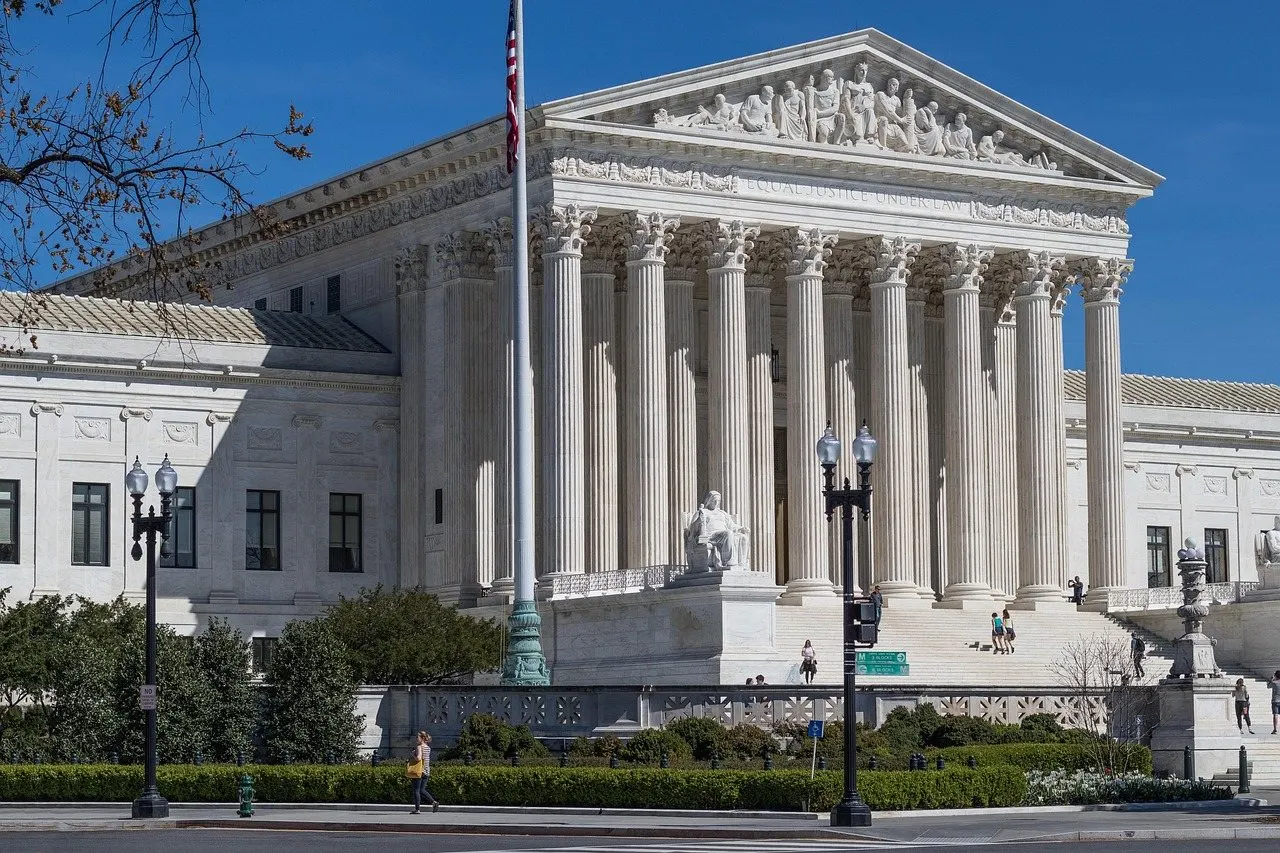
The new bill would let survivors, state attorneys general and members of Congress take the Justice Department to court for withholding records. Right now, the department can sit on files with little risk, and survivors have few ways to force the issue. A court case would change that, because a judge could order the records released. That is why the bill matters so much to the people who have waited years for answers. Read about the bill for citizens wrongly detained by ICE and the court fight over tariffs.
State Attorneys General Could Join the Fight

State attorneys general would get a seat at the table under the new bill, and that matters because they have their own cases and their own records to chase. A single survivor can be ignored, but a group of states bringing a case together is much harder to brush aside. The bill gives them the same right to sue as members of Congress, which spreads the pressure across the country. Read our story on the No Invasion Act debate and the fight over wrongful detention.
The Epstein Files Petition Clock Only Runs on Session Days

Here is the catch that makes the empty calendar so costly. Under House rules, the clock on a discharge petition only runs on days the House actually meets, so every canceled session pushes the vote further away. The Epstein files petition hit 218 signatures on November 11, but the earliest vote comes after Thanksgiving because the House is not meeting. Each lost day is a day the survivors do not get back. Read our report on the Supreme Court tariffs case and what voters said about immigration.
Thanksgiving Comes Before Any Vote
Thanksgiving is a holiday for families, but for the petition it is a wall on the calendar. The House will not vote before the break, because the days needed for the clock to run have not happened yet. Survivors will spend the holiday the same way they have spent so many weeks, waiting for a date that keeps moving. The files are not going anywhere, but neither is the vote. Read about the midterm results and the 109 to 0 vote in Denmark.
The Epstein Files Petition Could End in January
If the vote does not happen before this Congress ends in January, the petition dies. That is the hard deadline hanging over everything, and it is why each canceled day matters so much. A new Congress would have to start the whole process over again, with new signatures and a new bill. Survivors who have already waited years would face another long wait. The Epstein files petition cannot wait forever. Read our story on what it would take to remove a president and the plan to send troops into cities.
Last Time, Johnson Urged Republicans Not to Sign

This is not the first time a petition like this has come around. Last time, Johnson urged Republicans not to sign it, warning them against breaking ranks with leadership. Some listened, but enough did not, and the petition still reached the number it needed. The Speaker’s warning showed how much leadership wanted the issue to go away. It did not. The vote that followed showed where the House really stood. Read our report on the Speaker nomination fight and the Clinton Trump clash.
The Bill Passed 427 to 1 Anyway
When the last Epstein files bill finally reached the floor, it passed by 427 votes to 1. That is about as close to unanimous as the House ever gets, and it showed that the files were not a partisan issue at all. Almost every member, from both parties, voted to release them. The lone no vote stood out precisely because it was alone. Read about the Arctic security deal and the tariffs ruling.
Survivors Have Waited Long Enough

Behind every signature and every schedule fight are survivors who have waited years for the truth to come out. They have told their stories, answered questions and watched the files stay locked away while the calendar filled with breaks. The original post put it plainly, saying survivors have waited long enough and asking lawmakers to show up and do their jobs. That is the heart of this story. Read our story on the debate over releasing the files and the push to let detainees sue.
The Epstein Files Petition Returns After Thanksgiving

The next chapter opens after Thanksgiving, when the House is due back in session and the clock on the Epstein files petition starts running again. The signatures are already there, the bill is already written, and the only thing missing is a day on the floor. Lawmakers will have to choose between another delay and a vote the country is watching. The survivors will be watching too. Read our report on the shutdown pay fight and the battle for the Speaker’s gavel.
What Happens If the Vote Never Comes

If the House keeps finding reasons to go home early, the vote may never come before January, and the petition will die with this Congress. The files would stay sealed, the court cases would never be filed, and survivors would have to start over with a new Congress. That is the risk of every canceled Friday. The schedule is not just a calendar, it is a choice about who gets answers. Read about the fight over the Guard and when lawmakers went without pay.
What Should Happen to the Epstein Files Petition Next

The petition has 218 signatures, a bill ready to go and a deadline in January, so the question now belongs to the readers. Should the House come back early to vote, or should it wait until after Thanksgiving? Do you think the files should be released in full? Tell us what you think in the comments below, and keep reading our report on what Clinton said about Trump and our story on the impeachment debate.