What the Religious Children Study Found About Fact and Fiction
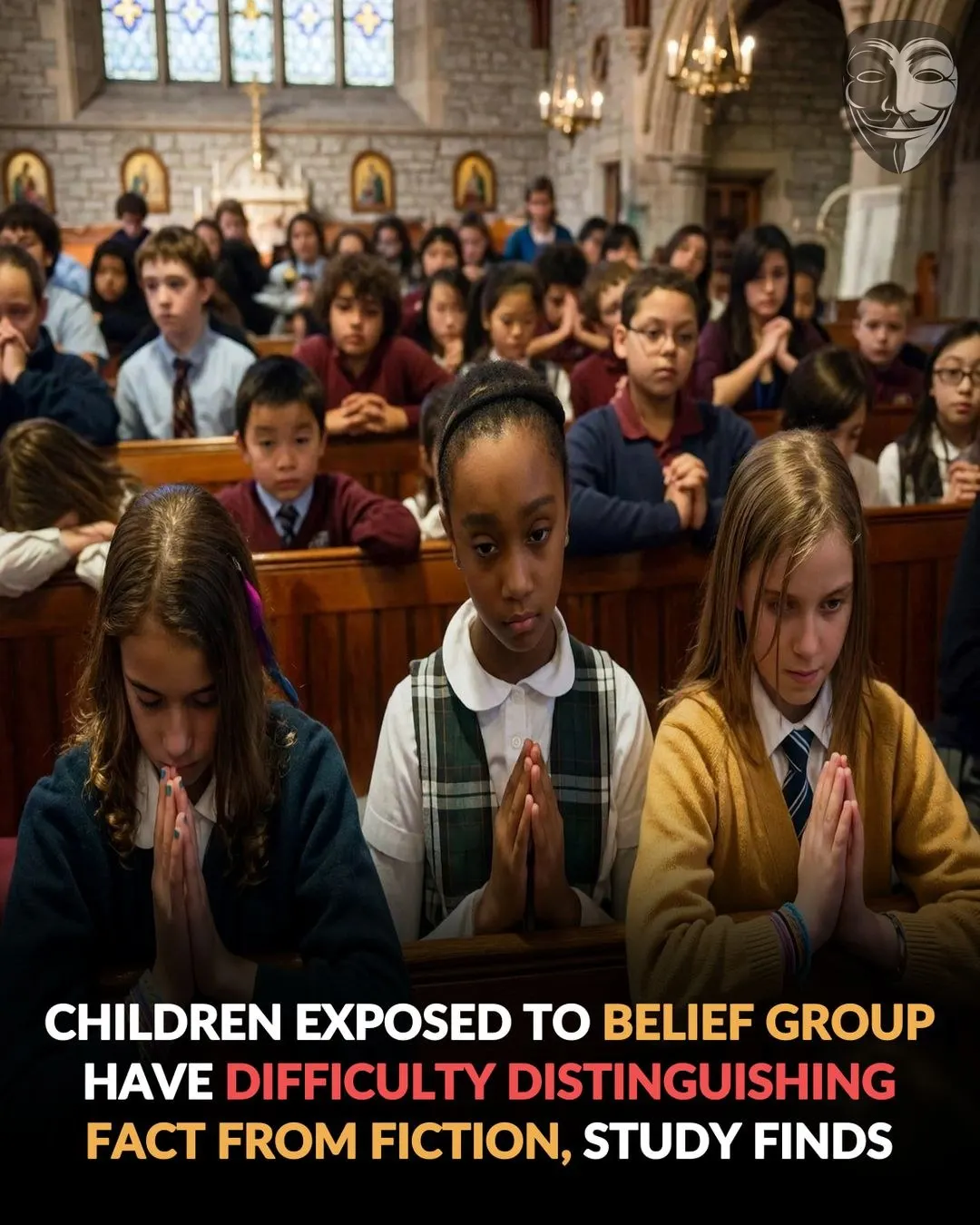
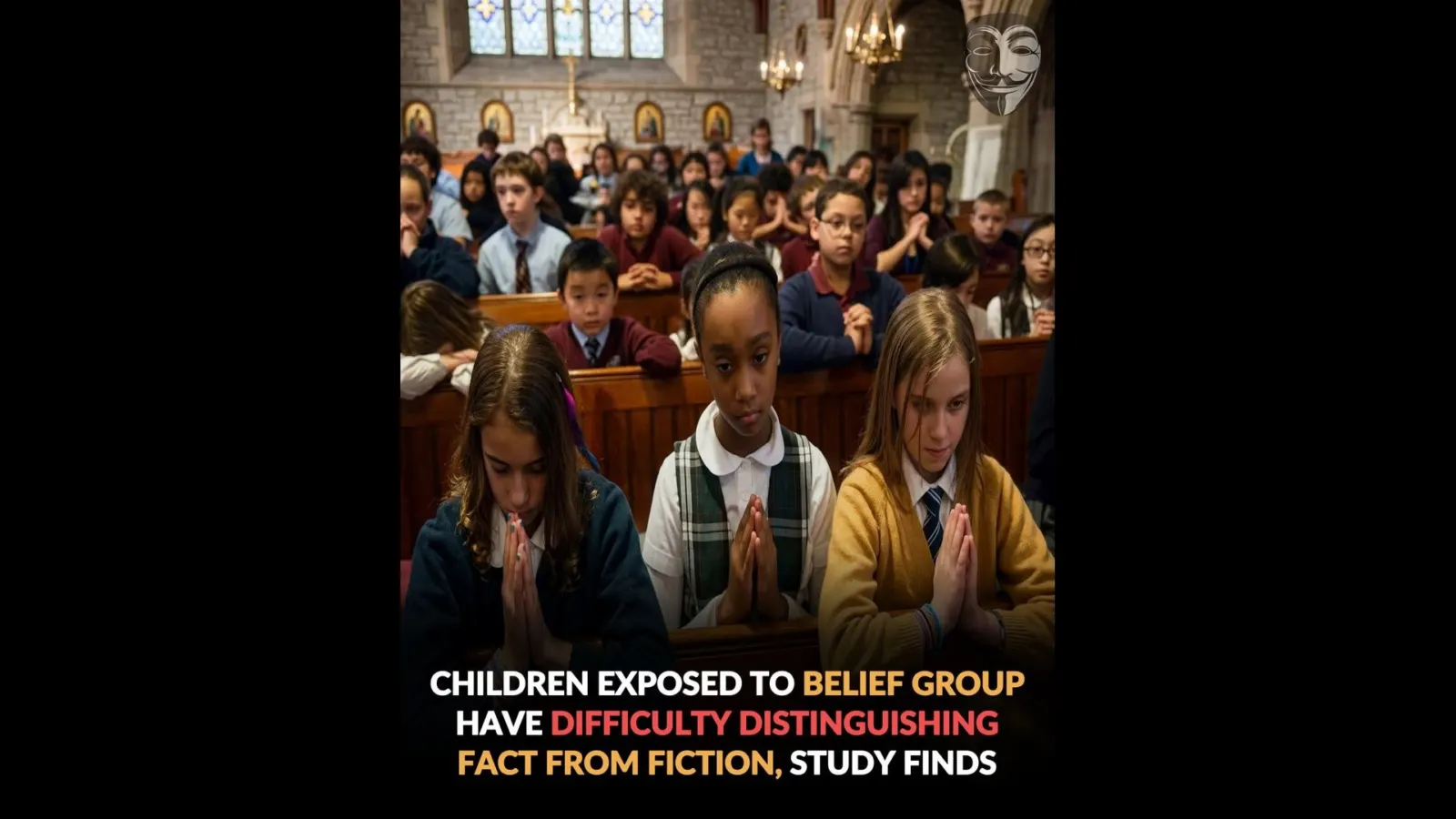
Religious children study results from 2014 show that young children exposed to belief-based teaching were more likely to say that characters in fantasy stories were real. Researchers at Boston University, the Hong Kong University of Science and Technology and Harvard asked 66 children aged five and six whether people in belief-based, fantasy and realistic stories were real or pretend. Children who went to church or attended a belief-based school were more likely to call the characters in the first two kinds of stories real.
The researchers said that early exposure to belief-based ideas may shape how young children judge what can really happen, but they also stressed that the study was small and the findings do not apply to every child. Critics added that the result may only show what children were taught about Bible stories, not a wider problem. In the slides ahead we look at the study, the children, and what the debate means for parents. For a look at surprising new research, read about a 300,000-year-old skull that puzzled scientists and a TV star defending her parenting choice.
References:
Cognitive Science: Judgments About Fact and Fiction by Children From Belief-based and Nonreligious Backgrounds
IFLScience: Belief-based Children Struggle To Separate Fact From Fiction
Christian Post: Did Study Really Show That Christian Kids Are More Gullible
Richard Dawkins Foundation: Are Kids Born With an Innate Belief in God
Sixty-Six Children, Ages Five and Six
The study was small, with just 66 children taking part, all aged five or six. At that age children learn fast about the world, and they start to sort out what is real from what is only a story. The team came from three well known universities, Boston University, the Hong Kong University of Science and Technology and Harvard. They ran one simple test together. Each child heard short stories and answered one question about each one. Read how one family turned loss into research that could help future patients and why so many data centers are being built.
How the Religious Children Study Sorted Real From Pretend
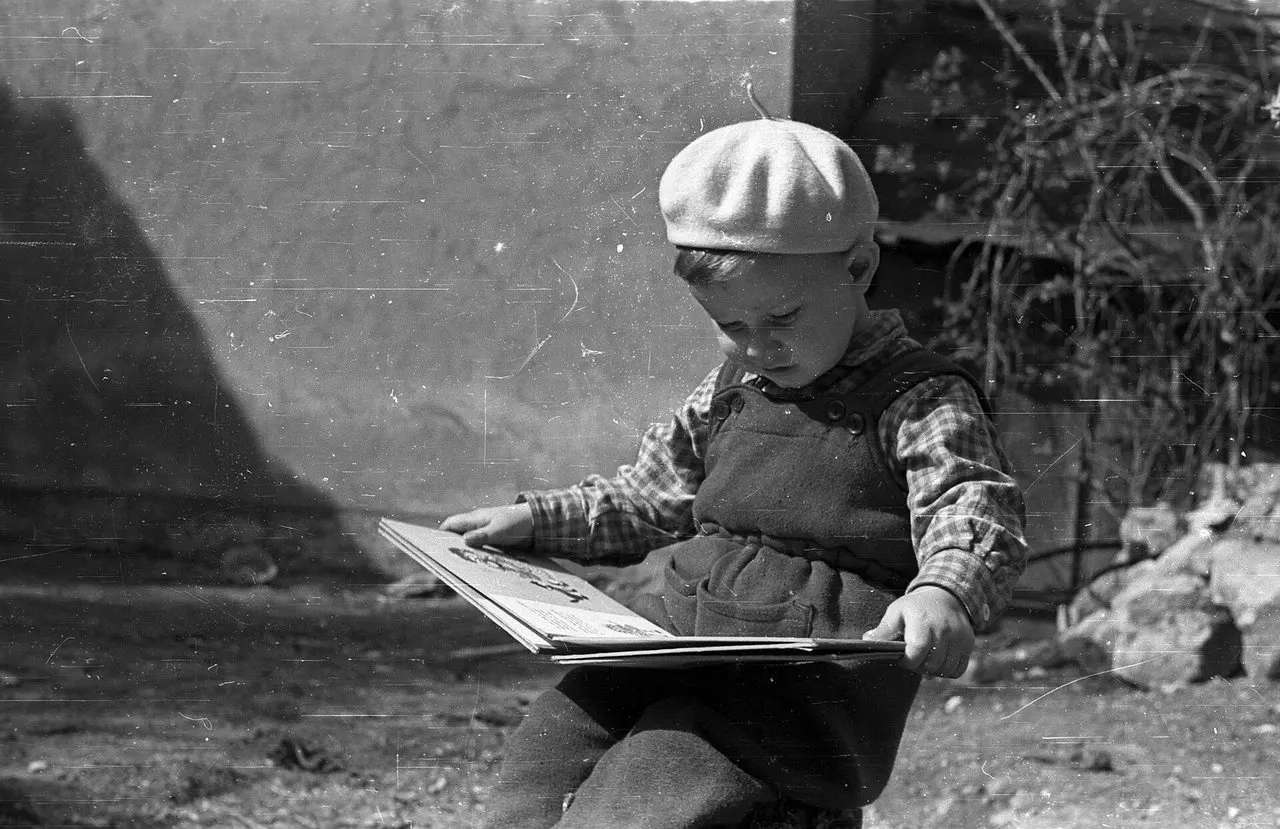
Each child heard three kinds of stories and said whether the characters in each one were real or pretend. That one question sat at the heart of the test, asked the same way every time. The team wanted to see if the kind of story changed the answer, and if home life changed it too. It was simple, but it gave the researchers a clear way to compare groups of children. For a story about family bonds, hear a song about a wayward son and a parent’s love and a loyal dog who saved her owner in the woods.
Three Kinds of Stories, One Simple Question

The first kind of story was belief-based, with people and events tied to faith. The second kind was fantasy, full of magic and things that could not happen in real life. The third kind was realistic, with ordinary people doing ordinary things. By using all three side by side, the researchers could see where children drew the line. The question was never about whether a story was good or fun, only whether its characters were real. See the leading theories about a famous disappearance and a toddler who survived more than 150 stings.
Church, School and Home Shaped the Answers
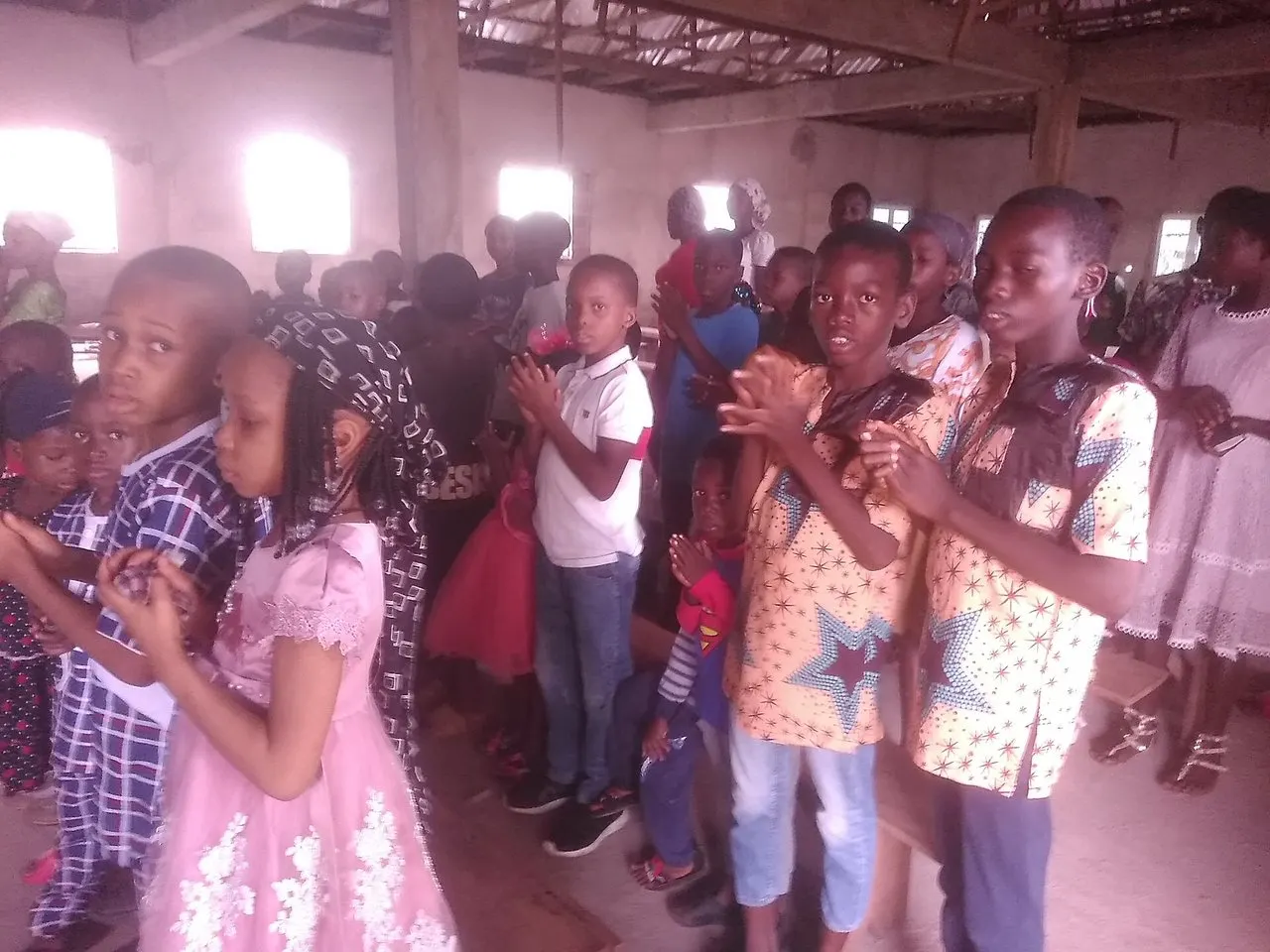
The clearest pattern in the answers came from where the children spent their time. Children who went to church, or who attended a belief-based school, were more likely to say that the characters in belief-based and fantasy stories were real. Children from secular homes gave a different set of answers, and they were more likely to call those same characters pretend. The gap showed up again and again across the stories. Read about a system that can jam radar and create false targets and a founder who plans to leave his fortune to many children.
Why the Religious Children Study Still Gets Talked About
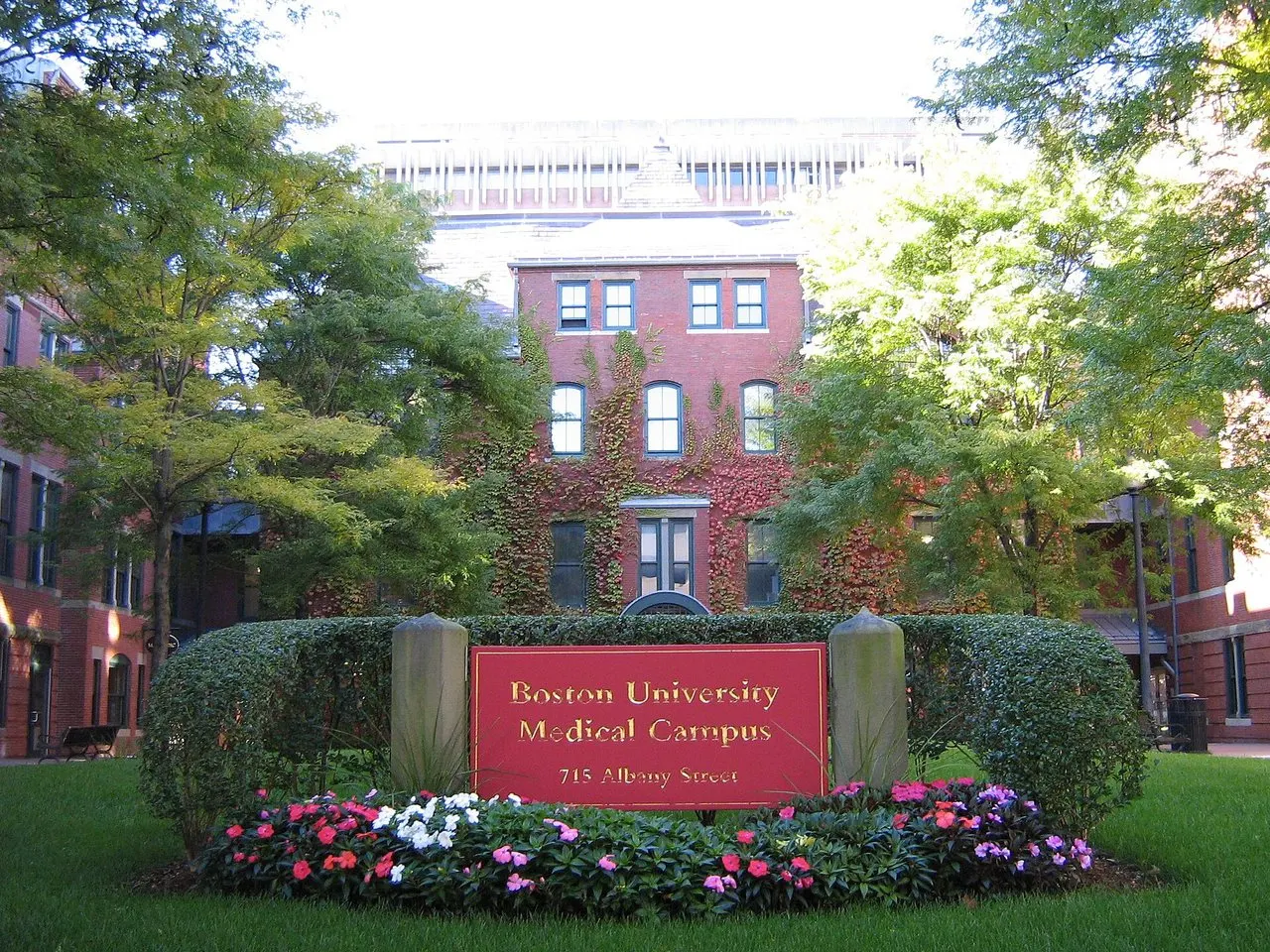
The study was published in 2014 in the journal Cognitive Science, and it has been talked about ever since. News outlets and science sites picked it up because the question it asked feels close to home for many parents. What do our children believe, and where do those beliefs come from. The study did not settle that question, but it gave researchers a small and careful place to start. See how one old skull changed what researchers thought and a family planning to donate a brain to science.
Miracles, Magic and Impossible Events
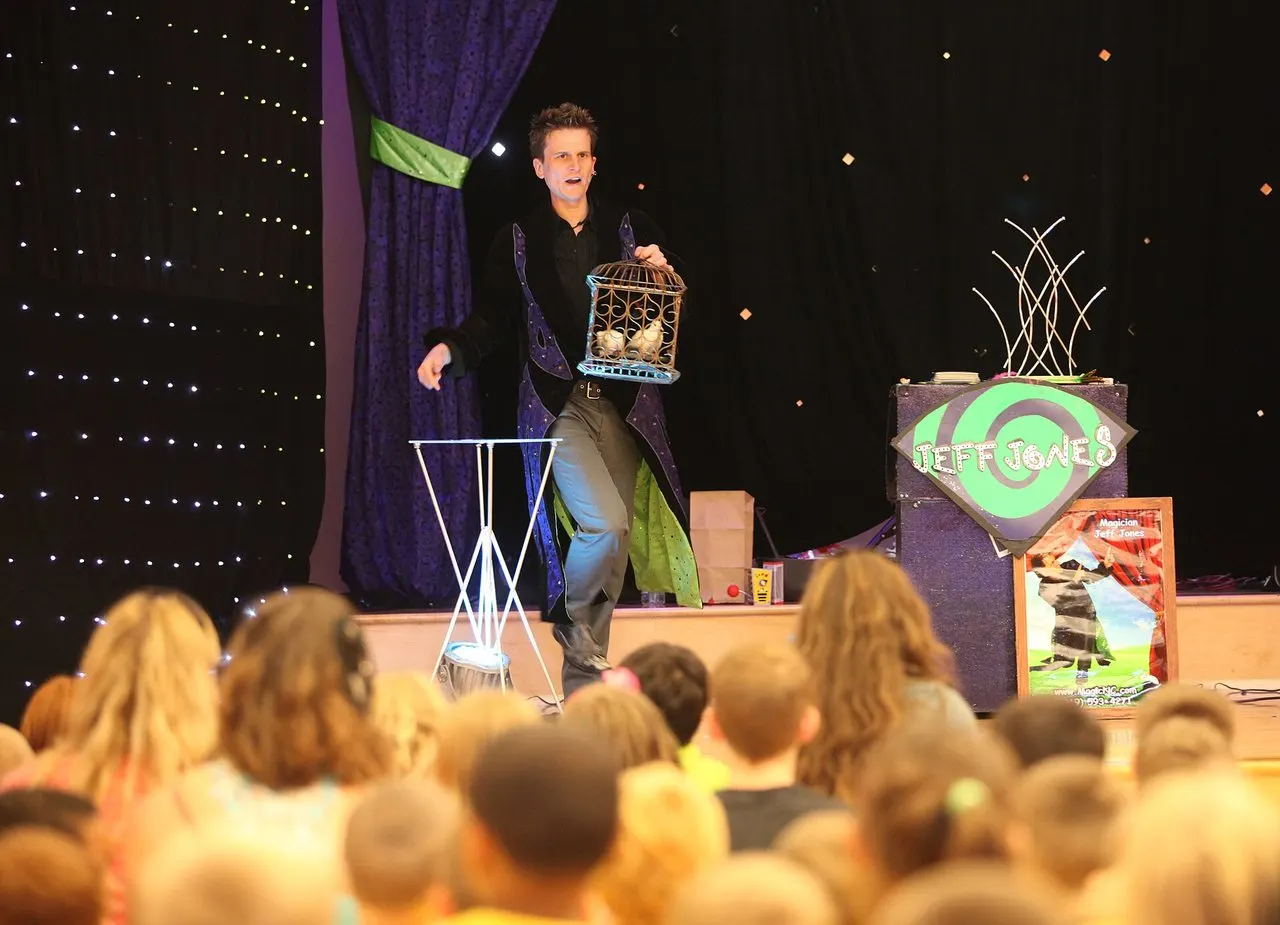
The stories in the study included miracles, magic and events that could not happen in everyday life. Children from belief-based backgrounds were more likely to accept those events as real than children from secular backgrounds. That does not mean they believed everything they heard. It means the line between possible and impossible looked different to them. The finding is narrow, but it is the part of the study that most people remember. Read about one mother’s choice about her child and a prayer moment that drew attention in a senate hall.
What Secular Homes Taught Differently
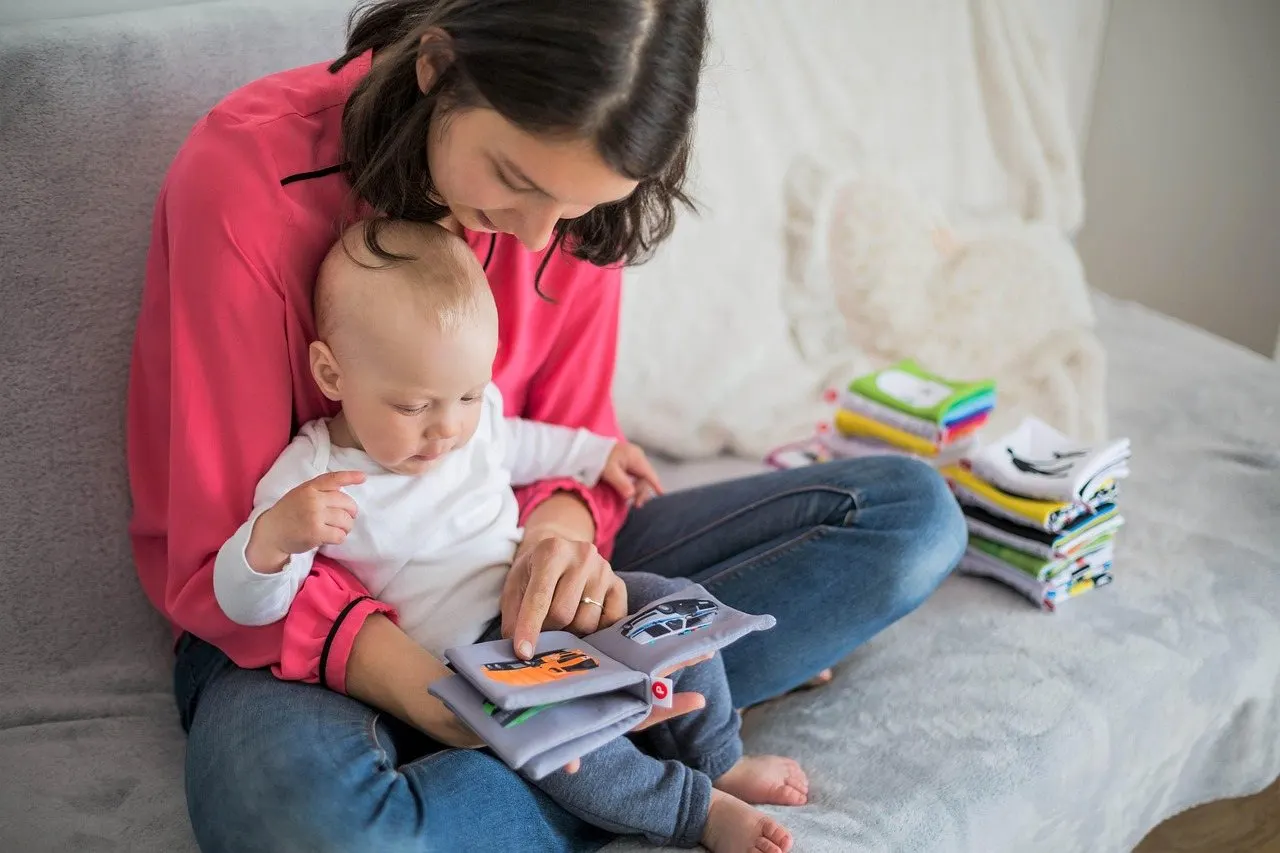
Children from secular homes were more likely to say that the characters in belief-based and fantasy stories were pretend. That pattern held across the test, and it was the mirror image of the answers from children with a belief-based background. It suggests that what children hear at home shapes how they judge a story, even before they can explain why. Home life, in other words, is part of how children learn what is real. See the rush to build a thousand data centers and a debate about who gets a month and who gets a day.
The Small Sample Behind the Religious Children Study
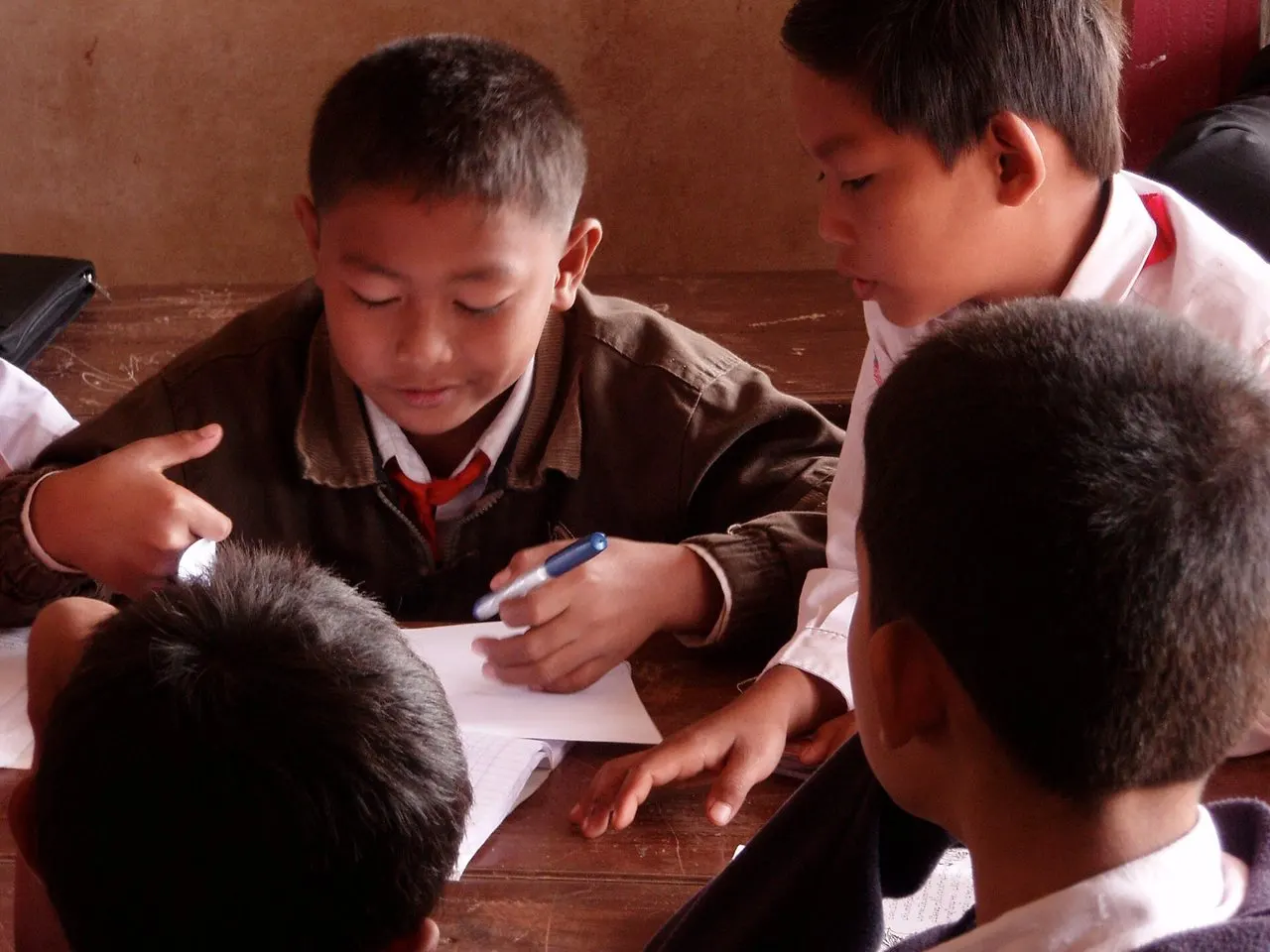
Only 66 children took part, and that small number is the first thing to keep in mind. A study this size can point to an interesting pattern, but it cannot prove that the pattern holds for all children everywhere. The researchers knew this, and they were careful about what they claimed. Small studies are common in work with young children, because testing each child takes time and care. Learn how a song moved a room full of leaders and one trainer’s question about recognition.
What the Researchers Concluded From the Answers

The researchers said that exposure to belief-based ideas may shape how young children judge what can really happen. That is a careful claim, and it leaves room for many other factors, from schooling to simple curiosity. They did not say that belief-based children cannot tell fact from fiction, and they did not say that secular children always can. The study describes a tendency in one small group, nothing more. Read an ancient skull found in a Greek cave and how one bark led rescuers to a lost woman.
Bible Stories or a Wider Problem

Critics of the study have raised a fair question about what the test really measured. Children who hear Bible stories at home or at school may simply have been taught that those stories are true. If so, their answers may show what they were taught, not a wider problem with telling fact from fiction. That reading of the results is still debated, and it is why the study keeps coming up in talks about faith and childhood. See what may have happened to a lost pilot and how a small screen effect caused a stir.
How the Religious Children Study Reached the News

After the study appeared in Cognitive Science, it was covered by BBC News and picked up by science sites and faith publications. Each outlet told the story a little differently, and some headlines went further than the study itself. The IFLScience headline stressed the struggle to separate fact from fiction, while the Christian Post asked whether the study really showed that Christian kids are more gullible. Read about a small child who faced a rare danger and new claims about electronic warfare.
What Parents Ask After Reading the Findings
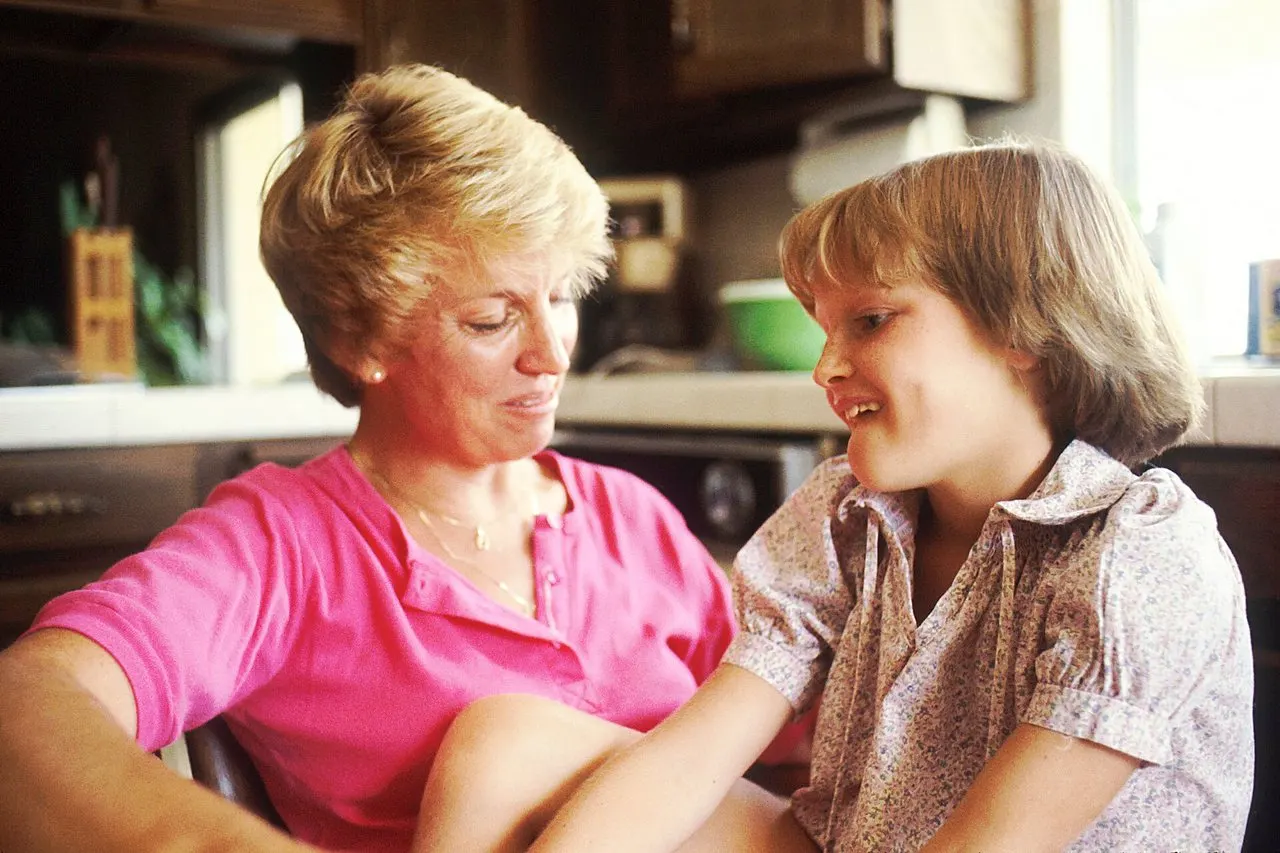
Parents who read about the study often ask the same question, which is what stories do to a child’s sense of what is real. There is no single answer, and the study itself does not give one. It only shows that early teaching seems to play a part. For most families the useful question is simpler, which is how to talk with children about the stories they hear, at home, at school and in church. See a famous parent standing by her decision and one man’s unusual plan for his wealth.
How Young Children Learn What Is Real

Young children learn what is real by testing ideas, asking questions and watching the adults around them. Play is a big part of it, since pretend games let children try out roles and rules in a safe way. Over time they get better at spotting what can happen and what cannot, and most children make that leap with ease. Stories help with that learning, because each tale gives a child one more chance to ask, could this really happen. Read about how one family turned loss into research and a public argument about honor and time.
Why Critics Urge Caution About the Findings
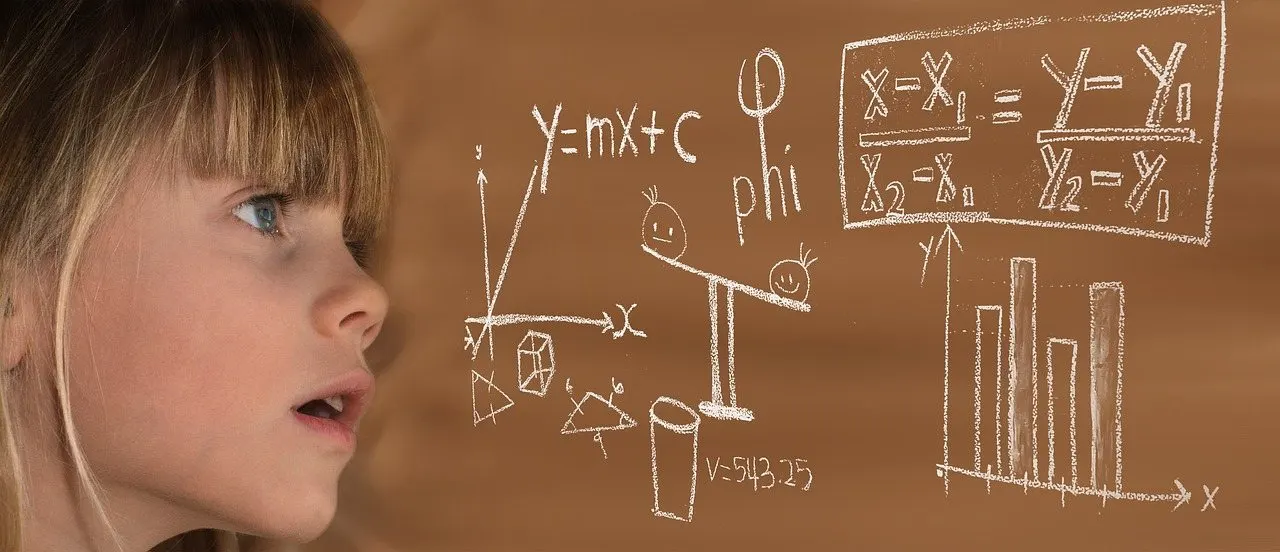
The cautions around the study are worth hearing in full. Sixty-six children is a small group, and the children came from a narrow slice of family life. The test also relied on short stories read aloud, which is only one way to learn what a child believes. None of this makes the study useless, but it does mean the findings should be read as a starting point, not a final word. See what the data center boom means and a moment of prayer during a formal session.
What the Religious Children Study Means for Families
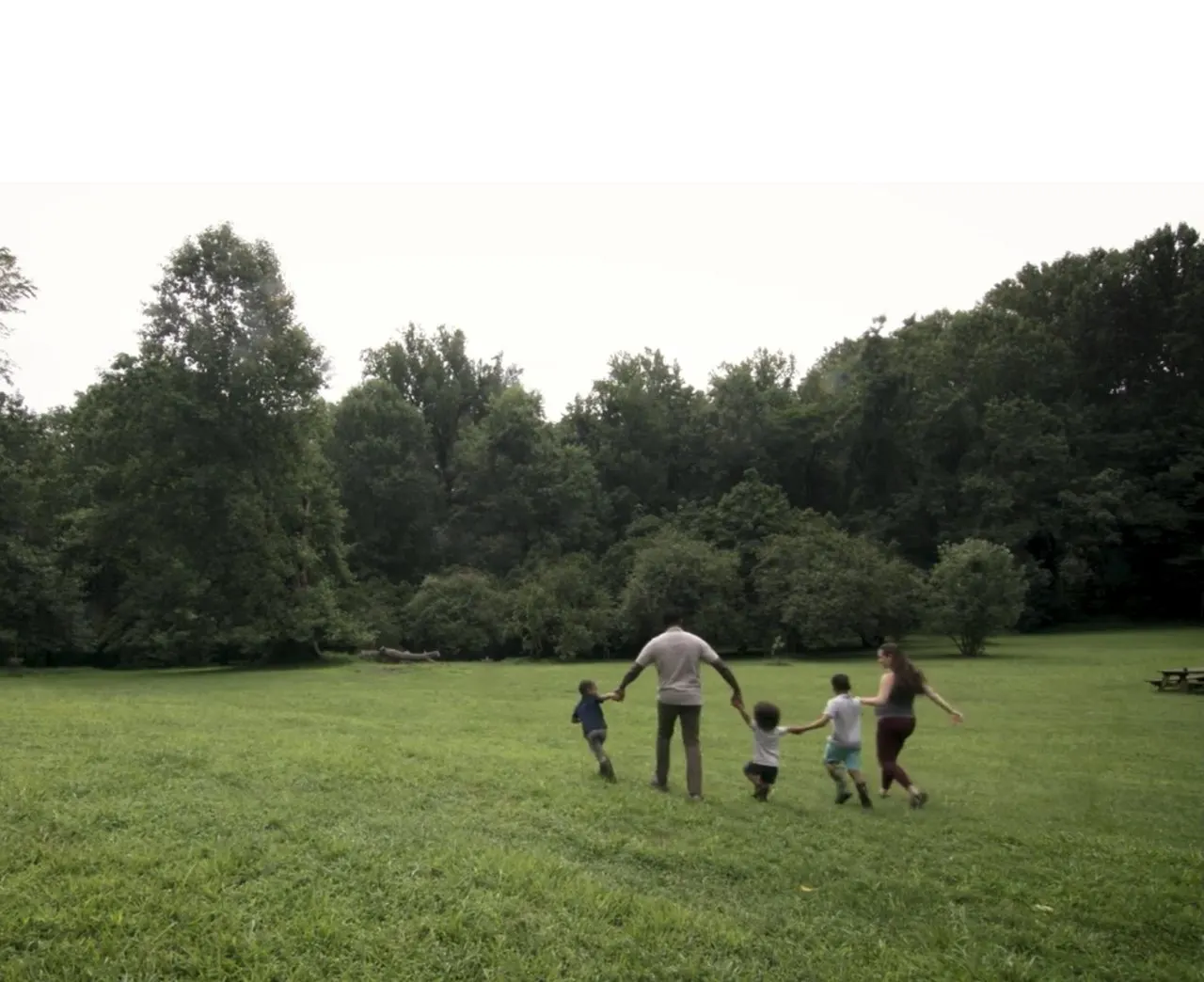
For families, the study is best read as a prompt to talk, not a reason to worry. The findings do not mean that every belief-based child thinks the same way, and the researchers said so plainly. What matters more is the everyday habit of asking children what they think, and helping them sort real events from storybook ones. A calm talk at bedtime can do more than any headline. Learn about a welcome built around a family song and a fortune shared among more than 100 children.
How to Talk With Children About Stories and Belief
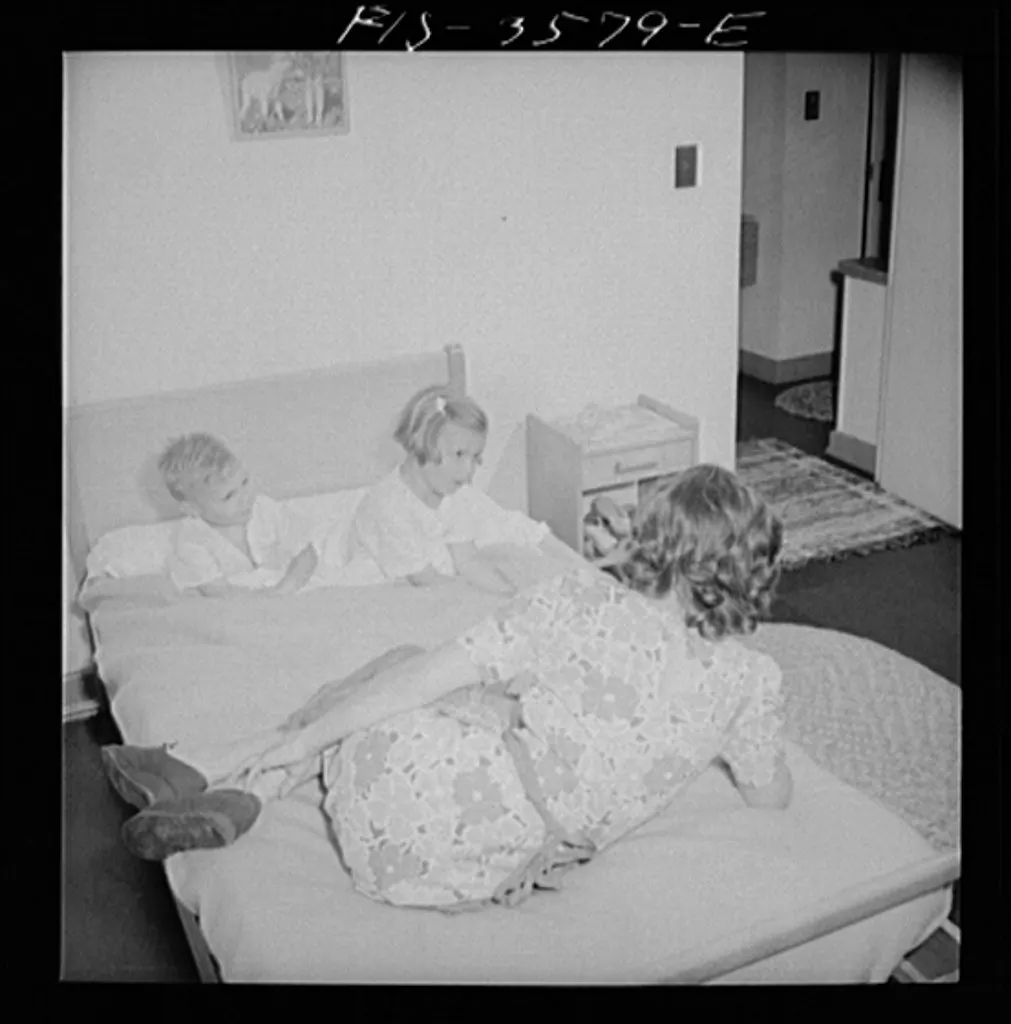
A good place to start is to ask a child what they think happened in a story, and why they think so. Listening first shows a child that their ideas matter, and it opens the door to a gentle correction when one is needed. Parents can also point out the clues that mark a story as pretend, like magic, talking animals or events that break the rules of nature. Reading together makes those talks easy and regular. See a blue heeler who stayed by her owner and how a family handled a frightening day.
What Do You Think the Religious Children Study Shows
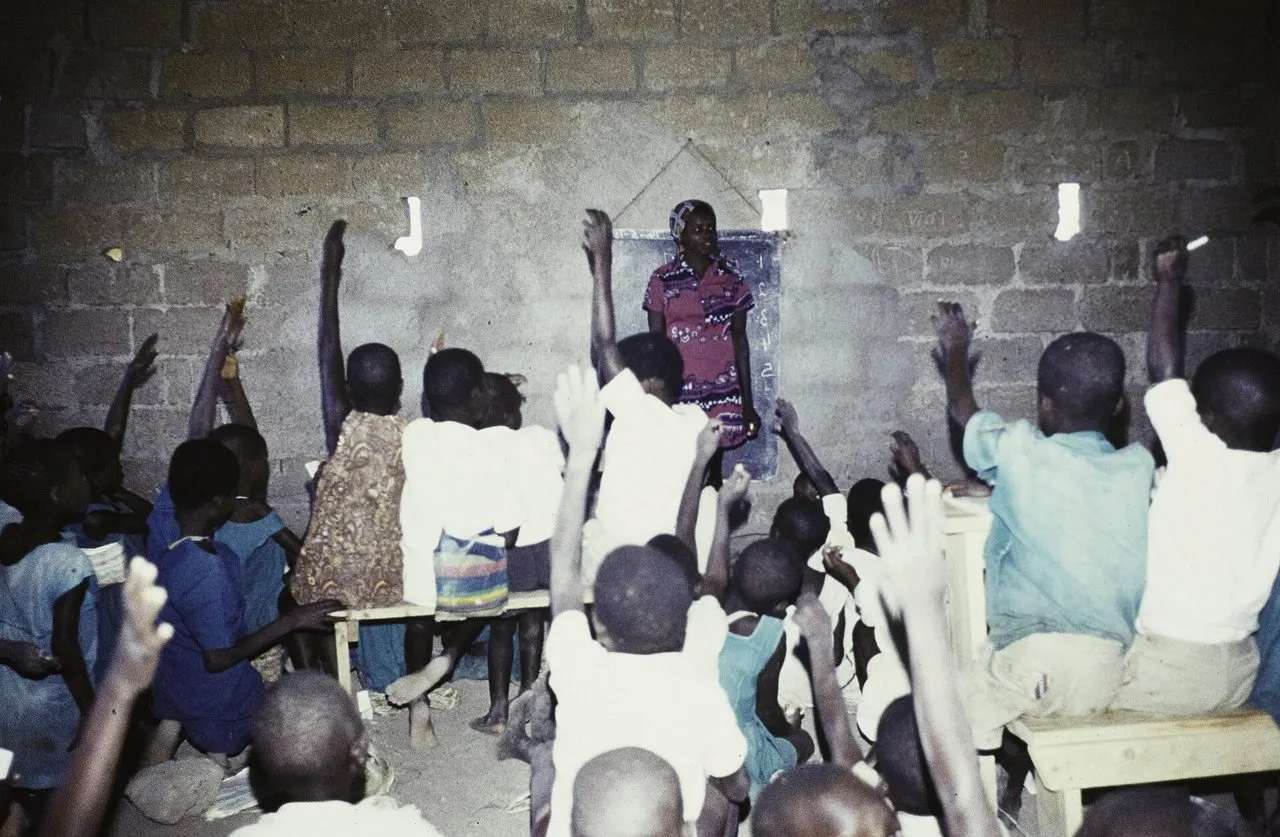
So what do you make of it. Does early teaching shape how children judge a story, or does the study only show what children were taught about a few familiar tales. The researchers gave us a small clue, and the critics gave us good reasons to stay careful. Now it is your turn to weigh in. Share your thoughts in the comments, and tell us how you talk with the children in your life about what is real and what is only a story. Read a mystery that still draws new ideas and technology that blurs what sensors see.