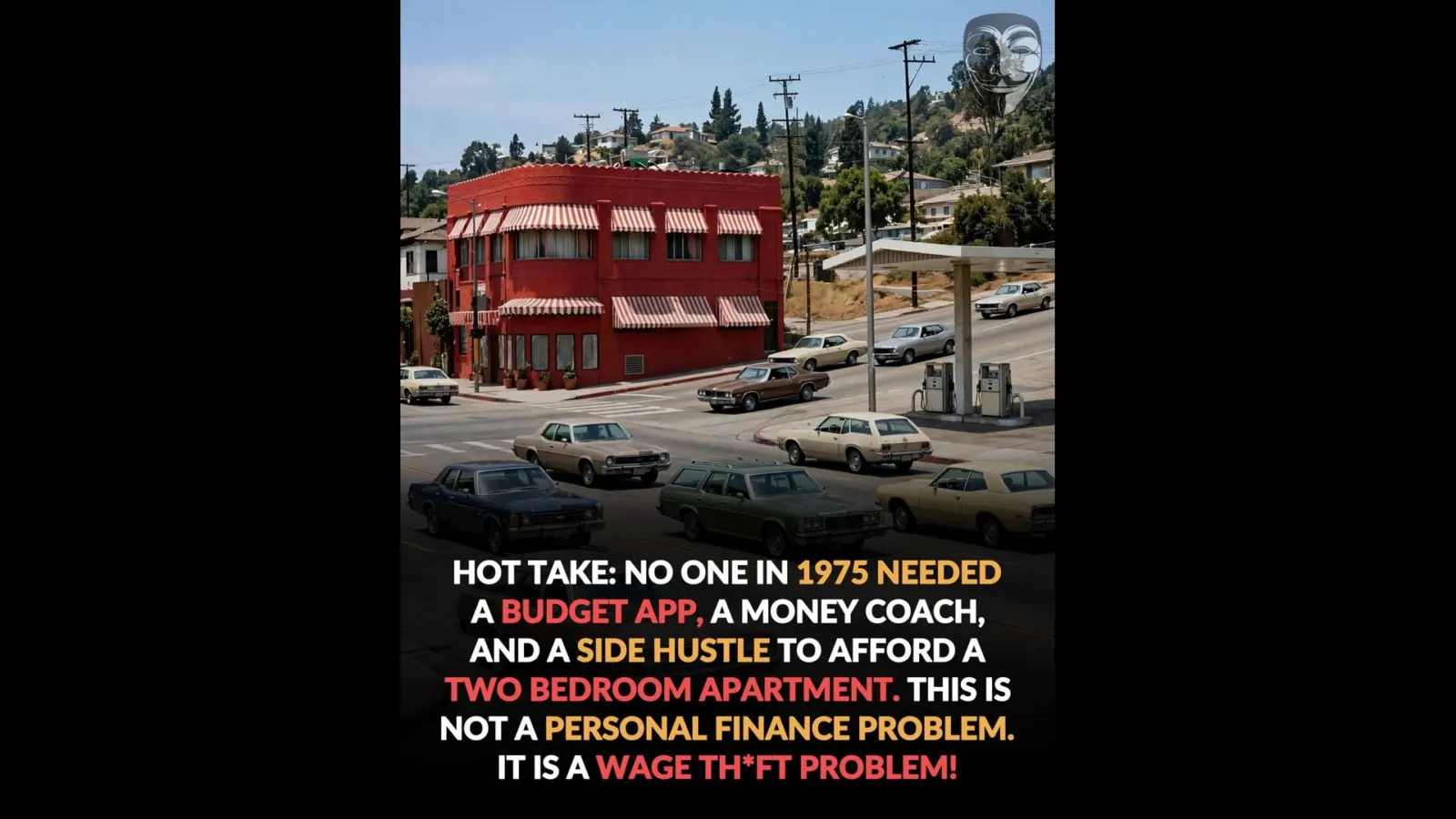
The 1975 Housing Wage Covered a Two Bedroom Apartment
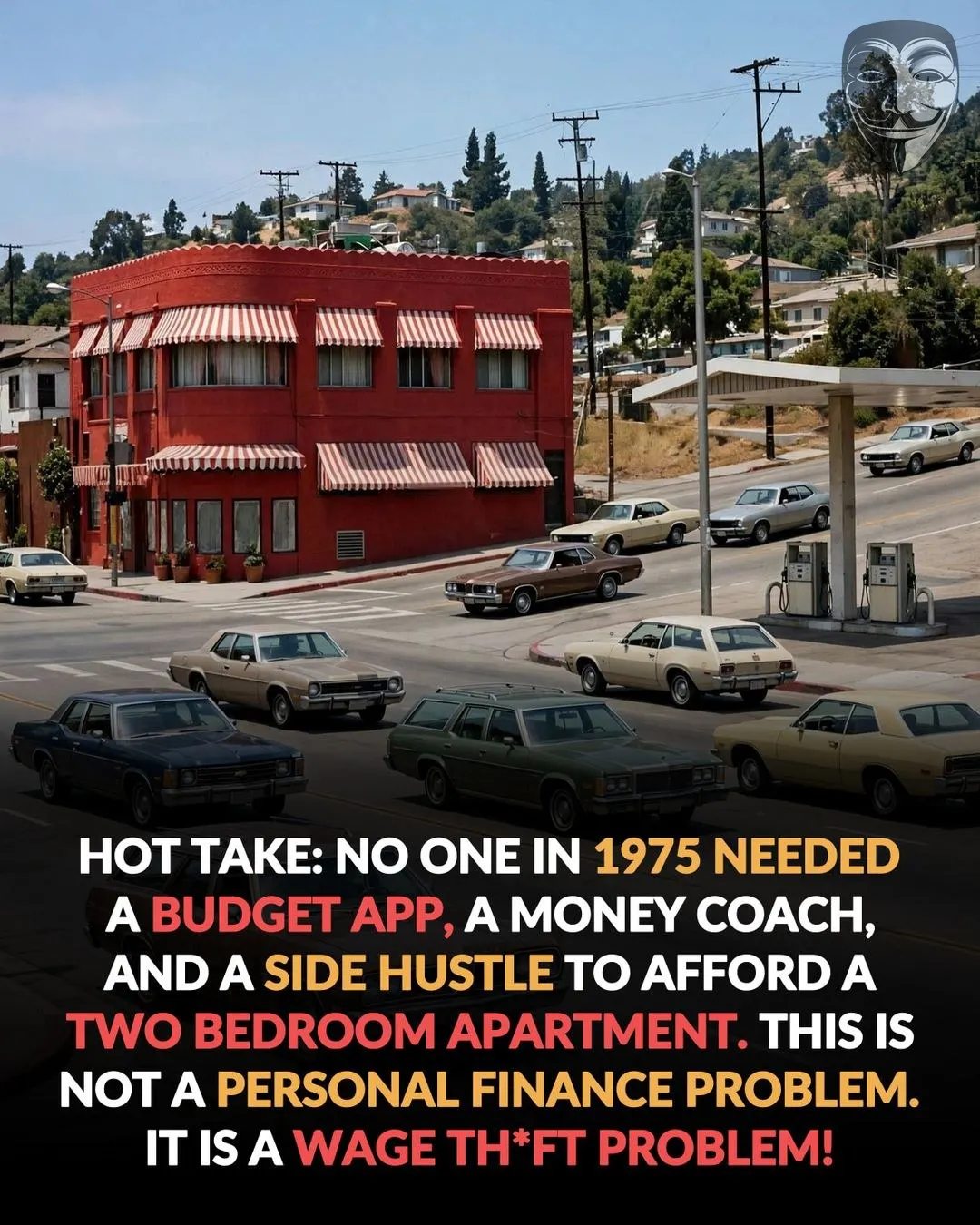
The 1975 housing wage tells a simple story about rent and pay in America fifty years ago. In 1975 the federal minimum wage was 2.10 dollars an hour and average rent was about 185 dollars a month, so one steady job could cover a modest two bedroom apartment. Nobody needed a budget app, a money coach, or a second job to make the rent. That is the heart of the post that started this story, and it is worth a closer look at how many hours of work everyday essentials now take as we compare the two eras.
Today the same apartment tells a very different story, and the numbers come from the National Low Income Housing Coalition. The 2025 housing wage is 33.63 dollars an hour for a modest two bedroom rental, while the federal minimum wage is still 7.25 dollars an hour. A minimum wage worker would need about 116 hours a week to afford that home. The post calls this a wage problem, not a budgeting problem, and frames it as wage theft, a claim that echoes in stories about strangers who post their bills online and ask for help.
References:
National Low Income Housing Coalition: NLIHC Releases Out of Reach 2025: The High Cost of Housing
Housing Finance: Rent Remains Unaffordable for Low-Wage Workers
National Association of Realtors: Affordable Housing Financing: Local Challenges Met with Local Solutions
US Macro Data: U.S. Economy & Cost of Living in 1975 – Inflation, Home Prices, GDP & Rates
How the 1975 Housing Wage Worked on 2.10 Dollars an Hour

Start with the math of 1975. At 2.10 dollars an hour, a worker earned about 84 dollars for a 40 hour week, and average rent was about 185 dollars a month. That rent took 88 hours of work each month, or about 22 hours a week, leaving room in a paycheck for food and bills. It was not luxury, but it was enough, and that is the point of our look at how many hours of work essentials now take and of a federal spending audit that canceled thousands of government credit cards as costs kept climbing.
One Steady Job, No Budget App
One steady job was the whole plan in 1975, and that is hard to picture today. A worker clocked in, did the shift, and came home, and the rent was covered without a phone full of charts or a monthly subscription. Budgeting still mattered, but it was a pencil and a notebook, not an app that sent alerts. People saved what they could and spent what they must, and the math worked, unlike the spending habits that led auditors to cancel government credit cards and unlike the giant pay deals now debated for top executives.
No Money Coach on the Payroll

A money coach would have sounded strange to most workers in 1975, because the advice was simple and the pay covered the basics. Families learned to stretch a dollar from parents and neighbors, not from a paid expert. There was no market for telling people how to afford rent, because rent was already within reach of a steady paycheck. Today coaching is a huge business, and that growth says something sad about pay, as do the billion dollar pay packages debated for company bosses and the online posts where strangers share their bills and hope someone helps.
No Second Job After Dinner
After dinner in 1975, most workers were done for the day, and the evening belonged to family and rest. A second job was something people took on for extras like a holiday, not for the rent itself. The idea of finishing one shift and starting another just to pay the rent would have seemed like a failure of pay, not a normal life. That contrast is clear in how the hours needed for essentials have grown and in the debate over why the country suddenly needs so many data centers while ordinary pay buys less.
What 185 Dollars a Month Bought in 1975

One hundred eighty five dollars a month sounds tiny today, but in 1975 it was a real rent for a real home, and it matched the pay of the time. Prices were lower across the board, from groceries to gas. That is why the post still lands so hard today. The change did not happen in one year, and it is part of a wider debate about what the economy should build and what leaders promise to do about the cost of living when voters ask.
The 1975 Housing Wage Meets the 2025 Housing Wage

The 1975 housing wage now meets its 2025 cousin, and the gap is hard to believe. The National Low Income Housing Coalition puts the 2025 housing wage at 33.63 dollars an hour for a modest two bedroom rental, which is the pay a full time worker needs to afford that home. That number is more than four times the federal minimum wage, and it shows how far rent has moved from the world of 1975, a shift that shapes the promises politicians make about family budgets and the census fights over who counts today.
The 1975 Housing Wage Against the 7.25 Dollar Minimum Wage

The 1975 housing wage looks even sharper next to the federal minimum wage of 7.25 dollars an hour. Divide 33.63 by 7.25 and the answer is more than four, which means a minimum wage worker earns less than a fourth of what the housing wage requires. That is not a rounding error or a bad month, it is a gap built into the pay scale itself, and it sits behind the national arguments over who belongs in official counts and the bills that would let wrongfully detained citizens sue for large sums.
116 Hours a Week to Pay the Rent

One hundred sixteen hours a week is the number that stops people cold, because a week only has 168 hours in total. A minimum wage worker would need to work nearly every waking hour to afford a modest two bedroom apartment, with almost no time left to sleep or see family. No budget app can fix that math. The figure makes the post’s point in one line, and it is why new bills about fairness and pay and proposals to limit how long top judges serve both draw so much attention from the public.
The 1975 Housing Wage Shows What Modest Really Means

That old wage was built around a modest home, not a mansion, and that word does a lot of work. Modest means a plain two bedroom apartment with room for a small family, a kitchen that works, and a safe street outside, nothing fancy and nothing extra. The housing wage is the pay needed for that basic home, not for luxury, which makes the gap even more striking. When even the basics cost this much, people start asking how long leaders should hold power and whether troops on city streets put liberty at risk in a country this divided.
Why Budgeting Alone Cannot Close the Gap

Budgeting is good advice, but it cannot close a gap this wide. You can cut streaming and cook at home, and still fall short when rent needs 116 hours of minimum wage work each week. The post’s point is that the problem sits in the paycheck, not in the shopping list, and that is why it calls the shortfall wage theft instead of bad habits. Readers who feel that squeeze also follow warnings about liberty and military deployments and the bill that would stop a president from pardoning himself as signs of the same frustration.
The Side Hustle Economy Moves In

The side hustle is now a normal part of life for millions of people, and that is exactly what the post is protesting. Driving, delivering, freelancing, and selling online fill the evenings and weekends of workers whose main job no longer covers the rent. Some people enjoy the extra work, but many do it because the bills leave no choice. A second job used to buy extras, and now it buys the basics, a shift that shows up in the fight over presidential pardons and even in a chocolate company bringing back its five cent bar for one day only.
The 1975 Housing Wage Had No App to Download

That old wage needed no app to download, because the math fit on a pay stub. Today the phone is full of budget apps that sort spending into colorful charts, and money coaches sell courses on how to stretch a paycheck that was already stretched thin. These tools can help a family stay organized, but they cannot raise the wage or lower the rent. They treat the symptom while the cause stays put, which is why a one day return to five cent chocolate feels nostalgic and why auditors canceling government credit cards made headlines.
Inside a Modest Two Bedroom Apartment
A modest two bedroom apartment is a simple place, with two small bedrooms, a living room, a kitchen, and a bathroom. It is where kids do homework at the table and parents unwind after a long shift, and it asks for nothing grand. The housing wage is the price of that ordinary life, which is why the number matters so much to so many families. When that price keeps climbing, people look for answers in the huge pay deals offered to company chiefs and in the rush to build data centers across the country instead of homes.
Local Answers to a National Squeeze
The National Association of Realtors points to local answers for affordable housing, with local challenges met by local solutions. Towns and cities can change zoning, speed up permits, and support builders who create homes that working families can afford. None of that is quick, and none of it works alone, but local action is where the national numbers finally turn into real front doors. That slow work matters more than speeches, and it connects to what leaders say about the cost of living and the bills that promise help for citizens treated unfairly by the system.
The 1975 Housing Wage and Rent That Outruns Pay

That old wage is a memory now, and rent remains unaffordable for low wage workers across the country. That is the plain finding behind the headlines, and it shows up in every city where service workers, cleaners, and cooks cannot live near the jobs they do. Long commutes, crowded rooms, and second jobs have become the workaround for a wage that stopped matching rent. People are tired of workarounds, which is why debates over term limits for judges and warnings about troops in American cities strike a chord with so many readers.
What Would Have to Change

What would have to change is simple to say and hard to do. Either pay has to rise toward the housing wage, or rents have to grow slower than wages for a long stretch, or homes have to be built in greater numbers where people work. Each path needs choices by lawmakers, builders, and employers, and each one takes years to show results. Until then, families will keep juggling, and the public will keep watching the fight over presidential pardons and small signs like a five cent chocolate bar for clues about what comes next.
Would the 1975 Housing Wage Work for You Today?
Would that old wage work for you today, or has rent in your town already run too far ahead of pay? Think back to the post that started this story, with one steady job, no budget app, no money coach, and no side hustle, and ask whether that life is still possible where you live. Tell us in the comments what rent costs near you and how many hours you work to cover it, and read the stories of strangers who post their bills online and the census debate over who gets counted while you are here.