California Billionaire Tax Rejected by Voters
The California billionaire tax failed at the ballot box on November 3, 2026, when voters rejected Proposition 40 by 53 percent to 47 percent, according to the Associated Press. The measure would have placed a one-time 5 percent tax on billionaires’ assets, and supporters said 90 percent of the money would go to healthcare. The vote came on the same day voters passed Proposition 42, which bars new taxes on personal assets. The result closed a costly campaign and set off a fresh debate about wealth, power, and who pays for public care in the state.
In the slides ahead we look at how the money moved, who gave the most, and what the result means for healthcare funding and for tax policy across the country. The story starts with a simple claim, that the rich should be taxed more, and it ends with a question for readers. You can read more about billionaires and big money in our story on a plan where strangers post their bills for billionaires to pay and our report on a pay deal that could make one man a trillionaire.
References:
TechCrunch: California’s proposed ‘billionaire tax’ fails to pass
EdSource: California Prop. 40 billionaire tax has failed, backers vow to try again
The Times: Big-spending billionaires celebrate defeat of California wealth tax
Associated Press: A California billionaire tax proposal faced a major setback despite big wins for progressives
What the California Billionaire Tax Would Have Done
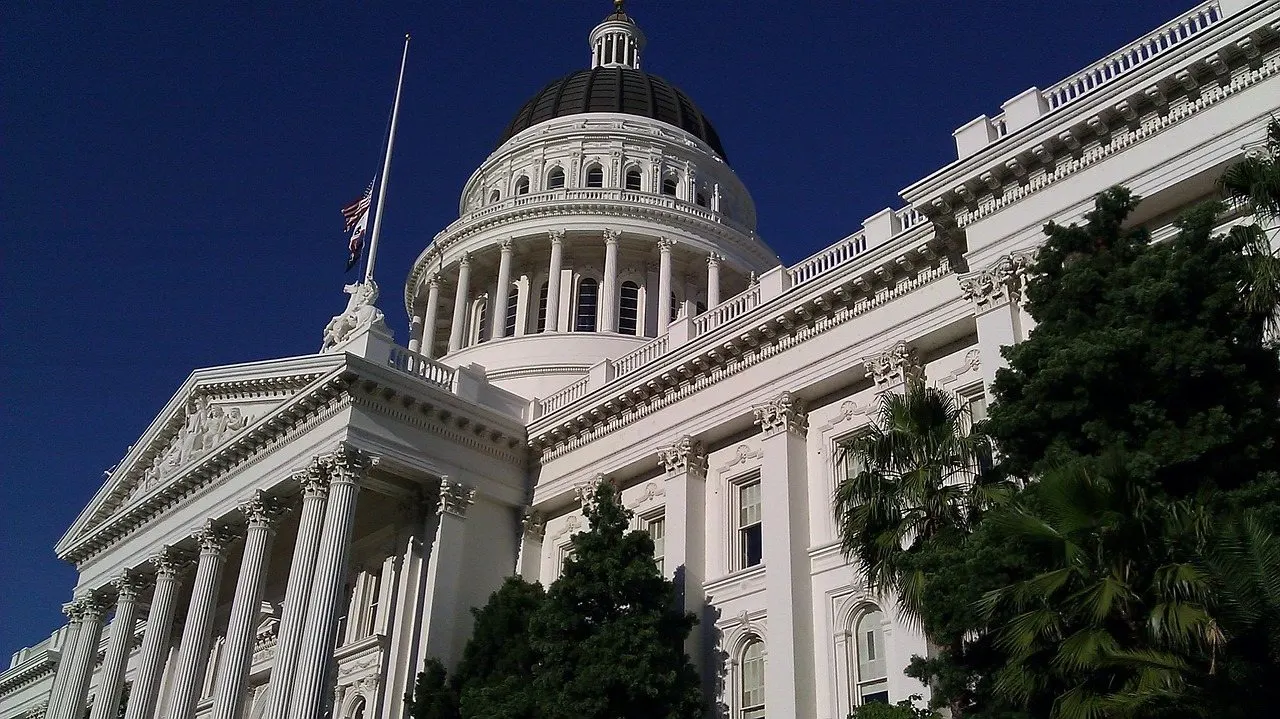
Proposition 40 would have placed a one-time tax of 5 percent on the assets of billionaires in California. Supporters pitched the California billionaire tax as a way to backfill federal healthcare cuts, with 90 percent of the revenue going to healthcare. That promise put hospitals and clinics at the center of the campaign and drew national attention. Learn how big money shapes public life in our report on Elon Musk bringing Starlink to Iran during an internet blackout and our story on a brain chip that may help blind people see again.
How Voters Decided the California Billionaire Tax

On November 3, 2026, Californians voted on Proposition 40 and rejected it by 53 percent to 47 percent, according to the Associated Press. The margin was clear but not huge, and it showed a state split over how to tax its richest residents. The same voters also passed Proposition 42 on the same ballot. Read about other big court and policy fights in our story on a court ruling that called tariffs illegal and our report on a spending audit that canceled 200,000 government credit cards.
Proposition 42 Bars New Taxes on Personal Assets
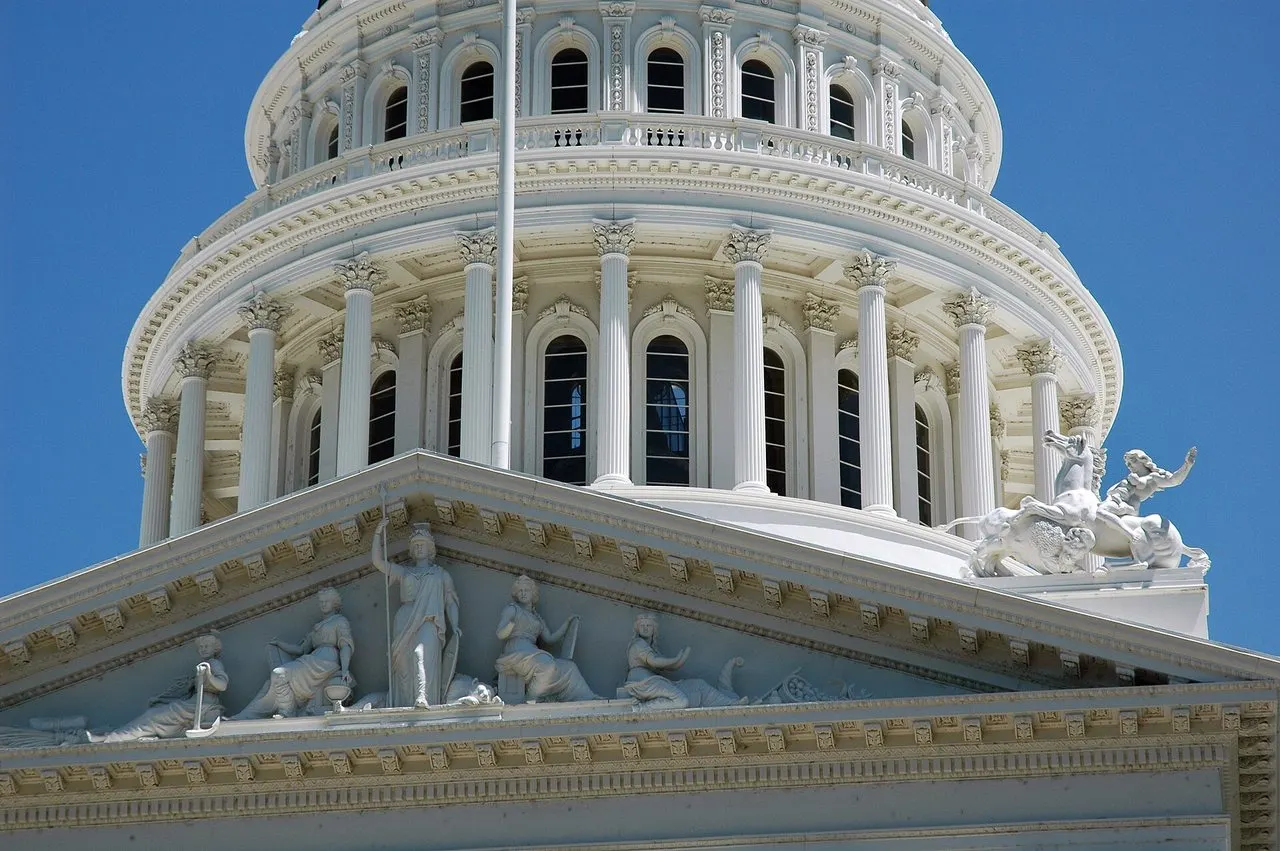
Proposition 42 bars new taxes on personal assets, and voters passed it on the same day they rejected Proposition 40. The two results together sent a firm message about taxing wealth in California. Supporters of the billionaire tax had hoped voters would back a new levy, but the second measure closed that door for now. The pair of votes will shape how lawmakers talk about taxes for years. See how other deals and bills moved in our report on a $17 billion package from the Philippines and our story on a bill to stop a president from pardoning himself.
The California Billionaire Tax and the Healthcare Promise

Supporters said 90 percent of the money from the tax would go to healthcare, a promise meant to show voters exactly what they would get. Federal healthcare cuts had left gaps, and the campaign said the new revenue would help fill them. Hospitals, clinics, and patients were all part of the pitch. That promise gave the yes campaign its clearest message. Learn about the people who run public health and finance in our story on a Fed governor who sued over an attempt to remove her and our report on a plan to cap Supreme Court service at 18 years.
The California Billionaire Tax Faced a $425 Million No Campaign

The campaign against the tax spent about $425 million, a sum that dwarfed the money on the other side. Filings cited by the Guardian put the opposition near that total, and the scale of it stunned seasoned watchers of California politics. Money bought ads, mail, and airtime across the state for weeks. The spending showed how far wealthy donors would go to stop a new tax. Read about other fights over money and power in our story on a bill that would let citizens sue after a wrongful detention and our report on a historic deal with Denmark over Greenland.
Sergey Brin Gave at Least $132 Million
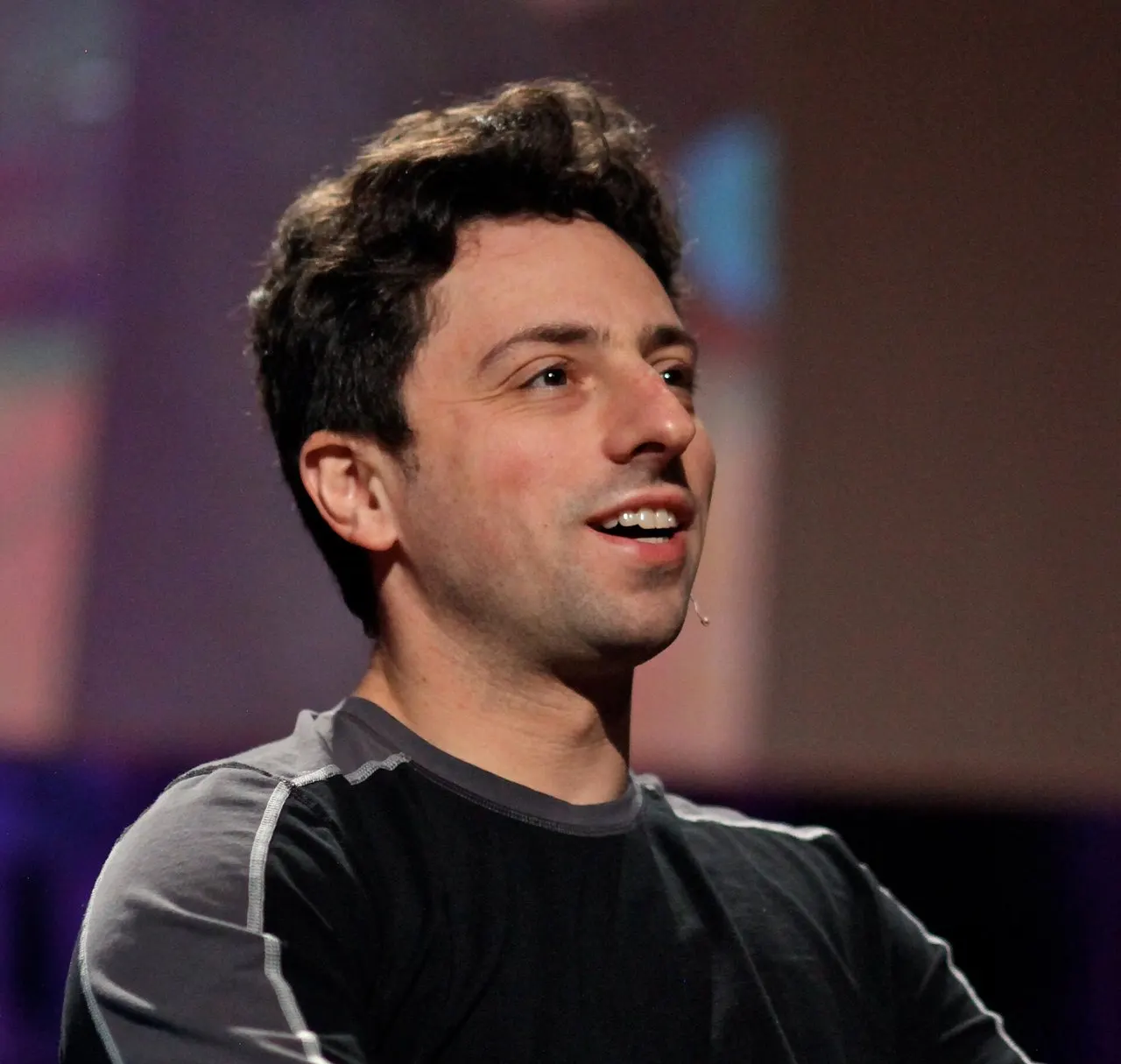
Sergey Brin, a co-founder of Google, gave at least $132 million to the campaign against the tax, the largest single gift in the fight. His contribution was more than four times the entire amount raised by the yes campaign. Brin built his fortune in tech, and his gift showed how much was at stake for the richest donors. The size of the gift became a central fact of the campaign. Learn more about tech fortunes in our story on the FAA meltdown and the blame that followed and our report on why the world suddenly needs a thousand data centers.
Eric Schmidt Gave More Than $48 Million
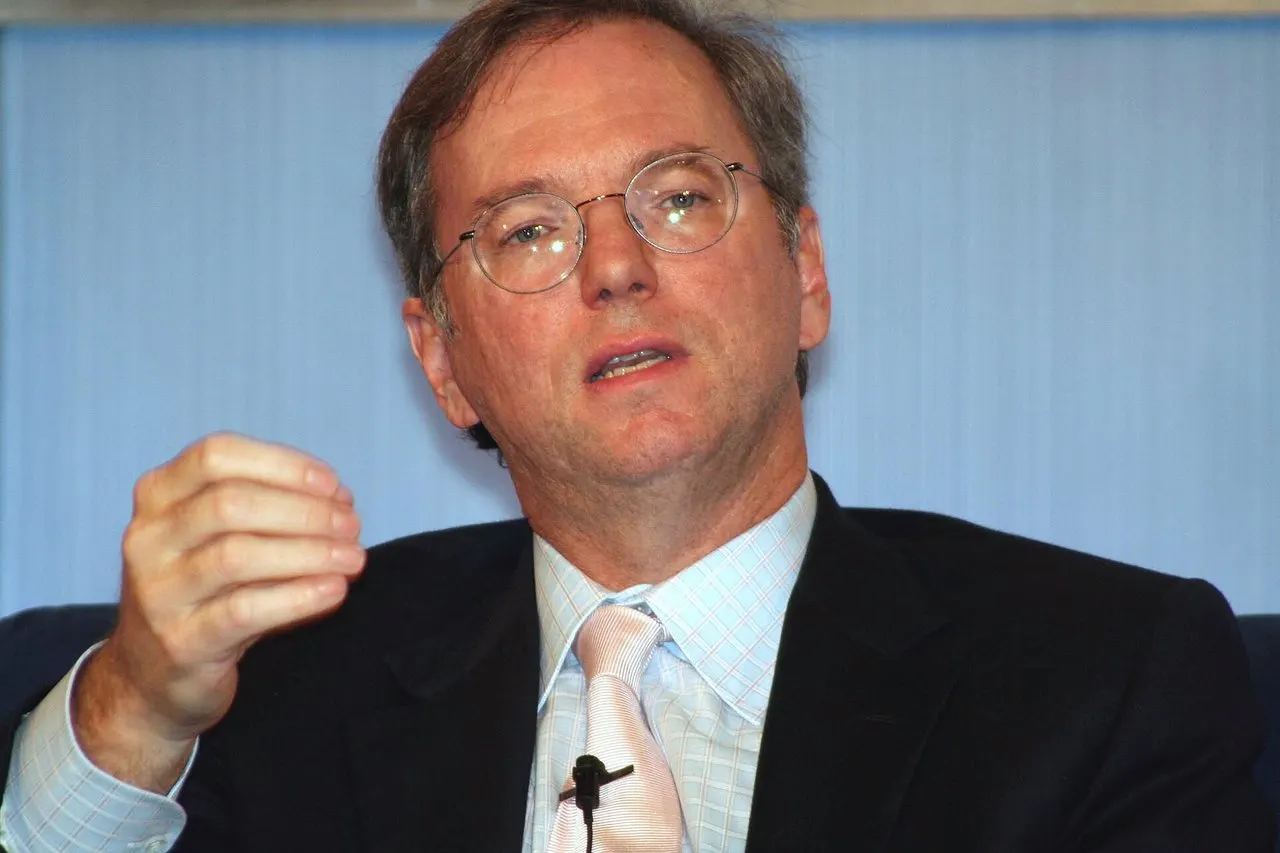
Eric Schmidt, the former chief executive of Google, gave more than $48 million to oppose the tax. His gift joined Brin’s to form the backbone of the no campaign, and together the two men gave far more than the whole yes side raised. Schmidt made his name leading one of the biggest tech firms in the world. His spending showed that the opposition was led by tech wealth. Read about other tech stories in our report on forests full of wildlife versus fields of data centers and our story on what it would take to impeach a president.
The California Billionaire Tax Yes Campaign and SEIU-UHW
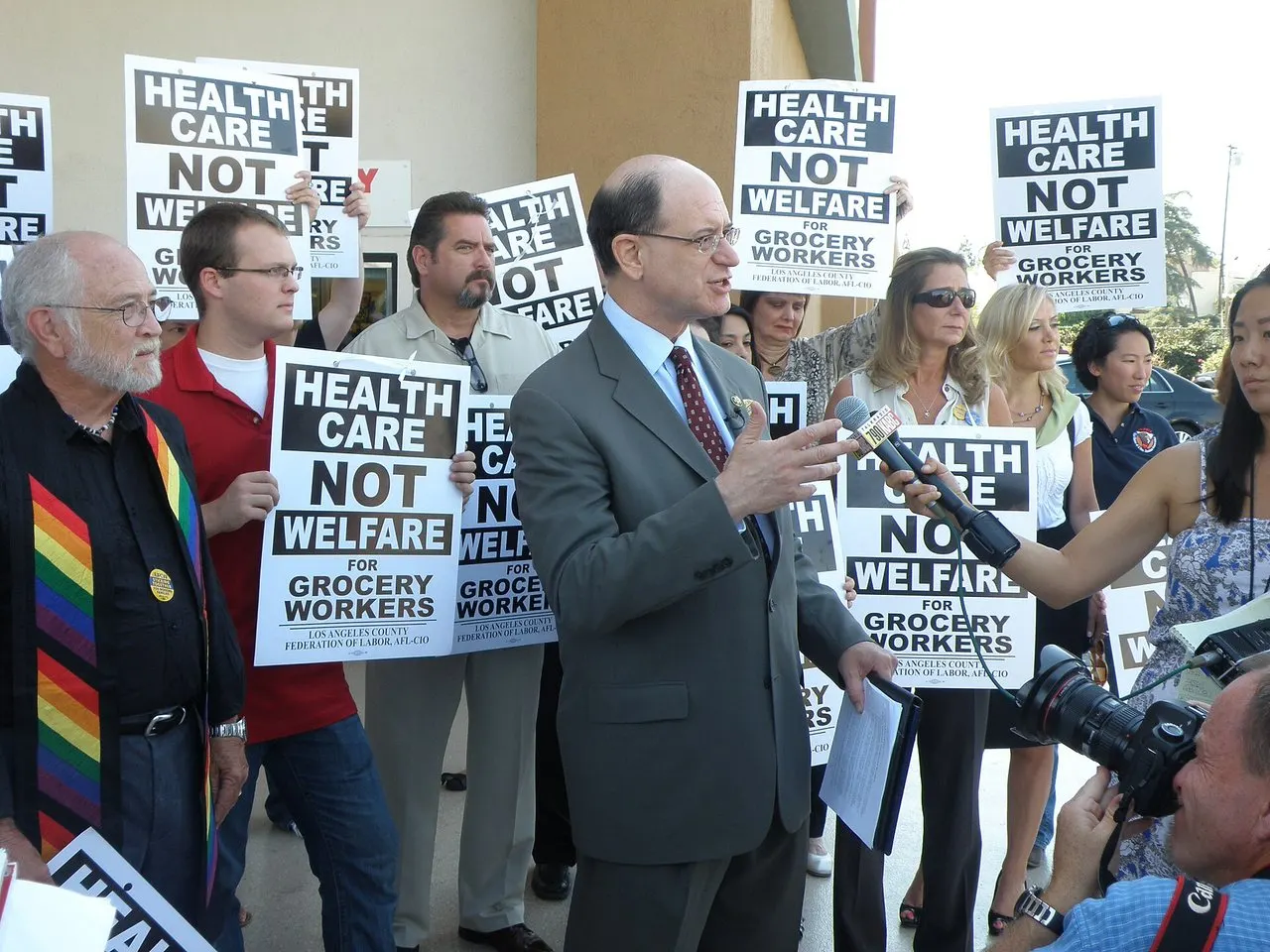
The yes campaign was backed by the union SEIU-UHW, which represents healthcare workers across California. It raised just over $31 million, a serious sum that still left it far behind the opposition. The union argued that the tax would protect healthcare funding for patients and workers alike. Its members knocked on doors and made the case in person. You can read more about billionaires and big money in our story on a plan where strangers post their bills for billionaires to pay and our report on a pay deal that could make one man a trillionaire.
Outspent Nearly Fourteen to One
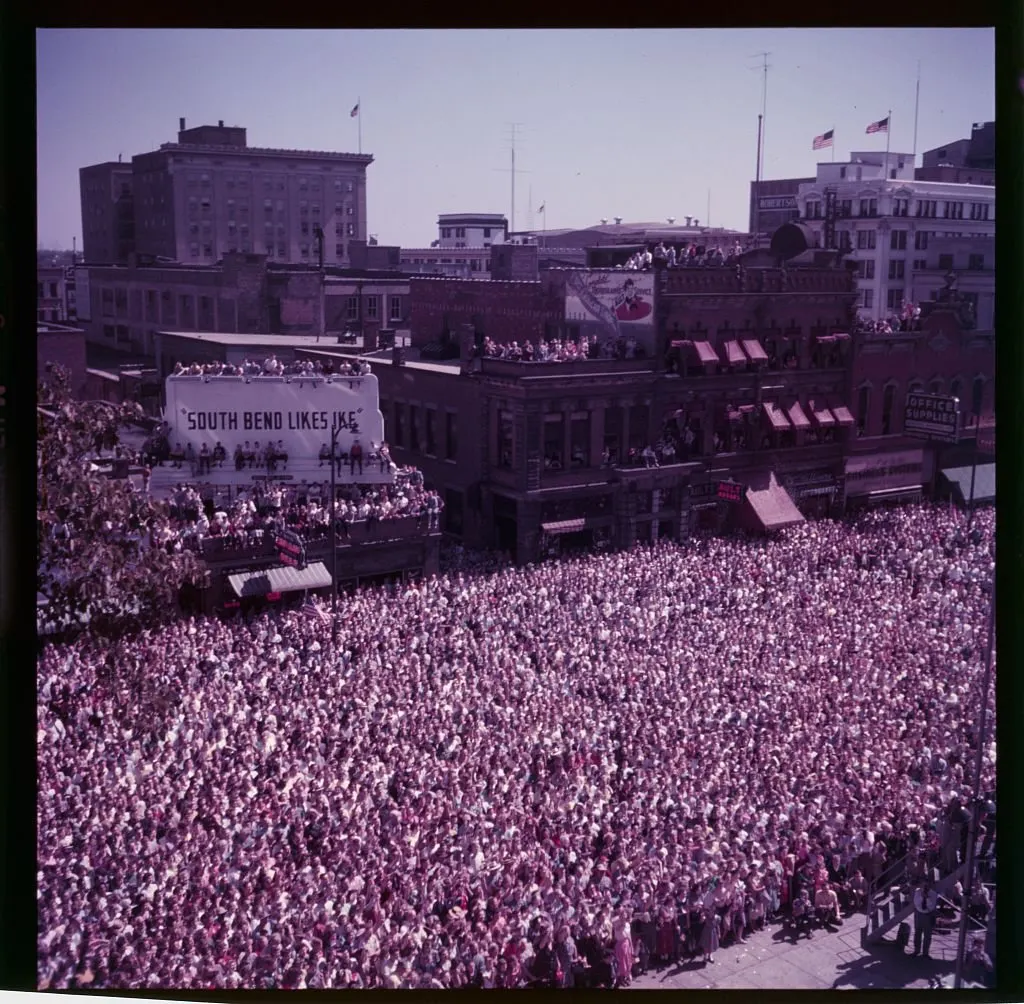
The yes campaign was outspent by nearly fourteen to one, a gap that shaped everything about the race. For every dollar the yes side raised, the no side had about fourteen, and that advantage showed up in ads, mail, and television across California. The outspending did not decide the vote on its own, but it gave the opposition a far louder voice. Learn how big money shapes public life in our report on Elon Musk bringing Starlink to Iran during an internet blackout and our story on a brain chip that may help blind people see again.
Appreciated Stock Carried Its Own Tax Advantage

Donors to the opposition were urged to give appreciated stock, which carries its own tax advantage. A gift of stock that has risen in value can avoid the tax that would come from selling it first, so the gift itself becomes a smart financial move. The tactic is legal and common among wealthy donors. It also meant the campaign could raise huge sums without donors writing checks. Read about other big court and policy fights in our story on a court ruling that called tariffs illegal and our report on a spending audit that canceled 200,000 government credit cards.
Most of the Late Money Arrived as Stock
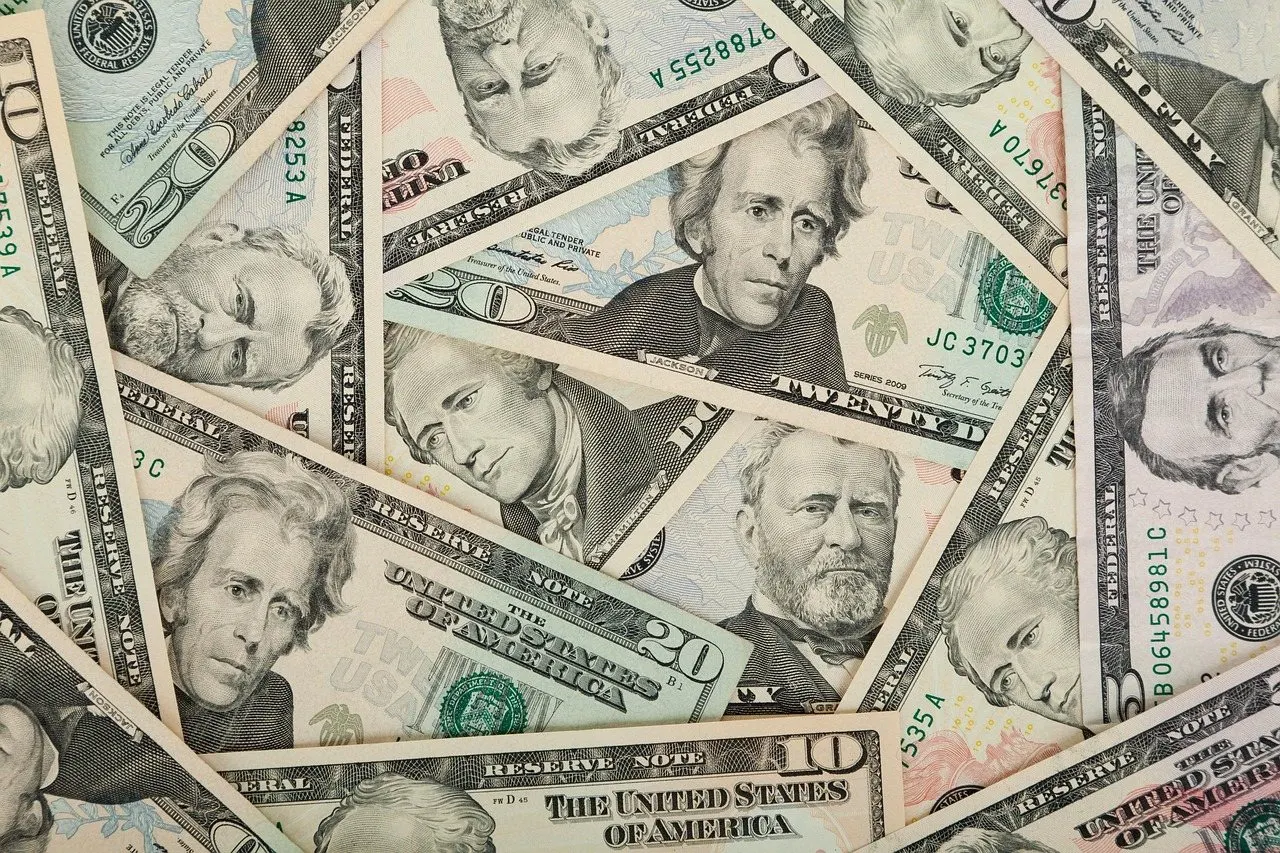
More than two-thirds of the money raised in the last six weeks arrived as appreciated stock, a striking detail from the campaign filings. The late rush showed that donors waited until the end and then gave in the most tax efficient way they could. The final weeks are often when the most money moves in a ballot fight. This one was no different. See how other deals and bills moved in our report on a $17 billion package from the Philippines and our story on a bill to stop a president from pardoning himself.
The California Billionaire Tax Story Reaches Beyond One State
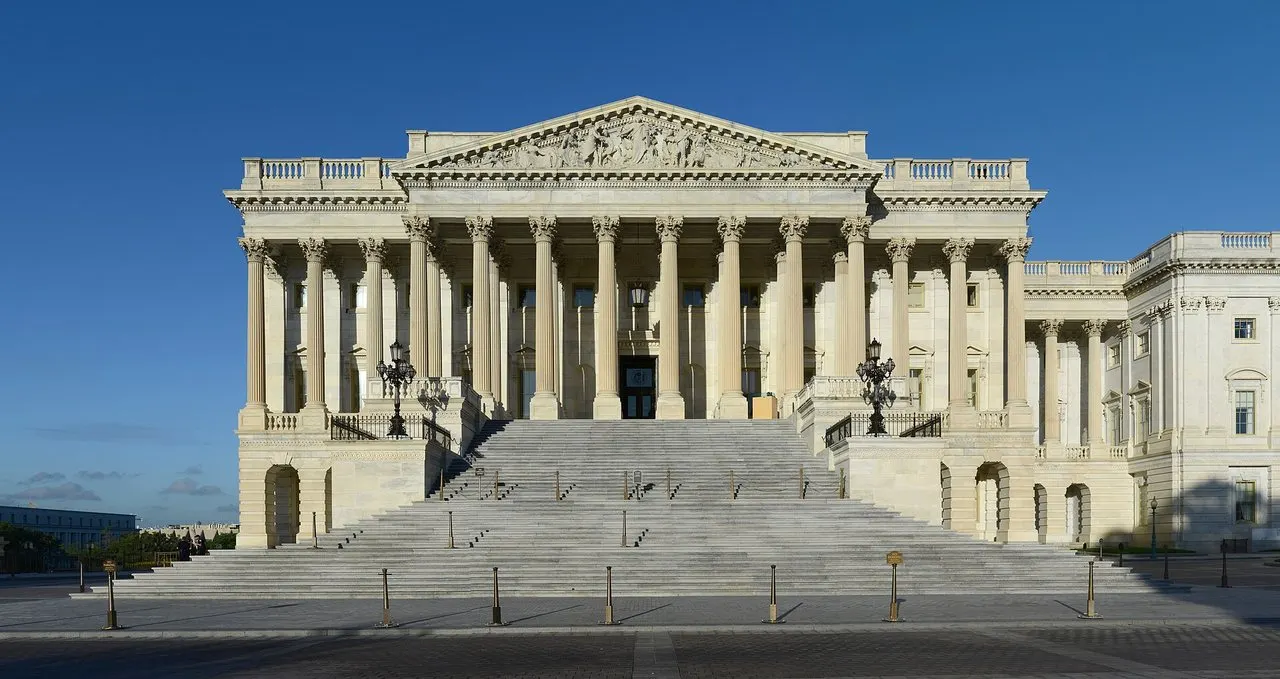
The California billionaire tax fight was part of a bigger pattern across the country. Americans for Tax Fairness found that 100 billionaire families gave $2.6 billion to the 2024 federal elections, about one dollar in every six spent. That means a tiny group of families funded a large share of the election. The California vote was one chapter in that story. Learn about the people who run public health and finance in our story on a Fed governor who sued over an attempt to remove her and our report on a plan to cap Supreme Court service at 18 years.
Elon Musk Gave More Than $278 Million
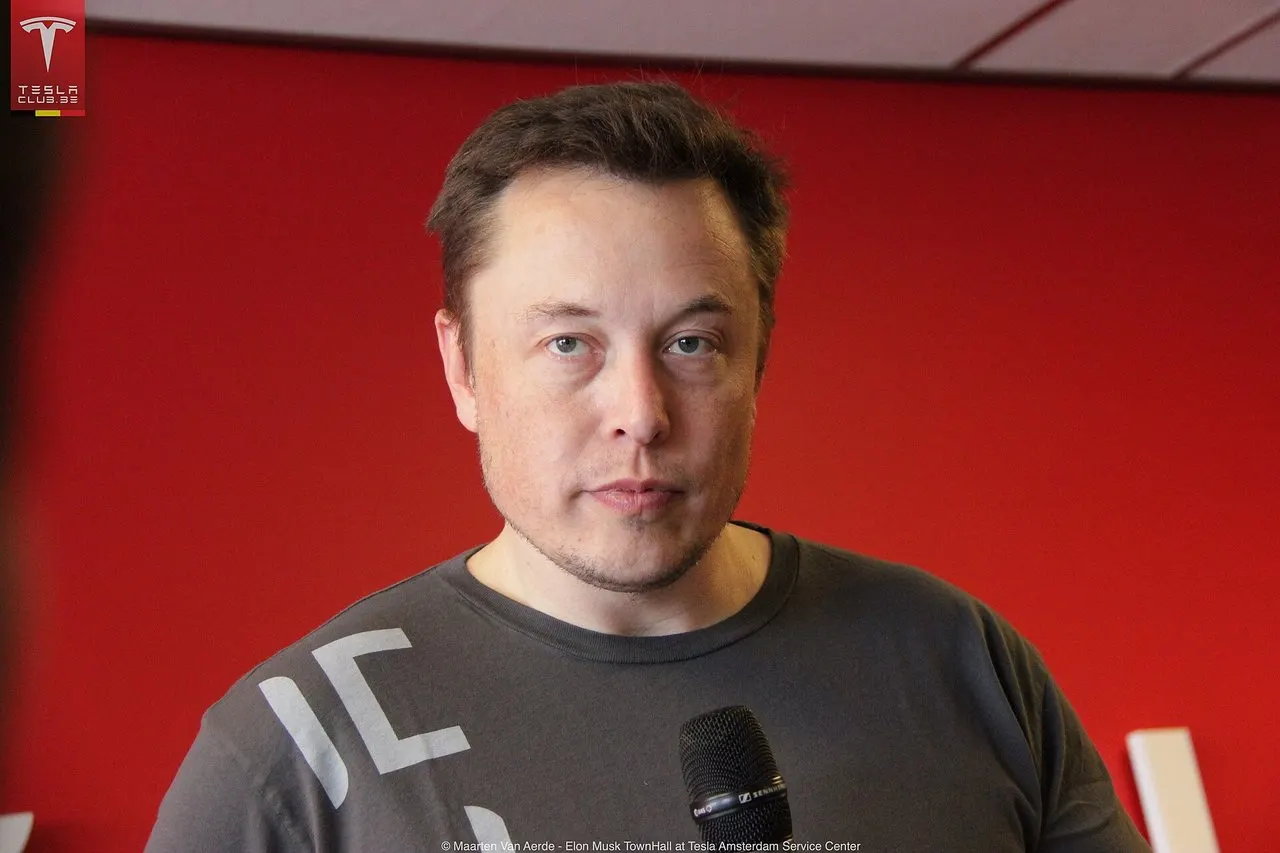
Elon Musk gave more than $278 million in the cycle, the largest total from any single donor. Nearly all of it backed Donald Trump, and the sum alone was larger than the whole California no campaign. Musk built his fortune in cars, rockets, and social media, and his giving set a new mark for one person in politics. His role in the election drew wide attention. Read about other fights over money and power in our story on a bill that would let citizens sue after a wrongful detention and our report on a historic deal with Denmark over Greenland.
Citizens United and the 160-Fold Rise
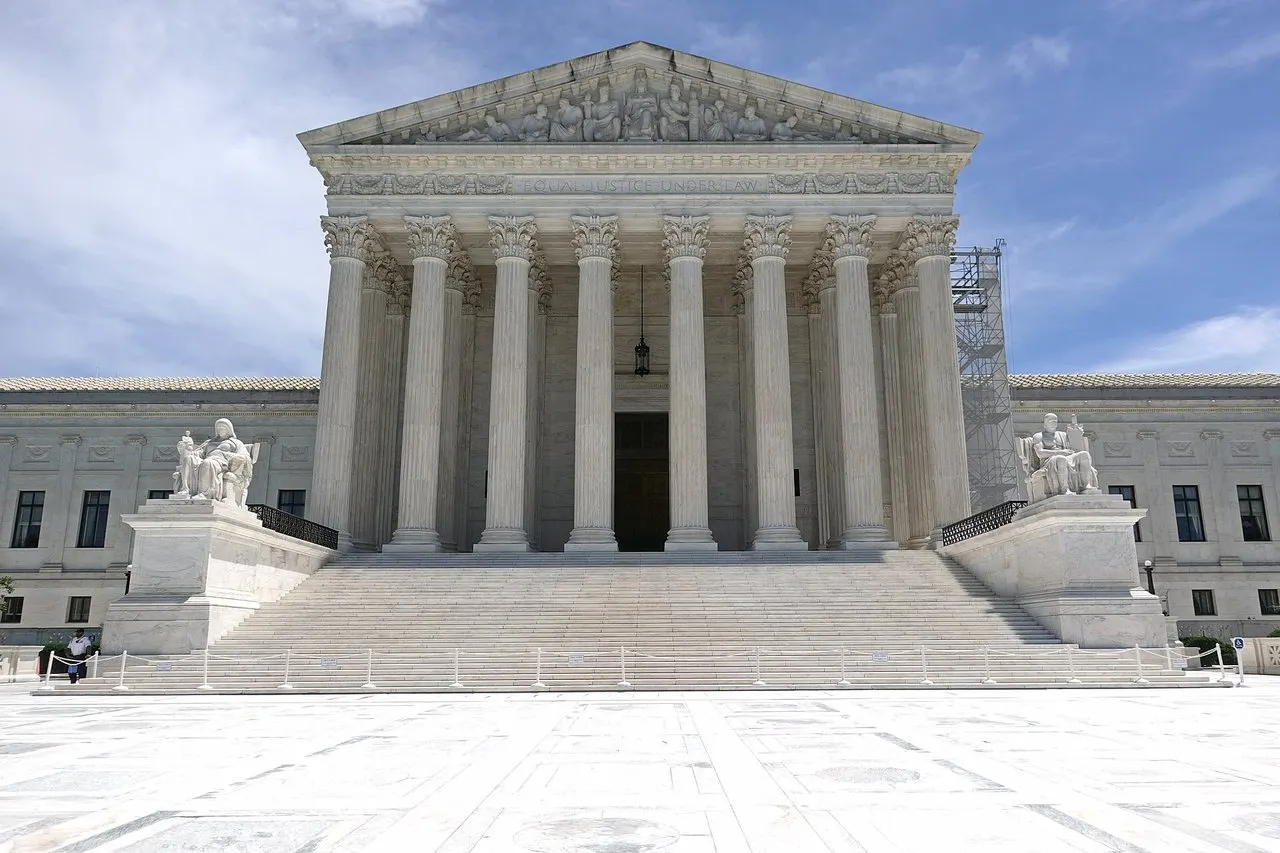
The group says billionaire political spending has climbed about 160-fold since the Supreme Court’s 2010 Citizens United ruling opened the door to more outside spending. The ruling let firms and unions spend on elections, and wealthy donors soon followed with far larger gifts. The rise changed how campaigns are funded in the United States. The California fight was one more sign of that change. Learn more about tech fortunes in our story on the FAA meltdown and the blame that followed and our report on why the world suddenly needs a thousand data centers.
The Claim at the Heart of the Fight

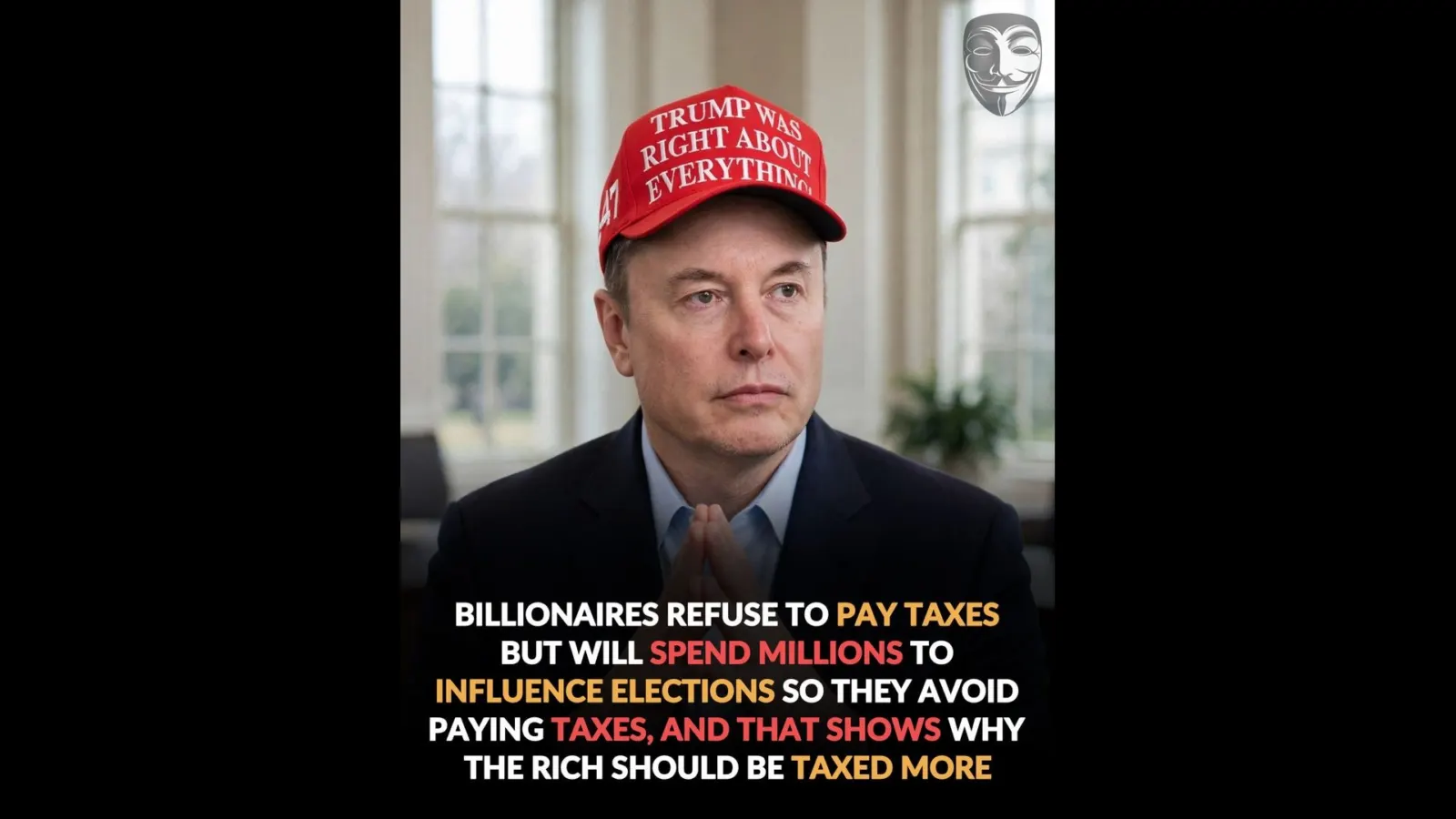
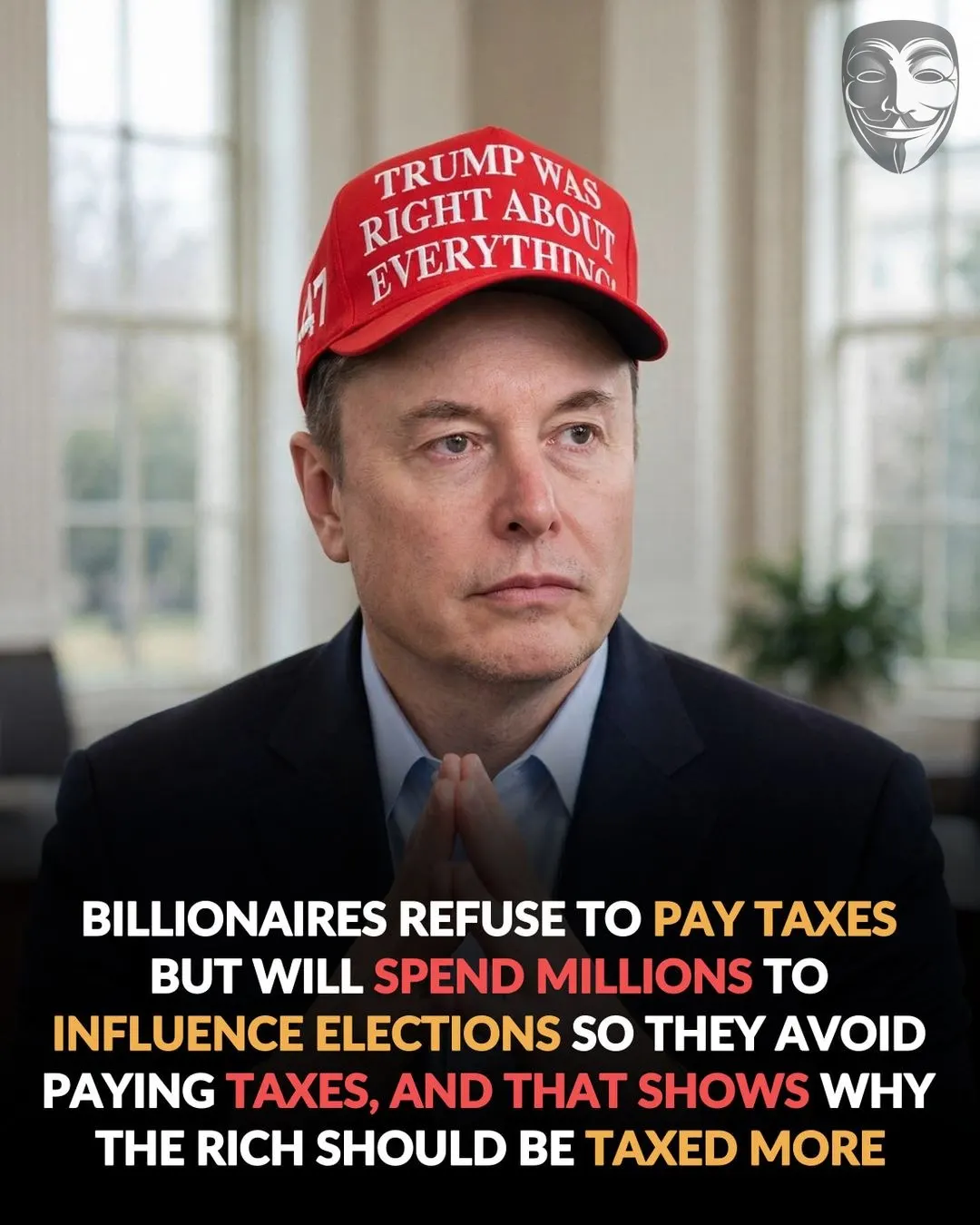
The claim behind the campaign was simple, that the rich should be taxed more. Supporters said billionaires spending fortunes to shape elections so they can avoid taxes only proves the point. The argument landed hard in California this month, where voters saw the spending up close. Whether voters agreed with the claim or not, the money gap was plain to see. Read about other tech stories in our report on forests full of wildlife versus fields of data centers and our story on what it would take to impeach a president.
What Supporters Say Comes Next
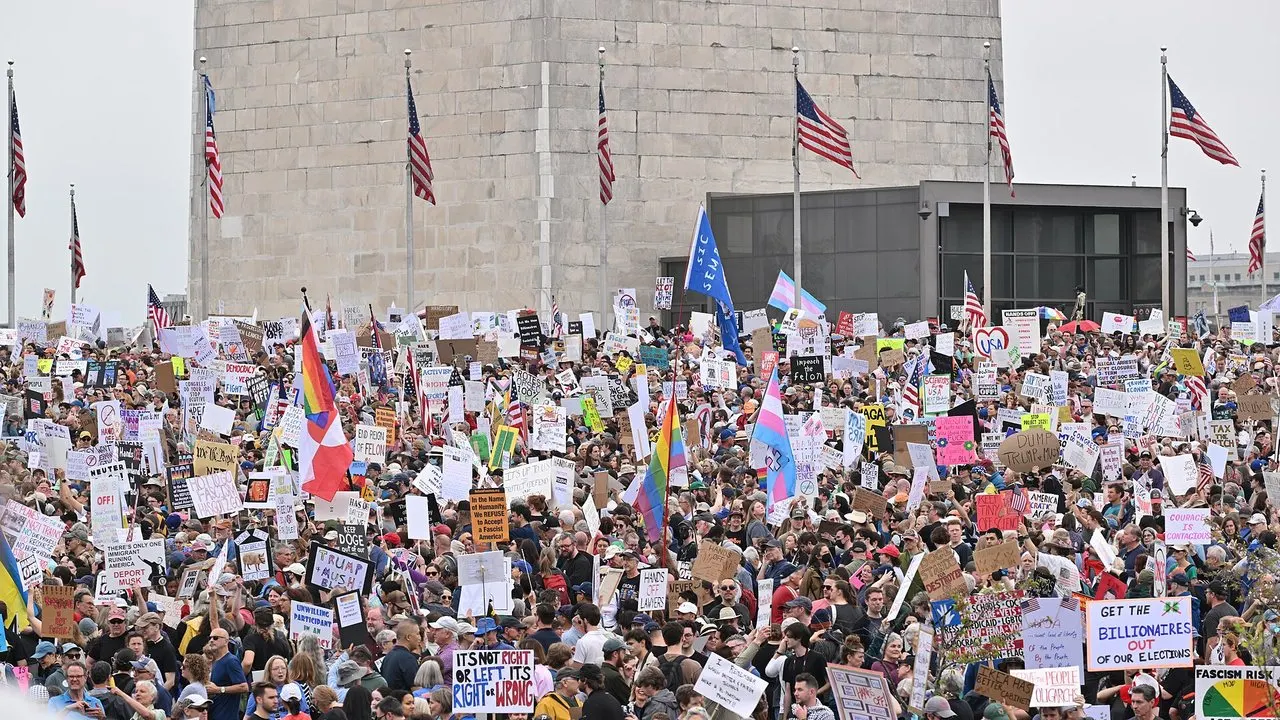
Backers of the tax have vowed to try again, according to EdSource, after the loss at the ballot box. A new attempt would face the same wealthy opposition and the ban from Proposition 42. Supporters say the need for healthcare funding has not gone away, and they plan to keep making their case. The debate over taxing the rich is far from over. You can read more about billionaires and money in our story on a plan where strangers post their bills for billionaires to pay and our report on a pay deal that could make one man a trillionaire.
What Do You Think Should Happen Next?

So what do you think should happen next? Should billionaires pay more in taxes, or should voters keep saying no to new levies on wealth? The California vote showed how much money can shape a campaign, and it left a big question open for the whole country. Share your thoughts in the comments and tell us where you stand. Learn how big money shapes public life in our report on Elon Musk bringing Starlink to Iran during an internet blackout and our story on a brain chip that may help blind people see again.