Trump Triumphal Arch Blocked Until December 3
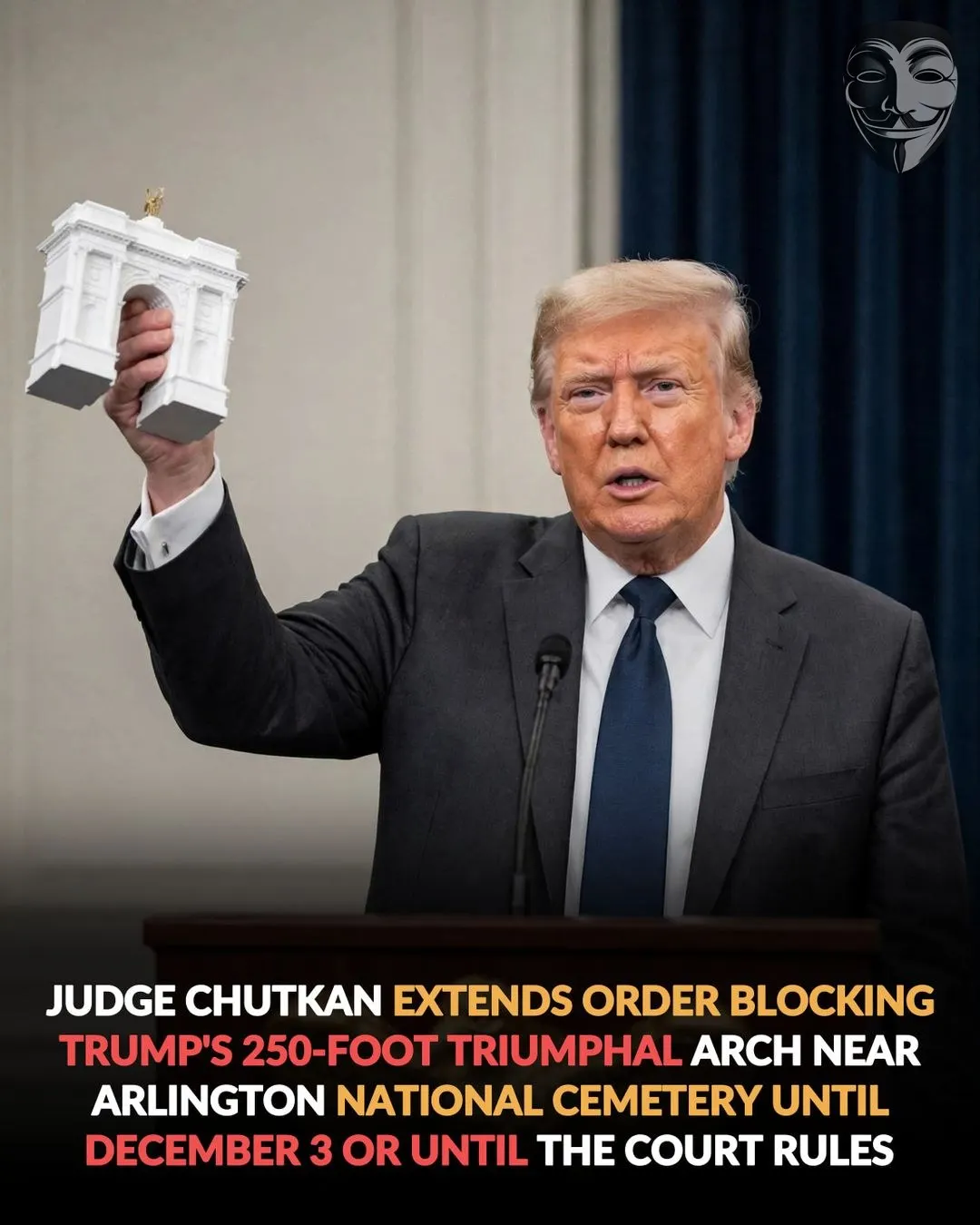
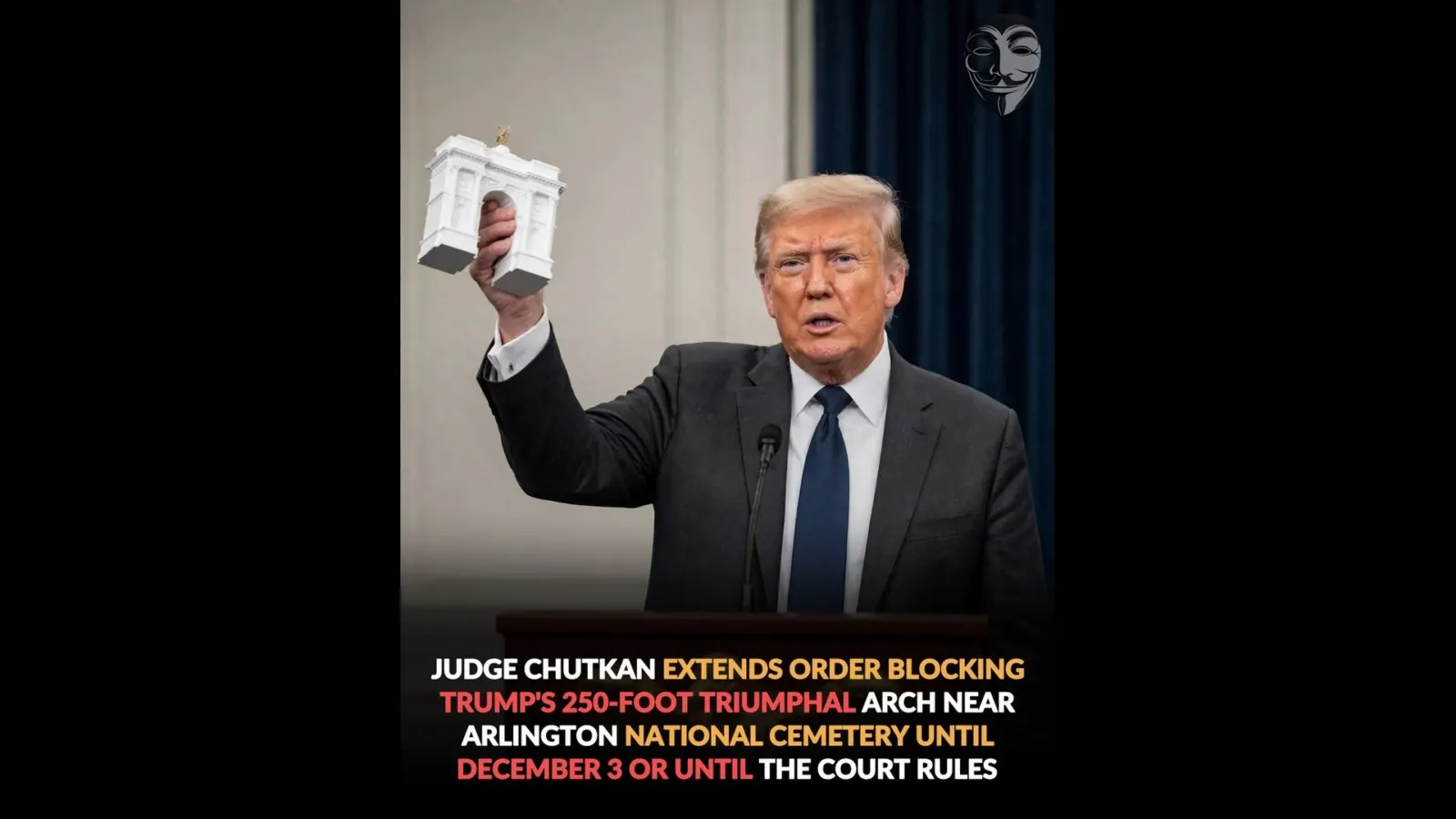
The Trump triumphal arch will stay on hold after Federal Judge Tanya Chutkan extended her order blocking construction of the 250-foot structure near Arlington National Cemetery. The order now runs through December 3, or until the court rules on a preliminary injunction, and it covers all construction, excavation, demolition and other work at the site. The case was brought by Vietnam veterans and an architectural historian, with the District of Columbia and Virginia also challenging the project. For more on how courts check presidential power, see the court ruling on tariffs.
In the slides ahead, we look at what the order stops, who brought the case, and how tall 250 feet really is next to the famous monuments of Washington. We also explain what a preliminary injunction does and what could happen when the December 3 date arrives. The story has moved fast and drawn wide attention, much like the move to a board observer role by Eric Trump drew notice in the business world. Keep reading for 17 facts behind the court fight over the arch.
References:
Fox 5 DC: Trump’s Memorial Arch Blocked Indefinitely By Second Federal Judge
Washington Examiner: Second Federal Judge Plans To Block Construction Of Trump Arch
Associated Press: Judge Extends Order Blocking Construction Of Trump Arch Until December 3
Democracy Docket: Judge Chutkan Extends Block On Trump Triumphal Arch
What the Order Stops at the Site
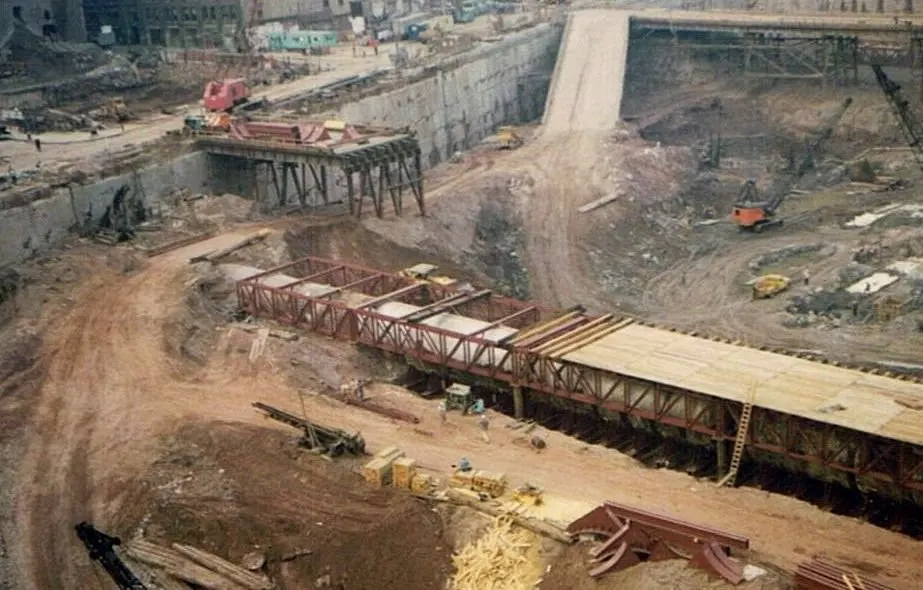
The order is broad, and it stops more than the raising of steel and stone. It prohibits all construction, excavation, demolition and other work at the site while the legal challenge moves forward. That means no digging, no tearing down and no building until the court decides what happens next. A pause like this keeps the ground as it is, so a later ruling still means something. Judges use such pauses in many kinds of cases, as you can see in why a president cannot close the Education Department alone and in the bill that kept the government open.
Why the Trump Triumphal Arch Case Runs to December 3
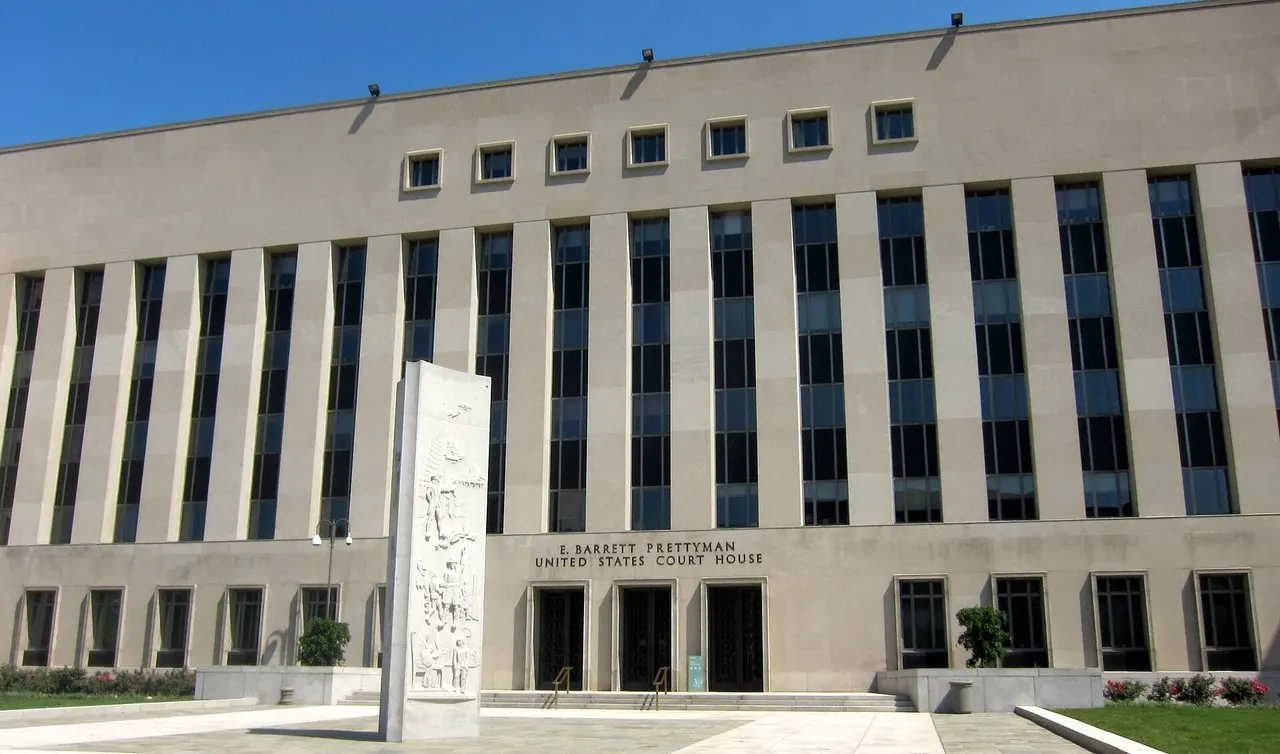
The December 3 date matters because it sets a clear end point for the pause, unless the court rules sooner on a preliminary injunction. A preliminary injunction is a longer order that can keep a project stopped while the full case is heard. Judge Chutkan issued the first order, then extended it so the court would have time to weigh the arguments. Deadlines like this shape how both sides prepare, as in the Greenland deal approved by Denmark and the Philippines deal worth 17 billion dollars, where timing also shaped the outcome.
Who Brought the Case to Court
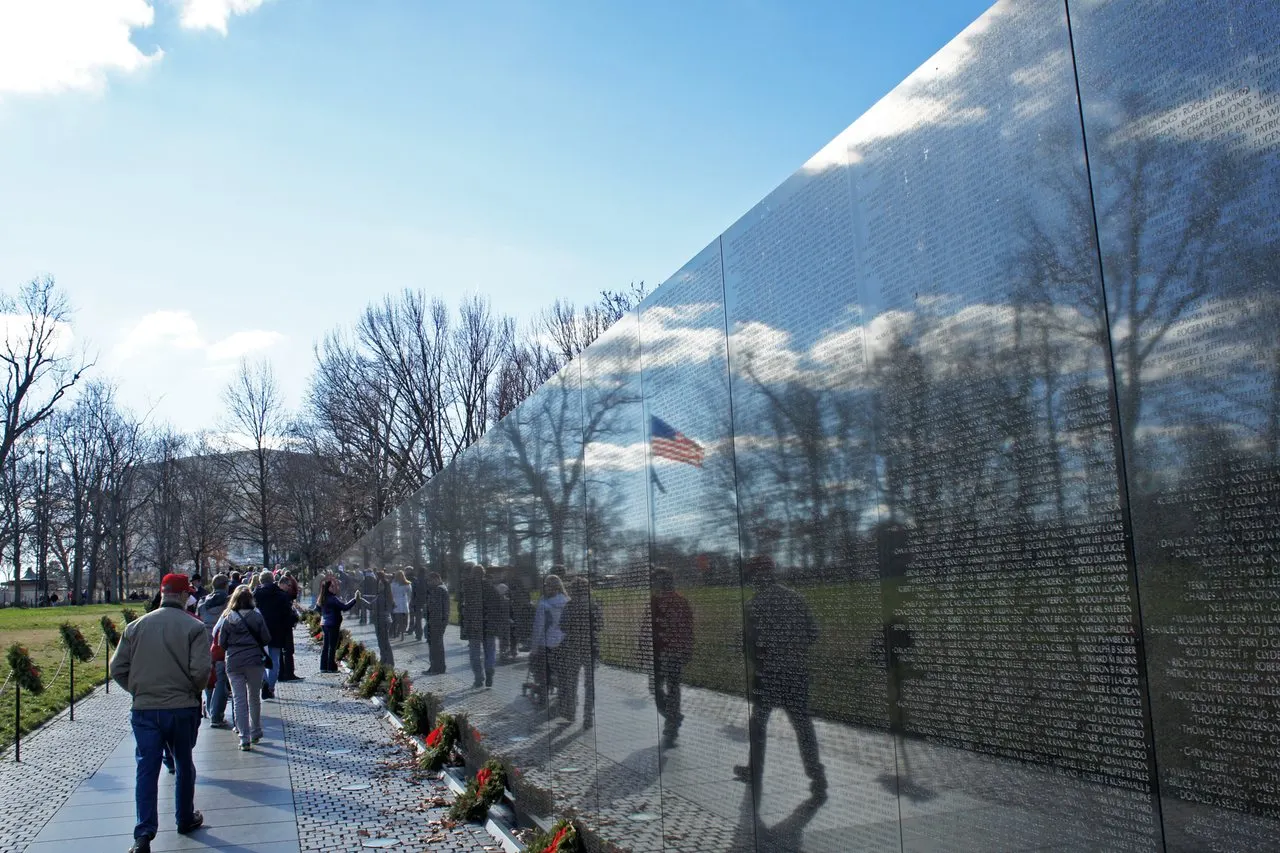
The case was brought by Vietnam veterans and an architectural historian, two different kinds of challengers with a shared concern. The veterans served in a war that left a mark on the country, and the historian studies the design and meaning of buildings. They were joined by the District of Columbia and Virginia, which also challenged the project in court. When citizens and governments join forces in a lawsuit, the case can carry more weight, as seen in the bill that would stop a president from pardoning himself and the man who broke the Hollywood Walk of Fame star.
The Trump Triumphal Arch Site Near Arlington Cemetery
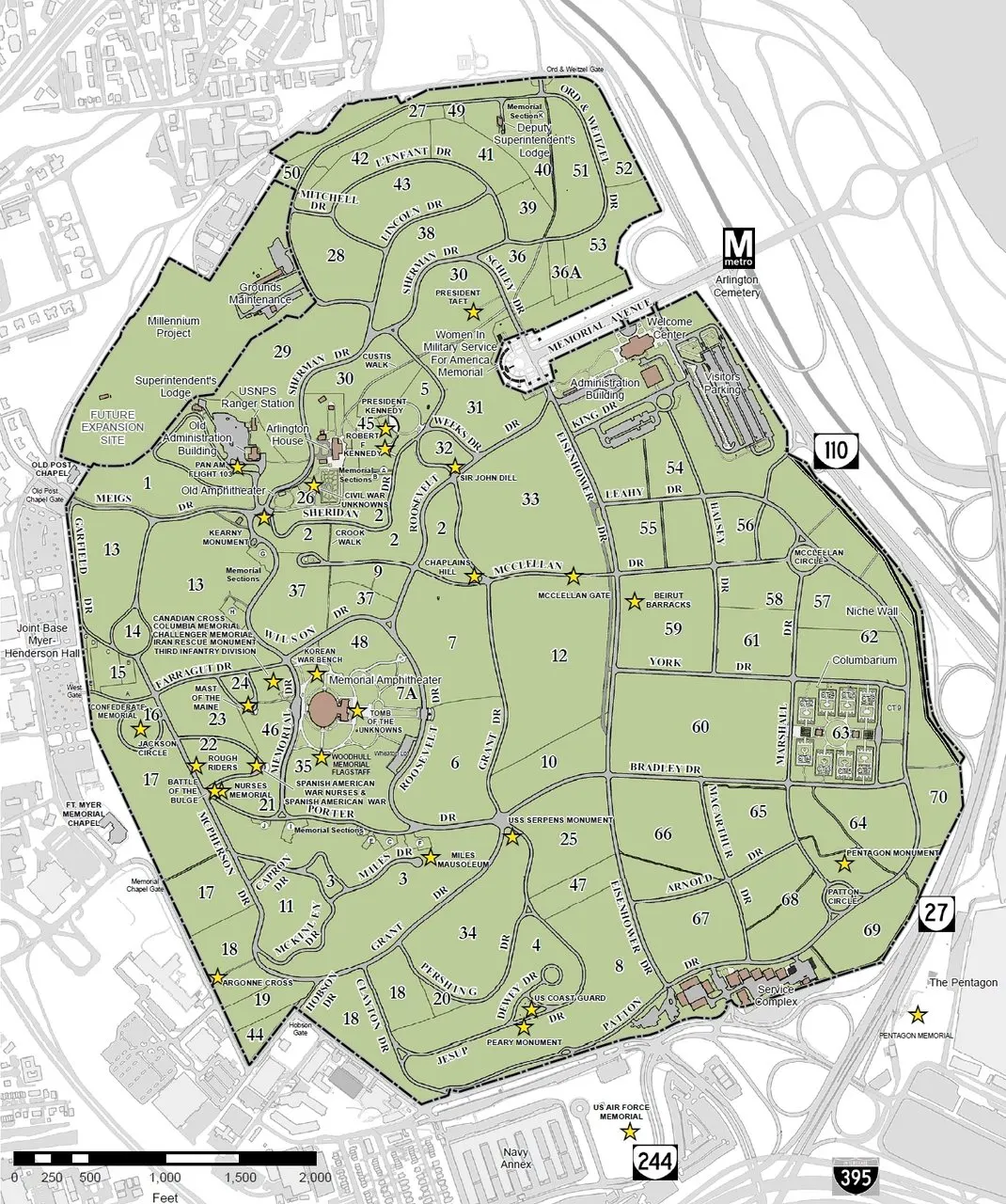
Arlington National Cemetery sits across the Potomac River from Washington, in Arlington, Virginia, and it is one of the most visited burial grounds in the country. The Trump triumphal arch would rise near this quiet ground, where rows of white headstones mark the graves of service members. The cemetery covers about 624 acres, and its hills hold the Tomb of the Unknown Soldier and the graves of presidents. A project so close to such a place draws special care, as in Bernie Sanders calling Trump the most corrupt president and the debate over Pride Month and Veterans Day.
What Is a Triumphal Arch
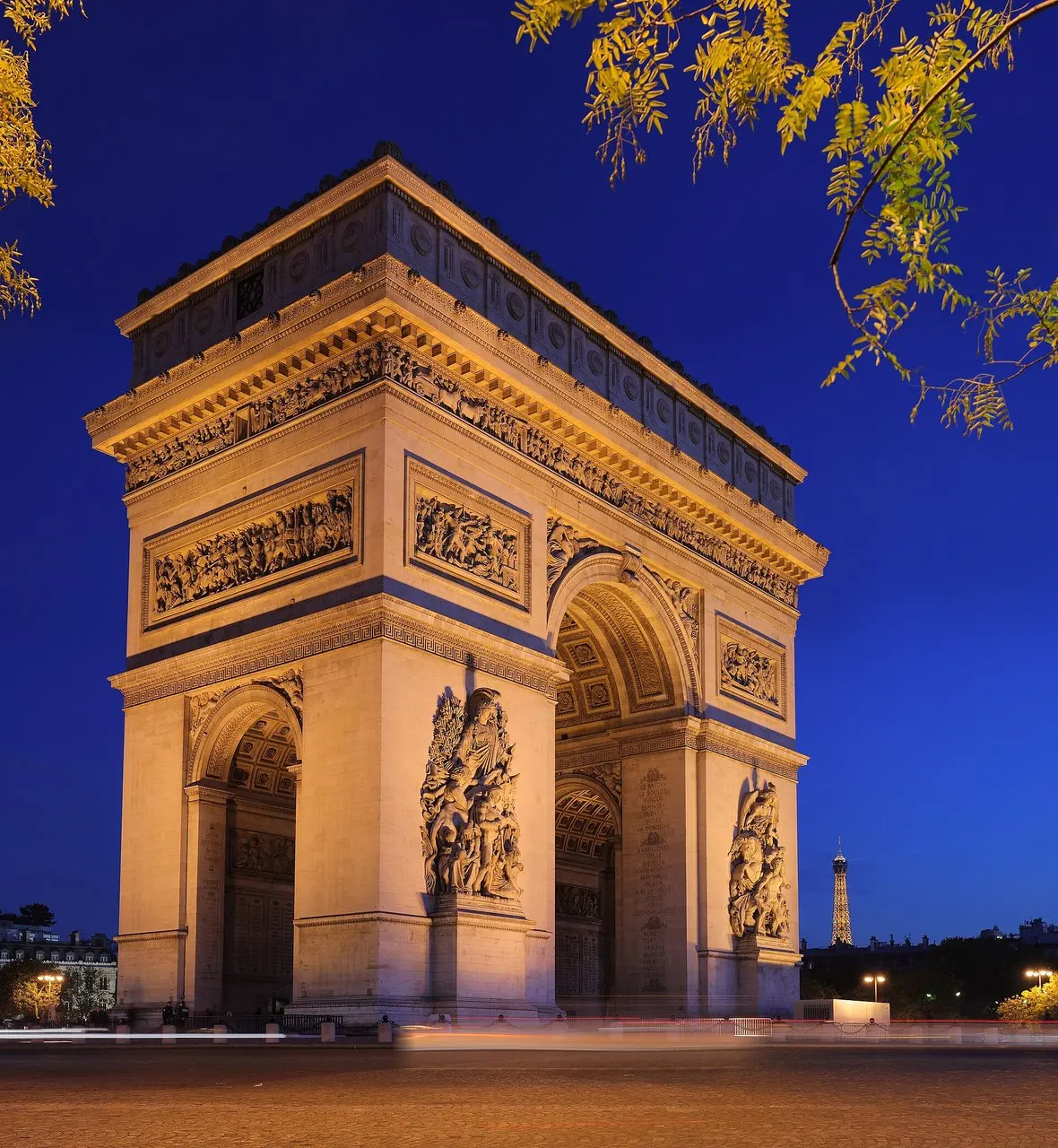
A triumphal arch is a stone gateway built to honor a victory or a leader, and the idea goes back to ancient Rome. The most famous one today is the Arc de Triomphe in Paris, which stands about 164 feet tall and was finished in 1836. Arches like this use columns, carvings and a single great opening to make a simple shape feel grand. Builders have copied the form for centuries, and grand public projects still stir debate today, as in the plan for voter ID and limits on mail voting and the planned National Guard deployment to Chicago.
How Tall Is 250 Feet
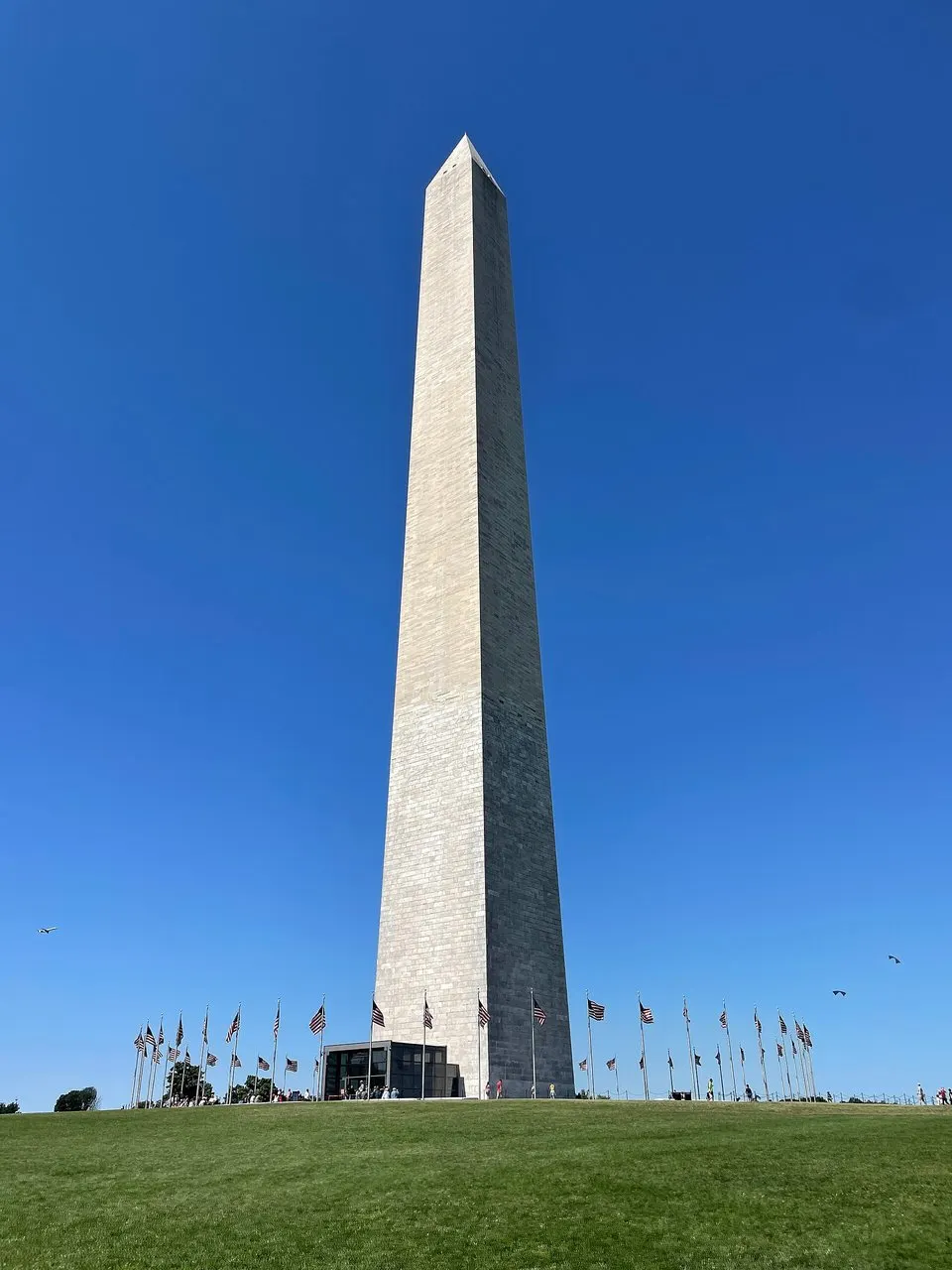
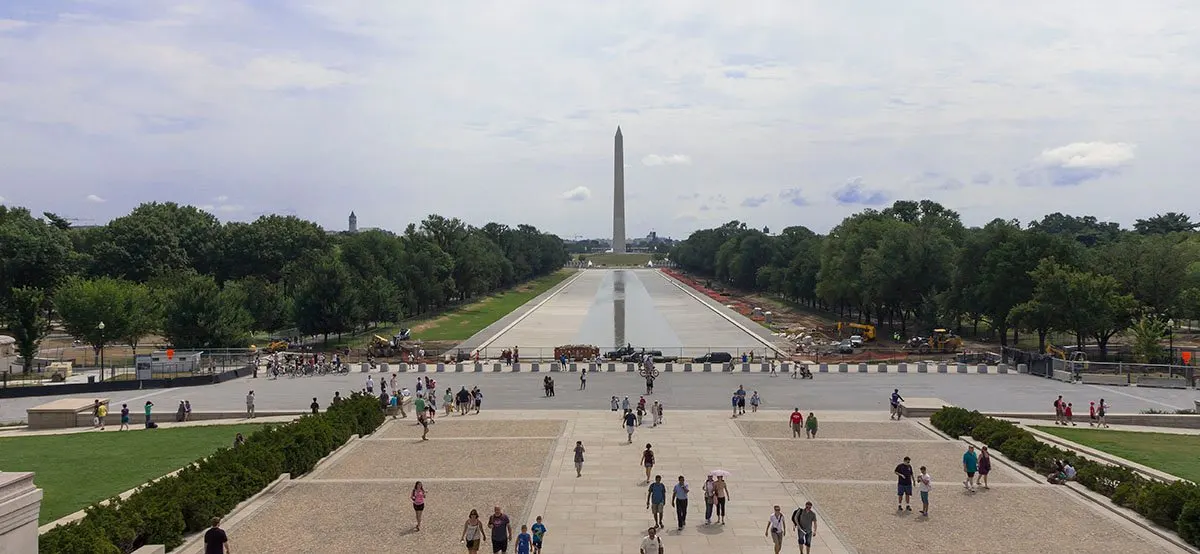
Two hundred fifty feet is hard to picture, so it helps to compare it with famous landmarks. The Arc de Triomphe in Paris stands about 164 feet tall, so the planned arch would rise well above it. The Washington Monument, the tall stone obelisk on the National Mall, stands 555 feet tall, more than twice the height of the planned arch. A 250-foot arch would still tower over most buildings nearby and change the skyline. Scale is part of the debate, as in the plan to send the Guard into Democratic-led cities and the Federal Reserve governor who sued Trump.
What a Preliminary Injunction Does
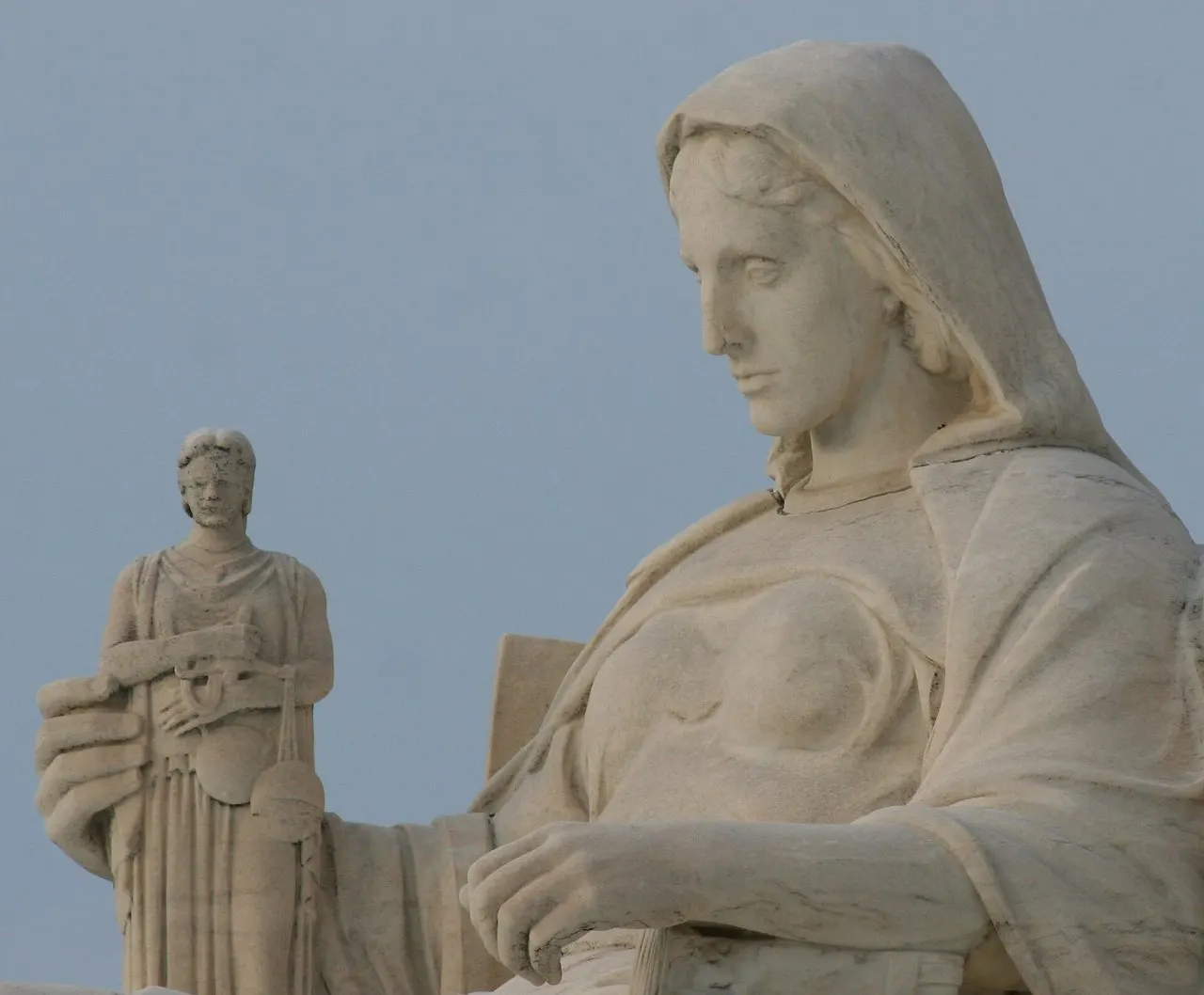
A preliminary injunction is a court order that stops something from happening while a lawsuit is still being decided. To win one, the side asking must show it is likely to win the case and would suffer harm that money alone cannot fix. The judge also weighs the public interest and the balance of hardships on both sides. It is a temporary order, not a final ruling, but it can shape the whole case. Courts weigh such requests with care, as in the backlash to the flag-burning order and the move to remove Fed Governor Lisa Cook.
Why the District of Columbia Challenged the Trump Triumphal Arch
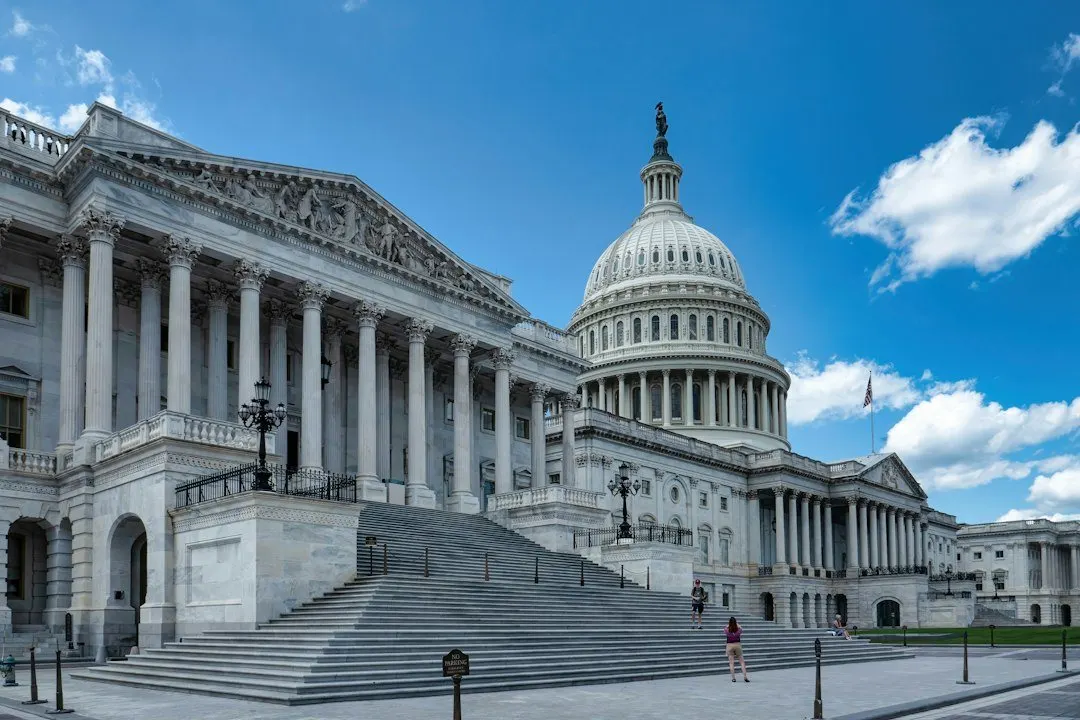
The District of Columbia is no bystander in this case, because the project would change the heart of the capital, where the city has a real interest. City leaders argued that building work would cause harm that could not be undone, and they asked the court to step in before work began. The Trump triumphal arch sits at the center of that argument, since its size makes it a city matter as well as a federal one. Local voices shape big projects, as in the order targeting cashless bail in Washington and Trump patrolling D.C. with police and troops.
Virginia Joined the Challenge Too
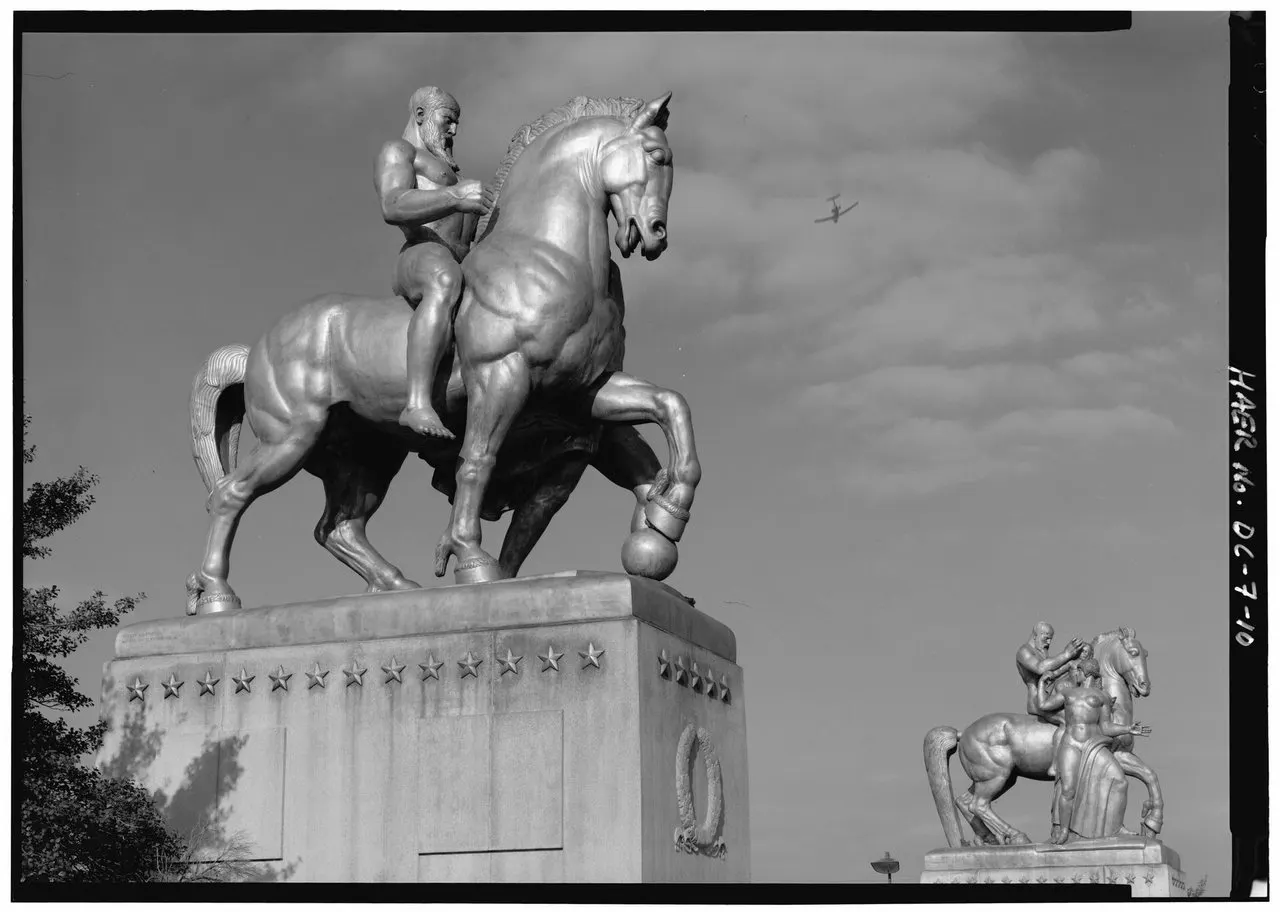
Virginia joined the challenge too, and its stake is easy to see on a map. Arlington National Cemetery stands in Arlington, Virginia, just across the Potomac River from the capital, and the arch would rise close to that border. State leaders argued that the project would affect their land, their roads and the quiet of the cemetery. When a project sits near a state line, both sides of the river have a say, as in the federal crime crackdown after D.C. and the court decision on the 500 million dollar fraud penalty.
What Happens Next for the Trump Triumphal Arch
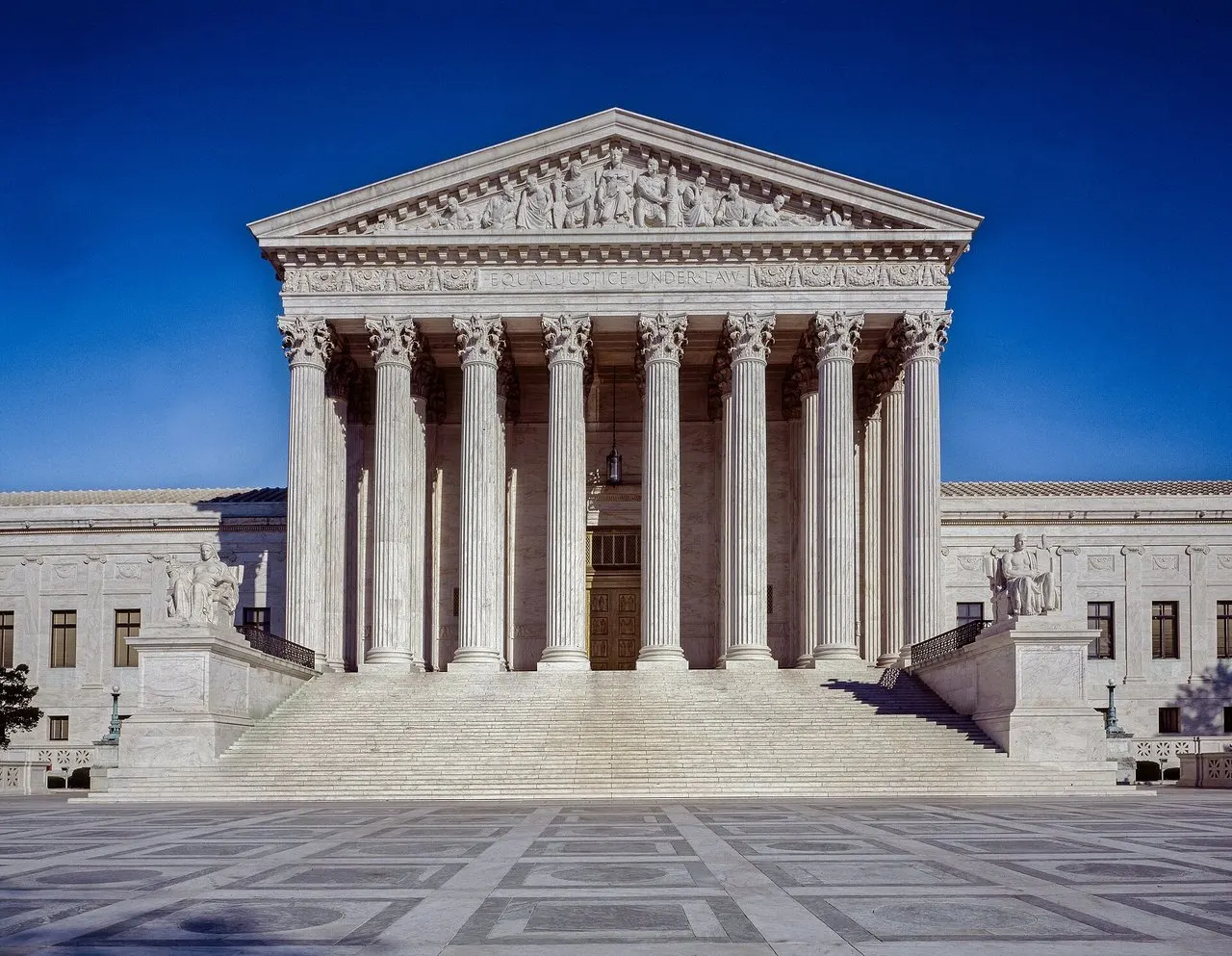
Before December 3, both sides will put their arguments before the court in writing and in hearings. The judge will then decide whether to grant a preliminary injunction, which would keep the work stopped for longer, or to let the project move ahead. Either way, the ruling will set the course for the months that follow. Court calendars move step by step, as in the new Trump portrait in the West Wing and the order targeting mail-in ballots, where each step drew its own round of attention.
A Second Federal Judge Also Blocked the Trump Triumphal Arch
The case also drew action from a second federal judge, which is rare and shows how closely the courts are watching the project. One headline called the arch blocked indefinitely by a second federal judge, and another said a second judge planned to block construction. Two judges moving in the same direction adds weight to the pause, even before any final ruling. When more than one court speaks, people listen, as in Trump ruling out U.S. troops in Ukraine and the English-only policy at HUD.
Why Vietnam Veterans Brought the Case
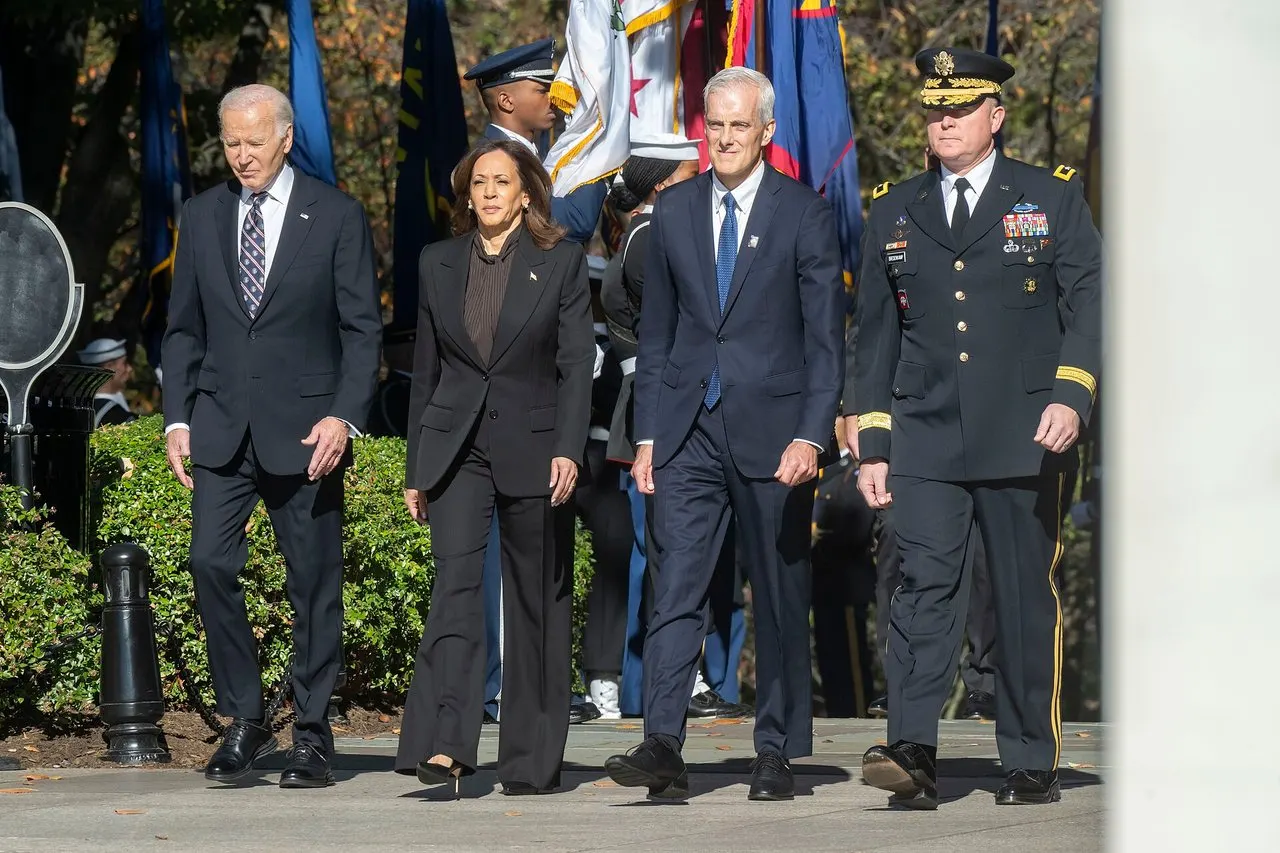
The Vietnam veterans who brought the case carry a personal stake in what happens near Arlington. Many of them served in a war that ended half a century ago, and they visit the cemetery to honor friends who never came home. For them, the ground near Arlington is not empty land but a place of memory. Their voice in court speaks for those who served, as in the Alaska talks with Putin and the reporters covering the Trump-Putin summit, where the past still shapes the present.
The Architectural Historian in the Case
An architectural historian studies how buildings are designed, what they mean, and how they fit the places around them. In this case, the historian joined the veterans to argue that a 250-foot arch would change the character of the land near Arlington. Experts like this help judges understand design and history, not just law. Their view adds a different kind of evidence to the case, as in the ships that collided near Scarborough Shoal and the new census that would exclude immigrants, where expert views also mattered.
How Courts Weigh Projects Near Hallowed Ground
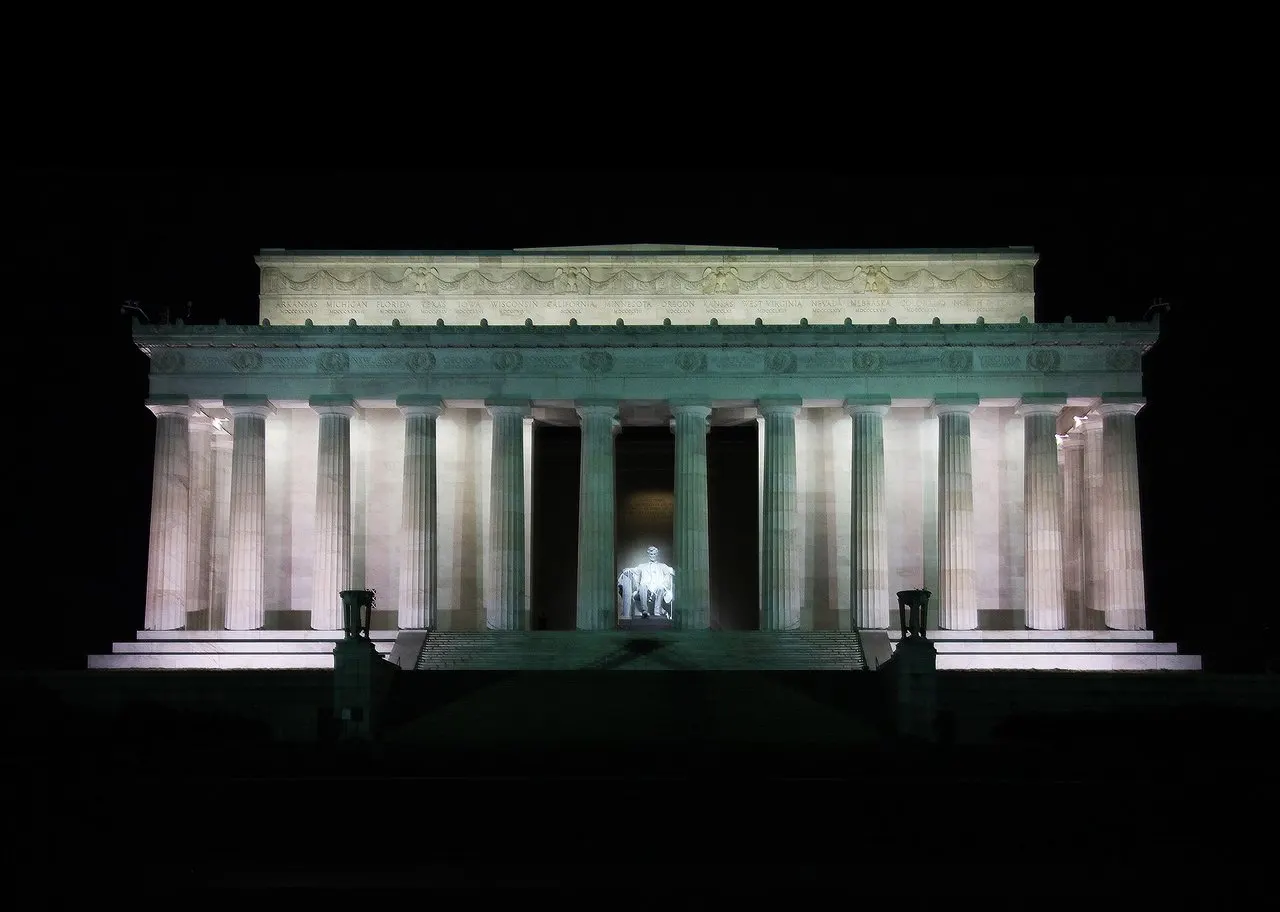
Judges who weigh projects near hallowed ground often look at more than the building itself. They consider the quiet of the place, the people who visit to remember, and the history held in the soil. Arlington is a burial ground first, and any great structure nearby must respect that purpose. The law gives courts room to protect such places, as in the defense of Venezuelan deportations and the layoffs and tariff swings of the first weeks, where the courts also had the final word.
The Trump Triumphal Arch and the Memorials Around It
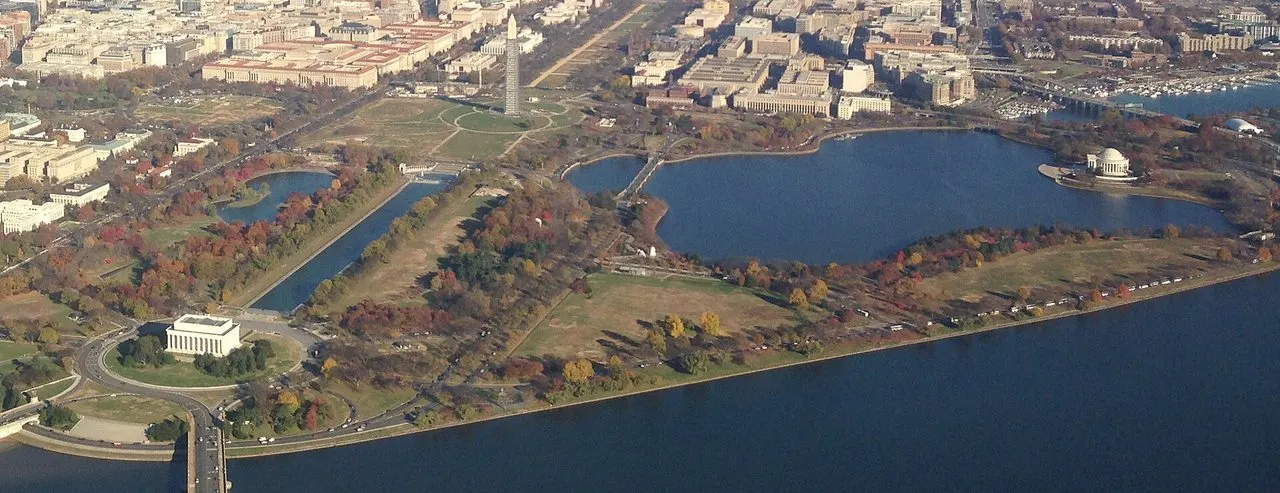
The capital is full of memorials, and each one was placed with care so the whole city reads as one great landscape. The Lincoln Memorial anchors the west end of the National Mall, the Washington Monument rises at its center, and Arlington lies just across the river. A new arch of 250 feet would join this crowded company of stone giants. How it fits among them is part of the court fight, as in the court ruling on tariffs and why a president cannot close the Education Department alone, where the courts also weighed big questions.
What Do You Think Should Happen Next
The pause runs to December 3, when the court will decide what happens next for the arch and the ground beside Arlington. The Trump triumphal arch has stirred a debate about memory, scale and the law. Whatever the court decides, we will keep following the story. What do you think should happen next? Should the arch rise, or should the ground stay as it is? Share your thoughts in the comments and tell us what matters to you. You can also read the Greenland deal approved by Denmark and the bill that would stop a president from pardoning himself.