Kushner Defense Stake Was Left Out of a Filing
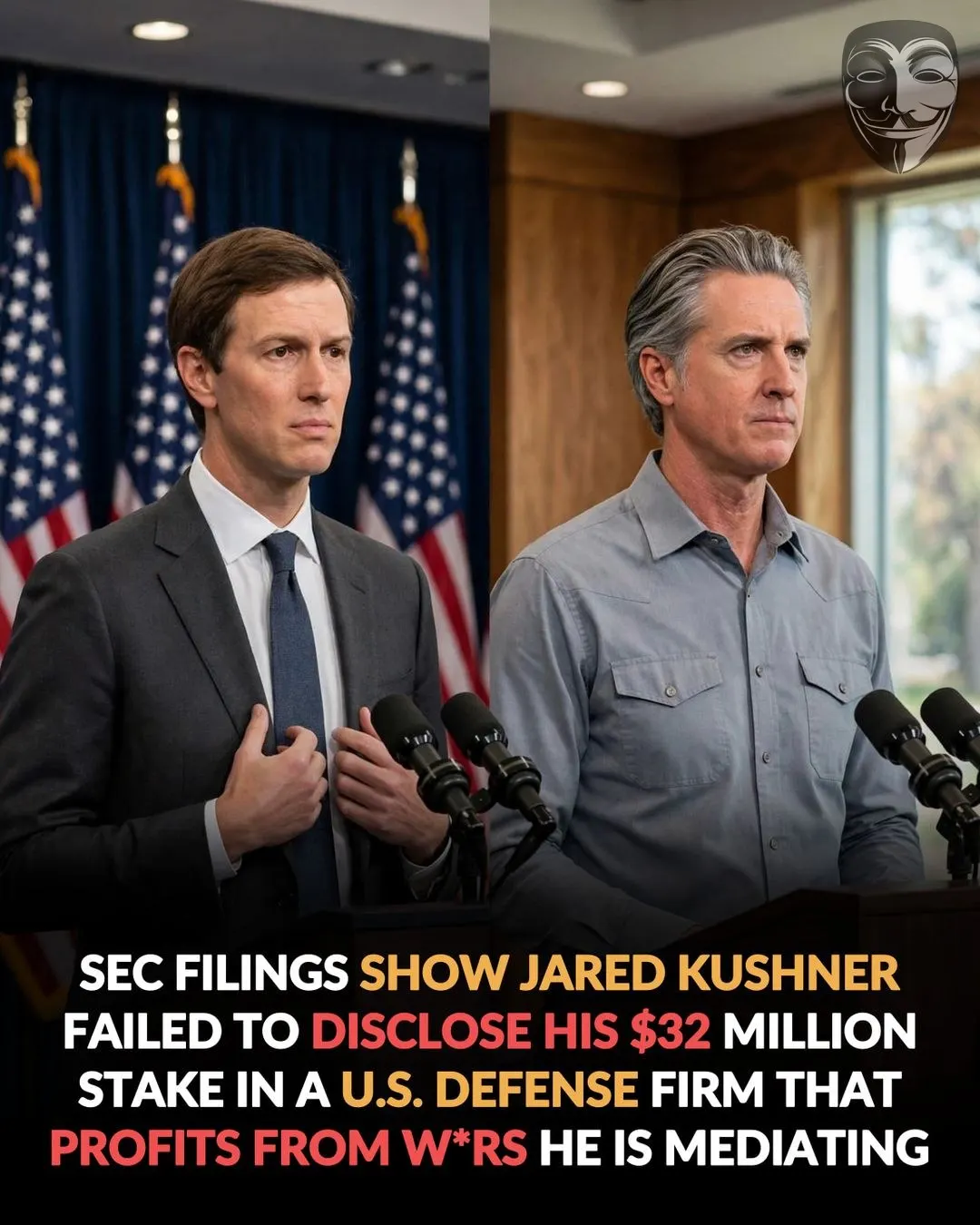
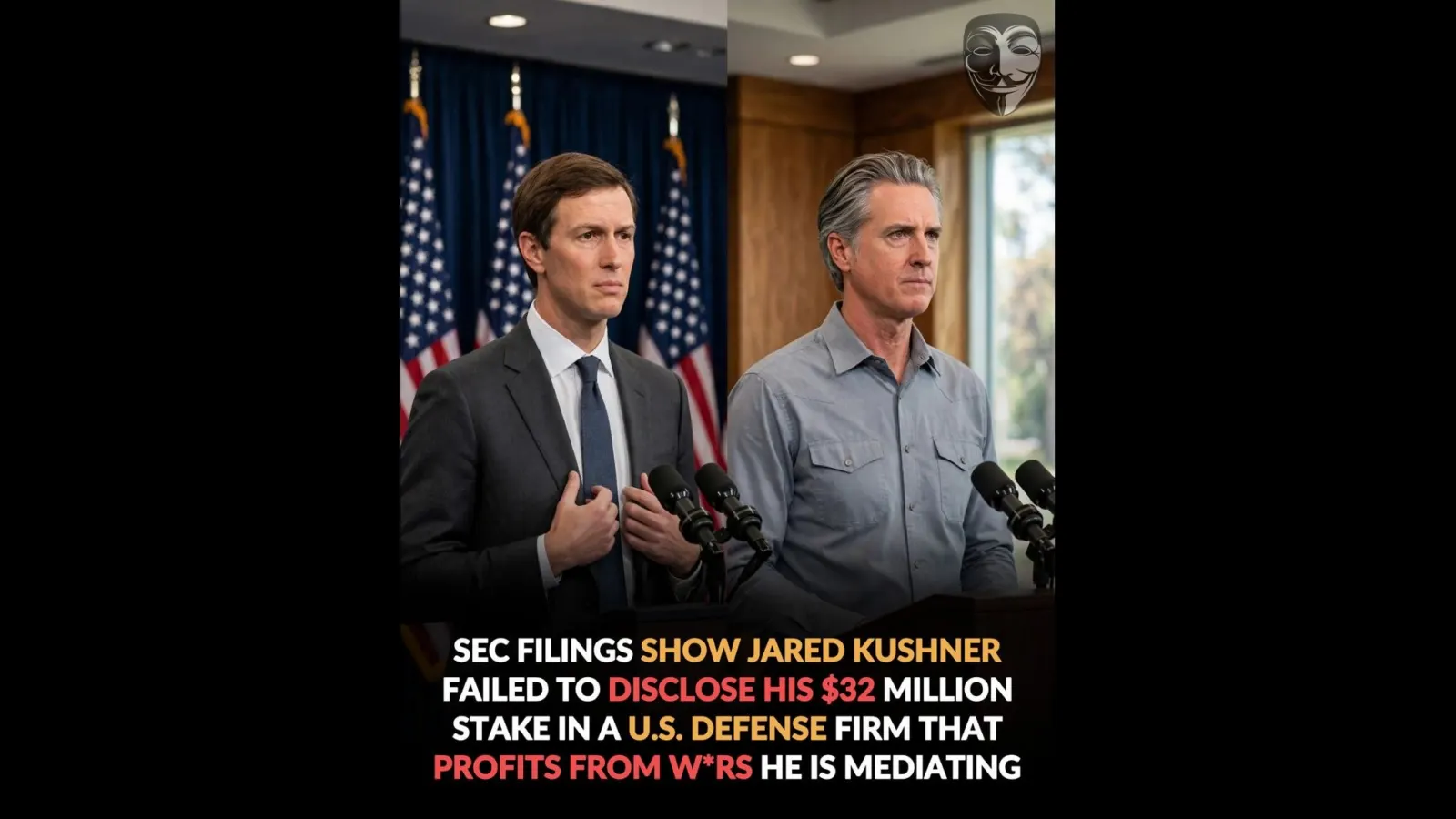
Kushner defense stake worth about $32 million was left out of an August filing with the Securities and Exchange Commission, and it only appeared in an amended filing on November 5. The Atlantic reported that Jared Kushner’s firm, Affinity Partners, held the shares in Arxis, a United States defense company. The holding was missing from the first report and then added two days after the midterm elections, which is why the timing drew so much attention.
California Governor Gavin Newsom warned Kushner over the undisclosed investment and called it rank corruption, saying it was time for consequences. Kushner has served as an informal United States envoy in talks over Gaza, Ukraine and Iran, and neither he nor Affinity answered requests for comment. The story raises clear questions about disclosure and public trust, and readers can compare it with a defense deal worth billions and Newsom in a California political fight.
References:
The Atlantic: Jared Kushner’s Undisclosed Investment
Militarycom: Kushner’s Firm Left $32M in Defense Contractor Shares Off SEC Report. He Added Them After the Midterms
AInvest: Kushner’s Firm Omitted $32 Million From a Filing. At Arxis, It’s 0.16%.
Brownstone Worldwide: Jared Kushner’s Reported $32 Million Defense Investment Raises Questions About Diplomatic Conflicts
The Atlantic Report That Started the Story

The Atlantic reported that Affinity Partners held about $32 million in shares of Arxis, and that simple fact set off a wider public debate. The magazine said the holding was left out of an August filing with the Securities and Exchange Commission and only showed up later in an amended filing. News reports often start with one clear document, and this one gave readers a date, a dollar amount and a company name to check. The same kind of close reading matters in talks about weapons for Ukraine and in a sharp fall in United States stocks.
Kushner Defense Stake and the Firm Behind It

Affinity Partners is the firm at the center of this story, and it is the firm Jared Kushner leads. The Atlantic reported that the firm held about $32 million in shares of Arxis, a defense company that makes parts for American military systems. A firm that invests in defense work while its leader helps with sensitive talks faces natural questions about interests and judgment. Those questions grow sharper when a filing is amended, as readers saw in a defense deal tied to Boeing jets and in a move to remove a Federal Reserve governor.
Arxis and Mission Critical Defense Parts

Arxis is described as a United States defense company that makes mission critical components for defense systems, and that detail is central to the story. Parts that keep jets, ships and submarines working are not ordinary products, and the firms that make them often work closely with the government. A stake in such a company can therefore look very different from a stake in an ordinary business. The link between private money and public duty is also at issue in a defense deal worth billions and in a plan for allies to buy American weapons.
F-35 Jets, Destroyers and Submarines

The Atlantic reported that Arxis makes parts for F-35 jets, Navy destroyers and submarines, three of the most important tools in the American military. The F-35 is a fighter jet used by the United States and its allies, while destroyers and submarines patrol the seas for months at a time. Each of these systems depends on many small parts working together, and a failure in one part can ground a jet or delay a ship. Readers who follow defense news will also know a plan for allies to buy American weapons and why so many data centers are being built.
The August Filing and the Kushner Defense Stake

The first filing came in August, and the $32 million holding in Arxis was not in it. A filing with the Securities and Exchange Commission is a formal public record, and investors, reporters and officials read it to learn what a firm owns. When a large holding is missing, people want to know whether it was a mistake, an oversight or something else. The record itself does not answer that question, which is why the later amendment mattered so much, as in a dispute over a Federal Reserve governor and a sharp fall in United States stocks.
The Amended Filing on November 5
On November 5, an amended filing added the $32 million in Arxis shares that had been left out in August. An amended filing is a corrected version of an earlier record, and it lets a firm fix what was missing or wrong. The correction itself is a normal tool in financial reporting, and firms use it for many reasons. What made this one stand out was the size of the holding and the date, two days after the midterm elections, a point raised in a court case over tariffs and a sharp fall in United States stocks.
Why the Timing of the Kushner Defense Stake Matters
The amended filing arrived two days after the midterm elections, and that timing is a big part of the public debate. Elections are a time when voters judge leaders and their records, and news that arrives after voting day cannot shape the vote. Critics say the delay looks like the news was held back, while others may see it as a simple filing error found late. The filings do not say why the first report left the shares out, so the timing remains an open question, like a court case over tariffs and a memoir dispute over a border label.
Gavin Newsom and the Call for Consequences
California Governor Gavin Newsom warned Kushner over the undisclosed investment and called it rank corruption, saying it was time for consequences. Newsom is a leading Democratic voice, and his words were blunt and direct. He framed the missing disclosure as a matter of public trust, not a small paperwork error. A governor speaking this plainly about a presidential envoy is unusual, and it pushed the story into a wider debate, much like Newsom in a California political fight and a memoir dispute over a border label.
Kushner Defense Stake and the Envoy Role
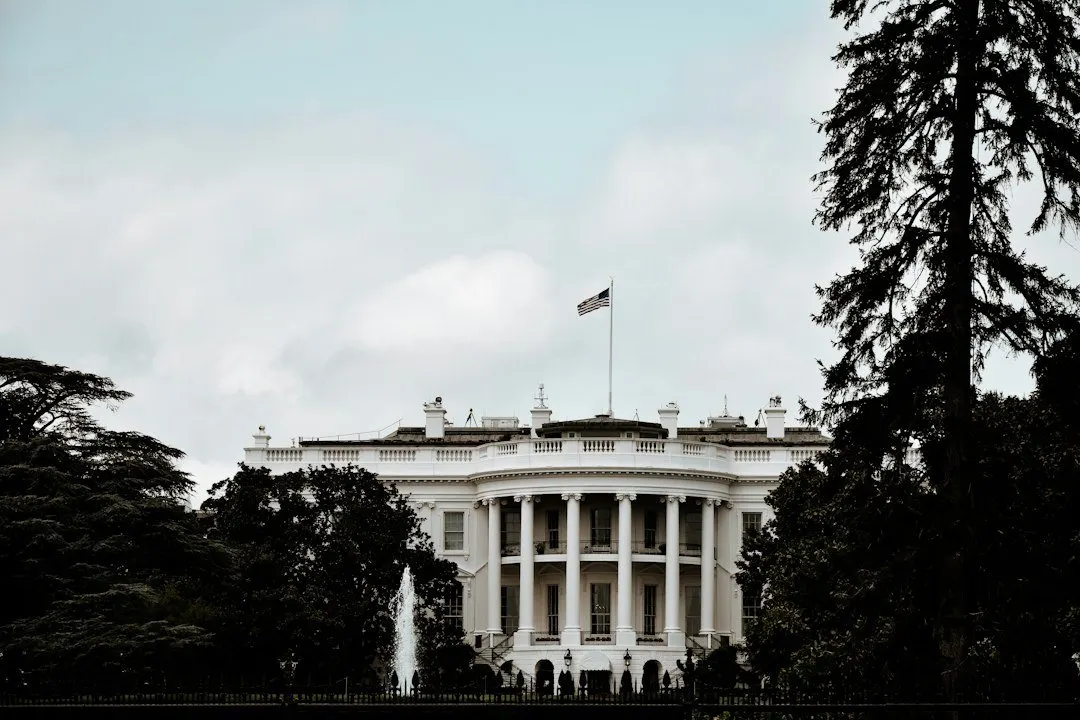
Kushner defense stake sits beside a second role that makes the story harder to ignore, his work as an informal United States envoy. He has taken part in talks over Gaza, Ukraine and Iran, places where American defense policy is close to daily life. An envoy is expected to act for the country, not for a private holding, and that is why a defense stake draws extra care. The mix of private money and public talks is also a theme in a report on Starlink over Iran and a summit with Putin in Alaska.
Talks Over Gaza and the Questions Raised

Kushner has served as an informal envoy in talks over Gaza, where the stakes for civilians are very high and every step is watched closely. Talks in such a setting aim to stop the fighting and to find a path that protects ordinary people. A mediator in those talks needs to be seen as fair by all sides, and any private interest can cloud that picture. The filings do not link the holding to any single talk, but the overlap is what worries critics, as in a report on Starlink over Iran and a summit with Putin in Alaska.
Talks Over Ukraine and the Questions Raised

Kushner has also taken part in talks over Ukraine, a country that has faced years of fighting and deep loss. Talks over Ukraine often turn on weapons, aid and security promises, and American defense firms are never far from that discussion. A mediator who also holds defense shares may face questions even when no wrong act is proven, because the appearance of a conflict can matter as much as the fact. Similar worries shape a summit with Putin in Alaska and a claim about leaked Iran strike intelligence.
Talks Over Iran and the Questions Raised

Kushner has also taken part in talks over Iran, a country at the center of many American debates about security and diplomacy. Talks with Iran often deal with nuclear limits, sanctions and regional fighting, and they need trust on all sides to move forward. A private defense holding does not prove that any talk was shaped by money, but critics say it creates a doubt that is hard to clear. That doubt is also a theme in a report on Starlink over Iran and a claim about leaked Iran strike intelligence.
What the Filings Do Not Say About the Kushner Defense Stake

The filings do not say when the shares were bought, what was paid for them, or why the first report left them out. Those gaps are important, because each missing fact could change how the story is read. A recent purchase would raise different questions from an old one, and a low price would raise different questions from a high one. Until those facts are public, readers are left with a corrected record and an open question, a pattern also seen in a dispute over a Federal Reserve governor and a court case over tariffs.
No Comment From Kushner or Affinity
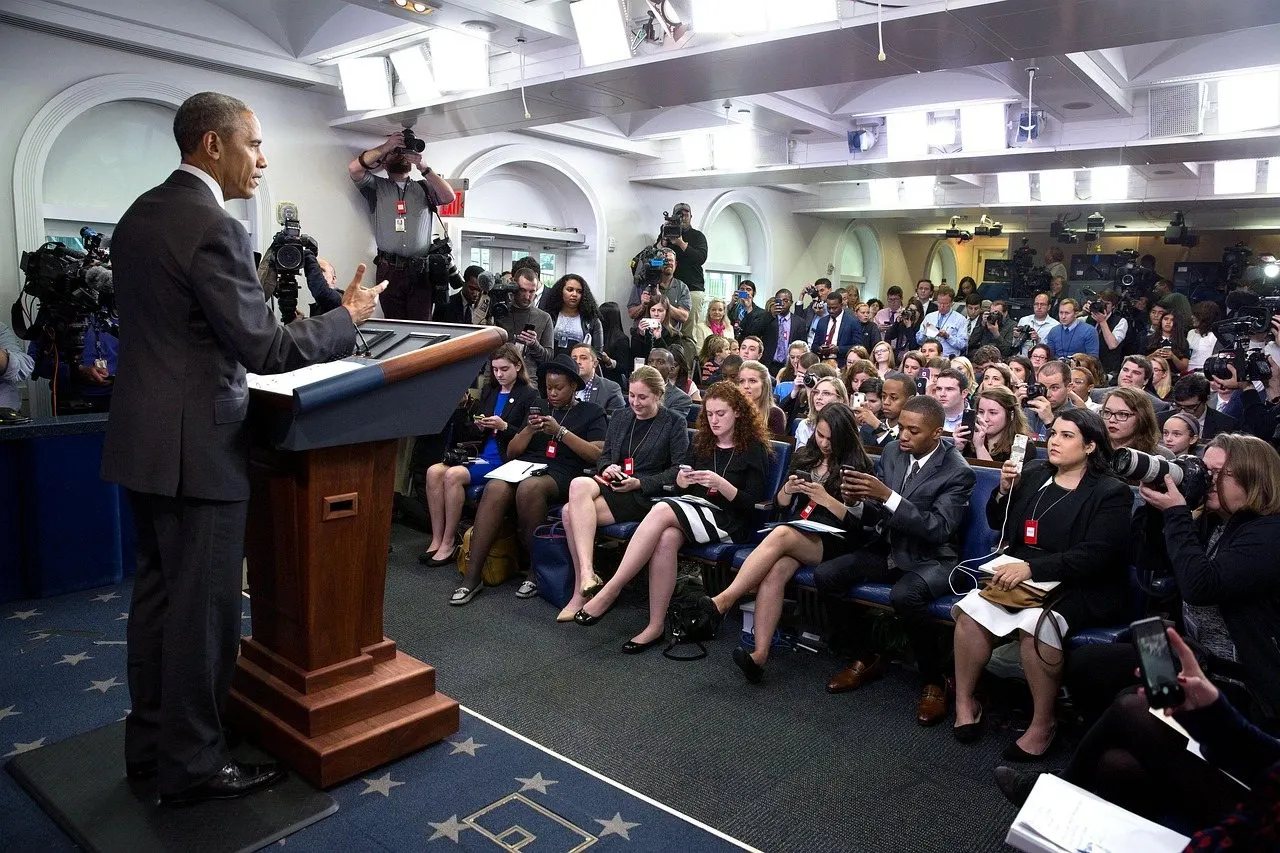
Neither Kushner nor Affinity answered The Atlantic’s requests for comment, according to the report. A lack of comment does not prove that anything wrong happened, and people in public life often stay silent while they review a story. But silence can also leave the public with only one side of the facts, and it can let speculation fill the gap. Readers will watch for a fuller answer in the days ahead, as they did after a memoir dispute over a border label and a viral video from the White House.
Disclosure Rules and Why They Matter

Disclosure rules exist so the public can see what powerful people own and where their money sits. A filing with the Securities and Exchange Commission is meant to be a clear public record, and it works only when it is complete and on time. When a large holding is left out, even for a short time, the public loses a chance to judge the facts for itself. That loss of trust is the heart of this story, and it echoes in why so many data centers are being built and a viral video from the White House.
What Happens Next for the Kushner Defense Stake

What happens next will depend on whether more facts come out and whether any official body looks into the filing. Lawmakers, reporters and watchdog groups often ask for the missing details after a story like this, and a firm may release a fuller account of its own. For now, the public record shows a holding left out in August and added on November 5, and that record will shape the debate, as in why so many data centers are being built and a viral video from the White House.
What Do You Think About the Disclosure?

This story leaves readers with a clear question about trust, disclosure and public service. Do you think a missing $32 million holding in a defense firm should bring real consequences, or do you see it as a filing error that was fixed in time? Share your view in the comments and tell us what fact you would most like to see next. Your voice helps shape the debate, and you can keep reading a claim about leaked Iran strike intelligence and Newsom in a California political fight.