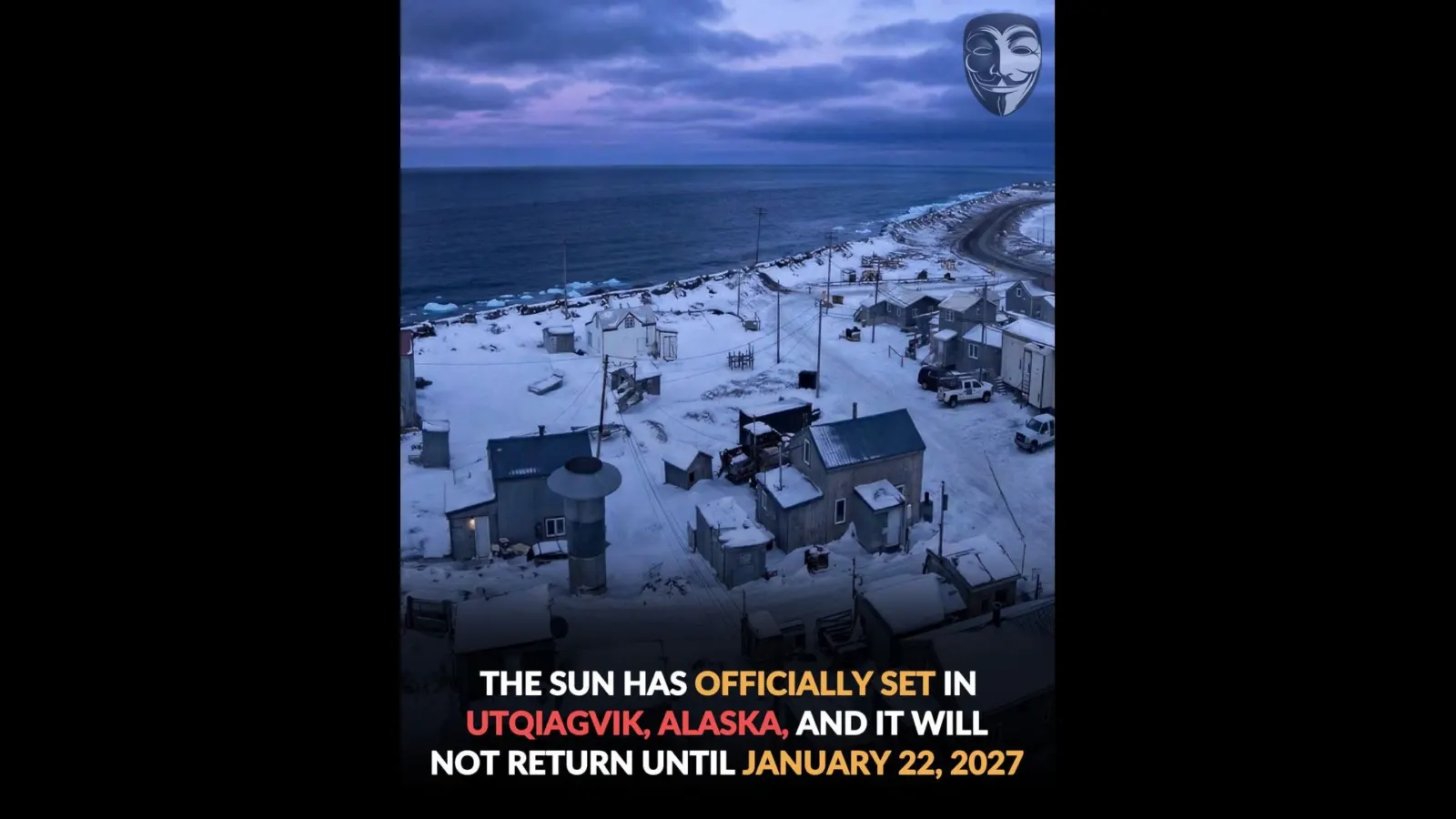
Utqiagvik Polar Night Has Begun in Alaska
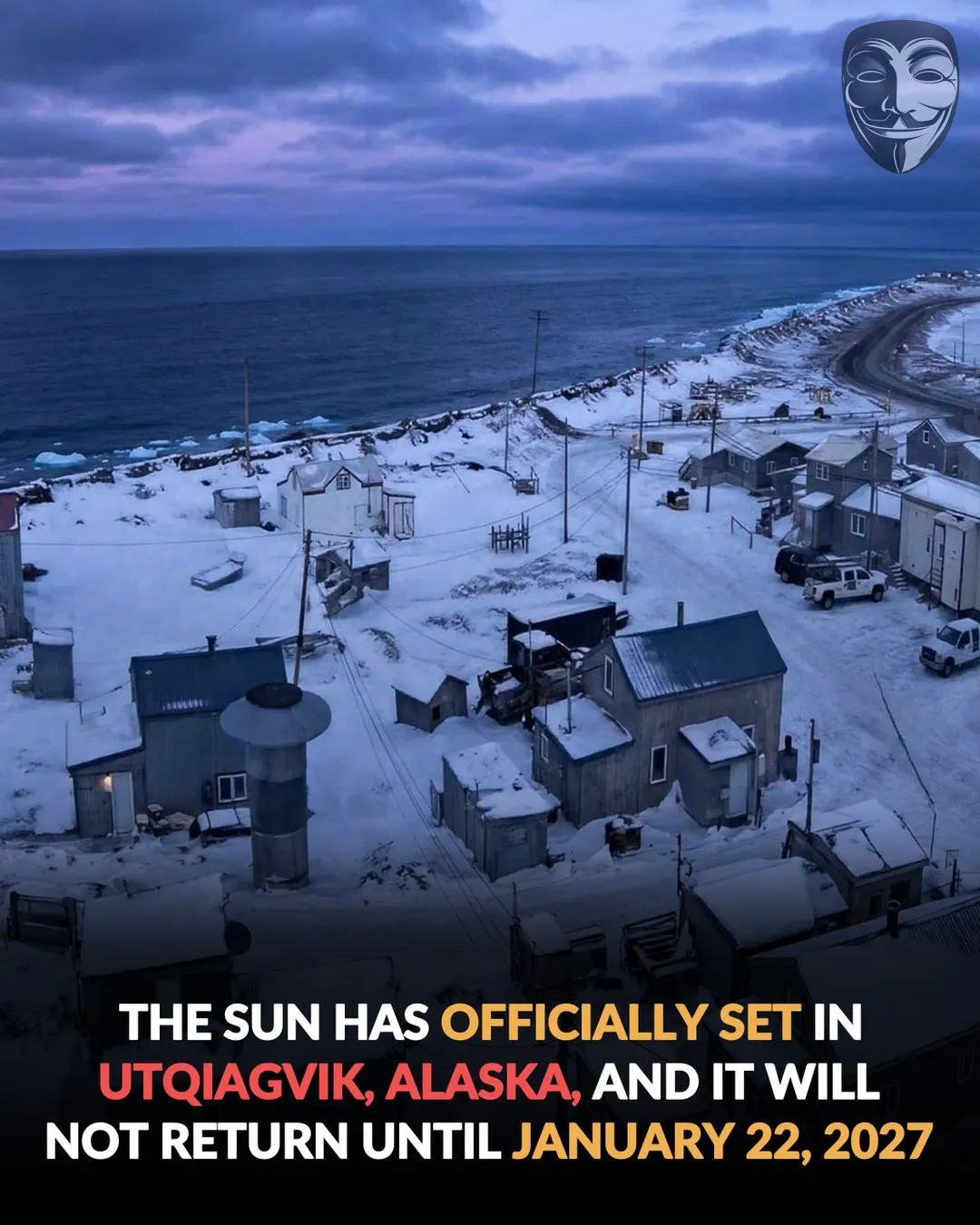
Utqiagvik polar night has begun in the northernmost city in the United States. The sun set for the last time this year on November 18, 2026, and it will not rise again until January 22, 2027. That means about 65 days without a sunrise for the people of Utqiagvik, Alaska, a small town on the edge of the Arctic Ocean. The town sits about 330 miles north of the Arctic Circle. In the slides ahead we look at why the sun disappears, what the long twilight looks like, and how daily life carries on.
Polar night does not mean the town goes fully dark, and the story is gentler than the name suggests. The sun stays close enough to the horizon to give several hours of soft twilight each day, painting the sky in blue, purple and orange. The darkest days come around the December solstice, yet work and school carry on as normal. For more on the far north, read about a historic vote that reshaped Arctic security and a Pearl Harbor survivor who lived to 106.
References:
Engineerine: Why the Sun Will Not Rise in Utqiagvik Alaska Until January 2027
Travel Your Way: The Sun Sets for the Last Time in Utqiagvik Alaska Plunging Americas Northernmost Town Into 65 Days of Polar Night
UNILAD: There Is an Alaska Town Where Residents Will Not See the Sun Again Until January 2027
Arab Weather: A City Is Preparing to Bid Farewell to the Sun Tomorrow It Will Not Rise Again Before January 23 2027
The Last Sunset of 2026 in Utqiagvik
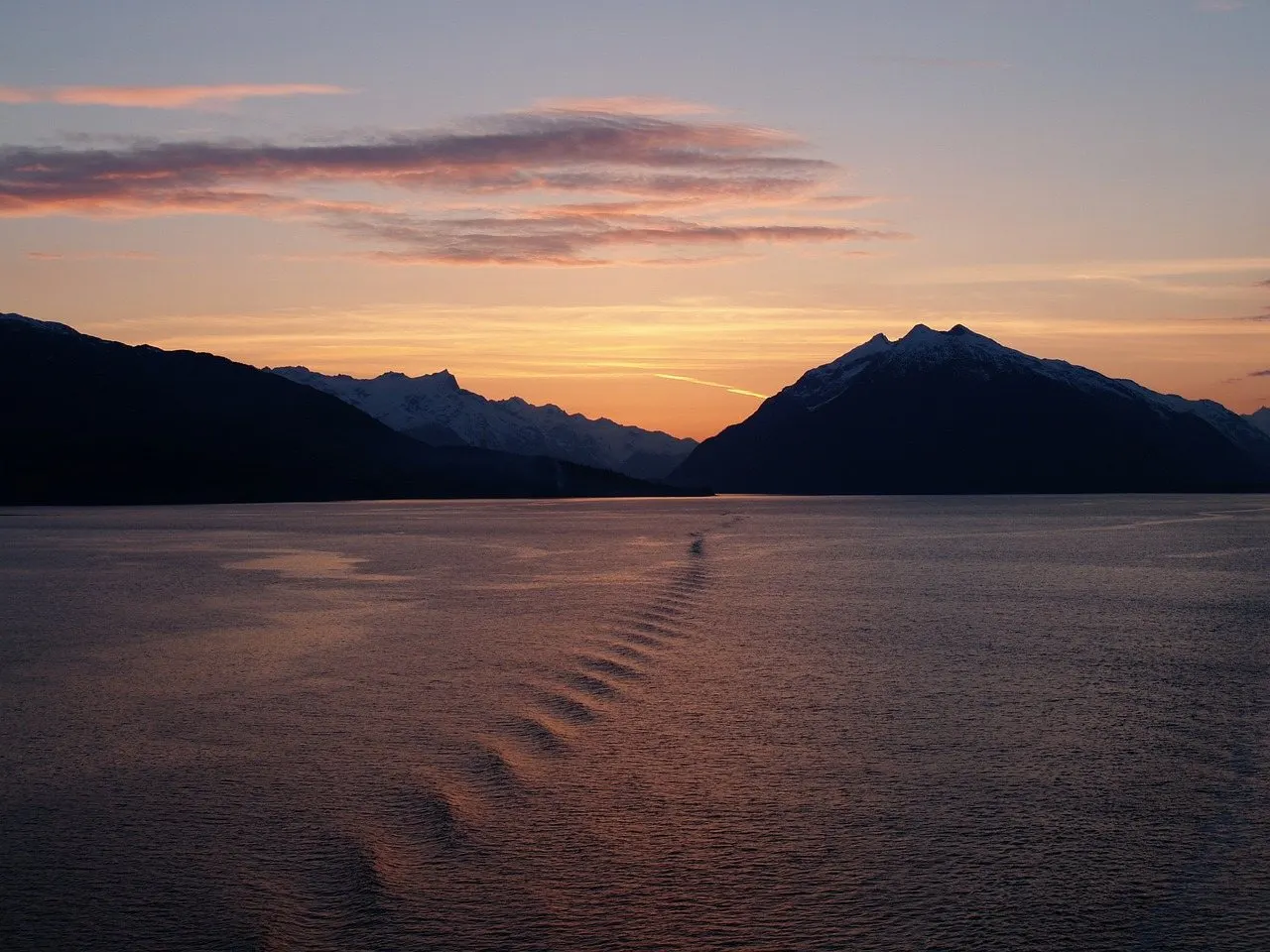
On November 18, 2026, the people of Utqiagvik watched the sun sink below the horizon for the last time that year. It set in the early afternoon, and by the next morning it did not come back. That single sunset marked the start of about 65 days without a sunrise, a stretch that will end on January 22, 2027. Families in town knew the date was coming, and many stepped outside to watch the light fade. Read about a loyal dog who led rescuers through the freezing dark and why so many data centers are being built.
330 Miles North of the Arctic Circle
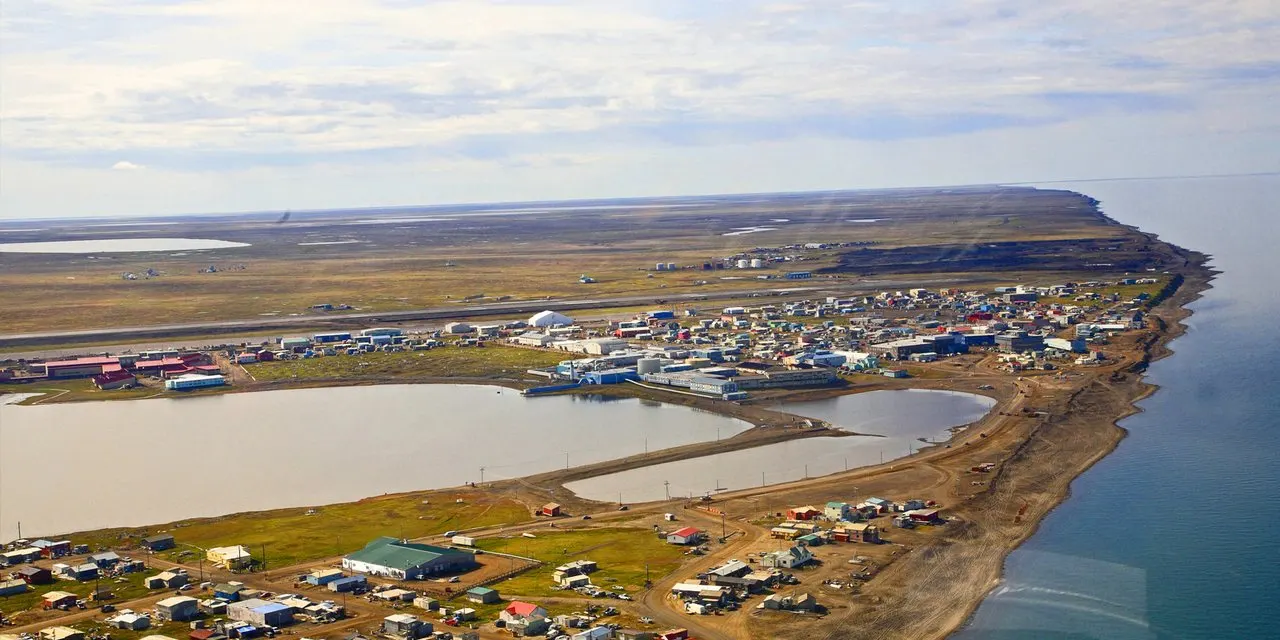
Utqiagvik sits about 330 miles north of the Arctic Circle, on the shore of the Arctic Ocean. It is the northernmost city in the United States, and it was once known as Barrow. The town is home to a few thousand people, and there is no road that connects it to the rest of Alaska, so most visitors and supplies arrive by air. That far north, the sun behaves in surprising ways. Read about a huge deal that brought Boeing jets and American jobs home from the Philippines and what a credit freeze does and does not stop.
Why the Utqiagvik Polar Night Happens
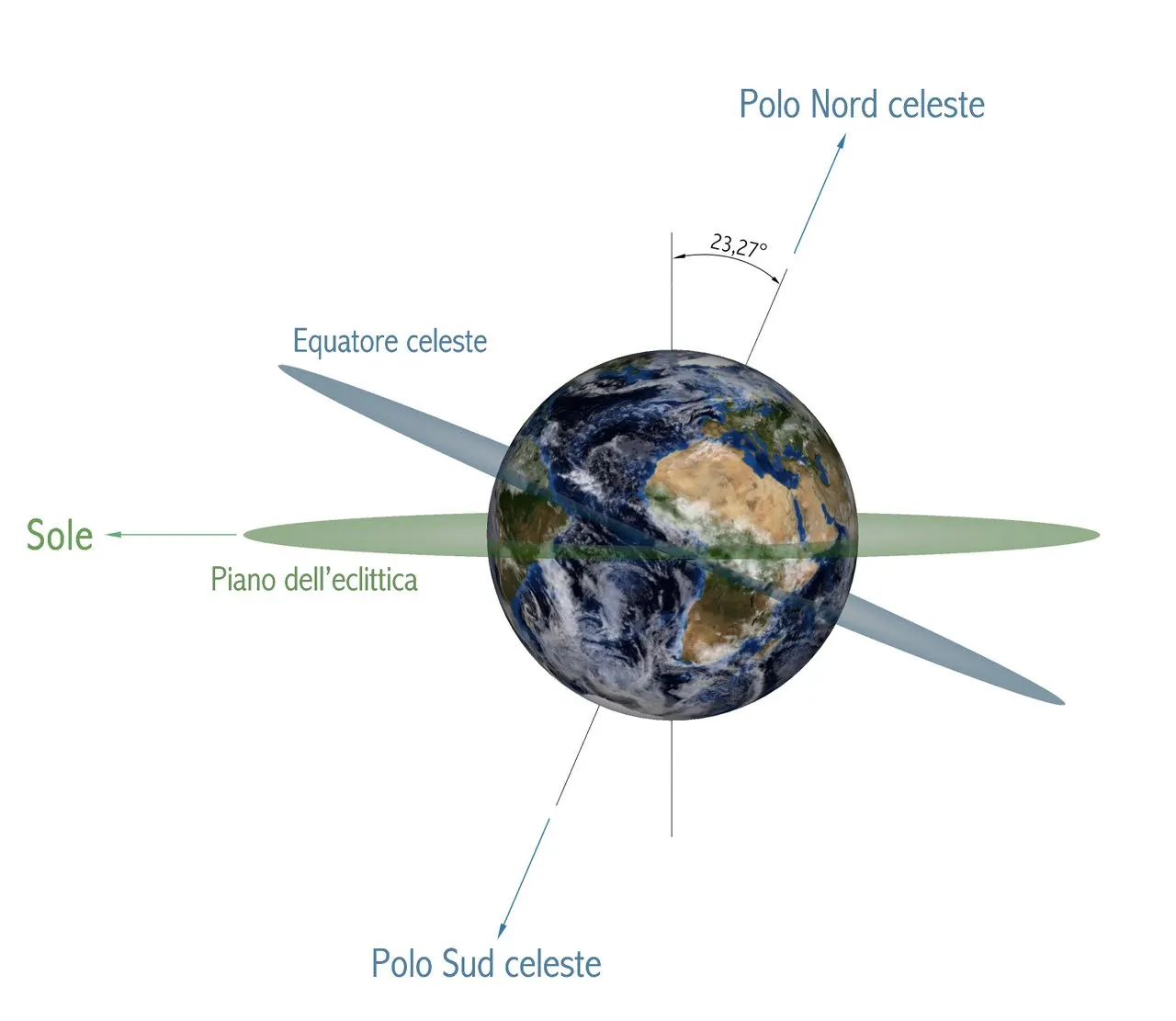
The Utqiagvik polar night happens because Earth spins on an axis tilted about 23.4 degrees. During the northern winter, the North Pole leans away from the sun, so places above the Arctic Circle lose sight of it for weeks or months. Utqiagvik sits nearly five degrees farther north than the Circle, which is why its sunless stretch lasts about 65 days. The same tilt brings the opposite season in summer, when the sun stays up around the clock. See the men who risked their lives to save foxes from floodwaters and a rare wild cat that keeps returning to Arizona.
Twilight, Not Darkness, During the Utqiagvik Polar Night
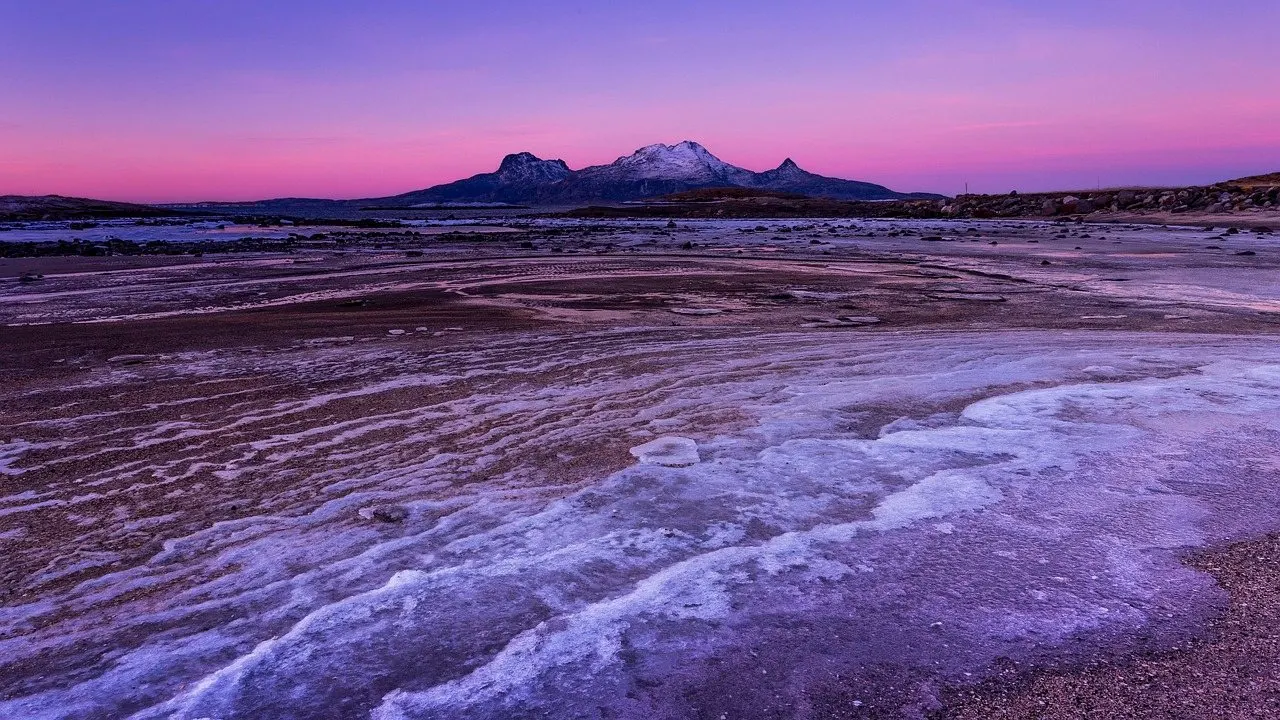
Polar night sounds like total darkness, but Utqiagvik still gets light every day. The sun stays just below the horizon, close enough to brighten the middle of the day for several hours. The sky fills with soft shades of blue, purple and orange, and the snow picks up the colors. Many call this low, gentle light the most beautiful part of winter. It is not daylight, but it is far from the pitch black many picture. Read about Taylor Swift’s comeback night at the 2026 CMA Awards and how Bruce Willis’s family is planning his gift to science.
The Darkest Days of the Utqiagvik Polar Night
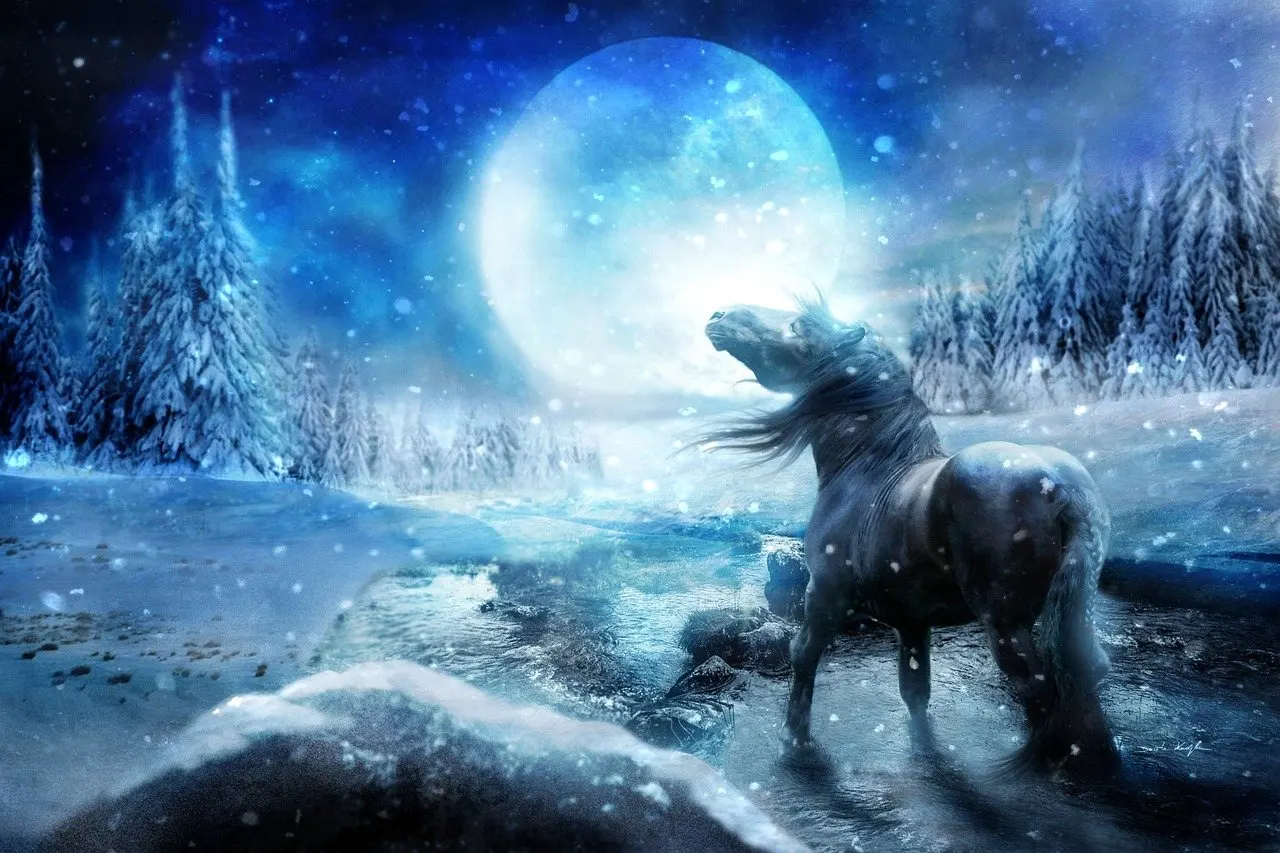
The darkest days arrive around the December solstice, near December 21, when the Northern Hemisphere leans farthest from the sun. Around that time the sun sits a few degrees below the horizon even at midday, and the town gets only about three hours of soft light between first light and dark. After the solstice the light slowly grows again, a little more each day, until the sun finally returns in January. Learn about a bill that would stop a president from pardoning himself and the song China played to welcome Marcos.
Life Goes On Through the Long Night
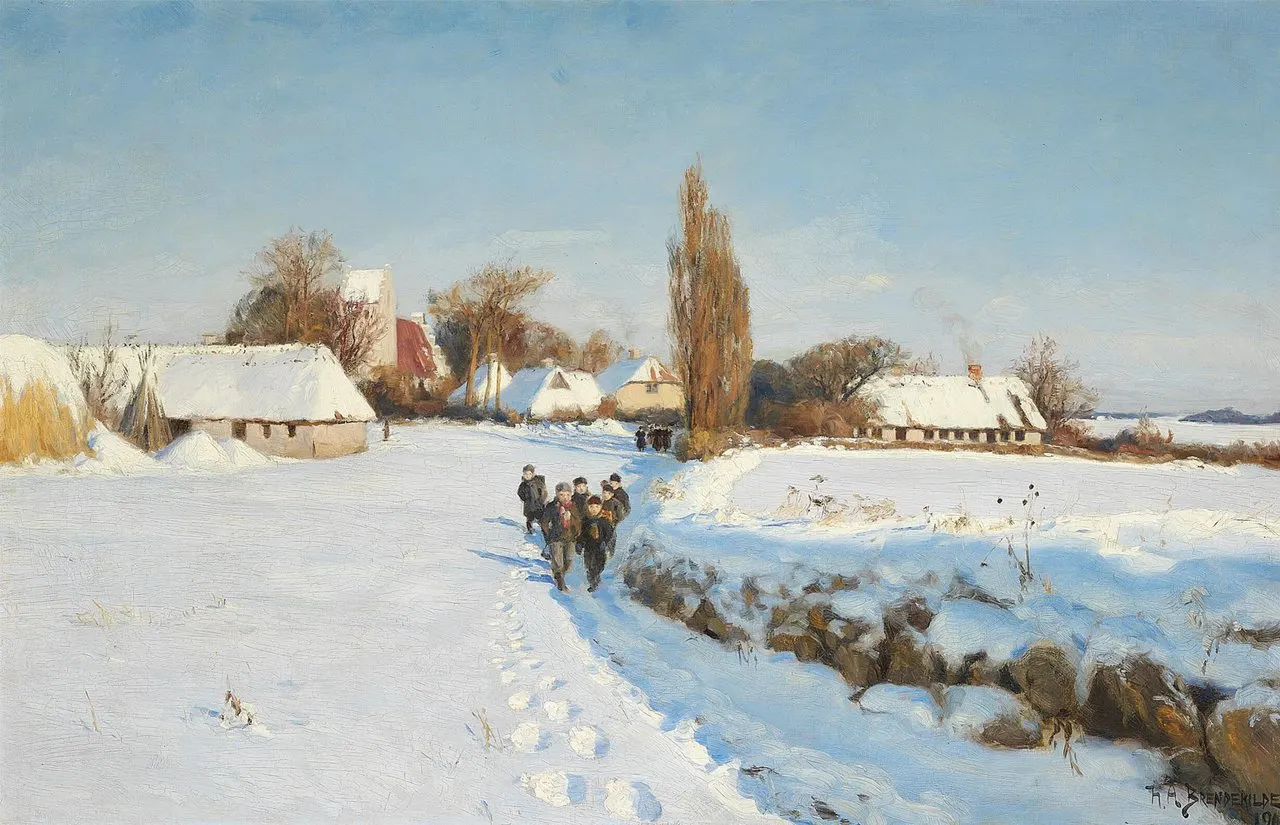
Even without a sunrise, life in Utqiagvik carries on. Residents go to work, children go to school, and shops, offices and clinics keep their usual hours. People plan around the twilight, doing outdoor jobs while the sky is brightest and saving indoor work for the darker hours. Warm clothes, headlights and lit windows become part of the daily routine. The town has lived this way every winter for generations, so the dark season feels normal, not strange. Read about a tense moment in the Senate and how many hours of work essentials cost in 2016 and 2026.
From Polar Night to Midnight Sun
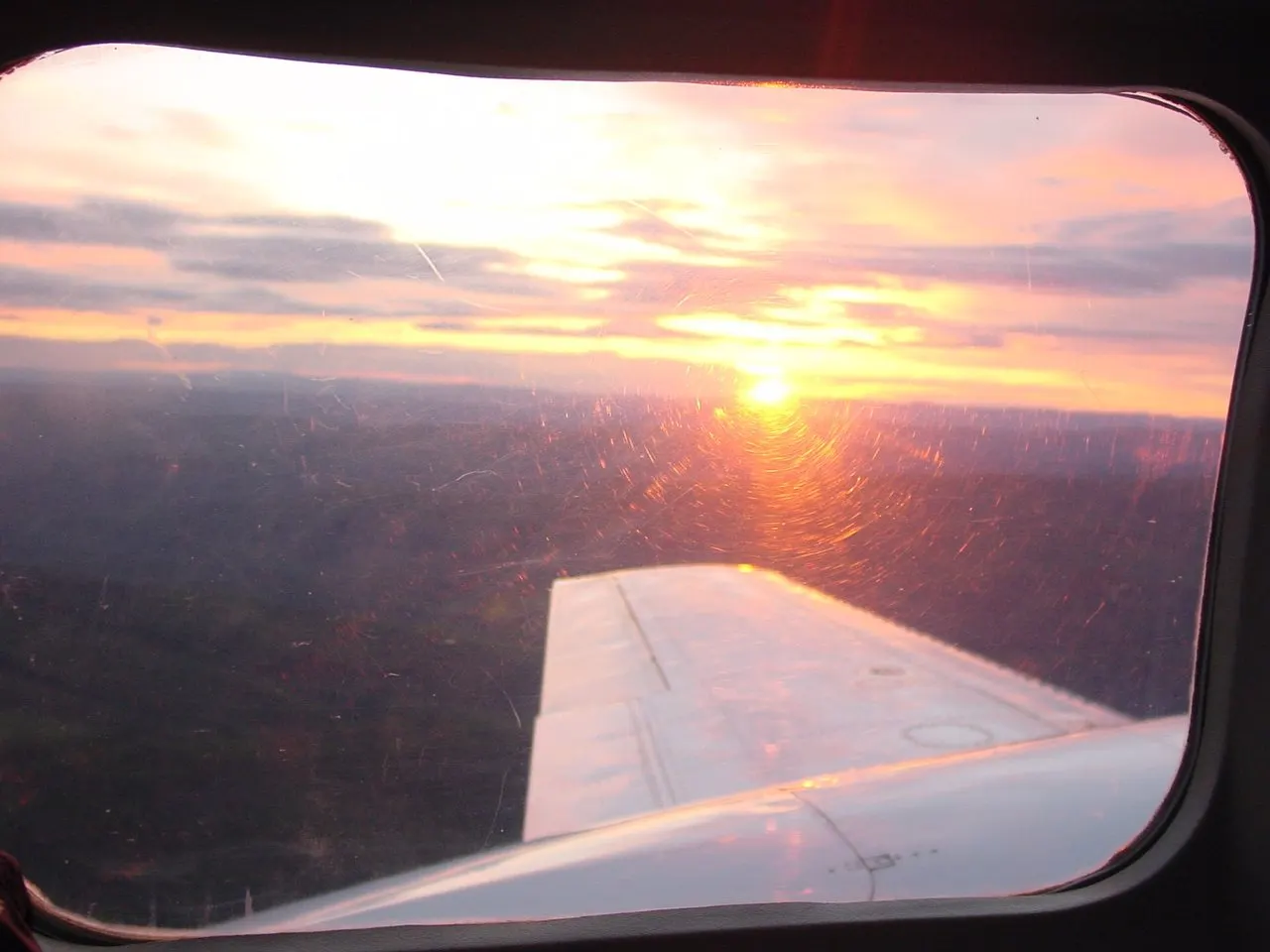
The same tilt that hides the sun in winter brings it back with interest in summer. From roughly May through early August, daylight in Utqiagvik lasts 24 hours a day, and the sun circles the sky without setting. People fish, hike and work late into what would be night anywhere else. The swing from months of darkness to months of endless light is one of the most extreme seasonal changes in the United States. See why the EU urges residents to keep emergency supplies and a toddler who survived more than 150 stings.
65 Days Without a Sunrise
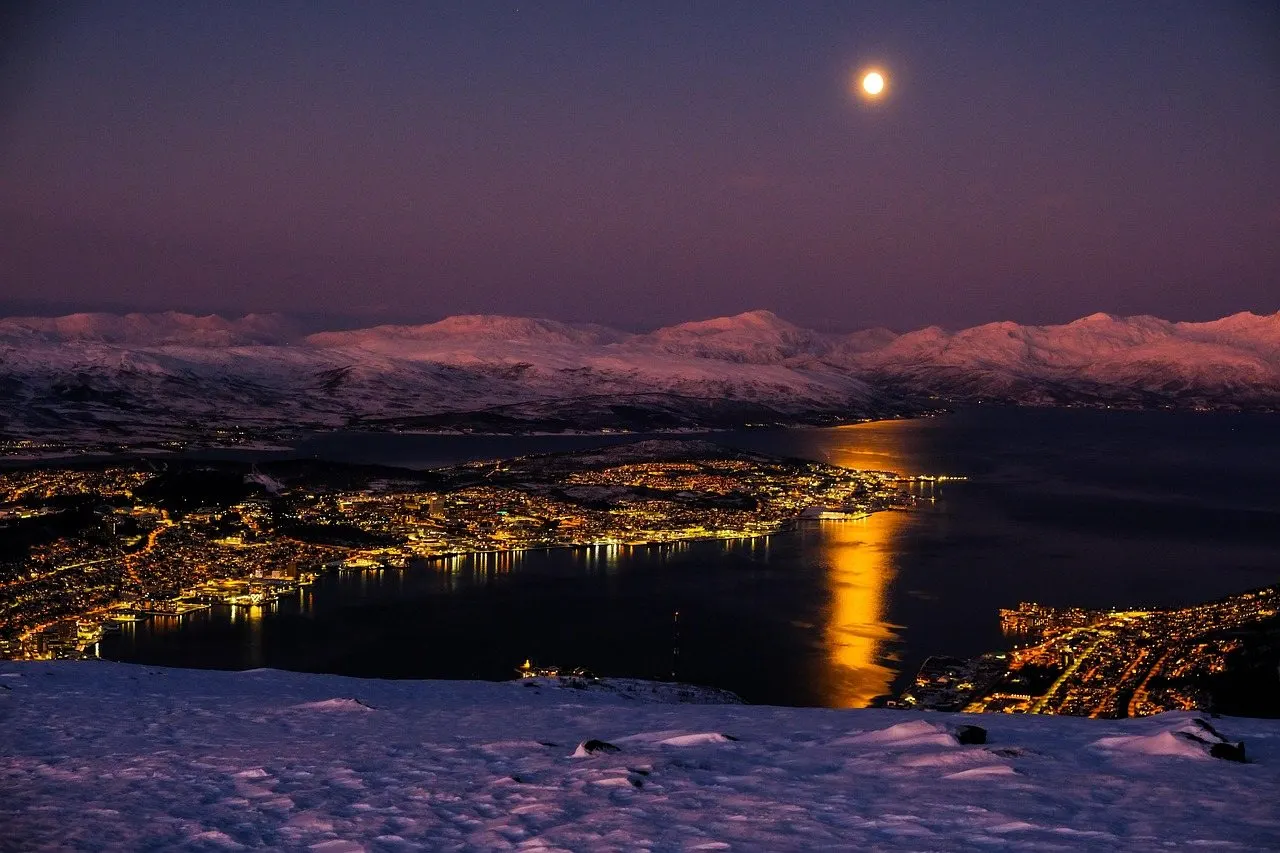
Sixty-five days is a long time to go without seeing the sun. In Utqiagvik the stretch runs from November 19, 2026, through January 22, 2027, and each day the town gets a little less twilight until the solstice, then a little more. Calendars and clocks matter more than ever, because the sky alone does not tell the time of day. Many residents say the hardest part is not the dark but the cold that comes with it. Read about a historic vote that reshaped Arctic security and a Pearl Harbor survivor who lived to 106.
Getting Ready for the Utqiagvik Polar Night

Before the sun sets for the last time, people in Utqiagvik stock up and get ready. Freezers fill with food, fuel tanks are topped off, and warm parkas, boots and gloves come out of storage. Cars get plugged in so their engines will start in the cold, and homes are checked for drafts. Getting ready early matters, because winter deliveries depend on planes landing in harsh weather. Learn about a blue heeler who barked once and saved her owner and a deal that brought Boeing jets and American jobs home.
Blue, Purple and Orange Across the Arctic Sky
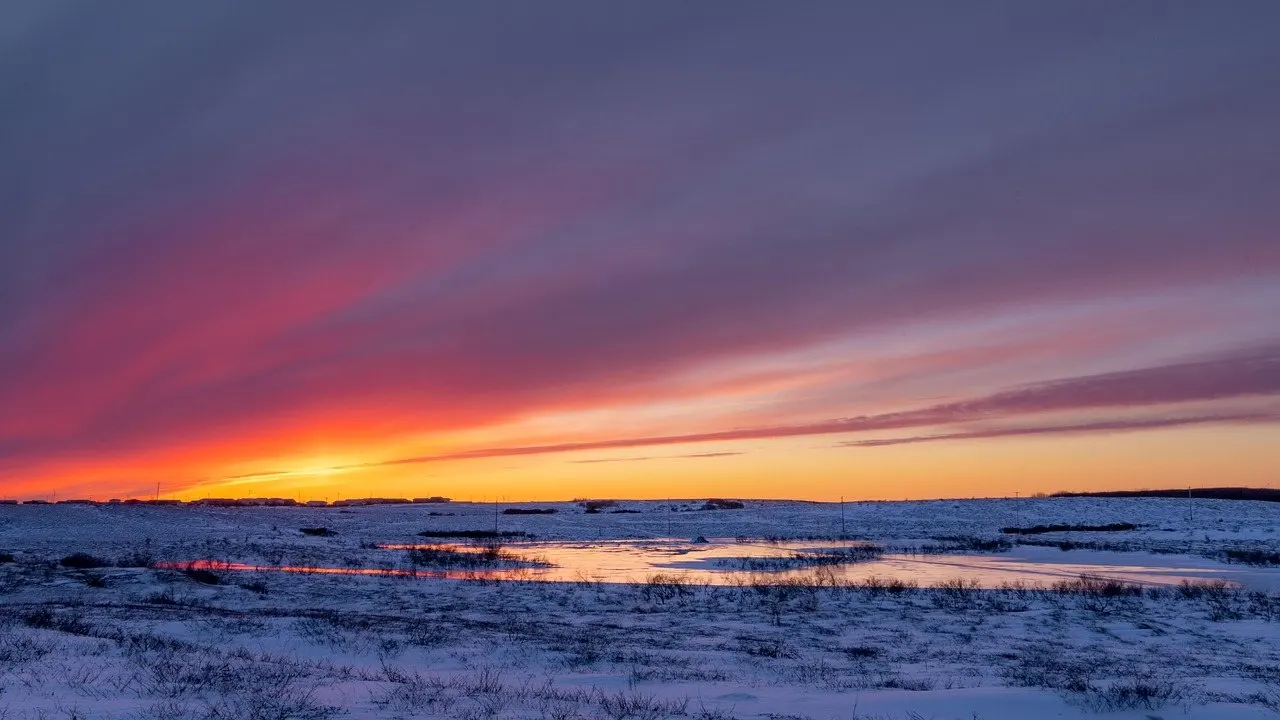
The twilight over Utqiagvik is famous for its color. With the sun just under the horizon, its light bends through the cold air and paints the sky in bands of deep blue, soft purple and warm orange. Snow and ice catch the glow, so even the ground seems to shine. Photographers travel north to catch it, and residents say no two midday skies look the same. It is a quiet kind of beauty, made of light that never quite becomes day. Read what a credit freeze does and does not stop and why so many data centers are being built.
America’s Northernmost City
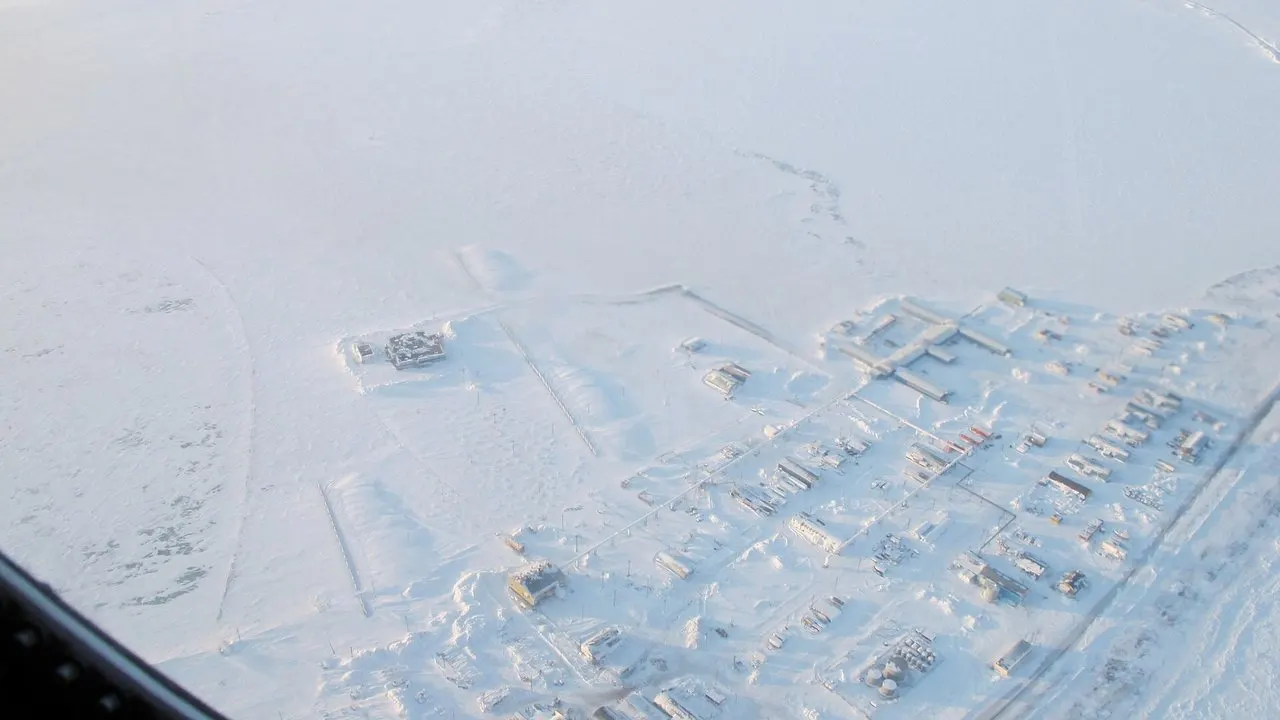
Utqiagvik, once called Barrow, is a small city with a big place in the geography of the United States. It sits on the Chukchi Sea coast at the top of Alaska, farther north than any other American town. The community is largely Inupiat, and families here have hunted, fished and lived on this coast for a very long time. Modern life and old traditions sit side by side, from snow machines to whaling crews. See the men who risked their lives to save foxes from floodwaters and a rare wild cat that keeps returning to Arizona.
A Town That Knows the Utqiagvik Polar Night by Heart
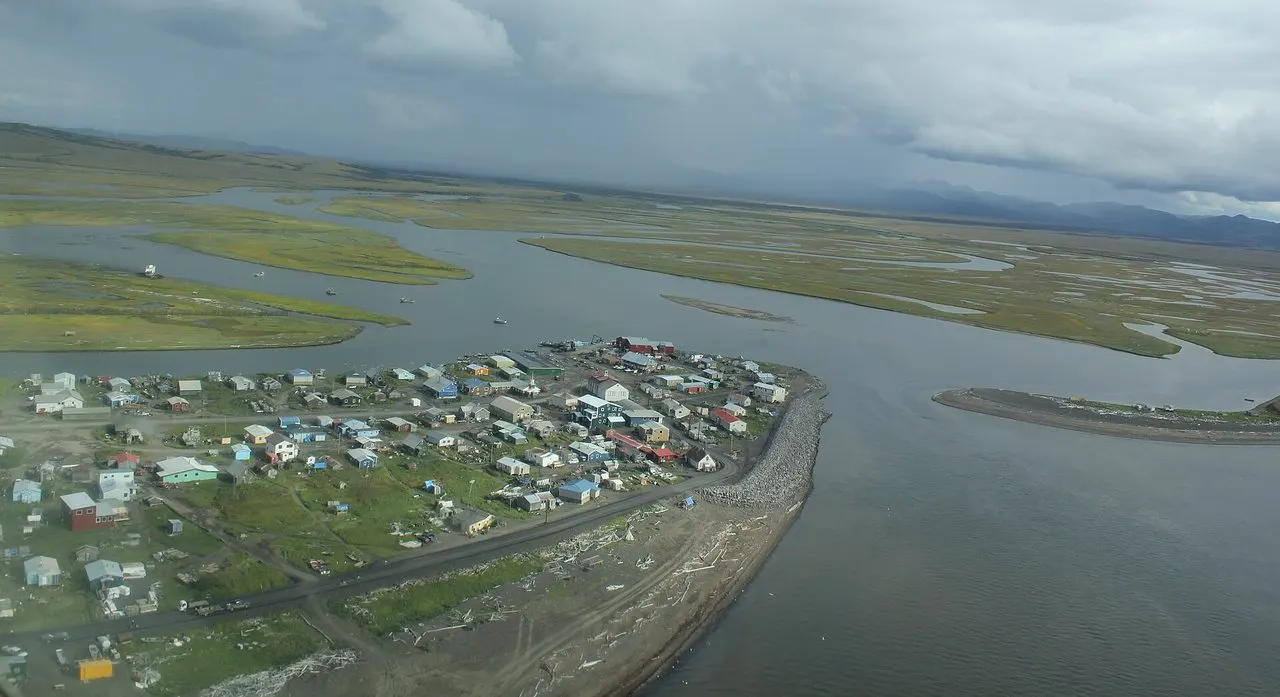
For the people of Utqiagvik, the dark season is not new. Their families have lived through this cycle for generations, long before streetlights and calendars marked the days. Elders pass down ways to stay warm, stay fed and stay close through the winter, and children learn the rhythm of the seasons early. That memory is part of why the town takes the polar night in stride. It is a season to endure together, not a surprise to fear. Read about Taylor Swift’s comeback night at the 2026 CMA Awards and how Bruce Willis’s family is planning his gift to science.
The Sun Returns on January 22, 2027
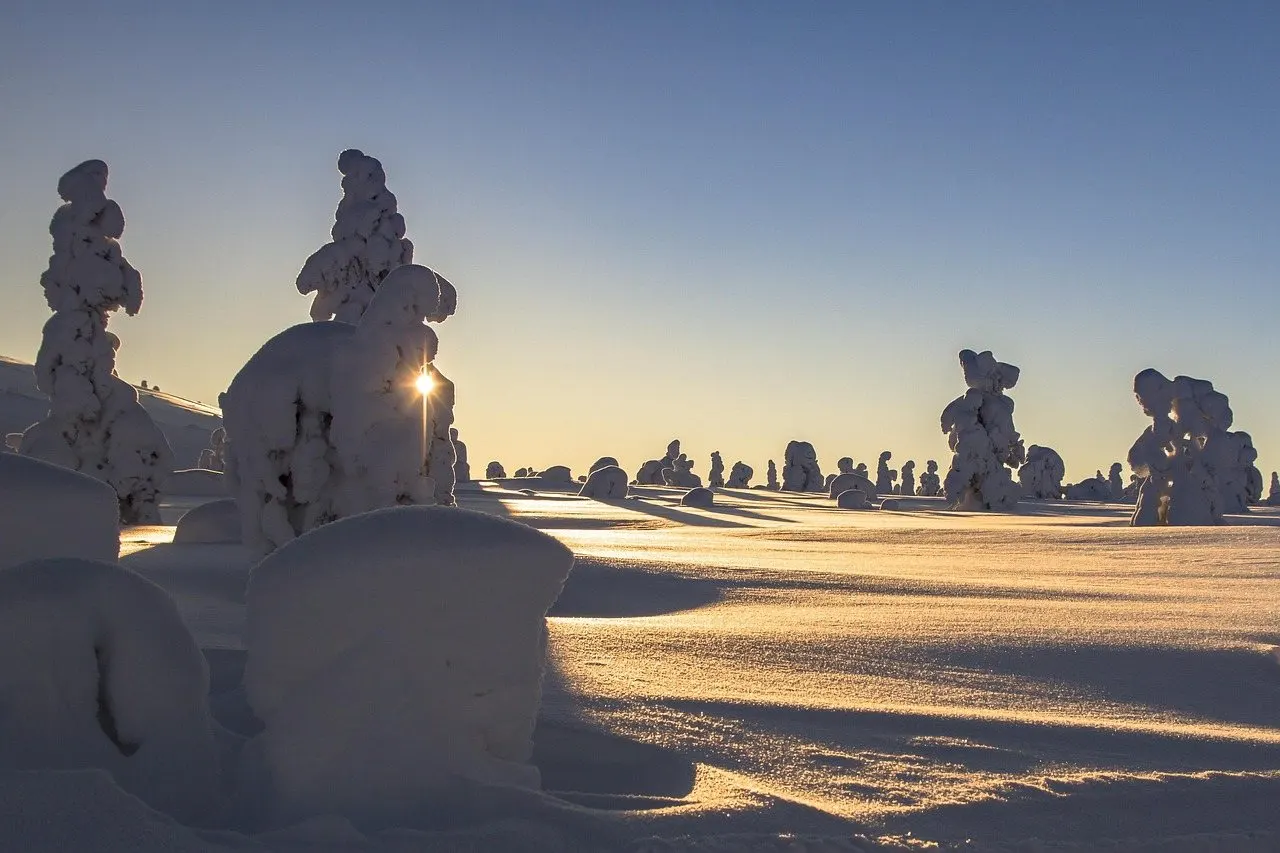
The wait ends on January 22, 2027, when the sun finally climbs back above the horizon. At first it will stay up for only a short while, peeking over the southern edge of the sky in the early afternoon before sinking again. Each day after that, it will stay up a little longer, and the twilight will stretch toward real daylight. For many residents, that first glimpse of the sun is the best day of winter. Learn about a bill that would stop a president from pardoning himself and the song China played to welcome Marcos.
What Scientists Watch During the Utqiagvik Polar Night

The dark season is a busy time for the scientists who work in and around Utqiagvik. Teams from NOAA and the National Weather Service track the cold, the wind and the sea ice, and researchers study how the long night shapes weather across the Arctic. Their work helps forecasters warn towns about storms and helps the rest of the country understand a changing north. Even without sunlight, the Arctic never stops giving scientists something to measure. Read about a tense moment in the Senate and how many hours of work essentials cost in 2016 and 2026.
Daily Routines in the Dark Season
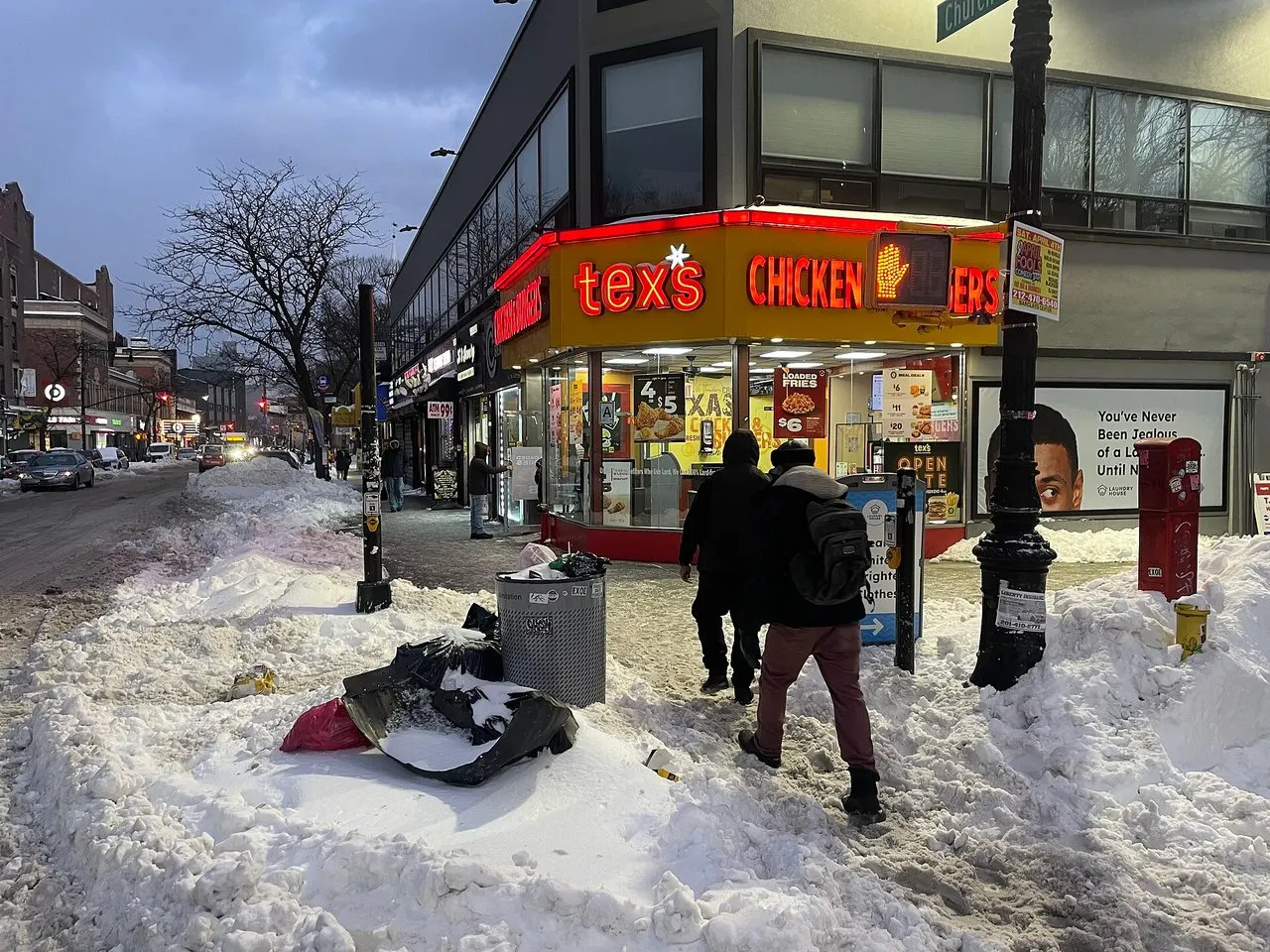
Ask a resident what changes most during polar night and the answer is often the routine, not the mood. Alarm clocks replace the sun, headlamps light the walk to work, and school buses roll through streets that stay dark past breakfast. Evenings stretch long, so families gather indoors for meals, games and stories. The town stays busy and social, and the dark becomes a backdrop to ordinary life rather than a reason to stop. See why the EU urges residents to keep emergency supplies and a toddler who survived more than 150 stings.
Northern Lights Over the Utqiagvik Polar Night
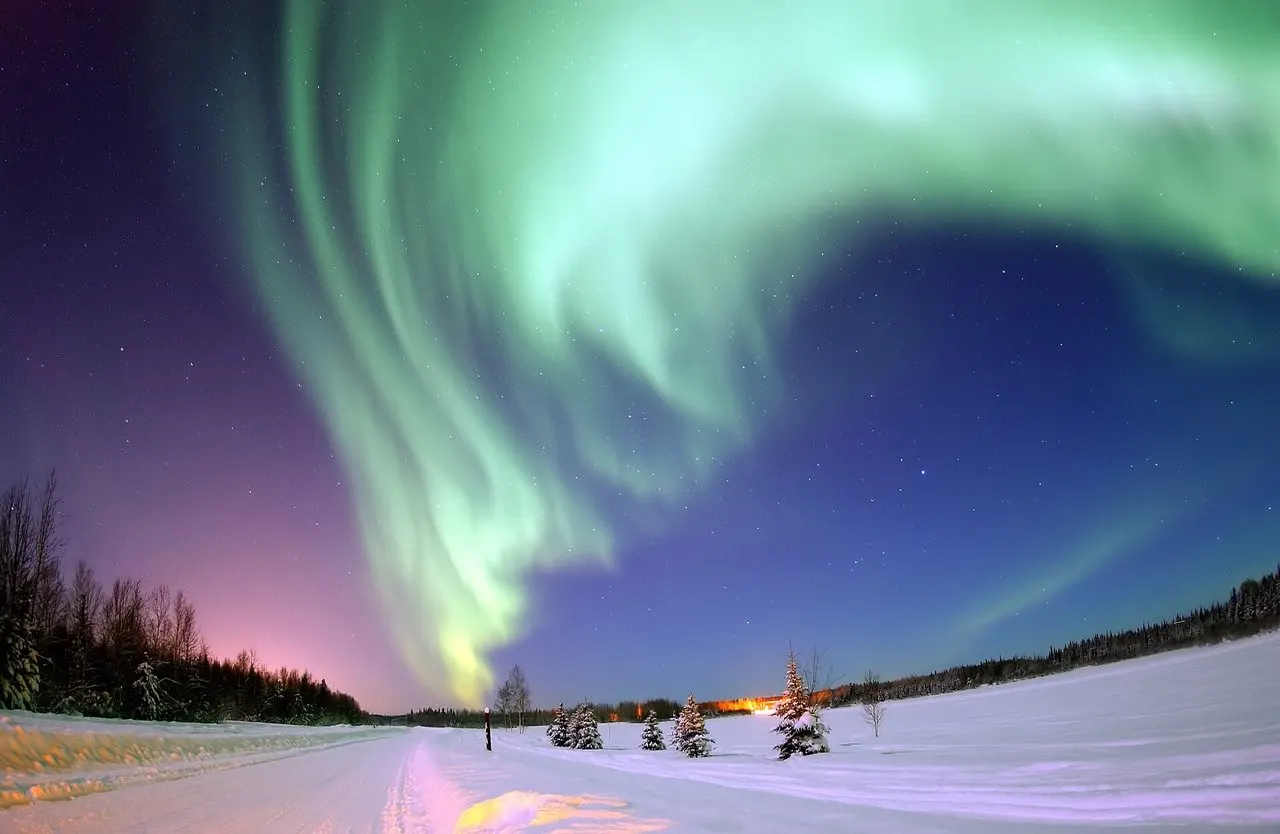
The long dark brings one gift that summer cannot offer. On clear nights the aurora borealis, the northern lights, can ripple across the sky in green and purple curtains of light. The show needs darkness, cold clear air and a little luck, and Utqiagvik in winter has all three in plenty. Visitors who brave the cold often say the lights are worth the trip alone. For the town, they are one more reason the dark season has its own magic. Read about a historic vote that reshaped Arctic security and a blue heeler who barked once and saved her owner.
Could You Live Through the Utqiagvik Polar Night?
Sixty-five days without a sunrise is a lot to imagine from a place where the sun rises every morning. Would you miss the light, or would you learn to love the twilight, the northern lights and the slow return of the sun? Would the dark feel peaceful, or would you count the days until January 22? Share your thoughts in the comments and tell us how you would spend a winter in Utqiagvik. Read about a Pearl Harbor survivor who lived to 106 and a deal that brought Boeing jets and American jobs home.