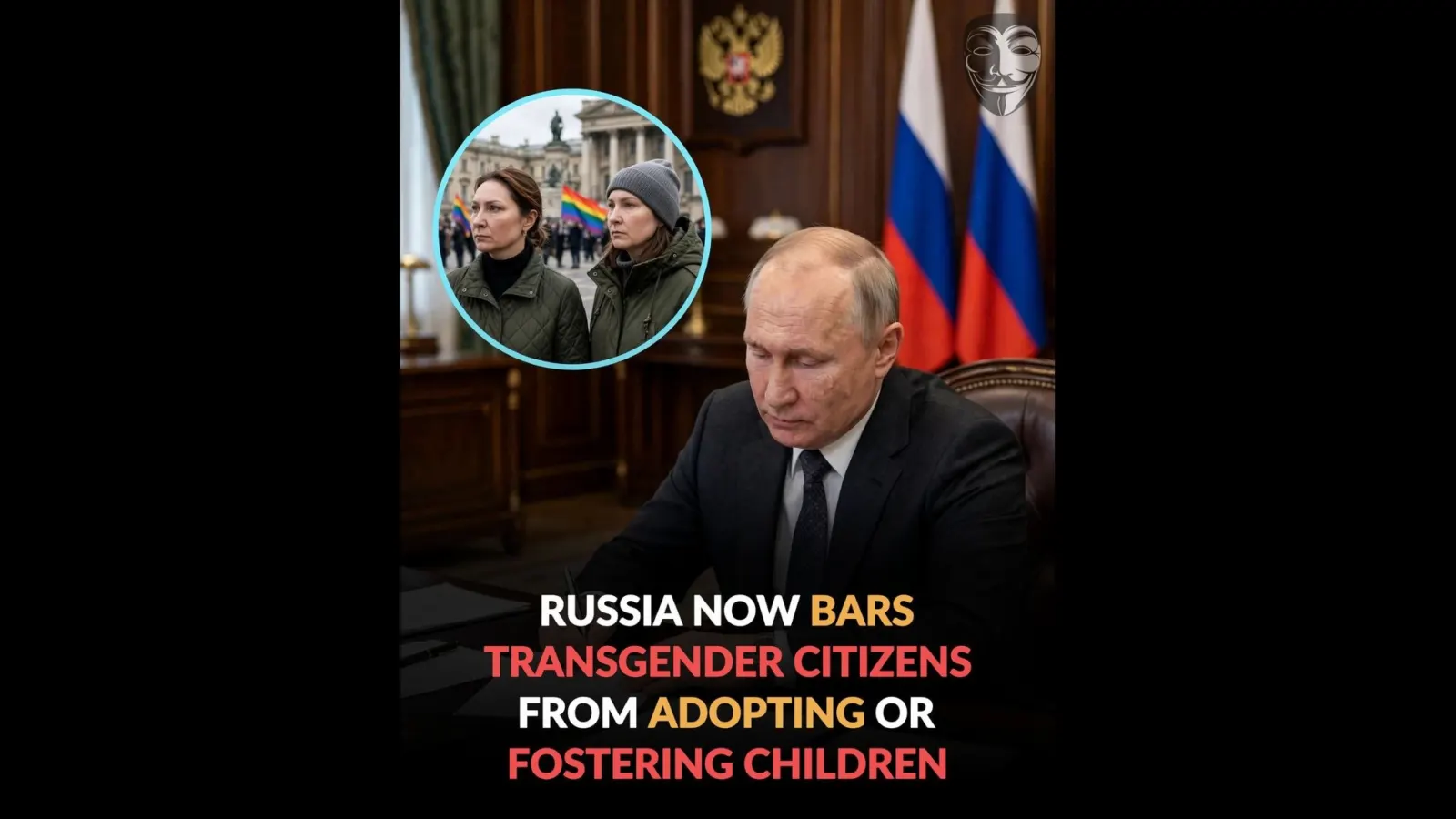
Russia Adoption Ban Closes the Door for Transgender Parents
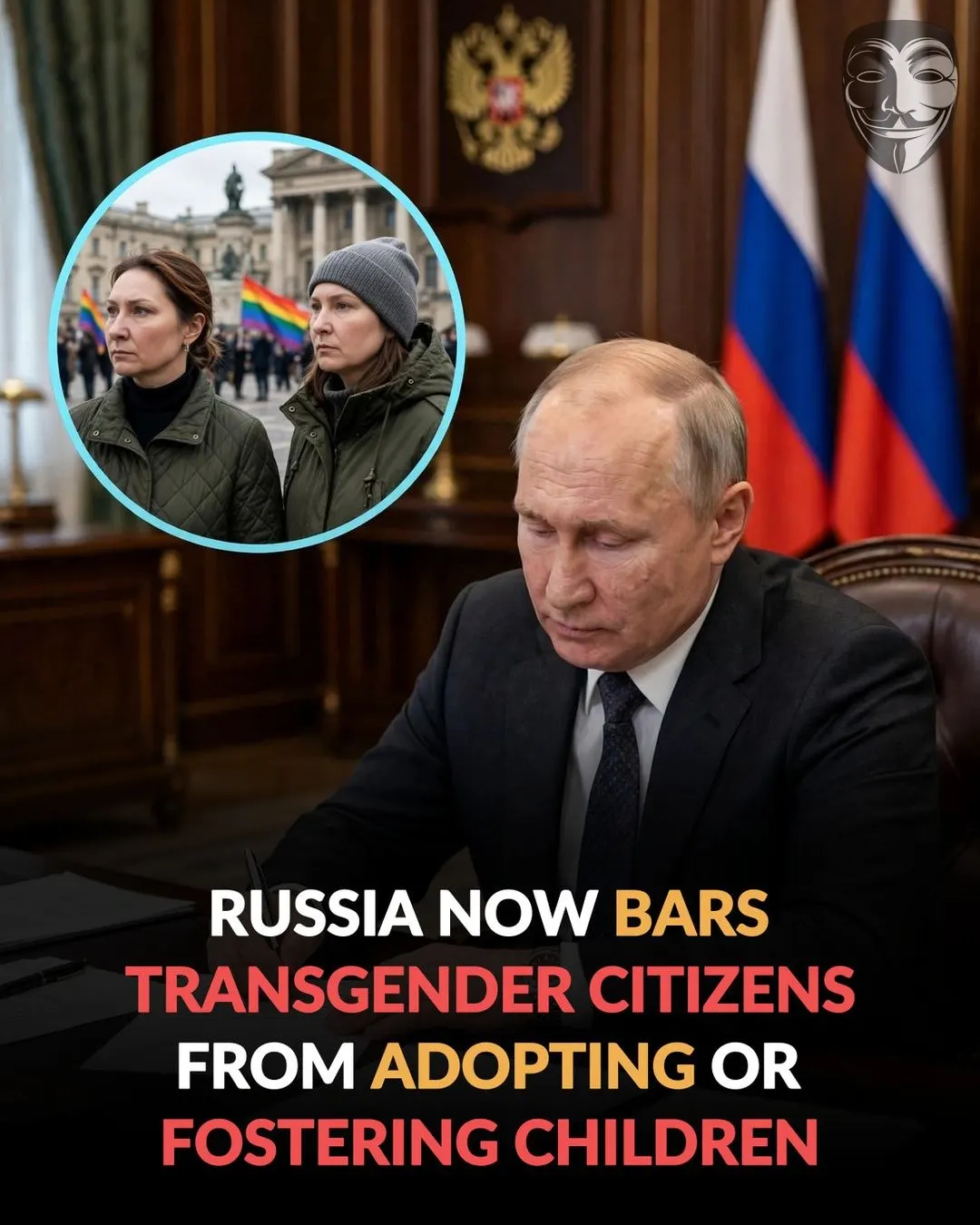
The Russia adoption ban began with a single signature from Vladimir Putin on July 24, 2023, and it closed the door on adoption for transgender people across Russia. The law passed through both chambers of parliament without a single vote against it. From that day on, anyone who has changed their gender marker could no longer adopt or foster a child. Lawmakers praised the move, while rights groups warned it would hurt families. For more on family law debates, read about a family that stayed close after divorce.
The same law reaches far beyond adoption. It bans most medical care for gender transition, blocks changes to gender markers on official documents, and annuls marriages where a spouse has transitioned. Russian lawmakers say the ban protects children and traditional family values. Human rights groups and LGBTQ advocates call it discriminatory, and they say every would-be parent should be judged on the ability to care for a child. In the slides ahead we look at what changed, who it affects, and the question at the heart of it all.
References:
Associated Press: Putin signs law banning gender changes and adoption by transgender people
BBC News: Russia bans transgender people from adopting children
Human Rights Watch: Russia expands crackdown on transgender rights
PinkNews: Russia bans transgender people from adopting children
Putin Signs the Russia Adoption Ban Into Law

Vladimir Putin signed the law on July 24, 2023, and with that signature the ban became part of Russian law. The president has backed a series of laws on family and gender, and this one moved through parliament. Supporters in Moscow said the law defends children and the values they hold dear. Critics said a signature cannot decide who makes a good parent. The day marked a turning point for transgender citizens in Russia. For more on leaders, see leaders from Russia and China meeting on the world stage.
The Russia Adoption Ban Passed Without a Single Vote Against It

Both chambers of Russia’s parliament backed the law, and not a single member voted against it. That kind of unanimous result is rare, and it showed how much support the measure had among lawmakers. The bill moved from proposal to signed law in a matter of weeks, which is fast for a change this large. For transgender citizens watching the vote, the result left no doubt about where parliament stood. Read about a teacher who changes his look every year in our other stories.
What the Russia Adoption Ban Changes

The law does three big things at once, and adoption is only the first. It bars anyone who has changed their gender marker from adopting or fostering a child. It also bans most medical care for gender transition and blocks changes to gender markers on official papers. On top of that, it annuls marriages where a spouse has transitioned. Taken together, the rules touch daily life in a deep way. See a silent shrug that spoke volumes in Berlin for more.
Adoption and Fostering Under the Russia Adoption Ban
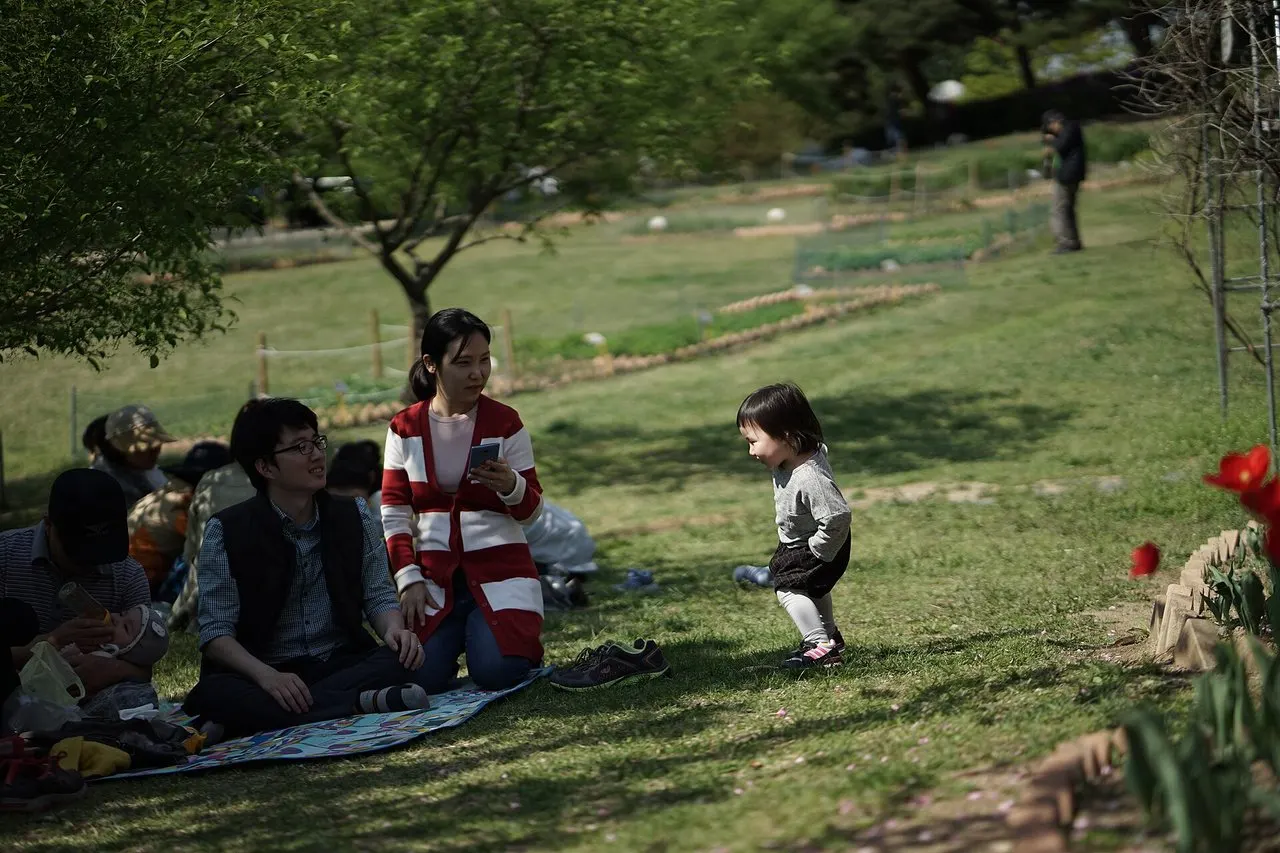
Before the law, a transgender person in Russia could apply to adopt or foster a child just like anyone else. The application went through the same checks as any other, and the decision rested on the home and the care on offer. Now the door is closed before the process even starts, no matter how ready the person is to parent. That change is what makes the law so personal for the people it touches. Read about photos that marked a farewell to a basketball star.
Medical Care for Transition Is Banned Too

The same law that bars adoption also bans most medical care for gender transition in Russia. Doctors can no longer offer the treatments that many transgender people rely on, and the path to care that once existed is now closed. For people in the middle of treatment, the change brought fear and confusion about what comes next. Supporters say the ban protects health, while doctors and advocates warn it leaves people without help. Read about a family found after a frantic 911 call.
Gender Markers on Official Papers Can No Longer Change
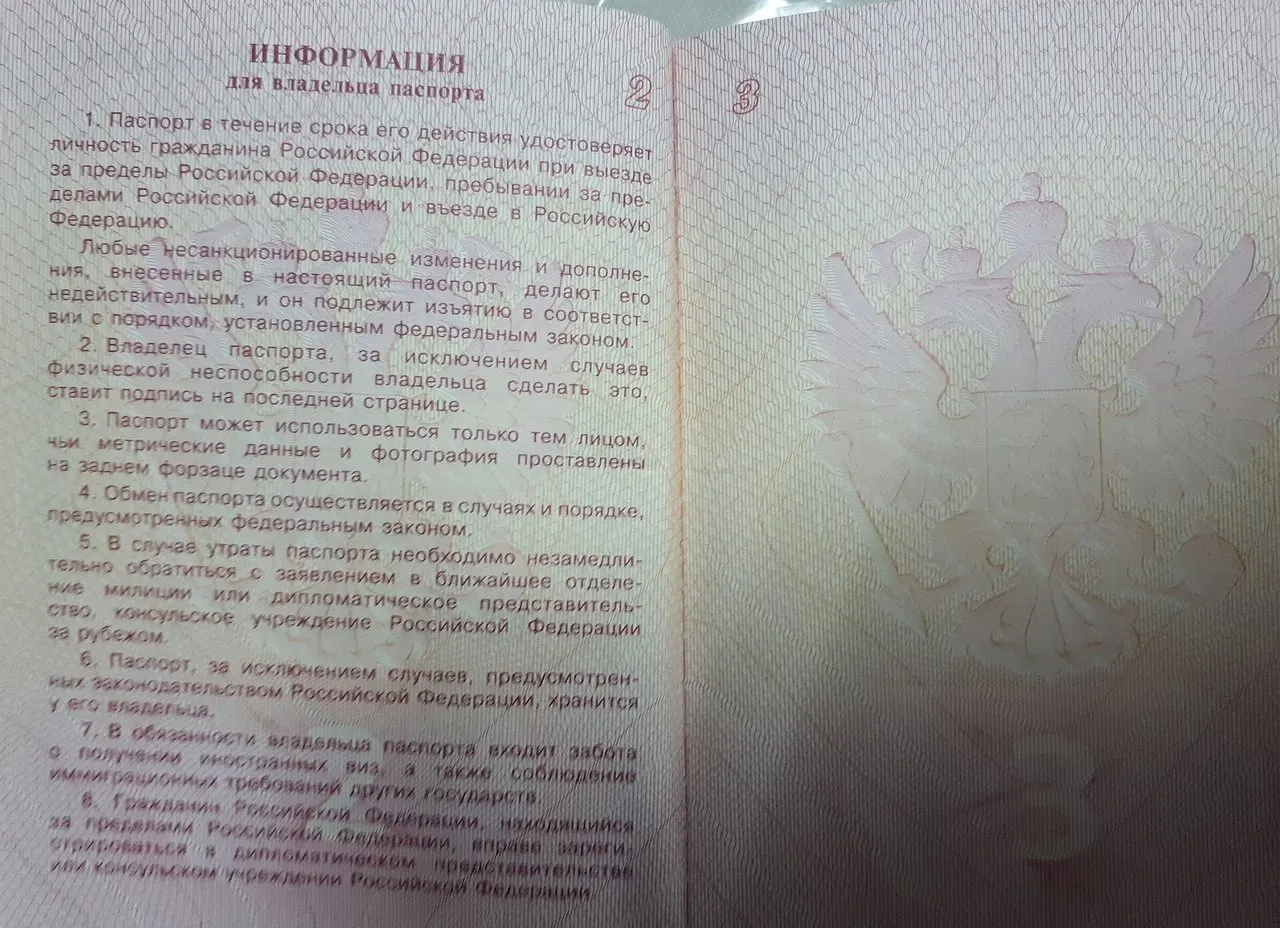
Under the new law, a transgender person in Russia cannot change the gender marker on official documents. That marker appears on papers used for work, travel, banking and daily life, so the rule follows people everywhere they go. A document that does not match how a person lives can cause trouble at every checkpoint and counter. For many, the paper itself became a daily reminder of the law. Read about an actor speaking openly about faith and politics.
Marriages Can Be Annulled When a Spouse Transitions

The law also reaches into marriages, and it annuls a marriage where a spouse has transitioned. Couples who built a life together can find their union erased by the state, even when both partners want to stay together. That part of the law drew some of the strongest reactions, because it touches love and family at the most personal level. Few laws reach so directly into a home. Read about the freedom of being your true self.
Lawmakers Say the Russia Adoption Ban Protects Children

Russian lawmakers who backed the law say it protects children and traditional family values. They argue that adoption should place children in homes that match the family model they believe in, and they see the ban as a guard for that model. In their words, the state has a duty to shape family life for the next generation. That view won every vote in parliament. Read about a court case that divided opinion.
Traditional Family Values Stand at the Center of the Law

The phrase traditional family values runs through the debate over this law, and lawmakers used it again and again. For supporters, those words mean a home with a mother and a father, and a state that defends that shape of family. For critics, the same words are used to draw a line that leaves some families outside. The phrase itself has become a shorthand for a much wider argument about who belongs. Read about a father who refused to give up his baby son.
Rights Groups Call the New Law Discriminatory
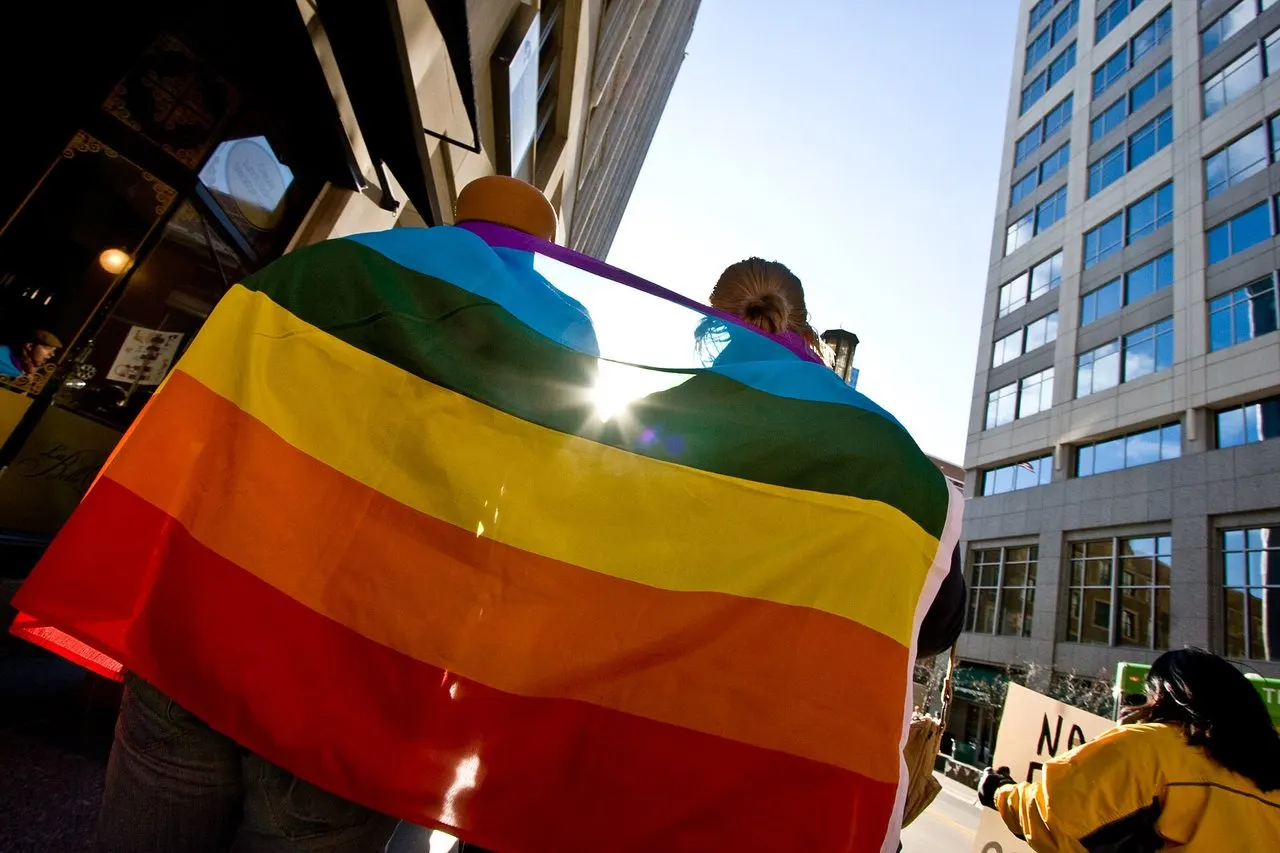
Human rights groups and LGBTQ advocates reacted fast, and they called the law discriminatory. They say a parent should be judged on the ability to care for a child, not on gender identity, and they warn the ban will leave children waiting longer for a home. The groups also point to a wider crackdown on transgender rights in Russia, with each new rule adding to the last. Their message is simple, and it has not changed. Read about a first lady with a staff of five.
Should Parents Be Judged on Care, Not Identity?

At the heart of the debate sits one plain question, and it is the question advocates keep asking. Should gender identity decide who can adopt, or should each parent be judged on their own merits? Adoption checks usually look at income, housing, health and the home a child would join. Advocates say those checks already protect children, and identity adds nothing to them. That argument now sits at the center of the story. Read about a graduation photo eighteen years in the making.
The Russia Adoption Ban Fits a Wider Crackdown

Human Rights Watch says the law is part of a wider crackdown on transgender rights in Russia, not a single step on its own. Year by year, new rules have narrowed the space for transgender people to live openly, work freely and get care. Each law builds on the one before it, and together they form a pattern that rights groups track closely. The adoption ban is the latest piece in that pattern. Read about a family that stayed close after divorce.
A Decade of Limits Led to This Moment

The 2023 law did not appear out of nowhere, and its roots reach back a decade. In 2013 Russia passed a law against so-called gay propaganda, and later rules kept adding limits on LGBTQ life and speech. Supporters of those laws said they defended children and public morals. Critics said each step made life harder for people who were already at the margins. The adoption ban follows that same path, only further. Read about a UN vote that split opinion around the world.
What Adoption Looked Like Before July 2023

Before July 2023, a transgender person in Russia could apply to take in a child just like anyone else. The process asked about the home, the income and the care a child would receive, and the answer rested on those facts. Nobody was turned away at the door because of a gender marker. That is why the new law feels so sharp to the people it affects, because a path that was open is now closed. Read about a teacher who changes his look every year.
Foster Care and the Children Who Wait

Foster care exists for children who need a safe home while their own families cannot care for them, and every foster parent matters. When a whole group of willing adults is barred from fostering, the pool of homes grows smaller, and children may wait longer for a place to belong. Advocates say that cost falls on the children the law claims to protect. It is a point both sides should weigh with care. Read about a doctor who speaks about faith and eternity.
How the Associated Press Reported the Law

The Associated Press reported that Putin signed a law banning gender changes and adoption by transgender people, and its account carried the story around the world. News wires like the Associated Press set the first draft of history for many readers, because local papers and sites pick up their reports. The headline was plain and direct, and it left no doubt about what the law does. That clarity is why the report spread so fast. Read about photos that marked a farewell to a basketball star.
BBC Coverage of the Russia Adoption Ban

BBC News reported the story under a plain headline, saying Russia bans transgender people from adopting children. The BBC reaches readers in almost every country, so its version of the story shaped how millions first heard the news. Its report laid out the ban on adoption and fostering, and it noted the wider limits on transition care. For readers abroad, that account became the starting point. Read about a boy who returned a lost phone to police.
Human Rights Watch on the Russia Adoption Ban

Human Rights Watch framed the law as part of a wider story, saying Russia expands its crackdown on transgender rights. The group tracks laws across the world, and its reports give context that a single headline cannot carry. Its warning was clear, and it said the ban adds one more barrier for people already facing many. That view has been echoed by advocates in many countries. Read about an actor speaking openly about faith and politics.
PinkNews and the Voices of LGBTQ Advocates

PinkNews covered the law for LGBTQ readers, and its headline said Russia bans transgender people from adopting children. For many readers, PinkNews is where news about their own lives first appears, so the story landed close to home. Its coverage carried the voices of advocates who say the ban judges identity instead of parenting. Those voices keep asking for a fair test, one parent at a time. Read about a story of rising stronger each day.
What Happens to Families Already Together

The law speaks to new adoptions, but families already together still feel its weight, and the marriage rule shows why. When a marriage can be annulled because a spouse transitioned, a home that was steady can be shaken by a piece of paper. Children in those homes feel the change too, even when nothing about their daily care has altered. That is the human cost behind the legal words. Read about a court case that divided opinion.
How Other Countries Approach Adoption
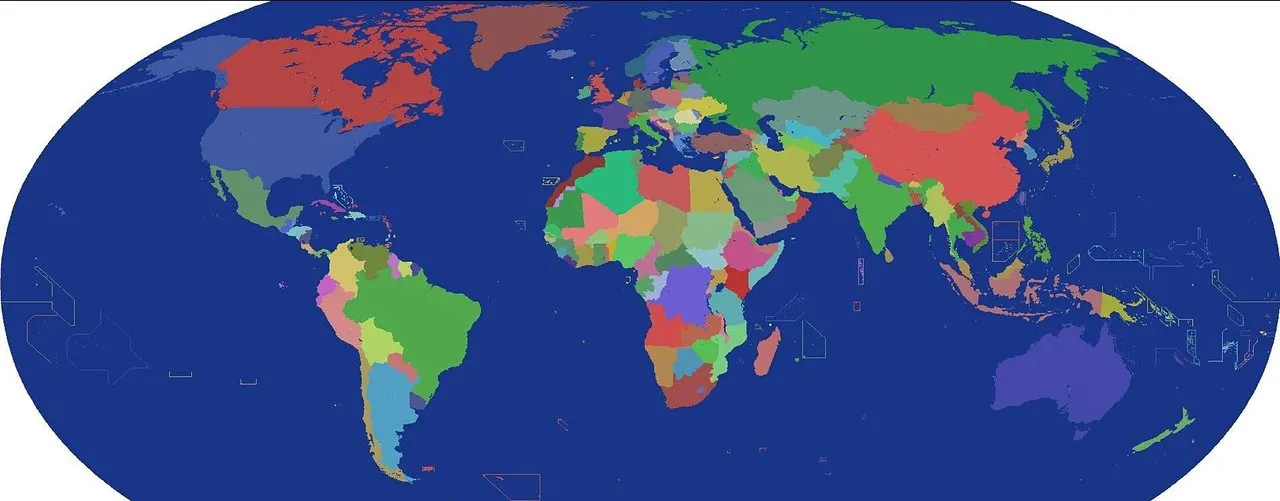
Around the world, adoption rules differ widely, and each country draws its own lines. In many places, the checks focus on the home, the income, the health of the applicant and the care a child would receive. Those checks take time, and they exist to protect children, which is a goal everyone shares. The debate is about what else should count, and what should not. Read about two mothers and the bond guiding their sons.
The Russia Adoption Ban Raises a Simple Question

Strip away the politics, and the story comes down to a simple question that anyone can understand. Should gender identity decide who can adopt, or should each parent be judged on their own merits? The post that started this story asked readers that very question, and thousands of people answered with their own views. There is no easy answer, and that is why the debate keeps going. Read about a first lady with a staff of five.
What Do You Think Should Decide Who Can Adopt?

We have walked through the law, the vote, the voices for it and the voices against it, and now the question belongs to you. Should gender identity decide who can adopt, or should each parent be judged on their own merits? Tell us what you think in the comments, and tell us why, because your view adds to a debate that touches real families. If this story moved you, keep reading about a past meeting between Obama and Putin.