The Bernie Sanders Tip Line Post That Set Off a New Fight

The Bernie Sanders tip line joke began with a short social media post, and it quickly became the newest clash between Senator Bernie Sanders of Vermont and President Donald Trump. Sanders wrote that he would like to report a theft, saying a man inside the government illegally spent nearly $22 million in taxpayer dollars on bogus campaign ads praising himself. His target was the administration’s new $25 million fraud whistleblower program, and his words renewed his charge that Trump is the most corrupt president in American history.
Sanders added that the man now resides on 1600 Pennsylvania Avenue and asked when taxpayers will get their money back, while Trump told reporters he would be the arbitrator of who receives rewards under the program, which offers up to $30,000 per tip. The first payout went to YouTuber Nick Shirley, whose video on Minnesota childcare facilities the administration cited when cutting funding to certain states. In the slides ahead we look at the program, the ads, the payout, and what may happen next. Read how another Republican warned about corruption.
References:
Raw Story: Sanders Trolls Trump’s $25 Million Fr*ud Tip Line: I’d Like to Report a Th*ft
Soap Central: I’d Like to Report a Th*ft: Bernie Sanders Takes Aim at Trump’s Fr*ud Whistleblower Incentive Program
Associated Press: Trump and Vance Announce $25 Million Whistleblower Program
CBS News: Trump Says He Will Decide Who Gets Paid Under Fr*ud Tip Line
The Bernie Sanders Tip Line Joke, in His Own Words

Sanders posted his message on social media, where short jokes travel far. He said he would like to report a theft to the new tip line, and he pointed at a man inside the government who he said spent nearly $22 million of public money on ads praising himself. The joke worked because it used the program’s own idea against it, turning a fraud hotline into a stage for his charge. Readers shared it widely. Read a Kentucky man’s Trump posts.
The Bernie Sanders Tip Line Charge Against Trump
Sanders did not soften his words. He has called Trump the most corrupt president in American history before, and this time he tied that charge to a specific claim about taxpayer money. He said a man inside the government illegally spent nearly $22 million on bogus campaign ads praising himself. The charge is blunt, and it is meant to stick in the minds of readers. The man he describes lives at the White House, which is what makes the joke land. Read a warning from Liz Cheney to her colleagues.
The Bernie Sanders Tip Line Targets a $25 Million Program
The program at the center of the row is a $25 million whistleblower program announced by Trump and Vice President JD Vance. It invites people to report fraud and offers rewards for tips that lead to results. The administration has promoted it as a way to catch waste and abuse. Sanders turned that idea around with his post, asking why the program would not look at the ads he described. The move put the program itself in the spotlight. See how the White House picked names for two Thanksgiving turkeys.
Trump Said He Would Decide Who Gets Paid
Trump told reporters he would be the arbitrator of who receives rewards under the program. That means the president himself would decide which tips earn a payout, a role that raised eyebrows at once. Critics asked how a fair process could work when one man holds the final say, and supporters said the president should keep control of public money. The comment gave Sanders more fuel, since his joke was aimed at a program where Trump picks the winners. Read how Trump auctioned the Pacific seabed after a court ruling.
What the Bernie Sanders Tip Line Post Said About Rewards
The program offers up to $30,000 per tip, a sum big enough to catch the eye of anyone who knows about fraud. For most people, that kind of reward would be life changing money, and it shows how serious the administration says it is about finding waste. The amount also explains why the program drew so much attention so fast. Sanders used that number in his own way, asking when taxpayers would get their money back instead. See how Elon Musk spent nearly a billion on elections.
A Judge Ordered a Halt to the Ads
A federal judge ordered a halt to the taxpayer funded ads featuring Trump, according to the references for this story. The ruling matters because it speaks directly to the ads Sanders described in his post. If public money paid for ads praising the president, a court stepping in changes the whole picture. The order does not end the debate, but it gives Sanders a strong point to stand on. His joke lands harder when a judge has already questioned the ads. Read how a judge halted construction of Trump’s triumphal arch.
The Bernie Sanders Tip Line Story and the First Payout

The first payout under the program went to YouTuber Nick Shirley, whose video on Minnesota childcare facilities the administration cited when cutting funding to certain states. Shirley filmed childcare centers and raised claims about fraud, and his video spread quickly online. The administration pointed to it as proof the program works, while critics questioned whether a video should drive funding cuts. Either way, the payout made Shirley a central figure in the story. See how Musk split from MAGA after huge election spending.
The Minnesota Childcare Video Behind the Cuts

Shirley’s video focused on childcare facilities in Minnesota, and it claimed to show fraud in the system. The administration cited the video when it cut funding to certain states, which turned a single video into a policy decision with real effects. Childcare centers depend on that funding to stay open, and families depend on those centers every day. The story shows how fast online claims can shape government action. Read how Linda McMahon described $3 trillion in education spending.
Funding Cuts Hit Certain States

When the administration cut funding to certain states, the effects reached far beyond Minnesota. States use federal money to keep childcare programs running, and a sudden cut can leave centers short and parents scrambling. The decision also raised questions about fairness, since the cuts followed one video rather than a full review. Supporters said the cuts showed the program was working, while critics called them rushed. The debate is still going on. See how Fetterman refused to support another shutdown.
1600 Pennsylvania Avenue
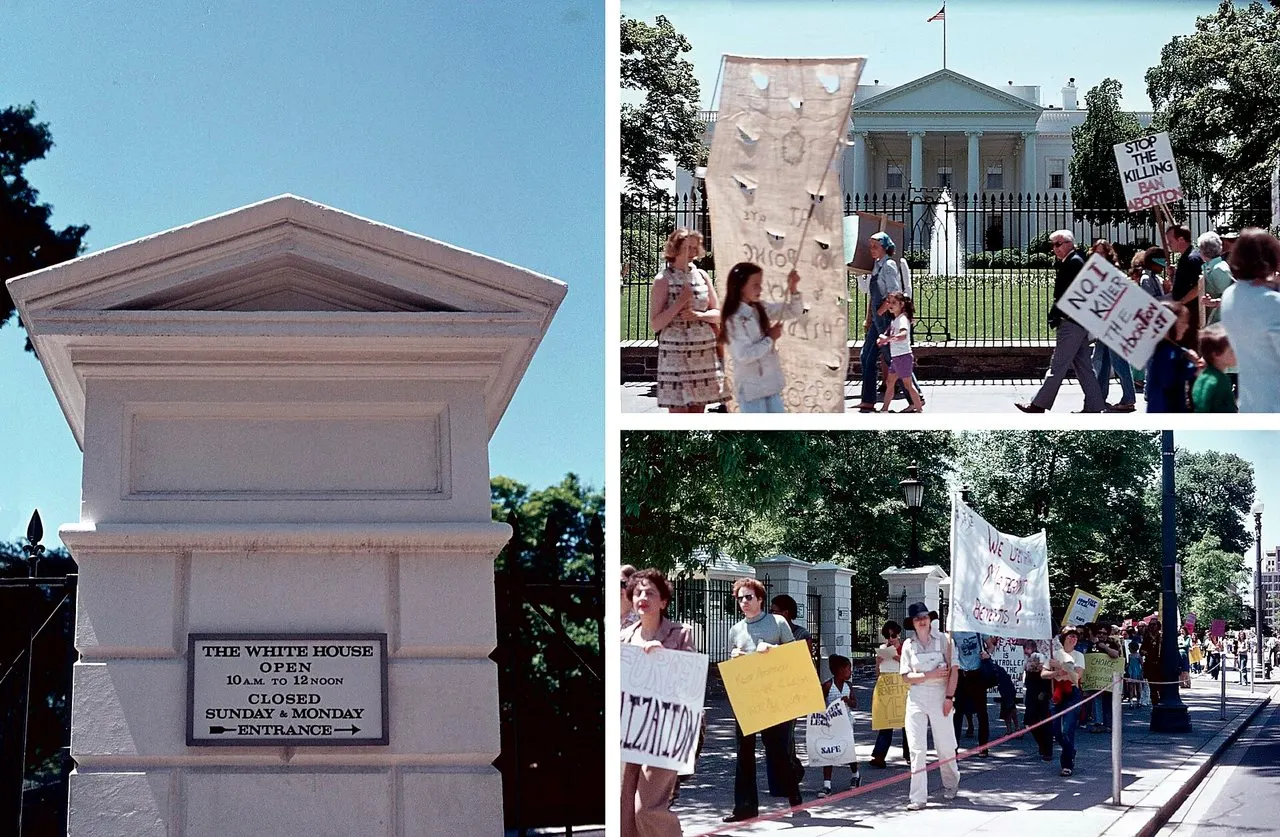
Sanders added that the man he described now resides on 1600 Pennsylvania Avenue, the address of the White House. The line was the punchline of his post, and it left no doubt about who he meant. Naming it turned a vague charge into a direct one. It also reminded readers that the person at the center of the joke holds the highest office in the land. The address is a symbol of power, and Sanders used it well. Read how Melania Trump runs a lean office with five staff.
The Bernie Sanders Tip Line and the Senator Behind It
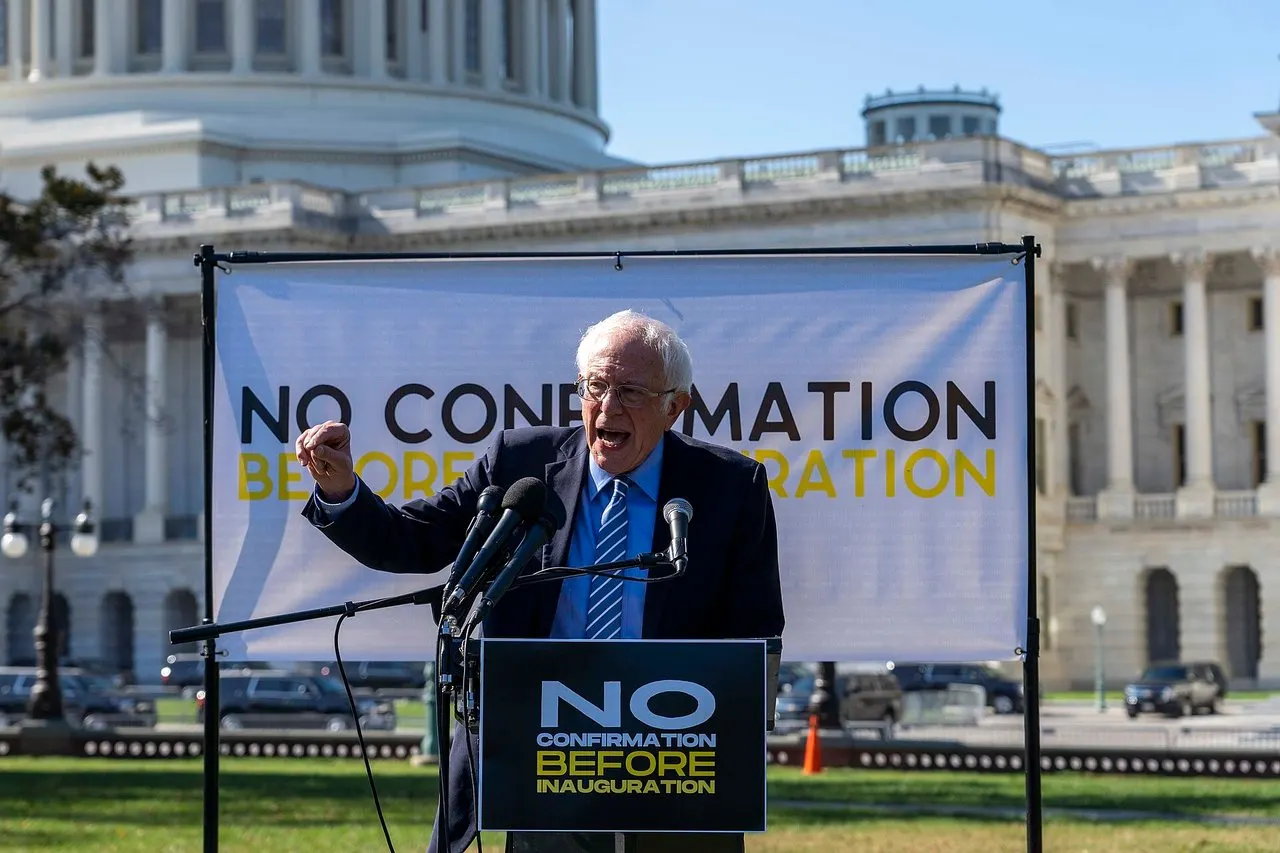
Bernie Sanders has served Vermont in the Senate for years, and he is known for plain talk about money, power, and working families. He often speaks about how taxpayer dollars should help ordinary people, not praise those in charge. That record is why his tip line joke felt natural to his supporters, since it matched the themes he has raised for decades. He is not new to taking on presidents, and he is not shy about naming names. See how Sanders called a $350 billion military increase insane.
How a Fraud Tip Line Is Supposed to Work

A fraud tip line is meant to give ordinary people a safe way to report wrongdoing they see. Callers share what they know, and officials check whether the claim holds up. Good tip lines protect the caller and follow the money, which is why they matter in government. They work best when people trust that tips will be judged fairly and without favor. Sanders used that trust in his joke, asking the program to look at the ads he named. Read how one man greeted Putin for the United States.
Calling In a Tip

Calling in a tip sounds simple, but it takes nerve. A caller must describe what happened, when it happened, and who was involved, and then trust that someone will act. Tip lines often promise rewards, and this program offers up to $30,000, which gives people a reason to speak up. The promise only works if callers believe the process is fair. That question sits at the heart of the row over who decides the payouts. See how a Christmas bonus surprised one worker.
Vermont, the State Sanders Represents

Vermont is the small New England state Sanders represents, a place of green mountains, small towns, and close communities. Its voters have sent him to Washington again and again, trusting his plain style and his focus on working people. The state is far from the noise of the capital, which may be why Sanders often sounds like an outsider even after years in the Senate. His roots there shape the way he talks about money and power. Read how Native American recipes nourished this land.
The Bernie Sanders Tip Line Follows Years of Clashes
Sanders and Trump have clashed for years, and this tip line joke is only the latest round. They disagree on nearly everything, from taxes and health care to how the country should treat working families. Sanders often calls out what he sees as corruption, while Trump often fires back at his critics in public. Their fights play out on social media, on television, and in Congress, and each one draws a crowd. This time the stage was a fraud hotline. See how Rubio once vowed to treat Putin as a gangster.
Nearly $22 Million in Taxpayer Dollars

The figure at the center of the joke is nearly $22 million in taxpayer dollars, which Sanders said was spent illegally on bogus campaign ads praising Trump. That is a huge sum, and it is the reason the post hit so hard. Taxpayers expect their money to fund roads, schools, and care, not ads that flatter a president. The claim is serious, and the judge’s order to halt the ads gave it weight. The numbers will keep drawing attention. Read how the Pentagon cannot account for $2 trillion.
Why the Bernie Sanders Tip Line Post Spread So Fast

The post spread fast because it was short, sharp, and easy to share. Social media rewards jokes that land in one line, and Sanders gave his followers a line they could repeat. Within hours, the post was quoted in news stories and passed around by people on both sides of the fight. That speed is part of modern politics, where a single post can set the agenda for days. The tip line joke did exactly that. See how a Kentucky liberal posts about Trump.
What Taxpayers Are Asking

Taxpayers are the people who pay for every program, and they are the ones Sanders spoke for in his post. When he asked when they will get their money back, he touched a feeling many people share, that public money should be spent with care. The $25 million program, the $30,000 rewards, and the $22 million in ads all come from the same pot. That is why the row matters beyond the joke. Read how a Christmas bonus surprised one worker.
What the Bernie Sanders Tip Line Row Means Next

The row is far from over, and the next steps will tell us a lot. The courts will keep looking at the ads, the program will keep taking tips, and the first payout will keep drawing questions. Sanders is unlikely to drop the subject, and Trump is unlikely to stay quiet. What happens next may shape how whistleblower programs work in the years ahead. For now, the joke has done its job, and the debate is wide open. See how a federal judge halted Trump’s arch project.
Would You Report It

Sanders turned a fraud tip line into a punchline, and the joke is still echoing across Washington. Some readers laughed, some fumed, and many asked whether the program can be fair when one man decides who gets paid. The story raises a simple question that goes beyond party lines, and it is one worth asking out loud. If you saw public money spent on ads praising a president, would you report it? Tell us in the comments and share what you think should happen next. Read how Liz Cheney warned her colleagues.