Trump Triumphal Arch Blocked by a Second Judge in Virginia
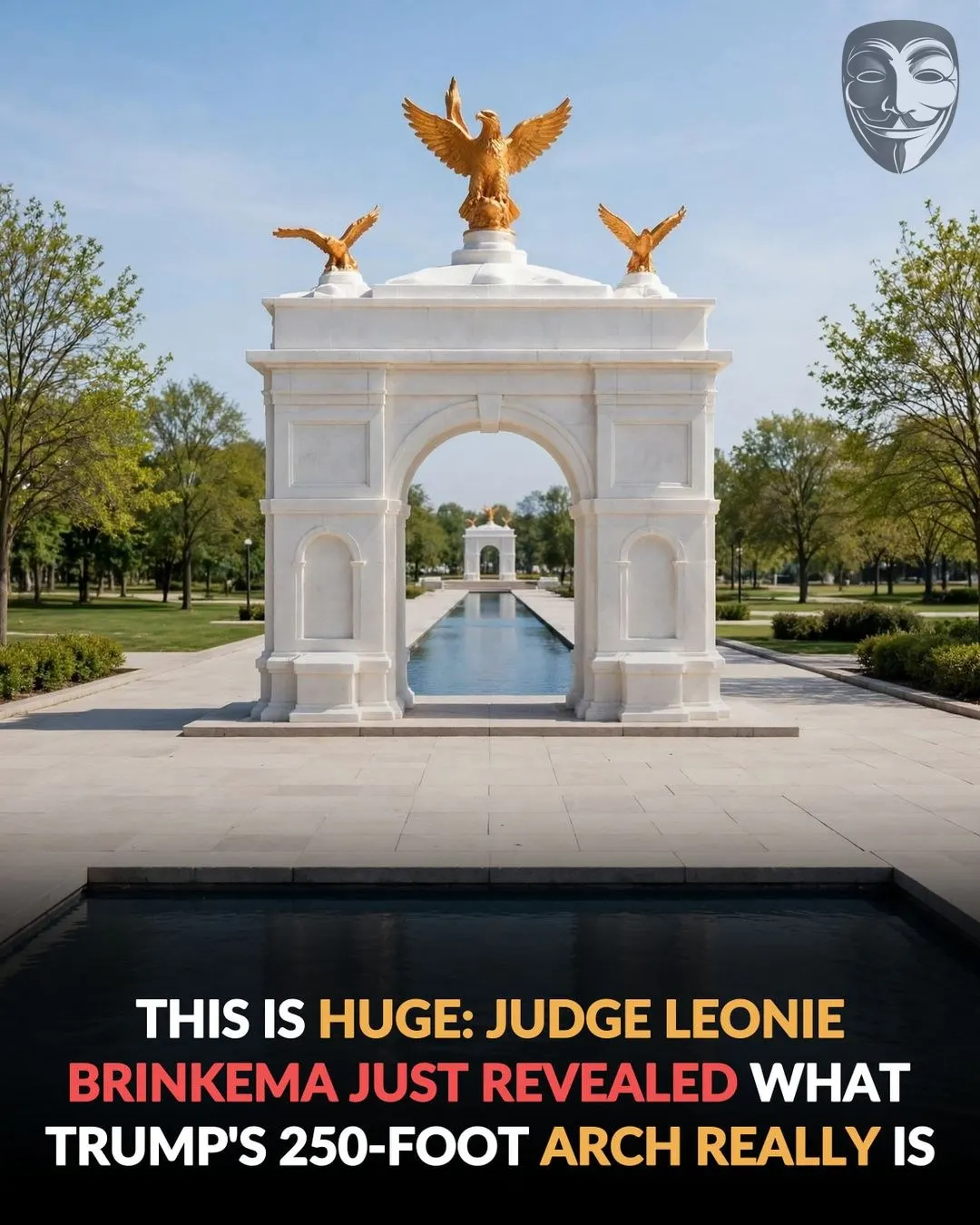
The Trump triumphal arch will not rise over Memorial Circle any time soon. On Friday in Alexandria, Virginia, Judge Leonie Brinkema said she will issue a preliminary injunction stopping construction of President Donald Trump’s planned 250-foot triumphal arch near Arlington National Cemetery. She called the plan a rushed job, saying the government skipped the environmental and economic review, including what the arch would do to airspace at Reagan National Airport. The ruling puts the project on hold while the case goes on.
In the slides ahead, we walk through what the judge said, why a second judge also stopped the project, and who brought the cases to court. We look at the 1925 law the government pointed to, the airport and traffic worries, and what happens next as the Justice Department appeals. The story is still moving, and both court orders must be resolved before any work can begin. Read more in our report on the second judge who blocked the arch and our story about the Kentucky foster family still waiting for Baby T.
References:
Opera News: What Happens to Trump’s Triumphal Arch After Two Judges Block Construction
Washington Signal: Two Federal Judges Block Trump’s Proposed 250-Foot Arch Near Arlington Cemetery
Refusenik: Federal Judge Halts Trump Triumphal Arch at Memorial Circle
My Architecture Portfolio: Trump Arch Wins Final Approval, Then a Judge Halts It
A Friday Ruling in Alexandria
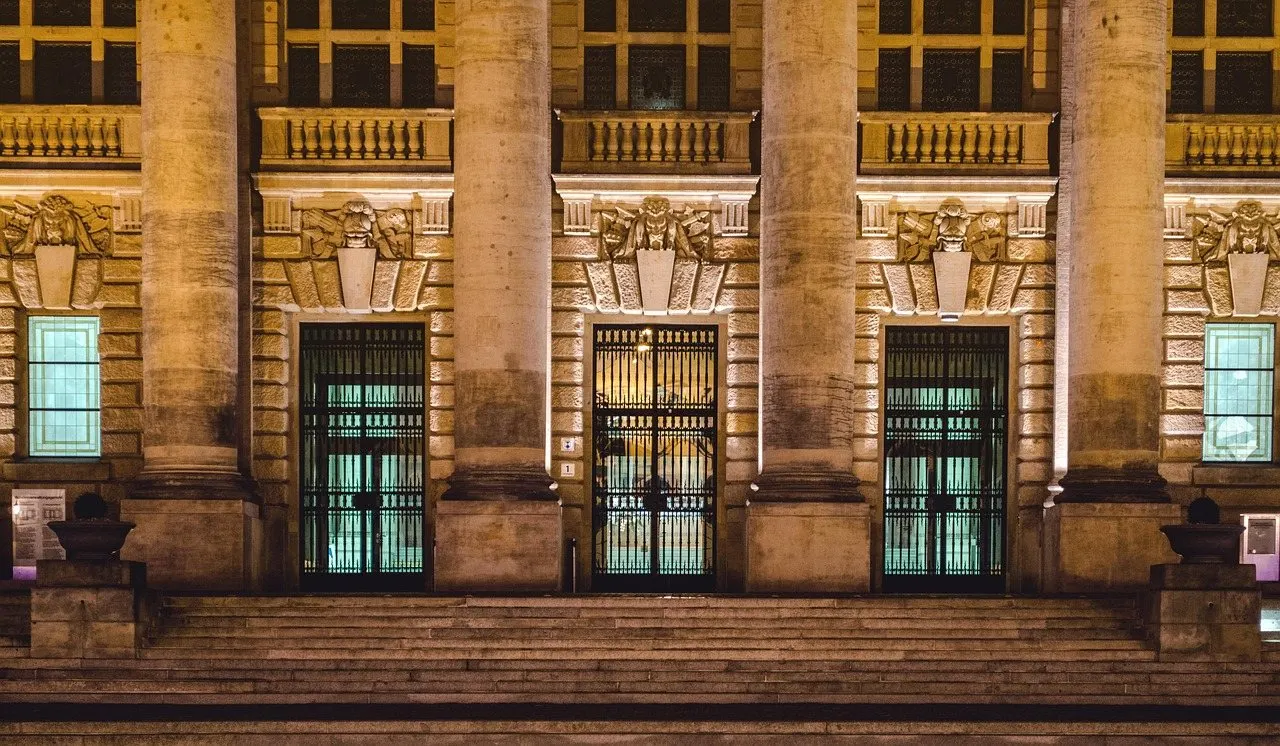
On Friday morning in Alexandria, Virginia, Judge Leonie Brinkema told the courtroom she will issue a preliminary injunction stopping work on the planned 250-foot arch. The order came at the end of a hearing in the Eastern District of Virginia, where Arlington County brought its case. Her ruling puts the project on hold while the lawsuit moves forward, and it has no fixed end date. See our report on the Virginia ruling that halted the project and our story about Rubio’s vow on how to treat Putin.
What the Trump Triumphal Arch Would Look Like
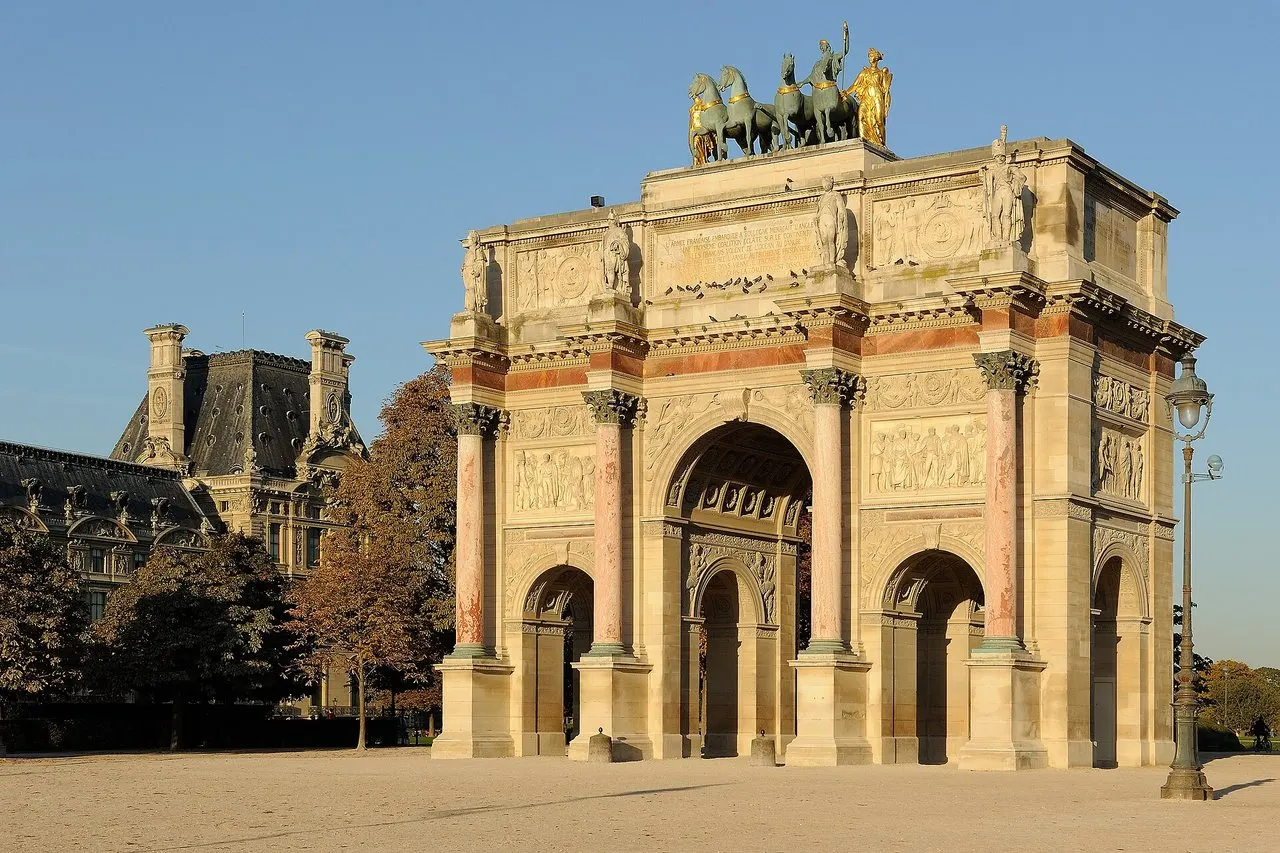
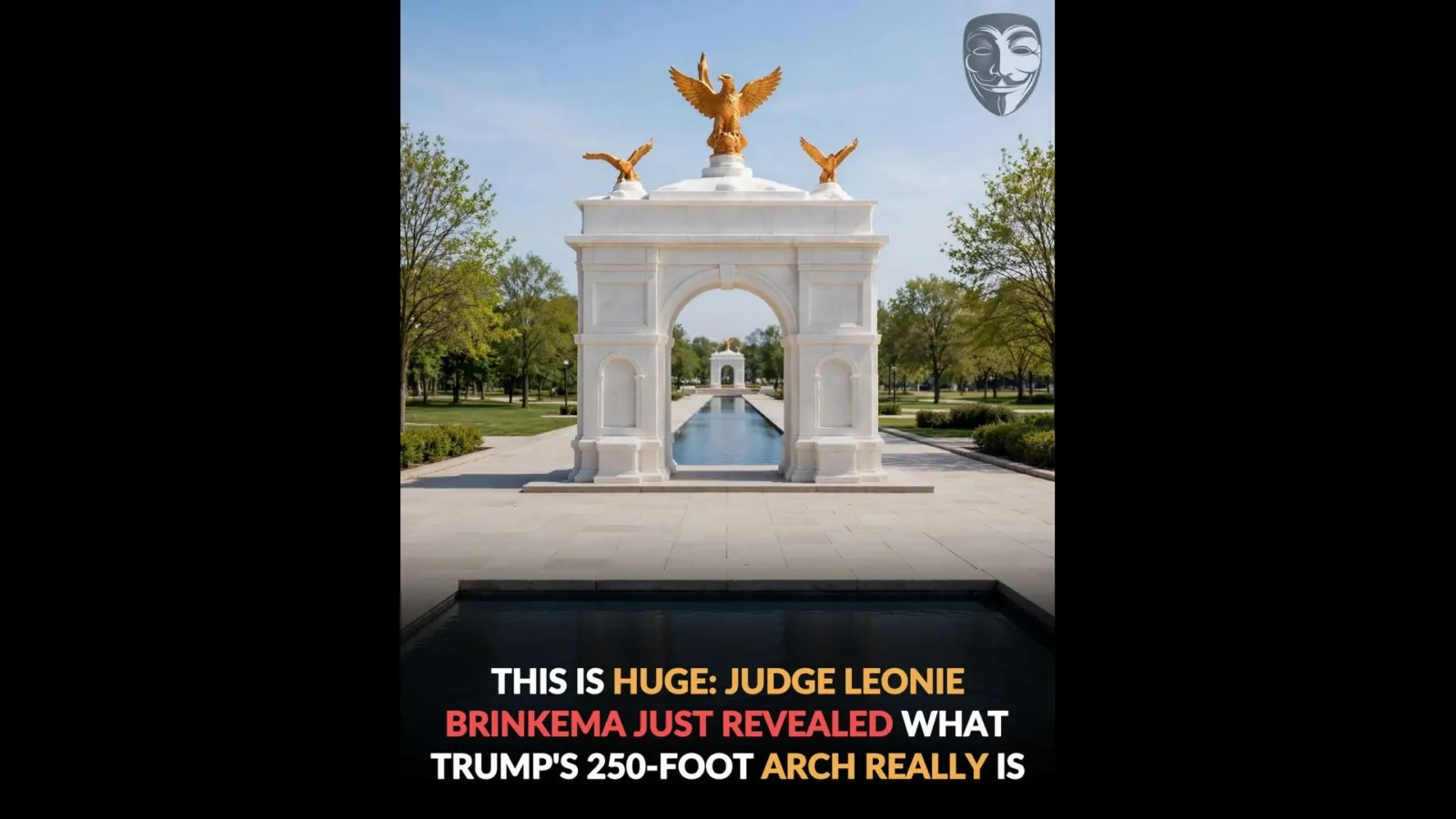
The Trump triumphal arch would stand 250 feet tall at Memorial Circle, near the Virginia end of Arlington Memorial Bridge. That is more than twice the height of the Lincoln Memorial, which stands across the river in Washington. The arch is planned as a triumphal arch, the kind of grand gateway that has marked military victories since ancient Rome. Its size is a big part of why the case has drawn so much attention. For more, read our report on Liz Cheney’s warning to her Republican colleagues and our story about the calm life of a glowing cat mom.
Memorial Circle, Between Two Landmarks
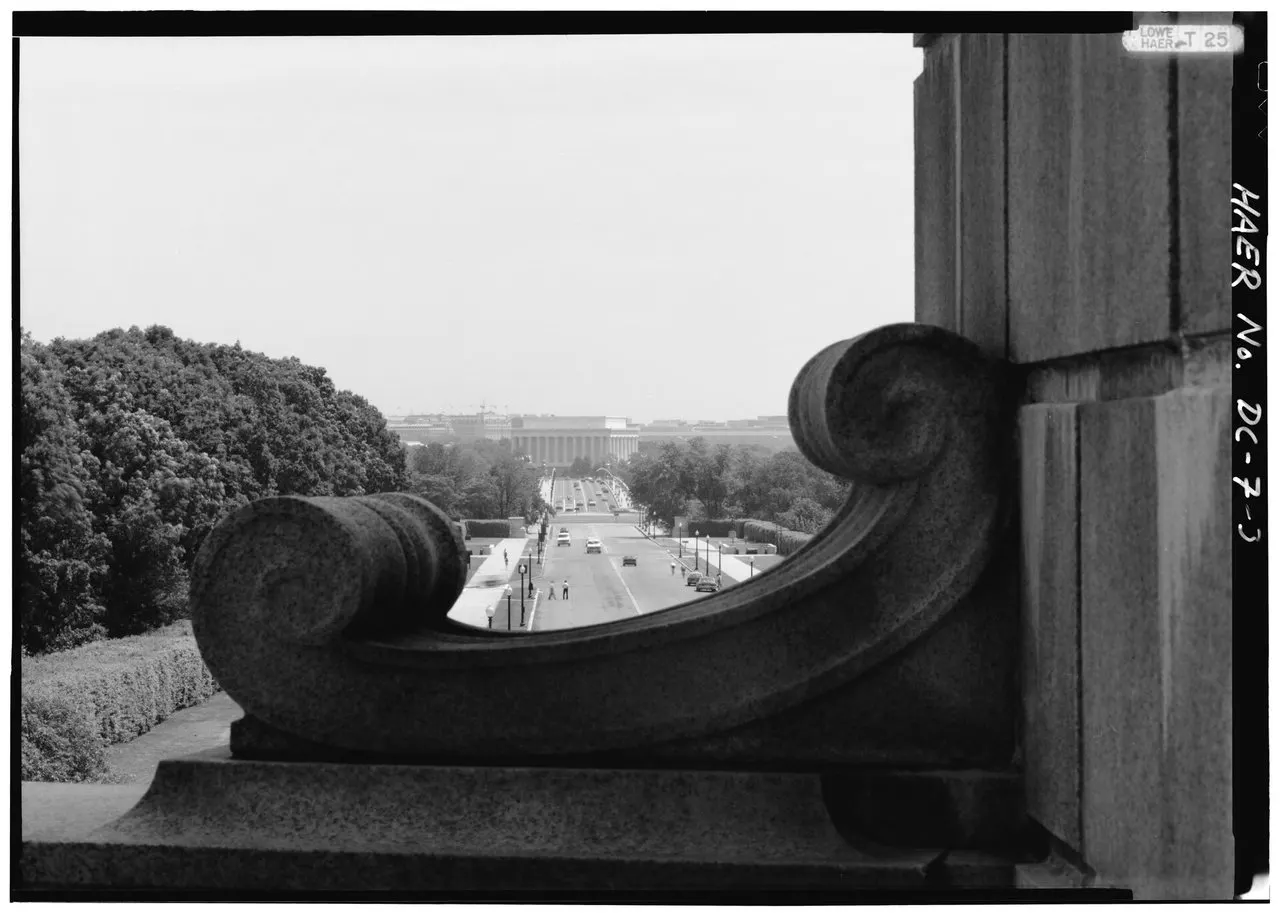
Memorial Circle sits at the Virginia end of Arlington Memorial Bridge, on the road between the Lincoln Memorial and Arlington National Cemetery. It is one of the most seen spots in the Washington area, with cars, buses and visitors passing through every day. The arch would rise right there, in the middle of the circle, where the view runs straight across the river to the Lincoln Memorial. You can read our report on Michelle Obama’s words about her husband and our story about the comedian’s first month of marriage.
Arlington Is Where America Buries Its Dead

Arlington National Cemetery holds the graves of more than 400,000 service members and their families, spread over green hills in Virginia. White stones stand in long rows, and visitors walk the grounds in quiet respect. The cemetery is one of the most visited places in the country, and for many families it is a place of deep personal meaning. That is why any change near its gates draws such strong feeling. Read more in our report on the warning over SpaceX funding in Ukraine and our story about the joke about outages and DEI.
The Trump Triumphal Arch and the Airport Above It
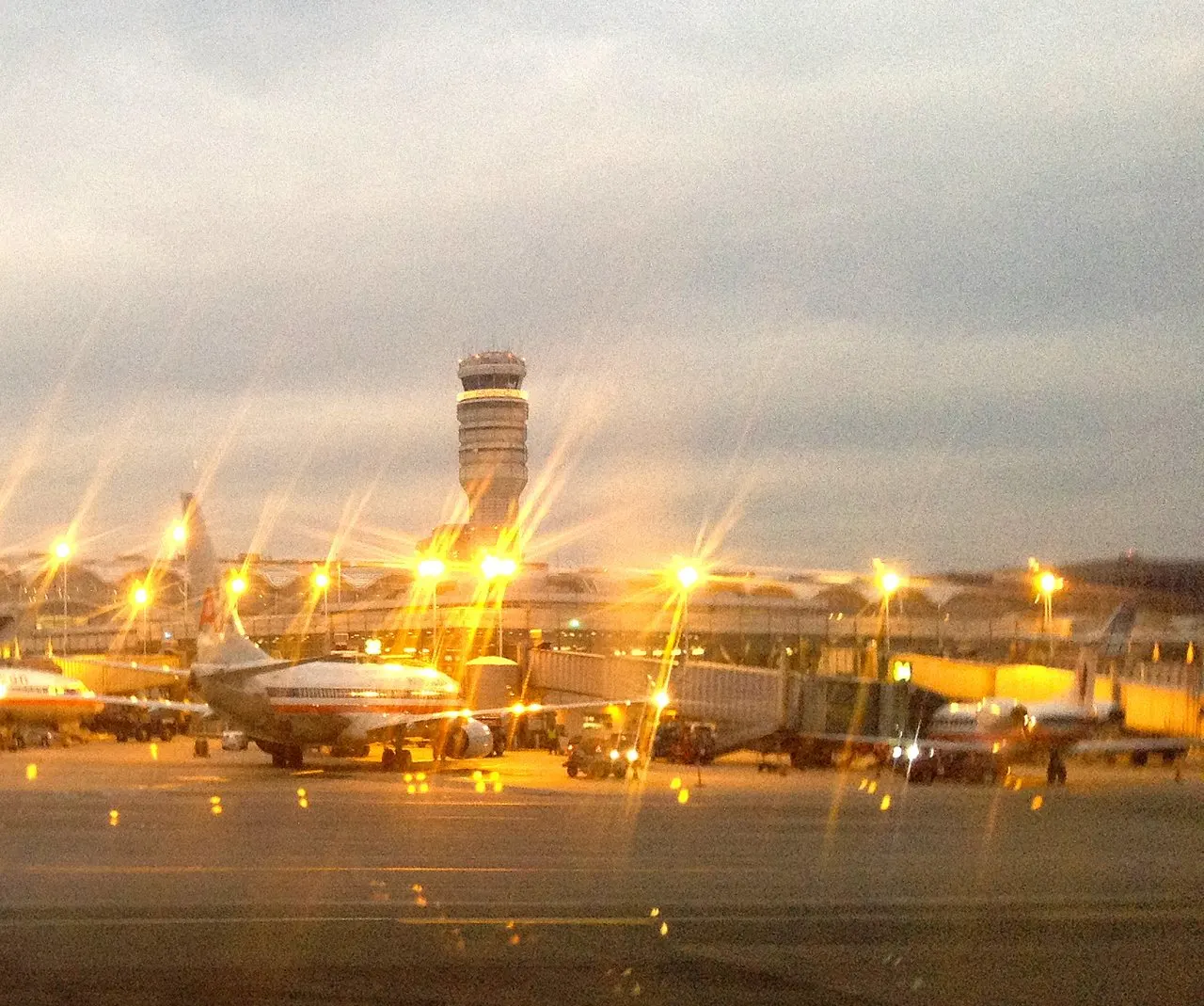
One of the judge’s main worries was the airspace over Reagan National Airport. Planes fly low over the Potomac River as they land and take off there, and a 250-foot arch would stand in busy airspace. Judge Brinkema said the government never studied what the arch would do to that airspace. The airport is one of the busiest in the region, and safety in the skies above it matters to everyone who flies. See our report on Don Bacon’s warning at the National Press Club and our story about the White House peace deal after 35 years.
A Rushed Job With No Full Review
Judge Brinkema said the project moved too fast and skipped the review the law requires. She pointed to the environmental and economic study that was never done, and she quoted the gap in plain words. That just has not been done in the case because it has been such a rushed job, she said. A full review would look at traffic, the environment, the cost and the effect on the land around the site. For more, read our report on Zelensky’s silent shrug in Berlin and our story about Bruce Willis and Demi Moore as family.
The Judge’s Words on the Trump Triumphal Arch
The judge did not spare the government’s lawyers during the hearing. When they argued that Congress had already approved the project a century ago, she pushed back hard. It hurts your credibility with the court by focusing on that, she told them. Her words made clear she thought the old law was a weak leg for the government to stand on, and the courtroom heard her say so in plain terms. You can read our report on Robert De Niro’s speech at the town hall and our story about the warning over posts about Mikee Quintos.
The 1925 Columns That Were Never Built
The government’s case rested on a law from 1925, when Congress authorized a pair of columns at the site. Those columns were never built. The administration’s lawyers said that old approval covered the new arch too, but the judge disagreed. She noted the old law made no provision for an arch at all, and it was written long before the airport even existed. Read more in our report on the Alaska Senate case that the DOJ dropped and our story about the former Justice Department lawyers now applying to investigate the DOJ.
The Second Judge to Stop the Trump Triumphal Arch
Judge Brinkema is the second judge to stop the project. In Washington, Judge Tanya Chutkan blocked construction earlier in November and then extended her temporary order through December 3 while she weighs a longer pause. Two courts in two places have now said no to the same project. That means the administration must clear both orders before any work can begin, and neither judge has shown signs of backing down. See our report on the warning that Brexit was the first domino and our story about the YMCA dance for Trump and Xi in China.
What Judge Chutkan’s Order Does
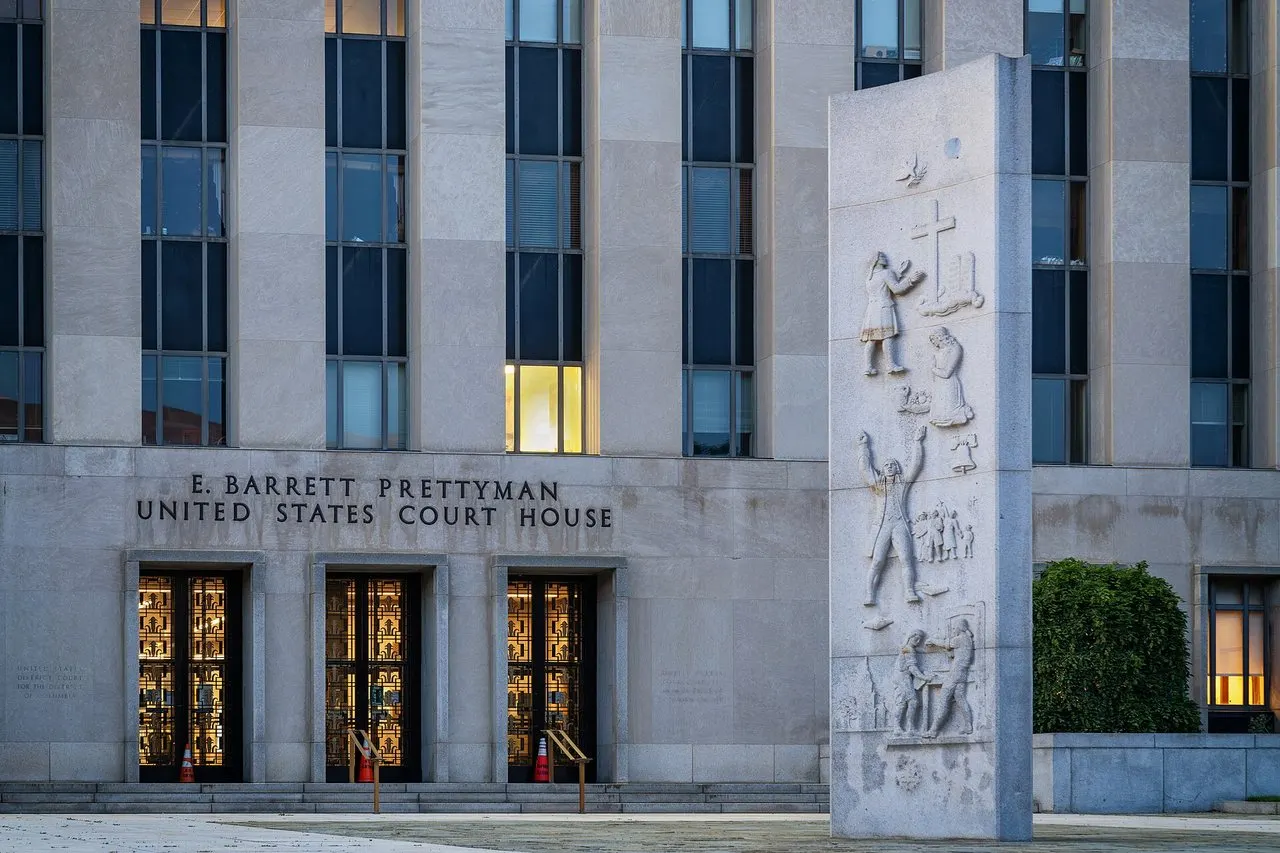
Judge Chutkan’s order is a temporary restraining order, a short-term emergency order that freezes work while a court looks closer. She first blocked the project on November 5, shortly after a federal planning panel approved it, and on November 18 she extended the block through December 3. Her order covers construction, digging, demolition and road closures at Memorial Circle. She is still weighing a longer injunction, and the case before her is not over. For more, read our report on the Kentucky man who posts about Trump and our story about the record 15-hour flight from China.
Veterans Groups Brought the Fight
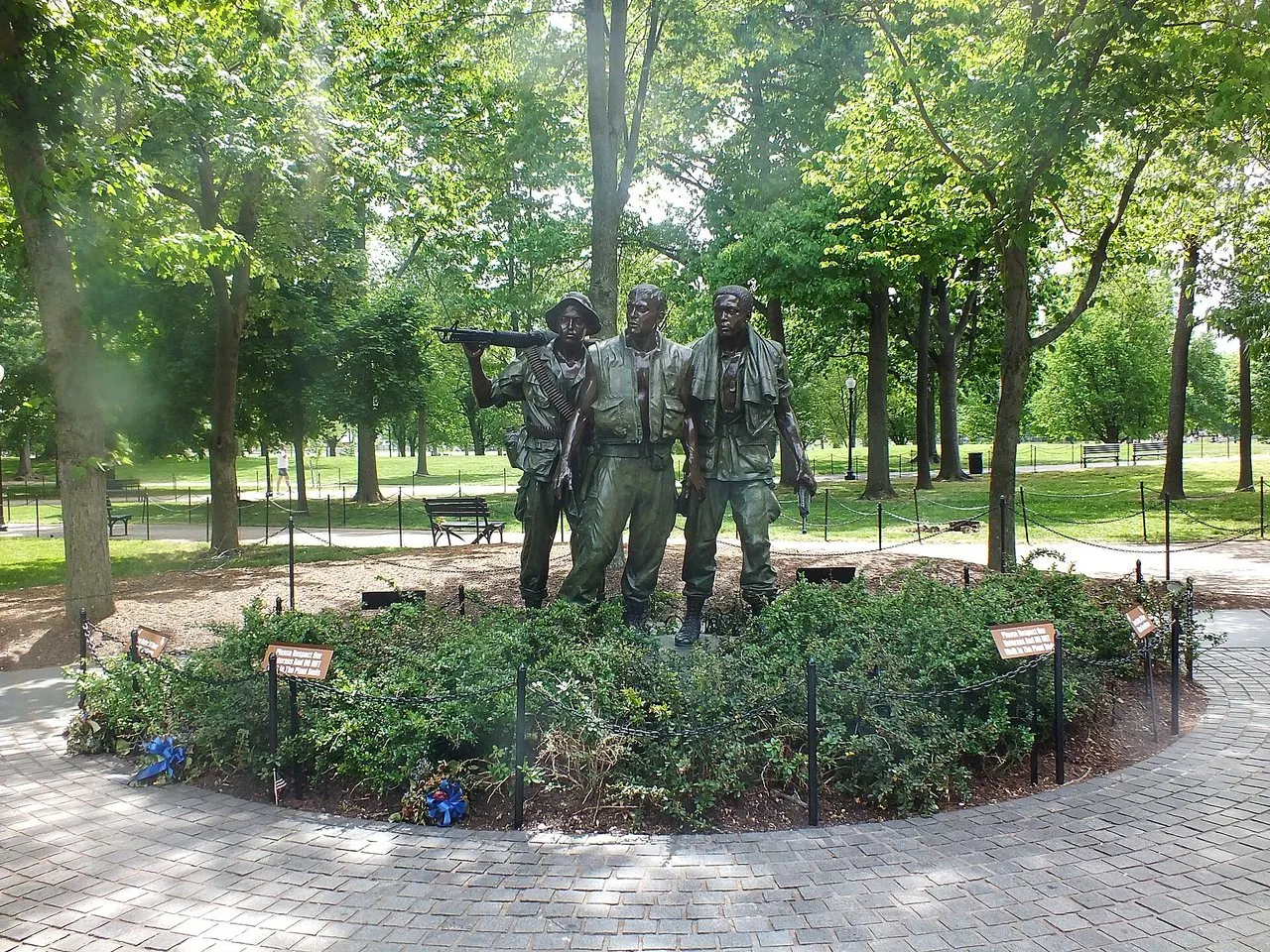
Veterans groups are among those who sued to stop the arch. In the Washington case, three Vietnam War veterans joined the challenge, along with an architectural historian. They argued that the government lacked the legal power to build the arch and that construction would disturb the cemetery. For veterans, the ground near Arlington is sacred, and they say a monument to one man should not loom over the graves of those who served. You can read our report on the White House vote to name the turkeys and our story about Hillary Clinton’s claim about Putin and Trump.
Who Is Suing Over the Trump Triumphal Arch
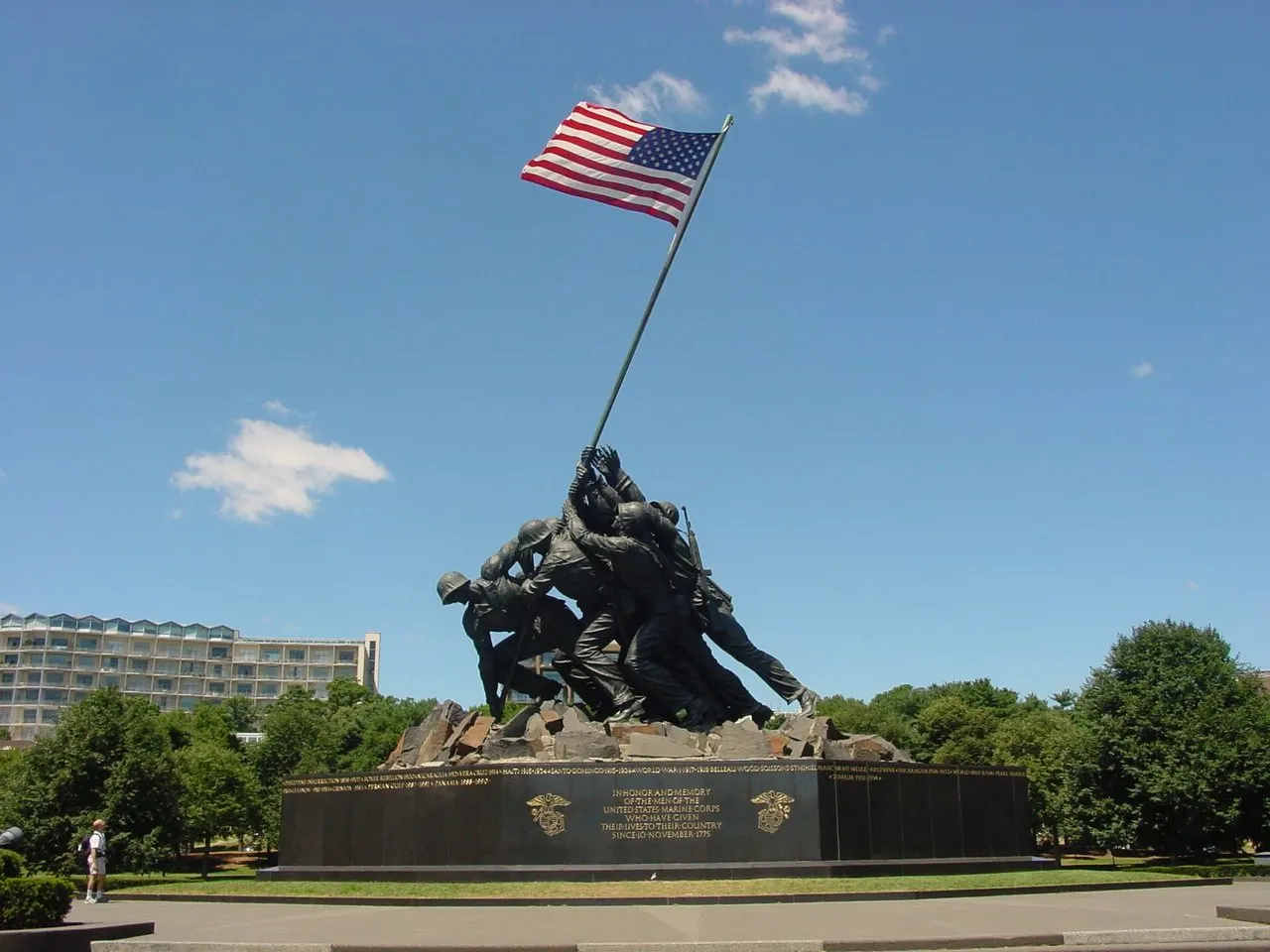
The cases come from more than one direction. Arlington County sued in Virginia, saying the site would affect its roads, emergency services, residents and public safety. The District of Columbia and Virginia also sued, and their case was joined with the veterans’ case before Judge Chutkan. Local governments, veterans and families all have a stake, and each one argues the project was pushed through without the care the law demands. Read more in our report on the Tesla robot that may outnumber people and our story about the Pacific seabed auction near American Samoa.
The Kennedy Family Joined the Case
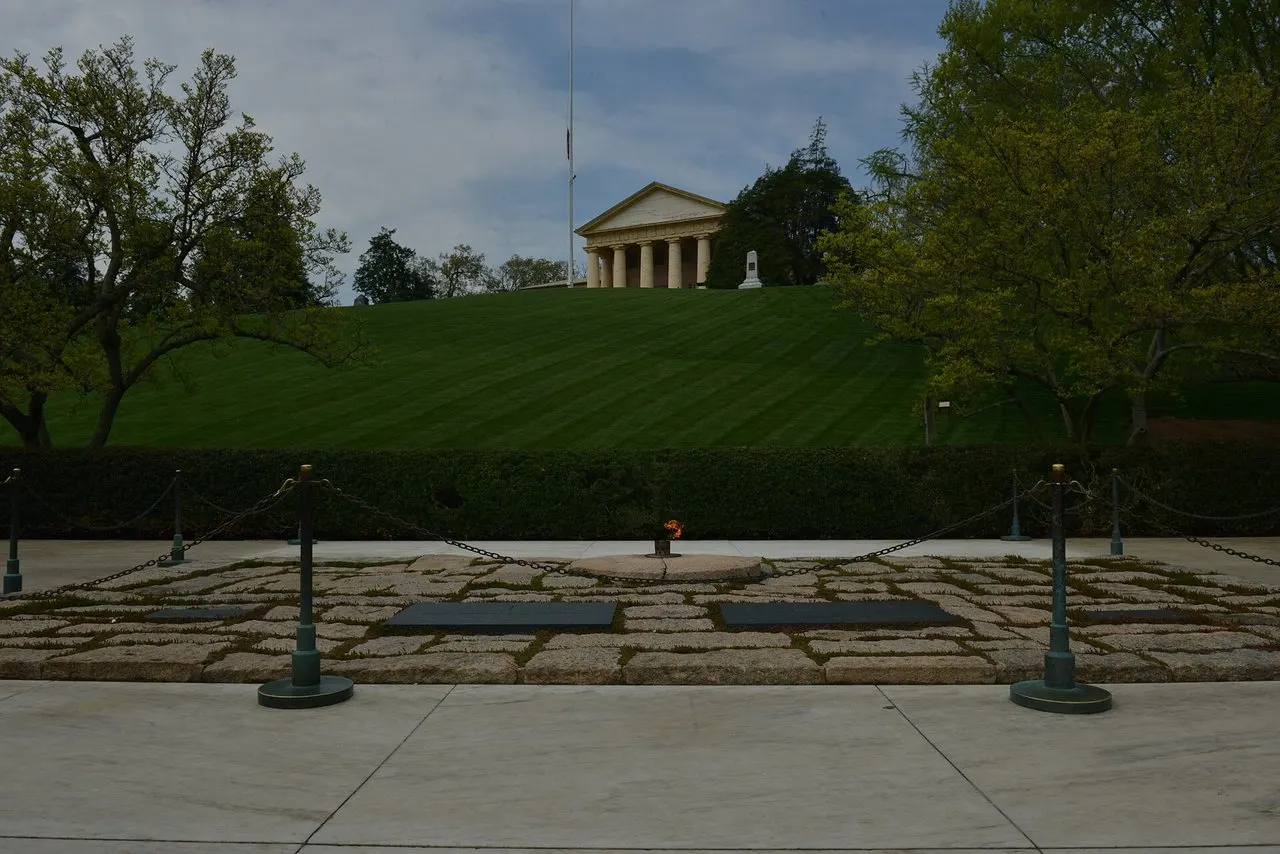
Members of the Kennedy family also joined the challenge. Their concern is the view and the ground at Arlington, where President John F. Kennedy is buried with an eternal flame marking his grave. The family has long ties to the cemetery and to the memorial landscape around it. Their presence in the case shows how wide the opposition runs, from veterans and towns to one of America’s best known political families. See our report on the graduation photo taken 18 years apart and our story about the demand to revoke a visa over the Bessent story.
The View the Trump Triumphal Arch Would Change
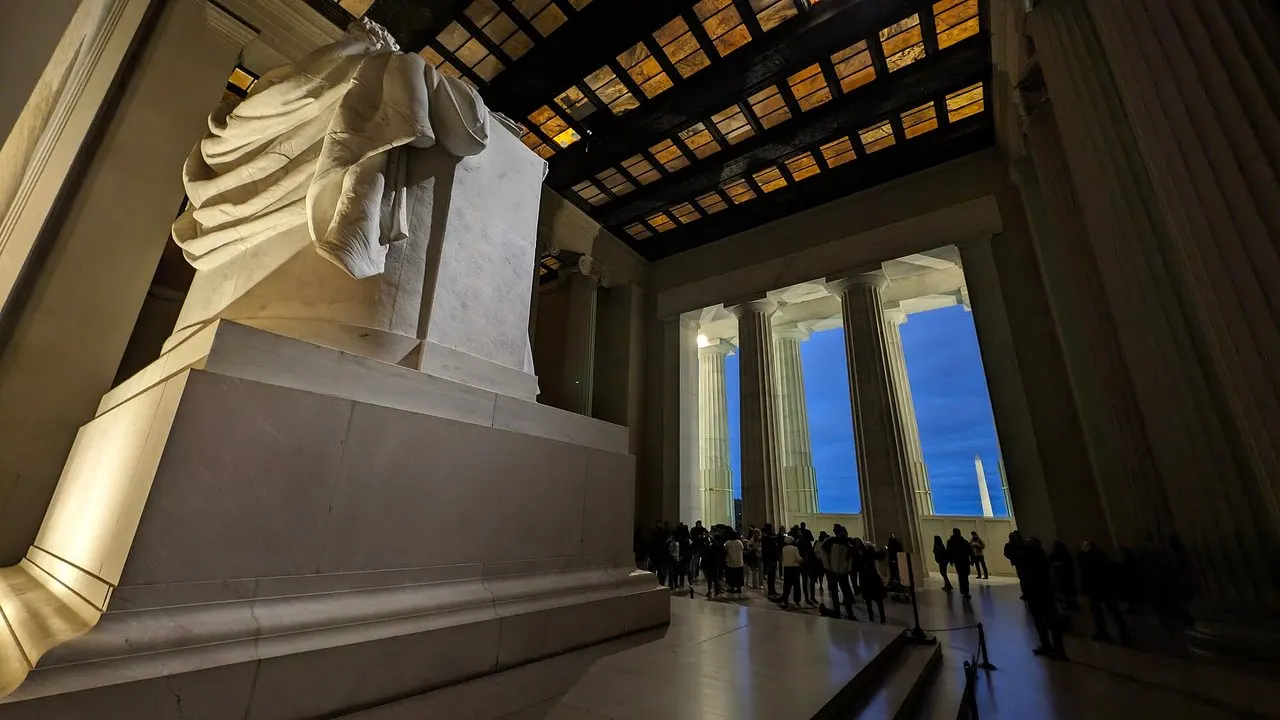
One of the strongest objections is about the view. From the Lincoln Memorial, the eye runs straight across the river to Arlington, a line that has been protected for generations. A 250-foot arch would stand in the middle of that view and tower over the graves below. Critics say it would spoil a historic sight that belongs to the whole country, not to one president. The view itself is part of what the lawsuits seek to protect. For more, read our report on Patricia Heaton’s words on gratitude and our story about Erdogan’s words on Muslim unity.
The Tomb of the Unknown Soldier
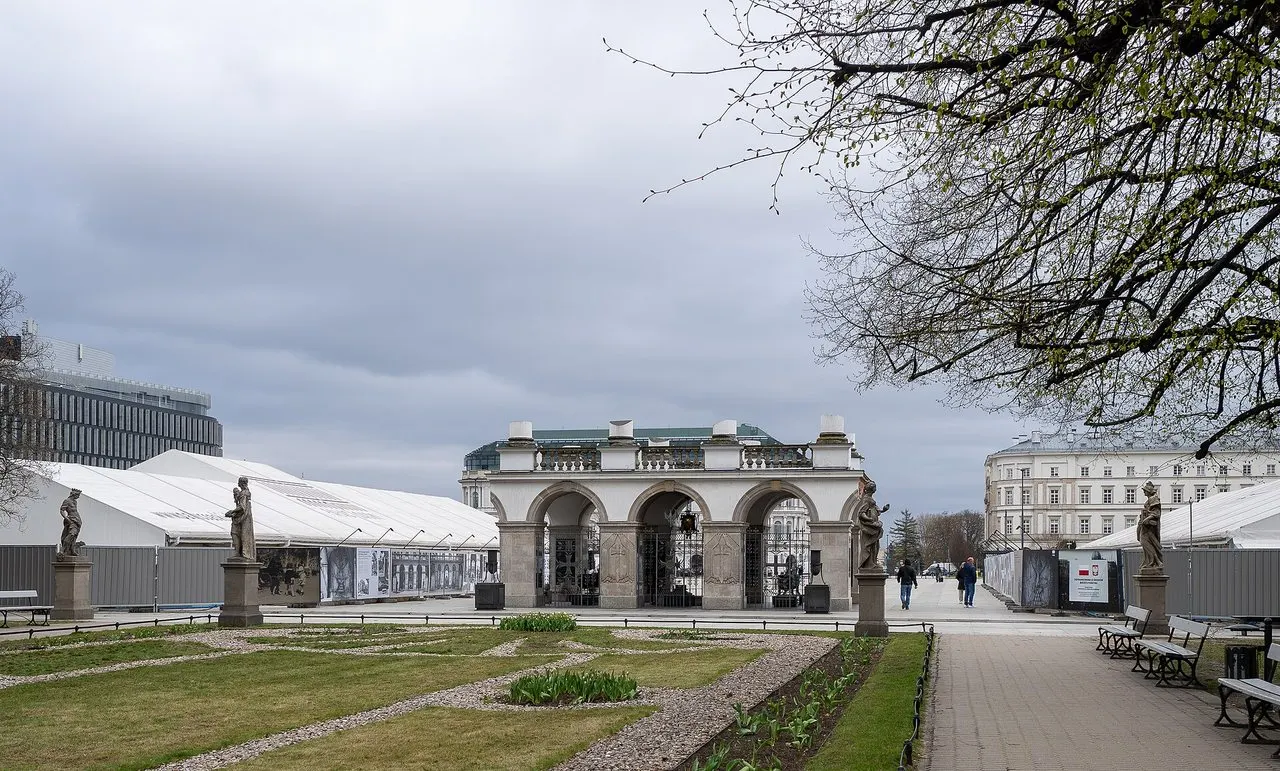
At the heart of Arlington stands the Tomb of the Unknown Soldier, where guards keep watch day and night. The tomb honors service members whose names were never known, and its changing of the guard is one of the most solemn sights in America. Those who oppose the arch say its shadow would fall across ground that should stay untouched. The tomb reminds visitors why the cemetery is treated with such care. You can read our report on the Kentucky foster family still waiting for Baby T and our story about the second judge who blocked the arch.
The Appeal Over the Trump Triumphal Arch
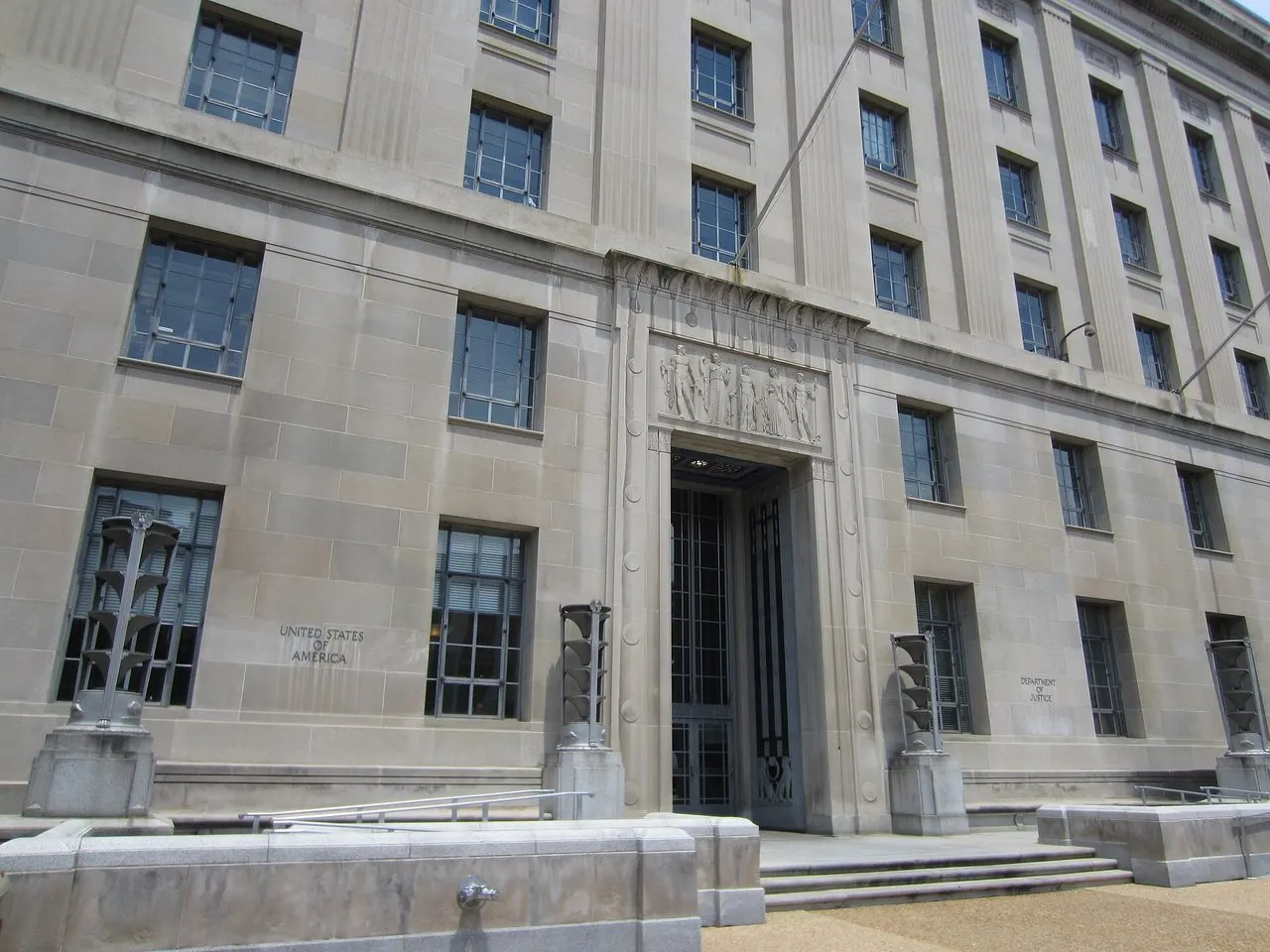
The Justice Department says it will appeal the ruling, and the National Park Service has already appealed to the United States Court of Appeals for the Fourth Circuit, which covers Virginia. An appeal asks a higher court to review the ruling, and the government is expected to seek a stay that would let work begin while the appeal runs. For now, the injunction stands, and no construction can start while it is in force. Read more in our report on Rubio’s vow on how to treat Putin and our story about the Virginia ruling that halted the project.
What a Triumphal Arch Is

A triumphal arch is a grand gateway built to honor a military victory, a form that goes back to ancient Rome. The most famous one today is the Arc de Triomphe in Paris, which stands over the tomb of an unknown soldier. Arches like these are meant to last for centuries and to shape how a city looks. That long life is one reason the fight over this arch is so heated. See our report on the calm life of a glowing cat mom and our story about Liz Cheney’s warning to her Republican colleagues.
Arches Through History
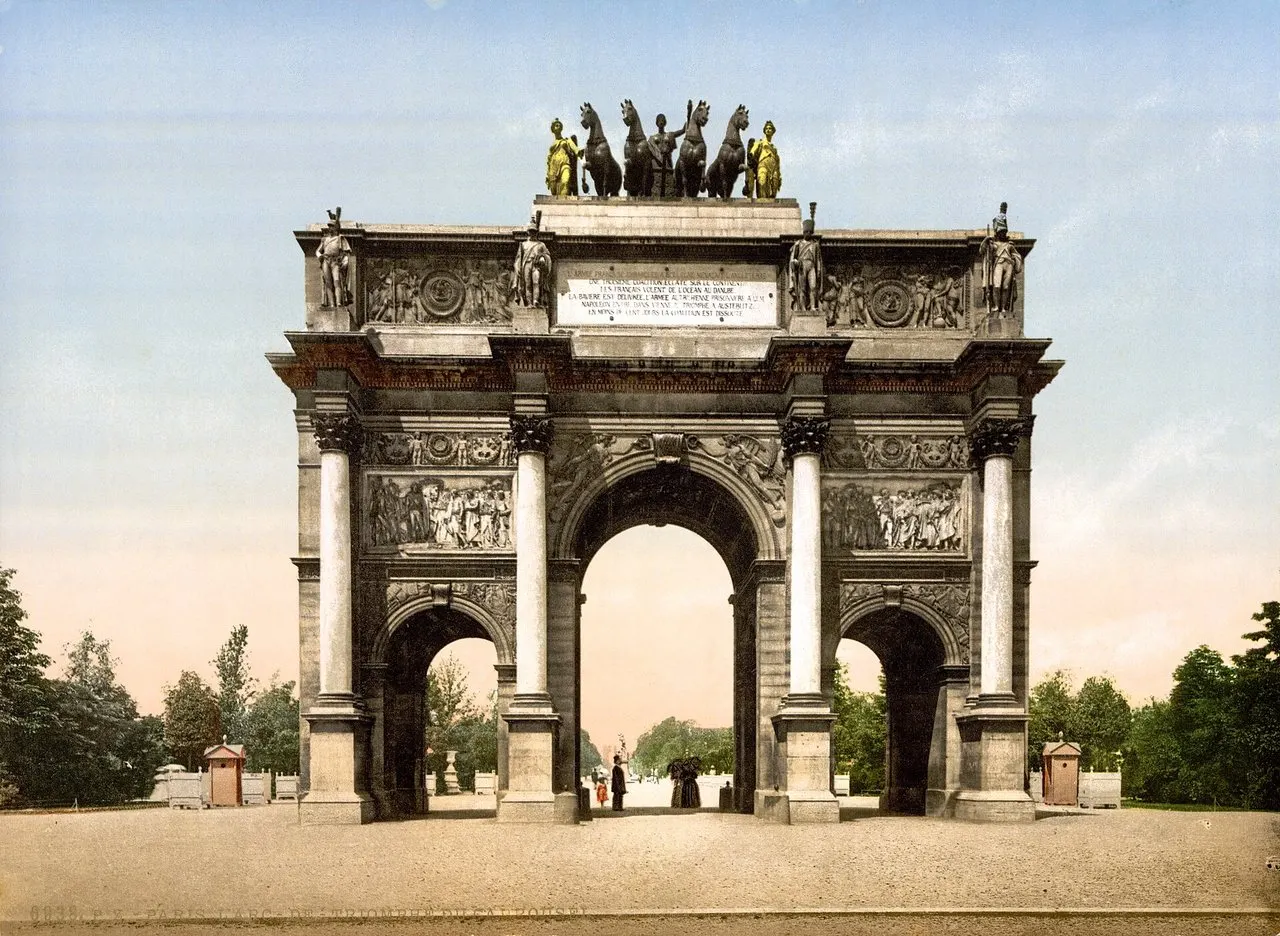
Roman emperors raised triumphal arches to celebrate victories, and later rulers copied the form in cities across Europe. The Arc de Triomphe du Carrousel in Paris is one of the smaller French examples, built to honor Napoleon’s armies. These monuments were always about memory and power, and they were built to make people look up. The planned arch near Arlington follows that same old idea, but on ground that many feel should stay as it is. For more, read our report on the comedian’s first month of marriage and our story about Michelle Obama’s words about her husband.
The Trump Triumphal Arch and the Bridge Traffic
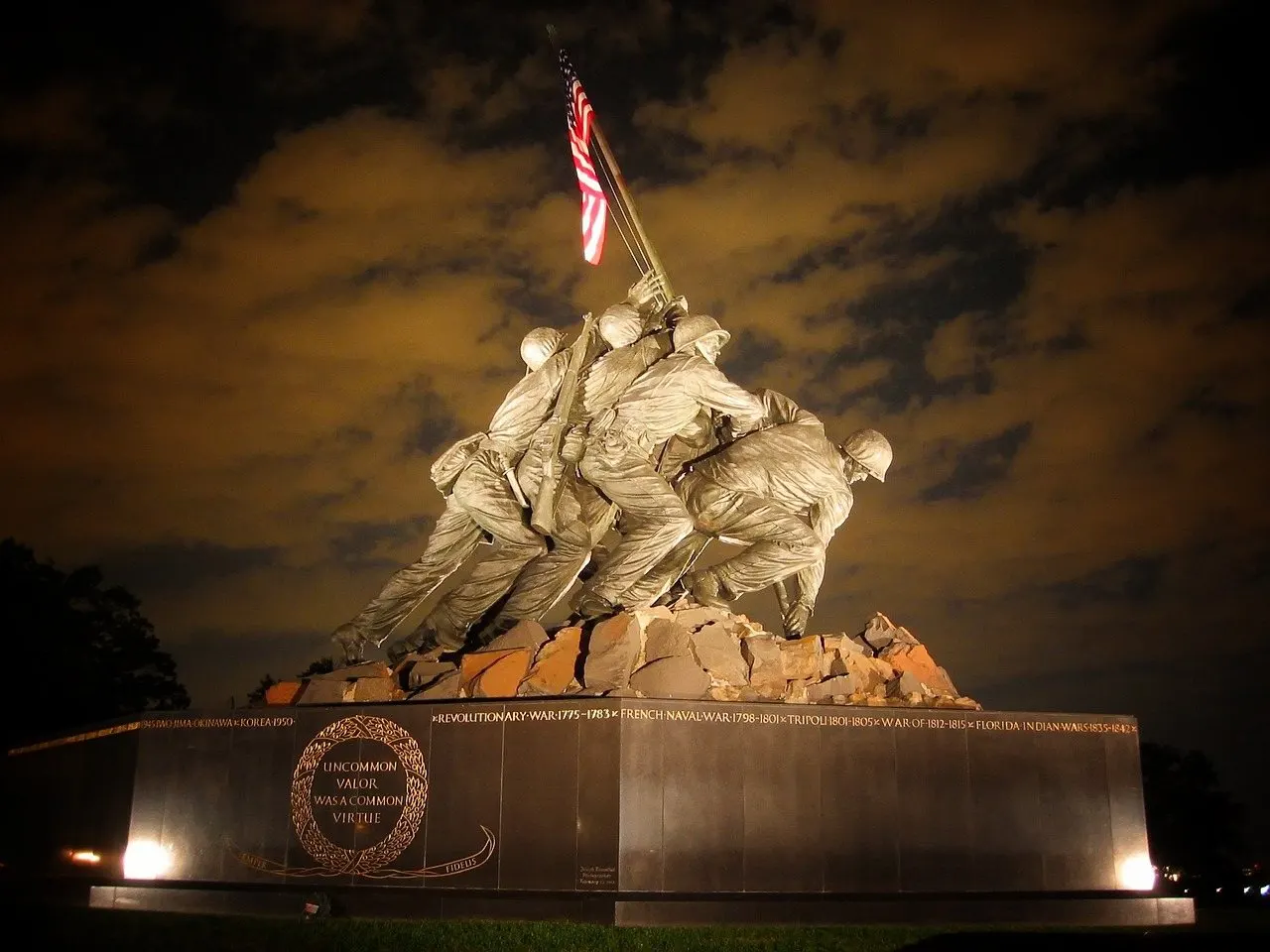
Arlington County warned that construction would worsen traffic and slow emergency crews. First responders for the airport and the cemetery rely on Arlington Memorial Bridge, which runs through Memorial Circle. Road closures, heavy trucks and work zones would choke a route that ambulances and fire crews need every day. The county argued that the government never weighed those risks, and the judge heard that point as part of the rushed review she criticized. You can read our report on the joke about outages and DEI and our story about the warning over SpaceX funding in Ukraine.
What Happens Next in Court
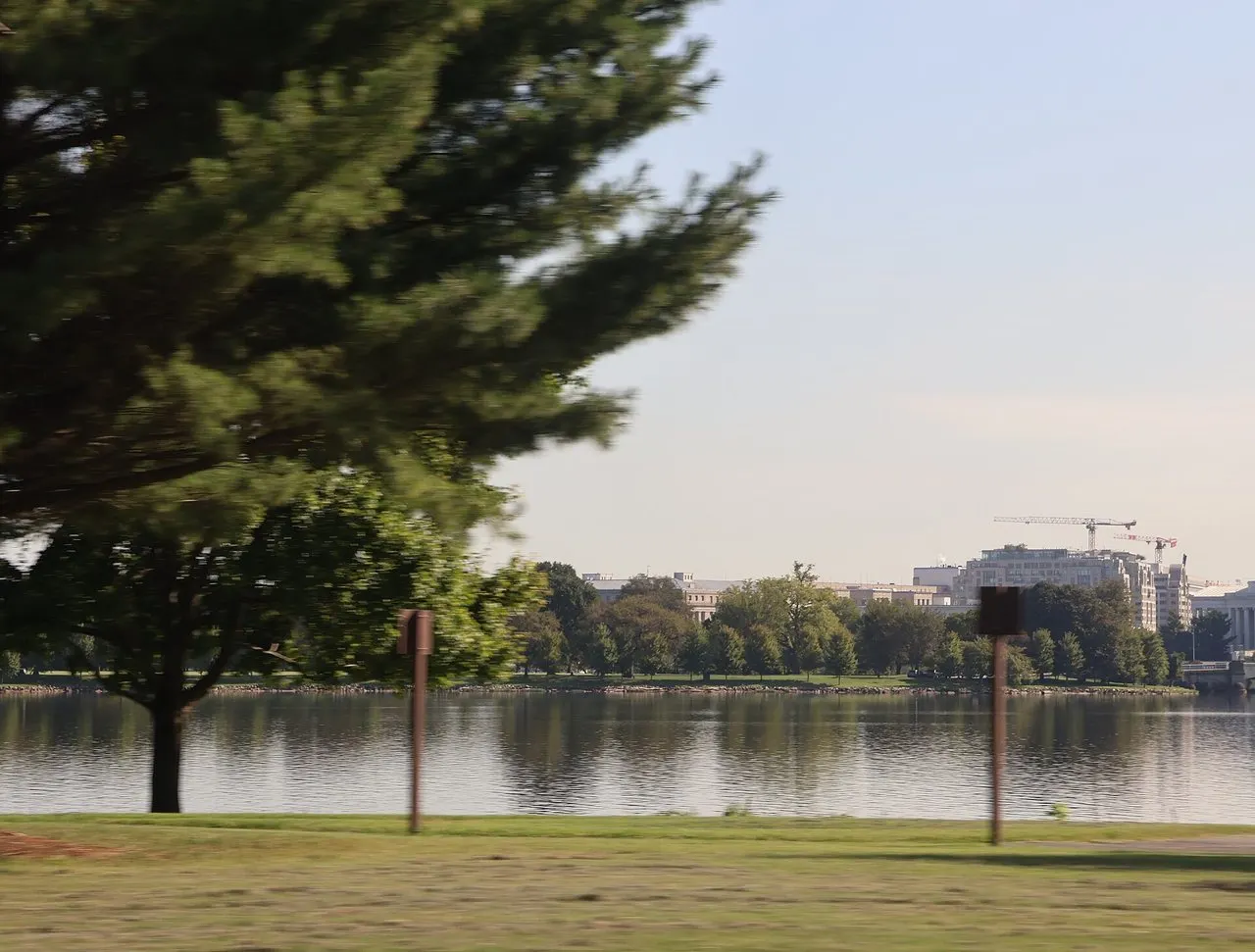
The Trump triumphal arch fight now moves through two appeals courts. In Virginia, the Fourth Circuit will hear the government’s appeal of Judge Brinkema’s injunction. In Washington, Judge Chutkan will decide whether to turn her short-term order into a longer one. Either court could change the picture, but until one of them acts, both blocks stand. The next hearings will show whether the project has any path forward. Read more in our report on the White House peace deal after 35 years and our story about Don Bacon’s warning at the National Press Club.
The Law Behind the Trump Triumphal Arch Fight
The judges pointed to several laws the government broke, including the Commemorative Works Act, the National Park Service Organic Act and the Administrative Procedure Act. One judge called the project arbitrary and capricious, a legal term that means the government failed to follow the steps the law requires. The core question: did the administration have the power to build this arch without Congress signing off first? The courts so far have said the answer is no. See our report on Bruce Willis and Demi Moore as family and our story about Zelensky’s silent shrug in Berlin.
The Park Service and the Land
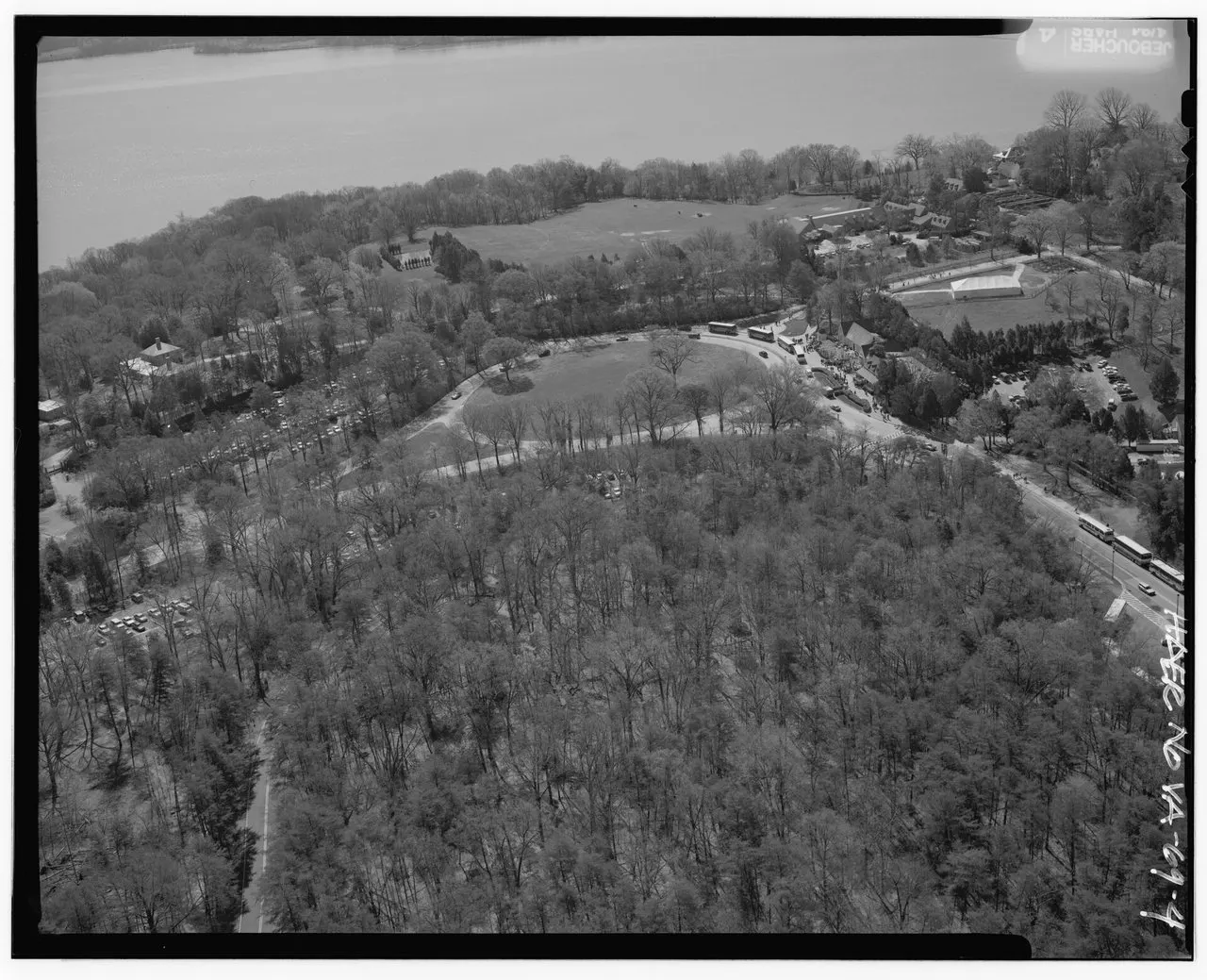
The National Park Service looks after Memorial Circle, and it is named in the lawsuits. The agency approved the project and is now defending it in court, while appealing the Virginia ruling. The Park Service was created to protect places like this, and critics say approving a giant arch at the gates of Arlington runs against that mission. The agency is now at the center of the legal fight. For more, read our report on the warning over posts about Mikee Quintos and our story about Robert De Niro’s speech at the town hall.
Planes Over the River
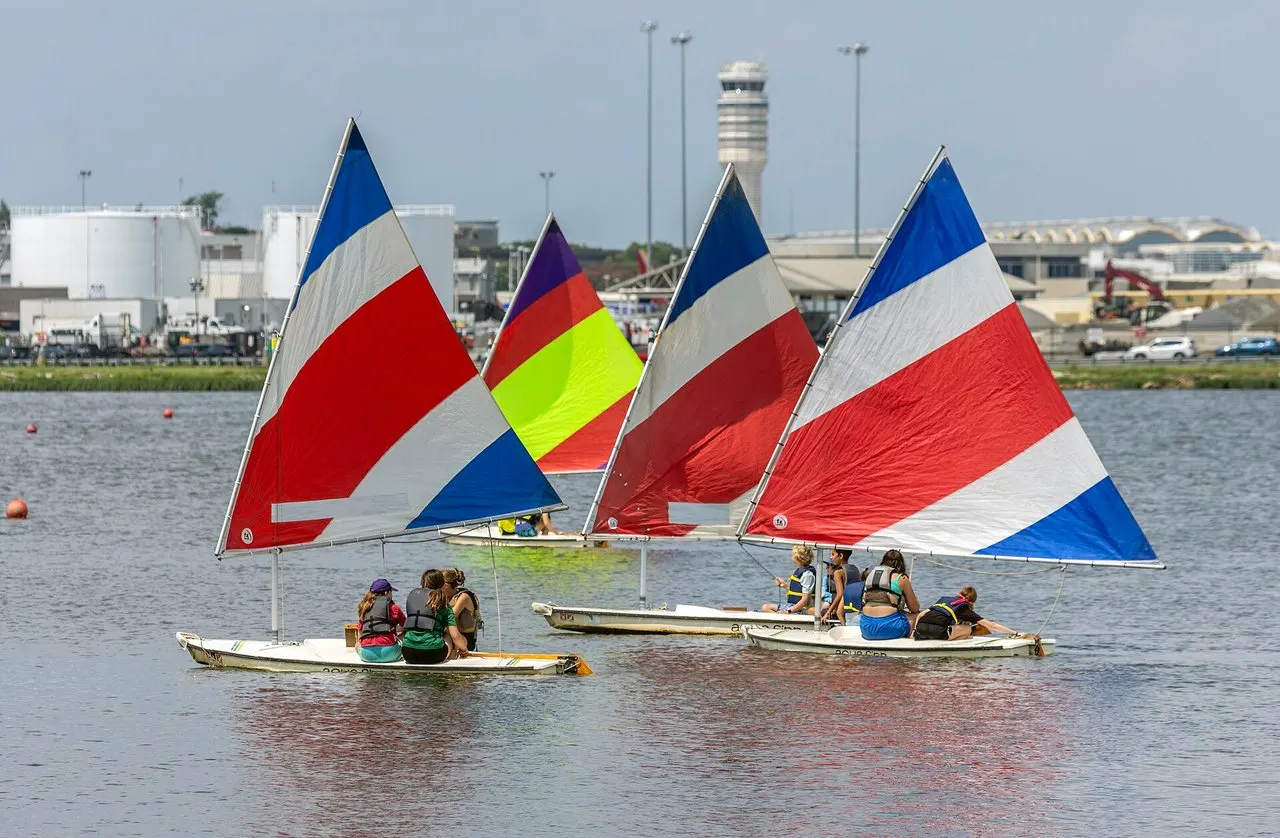
The Potomac River runs past Memorial Circle, past Reagan National Airport, and planes cross low over the water as they land. Pilots and controllers watch that crowded airspace with care. A 250-foot arch would add a tall new obstacle near the flight path, which is why the missing study troubled the judge. The river, the airport and the grounds share the same small patch of sky. You can read our report on the former Justice Department lawyers now applying to investigate the DOJ and our story about the Alaska Senate case that the DOJ dropped.
How Tall Is the Trump Triumphal Arch
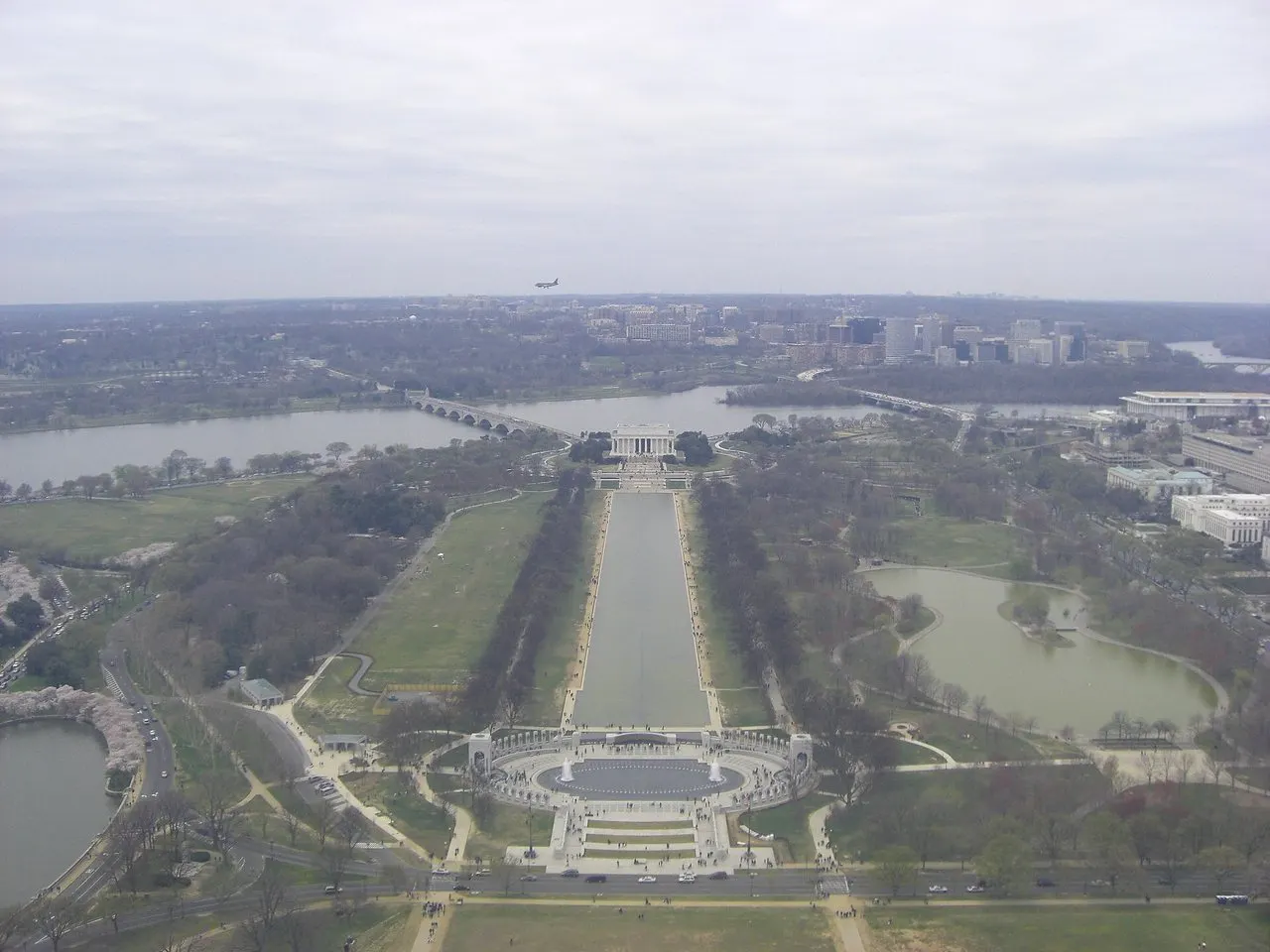
Two hundred and fifty feet is hard to picture. The Lincoln Memorial stands about 99 feet tall, so the arch would rise more than twice as high. It would be taller than a 20-story building and be seen for miles around Washington. From the cemetery, it would loom over the graves below and change the skyline. Size is not just a number here, it is the heart of the dispute. Read more in our report on the YMCA dance for Trump and Xi in China and our story about the warning that Brexit was the first domino.
Arlington House on the Hill
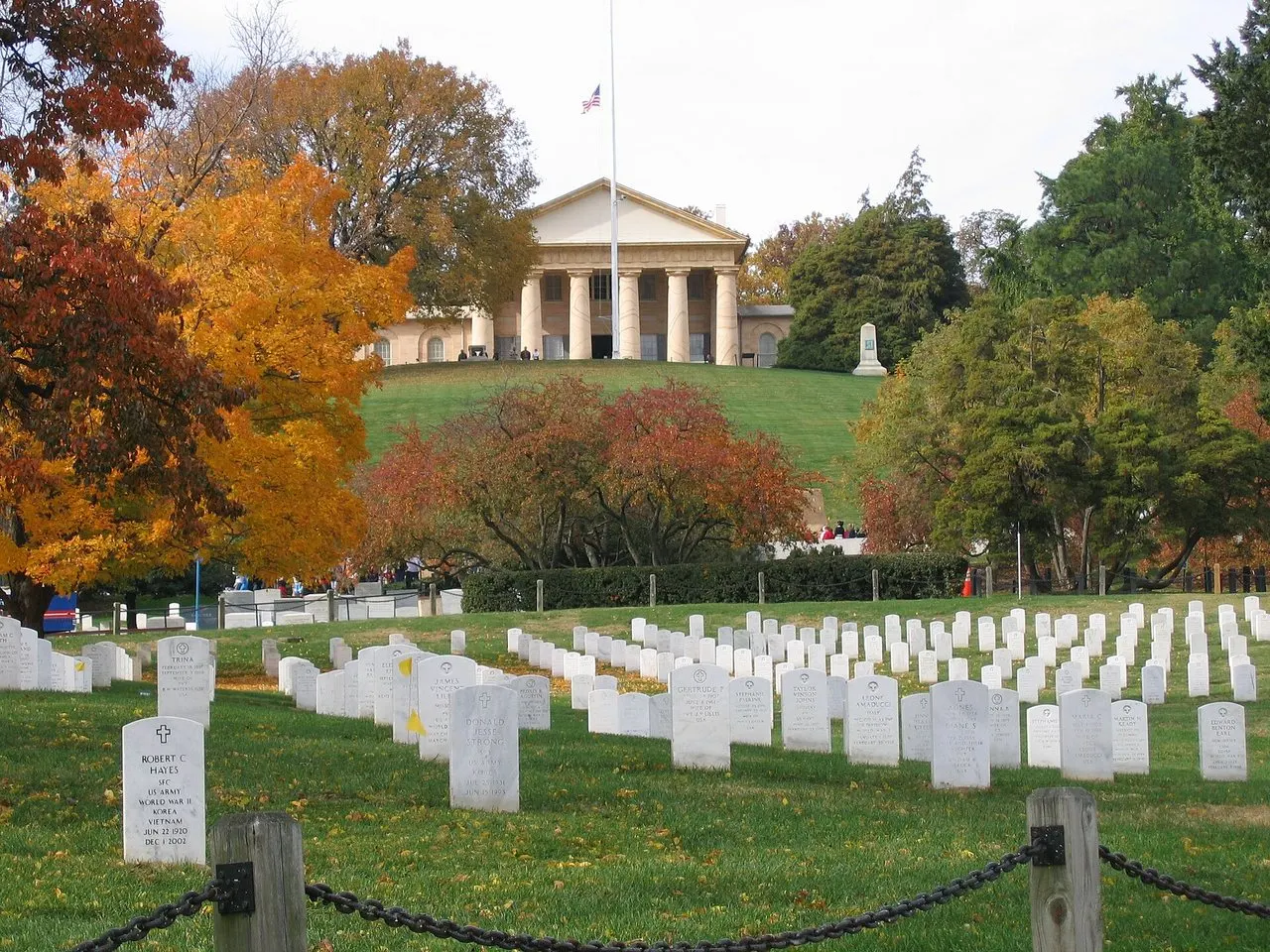
Above the cemetery stands Arlington House, the former home of Robert E. Lee, which looks out over Washington. The house and its grounds are part of the historic landscape, and its view runs down to the river and the city beyond. The land around it has been kept open and green for generations. Those who sued say the arch would break that open view and crowd a place meant to feel quiet and still. See our report on the record 15-hour flight from China and our story about the Kentucky man who posts about Trump.
The View From the Bridge
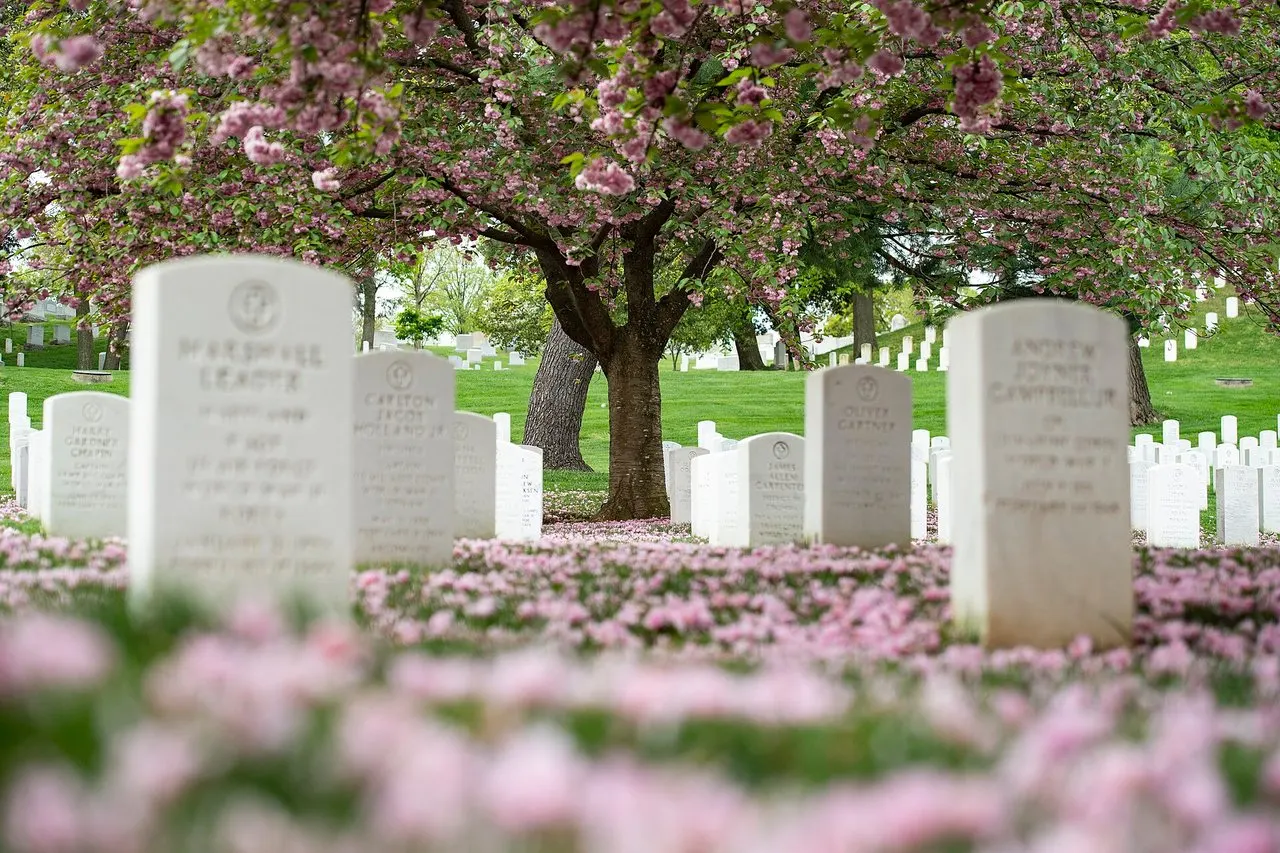
In spring, the grounds at Arlington turn green, and visitors cross Memorial Bridge to reach the cemetery gates. The walk gives a clear view of the Lincoln Memorial behind and the hills of Arlington ahead, a sight that has moved people for a century. The arch would stand at the far end of that walk, changing what every visitor sees first. For many, the walk itself is part of the visit. For more, read our report on Hillary Clinton’s claim about Putin and Trump and our story about the White House vote to name the turkeys.
Honor Guard at the Tomb
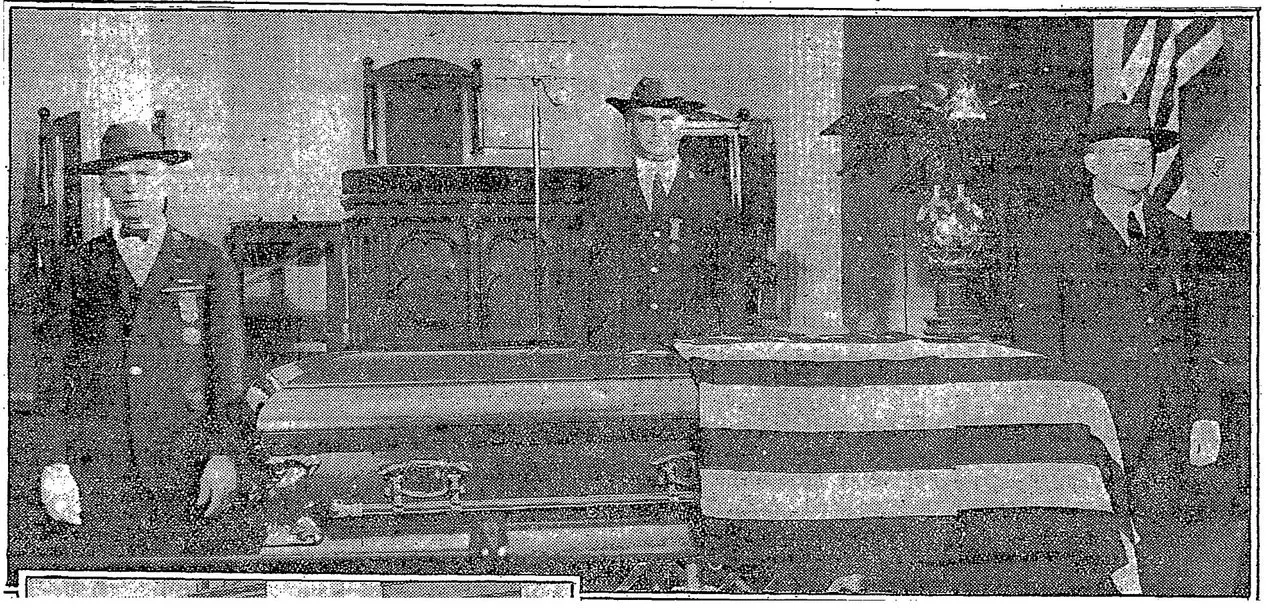
Soldiers of the honor guard march in slow, exact steps at the Tomb of the Unknown Soldier. Their duty is a promise that the fallen will never be left alone, and crowds watch in silence. The ceremony has run without a break for decades, drawing visitors from around the world. The arch fight is, at its core, about whether that quiet ground should make room for a giant new monument. You can read our report on the Pacific seabed auction near American Samoa and our story about the Tesla robot that may outnumber people.
Two Locks on the Trump Triumphal Arch
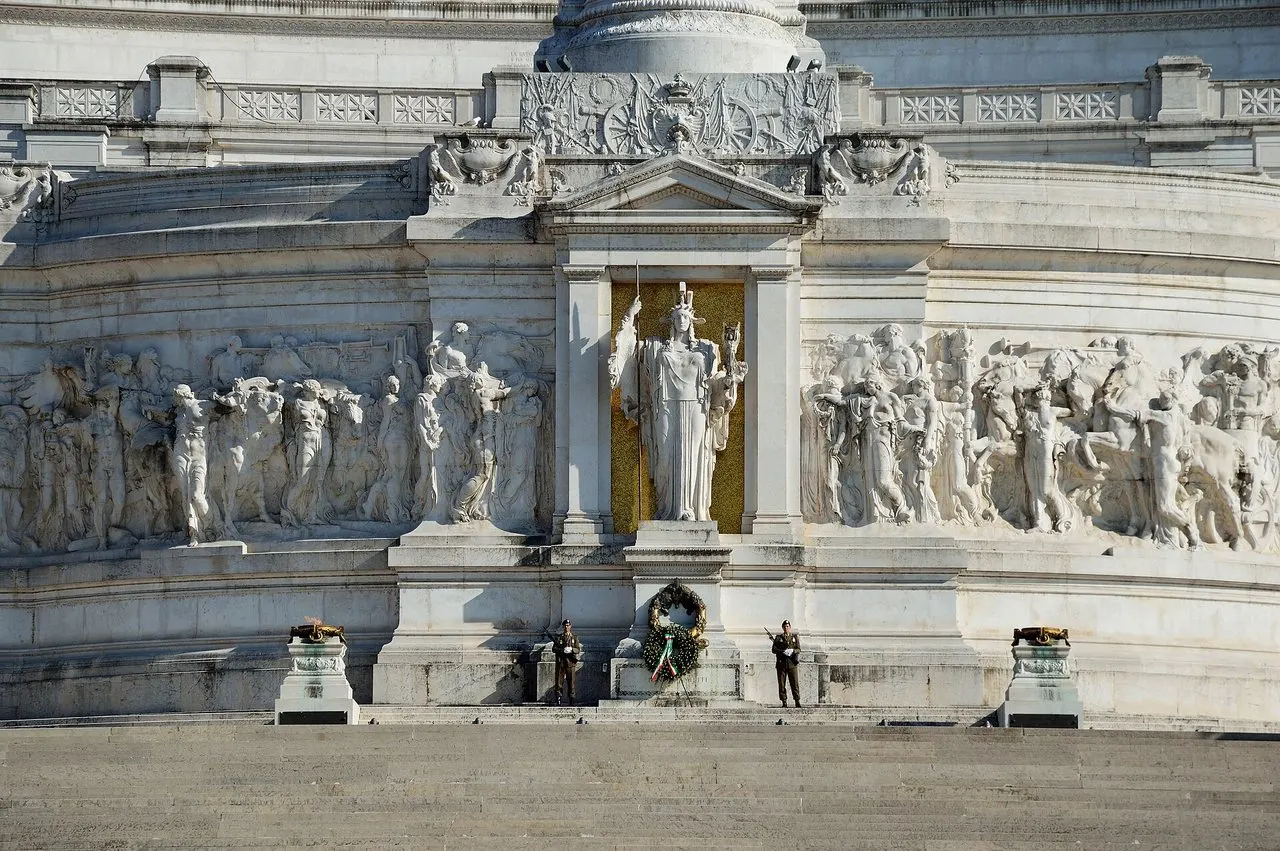
The project now faces two locks, and both must open first. Judge Chutkan’s order in Washington runs through December 3, while Judge Brinkema’s injunction in Virginia has no fixed end date. Even if one order falls, the other still stands. That double barrier is why the administration is appealing in two courts at once. Until a higher court acts, the arch stays on paper, and Memorial Circle stays as it is. Read more in our report on the demand to revoke a visa over the Bessent story and our story about the graduation photo taken 18 years apart.
What Do You Think of the Arch Ruling?

Now it is your turn. Do you think Judge Brinkema was right to stop the arch, or should the project go ahead while the courts sort out the law? Should a 250-foot monument rise at the gates of Arlington, or should the view stay as it is? Share your thoughts in the comments below, tell us what the cemetery means to you, and keep reading for more stories about the people and places shaping the news. See our report on Erdogan’s words on Muslim unity and our story about Patricia Heaton’s words on gratitude.