The Carney Putin APEC Moment That Stunned the Room
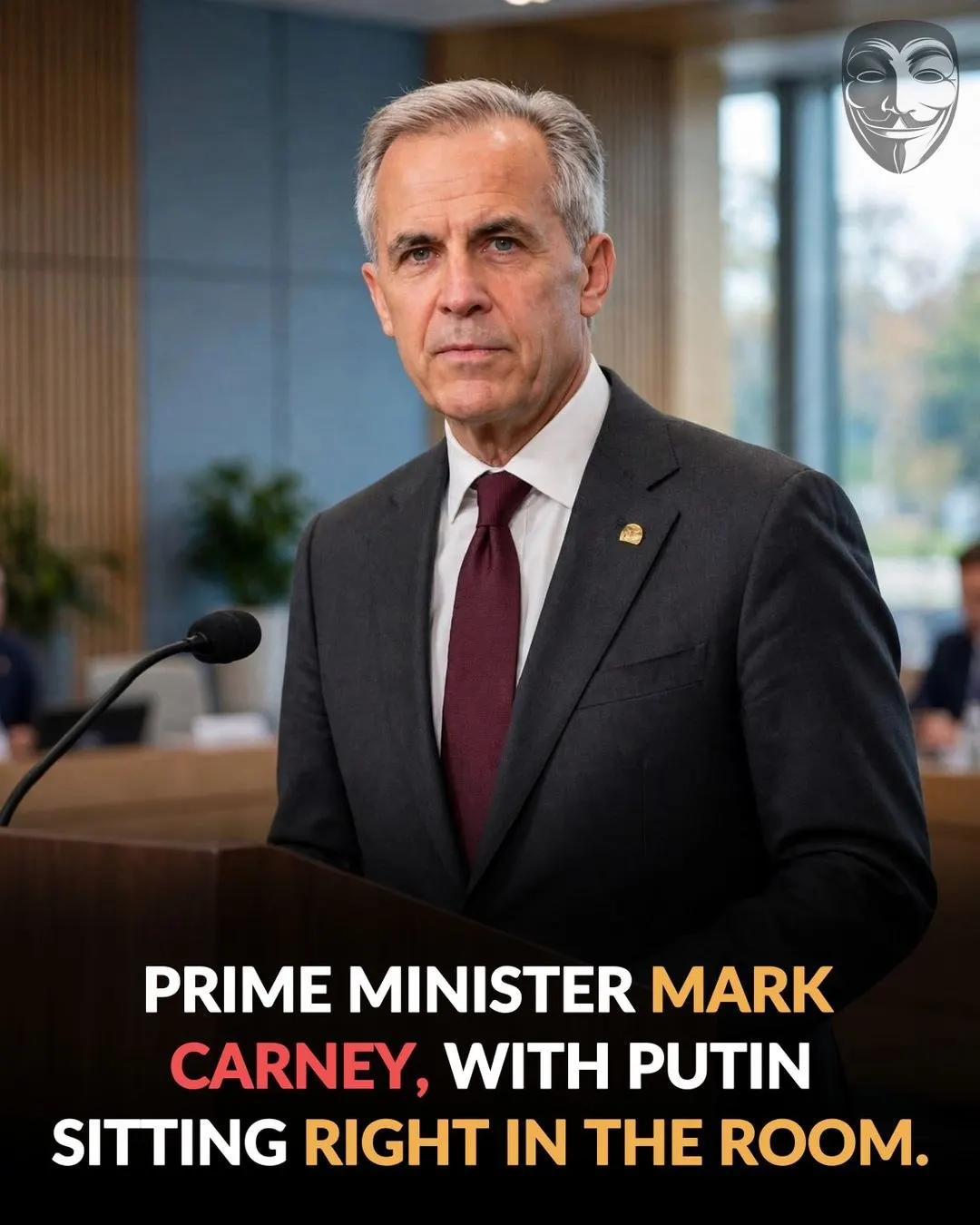
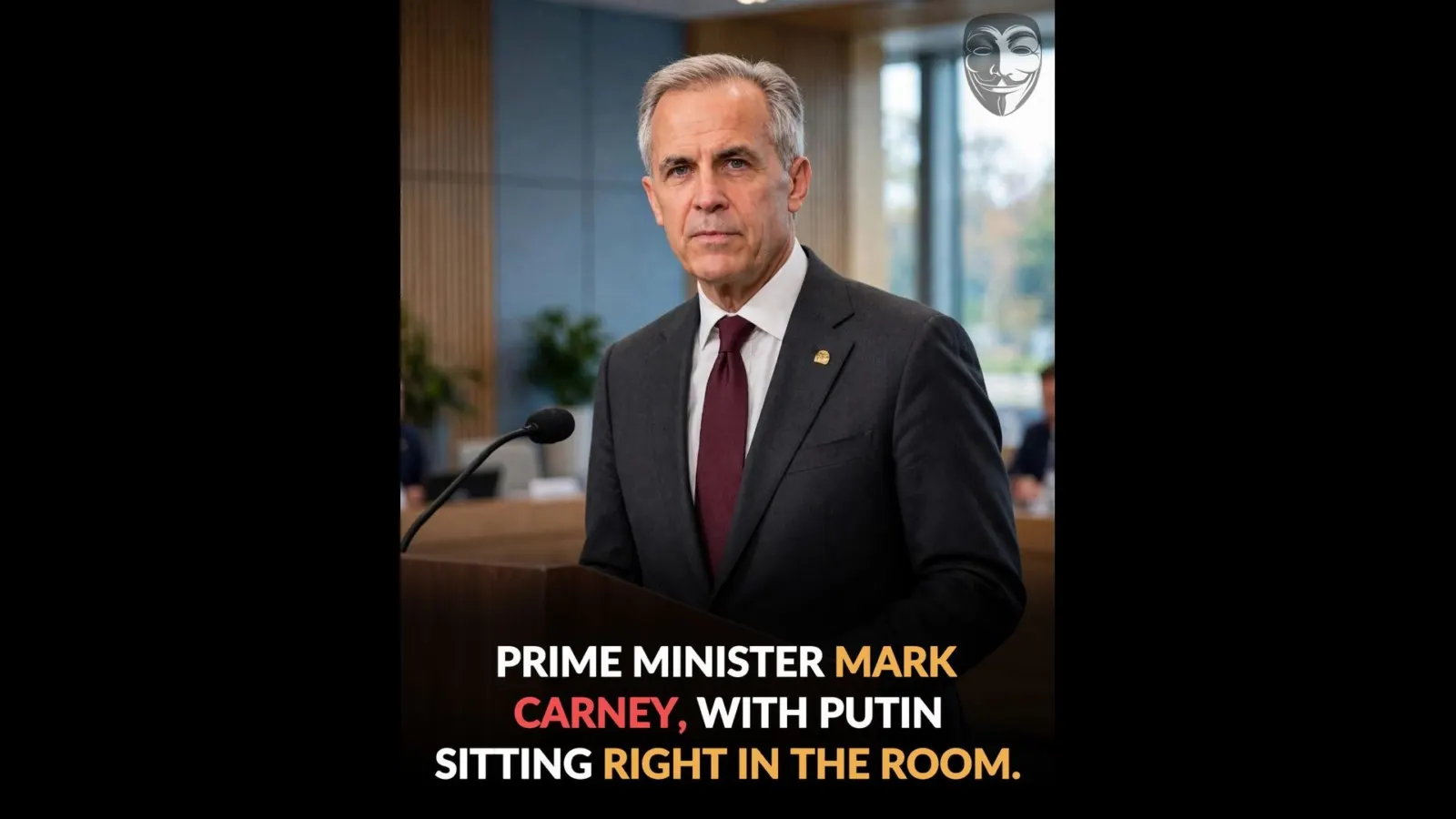
The Carney Putin APEC moment came when Canadian Prime Minister Mark Carney used his address at the APEC summit in Shenzhen, China, to condemn Russia’s illegal invasion of Ukraine while Russian President Vladimir Putin sat listening in the room. Carney said lasting prosperity depends on a stable international environment, and he warned that the conflict keeps causing serious economic damage across the Asia-Pacific and beyond. It was a direct message, delivered face to face, and it set the tone for the whole summit.
A day earlier, Carney had pushed back on Putin’s claim that Western sanctions no longer work, saying they are very real and will keep increasing as long as the conflict goes on. He said Canada will keep standing with partners who respect international law and territorial integrity, showing that diplomacy and principle can sit at the same table. In the slides ahead we look at the speech, the sanctions debate, and the leaders who shared the room. Read the Shenzhen exchange.
References:
CBC News: With Putin in the room, Carney condemns Russia’s illegal invasion of Ukraine
Anadolu Agency: Carney says sanctions on Russia will continue to increase as long as conflict goes on
AFP News: Putin slams sanctions ahead of summit with Trump and Xi
Turkville: Mark Carney condemns Russia’s illegal invasion of Ukraine at APEC summit
Mark Carney Spoke While Putin Listened
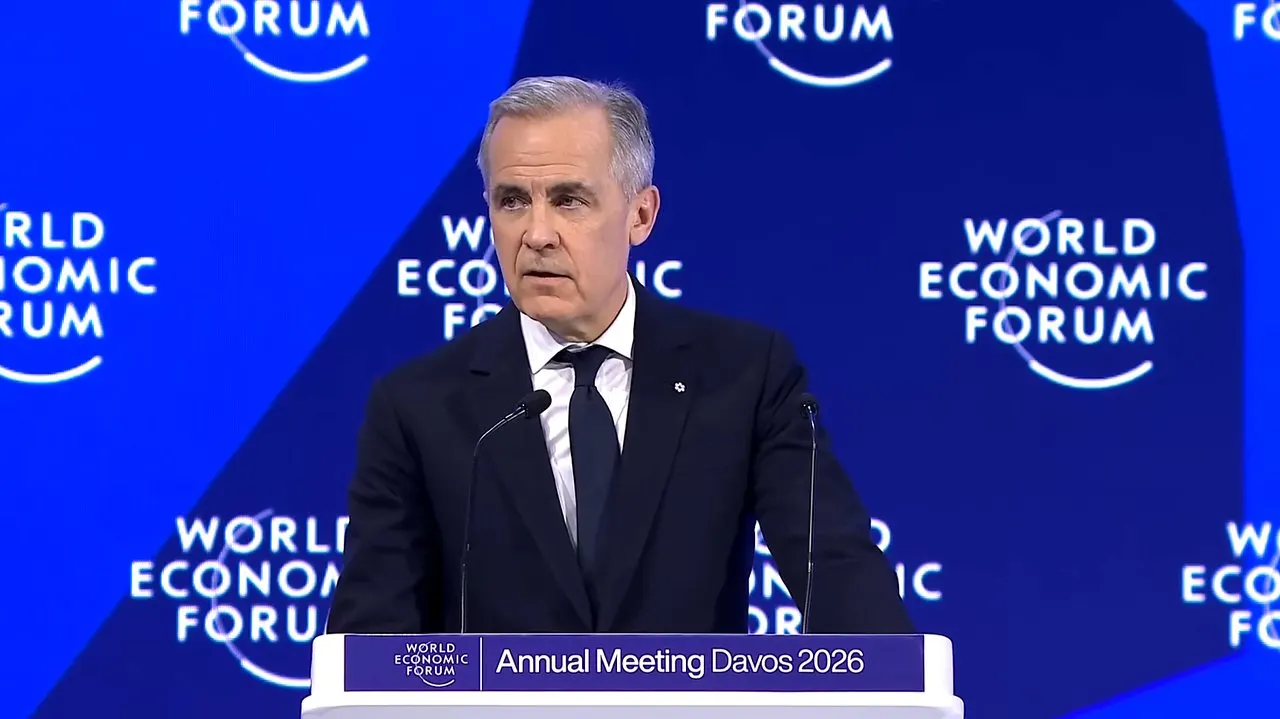
At the APEC summit in Shenzhen, China, Canadian Prime Minister Mark Carney used his address to make an unmistakable reference to Russia’s invasion of Ukraine, and Vladimir Putin was present in the room listening. The setting made the words land harder, because leaders rarely criticize a country with its president sitting a few seats away. Carney spoke calmly and clearly, and the room listened. For more on the exchange, read the full account.
The Carney Putin APEC Stage in Shenzhen
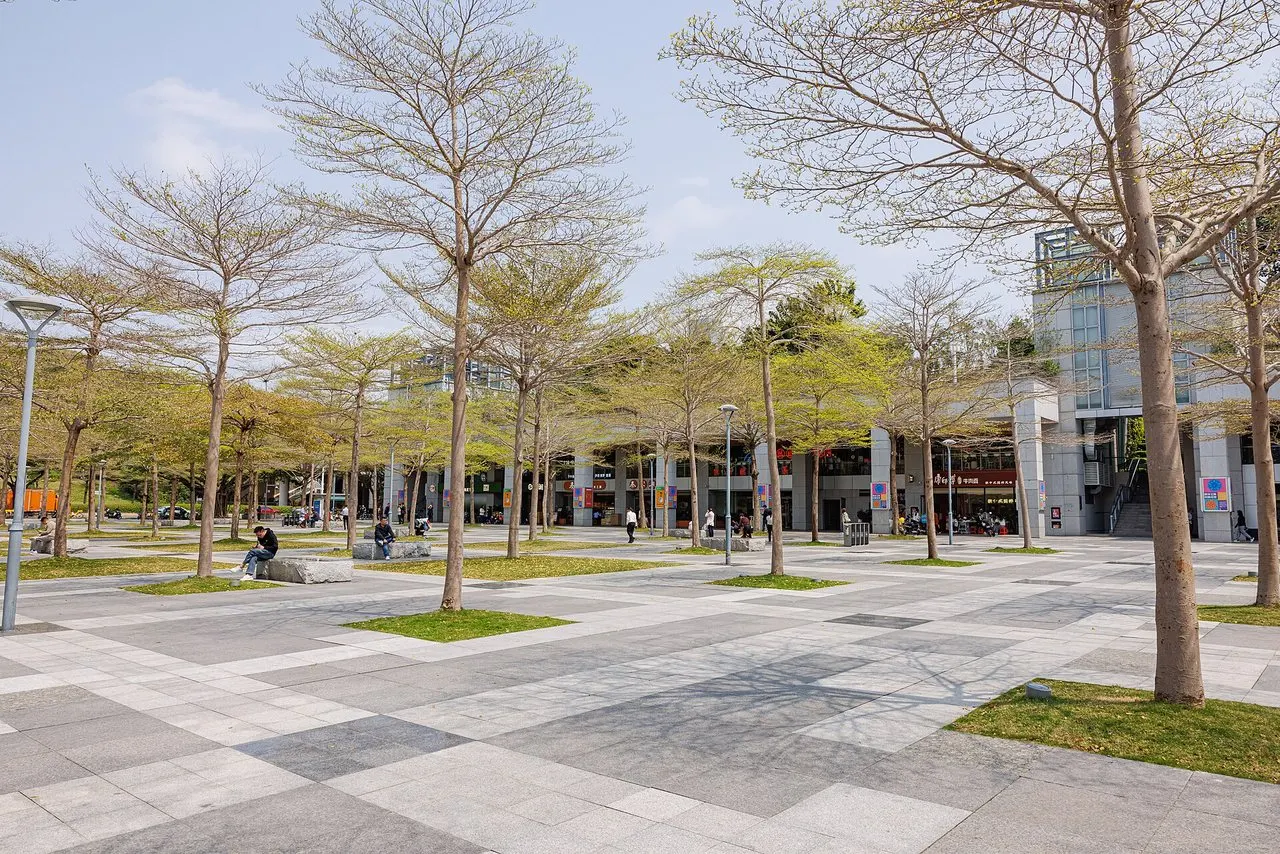
Shenzhen is a huge modern city in southern China, known for its skyscrapers, its tech industry, and its busy ports. Hosting the APEC summit put the city at the center of world attention for a few days, with leaders from around the Pacific Rim arriving for meetings. The summit brings together 21 member economies, and its talks shape trade and growth across the region. Visitors filled hotels, and cameras followed every arrival. Read another APEC moment.
Why Prosperity Needs a Stable World
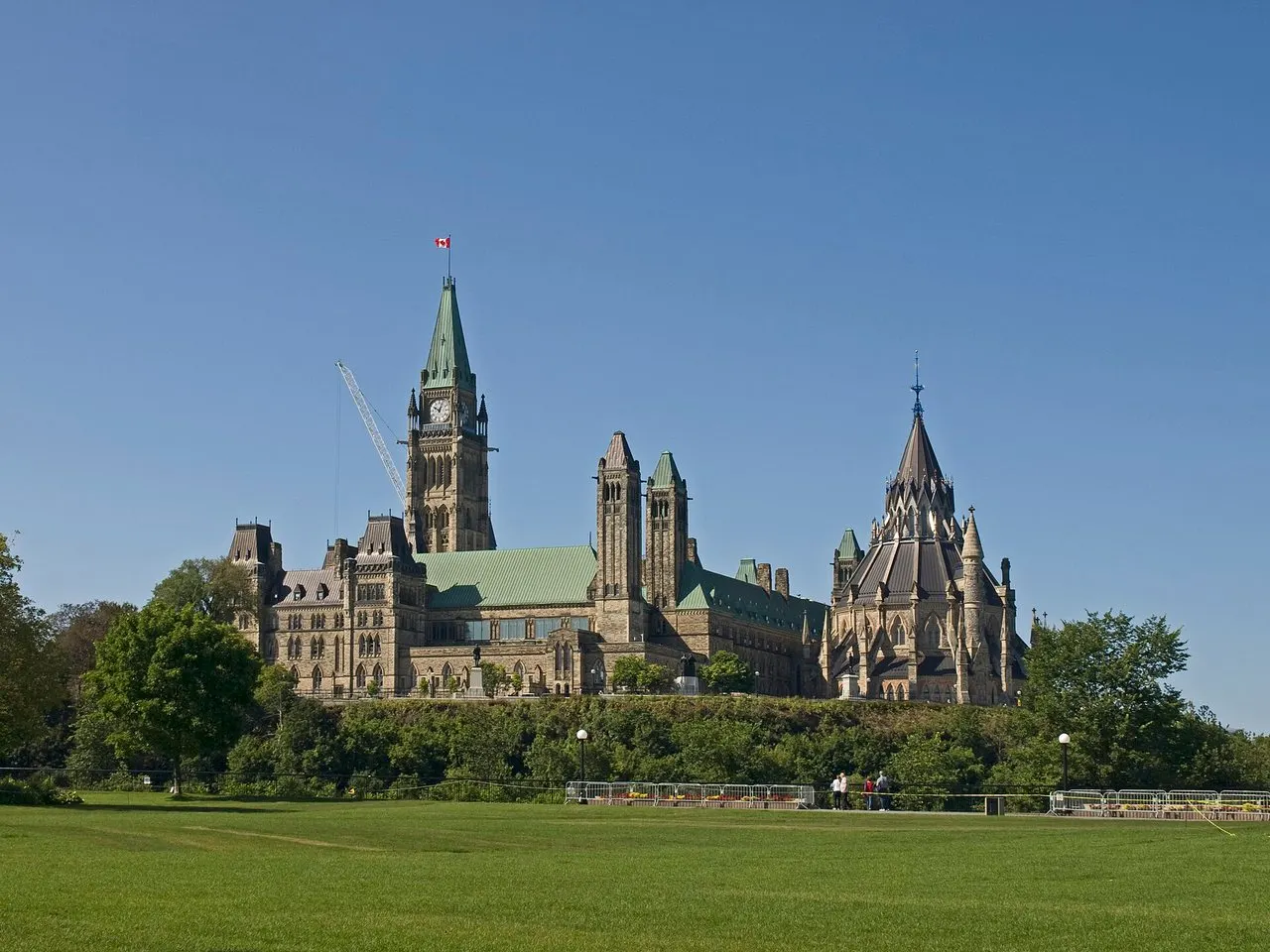
Carney stated that sustained economic prosperity depends on international stability, and his point was simple. Trade, investment, and jobs all suffer when wars and crises shake the world, and no country can fully escape the damage. The Asia-Pacific region felt that pain in higher prices, broken supply chains, and slower growth. His message was that peace is not just a moral goal, it is an economic one too, across the region. Read the Philadelphia speech.
The Carney Putin APEC Clash Over the Conflict
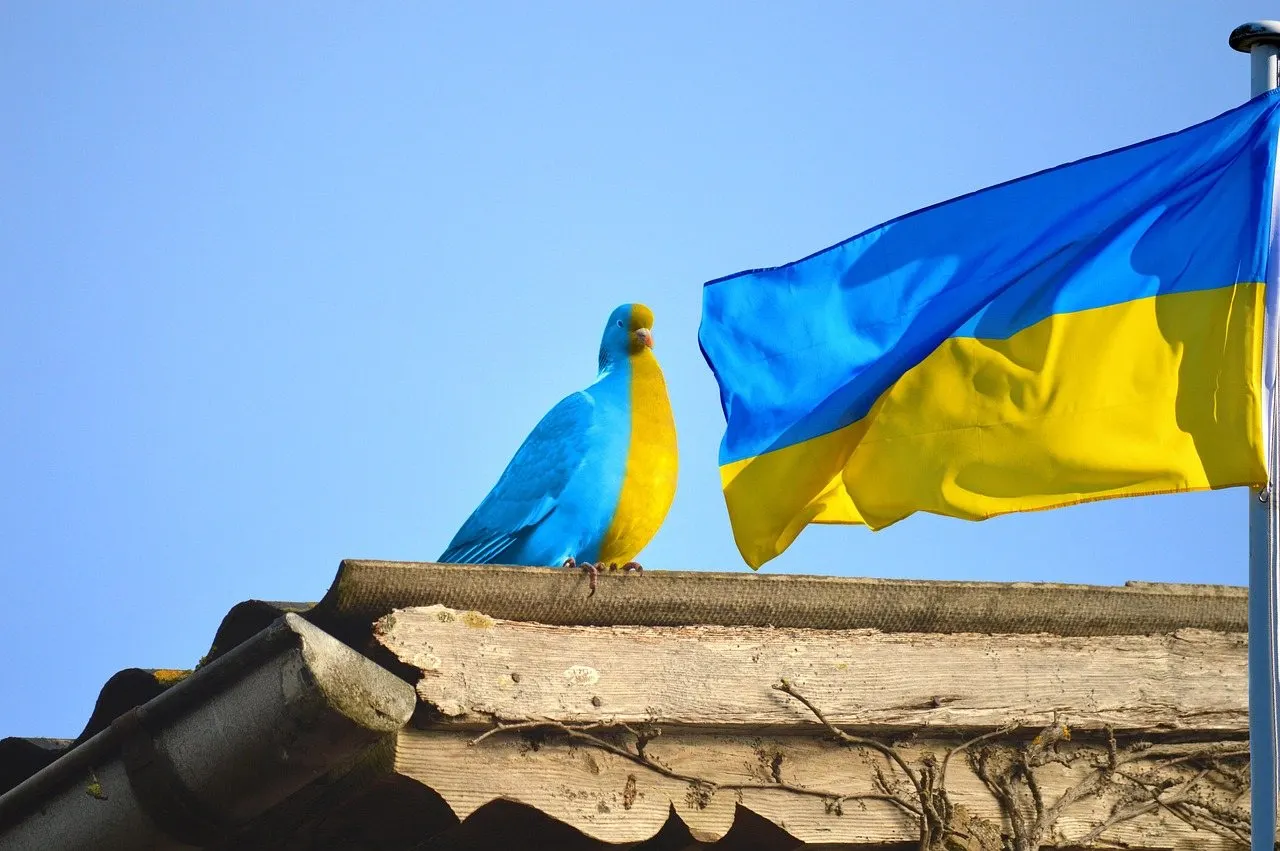
Carney warned that geopolitical crises, particularly Russia’s illegal invasion of Ukraine, continue to have serious economic consequences across the Asia-Pacific and beyond. The war, which began with Russia’s full scale invasion in February 2022, has disrupted food and energy supplies and pushed prices up around the world. Grain from Ukraine feeds millions, and gas from Russia once heated homes across Europe, so the shock travelled fast. Leaders in the region watch those costs closely, because they touch daily life. Read the Europe call.
Sanctions That Keep Growing
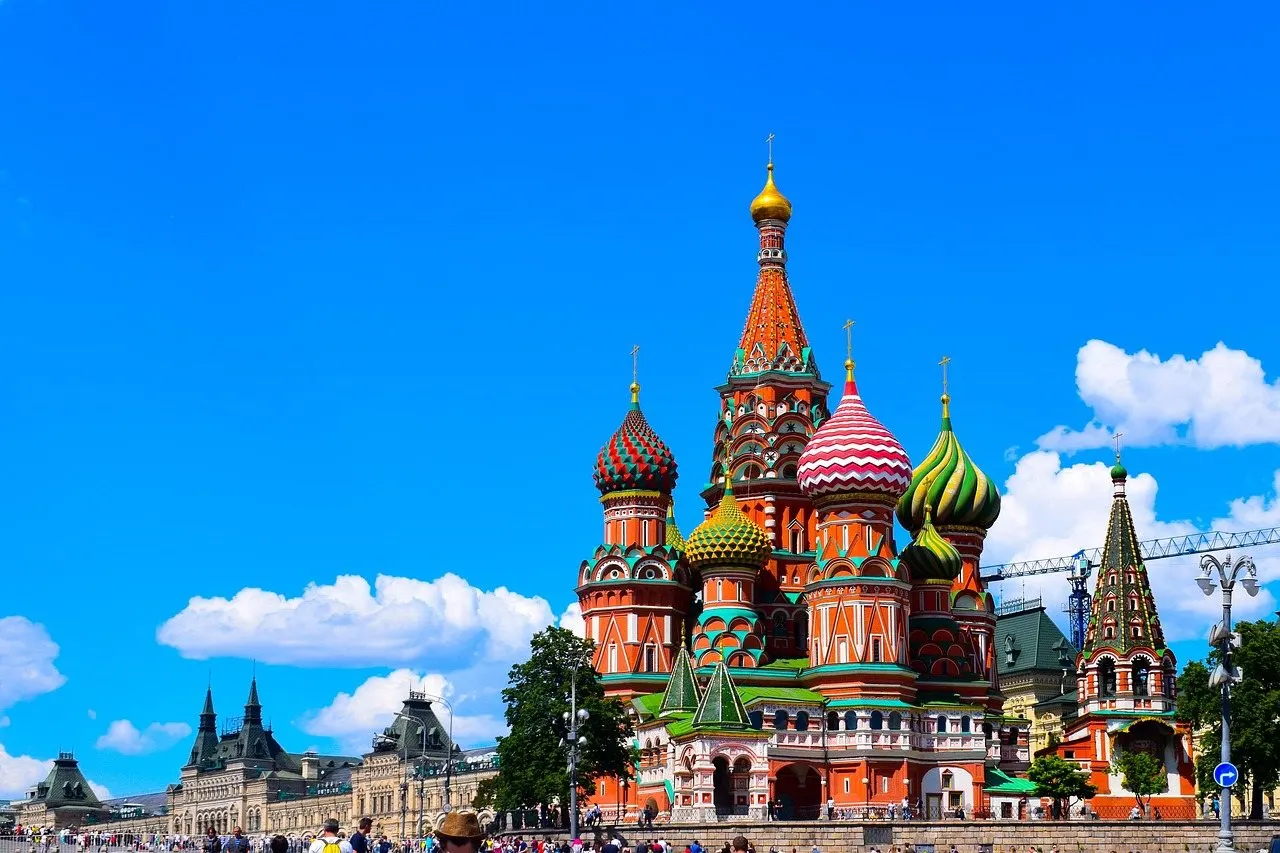
A day before his speech, Carney had already publicly dismissed Putin’s suggestion that sanctions were becoming irrelevant. He pointed to the financial institutions and oligarchs hit by the measures, and he said the pressure is very real. Western countries have used sanctions to limit Russia’s access to money, technology, and trade since the invasion began. Banks, shipping firms, and energy buyers all felt the squeeze, and the list of blocked names kept growing. Read the Clinton claim.
The Carney Putin APEC Dispute Over Sanctions
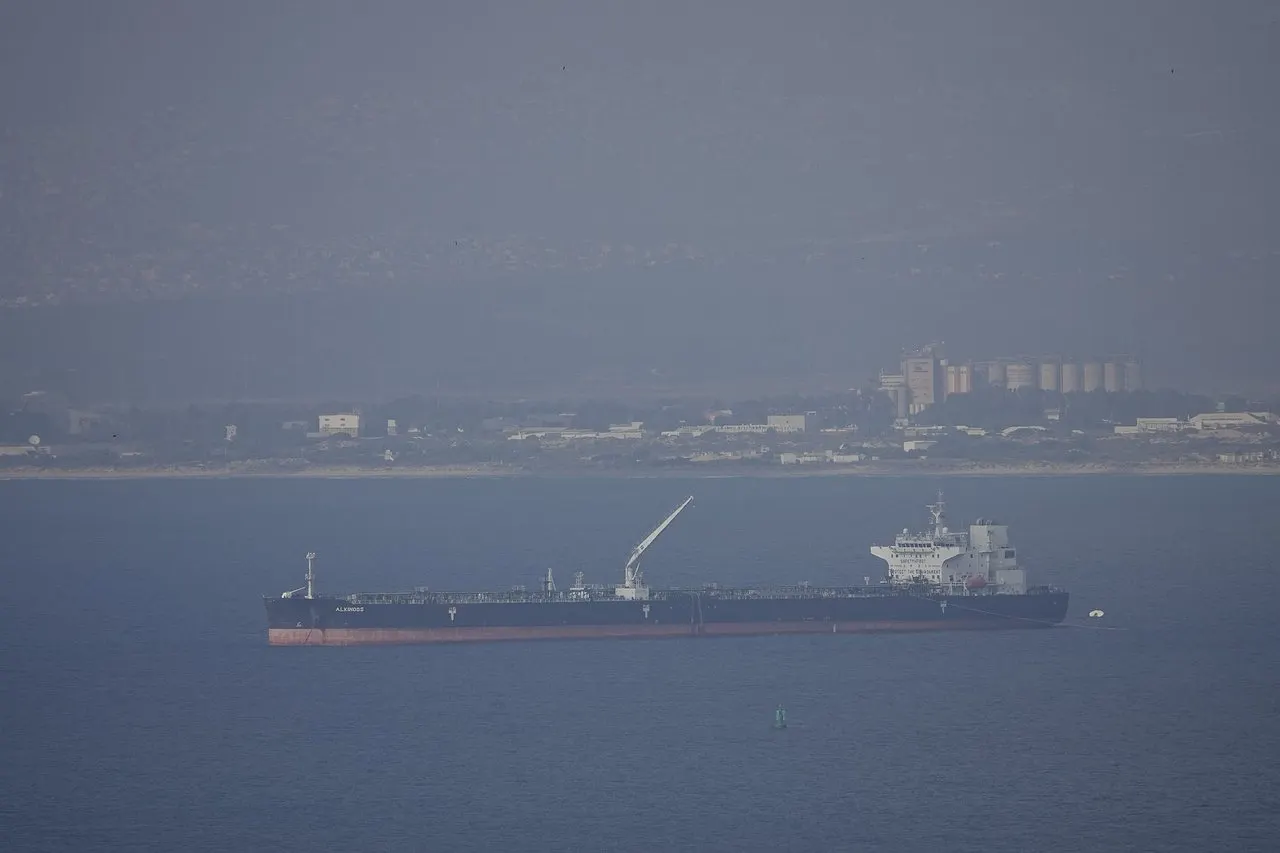
Carney said sanctions on Russia will continue to increase as long as the conflict goes on, a message aimed straight at Putin’s claim that they had lost their power. Sanctions work by cutting off money and goods, and they bite harder over time as reserves run low and workarounds close. For a country at war, that squeeze matters. Each new round adds banks, ships, and firms to the list, and each round makes the last one harder to escape. Read Trump’s Europe call.
Canada Stands With Its Partners
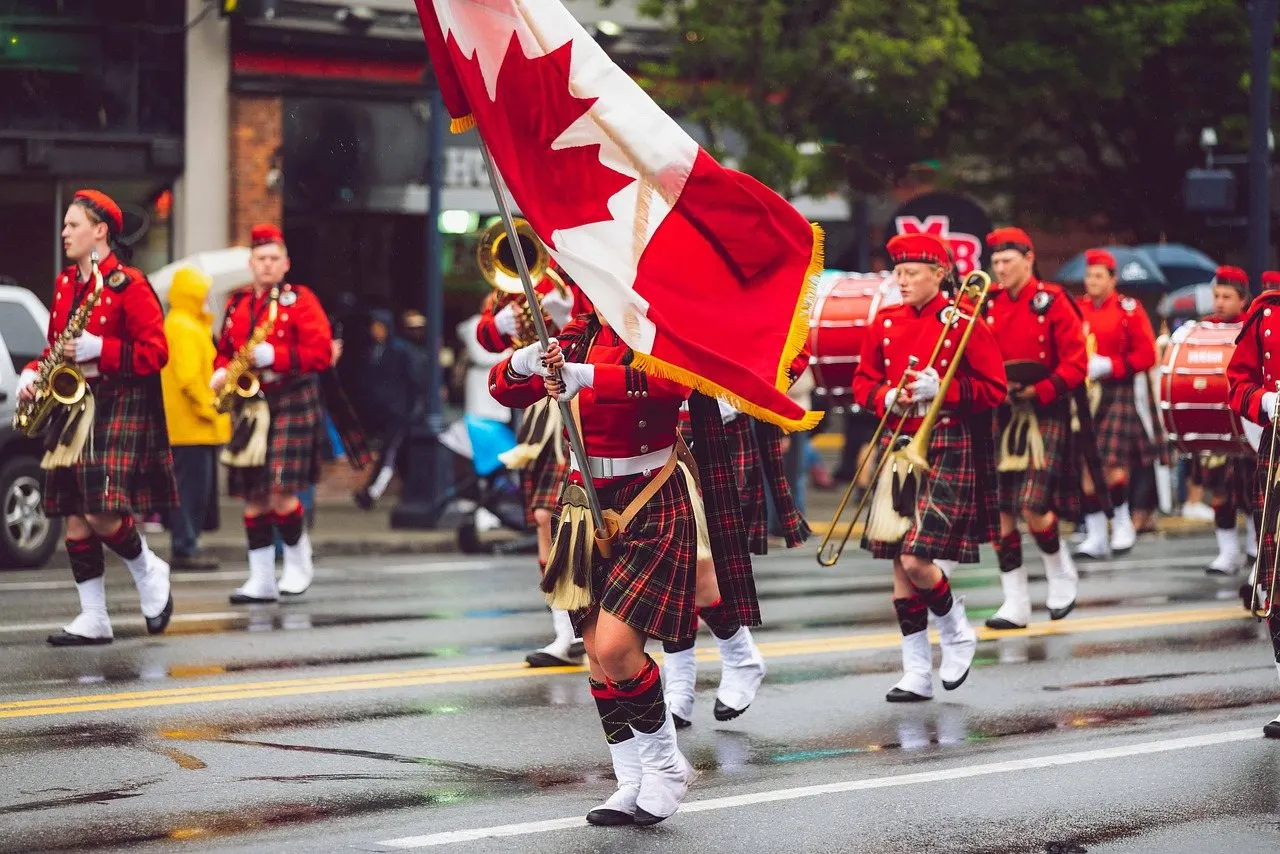
Carney said Canada will keep standing with partners who respect international law and territorial integrity, and that promise sits at the heart of his message. Canada is a close ally of the United States and Europe, and it has backed Ukraine with aid and training since the invasion began. Standing together, he argued, is what keeps small countries safe. Allies share intelligence, weapons, and training, and they speak with one voice when the rules are broken. Read Carney confronts Putin.
The Carney Putin APEC Stand for International Law

Carney emphasised the importance of reliable international partners who respect international law, territorial integrity, and the principles upon which the international order is built. Those rules say borders cannot be changed by force, and they protect small nations from bigger ones. When leaders defend them in public, they remind the world that the rules still matter. The United Nations was built on that idea after World War II, and its charter still guides how nations settle disputes. Read Rubio’s Putin vow.
Diplomacy and Principle at the Same Table
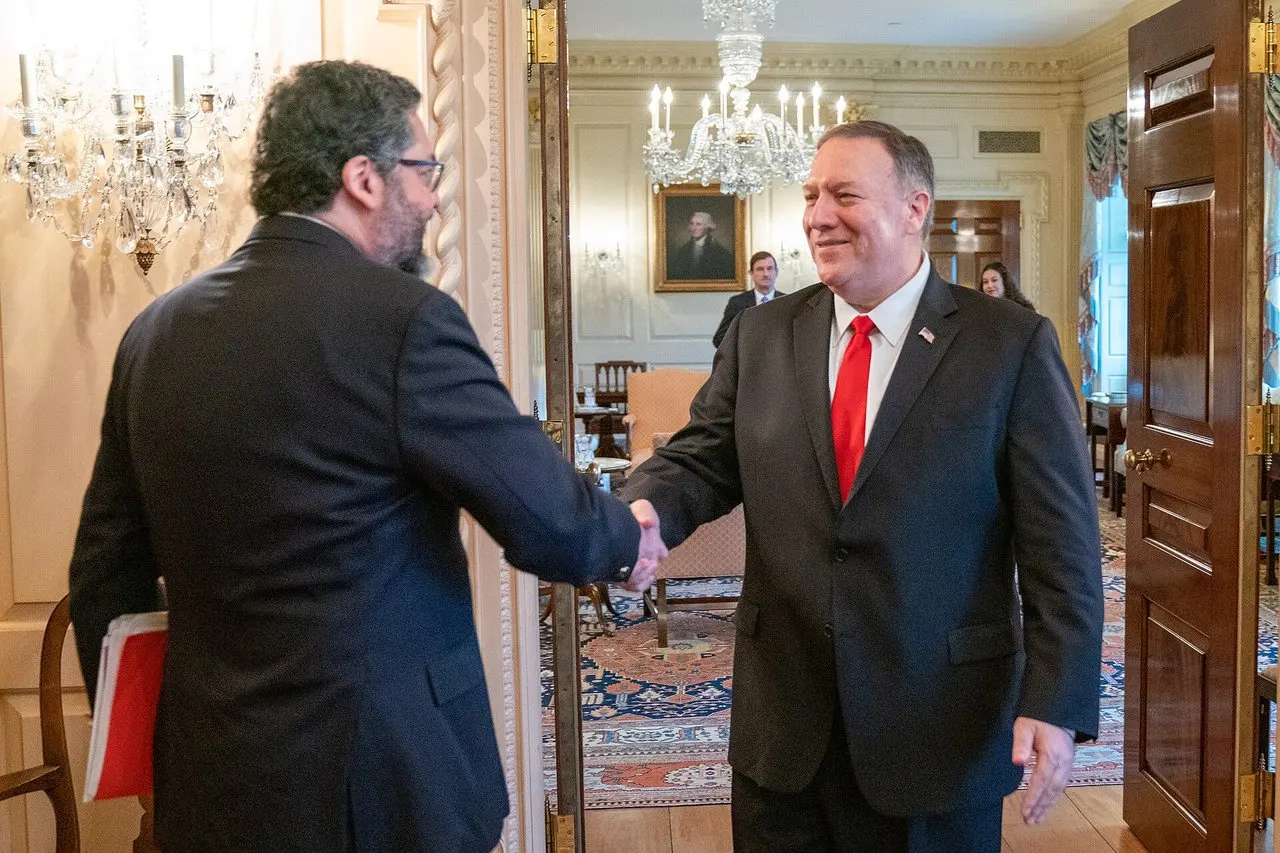
Carney showed that diplomacy and principle can sit at the same table, even when the room holds a leader you strongly disagree with. Summits are built for hard talks, not just friendly photos, and leaders use them to say things that would be harder to say from far away. Speaking up in person carries weight that a statement never can. A quiet word over coffee can open a door that a public speech cannot, and wise leaders use both. Read Obama’s greeting.
Putin Back on the World Stage
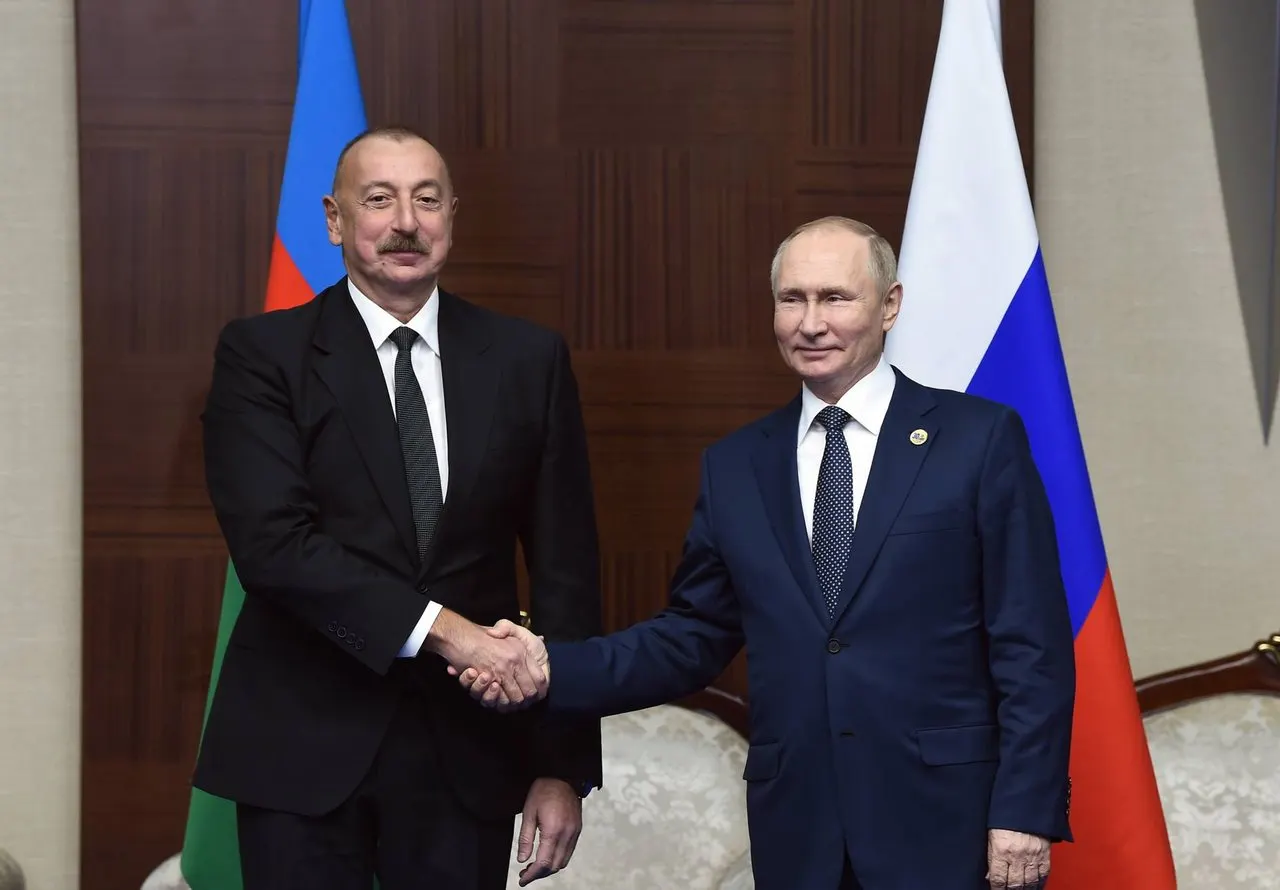
Putin had returned to a major international gathering alongside Donald Trump and Xi Jinping, presenting Russia as an important player in the Asia-Pacific region. His presence was meant to show that Russia still belongs at the big tables, despite years of sanctions and isolation. Carney was not prepared to let that narrative go unchallenged. State media at home showed the handshakes and the smiles, and the message was clear, Russia is back. Read the Berlin shrug.
The Carney Putin APEC Room Also Held Trump and Xi
Trump and Xi Jinping were also at the summit, and their meetings drew huge attention of their own. Trump had met Putin and Xi before the APEC gathering in Shenzhen, and he later called European leaders about Ukraine. With three of the world’s most powerful leaders in one place, every word carried extra weight. Cameras followed every handshake, and every smile was read for signs of deals, rifts, and new alliances. Read the briefing room trip.
An Ocean of Trade at Stake

The Asia-Pacific region is home to some of the busiest shipping lanes in the world, and its economies depend on goods moving freely across the Pacific. When conflict disrupts those routes, prices rise and shelves empty far from any battlefield. That is why Carney tied the war to everyday costs in the region. Ports from Shanghai to Los Angeles load and unload around the clock, and a delay in one port is felt in many. Read Sheinbaum’s long flight.
What APEC Actually Does
APEC, the Asia-Pacific Economic Cooperation forum, brings leaders together to talk about trade, growth, and shared rules for business across the Pacific. Founded in 1989, it now counts 21 member economies, from the United States and China to small island nations. Its summits are where big speeches and quiet deals happen side by side. Leaders wear matching jackets for the group photo, a tradition that turns serious talks into a friendly picture. Read Takaichi’s tongue moment.
The Carney Putin APEC Prime Minister Behind the Words
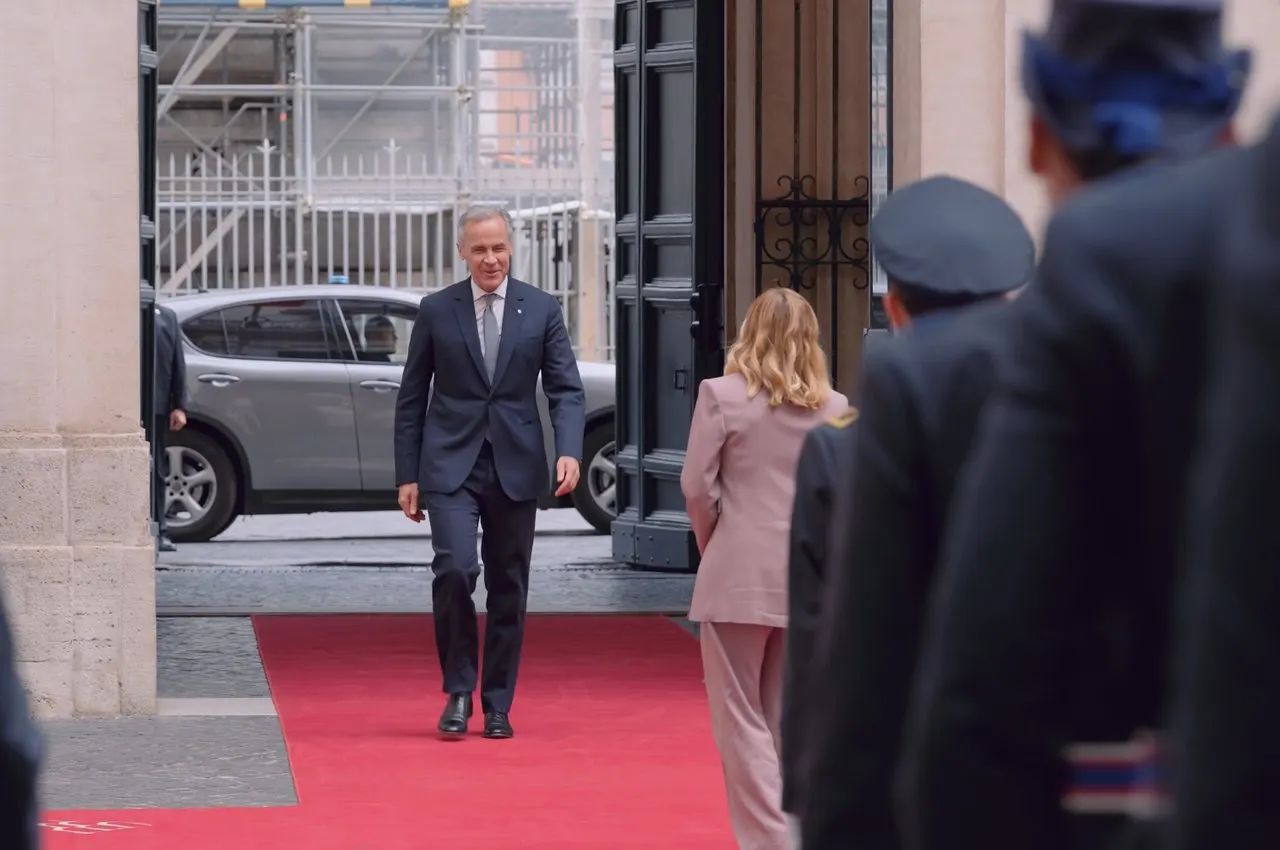
Mark Carney became Canada’s prime minister in March 2025, after leading the central banks of Canada and England. He came to politics as an economist, not a career politician, and he is known for calm, careful language. That background showed in Shenzhen, where he chose firm words and delivered them without raising his voice. Central bankers learn to weigh every word, because markets listen closely, and Carney brought that habit to politics. Read the Collins question.
A Room Full of Leaders Listened
When Carney spoke, the room held leaders from across the Pacific, each one listening for what his words meant for their own country. In summit halls, speeches are watched closely, and a single line can set the tone for days of talks. His condemnation was heard by friends, rivals, and the press alike. Translators whispered in earpieces, aides scribbled notes, and cameras panned across faces that gave little away. Read Obama in Shenzhen.
The Carney Putin APEC Warning About Economic Damage
Carney warned that the conflict keeps causing serious economic damage across the Asia-Pacific and beyond, and the numbers behind that warning are easy to see. Food and fuel prices rose after the invasion, and supply chains that run through the region felt the strain. For families and small businesses, that damage is real. A farmer in Asia pays more for fertilizer, a shopkeeper pays more to stock shelves, and both feel a war fought far away. Read the Europe call.
Standing With Ukraine, in Plain Words
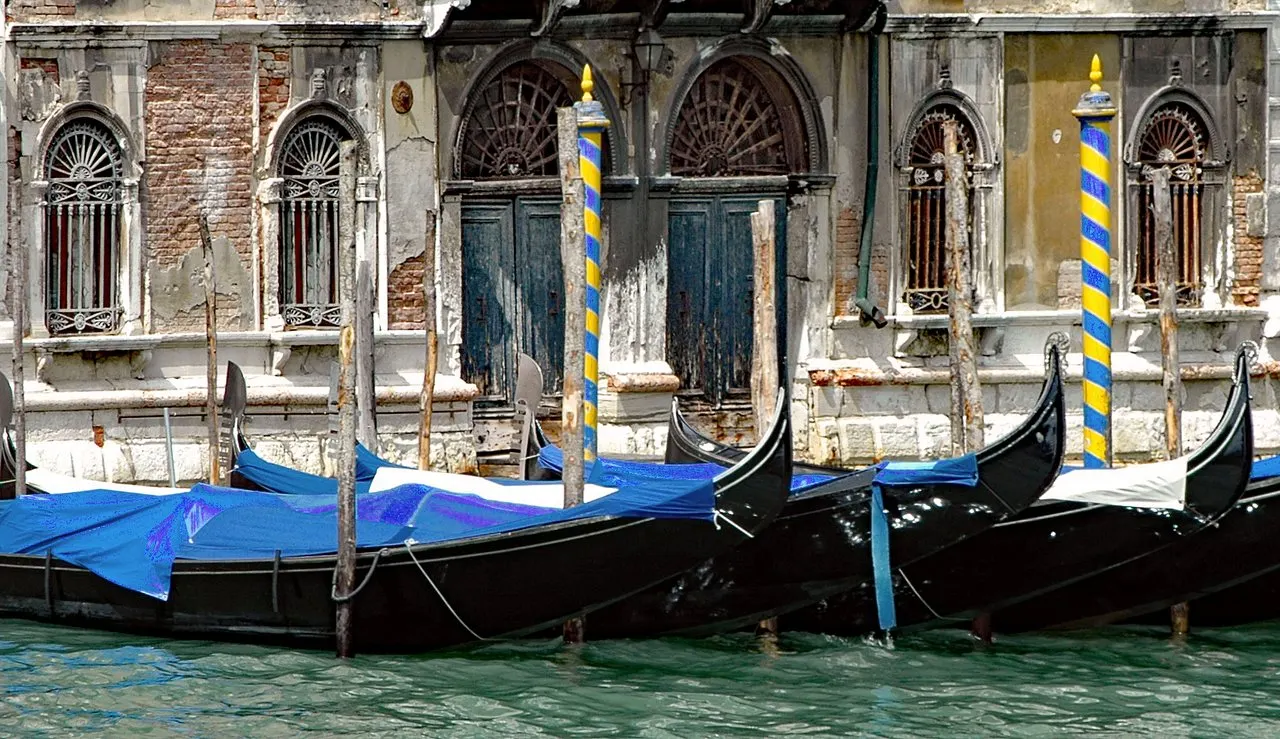
Canada has stood with Ukraine since the invasion began, and Carney’s words in Shenzhen were the latest sign of that support. Standing with Ukraine means backing its right to choose its own future and to keep its borders whole. For Ukrainians, hearing a world leader say that with Putin in the room matters. Ukrainian flags fly in Canadian cities, and Ukrainian families have found new homes there since the war began. Read Clinton’s Putin claim.
The Carney Putin APEC Test of Diplomacy
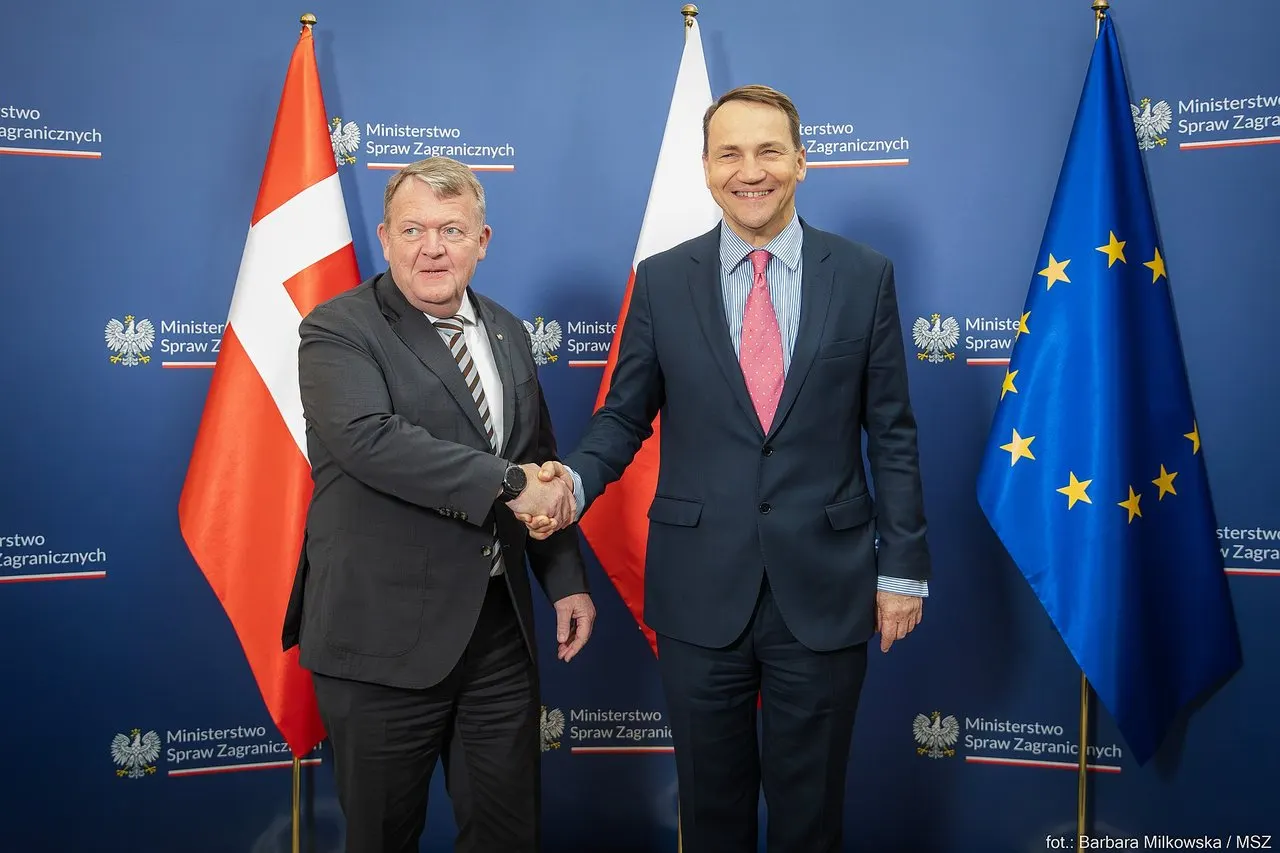
The moment tested what diplomacy really means, because it asked leaders to speak honestly without walking away from the table. Carney chose to stay, to speak, and to keep the door open for talks, all at once. That balance is hard to hold, and it is what makes his speech worth remembering. History remembers the leaders who spoke plainly at hard moments, and it forgets the ones who only smiled for the cameras. Read Rubio in 2015.
What the World Heard in Shenzhen
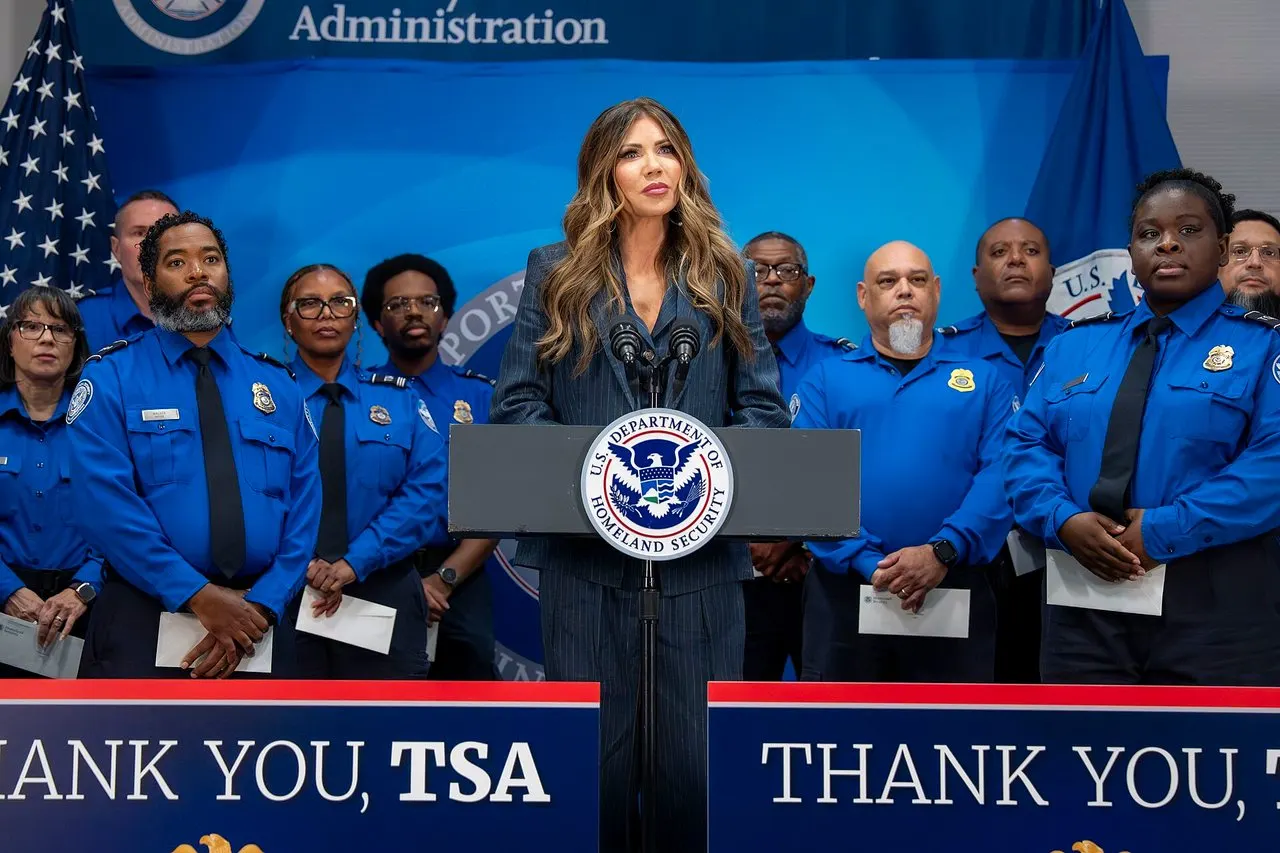
News of Carney’s speech spread fast, and the story was picked up by outlets from CBC News to Anadolu Agency and AFP. Each report stressed the same detail, that Putin was in the room when Carney spoke. That detail is why the moment travelled so far, and why people are still talking about it. Social media clipped the speech, news sites ran the story, and the image of Carney speaking carried the message further. Read Liz Cheney’s warning.
What Did the Carney Putin APEC Moment Mean to You
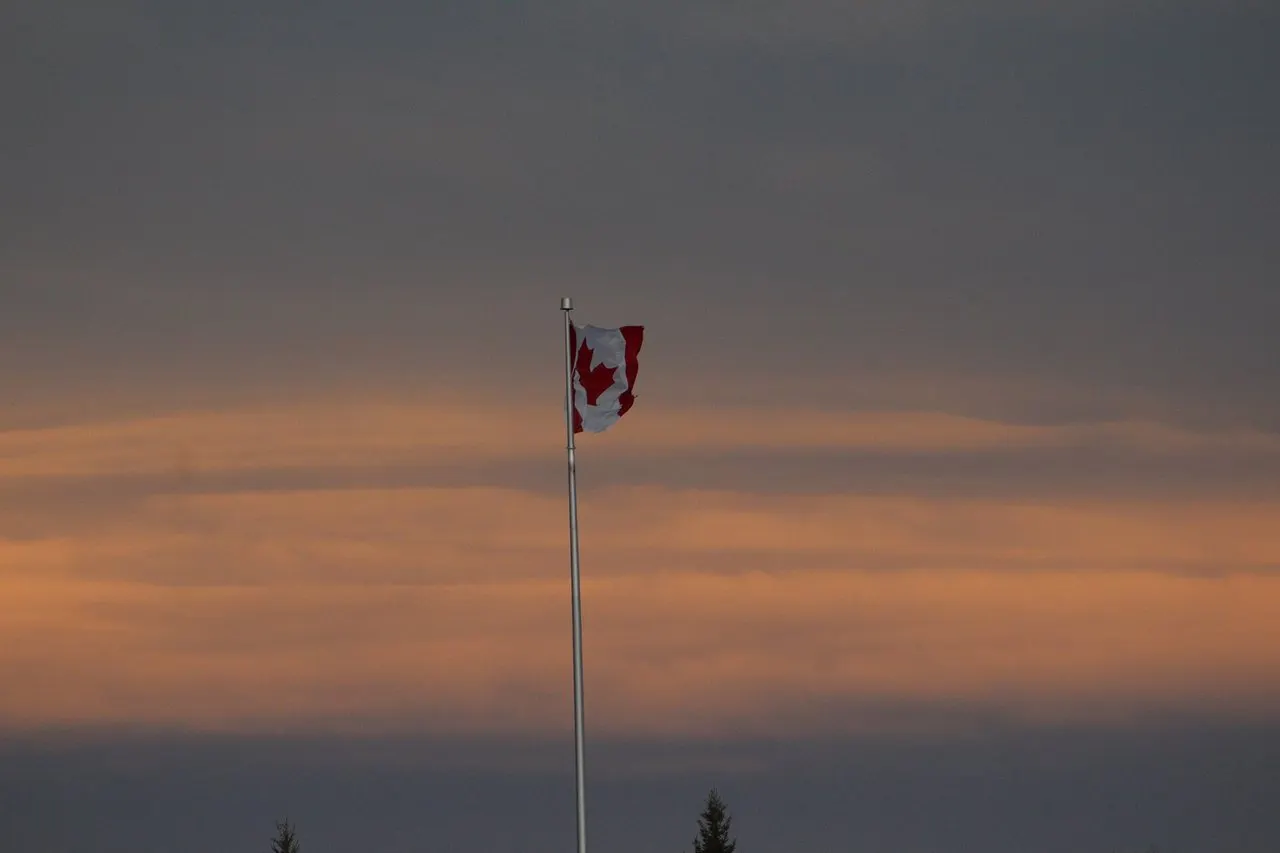
Carney’s speech in Shenzhen gave the world a clear picture of principled diplomacy, a leader speaking plainly while the man he criticized sat listening nearby. It showed that a summit room can hold both hard truths and open talks. Now we want to hear from you. What did this moment mean to you, and what would you have said in that room? Share your thoughts in the comments below. Read Kaitlan Collins’s question.