Hegseth Canada Restrictions Strain a Historic Alliance
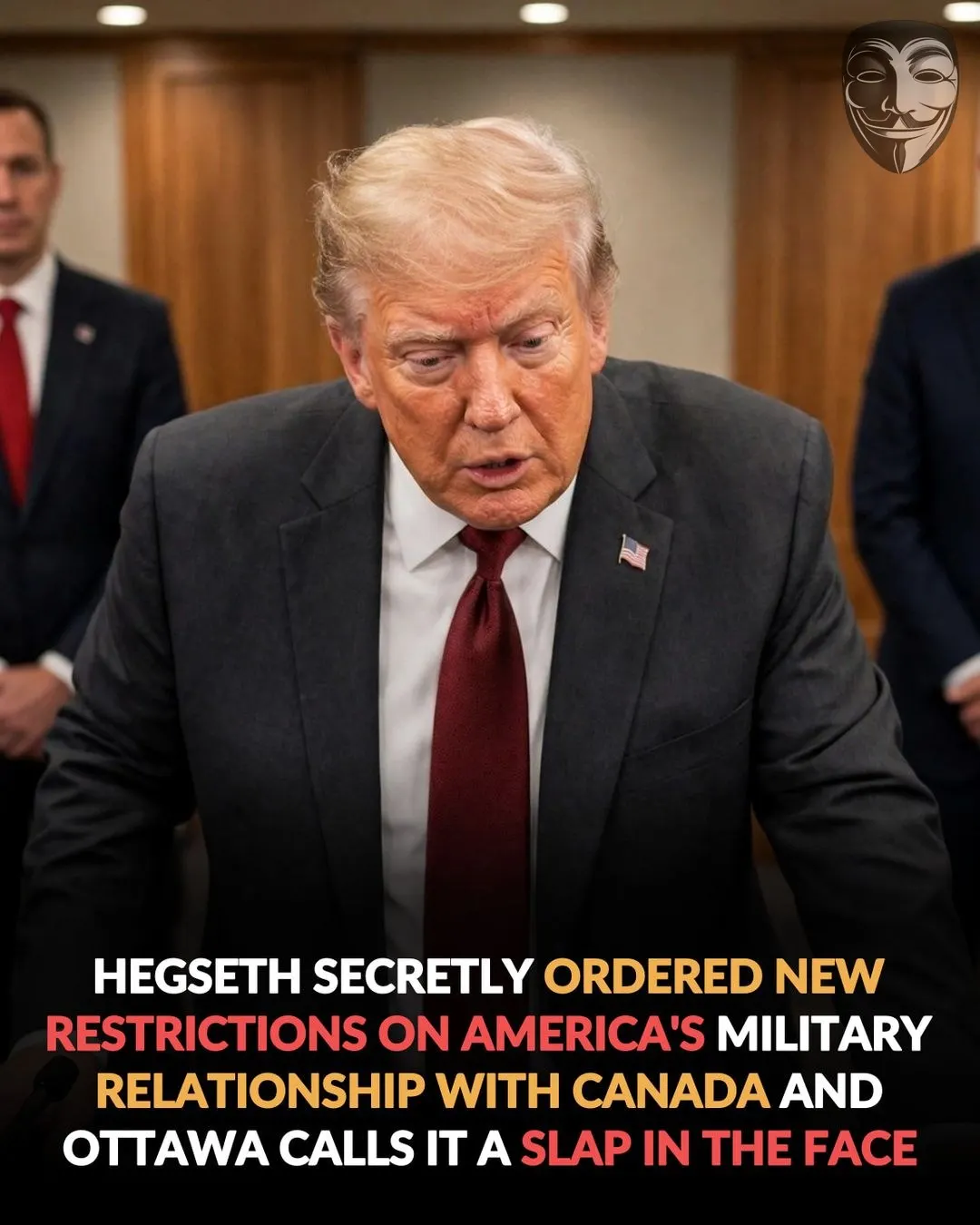
The Hegseth Canada restrictions began with a classified memo that Defense Secretary Pete Hegseth circulated last week, according to a report from The Washington Post. The memo places new limits on the defense relationship between the United States and Canada, one of America’s closest allies. One American official warned that Ottawa would see the move as a slap in the face, and the news has raised fresh questions about how Washington treats its friends. For more on how Trump has stood apart from America’s allies, read our earlier report.
Canada has fought beside American troops for generations, and the bond runs deeper than most alliances. In Afghanistan alone, at least 158 Canadian service members were killed and another 2,000 were wounded. The Pentagon says the new limits will not affect intelligence sharing or cooperation through NATO and NORAD, but the precise scope remains unclear. In the slides ahead we look at the memo, the reaction in Ottawa, and what it means for both nations. You can also read what happened when Trump met Putin and Xi in our related coverage.
References:
Washington Post: Secret Hegseth Memo Restricts US Canada Defense Relationship
Reuters: US Defense Secretary Hegseth Restricts Military Ties With Canada
Toronto Star: Hegseth Memo On US Canada Defence Relationship Is Another Boneheaded Move
The Canadian Press: Canada Has Not Seen Changes To Defense Relationship With US
A Classified Memo Behind the Hegseth Canada Restrictions
The story starts with a memo that most Americans will never see. According to The Washington Post, Defense Secretary Pete Hegseth issued the directive in a classified memo that circulated last week. Classified memos are used when the Pentagon wants to set policy without a public debate, and this one places new restrictions on the defense relationship with Canada. The report does not say exactly what the memo orders, and that silence has fueled speculation. Read about the questions Kaitlan Collins raised about Trump and Putin in our earlier stories.
What the Hegseth Canada Restrictions Cover
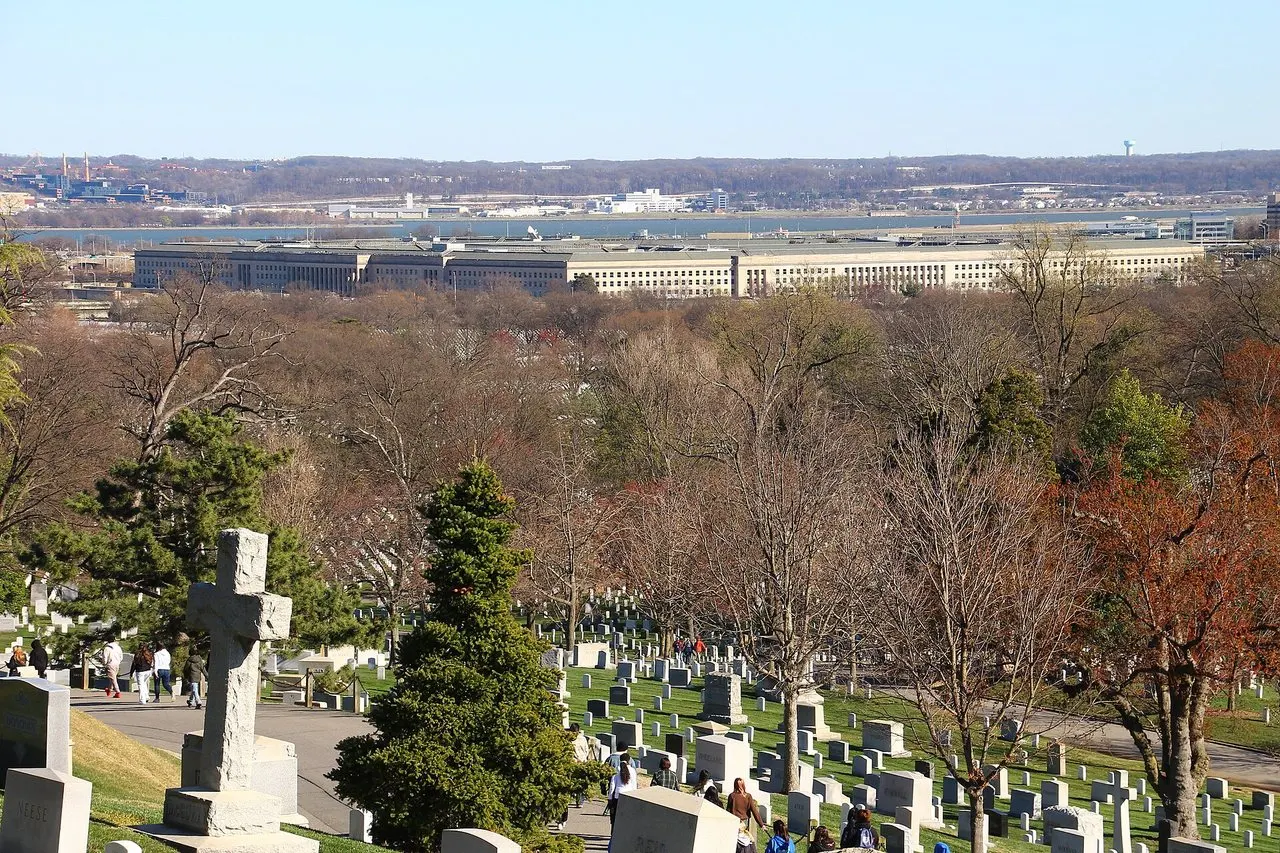
The exact scope of the new limits is still unclear, and that is part of the story. The Pentagon says the restrictions will not affect intelligence sharing or cooperation through NATO and NORAD. Beyond that, officials have said little about which programs, meetings, or joint work are now limited. When a policy is set in a classified memo, even allies can be left guessing about the details. Canada says it has not seen changes to the defense relationship. See how the Senate voted on military action against Iran for more context on Pentagon policy.
The Warning From Inside the Pentagon
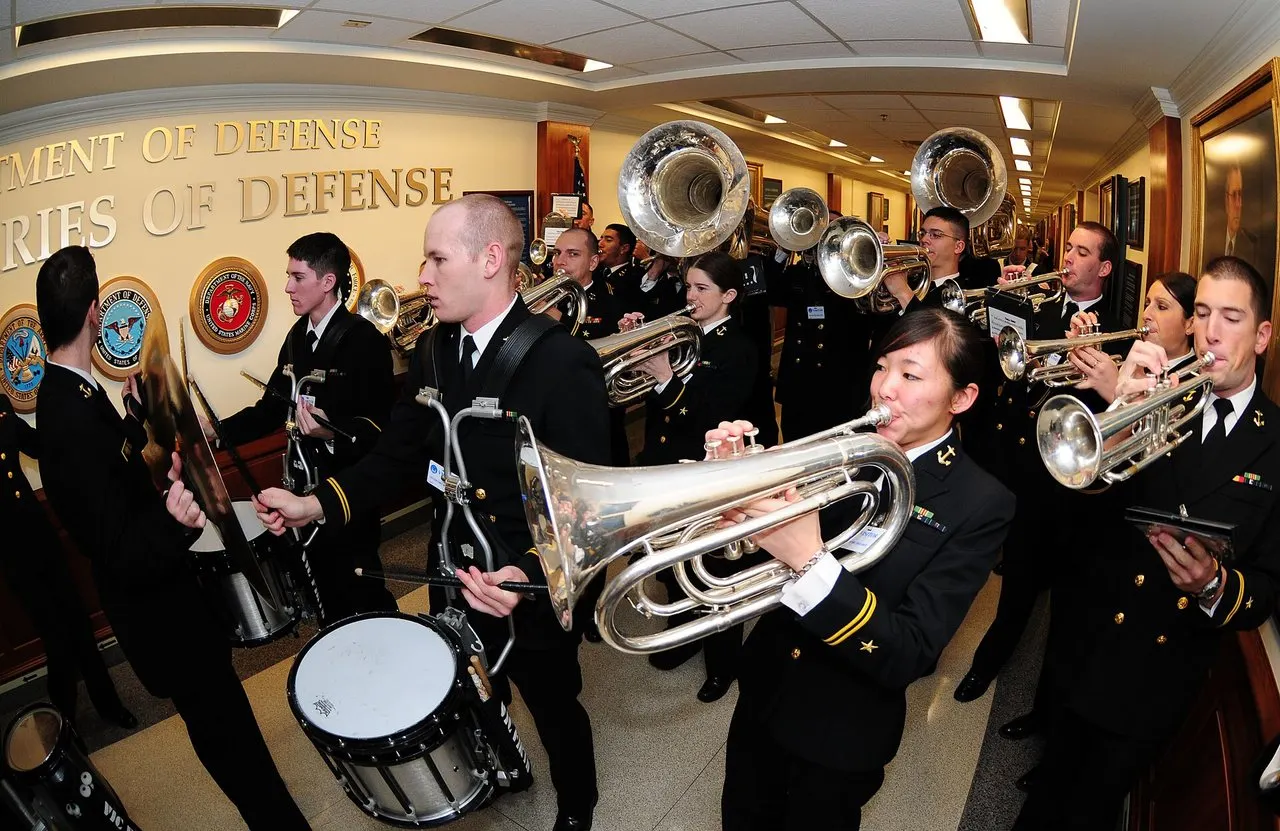
One American official put the reaction in plain words. The official warned that Canada would view the move as a slap in the face, a phrase that captures how personal this feels in Ottawa. Allies expect hard talks behind closed doors, not surprise limits handed down in a secret memo. The warning suggests that people inside the Pentagon knew the decision would sting. It also suggests that the move was made without the usual care for a close partner. Read how Shapiro took Trump apart over Putin in our related reports.
How Ottawa Sees the Hegseth Canada Restrictions
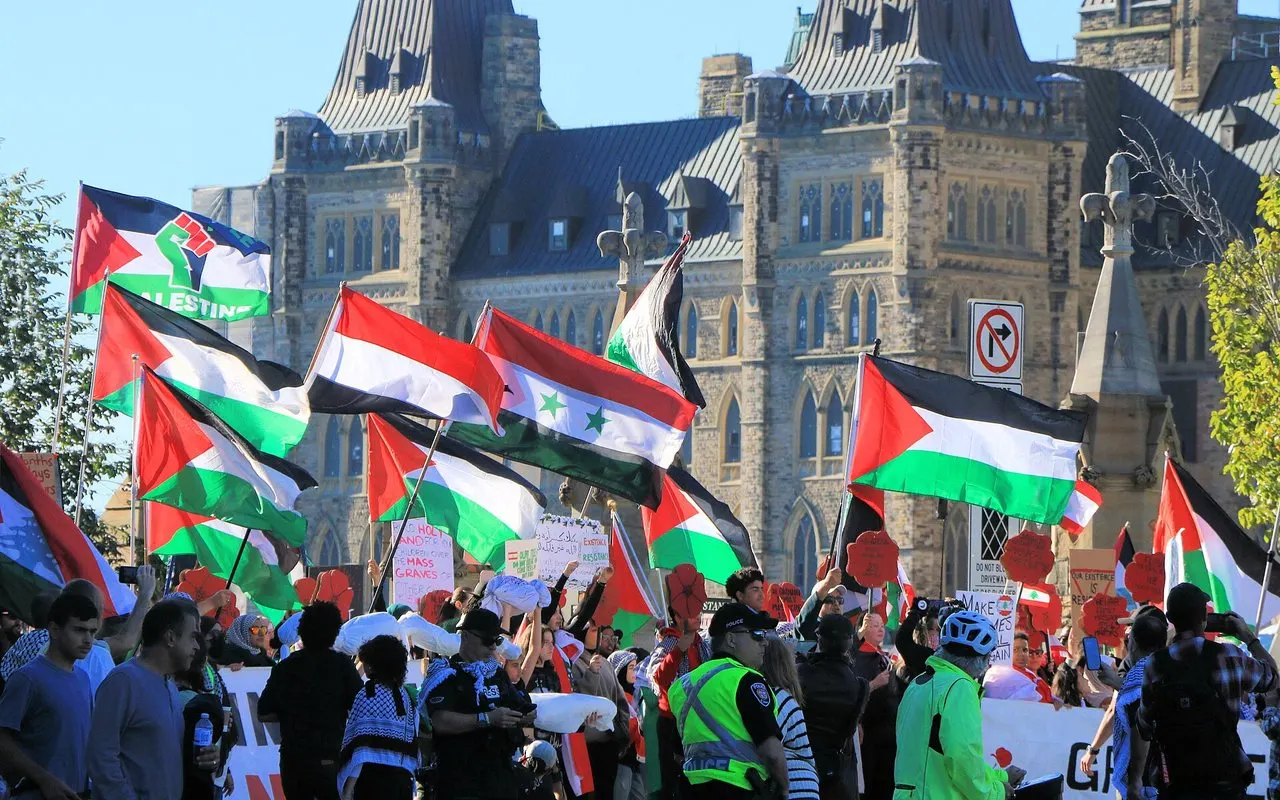
Ottawa has every reason to take this personally. Canada is not a distant partner but a neighbor that shares a border, a continent, and a long history of standing together. When a close ally learns of new limits from a news report about a secret memo, the message feels colder than the policy itself. Canadian officials have said they have not seen changes to the defense relationship so far, but the report alone has stirred debate. See what Carney said to Putin at the APEC summit for more on the diplomatic strain.
Canada Fought Beside America for Generations
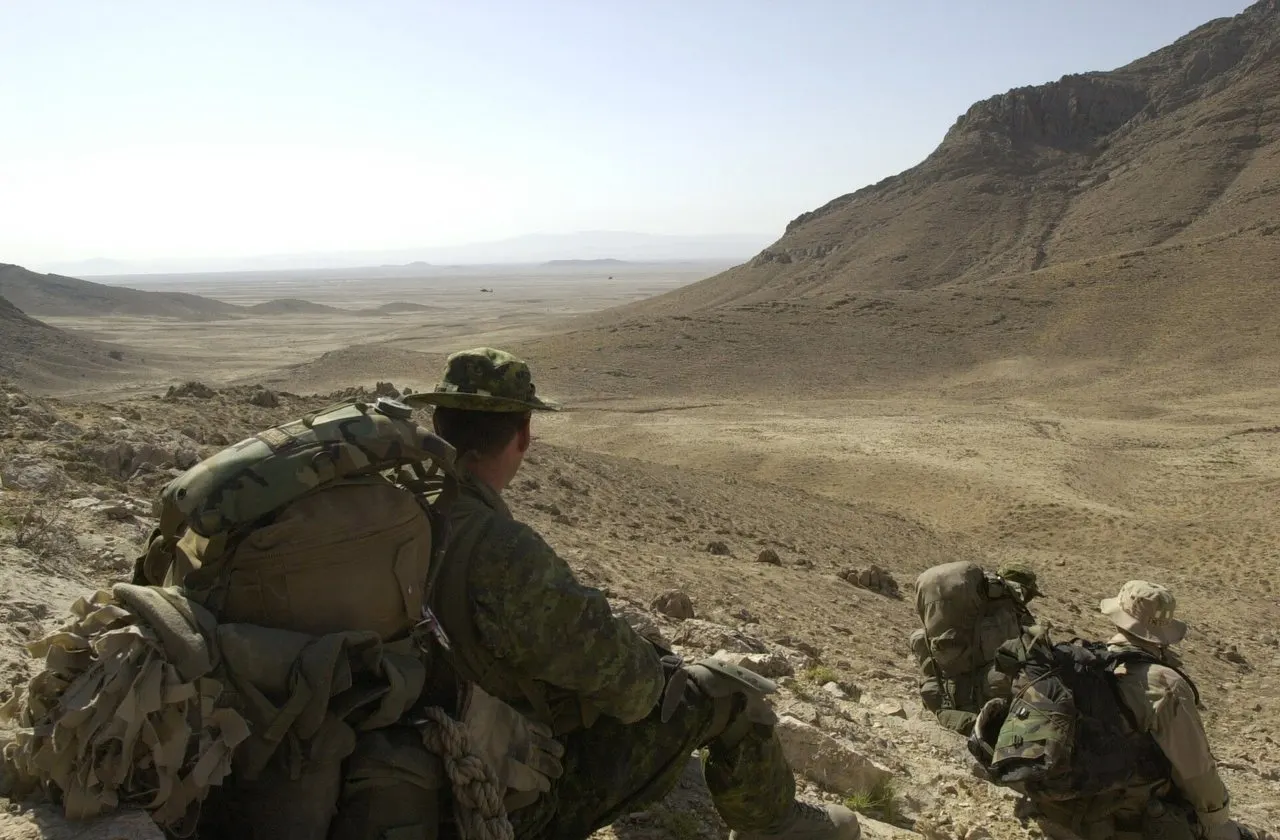
The alliance is not new, and it was not built on paper alone. Canadian troops have fought beside American troops for generations, from the world wars of the last century to the long mission in Afghanistan. Families on both sides of the border know the cost of that shared service. That history is why many Canadians hear the new limits as more than a policy change. It feels like a question about a friendship that was never in doubt. Read how Obama greeted Putin at the summit in our earlier coverage.
158 Canadians Killed in Afghanistan
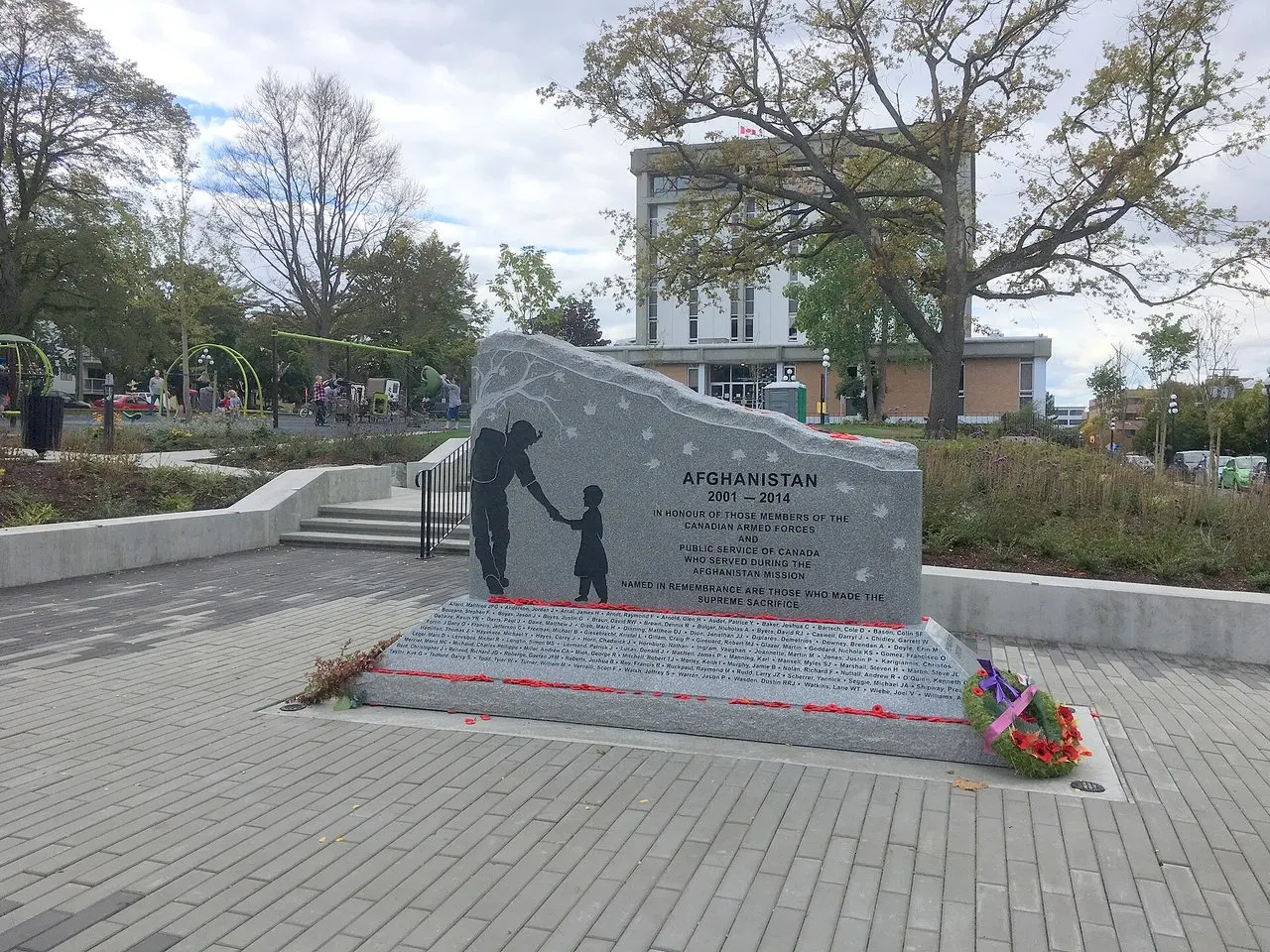
The numbers from Afghanistan tell the story plainly. At least 158 Canadian service members were killed in Afghanistan, and another 2,000 were wounded. Behind each number is a family, a hometown, and a life cut short far from home. Canada sent its troops to stand with the United States after the attacks of 2001, and it paid a heavy price for that choice. Those sacrifices are part of why the new limits sting so deeply. See the Senate vote on military operations against Iran for more military history.
2,000 Wounded and the Families Left Behind
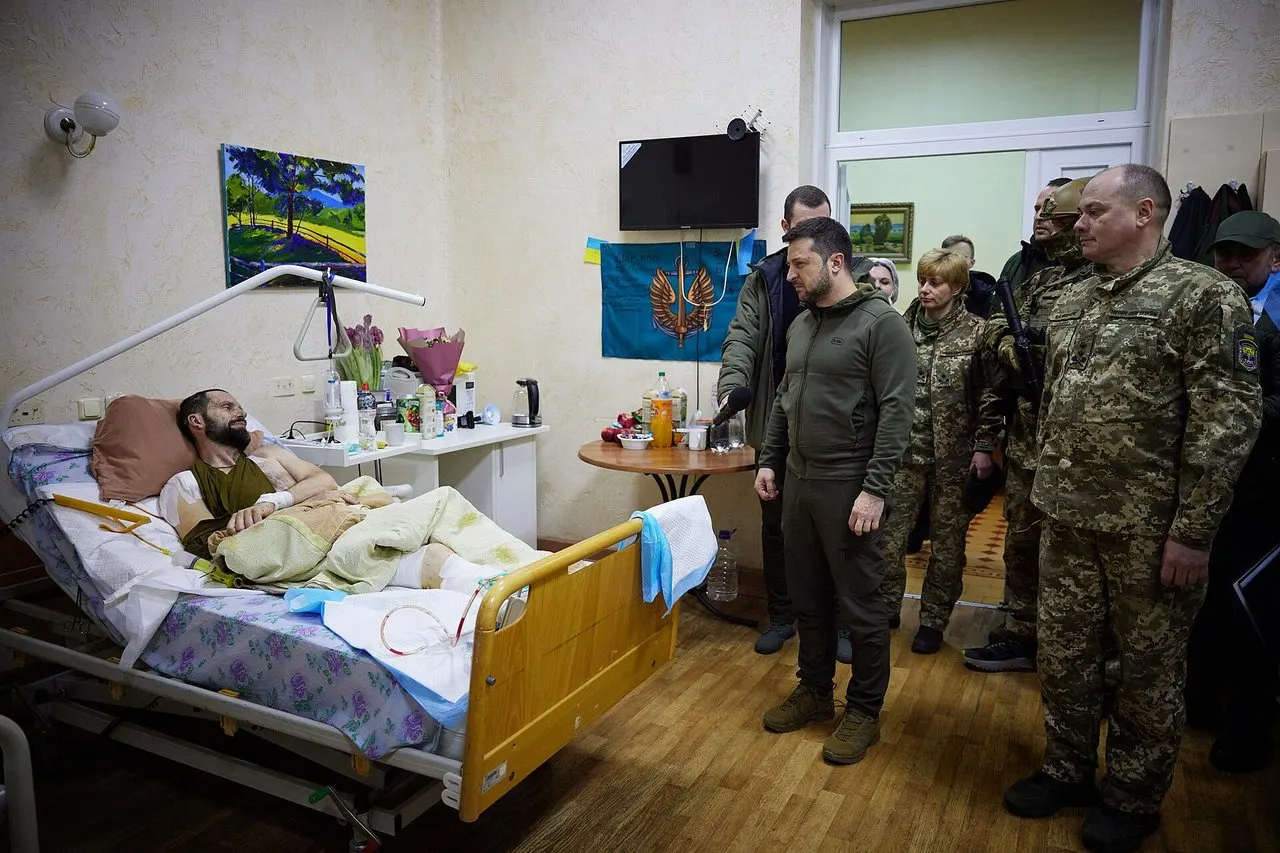
The wounded carry the mission home with them. Another 2,000 Canadian service members were wounded in Afghanistan, and many live with injuries that never fully heal. Their families learned to live with hospital visits, long recoveries, and the quiet weight of what war leaves behind. When leaders in Washington speak lightly about allied sacrifice, these are the people they are speaking about. Their service deserves more than a passing mention. Read how Miller spoke in his first speech as chief of staff in our coverage.
NATO and NORAD Cooperation Will Continue
The Pentagon has moved to calm the worst fears. Officials say the new limits will not affect intelligence sharing or cooperation through NATO and NORAD. That promise matters because both groups are the backbone of shared defense in North America and beyond. Canada is a founding member of NATO, and NORAD is a joint command that watches the skies over both countries. If those ties held, the damage may be limited. See how Trump urged European leaders on Ukraine for more on alliance politics.
Intelligence Sharing Stays in Place
Shared intelligence is the quiet heart of the alliance. The Pentagon says the restrictions will not touch intelligence sharing, which means the flow of warnings, satellite data, and threat reports should go on as before. Canada and the United States have shared such information for decades, and both sides rely on it to keep their people safe. The promise is welcome, but allies will watch closely to see if it holds in practice. Read the report on Putin sharing intelligence with Iran in our earlier stories.
Why the Hegseth Canada Restrictions Leave Questions Unanswered
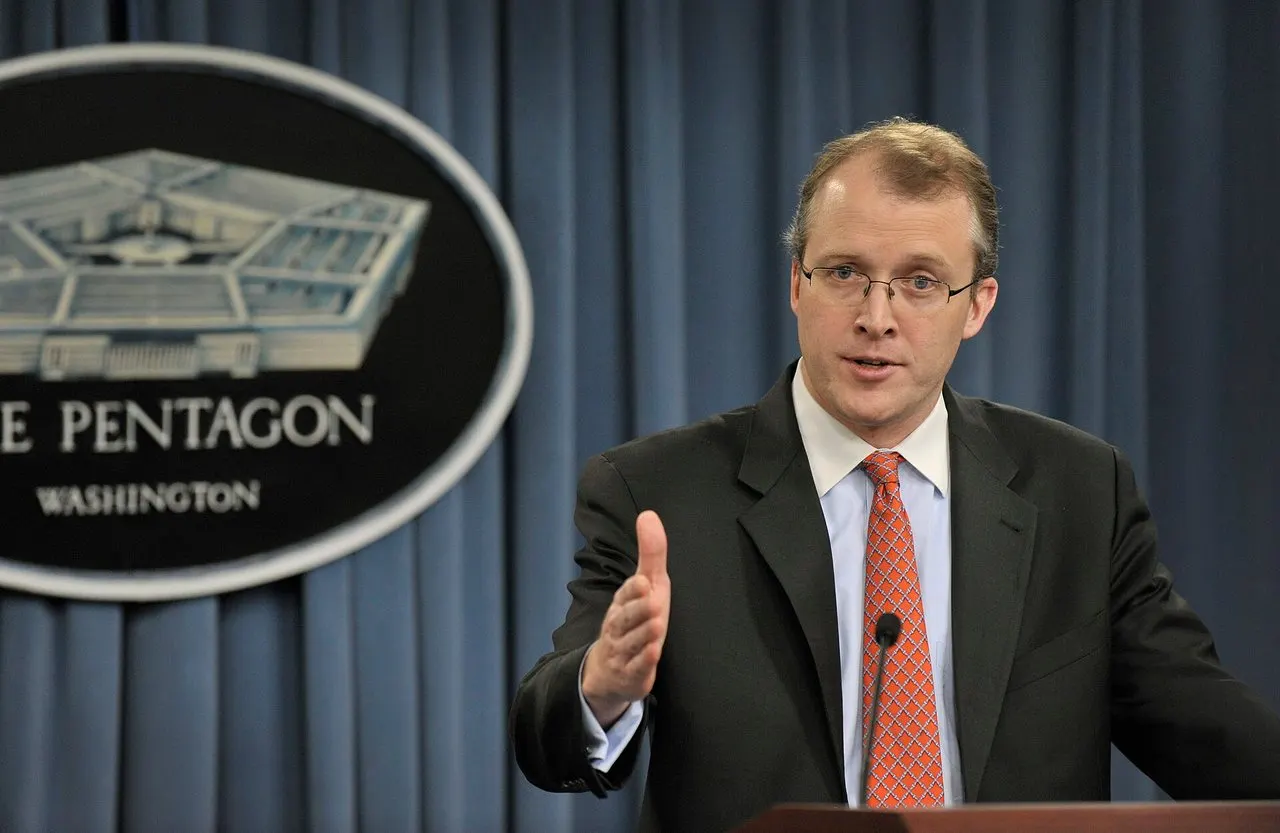
The biggest problem may be what nobody will say. The precise scope of the new limitations remains unclear, and neither the Pentagon nor the White House has spelled out which programs are affected. A classified memo keeps the details hidden, so even close allies must guess at the edges. That uncertainty can do its own damage, because partners plan joint work months ahead and need to know the rules. Until the scope is clear, the questions will keep coming. See how Trump urged Europe to stop backing Ukraine for more.
Trump Threatened to Annex Canada Again and Again
The memo did not arrive out of nowhere. President Trump has repeatedly threatened to annex Canada, a threat that Canadians have heard more than once. A threat to absorb a sovereign neighbor is not normal talk between allies, and each repeat makes the words harder to laugh off. The threats set the tone for everything that followed, from trade fights to the new defense limits. They also explain why Ottawa reads every move from Washington with care. Read what De Niro said about loving the country in our reports.
A Trade War That Hurt Both Sides
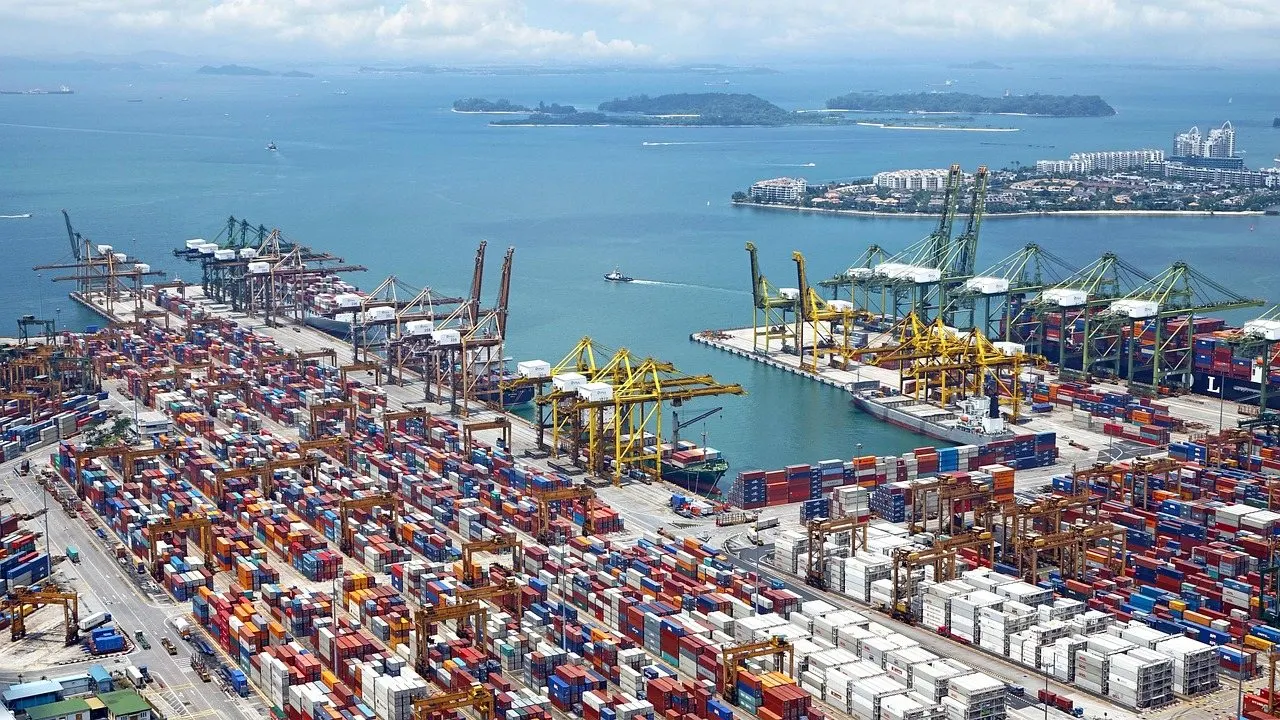
Before the memo, there was the trade war. The Trump administration launched a damaging trade conflict against Canada, raising costs for businesses and families on both sides of the border. Trade wars between close partners rarely have winners, and this one strained a relationship built on open borders and shared supply chains. The new defense limits now land on top of that economic strain, and the two disputes feed each other. See the Pacific seabed auction Trump ordered for more on Trump administration policy.
The Plan to Rename Lake Ontario Lake America

The story even includes a strange detail about a lake. President Trump tried to rename Lake Ontario Lake America, a move that puzzled Canadians and Americans alike. Lake Ontario has carried its name for centuries, and it sits at the heart of the shared border region. The renaming idea never went anywhere, but it showed how the administration viewed its neighbor. It was one more small slight in a long list of them. Read how one Kentucky man posts about Trump in our other Trump coverage.
Hegseth Mocked the Canadian Military
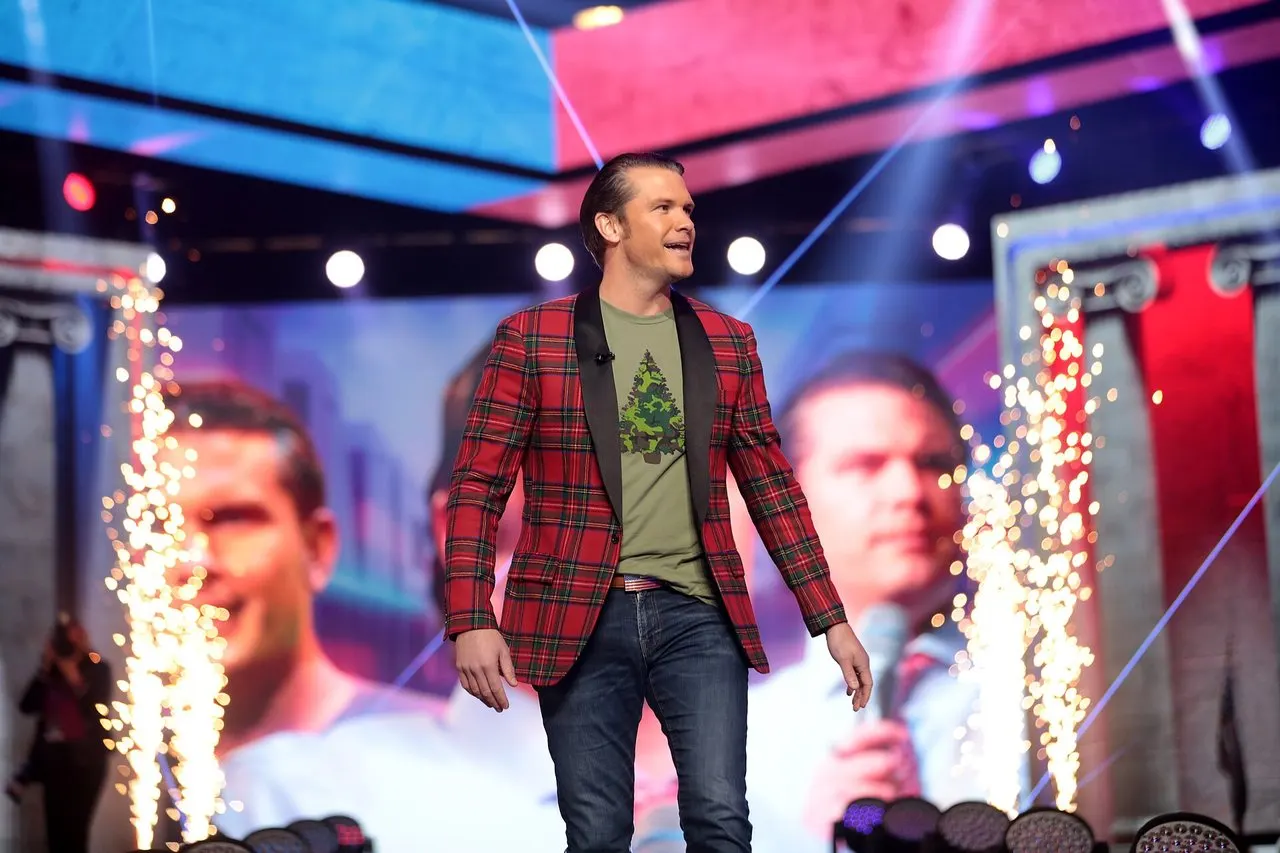
The defense secretary has added his own insults. Hegseth has repeatedly mocked Canada’s military and dismissed the sacrifices of allied troops. Mockery from the person in charge of the Pentagon carries weight, and it lands hard on the families who sent loved ones to serve beside American forces. A defense secretary is expected to honor allies, not belittle them. The pattern of mockery makes the secret memo feel less like a surprise. See how Shapiro took Trump apart over Putin in our coverage.
Dismissing the Sacrifice of Allied Troops
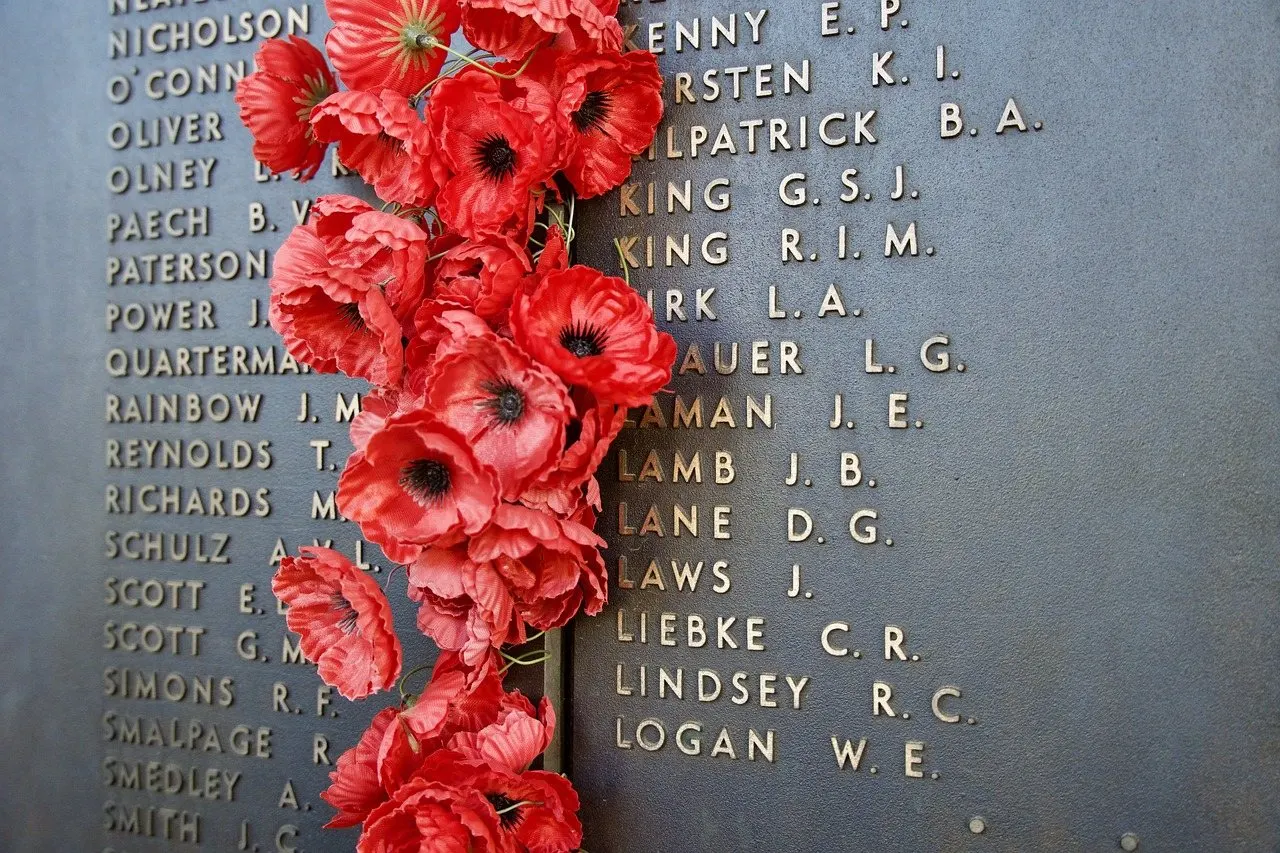
Words about sacrifice matter most to those who paid it. Hegseth has dismissed the sacrifices of allied troops, a choice that stings the families of the 158 Canadians killed in Afghanistan and the 2,000 who were wounded. Allies do not serve for praise, but they do expect respect from the leaders who send them into danger. When that respect is missing, trust frays in ways that take years to repair. The memo now tests that trust again. Read our tribute to the canned M1911 pistols in our earlier stories.
Trump Said Canadians Feel Emboldened
The president added a fresh complaint just today. Trump complained that Canadians feel emboldened and declared that America cannot let them feel that way anymore. The remark came as the memo story spread, and it showed little patience for a neighbor pushing back. Canadians have long valued their independence, and being told to feel less bold is unlikely to win them over. The words may play well at home, but they sound very different north of the border. See the push to impeach Trump as early as January in our reports.
Praise for Putin Right After
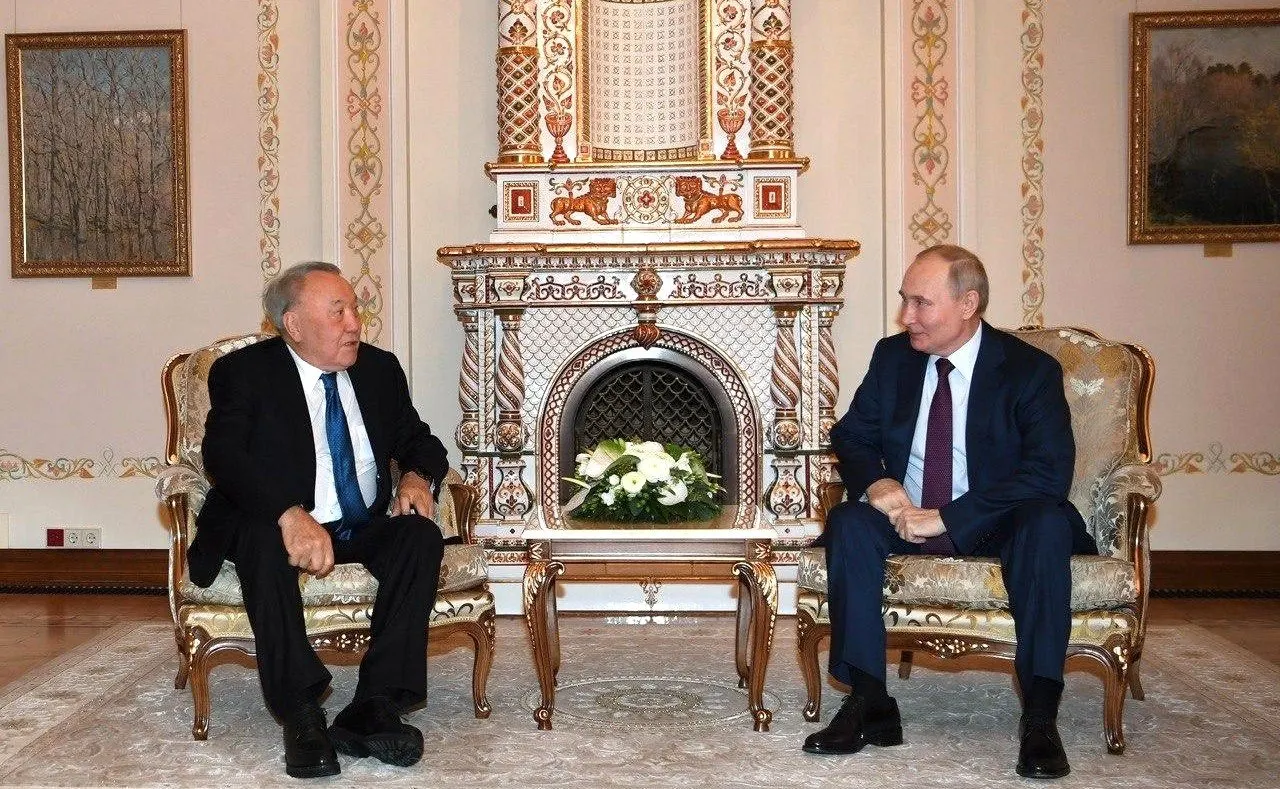
The timing raised eyebrows. Right after complaining about Canadians, Trump praised Vladimir Putin, a leader who has waged war on a neighbor and jailed his critics. The contrast was hard to miss: a lecture for a loyal ally and warm words for a strongman. Critics say the pattern has repeated for years, with Trump saving his toughest talk for friends and his praise for rivals. Allies notice these moments, and they remember them. Read the report on Putin sharing intelligence with Iran in our earlier coverage.
NORAD: A Shared Shield Since 1958
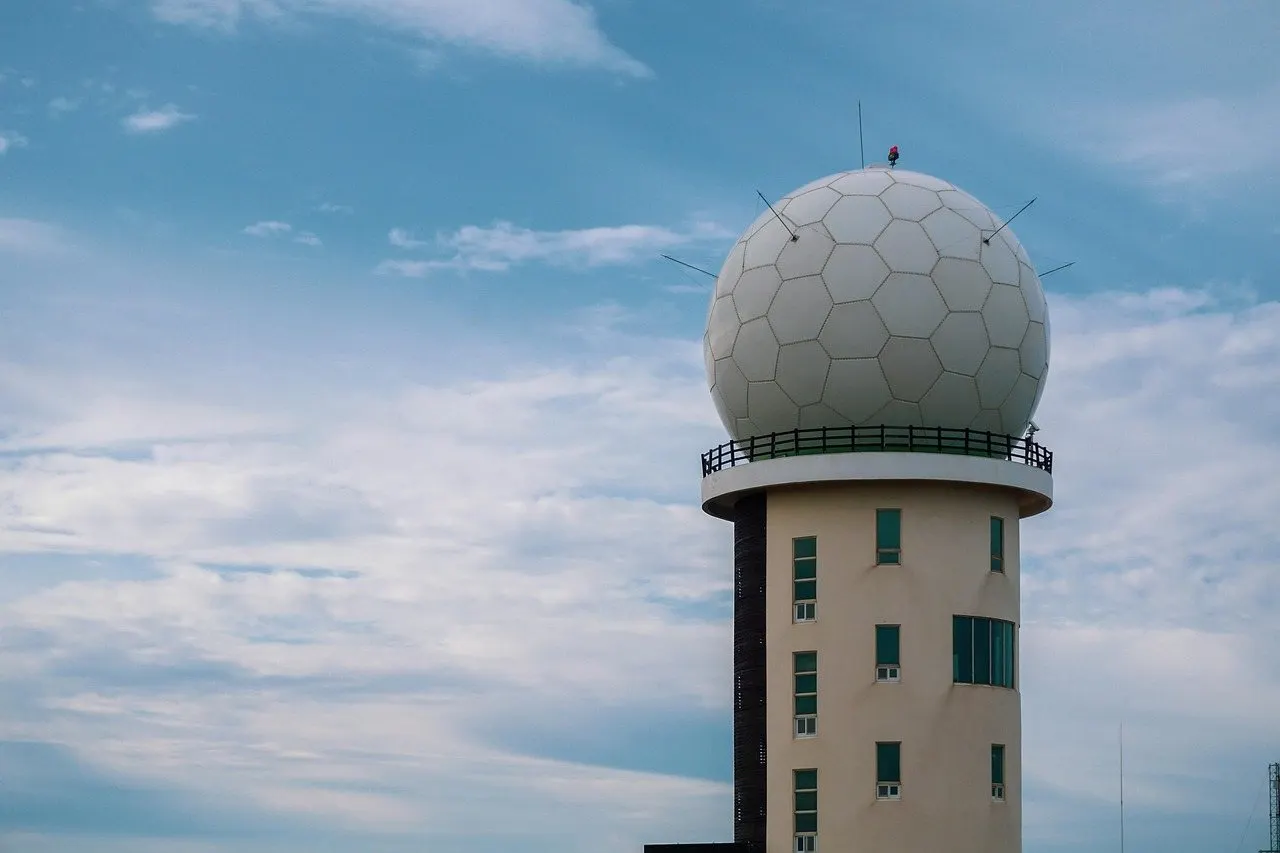
NORAD is the clearest proof that the partnership works. The joint command was created in 1958 to watch the skies over North America, with American and Canadian officers serving side by side. It tracks aircraft and missiles, and it scrambles jets when an unknown plane comes too close. The command has adapted over the decades, from Cold War bombers to modern cruise missiles. It remains one of the closest military partnerships in the world. See how Carney confronted Putin at the APEC summit for more.
NATO and the Hegseth Canada Restrictions
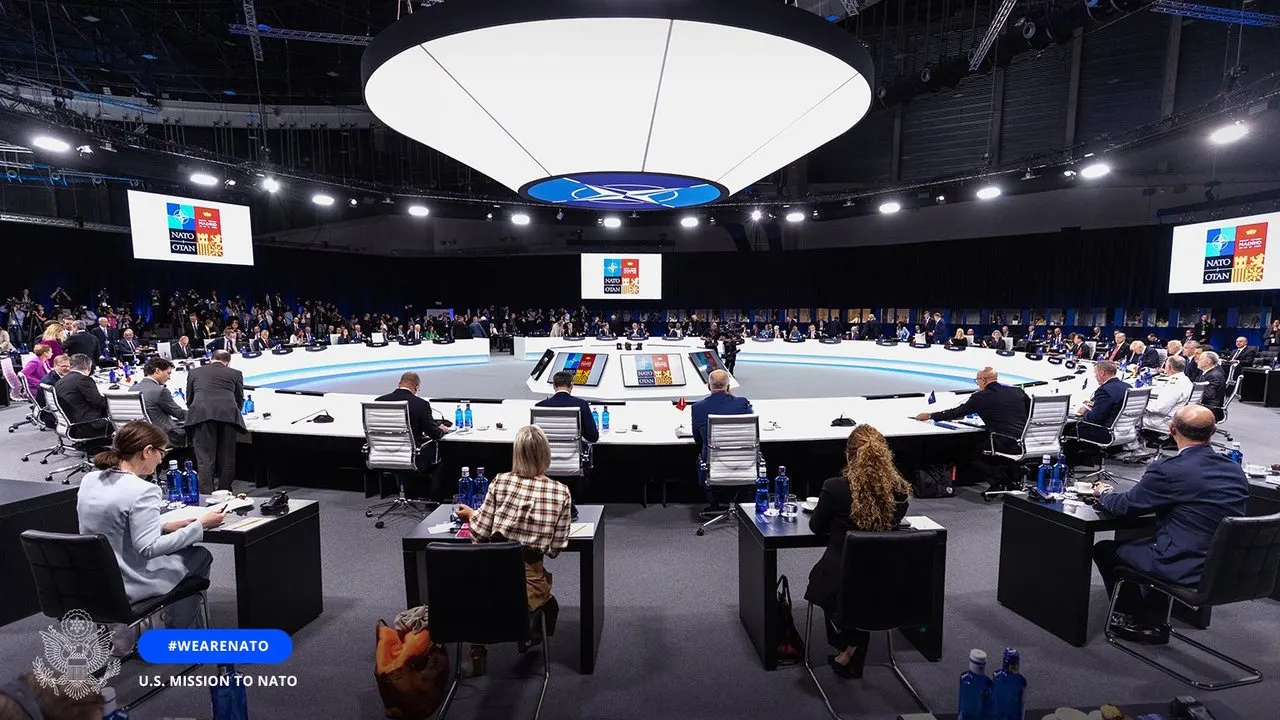
Canada helped build NATO from the start. The country was a founding member of the alliance in 1949, and it has stood by the promise that an attack on one member is an attack on all. Canadian troops have served in NATO missions from Europe to Afghanistan, and the alliance remains the anchor of Western defense. New limits on bilateral ties do not change NATO duties, but they can chill the spirit that makes the alliance work. Read how Trump urged European leaders on Ukraine in our reports.
The Afghanistan Mission in Kandahar
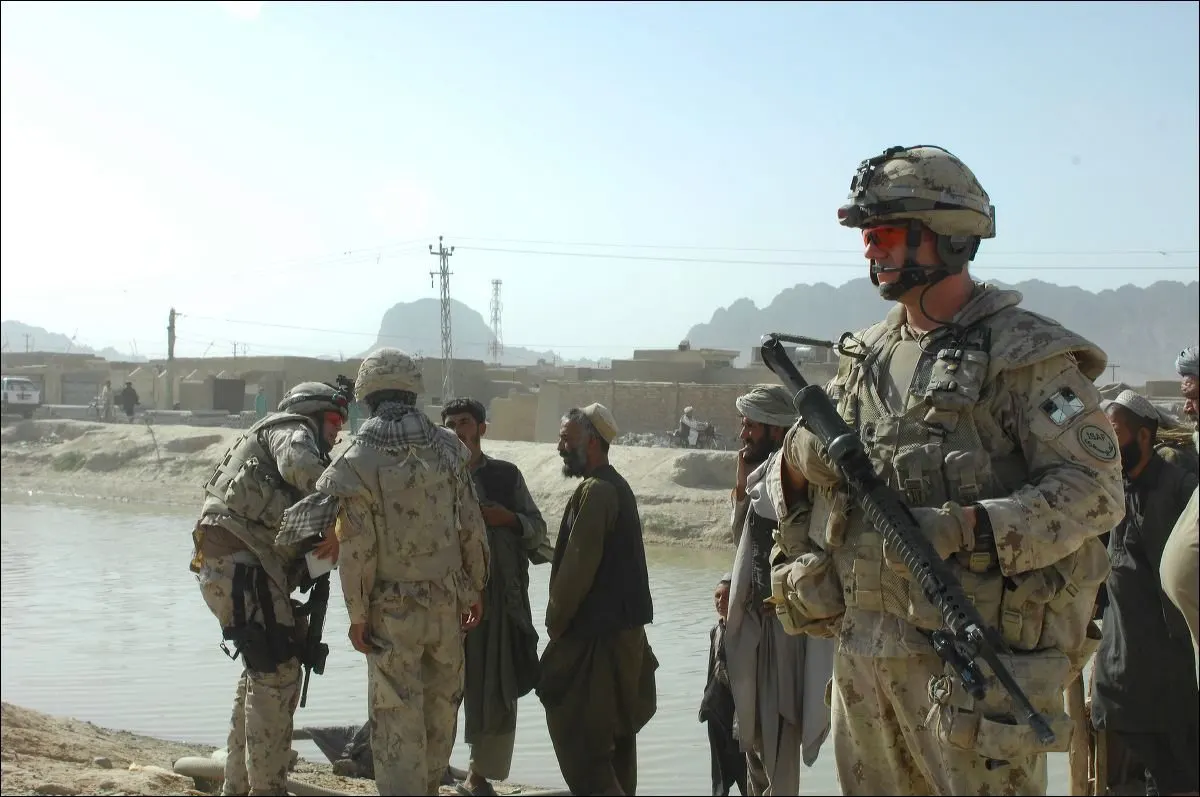
Kandahar was where Canada paid the highest price. Canadian troops took on one of the toughest assignments in southern Afghanistan, patrolling districts where fighting was fierce and danger was constant. The mission lasted for years, and it tested the force in every way. Soldiers came home with stories of comradeship and loss that still shape how Canada sees its military. The new limits cannot erase that shared history. See our report on the canned M1911 pistols for more military stories.
The Longest Border in the World
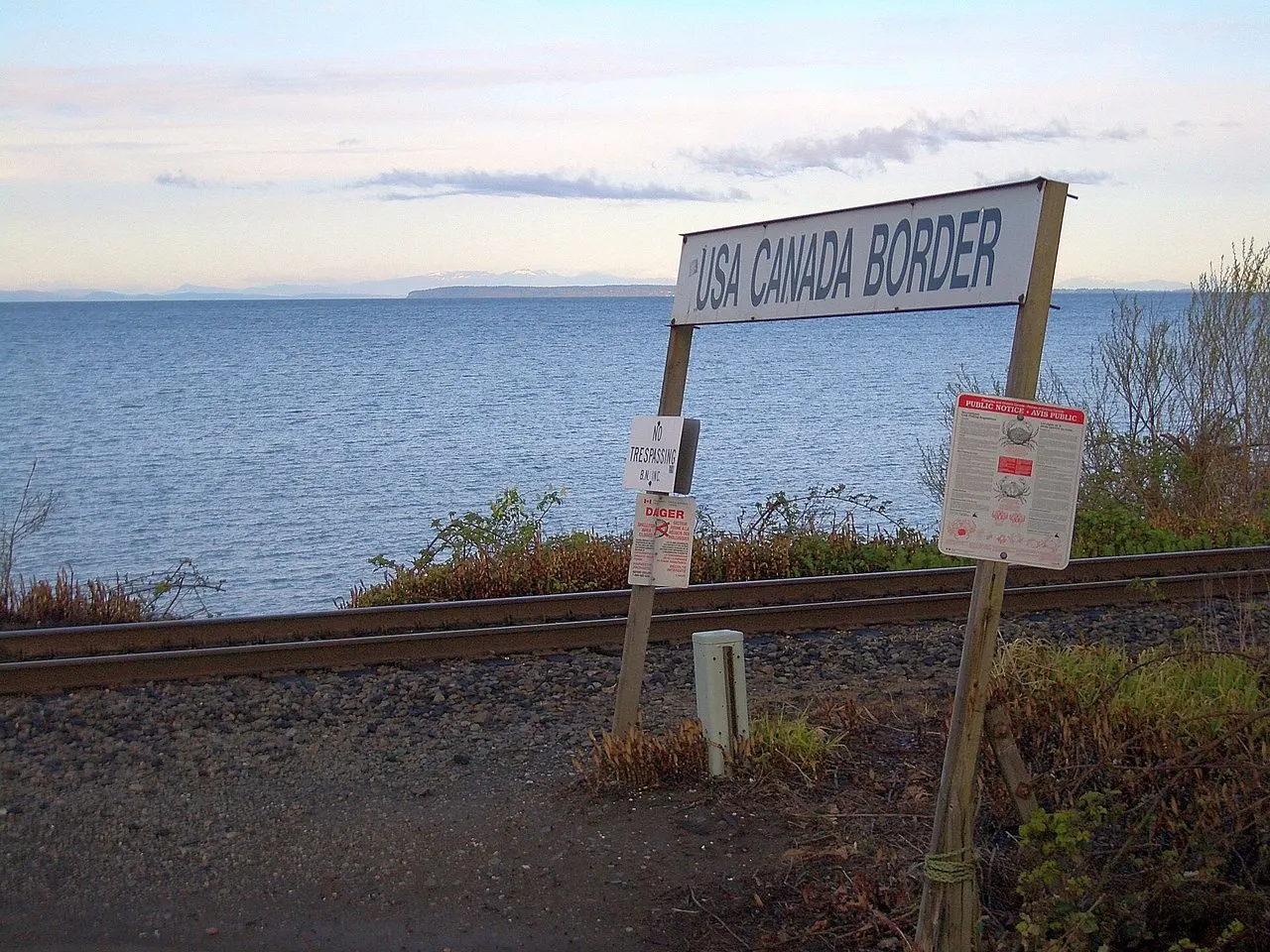
The two countries share the longest border in the world. The line between the United States and Canada runs for thousands of miles, through forests, lakes, prairies, and mountains. For most of its length it has been undefended, a symbol of trust that few neighbors can claim. Families, workers, and goods cross it every day. A defense dispute does not close a border, but it can change how neighbors feel about each other. Read the story of a Canada wedding one comedian never dreamed of in our other stories.
Trade Ties That Bind Two Nations
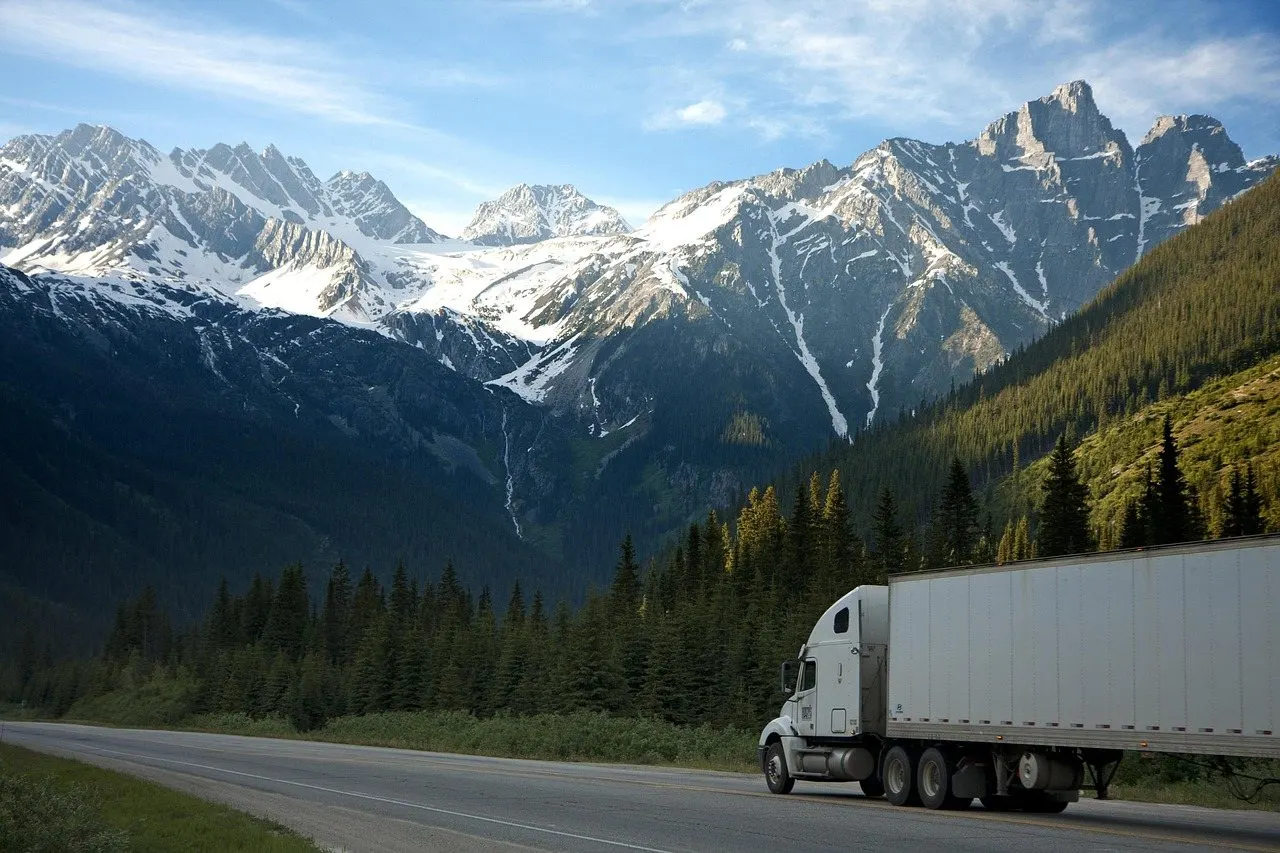
Trade is the proof of the partnership. The United States and Canada trade more goods and services than almost any two countries on earth, and millions of jobs depend on that flow. Cars, lumber, energy, and food move across the border in both directions, linking factories and farms in both nations. A trade war puts those links under strain, and the defense limits add a new worry. Both sides have more to lose than to gain from a fight. See the Pacific seabed auction Trump ordered for more.
What Canada Has Said About the Hegseth Canada Restrictions
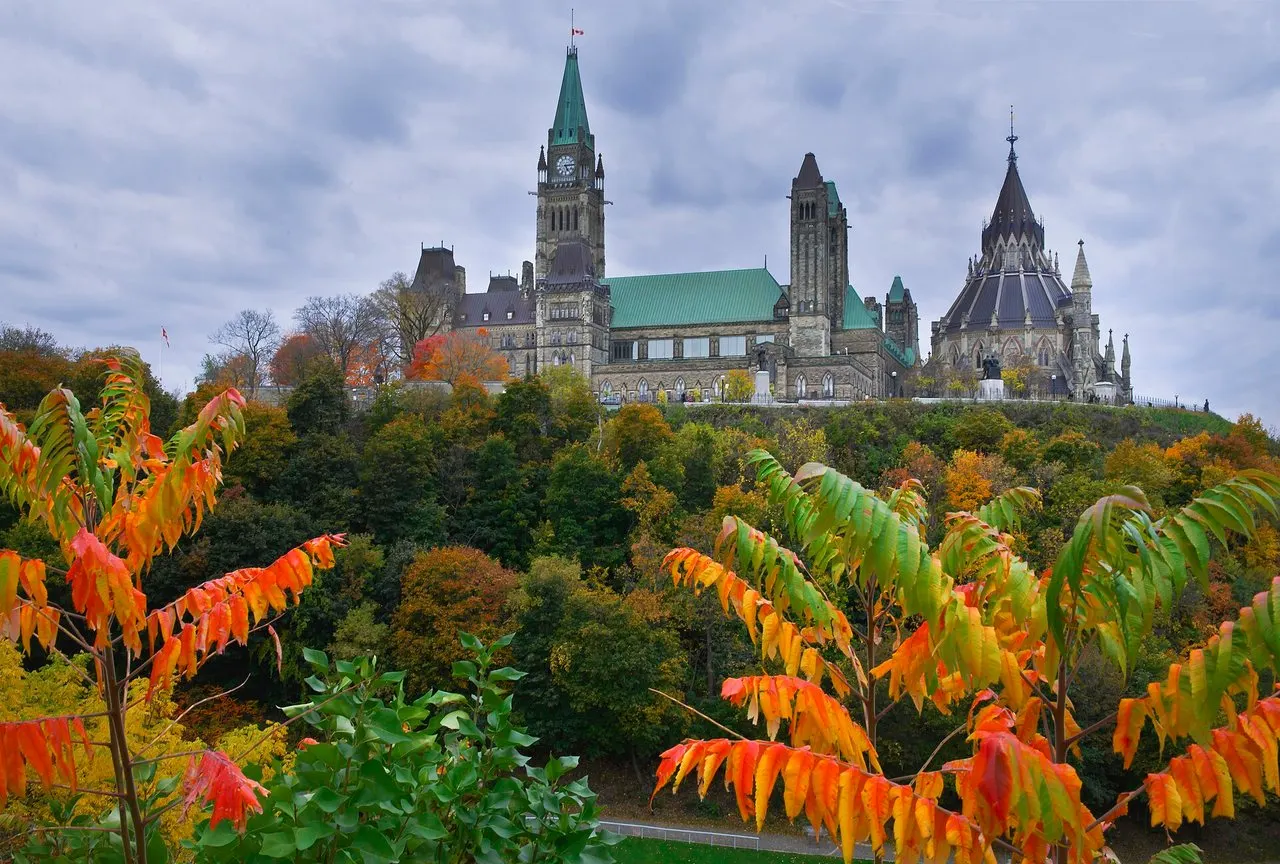
Ottawa has stayed calm in public so far. The Canadian Press reports that Canada has not seen changes to the defense relationship with the United States. That statement may mean the limits are narrow, or it may mean they have not yet taken effect. Either way, Canadian leaders will be watching for signs of change in joint work, meetings, and planning. A quiet response now does not mean the issue is settled. Read what Carney said to Putin at the APEC summit in our related coverage.
Allies Watch the Hegseth Canada Restrictions Closely
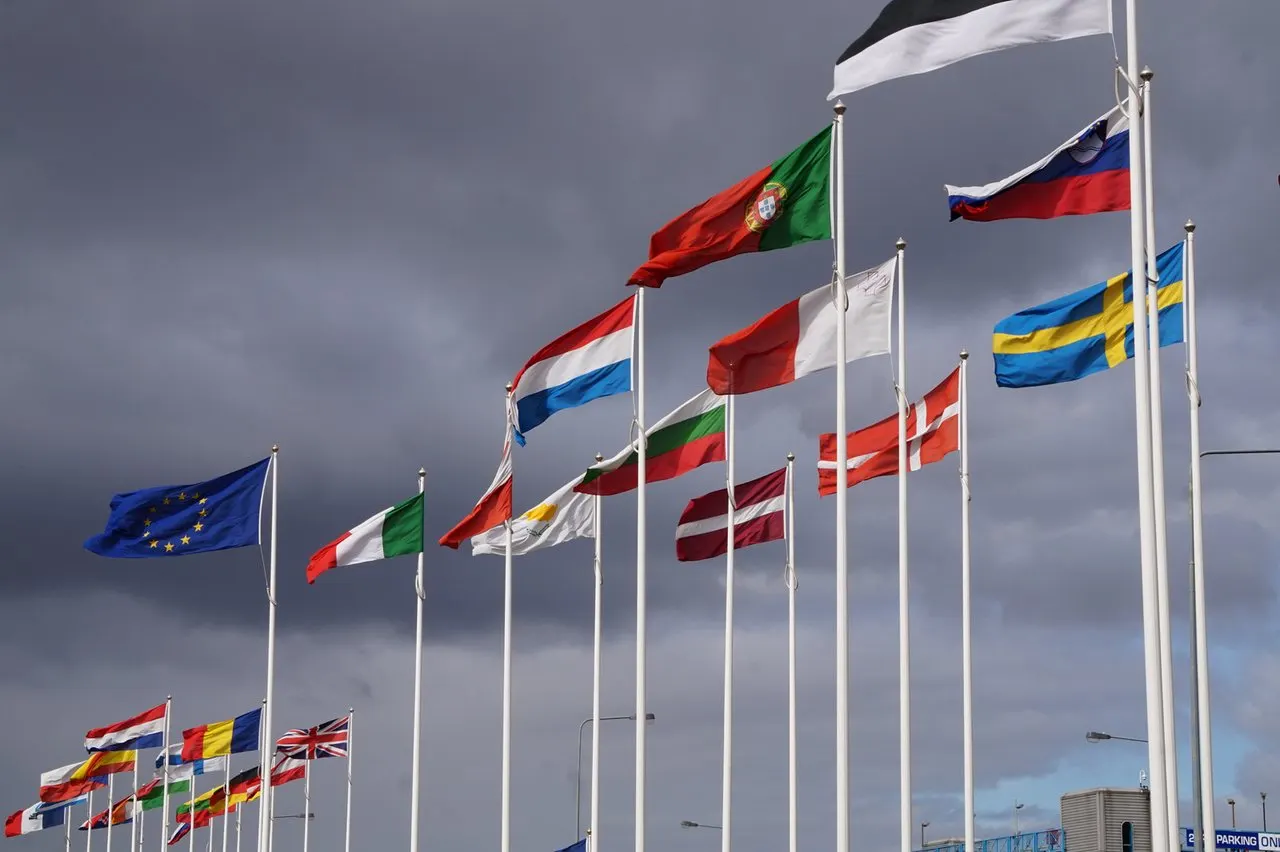
Other allies are paying close attention. If Washington can quietly limit ties with Canada, one of its closest friends, then no ally can feel fully safe from the same treatment. European and Asian partners have already lived through sharp shifts in American policy, and they read each new move for signs of what comes next. Trust between allies is built slowly and lost quickly. The memo may matter far beyond North America. See how Shapiro took Trump apart over Putin for more on nervous allies.
Why the Hegseth Canada Restrictions Matter for North America
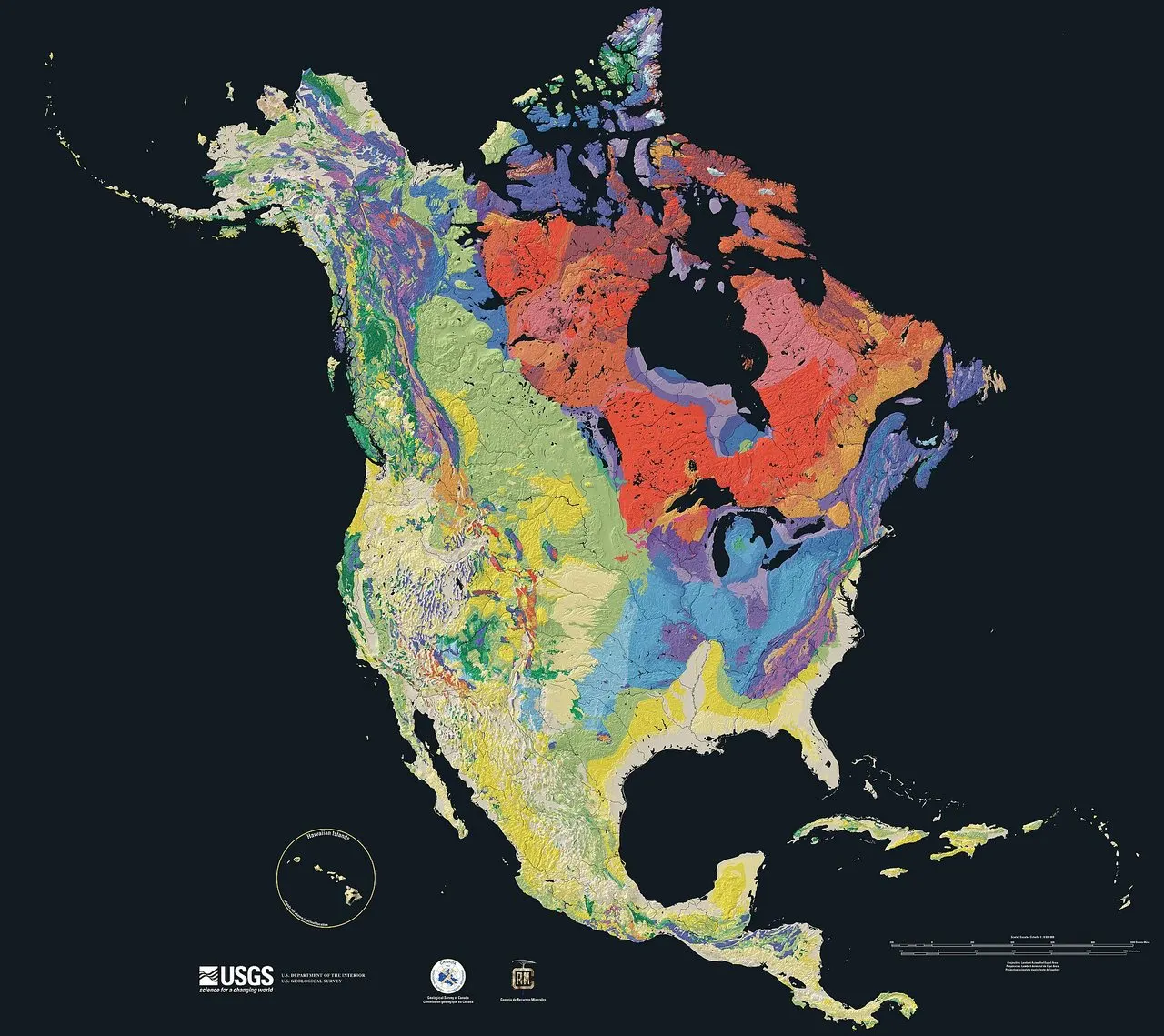
North America is safest when its two largest countries work as one. Shared defense means shared radar, shared patrols, and shared plans for the Arctic, where both nations face growing interest from rivals. The Hegseth Canada restrictions may look like a small bureaucratic change, but they touch the habits of trust that make joint defense work. When partners stop sharing freely, gaps appear, and rivals notice gaps. That is why this memo matters. Read the report on Putin sharing intelligence with Iran in our coverage.
The Cost of the Hegseth Canada Restrictions
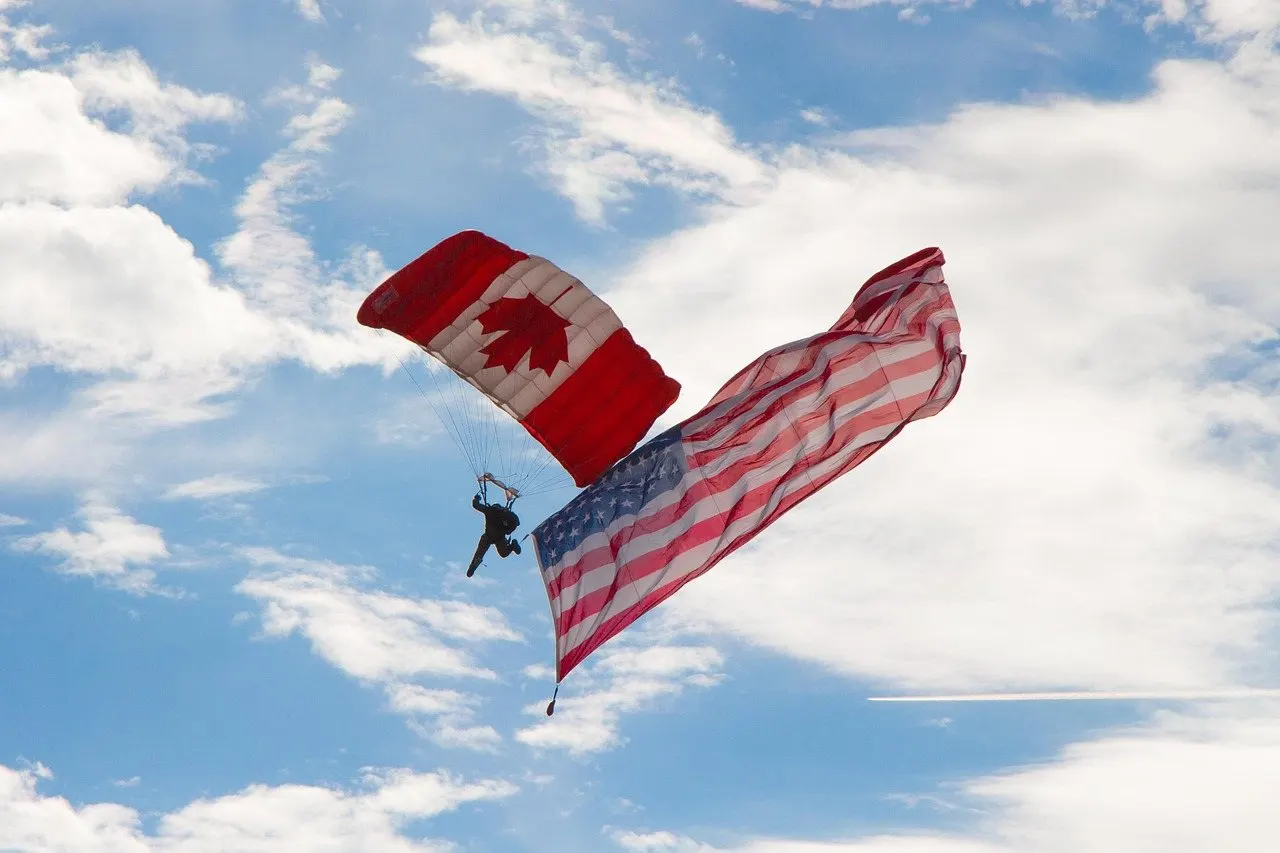
Treating an ally like an adversary has a price. It costs trust, and trust is the currency that makes alliances work when crises arrive. Canada may now think twice before sharing sensitive plans, and other allies may do the same. The damage is hard to measure in dollars, but it shows up in slower cooperation and colder meetings. Leaders who value alliances guard them carefully, because rebuilding trust takes far longer than breaking it. See how Trump stood apart from America’s allies in our reports.
A Partnership Built Over a Century
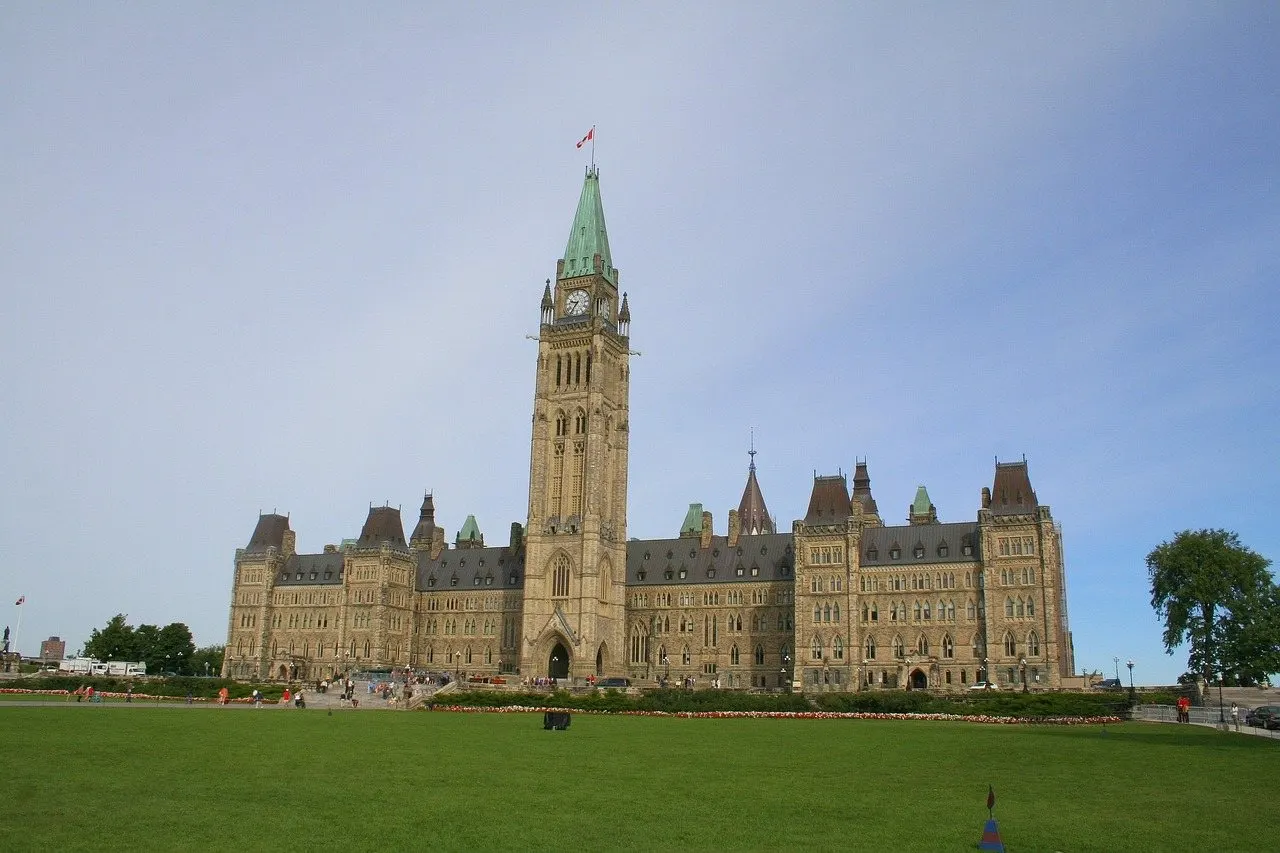
The bond between the two countries is older than living memory. Canada and the United States have stood together through two world wars, the Cold War, and the long fight in Afghanistan. Their soldiers have trained together, their planes have flown together, and their families have married across the border for generations. No single memo can erase that history, but it can test it. The question now is whether leaders on both sides will protect what their grandparents built. Read how Obama greeted Putin at the summit in our coverage.
What Do You Think of the Hegseth Canada Restrictions?
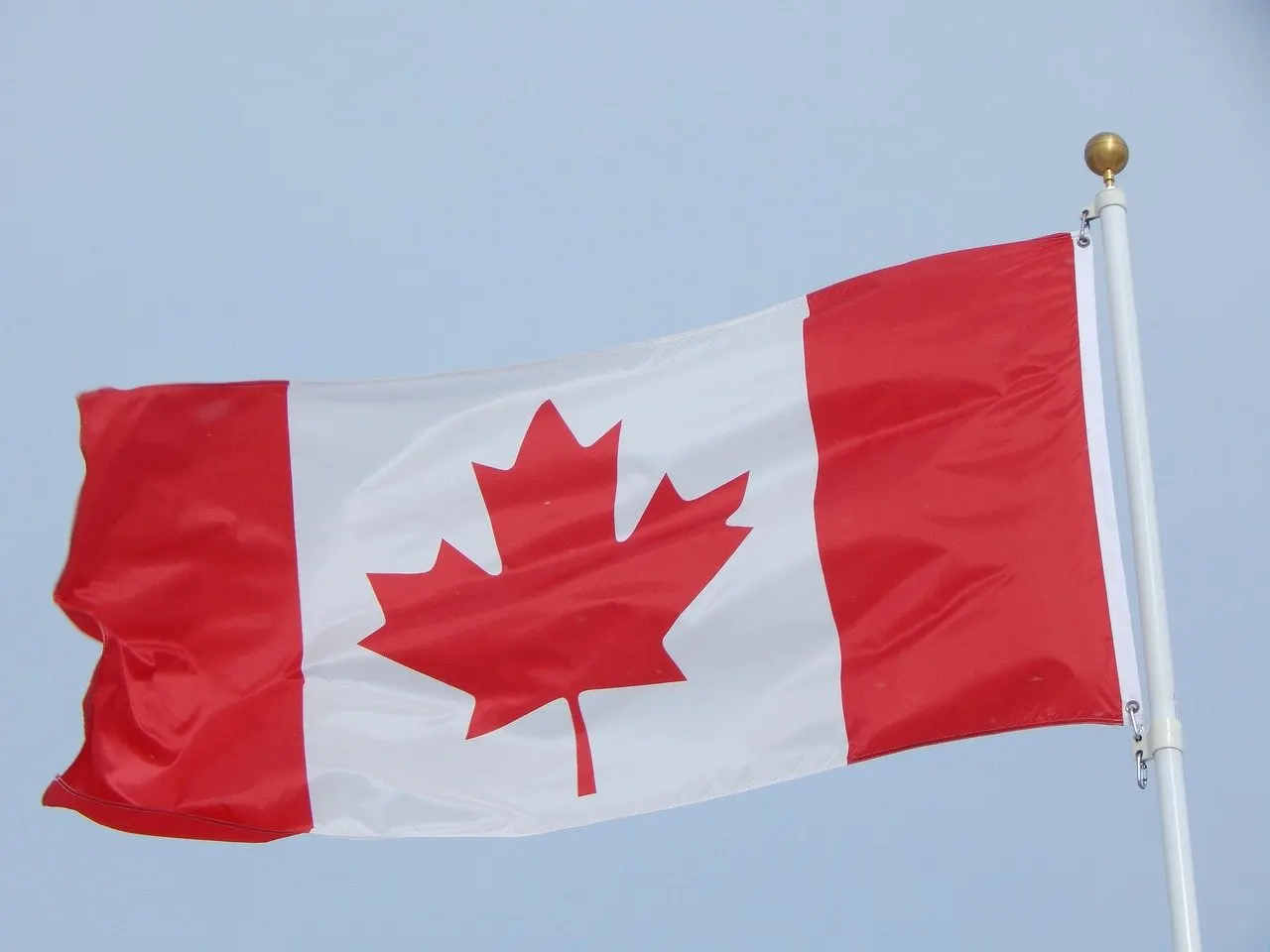
Now we want to hear from you. Do you think the new limits on the defense relationship with Canada go too far, or do you think Washington has the right to set its own rules? Canada has stood beside America for generations, and many readers will have their own memories of that friendship. Share your thoughts in the comments below, and tell us what you would say to the leaders on both sides. Read how one Kentucky man posts about Trump while you are here.