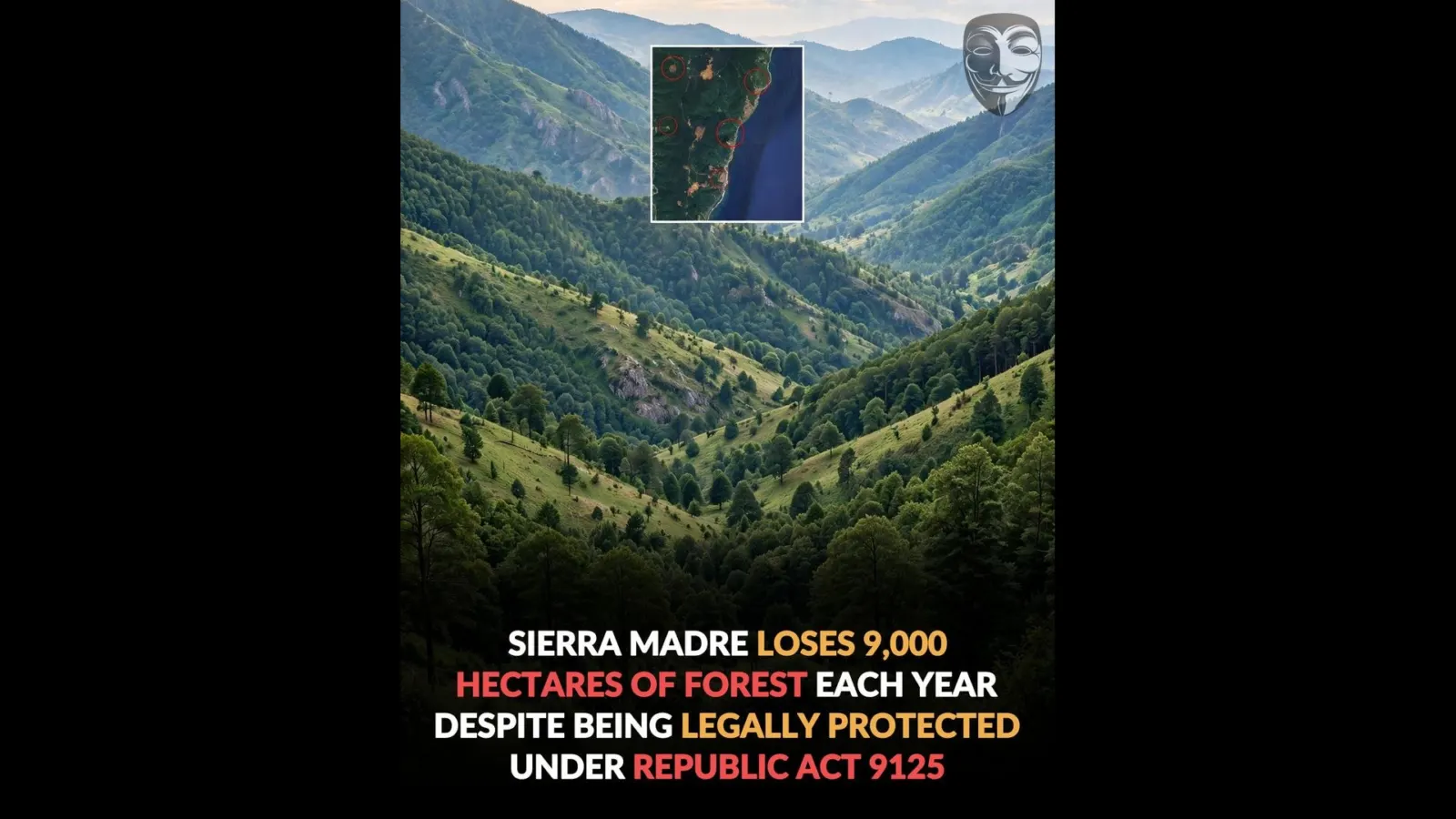
Sierra Madre Forest Loss: 9,000 Hectares Gone Each Year
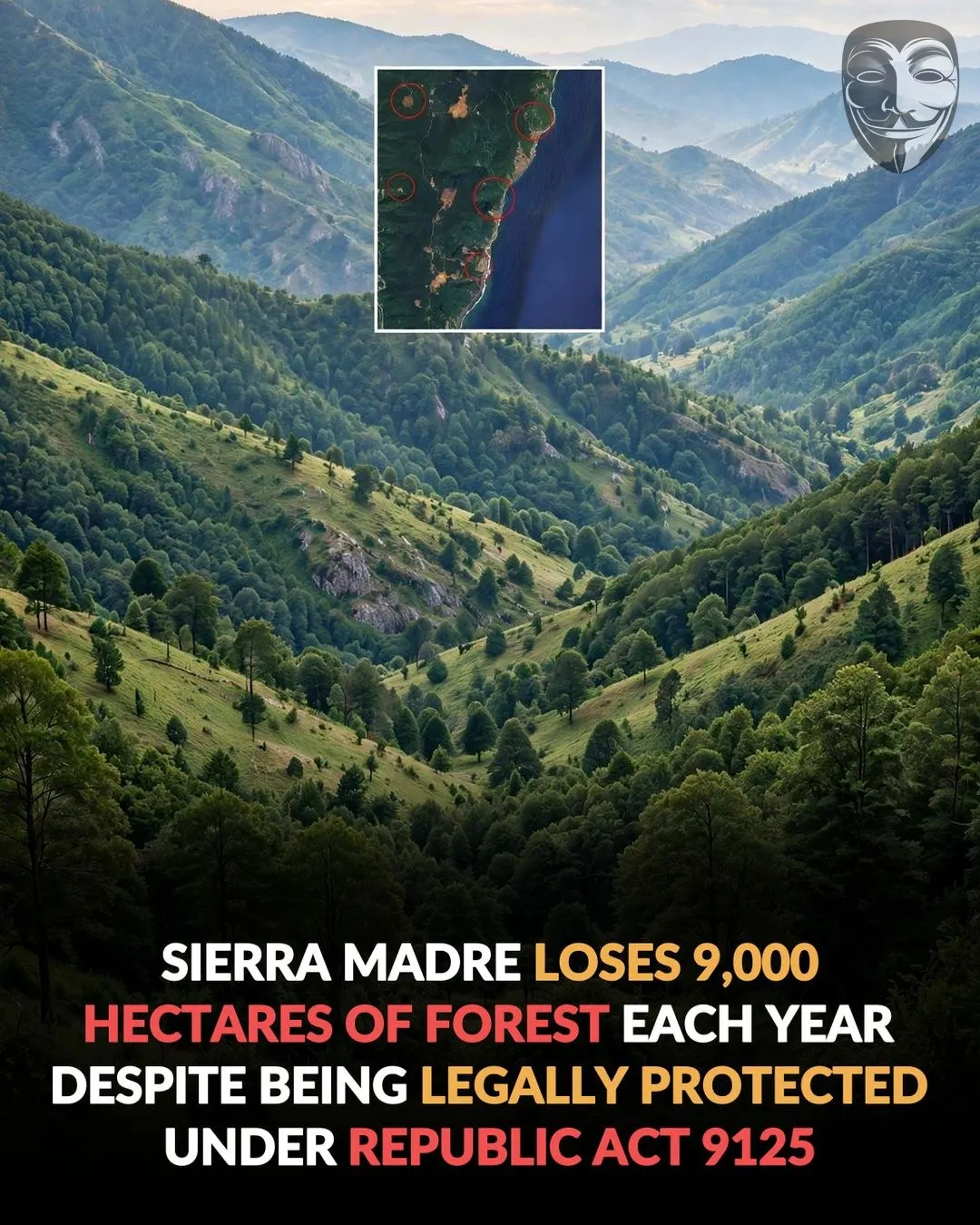
Sierra Madre forest loss is now running at about 9,000 hectares every year, according to figures linked to the Haribon Foundation. The Sierra Madre is the longest mountain range in the Philippines, and it stretches across northeastern Luzon over roughly 1.4 million hectares of land. Logging, farming, land conversion and quarrying keep pressing on the forests that remain, and the yearly loss shows how steady that pressure has become. The slides ahead look at what the range holds and why it matters. See also our report on a wildlife care center that survived a devastating fire.
The range shelters rare wildlife, including the critically endangered Philippine eagle, and its forests protect watersheds, steady the soil and soften the force of typhoons reaching Luzon. It is legally protected under Republic Act 9125, yet the reported losses show that legal protection alone has not stopped the clearing. The figure itself should be read with care, since it may come from an earlier assessment rather than the latest satellite work. Even so, the range still matters far beyond its slopes. Learn more about rare animals in our story on a gorilla with unusually colored fingers.
References:
GMA News: Sierra Madre losing 9000 hectares of forest cover each year
Radyo Sagada: The Sierra Madre Forest Loss Crisis Explained
Philippine Information Agency: DENR supports proposed Sierra Madre Mountain Range Authority
The Free Library: Sierra Madre losing 9000 hectares of forest cover each year Haribon
The Longest Mountain Range in the Philippines

The Sierra Madre runs along the eastern side of Luzon, and it is the longest mountain range in the Philippines. Its ridges rise above coastal towns and farming plains, and its slopes hold some of the largest blocks of old forest left in the country. Nearby towns rely on it for water, timber and food. It also shapes the weather that reaches the lowlands. To see how other long journeys are remembered, read our story on the longest Air Force One flight in history.
Forest Loss Reaches 9,000 Hectares a Year
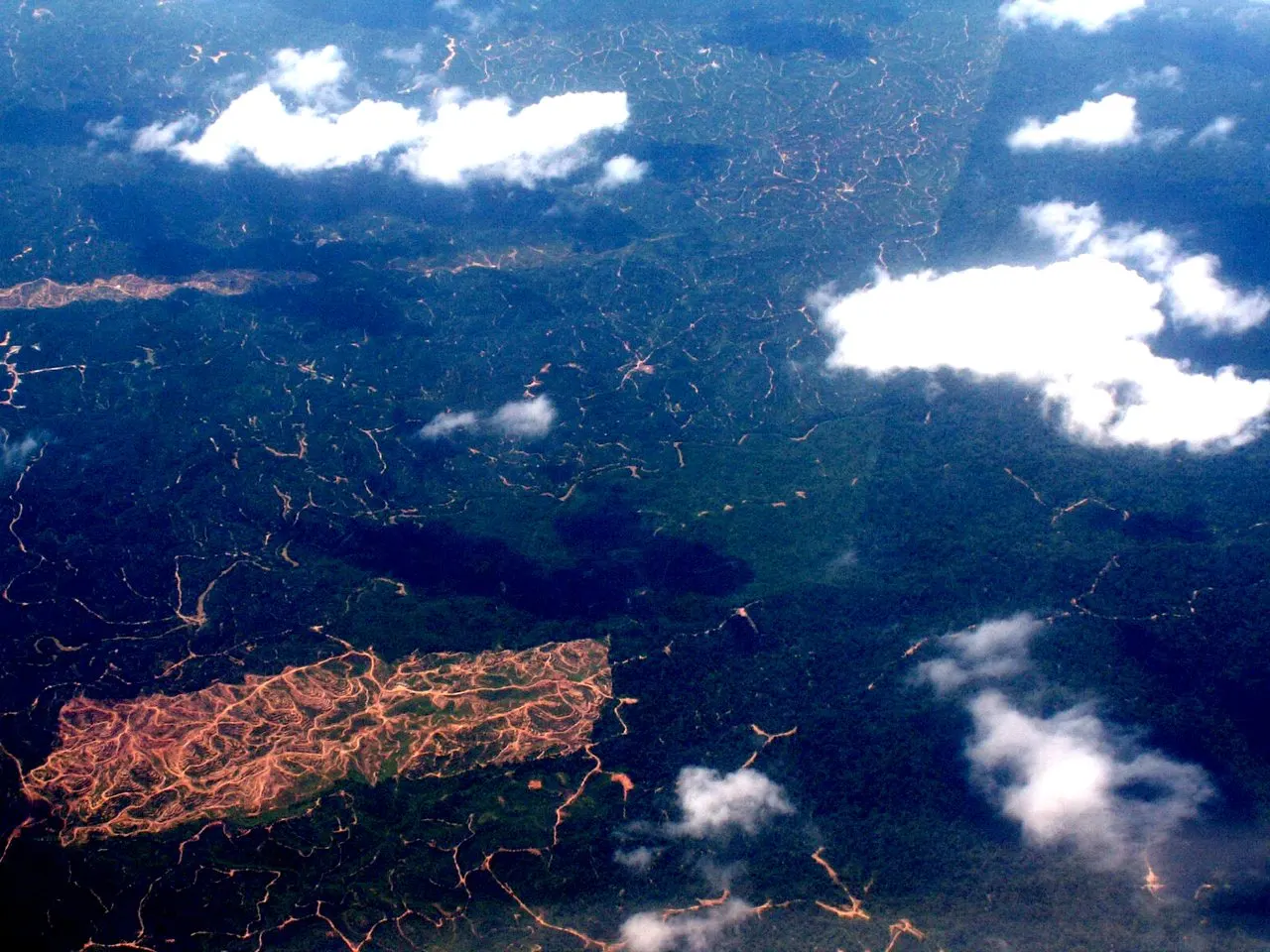
Losing about 9,000 hectares of forest every year is a loss that is hard to picture, and it adds up fast over a decade. The figure comes from data linked to the Haribon Foundation, and it has been widely shared in news reports about the range. Each hectare cleared means fewer trees to hold soil, shelter wildlife and store rain. That is why the number has become the headline fact of this story. For more on numbers that spark debate, see the debate over data center water use.
A Range of 1.4 Million Hectares in Northeastern Luzon
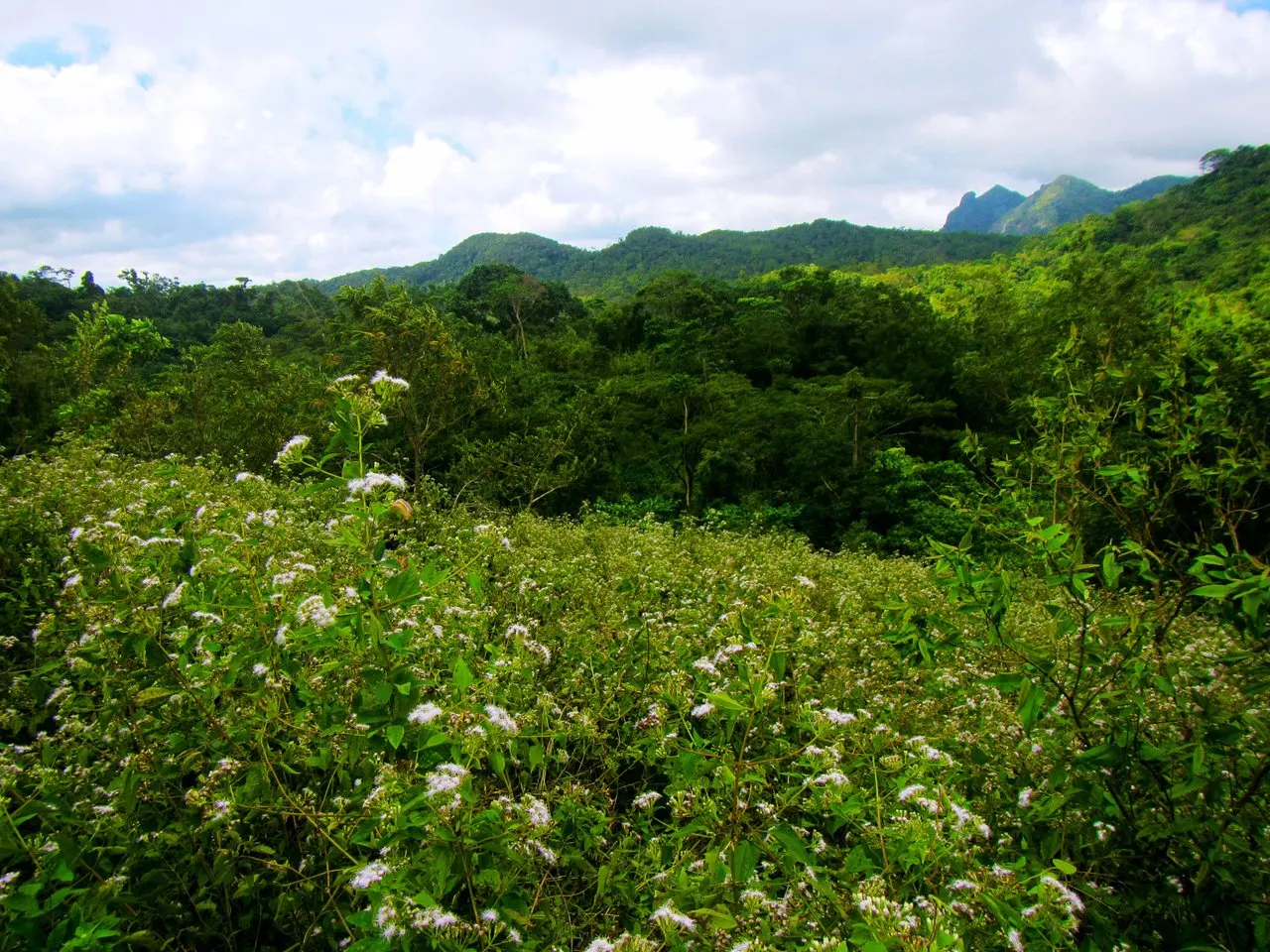
The Sierra Madre covers about 1.4 million hectares, a vast area that stretches across northeastern Luzon. Within it are steep ridges, deep valleys, rivers and old forest. The size of the range is part of why it matters so much, since a place this large touches the lives of many towns and farms. Protecting it means watching over a huge and varied landscape. Read a story about a vet who keeps saving animals in Gaza for more stories of people who keep going in hard places.
Logging Pressures the Sierra Madre Forest Every Year
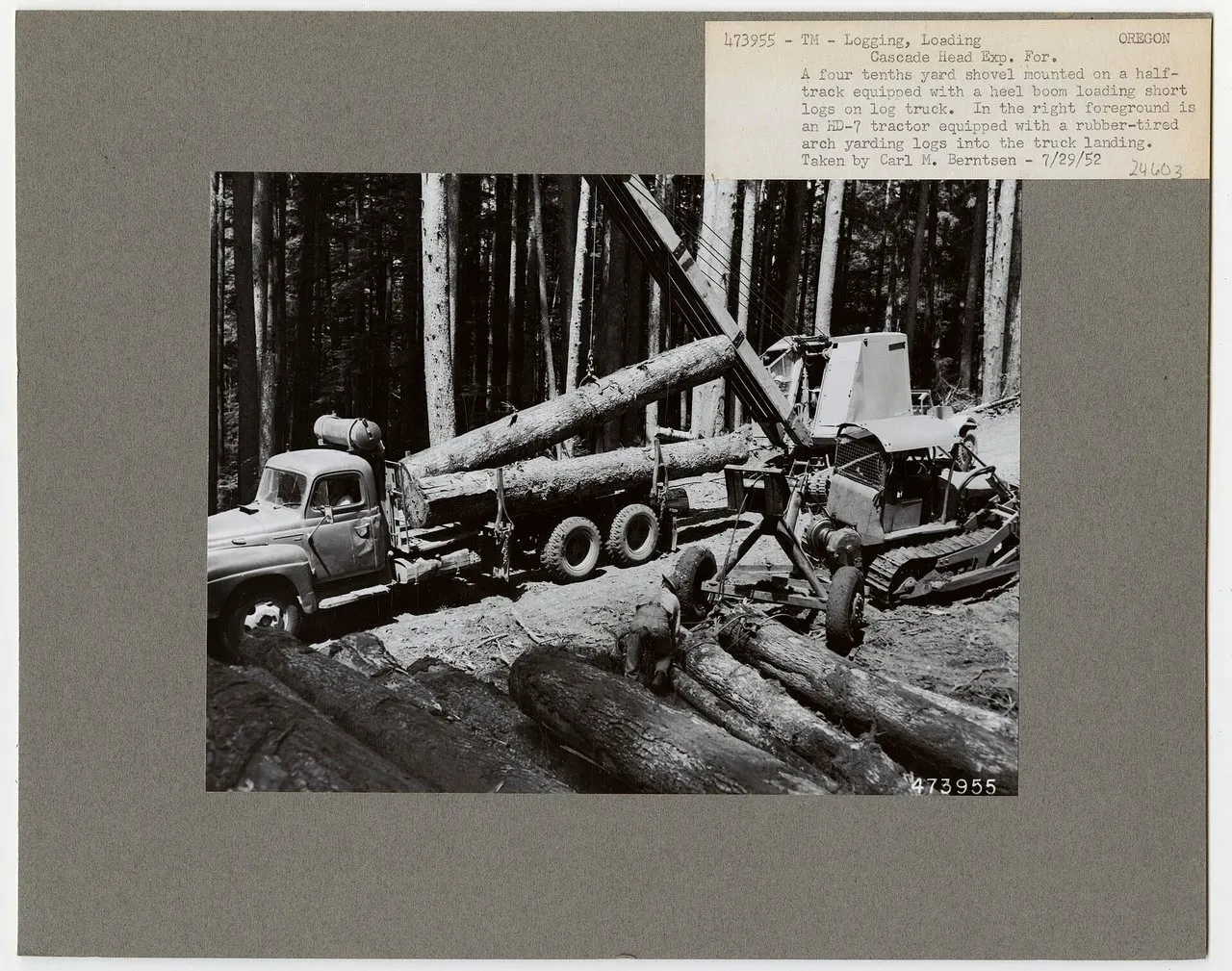
Logging is one of the main pressures on the Sierra Madre forest, and it has shaped the range for many years. Trees are cut for timber and for land, and once a slope is opened up, more clearing often follows. The range is legally protected, yet cutting goes on, and the yearly losses show the gap between the law and the ground. That gap is at the heart of this story. See a story of quiet strength and faith for more on holding steady through hard times.
Farms and New Land Uses Push Into the Forest
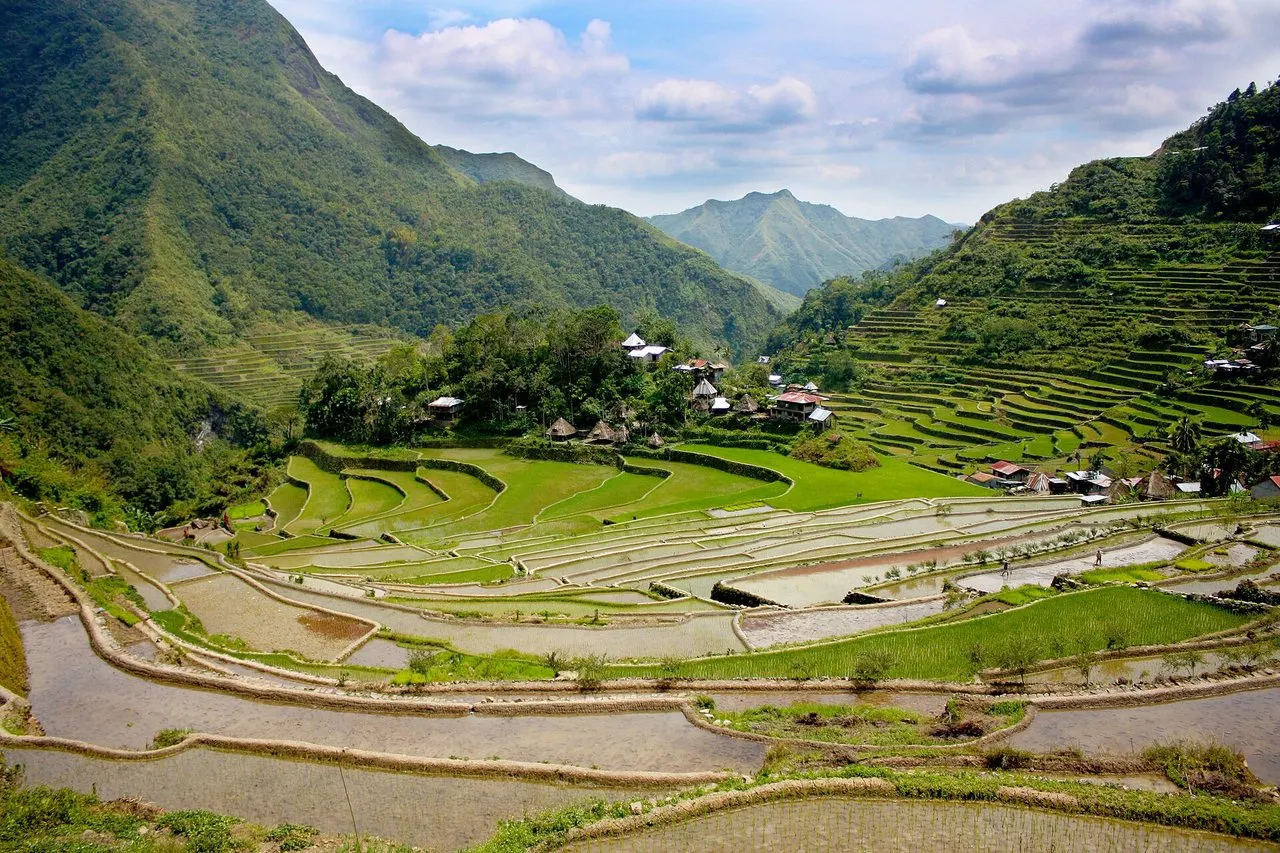
Farming is another force pushing into the forests of the Sierra Madre. As families look for land to grow food, fields and crops move further up the slopes and into wooded areas. Land conversion turns forest into farms, homes and other uses, and each change takes away habitat that cannot be quickly replaced. The pattern is familiar in many parts of the world where people and forests share the same land. Learn about a 1959 helicopter photo said to show a giant snake in our other reports.
Quarrying Cuts Into the Mountainsides
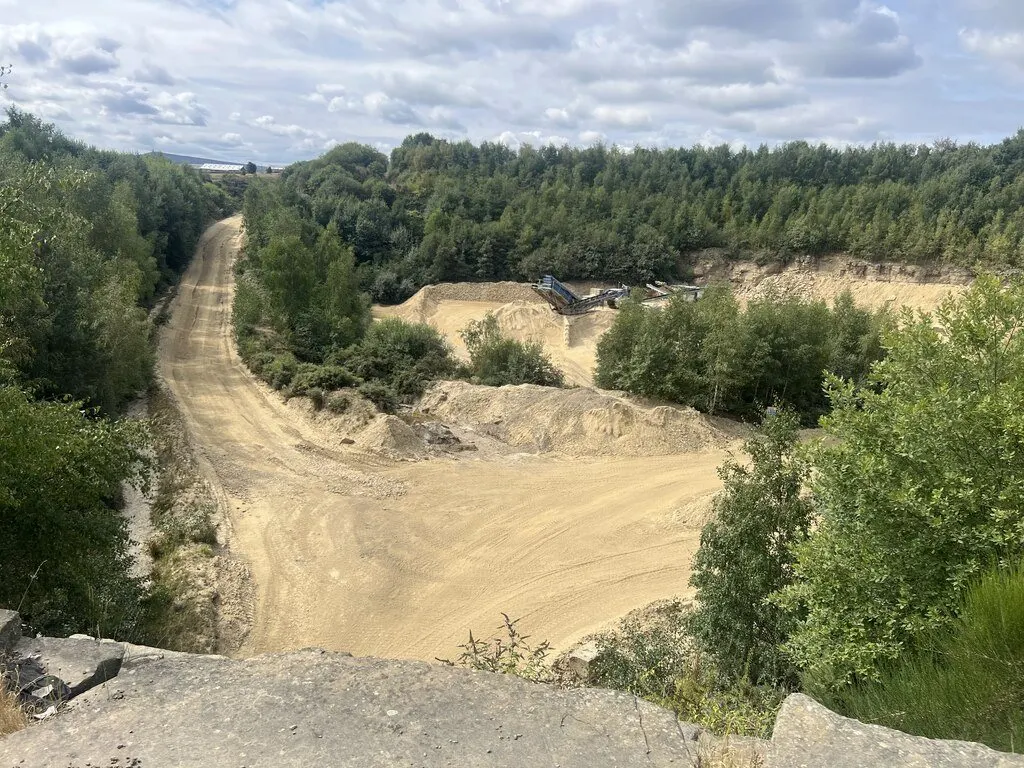
Quarrying adds to the pressure on the Sierra Madre by cutting stone and rock from its slopes. Quarries open wide scars in the hillside, and the dust, noise and heavy trucks change the land around them. Once a quarry is dug, the forest that stood there is gone, and the ground is left bare and hard to restore. It is one more reason the range keeps losing ground each year. For more on strange stories from far away, read the Congo snake mystery.
Home of the Philippine Eagle
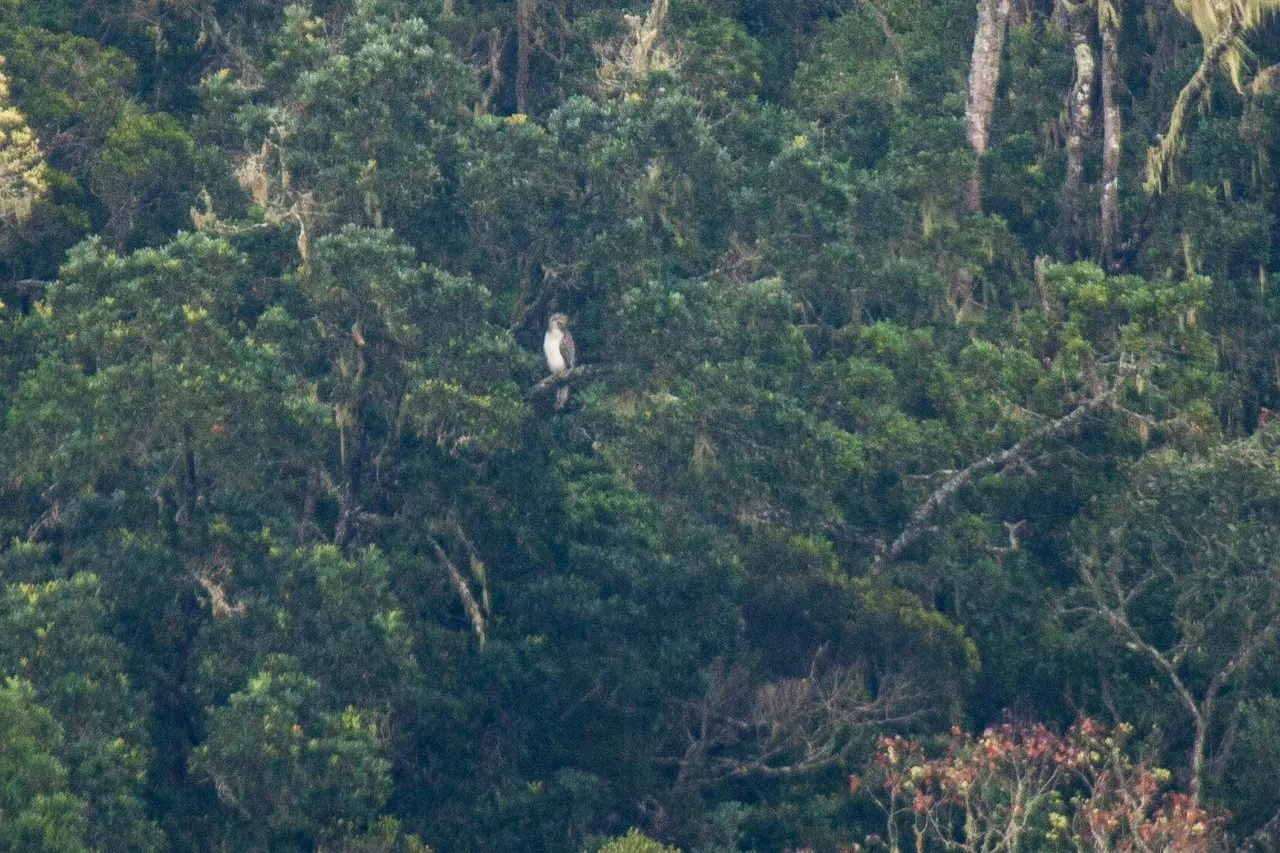
The Sierra Madre is home to the Philippine eagle, one of the rarest and most striking birds of prey in the world. Its scientific name is Pithecophaga jefferyi, and it is listed as critically endangered. The eagle needs large areas of forest to hunt and nest, so every hectare lost makes its home smaller. Protecting the range means protecting a bird that lives almost nowhere else on Earth. See Anaka the gorilla at Zoo Atlanta for more on rare animals and the people who care for them.
Sierra Madre Forest Wildlife Found Nowhere Else
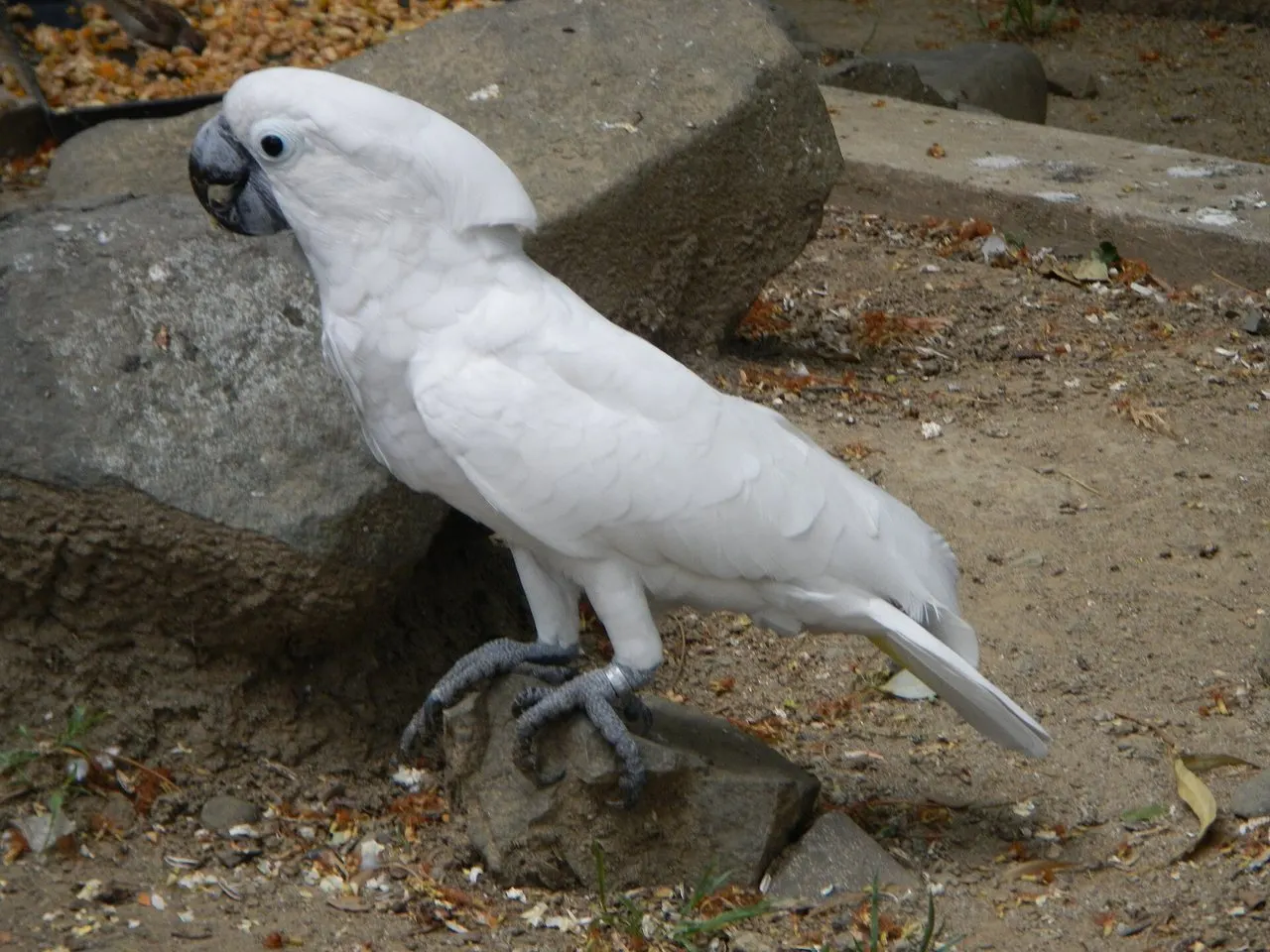
Beyond the eagle, the Sierra Madre forest holds many species that live only in the Philippines. Its forests hold wildlife found nowhere else, from birds to frogs and small mammals. When a patch of forest is cleared, the animals that depend on it have nowhere to go, and some may vanish before they are studied. That loss is quiet, but it is real. Read a story about a vet who keeps saving animals in Gaza for more on care for animals in hard times.
Forests That Guard the Watersheds
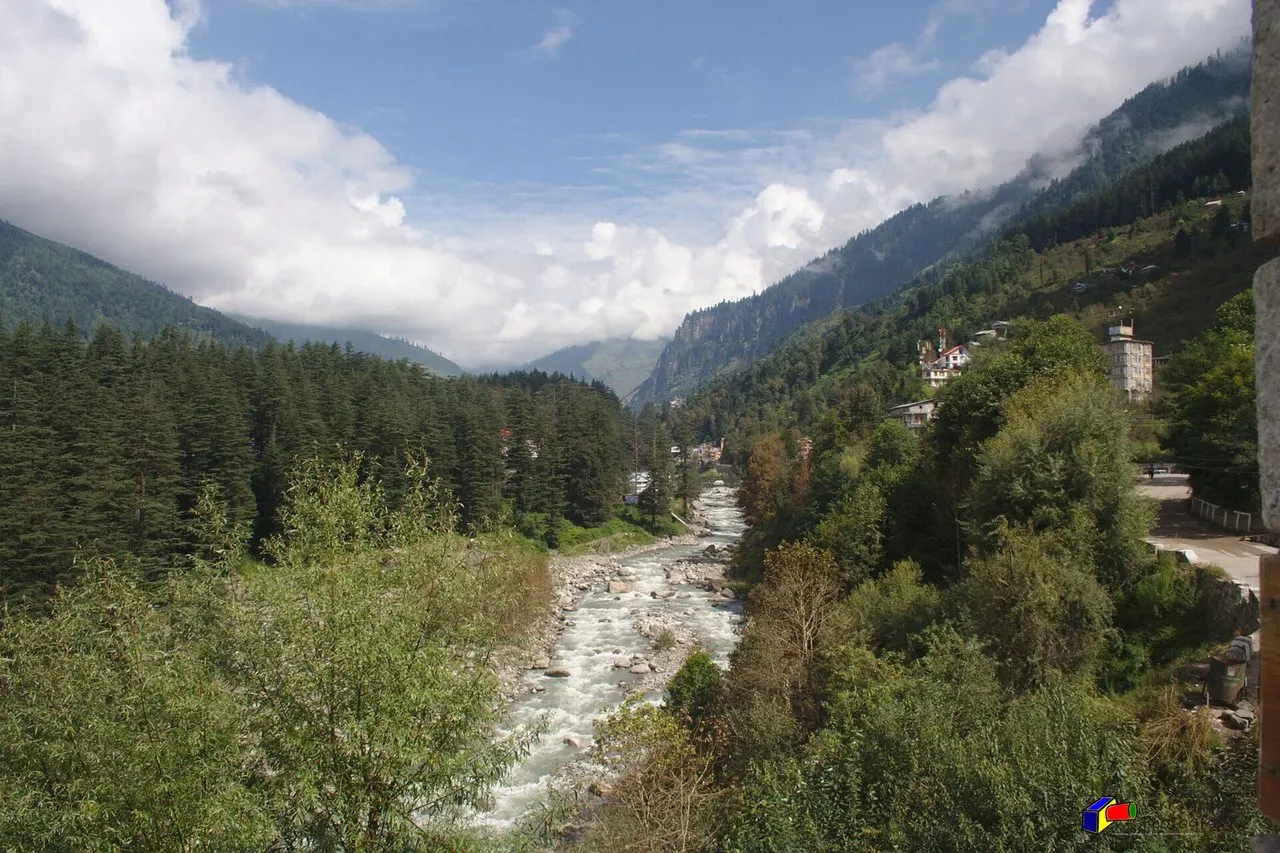
The forests of the Sierra Madre help protect the watersheds that supply towns and farms across Luzon. Trees and plants absorb rainfall, slow surface runoff and let water seep into the ground, which keeps rivers flowing in dry months. When forests are cleared, rain runs off faster, rivers can turn muddy, and the risk of erosion and some flooding grows. Healthy forests act like a sponge for the whole region. Learn about whether data centers should share their water use in our other stories.
Sierra Madre Forest Soil Holds the Hills Together
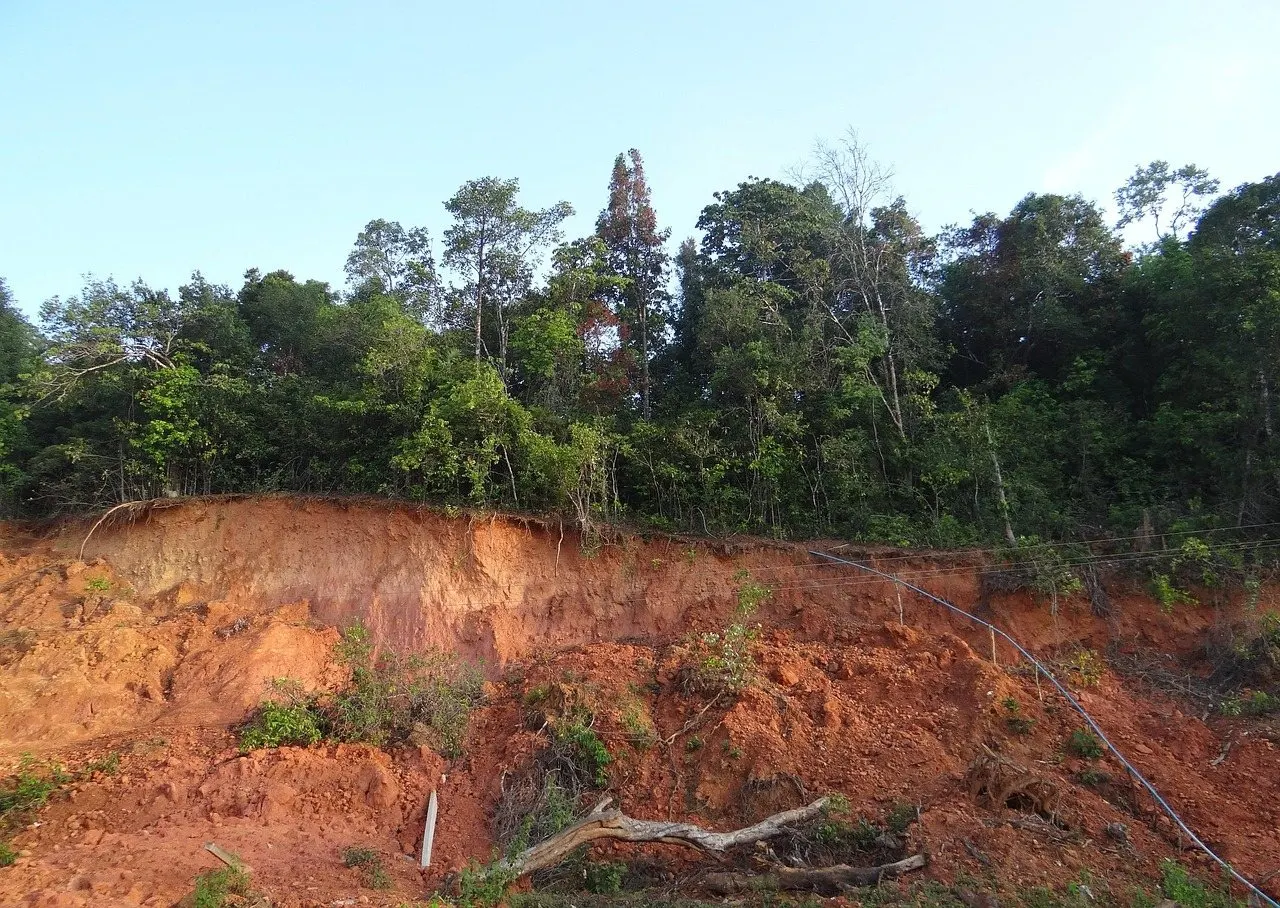
Tree roots hold the soil of the Sierra Madre forest in place and protect whole hillsides. When trees are cut, the soil loses its grip, and heavy rain can wash it down the slopes into rivers and fields. The result is more sediment in the water, poorer ground for farming and a greater chance of landslides in steep areas. Keeping trees standing is the cheapest way to keep the land steady. See one woman’s story of rising stronger each day for more stories of strength and support.
A Natural Shield That Softens Typhoons
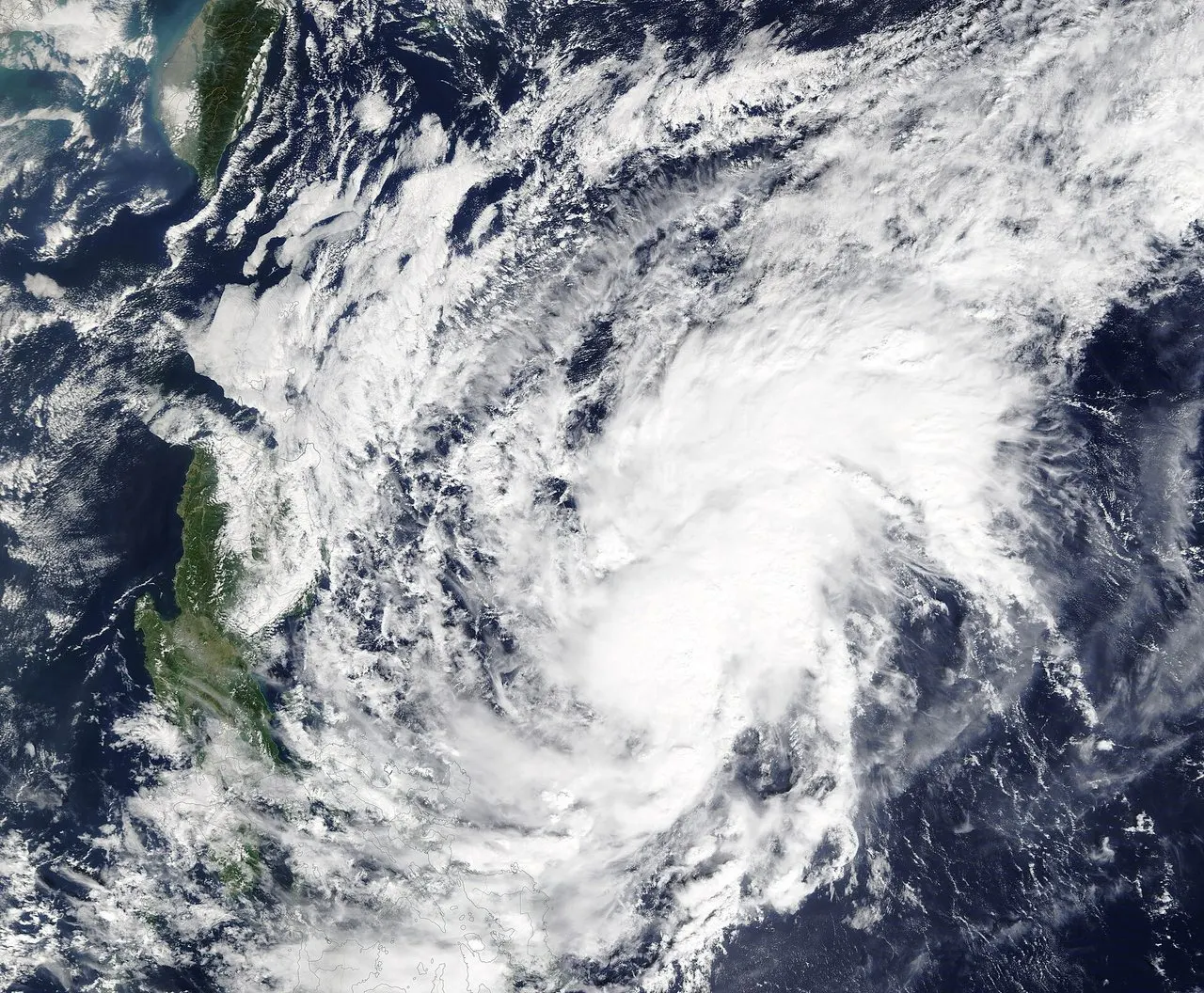
The Sierra Madre also helps soften the force of typhoons that reach Luzon from the Pacific. Its high ridges can slow the winds and break up the storm as it crosses the range, easing the blow for towns beyond it. The range cannot stop a typhoon, but its forests and height still take some sting out of the storm. Losing forest weakens that natural shield. Read our story on the longest Air Force One flight in history for more on big journeys and big disputes.
Protected by Law Since Republic Act 9125

The Sierra Madre forest is legally protected under Republic Act 9125, a law that sets out protection for the mountain range. The law gives the range a formal status that should limit logging, quarrying and land conversion inside its bounds. On paper, the forest has the backing of the state, and its protection is written into national law. Why has the clearing kept going despite that legal shield? For more on laws and the people behind them, see a push to impeach Trump as early as January.
Sierra Madre Forest Rangers and a Proposed Authority
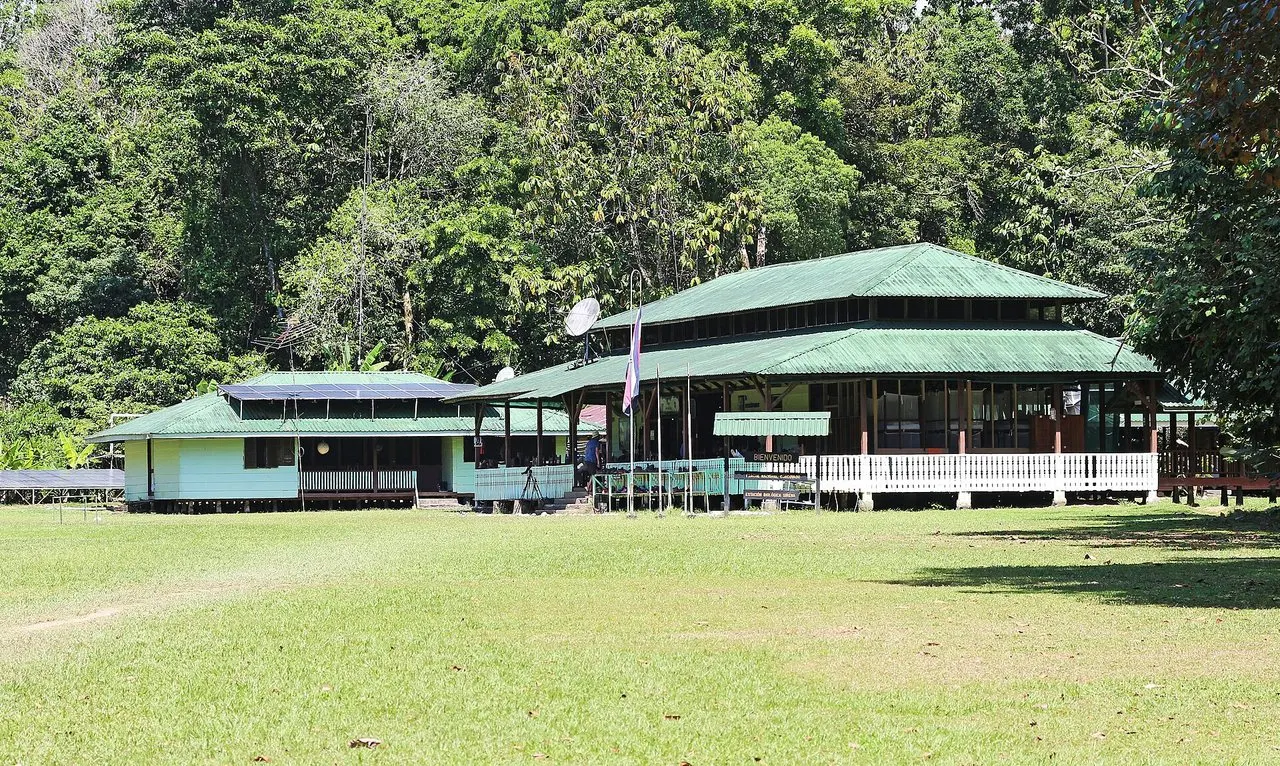
The Philippine Information Agency has reported that the environment department supports a proposed Sierra Madre Mountain Range Authority, a body that would focus on the range as a whole. Such an authority could bring together the towns, agencies and guards who watch over the forest, and give them a clearer plan to follow. Rangers and local guards already patrol parts of the range, but a single body could help them work as one team. Read a wildlife care center that saved animals after a fire for more on the people who guard wildlife.
Why Legal Protection Has Not Stopped the Clearing
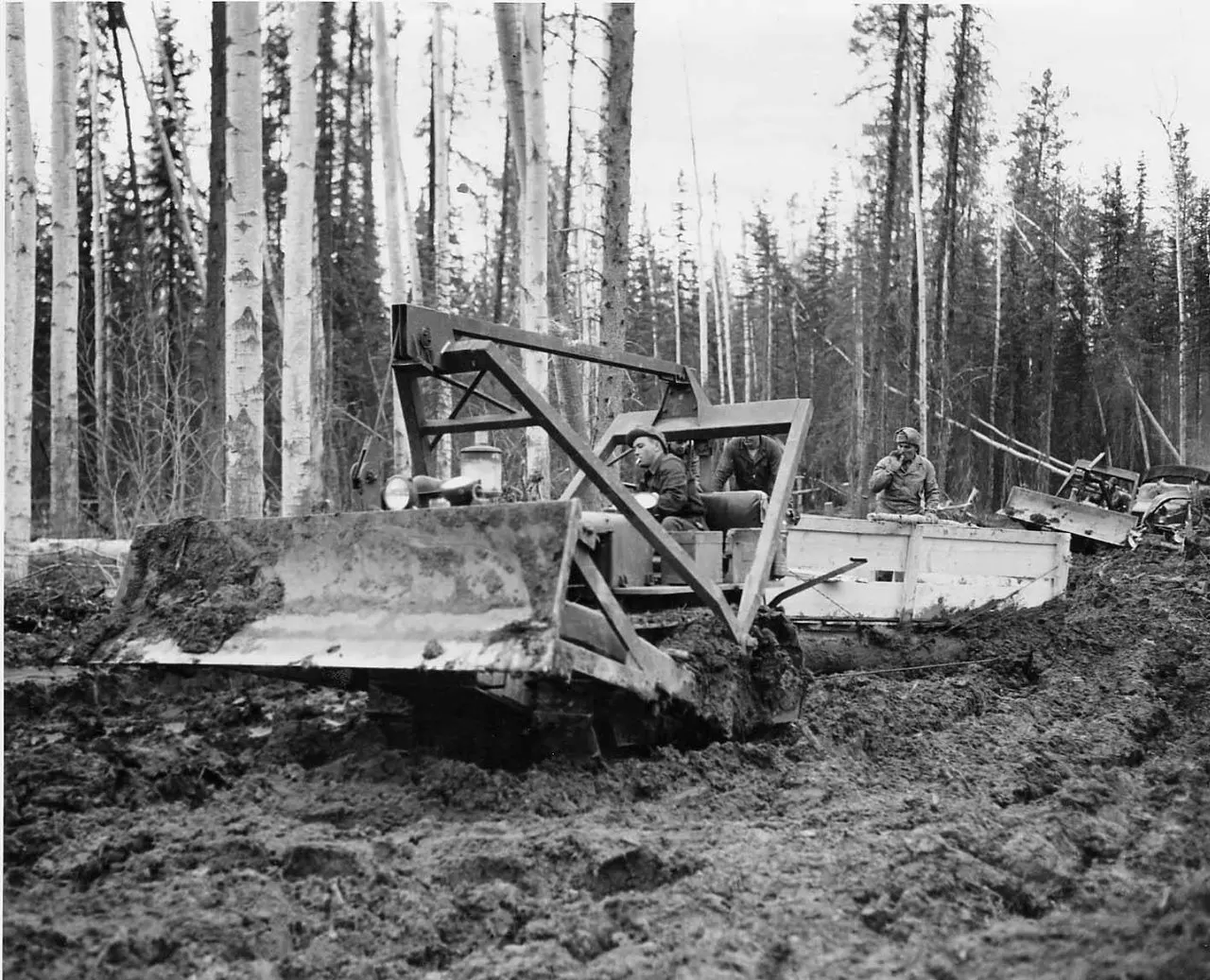
A law alone cannot guard a mountain range this size, and that is the hard lesson of the yearly loss figures. Patrols are thin across such a vast area, and logging, farming and quarrying can move faster than the guards who track them. Markets for timber and land also keep the pressure high, and local needs can clash with national rules. Until enforcement catches up with the law, the clearing is likely to go on. See the Congo snake mystery in our other reports.
Reading the 9,000 Hectare Figure With Care
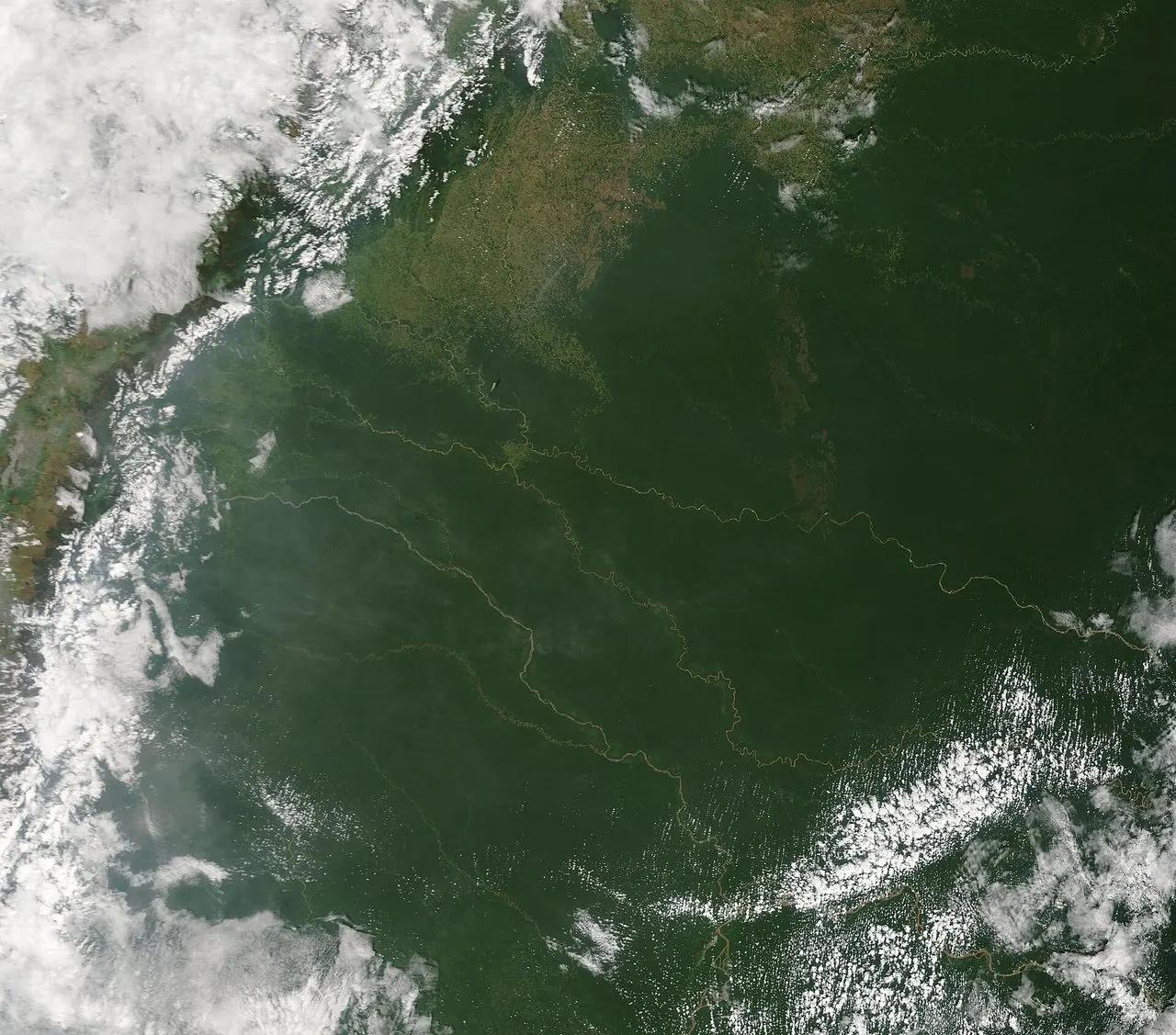
The figure of 9,000 hectares a year should be read with care, since it may come from an earlier assessment rather than the latest satellite based measurements. Forest loss figures can change as new surveys arrive, and older estimates can stay in circulation long after they were made. That does not mean the problem is small, only that the exact number deserves a careful look. The wider story of steady loss is clear from many sources. Learn about how much water data centers use in our other stories.
Sierra Madre Forest Habitats Full of Rare Life
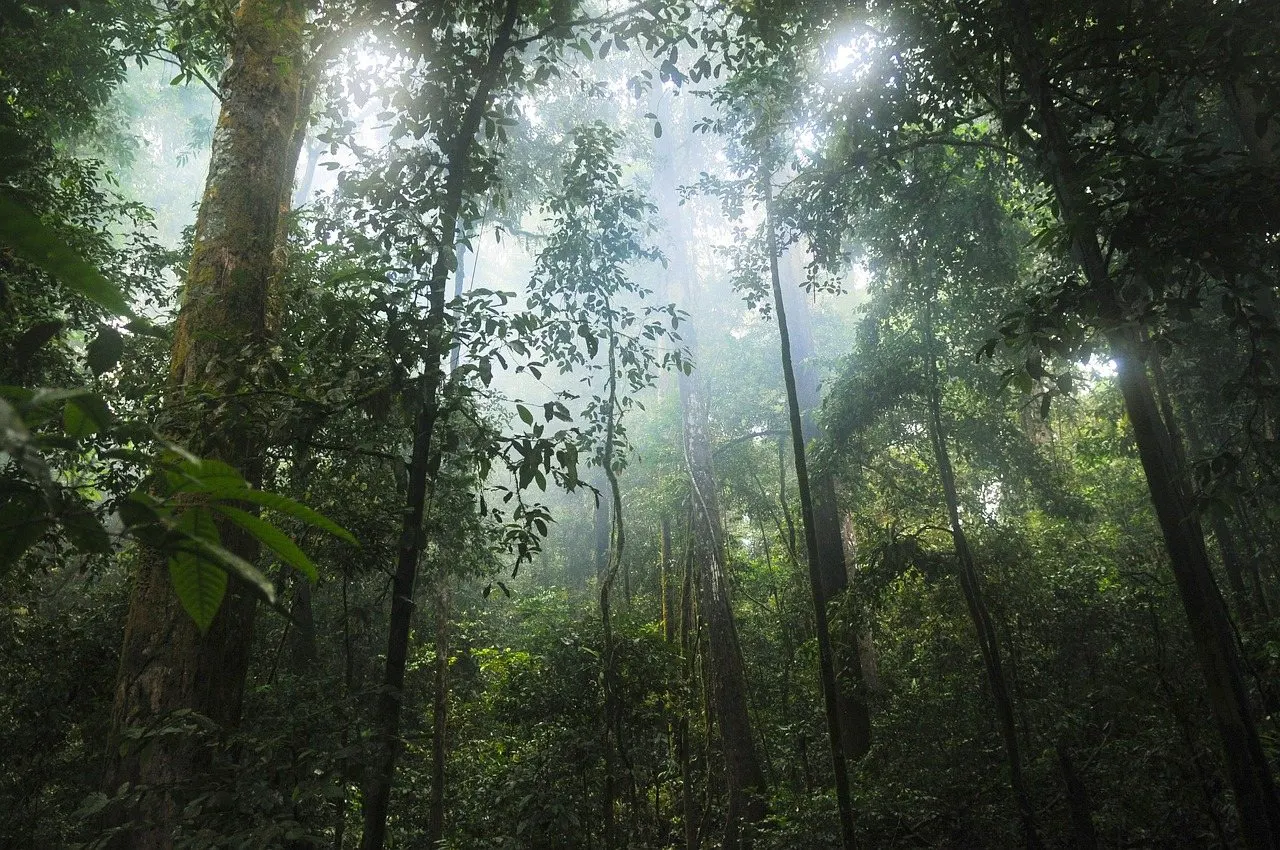
The Sierra Madre forest holds some of the most important remaining forest habitats in the Philippines, and its green canopy shelters life at every level. Tall trees shade the ground below, where ferns, orchids and young saplings grow in the damp light. Birds call from the branches, and insects and small animals work through the leaf litter. Each layer of the forest supports the next, and clearing one layer weakens them all. Read a veterinarian caring for animals in Gaza for more on care and courage.
How the Range Shapes Local Weather
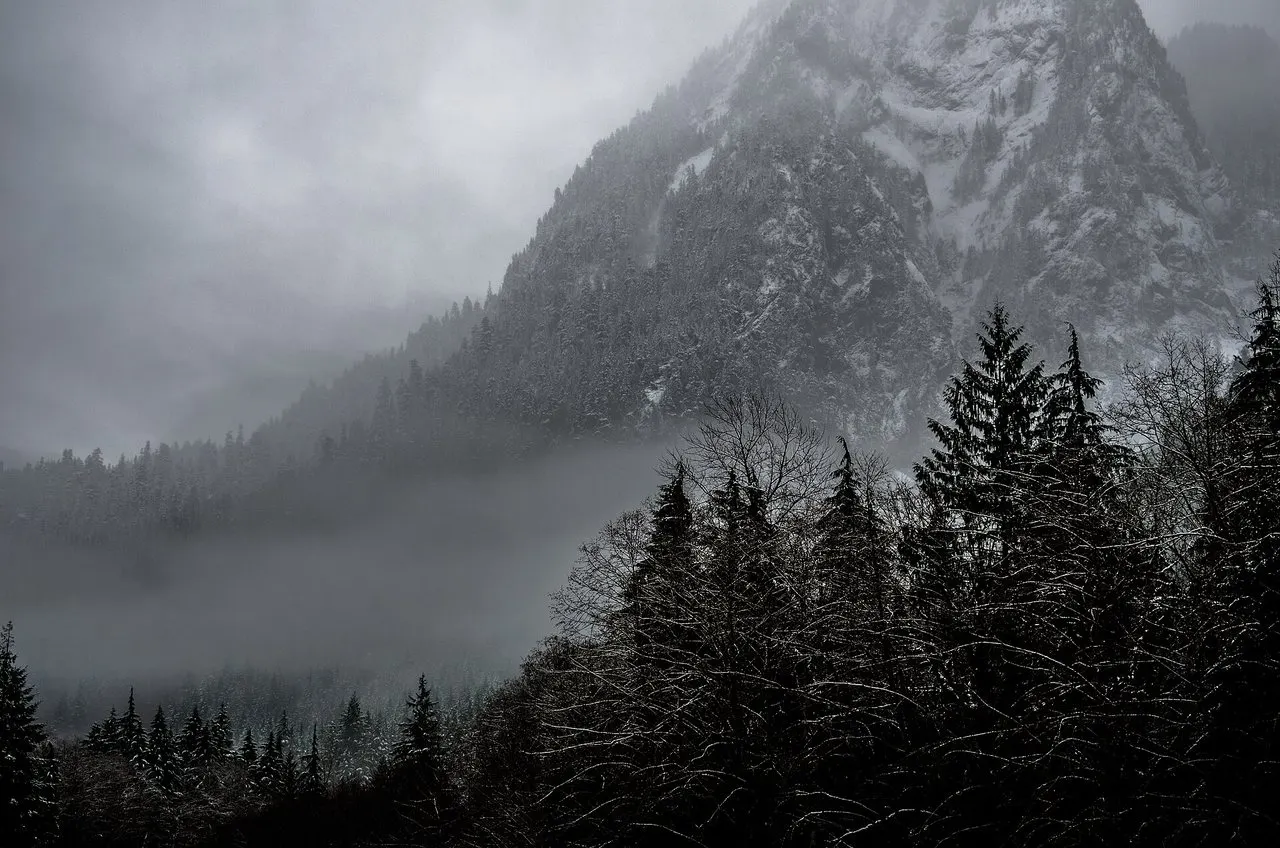
The Sierra Madre also shapes the weather of the places around it, since high ground changes how wind and rain move. Moist sea air rises over the ridges, cools and drops rain on the slopes, feeding rivers and keeping the forest damp. That cycle helps farms and towns that sit in the shadow of the range. When forest is lost, the local climate can shift in small ways that add up over time. See a story about facing storms alone and rising again for more on weathering hard times.
Sierra Madre Forest Communities Living Beside the Range
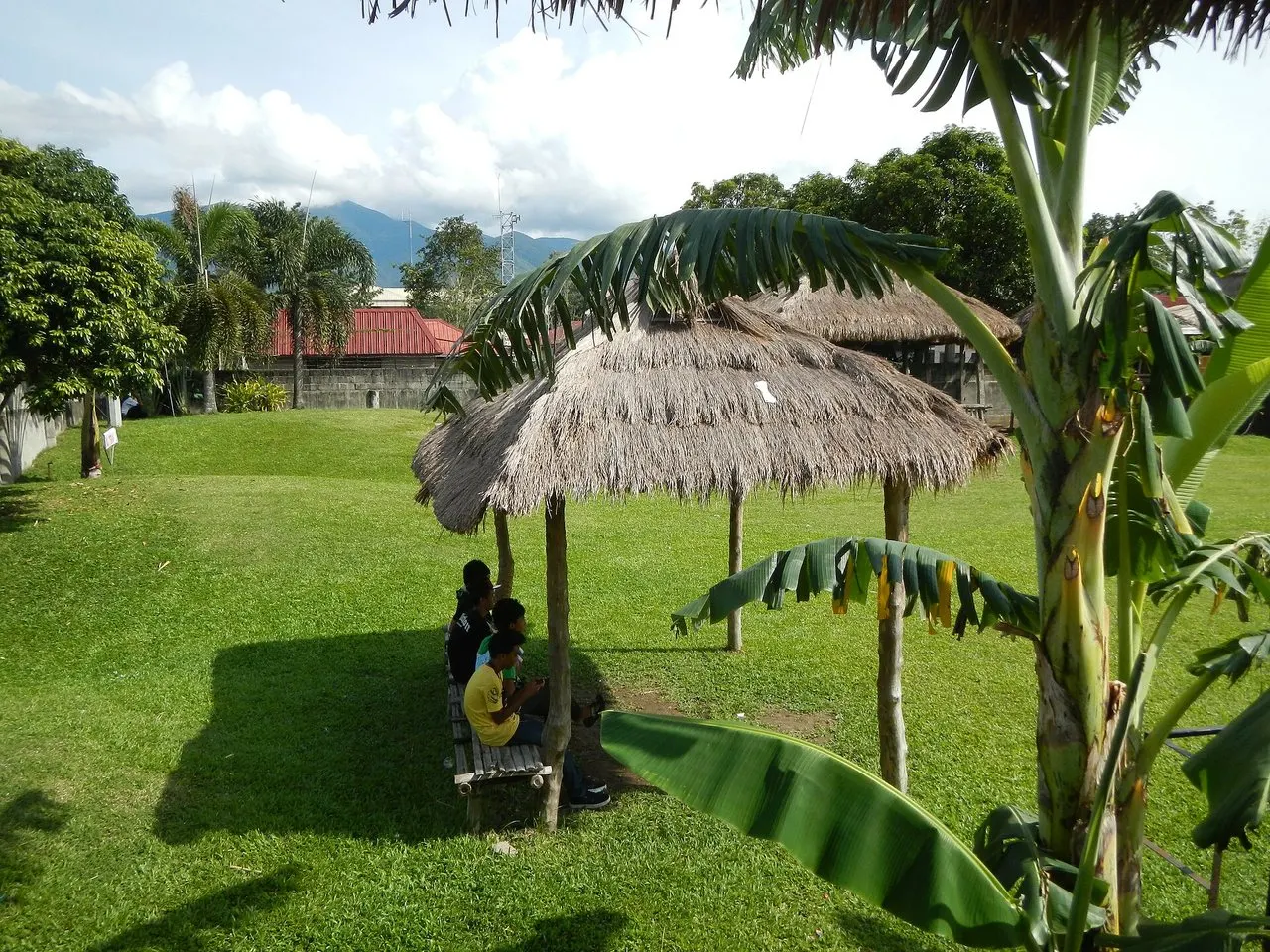
People live beside the Sierra Madre forest in towns and villages across northeastern Luzon, and their lives are tied to it. They gather food, fetch water and earn a living from the land, and they feel the harm first when forests thin and rivers run muddy. Continued loss can raise their risks from erosion, floods and storms, and take away the resources they rely on. Their future and the forest’s future are one story. Read a 15-hour nonstop flight on Air Force One
Planting, Guarding and Giving the Forest a Future
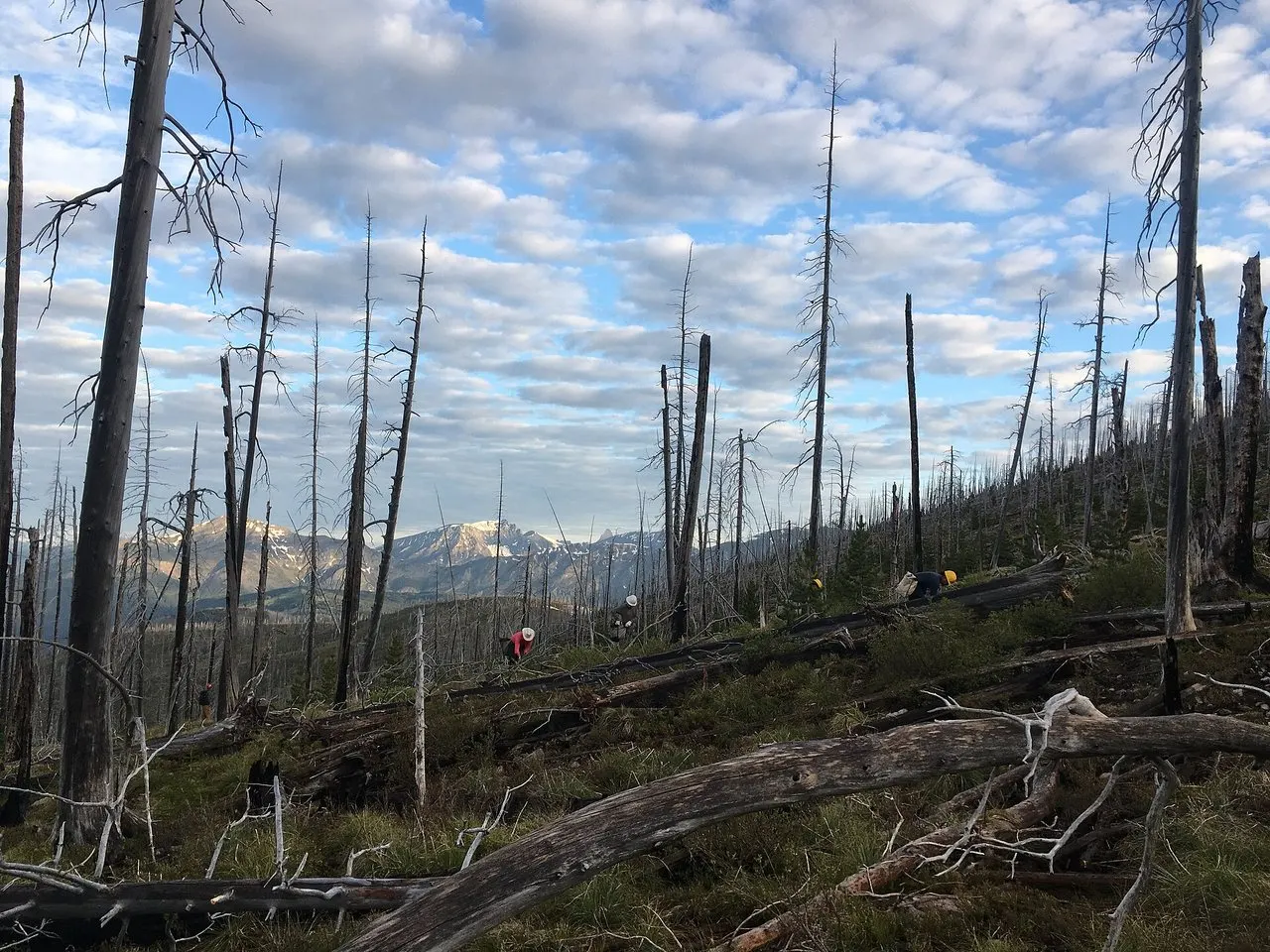
The Sierra Madre forest can still be helped, and the work starts with planting, guarding and giving young trees time to grow. Replanting cleared slopes, stopping new quarries in sensitive spots and backing the rangers who patrol the range would all slow the loss. A proposed range authority could help by joining up the many groups that care about the forest. The range has survived this long because people kept standing up for it. See the third attempt to remove Trump from office for more on hard fights and firm rules.
What Should Happen Next for the Sierra Madre Forest?
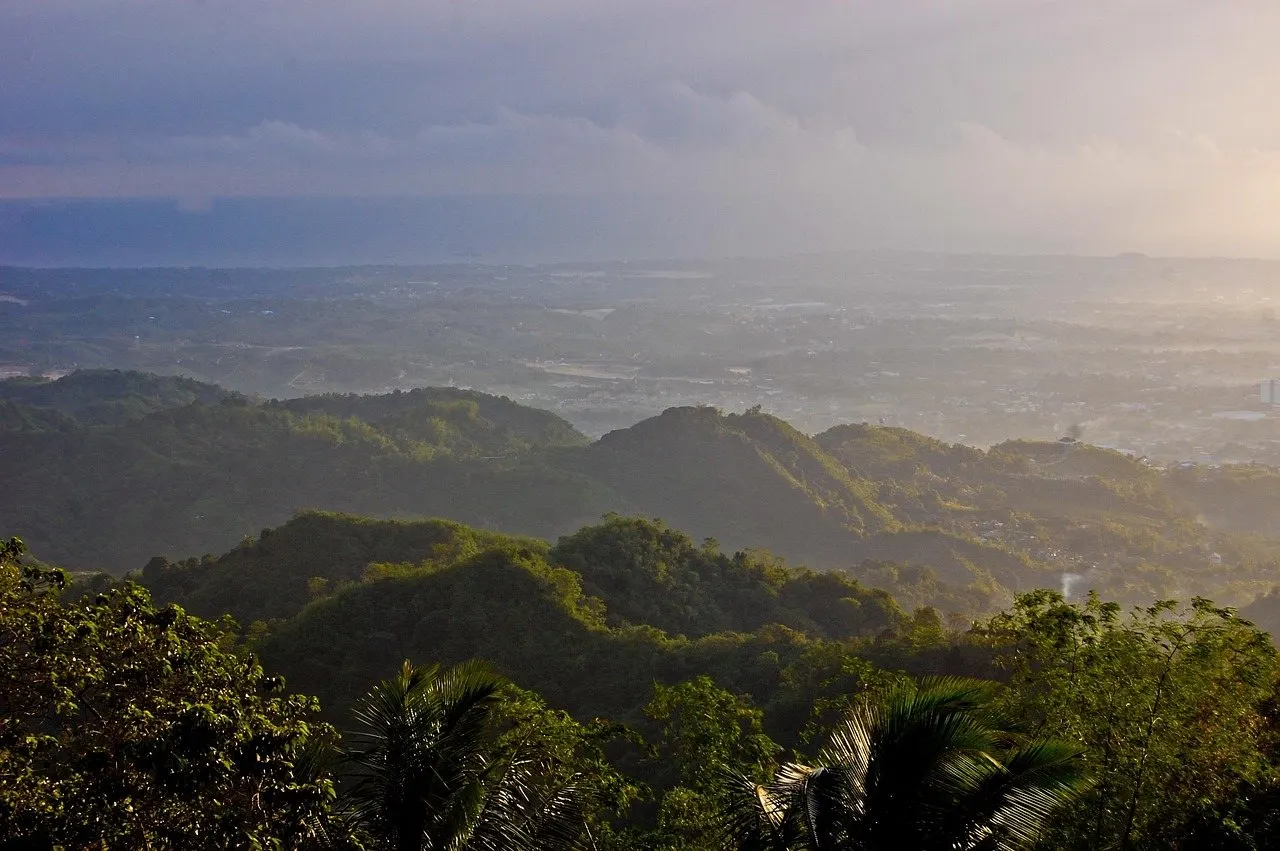
The Sierra Madre forest has lost about 9,000 hectares a year, yet it still stands as the longest range in the Philippines and a home for rare wildlife. Its forests guard watersheds, steady the soil and soften typhoons, and the law already calls for its protection. The next step belongs to all of us, from rangers and officials to the people who live beside it. What do you think should happen next to save this range? Share your thoughts in the comments and read Democrats and a possible January impeachment move.