
Trump Third Impeachment Talk Begins as Democrats Win the House

Trump third impeachment talk is back in Washington after Democrats won control of the House of Representatives in the November 2026 midterm elections. NBC News projects the party will hold about 255 seats when the new Congress begins on January 3, 2027, far more than the 218 needed for a majority. That win gives Democrats the power to pass articles of impeachment with a simple majority vote, and some in the party have vowed to try for a third time. The question now is whether the leadership will follow through or hold back.
In the slides ahead we look at the House win, the Senate math, the two men at the center of the debate, and what history says about a third try. Removal would still need 67 votes in the Senate, where Democrats hold at least 54 seats, so the road is steep even with a House majority. For background on the leaders involved, read our report on the vote that made Hakeem Jeffries speaker.
References:
NBC News: Democrats win control of the House and vow to keep Trump in check
The Times: Impeaching me would destroy you, Trump tells victorious Democrats
LADbible: When Donald Trump could potentially be impeached after Republican wipeout in midterm elections
Brussels Reporter: Democrats seize control of Congress in major midterm upset
The Night Democrats Won the House

NBC News called the race on election night, November 3, 2026, as Democrats crossed the 218 seats needed for a majority and kept climbing toward about 255. Voters delivered a sharp rebuke to President Donald Trump and the Republican Party, and the result means Trump will face divided government for the first time in his second term. Democrats needed only three more seats. See how the new power could be used in our report on Raskin taking charge of the Judiciary Committee and read about another clash over a nominee in the Senate hold on a Trump cyber pick.
What 255 Seats Really Means

A majority in the House needs 218 seats, so about 255 seats gives Democrats room to lose votes and still pass bills, launch investigations and set the agenda. It is one of the largest Democratic majorities in nearly two decades, and later counts put the total at 258. The party flipped more than two dozen Republican seats, from Pennsylvania and New Jersey to Kentucky, Arizona and North Carolina. The size of the win shapes everything that follows, including the Senate vote on war powers against Iran and the fight over whether senators keep their pay during a shutdown.
January 3, 2027 Is When Trump Third Impeachment Talk Could Turn Real

The new Congress begins its session on January 3, 2027, and that is the earliest date Democrats could begin impeachment proceedings with their new majority. On that day the party takes control of the committees in both chambers, picks the Speaker and sets the legislative agenda. From then on, articles of impeachment could be introduced whenever party leaders decide to move. The date is circled on every calendar in Washington, as the wait ends and the standoff over another shutdown vote gives way to the bigger question of what Speaker Jeffries will do first.
How Impeachment Works in the House
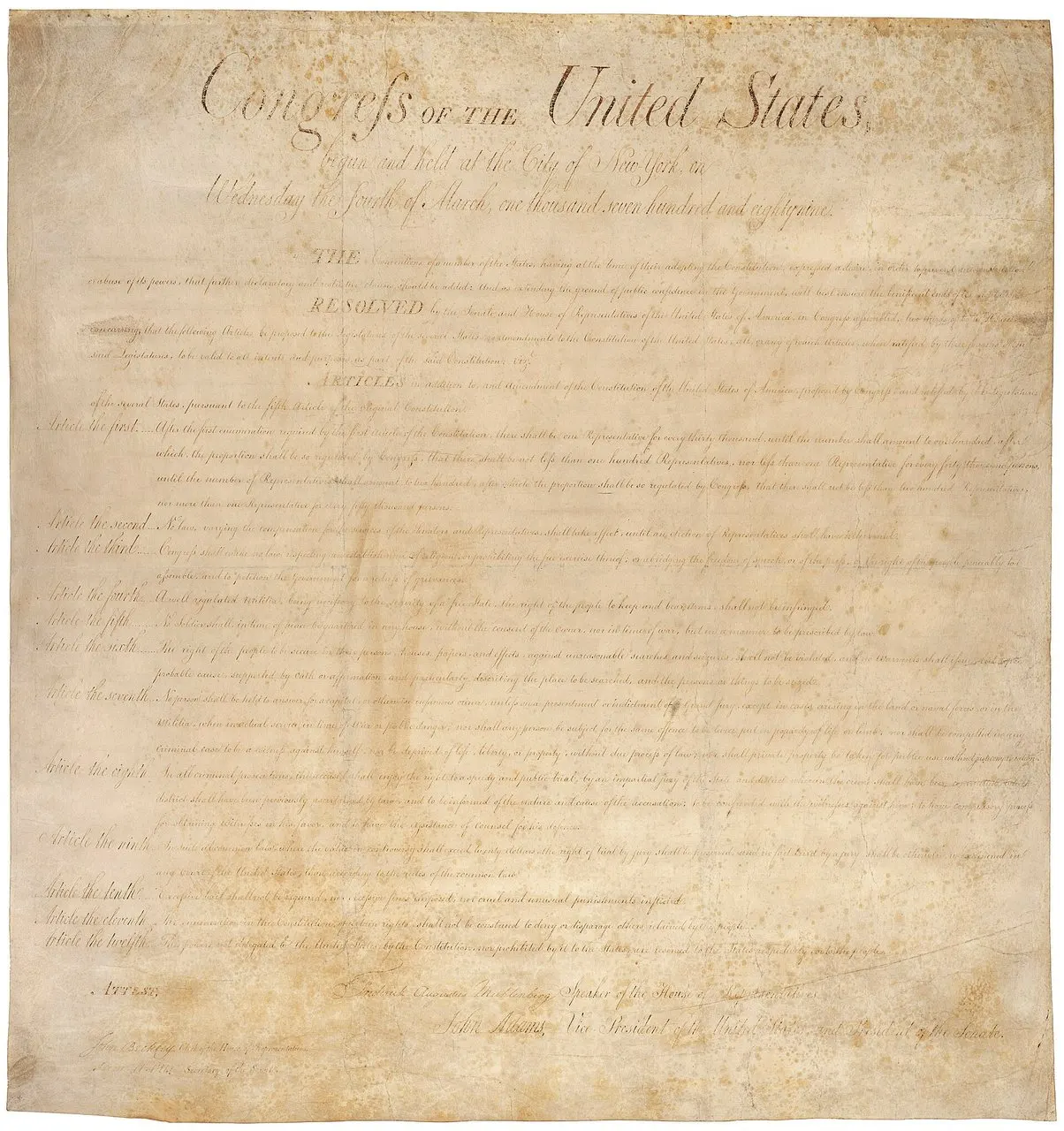
Impeachment starts in the House of Representatives, where a simple majority vote is enough to approve articles of impeachment against a president. The House acts like a prosecutor, laying out the charges, and no Republican votes are needed when Democrats hold about 255 seats. Once the House votes to impeach, the case moves to the Senate for a trial. The rules are simple, which is why a trial in another country drew sharp questions about fairness while here the debate is about a courtroom moment that showed how tense these hearings can get.
Trump Third Impeachment Faces the Senate Wall of 67 Votes
Impeachment in the House is only half the job, because removing a president needs a two-thirds vote in the Senate, which means 67 votes. Democrats hold at least 54 Senate seats, so they would need at least 13 Republicans to join them, a very steep climb. That is why many analysts say a third impeachment is possible in the House but removal is unlikely. The Senate math decides everything, from the war powers vote that split the chamber to the question of whether old promises about standing up to strongmen still hold.
Democrats Hold at Least 54 Senate Seats

Democrats flipped seven Senate seats on election night, in Iowa, Kansas, Ohio, Maine, North Carolina, South Carolina and Texas. In Kansas, Adam Hamilton became the first Democrat elected to the Senate from the state since 1932, and in Texas, James Talarico won the first Democratic Senate race there since 1988. Sherrod Brown returned in Ohio, and Annie Andrews won in South Carolina. The wins give Democrats at least 54 seats against 44 for Republicans. The scale of the sweep recalls the warning Liz Cheney gave Republicans about lasting dishonor.
Jeffries and the Trump Third Impeachment Question

House Democratic leader Hakeem Jeffries has not committed to impeachment, telling reporters, We have not ruled anything in, and we have not ruled anything out. His careful words leave every option open while he balances a large new majority with different views inside the party. Some members want fast action in January, while others want the party to focus on prices, health care and jobs first. Jeffries will have to choose, and his choice will shape the next two years, as seen in the vote that made him the first Black Speaker.
Trump Third Impeachment Would Land on Speaker Jeffries Desk

House Democrats voted 251 to 11 to make Hakeem Jeffries the first Black Speaker ever, and he will take the gavel when the new Congress begins on January 3, 2027. Jeffries has four priorities as Speaker, reversing the cuts to Medicaid, extending the Affordable Care Act credits, restoring congressional authority on tariffs and stopping the war with Iran. Impeachment is not on that public list, but the power will sit in his hands. His rise is covered in our report on the Judiciary chair who will work beside him.
Raskin Is Ready to Lead the Judiciary Committee

Maryland Representative Jamie Raskin served as a prosecutor during the second impeachment trial of Donald Trump, and he is now positioned to lead the House Judiciary Committee. That committee is where any impeachment case would begin. Raskin knows the process from the inside, and he has argued for years that Trump has committed offenses deserving impeachment. His role makes him one of the most important figures in Washington next year, as the fight over a blocked cyber nominee both showed how fast power can shift.
Raskin Calls Impeachment Constitutional Self-Defense

Raskin has described impeachment as a critical tool in the toolbox for constitutional self-defense against a president acting like a king, an imperious, lawless, arrogant king. His words frame impeachment as a duty rather than a punishment, a way for Congress to defend the Constitution when it believes a president has gone too far. That argument will be heard again and again if the Judiciary Committee opens hearings in January. The debate over presidential power also runs through the peace deal Trump brought to the White House.
Trump Third Impeachment Would Be a First in History

Donald Trump is already the only president in American history to be impeached twice, in 2019 and again in 2021, and both times the Senate voted to acquit him. A third impeachment would make him the first president ever to face the process three times, a mark no other leader has come close to. The fact that it is even being discussed shows how far the divide in Washington has grown. History puts the moment in context, from the longest Air Force One flight in history to the silent shrug in Berlin that spoke volumes.
The First Impeachment, in 2019

The House first impeached Trump in December 2019 on charges of abuse of power and obstruction of Congress, over pressure on Ukraine to investigate a political rival. The Senate held a trial in early 2020 and voted to acquit him, with only one Republican voting to convict on one charge. The case set the pattern for the fights that followed. It remains a reference point today, much like the Kentuckian who posts about Trump so he will not be invited to reunions.
The Second Impeachment, in 2021

The second impeachment came in January 2021, days before Trump left office, on a charge of inciting insurrection after the attack on the Capitol on January 6. The House voted to impeach him a second time, and the Senate trial took place after he had already left office. The Senate voted 57 to 43 to convict, short of the 67 votes needed, so he was acquitted again. Raskin led the prosecution in that trial, which is why his voice carries weight now, alongside the meeting where Obama sat down with dictators.
Trump Third Impeachment Warning to Victorious Democrats

The Times reported that Trump warned Democrats against impeaching him for a third time, saying it would destroy the Democratic Party because the country was more successful now than at any time in its history. Speaking the day after the election, he said he was not even a little bit concerned about being impeached, and he called the idea impeachment for no reason. His defiant tone set the mood for the fight ahead, a mood also seen in the Republican who accused Trump of corruption at the Press Club.
What Trump Said the Day After the Vote

On November 4, Trump spoke to reporters outdoors at a construction site, wearing a dark suit and an American flag pin, and answered questions about the losses. He said he had spoken to some Democrats the night before and was willing to work with the new majority. He also said that if he had been on the ballot, his party would have won in a landslide. The remarks mixed defiance with an offer to deal, a mix also found in the UN vote America abstained from.
What Could the Charges Be This Time

LADbible reported that a third impeachment could focus on claims that Trump abused presidential powers or broke the Constitution, including the decision to launch military strikes against Iran without approval from Congress. The handling of the Jeffrey Epstein files could also come under investigation, along with claims that federal agencies were used against political opponents and court orders on immigration were defied. Any of these could become an article of impeachment in January, a prospect that recalls the small first lady staff that saved taxpayers millions.
Trump Third Impeachment Was the Warning Republicans Gave Voters

Before the election, Republicans warned voters that Democrats would move to impeach Trump soon after taking the House. House Speaker Mike Johnson told voters that impeachment would come quickly, and West Virginia Senator Shelley Moore Capito predicted it would become the Democrats number one issue in 2027 if they won. The warnings did not stop the Democratic wave, and now the question is whether the prediction comes true. The same kind of warning was heard in the bill to stop senators getting paid during shutdowns.
Johnson Steps Aside After the Loss

After the scale of the defeat became clear, House Speaker Mike Johnson announced plans to step aside rather than seek the post of minority leader. The decision opened a race for the Republican leadership, with Majority Leader Steve Scalise and Representative Jim Jordan both entering the contest to lead the party in the chamber. Leadership elections were set for November 10, with candidates required to declare by November 6. The shake-up shows how much one night can change, a lesson also found in the fierce debate over the Gaza remarks.
The Senate Wins Behind Trump Third Impeachment Talk

The Senate result was built on wins in states where Democrats had struggled for decades. In Texas, James Talarico defeated a Trump-backed candidate, and in Kansas, Adam Hamilton won the first Democratic Senate seat there since 1932. Democrats also flipped seats in Ohio, Iowa, North Carolina, South Carolina and Maine, a net gain of seven seats. Two races, in Alaska and Mississippi, were still uncalled as counting went on. The sweep changed the map, and the surprises keep coming, like the mystery of the giant with the huge round head.
Why Voters Turned Against the President

The election was read as a referendum on Trump, whose approval rating had dropped to 38 percent on election day, the lowest for any president since 2008, according to NBC News. About six in ten voters in House races disapproved of his performance, and strong disapprovers backed Democrats by 89 points. The cost of living was the top concern, along with tariffs, immigration and the war with Iran. The message from voters was plain, and it echoes the White House vote to name the Thanksgiving turkeys.
What Democrats Plan to Do First

Jeffries has named four items he wants to carry out as Speaker, and they will come before any impeachment vote. The list starts with reversing the cuts to Medicaid, then extending the Affordable Care Act credits that help families pay for health care. Next comes restoring the authority of Congress over tariffs, and finally stopping the war with Iran. Voters will judge them on delivery. The promises are simple, like the vow to a mother about never paying a bill again.
Subpoenas and Investigations Are Coming

Winning the House gives Democrats something just as powerful as impeachment, the subpoena. Committee chairs will be able to demand documents, call witnesses and hold public hearings into pardons, firings and the use of federal agencies. Raskin has already signaled that the Judiciary Committee will open investigations into Trump pardons and firings, and other committees will follow. Even without a vote on impeachment, months of hearings can shape the news. The power of an inquiry is clear from the UN vote that put America on the spot.
The Epstein Files Question

One investigation many voters will watch is the handling of the Jeffrey Epstein files, which lawmakers may examine as part of the new oversight push. Questions about what was released and what was held back have followed the administration for months. A Democratic committee could demand the full files and call officials to explain the delays. The files have become a symbol of transparency, and the pressure to release them will only grow, as the courtroom clash on day 44 of a trial both showed how fast a hearing can turn.
Would Any Republicans Back Trump Third Impeachment

For removal, Democrats need 13 Republican senators to vote to convict, and history says that is a very hard ask. In the second trial, only seven Republicans voted to convict, and the party has mostly rallied around Trump since then. But some Republicans have broken ranks before, warning about corruption or standing up to the president in public. A trial with public evidence could test that loyalty again, and the pressure would be intense, as seen in the briefing where Vance and Rubio stood behind Trump.
Trump Third Impeachment Would Make History Either Way

Even if the Senate never convicts, a third impeachment would still make history, because no president has ever been impeached three times. The process itself brings investigations, subpoenas and public hearings that can consume the attention and political capital of a White House for months. Analysts note that impeachment can become a source of sustained pressure even without removal, and Trump himself has said he could turn it into a confrontation of his own. The stakes are high, as the historic peace deal at the White House both showed in their own way.
The Risk for Democrats

Moving fast on impeachment carries risk for Democrats, because Trump has warned it would destroy the party, and some voters may see it as revenge. The voters who handed Democrats the House care most about the cost of living, health care and jobs. If hearings crowd out that agenda, the 2026 win could fade quickly. Leaders must weigh the anger of the base against the patience of the middle, as tested by the first lady staff of five that saved taxpayers money.
Trump Third Impeachment: What Do You Think Should Happen Next

Democrats can pass articles of impeachment in the House as early as January, but removal needs 67 Senate votes they do not have. Jeffries has not ruled anything in or out, Raskin is ready to lead the Judiciary Committee, and Trump says he is not worried at all. What do you think? Should Democrats move to impeach Trump a third time in January, or should they focus on prices, health care and jobs first? Tell us in the comments below, and keep reading the warning Liz Cheney gave her colleagues.