
The Sanders Defense Budget Fight Over $350 Billion
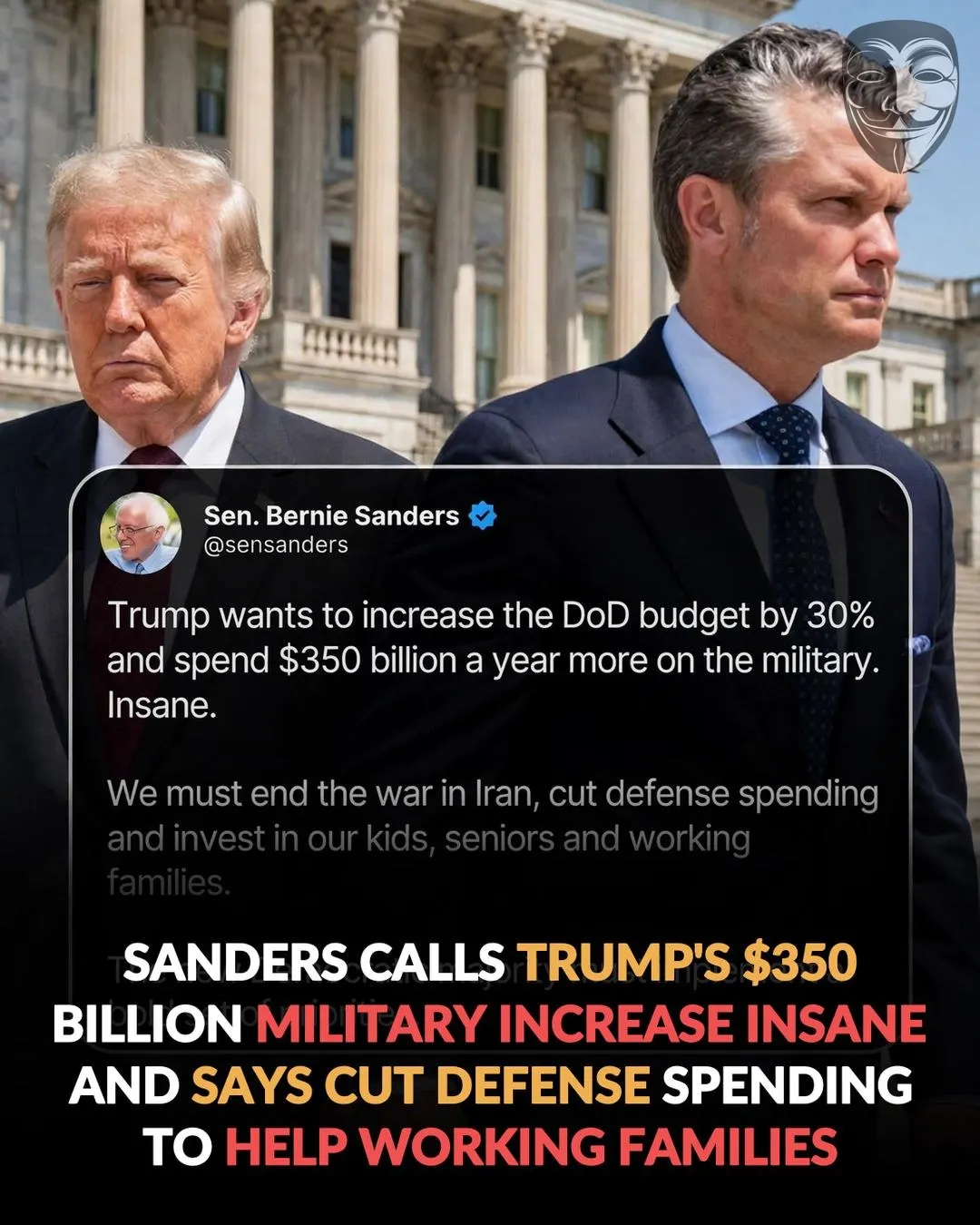
The Sanders defense budget debate began with a short post from Senator Bernie Sanders on November 20. Sanders wrote that President Donald Trump wants to raise the Department of Defense budget by 30 percent, about $350 billion more a year for the military. He called the increase insane and said the money should go to kids, seniors and working families instead. The post landed as Congress debated the plan in a lame duck session with little time left.
In the slides ahead we look at the numbers behind the plan, the people shaping it and the families Sanders says should come first. The extra money would sit on top of a $1.15 trillion base budget and push total defense spending to about $1.5 trillion in 2027. Defense Secretary Pete Hegseth has called the $350 billion the minimum needed. For more on the money fights in Washington, read our report on the Pentagon audit debate.
References:
Wall Street Journal: GOP Effort to Pass $350 Billion in Extra Military Spending Stalls in Lame-Duck Congress
The Fiscal Times: Trump Renews Call for $350 Billion Defense Package
Win Without War: Trump’s Unjustifiable $1.5 Trillion Pentagon Budget
Political: Trump’s $350 Billion Pentagon Push Raises Medicaid F*ght Among Senate Republicans, Thune Warns
Sanders Posted His Message on November 20

On November 20, Senator Bernie Sanders posted a short message that quickly drew attention. He wrote that President Donald Trump wants to raise the Department of Defense budget by 30 percent, about $350 billion more each year. Sanders called the plan insane in plain language and said the country should cut defense spending and help working families instead. His post gave the debate a clear voice. Read more about Sanders in our story on his fight against super PAC spending and about the daily cost of federal spending.
The Sanders Defense Budget Numbers: $350 Billion More a Year

The Sanders defense budget fight turns on one large number. Trump wants about $350 billion more a year for the military, a rise of 30 percent in the Department of Defense budget. That is not a small adjustment. It would add roughly a third to what the Pentagon already receives each year. Supporters say the money is needed for readiness and new weapons. Critics say the country cannot afford it while families struggle. Learn how Washington spends in our report on the Pentagon audit debate.
The $1.15 Trillion Base Budget

The extra $350 billion would sit on top of a base budget of about $1.15 trillion. That base already pays for troops, ships, planes, bases and the daily work of the Department of Defense. Adding $350 billion to it would push the total toward $1.5 trillion in a single year. For many Americans those numbers are hard to picture. They are larger than the budgets of most countries. See how the Pentagon handles money in our Pentagon audit story and read about how senators handle pay in a shutdown.
Sanders Defense Budget Total Nears $1.5 Trillion in 2027
If the plan goes ahead, total defense spending would reach about $1.5 trillion in 2027. That figure comes from the $1.15 trillion base budget plus the $350 billion increase. It would be one of the largest military budgets in American history. Sanders says that kind of money should build a better life for ordinary people instead. The number has become a symbol in the debate. Read about other huge sums in Washington in our story on a billionaire gift.
Pete Hegseth Calls $350 Billion the Minimum
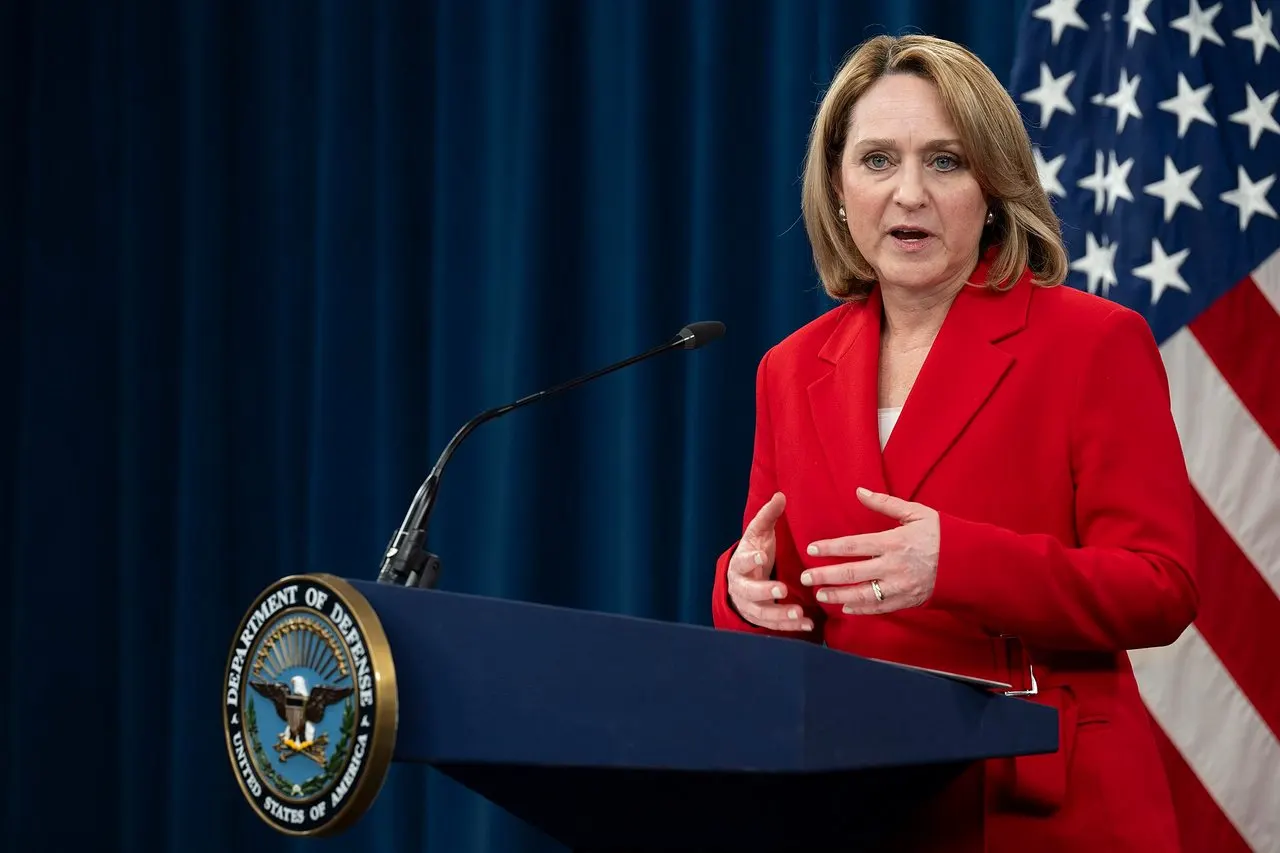
Defense Secretary Pete Hegseth has called the $350 billion the minimum needed. That word matters because it tells Congress the Pentagon does not see the sum as a wish list. Hegseth leads the Department of Defense and speaks for the military chiefs who want more ships, planes and pay. His view puts pressure on lawmakers who must vote on the money. Sanders disagrees and says the country should spend less. Follow the debate in our report on the warning to Republican colleagues.
The Sanders Defense Budget Plan Starts With Ending the War in Iran

The Sanders defense budget message also called for an end to the war in Iran. Sanders said the United States must stop spending lives and money on a conflict that brings no safety to working families. He argues that peace would free up money for needs at home. The Senate has already voted on whether the president can keep military operations against Iran going. That vote showed how divided lawmakers are. Read our report on the Senate vote on Iran operations.
Cut Defense Spending and Invest in Kids

Sanders says the money should go to kids first. He wants the country to invest in children, their schools and their future instead of adding billions to the military. Classrooms need teachers, books and safe buildings. Many parents say their kids deserve that help now. A smaller Pentagon budget would still leave the United States with a very large military. The choice is about what comes first. See how education money is debated in our story on a $3 trillion department.
The Sanders Defense Budget Would Help Seniors and Working Families

Seniors and working families are at the center of the Sanders message. He says the country should invest in older Americans who built it and in families who work hard and still struggle to pay the bills. Health care, housing and food cost more every year. Sanders argues that a $350 billion military increase is the wrong priority when so many people need help. The debate is about values as much as money. Read about help for seniors in our report on the $6,000 tax break.
A Bold List of Priorities for the New Majority

Sanders also said the new Democratic majority must set a bold list of priorities. That means choosing what the country will fight for in the next Congress. For Sanders, the list starts with kids, seniors and working families. It also means saying no to a bigger Pentagon budget. A majority can set the agenda, but it still needs votes to pass laws. The next session will test that promise. See how leaders set their agenda in our story on a warning to Republicans.
The Sanders Defense Budget Fight Stalls the GOP Push

Meanwhile the Republican push for the $350 billion has stalled in the lame duck Congress. The Wall Street Journal reported that the effort to pass the extra military spending has run into trouble. Lawmakers are running out of time in a session that ends soon. A stalled bill does not mean the idea is dead. It means the votes are not there yet. The fight is likely to return in the next Congress. Read our report on a senator who blocked a nominee over a hearing.
Some Republicans Say the Full Amount Will Not Happen

Some Republicans say the full amount will not happen. That matters because the push needs Republican votes to pass. A few members have warned that $350 billion is too much to add in one year. Others want the money but cannot agree on how to pay for it. When a party is split, a bill can stall even if leaders back it. The next weeks will show whether a smaller deal is possible. Follow the Senate split in our story on a senator who blocked a nominee.
Government Funding Set to Lapse on December 11

Government funding is set to lapse on December 11, which adds pressure to every debate in Congress. When funding lapses, parts of the government shut down until lawmakers agree on a new bill. That deadline gives both parties a reason to talk, but it also raises the stakes. The Sanders defense budget debate is tied to that same calendar. Lawmakers must decide what gets paid for and what waits. Read how pay works in a shutdown in our report on a senator who blocked a nominee.
Medicaid and the Sanders Defense Budget Divide Senate Republicans

The push for $350 billion has also raised a fight over Medicaid among Senate Republicans. Medicaid helps low income families pay for health care, and changes to it touch millions of people. Some senators worry that a big Pentagon increase could put pressure on health programs. Others say the two issues should stay separate. The argument shows how one large budget choice can reach into many parts of American life. Read about health care debates in our story on babies born with measles.
Thune Warns His Colleagues
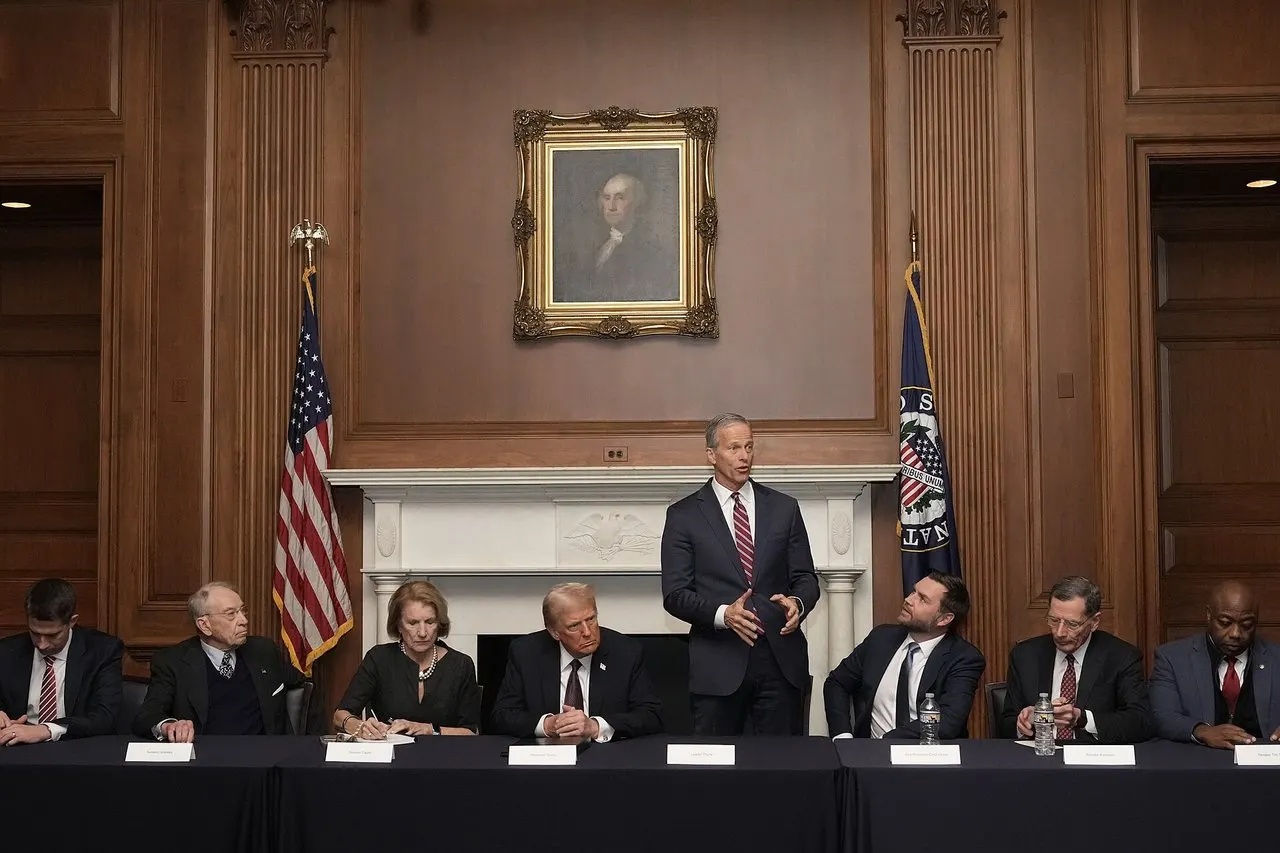
Senate Majority Leader John Thune has warned his colleagues about the fight. Thune leads the Senate Republicans and his word carries weight in budget talks. When he warns, members listen, because he counts the votes and knows what can pass. His warning shows that the $350 billion push faces real doubt inside the party. The coming days will show whether his caution slows the plan or speeds up a deal. See how Senate leaders act in our story on a speech that took Trump apart.
Trump Renews His Call for the $350 Billion Package

President Donald Trump has renewed his call for the $350 billion defense package. The Fiscal Times reported that Trump keeps pushing for the extra money even as the lame duck Congress runs short on time. Trump says the military needs the increase to stay strong. His call puts the issue at the top of the agenda for his party. Whether Congress agrees is still open. Read about Trump’s other big moves in our report on his Asia trip deals.
The Sanders Defense Budget Debate Over a $1.5 Trillion Pentagon

Win Without War called Trump’s plan an unjustifiable $1.5 trillion Pentagon budget. The group argues that the country does not need to spend that much on weapons while families face high costs at home. Its name says its goal plainly. Critics of big military budgets often point to waste and old programs that keep getting money. Supporters answer that a strong military keeps the country safe. The argument is old, but the numbers are new. Read about Pentagon money in our story on a billionaire gift.
What the Wall Street Journal Reported

The Wall Street Journal reported that the GOP effort to pass $350 billion in extra military spending has stalled in the lame duck Congress. Its headline names the problem plainly. A stall does not kill a bill, but it shows that the votes are missing. Reporters in Washington watch these signs closely because they tell us what may happen next. The Journal is one of the sources for this article. Read more Washington reporting in our story on a question about Trump and Putin.
What the Pentagon Budget Pays For

The Pentagon budget pays for soldiers and their pay, ships and planes, bases at home and abroad, and the weapons the military buys each year. It also pays for training, fuel, food and health care for troops. The Sanders defense budget argument is not that soldiers should go without. It is that the country already spends more on defense than any other nation. Sanders wants some of the new money to go to families instead. See how the money is tracked in our story on a $3 trillion department.
Why the Sanders Defense Budget Matters to Working Families

Working families feel every rise in prices, from food to rent to health care. When the government adds $350 billion to the military, that is money that cannot go to help at home. Sanders says the choice is clear. A family that works full time should be able to pay the bills and raise kids in safety. The budget debate is really a debate about whose life gets easier. That is why Sanders keeps talking about families. Read about family budgets in our story on a $6,000 tax break for seniors.
Sanders Has Long Opposed Big Pentagon Budgets
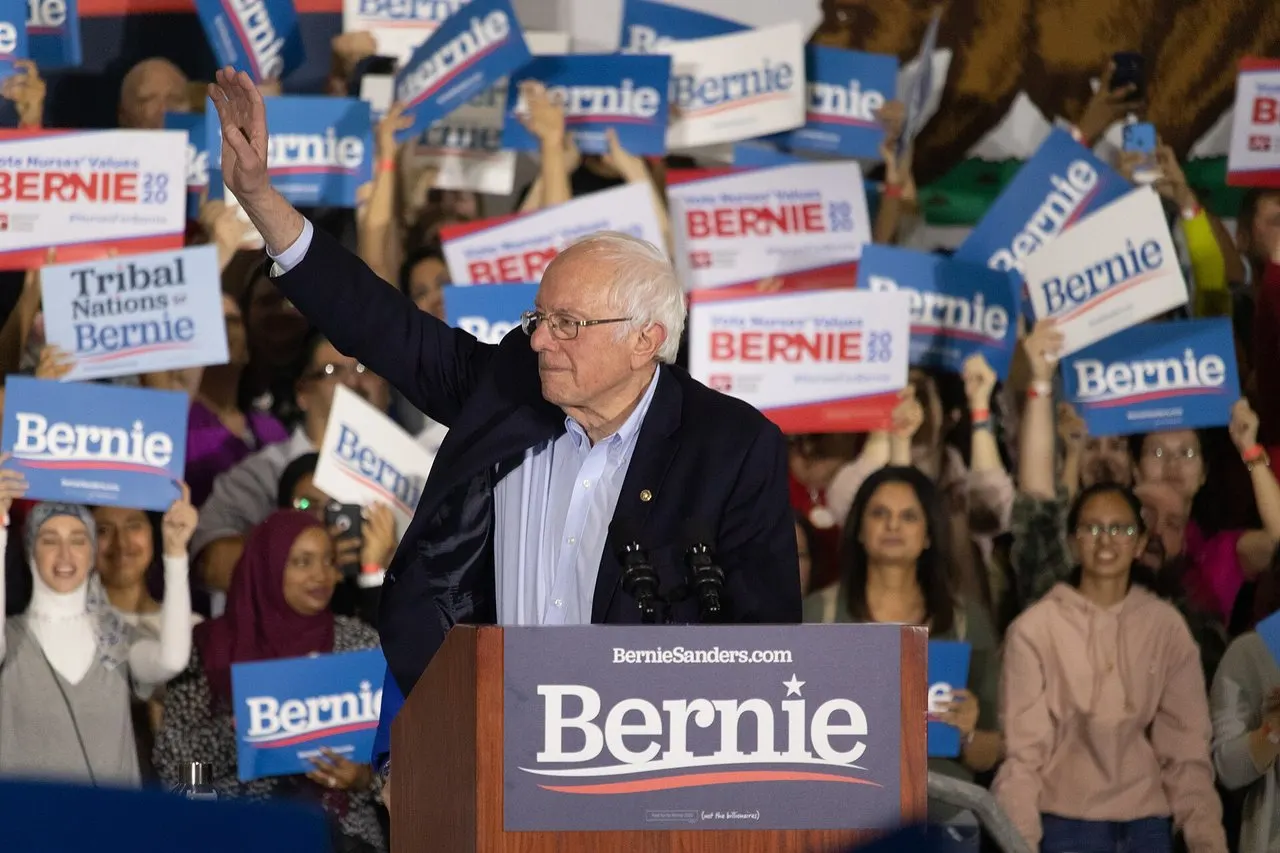
Sanders has spoken against large Pentagon budgets for many years. He has often said the United States spends far more on the military than its rivals combined. That view is part of his wider message about fairness. He argues that a rich country should meet the needs of its people first. His November 20 post fits that long record. It is not a new view, but a familiar one stated again. Read more about Sanders in our story on his fight against super PACs.
Groceries, Rent and the Family Budget

For most families, the budget that matters most is their own. Groceries cost more than they did a few years ago. Rent takes a large share of pay. Child care can cost as much as a second rent. These are the bills Sanders points to when he says the country should help working families. A military increase does not lower any of those costs. That is the heart of his case. Read about money for families in our story on a plan to close Rikers Island.
The Sanders Defense Budget Case for Schools and Kids

Schools are one place where Sanders says the money could matter. Teachers buy supplies with their own money in many districts. Old buildings need repairs. Kids need smaller classes and more help with reading and math. A fraction of $350 billion could change all of that. Sanders asks why the country can find money for weapons but not for classrooms. That question runs through his whole message. See the education debate in our story on a $3 trillion department.
What the Money Could Mean for Seniors

Seniors could also feel the difference if the money went their way. Many older Americans live on fixed incomes that do not keep up with prices. Medicine, rent and food take most of what they have. Sanders says the country owes its seniors a secure old age after a lifetime of work. A smaller military increase would leave room for that help. The choice is between more weapons and more care. Read about seniors in our report on a plan to end horse carriages in New York.
What Happens Next in Congress

What happens next depends on Congress and the December 11 funding deadline. Lawmakers must pass a funding bill or parts of the government will shut down. The $350 billion question will be part of that fight. The Sanders defense budget message gives one side a clear slogan. The other side must show where the money comes from. Both sides know the clock is running. Follow the next steps in our story on a question about Trump and Putin.
What Do You Think Should Come First?

So here is the question Sanders leaves us with. Should the country spend $350 billion more on the military, or should that money go to kids, seniors and working families? There is no easy answer, and both sides have strong views. What do you think should come first? Share your thoughts in the comments below and tell us how you would spend the money. Read one more debate in our story on Trump meeting dictators.