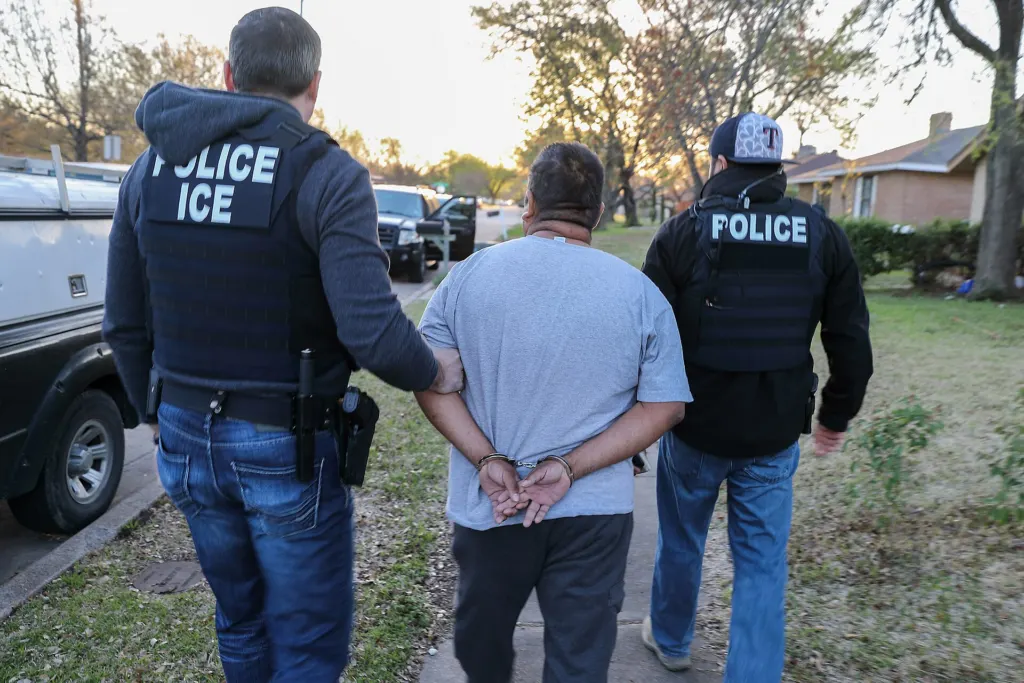
The ICE wrongful detention bill introduced in the House this month would make the federal government pay, and pay a lot, when immigration agents lock up American citizens without a warrant or probable cause. Rep. Teresa Leger Fernández of New Mexico wants a minimum award of $500,000, plus $100,000 for each additional day behind bars, plus legal fees. Her bill arrives after ProPublica documented hundreds of citizens held by agents since January 2025, from a Texas man deported to Mexico to an Army veteran held for three days without charges. The Department of Homeland Security insists it does not arrest citizens for immigration enforcement. With Republicans in control of Congress, the bill faces long odds, but it has revived a hard question: what can a citizen actually do after being wrongly detained by federal agents..
A $500,000 promise to citizens held by ICE
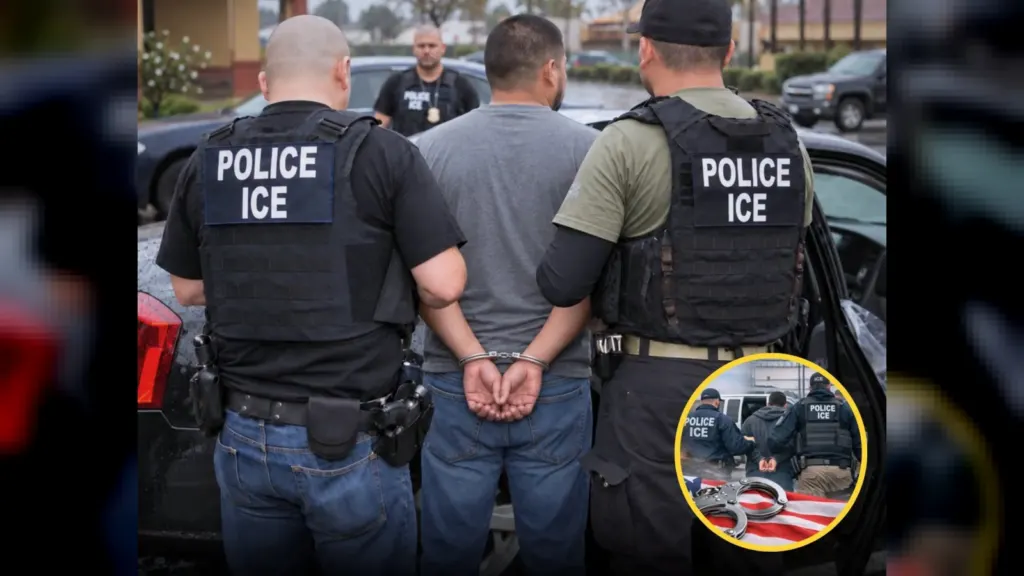
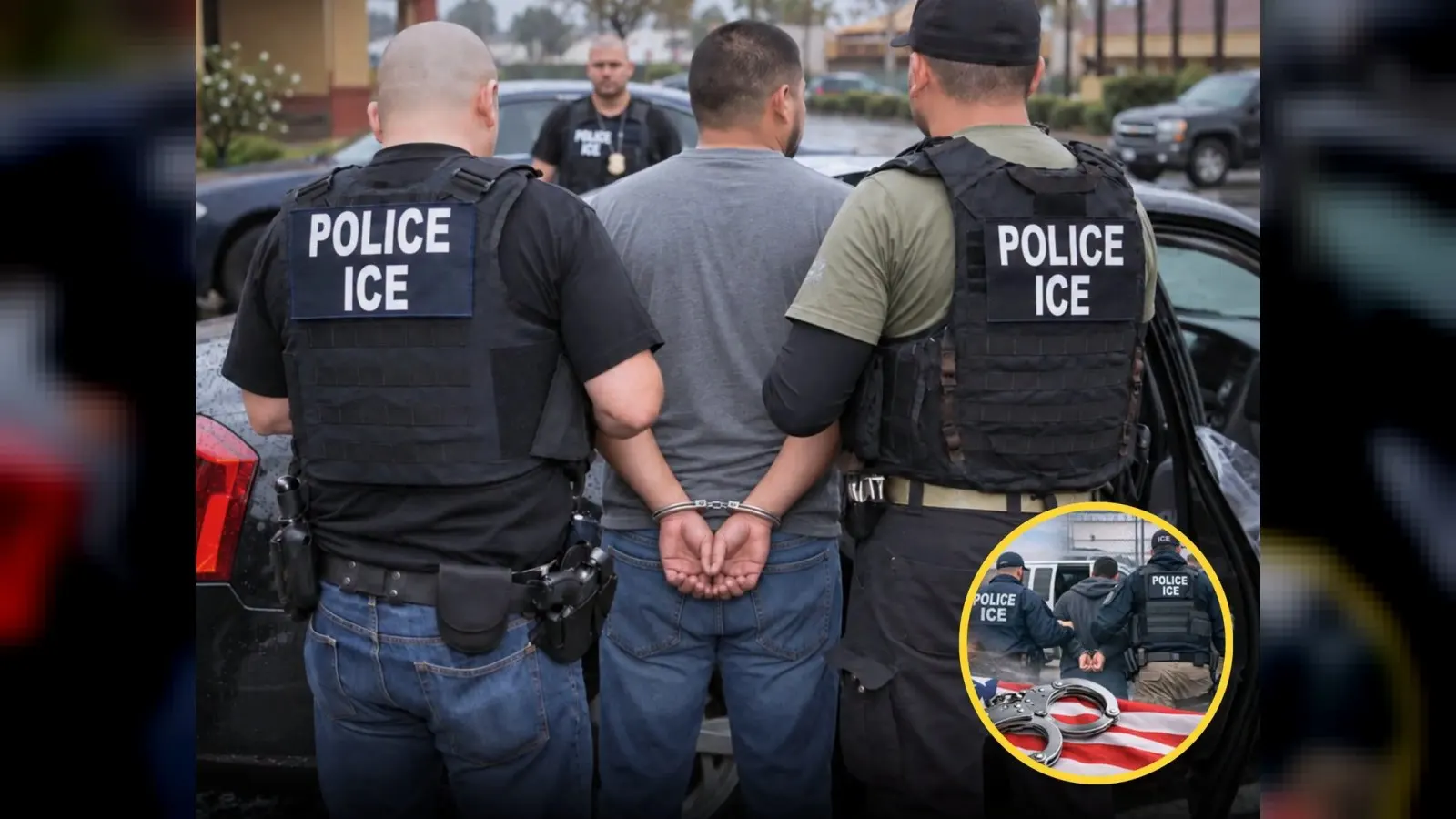
A New Mexico congresswoman wants to put a price on one of the most troubling outcomes of the government's immigration crackdown: U.S. citizens being handcuffed and held by agents who had no warrant and no probable cause. Rep. Teresa Leger Fernández, a Democrat, introduced the Justice for Citizens Wrongfully Detained by ICE Act on October 15, 2026, according to congressional records cited by Newsweek and VisaVerge. The bill would let those citizens sue for at least $500,000, plus $100,000 for every additional day they were held, plus attorney's fees. Supporters say the money is about accountability. The Department of Homeland Security says agents do not arrest Americans for immigration enforcement. Here is what the bill says, the cases behind it, why suing federal agents is so hard today, and what you should know about your rights..
What the ICE wrongful detention bill actually says
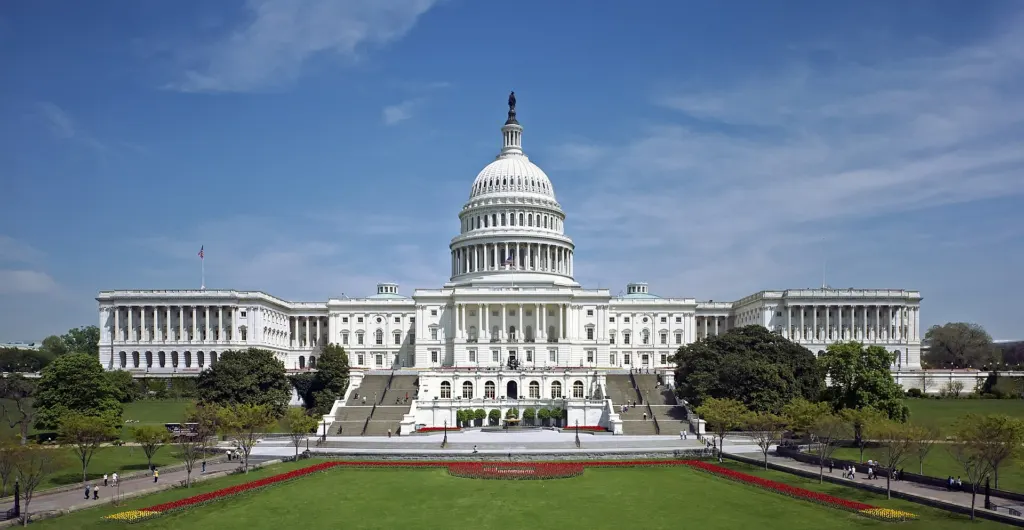
The bill, numbered H.R. 10826 in the 119th Congress, creates a new federal cause of action, meaning a specific right to sue. It covers U.S. citizens arrested or detained without a warrant or without probable cause by immigration officers, or by other officers enforcing immigration law, on or after January 20, 2025, the day President Trump returned to office. According to Newsweek, a plaintiff could sue both the officer involved and the United States in federal district court. IBTimes reported that the bill also reaches some operations carried out by local officers working under federal agreements. The House referred the measure to the Judiciary Committee on October 15. Because it reaches back to January 2025, it would apply to arrests that have already happened, not just future ones, if it ever became law.
The $500,000 formula in the ICE wrongful detention bill

The heart of the proposal is a fixed minimum award. If a court finds a citizen was wrongfully arrested or detained, the award would be at least $500,000, plus $100,000 for each day held after the day of arrest, according to Newsweek's summary of the text. Winning plaintiffs would also recover reasonable attorney's fees and court costs, and judges could order injunctive or declaratory relief, such as an order to stop a practice. VisaVerge reported that these damages would be added to, not replace, any compensation available under other laws. IBTimes noted that the bill does not spell out whether days are counted in 24 hour blocks. Leger Fernández said the $500,000 figure mirrors what Republican senators sought for themselves in a dispute over their phone records, a comparison she used to argue ordinary citizens deserve the same.
Who the ICE wrongful detention bill would cover
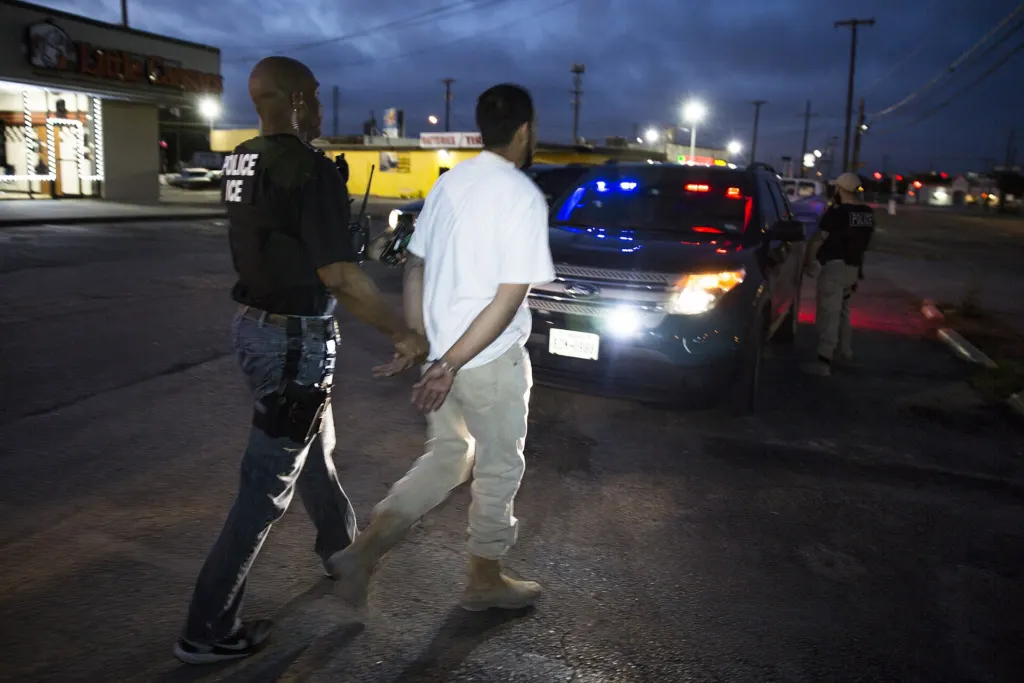
The bill is narrow by design. It applies only to U.S. citizens, and only to arrests or detentions made without a warrant or without probable cause, the legal standard that requires facts suggesting a person committed an offense. IBTimes reported that simply being questioned would not automatically qualify; a court would decide whether an encounter amounted to an arrest or detention. That matters because federal law already allows agents to briefly stop people they reasonably suspect are in the country illegally, and to arrest anyone accused of assaulting or interfering with officers. In practice, many disputes would turn on the facts: what agents knew, when they learned the person was a citizen, and how long they kept holding them afterward. Supporters say that is exactly the question courts should be answering, case by case.
The ICE wrongful detention bill ends the immunity shield
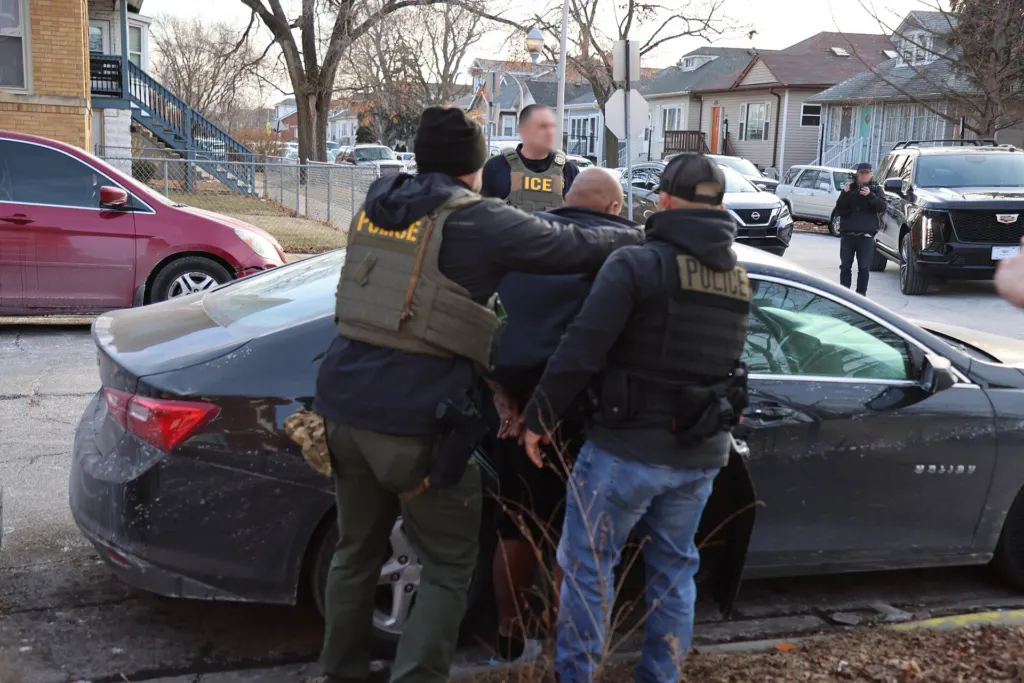
Beyond the dollar amounts, the bill takes aim at the legal shields that usually protect federal agents. According to Newsweek and VisaVerge, officers could not claim absolute or qualified immunity, a court doctrine that often ends lawsuits unless a right was clearly established in an earlier case. The federal government would also waive its sovereign immunity, the principle that the United States cannot be sued without its consent. Citizens would get five years from the date a claim arises to file, compared with the two year deadline for most claims under the Federal Tort Claims Act, a contrast the sponsor's office highlighted. The bill would also permanently rescind unspent immigration enforcement money from the One Big Beautiful Bill Act, the 2025 tax and spending law, though IBTimes noted that funds already spent would not be affected.
506 citizens detained, by one count
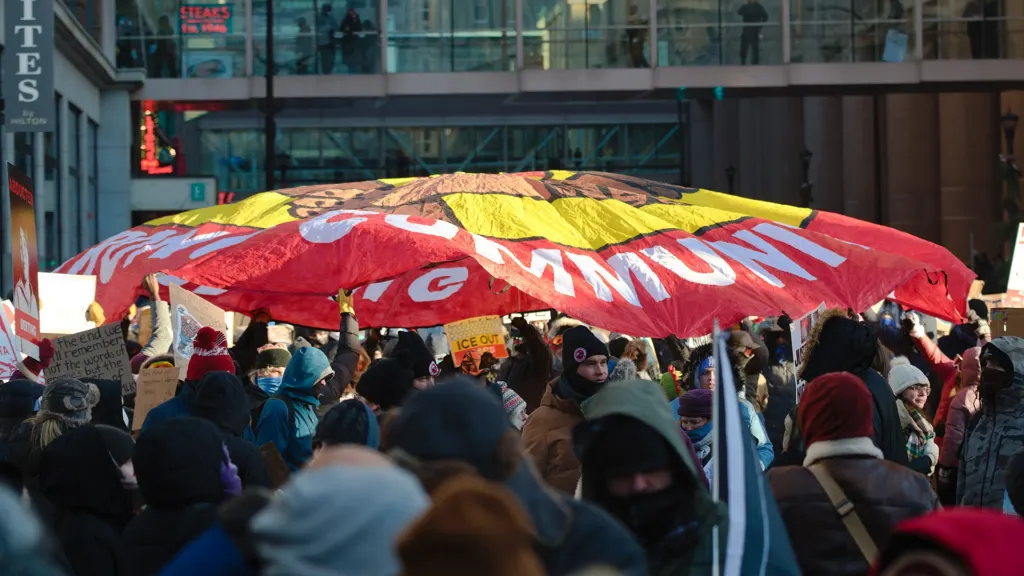
The bill grew out of reporting by ProPublica, which Leger Fernández credited as the catalyst. The nonprofit newsroom has documented 506 U.S. citizens detained by immigration agents between January 2025 and September 2026, according to IBTimes and Newsweek. The government does not publish its own count, and ProPublica said its earlier count was likely incomplete. Its first investigation, published in October 2025, found more than 170 citizens held in the first nine months of the administration, including nearly 20 children and at least three pregnant women. That reporting prompted Democrats on the House Oversight Committee and the Senate Permanent Subcommittee on Investigations to open a joint inquiry. IBTimes cautioned that the 506 cases are not necessarily 506 unlawful detentions, since some involved people accused of interfering with officers.
Inside the numbers: filming, questioning, children
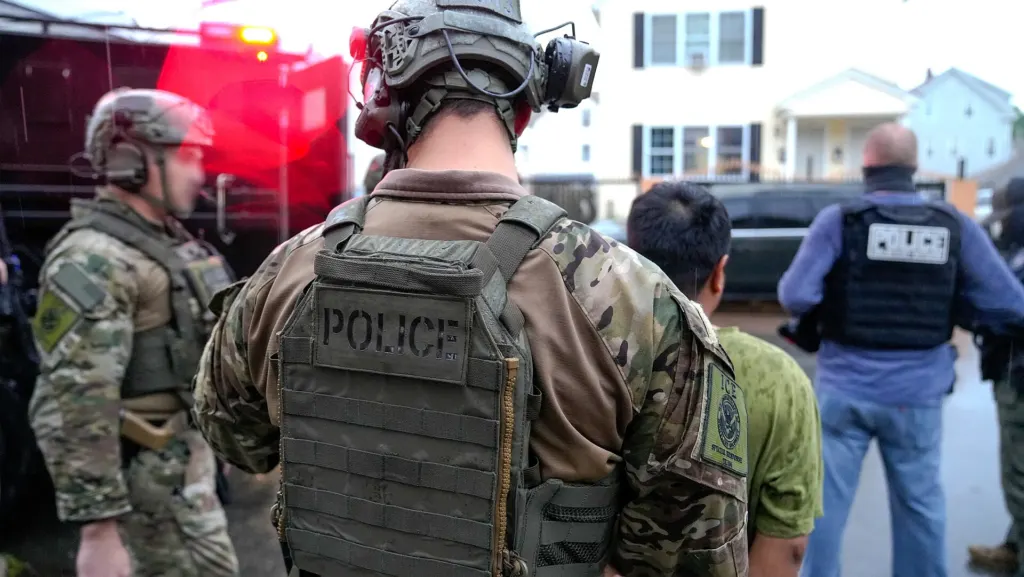
ProPublica's figures, as cited by the bill's backers and reported by VisaVerge, break down the 506 cases in revealing ways. More than 300 citizens were detained on accusations of assaulting or obstructing agents, but fewer than half of them were ever charged. Sixty-three were detained while recording immigration activity on their phones. More than 100 were held after agents questioned whether they were really citizens, and ProPublica found that almost all of those in its earlier review were Latino. At least 70 children and teenagers were detained, according to ProPublica. About a dozen citizens were deported, VisaVerge reported. The earlier investigation also found about two dozen Americans held for more than a day without being able to call a lawyer or family. These numbers sit at the center of the debate over racial profiling.
Deported to Mexico despite a Denver birth certificate
One case the sponsor has highlighted is that of Brian José Morales García, 25, who had been living and working in Texas. According to The Texas Tribune, officers who stopped a vehicle he was riding in near Fredericksburg did not believe he was a citizen and called ICE. He was deported to Mexico in April 2026, even though his birth certificate and Social Security card show he was born in Denver. He also holds Mexican citizenship, and his Mexican ID lists a different spelling and birth date, which his mother attributed to a clerical error. After his lawyers filed a civil rights suit and submitted a certified Colorado birth record, hospital records and affidavits, he was allowed back in late August while the case continues. DHS has disputed his account and accused him of entering the country illegally.
A combat veteran held three days without charges
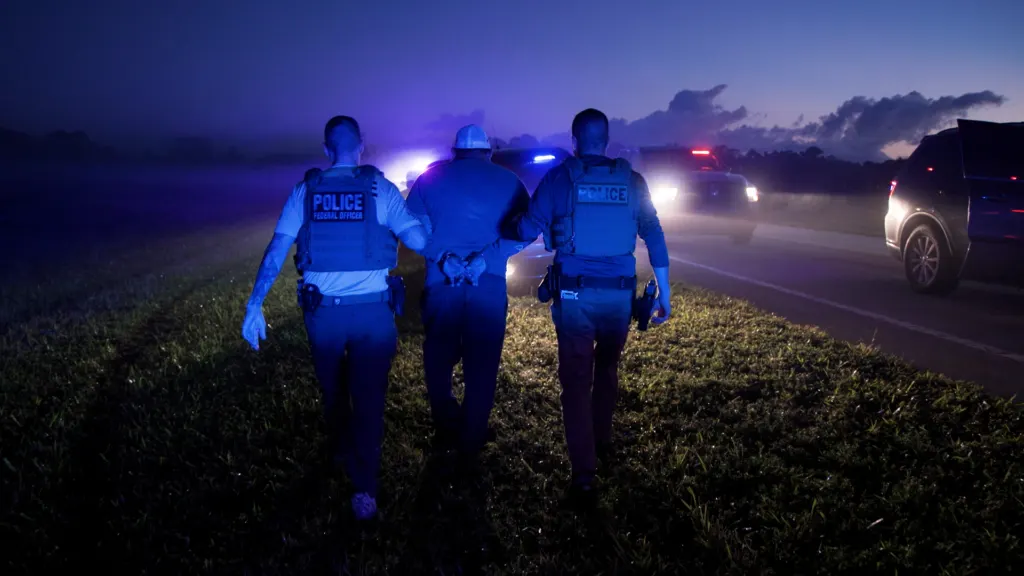
George Retes Jr., a Ventura born U.S. Army veteran, was working as a security guard at a cannabis farm near Camarillo, California, when federal agents raided it on July 10, 2025, according to KEYT. He says he was taken to Naval Base Ventura County, fingerprinted, photographed, shackled and swabbed for DNA, then held for three days in a Los Angeles facility without being told of any charges or allowed to call a lawyer or his family. ProPublica reported that his family found him through a TikTok video. DHS later said on X that Retes became violent and assaulted agents, but no agency has filed such a charge, KEYT reported. In February 2026 he sued in federal court in Los Angeles, alleging Fourth and Fifth Amendment violations, with Federal Tort Claims Act claims expected to follow.
Filming a raid led to handcuffs

Leonardo Garcia Venegas, a 25 year old citizen in Alabama, began filming when agents raided a construction site in May 2025 and his undocumented brother asked to see a warrant, according to ProPublica. The report says agents knocked his phone away, twisted his arms as he shouted that he was a citizen, dismissed his REAL ID as fake and kept him handcuffed for more than an hour. He was detained again at a later worksite while agents checked his status, was never charged, and has filed a federal lawsuit. DHS said he physically got between agents and their target, which ProPublica said the footage does not show. In Los Angeles, Andrea Velez was charged with assaulting an officer during a street vendor raid and held for more than two days before a federal judge dismissed the charges.
Why Bivens rarely helps detained citizens today

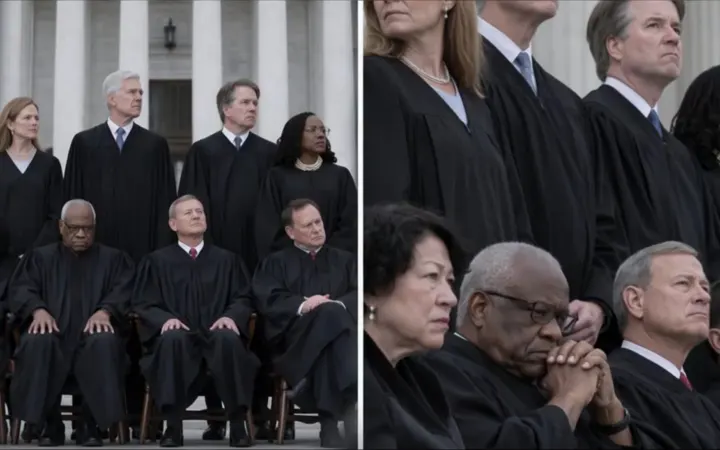
In 1971, the Supreme Court's decision in Bivens v. Six Unknown Named Agents allowed people to seek money from federal officers who violated their Fourth Amendment rights. Since then, the Court has steadily narrowed that path. In Egbert v. Boule in 2022, the conservative majority refused to extend Bivens to a claim against a Border Patrol agent, saying such suits raise national security concerns, according to Bloomberg Law. Justices Clarence Thomas and Neil Gorsuch have called for overturning Bivens entirely. Samuel Siegel of Georgetown Law told Bloomberg Law that the Court has limited Bivens so much that it has become very difficult to seek accountability through damages suits. Add qualified immunity, and many citizens who say they were wrongly held by immigration agents have no realistic claim against the individual officer at all.
Why the ICE wrongful detention bill targets tort loopholes
The other main route is the Federal Tort Claims Act, which lets people sue the government itself for harm caused by federal employees. Claims usually start with an administrative filing, often on Standard Form 95, and must generally be brought within two years. The biggest obstacle is the discretionary function exception, which shields decisions that involve official judgment. A 2024 Harvard Law Review analysis found courts dismissed suits nearly 75 percent of the time that exception was raised, Bloomberg Law reported. In 2025, the Supreme Court ruled unanimously in Martin v. United States that a provision covering law enforcement claims does not override it. Because the act borrows state law, results also vary by state. There is no minimum payout, which is the gap the new bill tries to close.
Supporters say the ICE wrongful detention bill sets a price
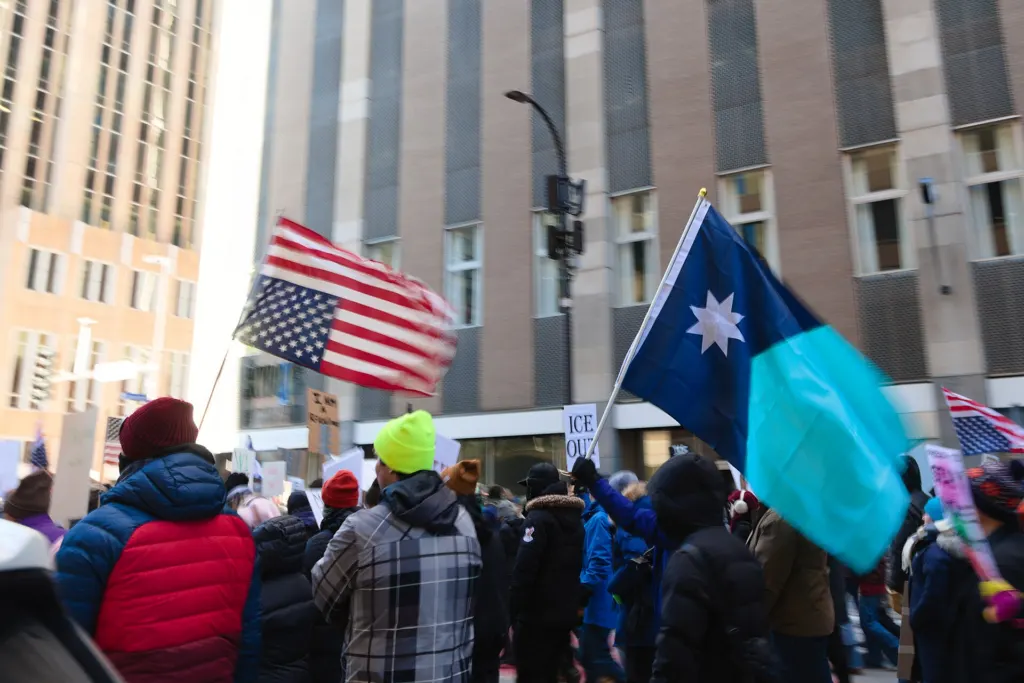
Leger Fernández argues that money is the only language that changes behavior. "ICE does not get to trample on your rights and walk away without consequence," she said in a statement quoted by Newsweek. She told ProPublica that when bad actors face consequences, they start behaving better, and that without legislation agents will keep breaking the law, their own policies and the Constitution. Rep. Bonnie Watson Coleman of New Jersey signed on as the original cosponsor. The League of United Latin American Citizens and the Center for Law and Social Policy have endorsed the bill. LULAC president Roman Palomares said justice must go beyond an apology and must carry a price, according to IBTimes. Backers also point to the five year filing window as a fairer timeline for people still rebuilding their lives.
What DHS and the critics are saying
The Department of Homeland Security rejects the premise. A spokesperson told Newsweek that claims ICE is arresting and deporting citizens are false, that citizens briefly questioned under reasonable suspicion are released as soon as their status is confirmed, and that citizen agitators are held only while they pose a safety threat. The spokesperson also accused Leger Fernández of caring more about criminal immigrants than about victims of crimes committed by immigrants, and noted that assaulting or obstructing officers is a federal crime. DHS told ProPublica its operations are highly targeted. The Supreme Court's September 2025 order allowing Los Angeles stops to continue, which DHS said vindicated it, reflects the view that agents need room to act. Courts have also cited national security concerns in refusing to expand suits against border agents, as the Supreme Court did in Egbert v. Boule.
Can the ICE wrongful detention bill pass?
Realistically, not in this Congress. Republicans control both the House and Senate, and Newsweek noted that Democrats have introduced several bills targeting ICE with little chance of passage. As of October 20, the measure had one cosponsor and no committee action, according to IBTimes. Similar ideas have stalled before. Sens. Alex Padilla and Richard Blumenthal introduced a bill in December 2025 to create a right to sue federal agencies, and Sen. Tammy Duckworth offered an amendment that would have paid $500,000 to citizens detained in operations in Illinois and North Carolina; it was set aside, VisaVerge reported. The November 2026 midterms could change control of Congress. If the bill does not pass before the 119th Congress ends in January, it would have to be reintroduced and start over.
Your rights if immigration agents stop you
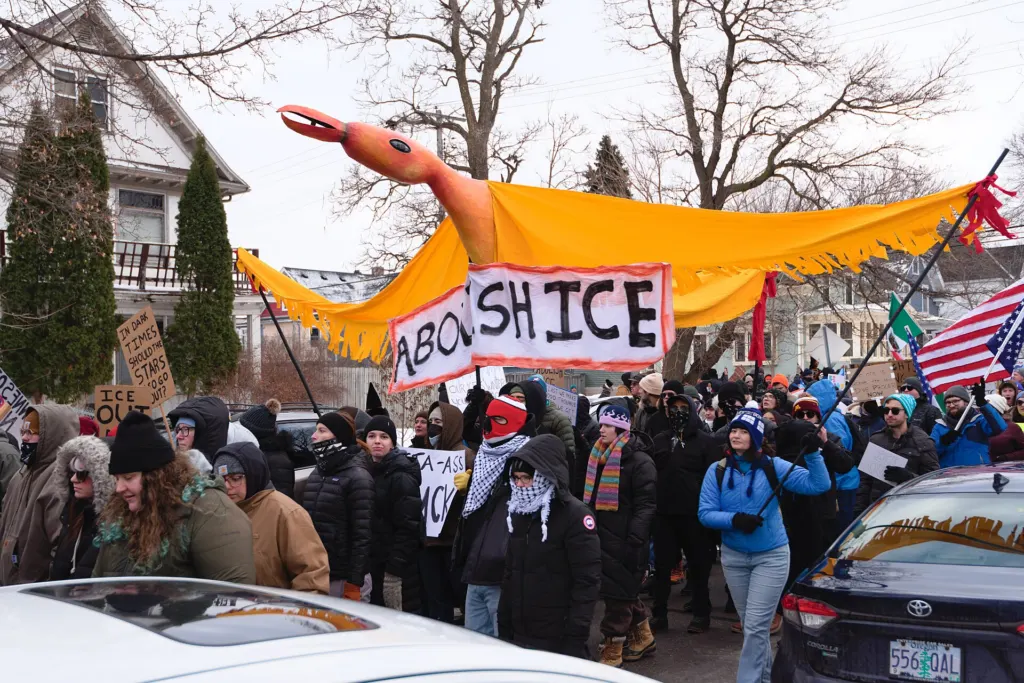
Civil rights groups offer basic guidance that applies to citizens and noncitizens alike. The ACLU of Washington advises staying calm, keeping your hands visible and never physically resisting. You can ask whether you are free to leave, and if the answer is yes, calmly walk away. You generally have the right to remain silent, but you should never lie about your citizenship or show false papers. Agents need a warrant signed by a judge to enter private areas of a home, and you can say you do not consent to a search. Filming in public is generally protected if you do not interfere. If you are arrested, ask for a lawyer and do not sign documents you do not understand. Justice Brett Kavanaugh wrote that once officers learn someone is a citizen, they should promptly let the person go.
Source: ProPublica