Gaza Babies Belong in Warm Beds, Not Freezing Tents
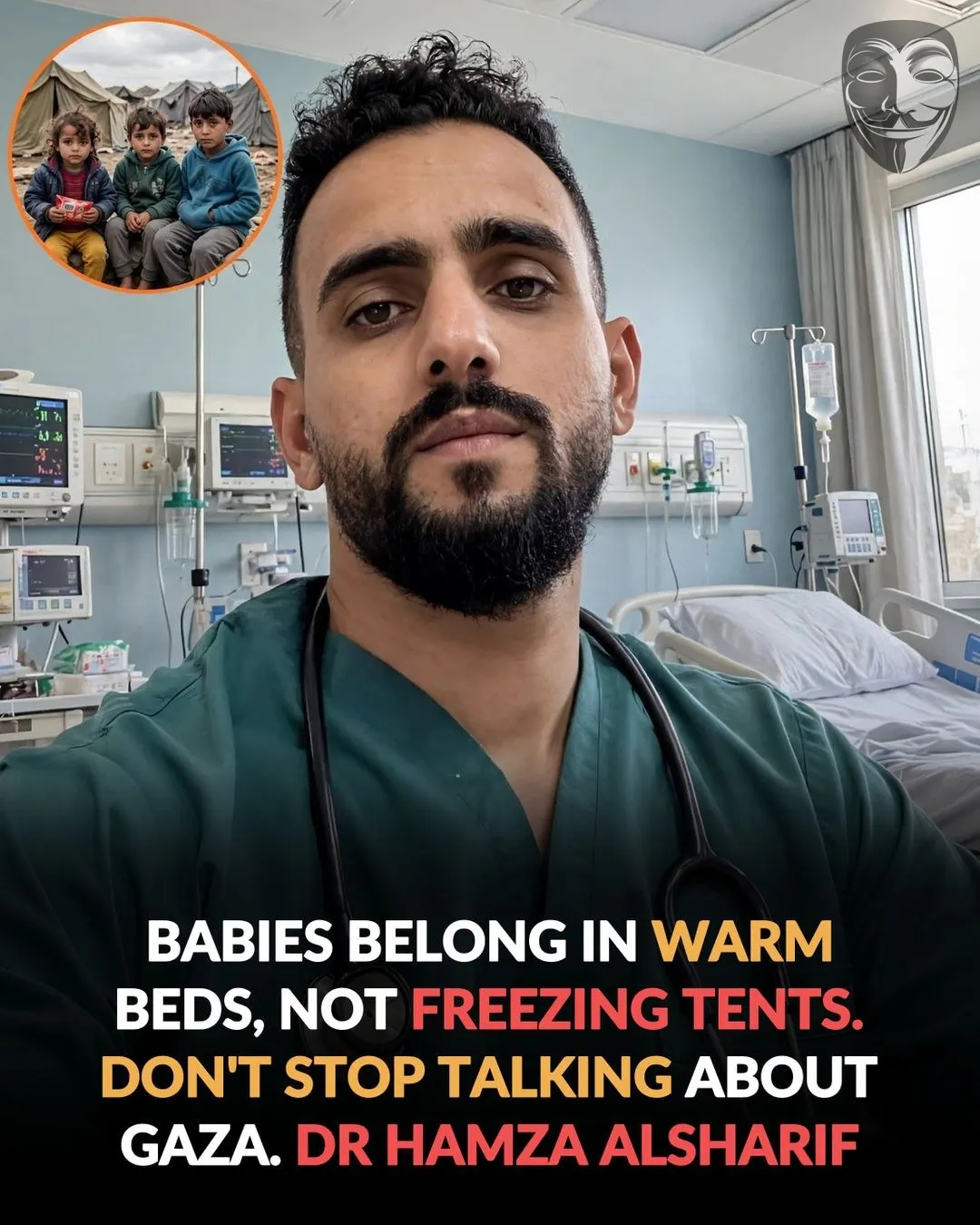
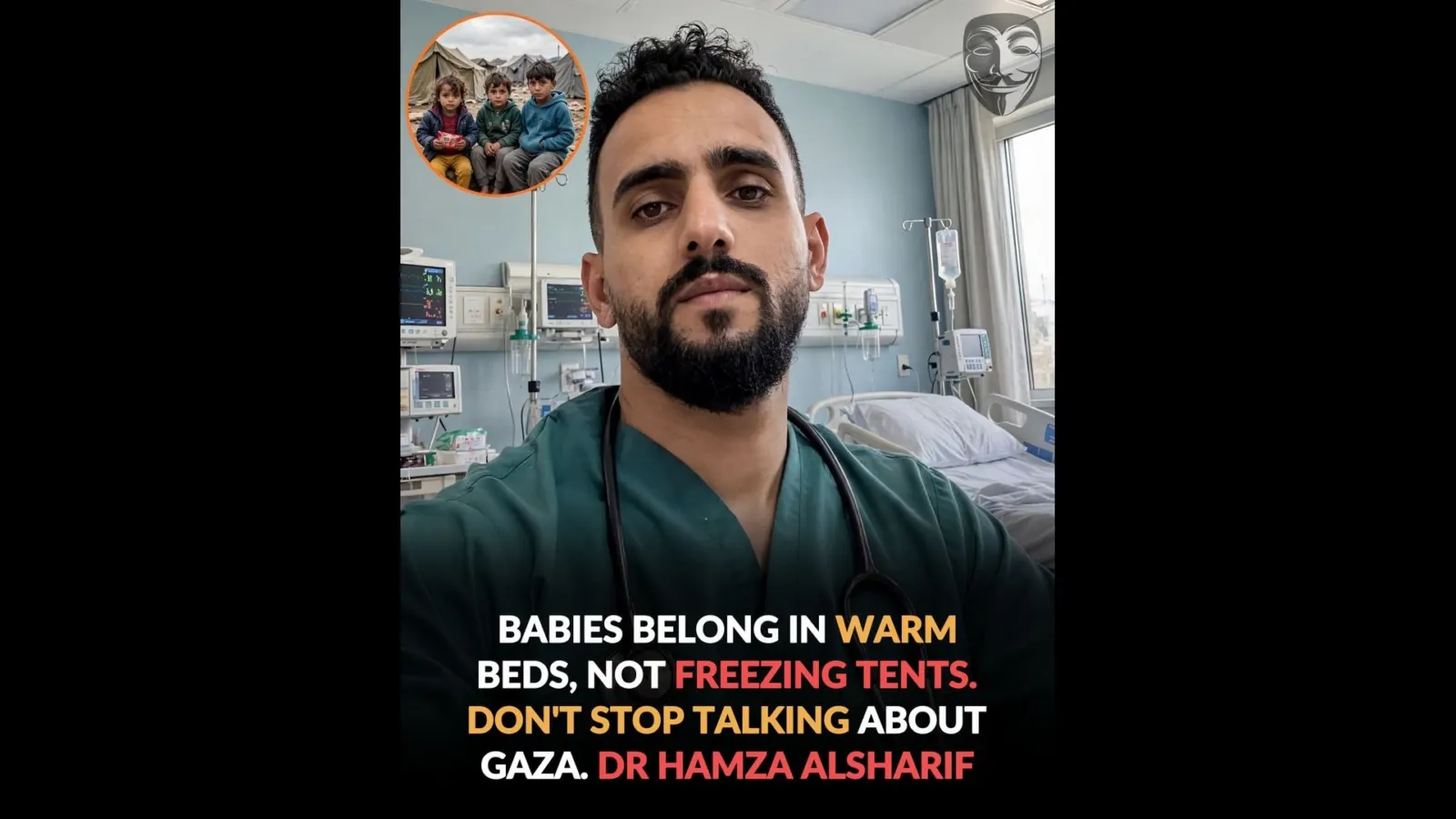
Gaza Babies belong in warm beds, not freezing tents, and that sentence from Dr Hamza Alsharif has travelled far beyond the hospital where he works. Alsharif, who works in intensive care and anaesthesia at the European Gaza Hospital, wrote on X on November 17 about the hardships facing displaced families in Gaza, especially young children living in temporary tents through the cold weather. His words were short, but they carried the weight of what he sees every day. He said babies should be in warm beds, not freezing tents, and he urged people not to stop talking about Gaza.
In the slides ahead we look at the doctor, the tents, the rain and the shortage of blankets, heating and basic necessities that leave families struggling to protect their children. His message has renewed attention on the hardships faced by Gaza’s most vulnerable residents, and it asks readers to keep watching a story that is easy to look away from. For more on children caught in hard times, read a viral post about a Palestinian baby at Christmas.
References:
UNICEF: Shivering Through Rain, Wind, and Cold Nights in Fragile Shelters, A Winter No Child Should Face
ReliefWeb: As rains flood Gaza, Isr*el’s restrictions leave over half a million children without safe shelter
UNICEF USA: Children’s Lives at Risk as Heavy Winter Rains Flood Shelters in Gaza
Gaza Herald: Gaza’s Children Face D*adly Winter as Isr*el Continues to Delay Shelter Aid
The Doctor Who Spoke Up for Gaza Babies
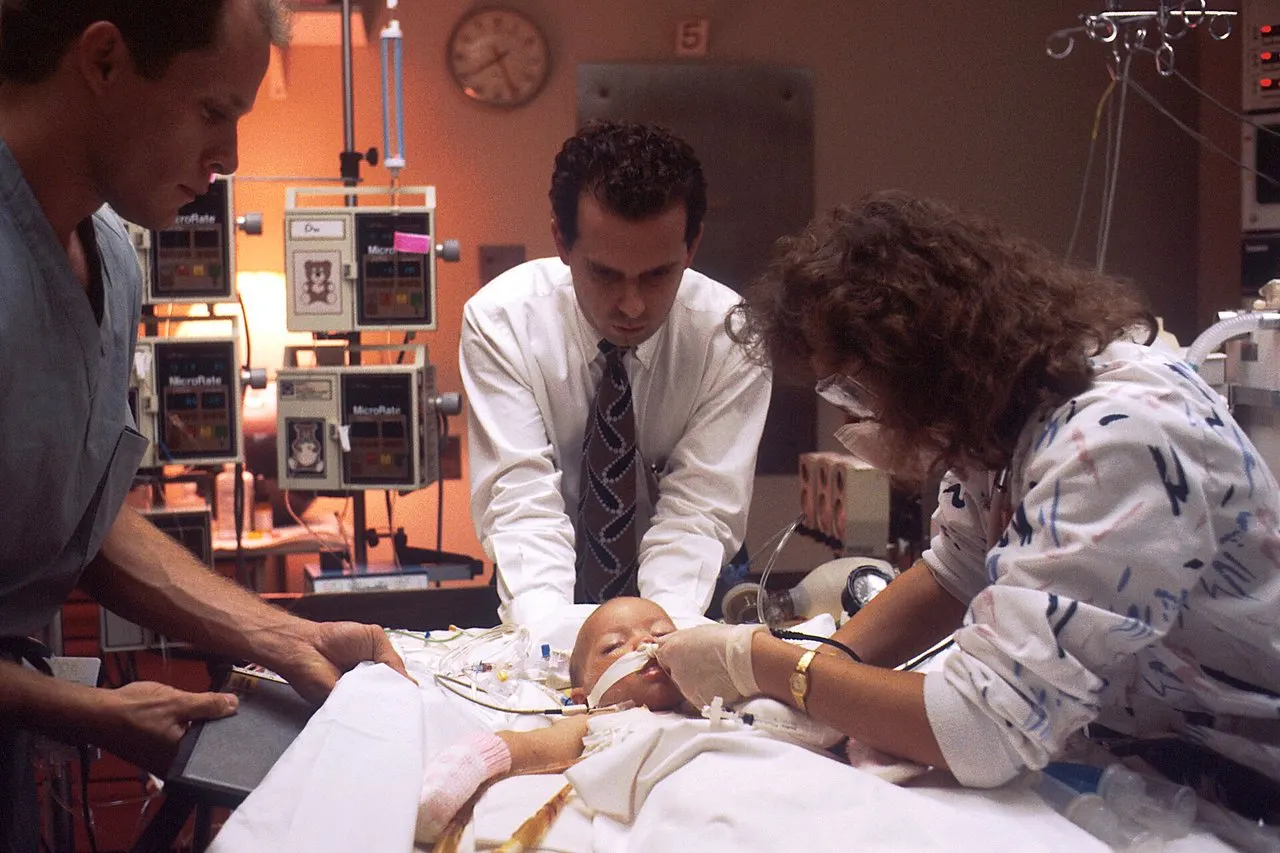
Dr Hamza Alsharif works in intensive care and anaesthesia at the European Gaza Hospital, where he cares for some of the sickest patients in Gaza. Doctors in intensive care see what cold, hunger and fear do to small bodies, and they carry those sights home with them. Alsharif chose to speak about it in public instead of staying silent, and his post gave a voice to families who have little chance to tell their own story. Read about a shelter dog who carried blankets to kittens.
A Message Posted on November 17

On November 17, Alsharif wrote his message on X, the social media site where doctors, journalists and ordinary people share news in real time. A short post can travel further than a long report, and his did, because it said in one line what many reports take pages to explain. He wrote that babies should be in warm beds, not freezing tents, and he asked people not to stop talking about Gaza. Read about another bill banning the same practice.
Gaza Babies Deserve Warm Beds
Gaza Babies deserve a warm bed, a dry blanket and a roof that keeps the rain out, and that is all Alsharif asked for. A baby cannot ask for these things, so a doctor spoke for them, and his words were plain enough for anyone to understand. Warmth is not a luxury for a newborn. It is the basic comfort that lets a baby sleep, feed and grow, and without it every night becomes a struggle. See warm homemade centerpieces for the table.
Gaza Babies Spend Winter Nights in Freezing Tents
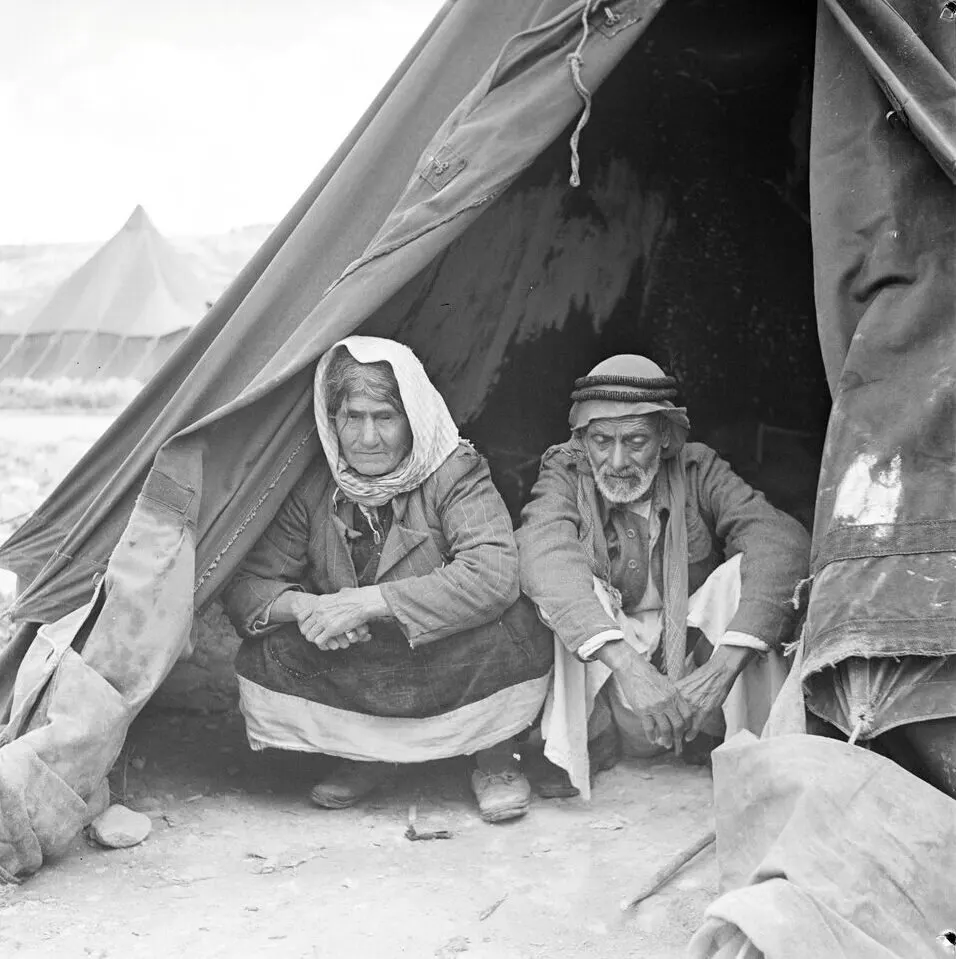
Gaza Babies spend their nights in temporary tents because their families were displaced from their homes and have nowhere else to go. A tent can keep out some wind, but it cannot hold heat the way a room with walls can, and on a cold night the chill settles into everything inside it. Parents do what they can, layering clothes and blankets, yet a thin sheet of canvas is a poor shield against winter. Read about the old rule of women and children first.
When Rain Floods the Shelters
When rain floods the shelters, the trouble gets worse in hours. Water soaks the ground where children sleep, seeps through thin tent walls and turns blankets into cold, wet weight. UNICEF USA has warned that children’s lives are at risk as heavy winter rains flood shelters in Gaza, and families who already have little are left with even less. A dry floor is a small thing until you lose it. Read about a hippo who passed away at the Cincinnati Zoo.
Over Half a Million Children Without Safe Shelter
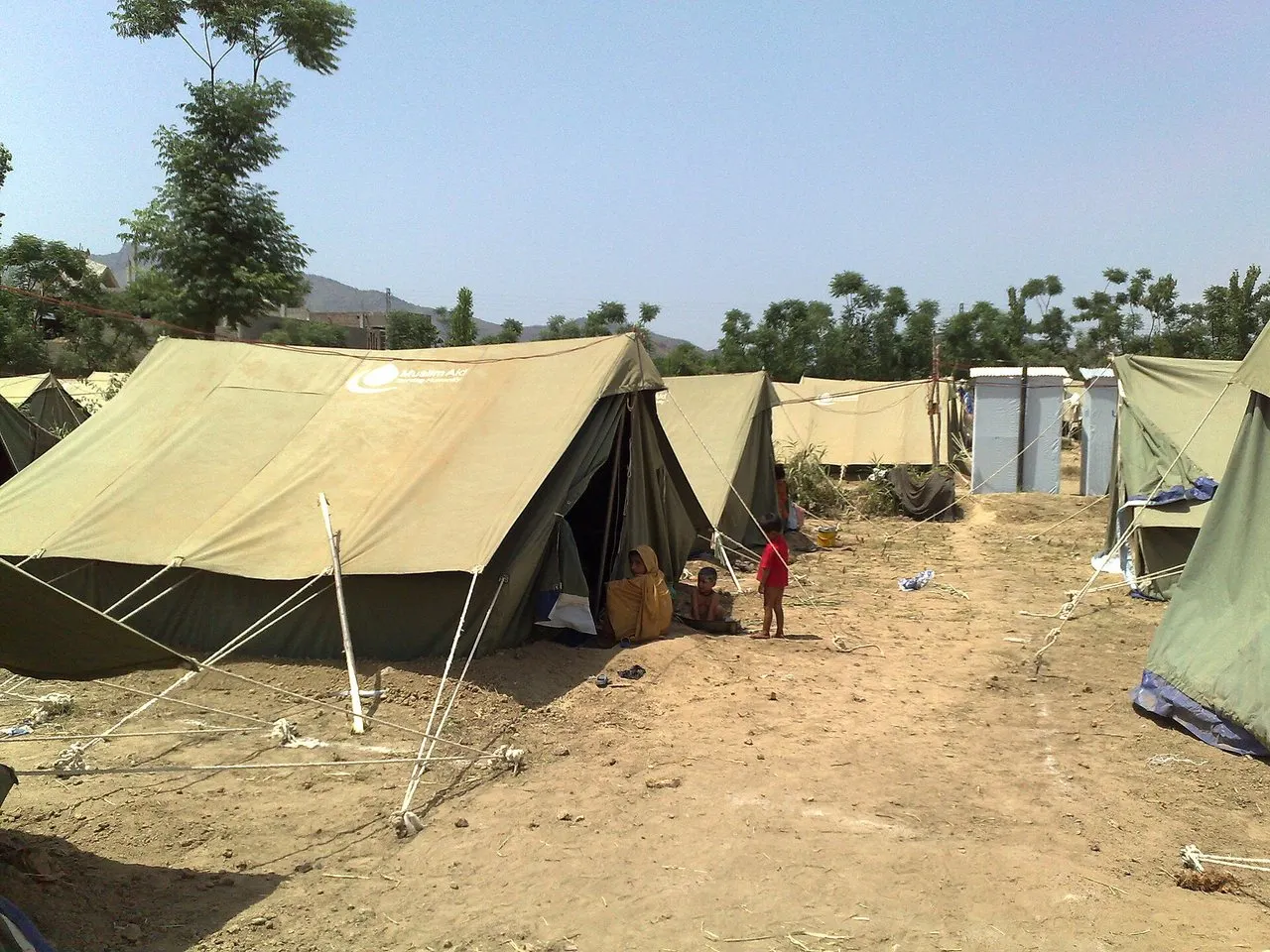
ReliefWeb has reported that as rains flood Gaza, restrictions leave over half a million children without safe shelter. Half a million is a number so large it is hard to picture, yet each one of those children is a son or a daughter sleeping somewhere cold tonight. Safe shelter means a roof that holds, walls that block the wind and a floor that stays dry. Too many children in Gaza have none of those things right now. Read about whether robots should do dangerous jobs.
A Severe Shortage of Blankets
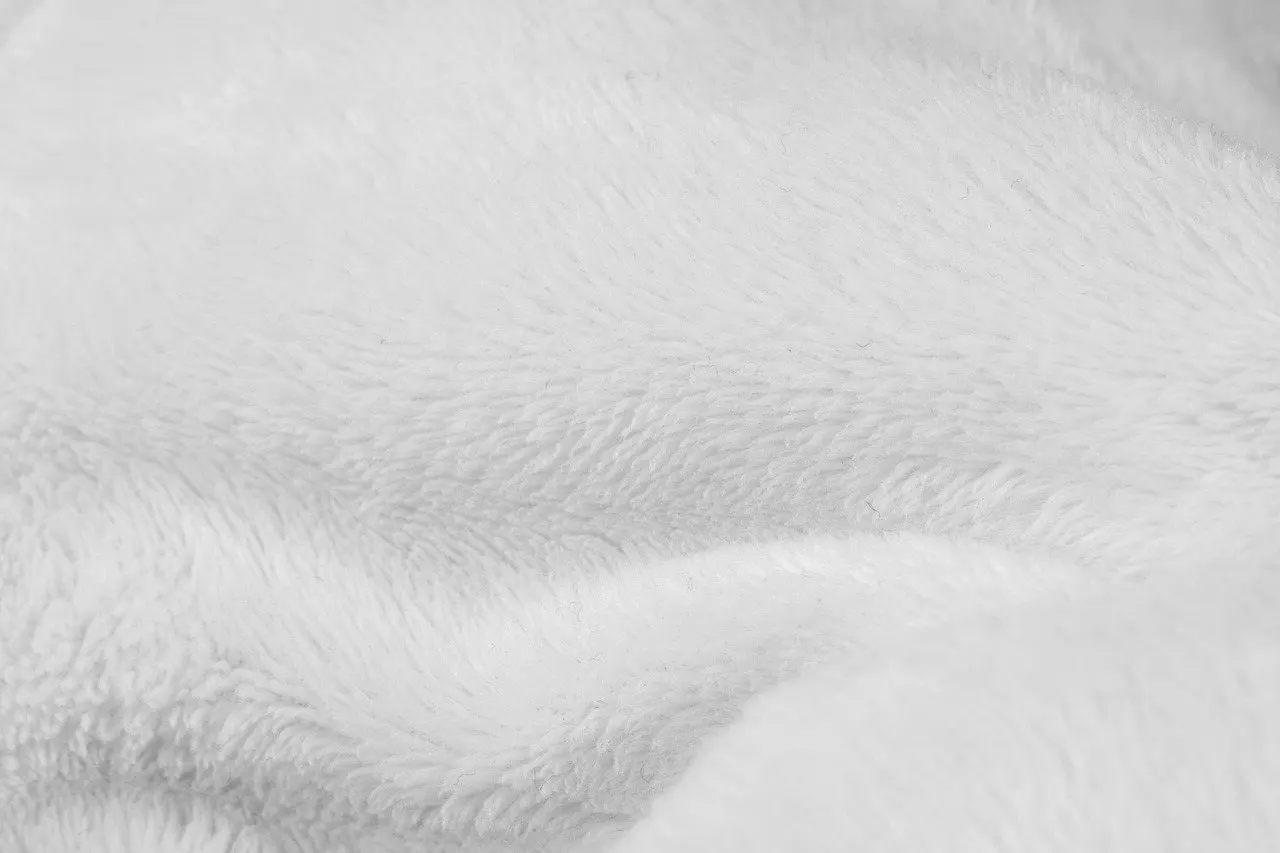
Blankets are among the simplest things a family needs, and in Gaza they are in severe shortage. A blanket traps the warm air around a sleeping child and holds it through the night, and without one a baby loses heat to the cold air and the cold ground. Alsharif named the shortage of blankets alongside heating and basic necessities, because together they decide whether a child sleeps warm or shivers until morning. Read about a call urging leaders to stop backing Ukraine.
No Heating to Fight the Cold
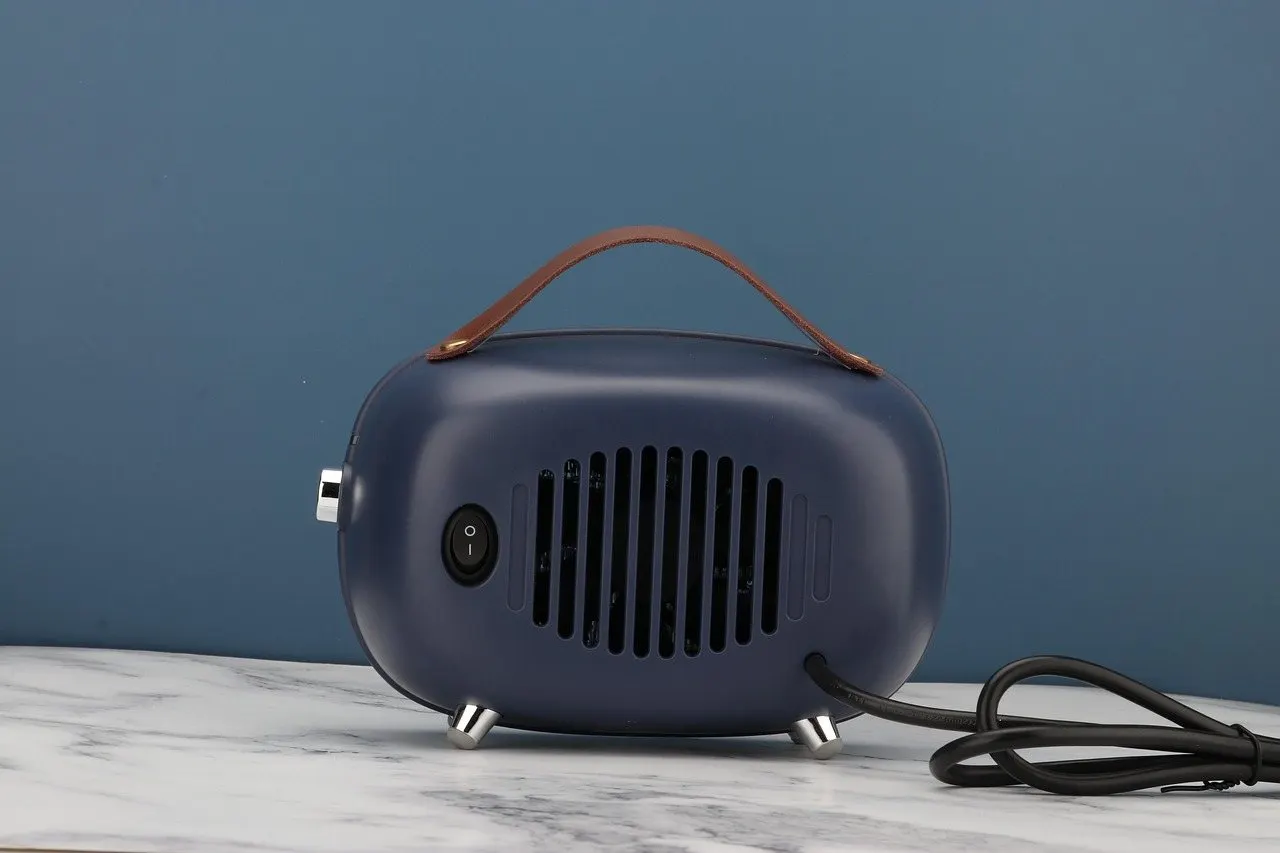
Heating is scarce too, and a tent with no heater cools fast once the sun goes down. Families burn what little fuel they can find, or they crowd together and share body heat, but none of that replaces a safe source of warmth. A small heater can change a night for a whole family, yet many tents in Gaza have no heating at all. That is why the doctor listed heating next to blankets as a need that cannot wait. Read about a warm greeting that drew critics.
Basic Necessities Are Running Short
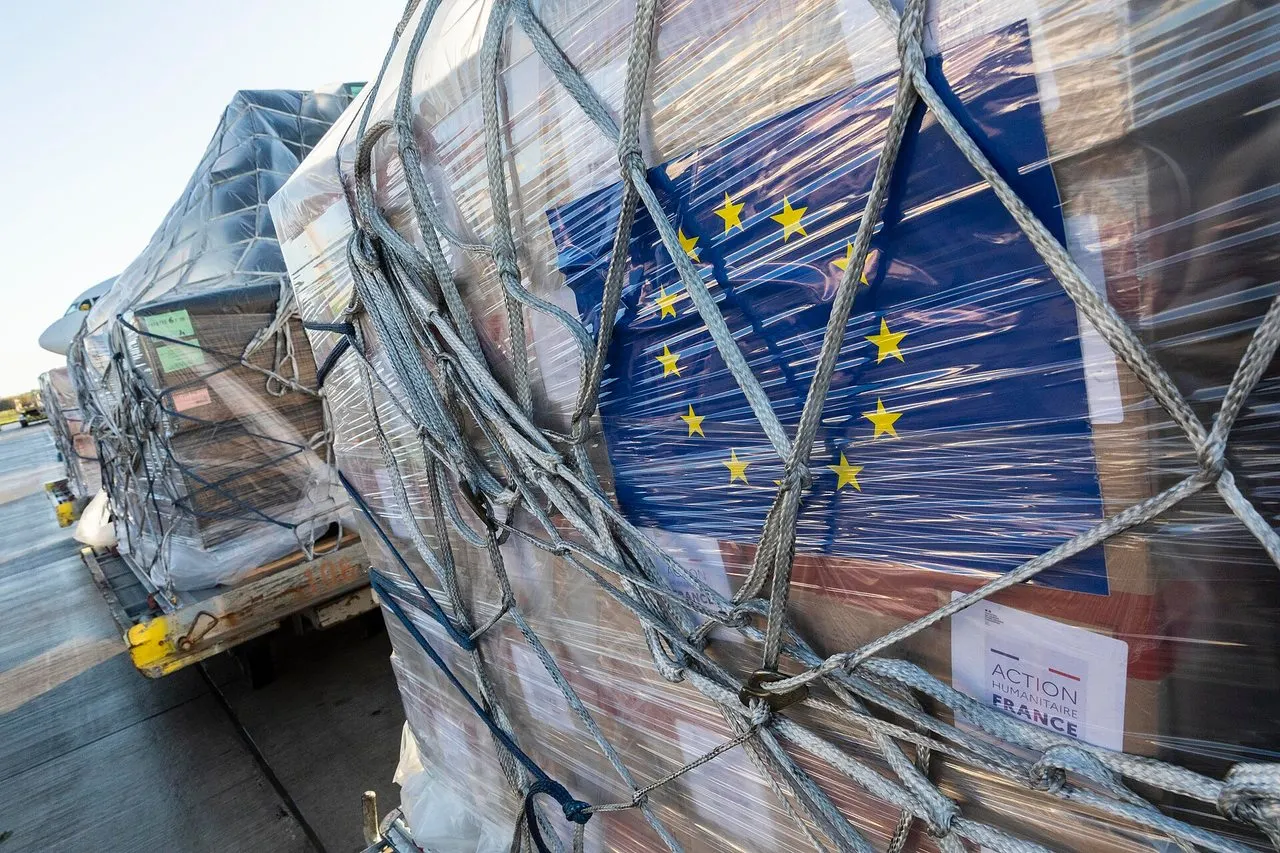
Basic necessities are the everyday things most of us never think about, like clean water, soap, diapers, baby formula and warm clothes. In Gaza those basics are in severe shortage, and every missing item makes the cold harder to bear. A baby without a dry diaper or a clean blanket is a baby at risk, and a mother without soap cannot keep her child clean in a crowded tent. Read about a joke about Washington spending.
Why Cold Nights Are So Hard on Gaza Babies
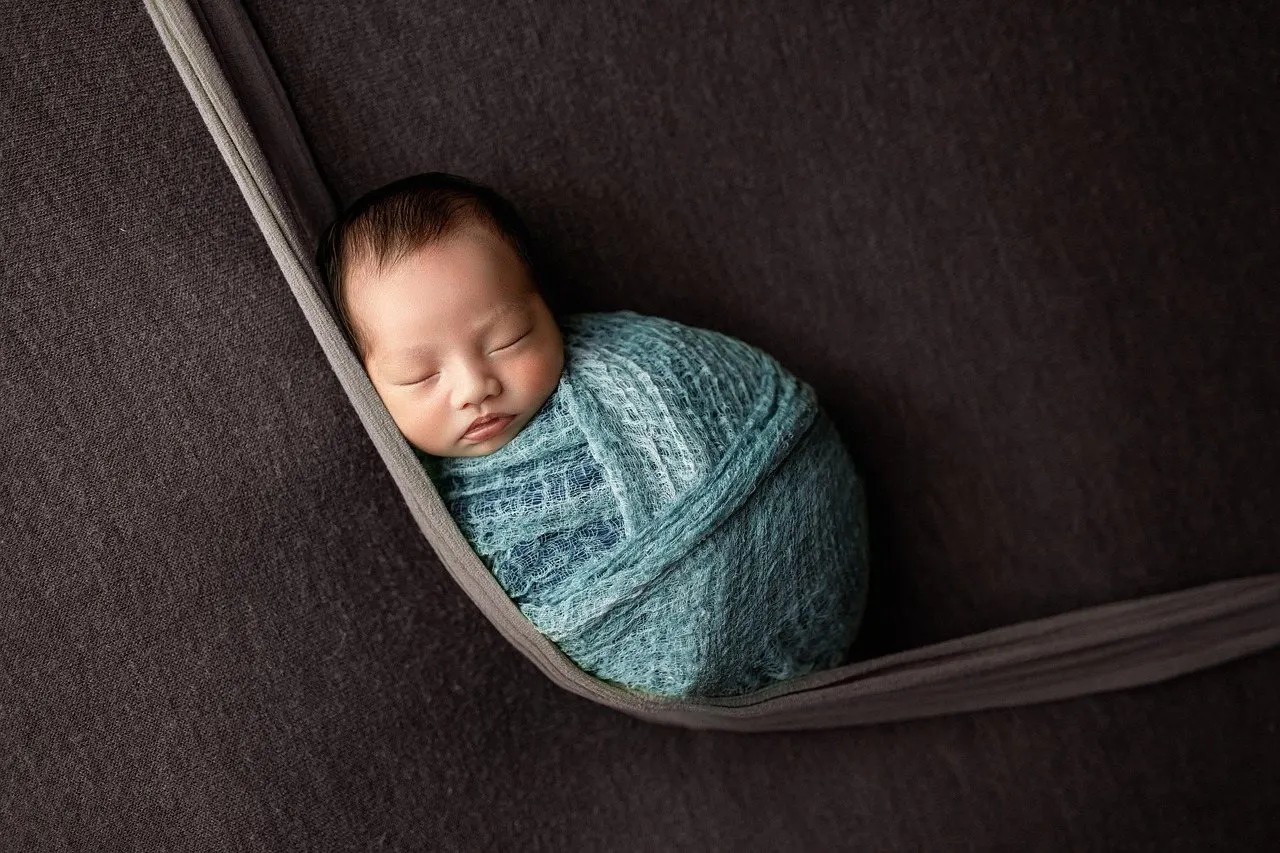
Cold nights are hardest on the smallest children because a baby’s body loses heat faster than an adult’s. A newborn cannot shiver well, cannot pull a blanket back up and cannot tell anyone that it is cold. That is why doctors worry most about babies when the temperature falls, and why a warm bed matters more for an infant than for anyone else. A baby who stays warm can sleep deeply and wake ready to feed. Read a viral post about a Palestinian baby at Christmas.
A Warm Bed Changes Everything for Gaza Babies
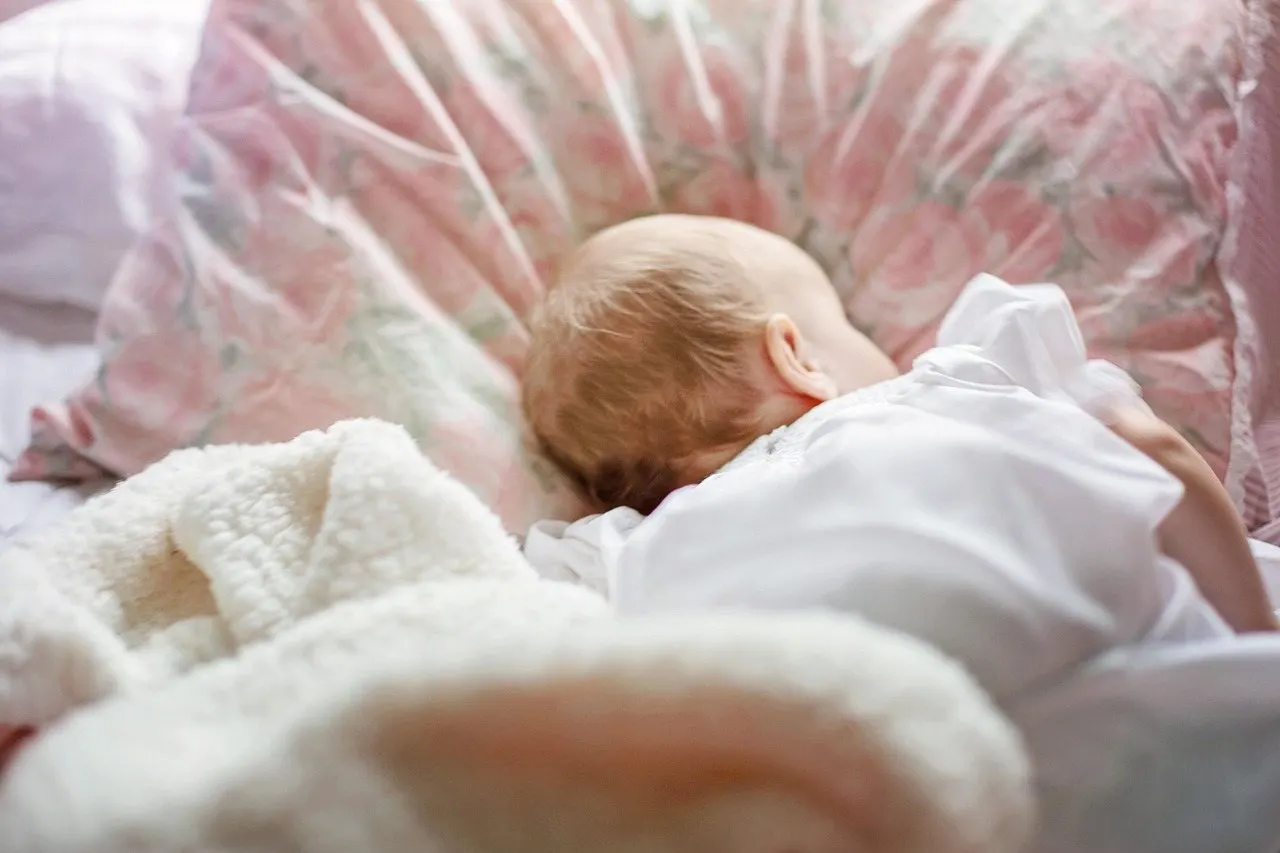
A warm bed changes everything for Gaza Babies. A baby who sleeps warm wakes up stronger, feeds better and fights off illness more easily than a baby who spent the night cold. Doctors know that warmth is part of medicine, not a comfort on top of it, because a cold baby burns energy just trying to stay warm. That is the simple truth behind the doctor’s message, and it is why his words touched so many people. See a boy who walked miles through bitter cold.
Gaza Babies Shiver Through Rain, Wind and Cold Nights
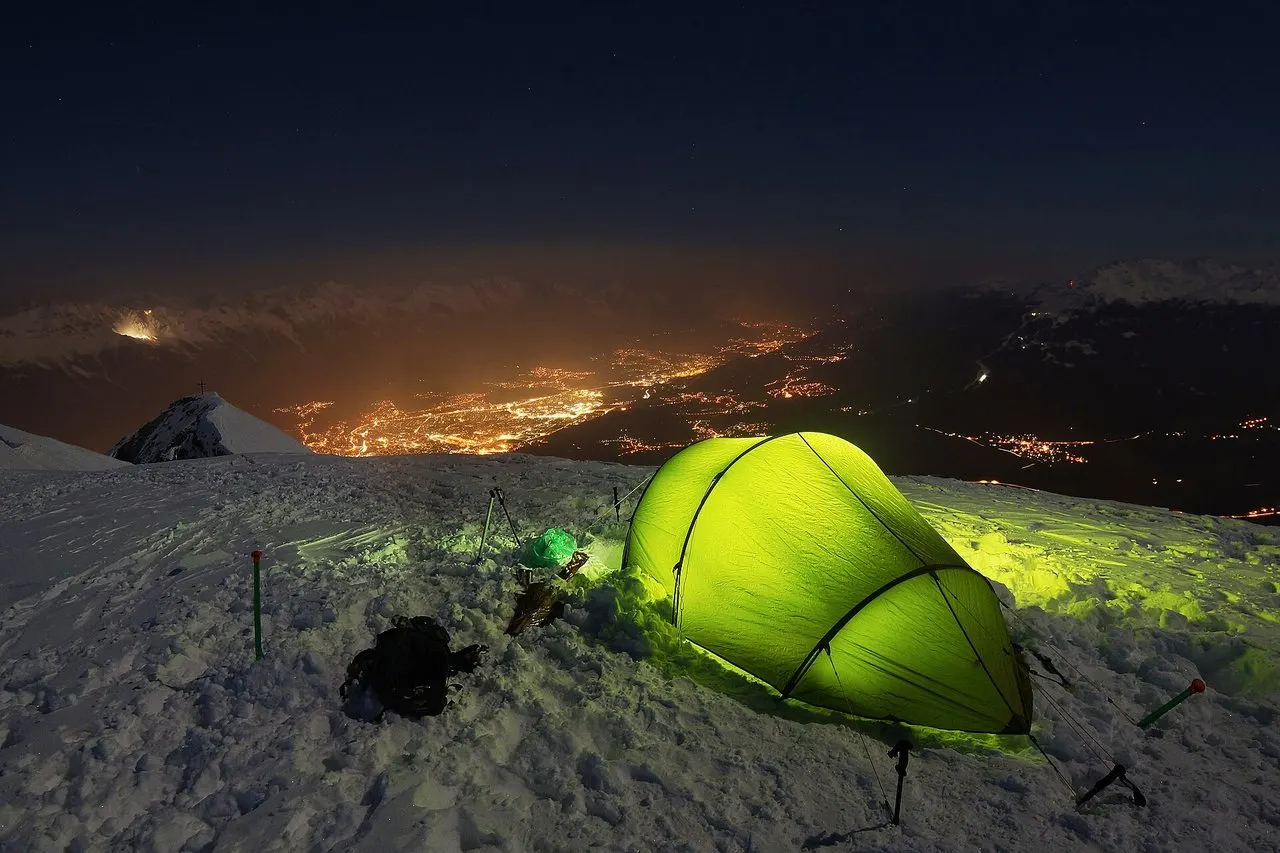
UNICEF has described children in Gaza as shivering through rain, wind and cold nights in fragile shelters, in a winter no child should face. Rain soaks the tent, wind finds every gap in the cloth, and the night seems to last forever for a family huddled together in the dark. These are not the hardships of one bad evening. They repeat night after night, all through the cold months. Read about another bill banning the same practice.
Shelter Aid Is Not Arriving Fast Enough
The Gaza Herald has reported that Gaza’s children face a deadly winter as shelter aid continues to be delayed. Tents, tarps and blankets are the very things that stand between a child and the cold, yet they arrive slowly while the nights only get colder. Every week of delay means more families facing winter with shelters that are already worn and thin. Aid that arrives late is aid that misses the coldest nights. Read about a rare warning from an endangered tribe.
What Winter Help Looks Like for Gaza Babies
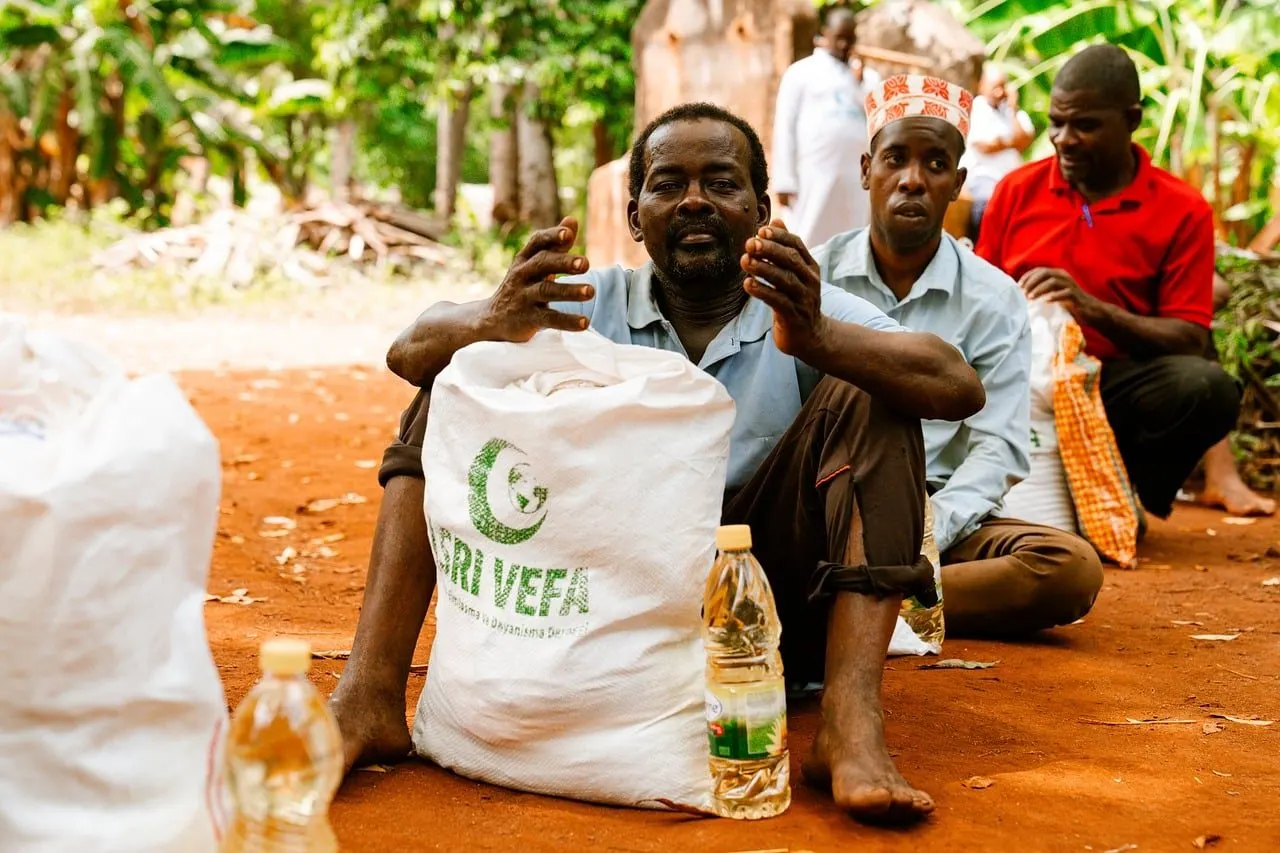
Winter help comes in simple forms, and each one matters. A warm coat keeps a child dry on the walk to fetch water. A thick blanket turns a cold floor into a place where a baby can sleep. A tarp over a tent keeps the rain from soaking everything inside. Aid groups work through the cold months to bring these basics to families, and every delivery is a small victory against the winter. Read about the old rule of women and children first.
Inside the European Gaza Hospital

The European Gaza Hospital is where Dr Alsharif does his work, caring for patients in intensive care and anaesthesia. Hospitals in Gaza have faced enormous strain, with crowded wards and supplies that run short, yet doctors and nurses keep showing up for their patients. A doctor who spends his days fighting to keep people alive carries a clear sense of what matters most, and for Alsharif that is the safety of the smallest patients. Read about a father who says he wants his daughter safe and alive.
Gaza Babies and the Parents Who Protect Them
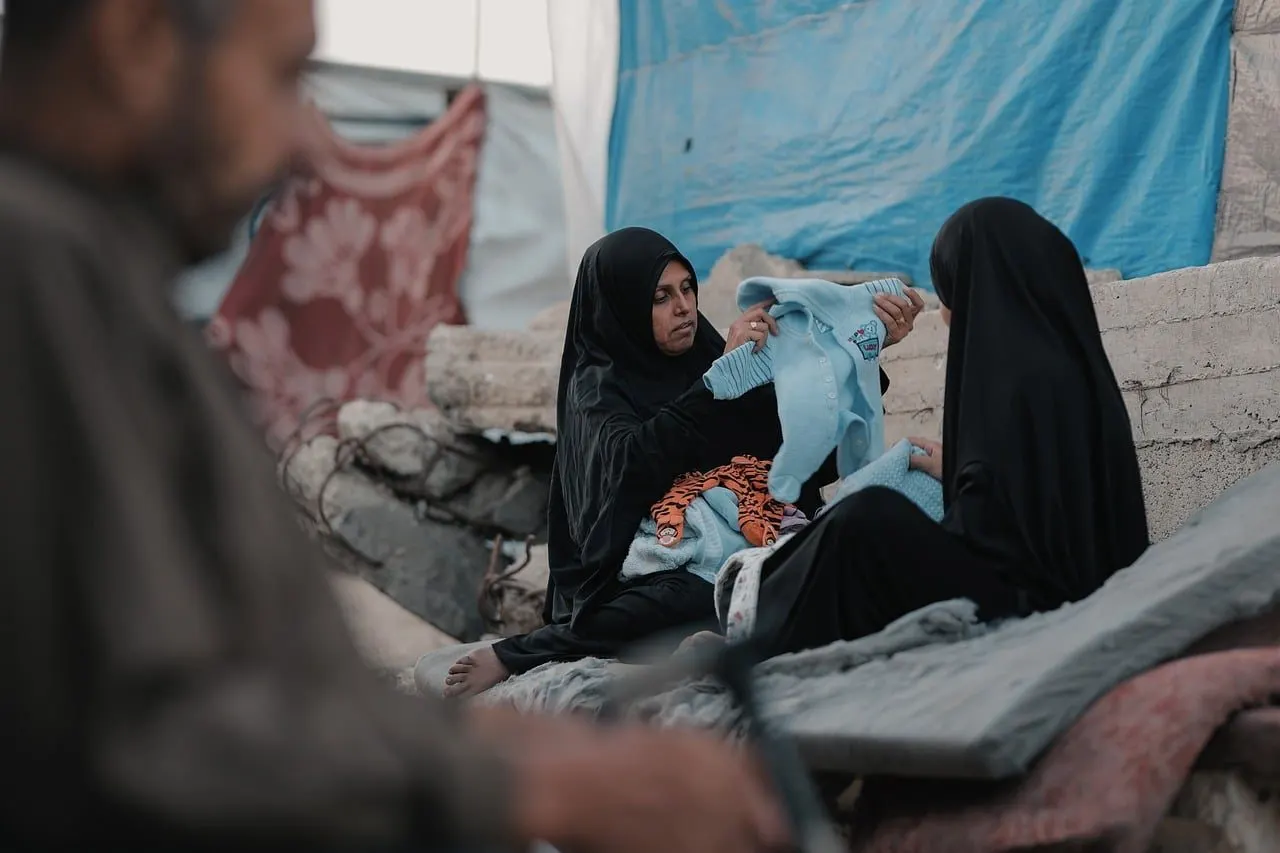
Parents in Gaza do everything they can to protect their children from the cold, wrapping them in every layer they own and holding them close through the night. A mother’s arms are the warmest blanket a baby can have, and many mothers spend the night awake, checking that their children are still warm. Their love is fierce, but love alone cannot heat a tent or dry a wet blanket. Read about whether robots should do dangerous jobs.
Do Not Stop Talking About Gaza
Do not stop talking about Gaza. That was the second half of the doctor’s message, and it matters as much as the first. When the world looks away, the cold keeps coming, the tents keep leaking and the shortages keep biting. Talking keeps the story alive, and a story that stays alive is a story that can still bring help. Every share, every comment and every conversation is a small act of care. Read about a stressful season coming to an end.
How One Post Reached the World

One short post can reach the whole world in a day, and Alsharif’s message did exactly that. People shared it, quoted it and talked about it, because it put a huge crisis into words anyone could feel. Social media is often full of noise, but sometimes a single clear sentence cuts through it all and reminds us what is at stake. This post was one of those moments. Read about a warm greeting that drew critics.
Winter Rain in Gaza

Winter in Gaza brings rain, wind and cold nights, and the rainy season is the hardest time of the year for families in tents. The days are short, the nights are long, and the damp creeps into everything that is not covered. For a baby, a wet winter night can be dangerous, because wet clothes and bedding steal warmth from a small body far faster than dry ones do. Read about a robot that may soon wash the dishes.
Fragile Shelters Made of Cloth and Plastic
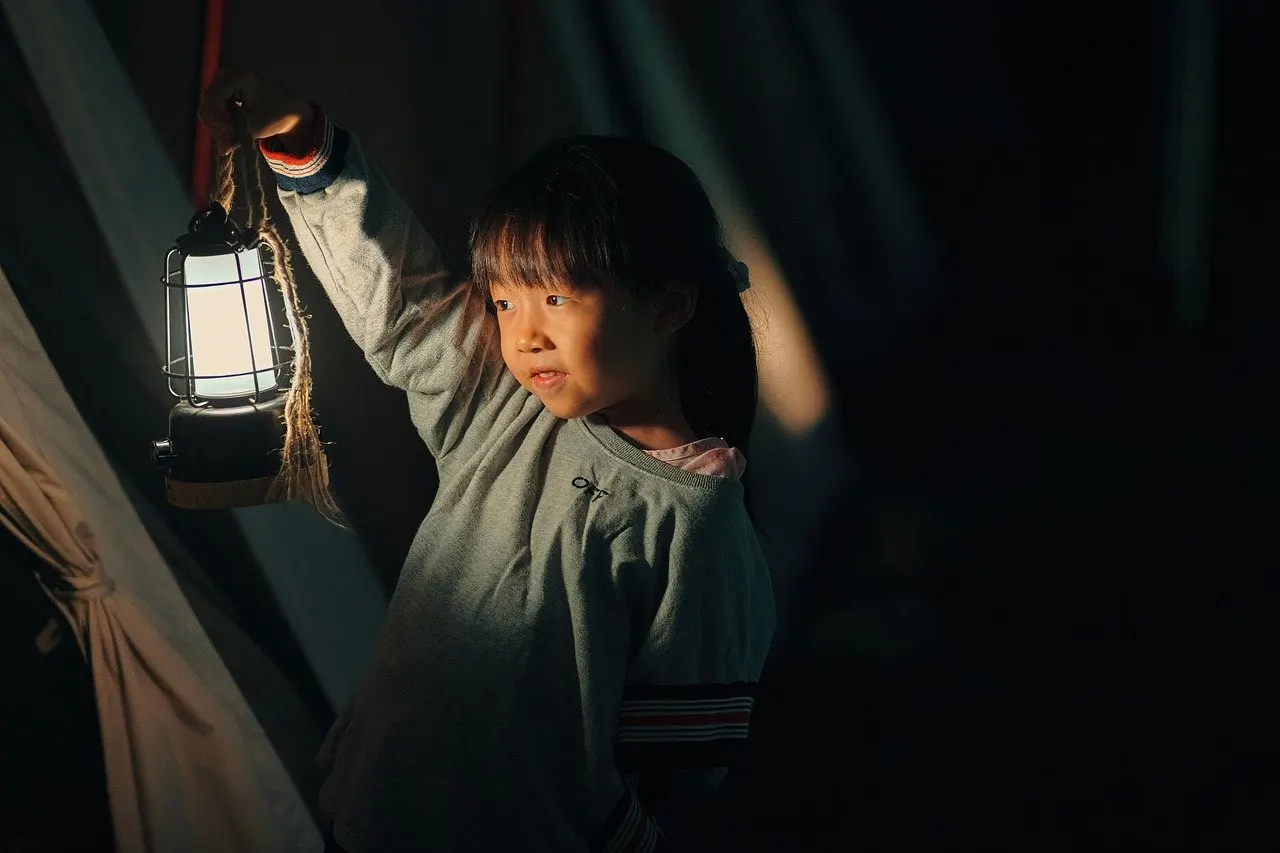
Many shelters in Gaza are fragile, made from cloth, plastic sheeting and whatever materials a family could find. A tarp can keep out some rain, but it tears in strong wind, and a tent with a torn roof is no shelter at all. Families patch and repair what they have, yet every storm tests those repairs and finds the weak spots. Strong shelter is not a luxury here. It is the difference between a dry night and a flooded one. Read a viral post about a Palestinian baby at Christmas.
Gaza Babies Face the Cold First
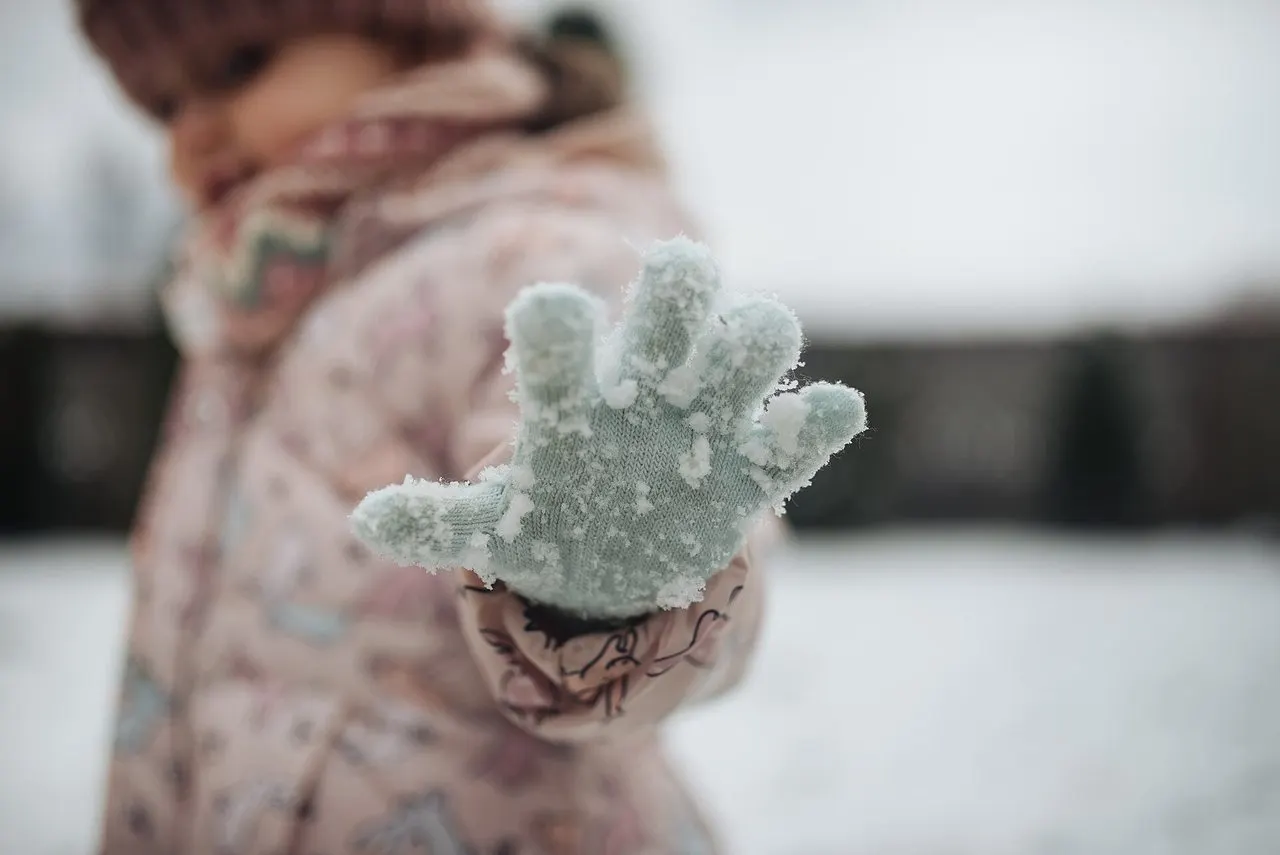
Gaza Babies face the cold before anyone else does, because their small bodies feel it first and fight it worst. Older children can pull on a coat, run around to warm up and say when they are cold, but a baby depends on the adults around it for every bit of warmth. That is why aid groups and doctors put babies first when winter comes, and why the doctor’s message speaks for them. See a boy who walked miles through bitter cold.
Warm Clothes, Blankets and Dry Floors
Warm clothes are simple protection, and they matter more than they look. A knitted hat, a pair of socks and a thick sweater can keep a child’s body heat where it belongs, and dry clothes after rain are worth more than gold to a cold family. Aid workers bring winter clothing to families who have lost everything, and every coat handed to a child is one more small shield against the night. Read about a shelter dog who carried blankets to kittens.
Help Reaches Families One Blanket at a Time
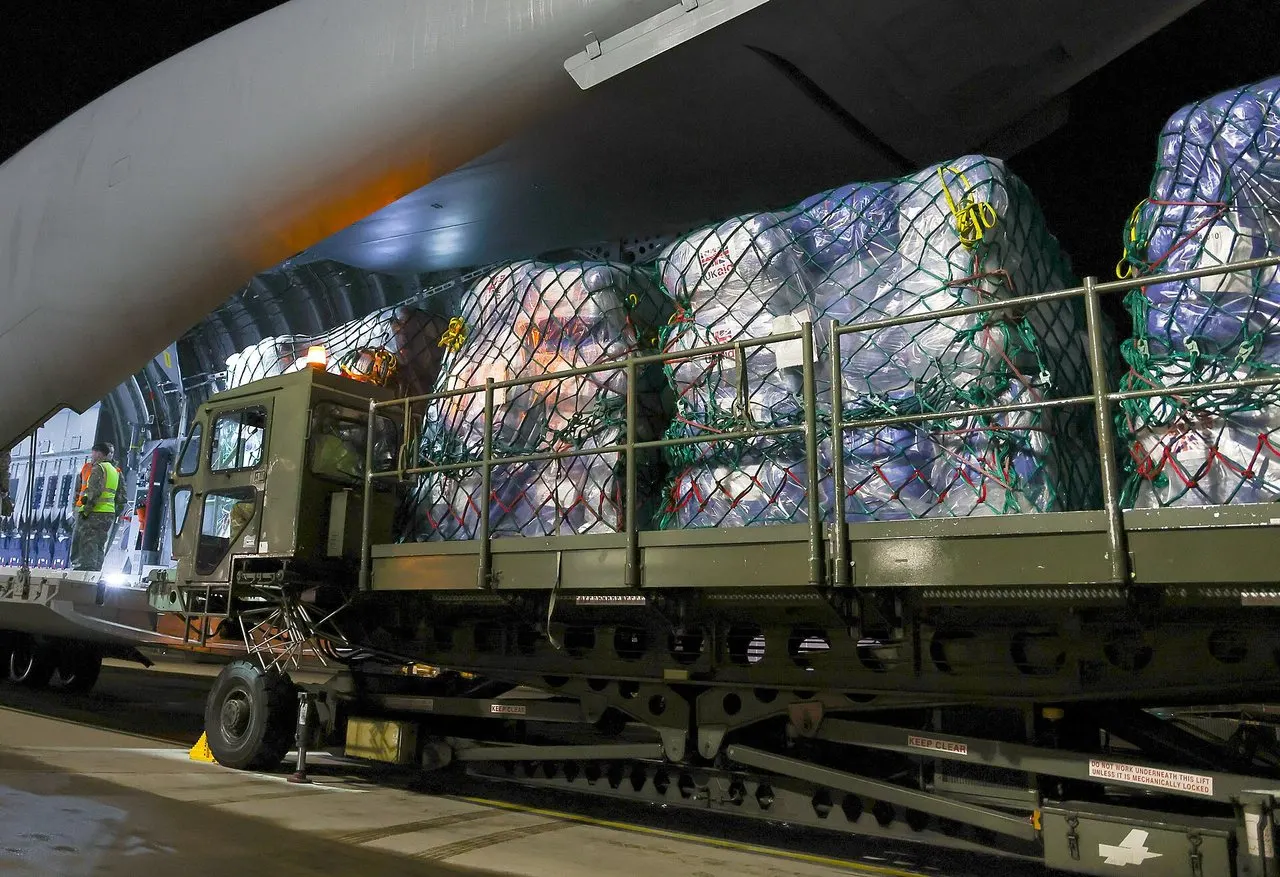
Help reaches families one blanket at a time, and that slow work is what winter aid is made of. Trucks carry supplies, volunteers hand out blankets and clothes, and each delivery makes one more tent a little warmer for one more night. It is not fast, and it is never enough, but it is real, and for a family with a cold baby tonight it can be everything. Read about a bill to stop ICE from using children as bait.
What Would You Do for Gaza Babies Tonight?
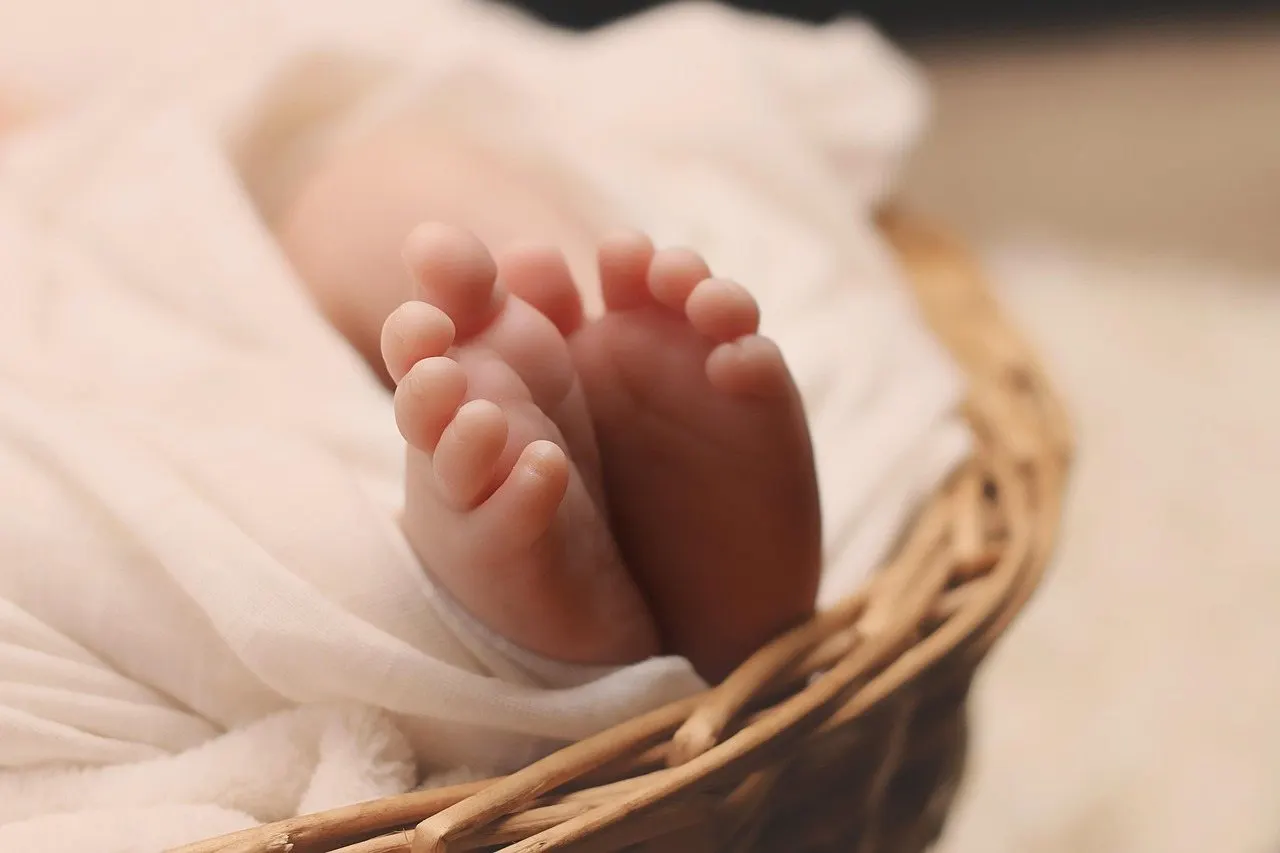
These babies need warm beds tonight, not someday, and the doctor’s message asks each of us a question. Will we keep talking about them, or will we let the winter pass in silence while they shiver in their tents? Babies cannot speak for themselves, so the rest of us must speak for them, and keep speaking until they are warm and safe. What would you do for Gaza Babies tonight? Share your thoughts in the comments below. Read about the old rule of women and children first.