Mexicans Are Not Immigrants, Terrence Howard Says at Social Fest
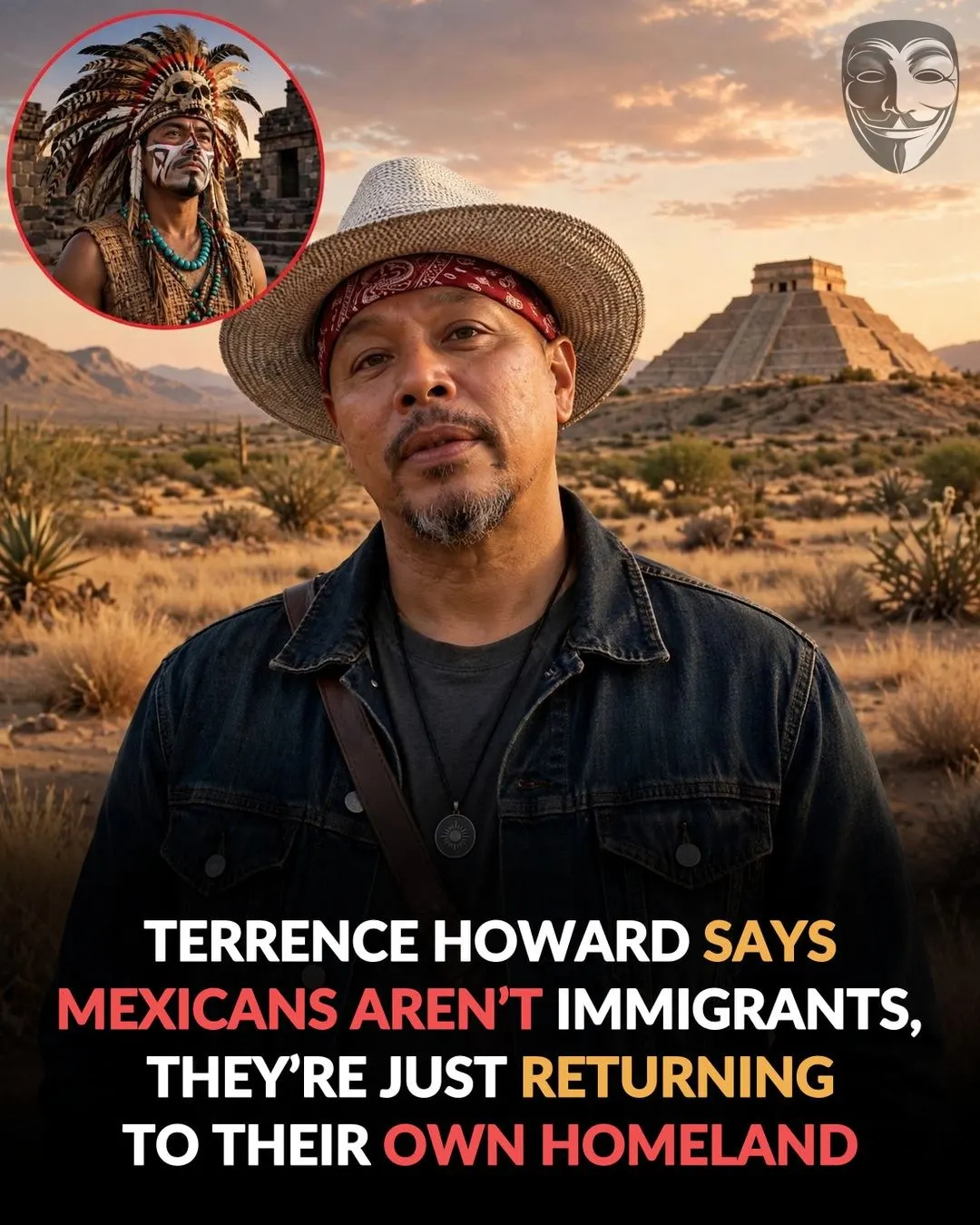
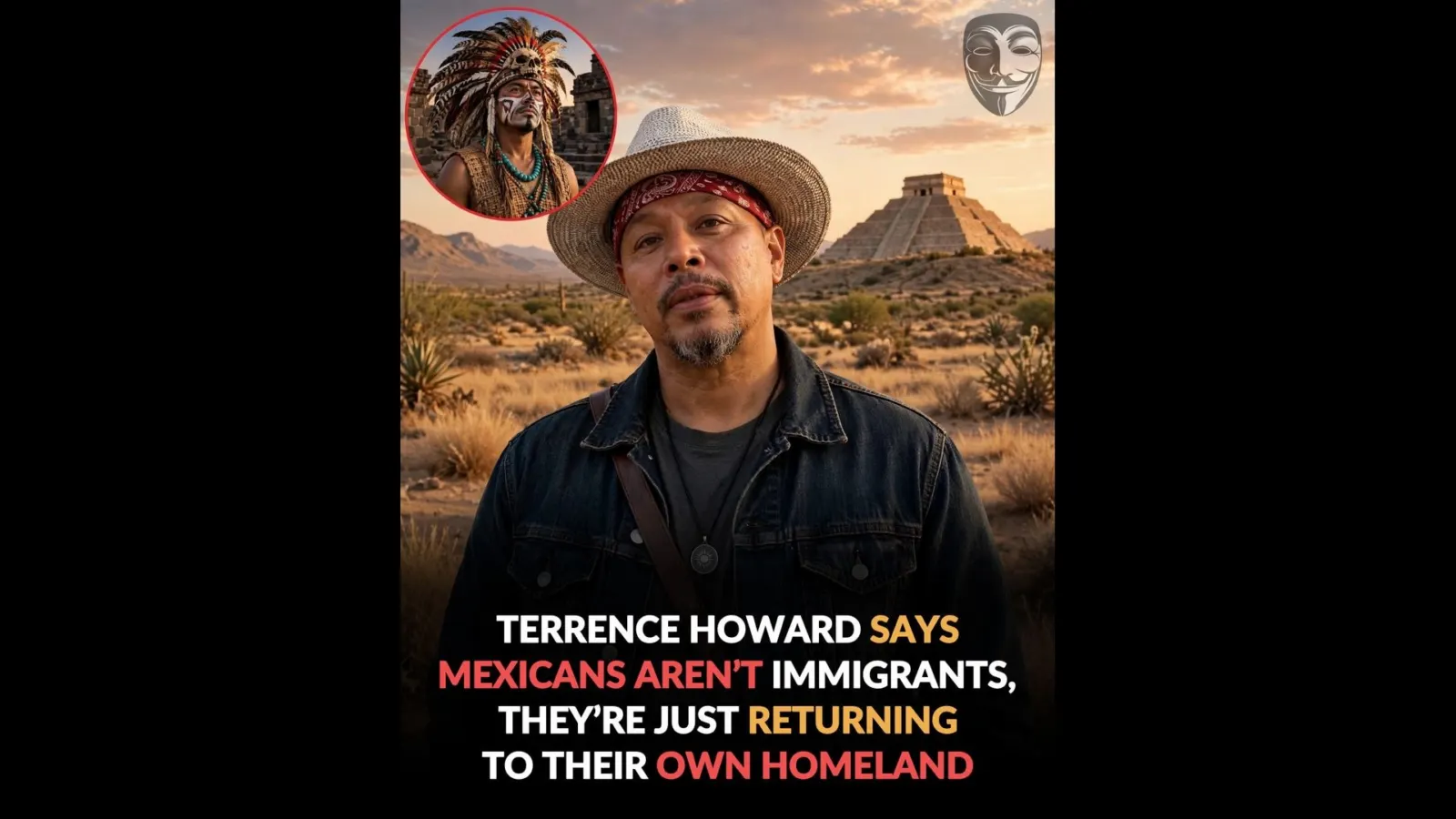
Mexicans are not immigrants, Terrence Howard told an interviewer at Social Fest in McAllen, Texas, and his words quickly became a talking point far beyond the festival stage. Howard said Mexicans are coming back to their own homeland, not entering someone else’s country, because they were here first. He called Mexicans the true natives and the true American natives, a phrase that framed the whole interview around history and belonging. The setting mattered too, since McAllen sits in the Rio Grande Valley, close to the border and rich in Mexican American life.
In the slides ahead, we follow what Howard said, why he pointed to the Treaty of Guadalupe Hidalgo in 1848, and how people reacted online, from praise to sharp disagreement. We also look at the land, the food, and the families that shape the region he was talking about. For more on the deep roots of this land, read our guide to Native American foods that nourished this land long ago and our look at Texas-Mexican holiday favorites from a family table.
References:
Texas Border Business: Terrence Howard to Deliver Day 2 Opening Keynote at Social Fest
Worldstar Hip Hop: Terrence Howard Says Mexicans Are Not Immigrants They Are Coming Back to Their Own Homeland
Brave Mindz: Terrence Howard Says Mexicans Are Not Immigrants Claims They Are Coming Back to Their Own Homeland
So Mexican: Terrence Howard Calls on Americans to Treat Mexicans With Respect Saying They Are Returning to Their Homeland
What Terrence Howard Said in McAllen

Terrence Howard spoke to an interviewer at Social Fest in McAllen, Texas, and he put his view in plain, direct words. He said Mexicans are not coming into someone else’s country, because they are coming back to their own homeland. He added that Mexicans were here first, and he called them the true natives and the true American natives. You can see how another star handles family and fame in our story on Kevin Hart and time with his kids, plus a student who came home after an ICE release.
McAllen, Texas, Set the Stage
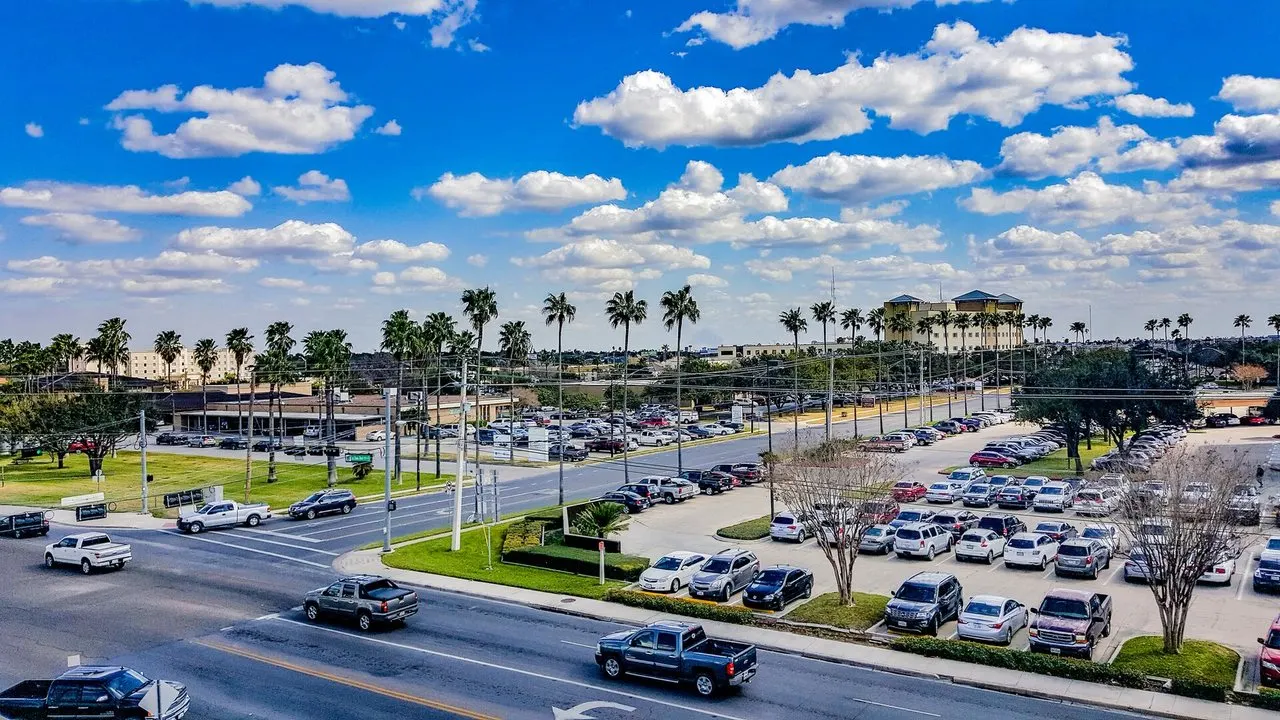
McAllen is a city in South Texas, in the Rio Grande Valley, not far from the border with Mexico. Mexican American culture is part of daily life there, in the food, the music, the language, and the family ties that cross the river. Social Fest brought people together for talks and performances, and Howard was one of the voices on stage. For a sense of how leaders handle long trips and big stages, read our report on a briefing room return after a long flight.
Mexicans Are Not Immigrants, They Are Coming Home
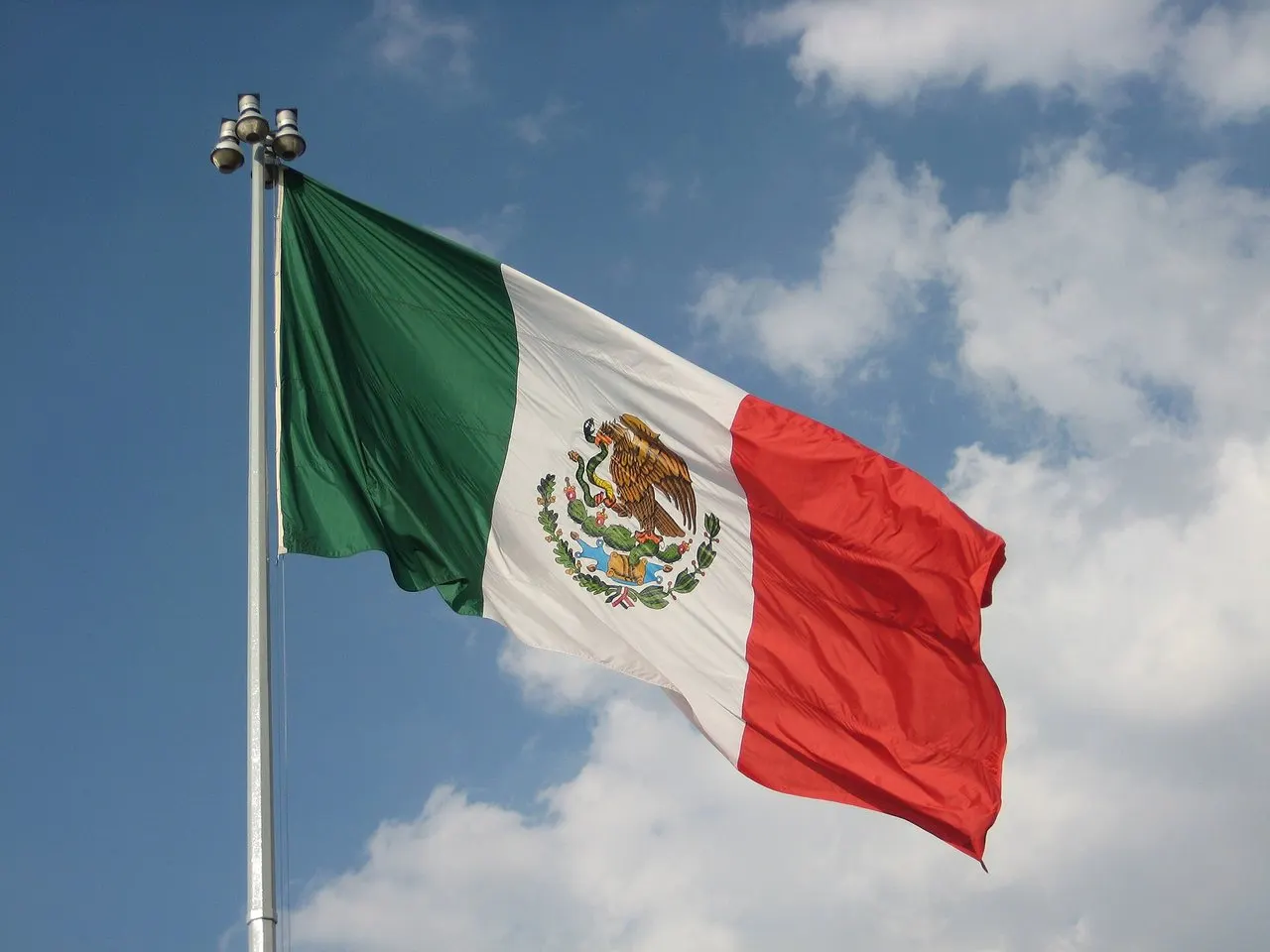
The heart of Howard’s message was a simple turn of words. Mexicans are not immigrants, he said, because they are coming home. In his view, the journey north is not a move into a foreign land, but a return to a place that was once theirs. It asks listeners to think of arrival as a homecoming. The claim is bold, and it is the reason the clip spread so fast. Read about foods that nourished this land centuries before the first Thanksgiving for more context on roots and belonging.
Half the Country Is Still Mexico at Heart
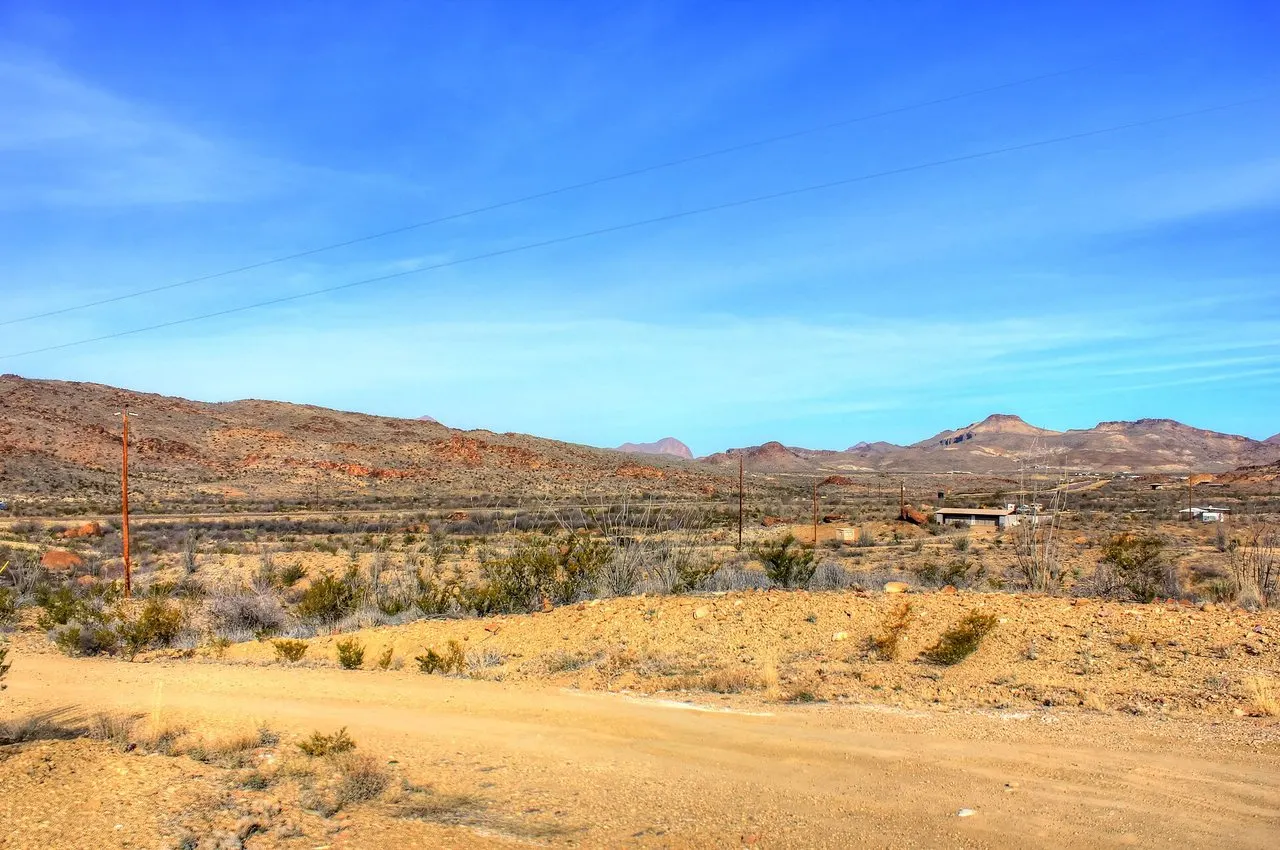
Howard also said half of the country is still Mexico at its heart. He did not offer a map or a number to prove the point, and the line works more as a feeling than as a fact. It points to the deep mark that Mexican culture, language, and family life have left on the American Southwest. Many people in Texas and beyond felt the line rang true. See Texas-Mexican holiday favorites from a family table for more on culture and home.
Treat Them With Dignity, Howard Urges

Howard closed his point with a call for respect. He said Americans should treat Mexicans with dignity, as visitors inside their land. The word visitors is striking, because it turns the usual story around. In his telling, the people who are often called newcomers are the hosts, and everyone else is a guest. That is a strong way to ask for kindness, and it is also why the line drew both warm praise and sharp pushback. Read a student who came home after an ICE release for more on respect and debate.
Mexicans Are Not Immigrants in the Land They Call Home
Howard’s argument rests on history, and the history starts with the land itself. Much of the American Southwest was once Mexican territory, long before the borders we know today were drawn. People lived, farmed, traded, and raised families there under Mexican rule, and their roots in the region run deep. That is the idea Howard was reaching for. Learn about foods that nourished this land centuries before the first Thanksgiving.
The 1848 Treaty That Redrew the Map
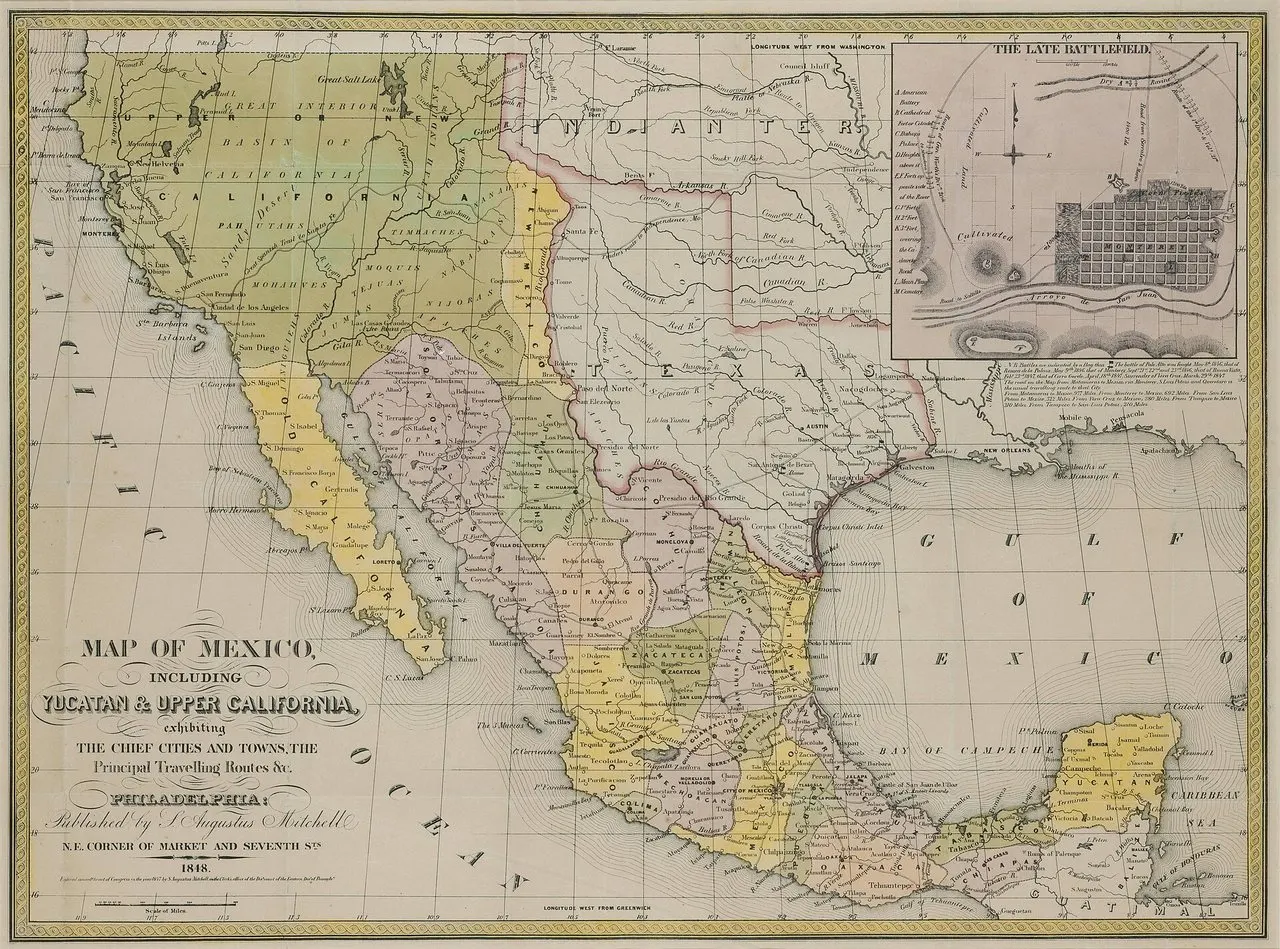
The key date in Howard’s story is 1848, the year of the Treaty of Guadalupe Hidalgo. In that treaty, Mexico ceded a large stretch of land to the United States after the Mexican-American War, including what is now California, Nevada, Utah, and parts of several other states. Their language and family ties did not vanish with the new border. That is why the treaty still matters in talks about belonging today. Read our report on a briefing room return after a long flight for more on how big changes are argued.
The Rio Grande and the Mexicans Are Not Immigrants Story
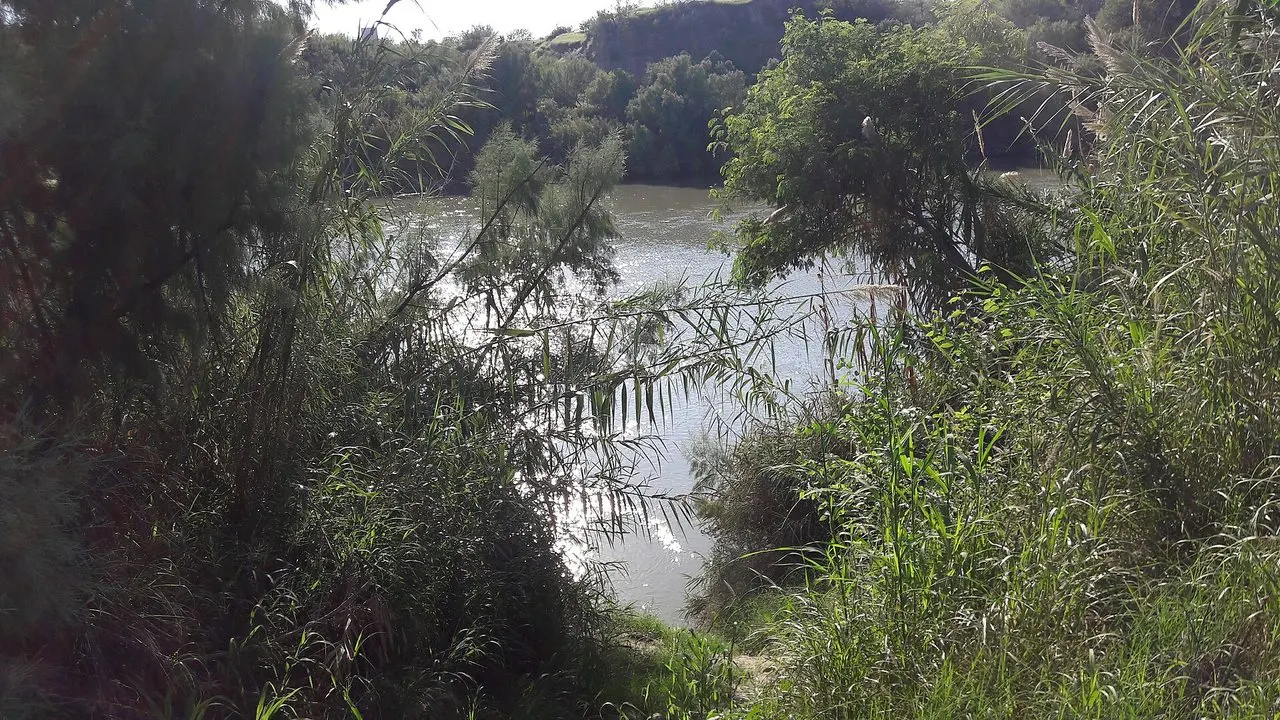
The Rio Grande runs along the border between Texas and Mexico, and it has long been both a meeting place and a dividing line. Towns on both banks share families, markets, and music, and the river has shaped life in the valley for generations. When Howard spoke in McAllen, he was close to that river and to the people whose lives it touches every day. See a trip home from Asia after historic meetings for more on borders and change.
How the Clip Spread So Fast Online
A short interview clip is made to travel, and Howard’s words did just that. People shared the video, quoted the line about coming home, and added their own views in the comments. Some clips reach millions of viewers in a day, because a bold claim is easy to pass on. The speed of the spread meant that many people met the idea first as a clip, not as a full talk. Read our story on Kevin Hart and time with his kids for more on fame and family.
Supporters Praised His Mexicans Are Not Immigrants Message
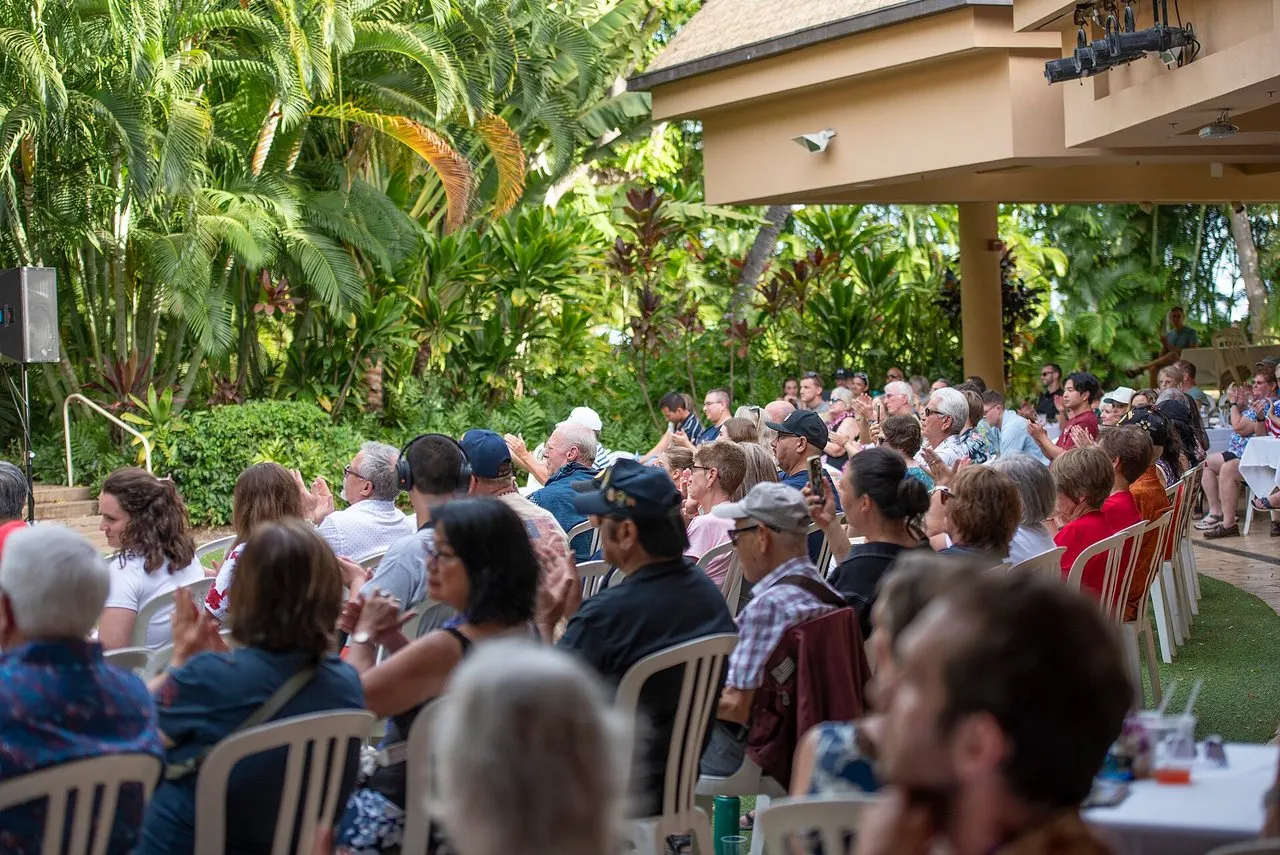
Many supporters praised Howard right away, and they said he had put into words what they already felt. For them, the line about coming home honored Mexican roots and the long history of the Southwest. They shared the clip with warm comments, and they thanked him for speaking with pride about a community they love. Praise online can feel like a wave, and this wave carried the interview far beyond McAllen. See a debate over a 1952 law and public office for more on strong reactions.
Critics Pushed Back in a Heated Debate
Not everyone agreed, and the pushback was heated. Critics said that history is more complex than one line can hold, and that a treaty signed in 1848 changed the legal map for good. Others said that citizenship and belonging today rest on laws, not only on old borders. The debate moved quickly from Howard’s words to wider questions about immigration, borders, and national identity. Read a fight over leadership in Washington for more on heated public fights.
Borders and Belonging: The Bigger Argument
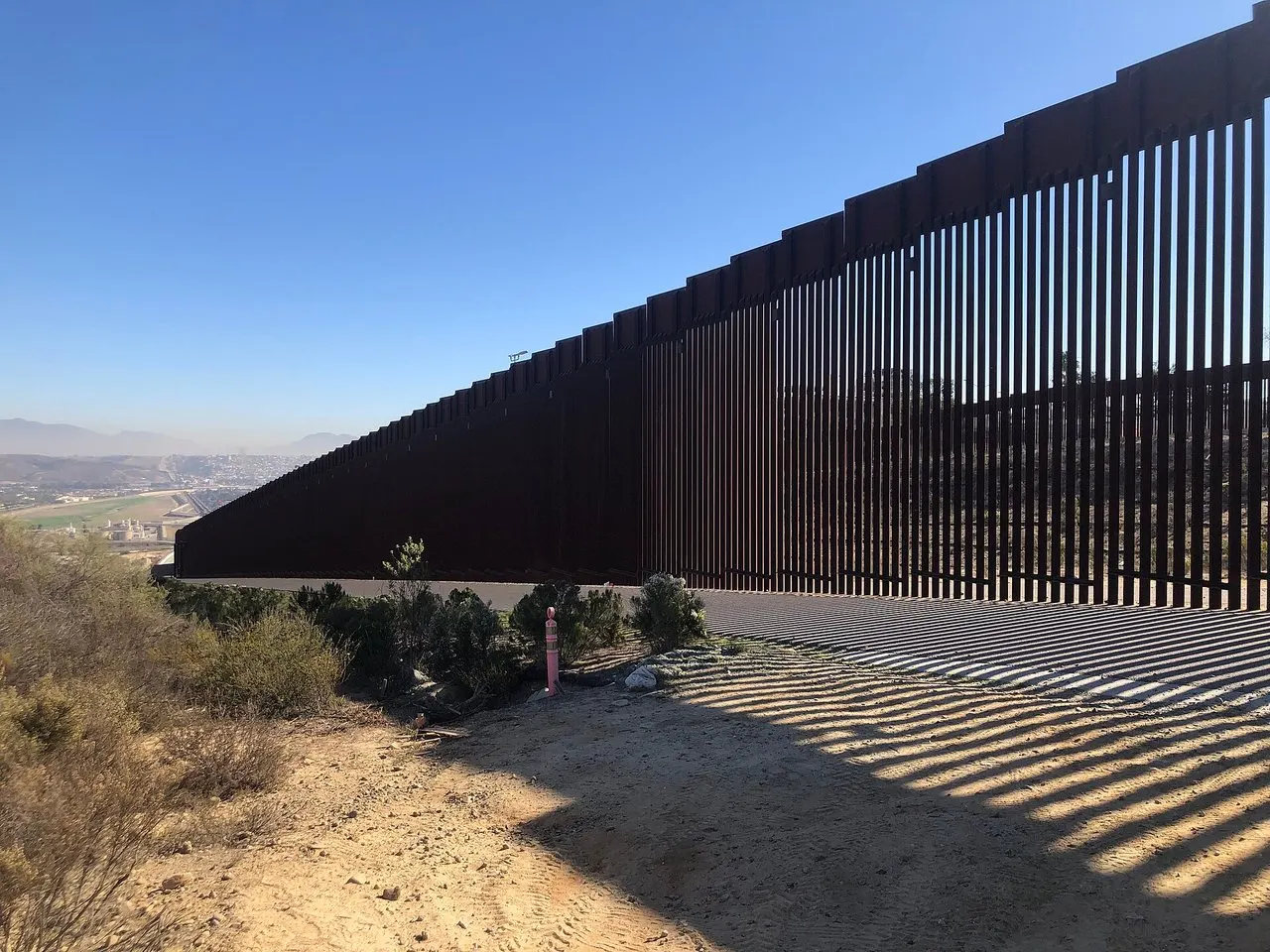
At its core, the debate is about who belongs and where home begins. A border can be a line on a map, a fence on a hill, or a river that people cross for work and family. For some, belonging comes from birth, history, and roots in the soil. For others, it comes from citizenship, laws, and the shared life of a nation today. See a warning about forced removal and the global order for more on big questions.
Life in the Valley Behind the Mexicans Are Not Immigrants Words
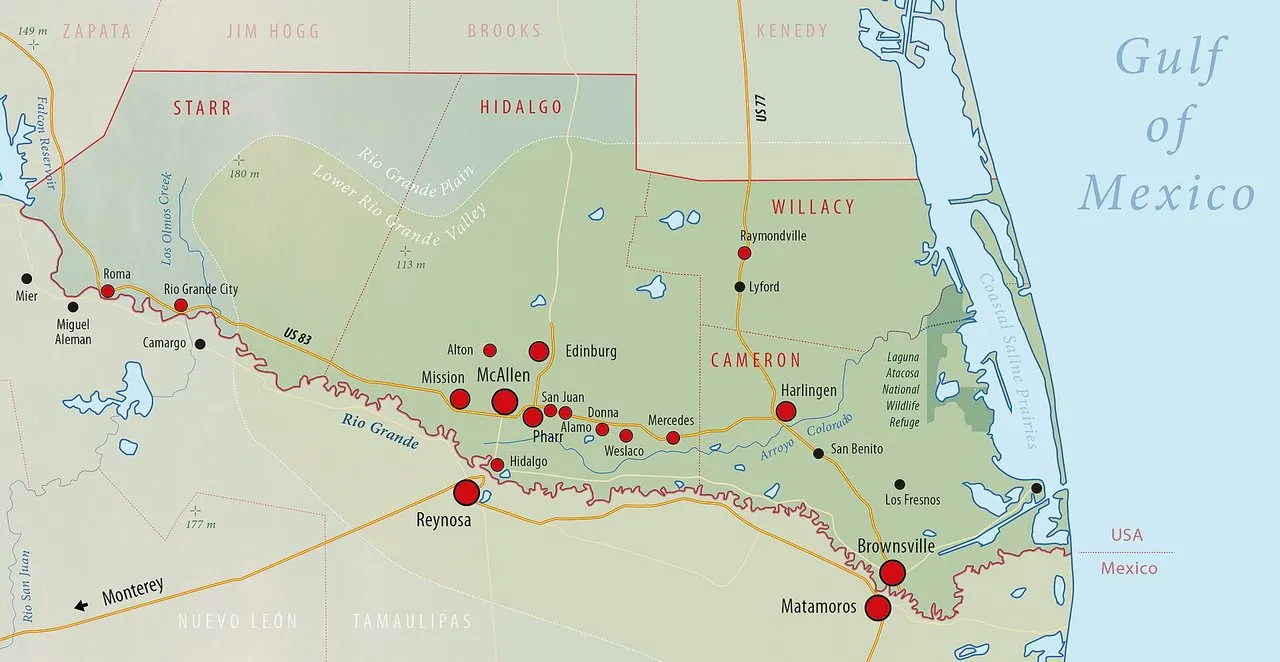
The Rio Grande Valley is home to cities like McAllen and Brownsville, and to farms, schools, and small businesses that hum with daily life. Families there often have ties on both sides of the river, and Spanish and English mix in shops, churches, and kitchens. Howard was speaking to that world, not to an abstract map. It helps to picture the valley when weighing his words. Read Texas-Mexican holiday favorites from a family table for a taste of the region.
Texas-Mexican Food Carries the Story Too
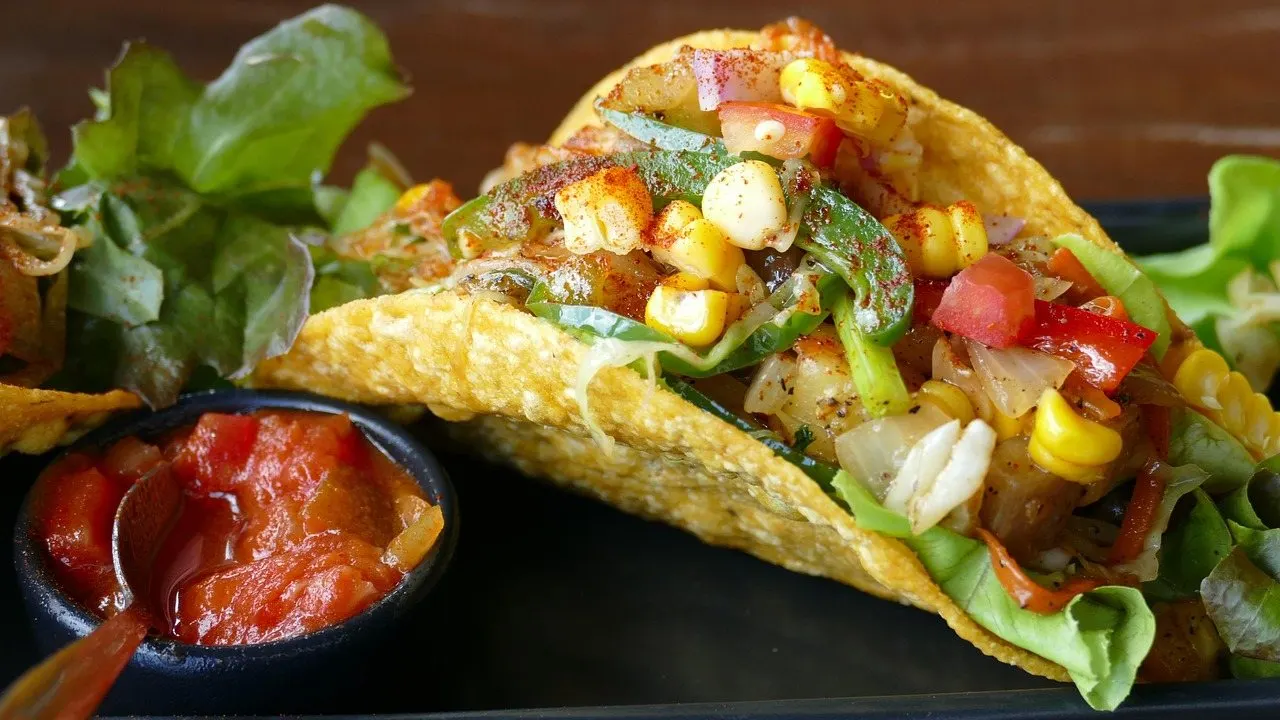
Food is one of the clearest signs of a culture that stays put, even when borders move. In South Texas, tamales, tacos, and pan de polvo are part of family tables and holiday gatherings, passed down through generations. Recipes travel with families, and they keep old flavors alive in new kitchens. When Howard spoke of a land that is still Mexico at heart, many listeners thought of the food they grew up with. See crunchy party snacks that vanish first for more on food and memory.
First Peoples and the Mexicans Are Not Immigrants Claim
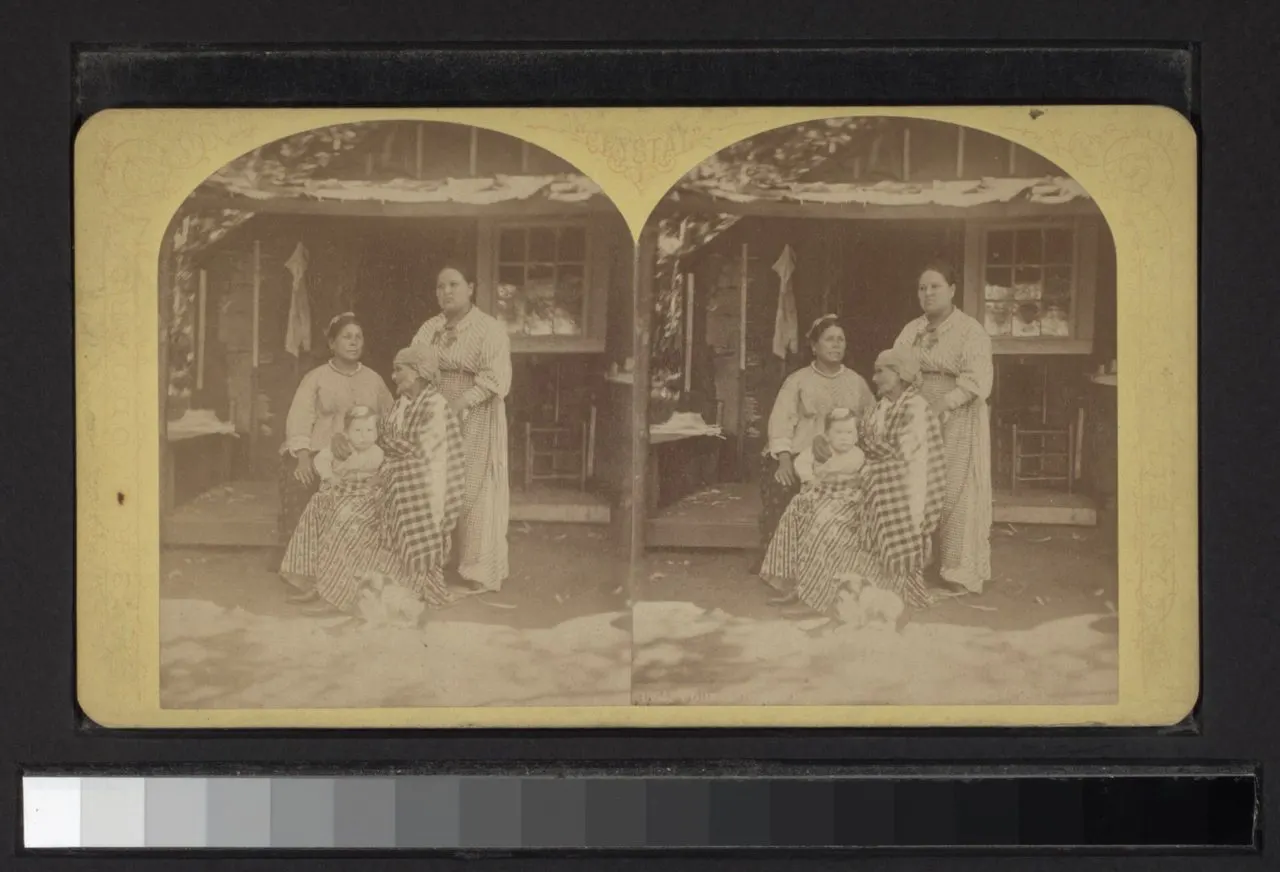
Howard called Mexicans the true natives, and that phrase also points to the first peoples of the Americas. Long before Mexico or the United States existed, Indigenous peoples lived across this land, with their own languages, foods, and ways of life. Their story is part of any honest talk about who was here first. The land remembers more than any one border. Read a rare golden tiger with a strawberry tinted face for more on history and memory.
Immigration Law Shapes the Debate Today
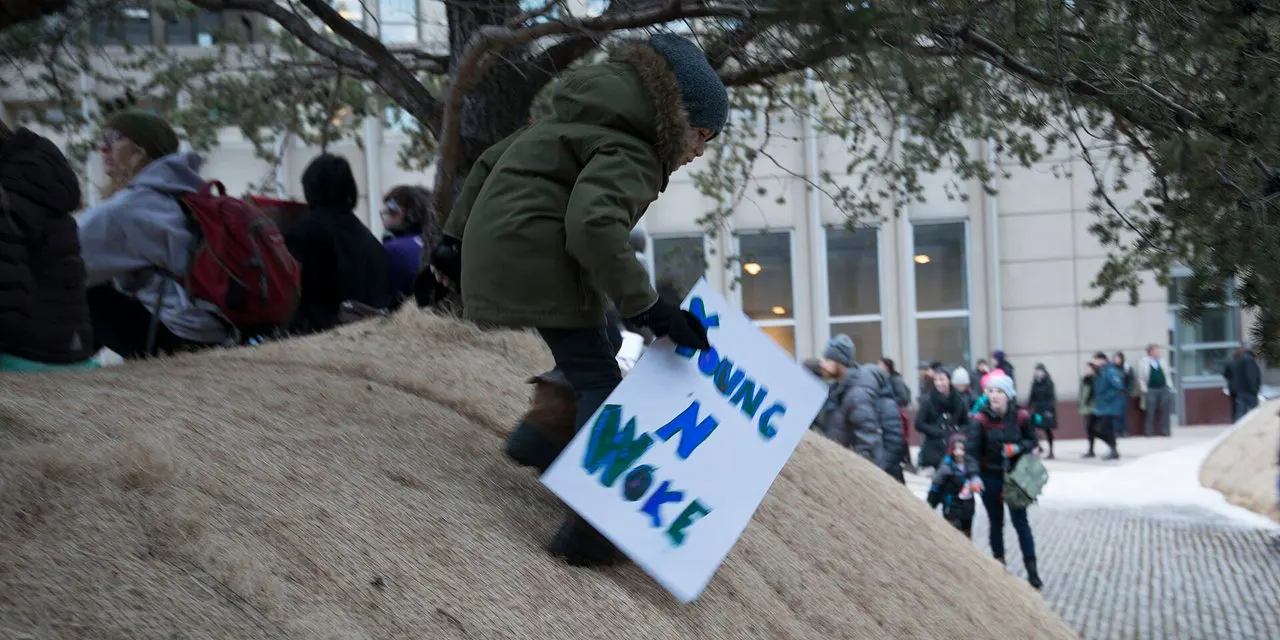
Today, immigration is also shaped by law, and the law is where much of the argument now lives. Rules about visas, asylum, and enforcement decide who can stay, who must wait, and who is sent home. Families watch these rules closely, because a single decision can change a life. Both the past and the present shape how people hear his words. See a student who came home after an ICE release for more on law and belonging.
Culture and Dignity in the Mexicans Are Not Immigrants Debate
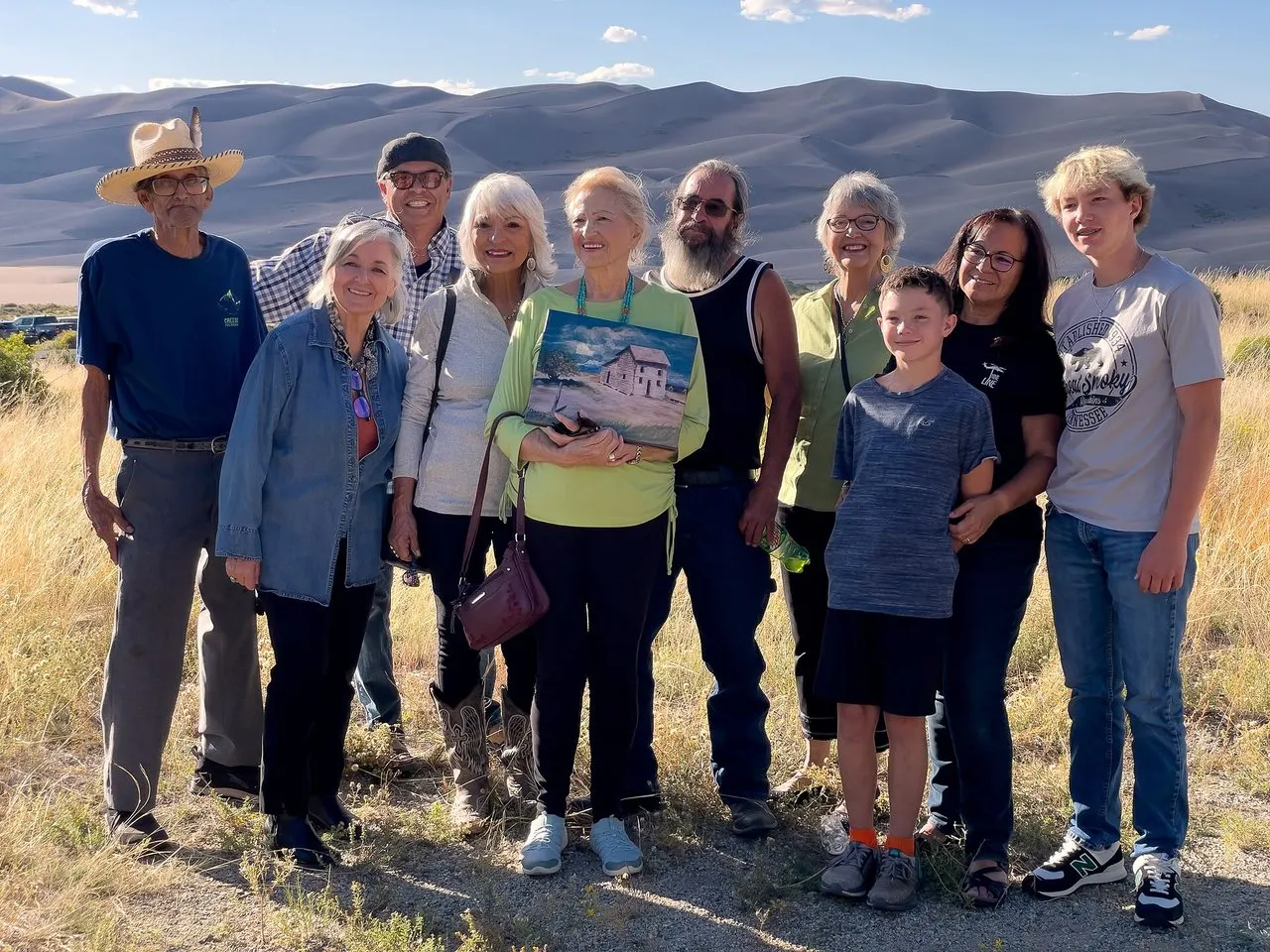
Beyond law and history, Howard’s words were also about culture and dignity. A Hispanic heritage celebration brings families together to share music, dance, and stories, and it shows a community proud of its roots. When people feel seen and respected, they are more likely to listen to each other, even when they disagree. That may be why his call for respect struck a chord. Read our story on Kevin Hart and time with his kids for more on dignity and home.
Howard Delivered the Day 2 Opening Keynote
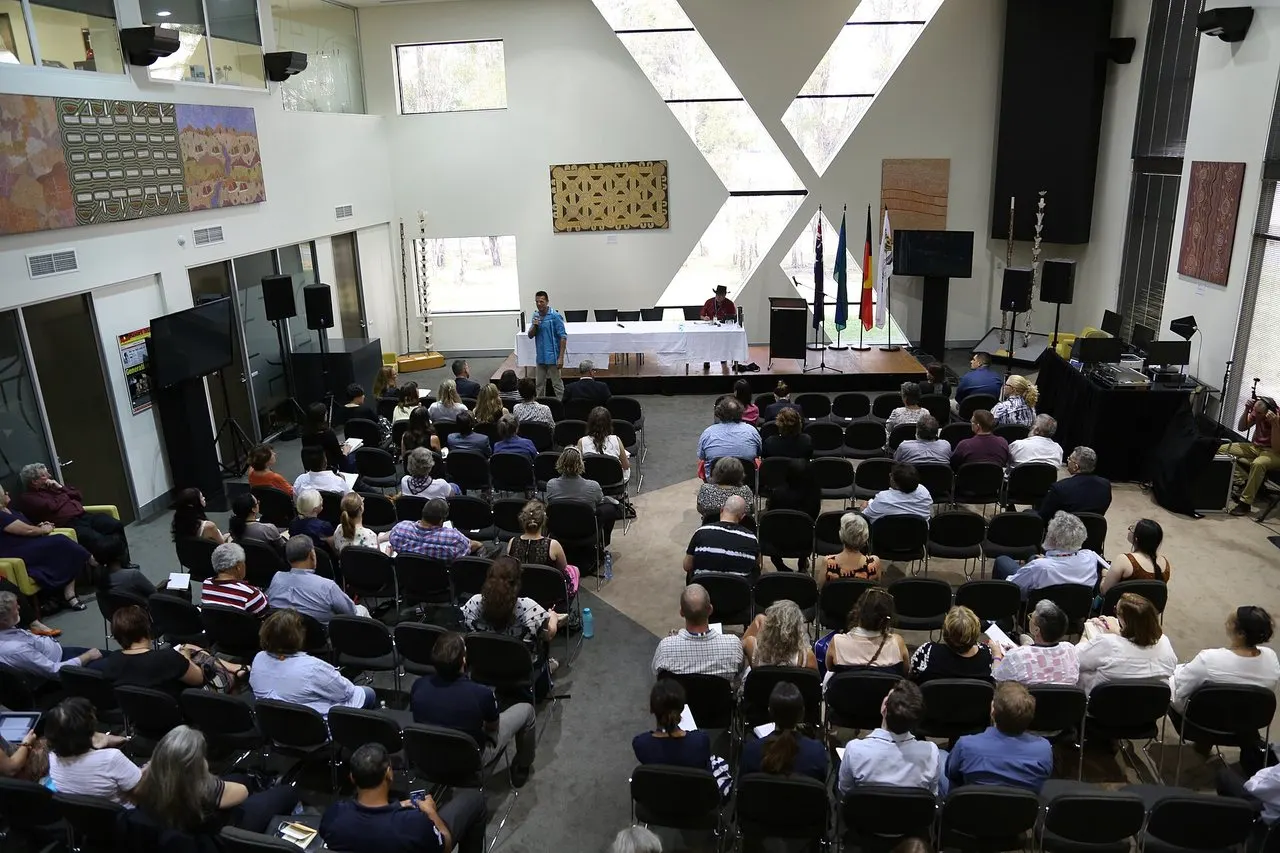
Howard was not just passing through McAllen, since he was set to deliver the Day 2 opening keynote at Social Fest, according to the reference headline from Texas Border Business. A keynote is the talk that opens a day of events, and it gives the speaker a chance to set the tone. That role helps explain why his interview drew so much attention, since festival goers were already listening for his voice. See our report on a briefing room return after a long flight for more on big stages.
Mexicans Are Not Immigrants: Why the Words Keep Traveling
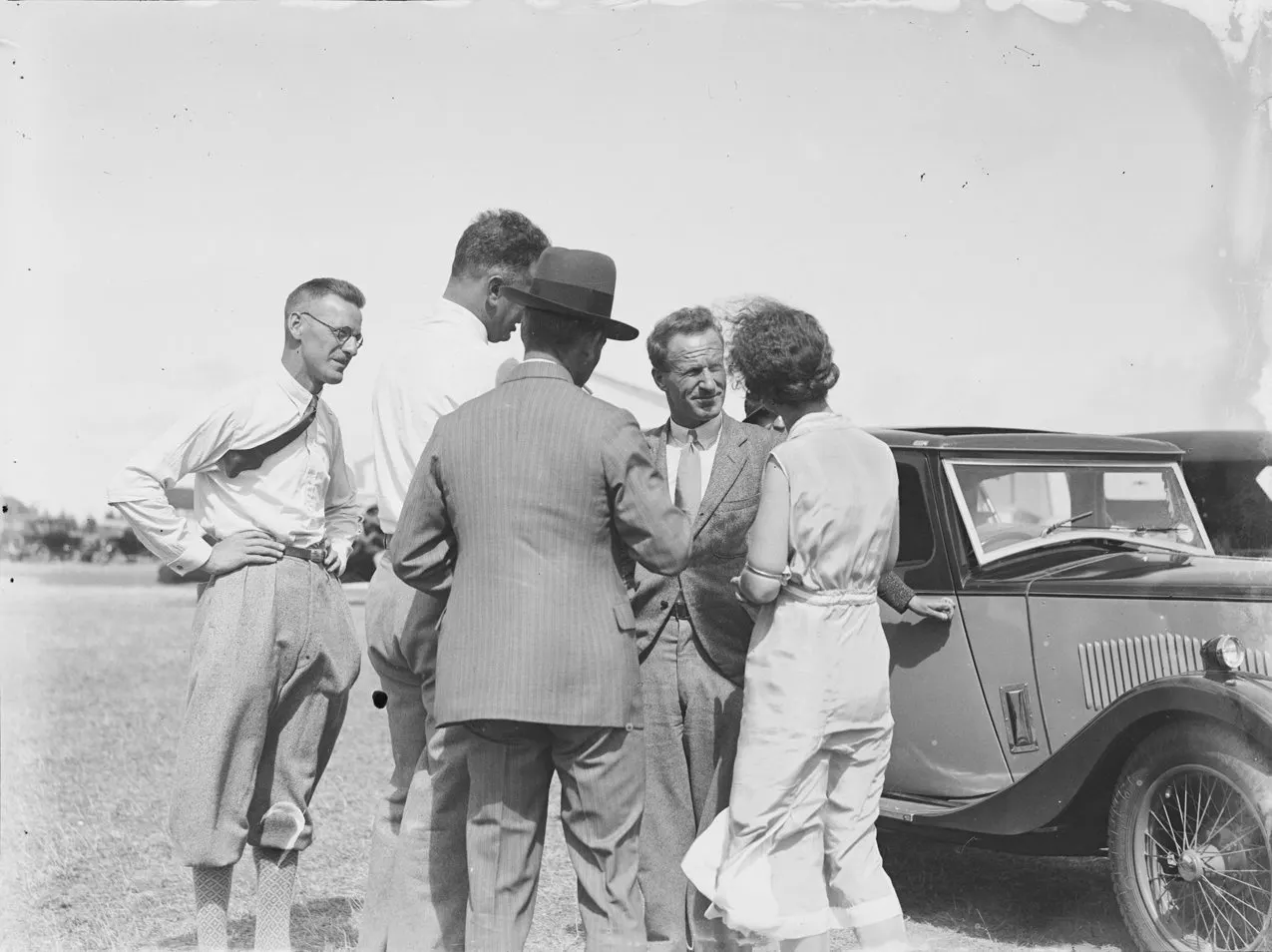
Some lines fade in a day, but Howard’s words keep traveling, and there are good reasons why. The phrase is short, it flips a familiar idea on its head, and it touches a debate that many people already care about. That is how a festival interview becomes a national talking point. The story will likely keep moving as long as people keep asking what home means. Read a fight over leadership in Washington for more on words that linger.
What History Can Teach Us About Home
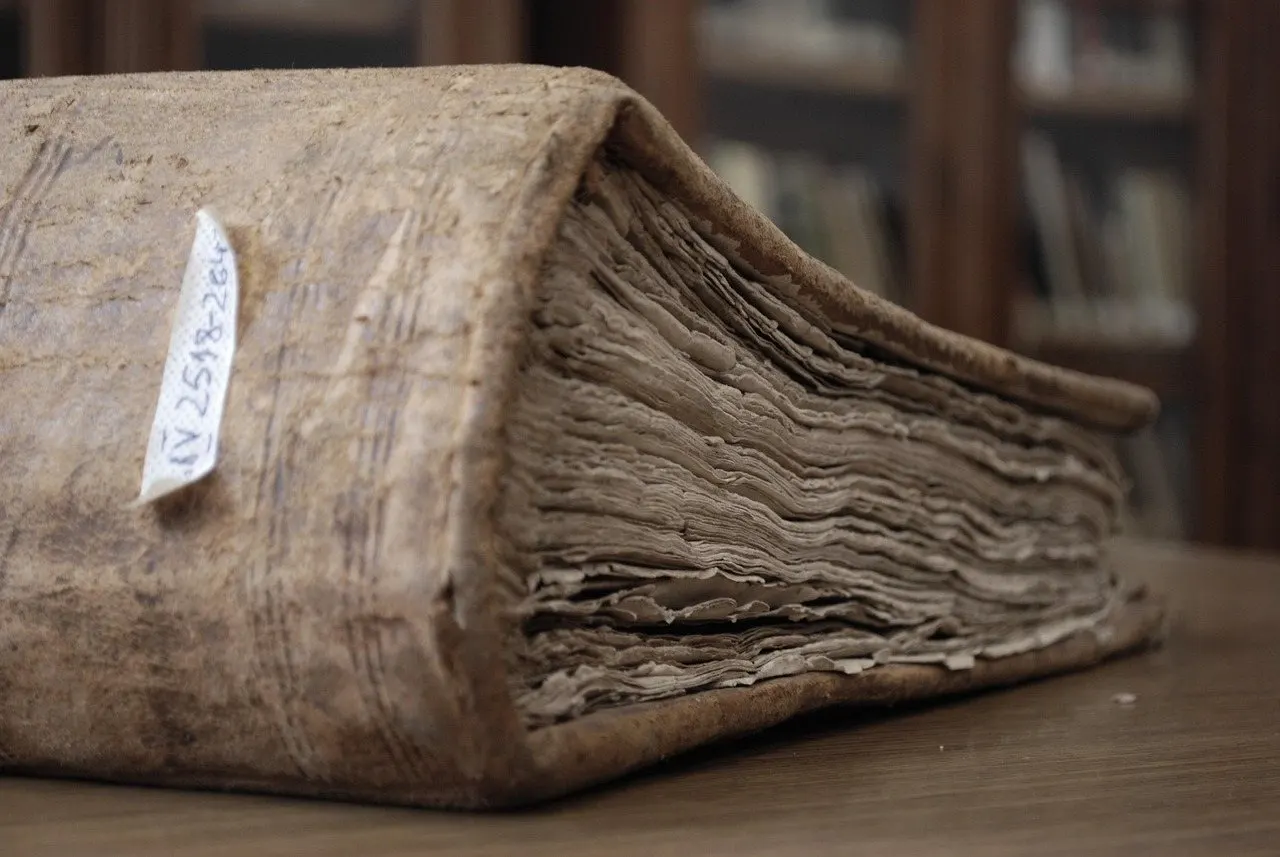
History does not settle every argument, but it can make the argument kinder and wiser. Old maps, treaties, and family stories remind us that borders have moved before, and that people have stayed rooted through those changes. Books and records keep those stories alive, so new generations can learn from them instead of starting fresh. When we know the past, we can talk about the present with more care. See a debate over robots, art, and dangerous work for more on lessons from the past.
Do You Agree With the Mexicans Are Not Immigrants View
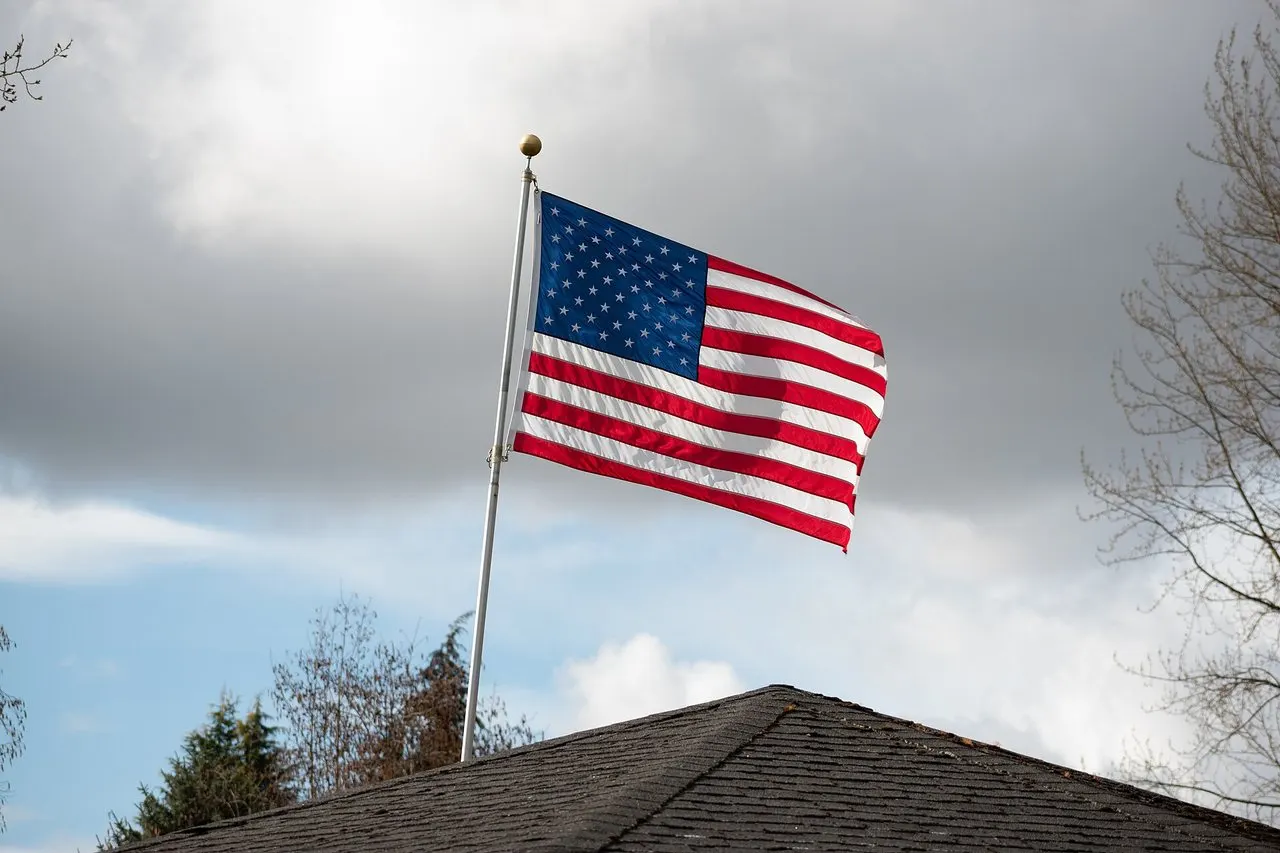
Howard’s words have now traveled far beyond McAllen, and the question he raised is still open. Do you agree that Mexicans are coming home, not entering a foreign land, or do you think the treaty of 1848 and the laws of today tell a different story? What would you ask Howard if you could sit down with him for a few minutes? Share your thoughts in the comments below, and keep the conversation kind. Read a young woman who splits rent despite a famous father for more stories to discuss.