Ukraine’s First Drone Medical Evacuation Saved a Soldier
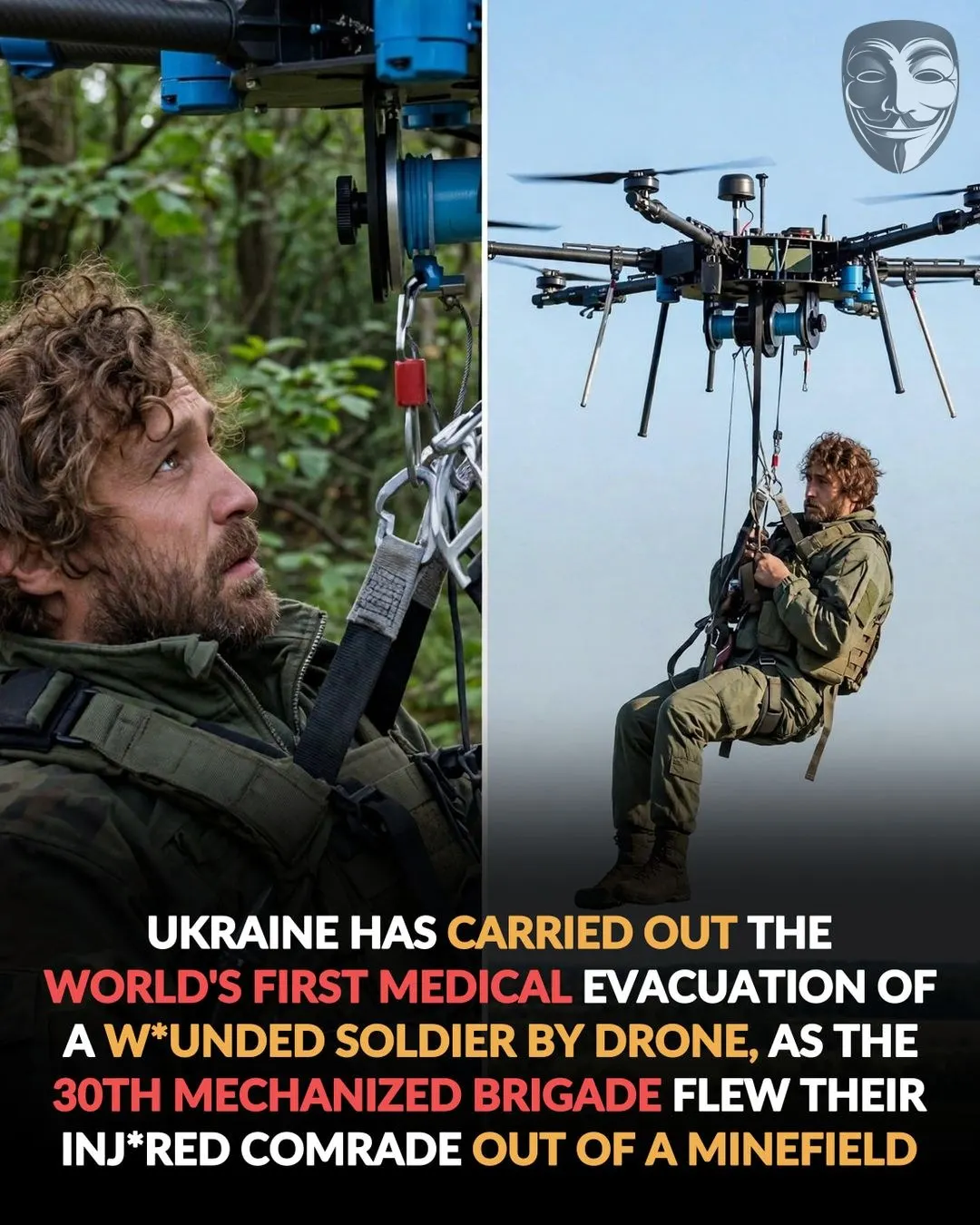
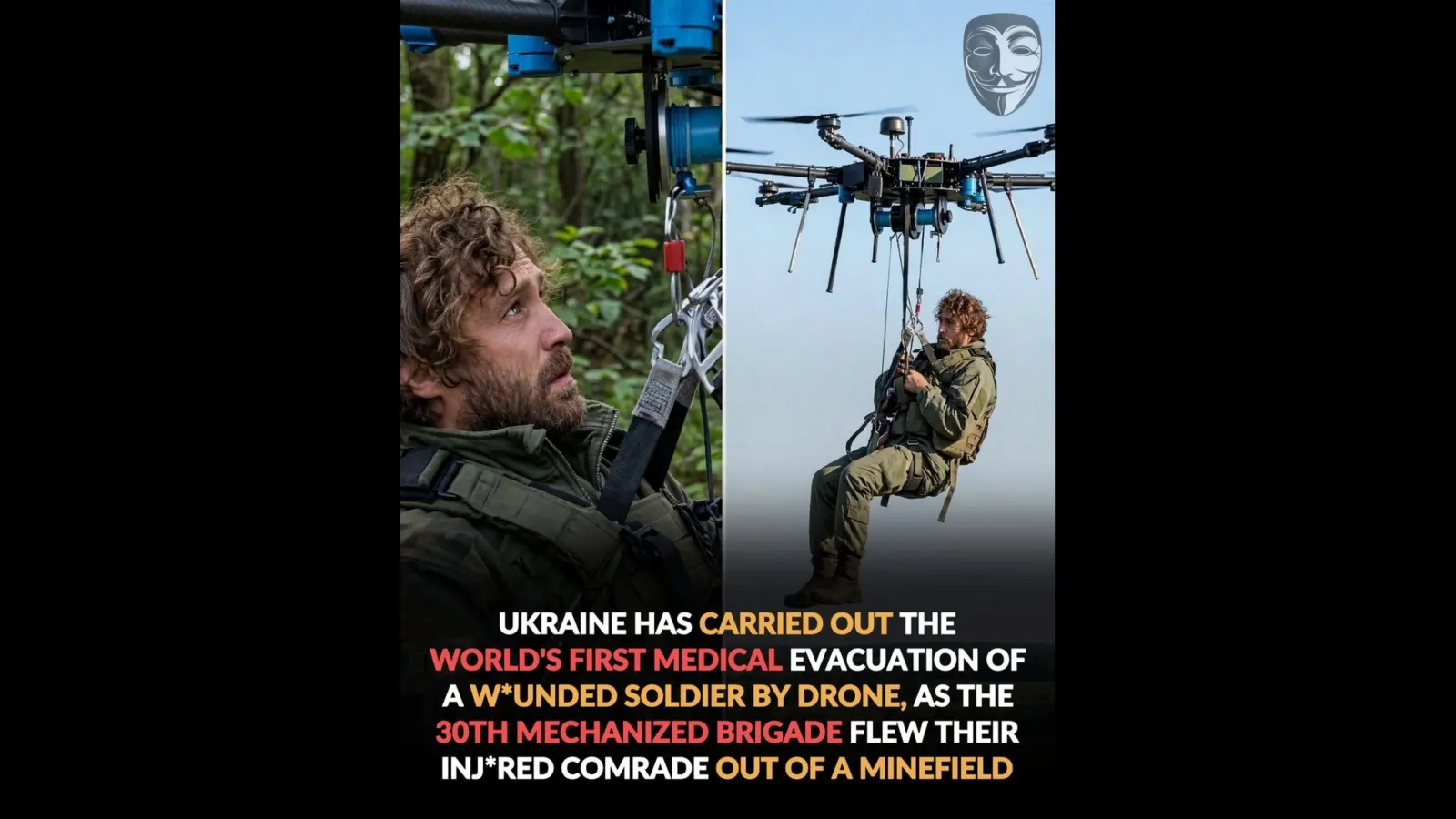
Drone medical evacuation made history in Ukraine when a heavy hexacopter lifted a wounded soldier out of a minefield for the first time. The soldier is Kostiantyn, 49 years old, an infantryman with the 30th Separate Mechanized Brigade, and he had been trapped at his position for two days with severe leg injuries. His comrade had been killed in a Russian drone strike, and the ground around him was so heavily mined that no ground vehicle could reach him. In the slides we tell the story of the flight, the people behind it, and what it could mean next.
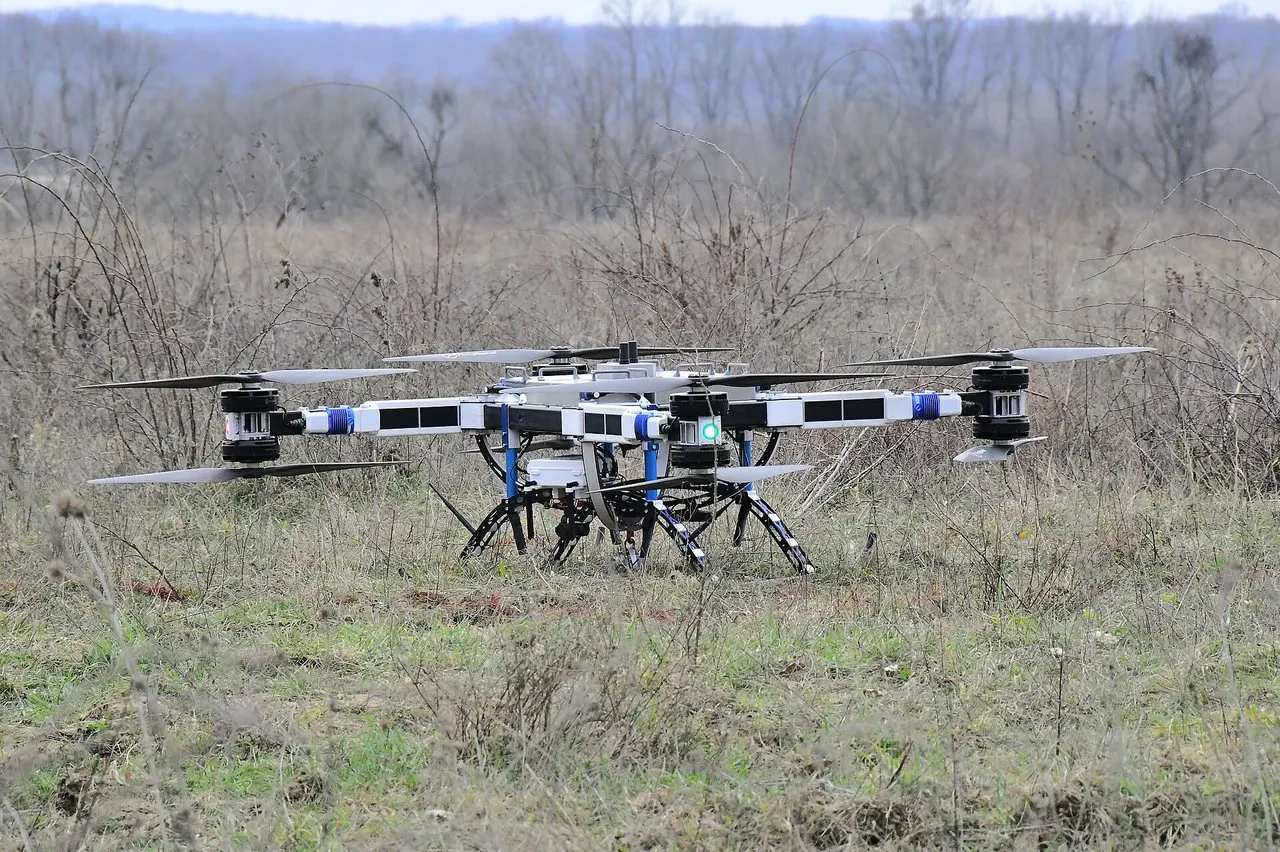
The rescue was the work of the 92nd Separate Incident Brigade, which says it carried out the first aerial evacuation of its kind, with help from Ukrainian maker Gurzuf Defence. Specialists adapted a heavy hexacopter that had been built as a bomber drone, and a UAV operator from the 30th Brigade flew the aircraft on a flight that lasted more than an hour. Kostiantyn is now in treatment and rehabilitation, and his life is no longer in danger. For more firsts in flight, see an all-electric plane that flew with people aboard.
References:
Newsarchy UK: Ukraine claims world’s first battlefield drone rescue of wounded soldier
Newsarchy UK: Ukraine carries out first drone airlift of wounded soldier from front line
The Robotics Media: Ukraine Drones Complete First Battlefield Medical Evacuations
KDWB: Ukraine Airlifts Wounded Soldier by Drone in Historic Battlefield First
Two Days Trapped Before the Drone Medical Evacuation
Kostiantyn was trapped at his position for two days after the strike that killed his comrade. He had severe leg injuries, and every hour without help made his condition more dangerous. The ground around him was thick with mines, and Russian FPV drones watched the area from above, so no ground vehicle could reach him safely. Two days is a long time to wait while hurt and alone, with danger all around and no way out on foot. Read more in the actor Larry Poindexter.
Kostiantyn, 49, and the 30th Mechanized Brigade
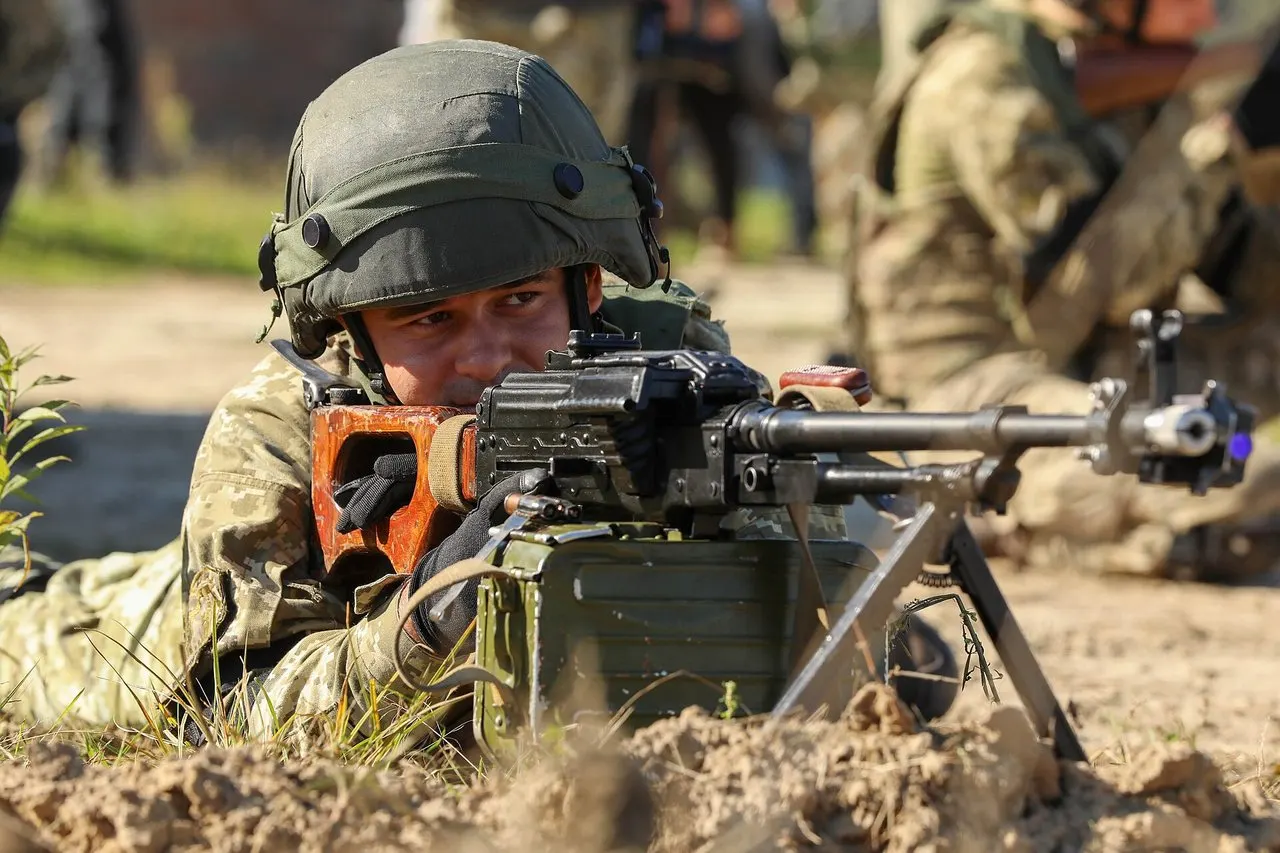
Kostiantyn is 49 years old and serves as an infantryman with the 30th Separate Mechanized Brigade. He is an ordinary soldier doing a hard job on the front line, far from home and family. The brigade is one of the Ukrainian Army units holding ground in the east, where fighting has gone on for years. Soldiers like Kostiantyn live in trenches and ruined buildings, and they depend on each other to stay safe. For another story, see Trump’s trip to China.
A Comrade Lost in a Russian Drone Strike
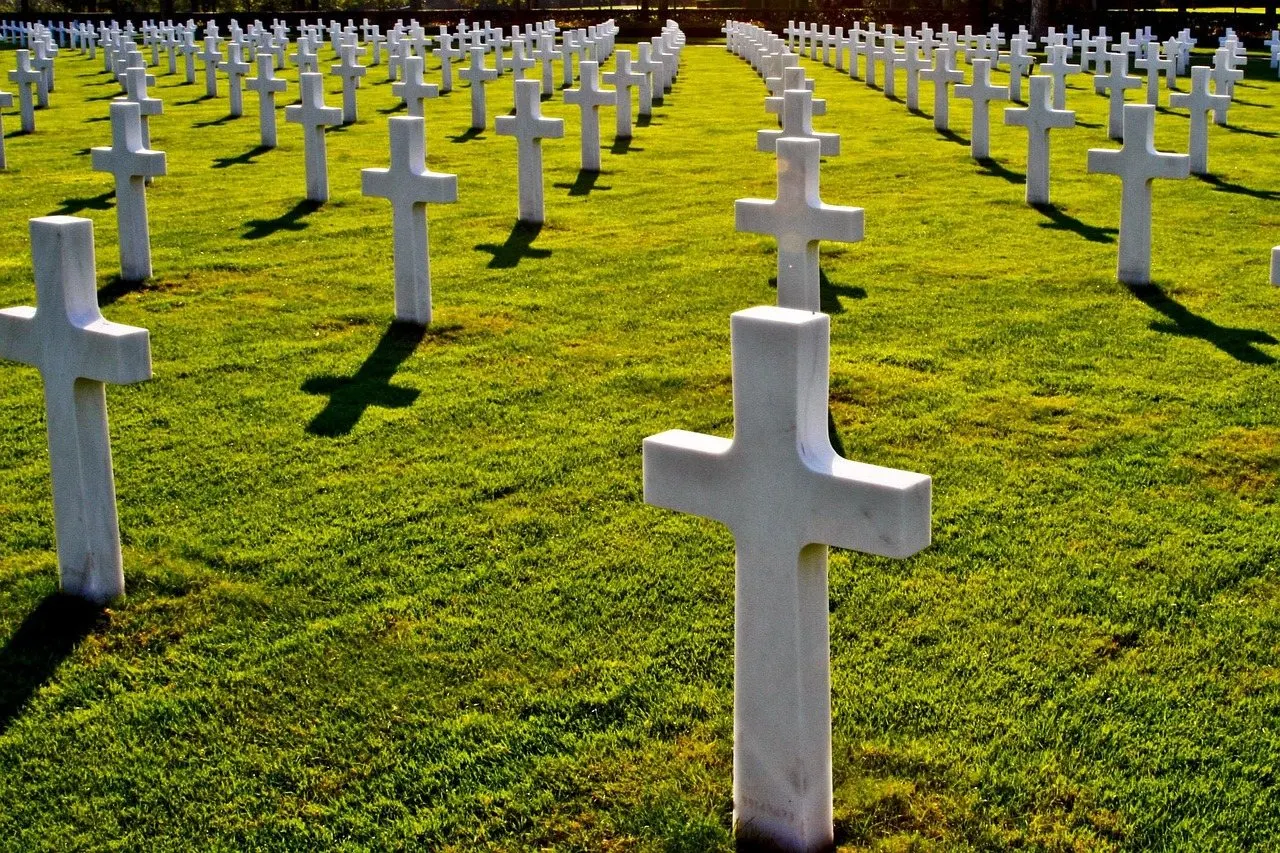
The rescue began with loss. Kostiantyn and his comrade were hit by a Russian drone strike at their position, and his comrade was killed. Losing the person beside you is one of the hardest parts of war, and it leaves the survivor alone in a place that is already dangerous. Kostiantyn stayed at the position with severe leg injuries while help seemed far away. His comrade will be remembered by the unit and by his family. You may also like what MAGA promised and delivered.
Ground No Vehicle Could Cross
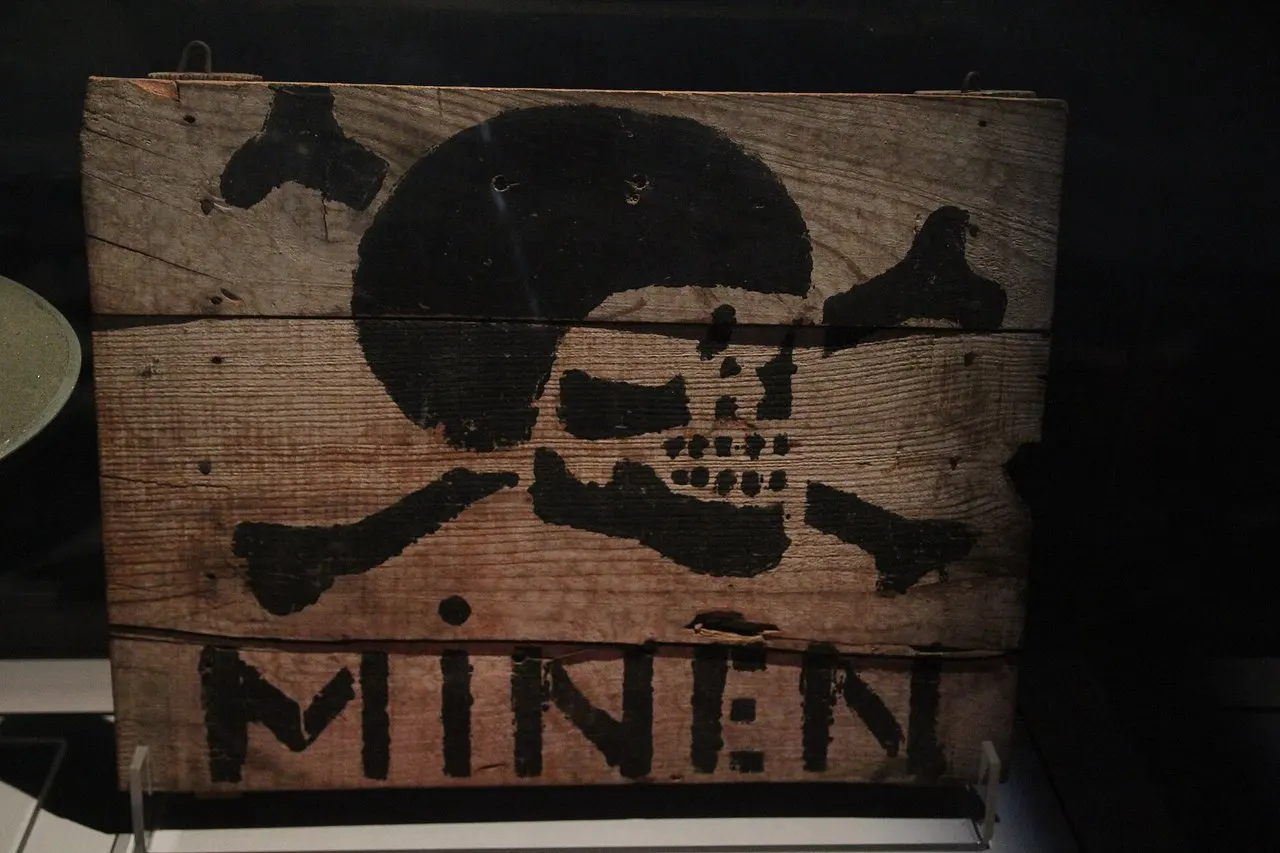
The ground where Kostiantyn lay was full of mines. Mines are hidden in the soil and they can wound or kill anyone who steps on them, so soldiers must move with great care even on ground they know well. A rescue vehicle would face the same danger, and one blast could kill the rescuers too. That is why the unit said no ground vehicle could reach him. The minefield made a normal rescue impossible. Take a look at the influencer Cata.
Russian FPV Drones Watching From Above
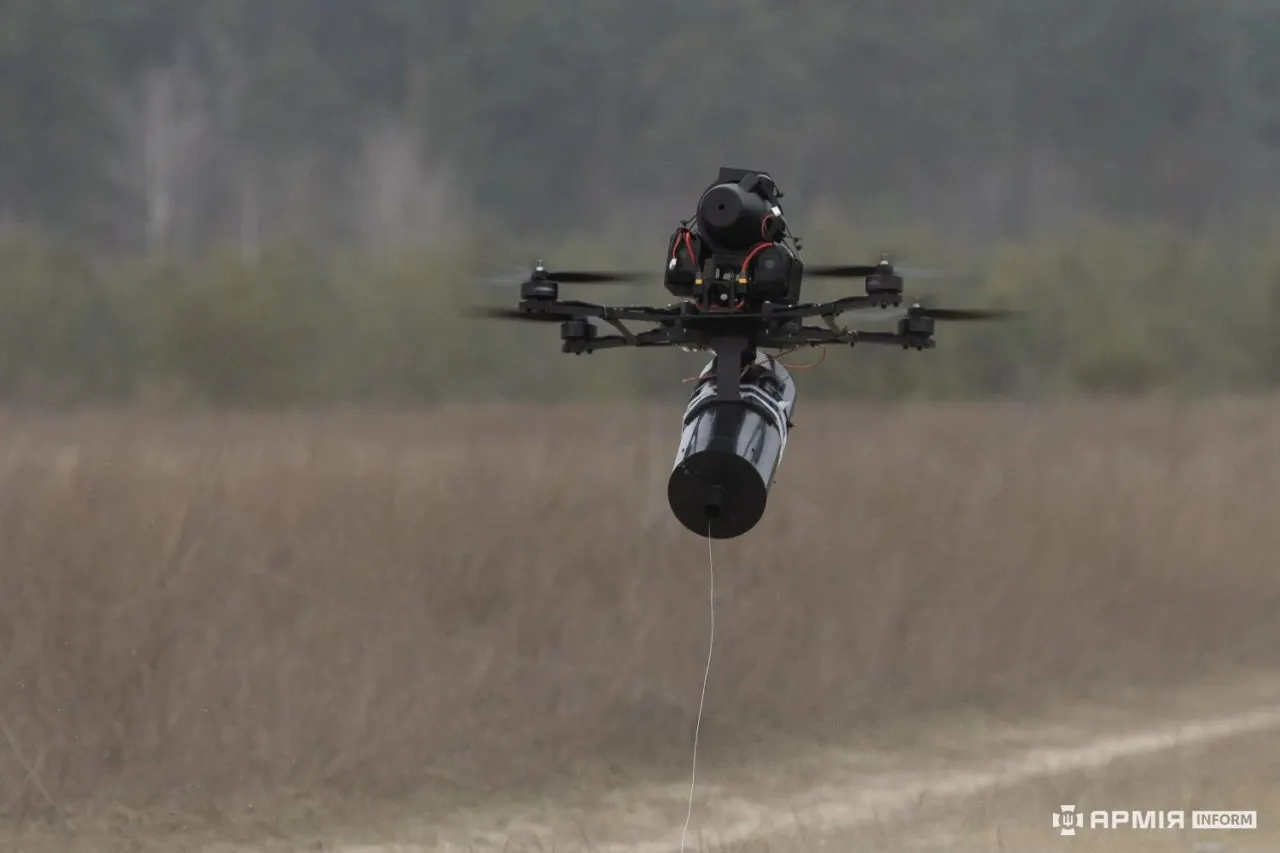
Russian FPV drones watched the ground from above. FPV stands for first person view, and the pilot sees what the drone camera sees, as if sitting inside the aircraft. These small drones are cheap, fast and hard to spot, and they can strike vehicles and people with great accuracy. Any truck or ambulance moving toward Kostiantyn would be seen and hit. The sky itself had become part of the danger. Our reports on Elon Musk at 17.
The 92nd Brigade Behind the Drone Medical Evacuation

The 92nd Separate Incident Brigade says it carried out the rescue and calls it the first aerial evacuation of its kind in the world. The brigade worked out the plan and brought in help from a Ukrainian maker to change the aircraft for the job. Units on the front line often have to solve hard problems with what they have, and this team found a new answer. The drone medical evacuation began as their idea, and they made it real. Read about the young baseball player Xavier Taylor.
Gurzuf Defence and the Heavy Hexacopter
Gurzuf Defence is a Ukrainian maker of drones, and its specialists worked with the brigade to adapt the aircraft. The heavy hexacopter was built to carry a load, which made it a good base for a rescue craft. Engineers had to change how it carried weight and how it flew with a person on board. Adapting a machine built for one job to do a very different job takes skill, care and testing. Check out the SNL sister sketch.
From Bomber Drone to Rescue Aircraft
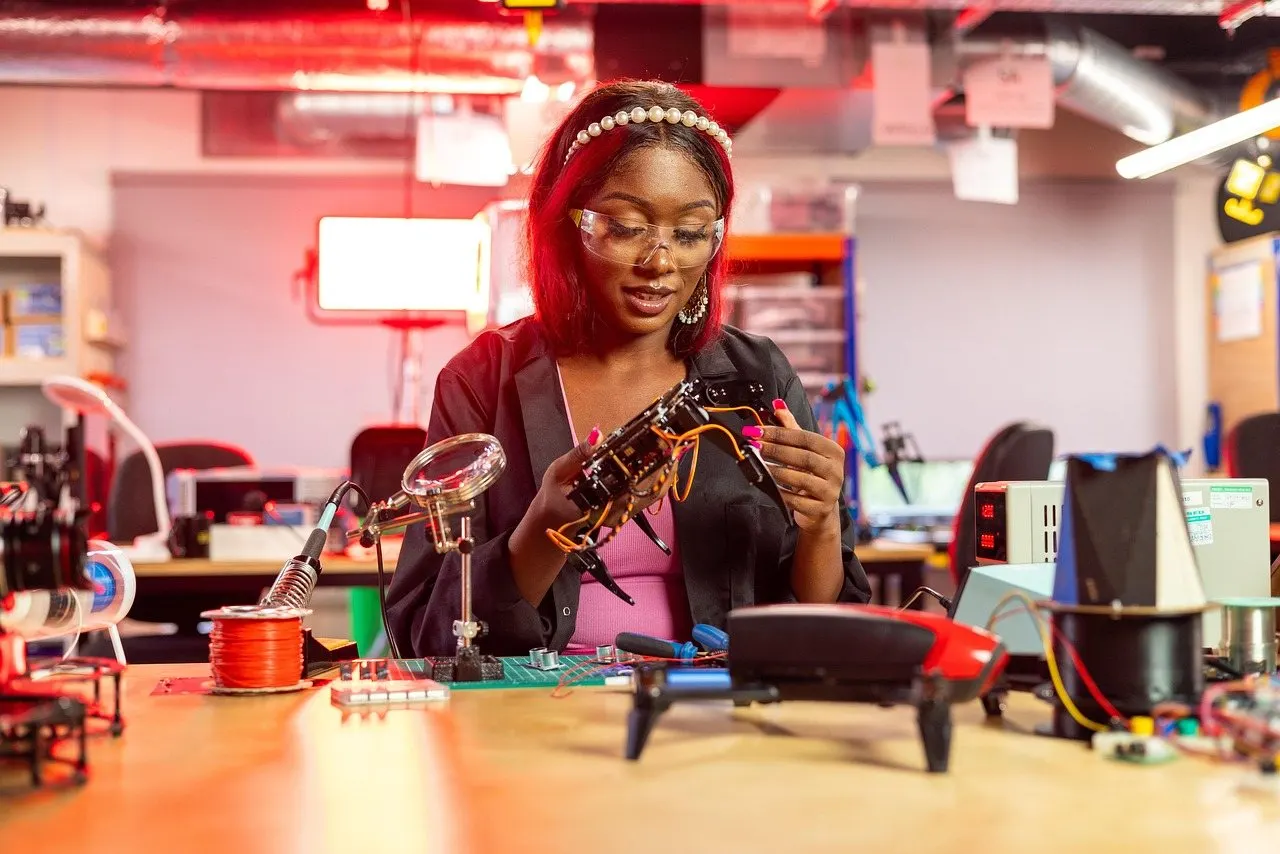
The hexacopter was first built as a bomber drone, a machine that drops loads on enemy targets. Turning it into a rescue craft meant changing its purpose from harm to help, and that change is part of why the story has caught so much attention. The same lifting power that once carried heavy loads could now carry a wounded man to safety. It is a clear case of a tool of war being used to save a life. More stories live in Indian snacks for Diwali.
The Operator Who Flew the Drone Medical Evacuation
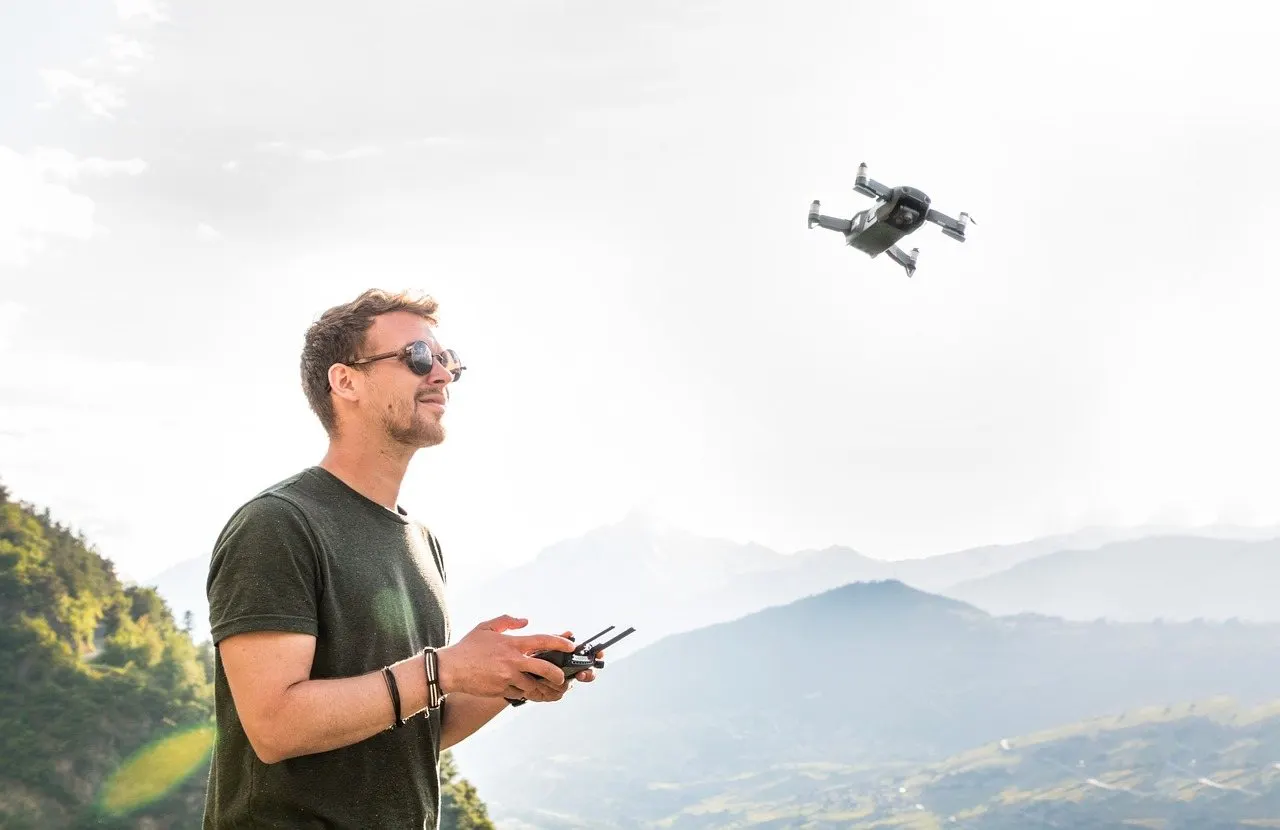
A UAV operator from the 30th Brigade flew the aircraft. A UAV is an unmanned aerial vehicle, and its operator guides it from the ground using a controller and a video link. Flying a heavy craft with a person on board takes a steady hand and long practice. The operator had to keep the drone level and stable over a minefield while enemy drones watched the sky. The drone medical evacuation depended on that skill from start to finish. Keep reading with the Awa tribe.
A Flight That Lasted More Than an Hour
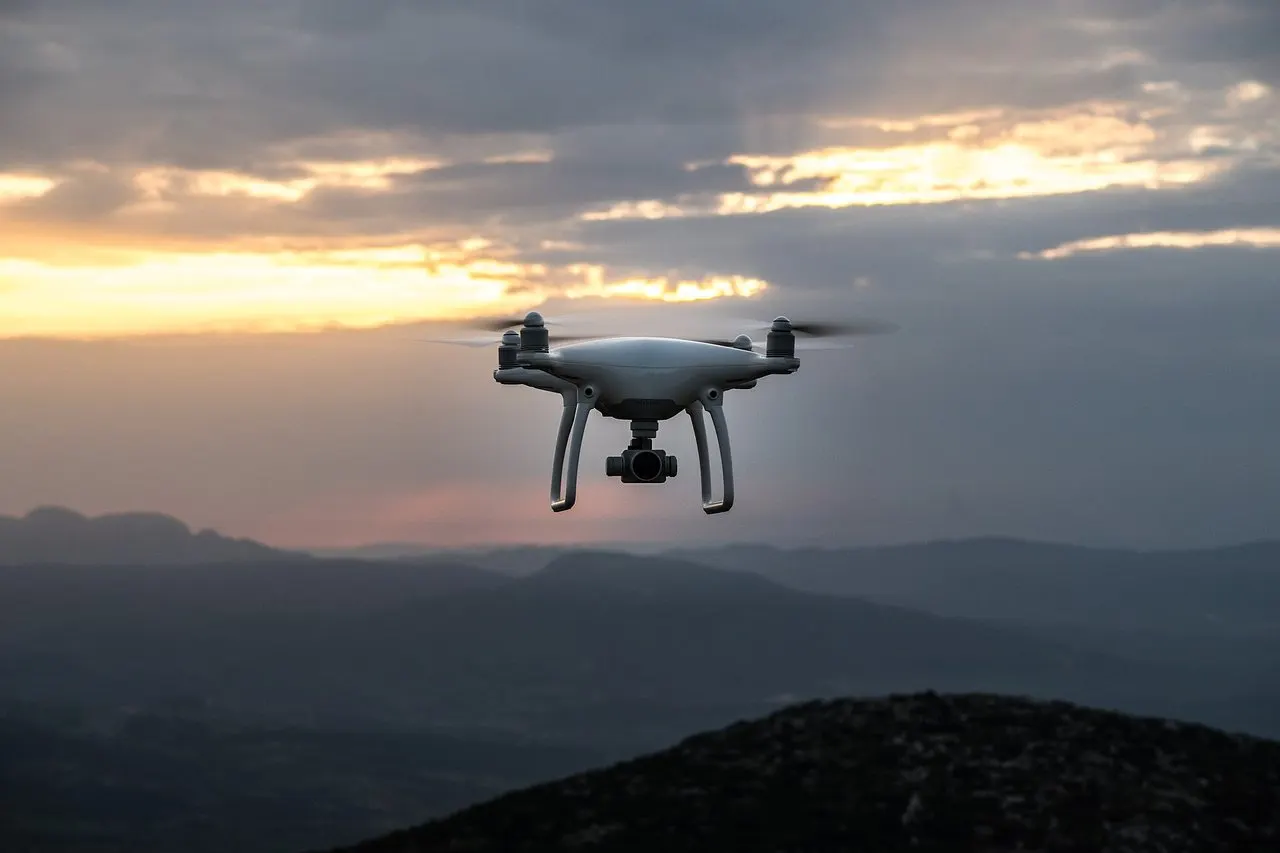
The flight lasted more than an hour. An hour is a long time in the air for a heavy drone carrying a person, and every minute added risk from enemy drones and from the weight on board. The operator had to watch the battery, the wind and the route all at once. A slow and steady flight was safer than a fast one. When the drone finally came down, the long wait was over. Discover a teenager who used sign language on a flight.
Treatment and Rehabilitation After the Drone Medical Evacuation
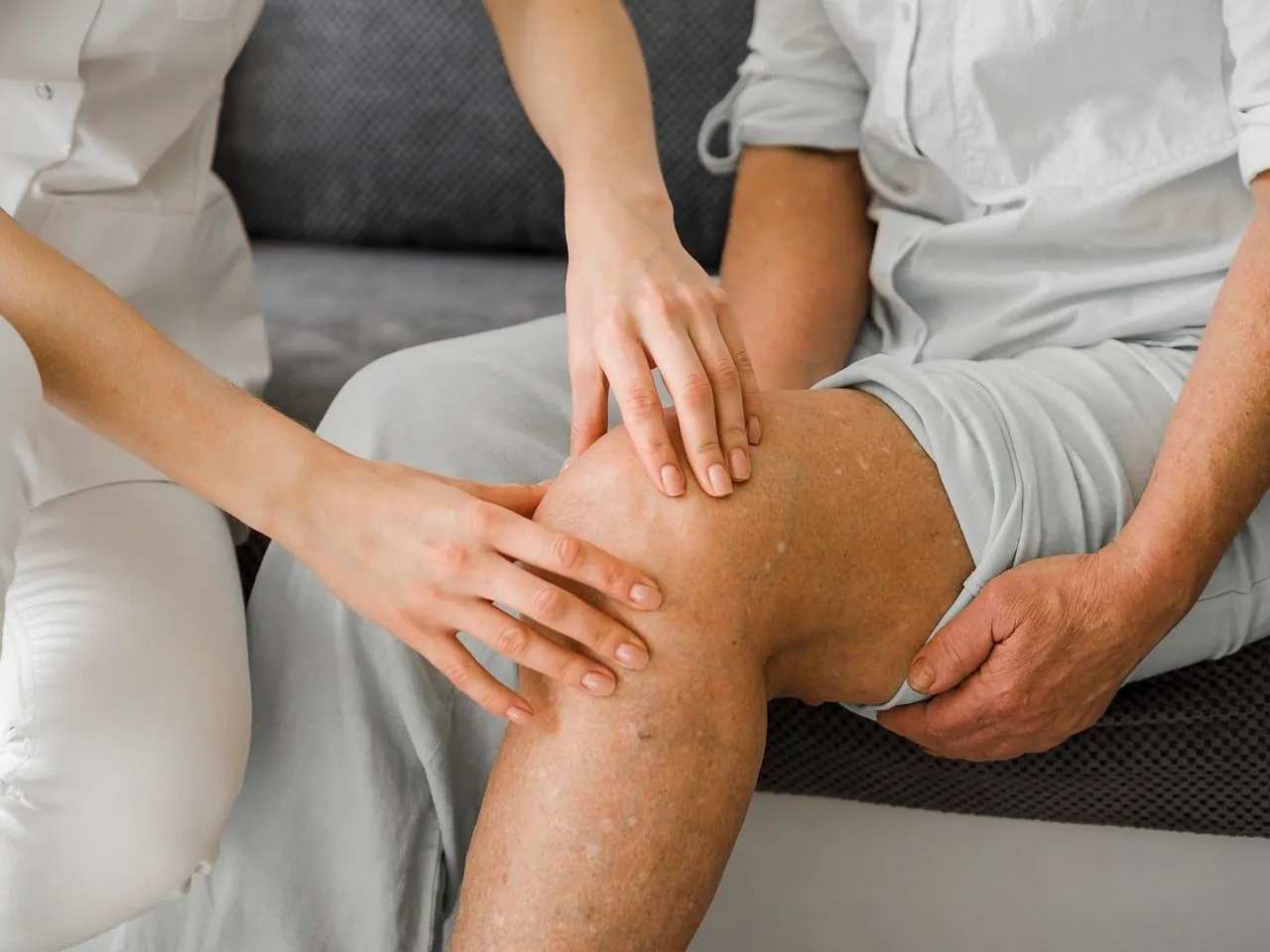
Kostiantyn is now in treatment and rehabilitation, and his life is no longer in danger, according to the unit. Treatment means doctors are caring for his severe leg injuries, and rehabilitation means he is working to regain strength and movement. Recovery after such injuries takes time, patience and hard work, and it often involves therapy, rest and care from specialists. His family and his unit will be hoping for steady progress in the weeks ahead. Try a miniature pancreas made from living cells.
Why the Drone Medical Evacuation Is Called a World First
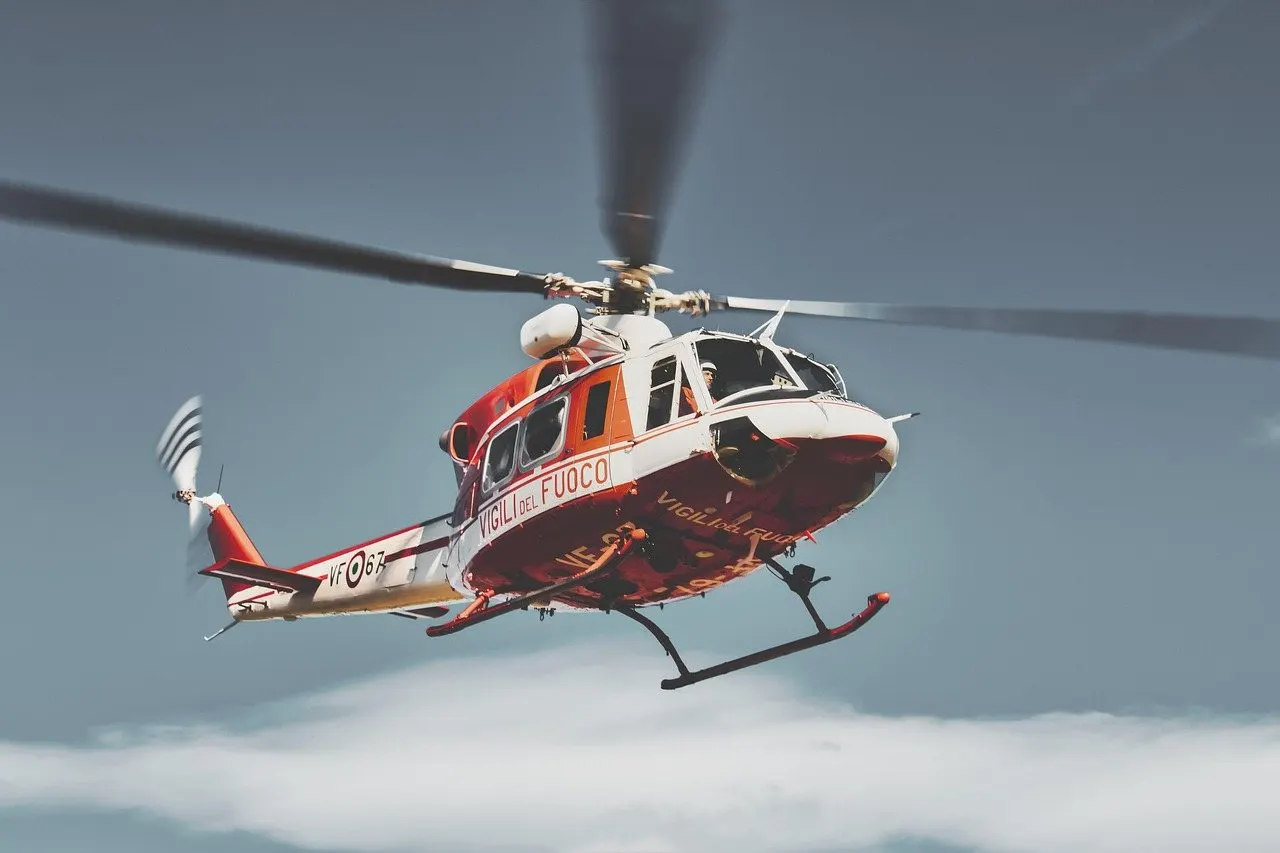
The unit calls this the first time a wounded soldier has been flown out of a battle zone by drone, and news reports agree that no one has done this before. Armies have used helicopters for medical evacuation for many years, but a drone rescue from a minefield is new. The drone medical evacuation shows that the idea works in real danger, not just in tests. That is what makes it a world first. Enjoy Mississippi’s new senator Scott Colom.
What a Hexacopter Is and How It Flies
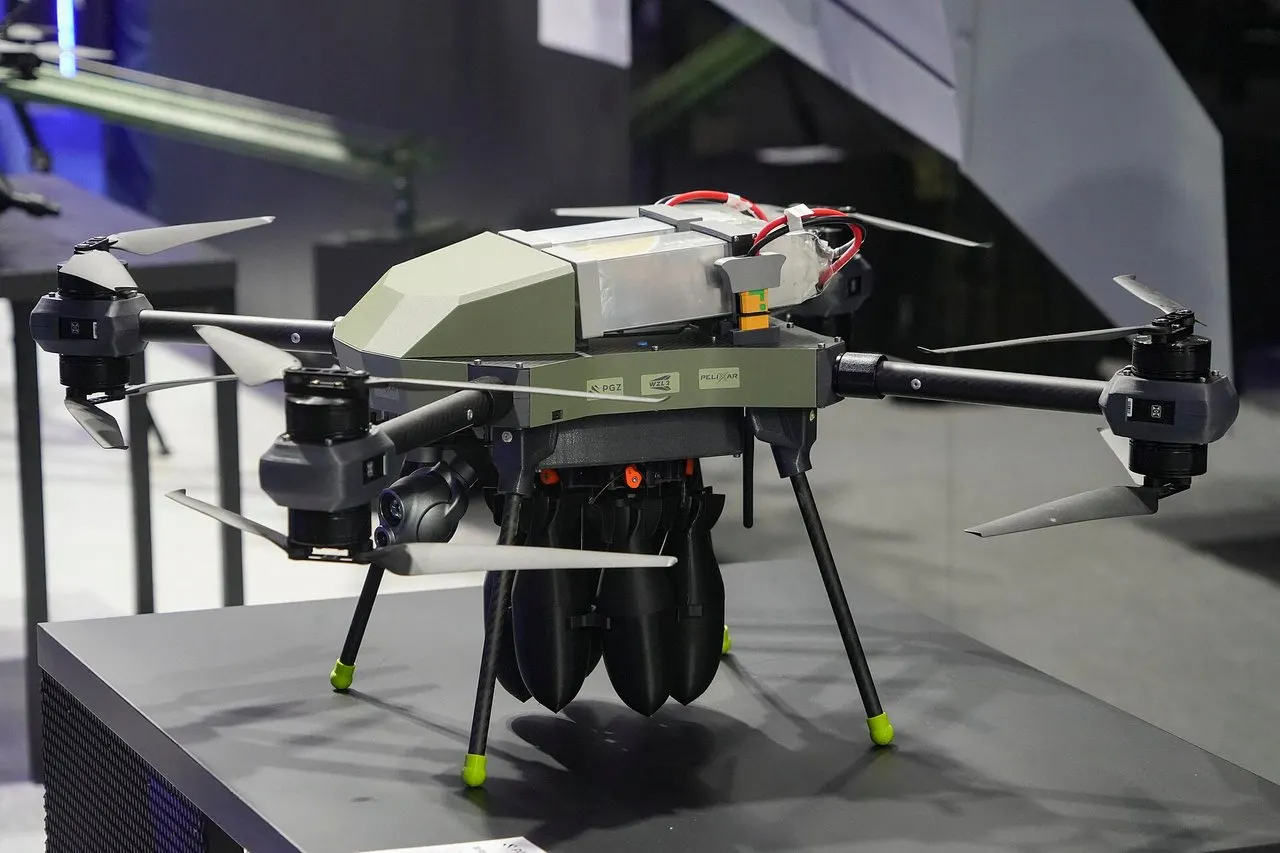
A hexacopter is a drone with six rotors, one more pair than the four rotors on a common quadcopter. Six rotors give it extra lift and balance, so it can carry heavier loads and stay stable in the air. If one motor has trouble, the others can help keep the craft flying. That strength is why a heavy hexacopter could carry a person. The name comes from the Greek word for six, and the design is now common in farming, filming and rescue work. Browse a governor named Keisha.
How the Drone Medical Evacuation Fits Modern Warfare
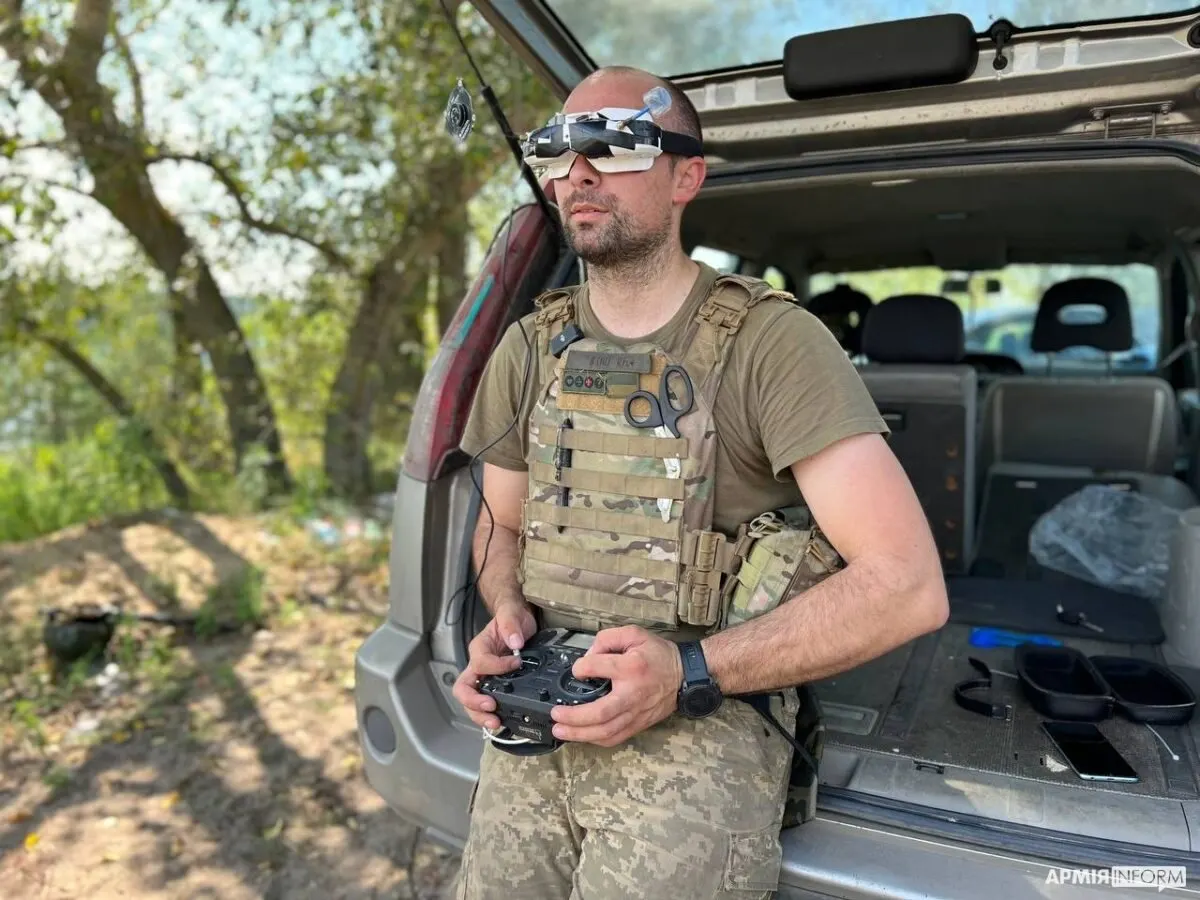
Drones have changed how wars are fought, and now they are changing how soldiers are saved. Small flying machines watch the ground, carry supplies and strike targets, and both sides use them every day. A rescue by drone fits that change, because the same machine that can reach a mined field can also bring a person home. Armies will study this flight closely, and other units may try the same idea soon. Do not miss babies born with measles in the US.
Air Rescue Before Drones: The Helicopter Age
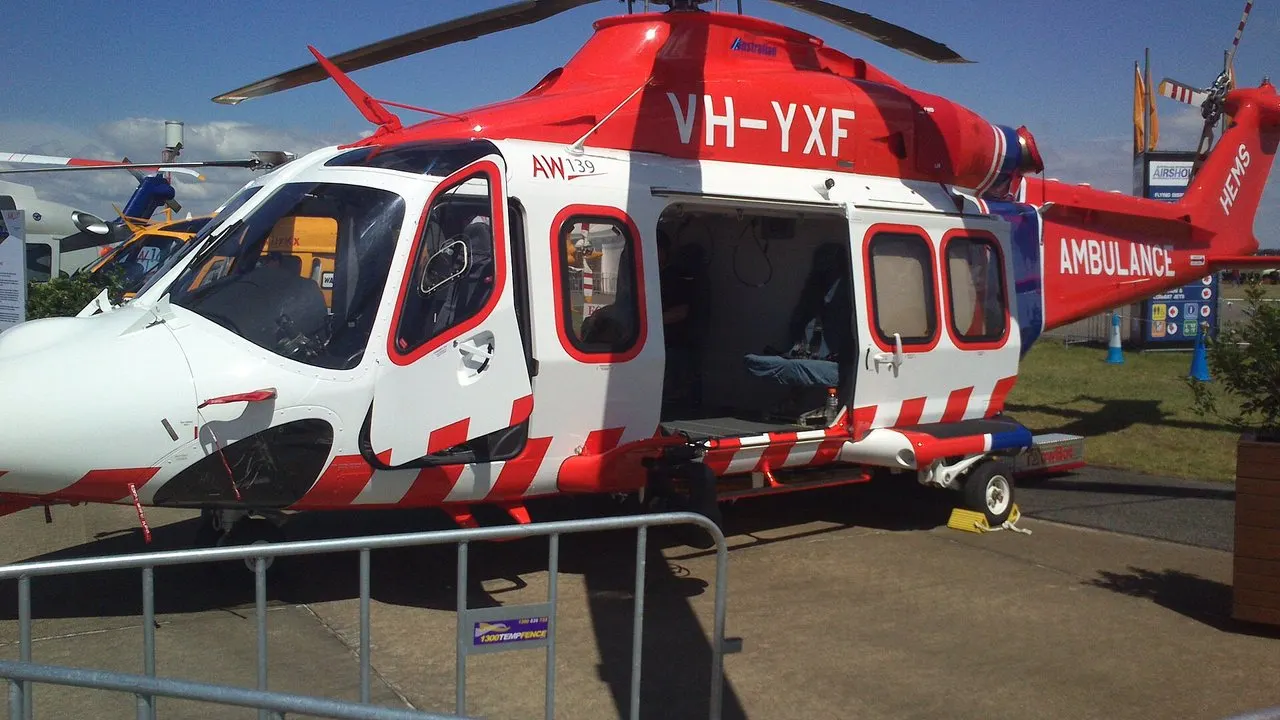
Long before drones, helicopters changed medical evacuation in war. In the Korean War and the Vietnam War, helicopters carried wounded soldiers from the field to hospitals in minutes, and many lives were saved that way. The helicopter became a symbol of rescue, with its red cross and its loud rotors. Drones are the next step in that story, reaching places where even a helicopter cannot safely land. Find more in Trump’s return from Asia.
Why Minefields Make a Drone Medical Evacuation So Hard
Mines are one of the cruellest weapons of war, because they stay in the ground long after the fighting moves on. A single field can hold many mines, and clearing them takes trained teams, special tools and a lot of time. Farmers, children and soldiers can all be hurt by mines left behind. That is why a rescue from a minefield is so hard, and why flying over the danger was the only safe choice. Look at America’s vote at the UN.
Small Drones, Big Change on the Front Line
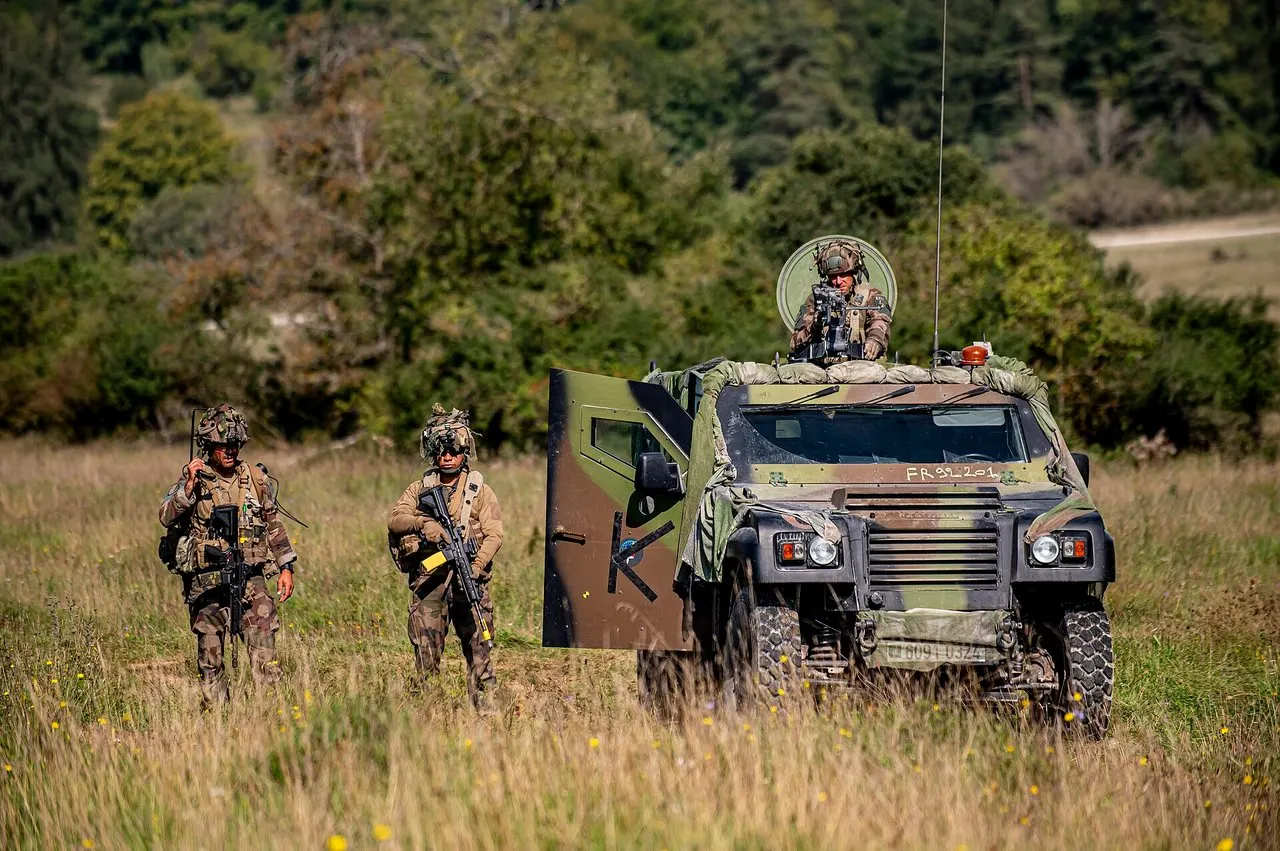
Small drones now fly over almost every front line. They are cheap to build, easy to launch and hard to shoot down, so both armies use them to watch, to strike and to guide artillery. A soldier in the open can be seen in seconds, and a vehicle moving in daylight can be hit in minutes. This new kind of war is why Kostiantyn could not be reached by road, and why the sky became his way out. Catch up on Taylor Swift at the CMA Awards.
The Long Road Back After Serious Leg Injuries
Severe leg injuries need long and careful care. Doctors first treat the wounds and stop the bleeding, then they work to save as much movement as they can. After that comes rehabilitation, with exercises, walking practice and therapy to rebuild strength. Recovery can take months, and progress often comes in small steps. Kostiantyn now faces that long road, but he is alive, and his life is no longer in danger. Our stories on the summit with America, Russia and China.
Ukraine’s Drone Makers Keep Innovating
Ukraine has become known for building and adapting drones fast. Small workshops and makers across the country turn out new designs, fix broken machines and test fresh ideas close to the front. Gurzuf Defence is one of those makers, and its work on this rescue shows how a local firm can solve a problem that big armies have not solved. Speed and local knowledge are now part of the story. Our pieces on the debate over the measles vaccine.
The Drone Medical Evacuation Could Soon Scale Up
Reuters reports that the Ukrainian unit pioneered drone evacuations and is now scaling up, which means more rescues like this may follow. Once an idea is shown to work, other units can copy the design, train operators and build more rescue drones. The drone medical evacuation could soon become a normal part of front line care, not just a one off rescue. That is how a single flight can change a whole system. Wander over to the GTA VI joke.
Two Days Alone at a Front Line Position
Imagine two days alone, hurt, in a mined field, with enemy drones overhead. There is no comfort in that picture, only cold, fear and the hope that someone will come. Kostiantyn had to hold on and trust his unit to find a way. Soldiers train for hard days, but training cannot fully prepare a person for waiting alone while wounded. His patience and courage are part of this story too. For a lighter read, try Taylor Swift’s return to the country stage.
Why the World Is Watching This Drone Medical Evacuation
News of the rescue spread quickly, and people around the world shared the story. A first of its kind always draws attention, and this one joins a long list of moments when a new machine changed what is possible. Readers want to know how the flight worked, who built the drone and what happens next. The world is watching because the idea could save lives far beyond one battlefield. You might enjoy the Crimean Bridge strike.
Firsts That Change Medicine and the Battlefield
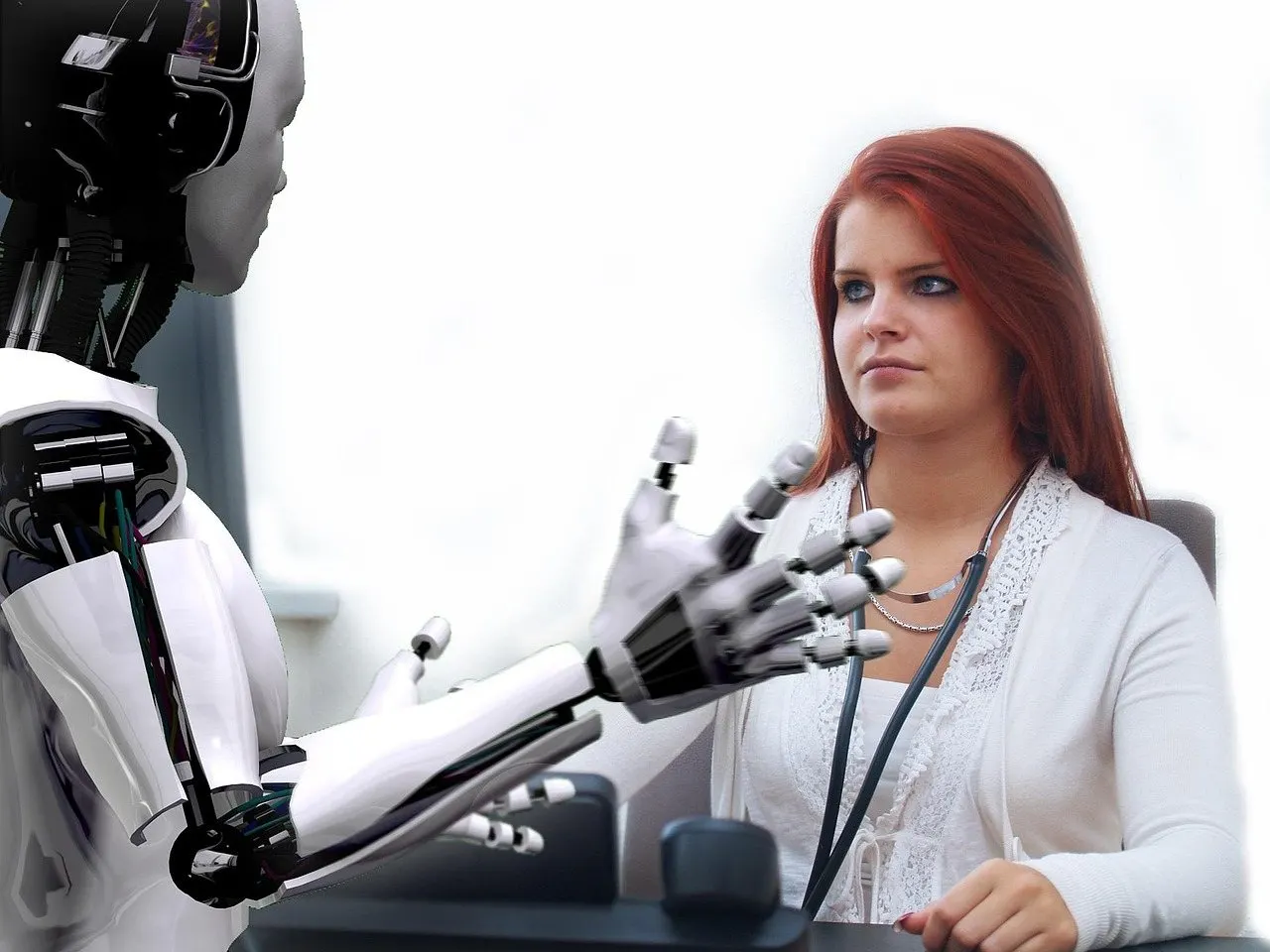
History is full of firsts that changed medicine and war. The first use of helicopters for rescue, the first use of blood transfusions on the battlefield, and the first use of penicillin all seemed bold at the time. Each one started as an experiment and ended as normal practice. This rescue may join that list, and doctors and soldiers will be watching to see if it does. Read more in the clash over Social Security.
What the Drone Medical Evacuation Means for Future Rescues
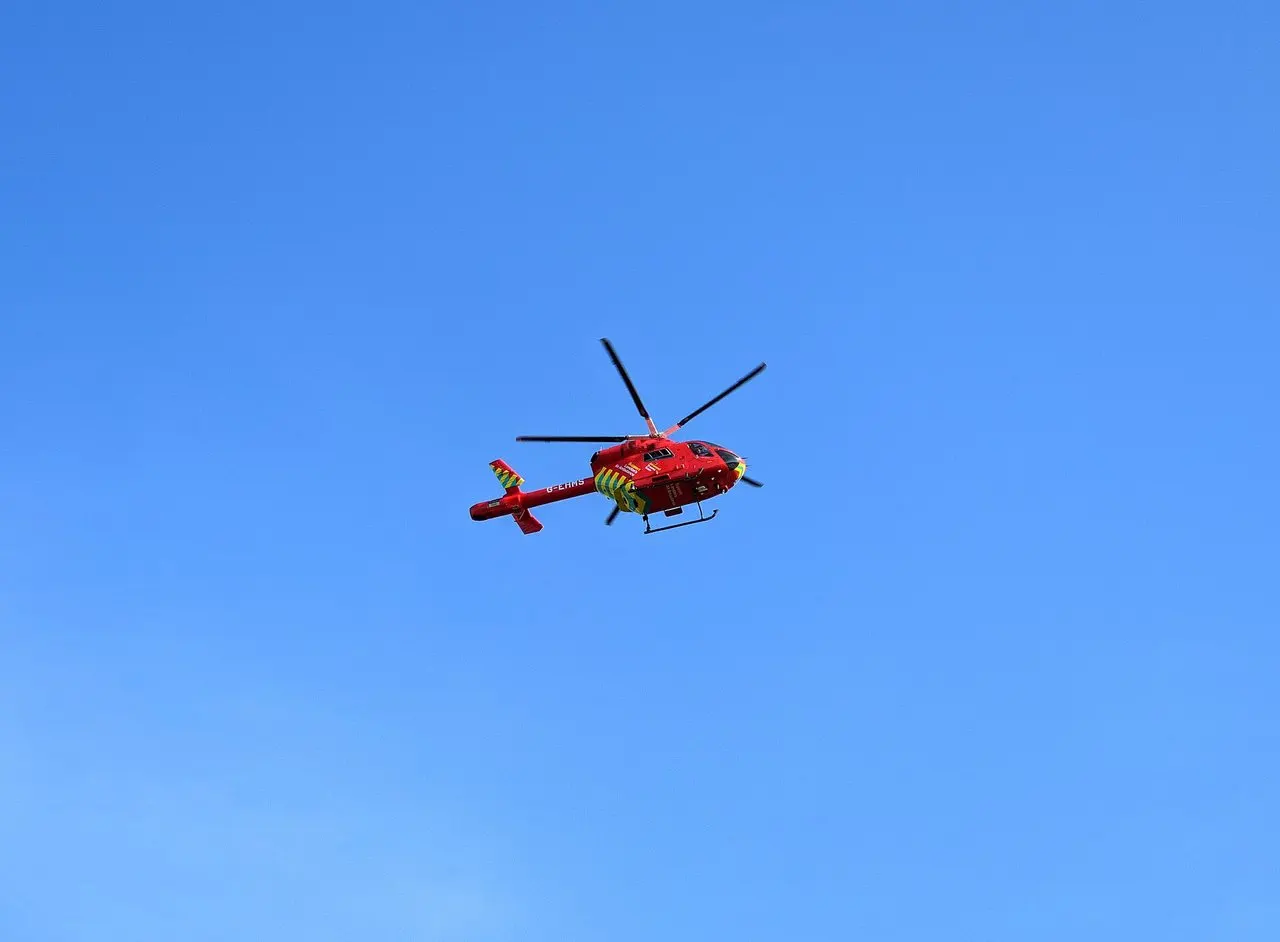
If rescue drones become common, wounded soldiers may no longer have to wait days for help in mined ground. A drone can fly over danger, reach a trapped person and bring them back, all without risking a rescue team on the road. The drone medical evacuation points to that future, and it may also help in floods, earthquakes and other disasters. The same idea could save lives far from any battlefield. See a world without cash.
What Would You Ask About the Drone Medical Evacuation?
Kostiantyn is alive and in care because a team refused to accept that no rescue was possible. They changed a bomber drone into a rescue craft, and they flew it over a minefield to bring him home. If you could ask the team one question about the flight, what would it be? Would you ask about the drone, the pilot, or the long wait in the field? Share your thoughts in the comments below. See Voyager 1 in deep space.