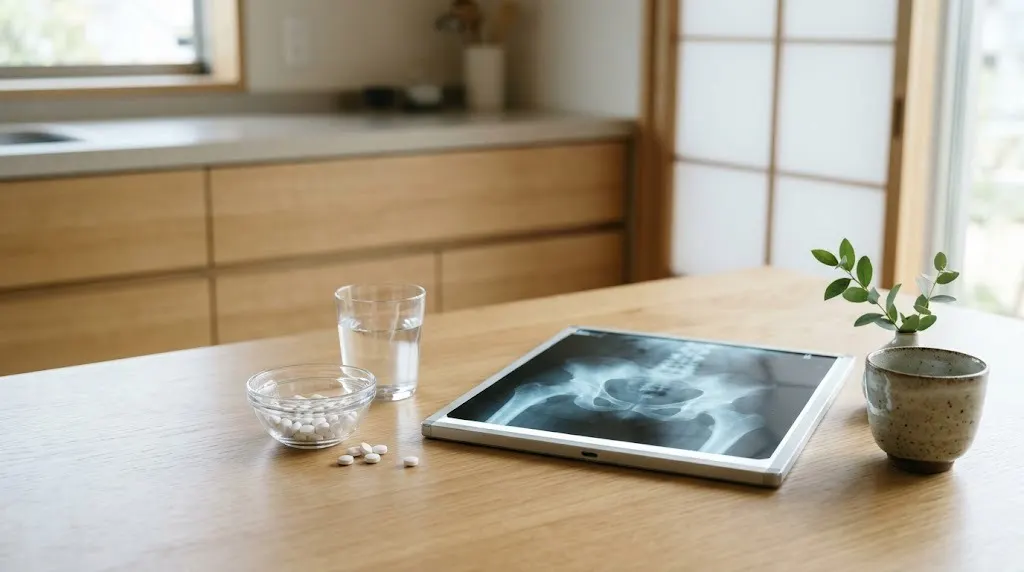
The viral Japan osteoporosis pill story claims scientists created a tablet that rebuilds bone and reverses the disease. In reality, abaloparatide, tested by Japanese researchers, raised bone density in clinical trials, but it is a daily injection, not a pill, and does not cure osteoporosis.
The Japan osteoporosis pill story spreading online says scientists have created a tablet that rebuilds bone and reverses the disease. It is a hopeful headline, and it is easy to see why people share it. Osteoporosis weakens bones silently until a fall or even a small bump leads to a fracture. The real picture is more careful. Japanese researchers have tested treatments that may help the body build new bone, and one of them, abaloparatide, showed clear gains in bone density in clinical trials. But that drug is a daily injection, not a pill, and it does not cure osteoporosis. Scientists are also studying lab-grown bone made from stem cells, though that work is still early. Here is what the evidence in peer-reviewed journals actually shows, and what remains unproven.
The viral Japan osteoporosis pill claim
In recent weeks, posts on social media have claimed that Japan has invented a pill that regenerates bones and reverses osteoporosis. One version, written in Spanish, says Japan has achieved the impossible. The Spanish fact-checking group Maldita.es logged that post in its database of suspected hoaxes on August 24, 2026, listing it as an open case still under review. The message promises that brittle bones can be made new again, yet the version we reviewed names no drug, no company, no trial, and no journal. That missing detail matters. Real medical advances leave a paper trail of study results and regulatory decisions. So we went looking for what Japanese researchers have actually published about rebuilding bone.
Myth: a bone-rebuilding pill
The core claim is that a newly developed Japanese pill can completely rebuild bones or cure osteoporosis. We found no clinical trial, journal article, or approval record that supports it. No Japanese tablet has been shown to reverse osteoporosis fully. The most common osteoporosis pills, such as bisphosphonates, mainly work by slowing the loss of old bone rather than building large amounts of new bone. The medicines that actively stimulate bone formation, often called anabolic or bone-building drugs, are given by injection. That is true in Japan, the United States, and Europe. Some companies are researching other ways to deliver these drugs, including skin patches, but those are still being studied. In short, the viral pill appears to be a mix of real research headlines and wishful thinking.
Fact: what osteoporosis does
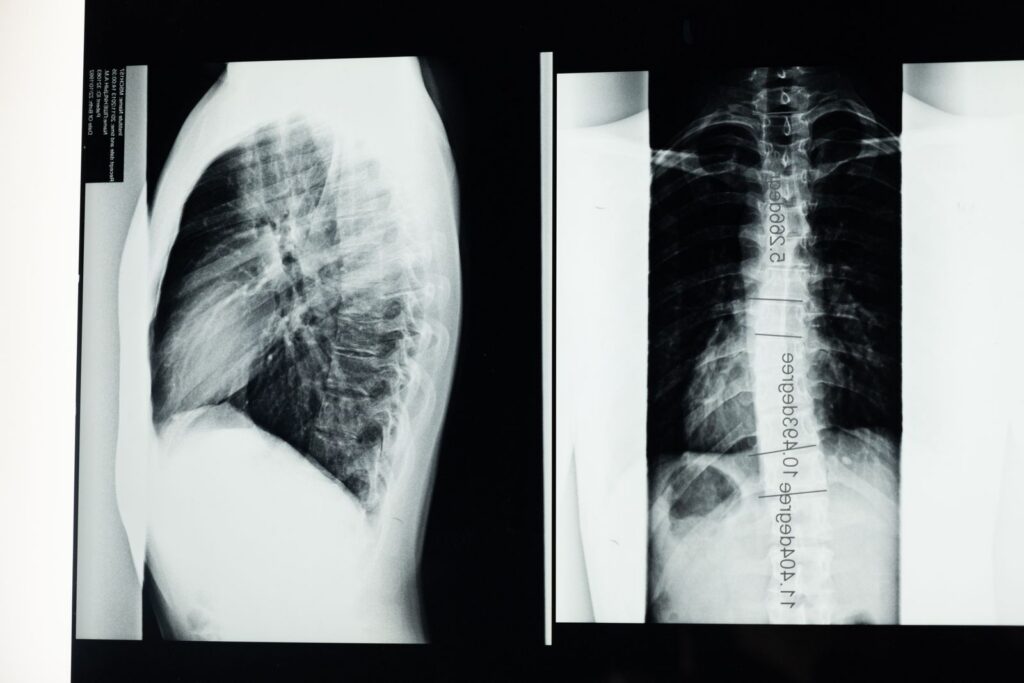
To understand why the claim spreads, it helps to know what osteoporosis is. Bone is living tissue that the body breaks down and rebuilds all the time. With age, and especially after menopause in women, breakdown can outpace rebuilding. Bones become thinner and more porous inside, a change doctors measure as lower bone mineral density, or BMD. The condition often causes no symptoms until a bone breaks. The spine, hip, and wrist are common fracture sites, and a broken hip can seriously affect independence for older adults. Doctors usually check bone density with a low-dose scan called DXA. Because the damage builds slowly over years, the idea that a single pill could undo it quickly is appealing, but bone biology does not usually work that way.
Why Japan studies bone so closely

Japan has one of the oldest populations in the world, and that makes bone health a major public health issue there. More older adults means more people at risk of fractures, hospital stays, and long-term care needs. As a result, Japanese universities and drug companies have been active in osteoporosis research for decades. Japan has often been an early market for new bone treatments. Some drugs have been tested in trials designed specifically for Japanese patients, because doses and responses can differ between populations. This strong research culture is likely one reason the viral claim sounds believable. Japan really is doing important work on rebuilding bone. The problem is that the posts take genuine progress and stretch it into a promise of a cure in pill form, which the published research does not support.
The real drug: abaloparatide
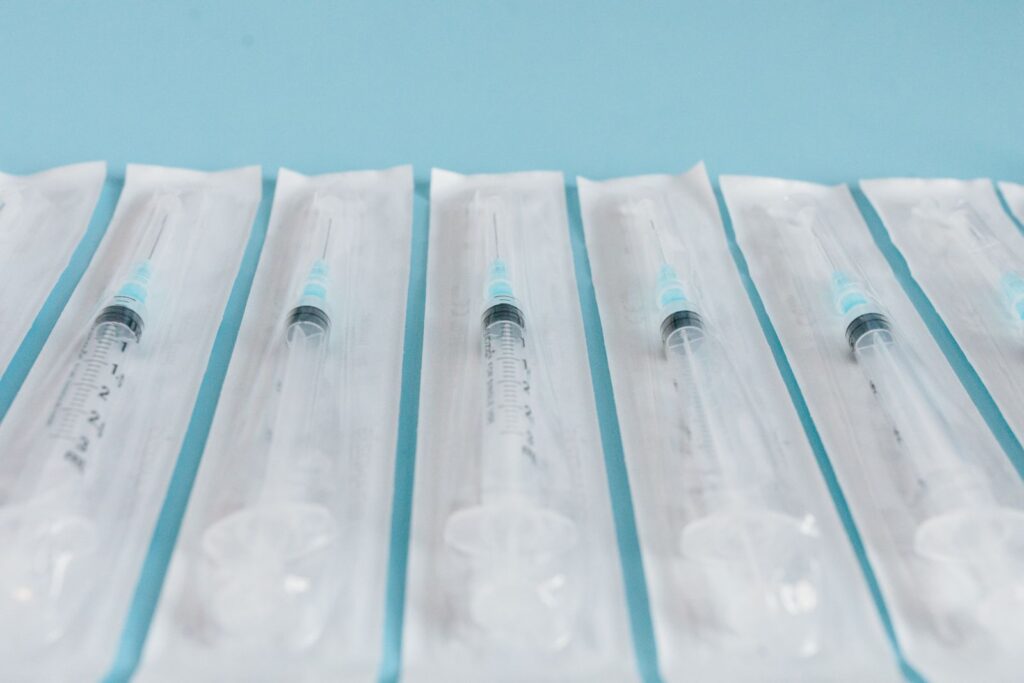
The treatment behind many of these headlines appears to be abaloparatide. It is a lab-made version of part of a natural protein, related to parathyroid hormone, that signals the body to form new bone. Unlike pills that mainly slow bone loss, abaloparatide is designed to stimulate bone-building cells. It was first approved in the United States in 2017 under the brand name Tymlos for postmenopausal women at high risk of fracture. The key detail the viral posts leave out is how it is given. Abaloparatide is a daily injection under the skin, usually self-administered with a pen device. In the Japanese trials, patients received 80 micrograms once a day. It is also prescribed for a limited time, not taken for life, and it is meant for people at high fracture risk.
Inside the ACTIVE-J trial
The strongest Japanese evidence comes from ACTIVE-J, a phase 3 trial led by Toshio Matsumoto of Tokushima University. It enrolled Japanese women after menopause and men aged 55 to 85 at high fracture risk. A total of 212 patients were treated, 140 with abaloparatide and 72 with a placebo, for 78 weeks. As reported in the Journal of Clinical Endocrinology and Metabolism in 2022, lumbar spine density rose 12.5 percentage points more with the drug than with placebo. Total hip and femoral neck density each rose 4.3 points more. No new spine fractures occurred in the abaloparatide group, while three placebo patients had them. These are significant improvements, but they are gains in density, not proof that bones were fully rebuilt.
Stronger hip structure
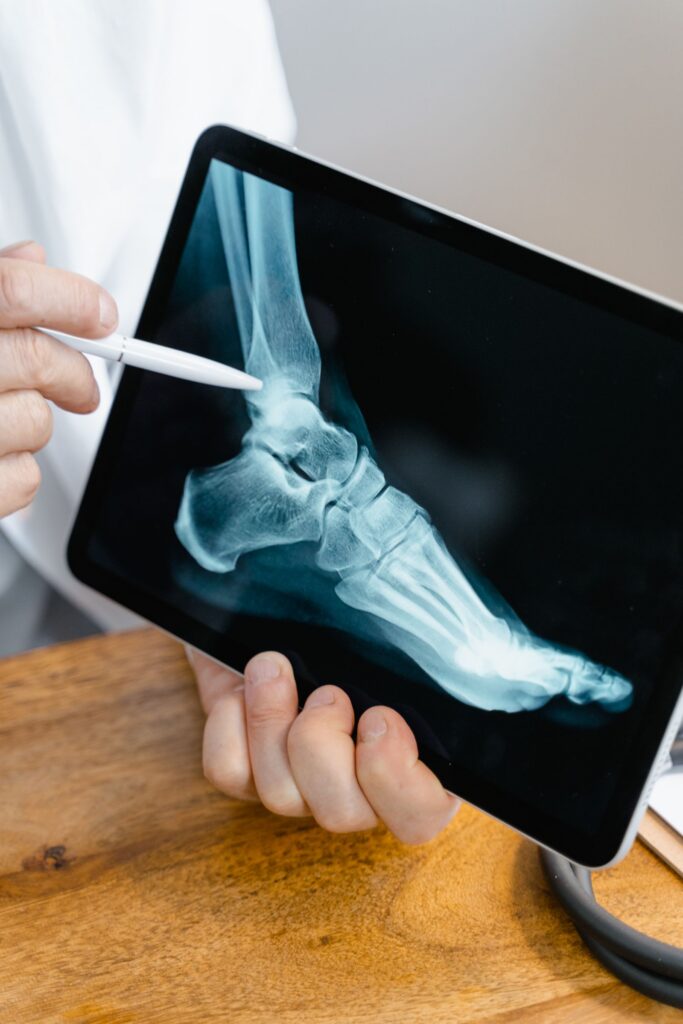
A follow-up analysis of ACTIVE-J, published in Archives of Osteoporosis in November 2023, looked beyond density at the shape and strength of the hip. Teruki Sone and colleagues studied scans from 193 patients using DXA-based hip structural analysis, plus CT scans from 70 patients. After 78 weeks, total hip density rose 4.4 percent and femoral neck density rose 4.8 percent from baseline in the abaloparatide group, while the placebo group showed little change. The bone’s outer layer grew thicker at several hip regions, and measures linked to strength improved. One measure suggested the bone may resist buckling better. The authors noted limits, including the small number of patients and the use of two-dimensional images. Researchers describe these as encouraging structural changes, not a reversal of the disease.
The earlier dose study
Before ACTIVE-J, Japanese researchers ran a phase 2 study to find the right dose. Published in the Journal of Bone and Mineral Metabolism in 2023 and indexed on PubMed, it followed postmenopausal Japanese women with osteoporosis for 48 weeks. Participants received a daily placebo injection or abaloparatide at 40 or 80 micrograms. Lumbar spine density rose 6.6 percent with the lower dose and 11.5 percent with the higher dose. Hip gains were smaller: total hip density rose 1.6 and 2.9 percent, compared with 0.4 percent on placebo. Markers of new bone formation climbed quickly. Side effects were more common with the drug but were mostly mild to moderate. The study showed the effect was dose-dependent, which helped researchers choose 80 micrograms for the larger trial.
Approved in Japan, as an injection
Abaloparatide did reach patients in Japan. Teijin Pharma received Japanese approval for abaloparatide acetate to treat osteoporosis in women and men at high risk of fracture, as noted by its partner Radius Health in March 2021. The brand name appears as Ostabalo in English trade reports. The approved form is a cartridge for injection under the skin, with a typical adult dose of 80 micrograms once daily for up to 18 months. That limited treatment window is common for bone-building drugs, which are often followed by other medicines to help maintain gains. So the closest real version of the viral story is an injectable medicine, approved years ago, that may help raise bone density in high-risk patients. It is not a new pill, and it is not described as a cure.
Another Japanese first
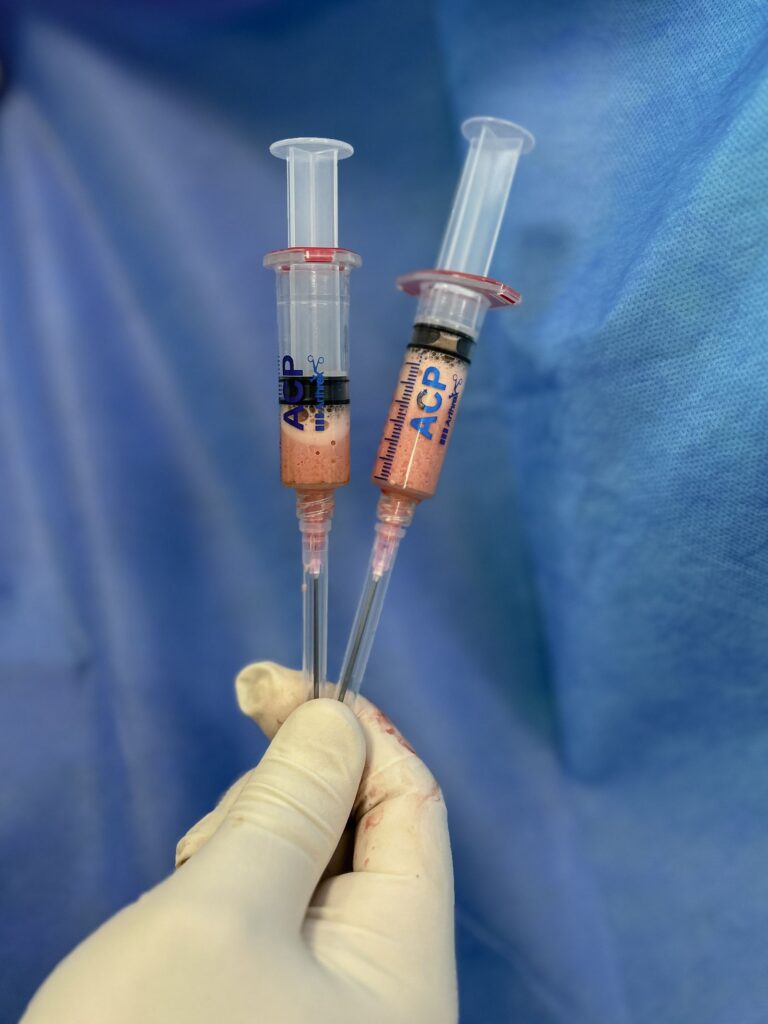
Japan has been first in line for other bone-building treatments too. In January 2019, Japan became the first country in the world to approve romosozumab, sold as Evenity, according to its developers Amgen and UCB. Romosozumab is an antibody that blocks a protein called sclerostin, which normally puts the brakes on bone formation. By blocking it, the drug both increases bone building and reduces bone breakdown. Like abaloparatide, it is not a pill. It is given as a monthly injection for 12 months. Its approval in Japan was a genuine milestone, and it may be one more source of confusion in online posts that blend several advances into a single miracle claim. Each of these drugs has specific uses, risks, and limits that doctors weigh for each patient.
Lab-grown bone from stem cells
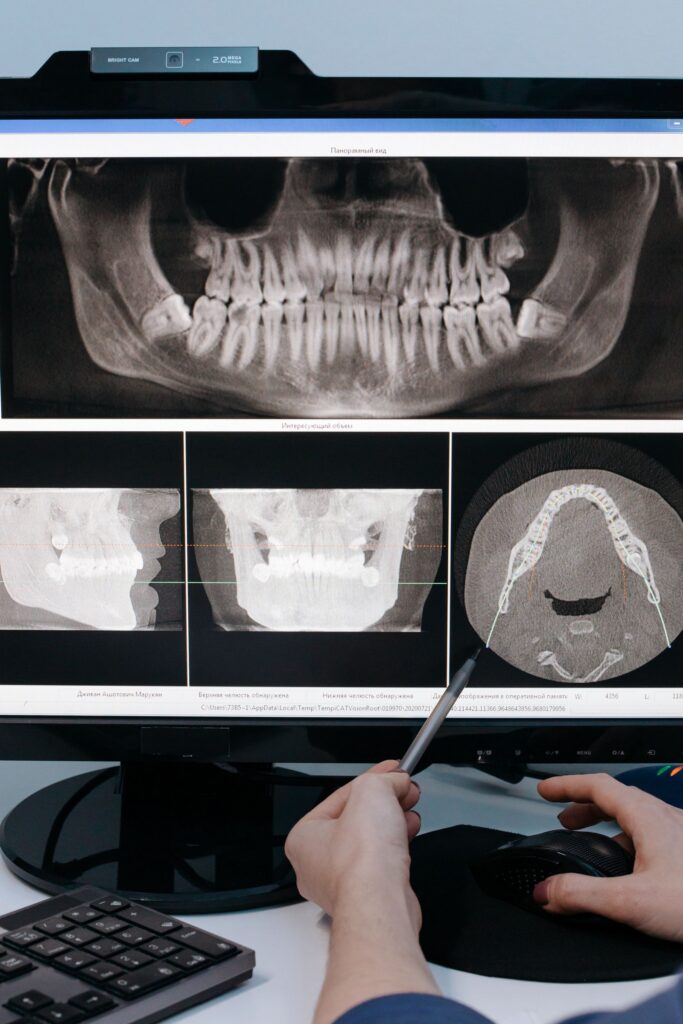
The story we shared also mentions regenerative approaches involving bone-forming cells, and this part is real but early. In July 2025, a team at Kyoto University’s Center for iPS Cell Research and Application, led by Makoto Ikeya, reported in Nature Biomedical Engineering that it had grown jawbone-like organoids from human stem cells. These small 3D tissues formed mineralized bone. When transplanted into mice, they developed blood vessels and helped repair jawbone defects. The team also used cells from a patient with a brittle bone disorder to model the disease in the lab. This research may one day support new therapies, but it was done in animals and laboratory models. It is not a treatment for osteoporosis in people, and it is certainly not a pill.
How the myth took shape

Health myths often grow from a grain of truth. Here, the true parts are that Japanese scientists have studied therapies that stimulate bone formation, that abaloparatide significantly improved bone density in Japanese trials, and that stem cell researchers have grown bone tissue in the lab. The false parts are the pill, the word cure, and the idea that bones can be completely rebuilt. When you see a claim like this, a few checks help. Look for the name of the drug and the journal. Check whether the results come from people or from animals. See whether a regulator such as Japan’s health ministry or the US FDA has approved it. If a post promises a miracle but names no study, it is wise to be skeptical before sharing.
What may help, and next steps

There is no proven pill that reverses osteoporosis, but there are real steps linked to better bone health. Doctors often discuss getting enough calcium and vitamin D, staying active with weight-bearing and balance exercises, avoiding smoking, limiting alcohol, and making homes safer to prevent falls. For people at high fracture risk, prescription medicines, including bone-building injections like abaloparatide or romosozumab, may help, depending on their health history. Researchers in Japan and elsewhere are still studying new options, from different dosing methods to regenerative cell therapies. Those efforts are promising, but they need more testing before anyone can call them a cure. Talk to your doctor before starting, stopping, or changing any treatment for osteoporosis or bone health. This article is for information only and is not medical advice.
Sources
- Journal of Clinical Endocrinology and Metabolism (PubMed): Abaloparatide Increases Lumbar Spine and Hip BMD in Japanese Patients With Osteoporosis: The Phase 3 ACTIVE-J Study (Matsumoto et al., 2022)
- Journal of Clinical Endocrinology and Metabolism: ACTIVE-J full article
- Archives of Osteoporosis (PMC): The effects of abaloparatide on hip geometry and biomechanical properties in Japanese osteoporotic patients, ACTIVE-J (Sone et al., 2023)
- Journal of Bone and Mineral Metabolism: Abaloparatide dose-dependently increases bone mineral density in postmenopausal women with osteoporosis, a phase 2 study (Matsumoto et al., 2023)
- HCPLive: Abaloparatide shown to increase bone mineral density (ACTIVE-J, ASBMR 2020)
- Radius Health via BioSpace: Radius Health Provides Update on Abaloparatide (Japan approval, March 2021)
- The Pharma Letter: Teijin Pharma's abaloparatide now approved for osteoporosis
- Amgen: EVENITY (romosozumab) receives approval in Japan (January 2019)
- Kyoto University CiRA: Jawbone-like organoids generated from human pluripotent stem cells (Nature Biomedical Engineering, July 2025)
- Maldita.es La Buloteca: claim that Japan invented a pill that regenerates bones and reverses osteoporosis
Source: PubMed Central (NIH)