Maine Teen Arrest: A Judge Demands Answers
The Maine teen arrest began on a road in Livermore Falls, Maine, on Monday, November 16, when a Border Patrol agent stopped a work van and took six people into custody without warrants. One of them was an 18-year-old from Ecuador who had come to the United States alone at 16 to escape his father’s abuse. A Massachusetts judge had found that he had been abused and neglected, and the government had granted him Special Immigrant Juvenile status, a protection meant to put abused children on a path to a green card. He has no known criminal record.
Judge Stacey Neumann ordered the government not to move him out of Maine and to show a legal basis for the arrest. On Wednesday, November 18, she ruled the warrantless arrest violated the Fifth Amendment and ordered his release by the next morning, writing that due process demands reasoned judgment before liberty is taken, not after. He was released on November 19. For more on families in immigration cases, read our report on a mother reunited with her daughter after ICE released them and our story on a bill to stop ICE using children as bait.
References:
Portland Press Herald: Judge orders ICE to release 18 year old arr*sted during warrantless Maine traffic stop
Maine Public: Federal judge orders ICE to release teenager arr*sted in Maine
The Maine Anchor: Judge Neumann Demands Legal Basis For Border Patrol Arr*st Of 18 Year Old After Livermore Falls Traffic Stop
Spectrum News NECN: Concerns linger after man released from immigration custody
The Maine Teen Arrest Began on a Quiet Road in Livermore Falls

Livermore Falls is a small town in western Maine, a place of mills, rivers and quiet roads where most days pass without much news. On Monday, November 16, that calm was broken when a Border Patrol agent stopped a work van on a local road. The stop was part of an immigration enforcement action, and it ended with six people in custody. Read about another family touched by immigration enforcement in a family reunited after a mother’s plea and see how lawmakers want to change the rules for children.
A Work Van Pulled Over in the Maine Teen Arrest Case

The vehicle at the center of the case was a work van, the kind of van that carries crews to job sites across Maine every morning. The agent pulled it over in Livermore Falls, and the stop quickly turned into an arrest. Six people were taken from the van, and none of them had a warrant waiting for them that day. For the young man from Ecuador, the stop changed everything in a matter of minutes. Learn more about how judges have pushed back on immigration arrests.
Six People Were Taken in the Maine Teen Arrest Stop

Six people were arrested during the stop in Livermore Falls, and the court records say the agents had no warrants for them. The 18-year-old was one of the six, and his case stood out because he already had a protected status granted by the federal government itself. What matters here is that a teenager with legal protection was taken anyway. The scale of the stop raised questions that a judge would soon ask. Read how another judge faced arrest for blocking an immigration case.
An 18-Year-Old From Ecuador Was Among Them

The young man at the center of the case is 18 years old and comes from Ecuador, a country in South America. He left home at 16 and traveled to the United States alone, a journey few teenagers could make on their own. His story, as told in court records, is one of a boy trying to escape a home where he was not safe. He arrived in the United States about two years ago and built a life here. See how two teens came home after their mom’s plea.
The Maine Teen Arrest Involved a Boy Who Came Alone at 16

He was only 16 when he came to the United States alone, leaving Ecuador behind to escape his father’s abuse. About six months after he arrived, a court in Massachusetts looked at his case and agreed that he had been abused and neglected. That ruling opened the door to protection under American law. His journey is a reminder of how young some migrants are. Read about a race decided by just 330 votes.
A Childhood Without Warm Water or Heat

His court petition says that as a child he lived in a home without warm water, no shower and no heat. Those few words paint a picture of a childhood that was cold in more ways than one. The Massachusetts judge who heard his case found that his father had abused and neglected him. That finding was the first step toward the protection he later received. His past shaped every part of this case. Learn how courts weigh the safety of children.
A Massachusetts Judge Heard His Story
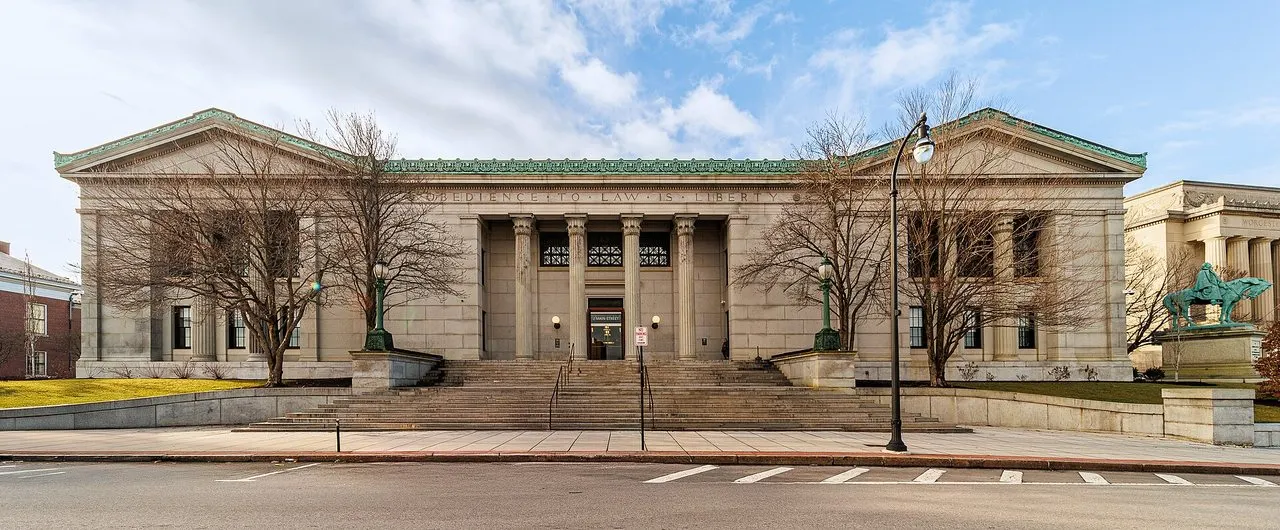
About six months after the young man arrived in the United States, a judge in Massachusetts heard his case. The judge looked at the evidence about his home life in Ecuador and ruled that his father had abused and neglected him. That ruling was not a small detail. It was the legal finding that allowed the federal government to grant him Special Immigrant Juvenile status. This ruling changed his legal future. Read how judges decide cases that change lives.
Special Protection in the Maine Teen Arrest Case

Special Immigrant Juvenile status is a protection created by Congress for children who have been abused, neglected or abandoned by a parent. It is meant to put those children on a path to a green card and a stable life in the United States. The federal government granted this status to the young man after the Massachusetts judge ruled in his favor. Yet on a road in Maine, agents detained him anyway. See how a vaccine debate is dividing the country.
No Criminal Record in Two Countries

The young man has no known criminal record in the United States or in Ecuador. That fact was noted in the court records, and it matters because it undercuts any claim that he was a danger to anyone. He was a teenager with a protected status, no record of wrongdoing, and a job that had him riding in a work van on a Monday morning. His clean record made the case harder for the government to defend. Read how a judge questioned an arrest in Milwaukee.
His Brother Was on the Phone

His brother was on the phone with him during the arrest, and he told the agents about the young man’s protected status. The brother’s call was a plea from a family member who knew the law was on the teenager’s side. According to the account, an agent knew about the protected status and said he would detain him anyway. That phone call is one of the most striking details in the case. Learn about how measles is reaching newborn babies.
The Agent Knew and Detained Him Anyway

According to the young man’s account, the agent on the road knew about his protected status and said he would detain him anyway. That claim, if true, turns a routine stop into something far more troubling. An officer who knows a teenager is protected and still takes him into custody is not making a simple mistake. The brother’s phone call meant the agents had warning before they acted. It is a detail the court could not ignore. Read an apology that was not enough.
Taken to a Facility in Scarborough
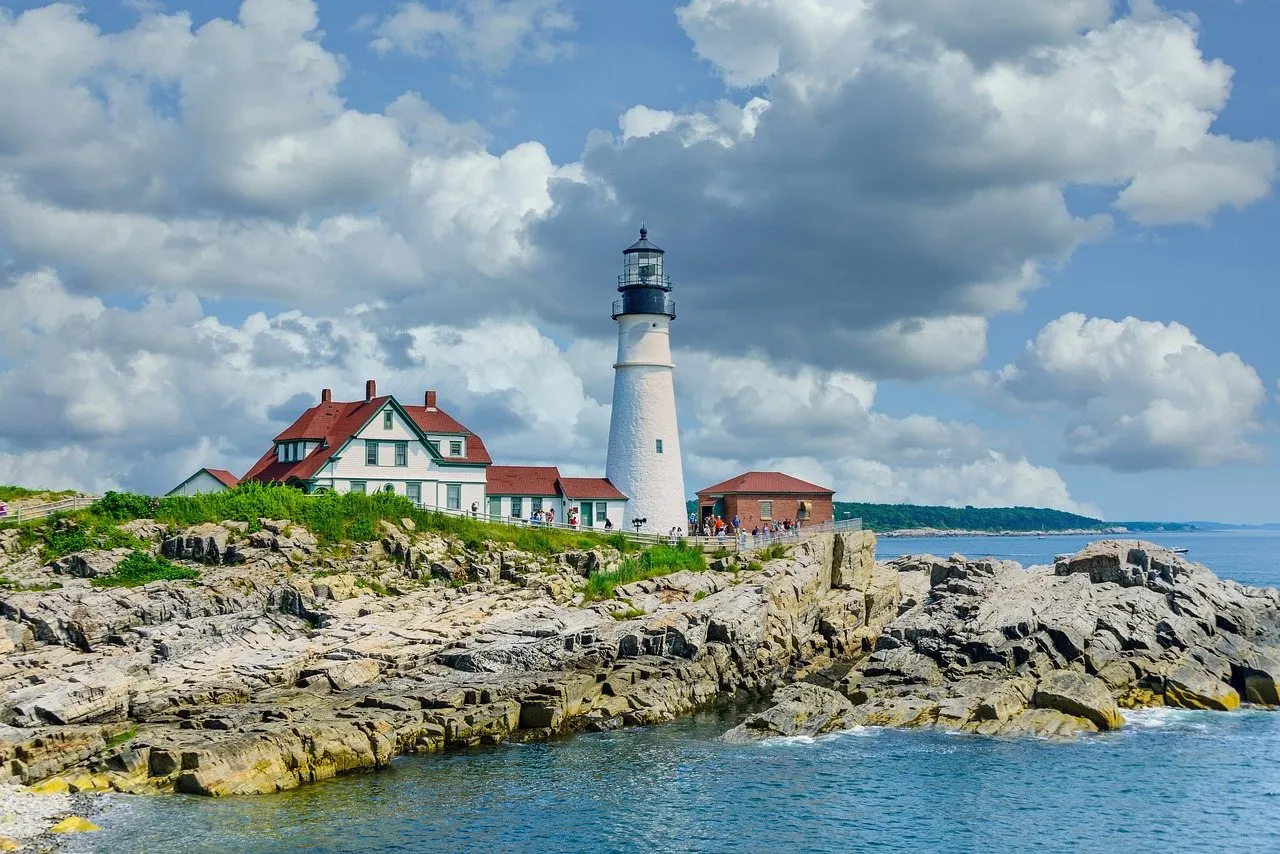
After the roadside stop, agents took the young man to ICE’s facility in Scarborough, a coastal town in southern Maine. Scarborough is known for its beaches and marshes, not for detention centers, yet it holds a federal immigration facility. The teenager was held there while the government sorted out what to do with him. His brother’s warning had not stopped the arrest, and the facility in Scarborough became his next stop. See a plane that flew with people aboard for the first time.
A Warrant Written After the Arrest

Only at the Scarborough facility did agents serve him a warrant, and that warrant had been drafted after the roadside arrest. It was also signed by immigration officials, not by a judge. That detail matters a great deal in American law. A warrant written after the fact by the same agency that made the arrest is a different thing entirely. The judge would focus on this gap in the days that followed. Read a viral photo that led to another arrest.
Judge Stacey Neumann and the Maine Teen Arrest

U.S. District Judge Stacey Neumann took up the case quickly. On Monday, she ordered the government not to move the young man out of Maine and to show a legal basis for the arrest. Her order put a brake on the machinery of detention and forced the government to justify what had happened on that roadside. Federal judges have the power to demand answers from the government, and Judge Neumann used it. Learn about a handshake that drew questions.
An Order to Keep Him in Maine

Judge Neumann’s order said the young man must not be moved out of Maine. That simple instruction was meant to keep him within reach of the court while the case was heard. The order was issued on Monday, the same day as the arrest, and it showed how fast the court moved. But the government said the teenager was already on his way to Rhode Island when the order arrived. Read a warning about what comes next.
ICE Said He Was Headed to Rhode Island

ICE said the young man was already on his way to a detention facility in Rhode Island when agents got the judge’s order. That claim raised a new question about timing and about whether the order had come too late to stop the move. As of Wednesday, no one could confirm where exactly he was. The uncertainty left his family and his lawyers waiting for answers. The judge was not satisfied with vague answers. See how borders and states shape immigration cases.
The Fifth Amendment and a Warrantless Arrest

The Fifth Amendment to the United States Constitution says no person shall be deprived of liberty without due process of law. Those words apply to everyone in the country, not only to citizens. When Judge Neumann looked at the warrantless arrest, she measured it against that promise. The agents had no warrant from a judge, and the warrant they later produced was written after the arrest. That sequence failed the test the Constitution sets. Read a health debate over freedom and vaccines.
Due Process Before Liberty Is Taken

On Wednesday, November 18, Judge Neumann ruled that the warrantless arrest violated the Fifth Amendment and ordered the young man’s release by the next morning. She wrote that due process demands reasoned judgment before liberty is taken, not after. Those words are now the heart of this case. They say that the government must think before it acts, not explain itself later. The ruling gave his freedom back and set a clear line. Learn about a viral post with a twist about a visa.
A Deadline Set for Thursday Morning

The judge gave the government until the next morning to release the young man. That deadline was firm, and it left no room for delay. A release ordered by Thursday morning meant the teenager would not spend another night in detention over a warrantless arrest. Judge Neumann’s deadline made sure the ruling would be carried out quickly. His family waited through the night for the moment he would walk free. Read promises made and promises kept.
Freedom Came on November 19

He was released on November 19, just as the judge had ordered. After days in custody that began with a roadside stop, he walked out a free young man. He had been taken without a warrant, held in Scarborough, and nearly moved to Rhode Island before a judge stepped in. His freedom came because a court demanded a legal basis and found none. For his family, the release was a moment of relief after days of fear. See a homecoming after ICE detention.
Concerns Linger After the Release

Even after his release, concerns linger. The news reports that followed the ruling noted that questions remain about how the arrest happened and whether other people stopped that day faced the same treatment. Advocates and lawyers will be watching to see whether the government changes how it handles such stops. The case has become a warning about what can go wrong when enforcement moves faster than the law. It is not over just because one young man is free. Read how people are speaking up.
What Comes Next in the Maine Teen Arrest Case

The ruling answered the question of his freedom, but other questions remain. Lawyers will want to know what happens to the other people arrested that day and whether the government will face further action over the warrantless stop. The young man’s Special Immigrant Juvenile status still puts him on a path to a green card, and his future in the United States looks more secure now. Courts will keep watching cases like this one. Learn about how a lawyer’s work changes lives.
What Do You Think About the Maine Teen Arrest Ruling

A federal judge said the government must show a legal basis before it takes a person’s liberty, not after. The Maine teen arrest case tested that idea on a roadside in Livermore Falls, and the court came down on the side of due process. The young man is free, and his protected status remains in place. What do you think about the ruling? Should agents need a judge’s warrant before an arrest like this? Share your thoughts in the comments below. Read a remark, an apology and a mayor’s reply.