Senators Shutdown Pay: The 99-0 Vote That Changed the Rules
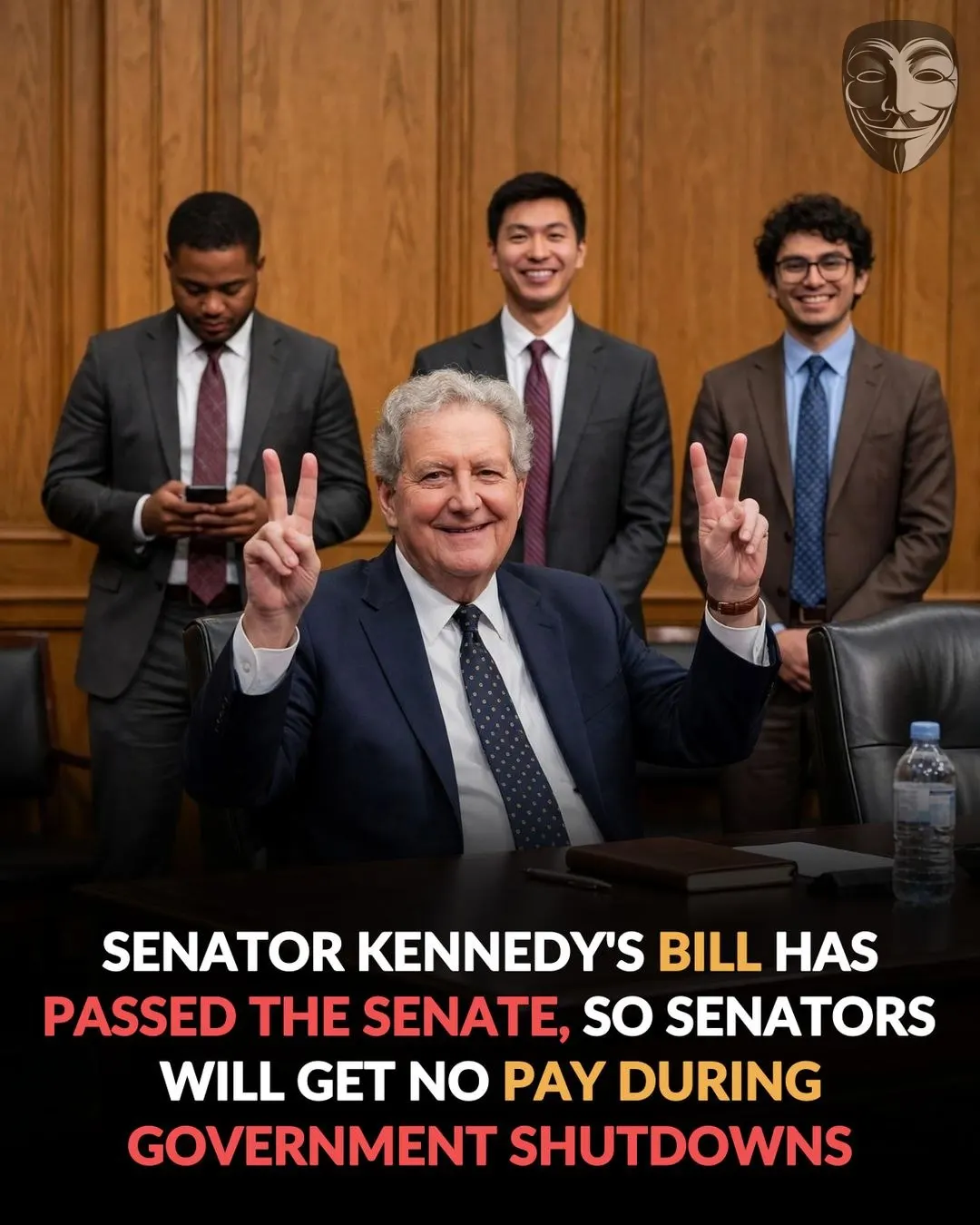
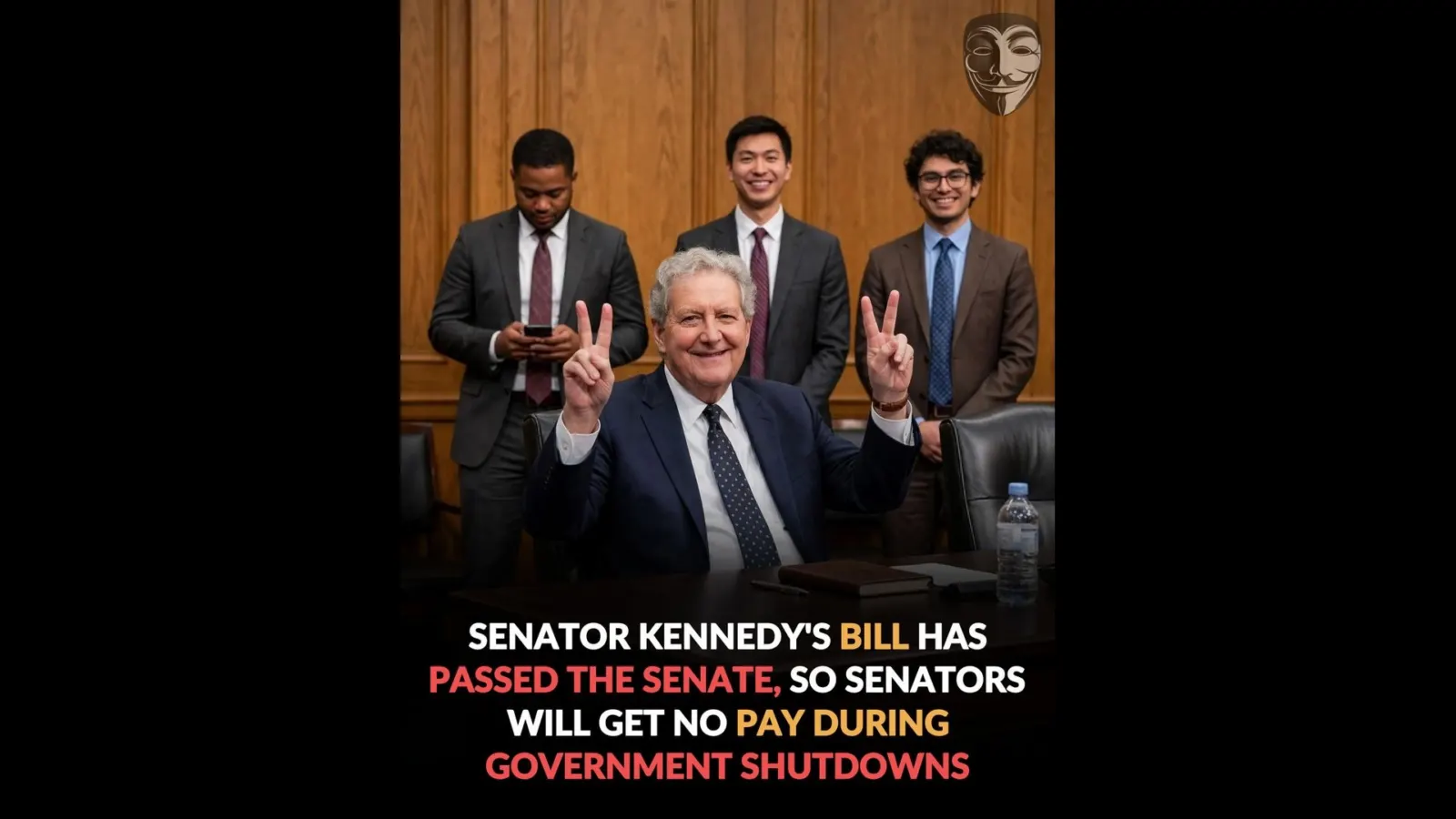
Senators shutdown pay is now on hold during funding lapses after the United States Senate adopted a new rule on May 14, 2026. The resolution, known as S. Res. 526, came from Republican Senator John Kennedy of Louisiana, and it passed after a 99 to 0 procedural vote the day before. The Senate then adopted the measure by voice vote, with no senator objecting. It was a rare show of unity in a chamber that is often divided, and it set a new standard for how lawmakers share the cost of a shutdown.
Under the new rule, the Secretary of the Senate must withhold the pay of all 100 senators whenever the government shuts down, and the money is returned once funding is restored. Most senators earn 174,000 dollars a year, so a long shutdown would mean real money held back. The rule takes effect the day after the November 2026 election, and it applies only to senators. Here is how the vote worked and what comes next. Read our earlier report on the Senate pay rule and our story on how the House speaker vote unfolded.
References:
NBC Palm Springs: Senate Votes to Suspend Member Pay During Future Government Shutdowns
Kennedy Senate: US Senate Rules Committee Advances Kennedy Legislation to Withhold Senators Pay During Government Shutdowns
Republican Journal: Senates Stunning 99-0 Vote Pay Freeze for Shutdowns
Daily States: 99-0 Not One Senator Voted No John Kennedys Shutdown Pay Resolution
The Man Behind the Senators Shutdown Pay Rule

John Kennedy is a Republican senator from Louisiana, and he has pushed this idea for years. He first tried to pass the measure during the government shutdown in November 2025, and he tried again in March 2026 during the Homeland Security shutdown. His argument is simple. Lawmakers should share some of the financial pain when funding talks fail. He has said the withheld checks would sit locked away, like money in a vault, until the shutdown ends. Read about the debate over lawmakers and resignations for more on how Congress handles its own rules.
Inside the Chamber for the Senators Shutdown Pay Vote
On May 13, 2026, the Senate took up the resolution on the floor. The key procedural step was a vote to end debate, known as cloture, which needed 60 votes to pass. The result stunned longtime observers. The vote was 99 to 0, with every senator present voting yes. Leaders from both parties backed the measure, including Majority Leader John Thune and Democratic leader Chuck Schumer. Cosponsors included John Cornyn, Ashley Moody, Katie Britt and Susan Collins. See the fight over children and immigration enforcement for more Capitol news.
What S. Res. 526 Actually Says
S. Res. 526 is a Senate resolution, not a bill, so it needed no vote in the House and no presidential signature. It changes the rules of the Senate itself. The text directs the Secretary of the Senate to withhold salary payments from senators during any lapse in funding for one or more federal agencies. The pay is not lost. The resolution says the money must be released as soon as practicable after the shutdown ends. It is a pause, not a penalty. Learn more in the Senate pay rule.
How the Senators Shutdown Pay Freeze Works
Senators shutdown pay now stops the moment a funding lapse begins. The Secretary of the Senate holds each senator’s salary while agencies are closed, and the checks are released once the government reopens. The rule covers all 100 senators, and it applies whenever even one agency loses funding. Senators still get every dollar in the end, so the measure is about timing, not punishment. The point is to make a shutdown cost lawmakers something real. Read the warning about national security for more on Washington.
The 43-Day Shutdown That Started It All
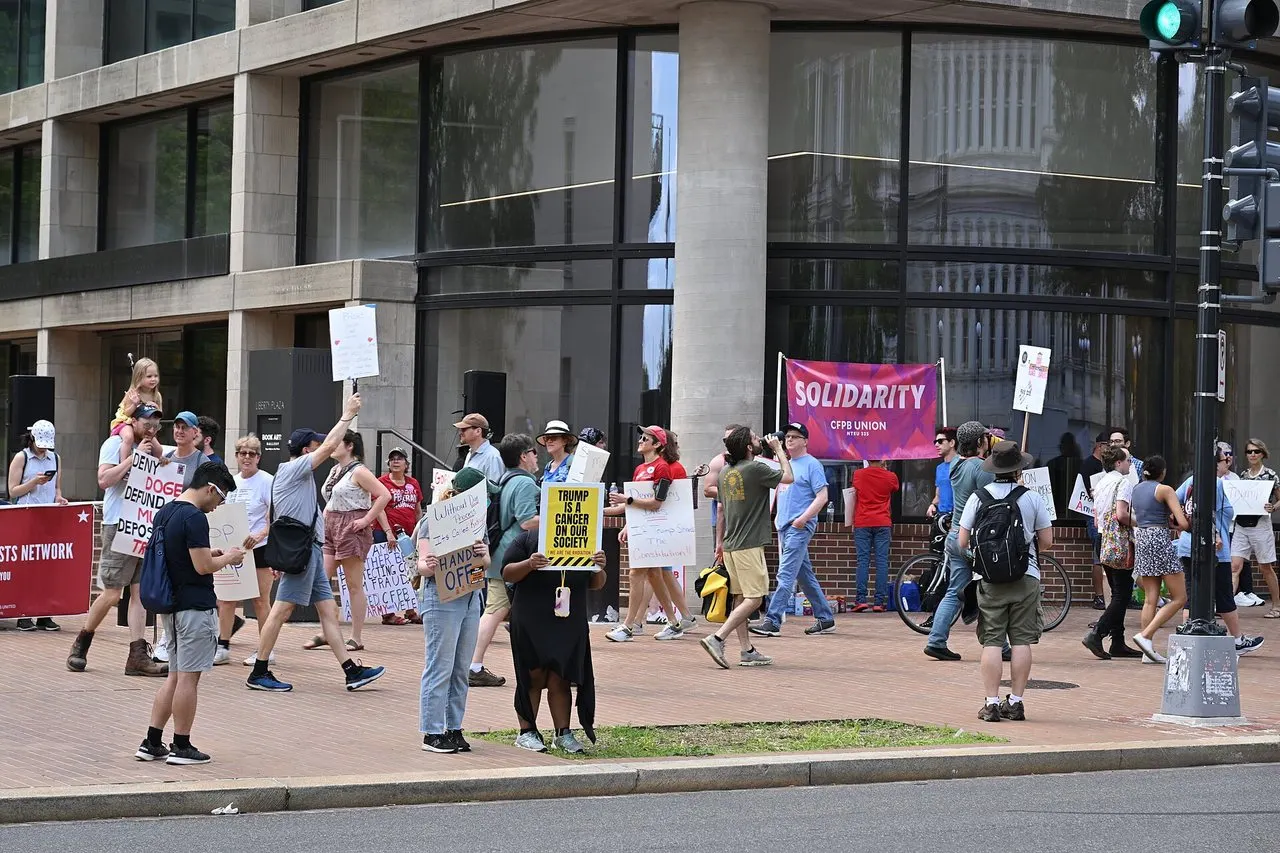
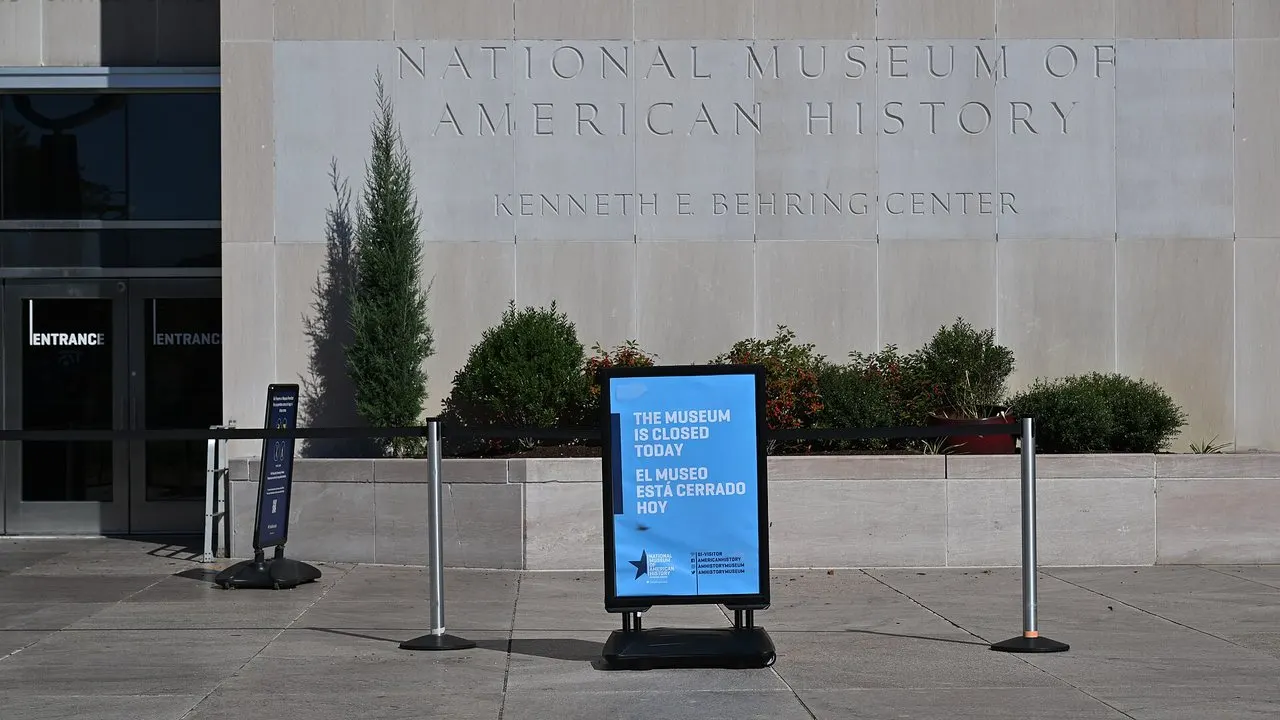
Between October 2025 and May 2026, the country went through two long funding lapses. The first was a full government shutdown that lasted 43 days, the longest in American history at the time. Federal offices closed, national parks shut their gates, and hundreds of thousands of workers went without pay. Museums posted closed signs, and families that depend on federal paychecks cut back on spending. The shutdown dragged on while talks in Congress stalled again and again. See the historic House speaker vote for more.
The 76-Day Homeland Security Shutdown
The second lapse was even longer. The Department of Homeland Security went without full funding for 76 days, a separate shutdown that stretched into the spring of 2026. Homeland Security covers border protection, disaster response and airport security, so the lapse touched daily life in visible ways. Workers in the department kept showing up while their pay was delayed. The long stretch helped build support for a rule that would make senators feel the same pressure. Read the border defense story for more.
The Senators Shutdown Pay Gap for Federal Workers

During both shutdowns, federal employees faced delayed paychecks while members of Congress kept getting paid on schedule. That gap became the heart of the debate. Airport screeners, park rangers and office workers missed paydays, and many turned to food banks and short term loans. Their own bosses in Congress faced no such worry. Kennedy argued that this was unfair, and that lawmakers should share the consequences when funding talks fail. See the measles outbreak among newborns for more.
Kennedy’s Case: Lawmakers Should Feel It Too
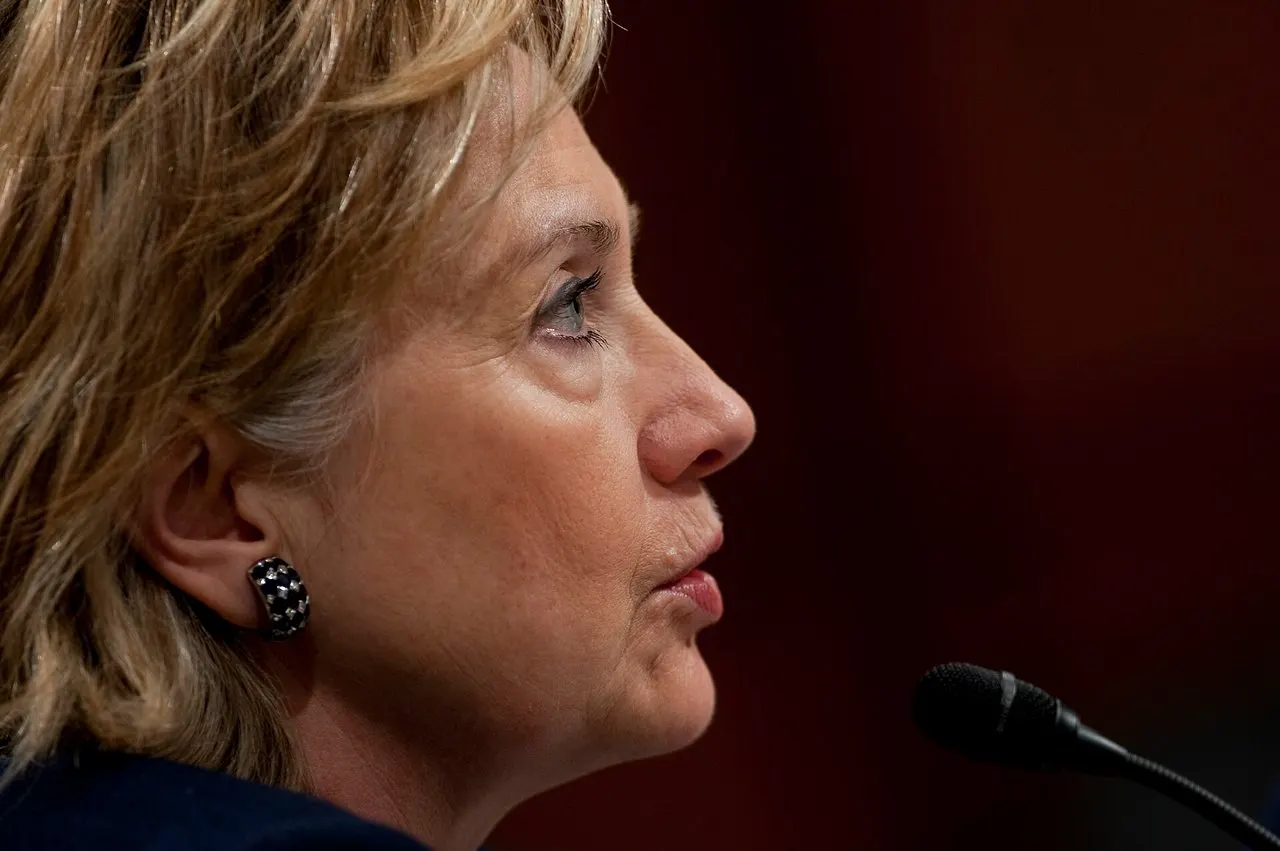
Kennedy has made his case in plain language on the Senate floor. He said that during a shutdown, senators should not be paid, and that their checks would be locked in a vault until the shutdown is over. He has also said that if he could set the rules for a day, he would bar members of Congress from being paid during a shutdown and from leaving Washington while one is underway. His point is that shared pain creates shared urgency. Read the debate over a proposed ban for more.
The Rules Committee Gave It a Green Light
Before the full Senate voted, the measure went through the Senate Rules Committee, which handles the rules that govern the chamber. The committee advanced Kennedy’s legislation, clearing the way for a floor vote. That step mattered because it showed the idea had support from the senators who guard Senate procedure. A resolution that dies in committee never reaches the floor. This one moved quickly once the committee acted. See the impeachment trial moment for more on Senate procedure.
A Voice Vote and a Unanimous Result
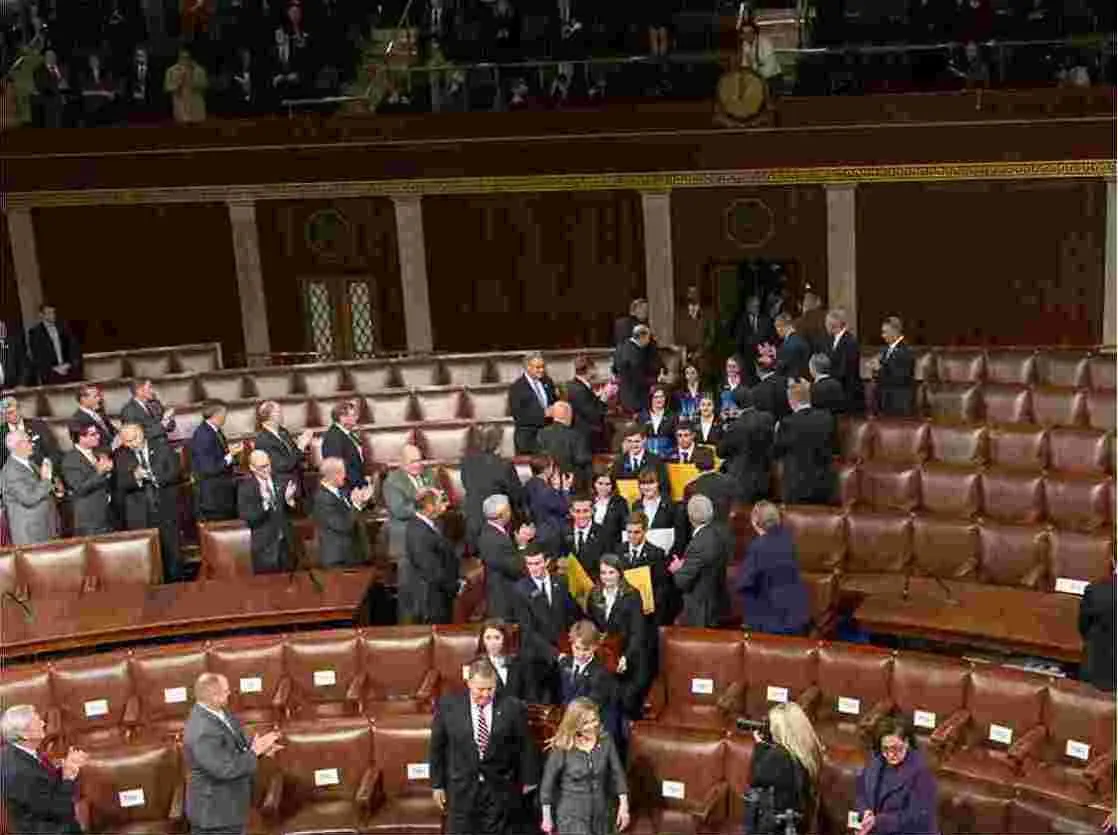
The final step came on May 14, 2026, one day after the 99 to 0 vote. The Senate adopted the resolution by voice vote, which means no senator objected when the presiding officer called for ayes and nays. A voice vote is used when leaders expect no opposition, and it confirmed that the chamber spoke with one voice. The measure became a Senate rule that same day, though it would not take effect until after the election. Read how the House speaker vote unfolded for more.
The Senators Shutdown Pay Comes Back When Government Reopens
Senators shutdown pay is only held, never taken away. The resolution tells the Secretary of the Senate to release every withheld dollar as soon as practicable after the shutdown ends. That means a senator who misses pay during a two week lapse gets it all back once funding is restored. Critics note that this softens the sting, since the money is only delayed. Supporters say the delay itself matters, because it puts senators in the same waiting line as federal workers. See the fight over children and immigration enforcement for more.
Senators Only: Why the House Is Not Covered
The rule applies only to senators, not to members of the House of Representatives. That limit exists because a Senate resolution can only change Senate rules. The House would need to pass its own version to cover its 435 members. Kennedy has said he would like the same rule for the House, and the question now is whether House leaders will take it up. For now, representatives keep getting paid during shutdowns while senators do not. Read the hearing where a senator faced tough questions for more.
The Senators Shutdown Pay Rule Waits for Election Day
The new rule does not start right away. It takes effect the day after the November 2026 federal election, which the post gives as the rule’s start date. The delay follows the 27th Amendment, which bars changes to congressional pay from taking effect until after an election has intervened. That is why senators who voted for the rule in May will not feel it until a shutdown happens after the election. The timing also means the rule could face its first test if funding lapses in December. See the midterm exit polls for more.
A Rare Moment of Agreement in a Divided Senate
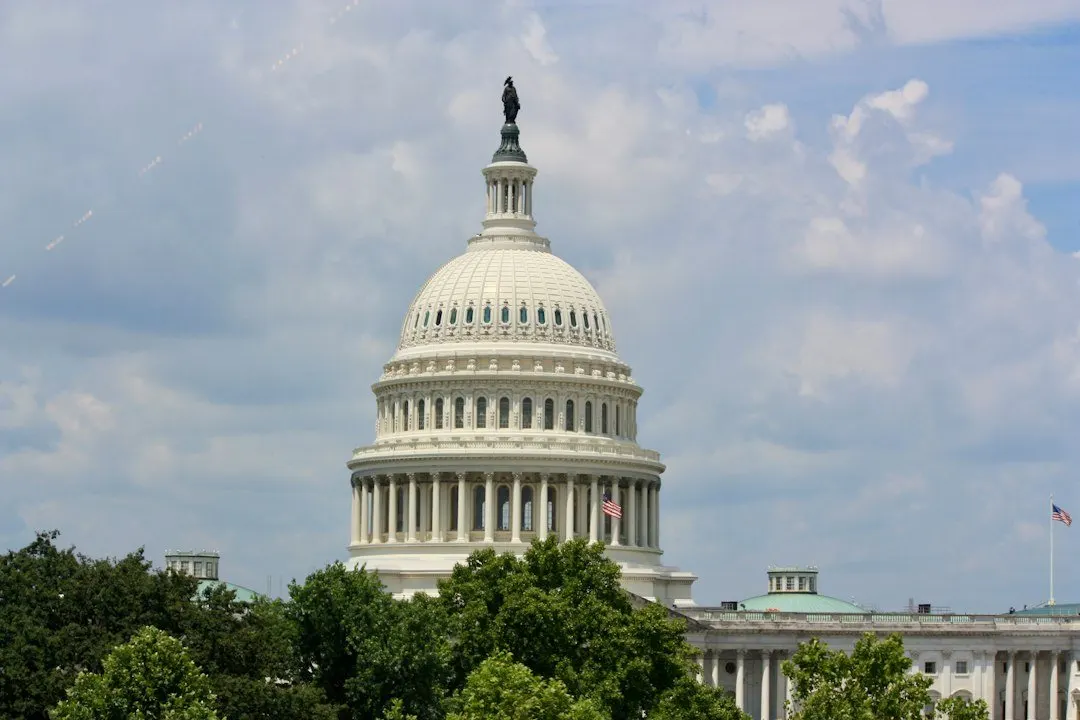
The vote was striking because the Senate rarely agrees on anything by 99 to 0. The chamber is split between parties that fight over almost every bill, yet this measure drew support from both sides. Majority Leader John Thune and Democratic leader Chuck Schumer both backed it. The result showed that the idea of shared sacrifice during a shutdown crosses party lines. It also showed that voters’ frustration with shutdowns had reached the Senate floor. Read the Asia trip and its trade deals for more.
The 174,000 Dollar Salary Behind Senators Shutdown Pay
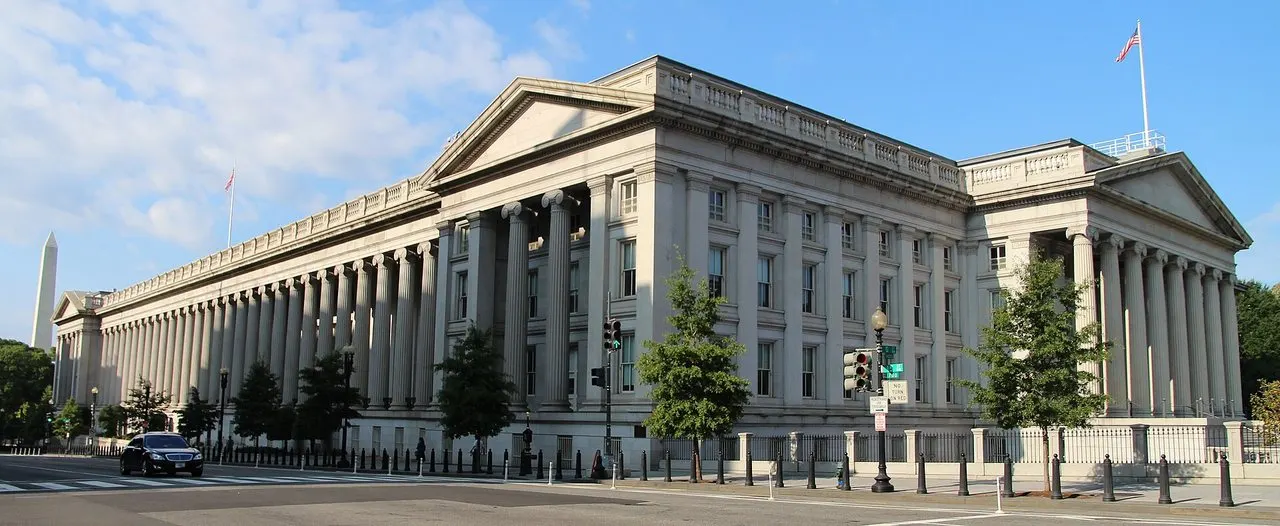
Most United States senators earn 174,000 dollars a year, which works out to about 14,500 dollars a month before taxes. During a shutdown, that monthly pay would be held back, so a 43 day lapse would cost a senator roughly 20,000 dollars in delayed pay. The money comes back after the shutdown, but the wait is real. For most Americans, missing a month of pay would be a crisis. For senators, it is a delay they can afford, yet it still sends a message. See the measles outbreak debate for more.
Shutdowns Have Happened Before
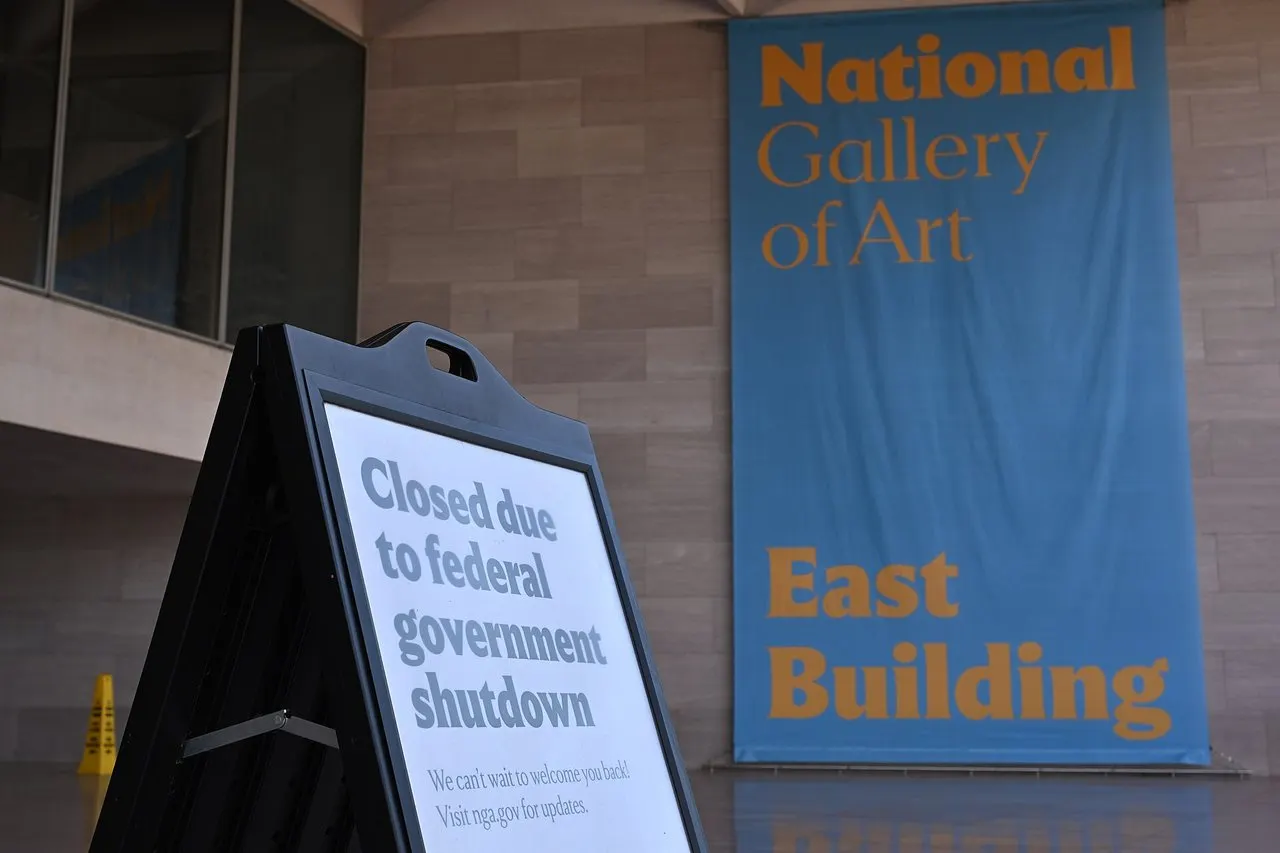
Government shutdowns are not new. Funding lapses have closed federal offices many times over the years, usually when Congress and the president cannot agree on spending bills. The 43 day shutdown in late 2025 set a record for length, and the 76 day Homeland Security lapse set another. Each time, the pattern was the same. Federal workers waited for pay while Congress kept collecting salaries. That pattern is what Kennedy’s rule aims to break. Read the story of a healthy workplace for more.
Other Lawmakers Have Tried to End Shutdowns
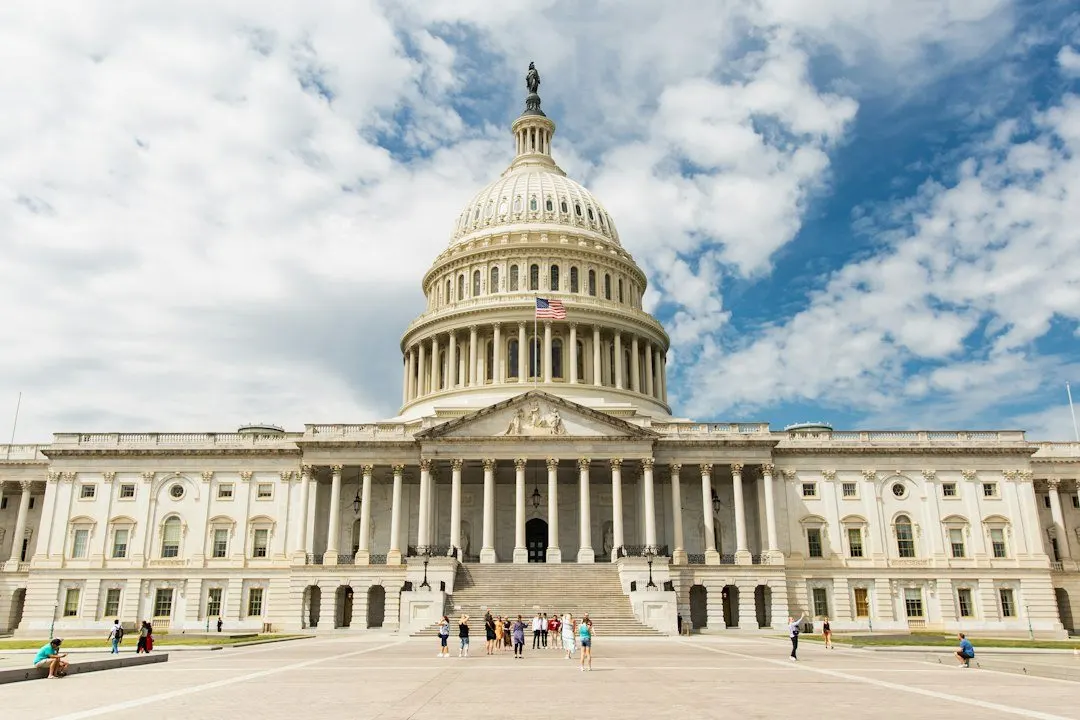
Other lawmakers have tried to stop shutdowns in different ways. Senators James Lankford and Maggie Hassan introduced a bill called the Prevent Government Shutdowns Act on May 21, 2026, with 20 cosponsors from both parties. Their plan would end shutdowns outright rather than punish lawmakers for them. That bill is still waiting for a vote. Kennedy’s rule takes a narrower path. It does not end shutdowns, but it makes them cost senators something. See the China trip and its trade deals for more.
What Americans Make of Senators Shutdown Pay
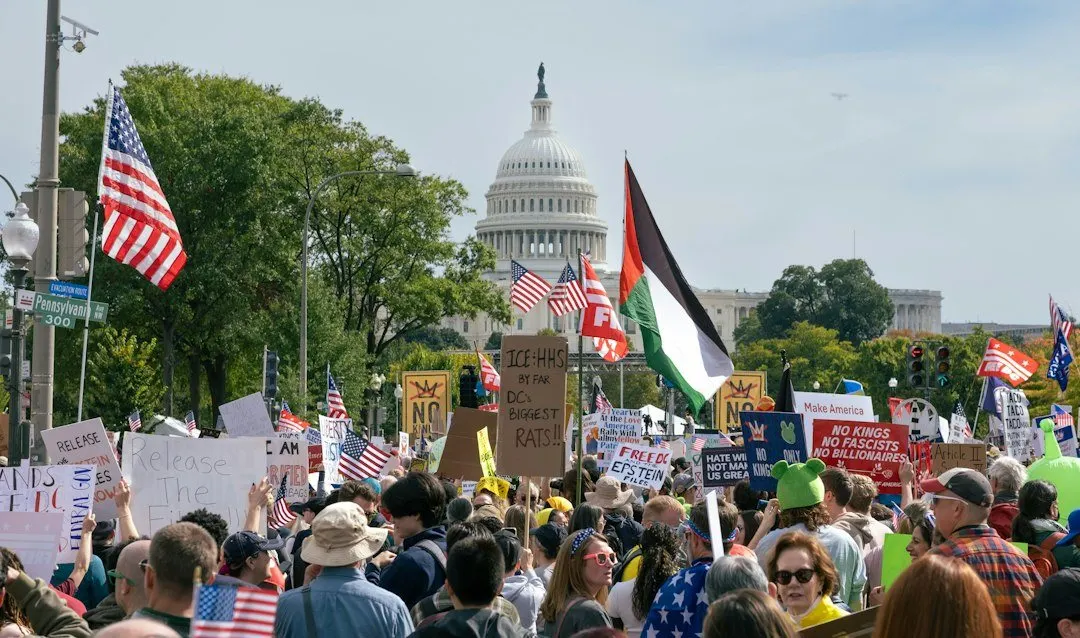
The public reaction has been warm, because the idea feels like common sense to many Americans. People who have missed a paycheck know what it means to wait for money that is owed. When voters hear that senators kept getting paid while federal workers waited, they ask why the rules are different. The 99 to 0 vote suggests senators heard that question too. Whether the rule changes behavior is still an open question. Read the recount decided by 330 votes for more on voter sentiment.
Could the House Be Next?
The next question is whether the House will follow. House members are not covered by the Senate rule, and they would need their own measure to face the same pay freeze. Some House members have spoken in favor of the idea, and the Senate vote puts pressure on them to act. If the House passes its own version, the rule would cover all of Congress. Until then, the gap remains. Read the debate over lawmakers and resignations for more.
What Senators Shutdown Pay Means for the Next Shutdown
The rule could face its first real test soon. Government funding runs out on December 11, and the rule is now live, since the November election has passed. If Congress fails to fund the government by that date, senators’ paychecks would stop with everyone else’s for the first time. That moment will show whether the threat of lost pay changes how quickly lawmakers reach a deal. It is the test Kennedy has been waiting for. See the hearing absence that drew attention for more.
Shared Sacrifice: Why the Idea Resonates

The idea resonates because it is about fairness. Most Americans cannot skip work for weeks and still get paid, and they expect the people who run the government to live by the same rules. When a factory closes for a week, workers lose pay at once. When the government shuts down, federal workers lose pay while lawmakers do not. Kennedy’s rule does not fix every problem with shutdowns, but it closes one gap that people can see clearly. Read the warning about national security for more.
Would You Support Senators Shutdown Pay Rules for the House?

The Senate has made its choice, and now the question moves to you. Would you support the same rule for members of the House of Representatives, so that all of Congress shares the cost of a shutdown? Or do you think the Senate rule is enough on its own? Tell us what you think in the comments, and share this article with someone who has strong views on Congress and shutdowns. Read the historic House speaker vote to keep the conversation going.