New Trump executive orders withdraw the United States from the UN Human Rights Council and end funding for UNRWA, the agency that aids Palestinian refugees. The orders also address Iran’s nuclear program and trade with China, raising concerns about humanitarian consequences in Gaza.
Washington, D.C., U.S. President Donald Trump has signed a new series of executive orders impacting several global issues, including international organizations, Middle East conflict zones, Iran’s nuclear program, and trade with China. The decisions have sparked discussions over their potential humanitarian consequences, especially for the people of Gaza.
U.S. Withdraws from UN Human Rights Council and Halts Funding to Palestinian Aid Agency
One of the key moves includes the United States’ official withdrawal from the United Nations Human Rights Council. President Trump cited dissatisfaction with the council’s performance and accused it of bias.
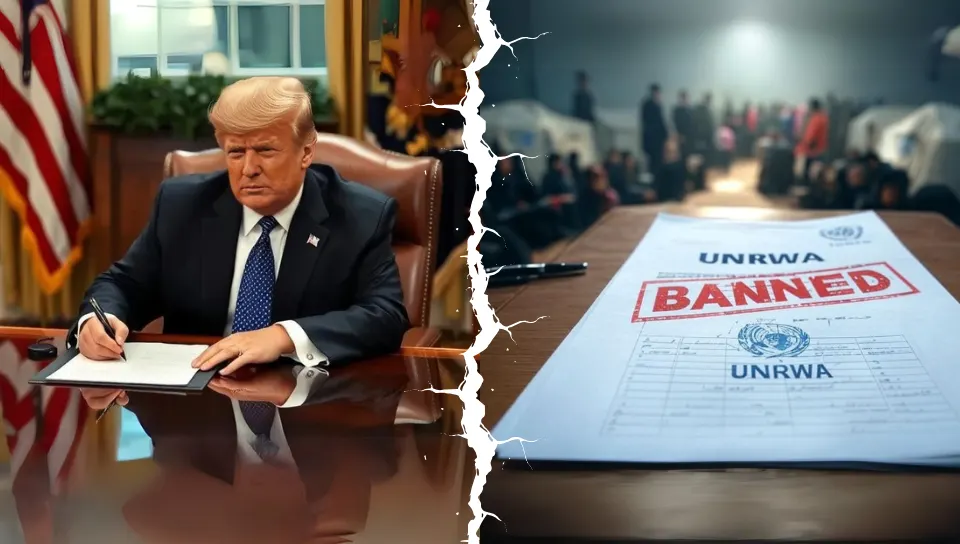
Alongside the withdrawal, the U.S. government also announced an end to financial contributions to UNRWA, the United Nations agency providing aid to Palestinian refugees, including millions in Gaza who rely on UNRWA for food, education, and medical care.
The halt in funding raises concerns among aid organizations about further hardships for displaced families and vulnerable communities in the region.
Statements on Gaza: Displacement and Conditions
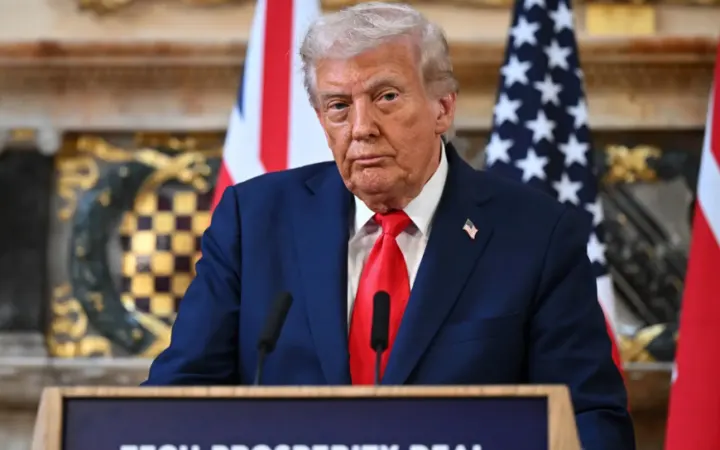
Speaking at a press conference, President Trump described Gaza as “not fit for living”, and labeled the area “a dangerous place.” He stated that Palestinians may have “no choice but to leave”, pointing to regional instability and poor living conditions.
He also suggested that neighboring countries like Egypt and Jordan might provide space or shelter for displaced Palestinians. Trump added that it remains unclear how those nations would respond.
The remarks come at a time when Gaza’s population, over two million people, continues to face blockades, shortages of essential services, and repeated escalations in conflict.
U.S. Considers Gaza Control and Military Presence
President Trump further proposed the idea of the United States taking full control of Gaza and rebuilding it. He said:
“We will take control of Gaza, make it our own, and rebuild it from scratch.”
No detailed plan was provided, but Trump mentioned the possibility of deploying U.S. forces to the region, emphasizing security and long-term stability.
The proposal follows recent meetings with Israeli Prime Minister Benjamin Netanyahu, who also called for strong action against Hamas. Gaza remains under blockade, and previous military operations in the area have led to civilian displacement and infrastructure damage.
Impact on Civilians and Humanitarian Services
The combined effects of funding cuts, regional instability, and possible military involvement are expected to impact civilians in Gaza. Aid groups warn that the withdrawal of U.S. support from UNRWA could leave thousands without access to basic services, including schools, clinics, and food assistance.
The proposed changes to Gaza’s status and control are likely to raise questions under international law and humanitarian norms, especially with regard to population displacement and foreign occupation.
Sanctions and Threats Against Iran
In related policy action, Trump signed documents aimed at preventing Iran from acquiring nuclear weapons. He stated that Iran is approaching nuclear capability and issued a warning:
“If Iran attacks or tries to harm me in any way, Iran will be completely destroyed.”
The United States is set to apply strict economic sanctions as part of its strategy. These developments follow a joint statement with Netanyahu, who echoed concerns over Iran’s nuclear program.
Israeli Settlements and Future Decisions
President Trump addressed the issue of Israeli settlements, saying that supporting new settlements in Gaza is “not currently necessary.” He said future actions would depend on how regional players like Egypt and Jordan respond to evolving conditions.
Trump Executive Orders and Trade Tensions with China
Separately, Trump spoke about ongoing trade tensions with China. He indicated there was “no rush” to hold talks and acknowledged that retaliatory tariffs by China were possible. He stated the United States is prepared for such a response.
“If China hits back with tariffs, that’s fine too.”
Trade discussions are ongoing, though no timeline was provided for resolution.
Ceasefire Hopes in the Middle East
President Trump expressed hope for a ceasefire in the Middle East but did not outline any specific strategy to achieve it. He reiterated that eliminating Hamas and gaining control of Gaza were key parts of his plan to bring security to the region.
Trump emphasized that any long-term resolution would involve changes to Gaza’s governance and military posture.
Joint Statements from Trump and Netanyahu
At a joint event, Trump and Netanyahu presented a shared stance on Gaza, Hamas, and Iran. Netanyahu thanked the United States for its partnership and support in regional matters. Both leaders repeated their commitment to preventing Iran from developing nuclear weapons.
The announcements further reinforce the current administration’s close alignment with Israeli leadership on security issues.
International Response and Humanitarian Outlook
The executive orders and public statements have drawn attention from international organizations, humanitarian groups, and legal experts.
-
The withdrawal from the UN Human Rights Council could affect U.S. influence in international human rights efforts.
-
The cutoff of UNRWA funding is expected to place additional pressure on Palestinian aid networks already struggling to meet demand.
-
The proposal for U.S. control over Gaza is likely to raise diplomatic concerns and questions about the legal and humanitarian consequences for local residents.
Observers note that the people most affected by the new policies are those already facing ongoing humanitarian crises, including refugees, children, and displaced families living in conflict zones.
The situation remains fluid, with key responses awaited from regional governments and international stakeholders.
Source: NPR