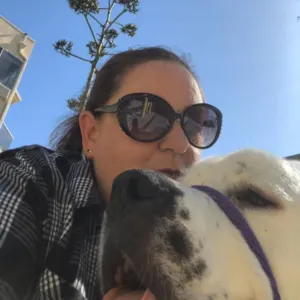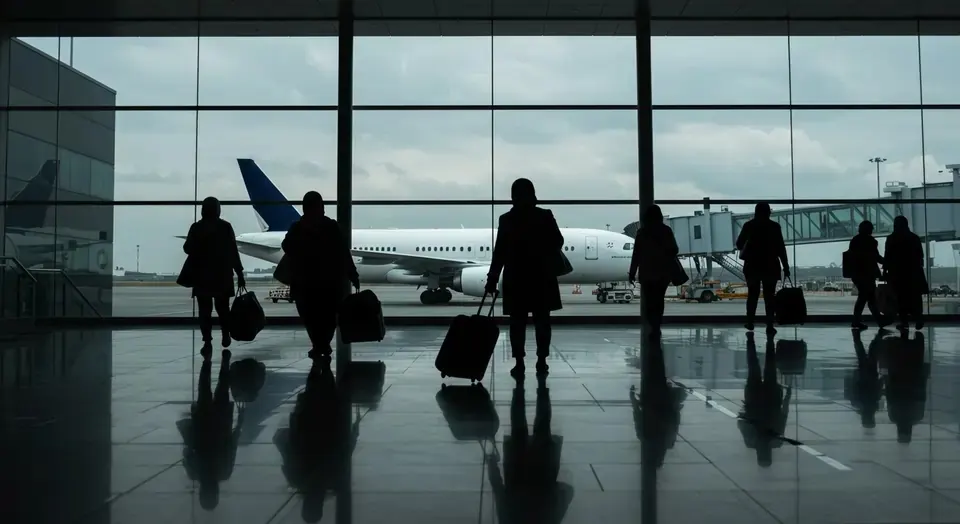
Rasha Alawieh, a Lebanese kidney transplant doctor and Brown University assistant professor, was deported to Lebanon after U.S. Customs and Border Protection searched her phone at Boston Logan Airport. Government court filings said officers found sympathetic photos and videos of Hezbollah figures on the phone.
A Rhode Island doctor was sent back to Lebanon last week after border officers at Boston Logan International Airport questioned her about photos on her phone. Dr. Rasha Alawieh, a kidney transplant specialist with Brown University Health’s Brown Medicine, had her visa canceled and was removed from the country after a phone search by U.S. Customs and Border Protection (CBP).
Government documents filed in court said officers found “sympathetic photos and videos” of Hezbollah leaders on Alawieh’s phone. CBP officers said that, as a result, they could not determine her real intentions in the United States, and her visa was revoked.
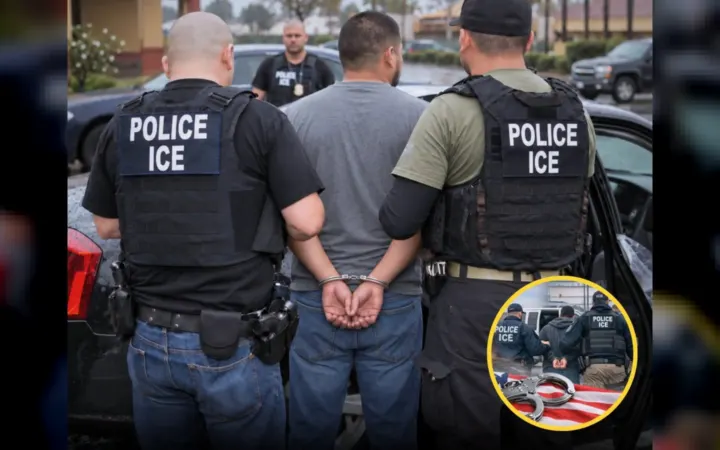
A CBP spokeswoman, Hilton Beckham, said: “Anyone found with extremist materials linked to a U.S.-designated terrorist group will be removed.”
Doctor says her interest was religious
According to the government’s filing, Alawieh, 34, told officers she had attended the funeral of former Hezbollah leader Hassan Nasrallah while visiting family in Lebanon. Nasrallah was killed in an Israeli airstrike in September 2024.
The filing says she told officers that, as a Shia Muslim, she followed Nasrallah as a religious figure rather than for political reasons. She also said some of the images had been shared in WhatsApp groups with friends and family, and that she had deleted some photos because she did not want to appear to support a political movement, according to the filing.
Dispute over the court order
Alawieh’s removal led to a legal dispute. A federal judge in Boston had ordered that she not be removed without 48 hours’ notice to the court so the case could be reviewed.
Government lawyers said CBP officers did not receive notice of the order until after Alawieh had boarded her flight. In their filing, they said that at “no time would CBP not take a court order seriously or fail to abide by a court’s order.”
Alawieh’s legal team said in court papers that a lawyer went to the airport to tell CBP about the order before the flight left but was unable to stop the removal. The judge postponed a scheduled hearing, and no new date was immediately set.
Support from colleagues
Colleagues came to court to support Alawieh. Dr. Susie Hu, a kidney specialist at Brown Medicine, described her as “wonderful and cheerful and optimistic; hard working, highly competent, and kind.” Hu and Dr. Douglas Shemin, a former leader of the division, said they had never heard her discuss politics at work.
Shemin and Hu said Alawieh was one of only three doctors in the region with her specialty. She had been in the U.S. since 2018 on an H-1B visa, training and working at several institutions, and had joined Brown Medicine in July 2024.
Impact on patients
Alawieh evaluated and cared for kidney transplant patients before and after their procedures and saw dozens of patients each week, according to her colleagues. They said her absence affects the transplant program and its patients.
Legal questions remain
Alawieh’s lawyer, Stephanie Marzouk, said the legal team would keep fighting to bring her back to the United States. The case has drawn attention to how border officers search personal phones to decide whether visa holders can enter the country, and to how quickly court orders reach officials at ports of entry.
Source: CBS News