The Niger Uranium Demand That Reached Back to 1968
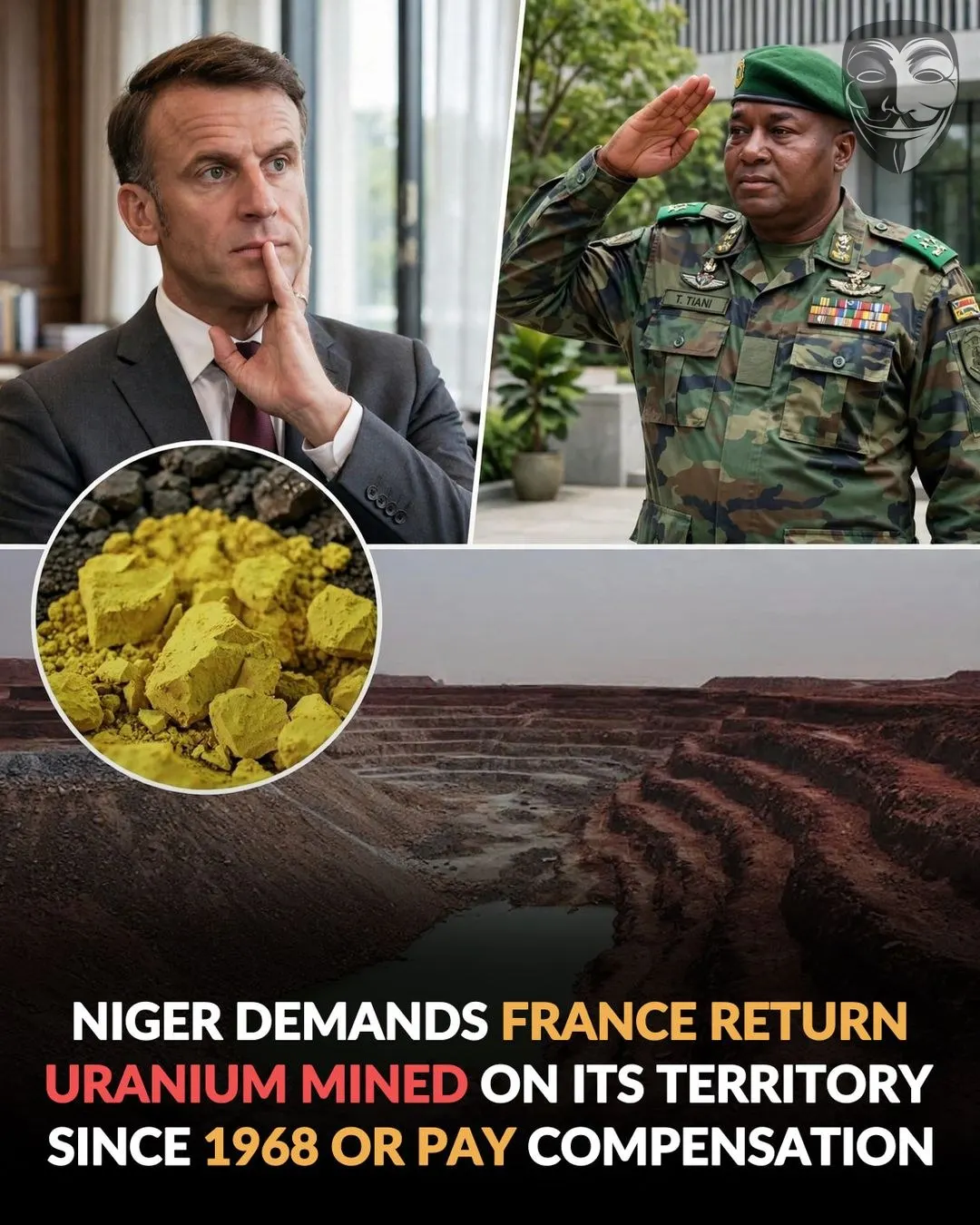
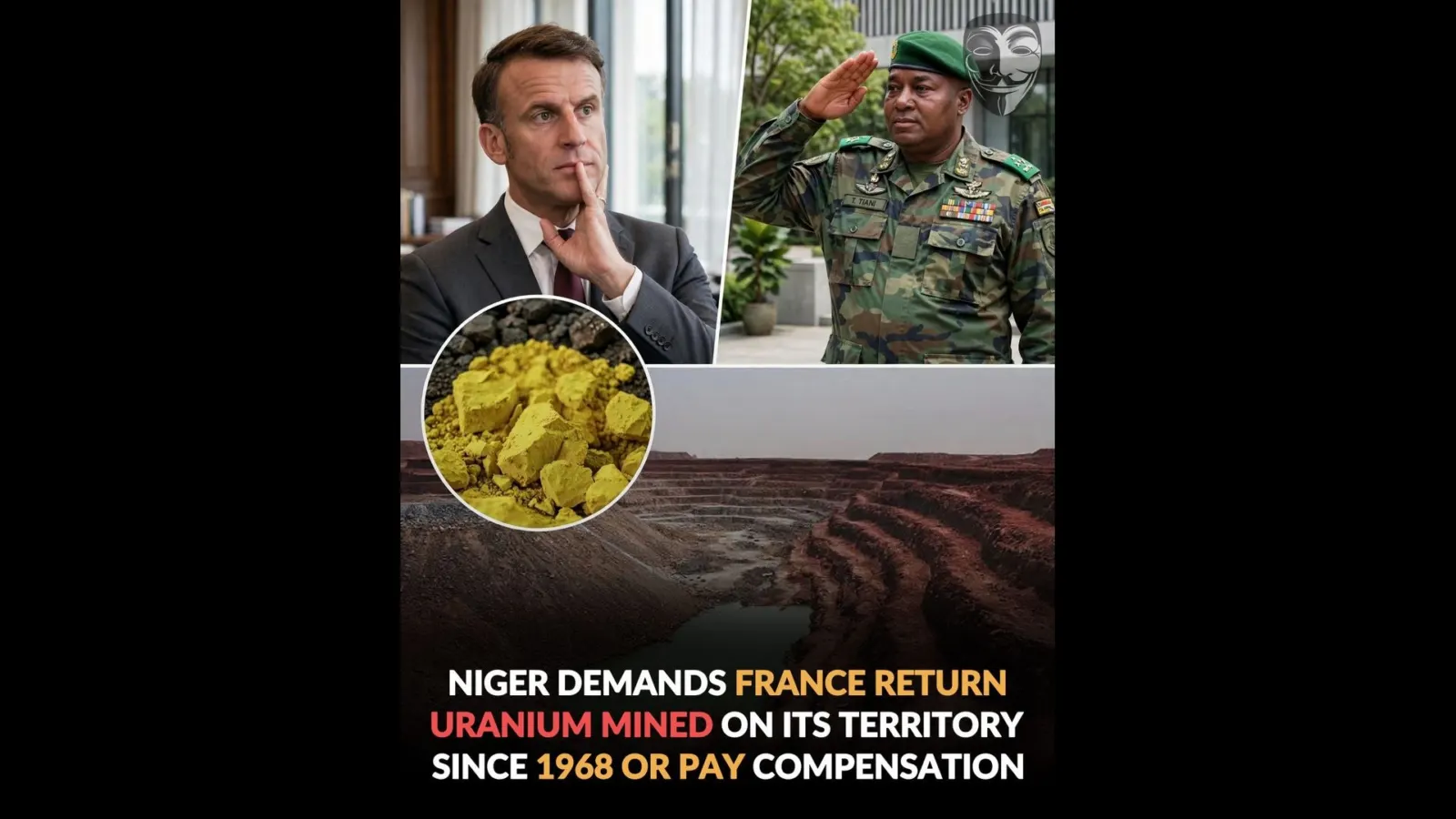
The Niger uranium demand began in January 2026, when Niger formally asked France to return the uranium taken from its land since 1968 or pay fair compensation for it. Nigerien authorities said the uranium was sold to France at about 0.80 euros per kilo and then resold on the world market at far higher prices. Niamey calls that deal spoliation, a word that sums up a feeling that the country was shortchanged for decades while its mineral wealth left the country.
The demand is part of a wider dispute with French nuclear company Orano, which ran the Arlit and Akouta mines for decades. Niger has since taken control of the main mine, cancelled the Arlit concession in May 2026, and set up a committee of experts to prepare possible legal action over past contracts and environmental damage. Trade disputes can reshape relations between nations, as shown in a deal that changed trade ties, and readers can also follow how leaders handle a long farewell.
References:
News Life Today: Niger has put a price on 58 years of uranium
Mining: Niger ready to return Orano-produced uranium after mine takeover
African Quarters: Historic Niger Arlit Uranium Concession Revocation Shatters France’s 58-year Mining Grip
Energy Intelligence: Niger’s Uranium Gamble
A Formal Demand in January 2026
In January 2026, Niger made its demand in formal terms. The country asked France to return the uranium mined on its territory since 1968 or pay fair compensation. A formal demand puts a claim on the record and invites a reply. Nigerien authorities framed the issue as a matter of fairness and value, not as a simple row over one shipment. Big claims often follow long talks, much like a major trip that produced new deals, and they can test old ties, as in a debate that divided friends.
The Niger Uranium Demand and the 0.80 Euro Price
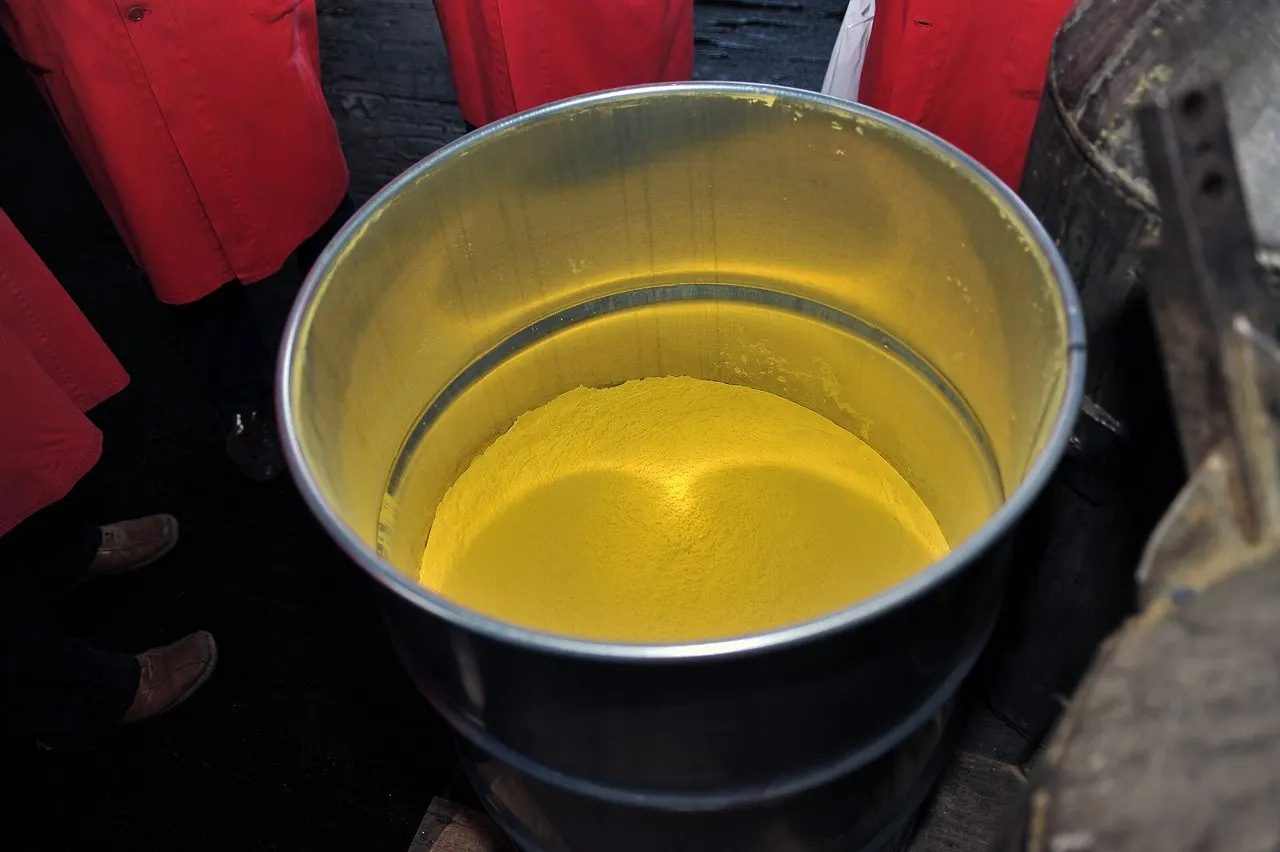
At the centre of the story is a price. Niger says its uranium was sold to France at about 0.80 euros per kilo. That small figure is the reason the demand has drawn so much attention. The price matters when the material is rare, useful and sold onward for far more. Niger argues that the price did not reflect the true value of what left its ground. Prices shape every market, from fuel costs that rose for drivers to gold prices that fell sharply.
Resold at Far Higher Prices on the World Market
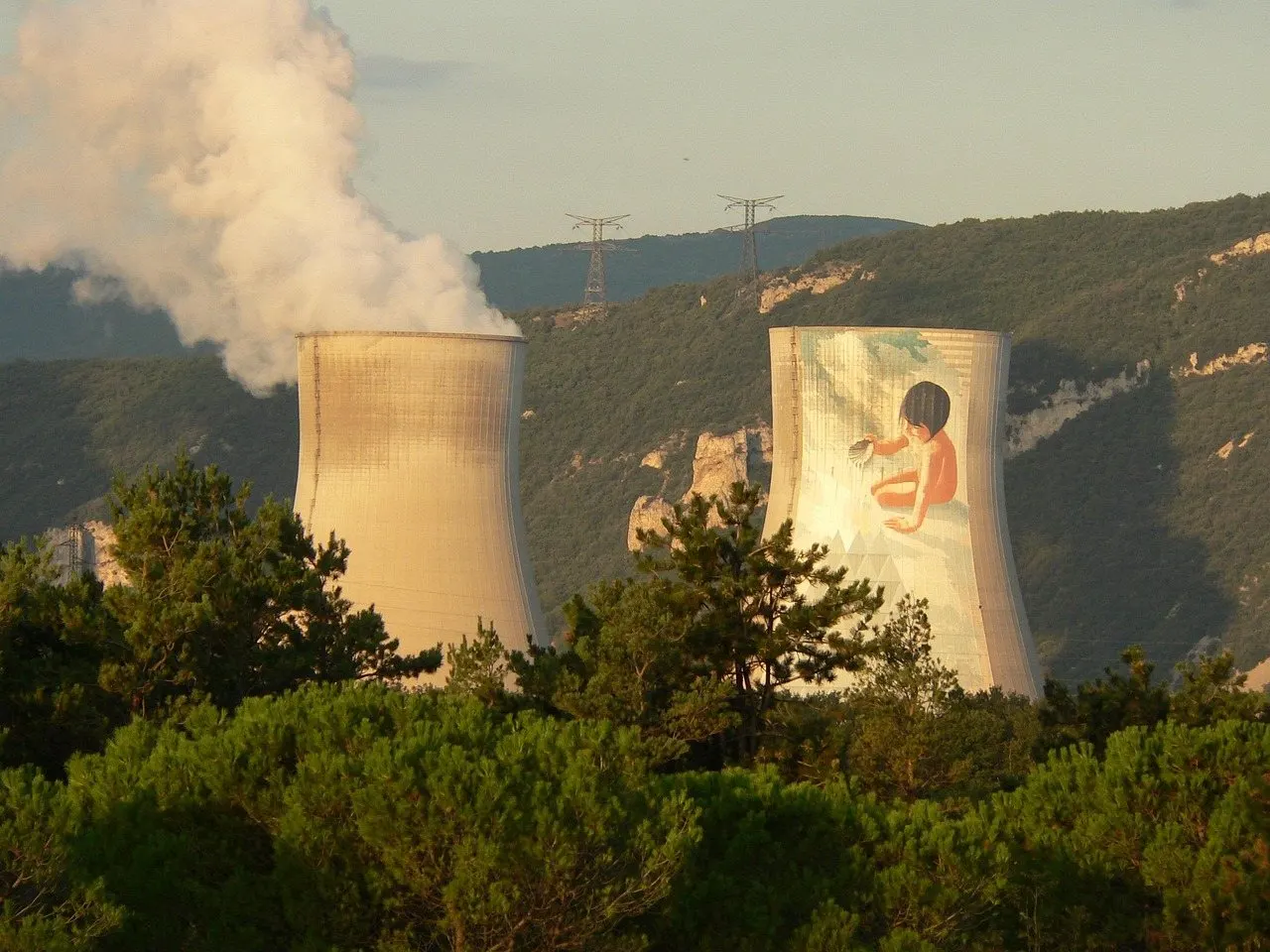
Niger says the uranium sold at about 0.80 euros per kilo was then resold on the world market at far higher prices. That gap is the heart of the spoliation claim. If a seller receives a low price and a buyer gains a much higher one, the first seller may ask whether the deal was fair. The claim looks back over many years of trade and asks what Niger received in total. Markets can turn a low price into a gain, as seen in a trade deal that paid off for farmers and a package worth billions in new deals.
Fifty Eight Years Behind the Niger Uranium Demand
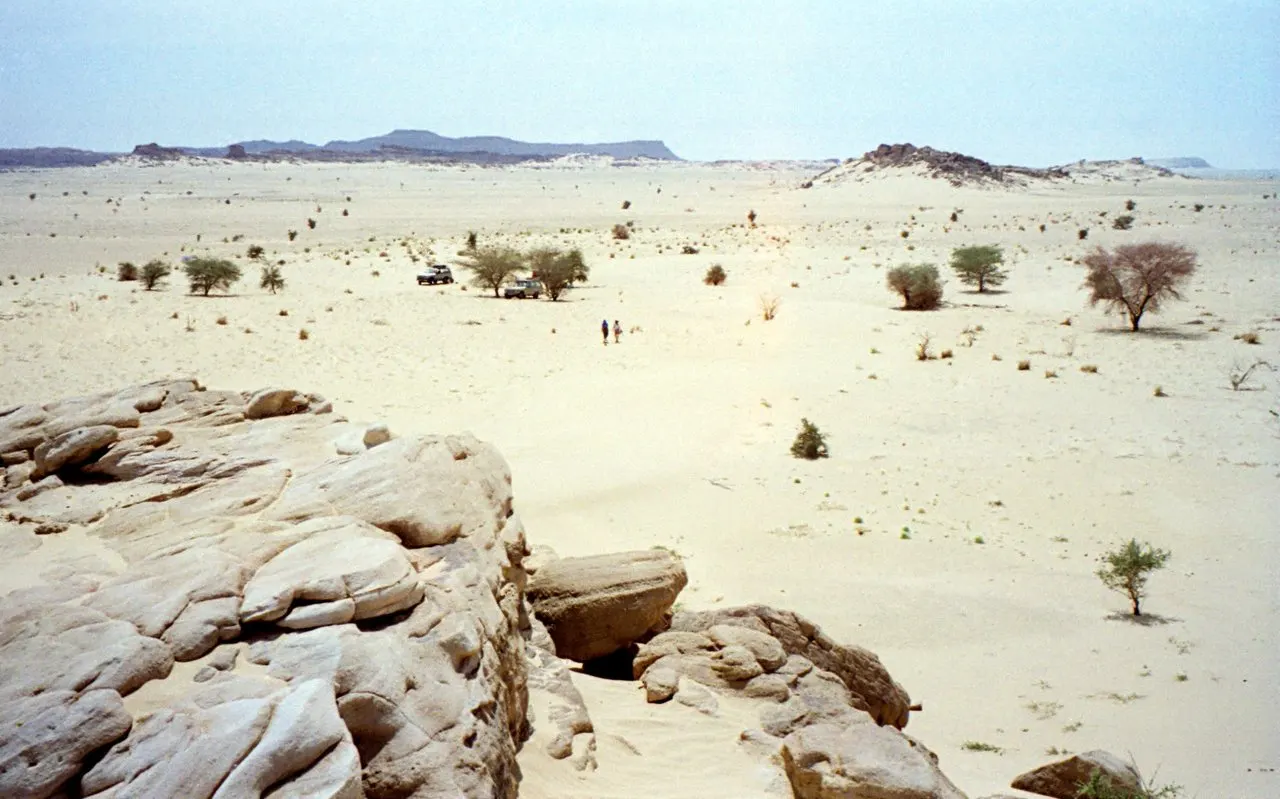
The demand reaches back to 1968, which means it covers 58 years of mining. That is a long time in the life of any country, and it covers generations of workers, families and towns near the mines. The year 1968 is not a small detail. It marks the start of a period when uranium left Niger year after year. The demand asks France to account for that whole period, not just for recent sales. Long histories shape present claims, as in a deal that reshaped Arctic security and a farewell after four decades in office.
Orano and the Mines at Arlit and Akouta
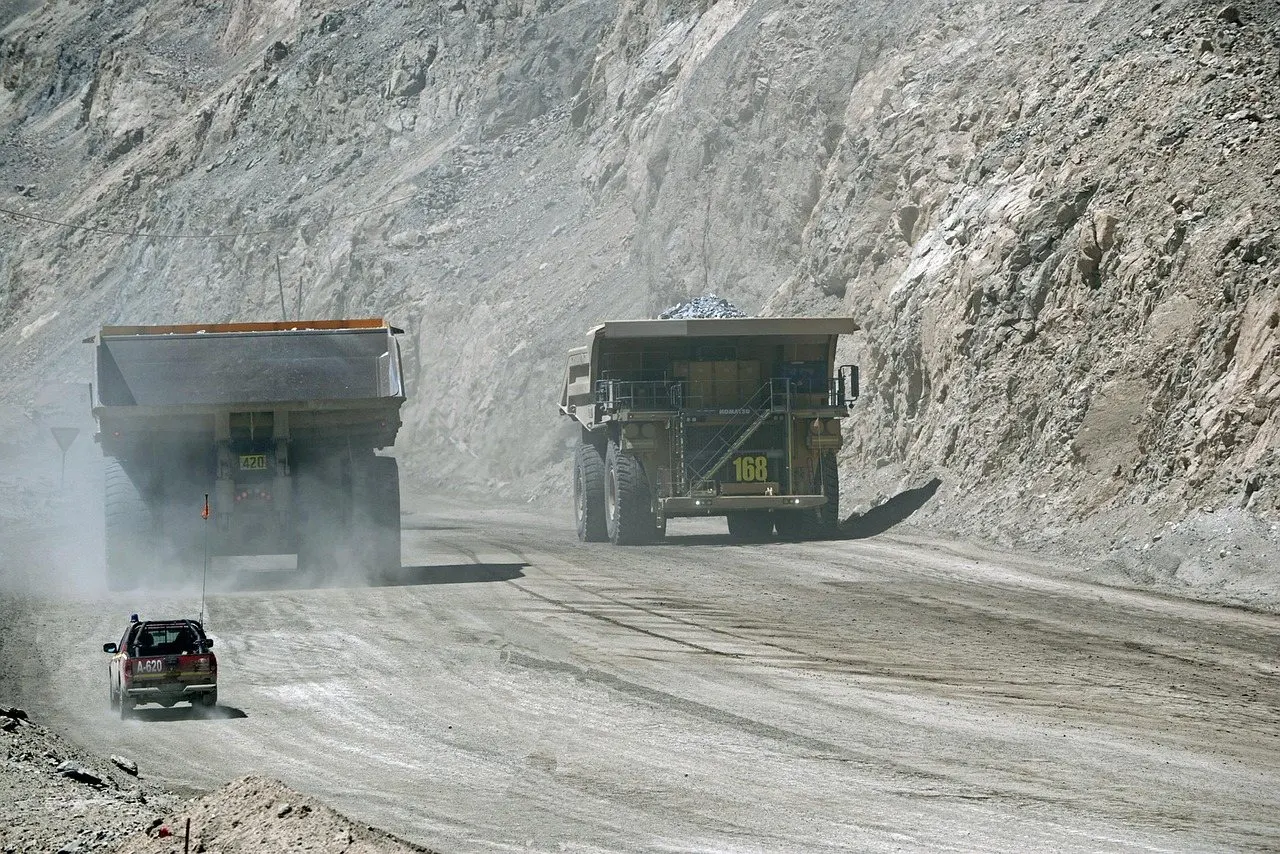
The dispute centres on French nuclear company Orano, which operated uranium mines in Niger for decades. Orano ran the Arlit and Akouta mines, two names that are now tied to the story of uranium in the country. A company that runs mines for decades becomes part of local life, with jobs, roads and towns growing around the work. When the relationship changes, it touches people who lived with the mines every day. Corporate change can follow a long fallout, as in a race lost by a wide margin and a debate over who should lead.
Life and Work Around the Desert Mines
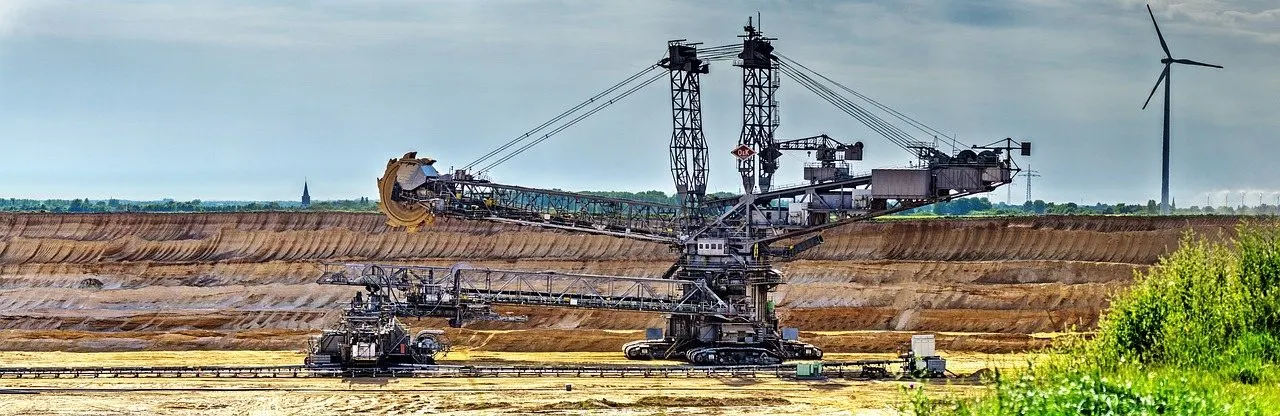
Mining in the desert is hard work in a harsh place. The mines at Arlit and Akouta sit in dry land where heat, dust and distance shape daily life. Workers travel to remote sites, machines move rock and ore, and towns grow to support the people who keep the mines running. Uranium mining needs heavy equipment, careful handling and steady transport. Land and work are linked for many communities, as in a story about protecting land and water and a deal that needed more time.
How the Niger Uranium Demand Led to Taking Control
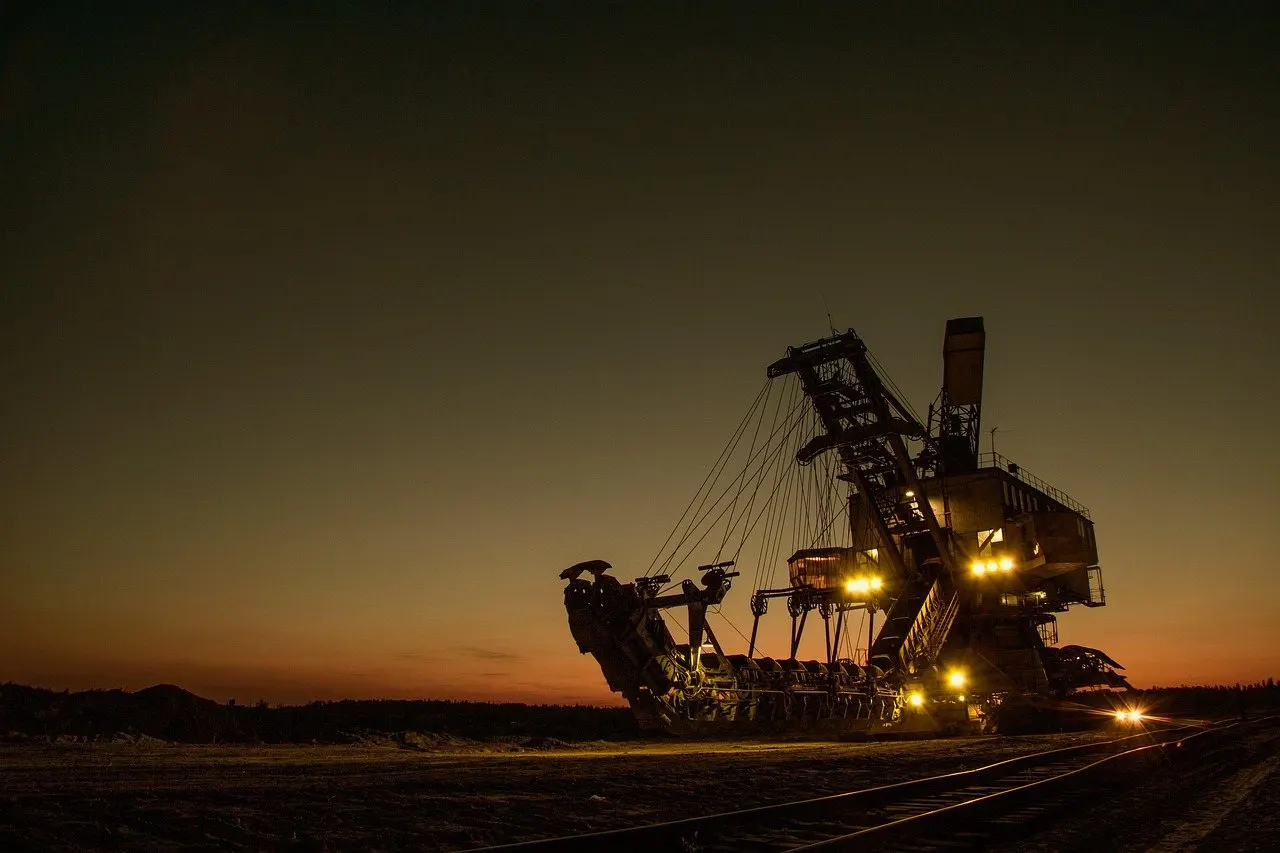
Niger has since taken control of the main mine. Taking control is a major step, because it changes who decides how the mine is run and how the ore is handled. For decades, the mine was run under a deal with a French company. Now Niger says it will run the mine itself. The move is part of the same dispute as the demand for return or payment. Control can shift after a long campaign, much like a trip that brought home new deals and a clash over rising fuel prices.
The Arlit Concession Ends in May 2026
In May 2026, Niger cancelled the Arlit concession. A concession is a right to mine a piece of land, and cancelling it ends that right. The step followed the wider dispute with Orano and the demand for return or fair payment. It also followed Niger taking control of the main mine. Together, the two steps show a clear break with the old arrangement. Old deals can end when values fall, as in gold prices that dropped below a key mark and a vote that approved a historic deal.
A Committee of Experts Prepares the Case

Niger has set up a committee of experts to prepare possible legal action. A committee like this gathers facts, reads old contracts and checks records of payments and damage. Its work is slow and careful, because a legal case needs proof, not just a claim. The experts will look at what was agreed and what was paid. The Niger uranium demand will rest in part on what this committee finds. Careful preparation matters before any hearing, as in a deal worth billions for jobs and a divide over values and politics.
Legal Questions at the Heart of the Niger Uranium Demand
Possible legal action could cover past contracts and environmental damage. That means the case may ask two questions at once. Were the old contracts fair, and was the land left in a safe state after mining. Courts often look at documents, payments and expert reports before they decide. Niger is still preparing, so no final legal result is claimed here. The committee must first finish its work. Legal questions also arise in other fields, as in a debate about older leaders stepping aside and a story about defending land and water.
Past Contracts Under Review

Niger is reviewing past contracts, revenue payments and environmental damage. A review of contracts means reading the terms agreed years ago and asking whether they were kept. Revenue payments are the money that should have reached Niger for its uranium. If the payments were low or unclear, that adds weight to the demand. The review is still under way, so this article does not claim a final finding. Reviews can follow a long dispute, as in a deal that gave leaders more time and a fallout after a close race.
Revenue Payments and Fair Value

Revenue is the money a country earns from what it sells. Niger says its uranium was sold below market value, so the revenue it received may have been far less than the uranium was worth. Fair value is a simple idea. A seller should receive a price close to what a buyer would pay in an open market. The demand asks France to return the uranium or pay fair compensation. Value can change fast in markets, as in a trade deal that helped farmers and a trip that produced billions in deals.
Environmental Damage and the Niger Uranium Demand
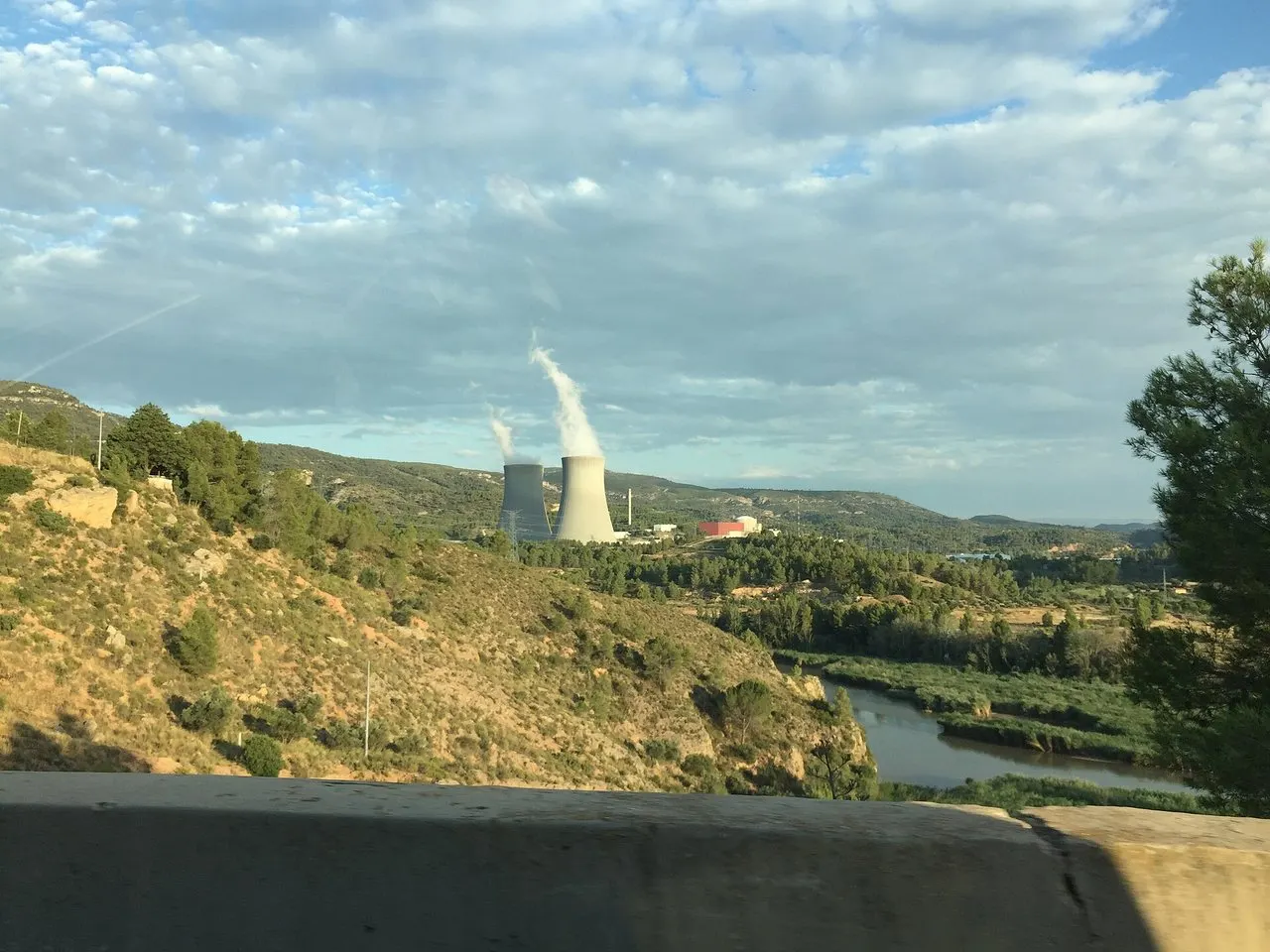
Environmental damage is part of the review. Mining can change land, water and air, and the effects can last long after the machines leave. Niger says it is looking at damage linked to past mining, and the committee of experts will help prepare the case. This article does not add new claims about the scale of damage, because the prompt gives no figures. It notes that the issue is on the table alongside contracts and payments. The environment matters to every mining town, as in a farewell after decades of service and gold prices that fell sharply.
What Uranium Is Used For
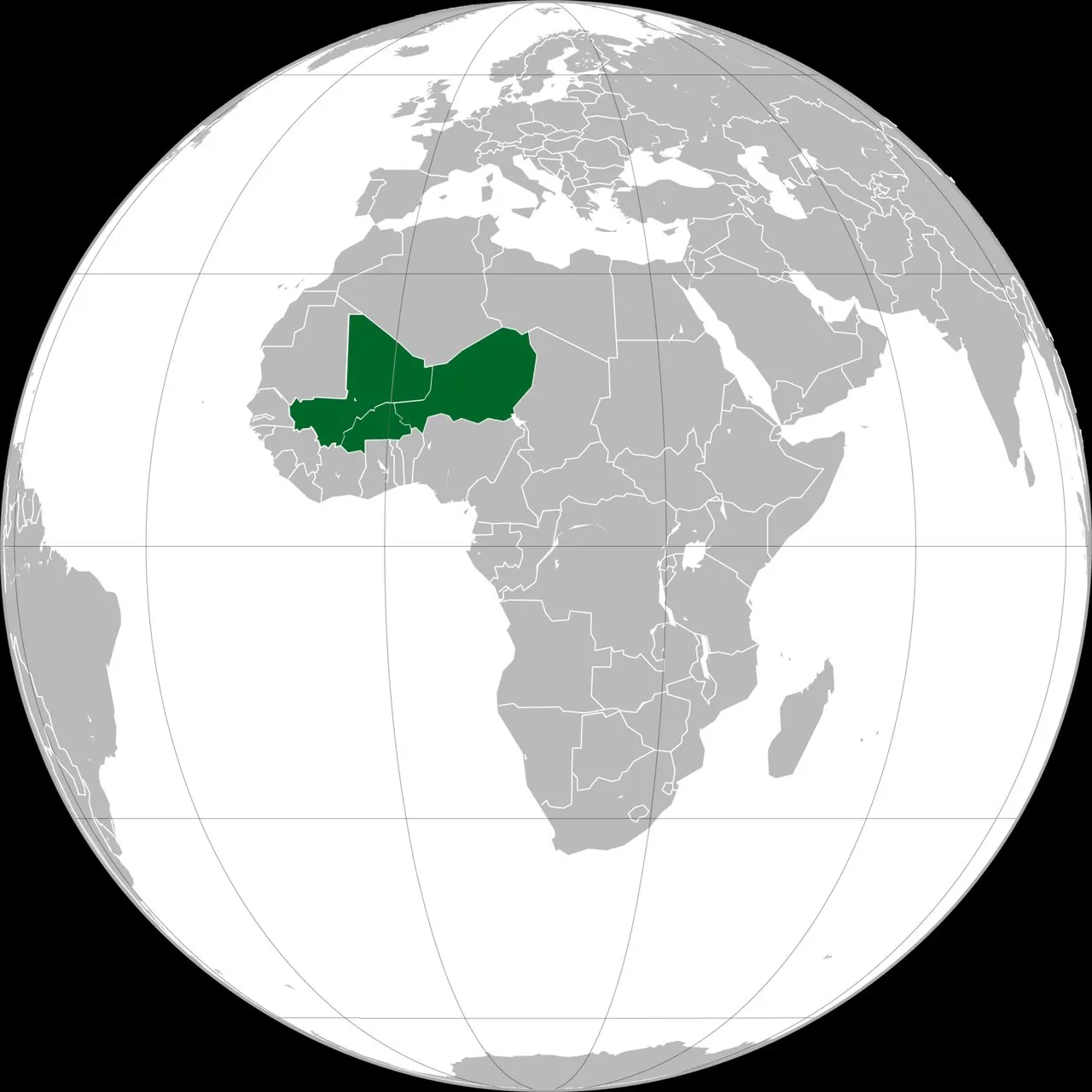
Uranium is best known as fuel for nuclear power plants. In a reactor, uranium atoms split and release heat, and that heat makes steam that turns turbines to make electricity. France uses nuclear power for a large share of its electricity, which is why uranium has long mattered to French energy. Uranium must be mined, processed and handled with care, because it is radioactive. That is why mining rules, safety checks and fair prices all matter. Energy deals shape nations, as in a historic vote on an Arctic deal and a package of defence deals and jobs.
Niger in West Africa and the Sahel
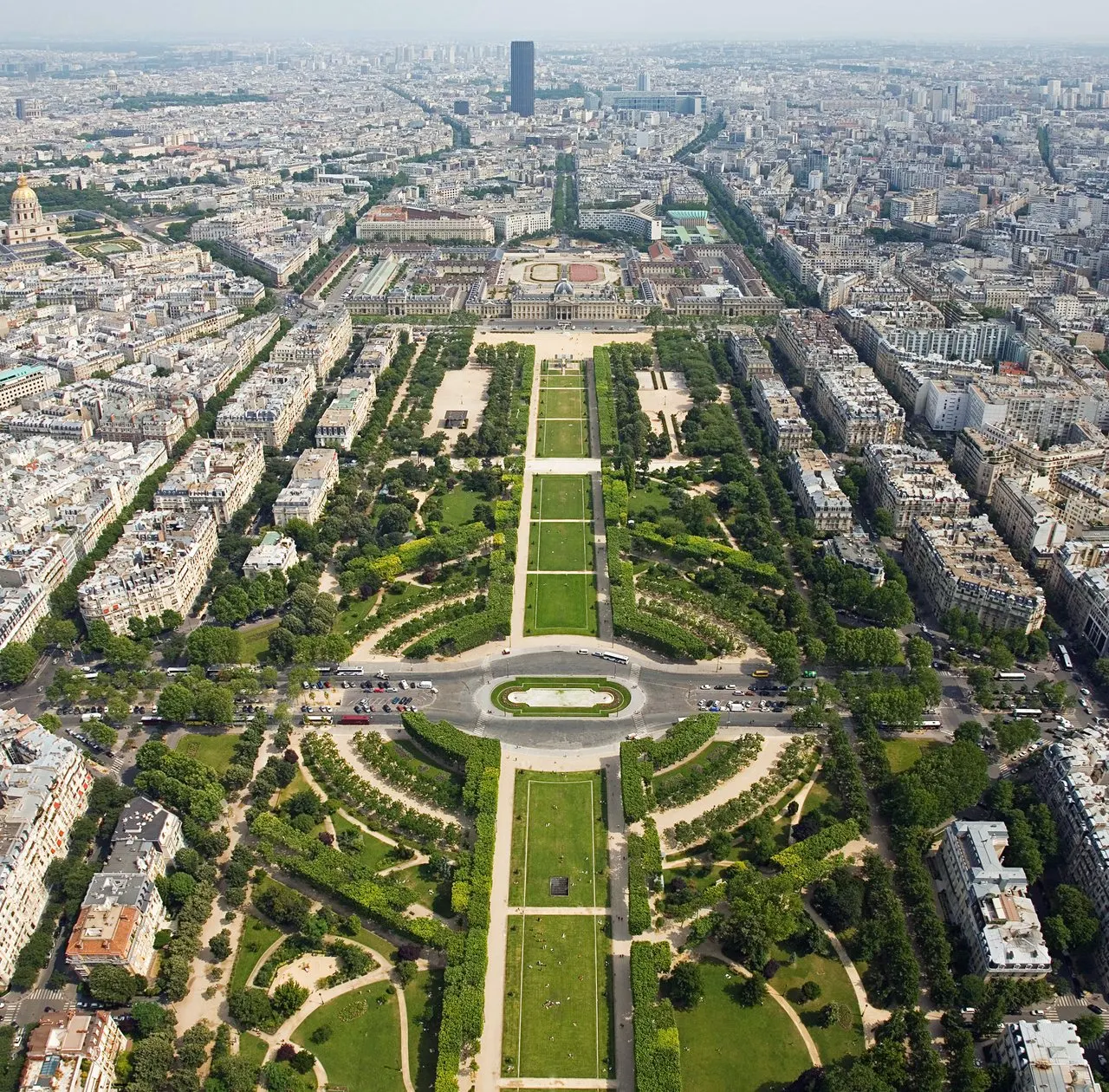
Niger is a large country in West Africa, in the Sahel region south of the Sahara desert. The Sahel is a belt of dry land that runs across Africa, and it is home to many towns and farming families. Niger is landlocked, which means it has no sea coast, and its people live with hot weather and long dry seasons. The mines in the north sit in desert country far from the capital, Niamey. Place shapes a mining story, as in a clash over fuel and household costs and a debate about who should lead next.
France, Niger and the Niger Uranium Demand After 1968
France and Niger have a long shared history, and mining has been part of it since 1968. For decades, uranium moved from Niger to France, where it helped make electricity. The new demand asks whether that long trade was fair to Niger. It does not ask readers to take sides on every detail. It asks them to look at the price, the time span and the change in control. History can be reassessed, as in a story about protecting land for future generations and a deal that needed Congress to act.
What Should Happen Next for Niger
The demand is now on the record, and the next steps will be watched closely. Will France return the uranium, pay fair compensation, or offer another deal. Will the committee of experts bring a legal case, and will the review of contracts change how mining is run in Niger. These questions have no answer yet in the post or its references. What do you think should happen next. Share your view in the comments, and tell us how a debate that divided friends compares with a fallout that ended a membership.